Updated: September 2026
The MD-11 was the product of a cash strapped McDonnell Douglas attempting to upgrade its passably successful DC-10 and get a headstart on Boeing’s 777 and upstart Airbuses’ A330/340 in the next generation widebody stakes. The result was a disappointment both in terms of performance and sales. In addition the aircraft has gained itself a poor reputation for handling on landing, which has led to fairly regular ‘incidents’. Nevertheless, despite this the aircraft is quite beautiful and redeemed itself somewhat by proving its worth as a superior freighter. In fact you could argue the freighter version saved the type and certainly it was only due to this that Boeing kept the line open after it took over MDD, and that production got to 200 units.
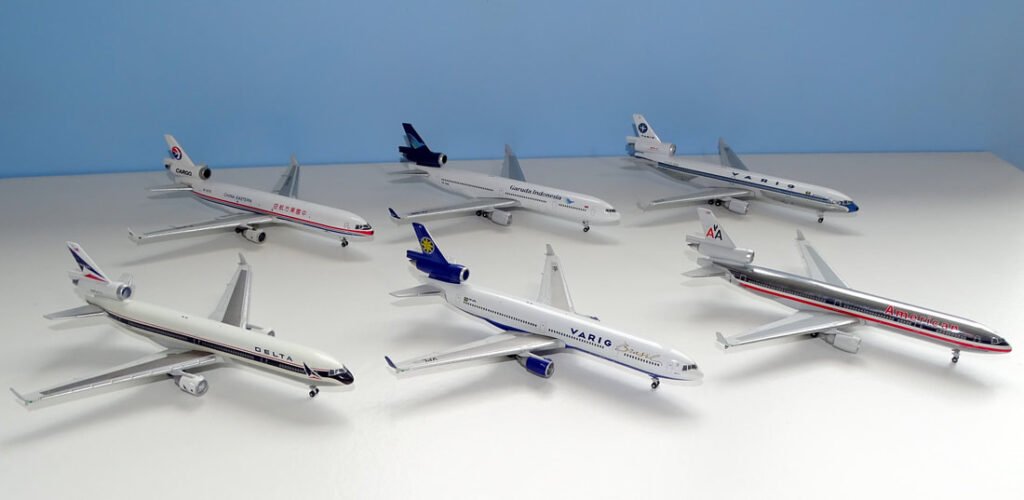
In passenger service airlines like launch customer American Airlines were never satisfied with its failure to match performance guarantees. They sold their fleet after only 5 years and several other airlines kept DC-10s in their fleet longer than the replacement MD-11s! Other airlines, like Singapore, just cancelled their orders. In the end being a trijet at the dawn of ETOPs services would have proven insurmountable even without the performance problems but even so as of October 2021 there were still 116 of the 200 frames in service. By March 2024 this had dropped to just 79 aircraft and by November 2025 (just prior to the crash of UPS flight 2976) it was down to 51 spread across only 3 operators. Following that crash UPS retired its MD-11s leaving FedEx (26) and Western Global (3) as the final operators.
MD-11 in 1:400 Scale
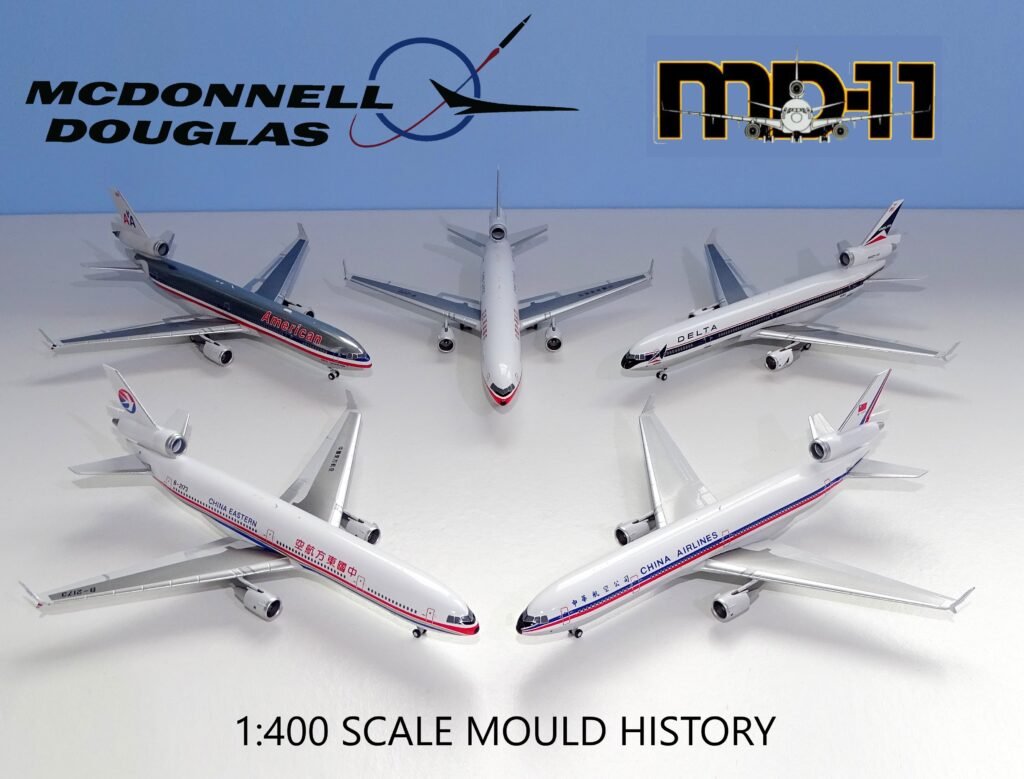
In 1:400 the MD-11 has been well represented with nearly 400 models, as of September 2026. This seeming diversity is not an entirely accurate view of production. Until 2025 the majority of releases were focused on 3 moulds, 2 of which have been updated and split out in the table below.
Additionally, it is worth recognising that the fundamental base moulds for almost everything made date from between 1998 and 2003 so even when updated do have the hallmarks of early period 400 scale models. There has also been a lot of mould sharing between brands, which illustrates some of the changing relationships between manufacturers.
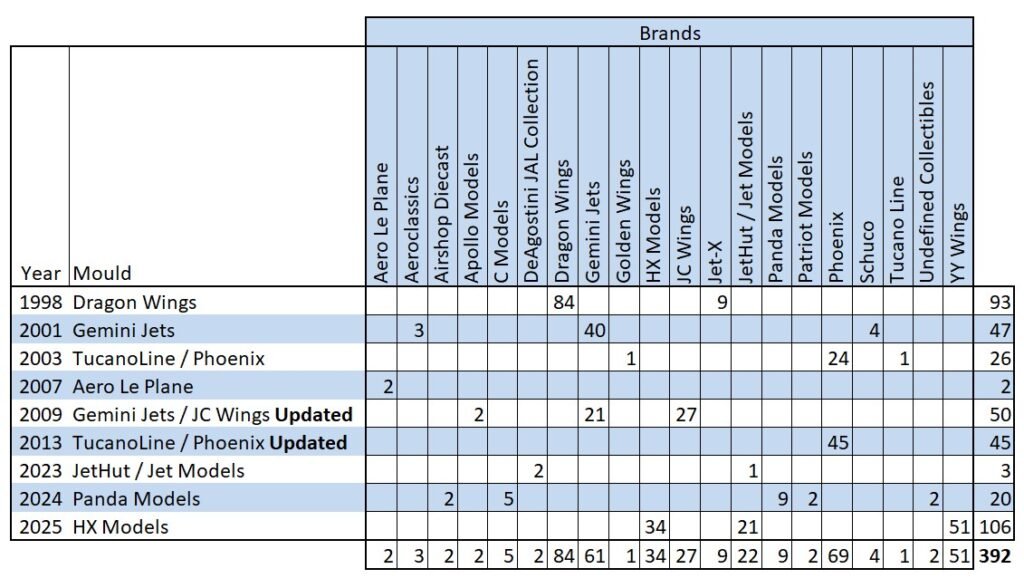
Lastly, the high production numbers for the new HX Models mould are due to the fact they have both flaps up, flaps-down and interactive versions of their mould so every release gets at least 2, and sometimes 3 versions, plus often the releases are very similar (for example all 20 announced JET Models versions are Japan Air Lines in the same livery).
NOTE: I’m not going to review the Aero Le Plane mould. They only made 2 models, I know nothing about them, have never had the mould in hand and it doesn’t look great anyway.
MD-11 Variants
Below is a side view of an MD-11 of one of its biggest supporters – KLM. This aircraft has the later very pointy GE engine exhaust cones but the original no 2 engine intake and original flap track fairings:
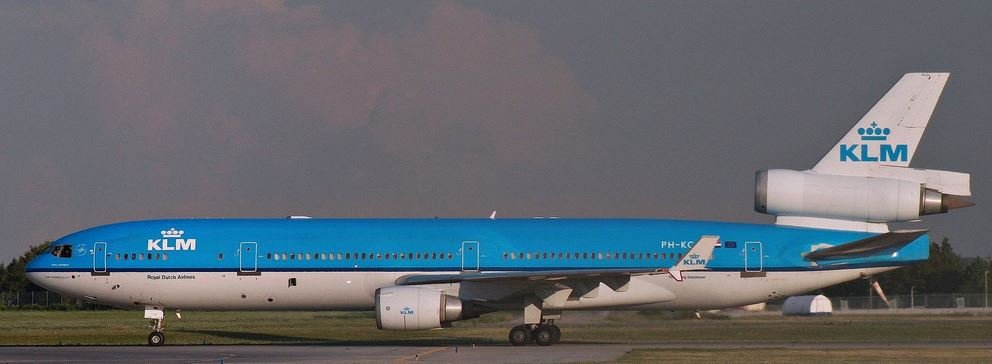
Just as with its smaller brother the DC-10 the MD-11 had a whole host of upgrades added as production continued, with many of the changes being retrofitted to earlier build frames. All the detailed information can be found in David Hingtgen’s awesome guide – Ultimate DC-10/MD-11 Guide. Suffice to say this review isn’t going into this kind of detail especially as the model manufacturers almost never do themselves. The most obvious difference is the engine exhausts.
MD-11s either came with General Electric or Pratt & Whitney engines (GE CF6-80C2-D1Fs, or PW4460/PW4462s respectively). As in the DC-10 the P&W engines have less pointy exhausts:
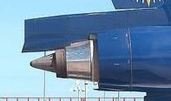
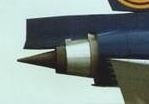
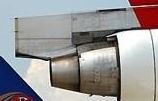
Above: Early GE exhausts and later pointier GE exhaust Above: PW engine exhaust
Moulds (in date order)
Dragon Wings (1998-2009)
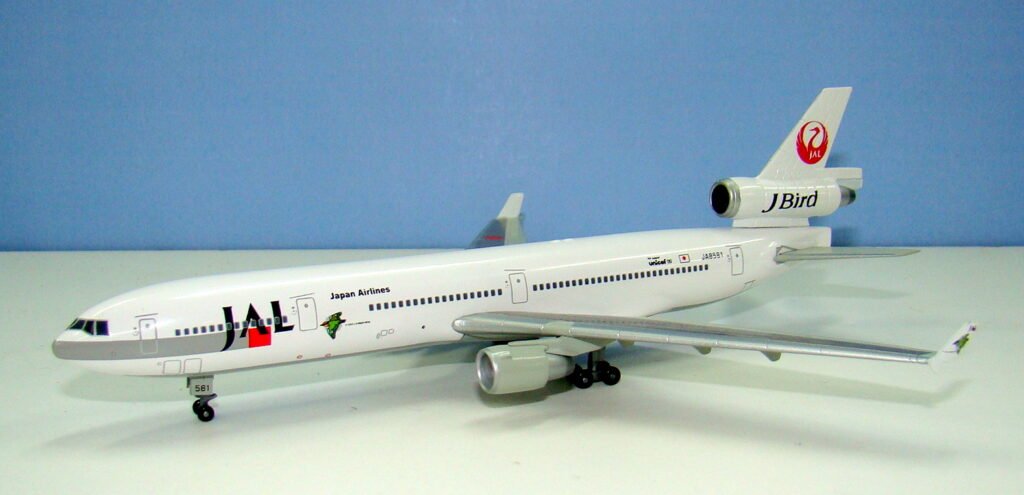
This must be one of the earliest 1/400 scale moulds but that doesn’t mean it isn’t a corker. Dragon’s widebodies were always better than its narrowbodies and the MD-11 mould is better than their good DC-10. In fact it holds up surprisingly well even by today’s standards, assuming two things:
- They printed the cockpit windows properly (earlier ones are often too small)
- It has the latter style of maingear
Between 1998 and 2000 the model’s had the original undetailed simple stalk style maingear, which looks poor and very dated. After 2000 new maingear was added, which looks a lot better and has gear doors.
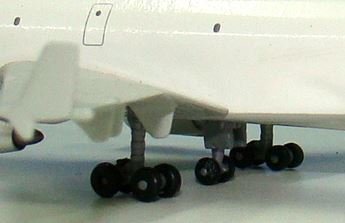
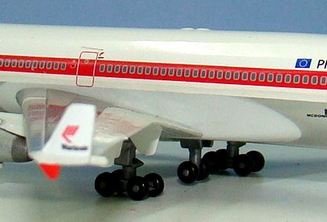
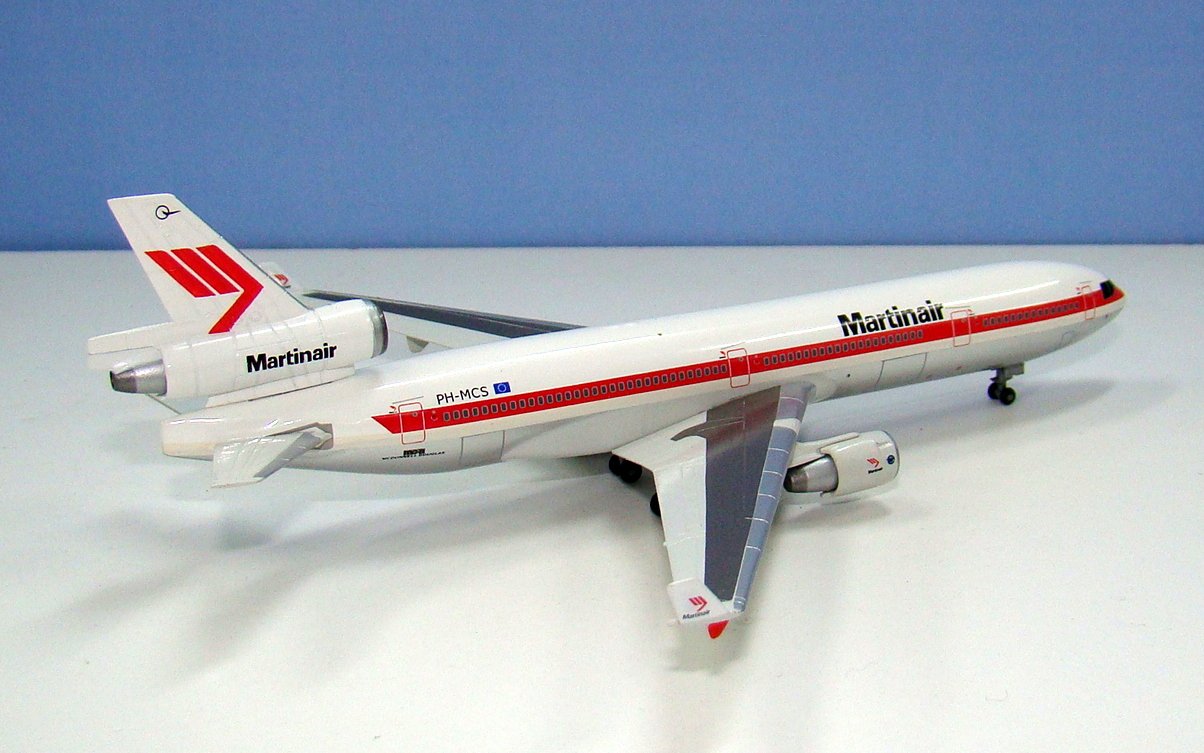
The usual Dragon problems (simple undercarriage, clear tail join) are present but so are the usual Dragon strengths (no wing join seam, strong detailing on wings). Several other things stand out. Most noticeably that the two small ADF fairings on the roofline at the wing are raised (see above in the Martinair shot) and the flap track fairings are very well shaped. For me the thing that lets the side down a bit is the nosegear. As you can see above in the real thing the gear leg should be pointing forward a bit. With Dragon’s gear it doesn’t and it is also a bit short. It’s not the end of the world by far but it does sometimes make the nose look a little too long, which it isn’t. Anyway it’s a decent early effort all round.
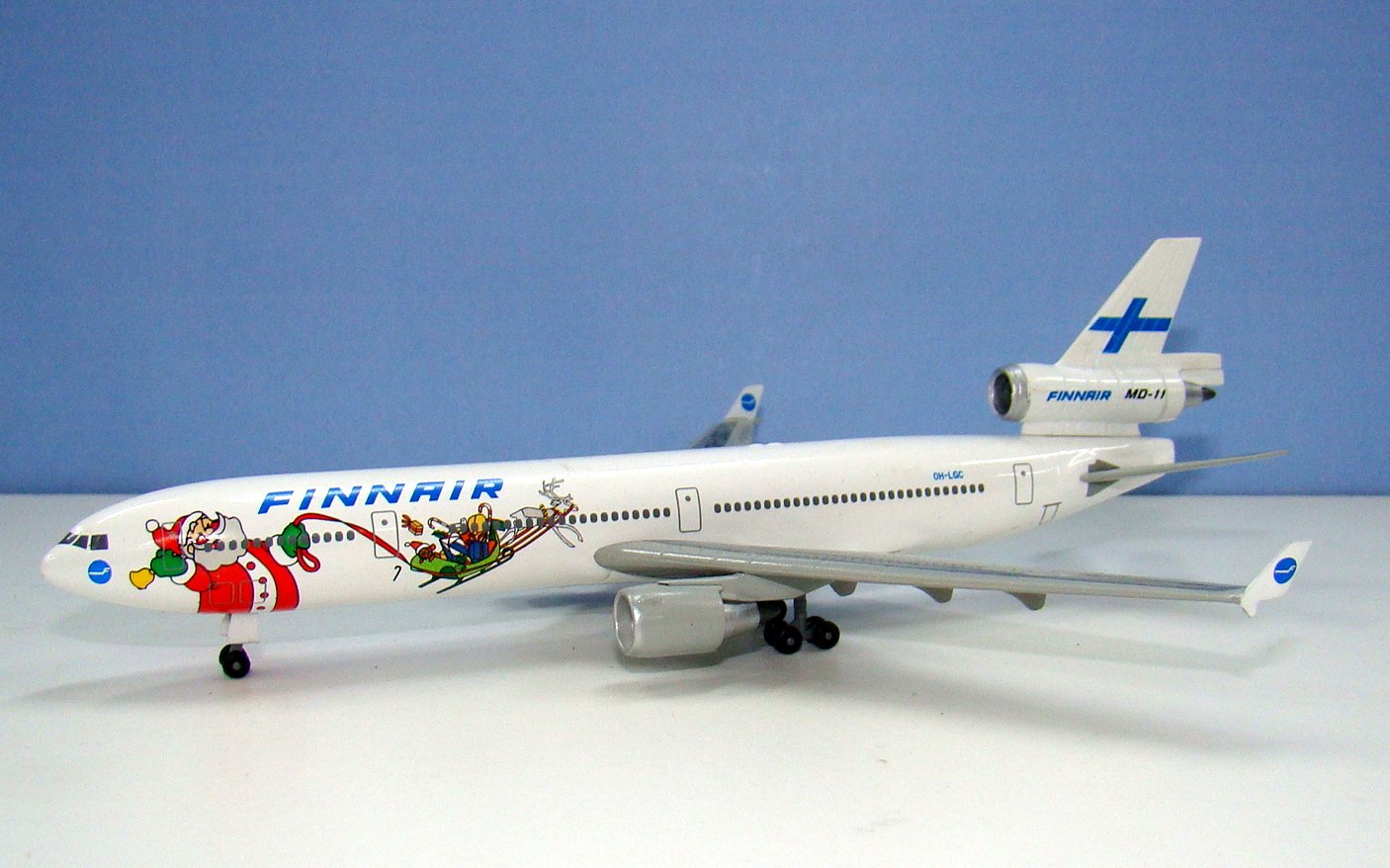
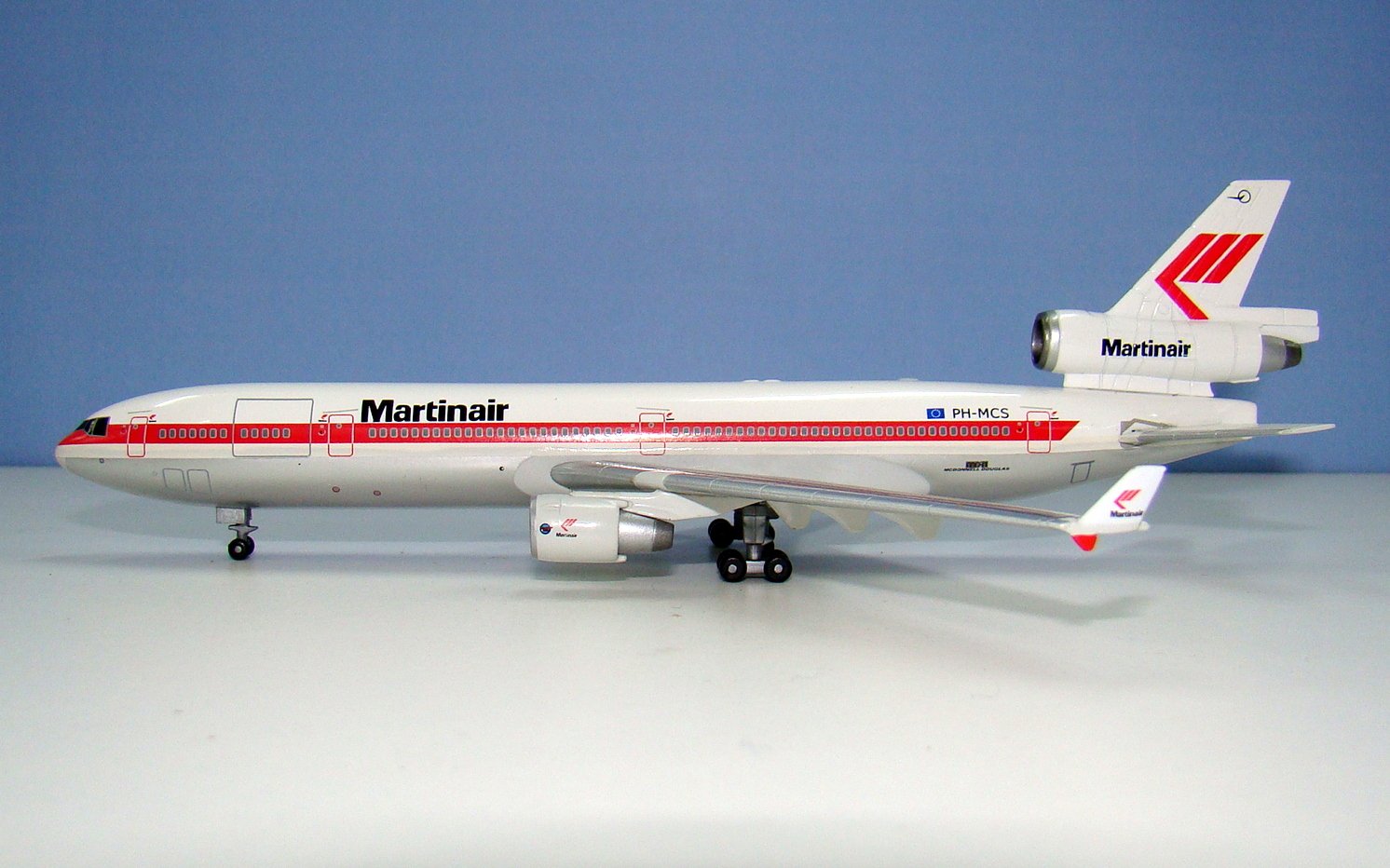
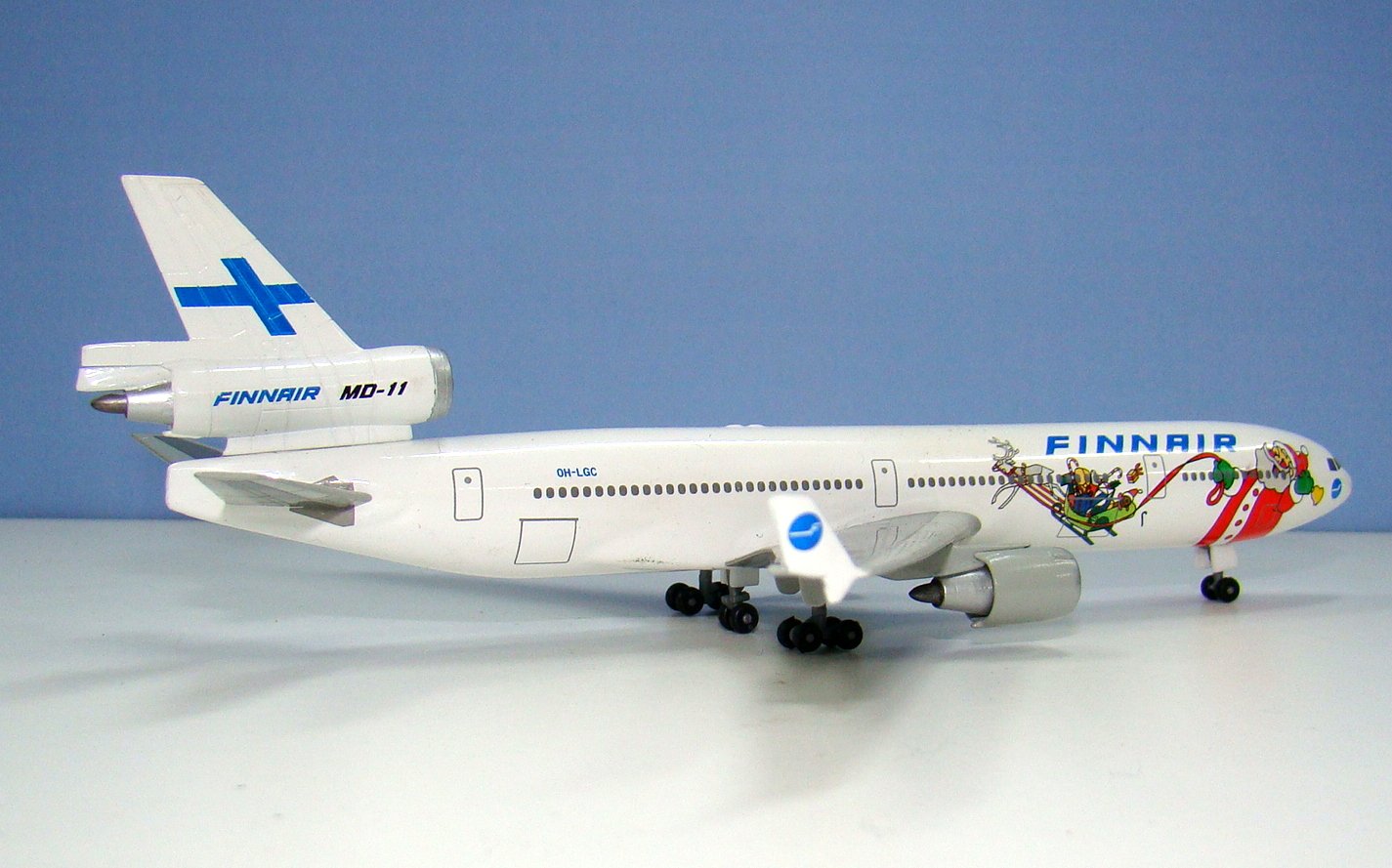
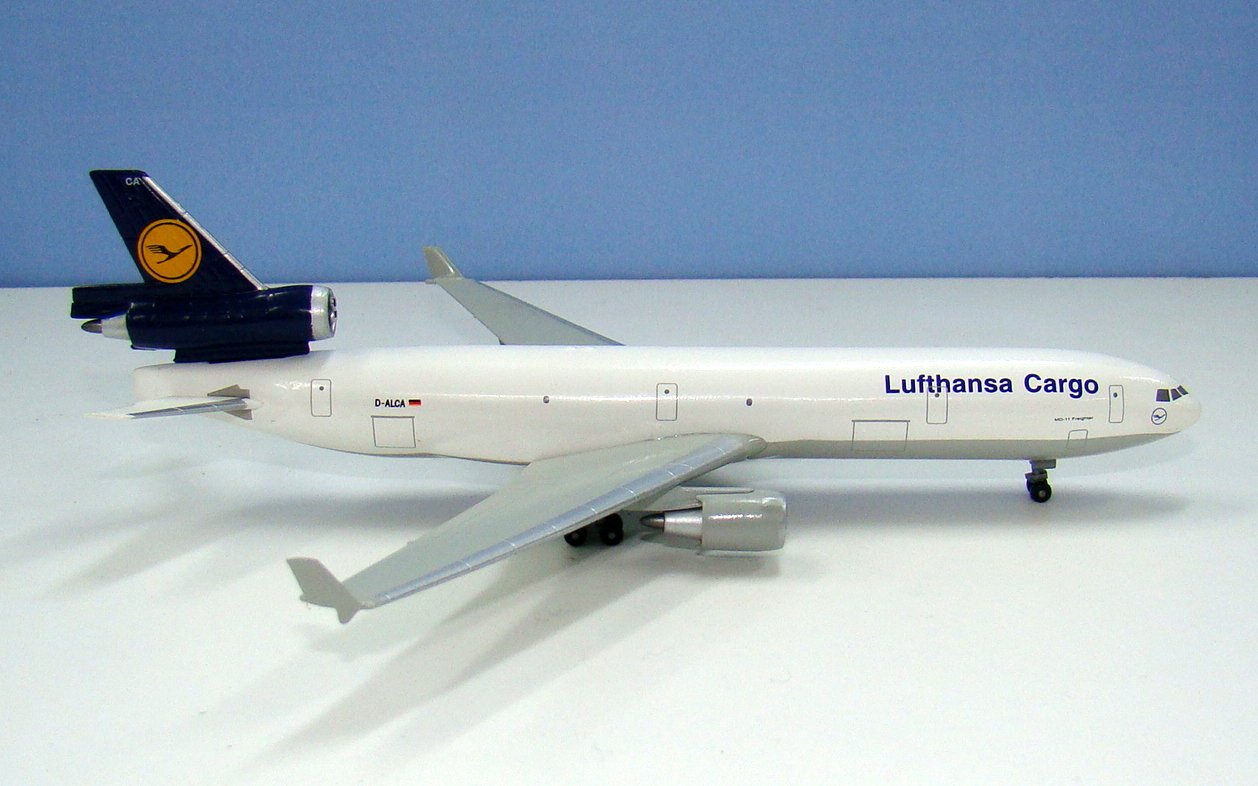
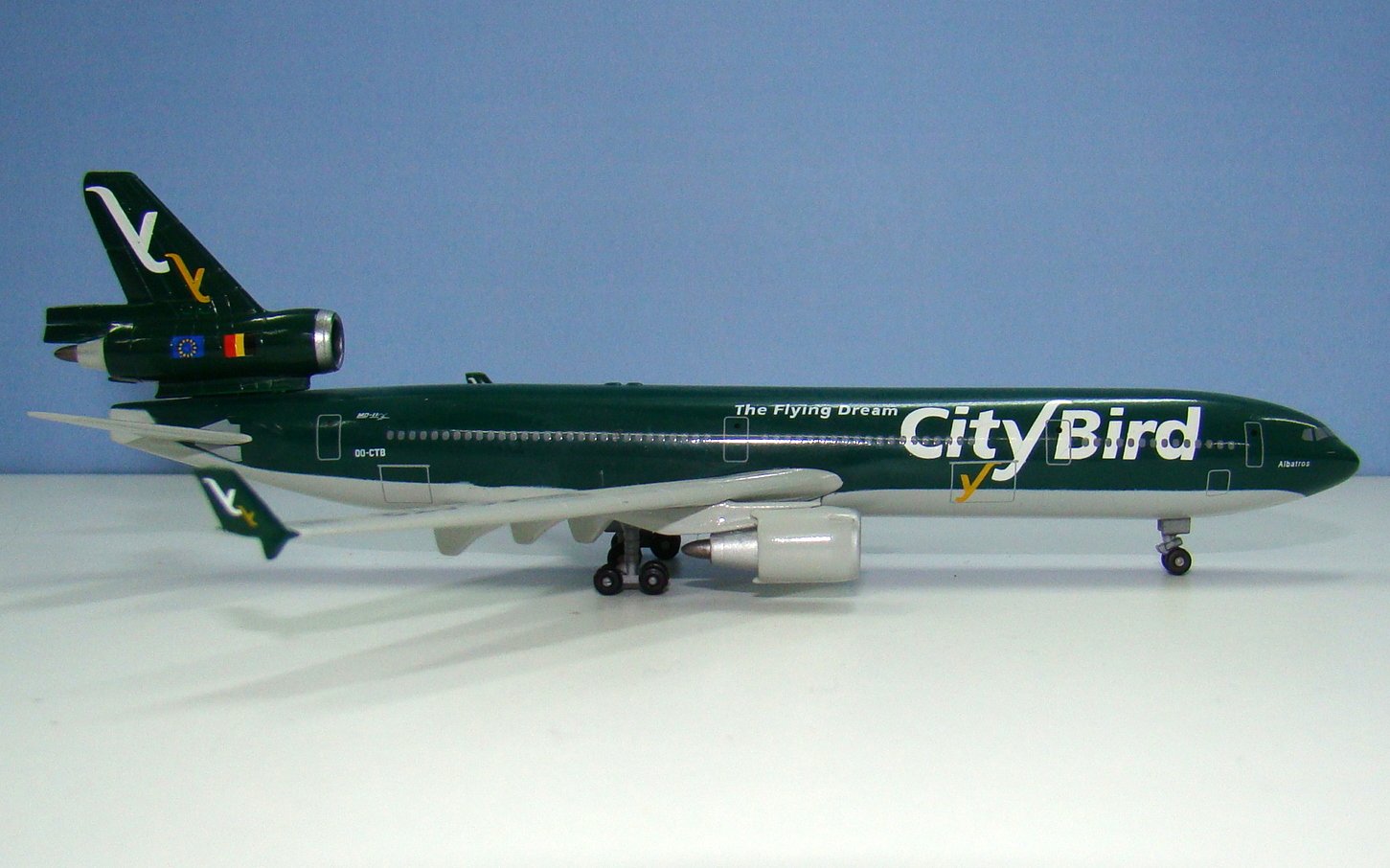
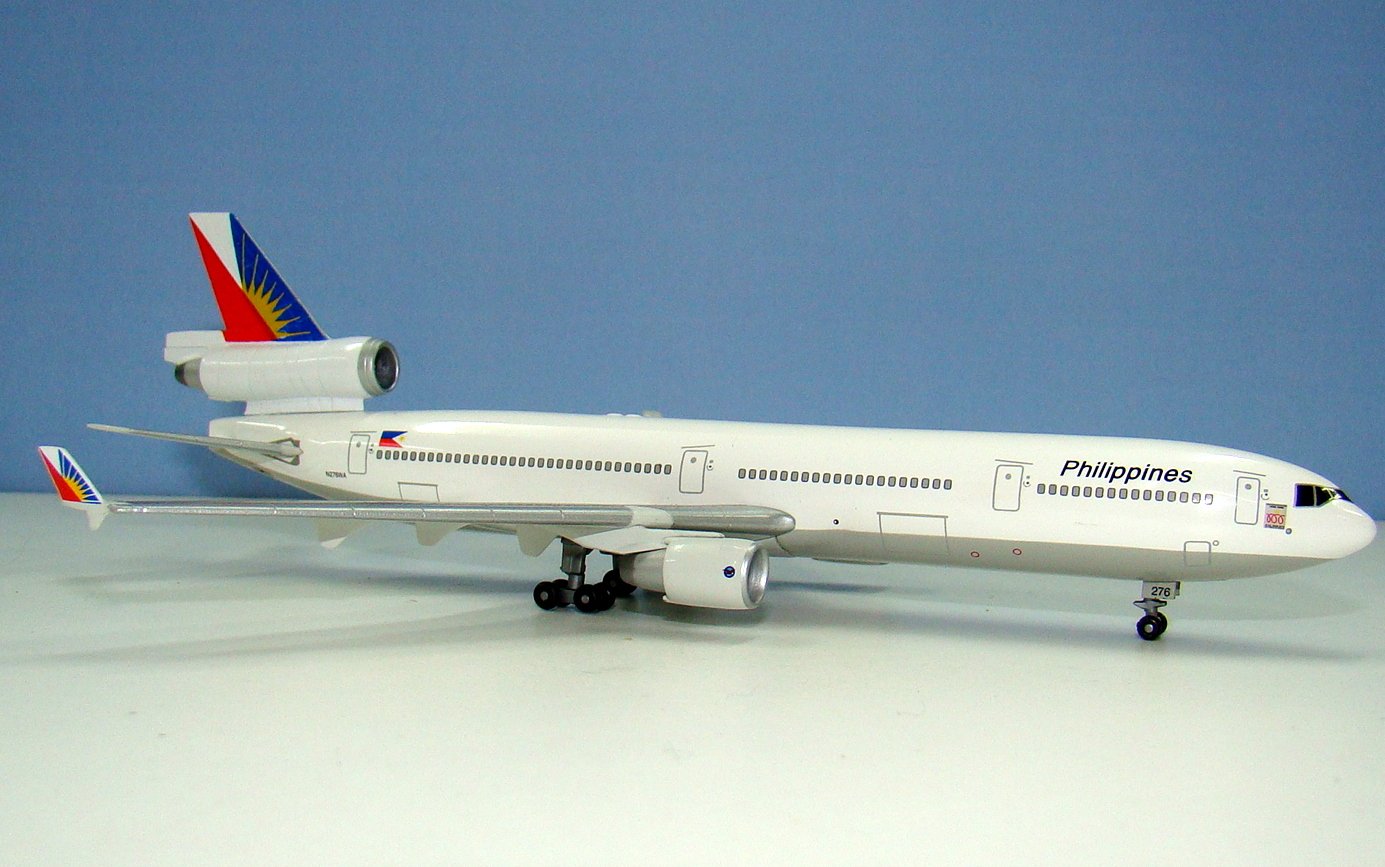
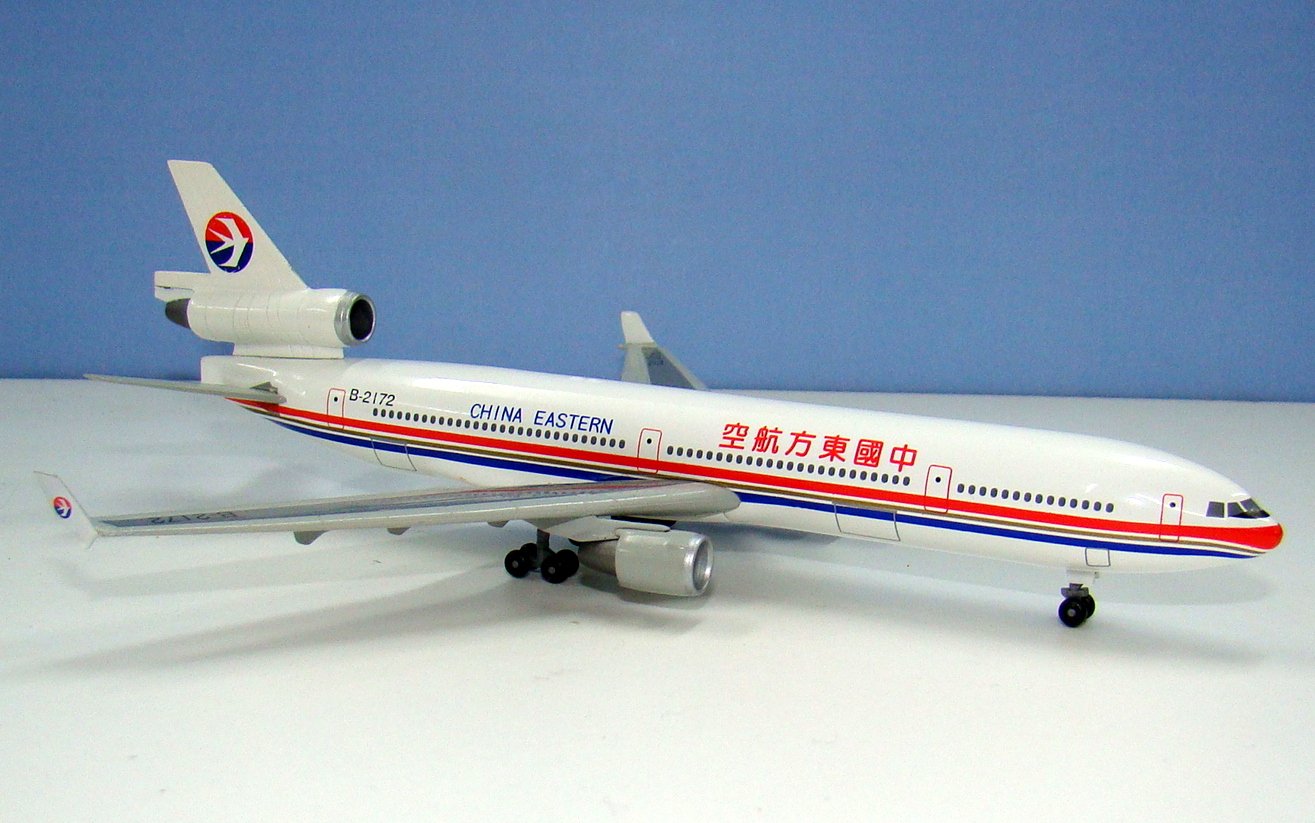
As you can see below Dragon has also made both GE (with the earlier less pointy exhaust) and PW versions of the mould:
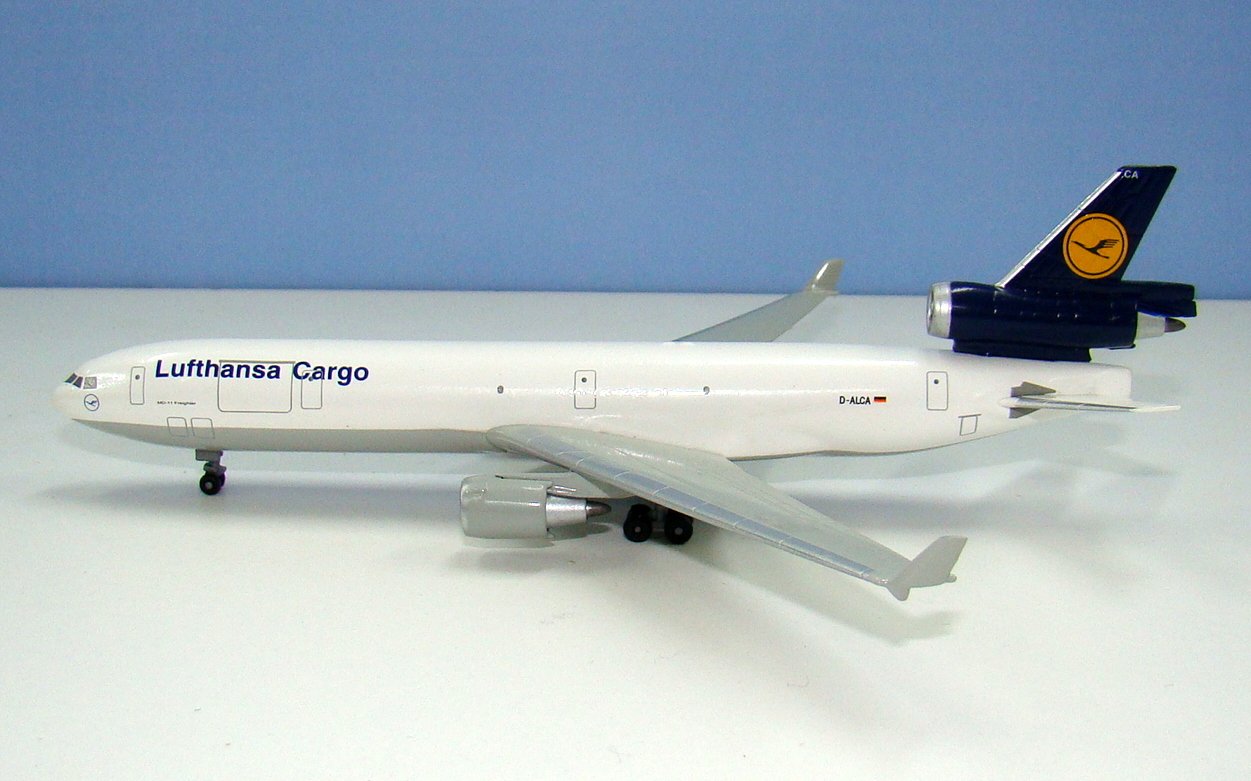
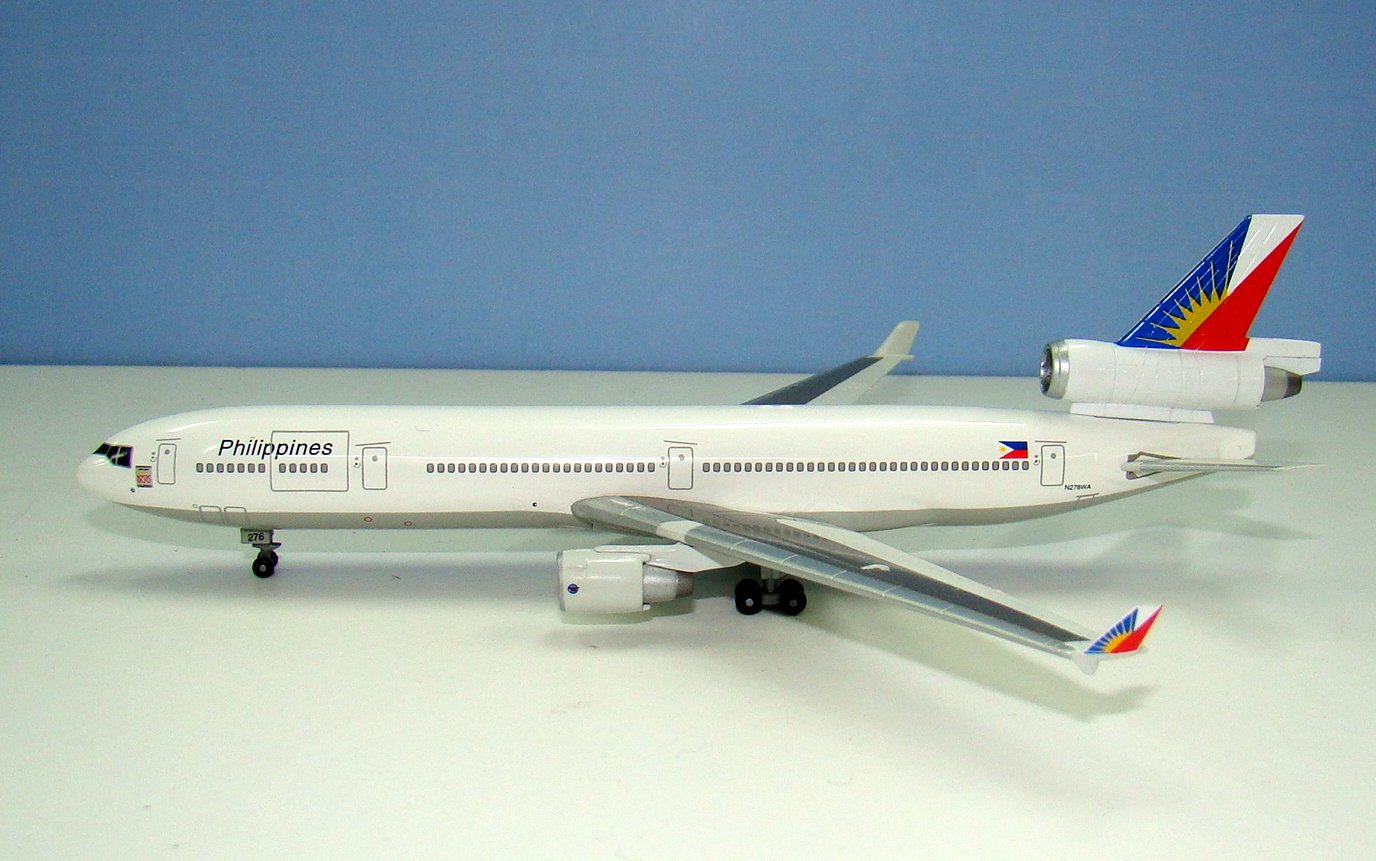
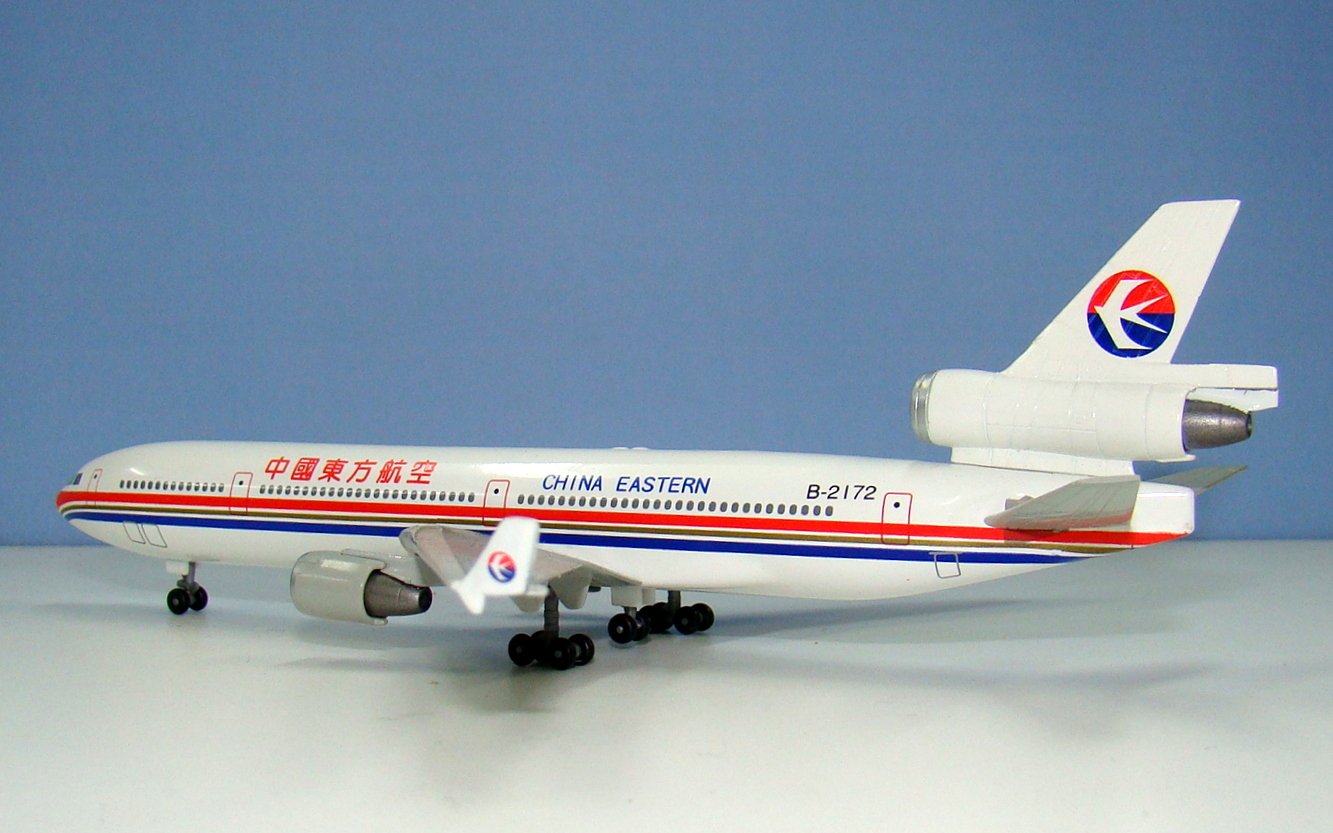
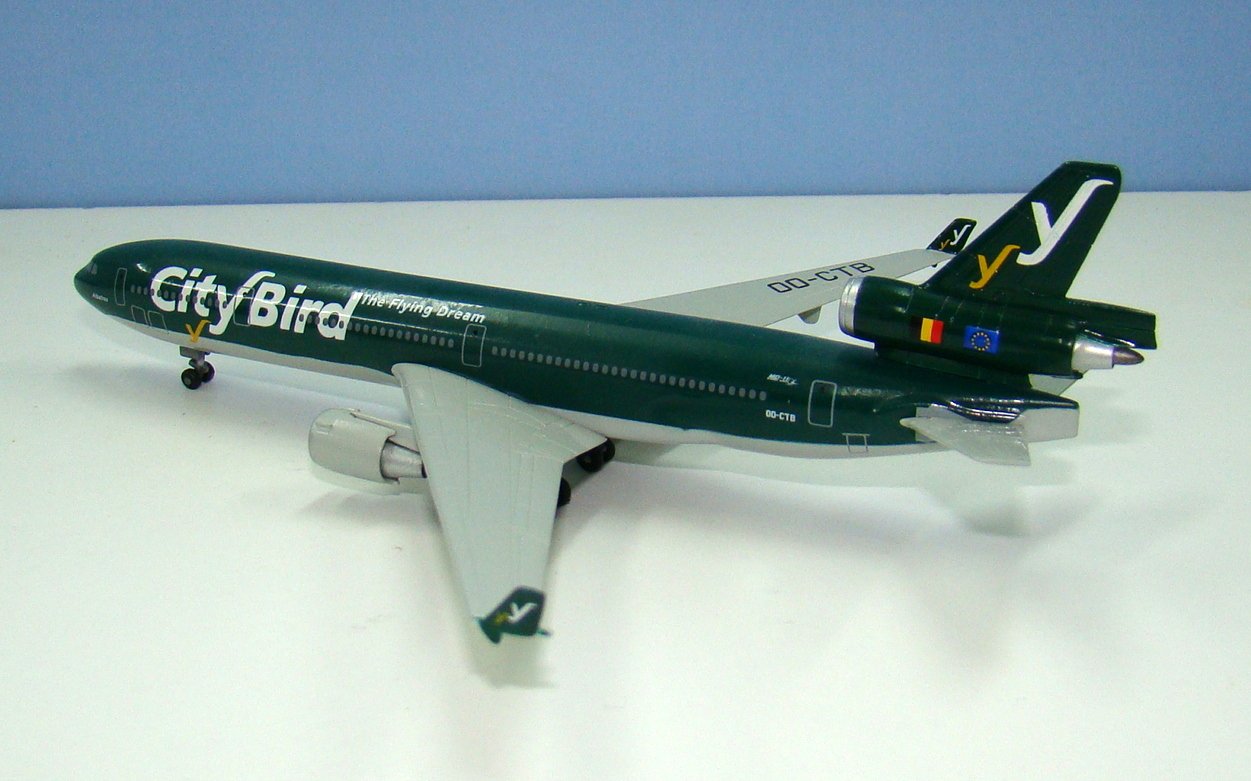
Gemini Jets v1 (2000-2009)
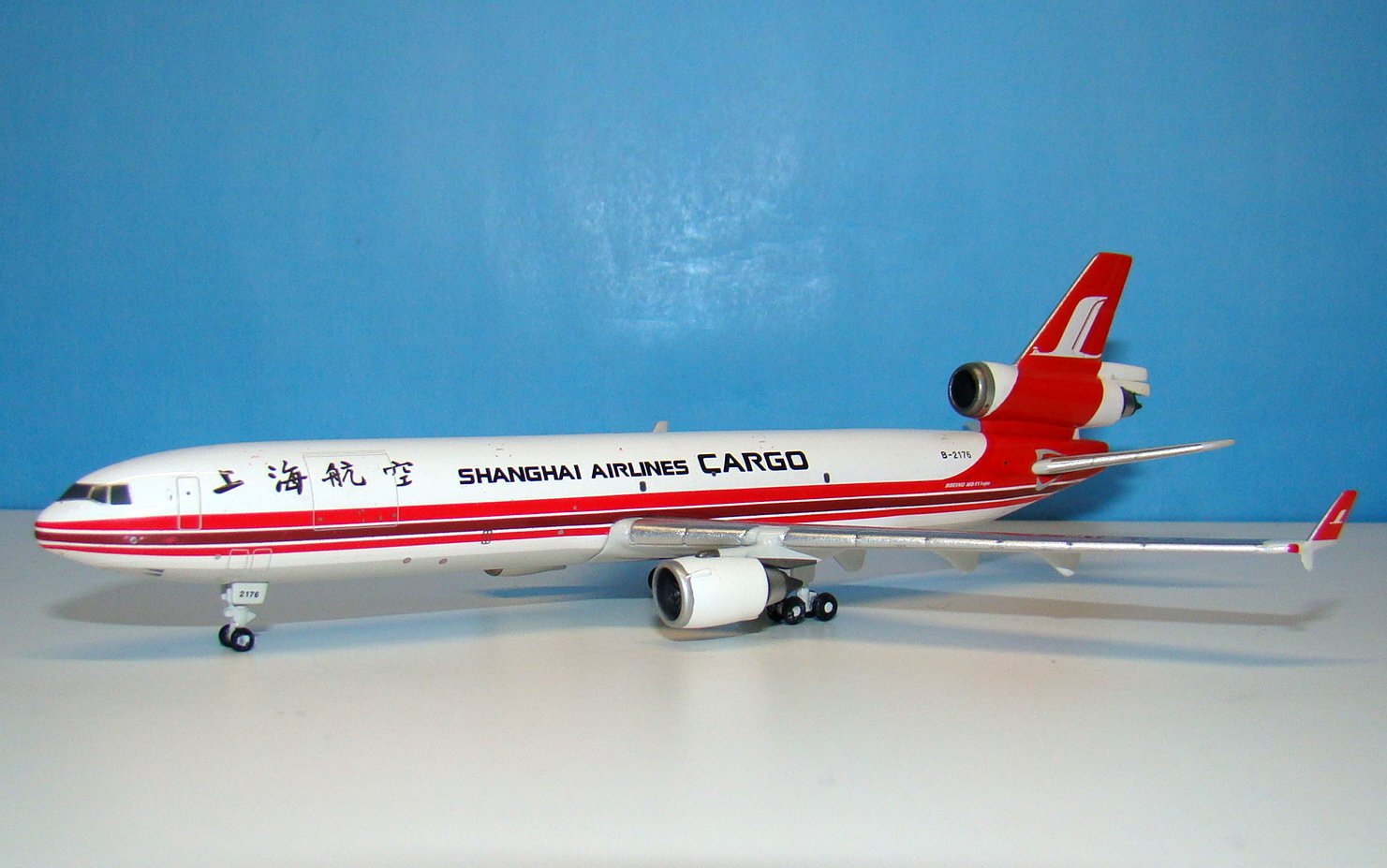
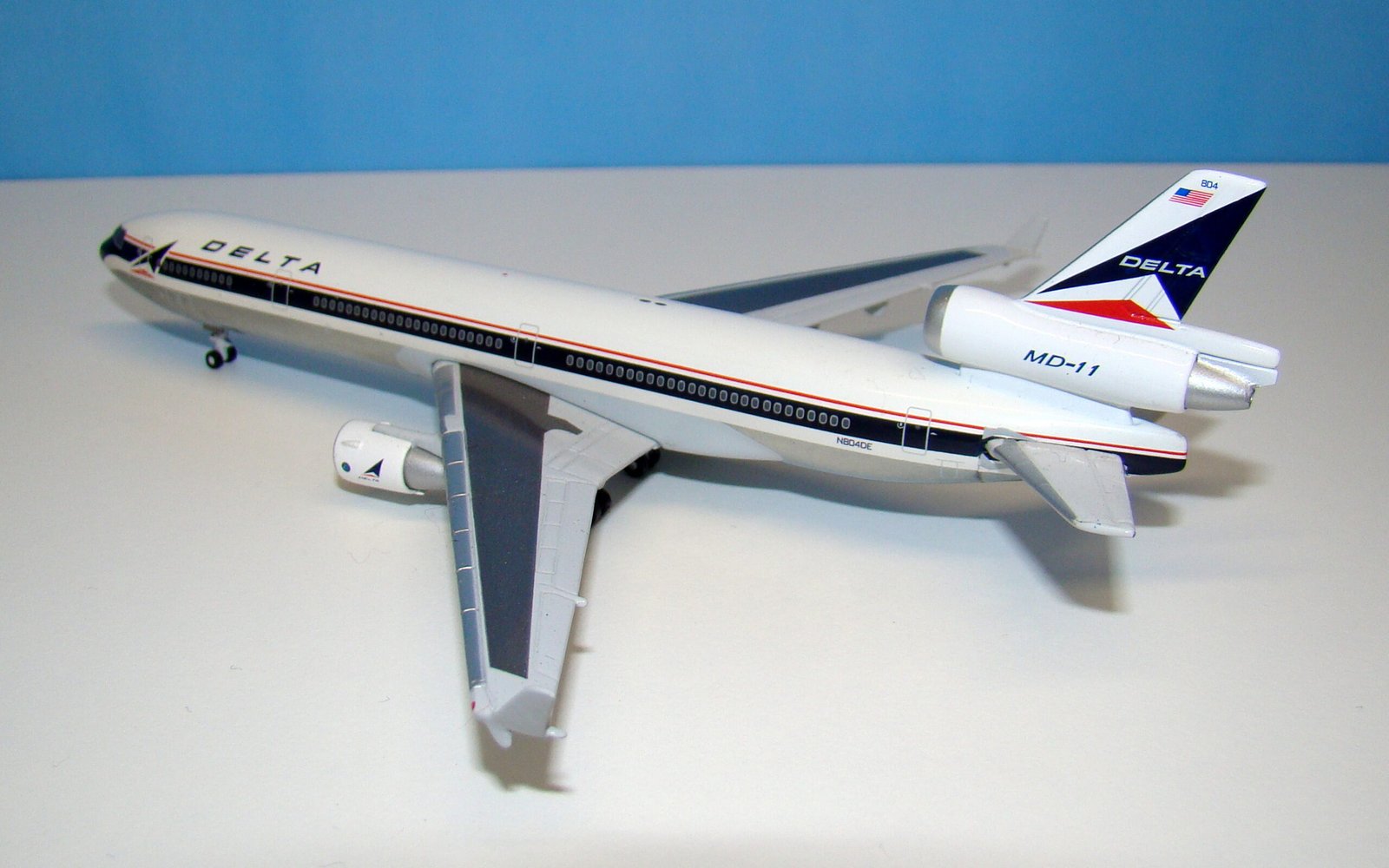
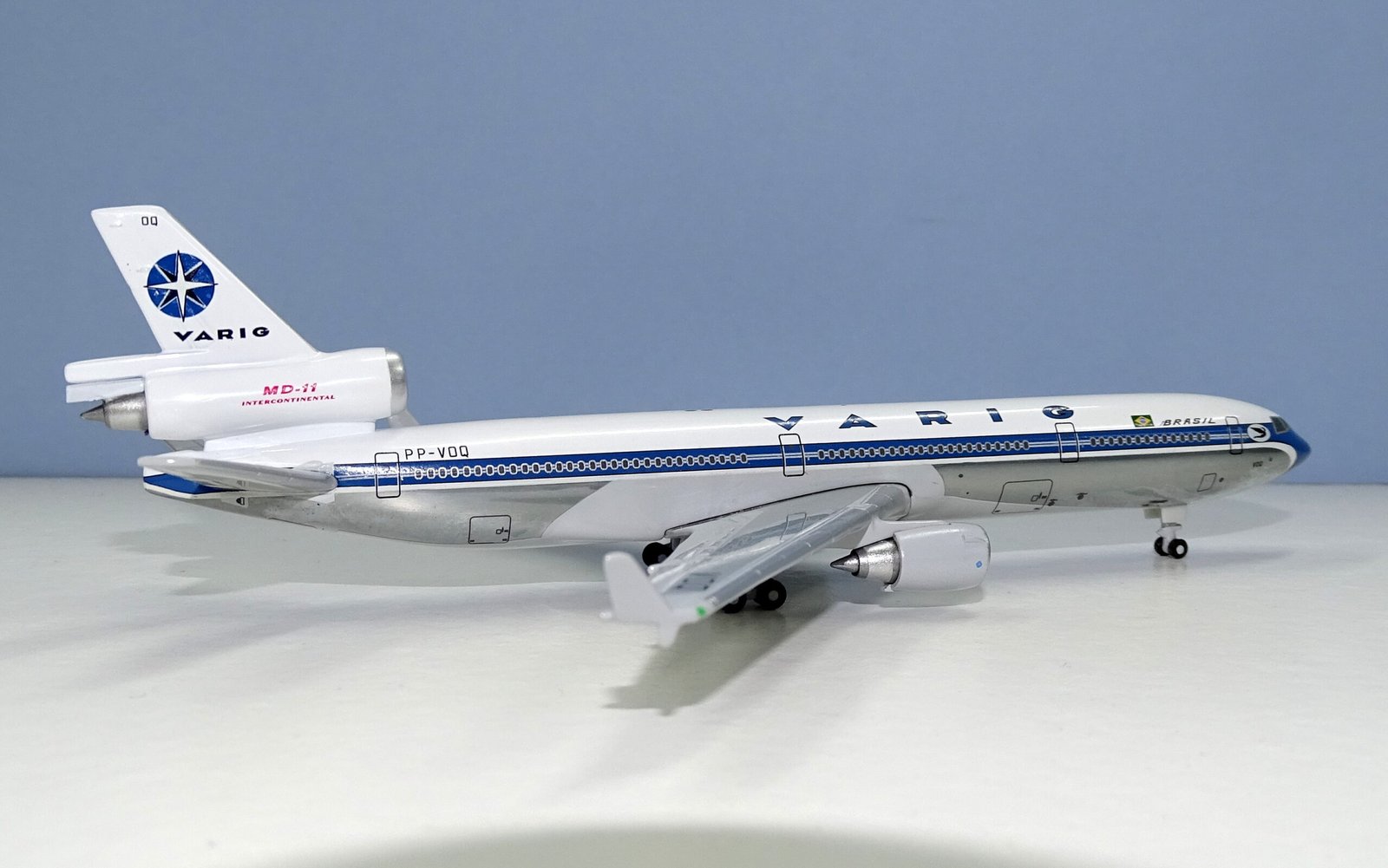
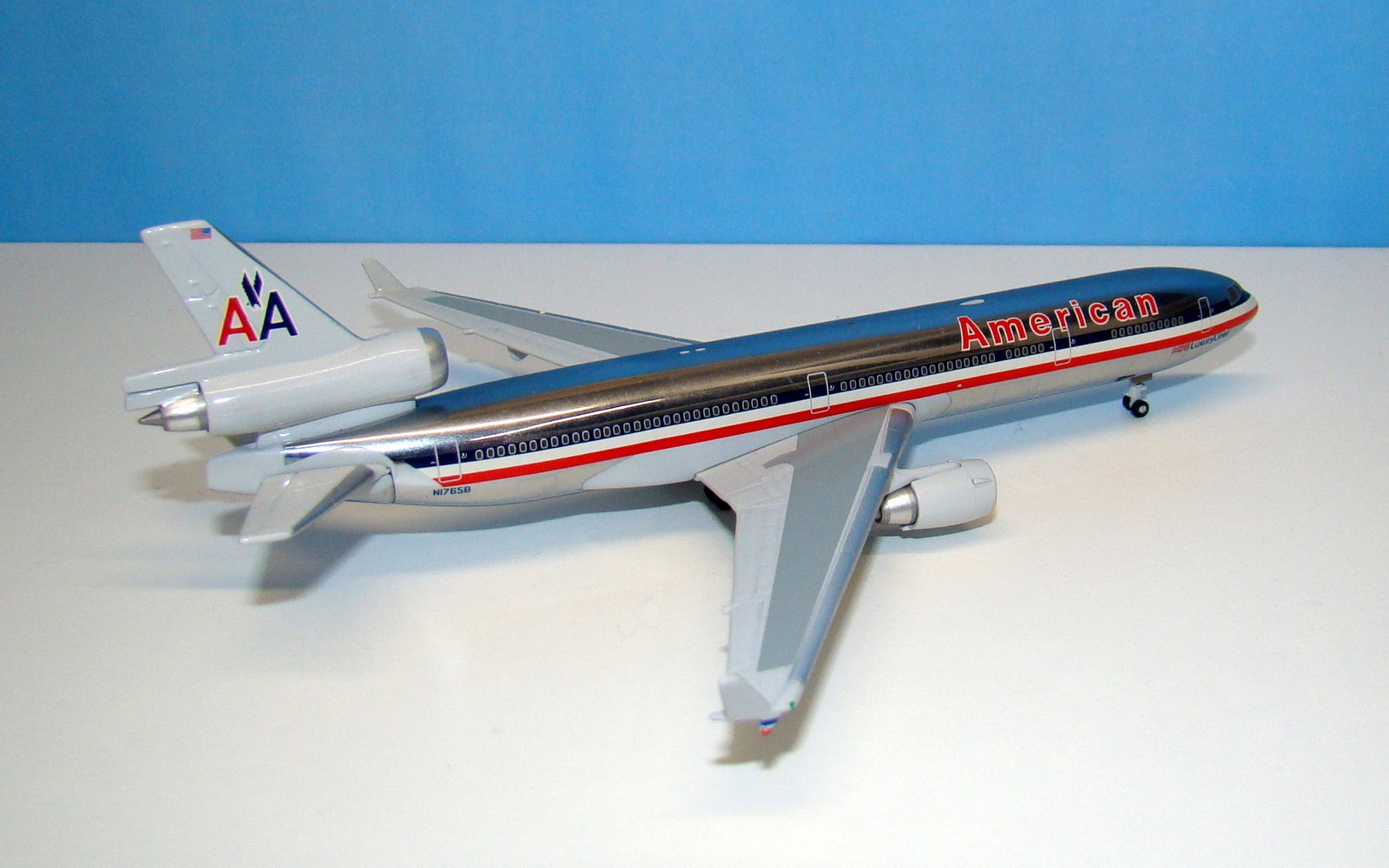
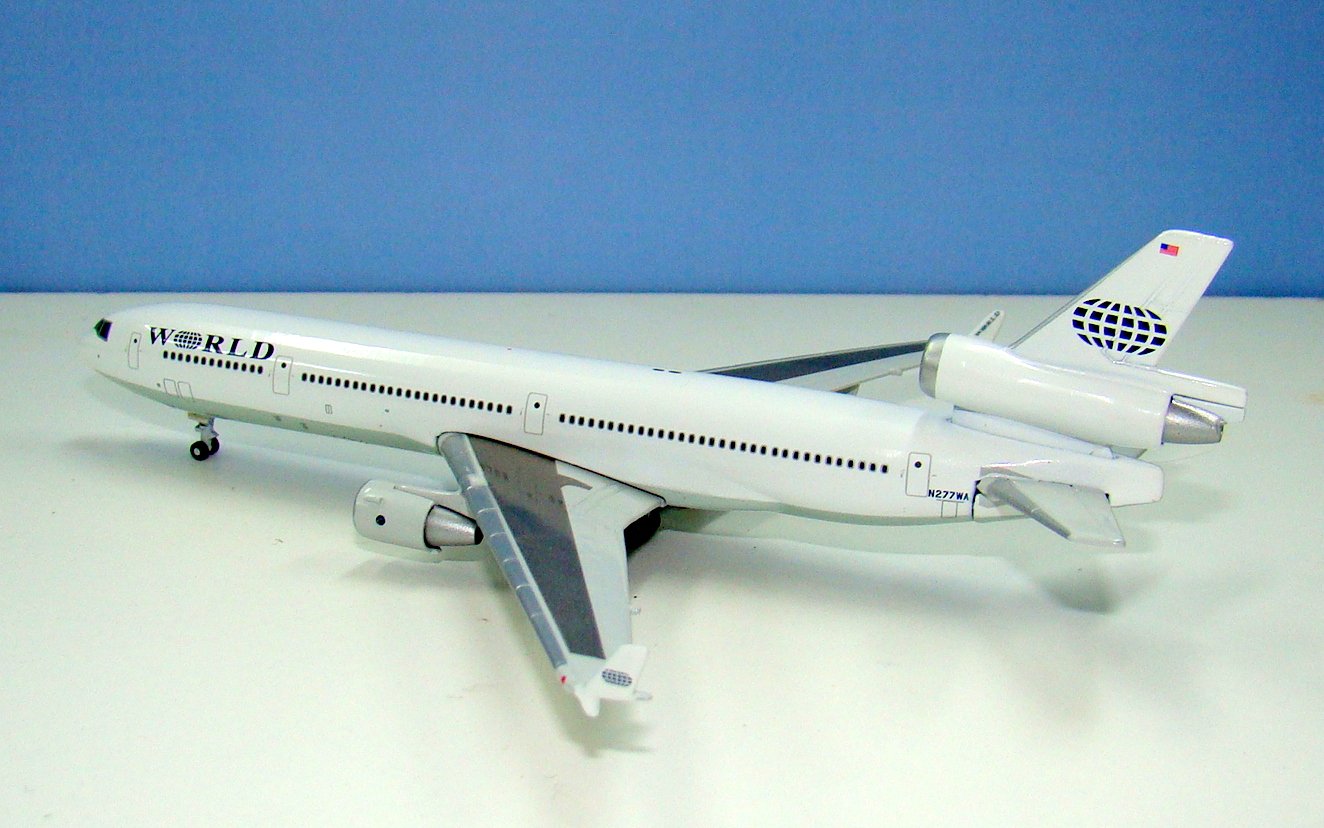
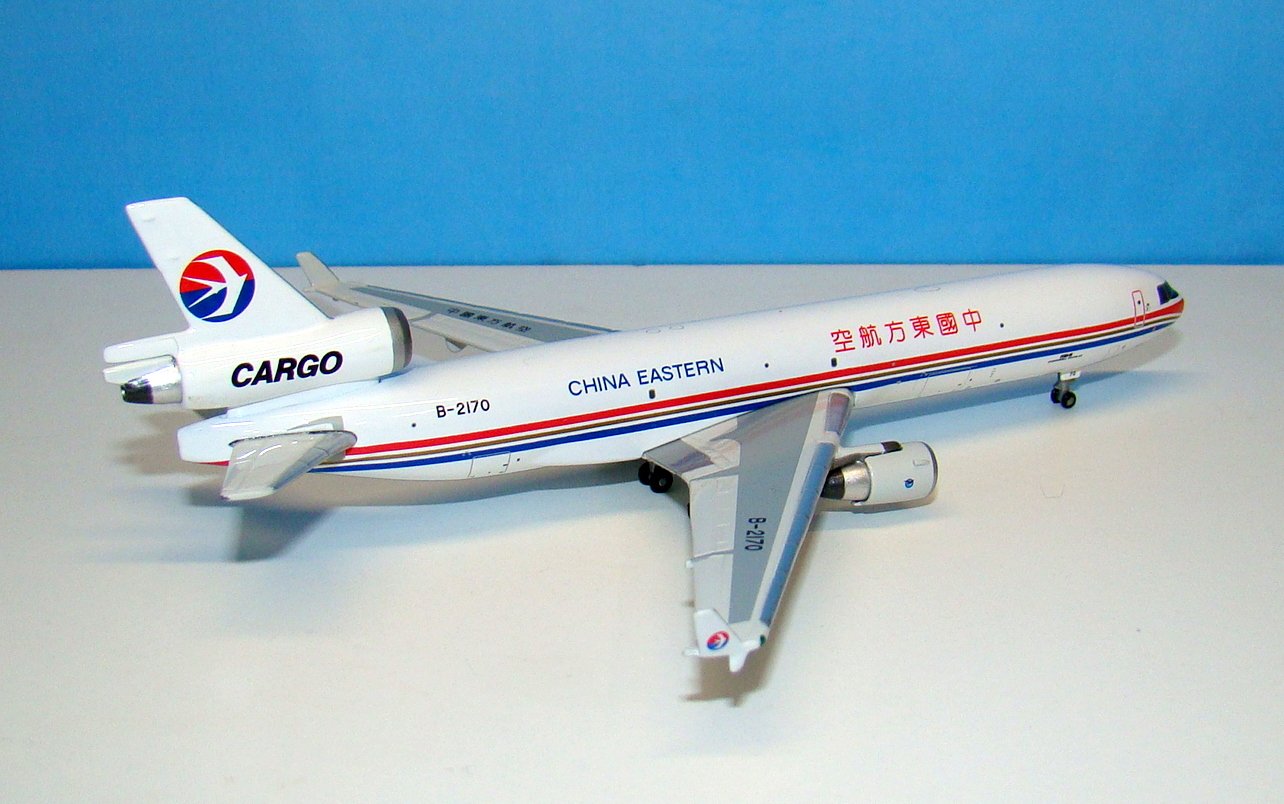
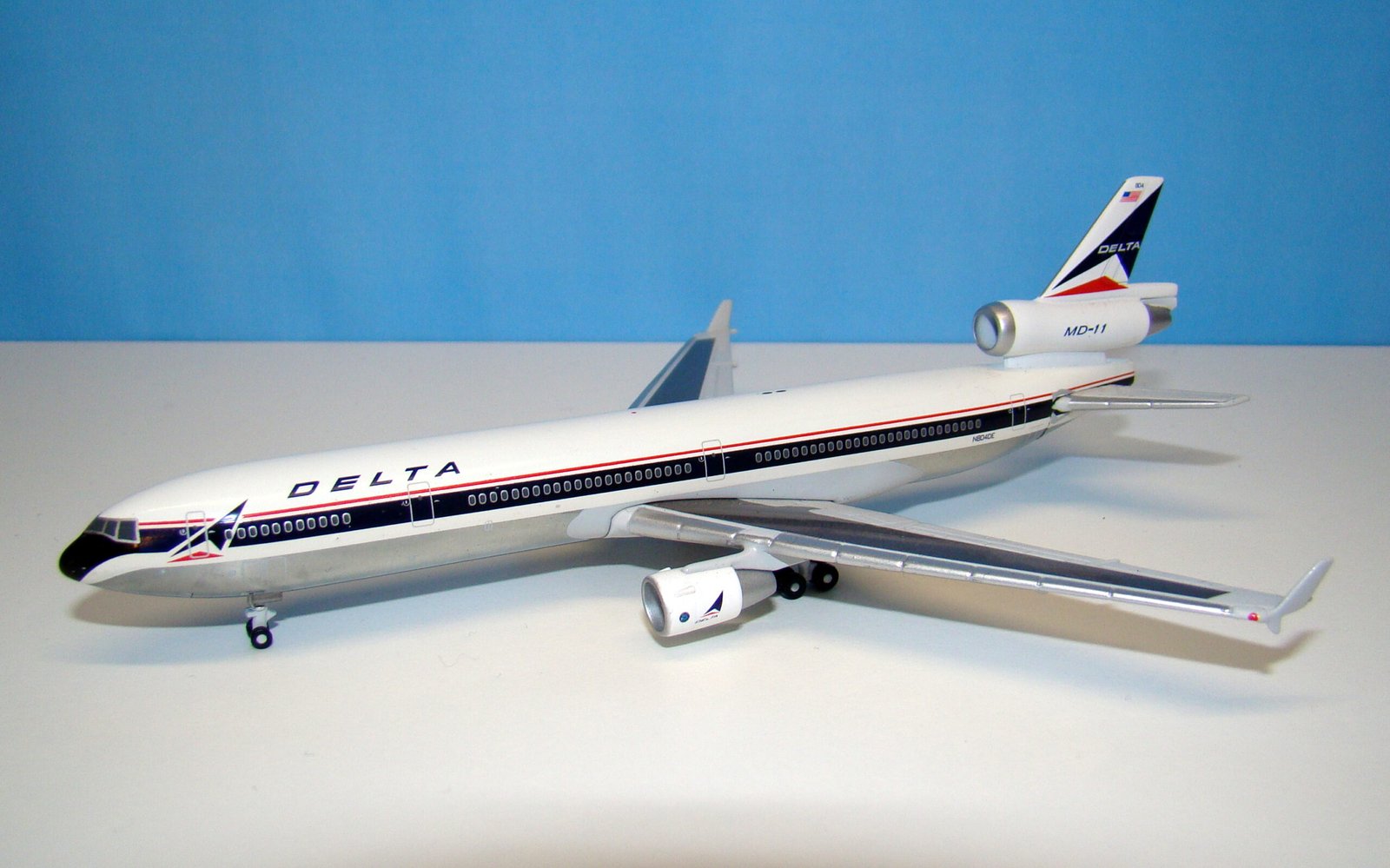
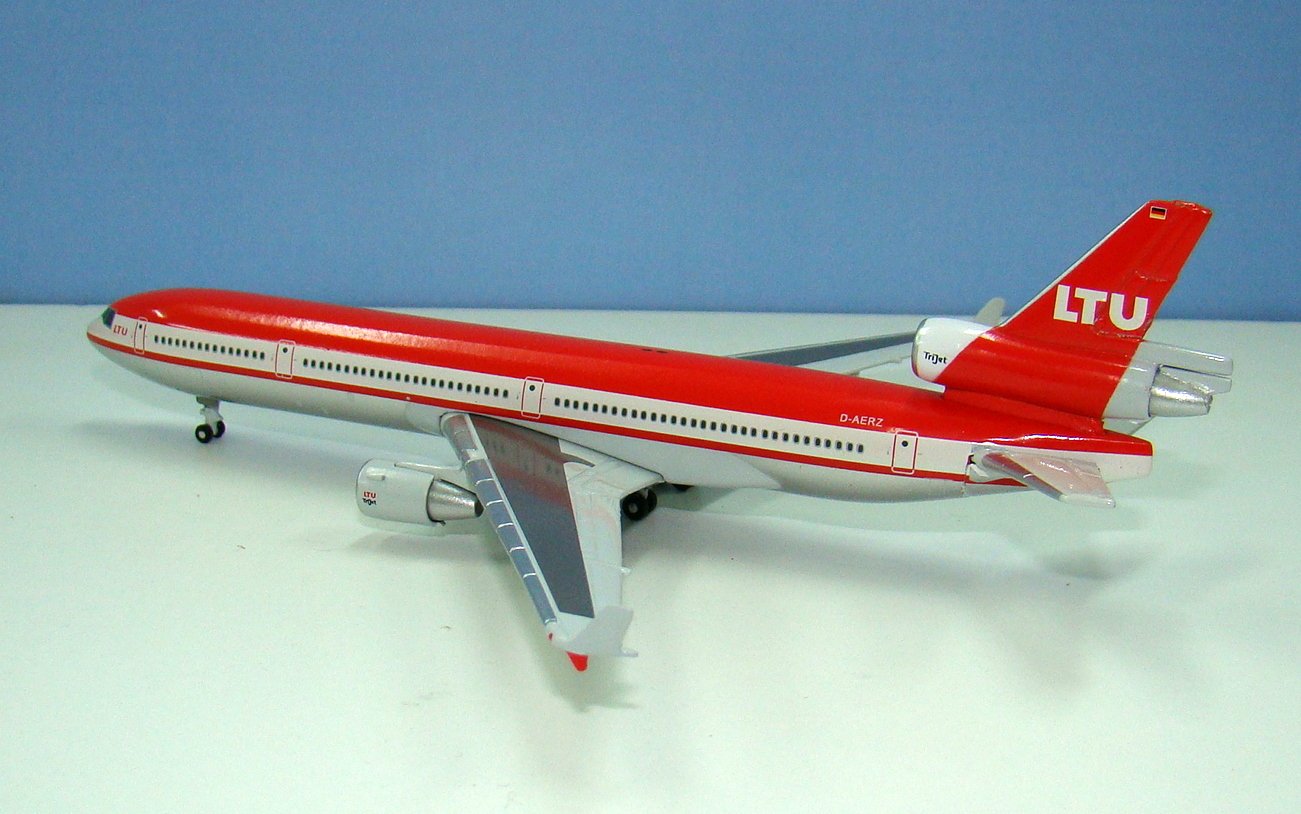
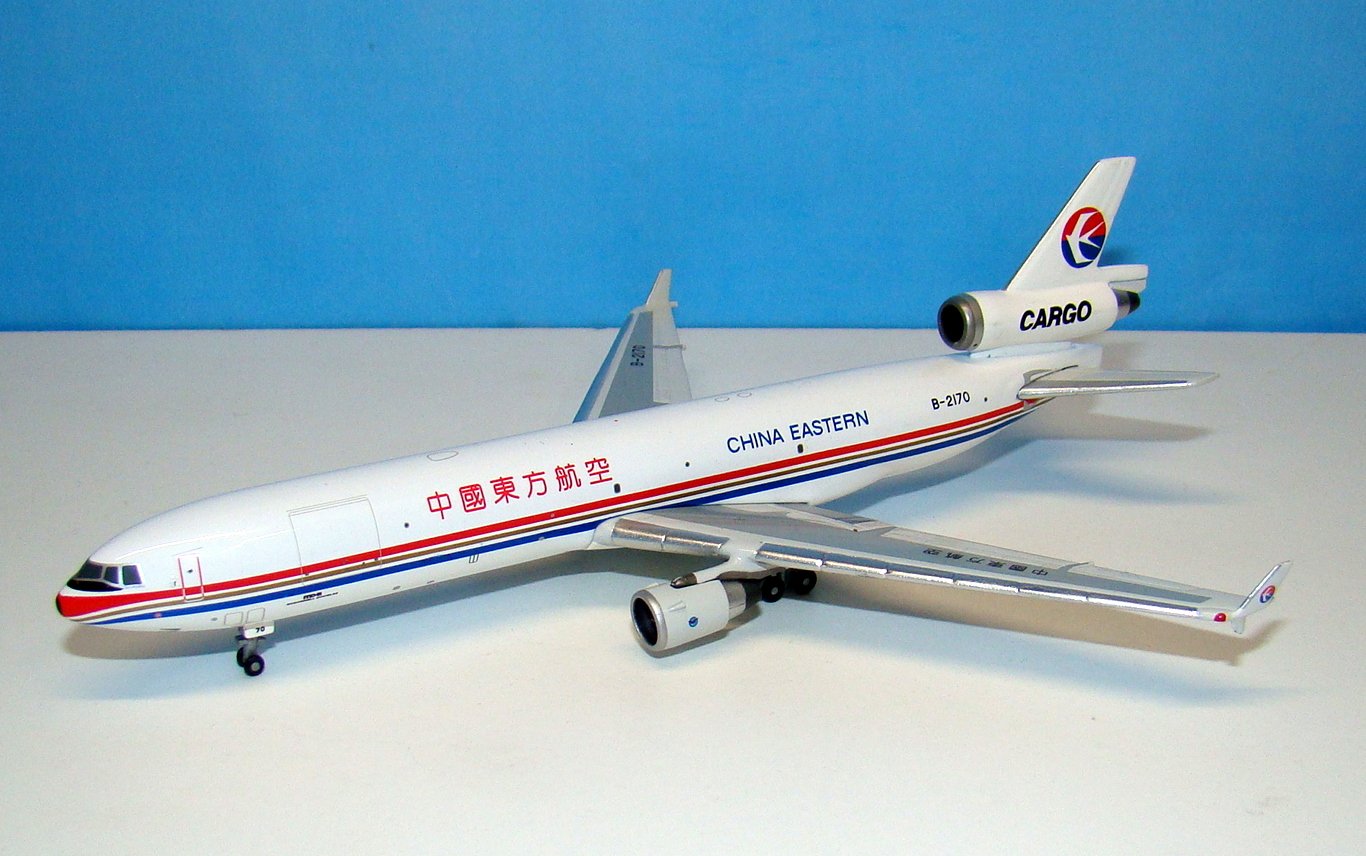
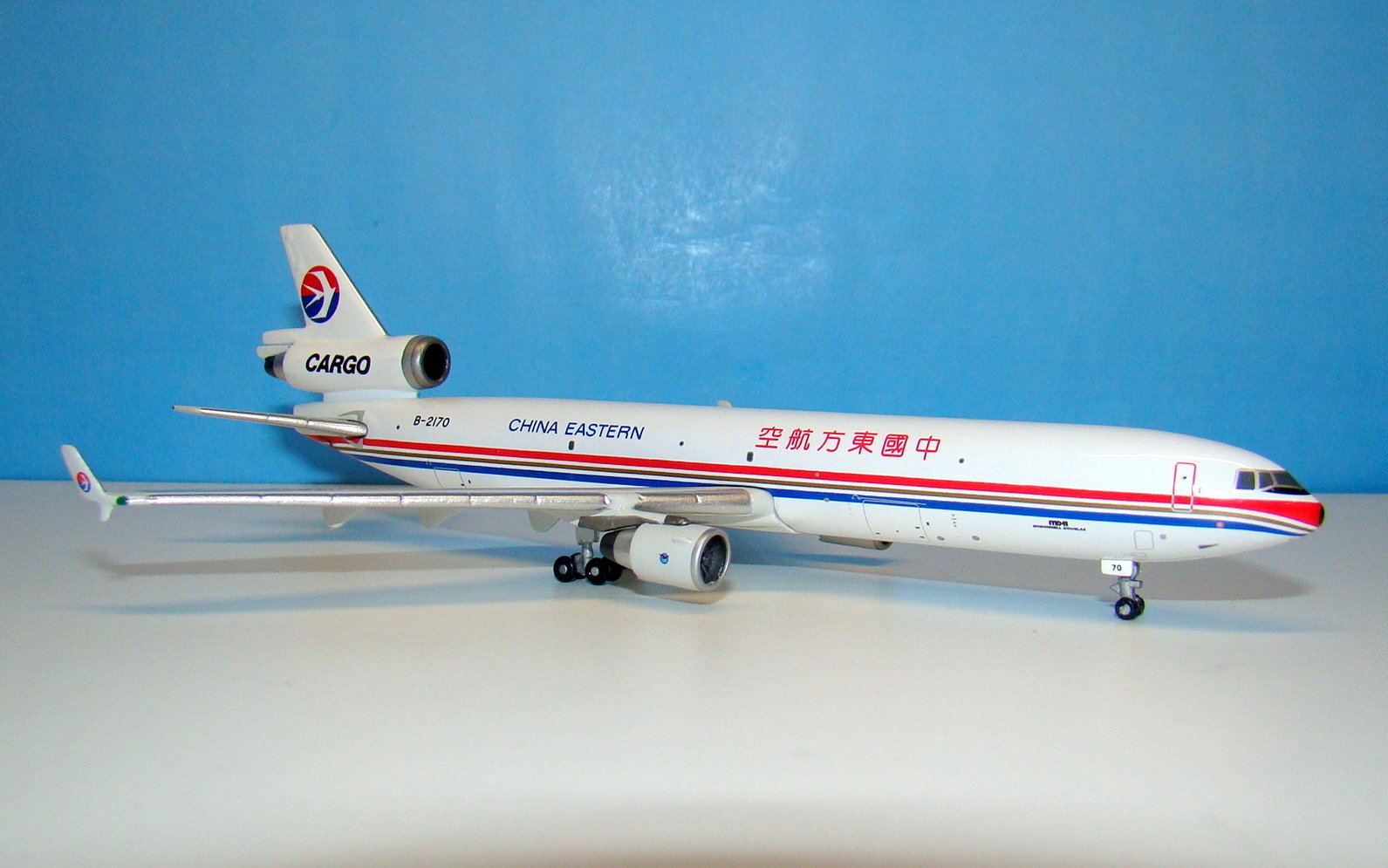
This early Gemini mould has been widely used, is decent and has been updated (see later entry). It matches the Dragon Wings mould in terms of general shape and has a better middle engine fit. It does lack some of the finer detailing that the Dragon has and the underwing flap track fairings are a bit too round but these are minor points. Whereas the Dragon has raised roofline ADF bumps this mould does not. There is also a wing join seam, albeit a small one and earlier models also have a second seam near the horizontal stabilisers (typical for several early Gemini moulds). This second seam was removed in 2002-2003 as part of the Gemini Jets II changes (see the early history of Gemini for more on this). The biggest improvement over the Dragon mould is the undercarriage, especially the nosegear. It is longer and slants forward as it should.
As with Dragon Gemini have produced both engine versions. In the below shots the China Eastern was made for Aeroclassics, a rare example of them using a Gemini mould.
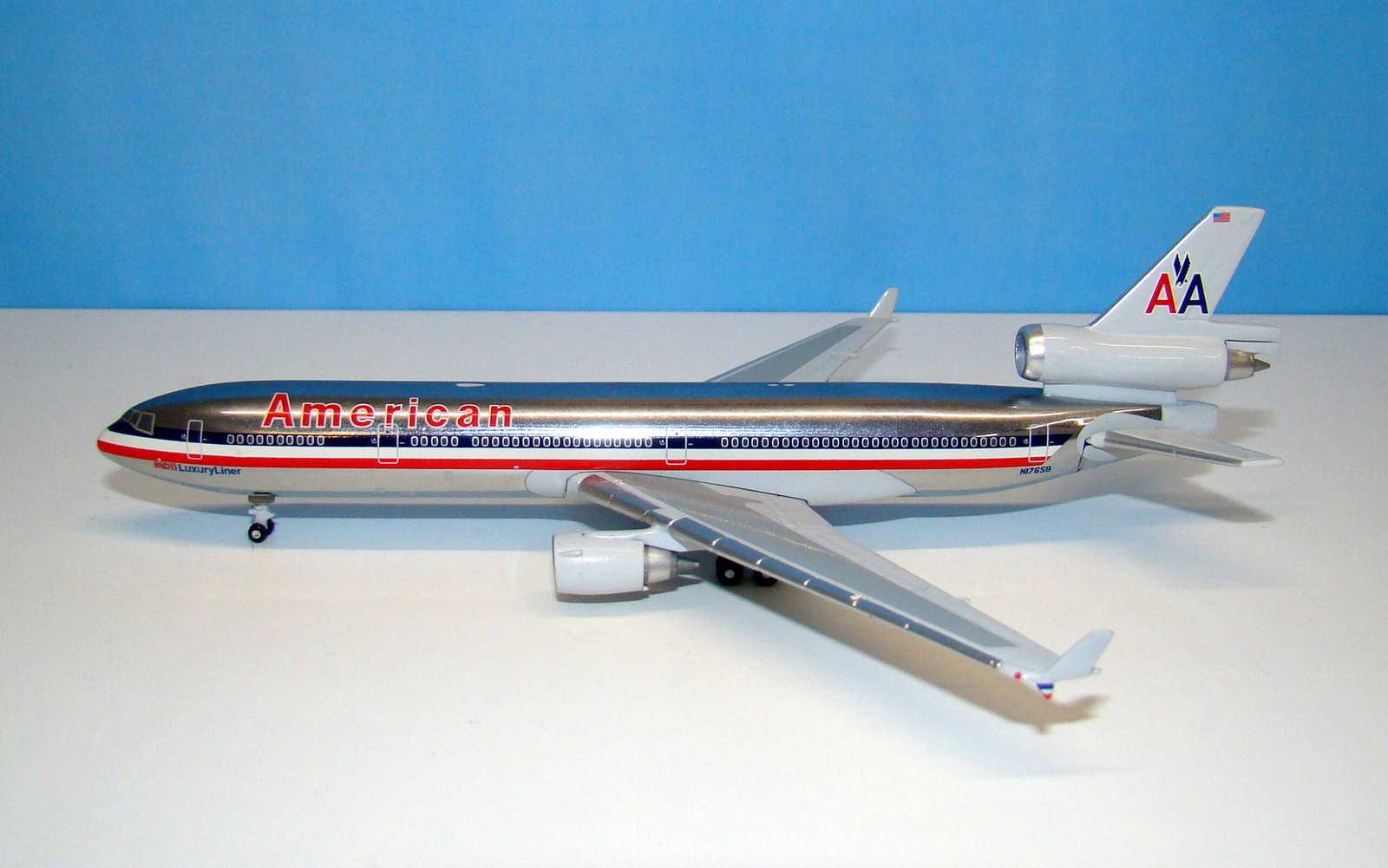
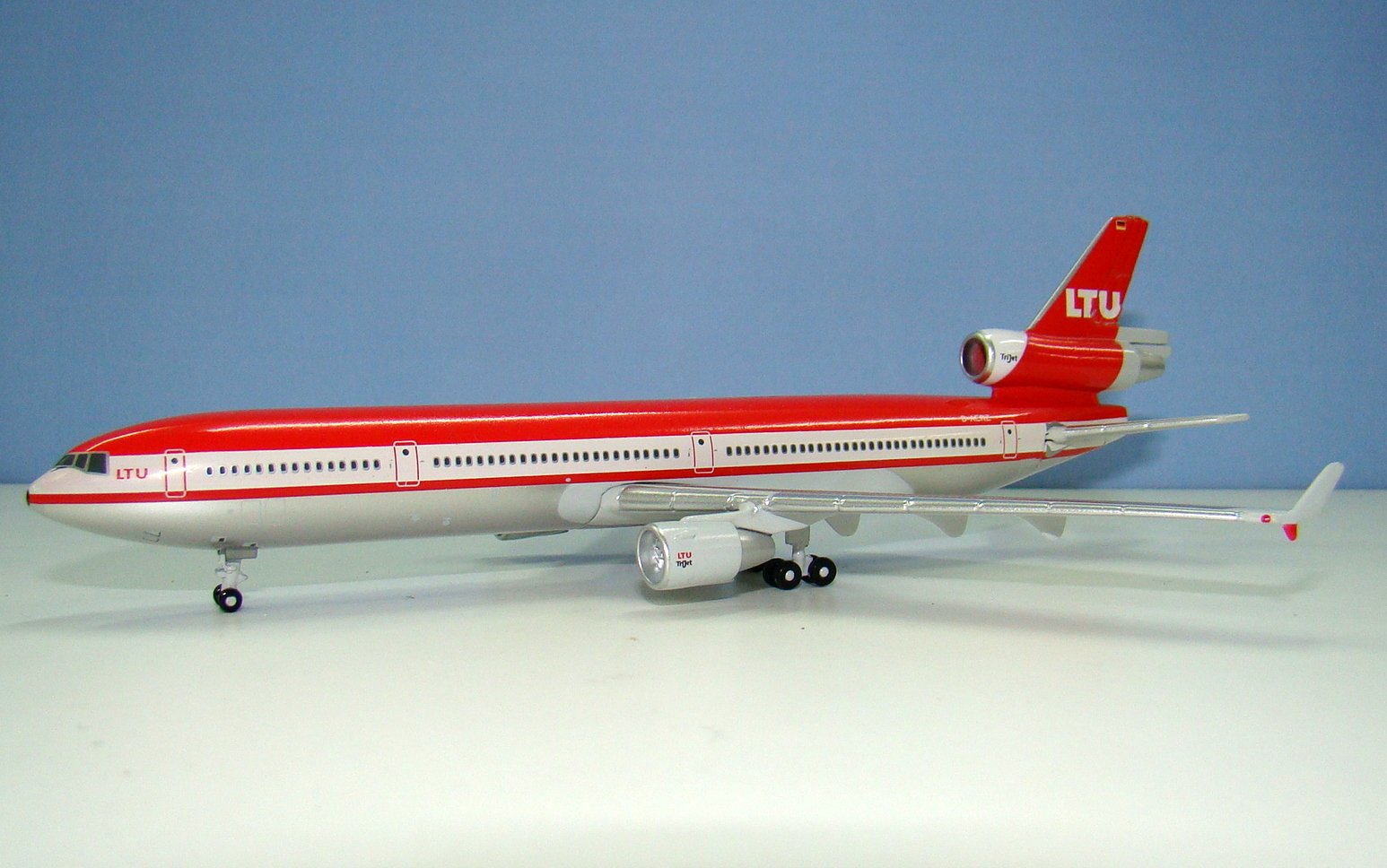
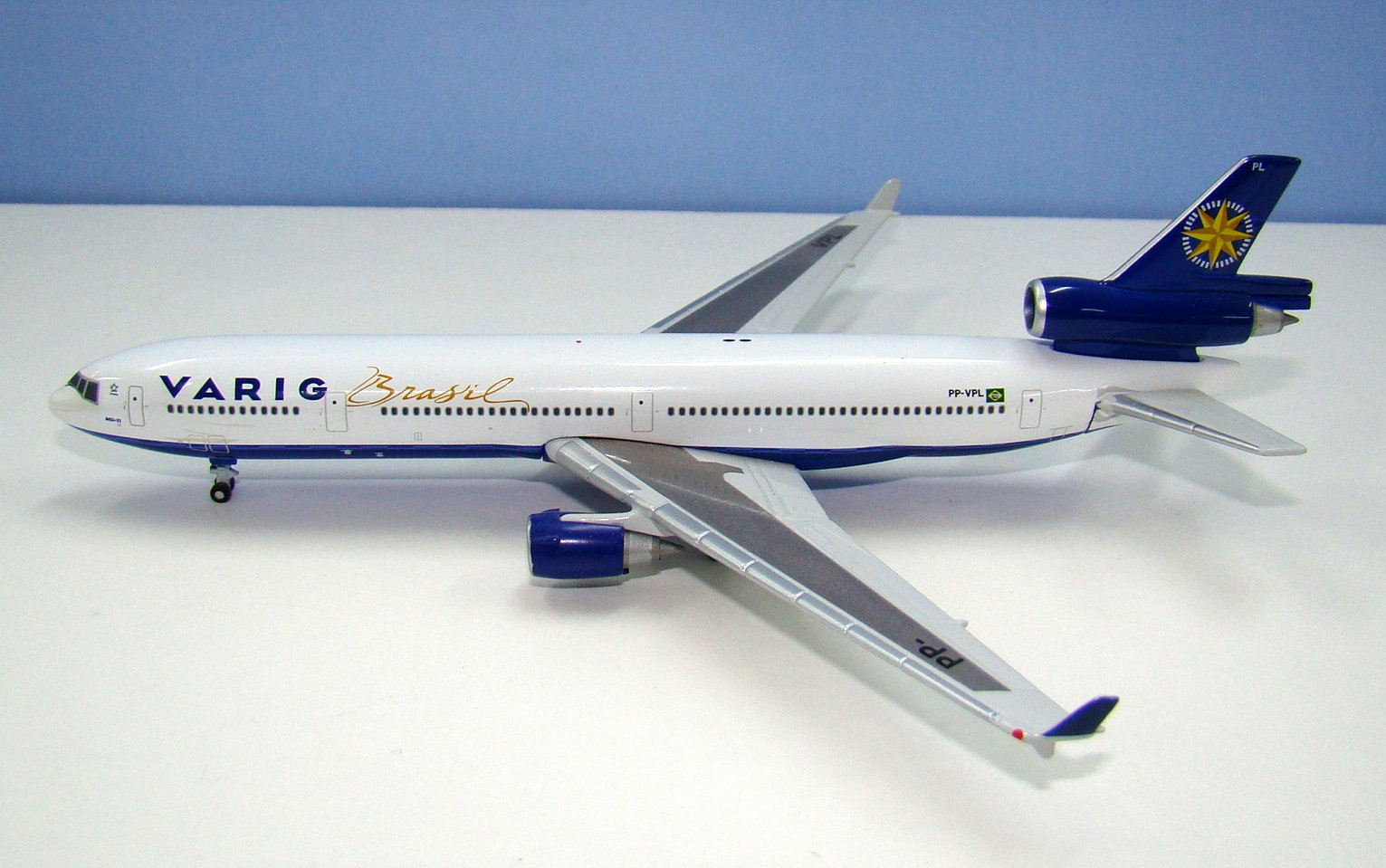
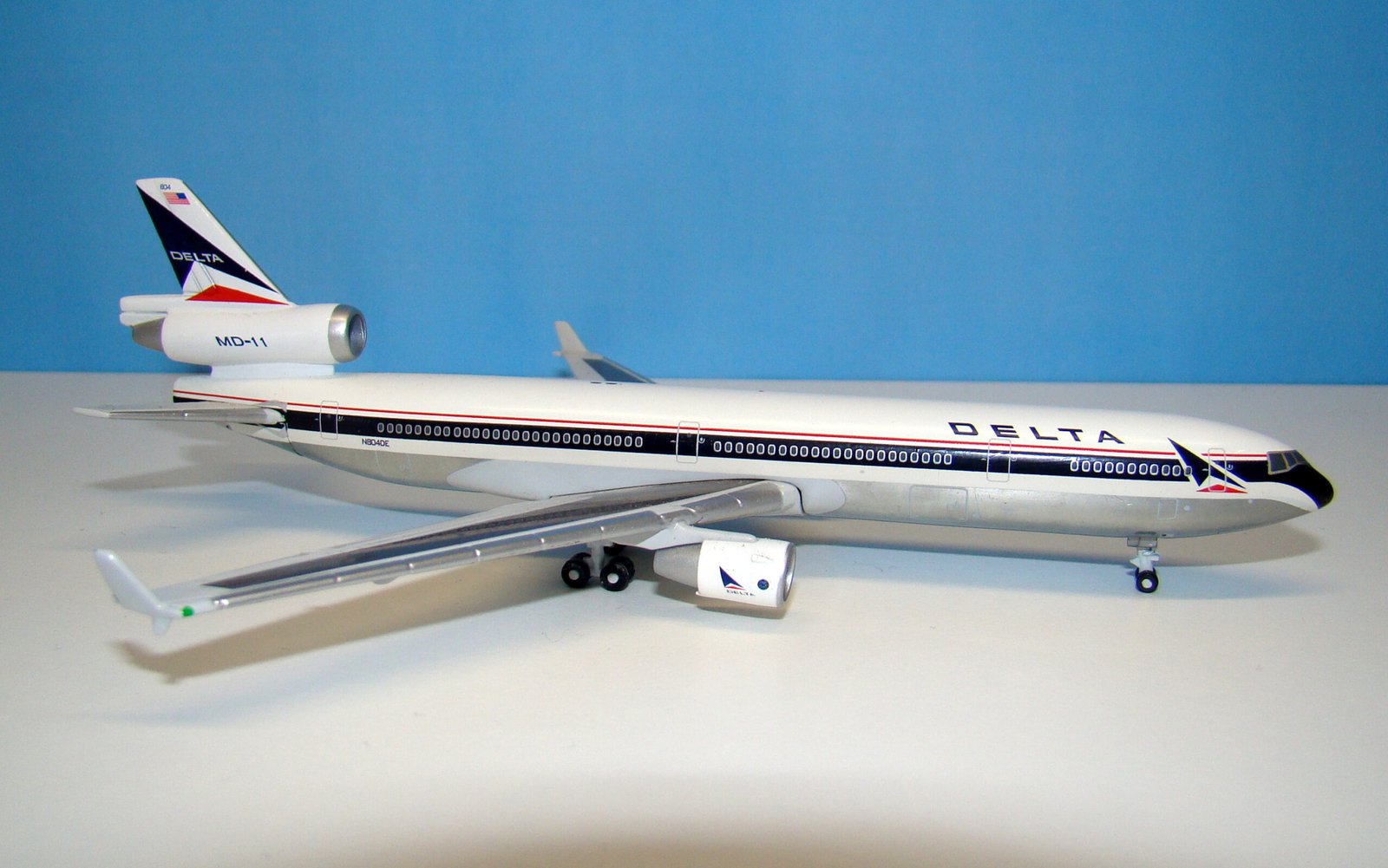
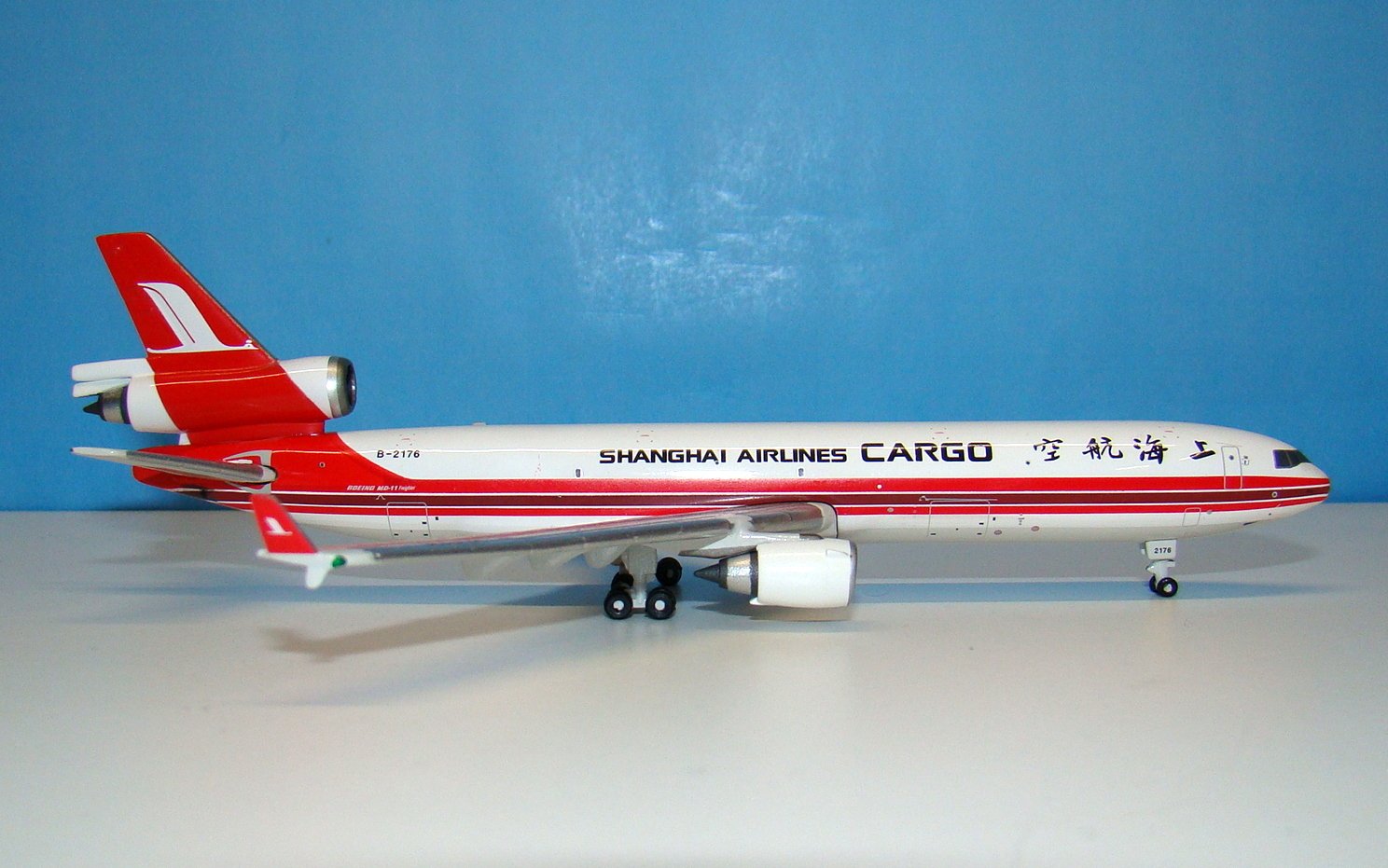
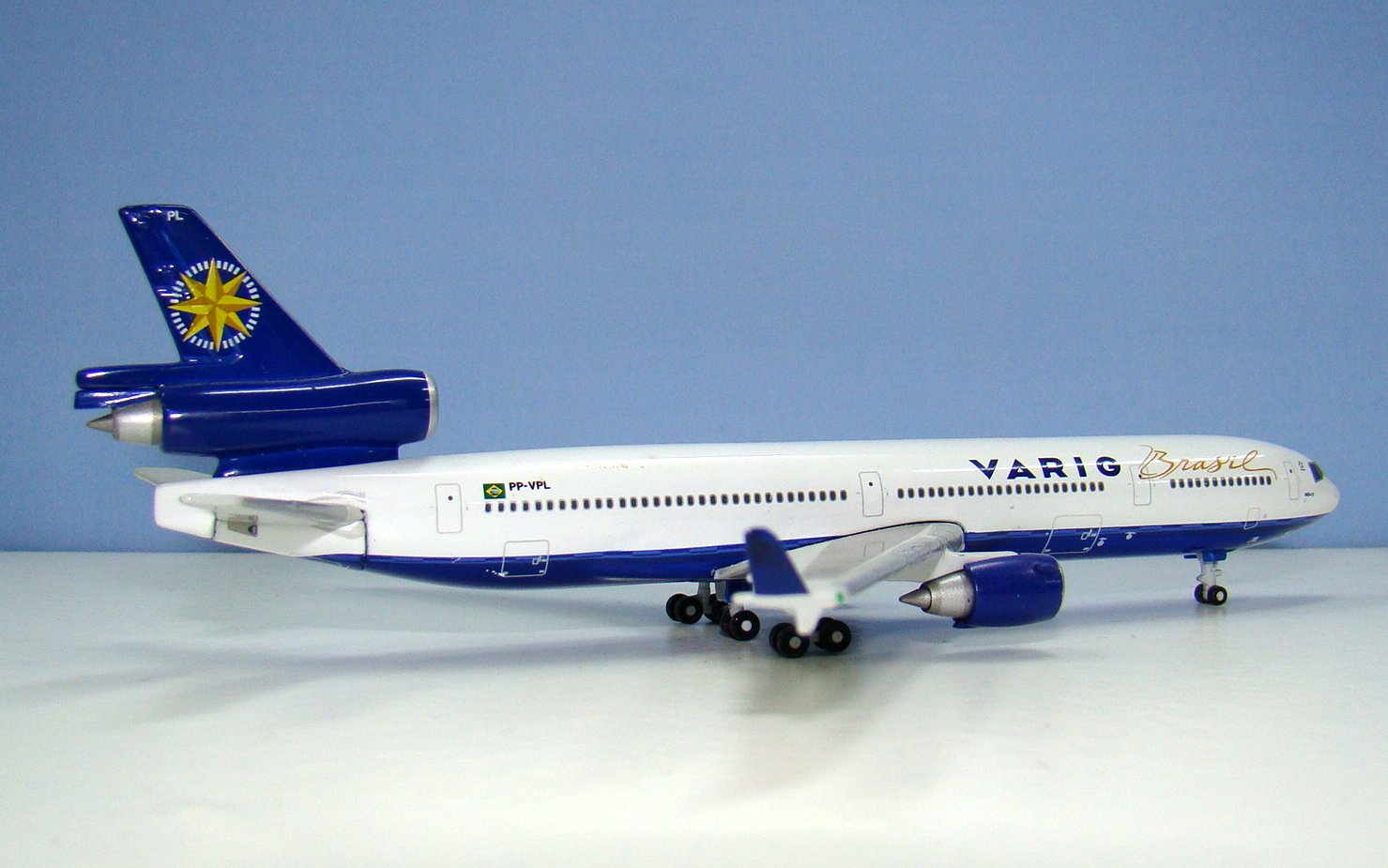
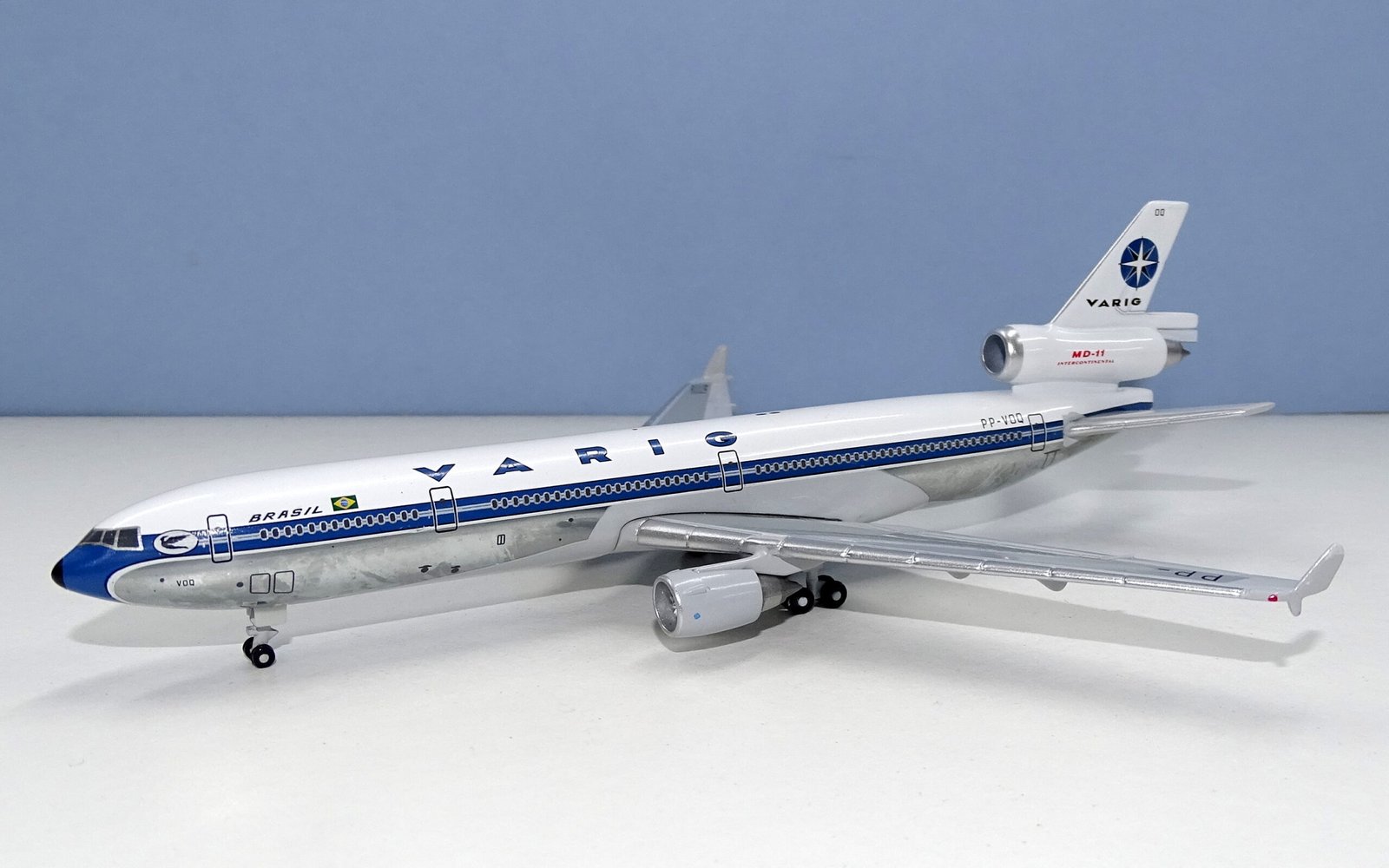
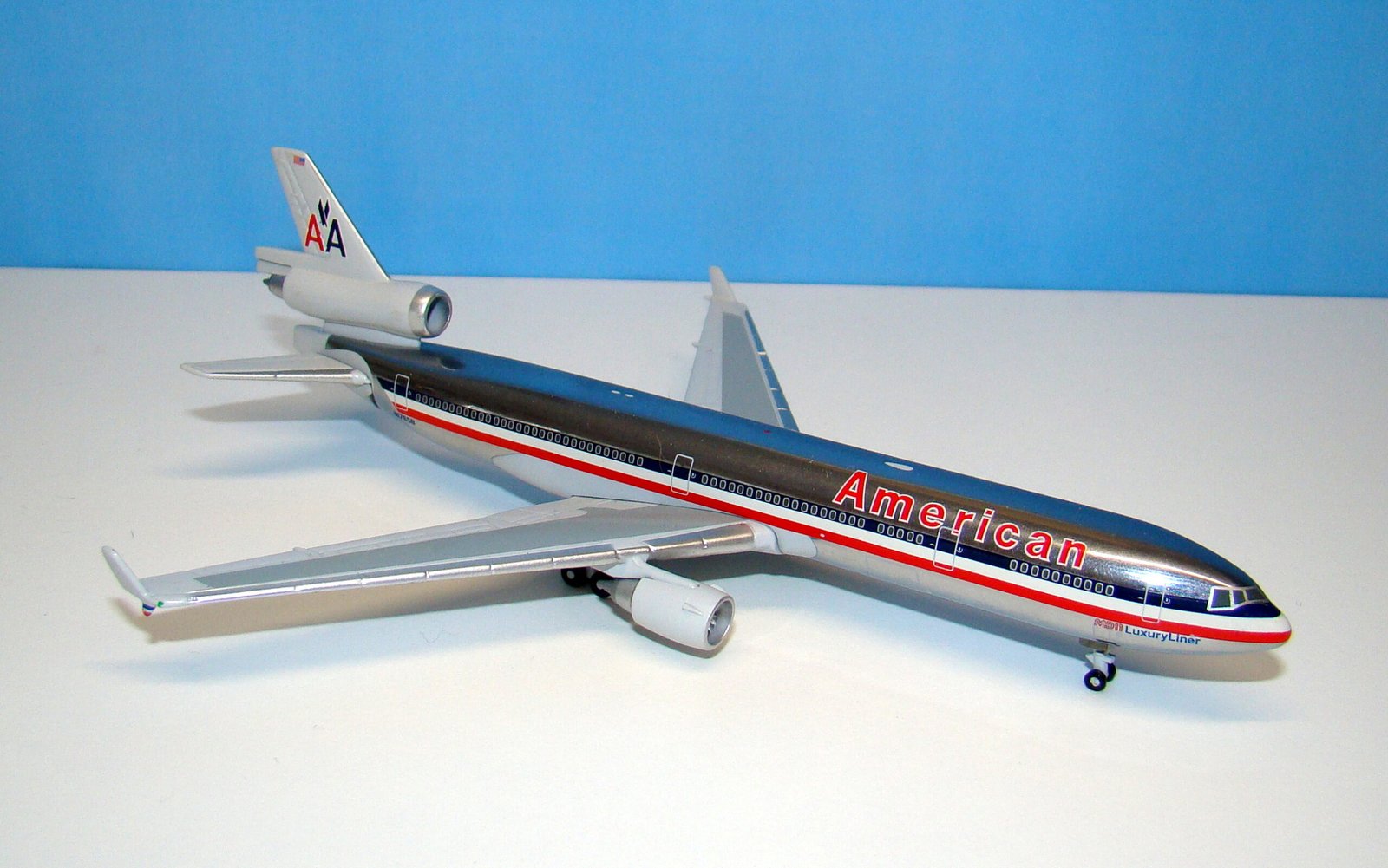
Phoenix v1 (2003-2008)
It can at times be hard to distinguish this mould from the early Gemini but there are a selection of detail differences. It shares the same wing seam with the Gemini but the detailing on the tail and wings is a lot stronger, and the underwing flap track fairings are better shaped – similar to the Dragon. The stand hole underneath is also in a different position (round and further forward on the Gemini, oval and further back on the Phoenix). The Phoenix mould also, like the Dragon, reproduces the two ADF bumps on the roofline. The engine pylons aren’t great and hang the engines a little too low. Lastly unlike both the other moulds the middle engine exhaust fairing is a one piece unit and not split into two.
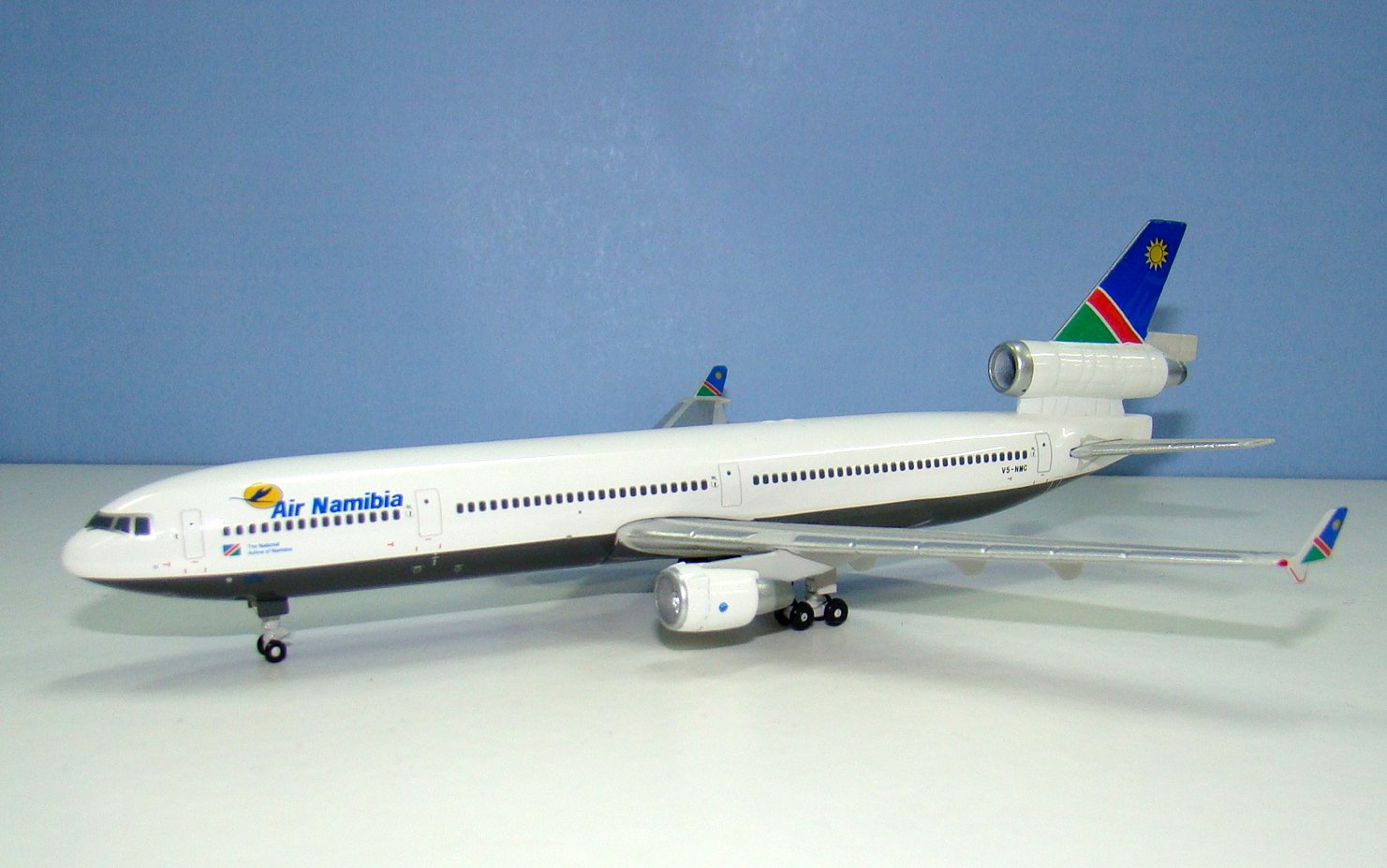
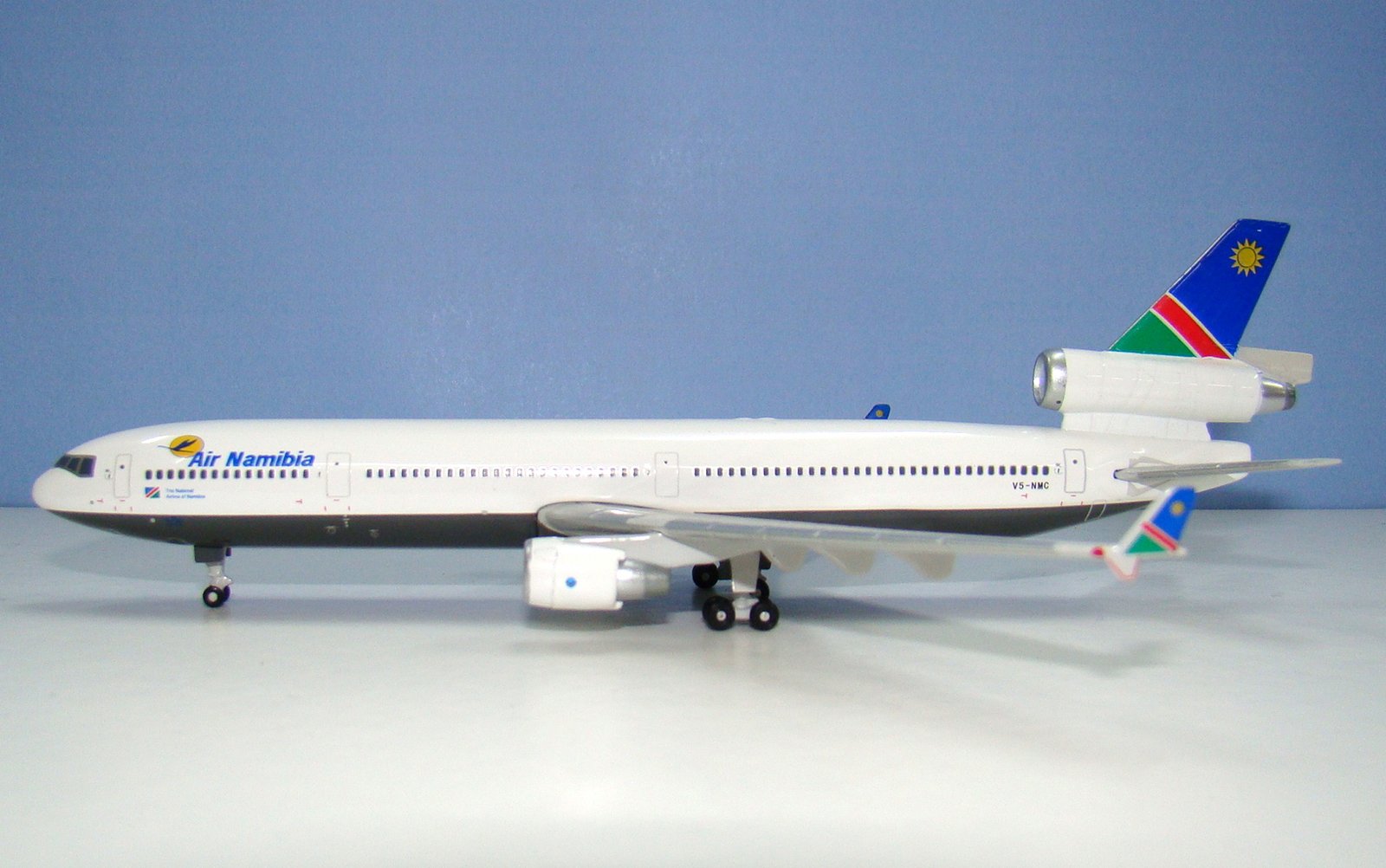
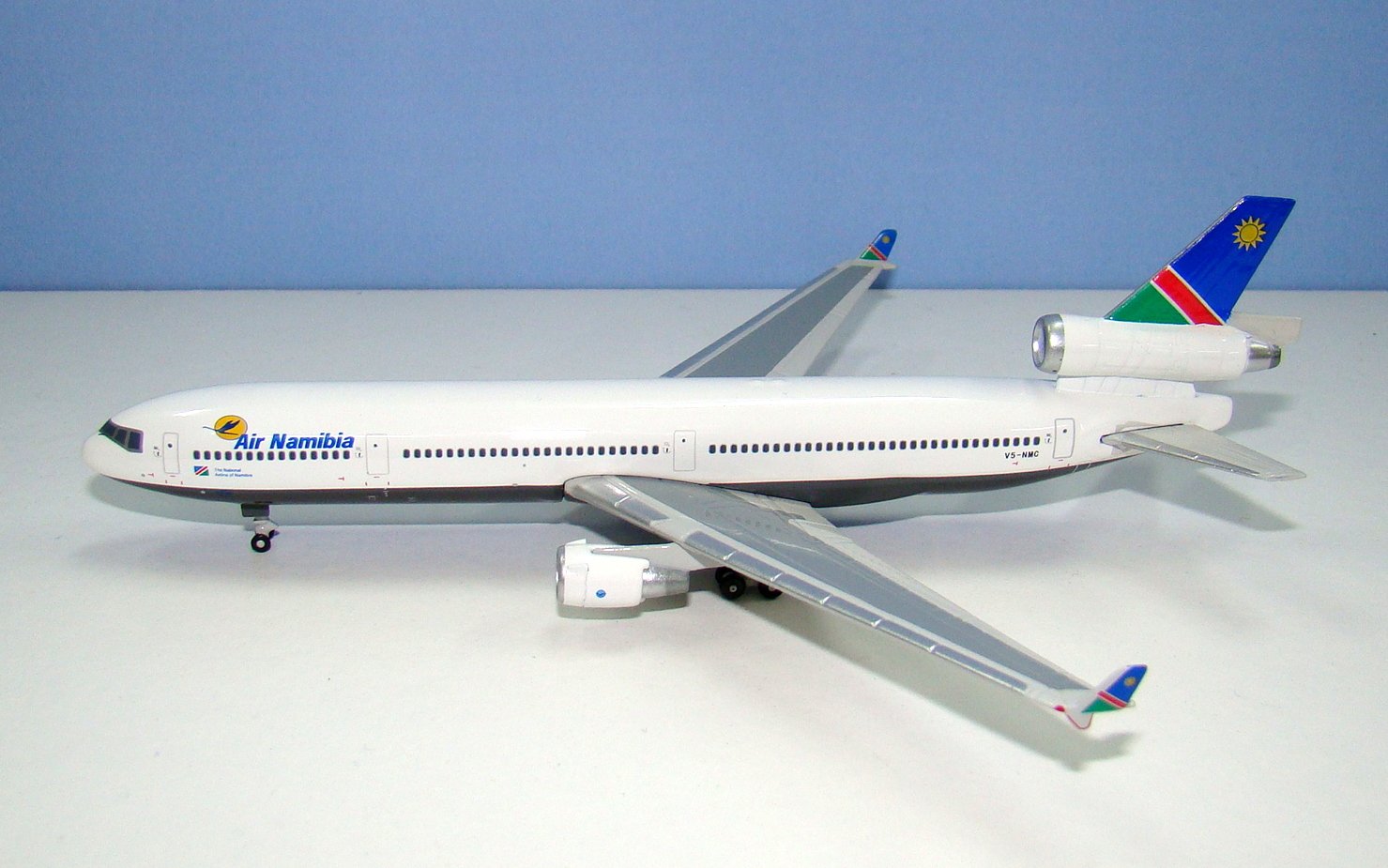
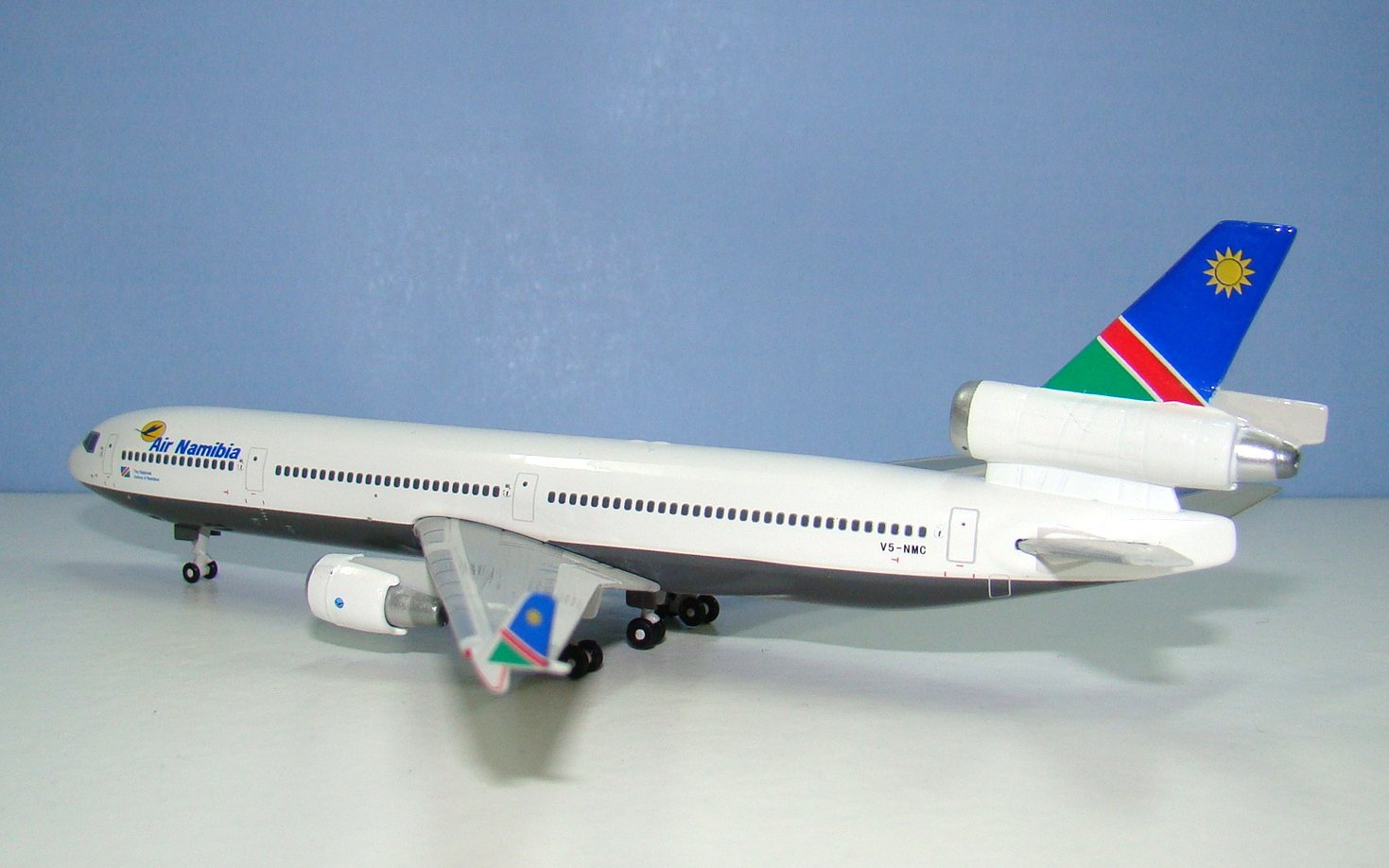
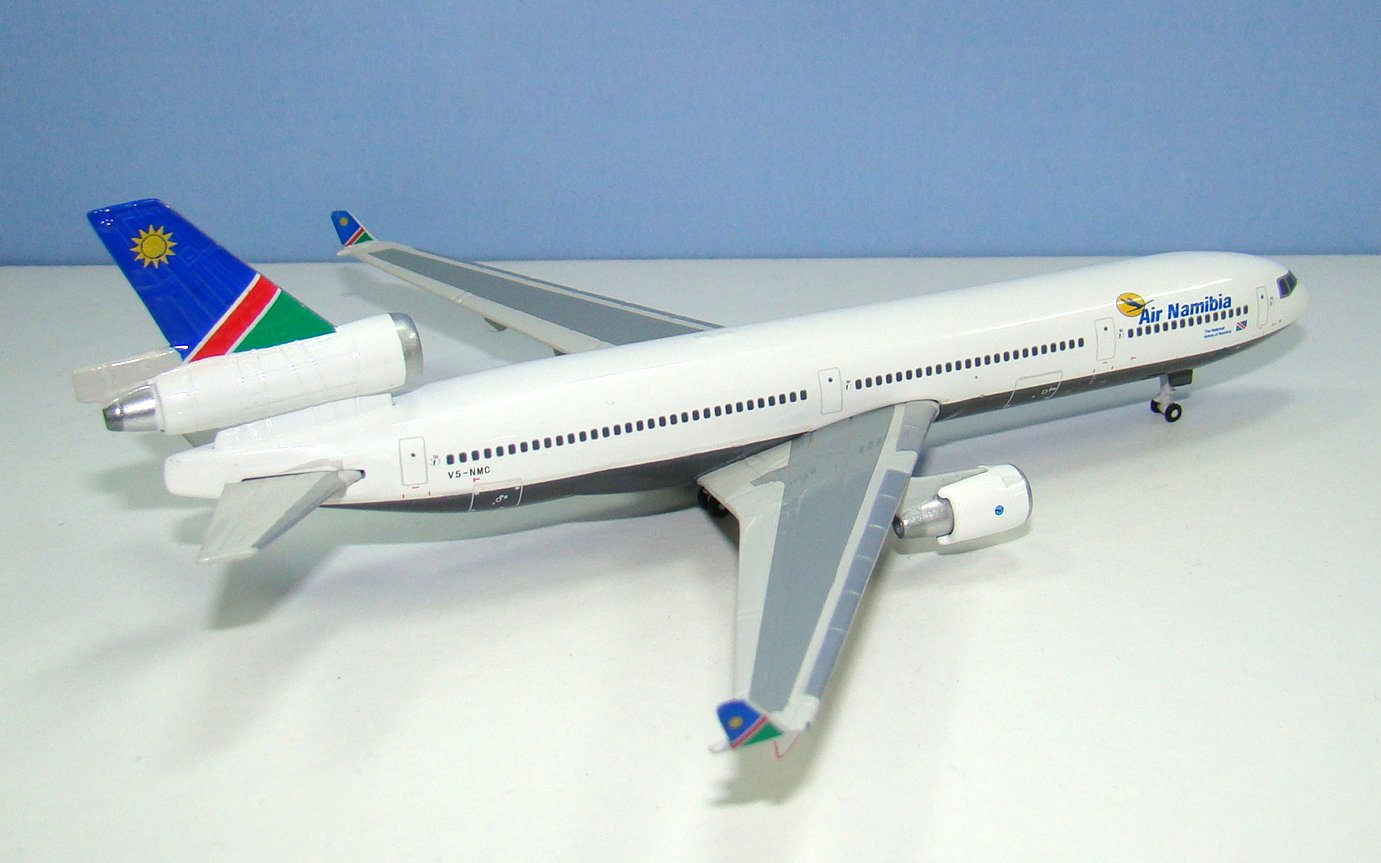
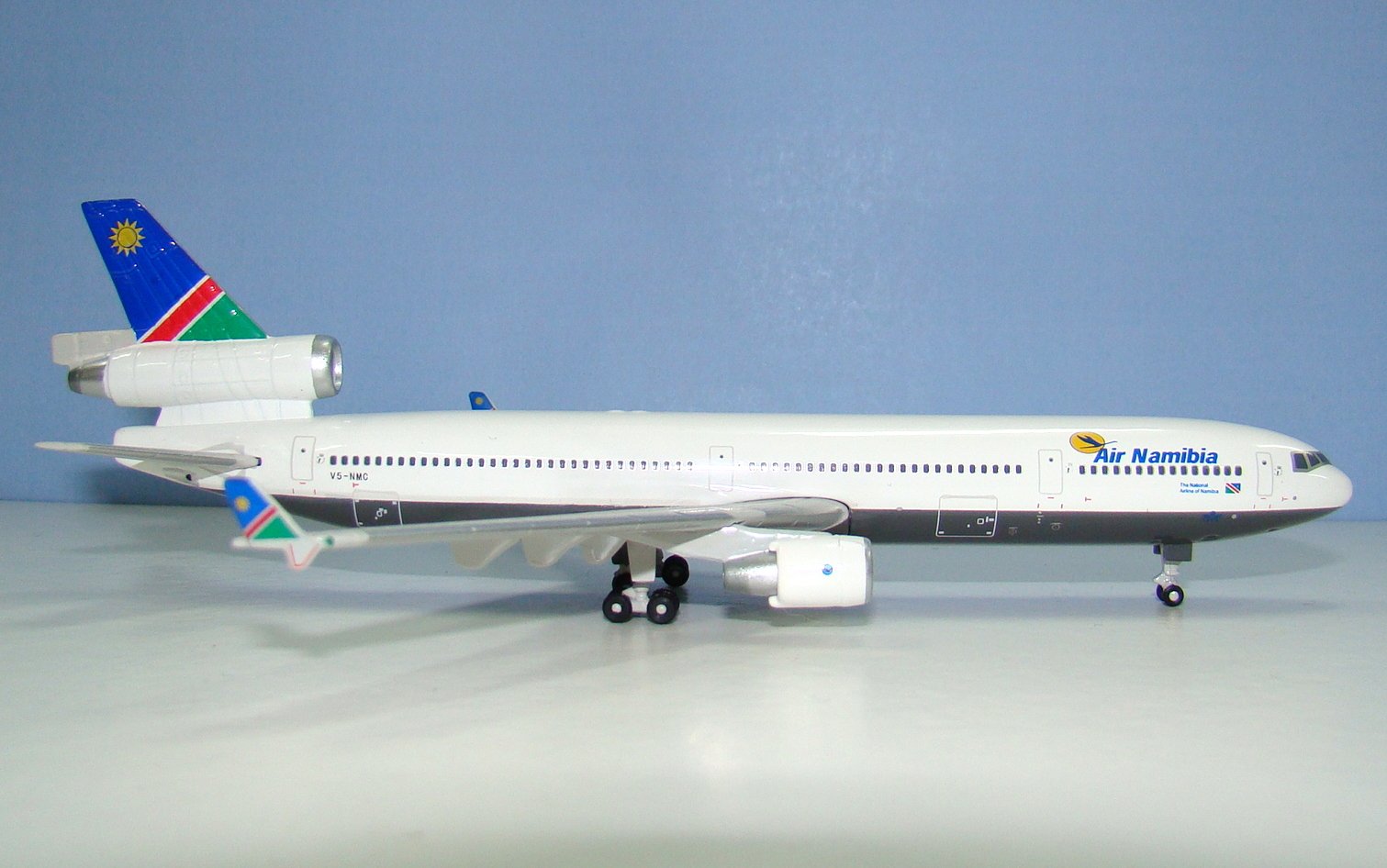
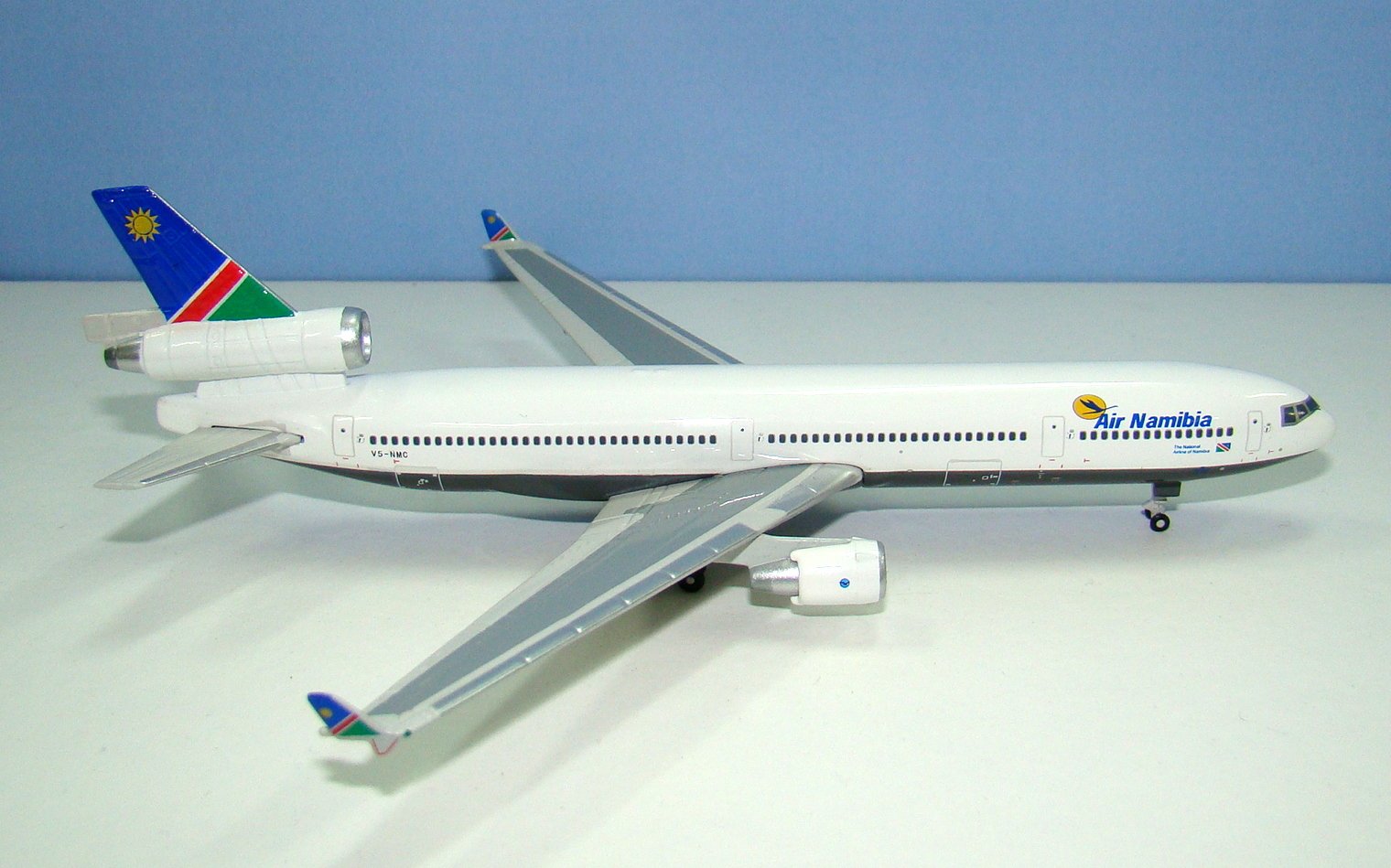
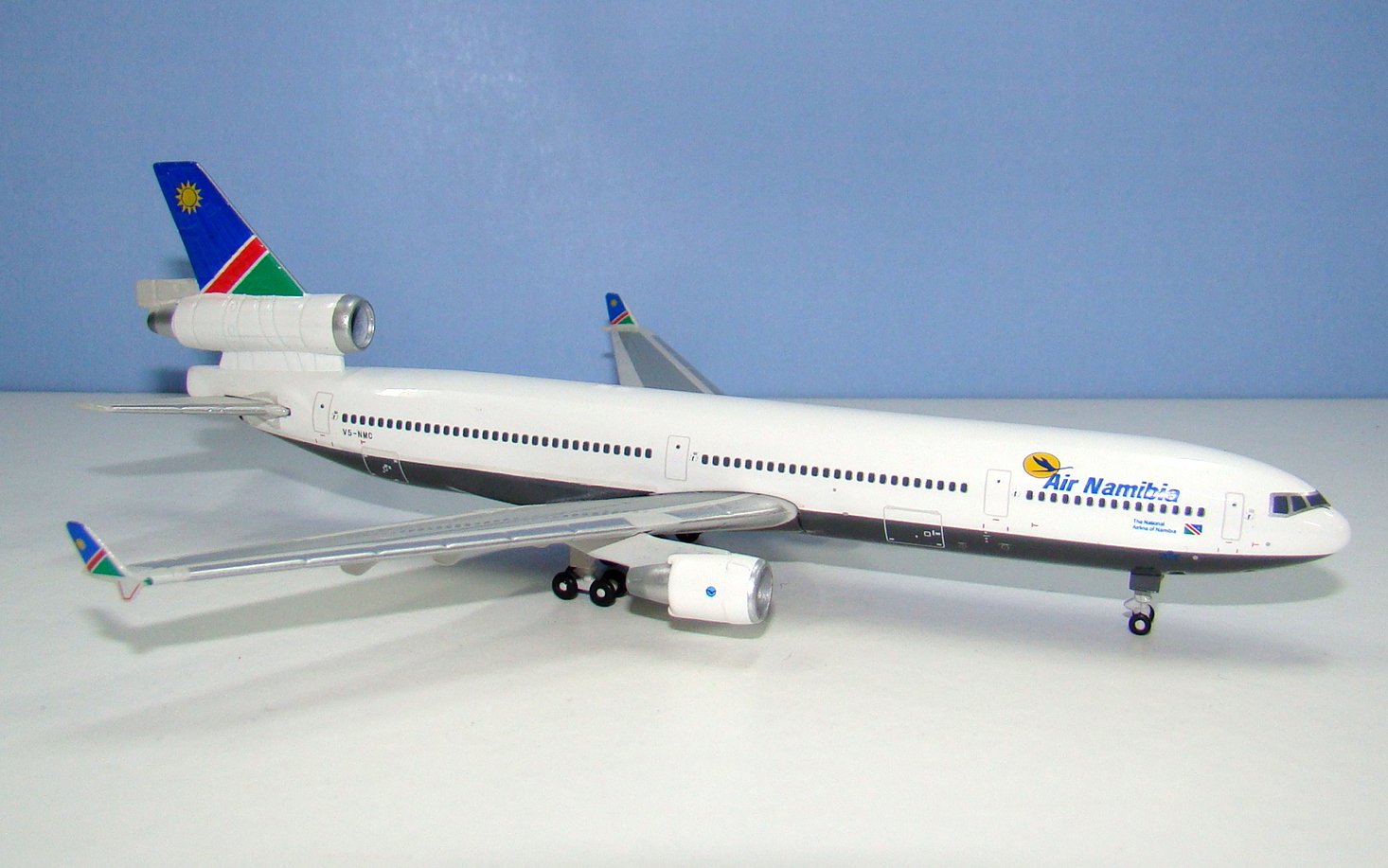
Gemini Jets Updated – JC Wings Mods (2009 – In Use)
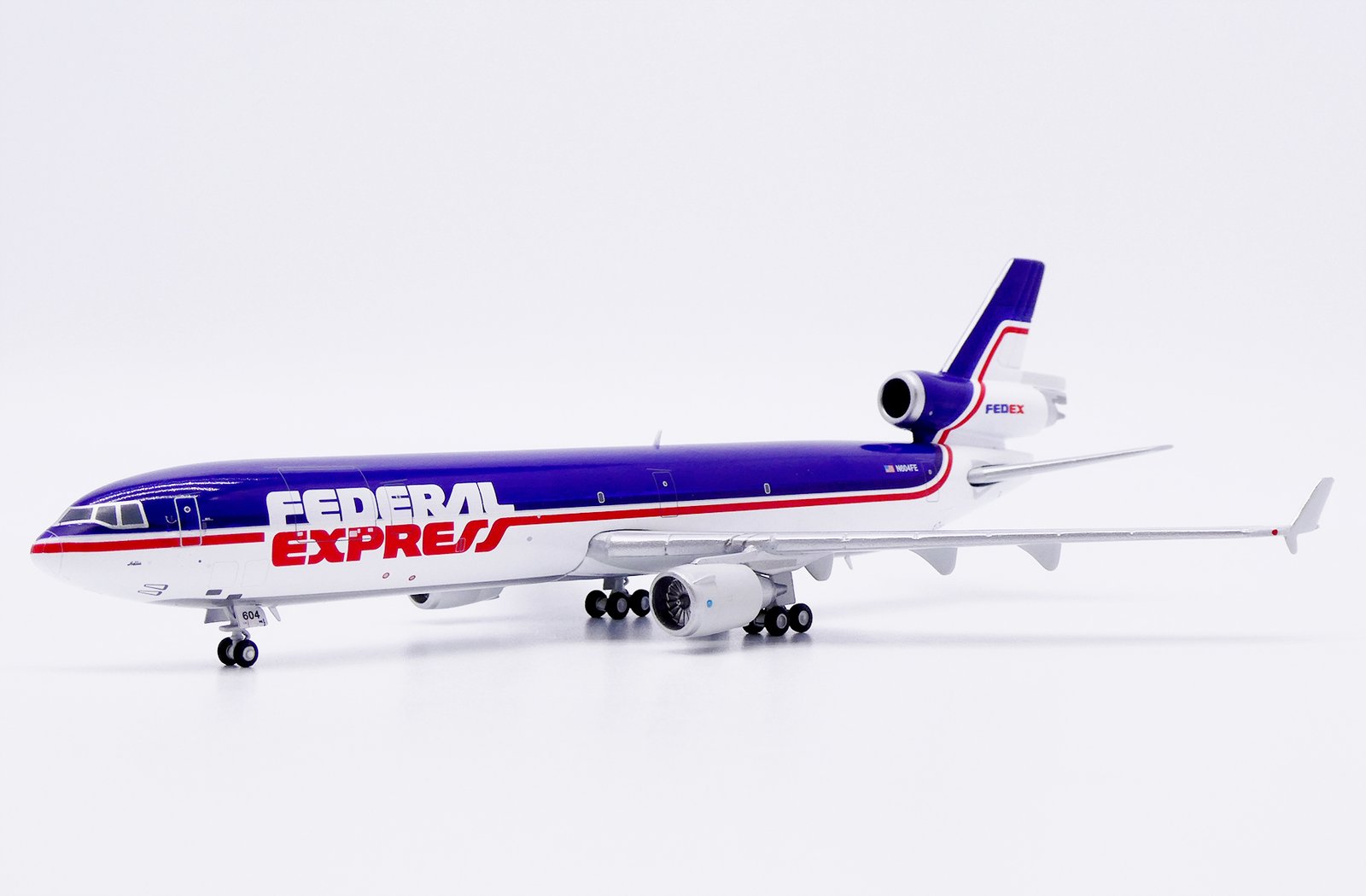
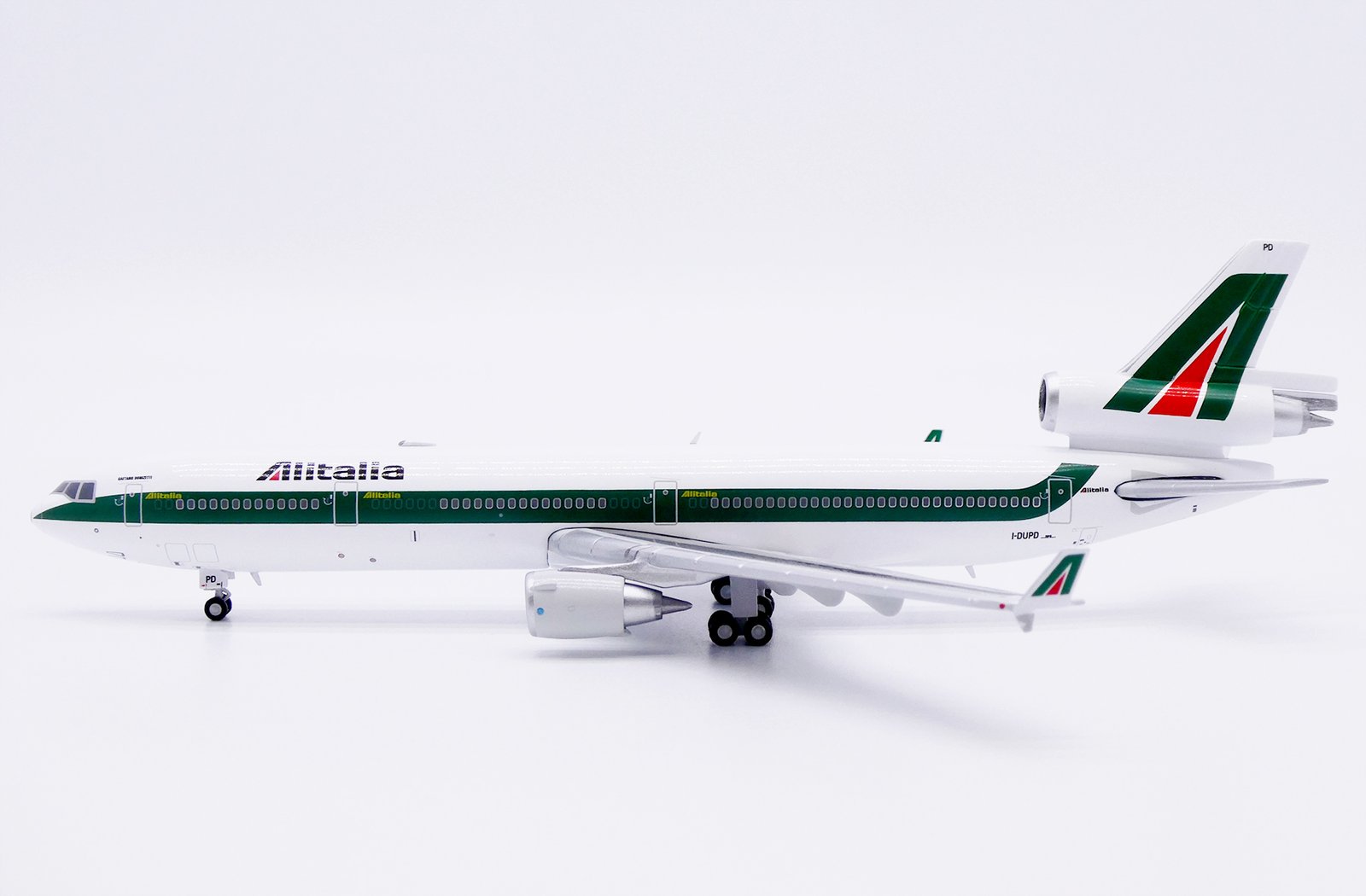
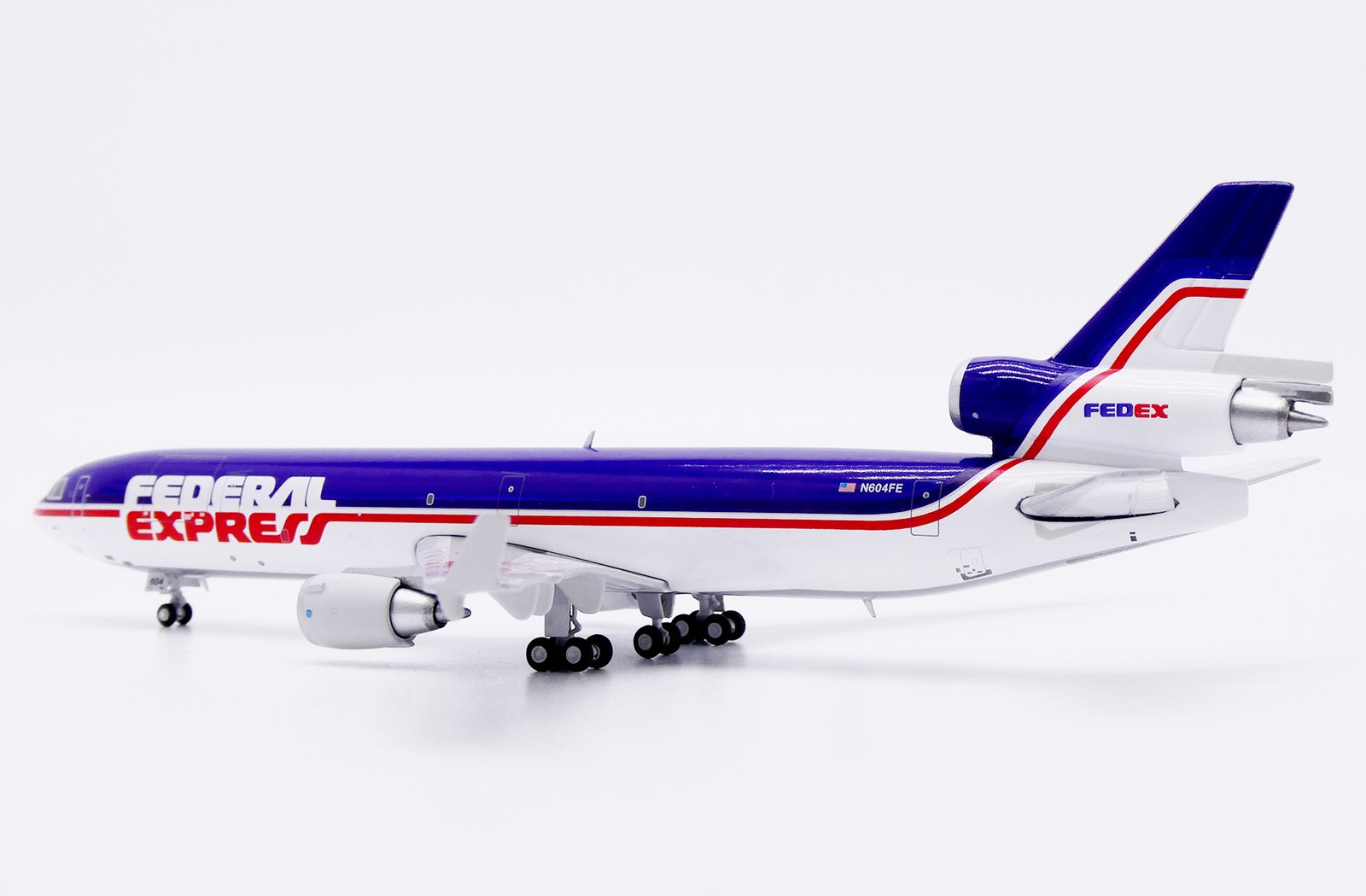
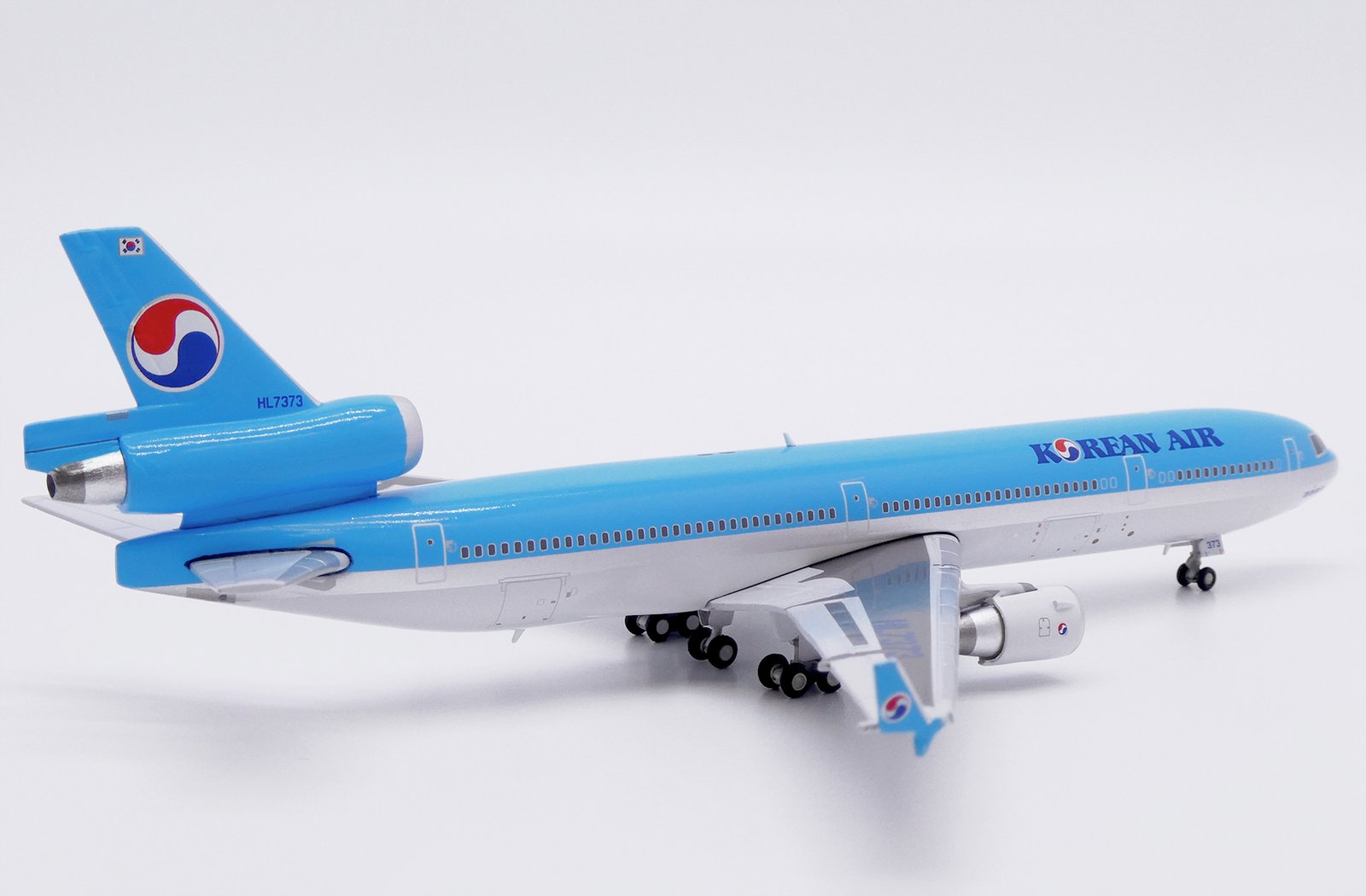
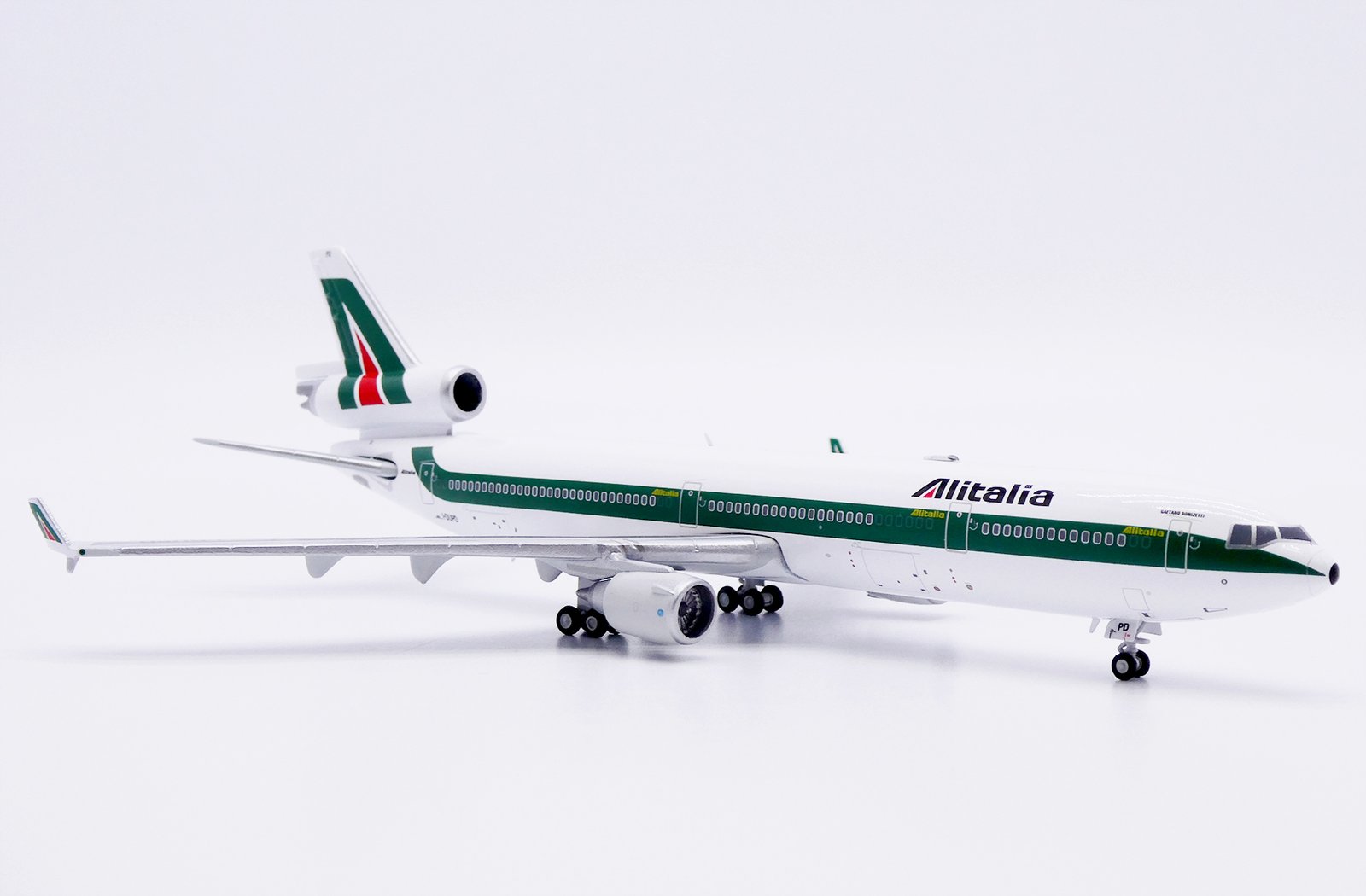
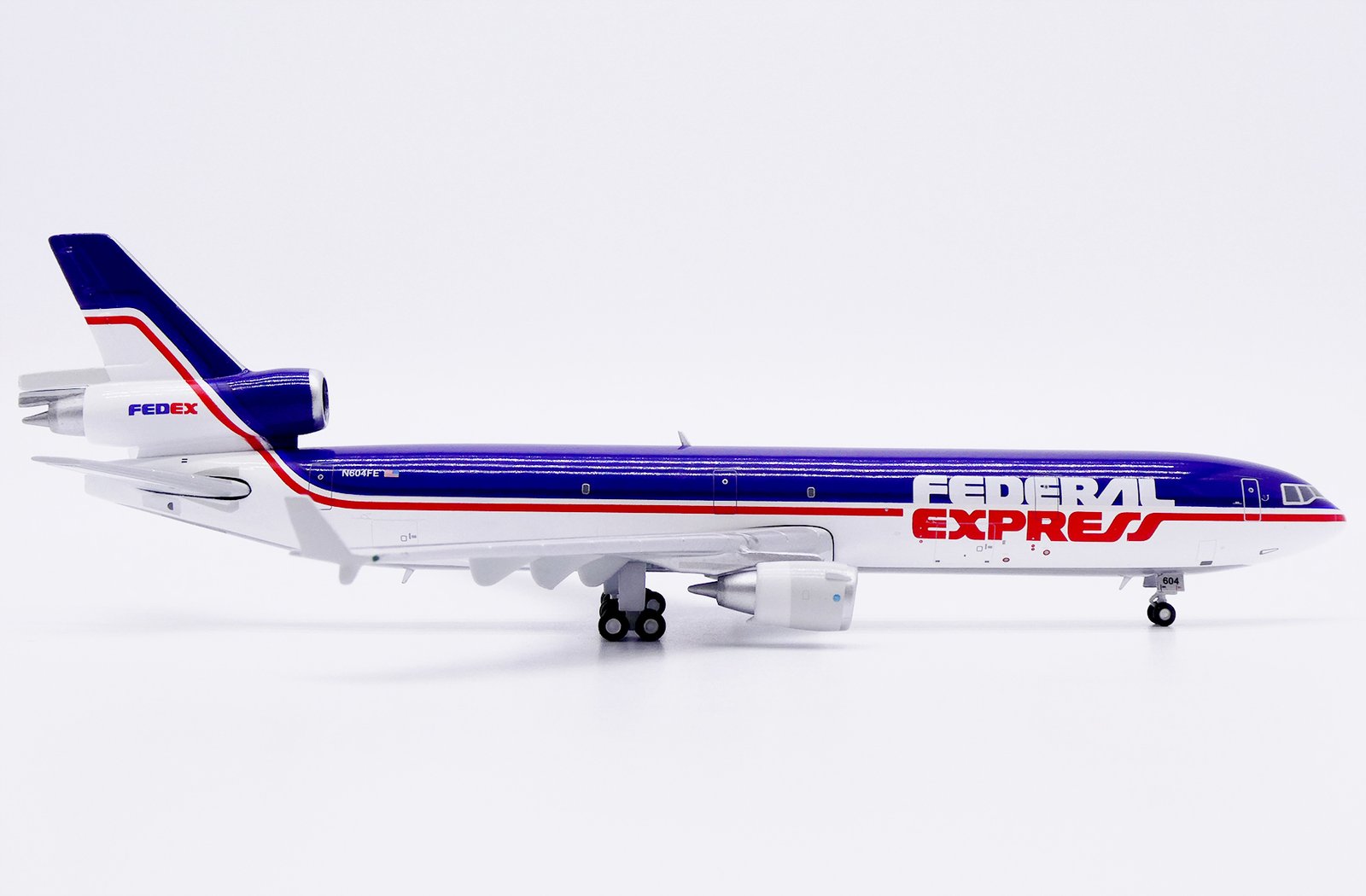
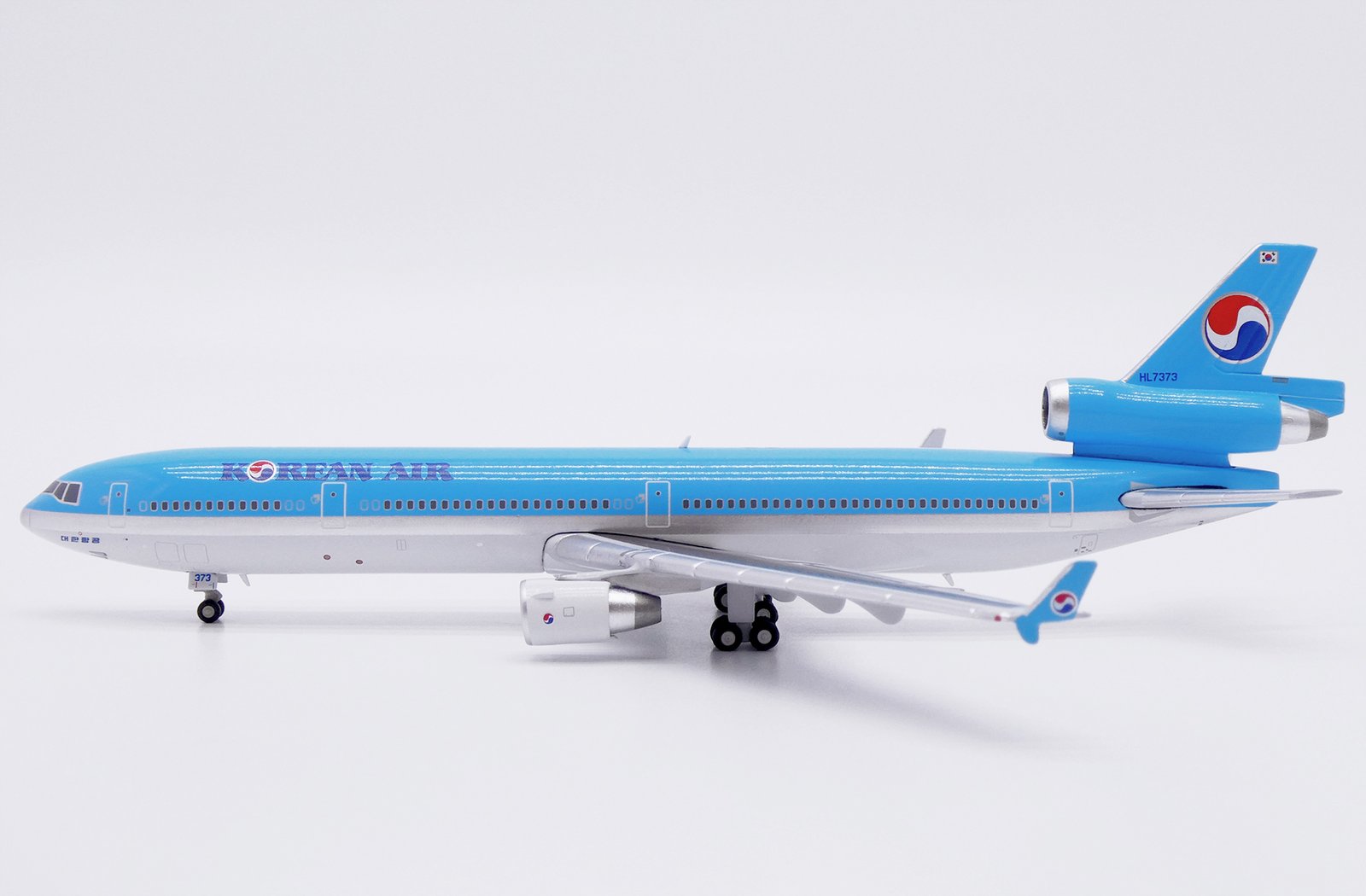
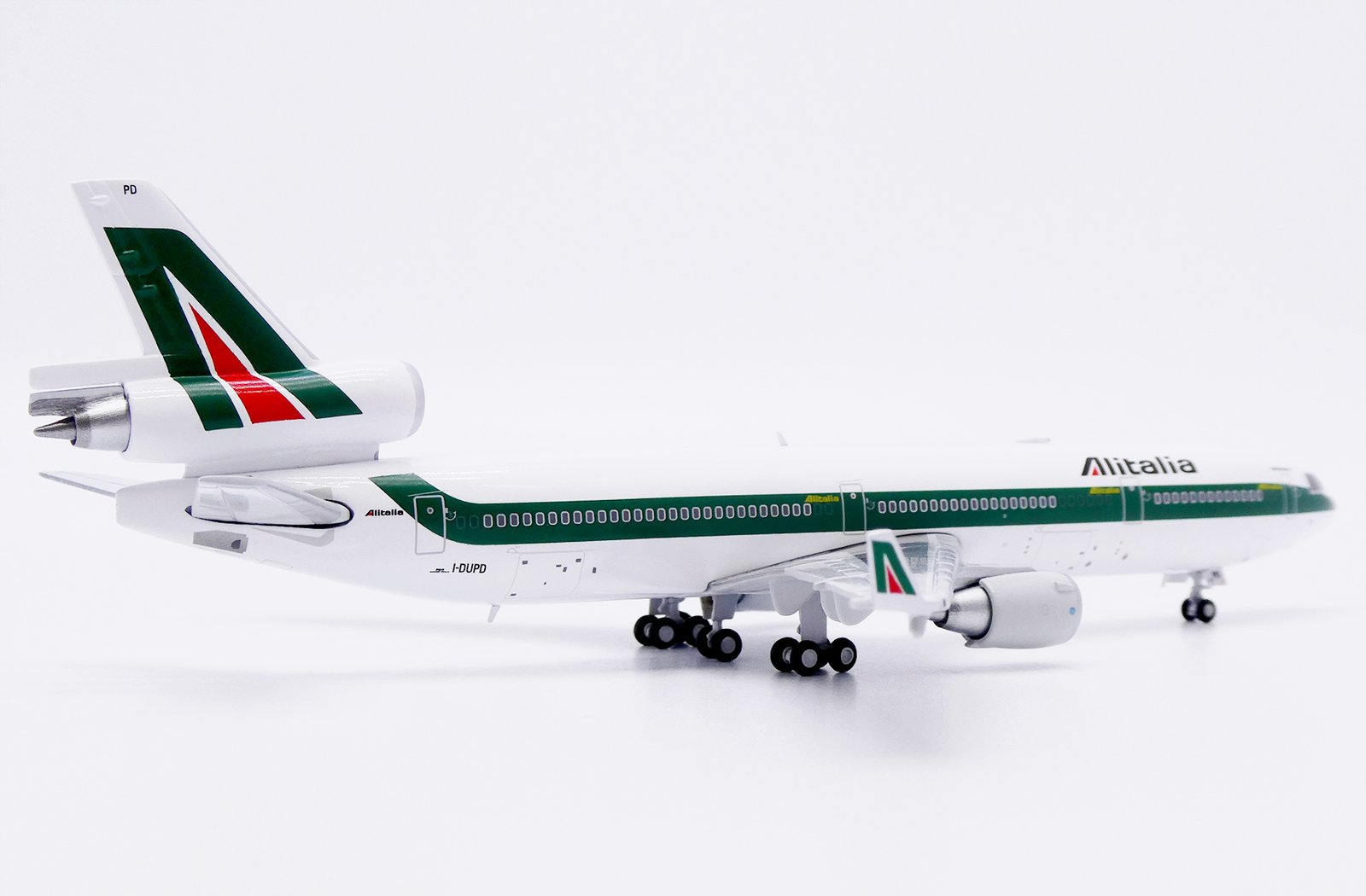
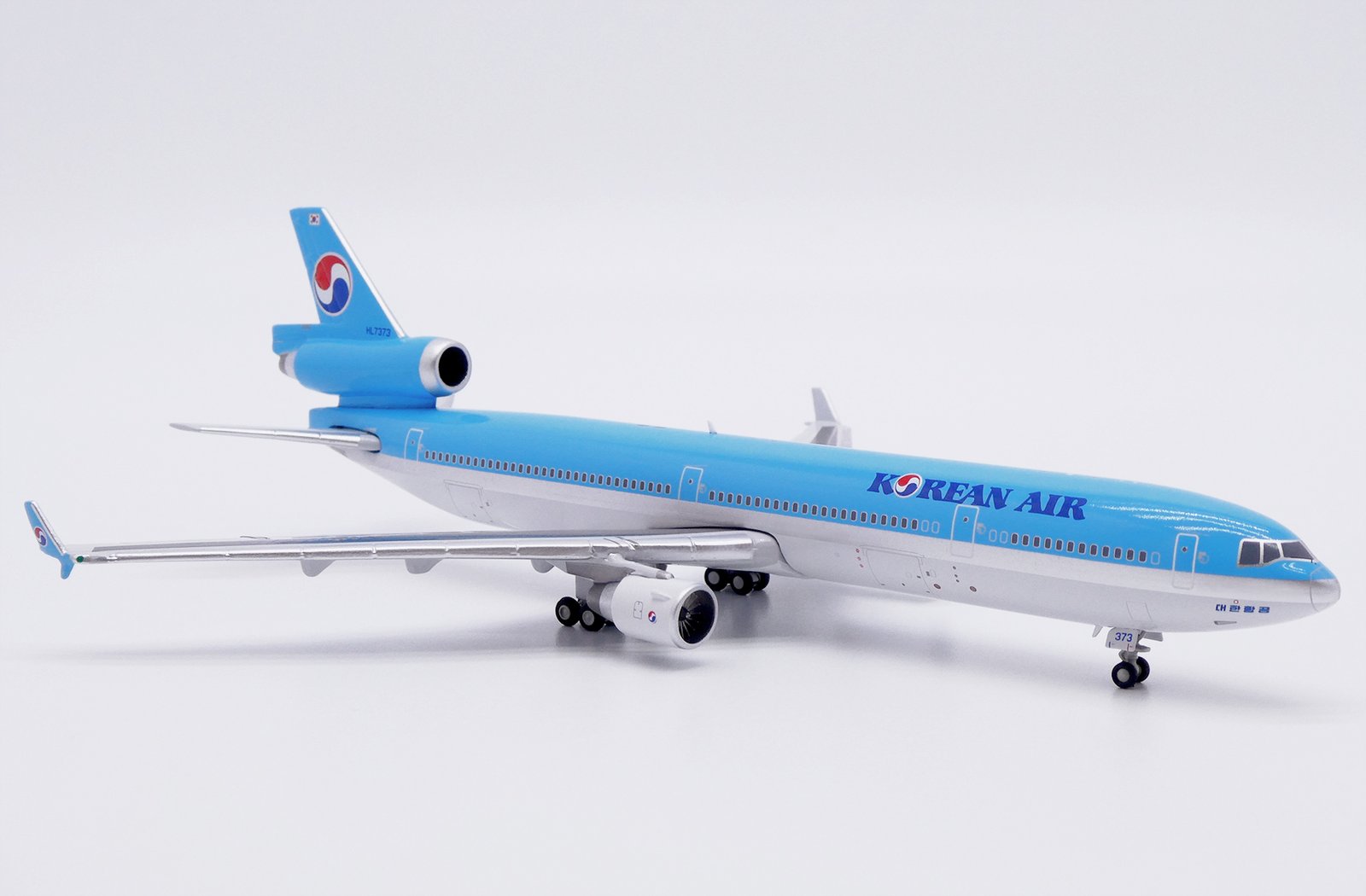
In 2009 Gemini updated their original mould with rolling gear. Not only do the gear roll but the gear legs are much more detailed than before. The result was an improvement to the mould. As Gemini Jets are nowadays made by JC Wings in their factories JC also began to use the mould and further updated it in 2014 by adding aerials. The modifications definitely improved the mould, although sometimes the nosegear can seem too short. It also still has the classic wing seam and two piece tail unit.
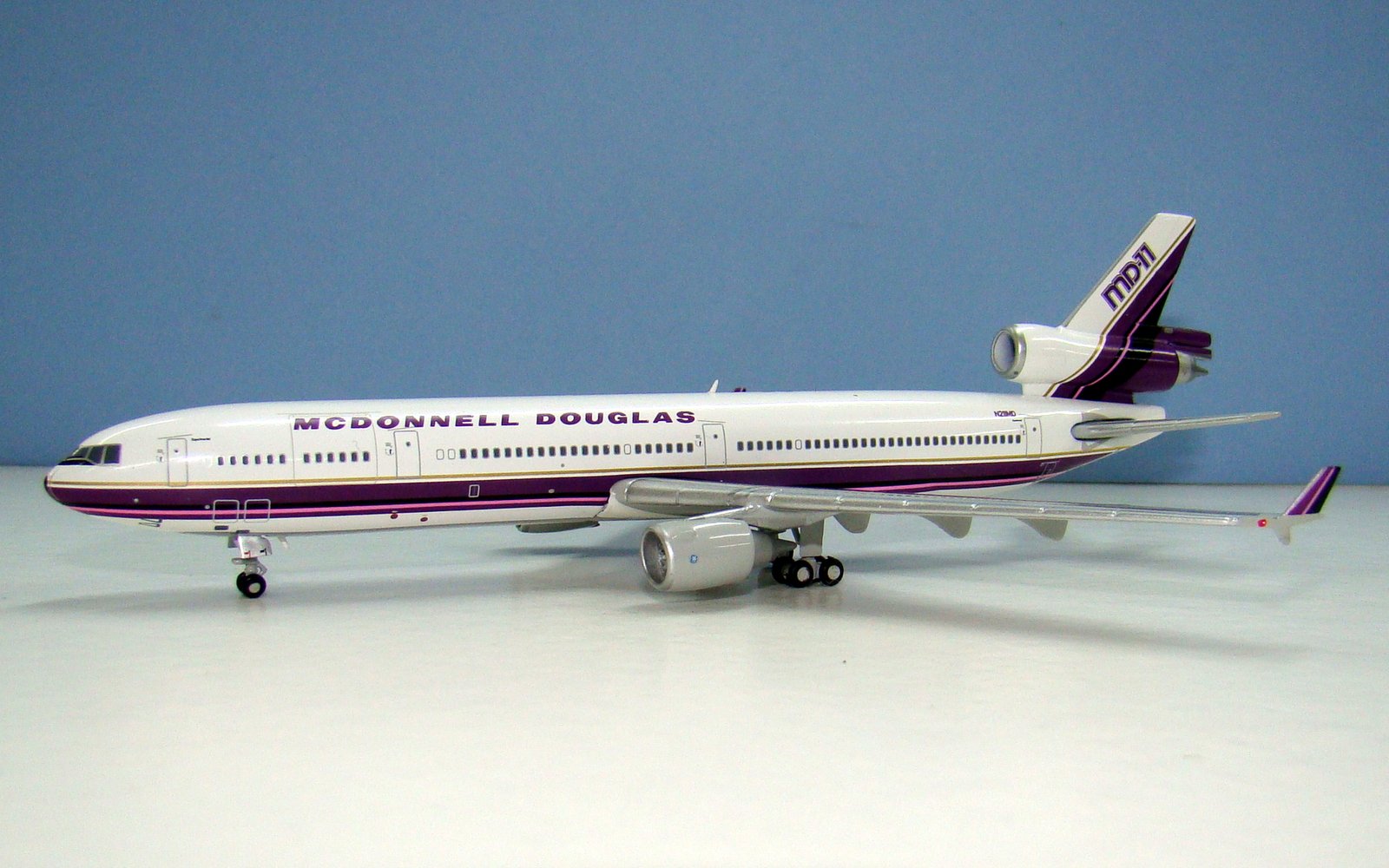
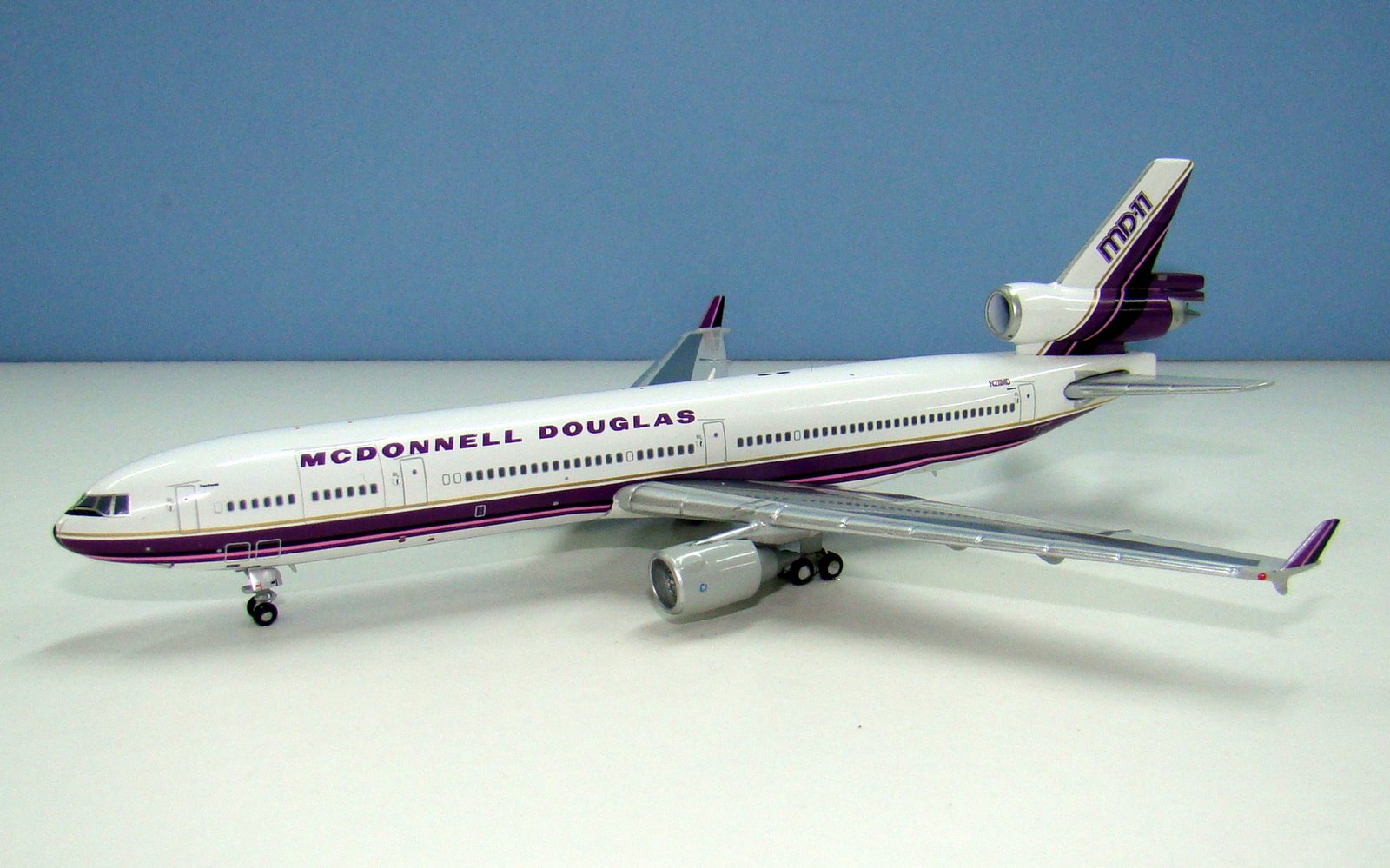
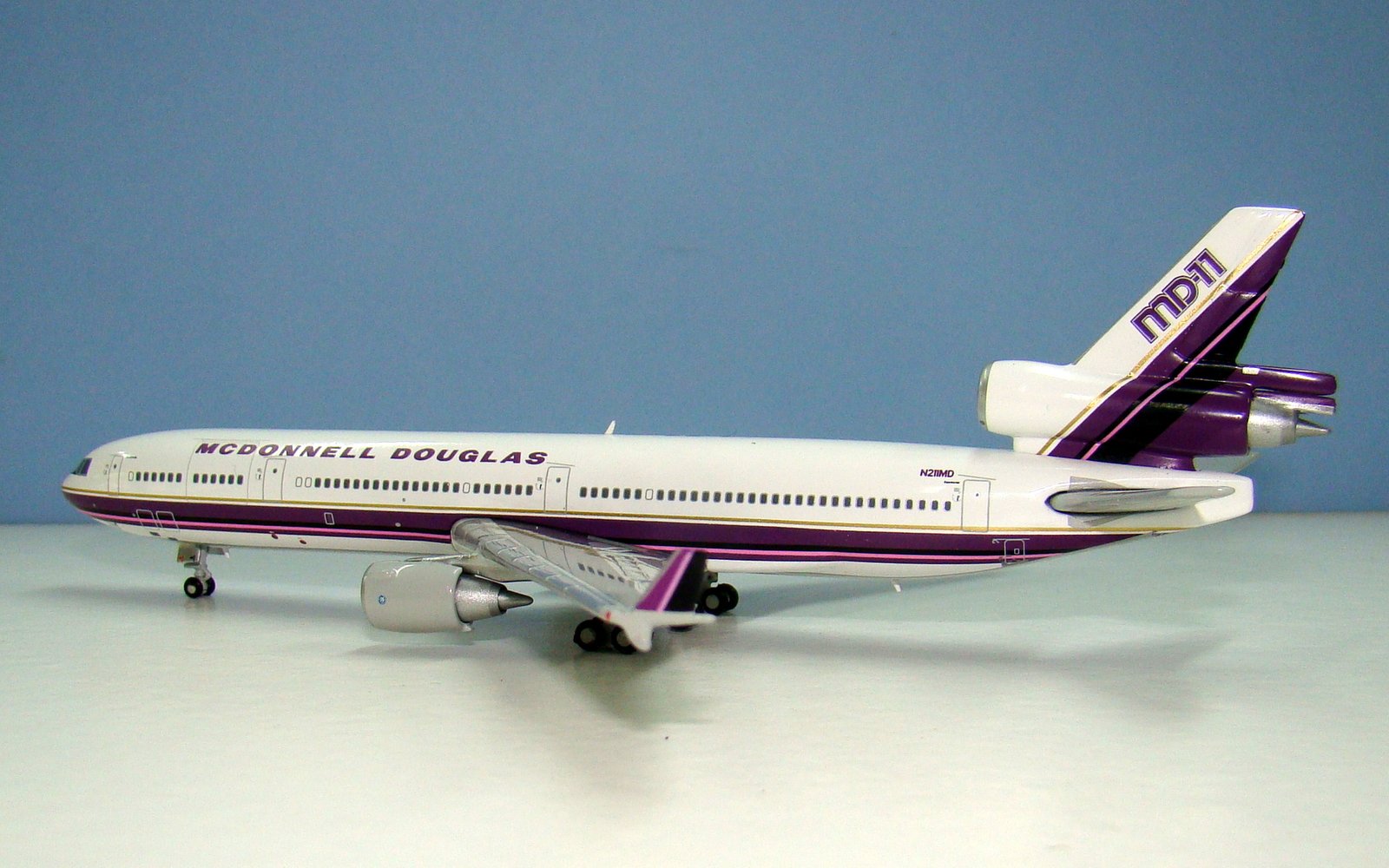
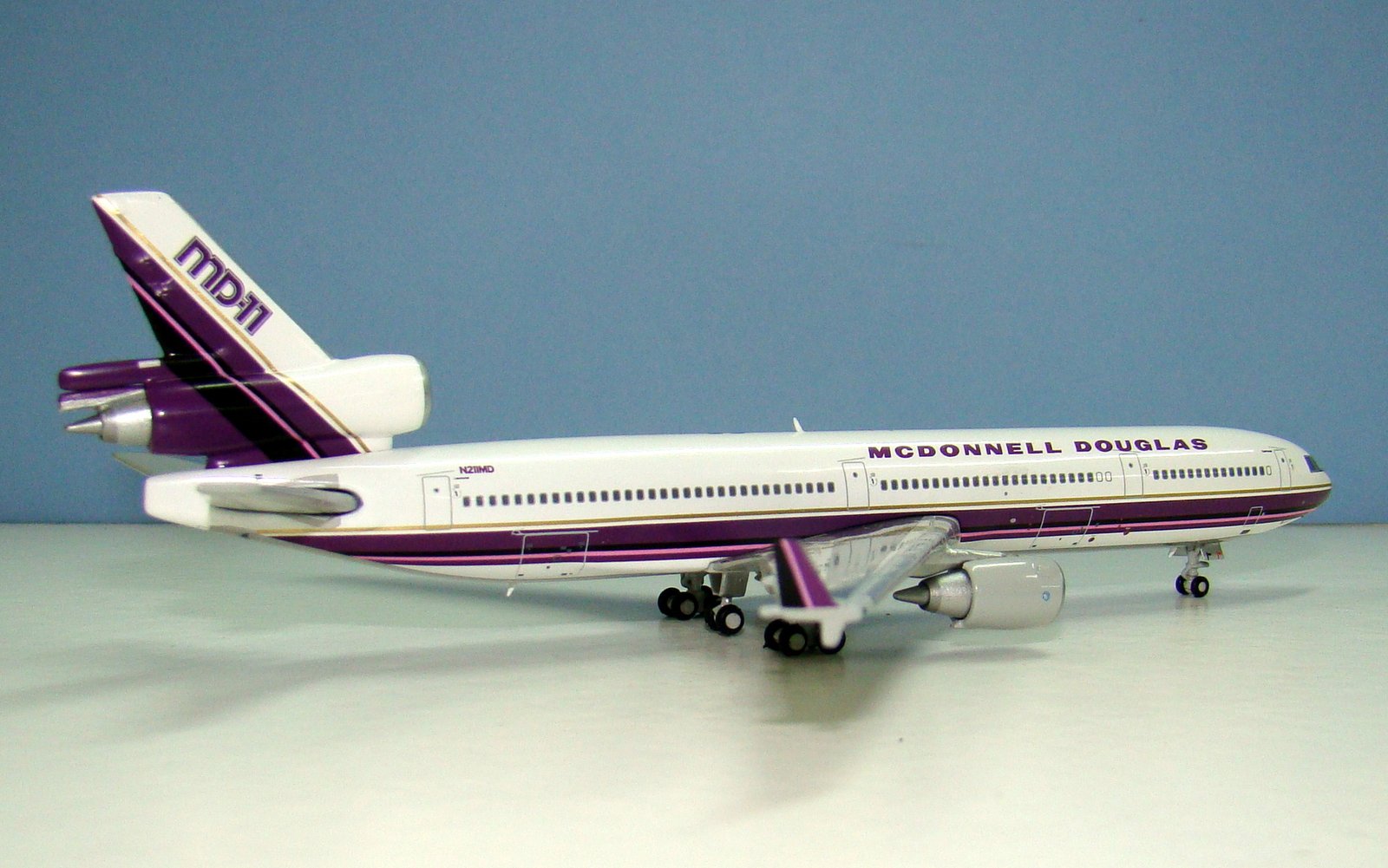
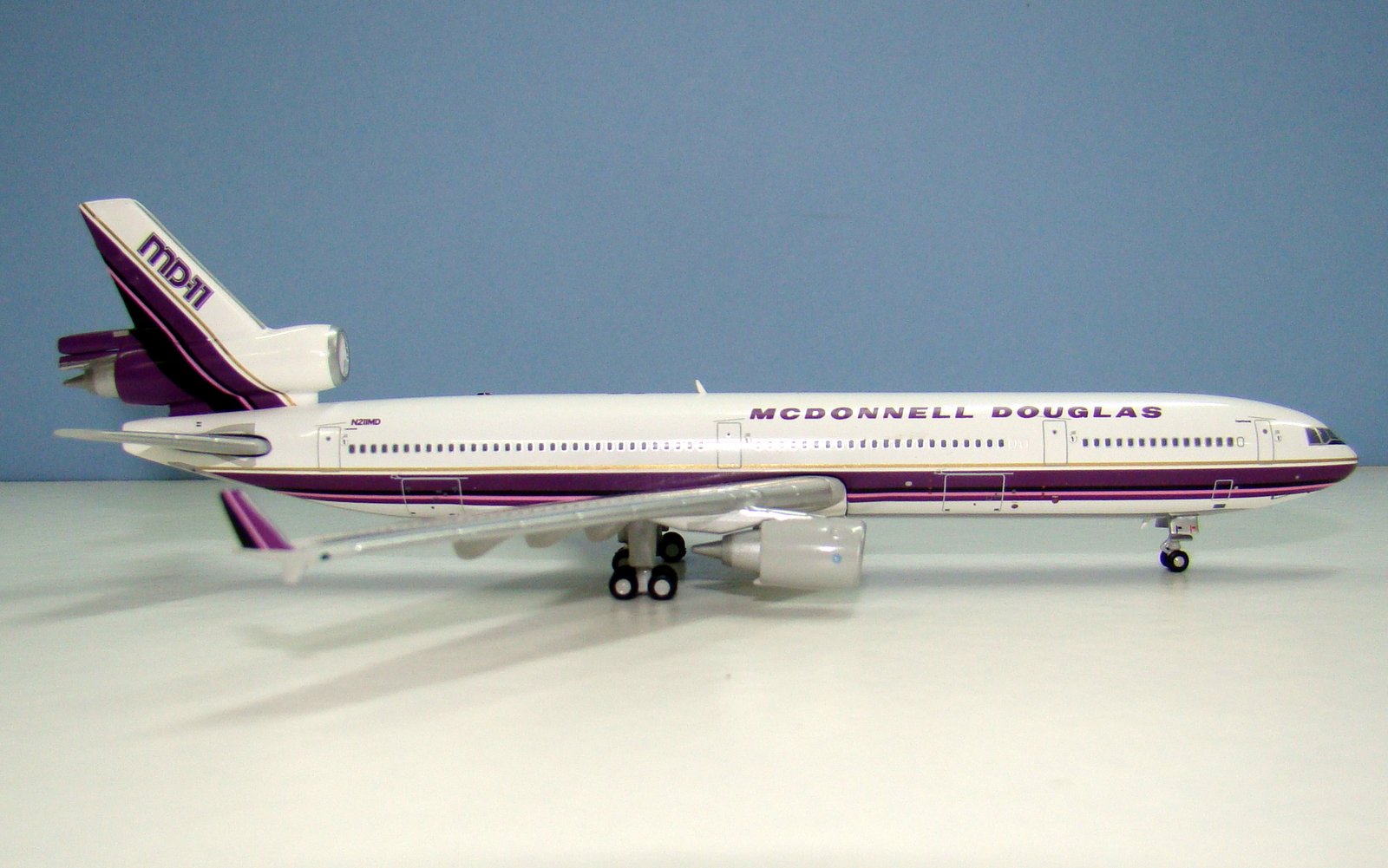
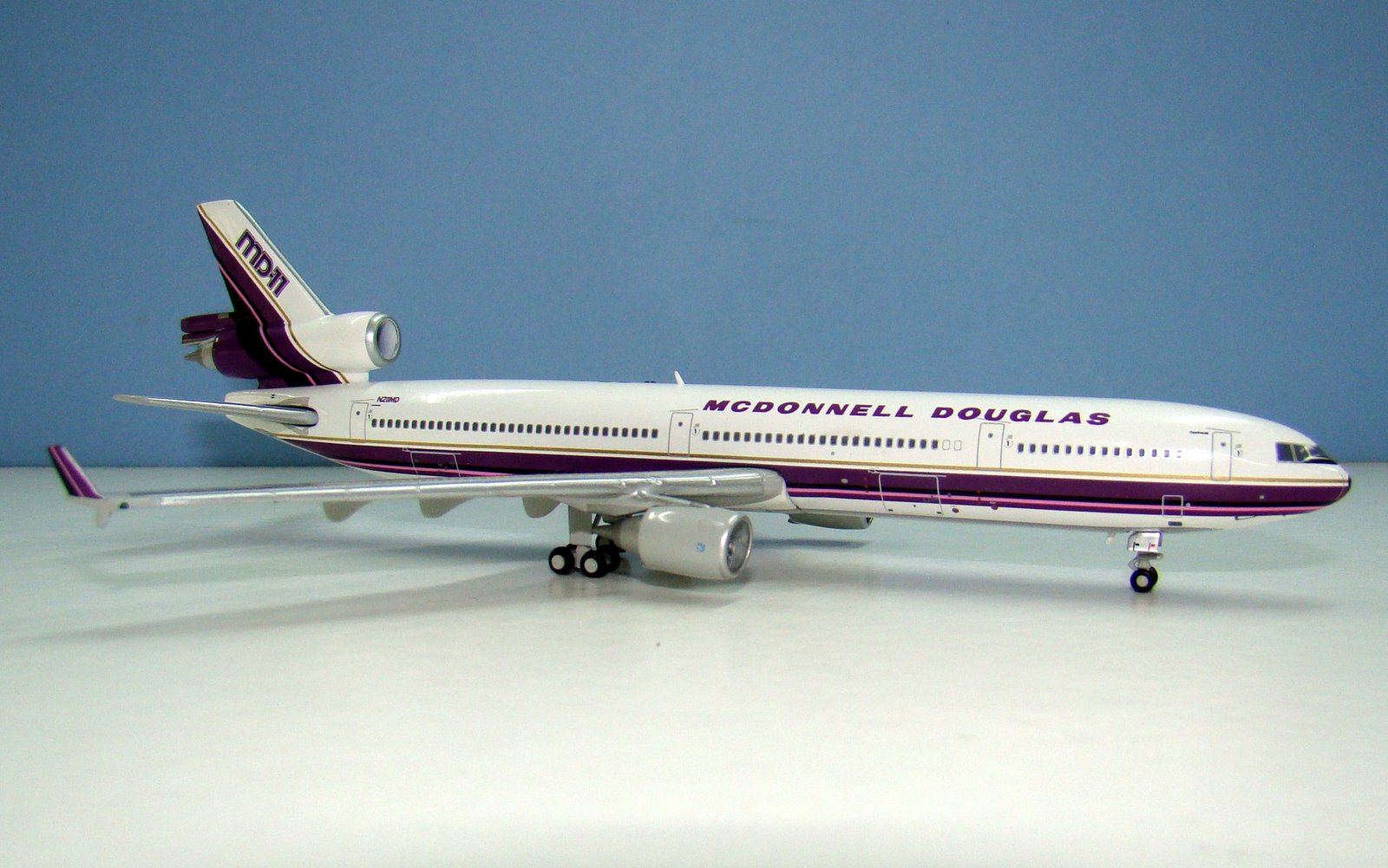
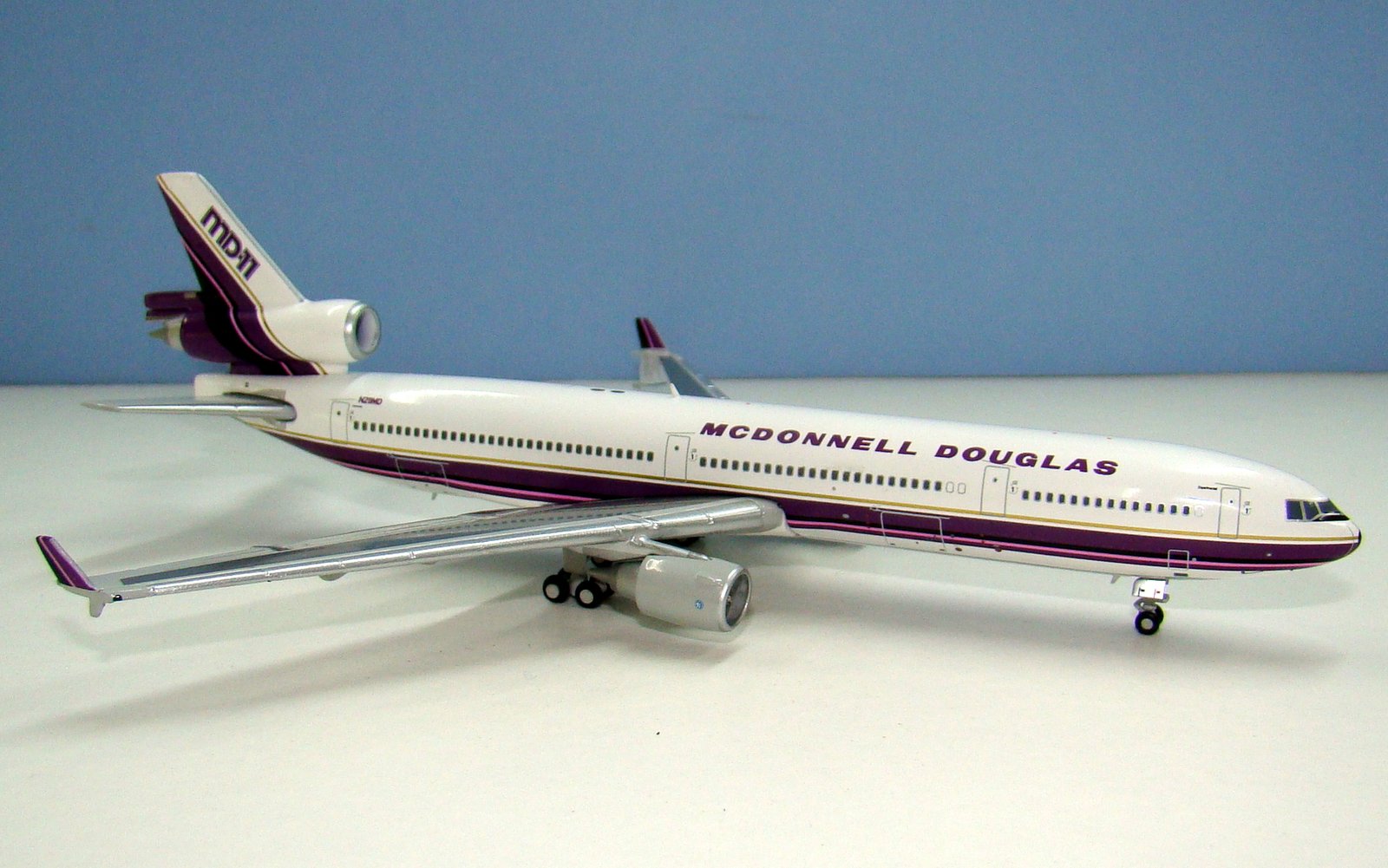
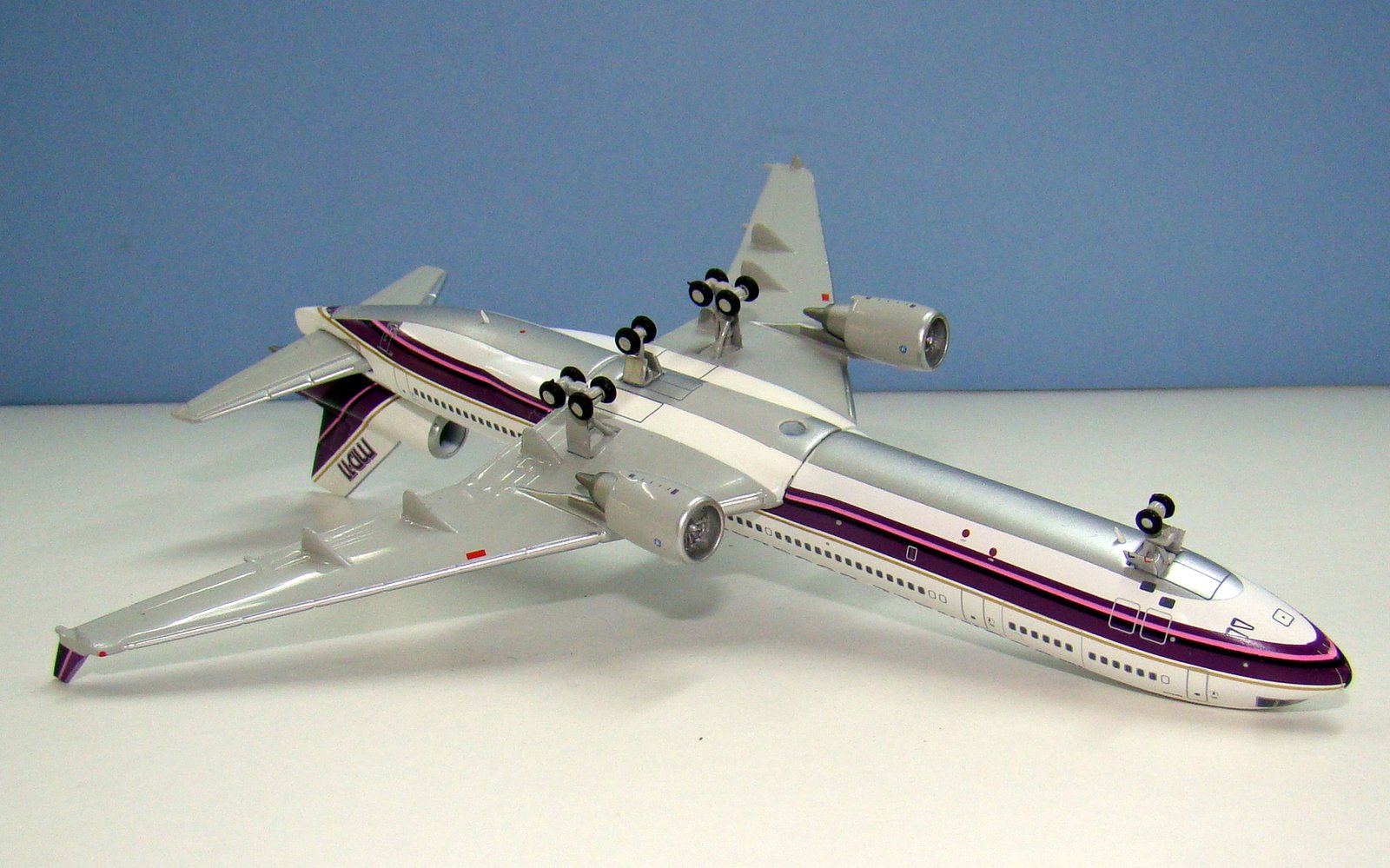
The mould continues in use in 2026, mainly coutrsy of JC Wings, but it is no competition for the newer Panda or HX versions because even with the improvements there’s no way to remove the outdated aspects related to the cradle fit mould and thick wings / engine pylon joins. The 3 below are all 2026 releases:
Phoenix Updated (2013 – In Use)
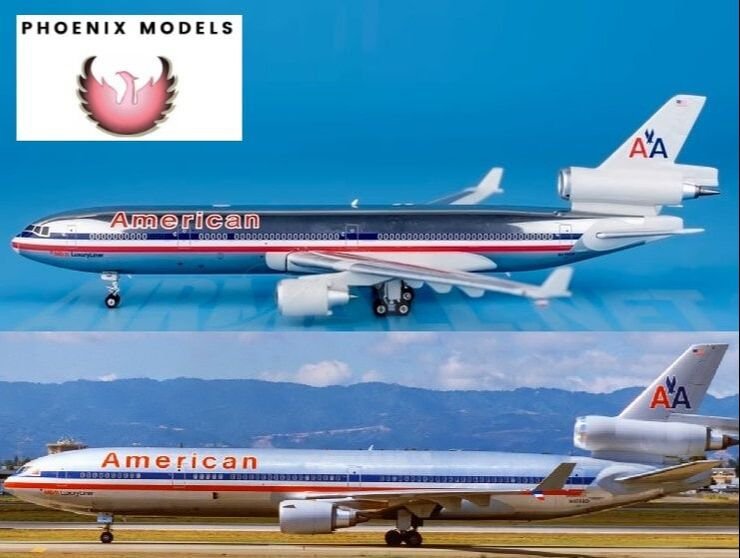
As with Gemini Phoenix also updated their mould with rolling gear, however it wasn’t as subtly done. The biggest criticism has been that the nosegear leg is too long, often giving models something of a nose high attitude. Like the Gemini mould it still retains the wing seam and although the no 2 engine exhaust is better the engine pylons haven’t been improved.
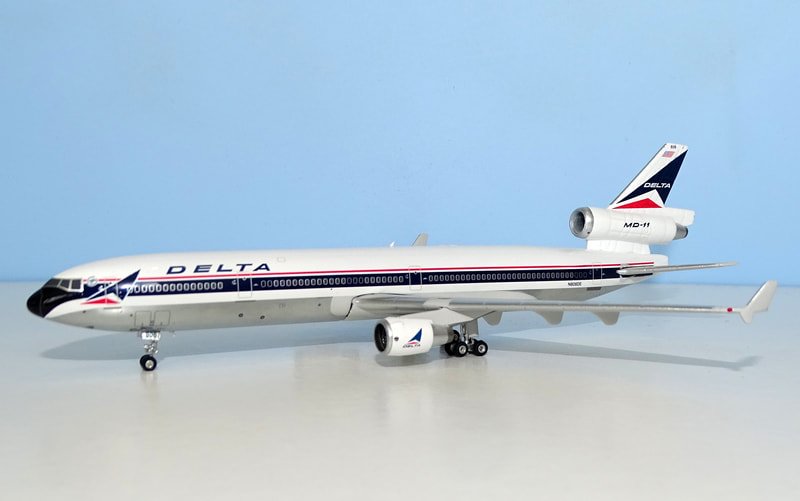
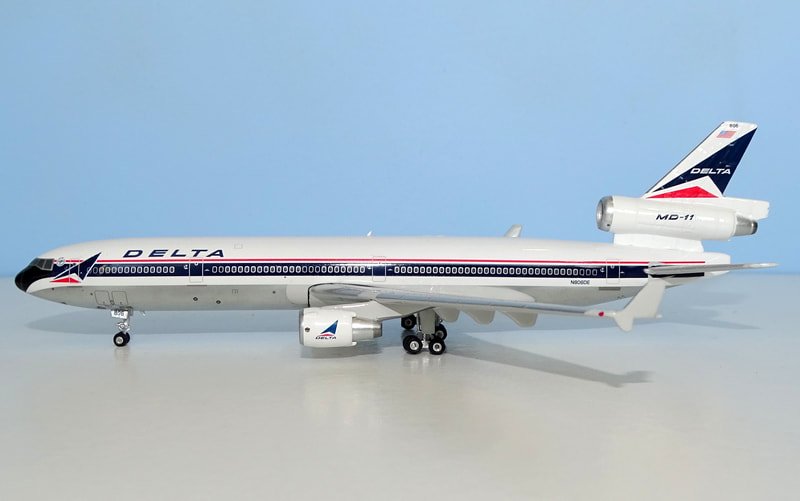
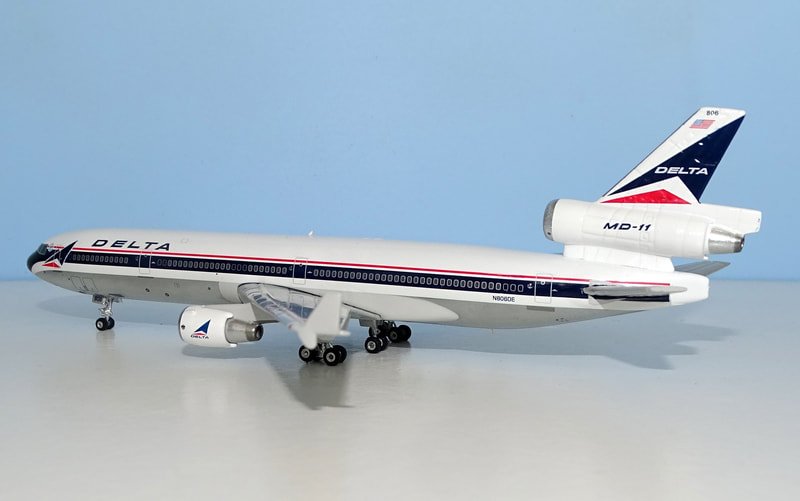
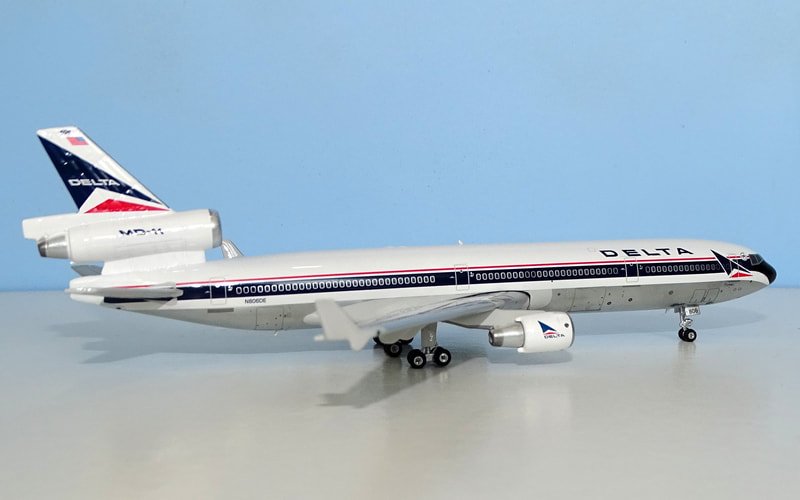
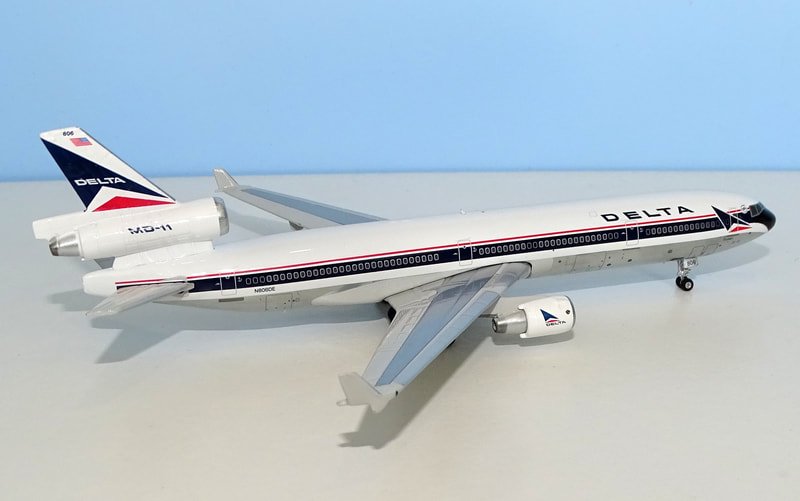
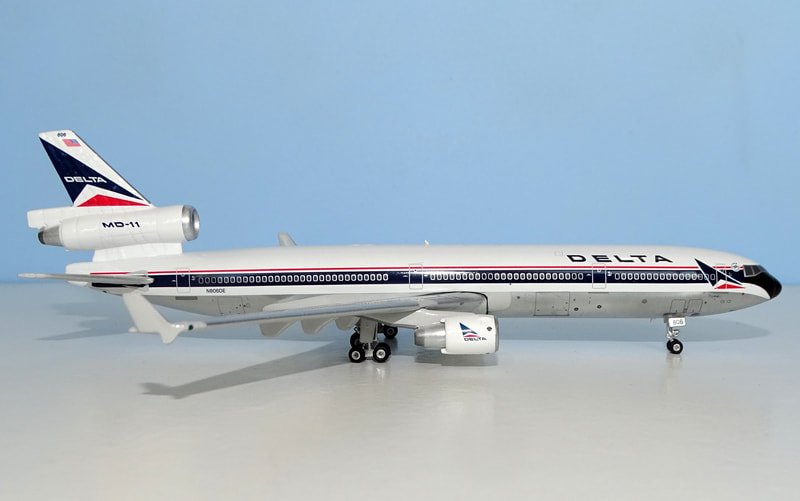
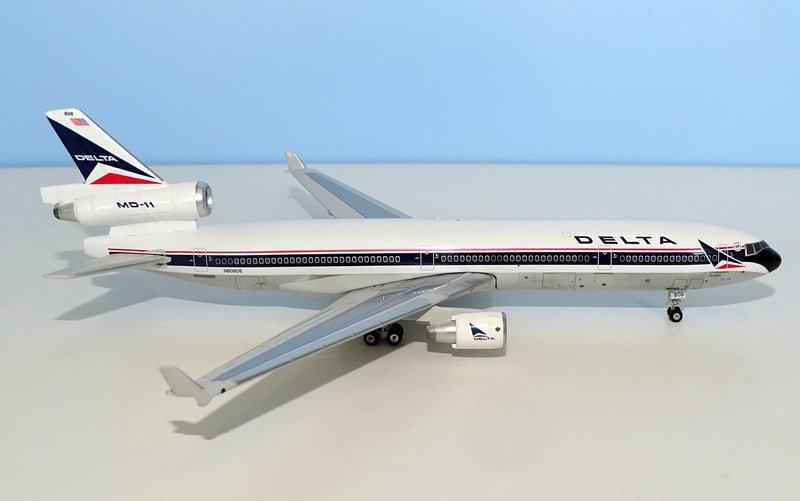
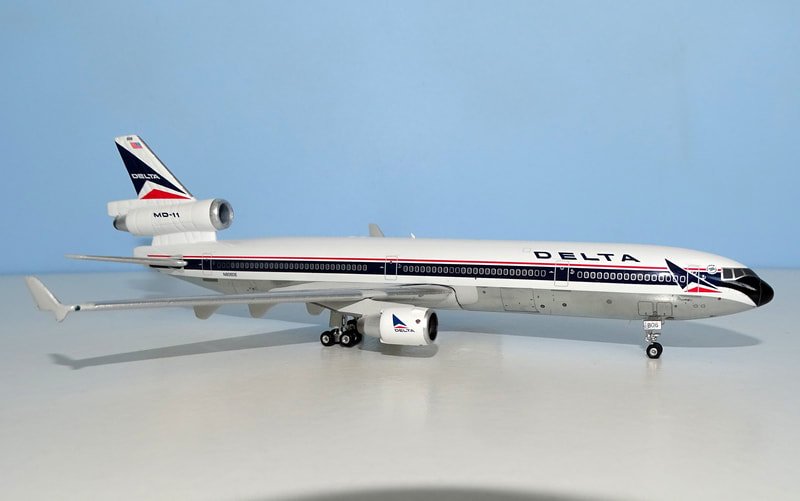
In 2024 Phoenix modified the nosegear so that it is correctly a little shorter. Like the JC Wings mould although this is still in use in 2026 it can’t hold a candle to the newer moulds from Panda and HX Models.

JetHut / Jet Models (2023)
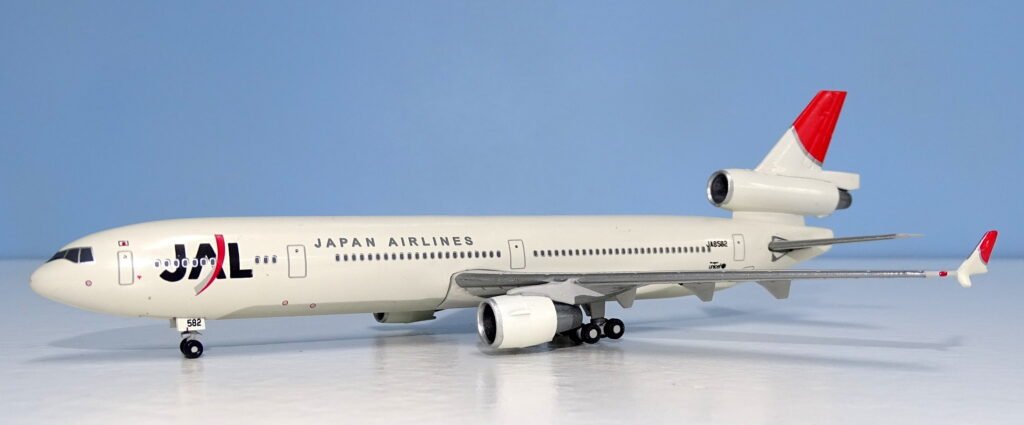
This mould originated as part of the set developed for the deAgostini JAL Collection publication and several versions were made in JAL colours for the magazine. I have written quite a bit about this publication and the models that have come with it at the site already:
The moulds are limited and not designed to compete with standard 400 scale models. Even though they are quite recent they lack modern features like seamless wingjoins, rolling gear, aerials etc. The MD-11 looks like the early Gemini but has awfully short landing gear.
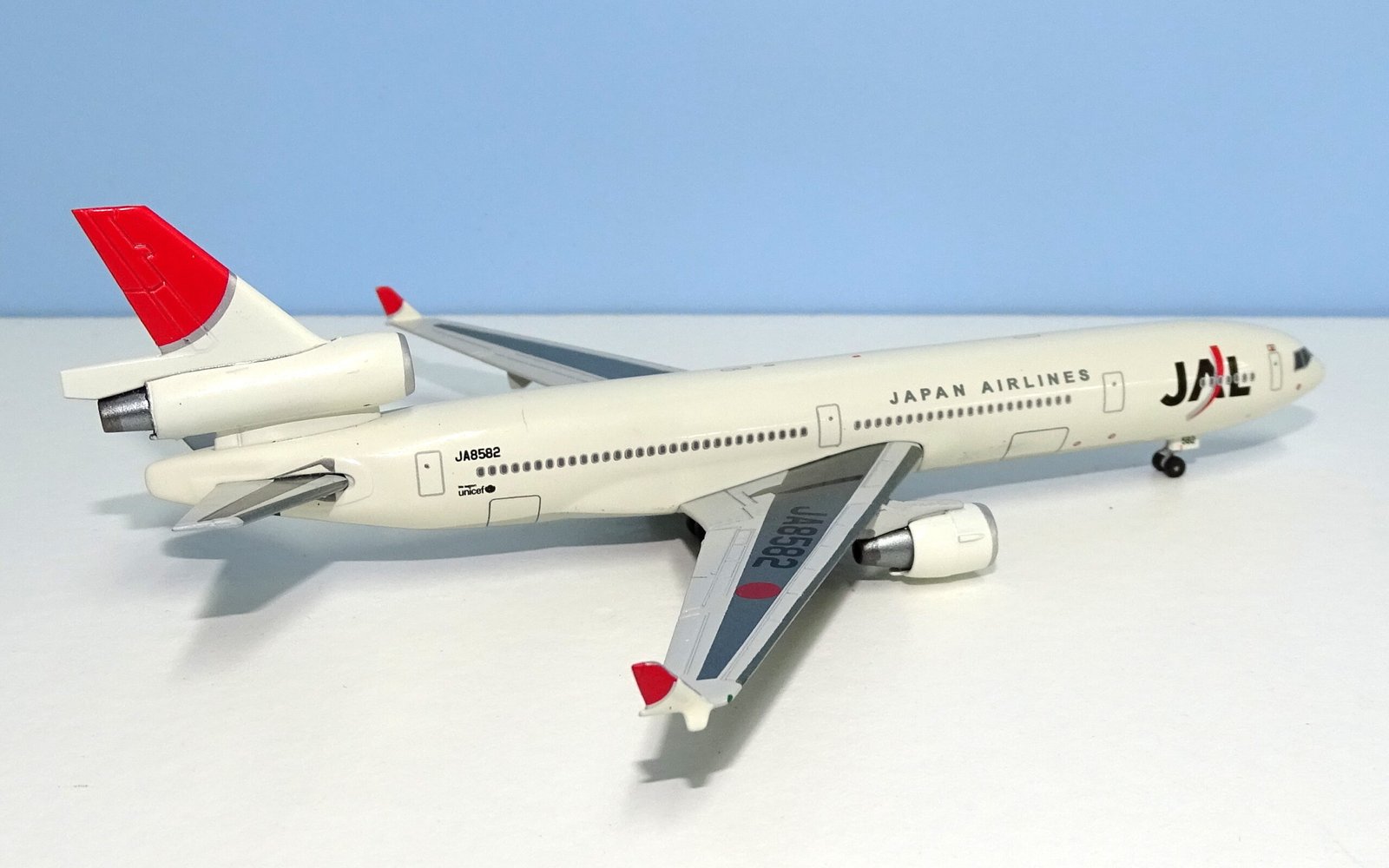
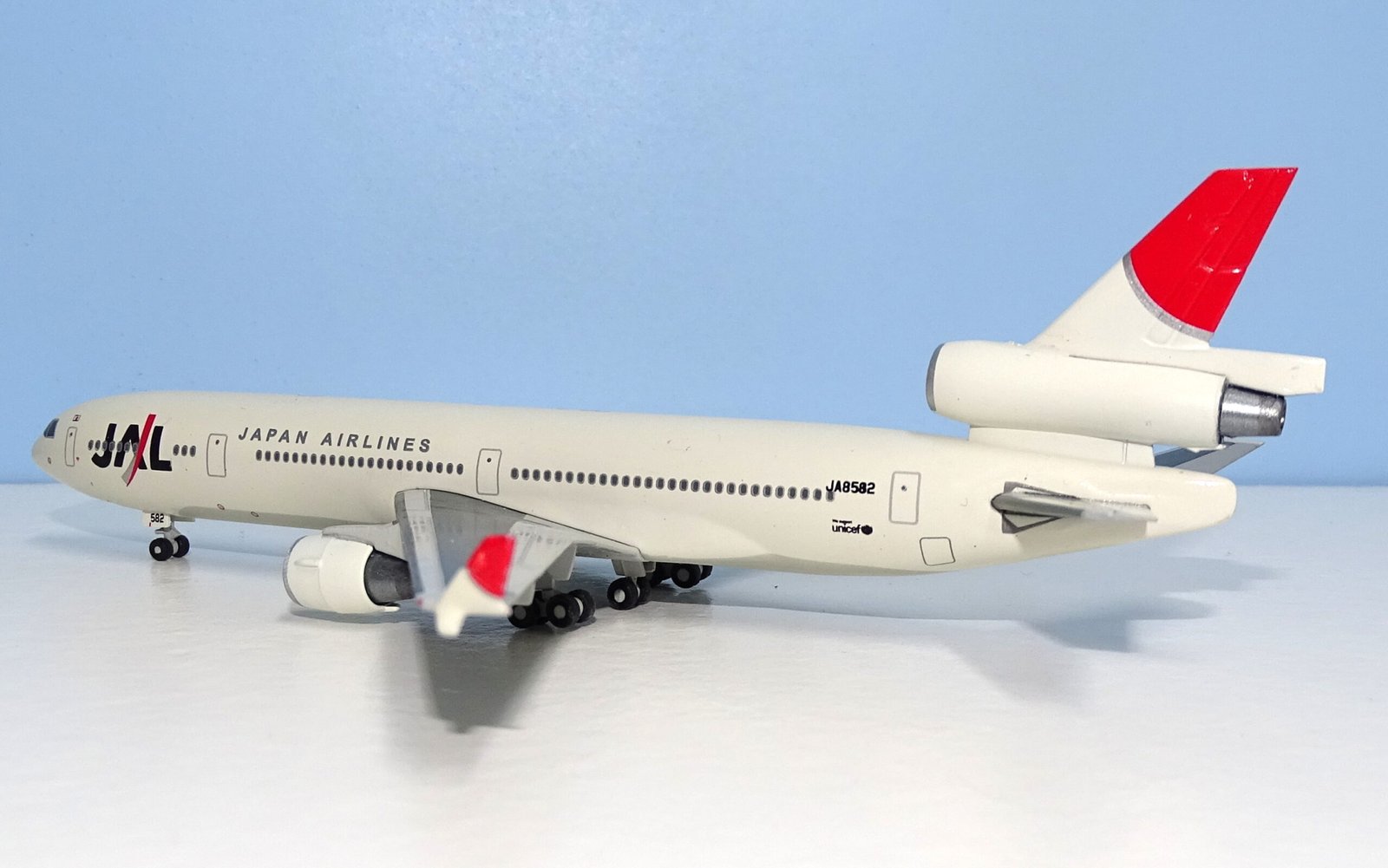
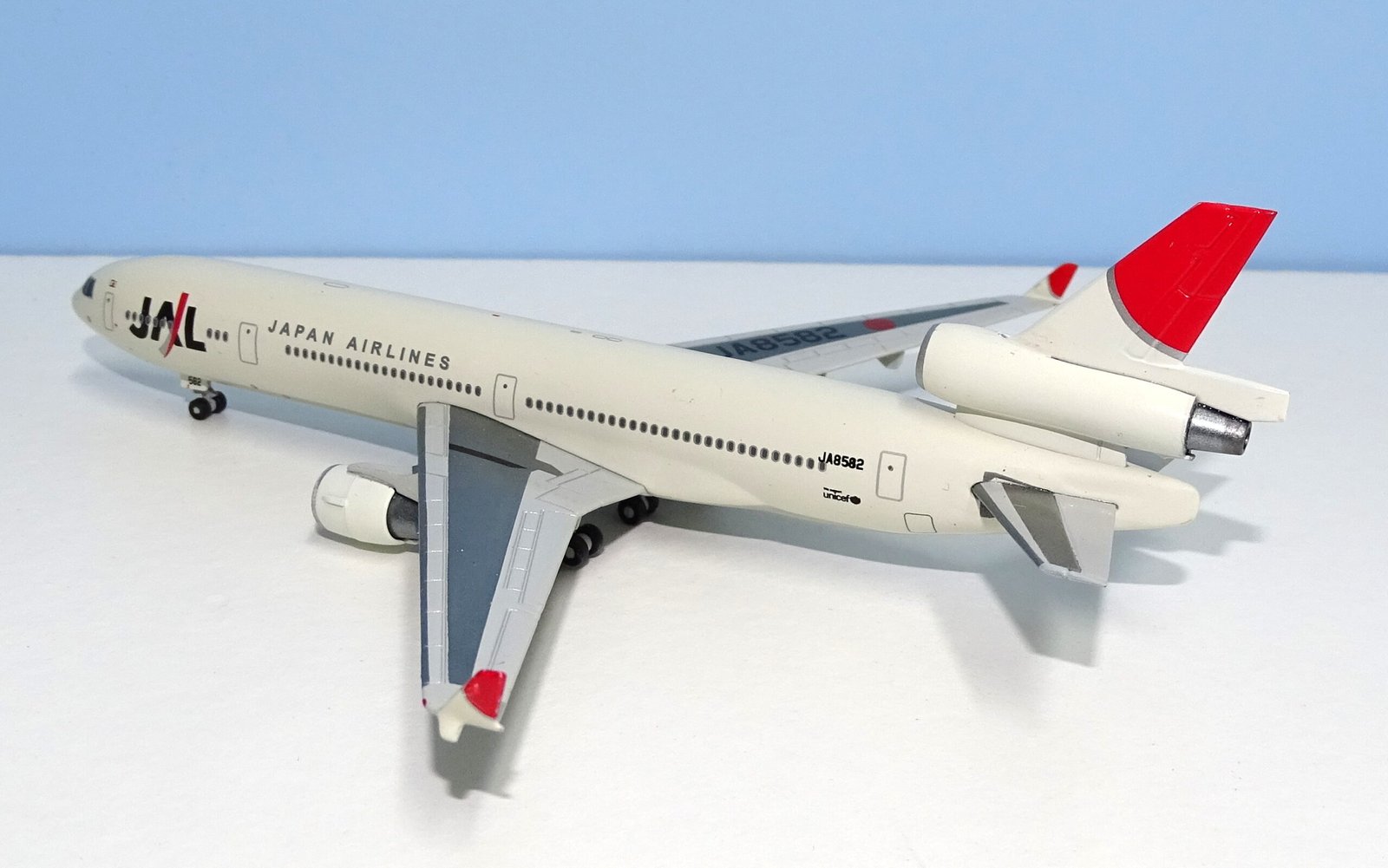
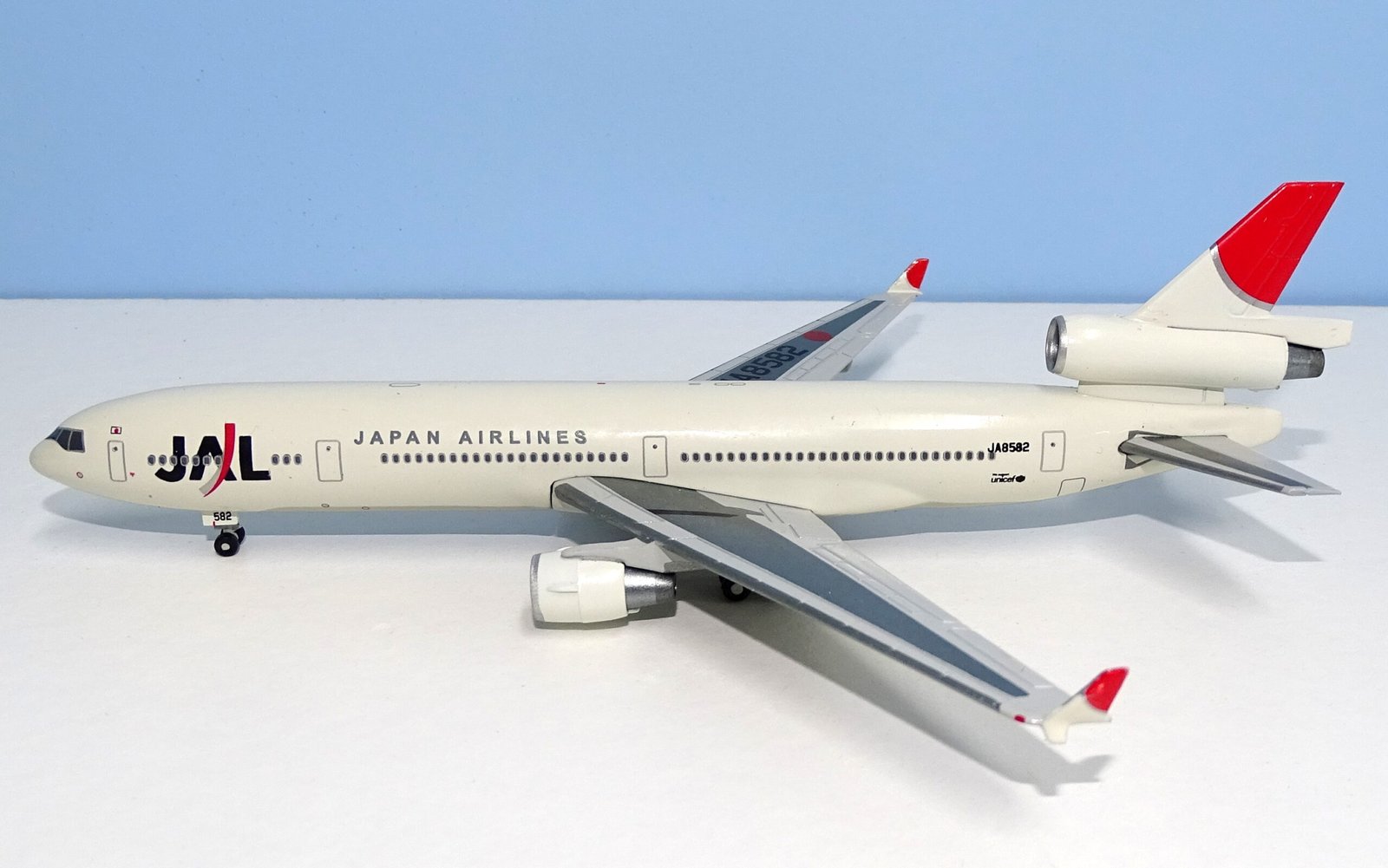
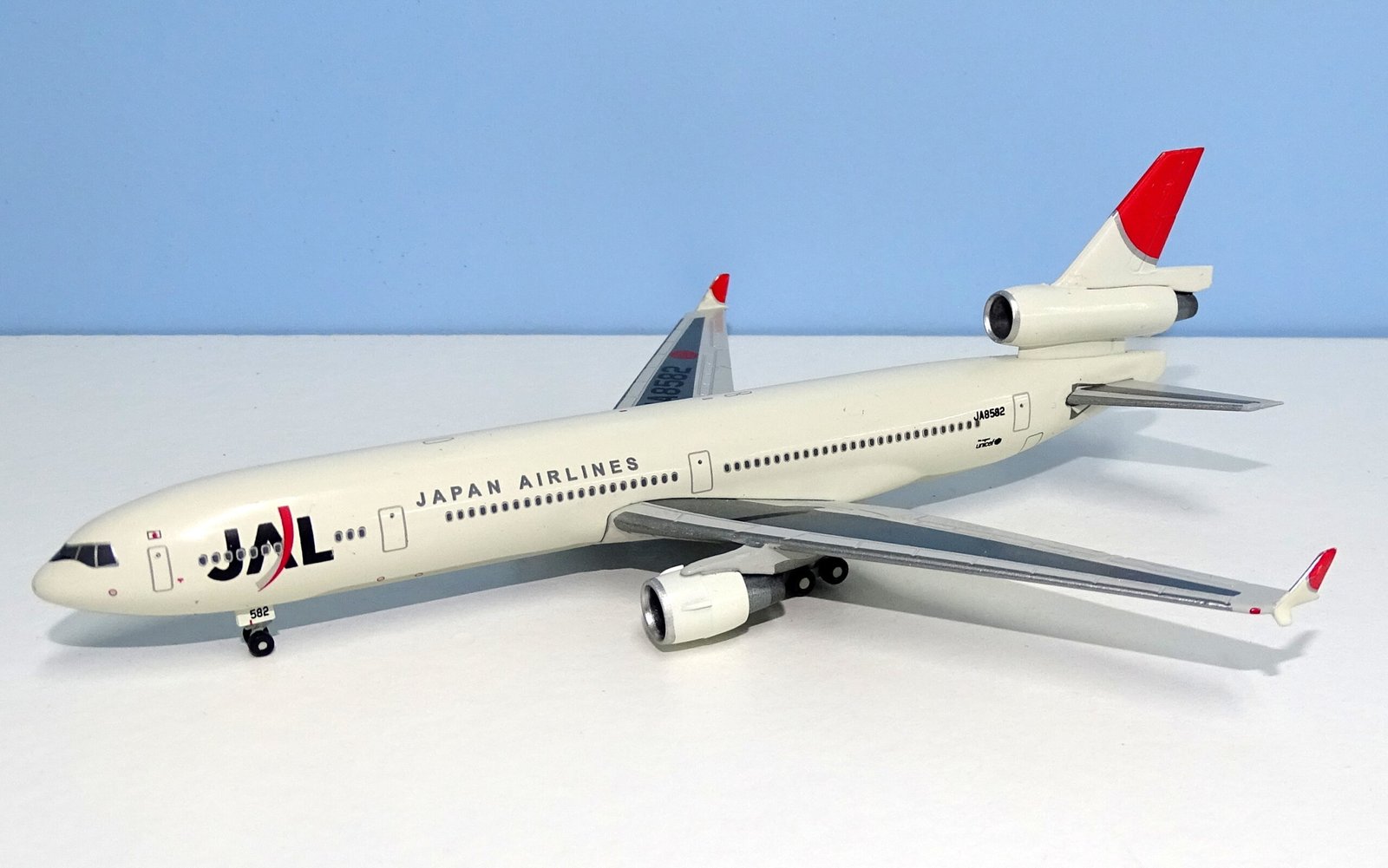
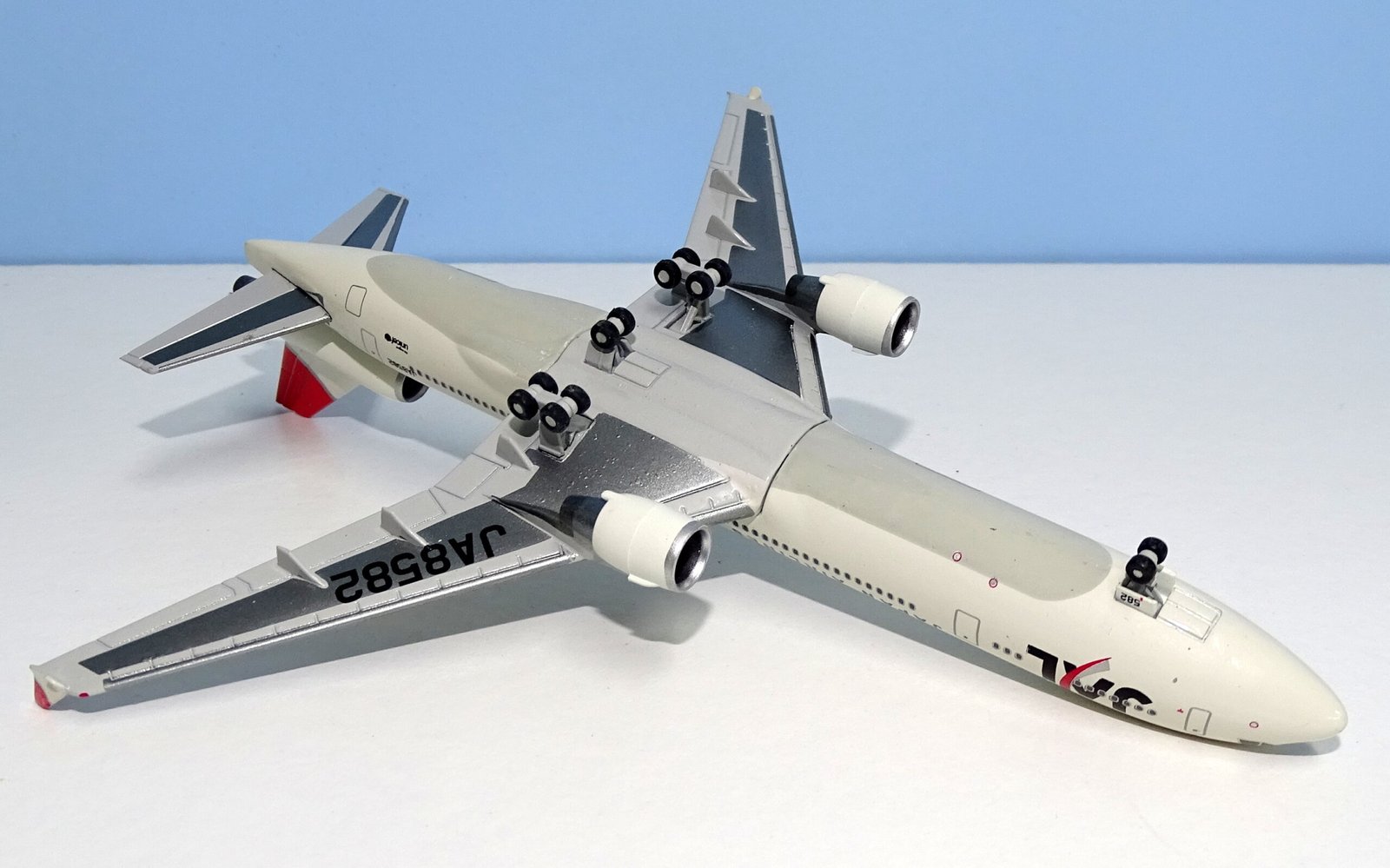
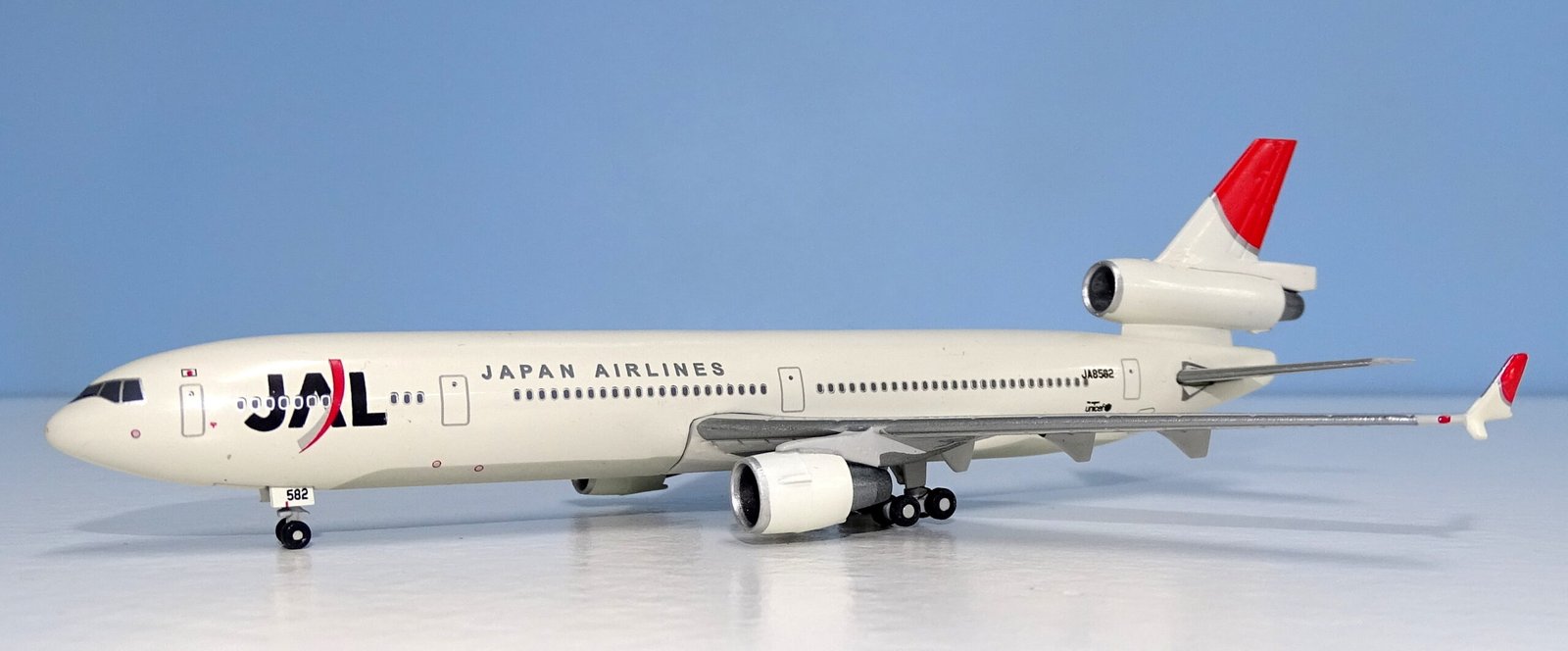
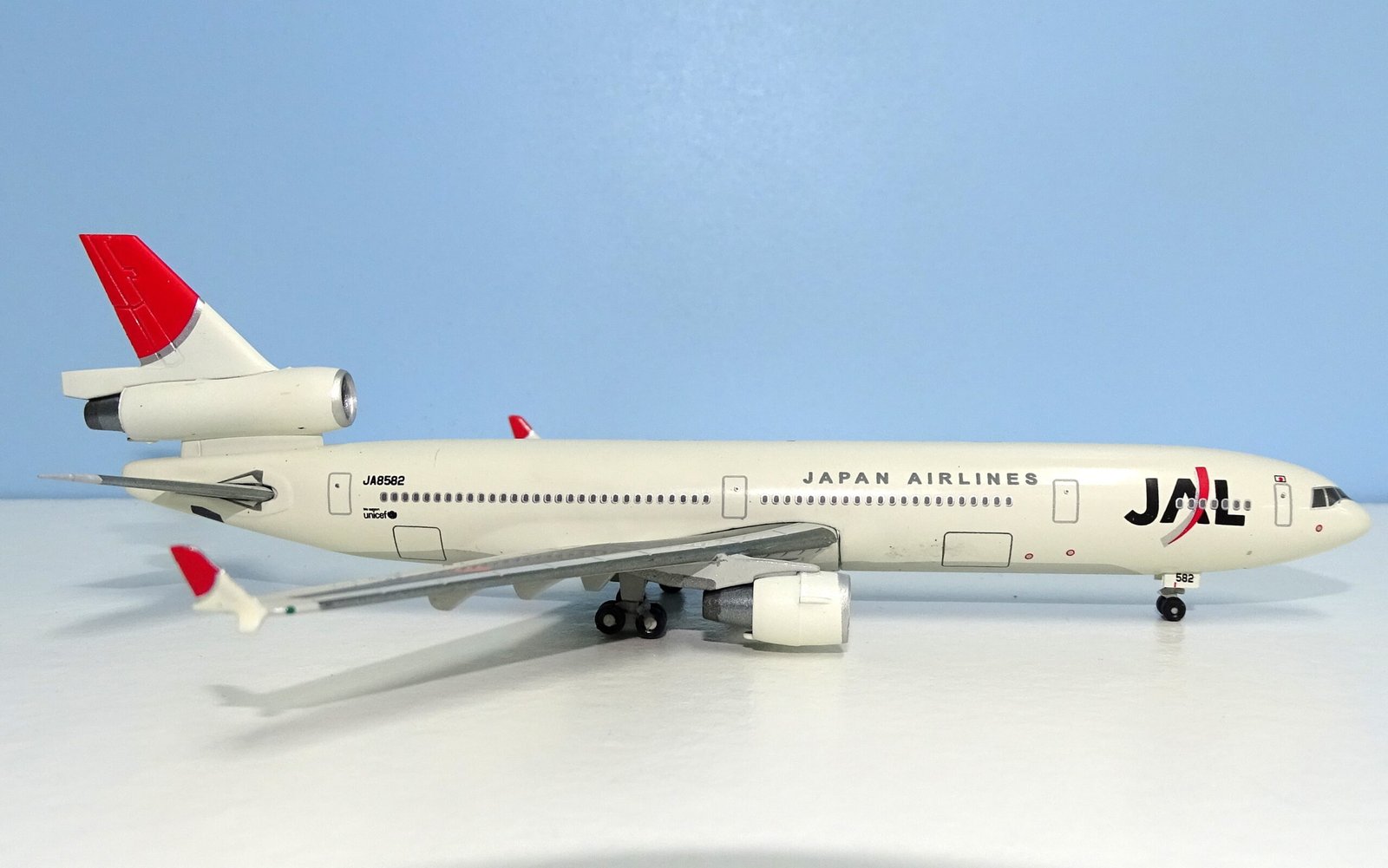
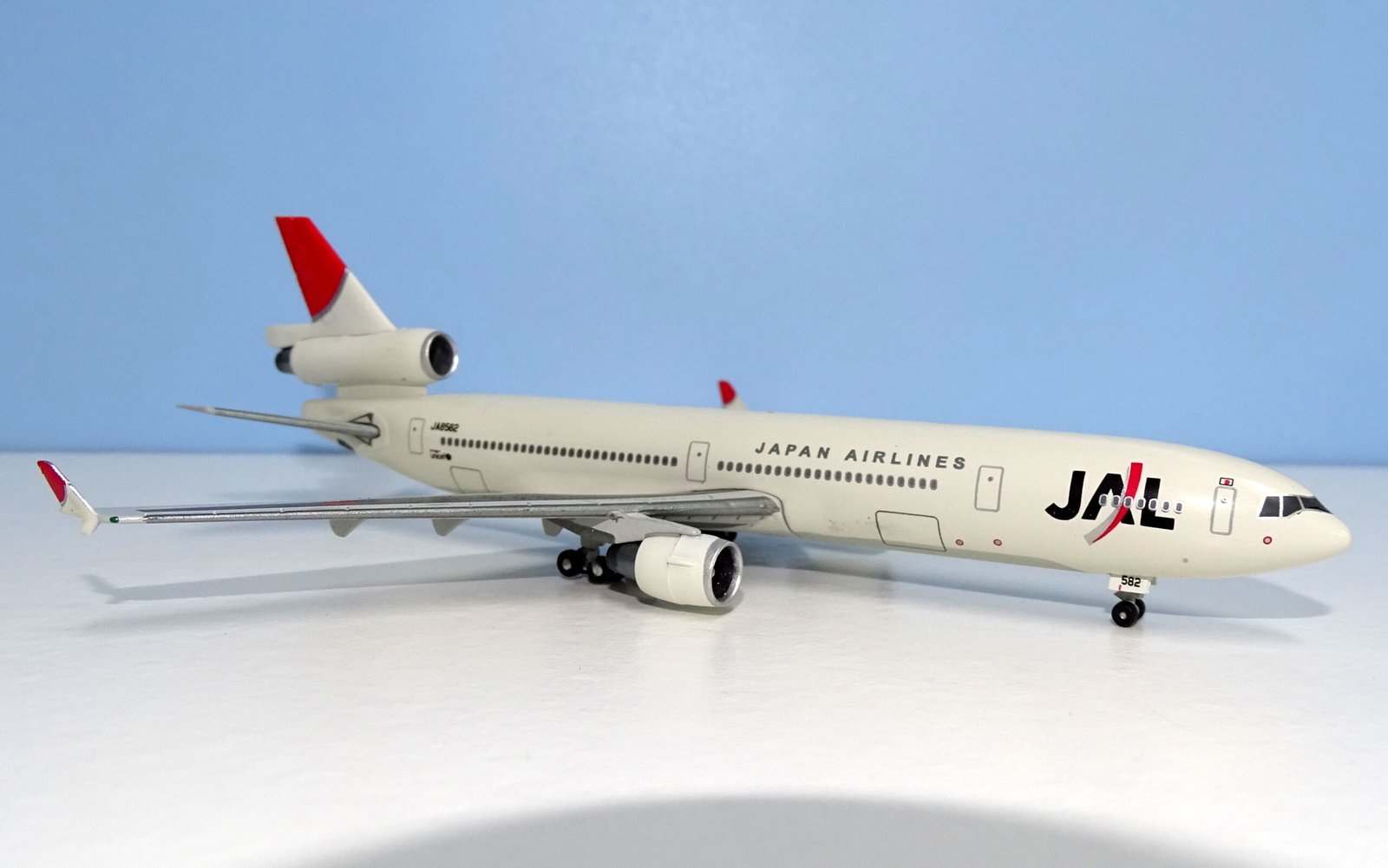
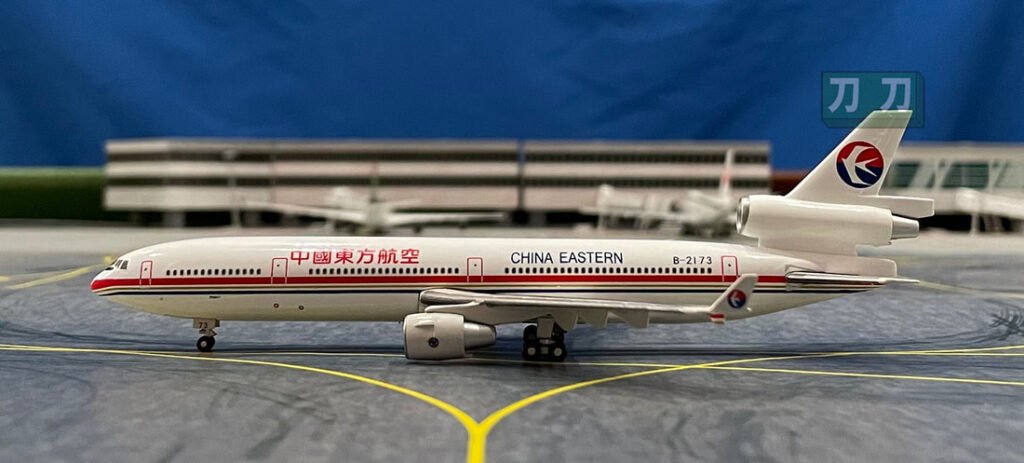
JetHut started producing models using some of its moulds independently and has since rebranded as JET Models. These are mainly aimed at the Chinese market and include a China Eastern MD-11:
Panda Models (2024)
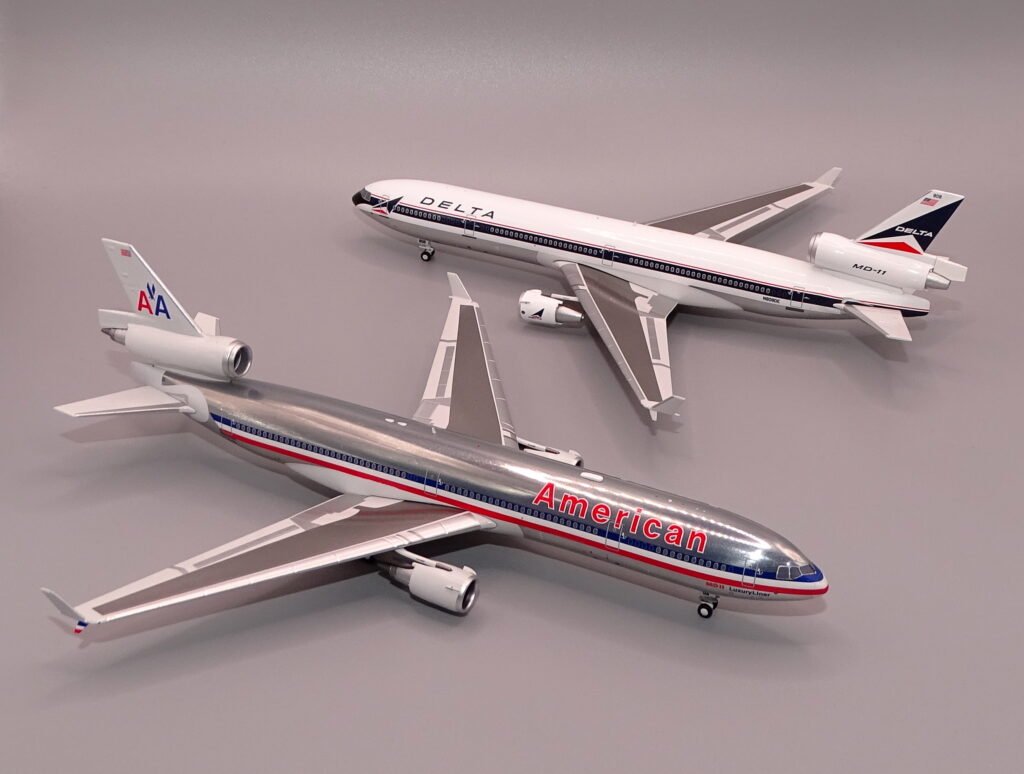
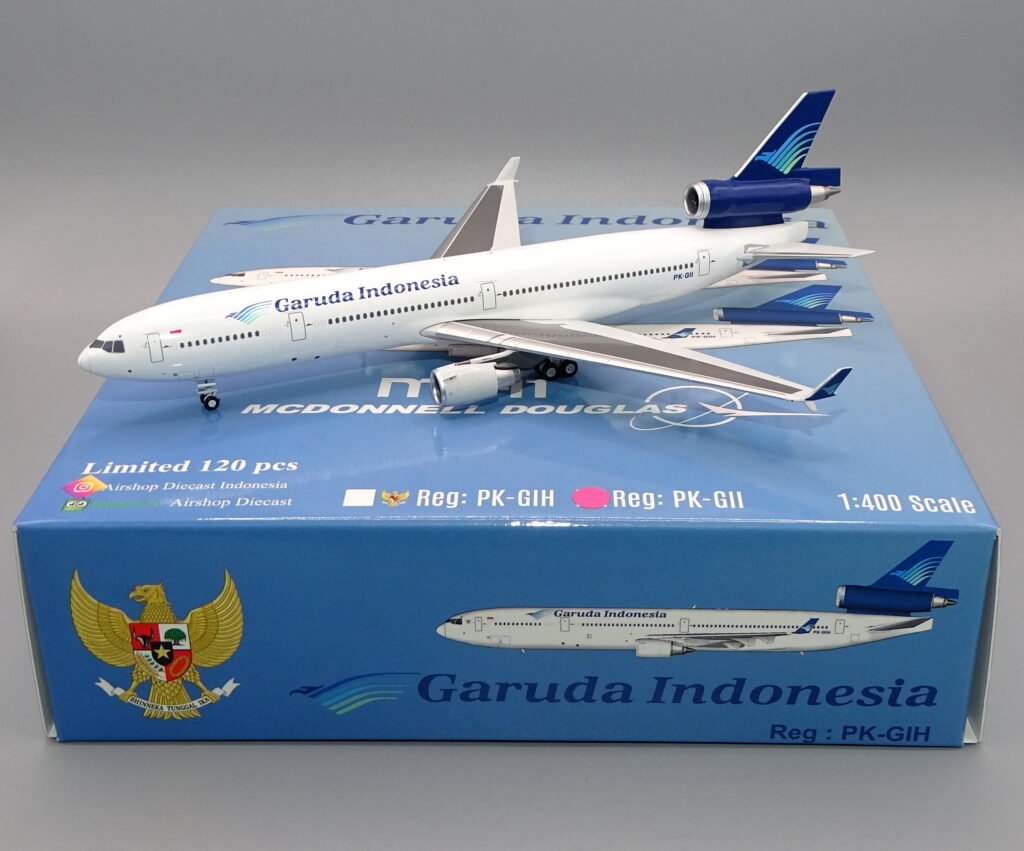
The first all new standard quality MD-11 mould since 2003 was announced in late April 2024 at the Beijing Hobby Expo and comes from Panda Models. Releases started flowing at the end of 2024 and have been spread among a selection of brands (Airshop Diecast, Undefined Collectibles, C Models, Patriot) as well as Panda itself. In fact Panda has used the mould very sparingly, but as of late 2026 has 5 models announced but not yet released.
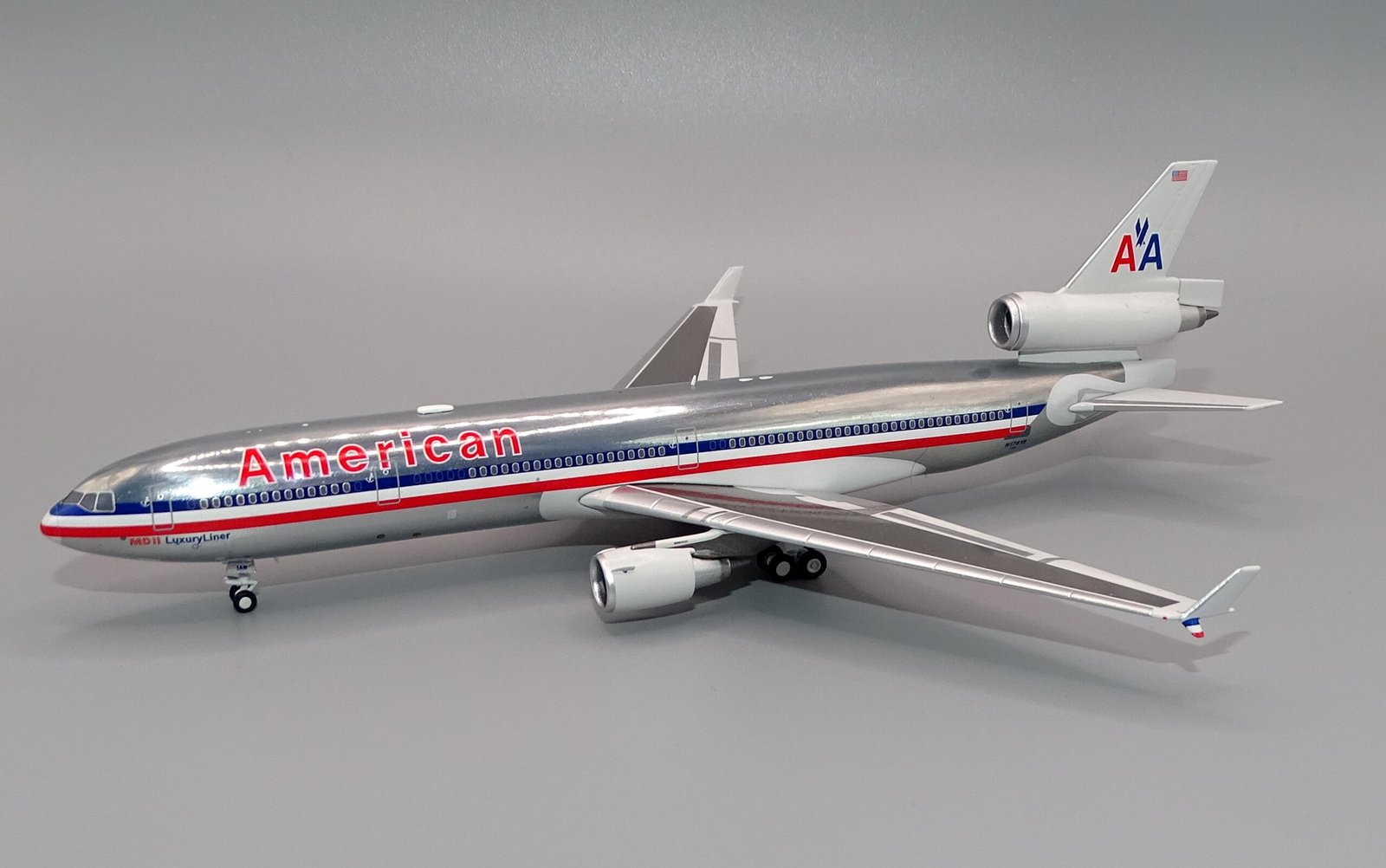
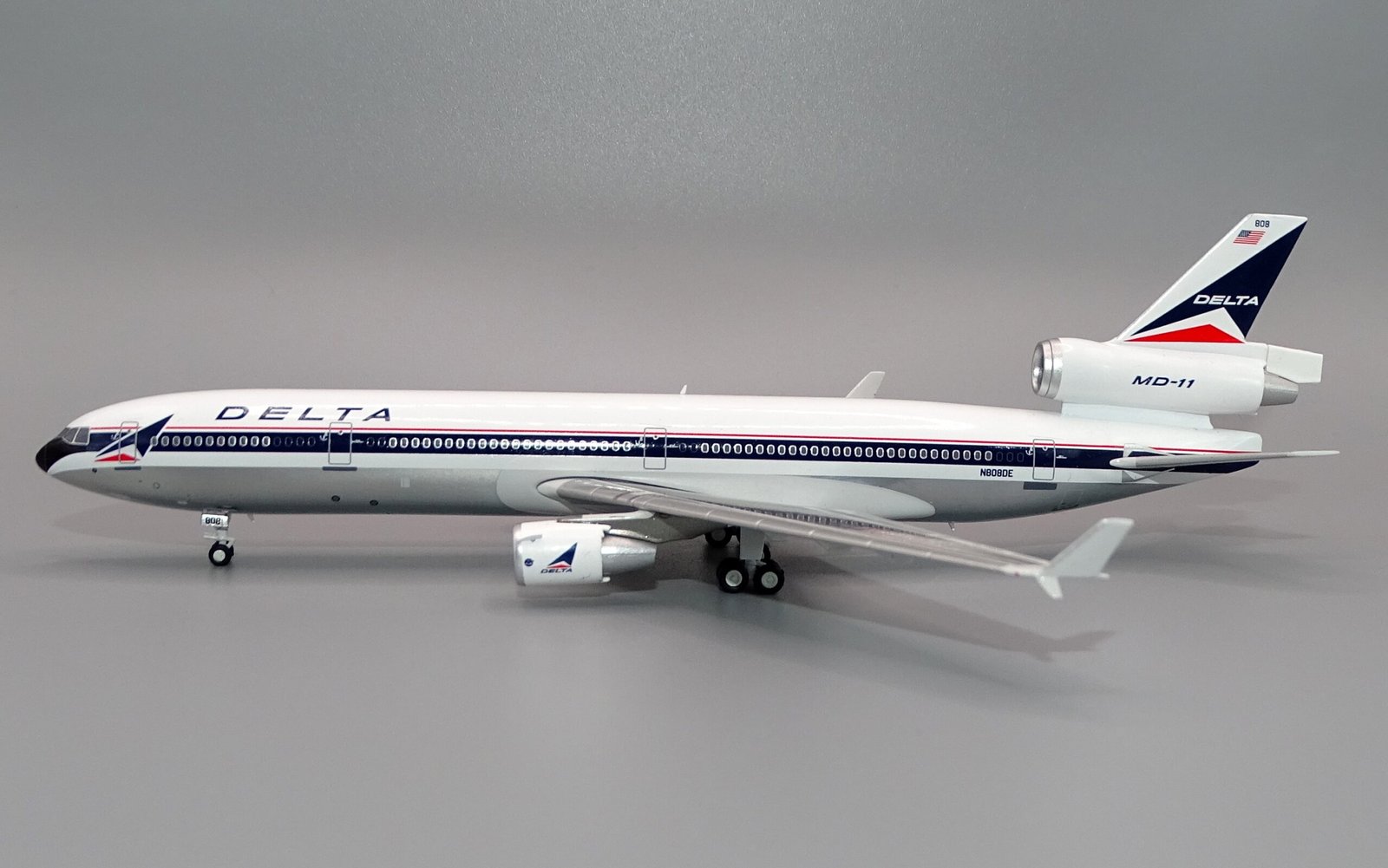
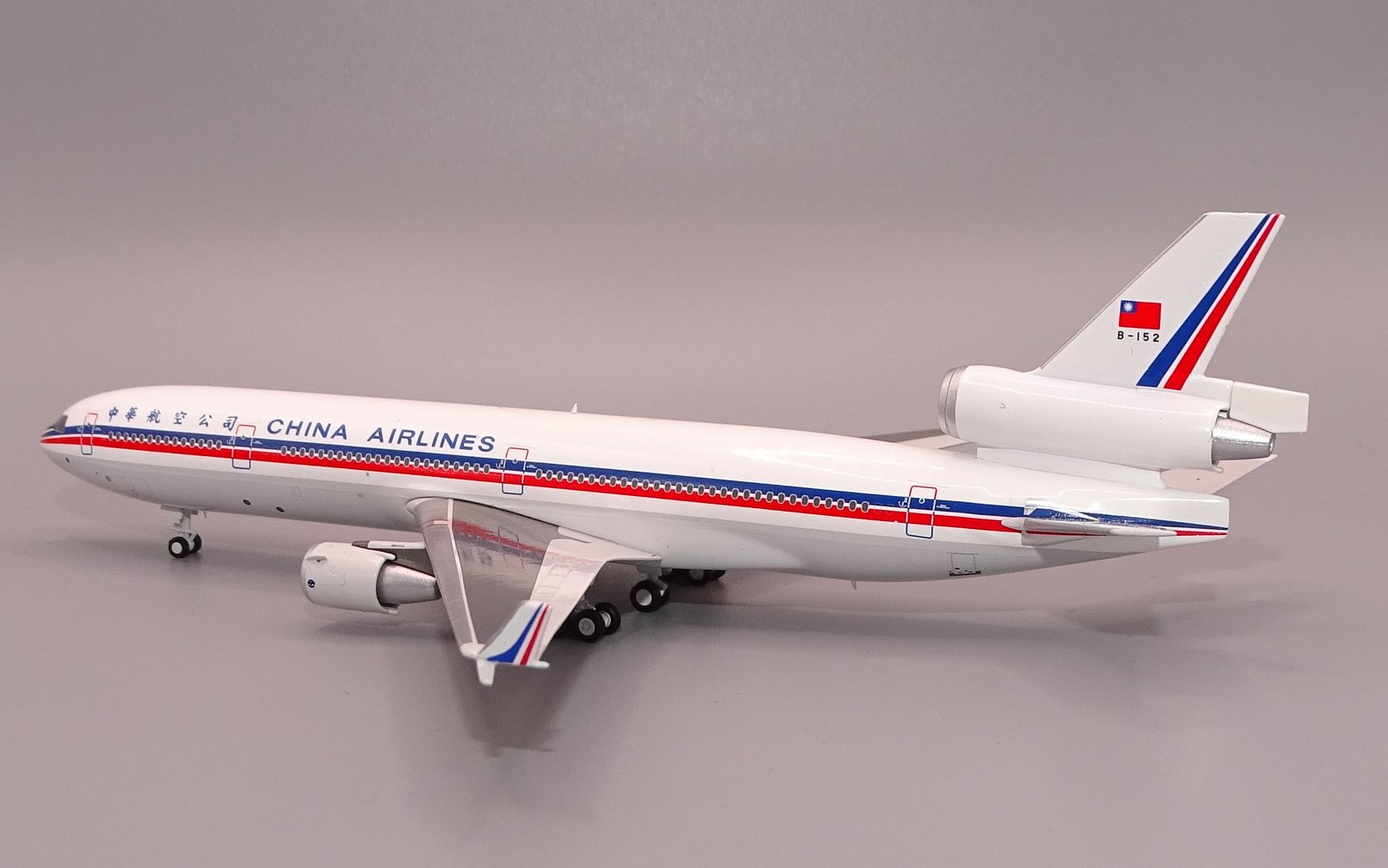
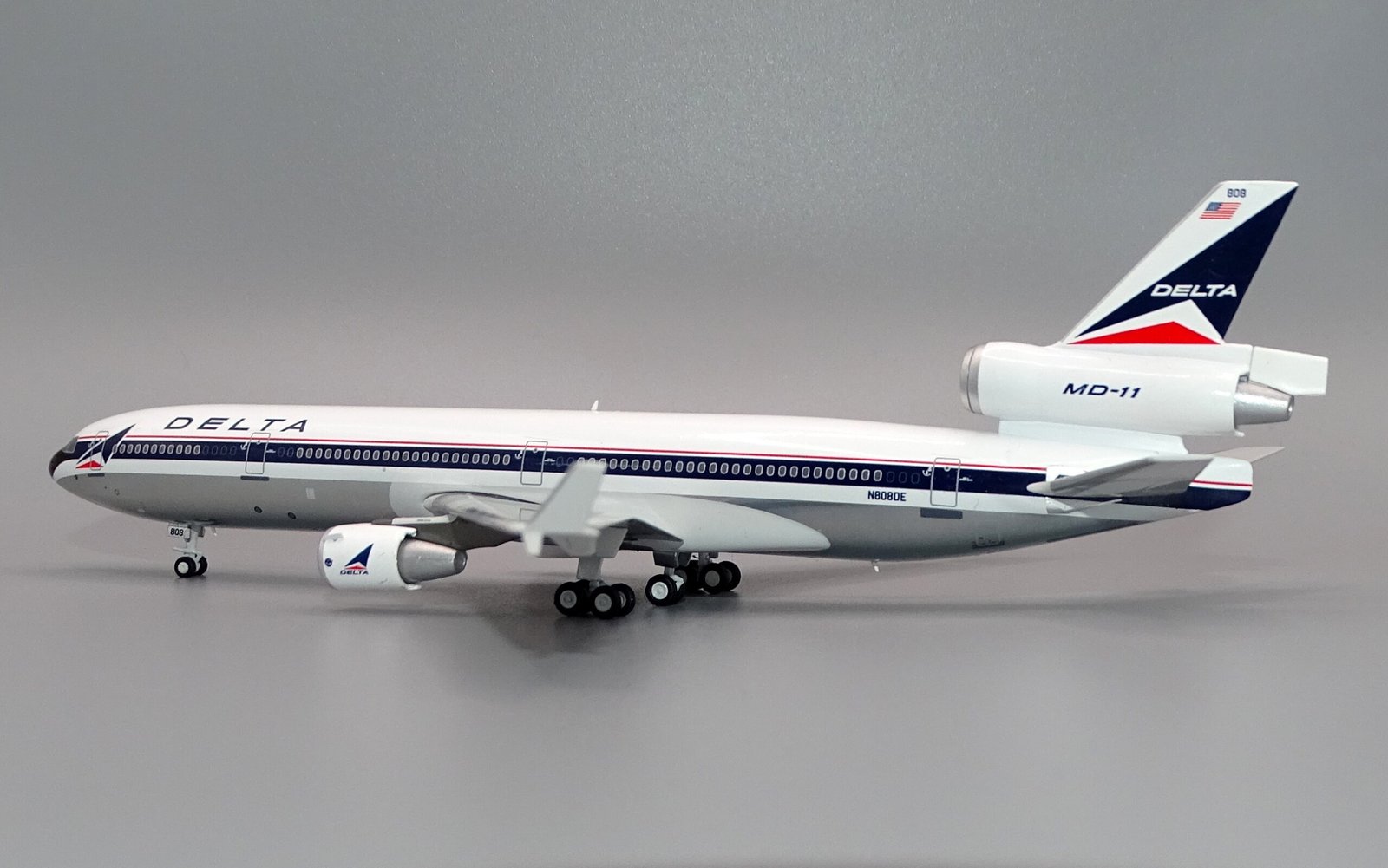
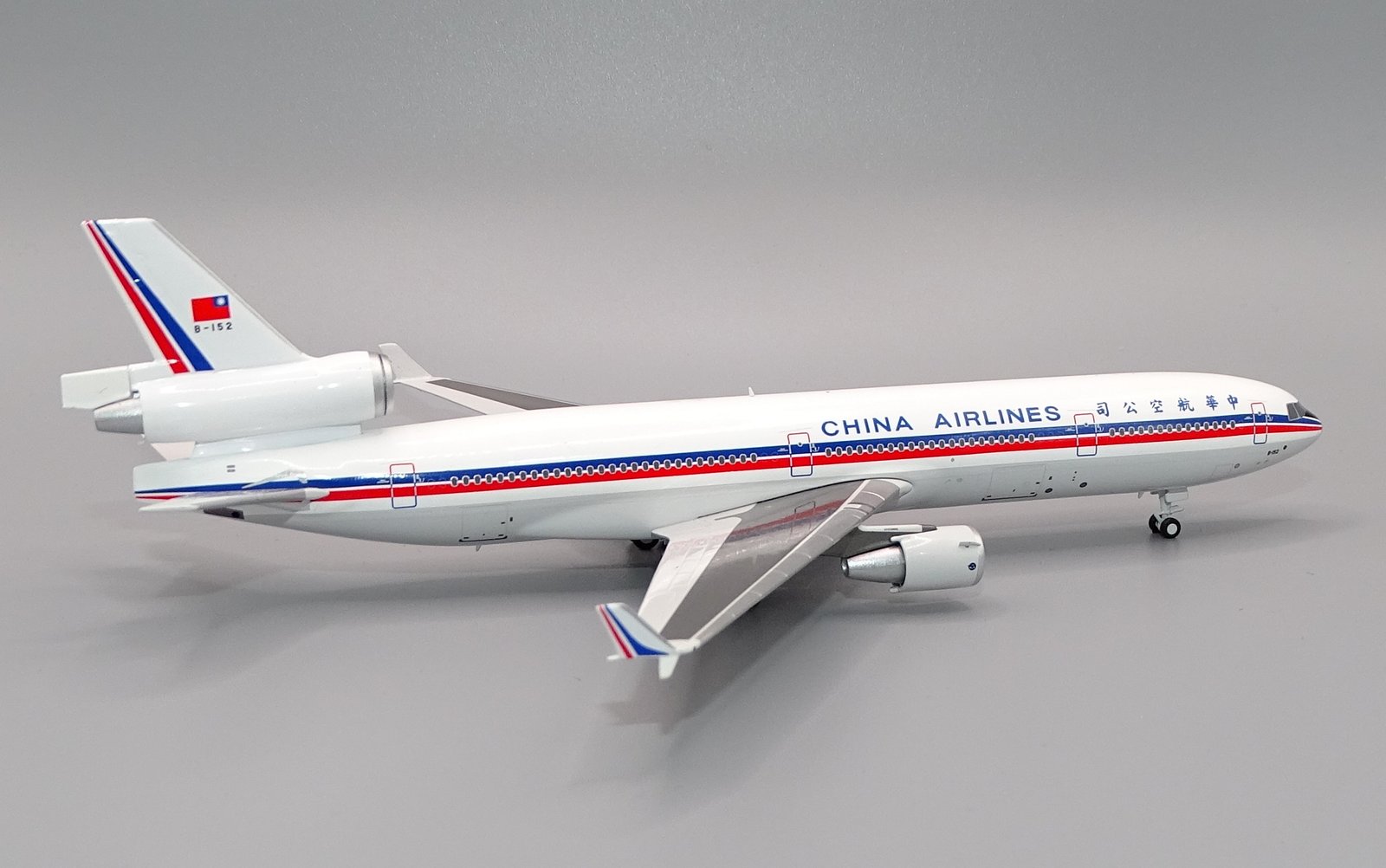
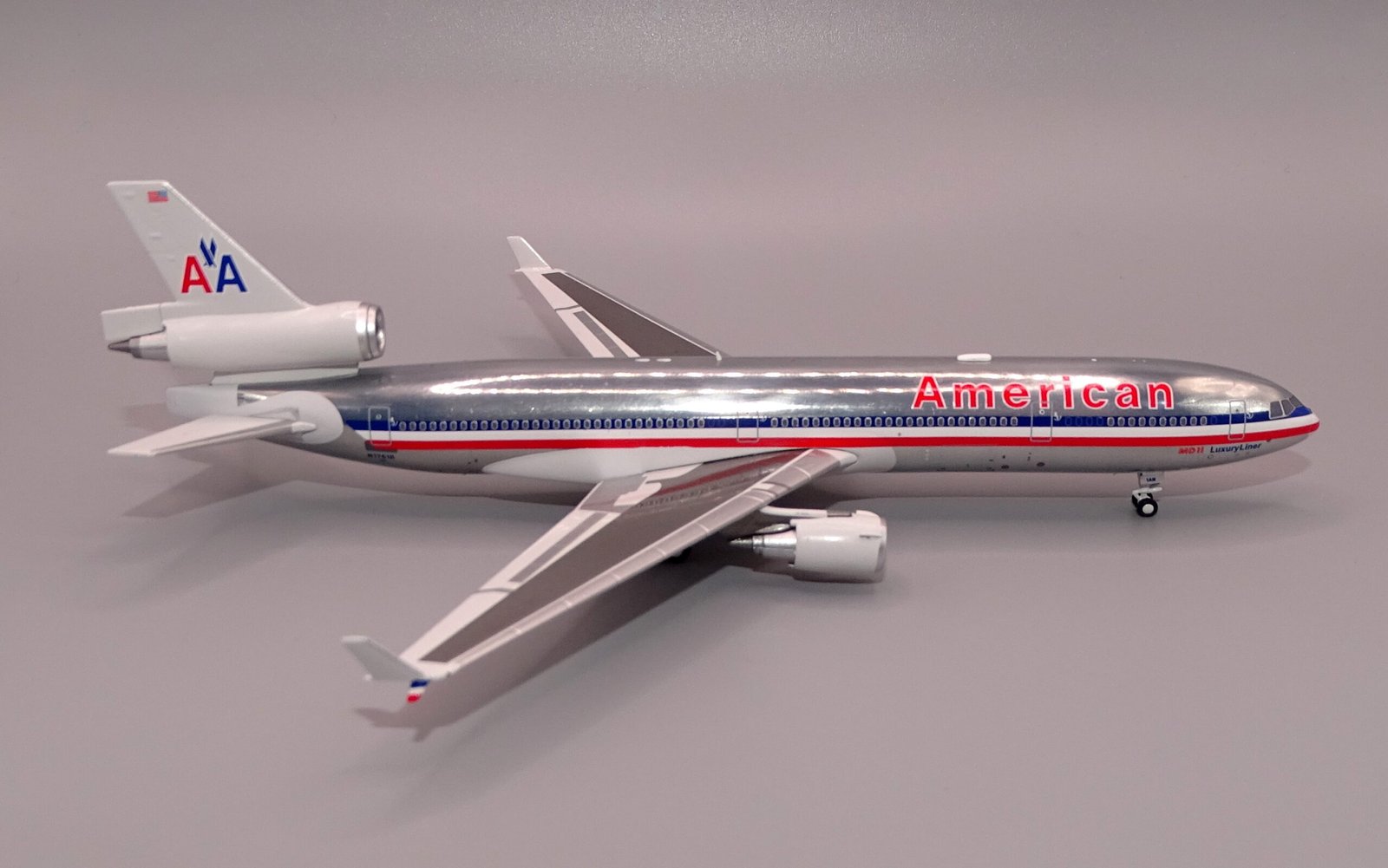
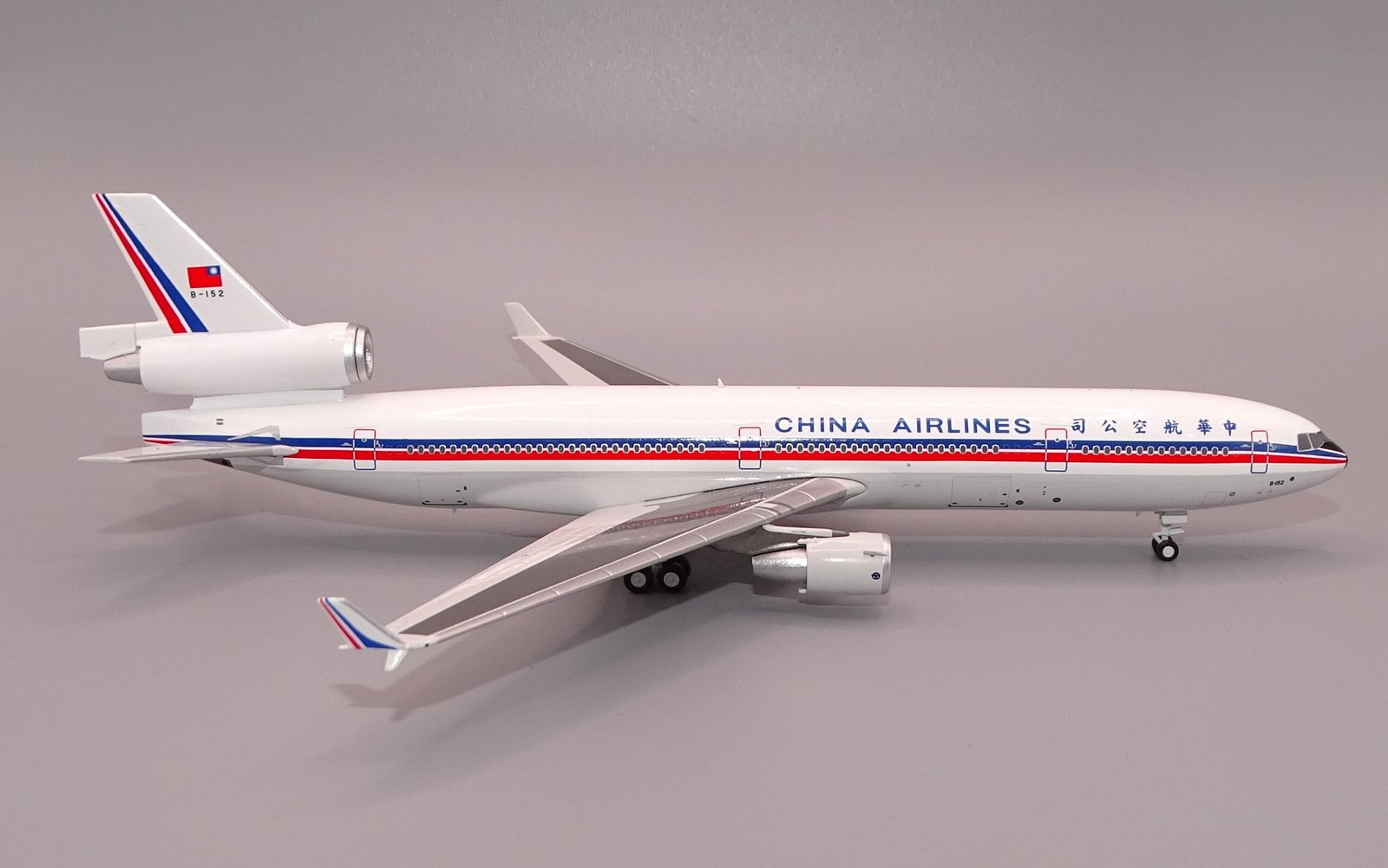
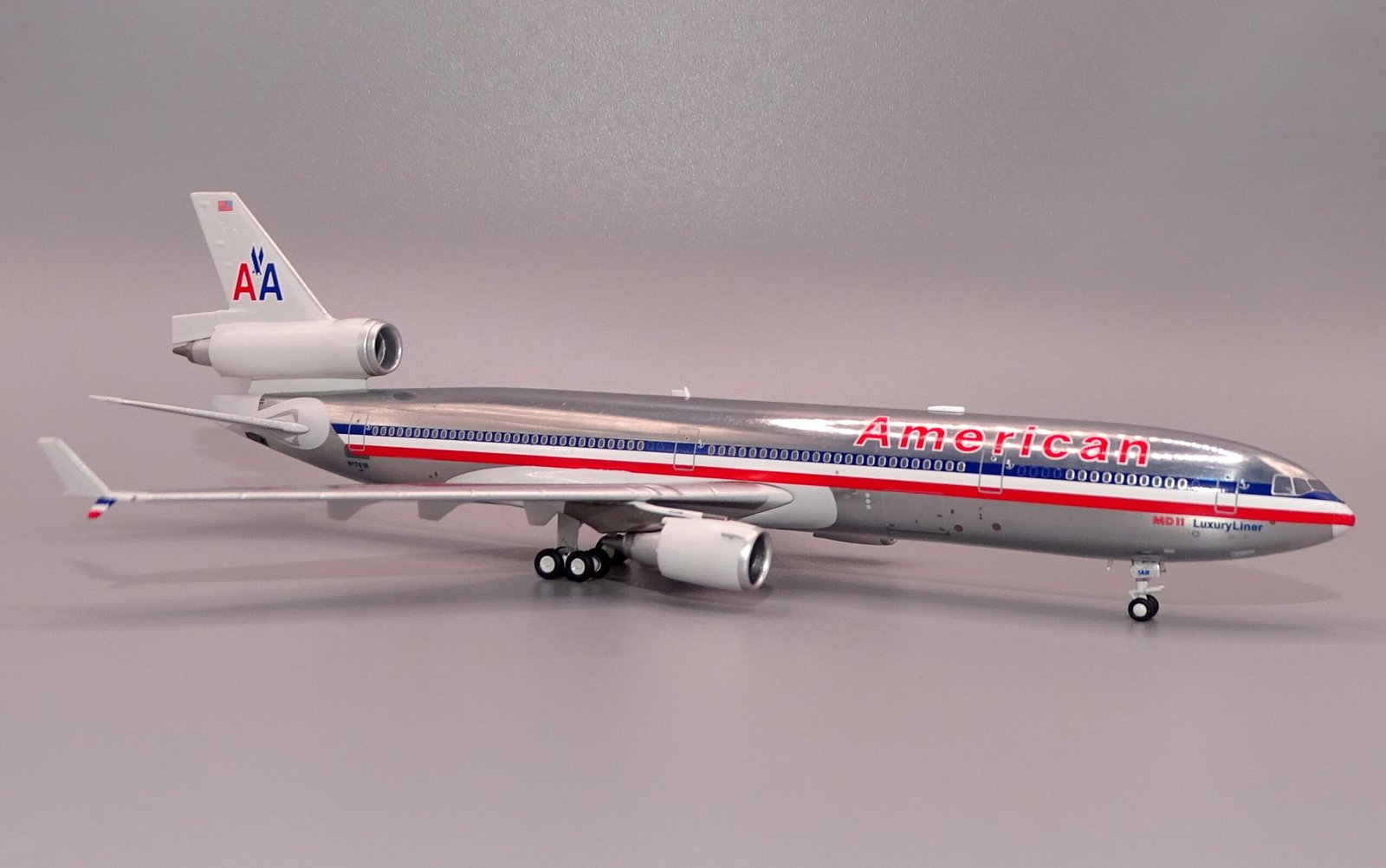
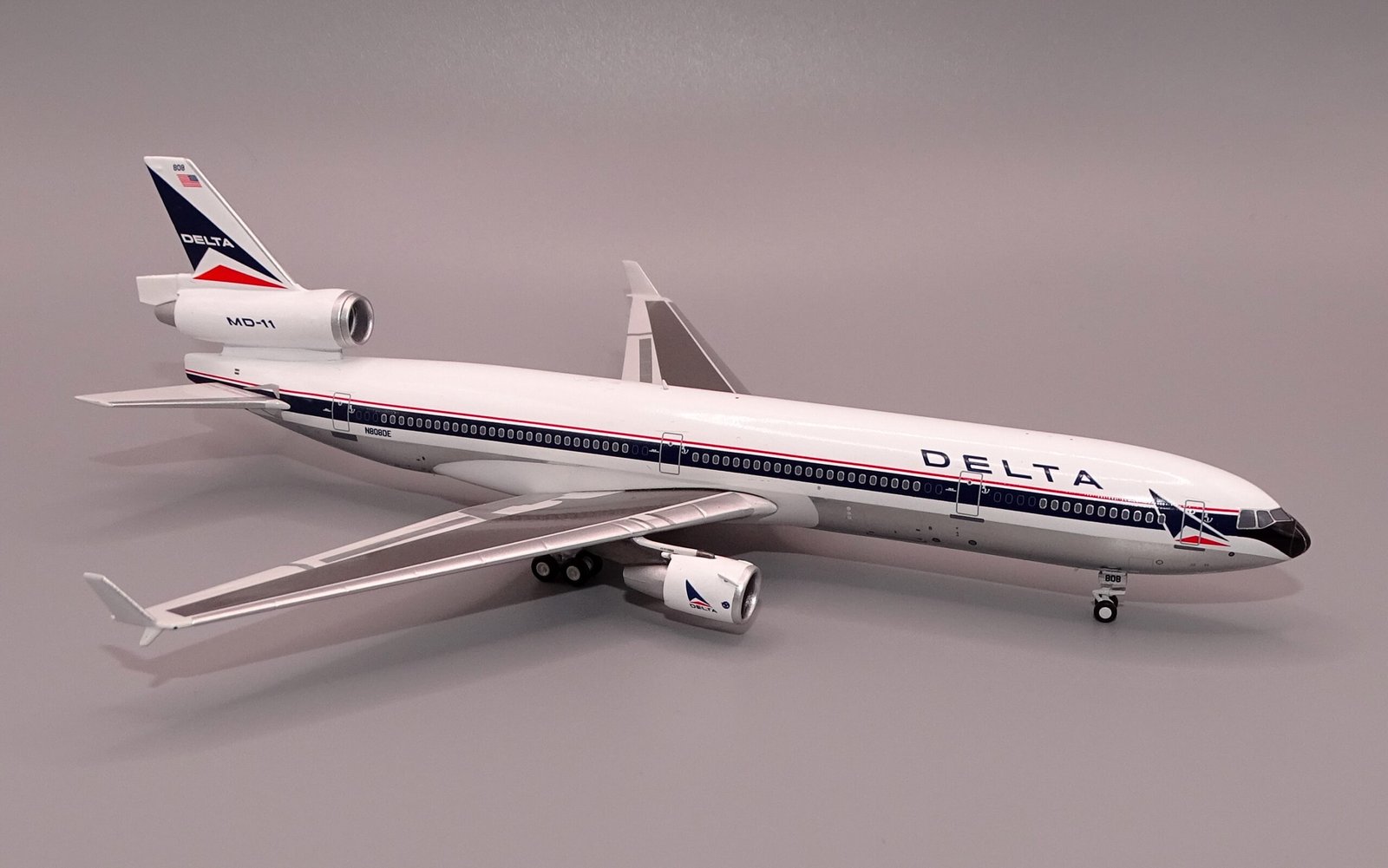
The mould is superb compared to older versions and has been reviewed here at the website:
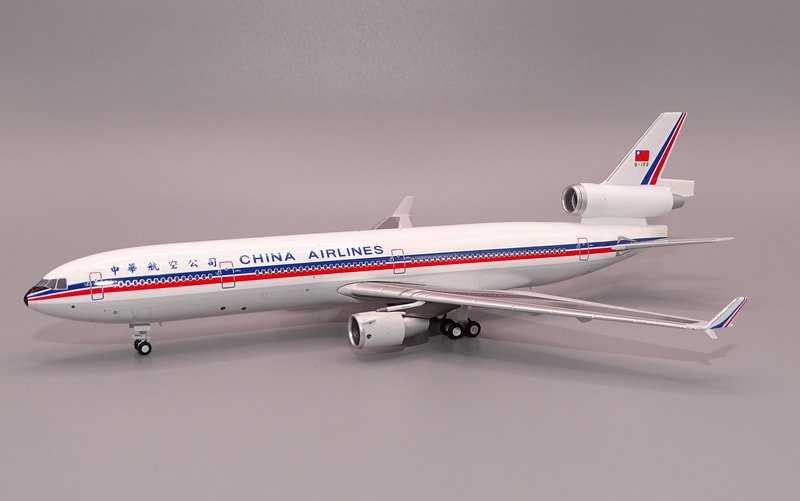
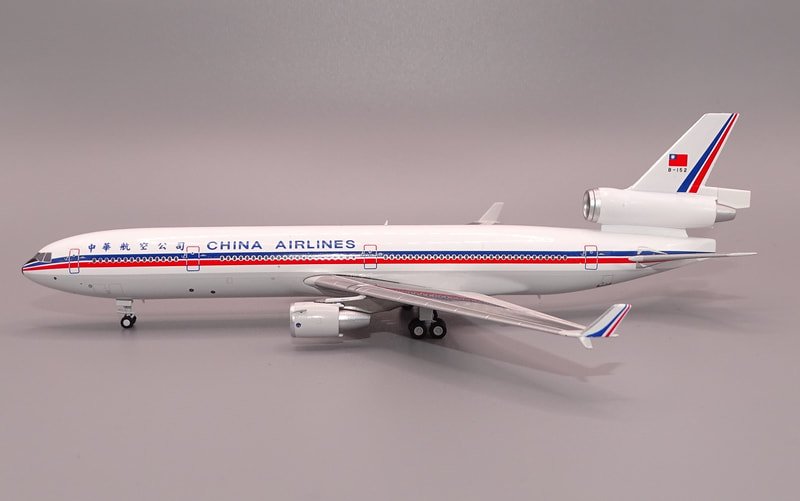
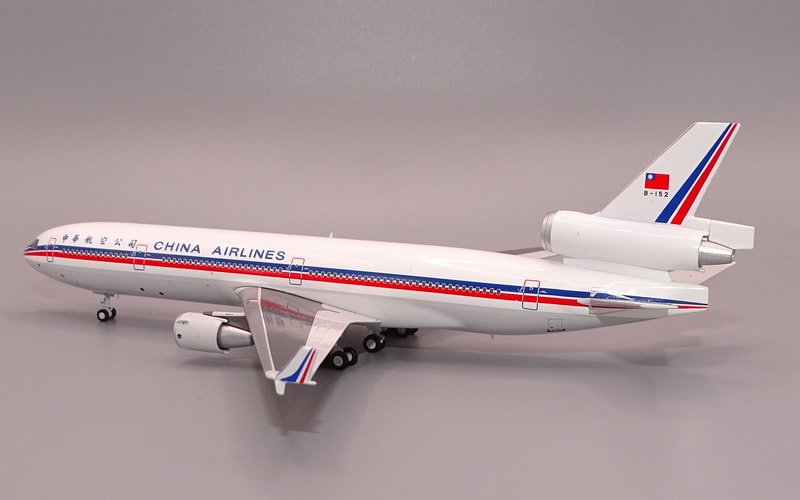
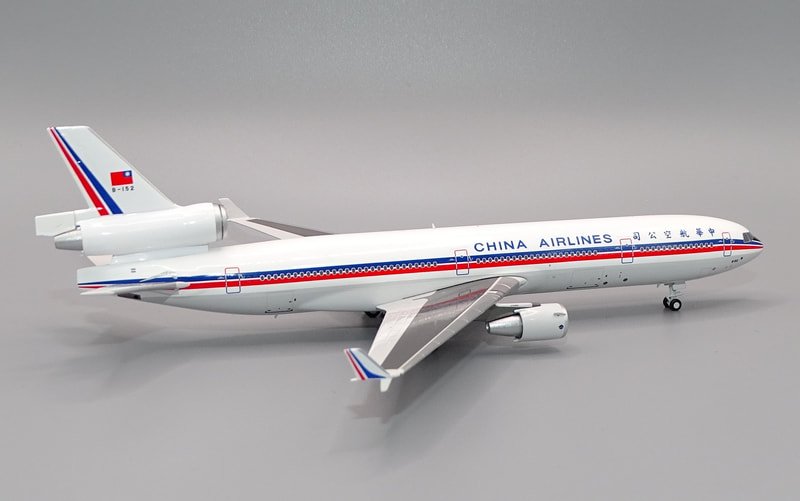
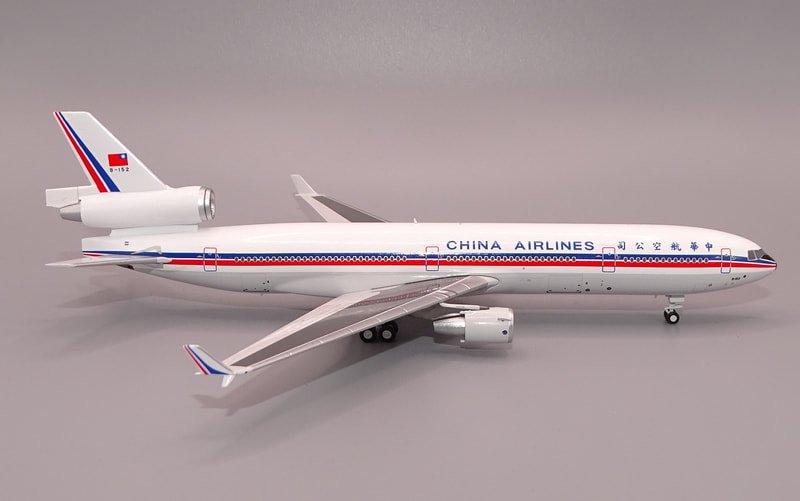
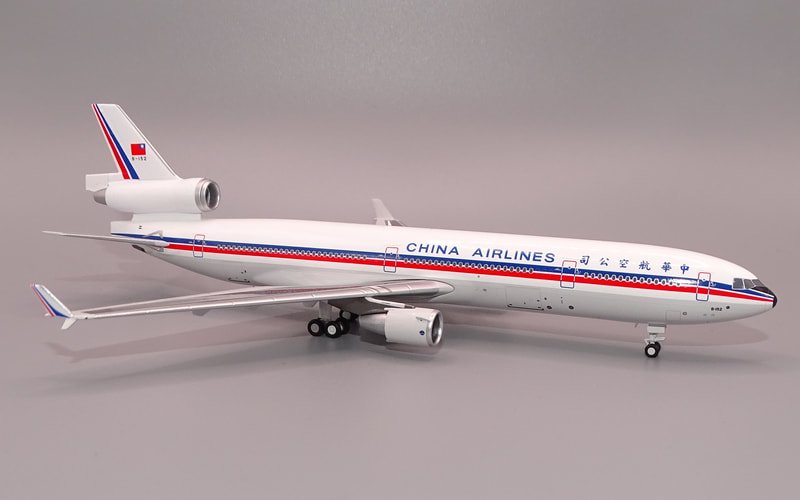
Criticisms of the mould mainly relate to the number 2 engine in the tail, which has a seam at the rear and a rathe runeven intake ring. This mould is receiving strong competition from the HX Models mould.
HX Models (2025)

During early 2025 HX Models showed off a new MD-11 mould which would come in three versions including interactive and flaps down variants.
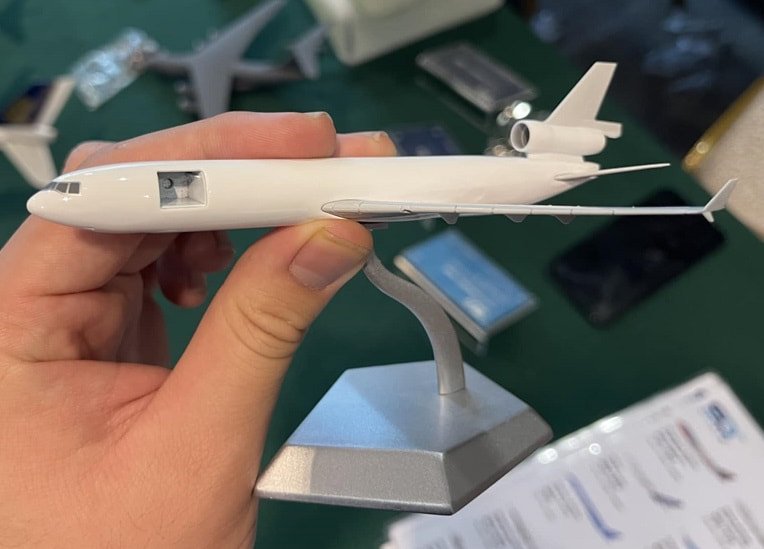
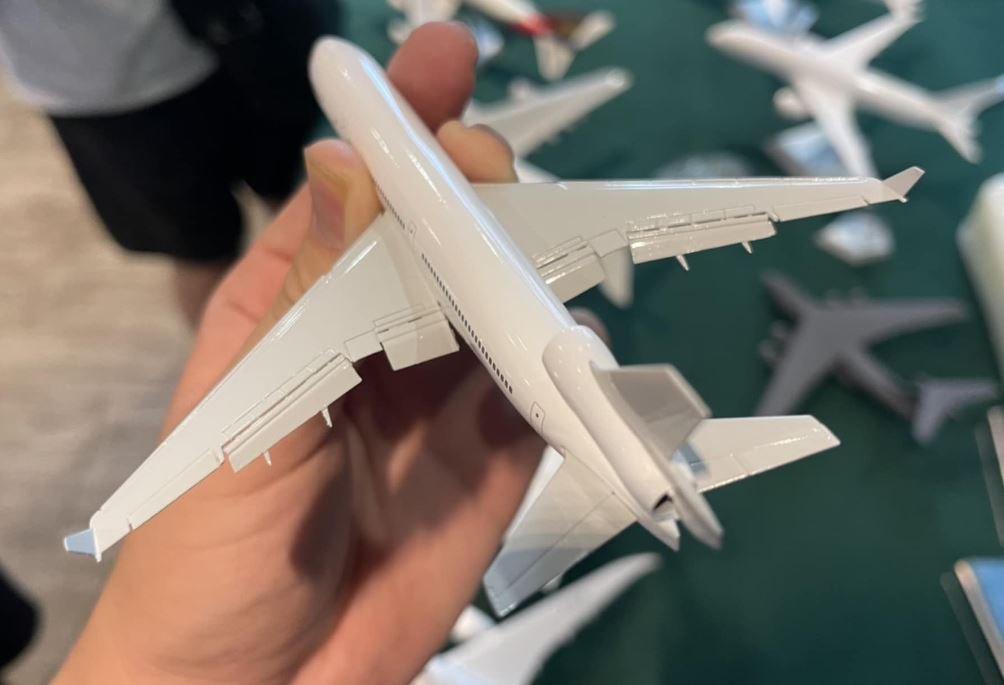
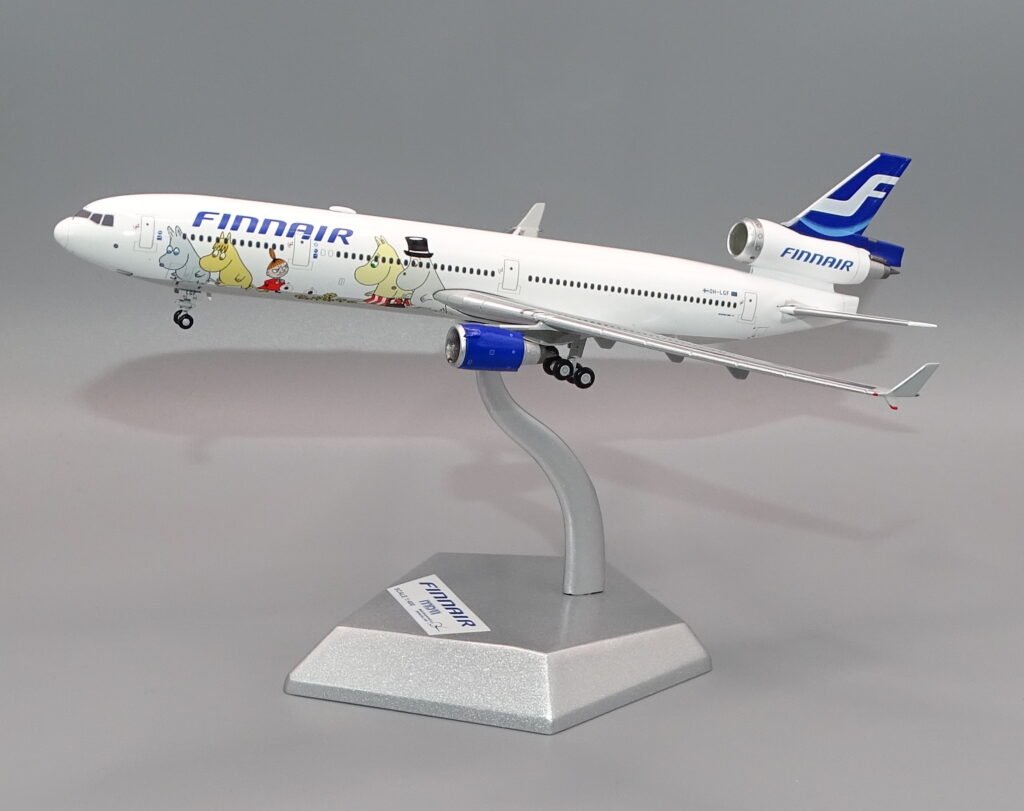
Releases began to appear in April 2025, but initially through HX’s regular customer YY Wings who made a crazy number of Shanghai Airlines variants using the different moulds and different registration numbers. This has been the pattern of releases since, with multiple versions of the same livery and reg produced at the same time and often very similar schemes made at the same time for the same airline. That has rather artificially inflated the production numbers and as of late 2026 only the following airlines have been made: China Airlines, China Eastern, Lufthansa, KLM, House colours, Thai Airways, Martinair and Finnair. Mostly these have also represented later 2000s era liveries rather than those from the type’s heyday in the 90s.
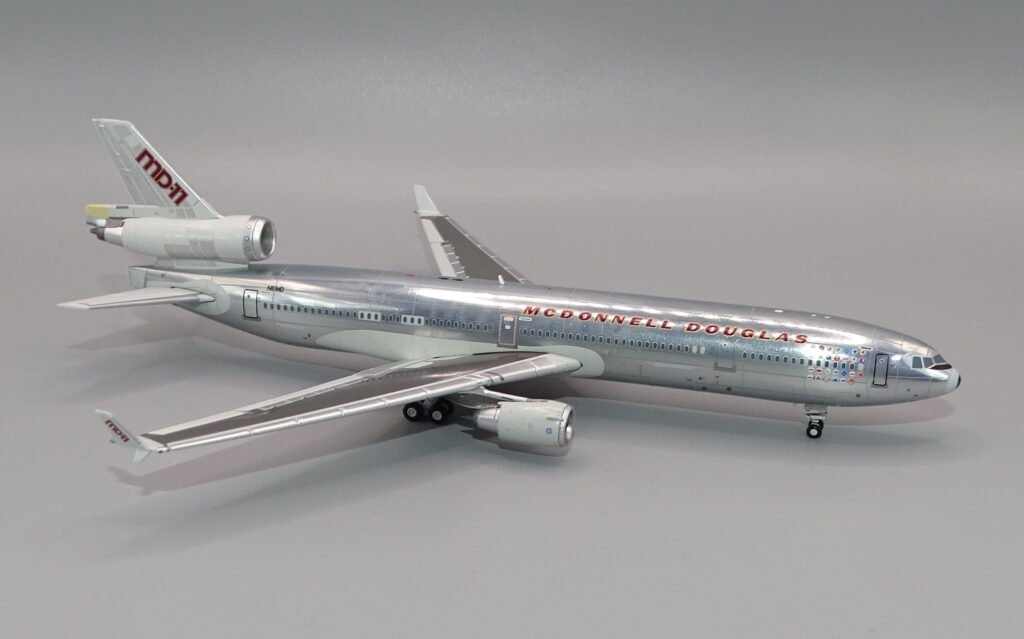
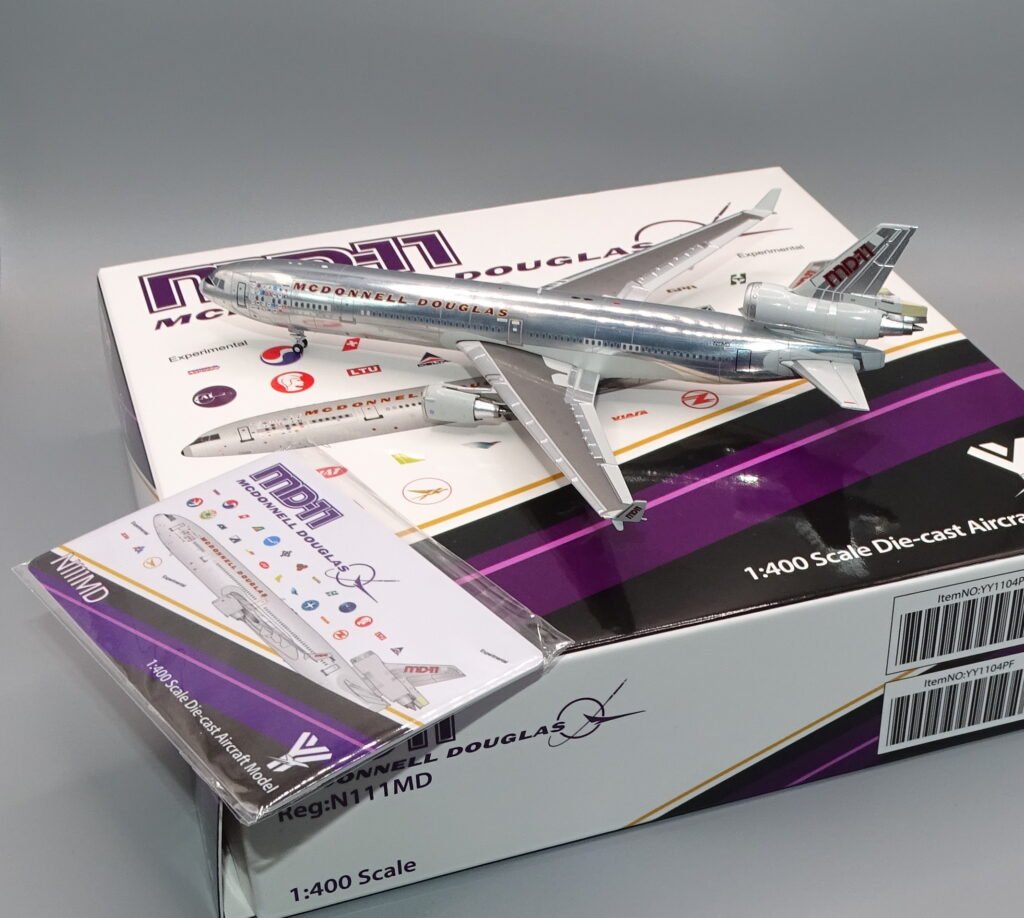
In detail the mould is superior to the Panda Models MD-11 in several areas such as no 2 engine exhaust, maingear and moulding of the NACA intakes, although it doesn’t have it all its own way. Regardless, it is very good and has been reviewed here at the site twice. It is also notable that the interactive version comes with magnetic cargo doors.
MD-11 Mould Comparison
I have investigated the MD-11 in 400 scale and compared the HX Models and Panda Models MD-11s at my YouTube channel: