Updated: September 2026
The Airbus A350 neatly fits in between the competing Boeing 787 and 777-X ranges as the primary widebody in the Airbus lineup. The type has come a long way since it was first mooted, around September 2004, as a warmed over A330 with a new wing, engines and composite materials. Although this version attracted orders from the likes of Qatar Airways (who signed for 60 in June 2005) other airlines like Emirates and Singapore were a lot less enthusiastic. Public criticism from the major lessors ILFC and GECAS further cast a pall over the initial A350 resulting in Airbus being forced back to the drawing board.
The result was a new fuselage allowing a ten abreast seating configuration (as with the 777) and this wider cross section enabled Airbus to christen the A350 as the A350 XWB (Xtra-Wide-Body).The new A350 was positioned between the 787 and 777 in size and available in three initial versions (800,900 and 1000). It was also a significant departure from the existing Airbus lineup with most obviously a very different front end and nosegear setup. In fact, rather than sharing an ancestry with the A330/340 it has more in common with the A380.

The mid-size variant, the A350-900, was first into production (the shorter series 800 was eventually cancelled) and the prototype F-WXWB first flew on June 14, 2013. The certification programme for the A350-900 ran smoothly and it gained its certification from the European Aviation Safety Agency (EASA) on September 30, 2014. Deliveries commenced to launch customer Qatar Airways in December. The A350XWB certainly seems to have ticked the boxes with the airlines; designed to compete against the 787-10 and 777-8, whilst replacing older 777-200ERs and A340s, the A350-900 has sold 1,100 units so far. The stretched series 1000 has over 370 firm orders.
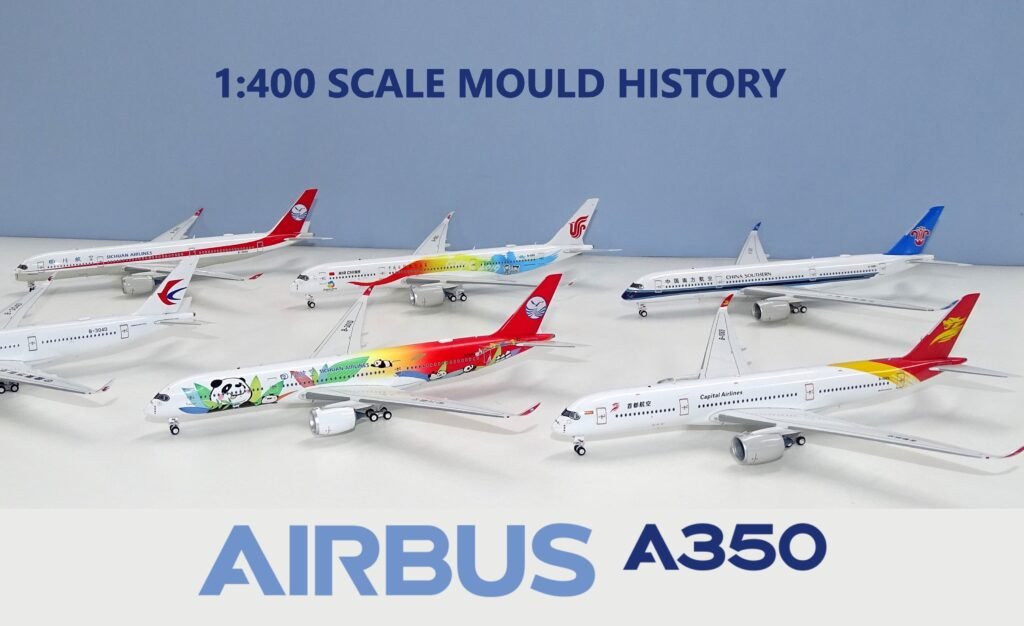
Airbus A350 in 1:400 Scale
In 1:400 scale the A350 has been one of the major battlegrounds between those manufacturers who specialise in modern widebodies, especially of Asian descent i.e. Phoenix and JC Wings. Gemini Jets of course have been able to utilise the JC Wings mould and the marketplace was turned upside down in 2017 by the arrival of Inflight into 1:400 scale with their Aviation400 brand. Initially this was primarily focused on the A350. Then in 2020 NG Models also joined the fray and has been followed by Panda Models, Aero Polaris and HX Models (plus the Jet Hut basic offering).
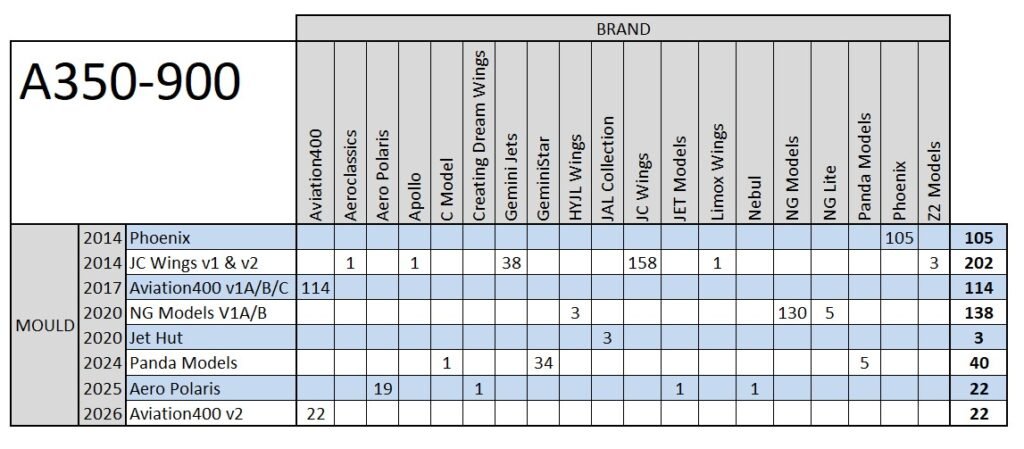
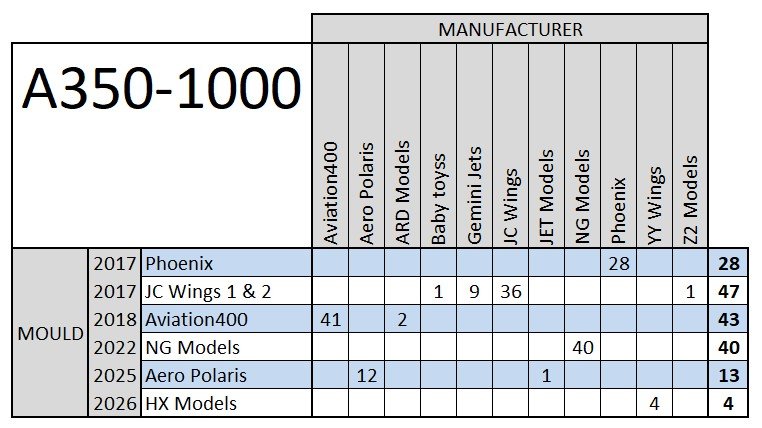
The result is that there has been a massive amount of A350s made in recent years. When I updated this review in October 2021 there had been 245 A350-900s and 44 A350-1000s produced or announced in 1:400 scale. Three years later in 2024 and that was up to an amazing 458 A350-900s and 87 A350-1000s despite there not being a dramatically larger number of operators. Incredibly by late 2026 there have now been 649 A350-900s, 176 A350-1000s and 17 A350Fs. This means there is usually a choice for the collector between multiple manufacturers for which A350 version you can purchase.
Complexity has been added due to the different versions of A350-900s and the fact the series 1000 keeps the old 900 style winglets. There are therefore less series 1000 moulds than 900s.
Airbus A350 Variants
The two passenger variants of the A350 (series 900 and 1000) have significant differences aside from just their length and due to the influence of the 2018 Performance Improvement Pack (PIP) there are three different wings in play creating effectively 2 different versions of the series 900 as follows:
A350-900 - Pre MSN216 (No PIP)
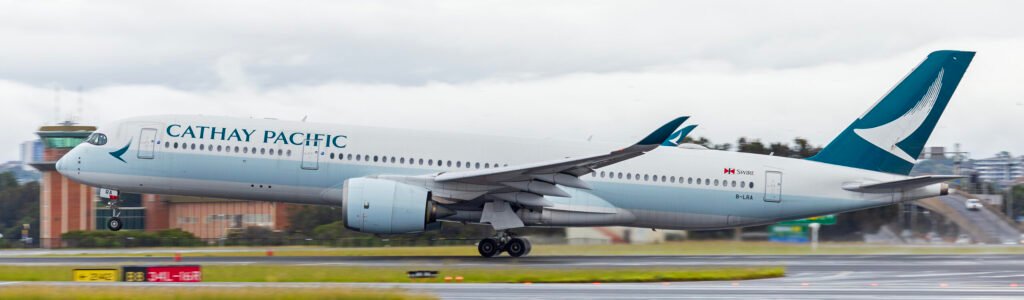
All A350-900s prior to serial number 216 are fitted with the original style of winglets as sported below by an early Cathay aircraft. The winglets are smoother, more curved, and have a slightly shorter upward sweep.
A350-900 - With PIP
All A350-900s after serial number 216 are fitted with the updated style of winglets as sported below by an early Cathay aircraft. The winglets are taller and squarer.

A350-1000
The A350-1000 has a subtly different wing with a 4% larger area (although that has never been modelled in 400 scale). It also has the old style rounded winglets and has never gained the newer PIP style winglets.

The Moulds
Opinions in this section are partly based on models in my collection and the detailed mould reviews I’ve undertaken. The A350 review has been rewritten now 3 times due to the changes and additional moulds. The latest version dates from 2024 and is now out of date due to continuing new mould development. It remains essentially correct for the moulds represented BUT is missing the Aero Polaris A350 (although broadly that is similar to the Panda version) and new 2026 Aviation400 A350.
PHOENIX MODELS (2014)
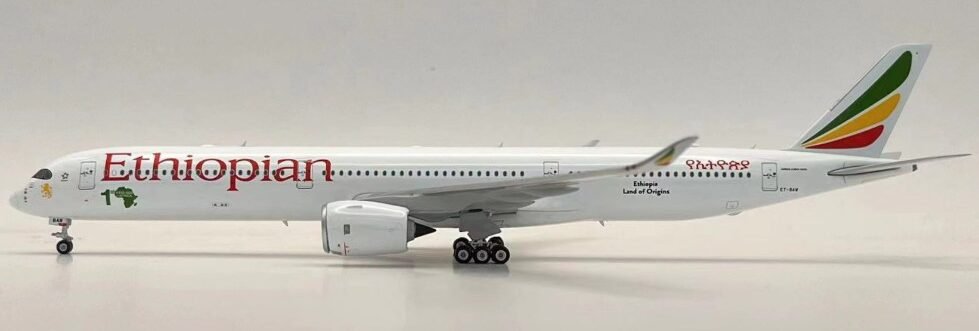
The Phoenix A350 has been one of Phoenixes most important moulds of the past decade and is a decent mould, albeit one which cannot compete on the same level as the best A350s being made in 2026. The initial mould suffered from floor dragging engines despite having quite tall landing gear. This has been improved in recent years although ground clearance still isn’t great. Overall the mould is decent but not outstanding.
I have reviewed Phoenix A350s in detail a few times, although not since 2018:


In mid-2026 Phoenix has spent some time modifying the mould’s undercarriage and that has improved the overall look of it by a surprising degree. Despite that given its age this mould in 2026 is the only one that still features the pre-2018 winglet form so it incorrect for the majority of releases it has been used for.
JC WINGS / GEMINI JETS v1 (2014-2019)
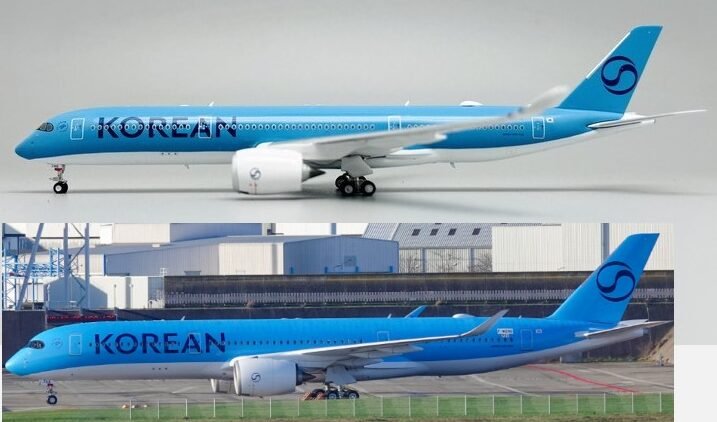
This original JC Wings mould suffered from quite a lot of criticism in relation to its cockpit and nose form, but outside of these it compared well to the Phoenix. The thing that has always stood out for me in comparison is that the undercarriage is noticeably shorter, but even with this it hasn’t had the engine ground clearance issues that the Phoenix mould has had. I tended to prefer it over the Phoenix but overall it is of a broadly similar quality. It has been overtaken by the updated version of the mould (see below) and there isn’t much on it that hasn’t been remade on better moulds nowadays.
I have reviewed the older JC Wings mould in detail:


AVIATION400 v1 (2017-2026)
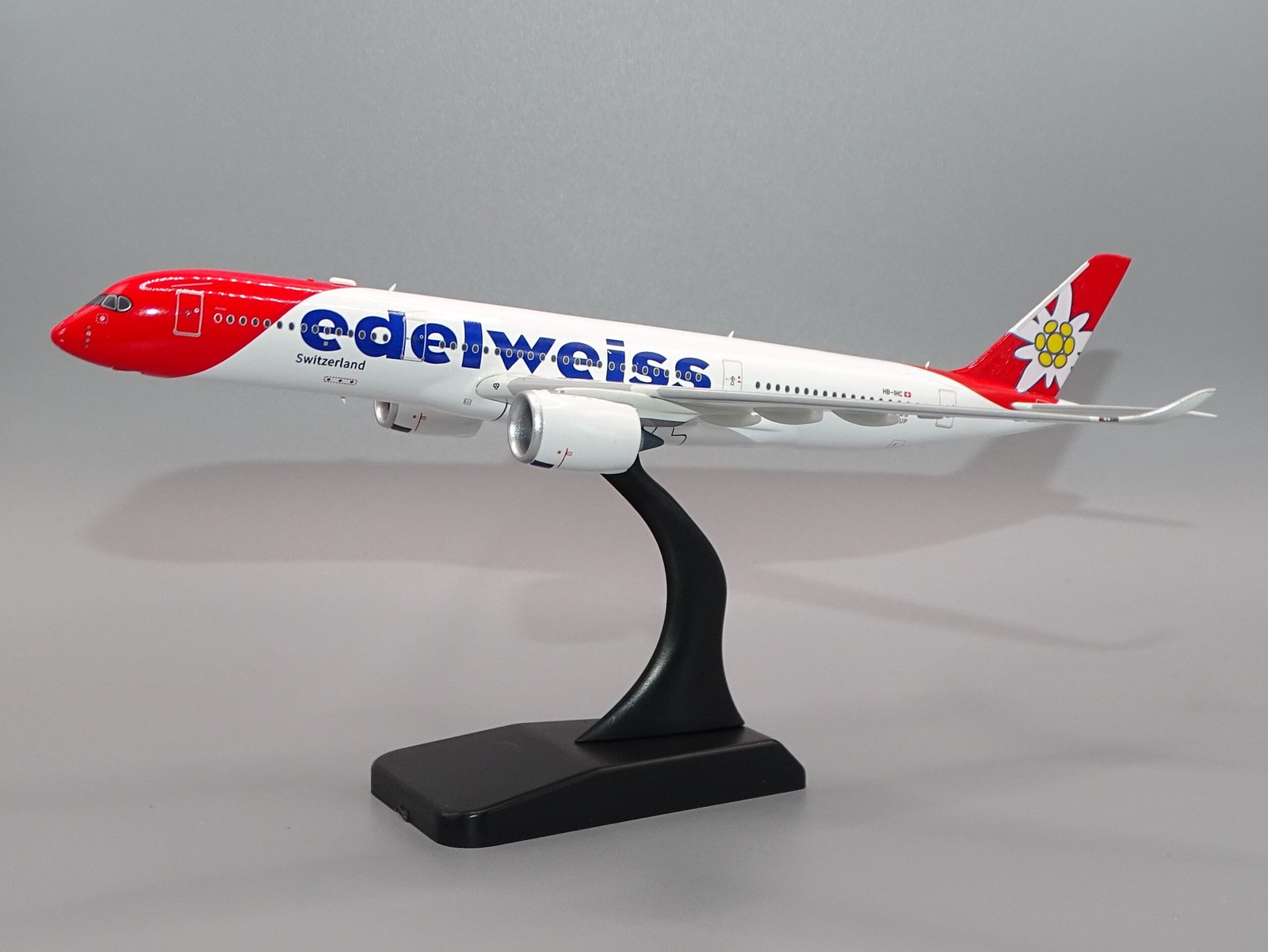
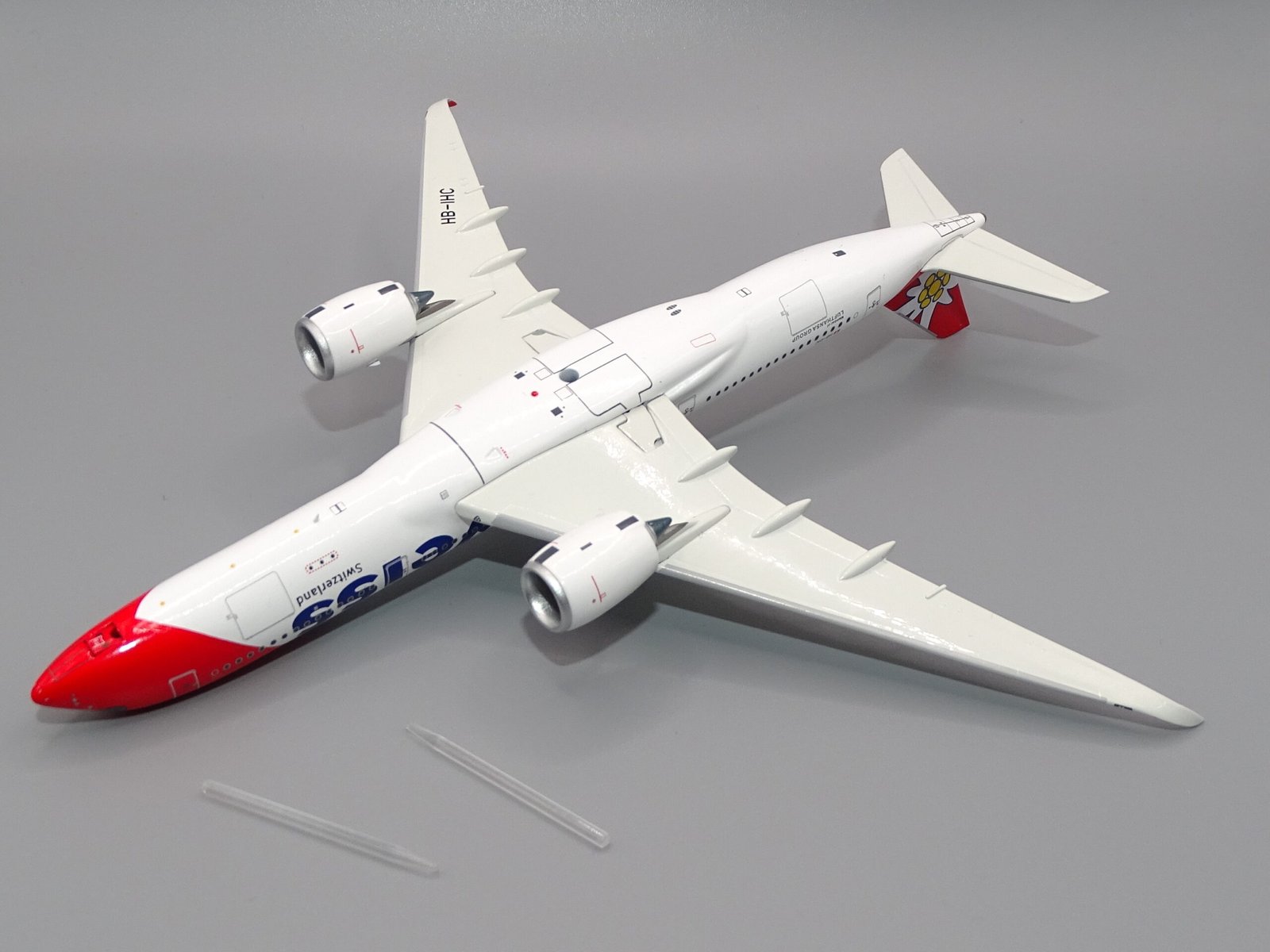
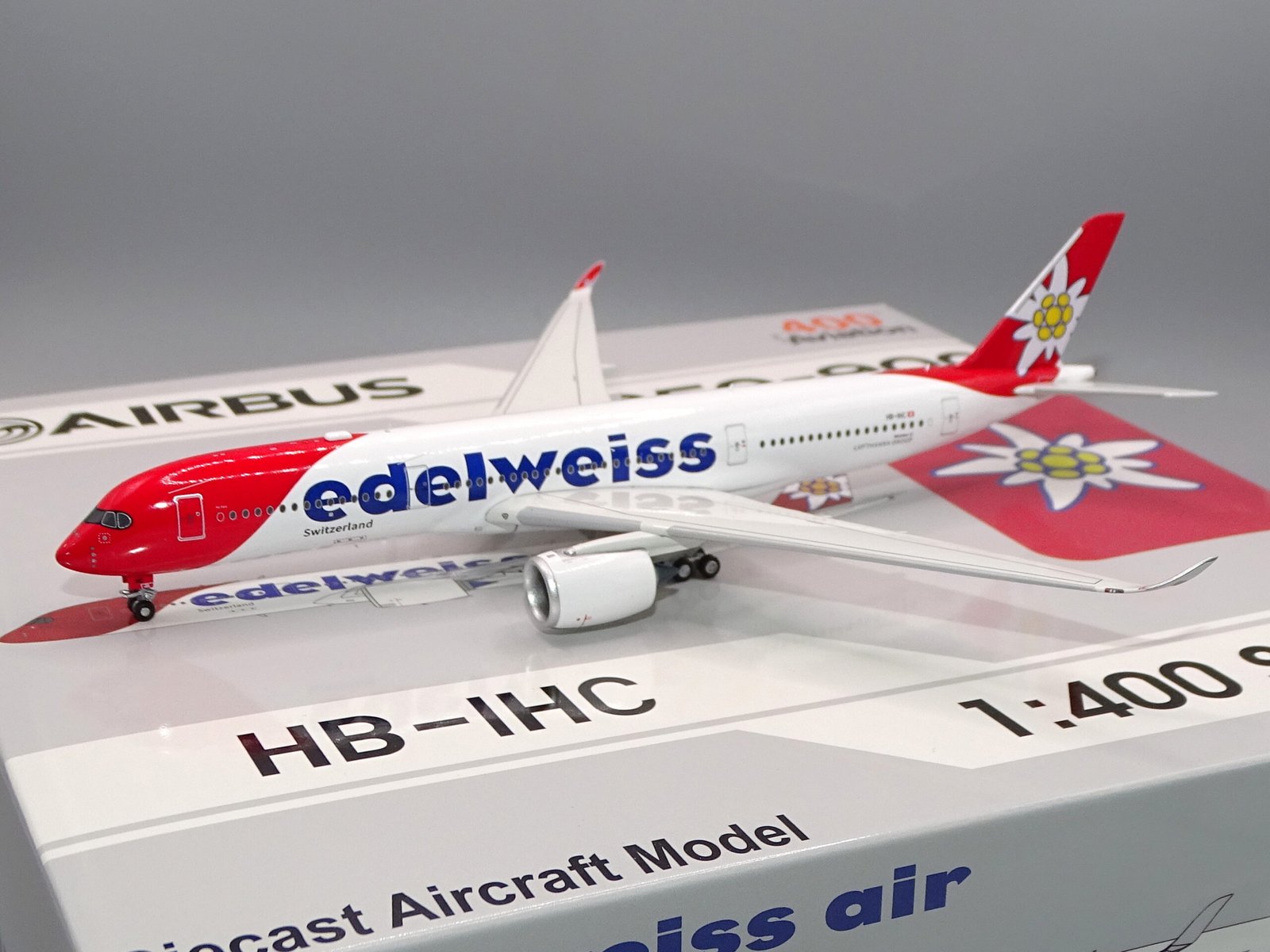
The Aviation400 A350 was the brand’s first new mould and was well received by collectors. It is rightly considered, in general, to be a good mould, although the new competition from NG and Panda has pushed it into 3rd place. When it debuted its big advantages were due to the shape of the nose and the addition of navigation beacons. It is also worth mentioning that as with all AV400 models it does come with a free stand. Some of the earliest examples had problems with the angle of the engines but this has been resolved, however there have been some wing-fit issues and at times over-polished noses too. Improvements have been made to the maingear trucks and tyres, which nowadays look quite different to the original form.
The original Aviation400 A350 has undergone 3 periods of modification and I describe those moulds as the v1A, v1B and v1C variants. For detailed discussion of the differences see:
One weakness of the v1 Aviation400 mould is that all 3 versions still sport the old style winglets, something that has been remedied with the new v2 mould.
MOULD 1A EXAMPLES (2017-2019)


Detailed reviews of the early release AV400 A350s:
1B EXAMPLES (2020-2023)


Detailed reviews of later AV400 A350s:
Also checkout the video review of the Delta example here:
MOULD 1C EXAMPLES (2024-2025)
Whereas the1A and 1B versions of the mould mainly differ from each other in terms of the colour of the undercarriage and style of the tyres the 1C gained magnetic detachable landing gear and also new engine pylons and fans. It was a significant improvement. This version of the mould was reviewed here at the website too:
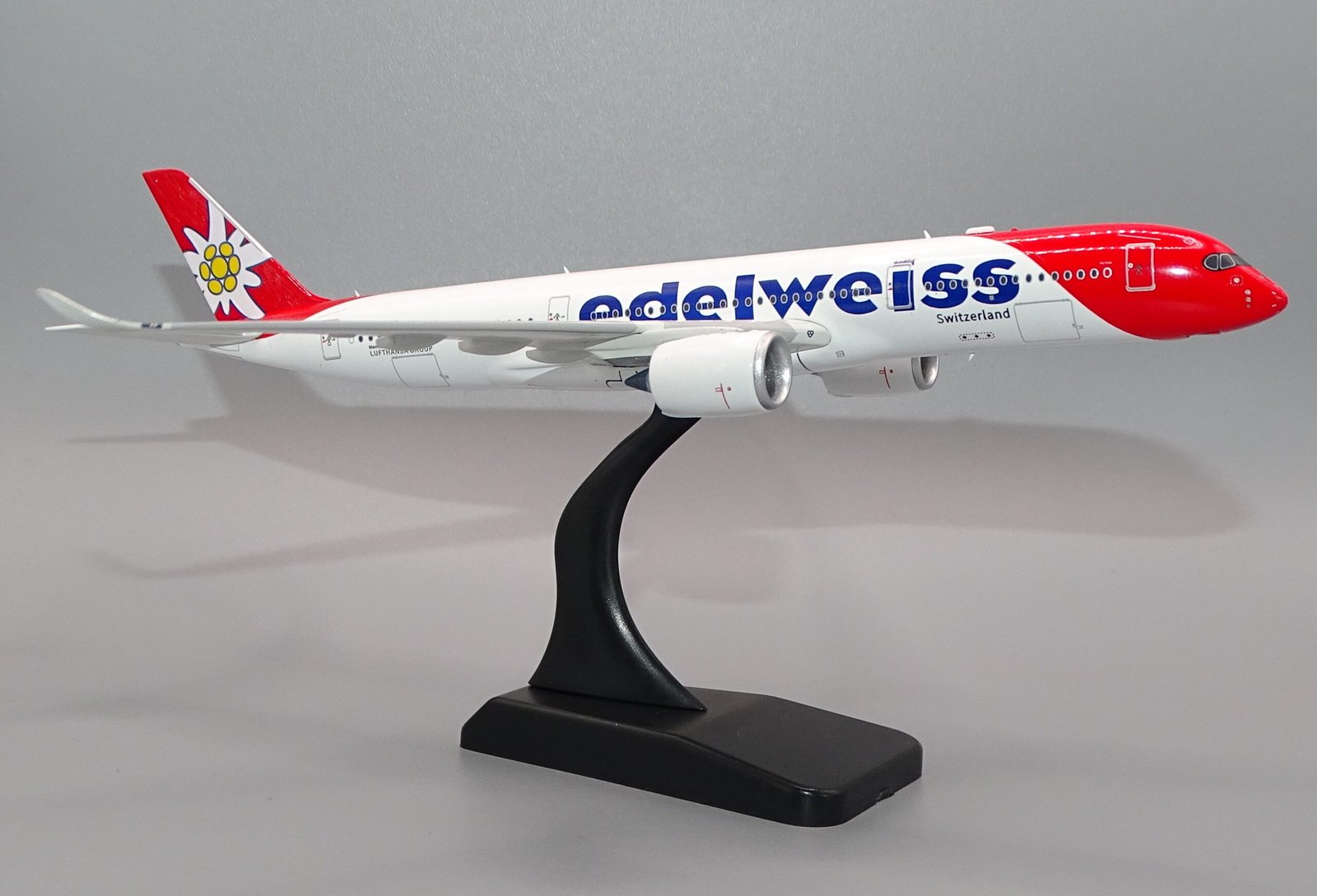
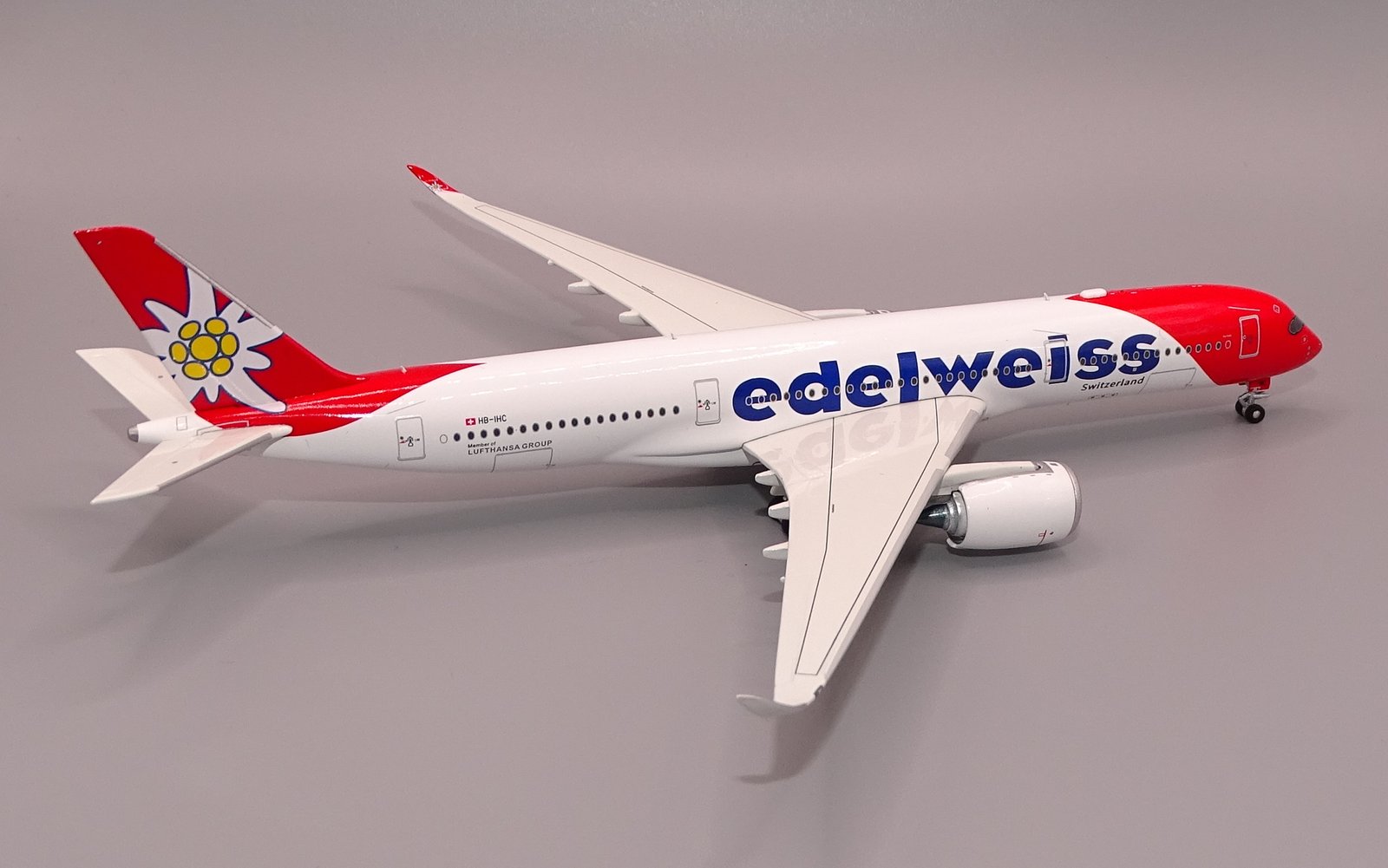
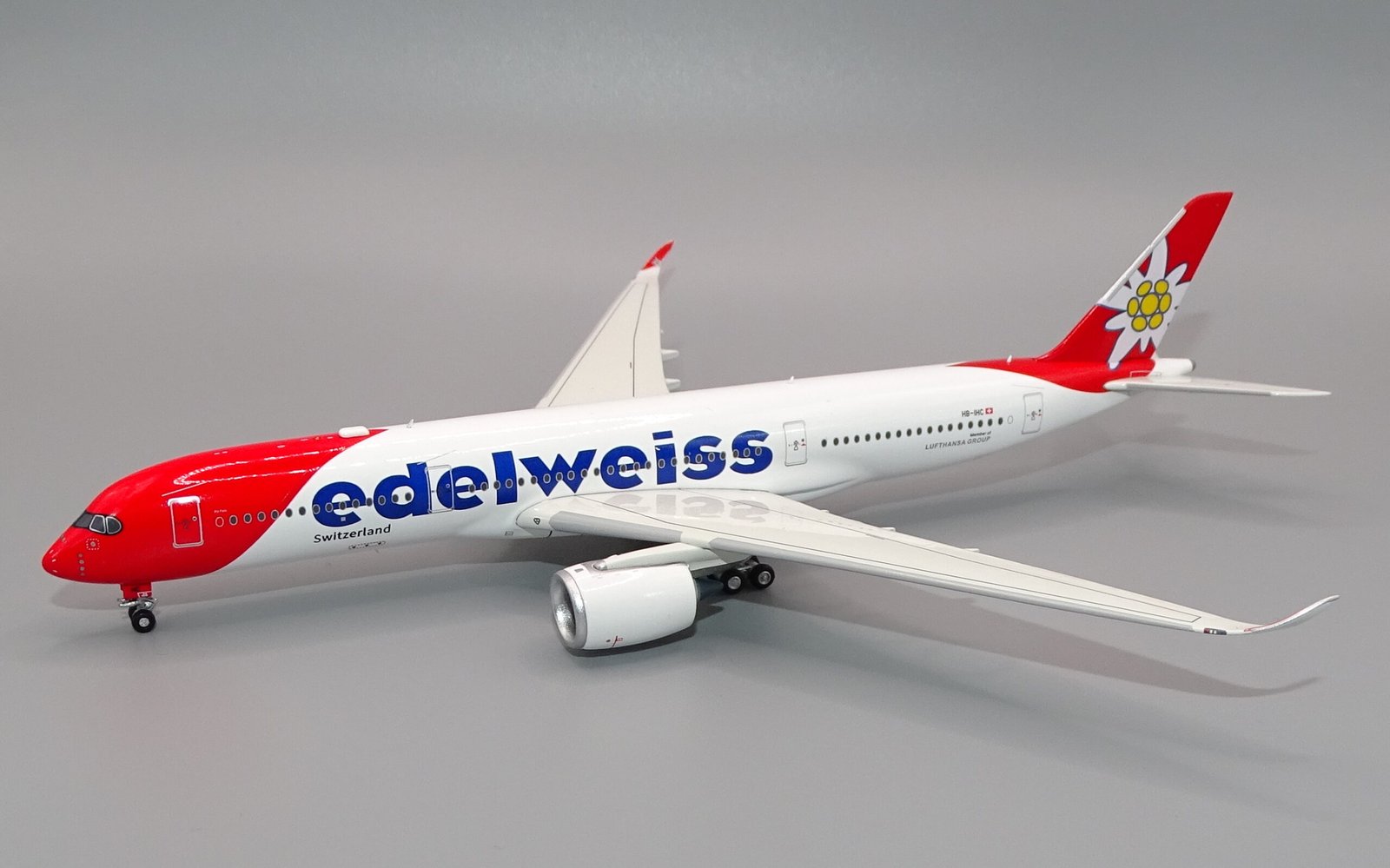
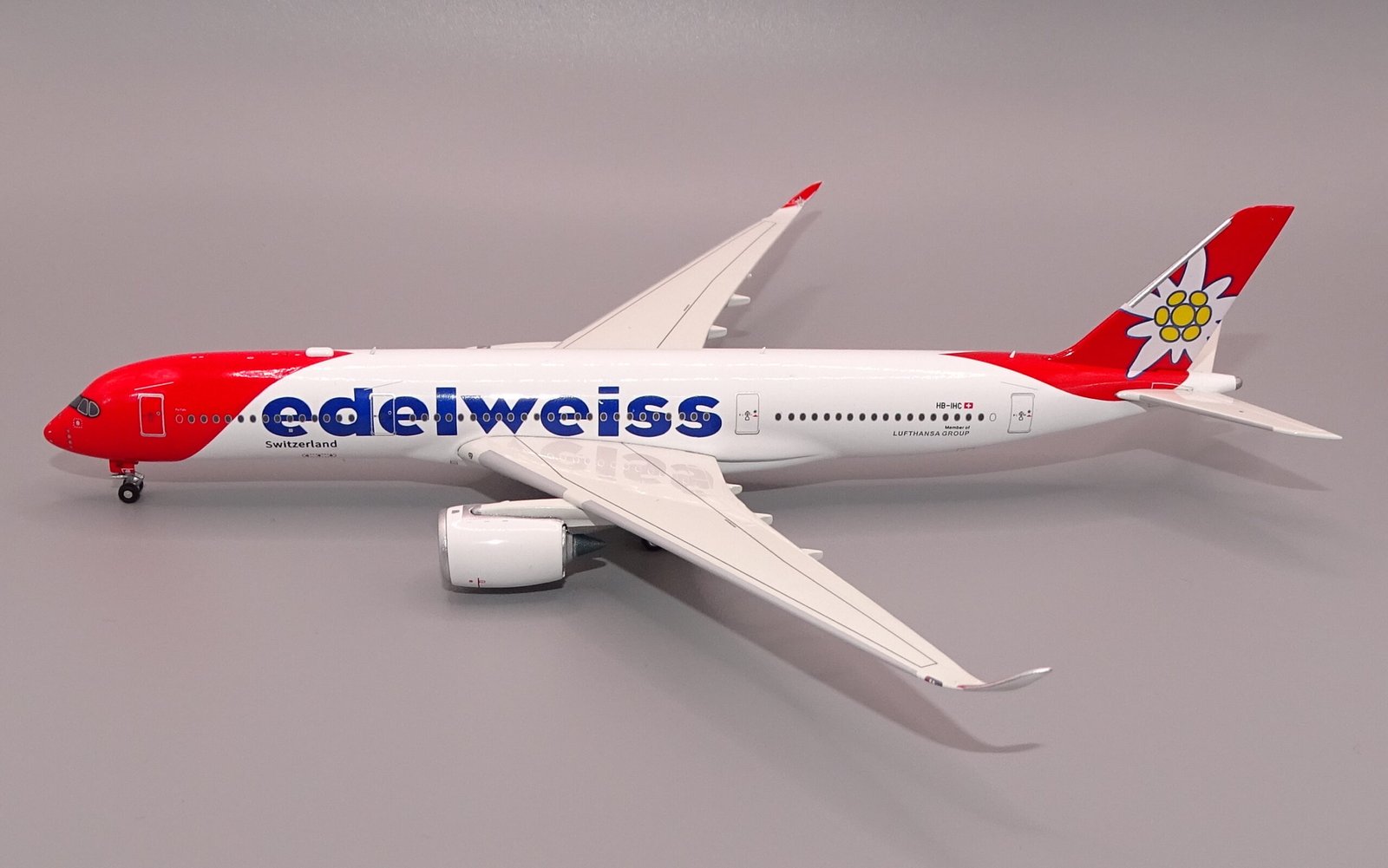
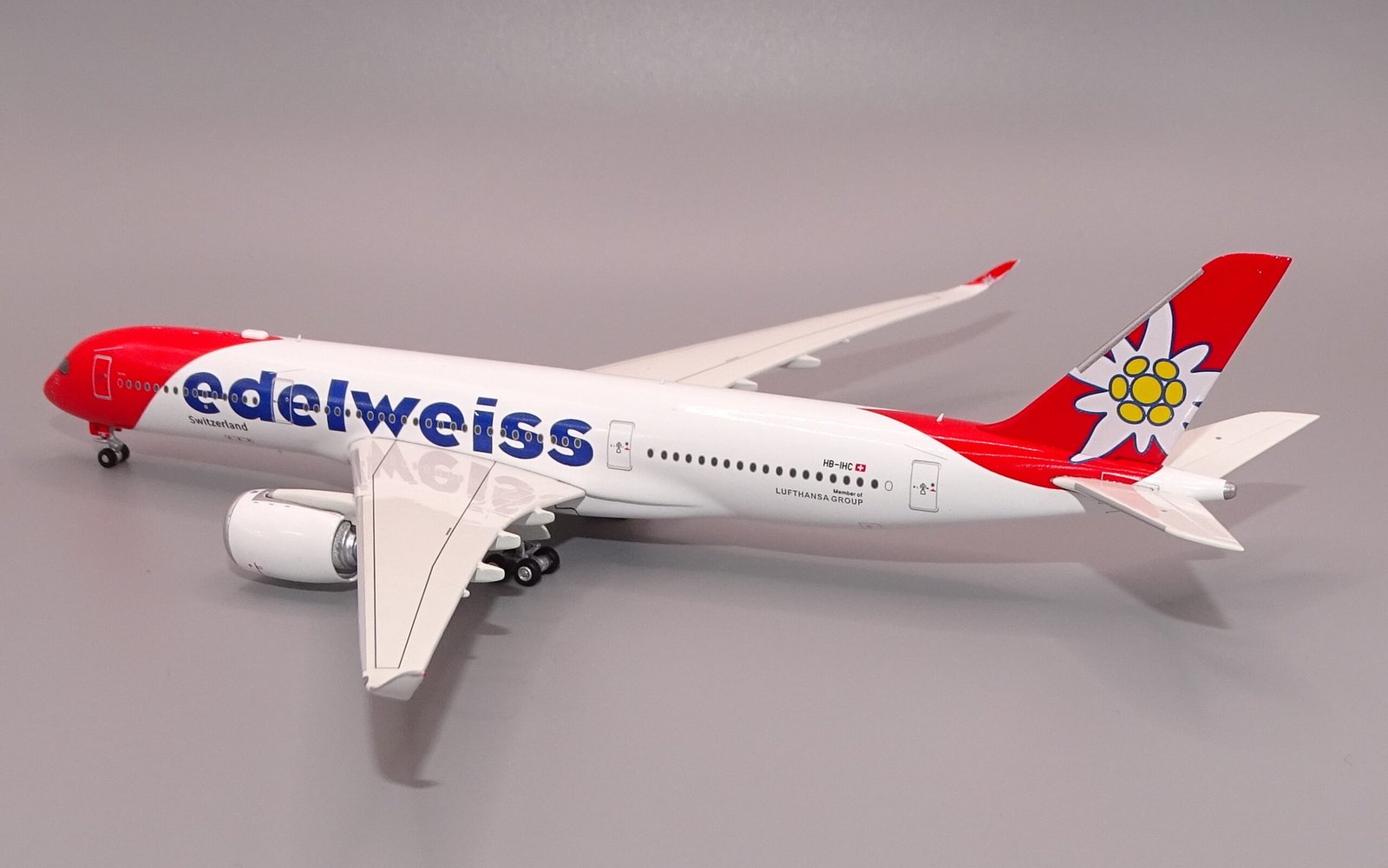
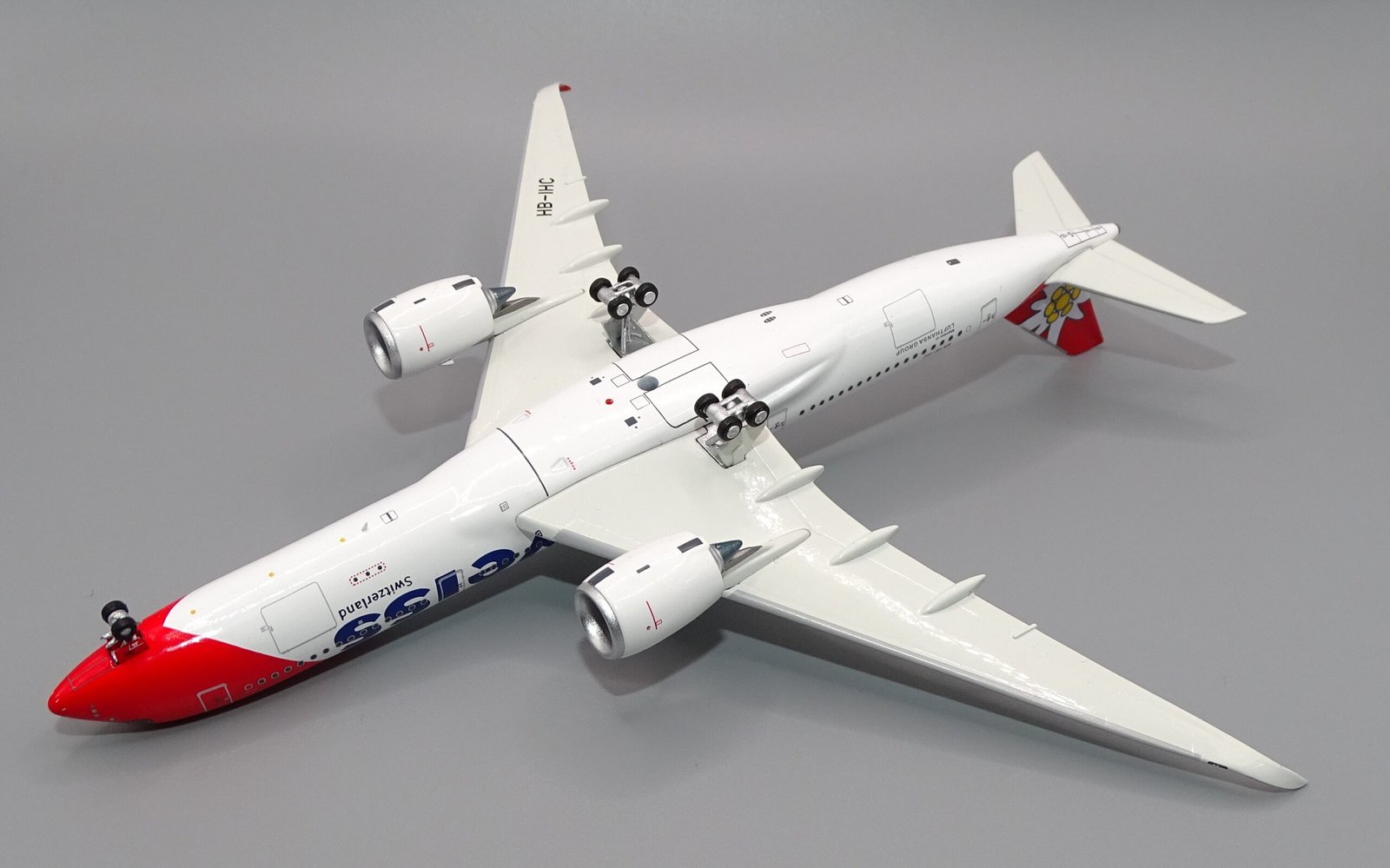
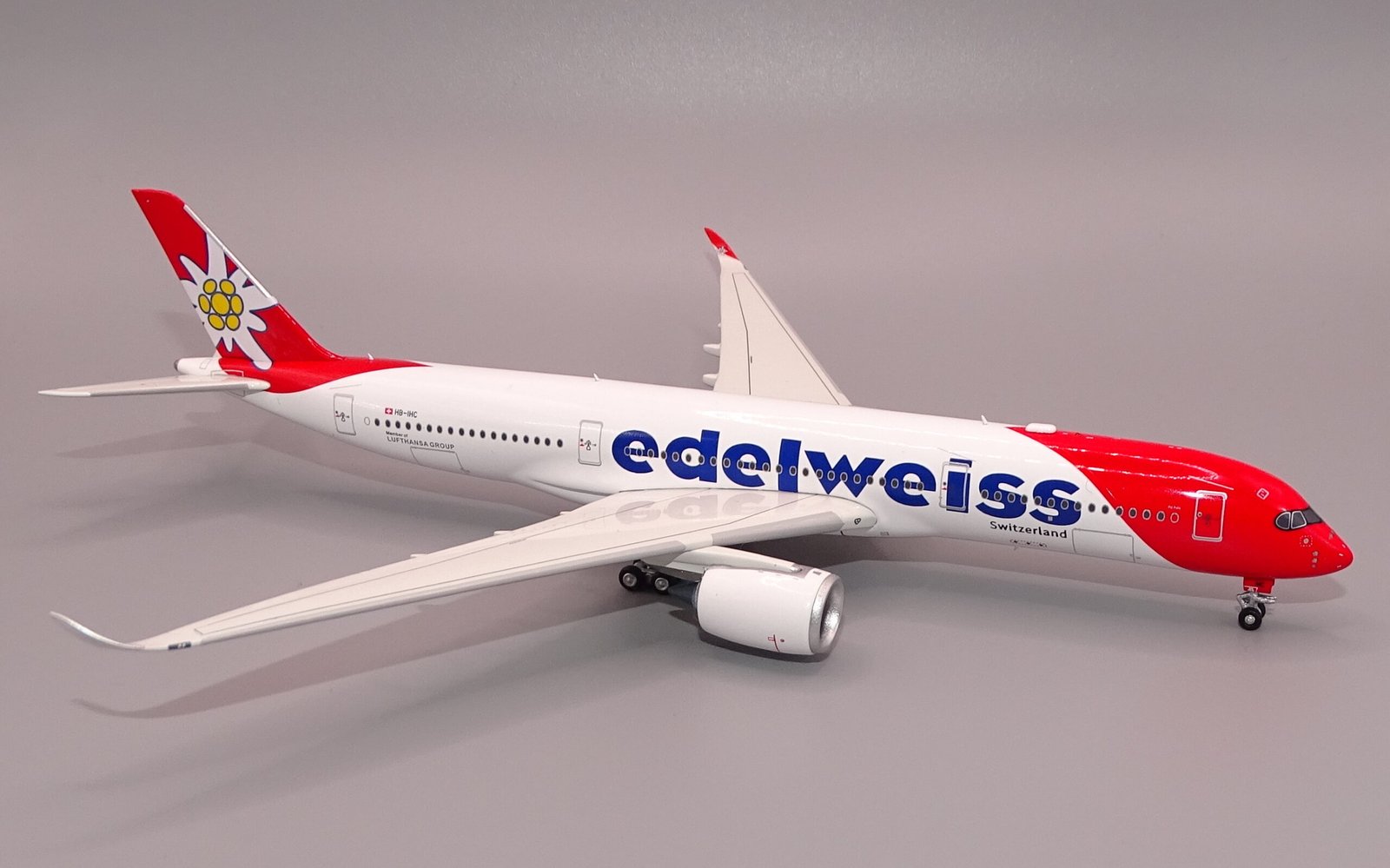
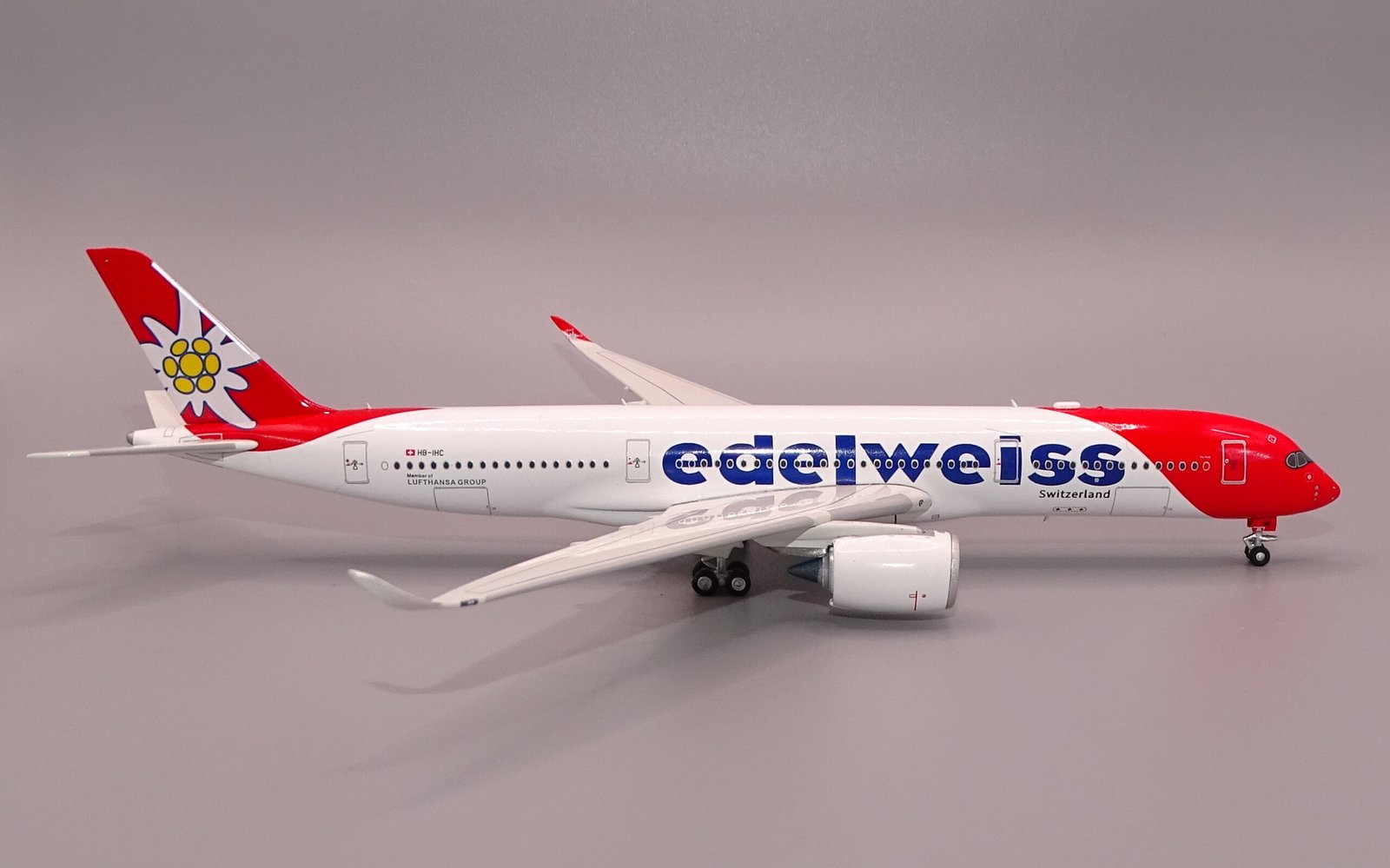
JC WINGS / GEMINI JETS v2 (2019)
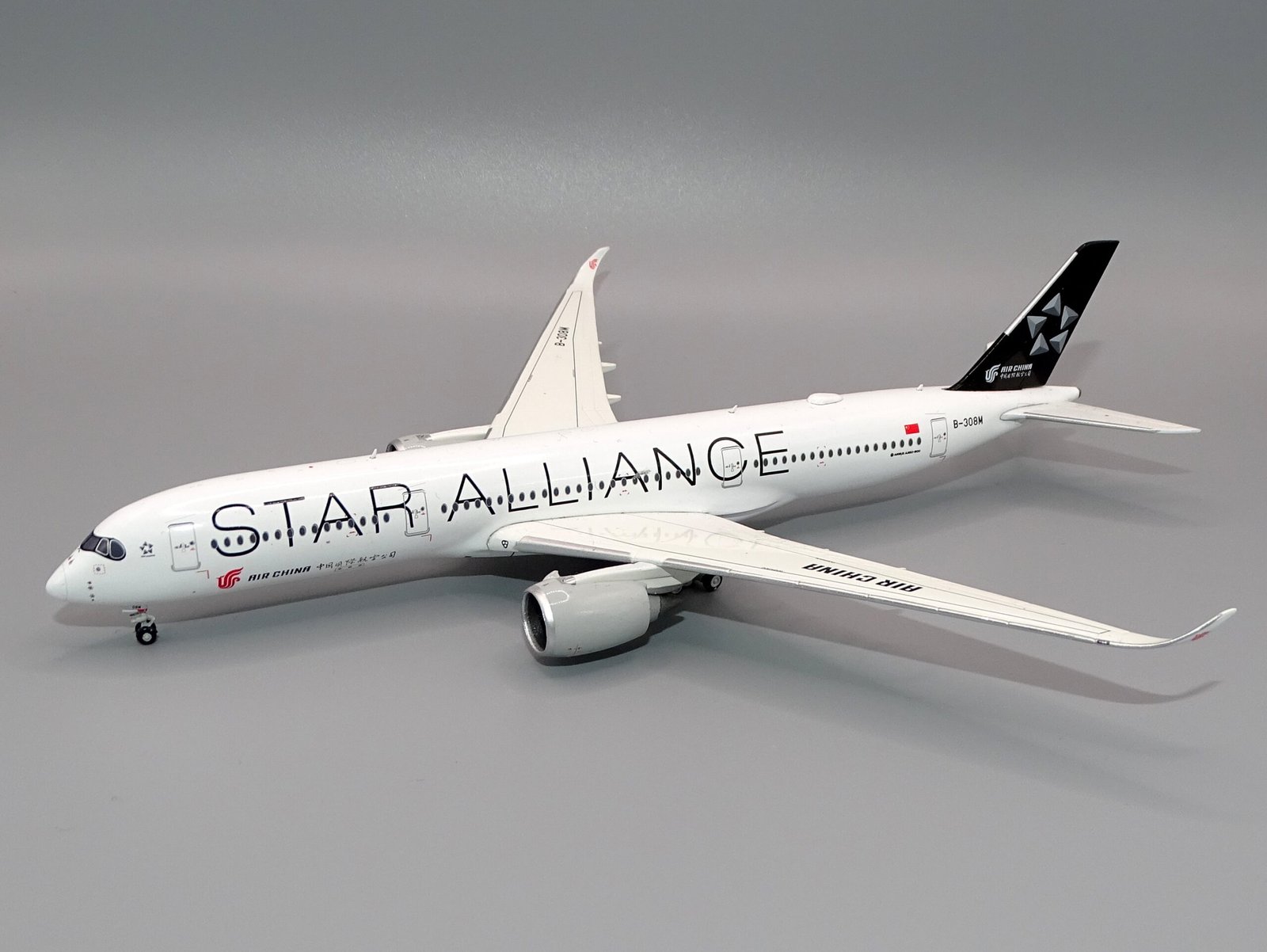
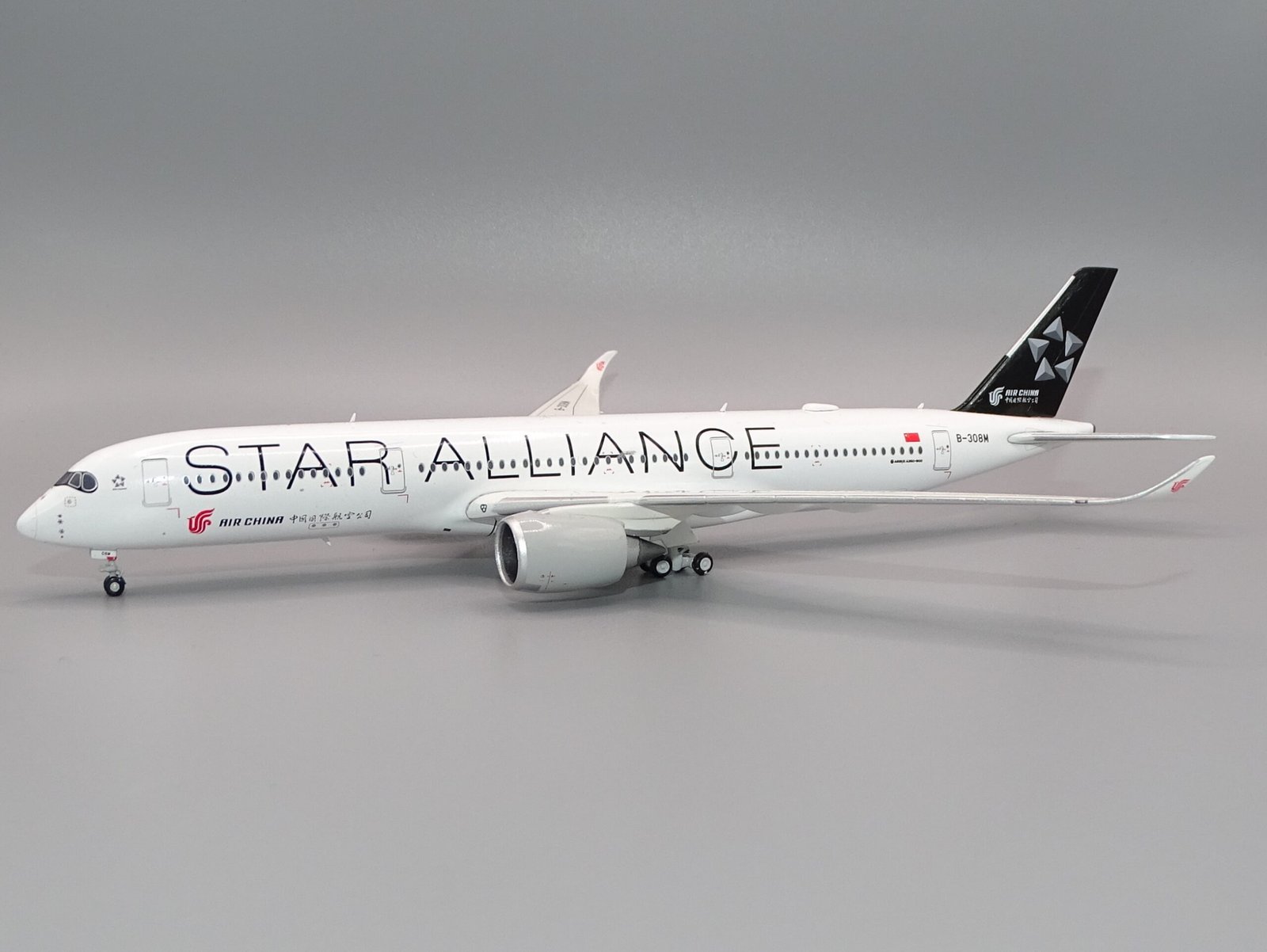
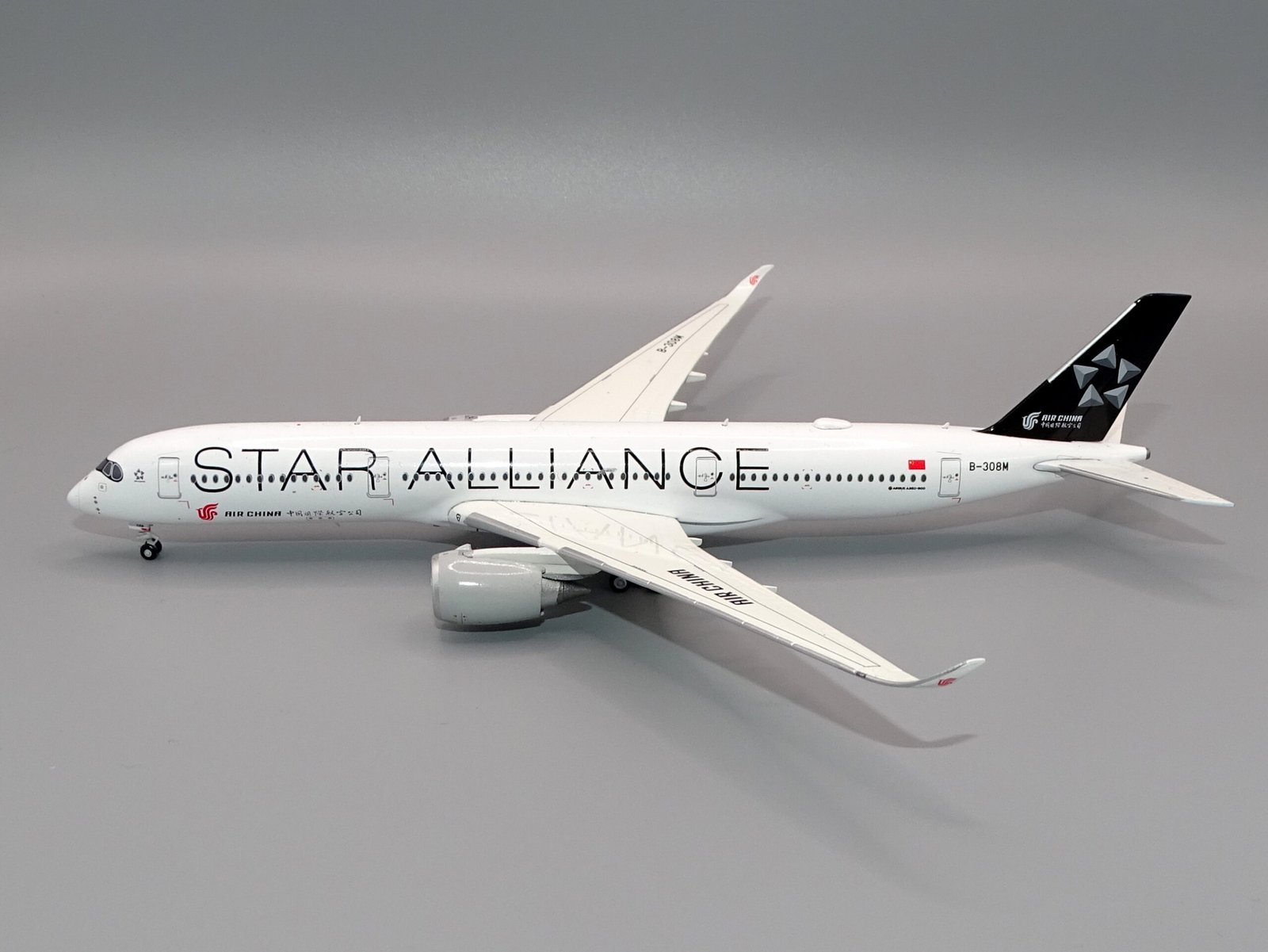
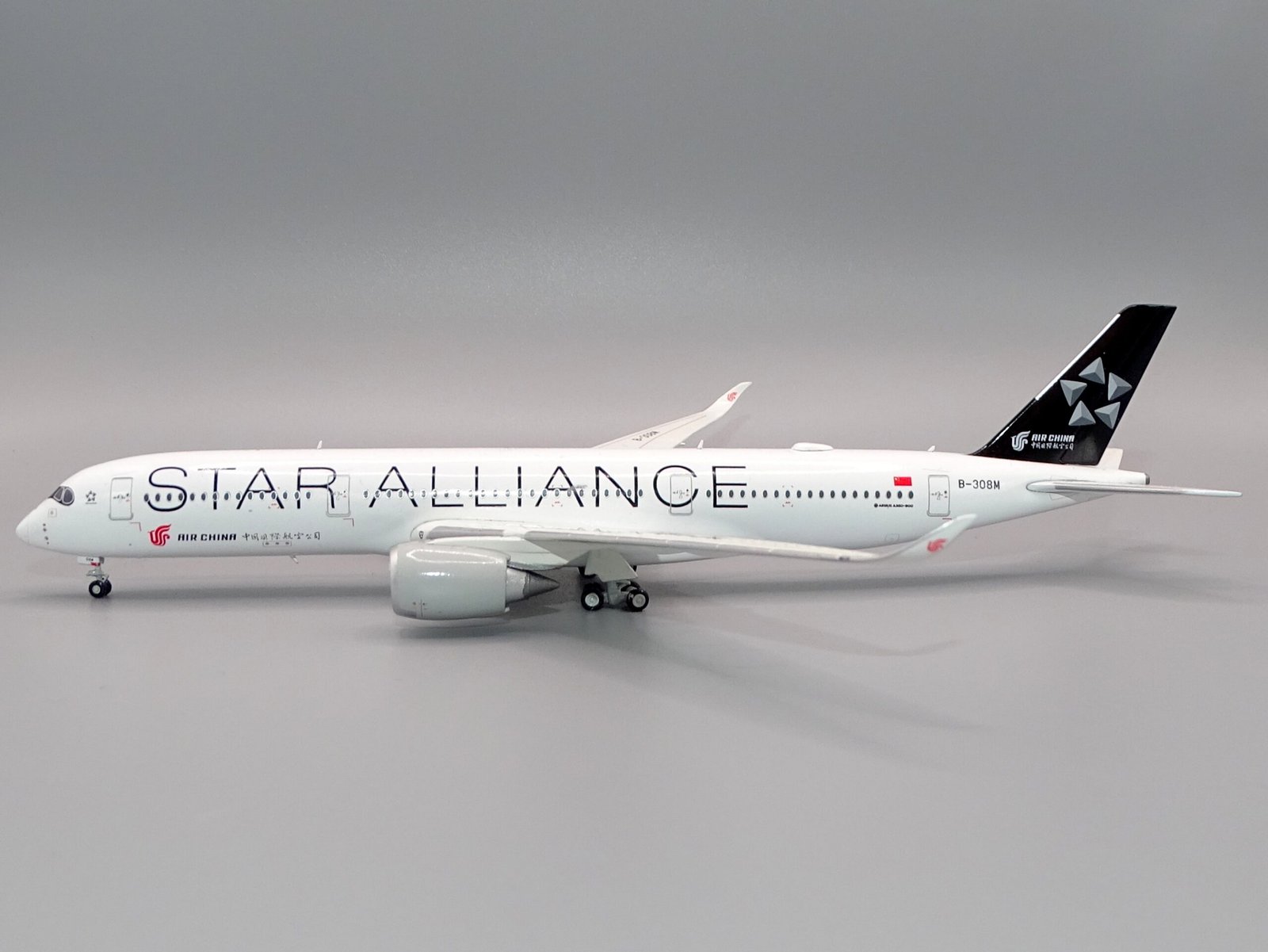
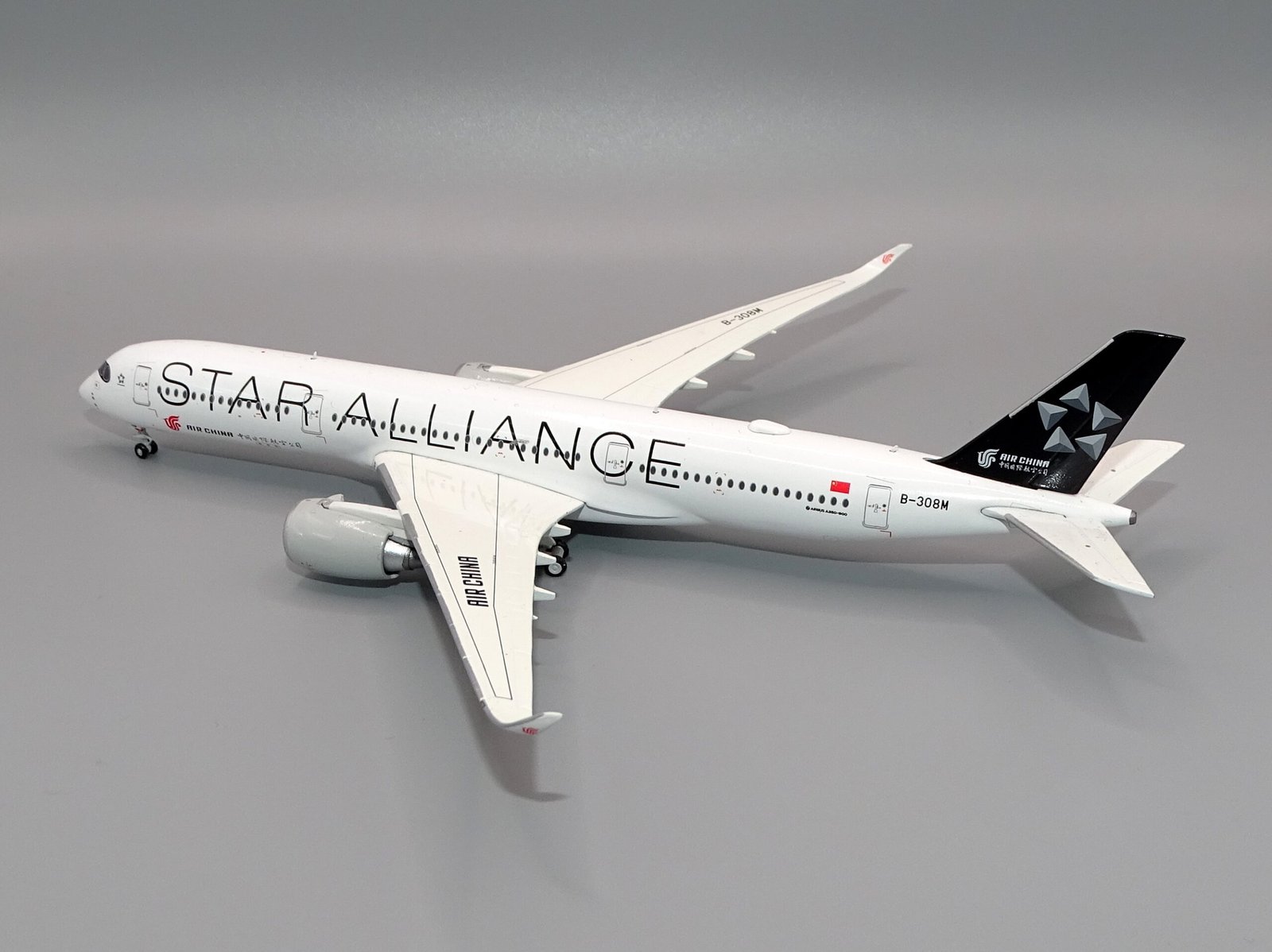
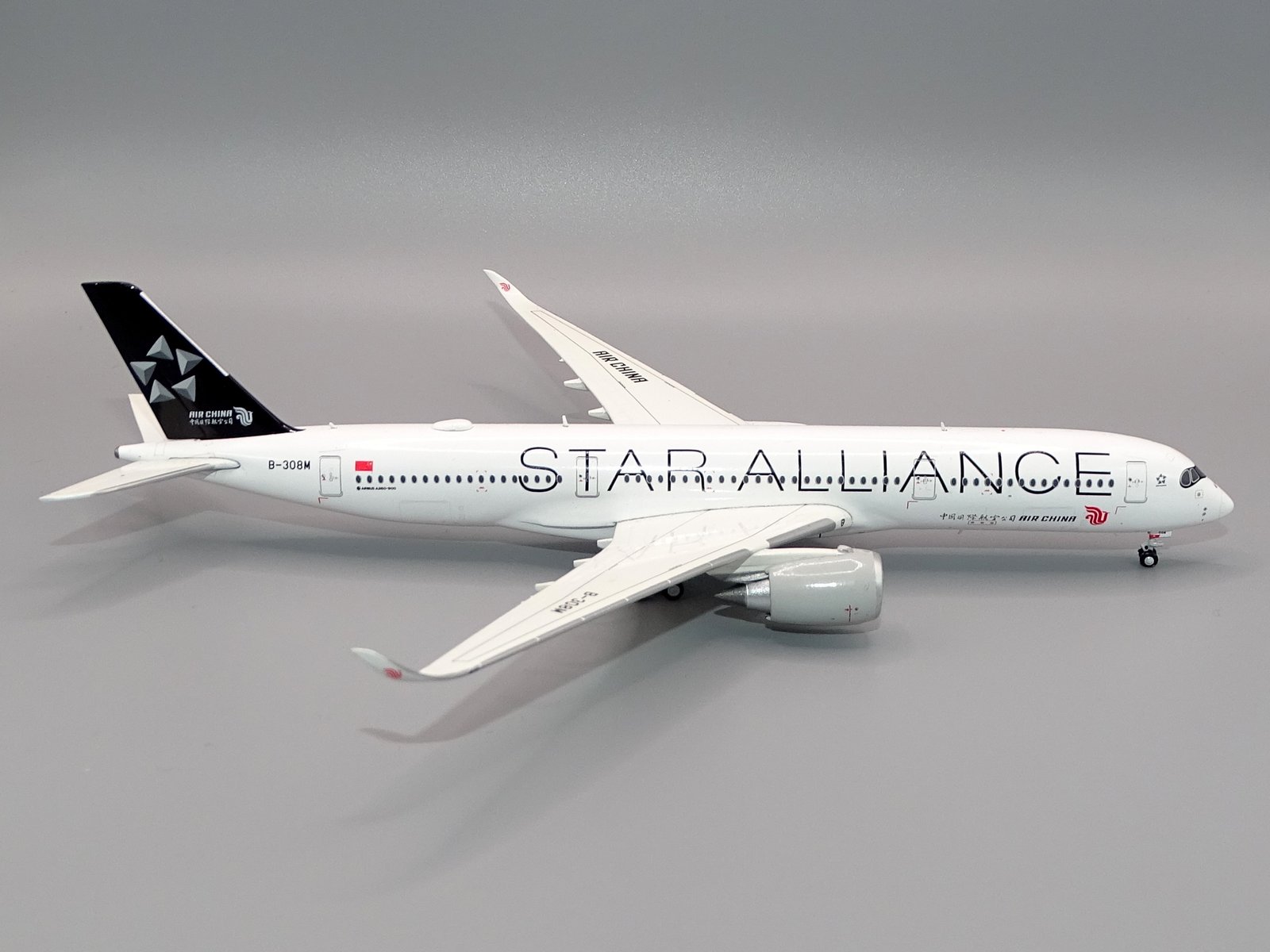
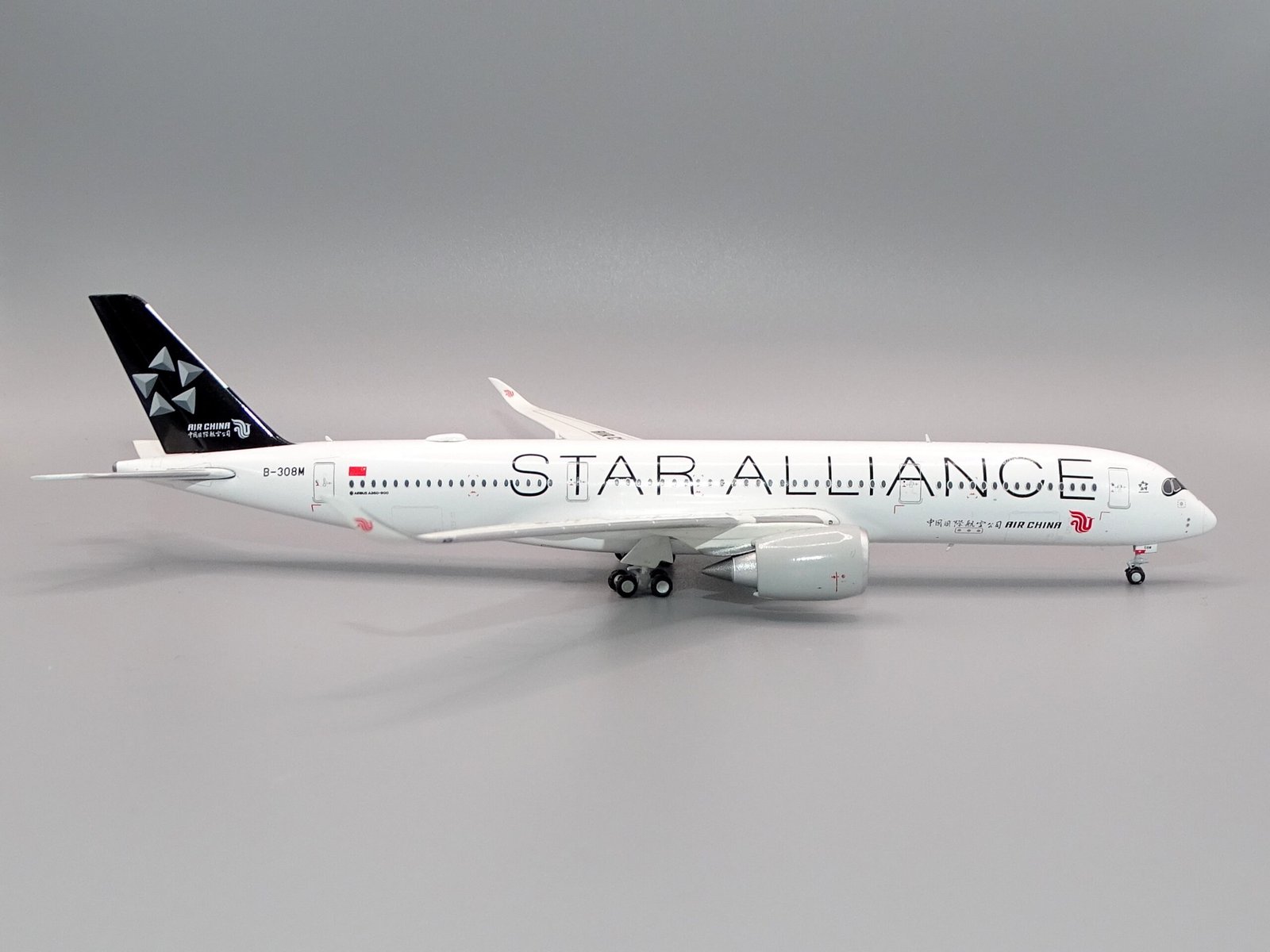
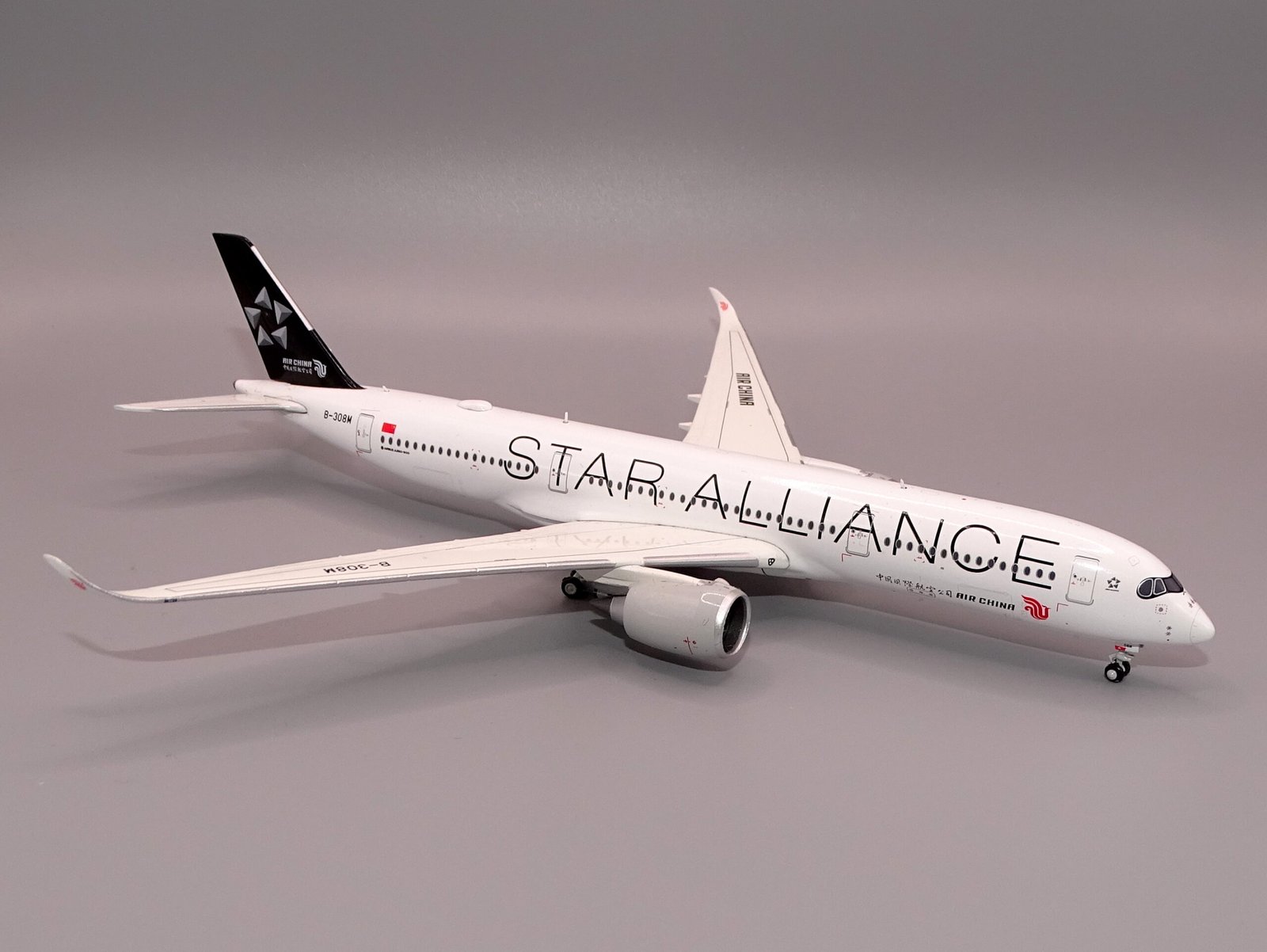
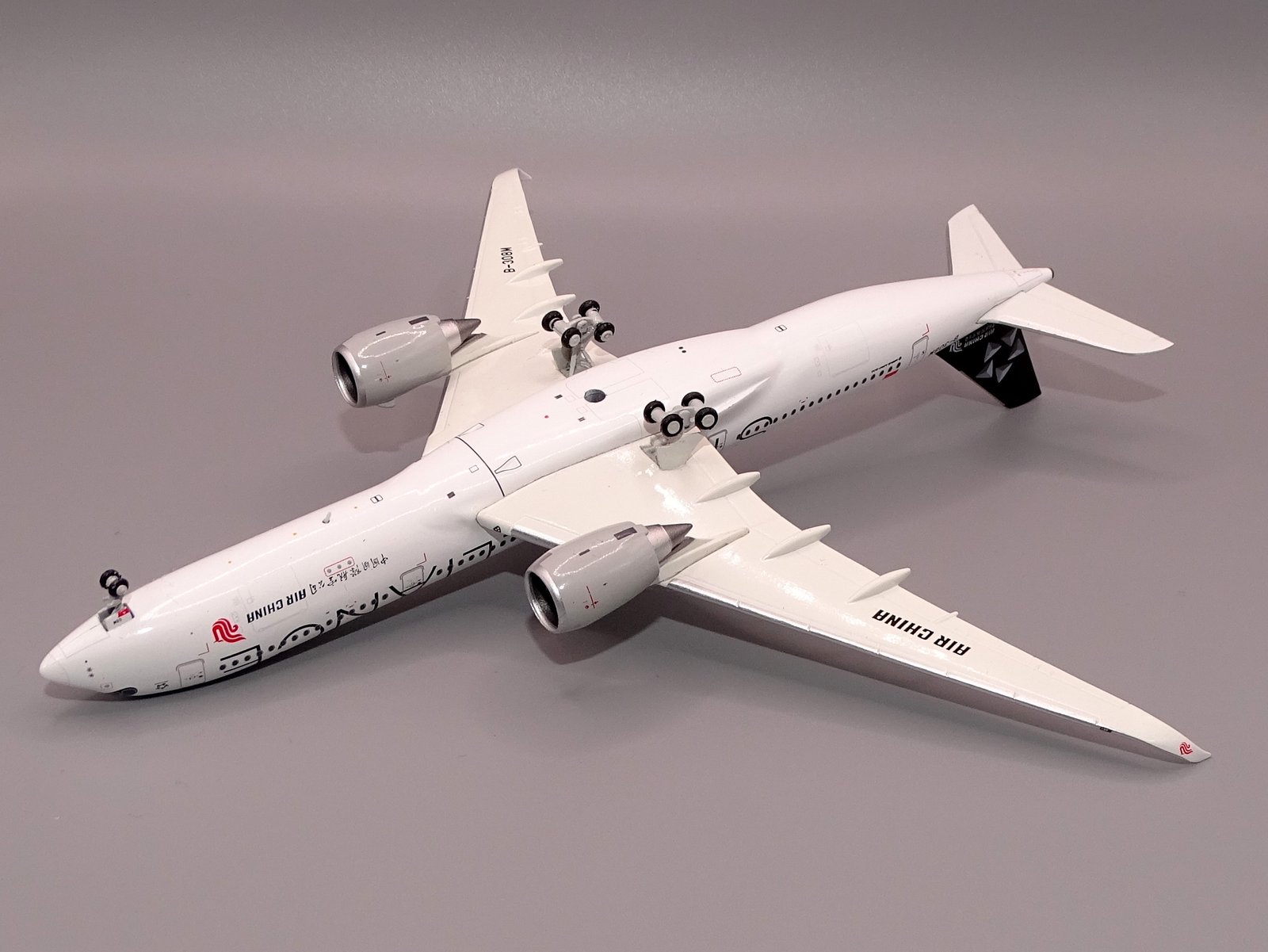
Following criticism of their original mould JC Wings grafted a new version onto the existing and significantly improved the whole. It is a little unclear when exactly the new mould was released, as there was no fanfare and JC Wings tendency to release models at random points well after the release announcements makes it hard to track actual releases. It may even be that Gemini Jets used the updated mould first. The new nose is much better than the previous version and elevates this mould but I’d still suggest it was behind all the others aside from the Phoenix. The cockpit printing on A350s from JC and Gemini is also often poor and something to watch out for.
Below on the left is the new nose and on the right is the old one. There is a definite stronger change of angle at the base of the cockpit and a different profile at the forehead too.


I’ve reviewed an example of the updated JC Wings mould once to date. Despite the improved nose it is still one of the weaker offerings and the undercarriage always seems too short. The mould was updated around 2021 with the new style of PIP winglets.
DE AGOSTINI / JET HUT (2020)
De Agostini’s JAL Collection magazine series also featured an A350, although it is one of the moulds I haven’t seen in person. As with other Jet Hut moulds it isn’t intended to compete against standard 400 scale models and has a very early 2000s feel to it. At the same time it doesn’t look dreadful either:

It appears the rebranded JET Models will not be using this mould as they have announced a future A350 using the Aero Polaris mould instead.
NG MODELS (2020)
I received a resin sample of the NG A350 mould in January 2020 and was able to report on it then before I received the first die-cast sample in August. Use the below button to view that review:
When I scored this mould in the detailed comparison it performed excellently and has since its introduction been my choice for A350s. That has been challenged more recently by newer moulds, but it remains an excellent mould (and probably still is the best). It has also been used prolifically by NG, with over 135 releases just of series 900s. The mould has seen minor modifications during its time and these include the addition of the new PIP style winglets in 2023.
A350-900 MOULD 1A – OLD STYLE WINGLETS (2020-IN USE)


I have reviewed the original mould in detail with one of the first releases (the Negaraku):
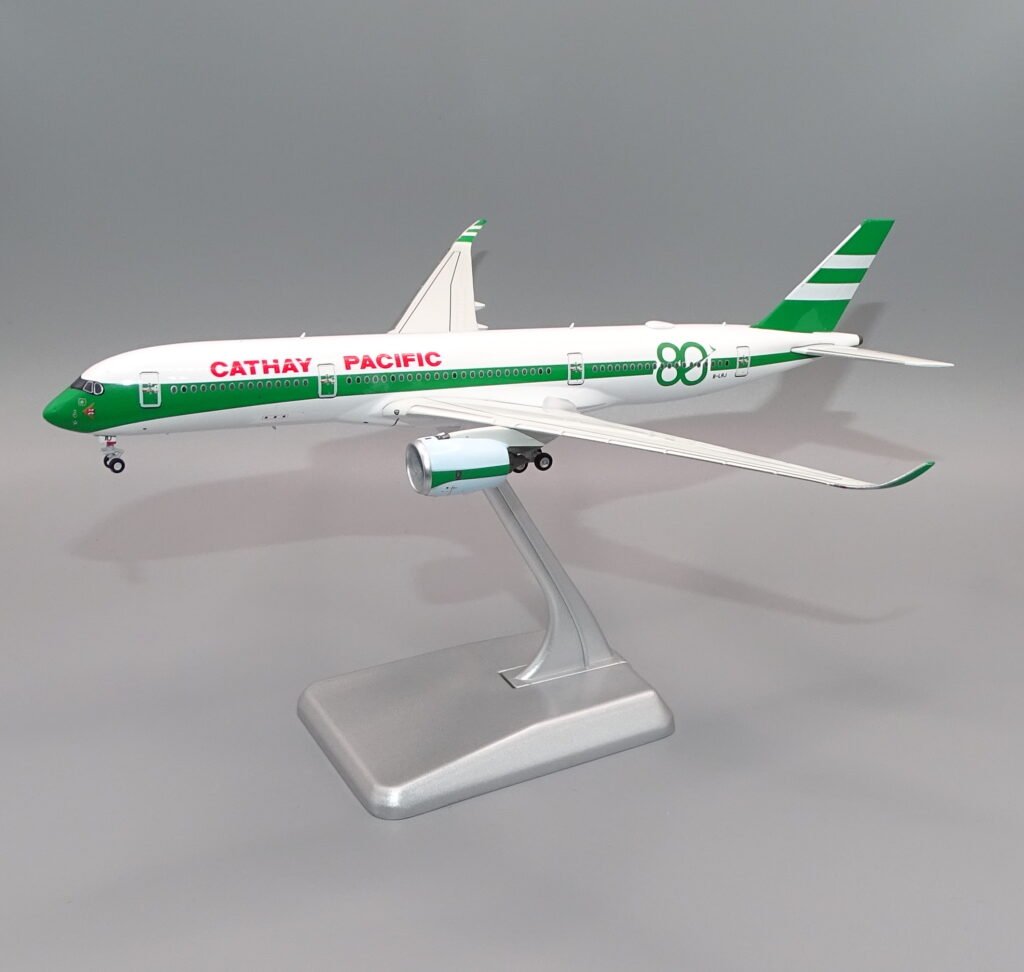
NG Models still uses the old wing for models that need it like the Cathay 80th anniversary example.
A350-900 MOULD 1B – PIP WINGLETS (2023-IN USE)
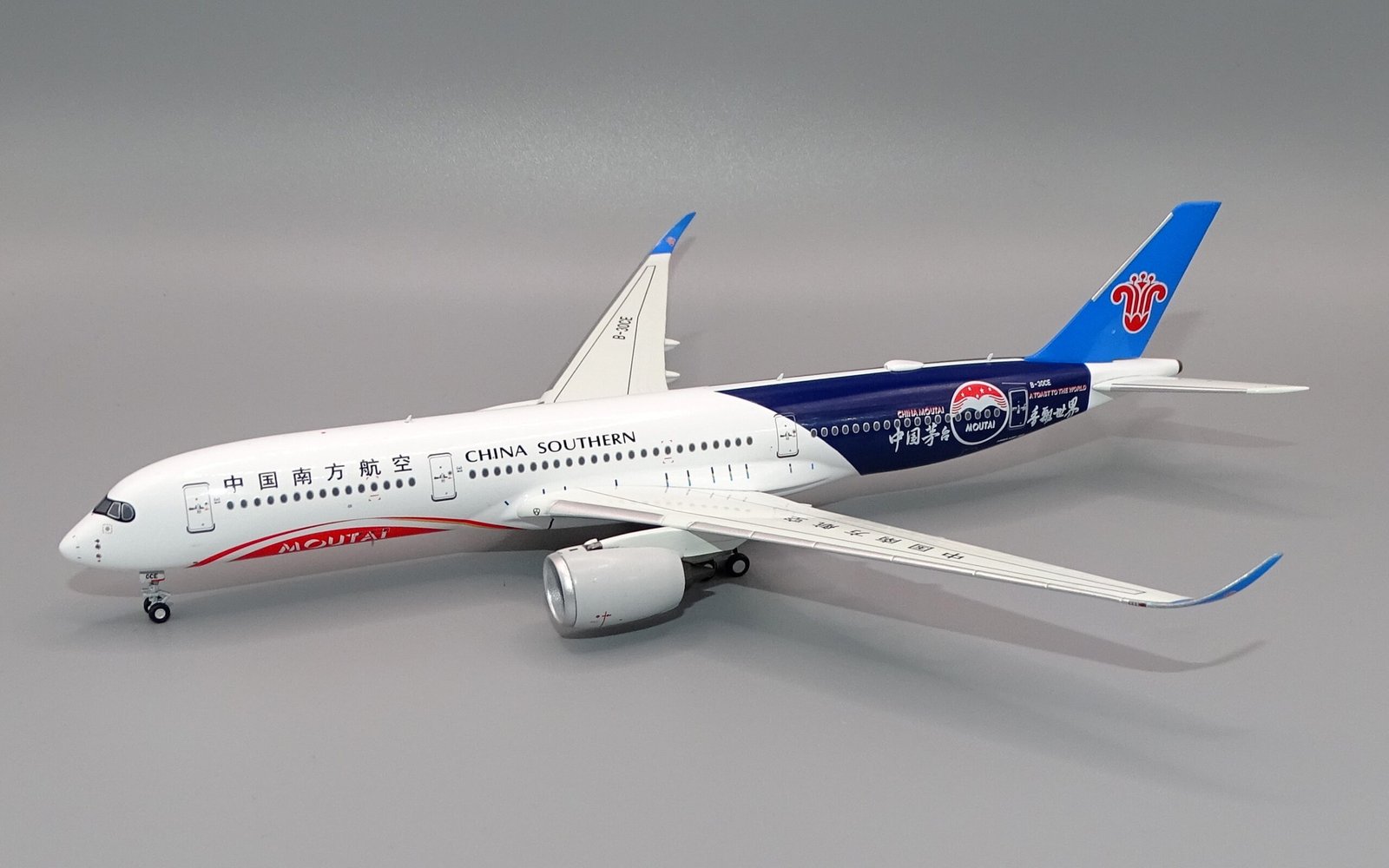
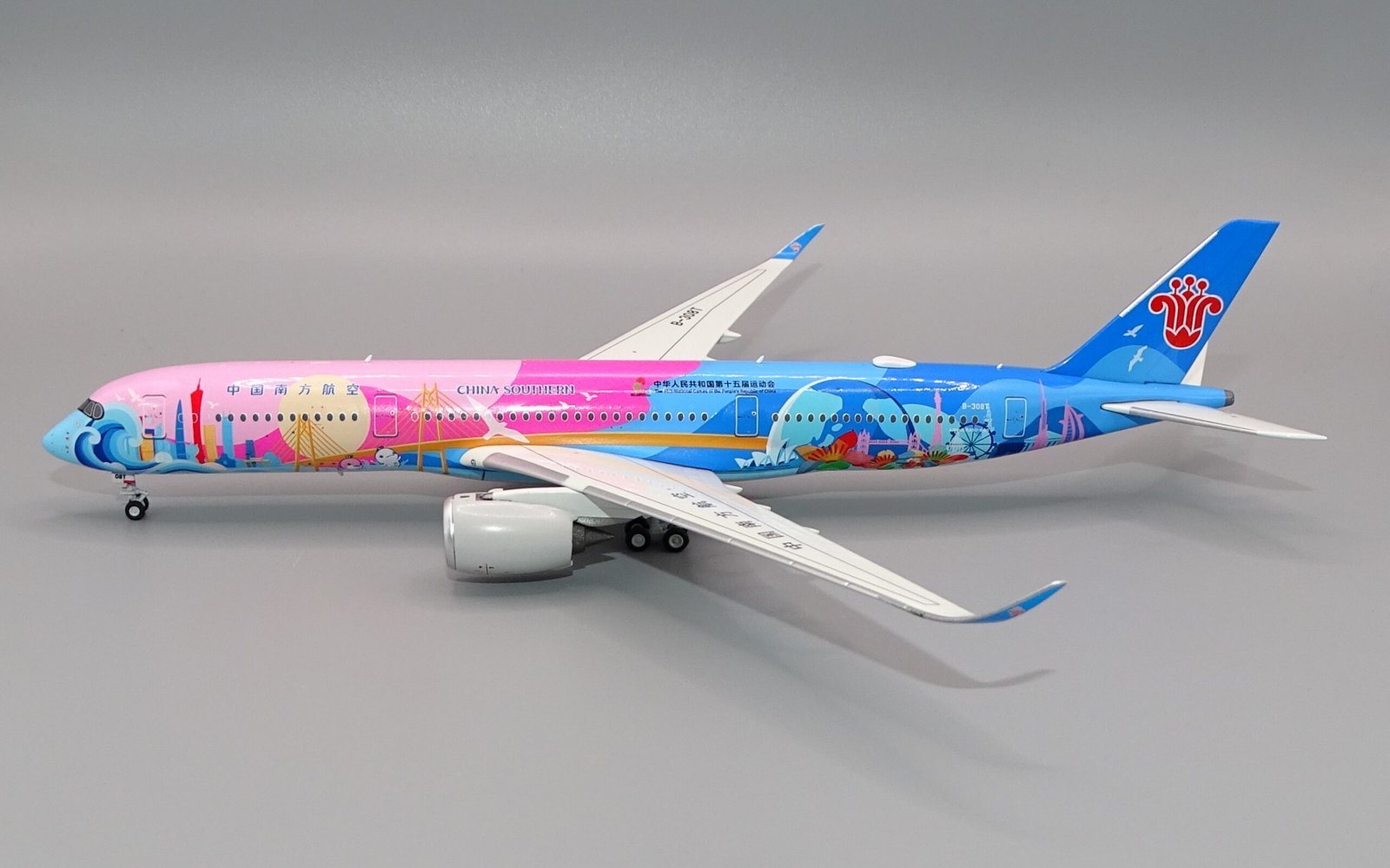
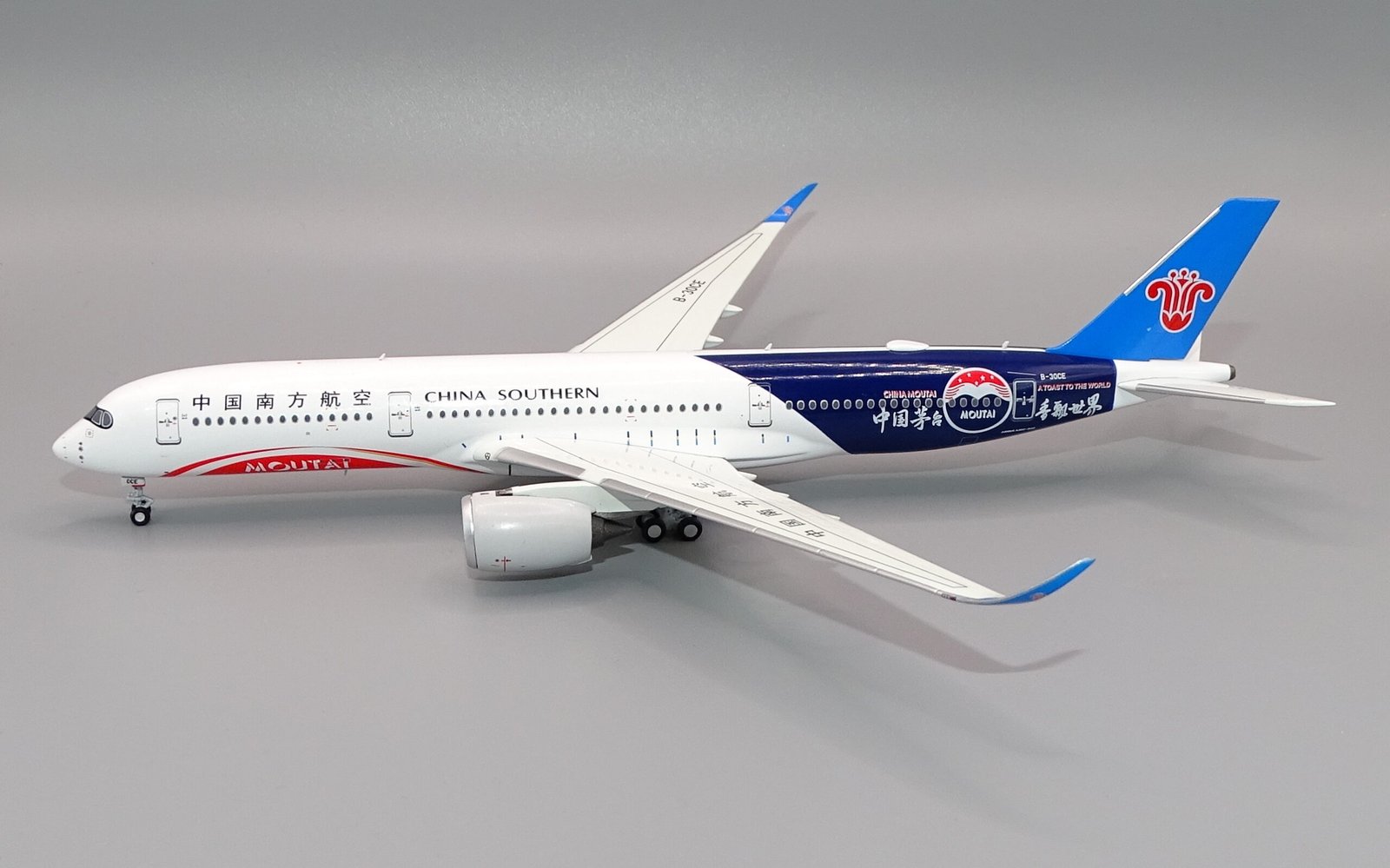
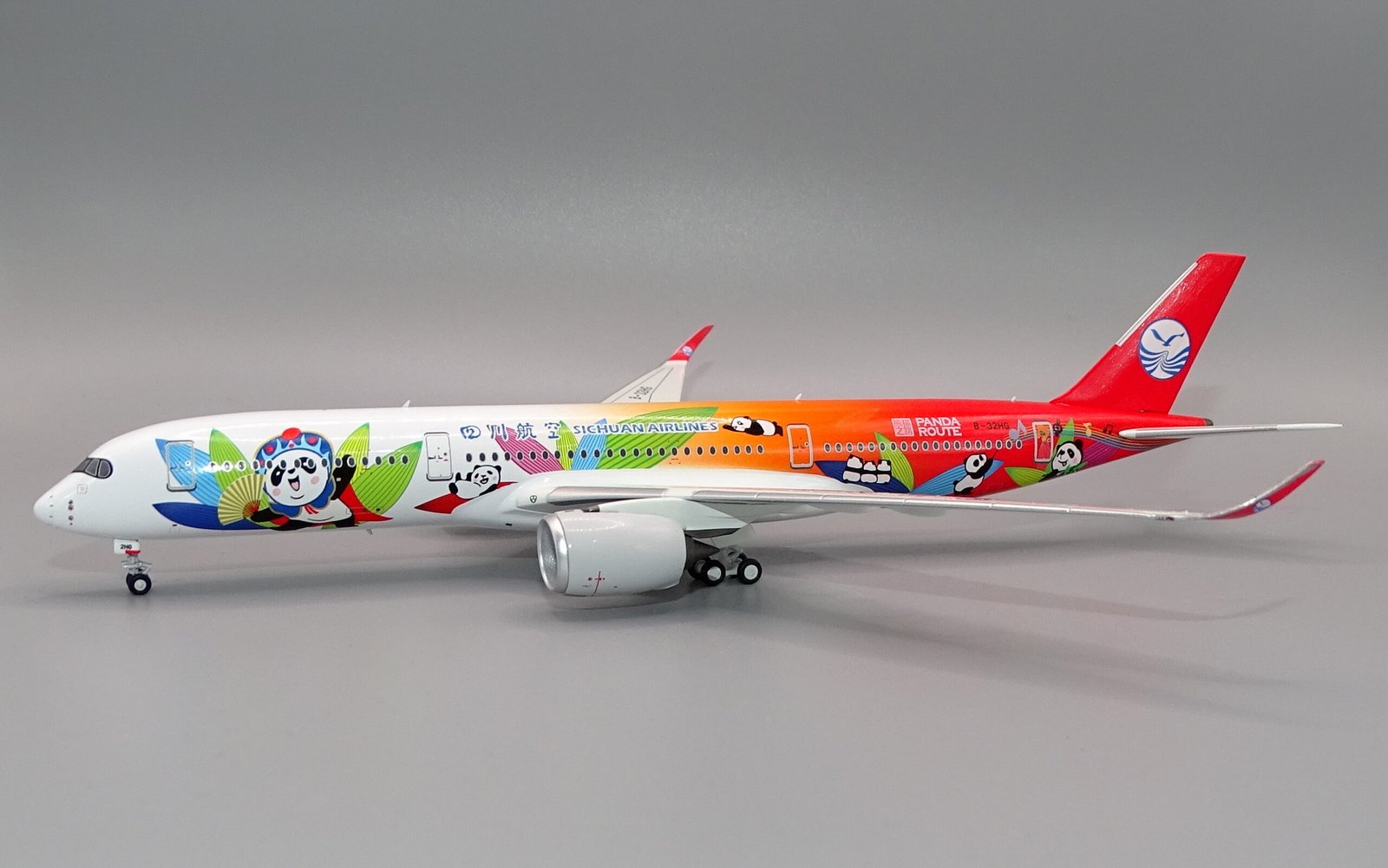
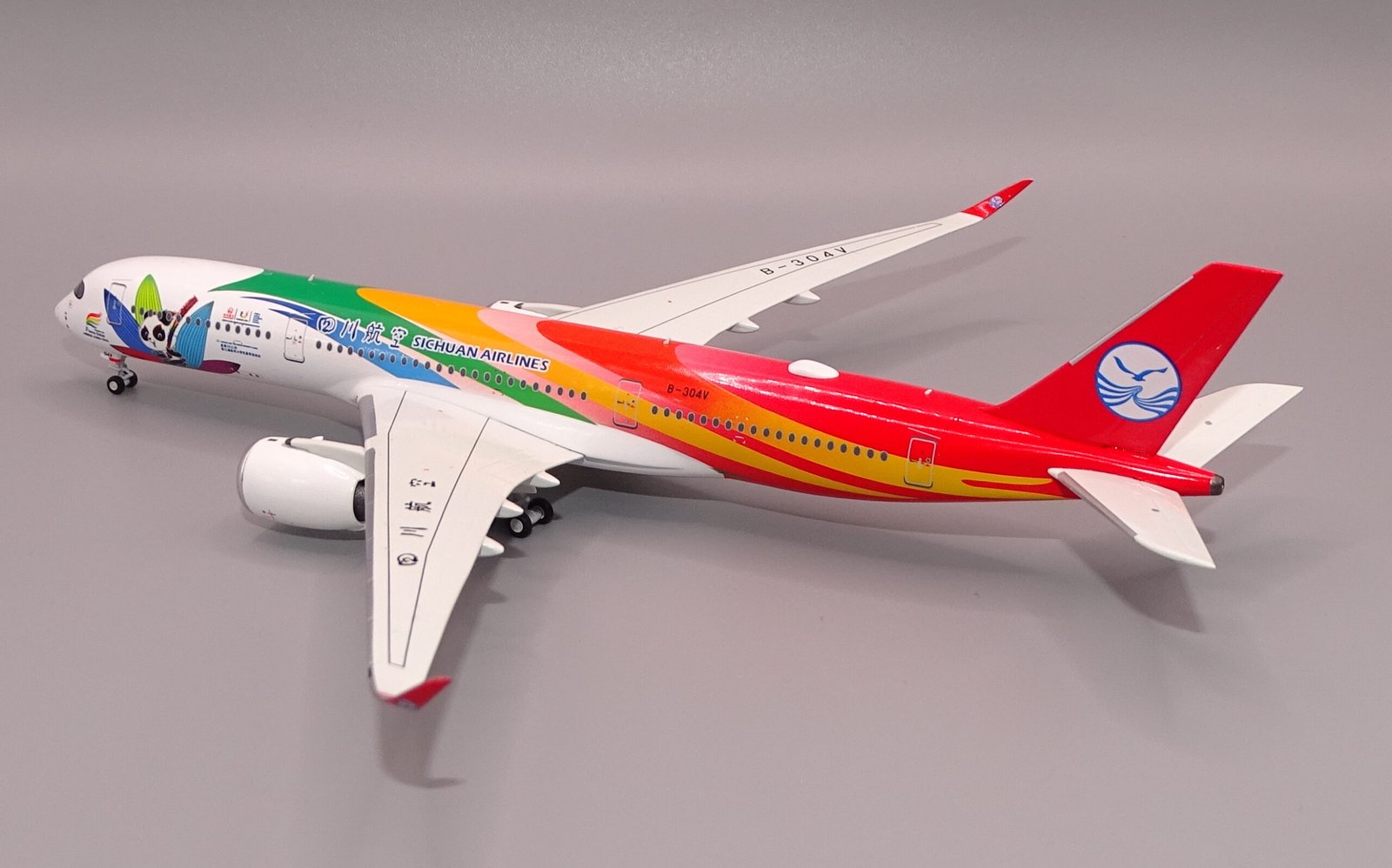
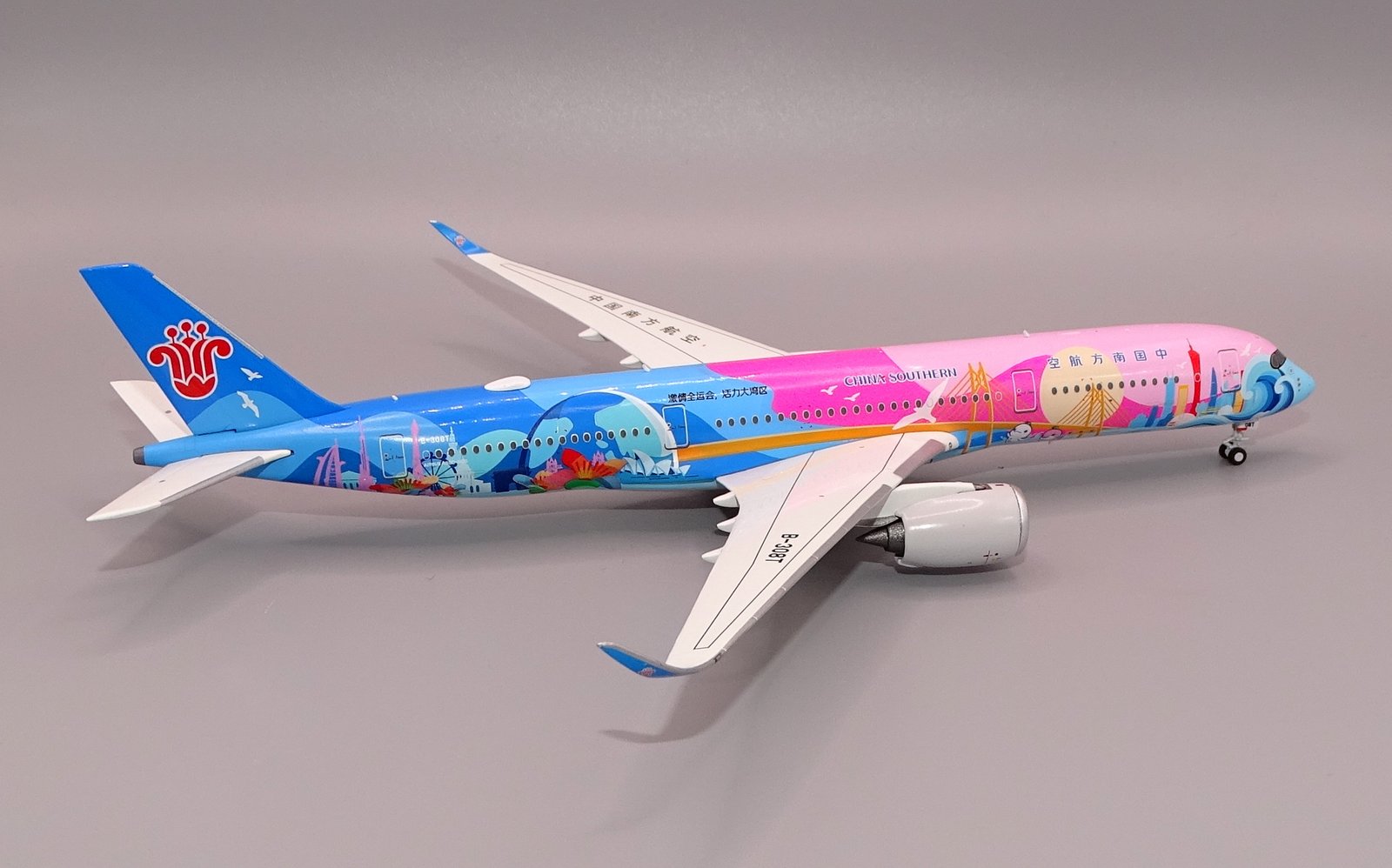
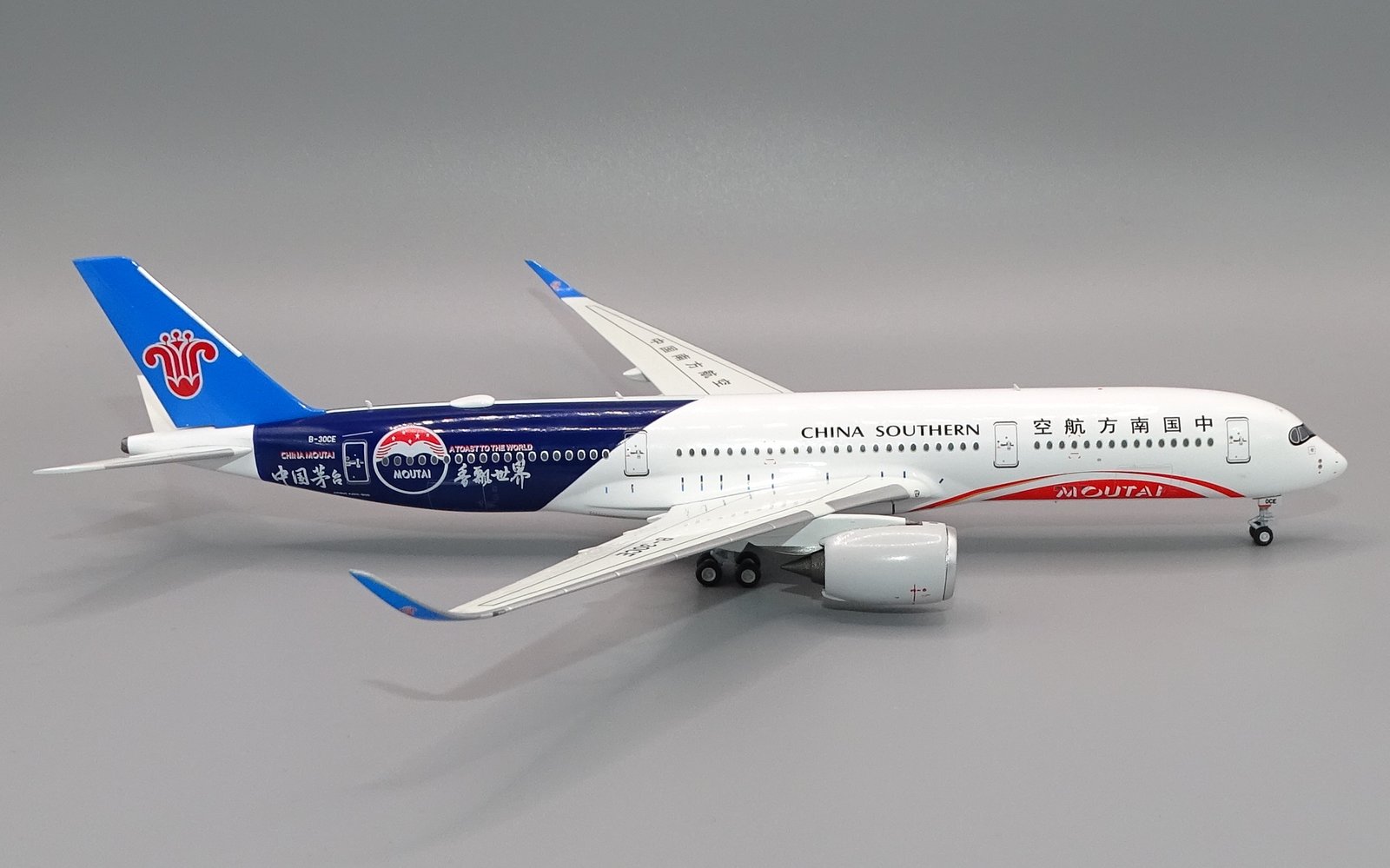
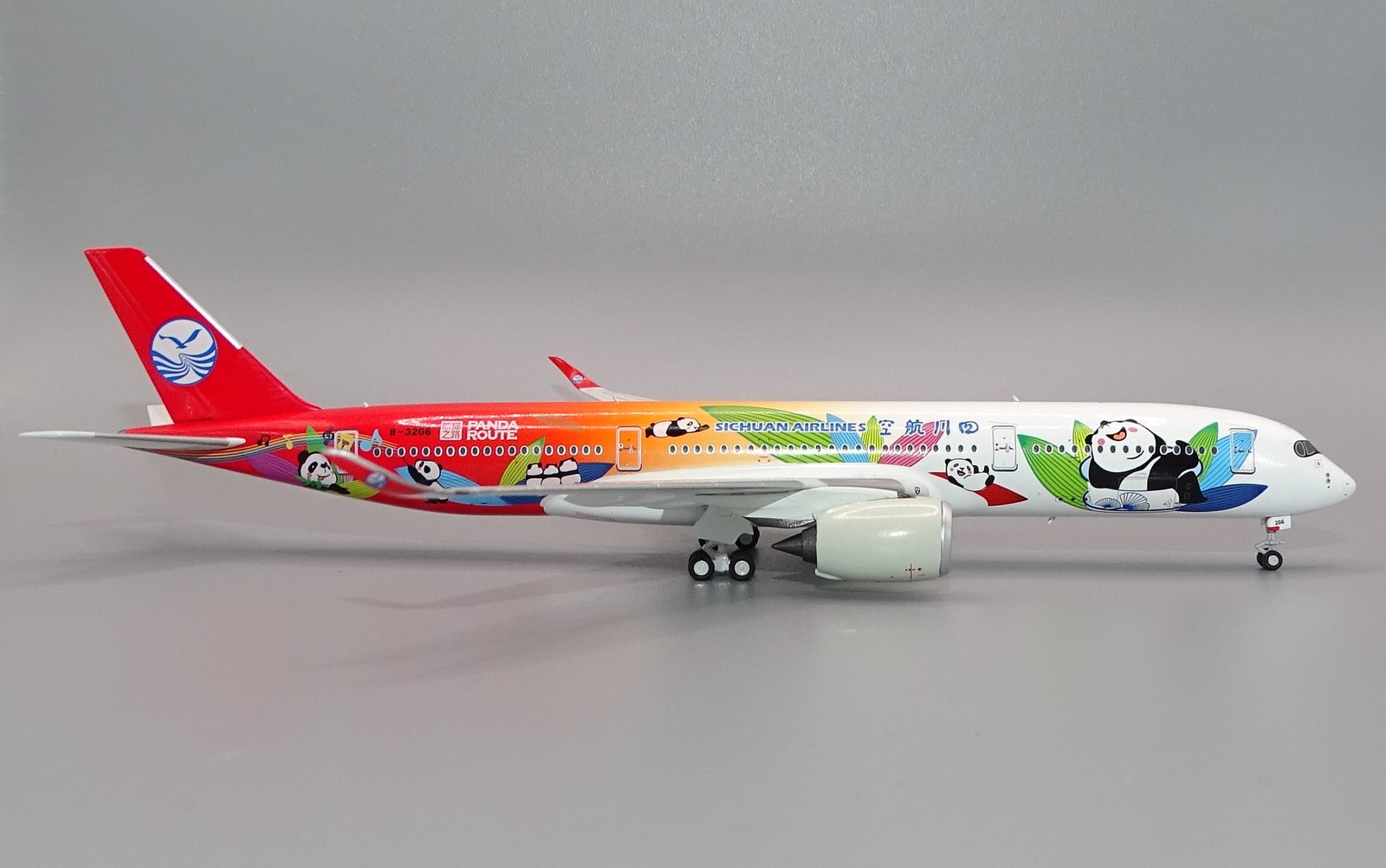
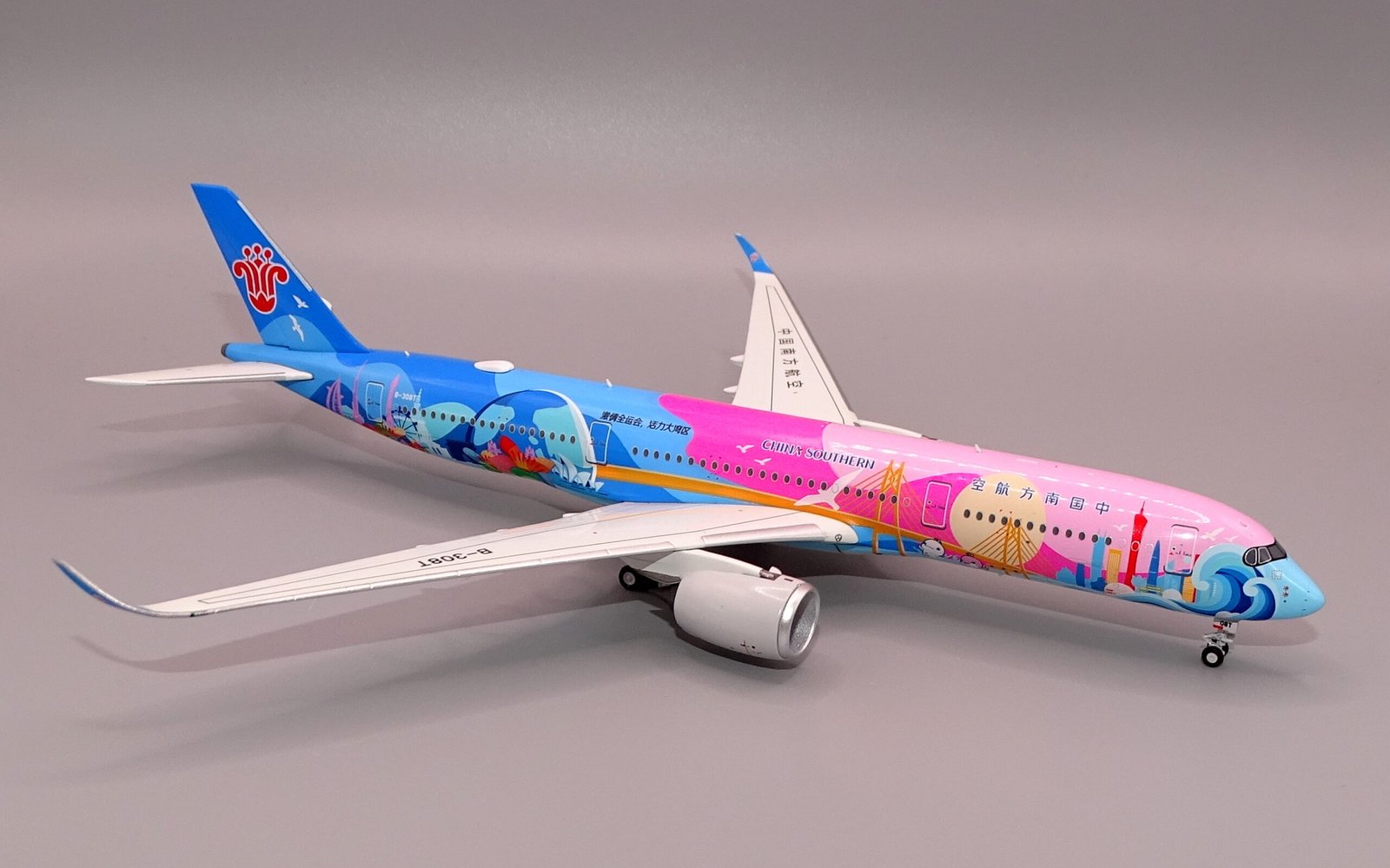
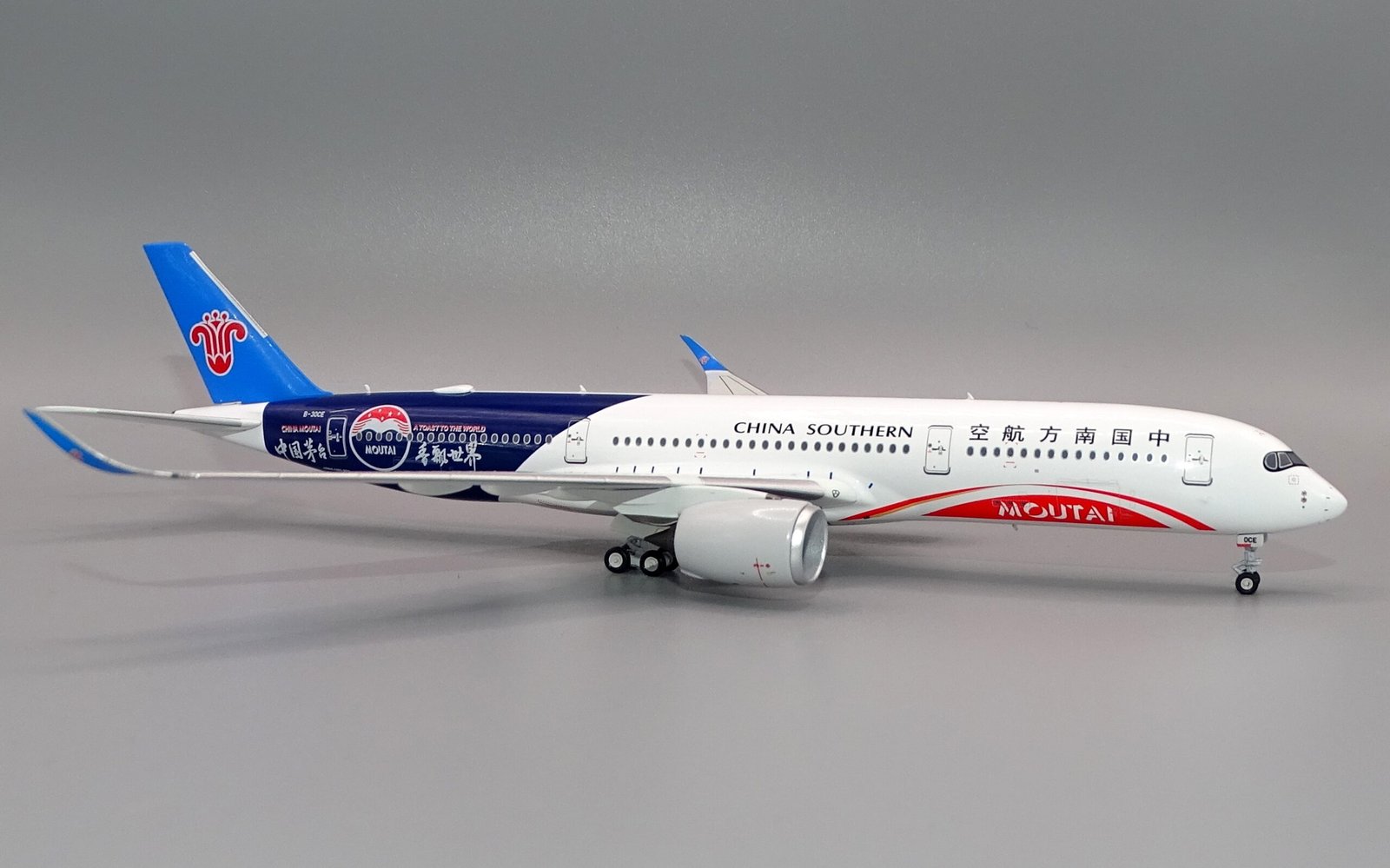
Reviews of the updated NG A350 here at the website:
A350-1000 MOULD (2022-IN USE)
There was a substantial delay between the creation of NG’s new A350-900 and its A350-1000 – over 2 years in fact. It wasn’t until mid-2022 that they sent me the sample for review. That analysis can be found here:
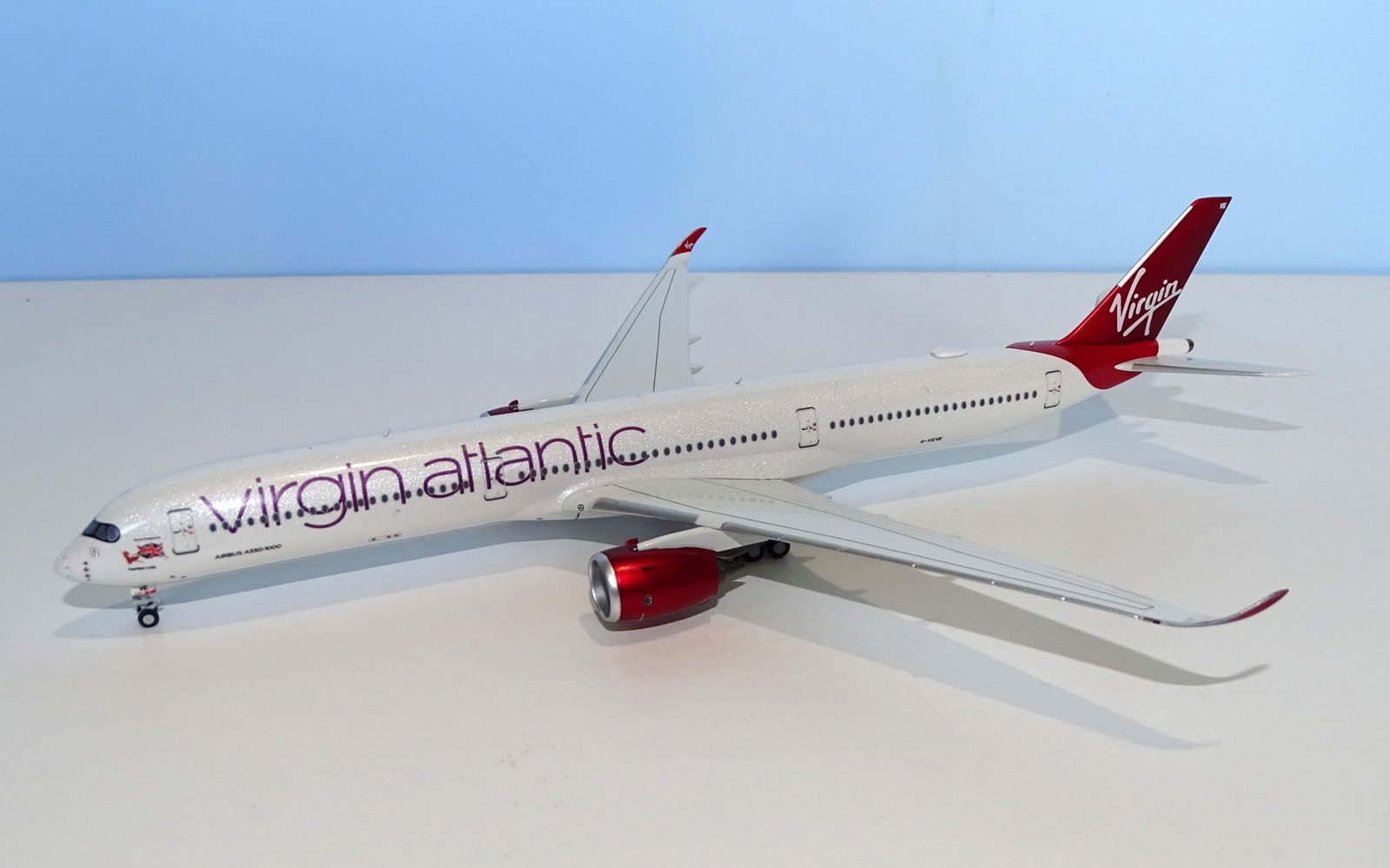
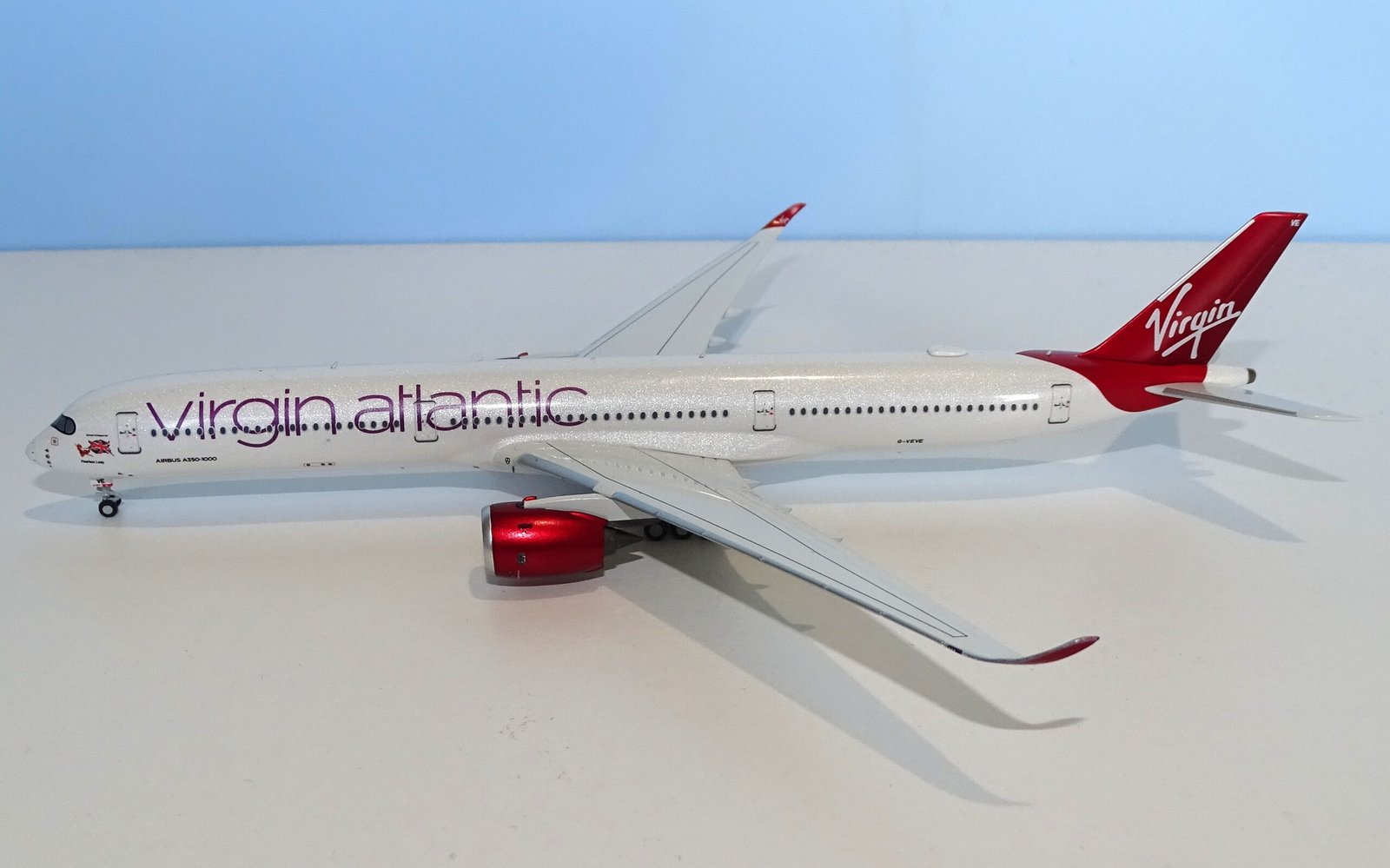
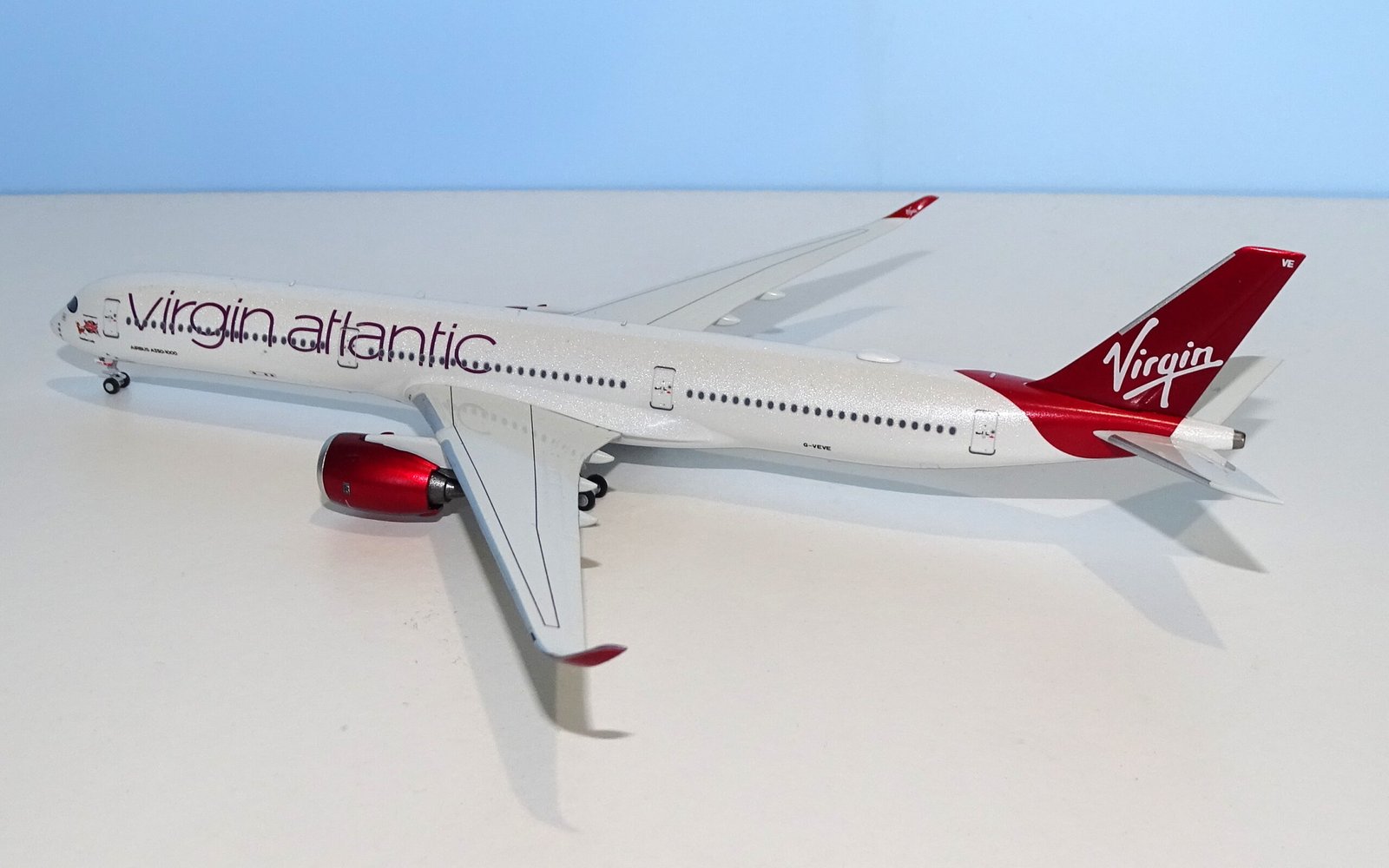

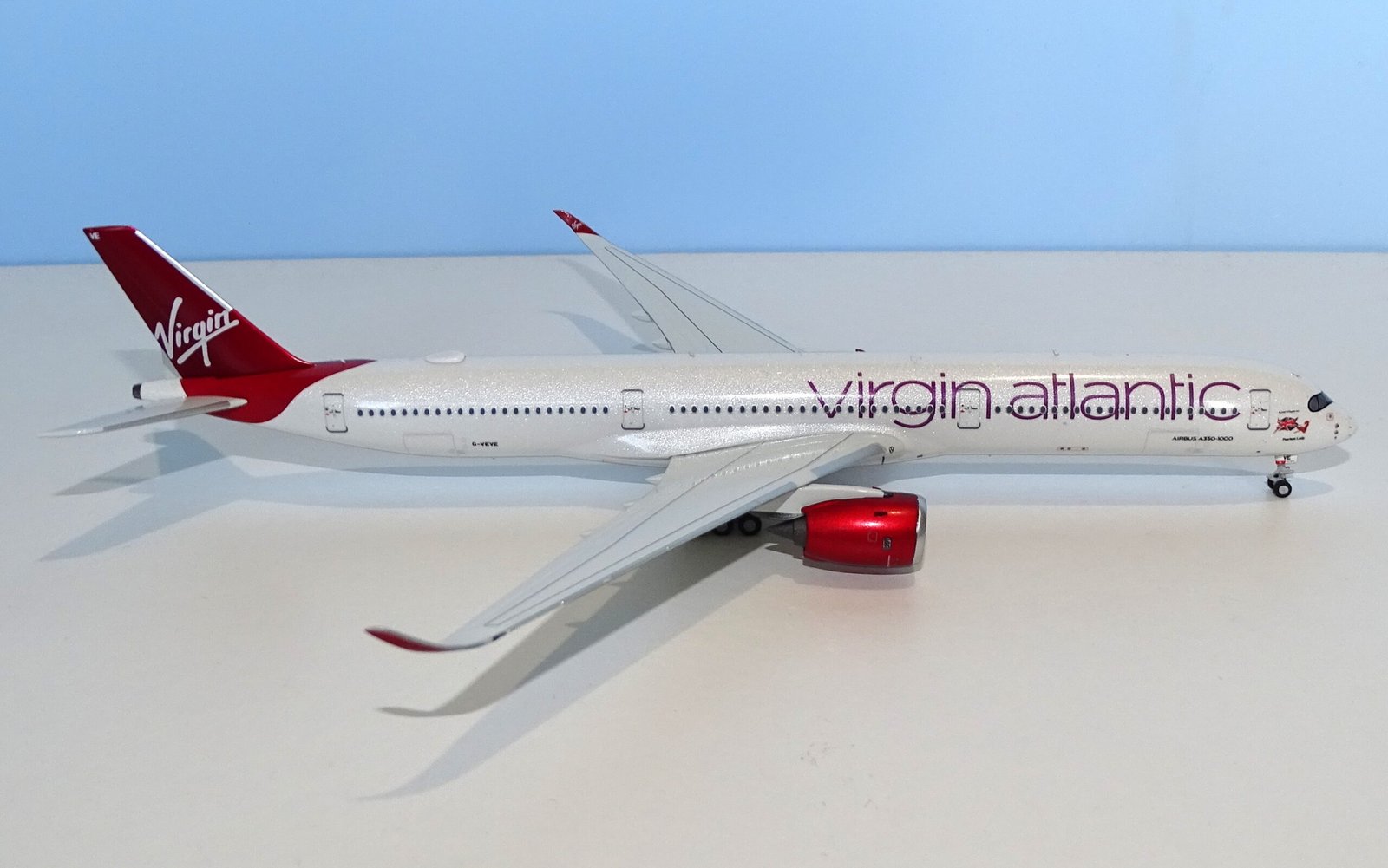
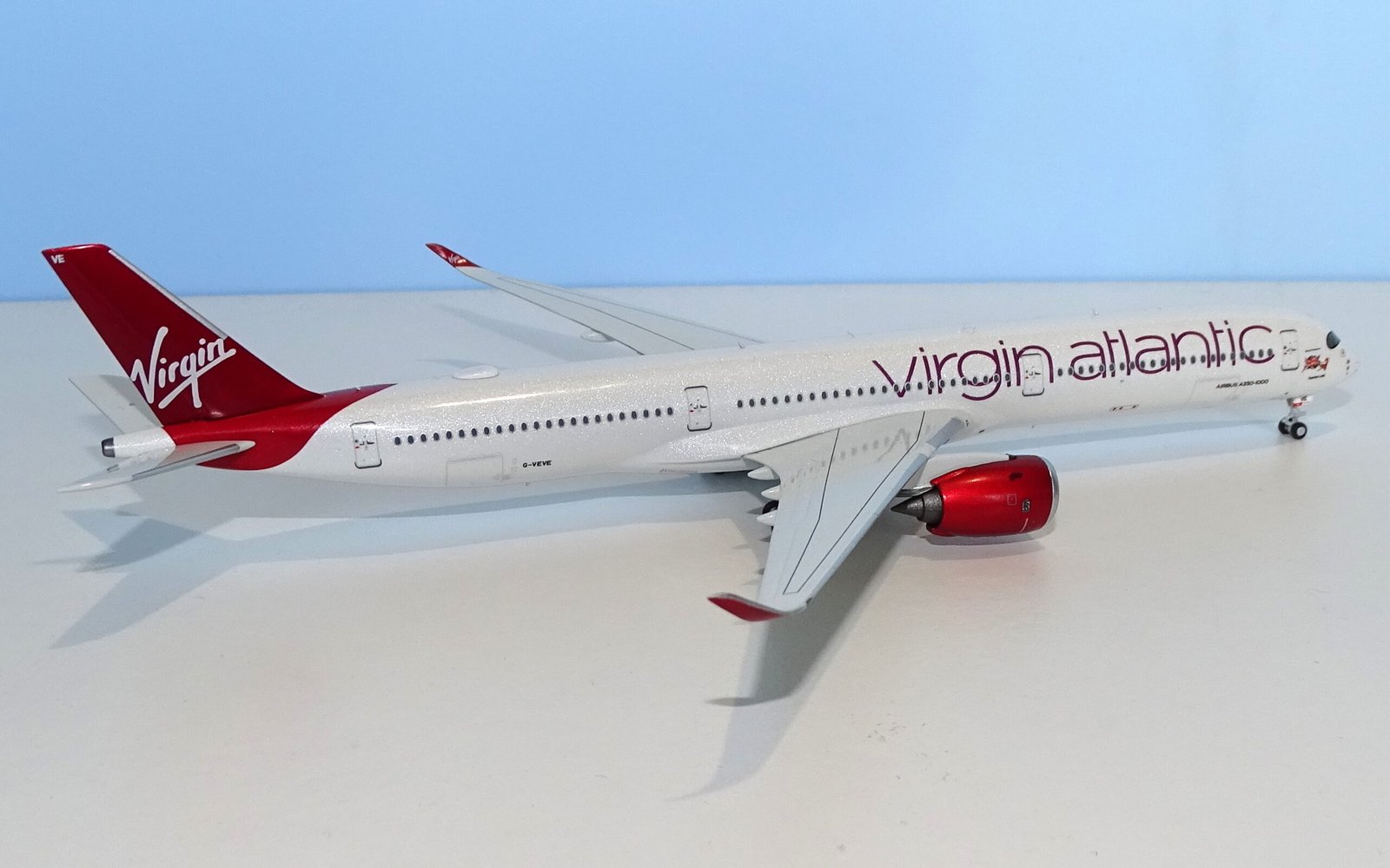
For a more detailed review of the NG Models A350-1000 see:
PANDA MODELS A350-900 (2024)
Panda Models announced an A350 back in November 2023, although the images at the time were of a series 1000, and it took almost a year for the first models to hit the shelves in the form of a pair of series 900s. Panda have been producing several new widebody moulds recently (767-400 and an announced MD-11), but seem to struggle to release much on them. In fact, the majority of Panda’s business model nowadays appears to be acting as an OEM for small brands like C models, or for individual retailer exclusives. In keeping with that, only three A350s under their own name have been announced, while GeminiStar have produced 29 Air China examples (essentially rebadges).
The mould is a very strong contender against the NG Models edition and scored very well in my detailed review. I also reviewed in detail the first release:
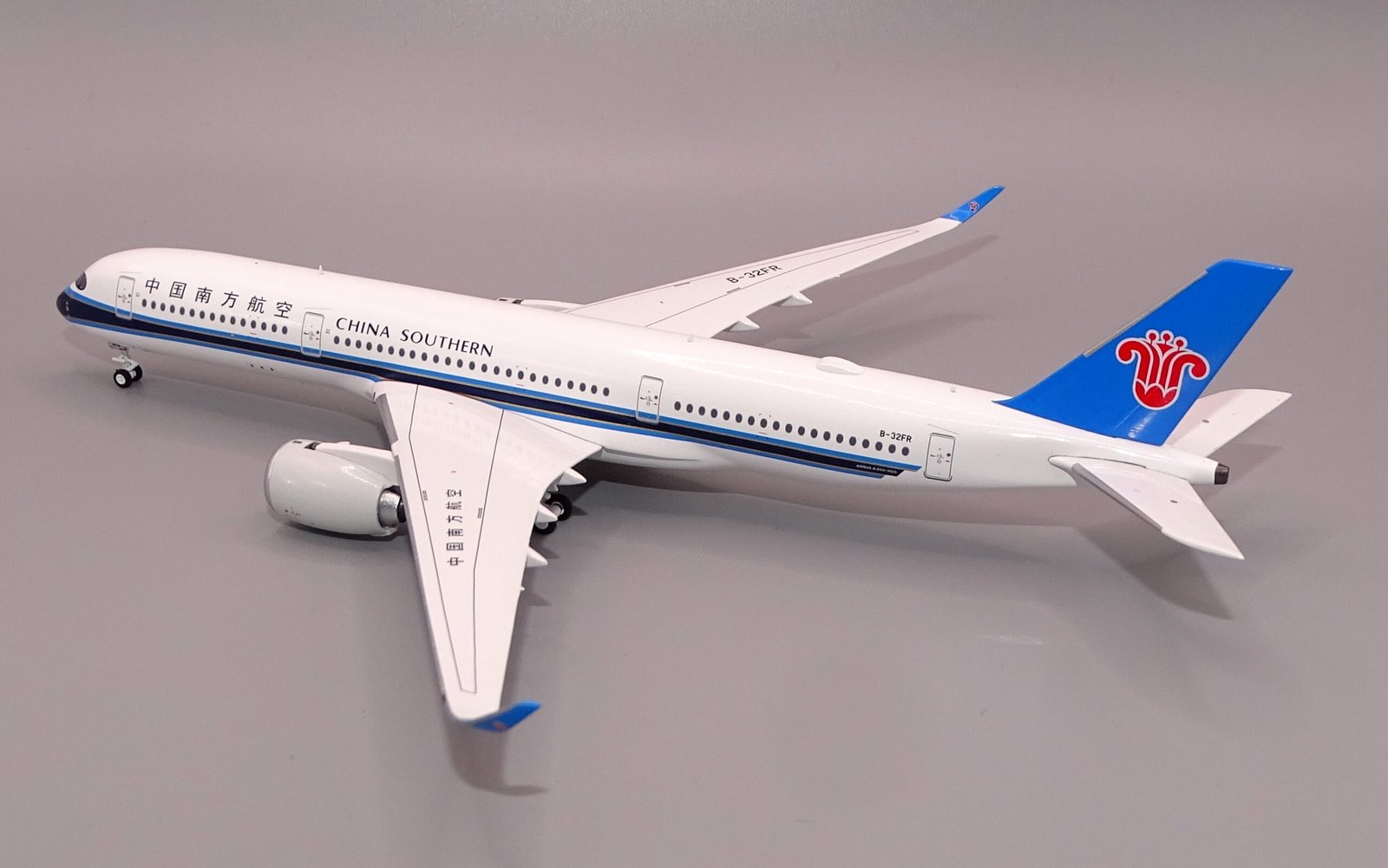
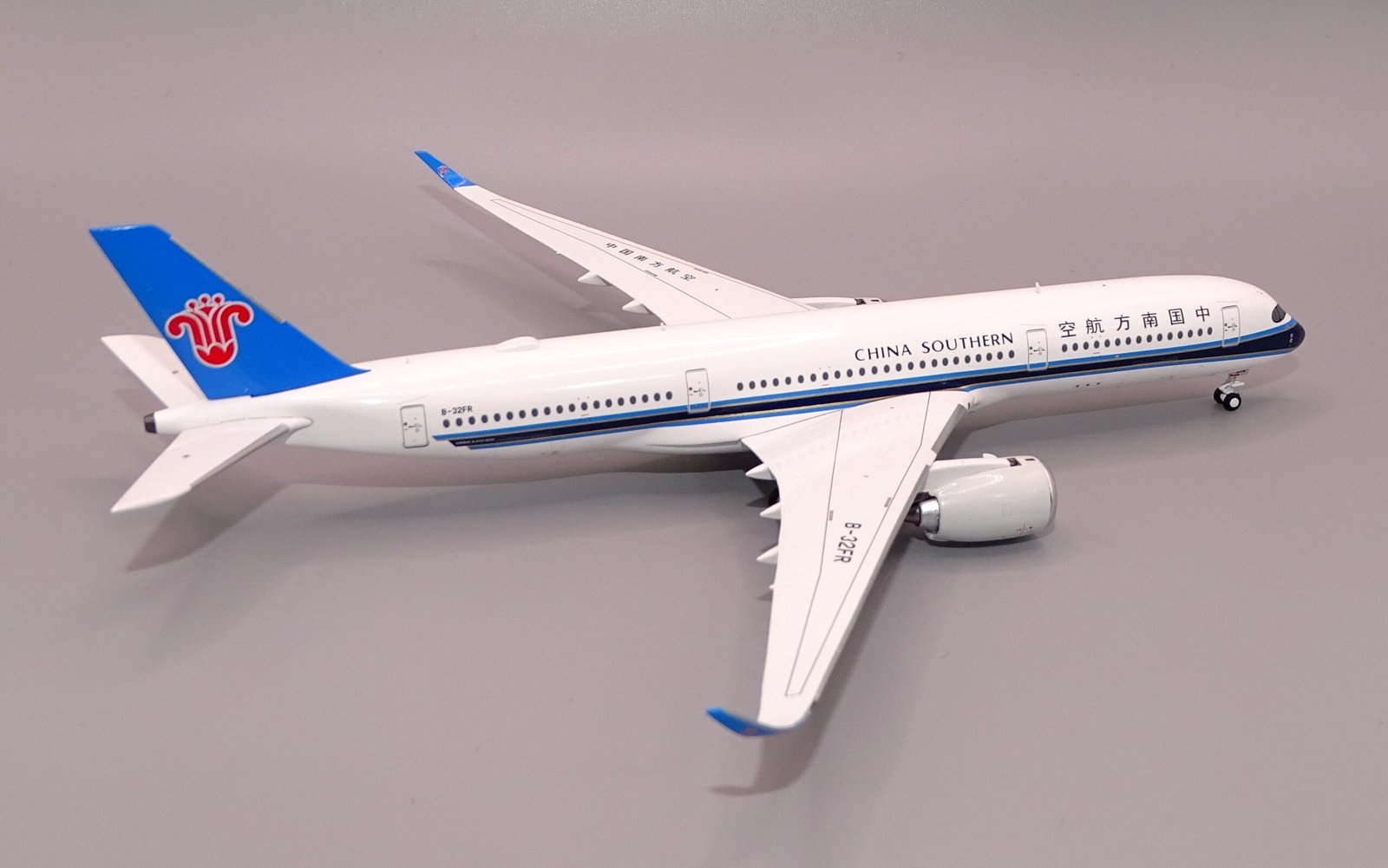
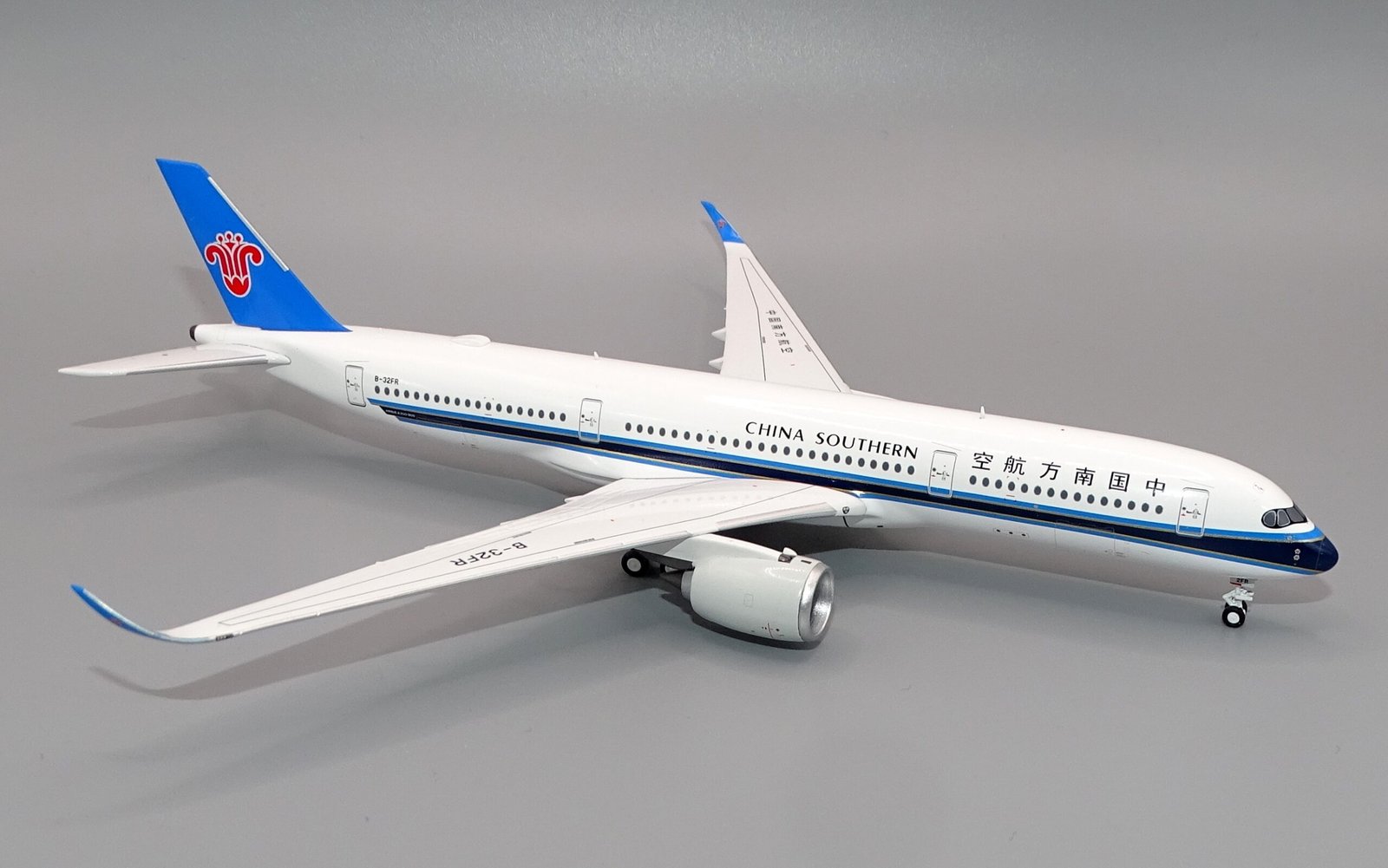
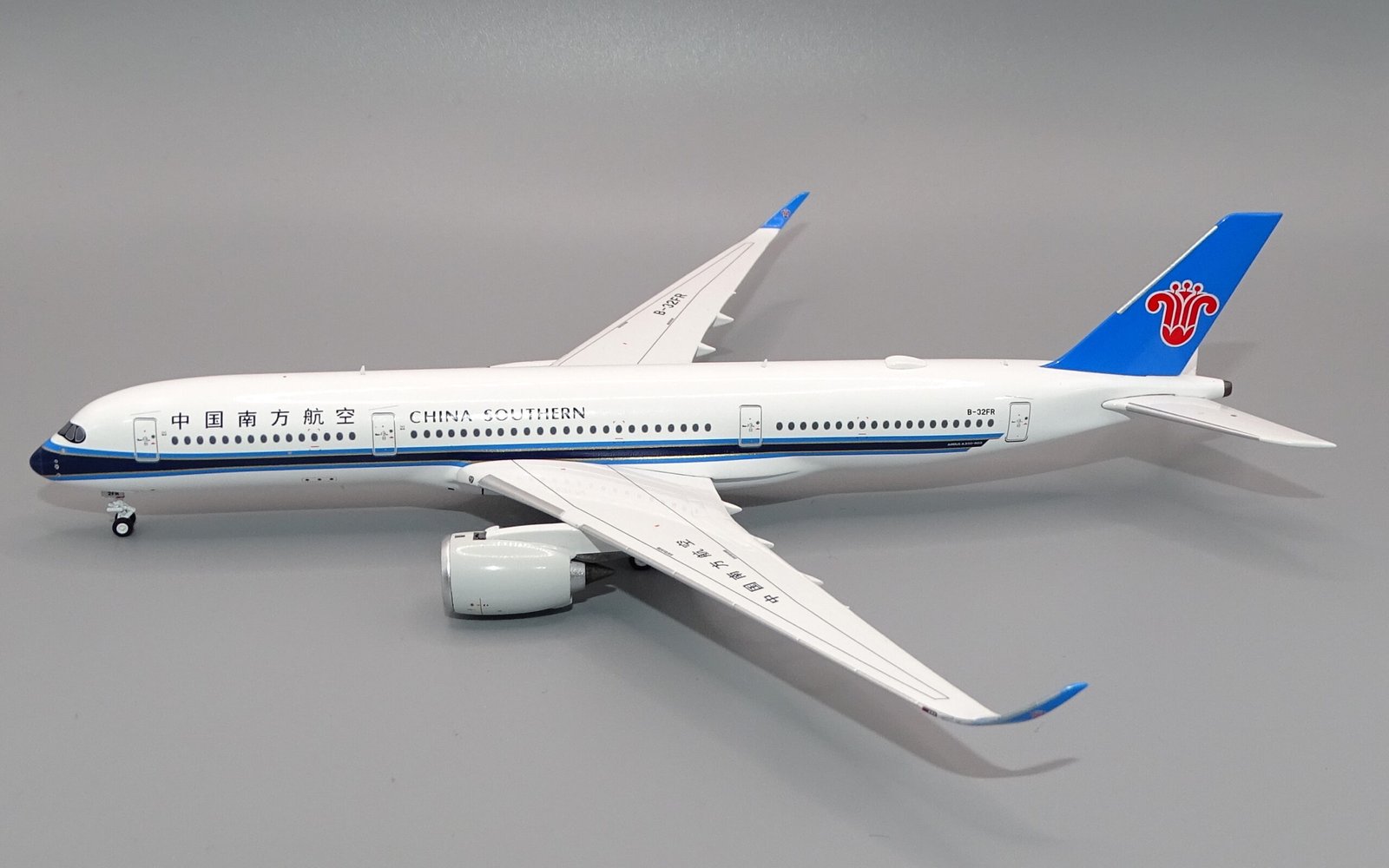

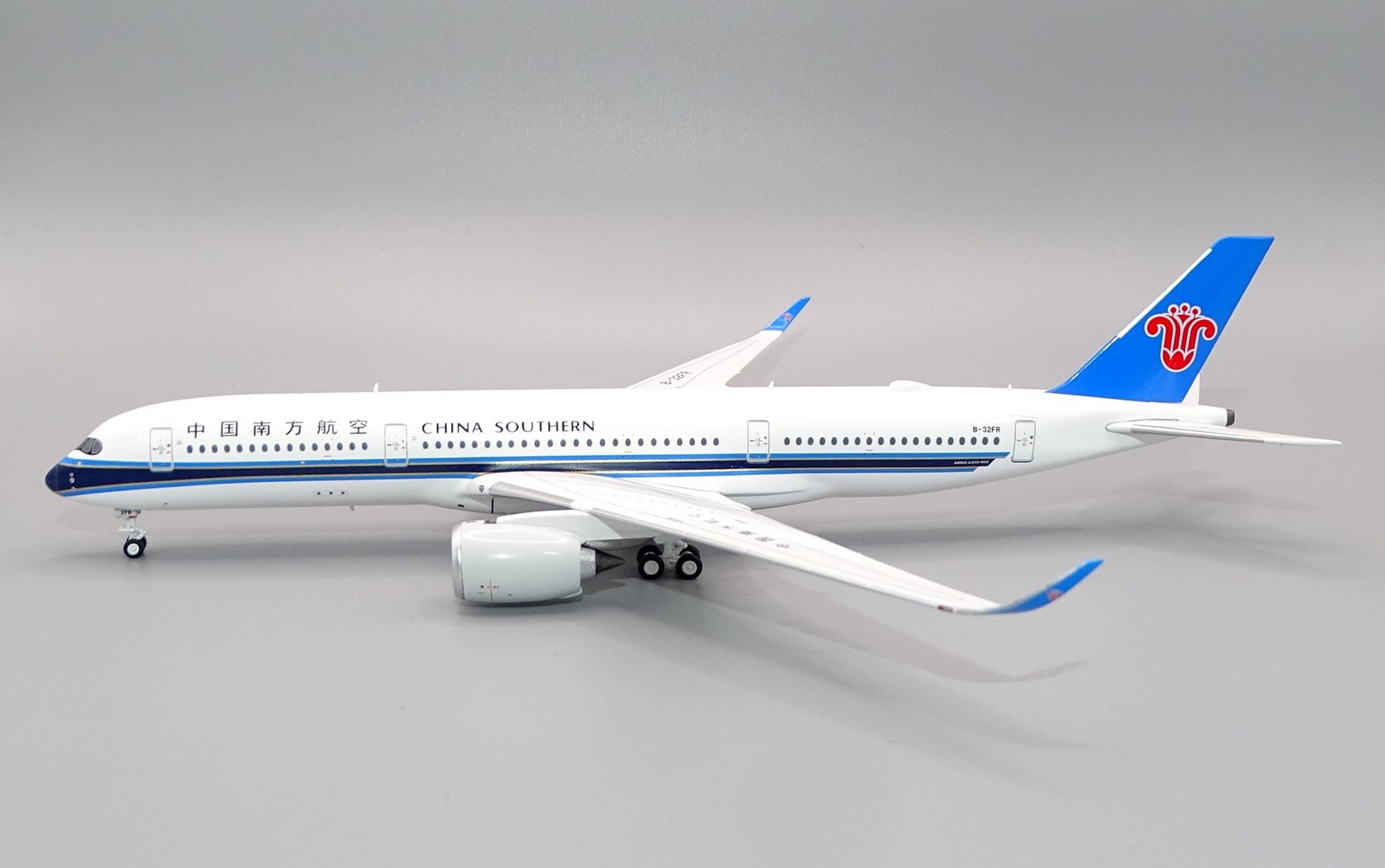
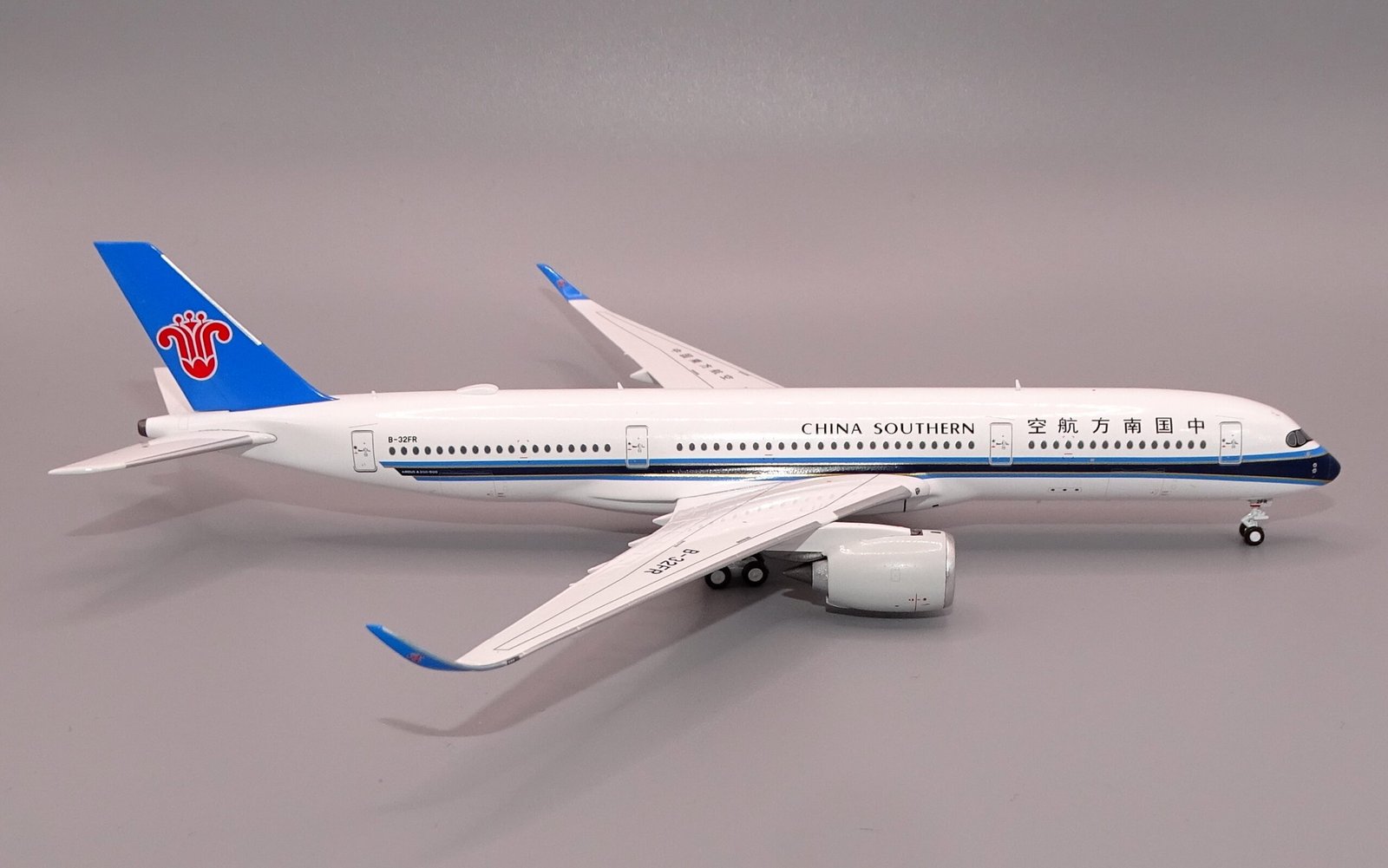
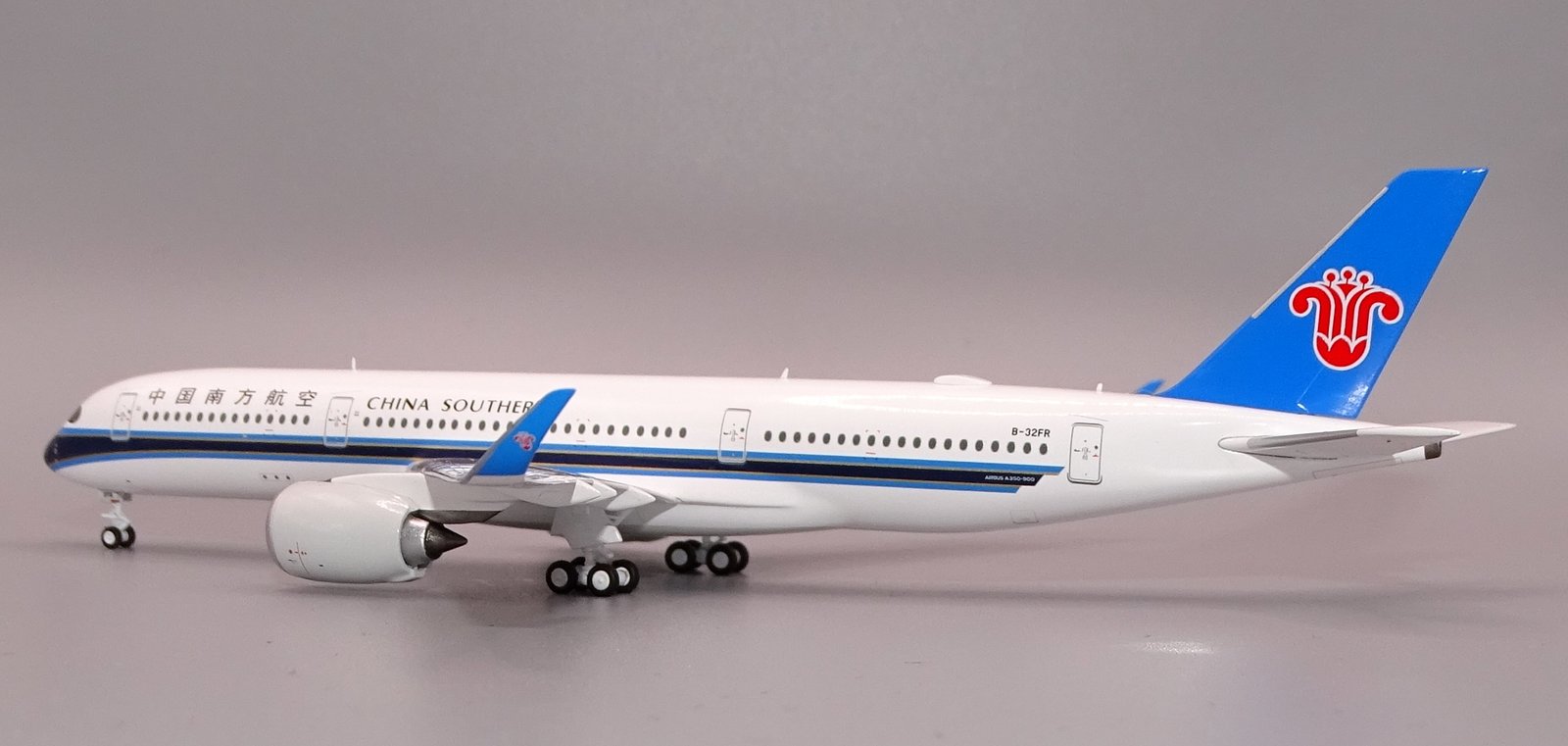
Unfortunately it now appears that Panda have lost usage of this mould to Aero Polaris (who have modified it for themselves) and the last Panda branded A350s were produced in mid-2025. No A350-1000s were ever produced. This mould featured at the YT channel in September 2024:
AERO POLARIS (2025)

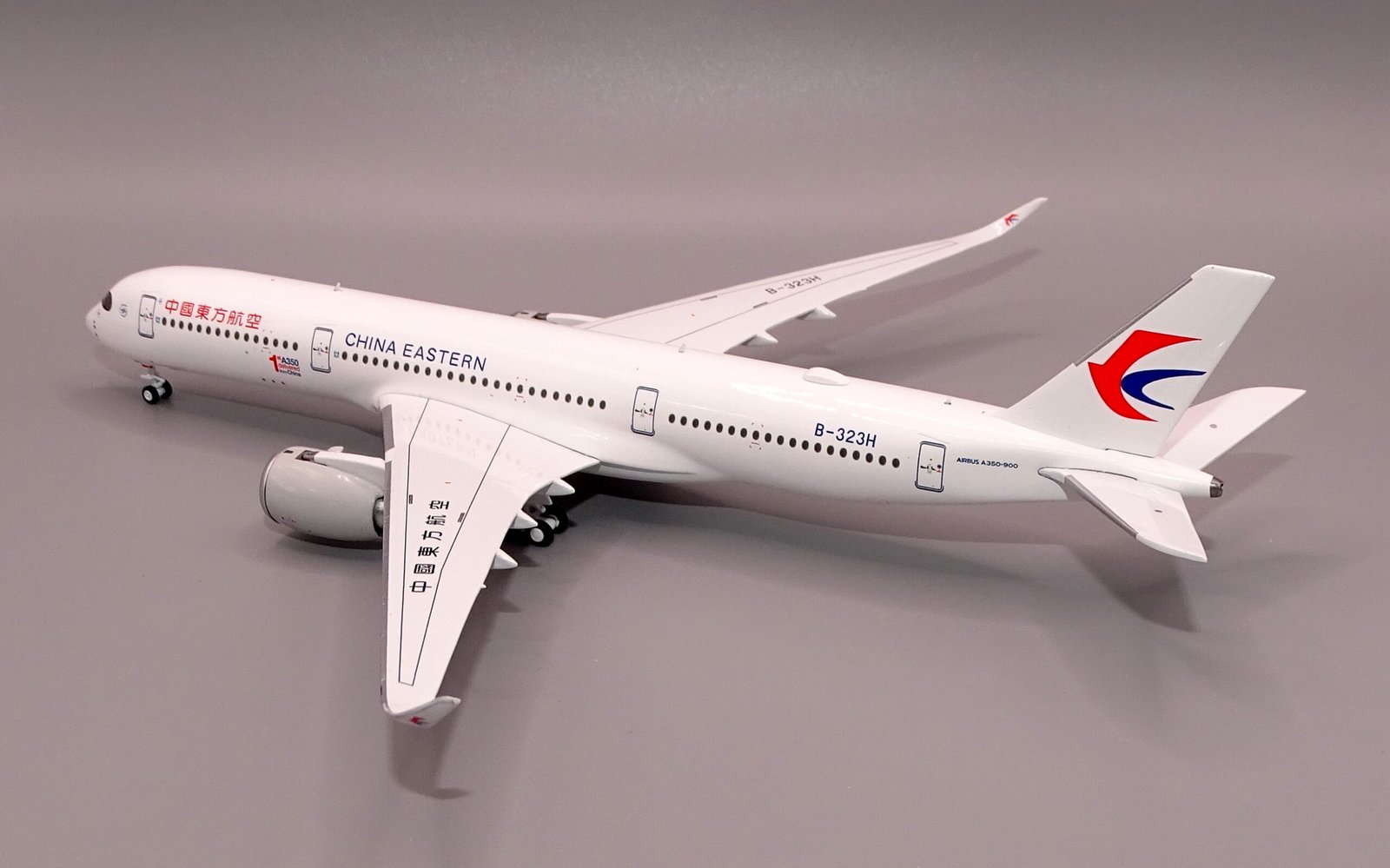
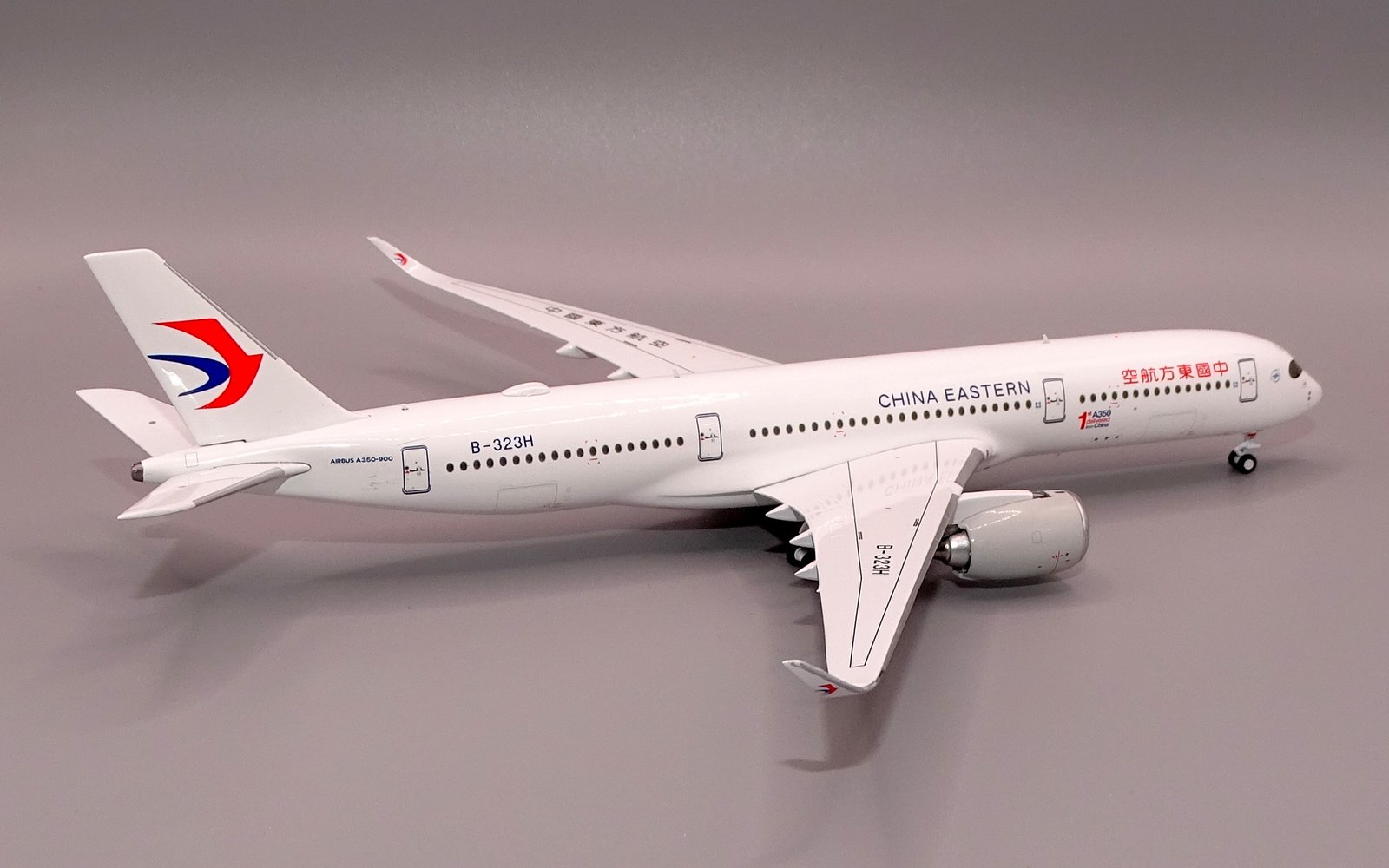
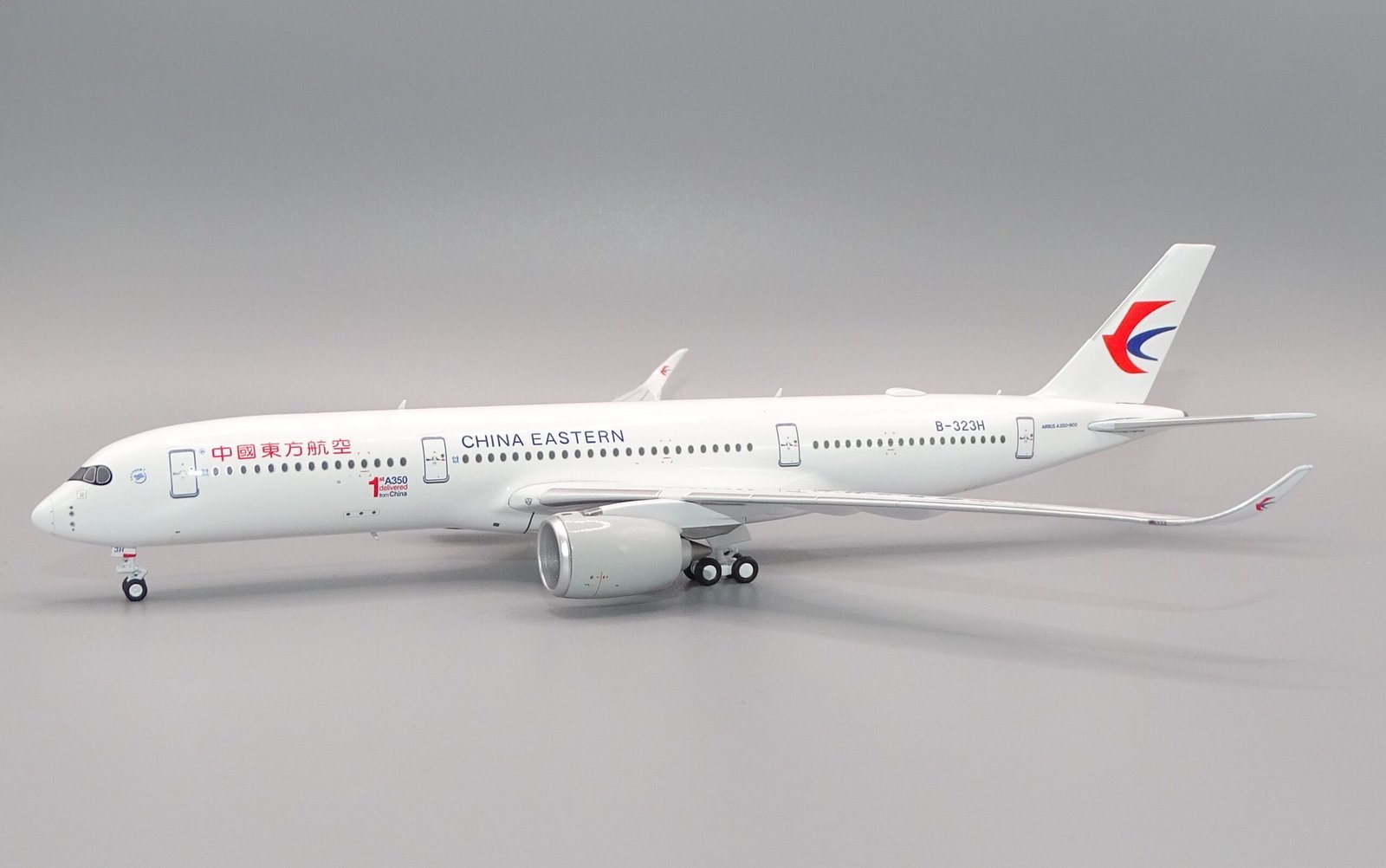
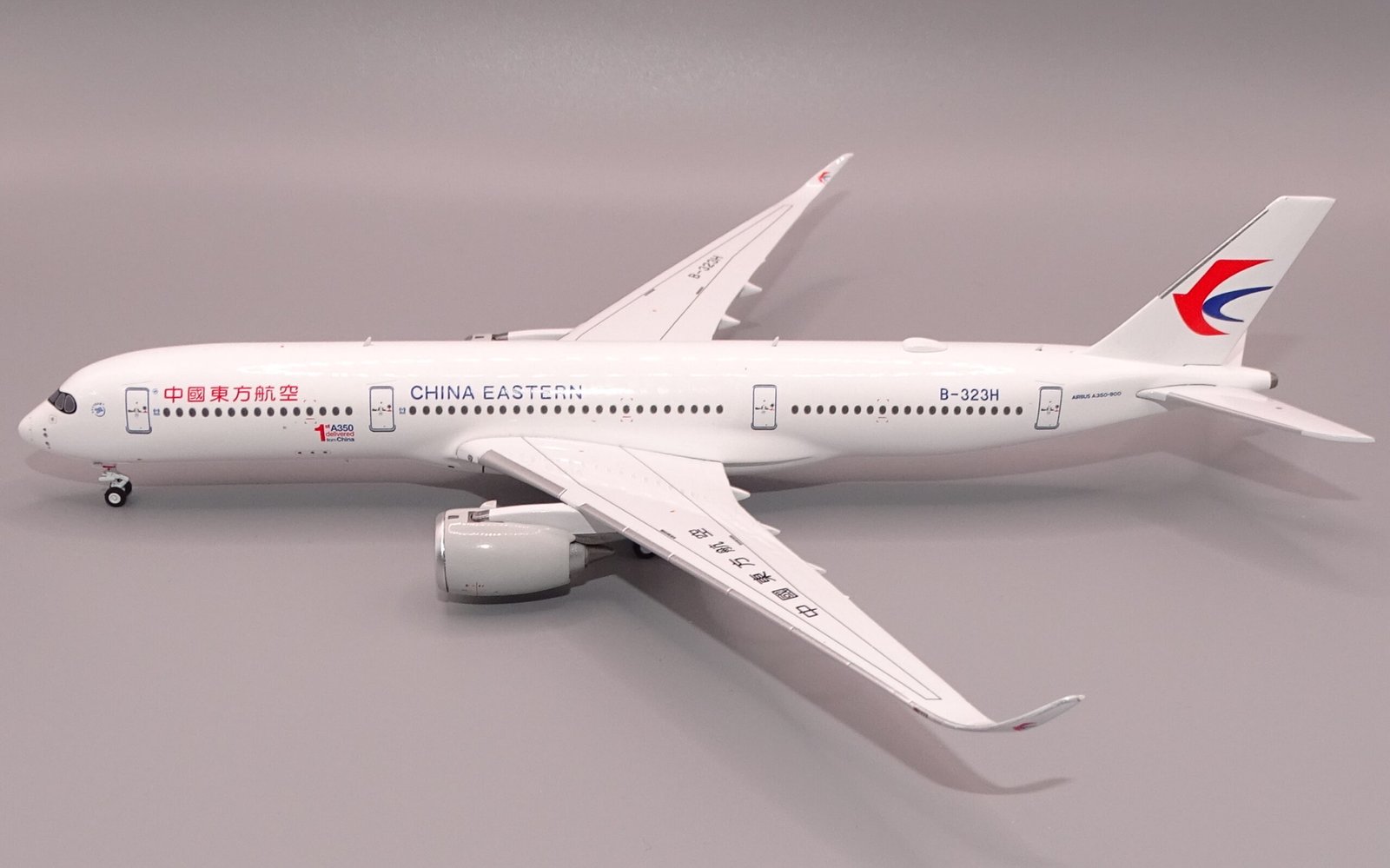
HYJL Wings successor company Aero Polaris announced they were making an A350 mould in October 2024 and showed parts of the mould off. This appears to be a modified version of the Panda Models A350 and so is very good.
I reviewed a China Eastern example in April 2025 and as of late 2026 they have produced over 30 A350-900/1000s:
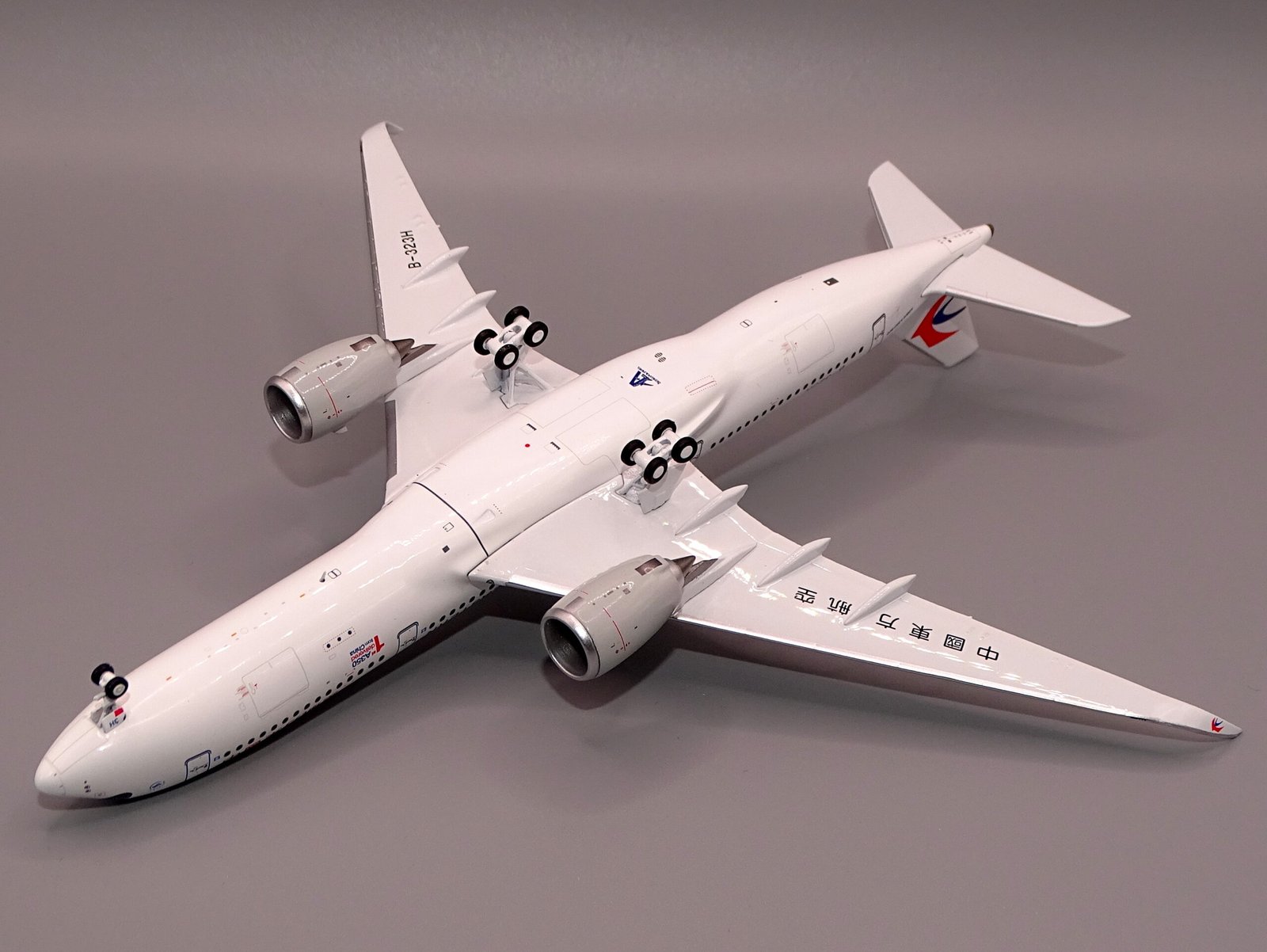
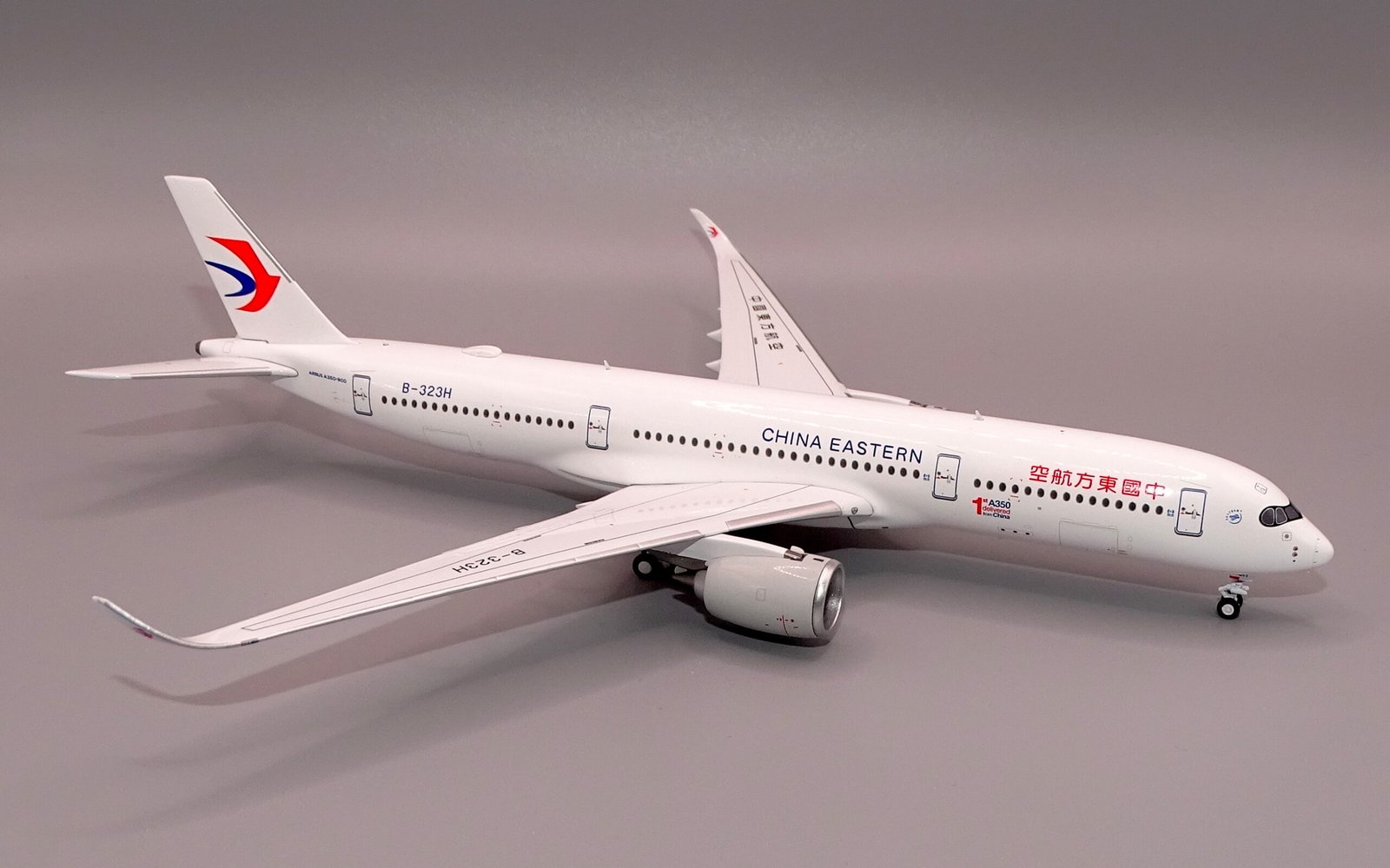
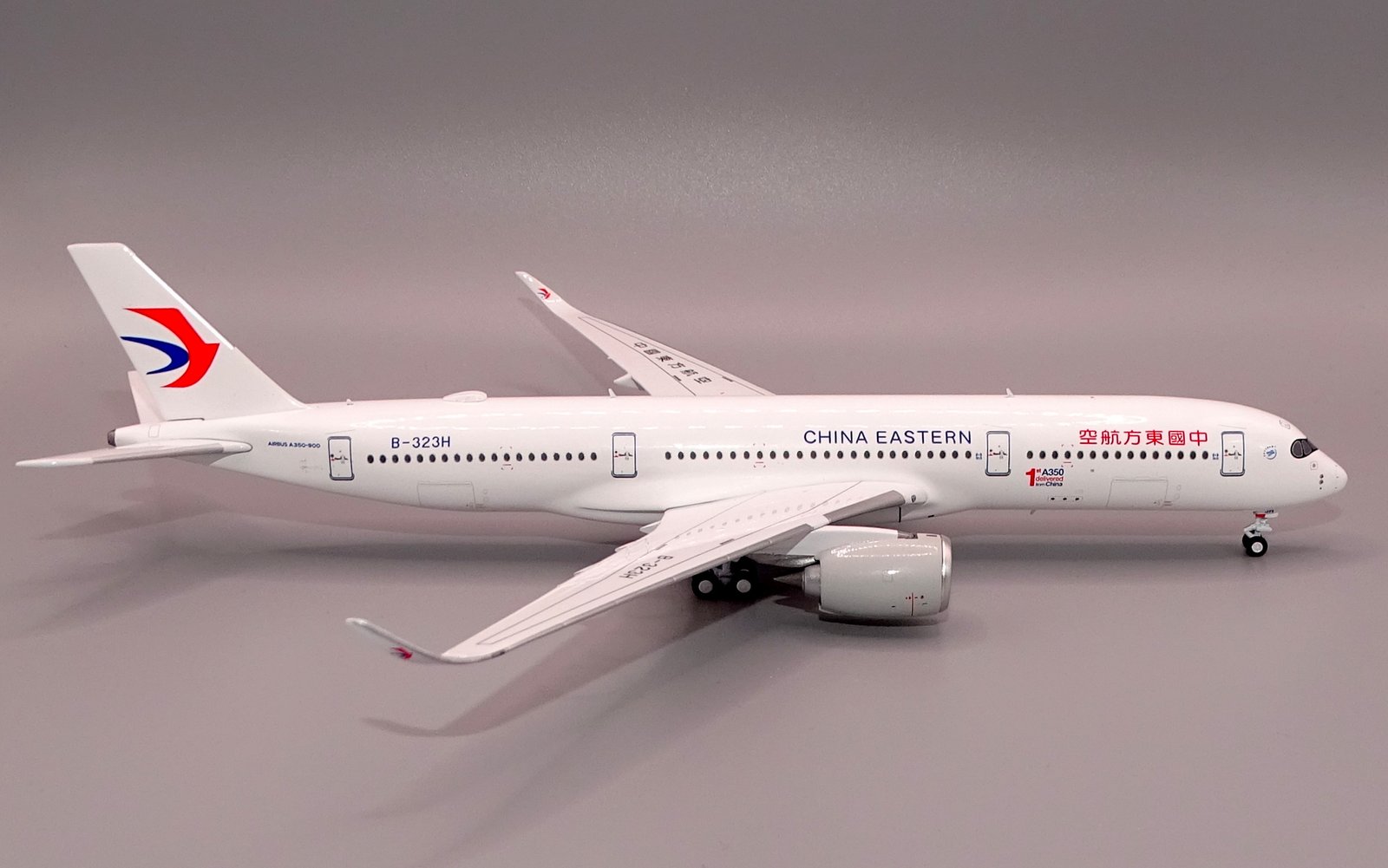
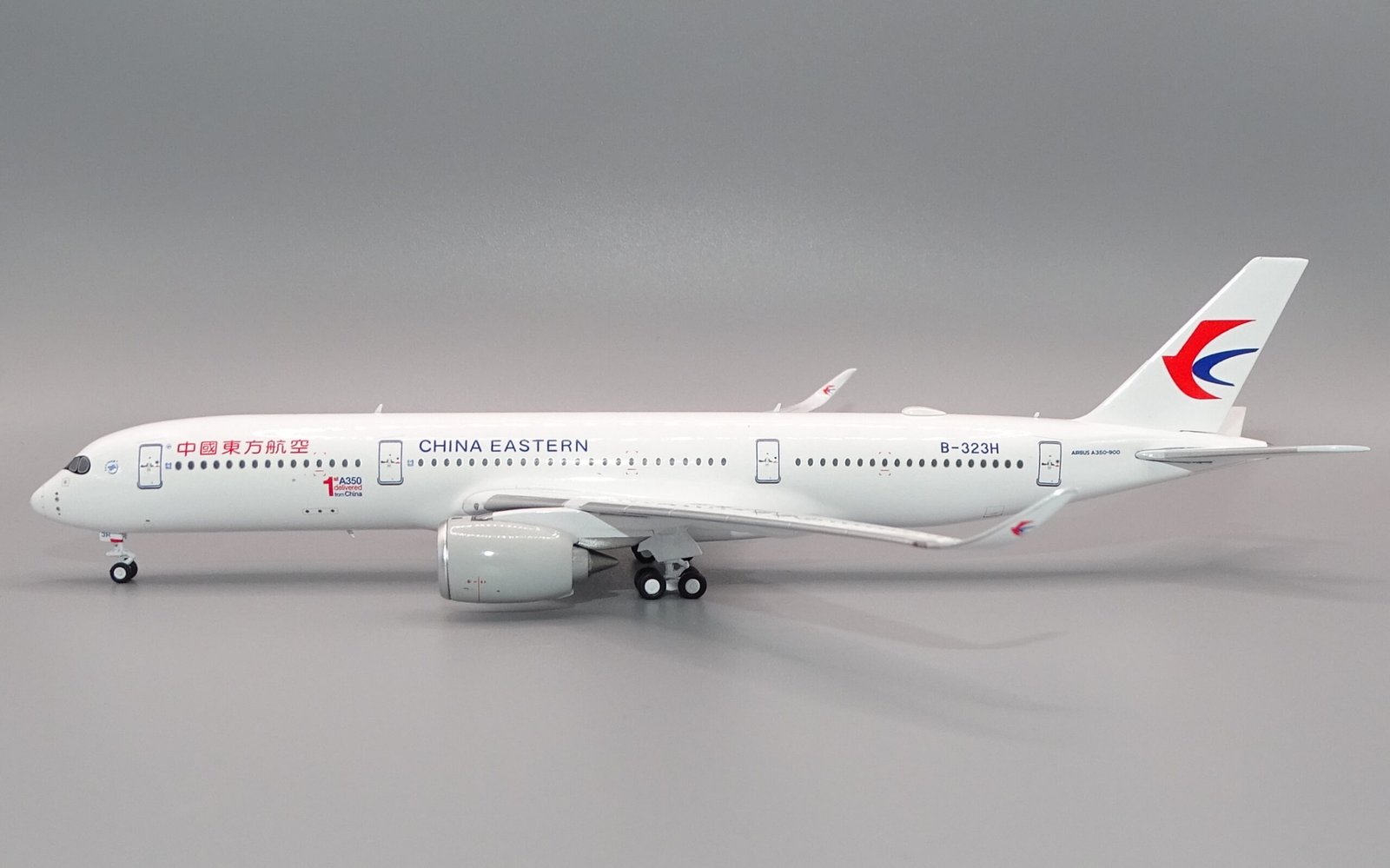
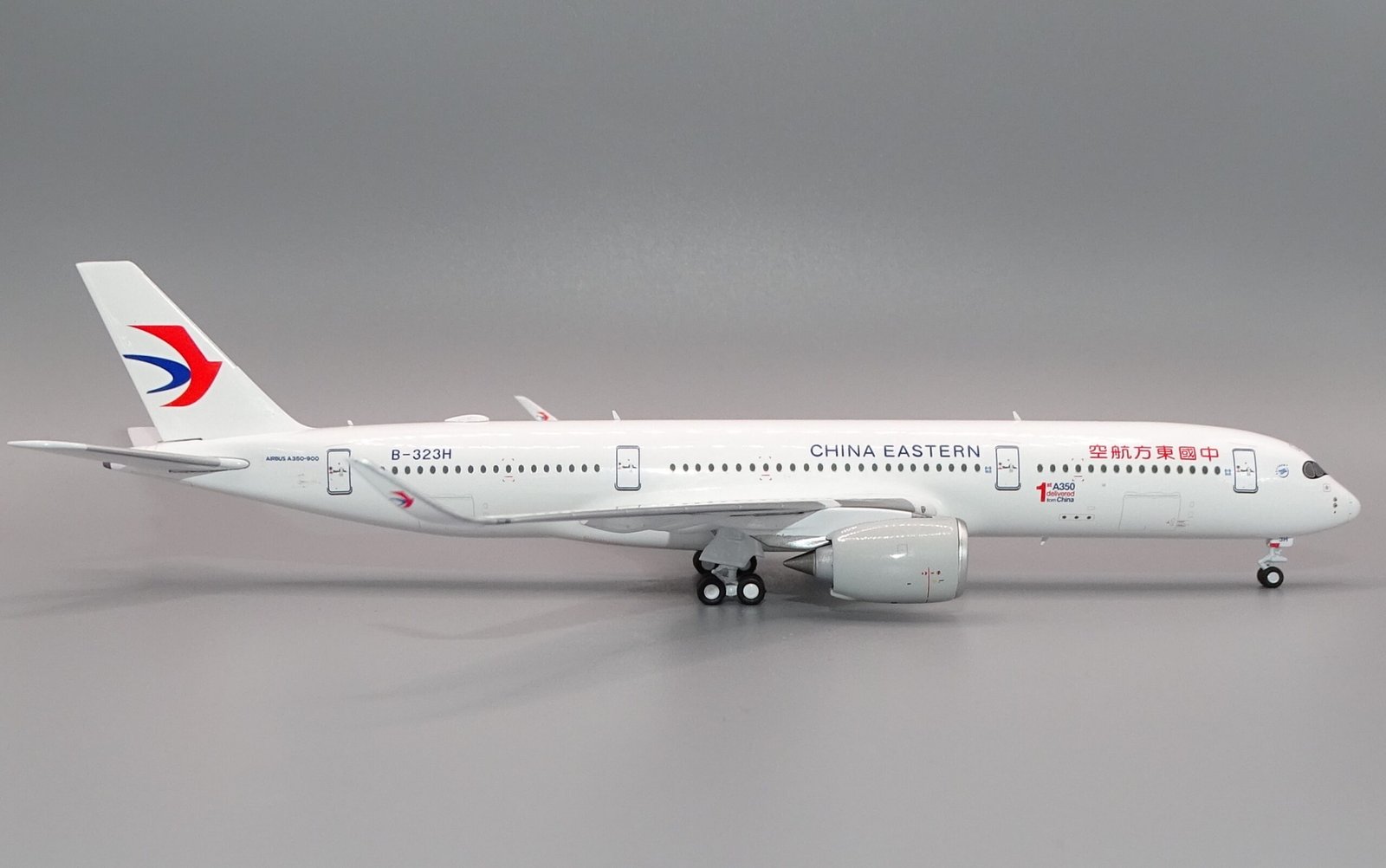
AVIATION400 v2 -900 (2026)
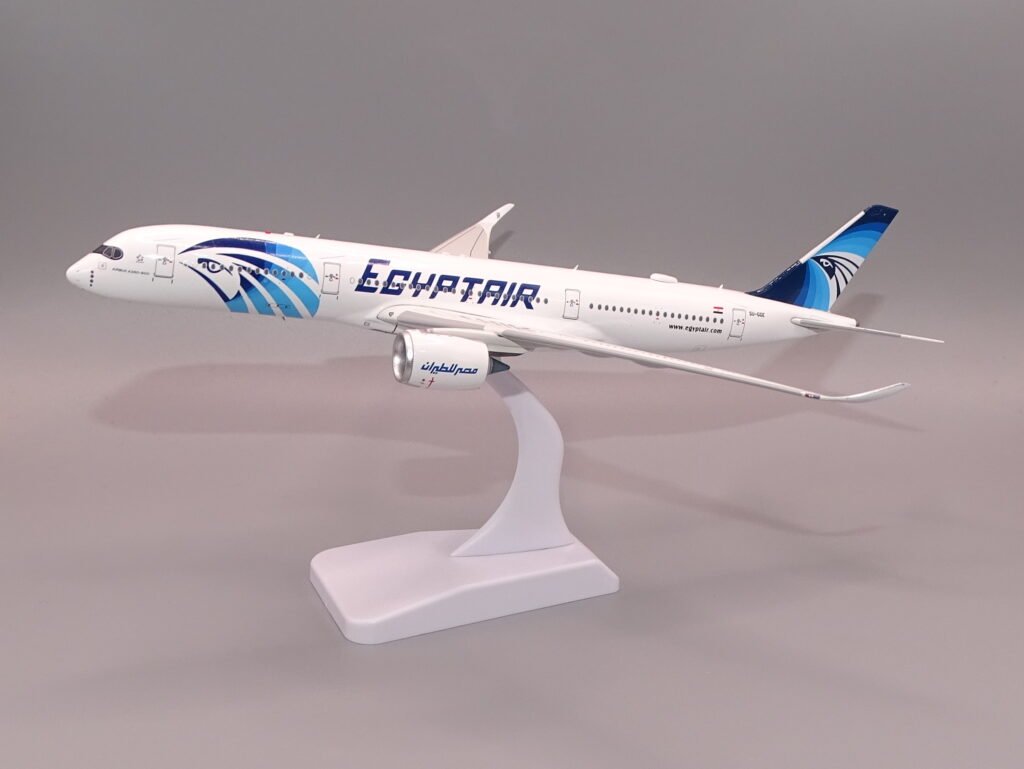
The updated Aviation400 A350 sports a new fuselage barrel and the PIP winglets with the engines and magnetic gear of the v1C mould. I have looked at its features and compared them to the older versions here:
HX MODELS (2026)
As of September 2026 the new HX Models mould is yet to hit retailers, although imagery of the first release (for YY Wings) suggests it bears a disappointing form similar to that of the obsolete JC Wings mould. So far only 4 A350-1000s have been produced and they come in flaps up and down variants.