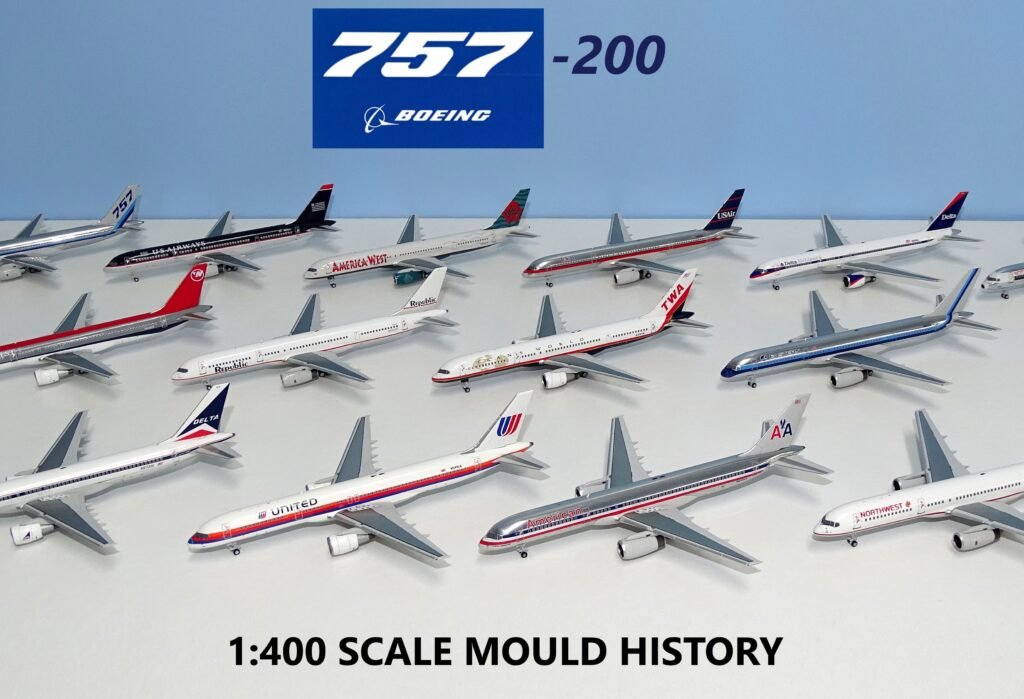
Updated: November 2026
It may come as a surprise given my classic leanings but my favourite aircraft type is probably the Boeing 757. Then again, I guess the 757 qualifies as classic nowadays! I find it to be a massively satisfying aircraft, both in terms of appearance and performance. Being the workhorse of the UK charter fleet there were always plenty at Gatwick when I was a kid, flying for the likes of Air Europe, Inter European, Monarch, Air 2000, Airtours, Flying Colours, Caledonian etc, and of course whenever I visited Heathrow I was quickly bored by the stream of BA 757s. How lucky we were back then.
Boeing 757-200 in 1:400 Scale
When I originally wrote this review back in late 2016 I lamented the lack of 757 releases and the age of the moulds being used. There had been only 126 releases and substantial amount of mould sharing between Gemini, Schuco and Phoenix. Things have definitely improved primarily due to the appearance of NG Models with a brand new moulding in late 2017. Since their mould appeared the number of 757 releases has tripled.
Initially at least the NG Models mould was also used by several other brands and saw an impressive diversity of 757s released using it, from classic 757s to modern versions, from passenger to cargo, and from house colours to military. Gemini Jets and JC wings have also stepped up their game somewhat and been releasing more 757s in recent years on their modified mould.
Fortunately, with the NG 757 release becoming a rarity there is a new brand working on its own new 757-200 mould for 2027.

The Real Thing
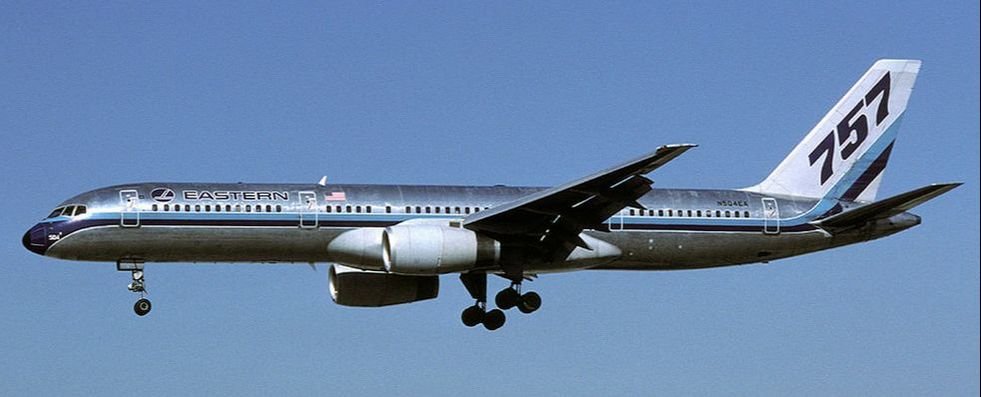
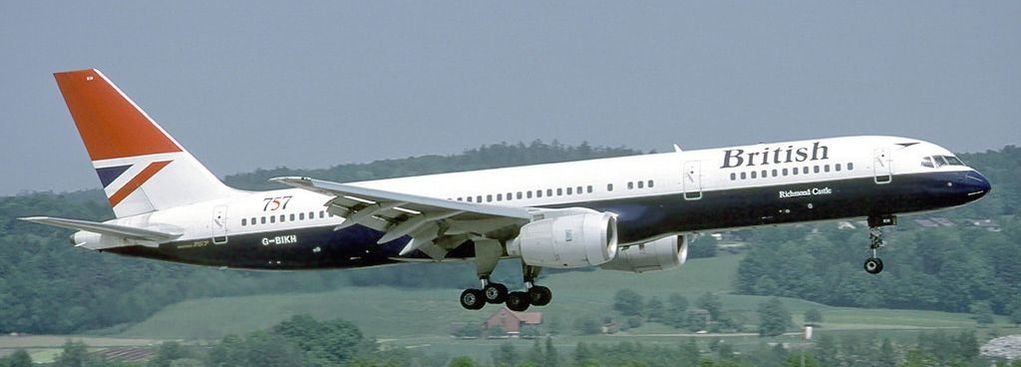
Here are some shots of the 757 in action to provide some comparison to the models:
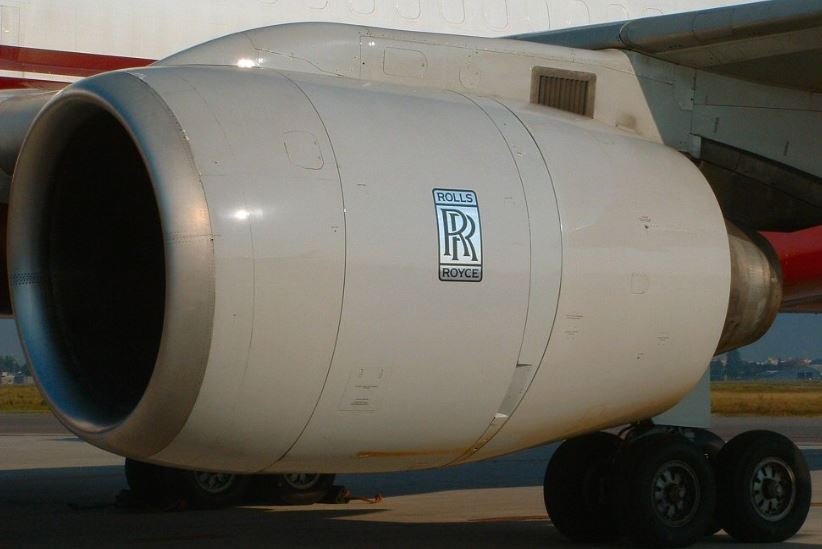
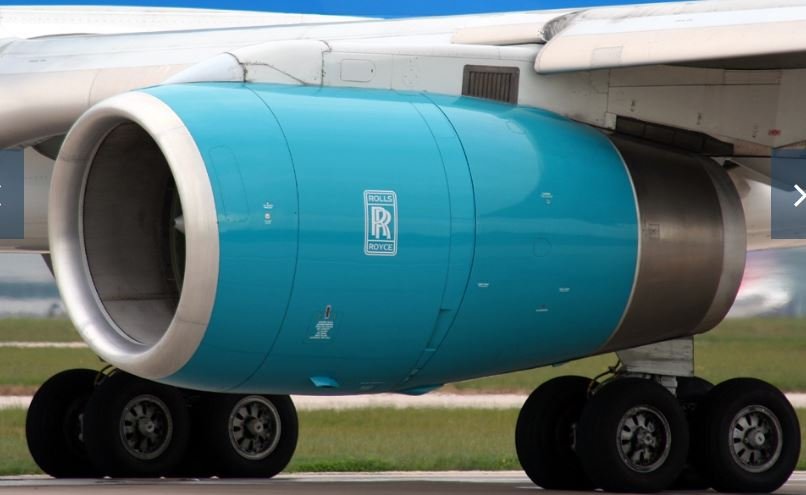
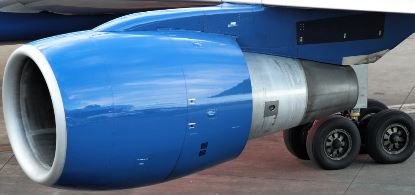
A mention should also be made of the engine options. 757s can be powered by either Rolls-Royce or Pratt & Whitney engines, however there are more than 2 types. Early 757s built before late 1984 and powered by RRs used the Rolls-Royce RB211-535C whilst subsequently they used the RB211-535E4 (and similar looking E4B). The 535C has a shorter nacelle than the 535E4. Pratt & Whitney have used the PW2037 and PW2040 engine but the Rollers are much more popular. Here are the engines:
The Moulds
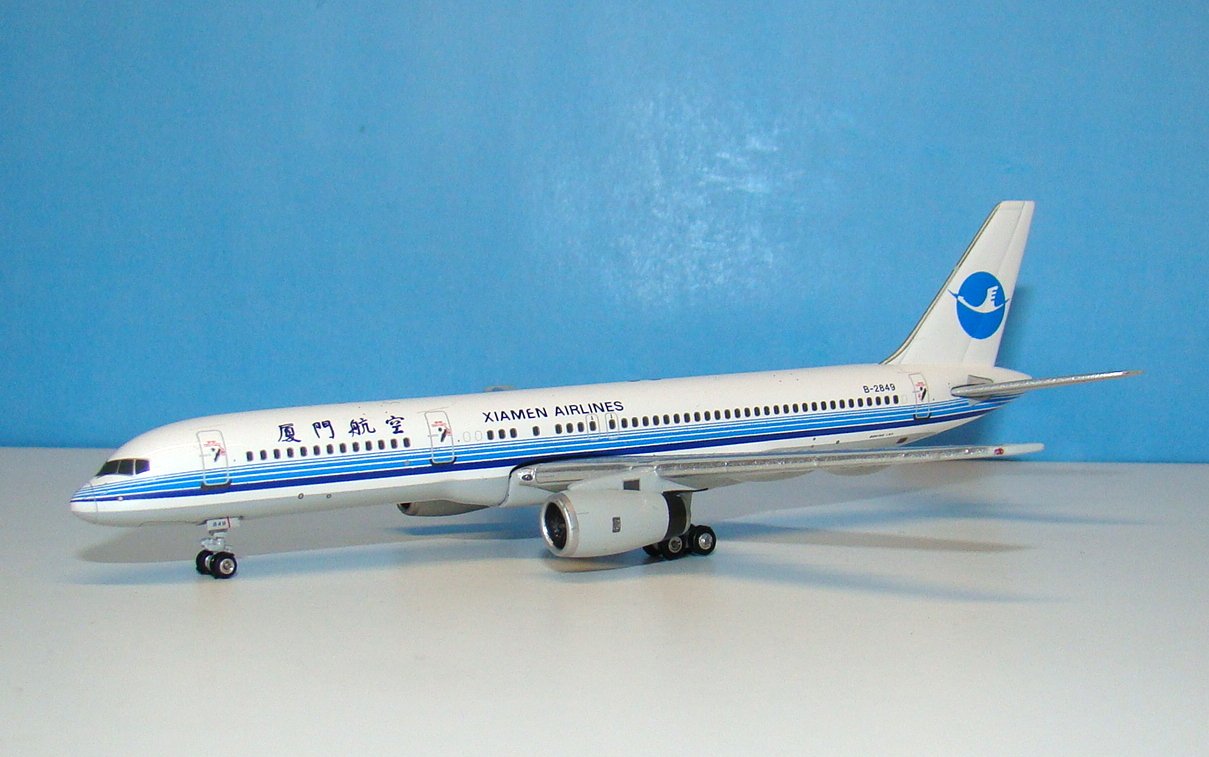
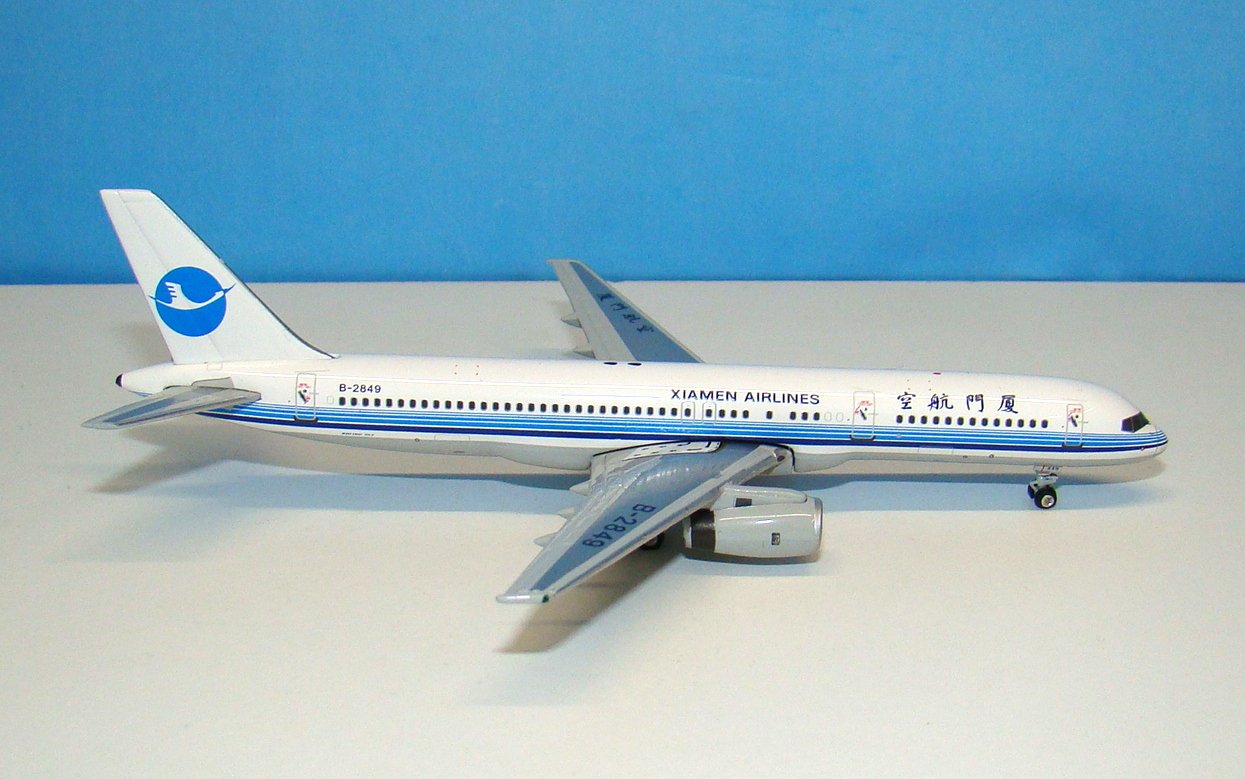
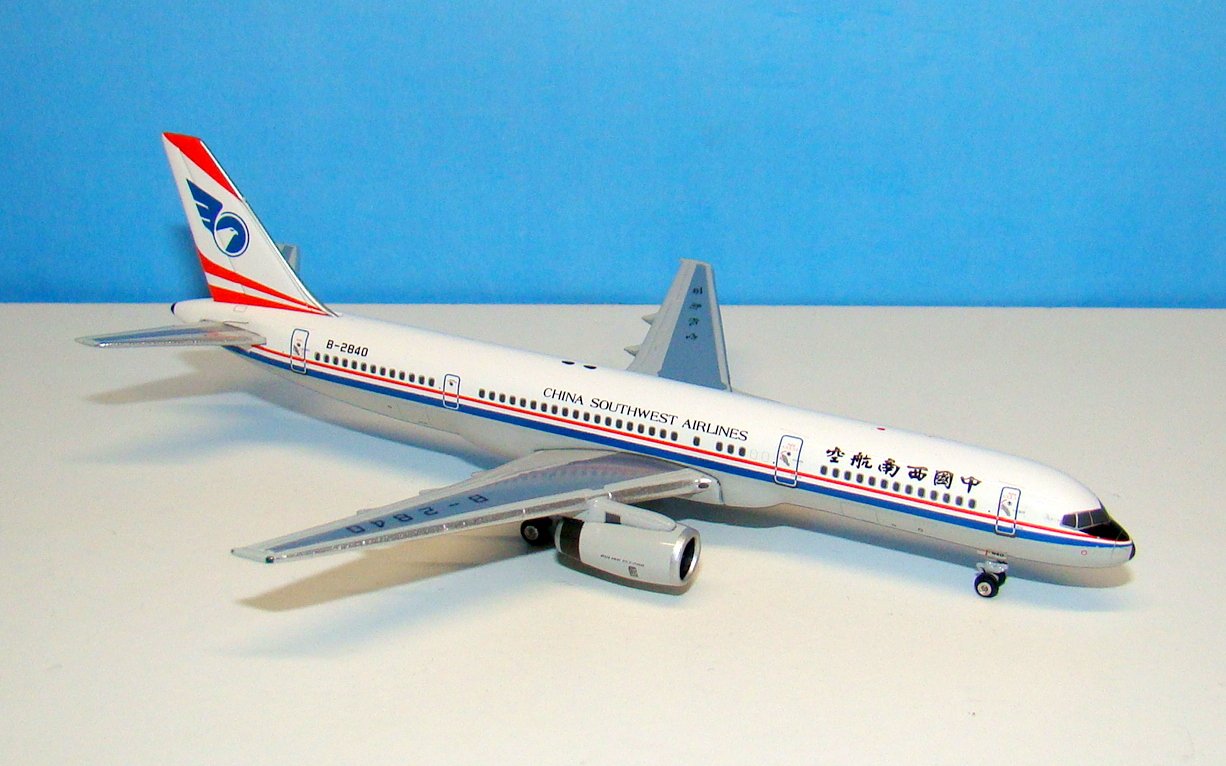
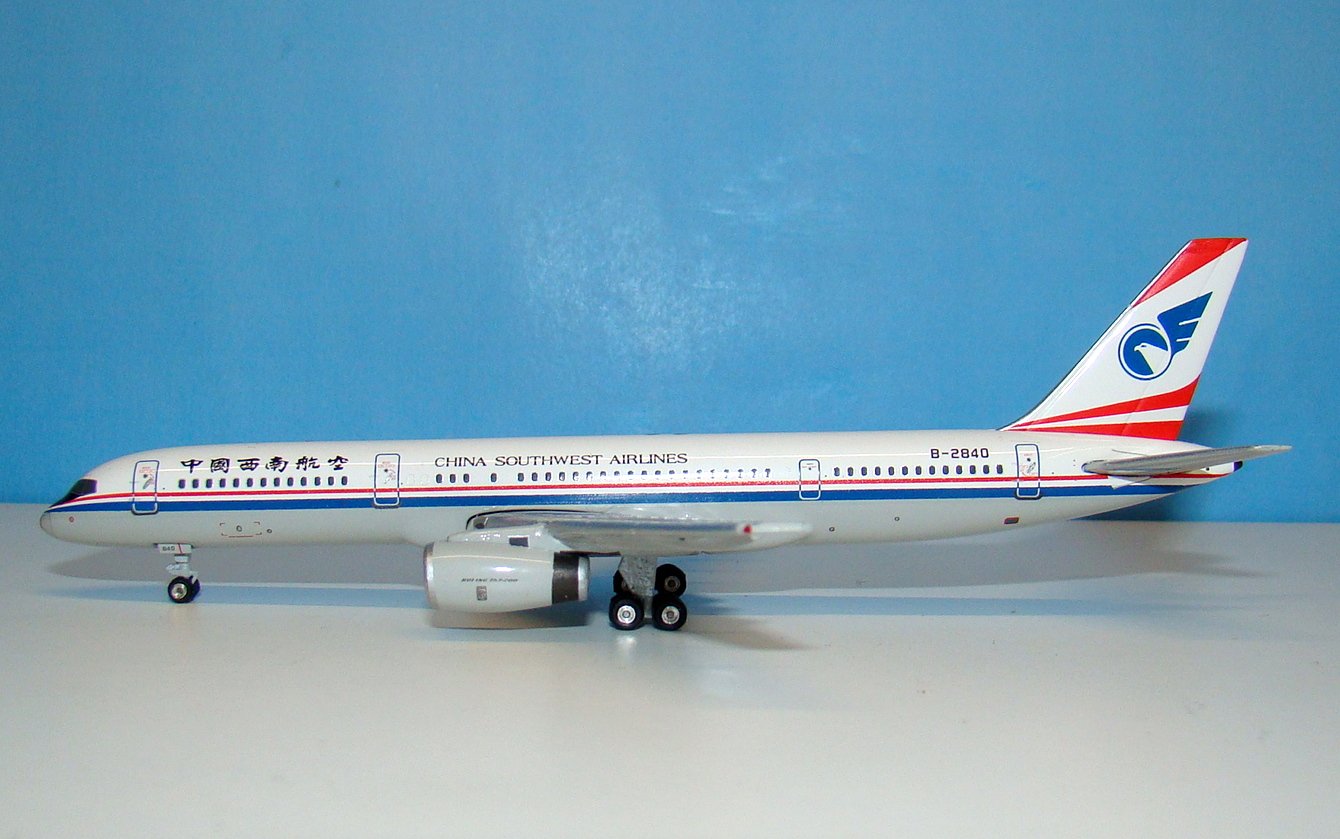
Gemini Jets (2000) Versions 1A-1D

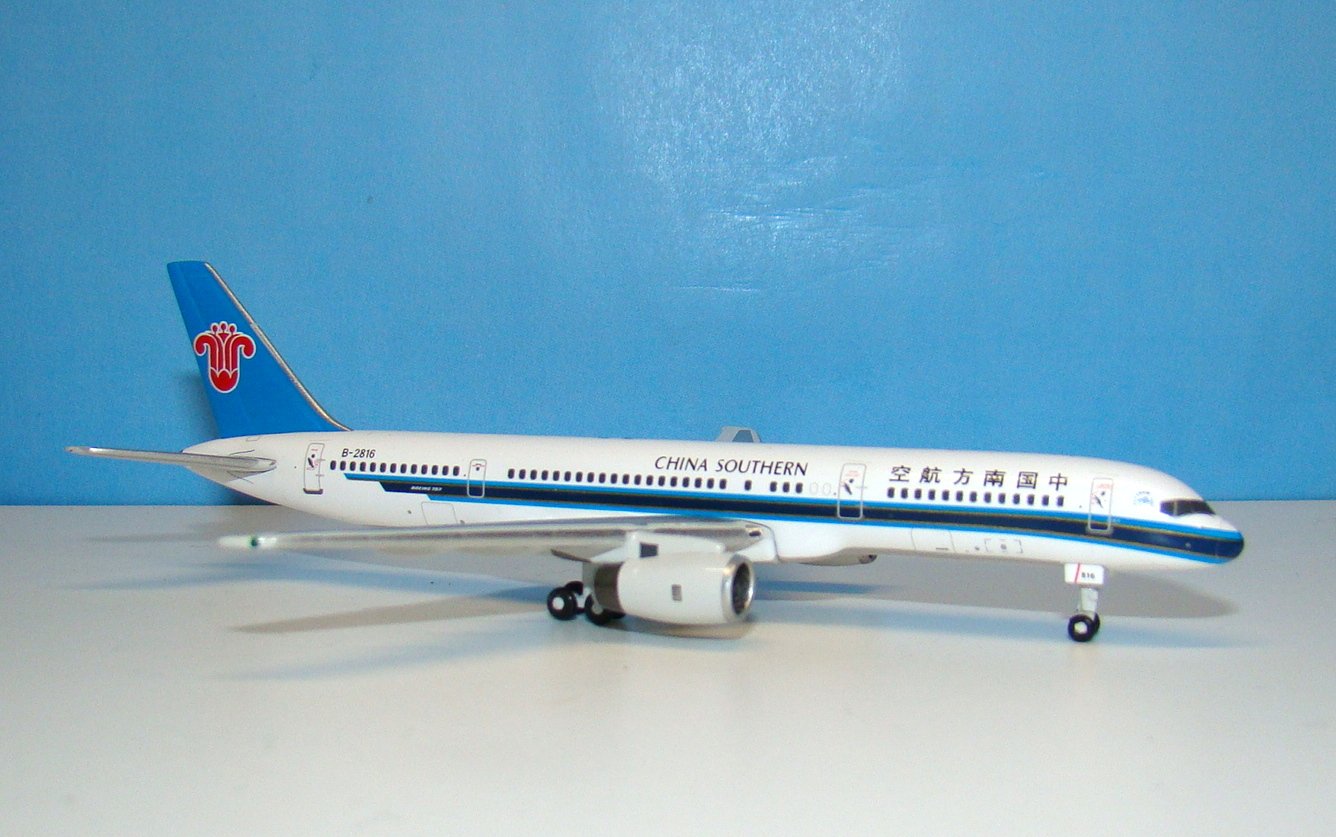
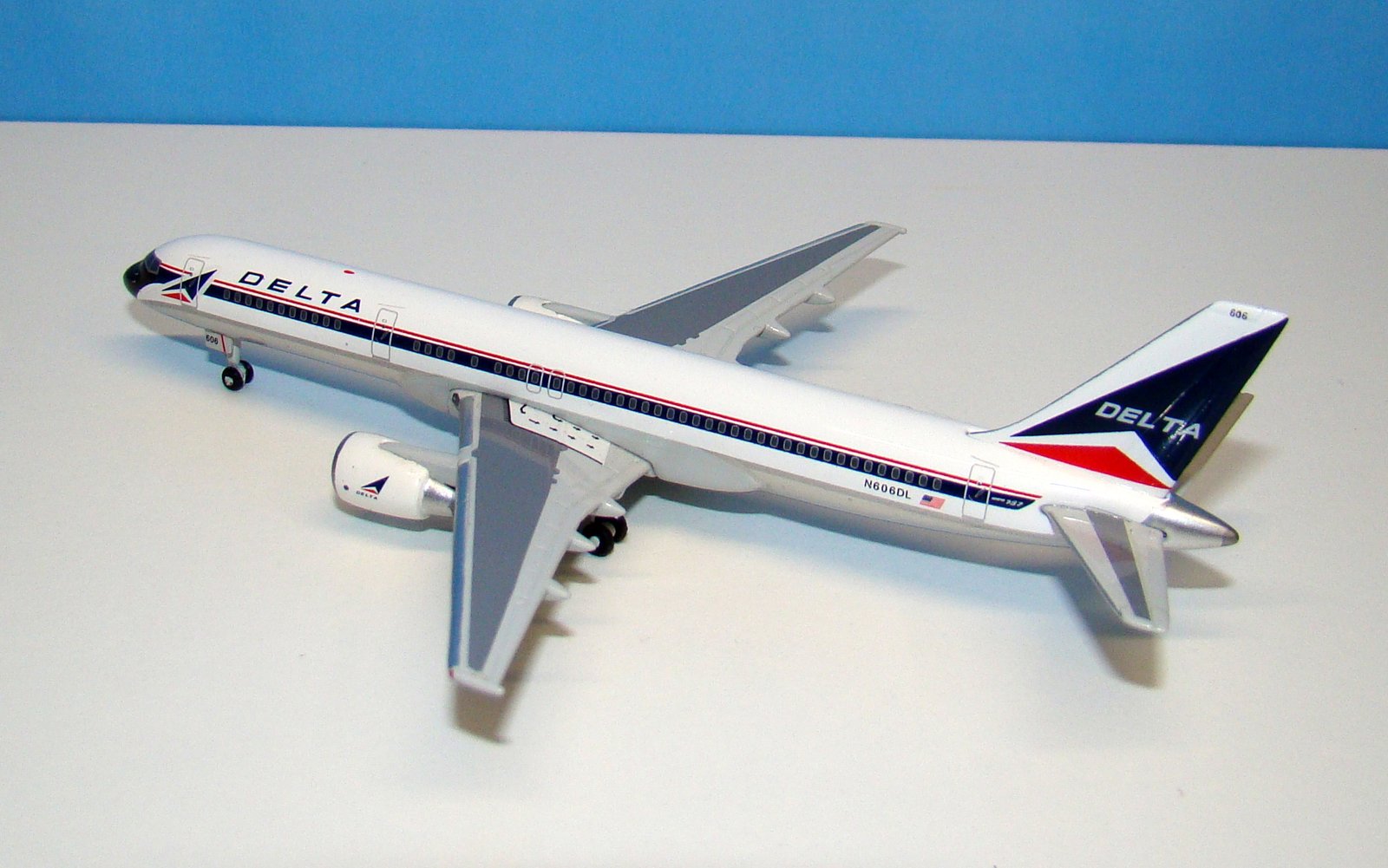
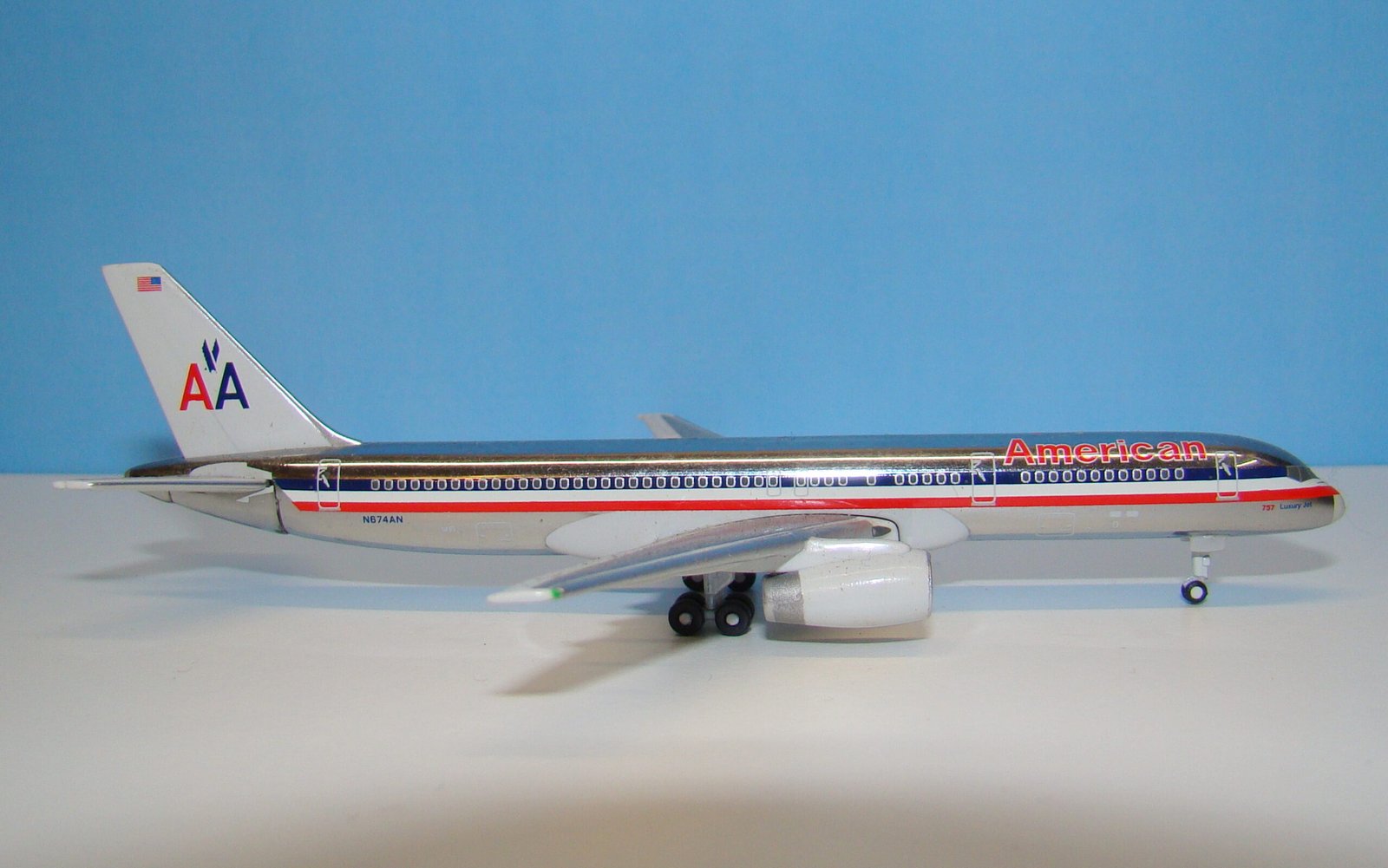
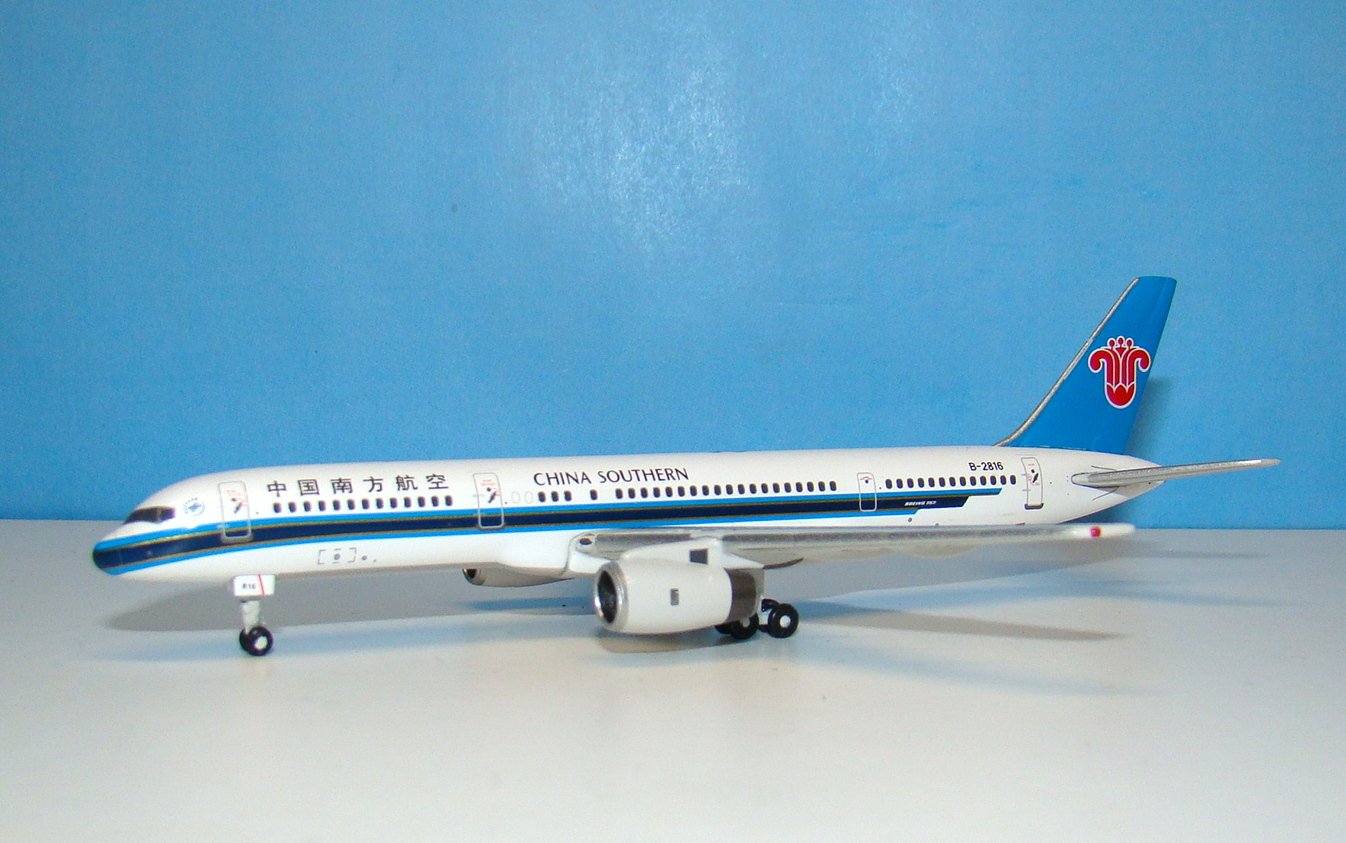
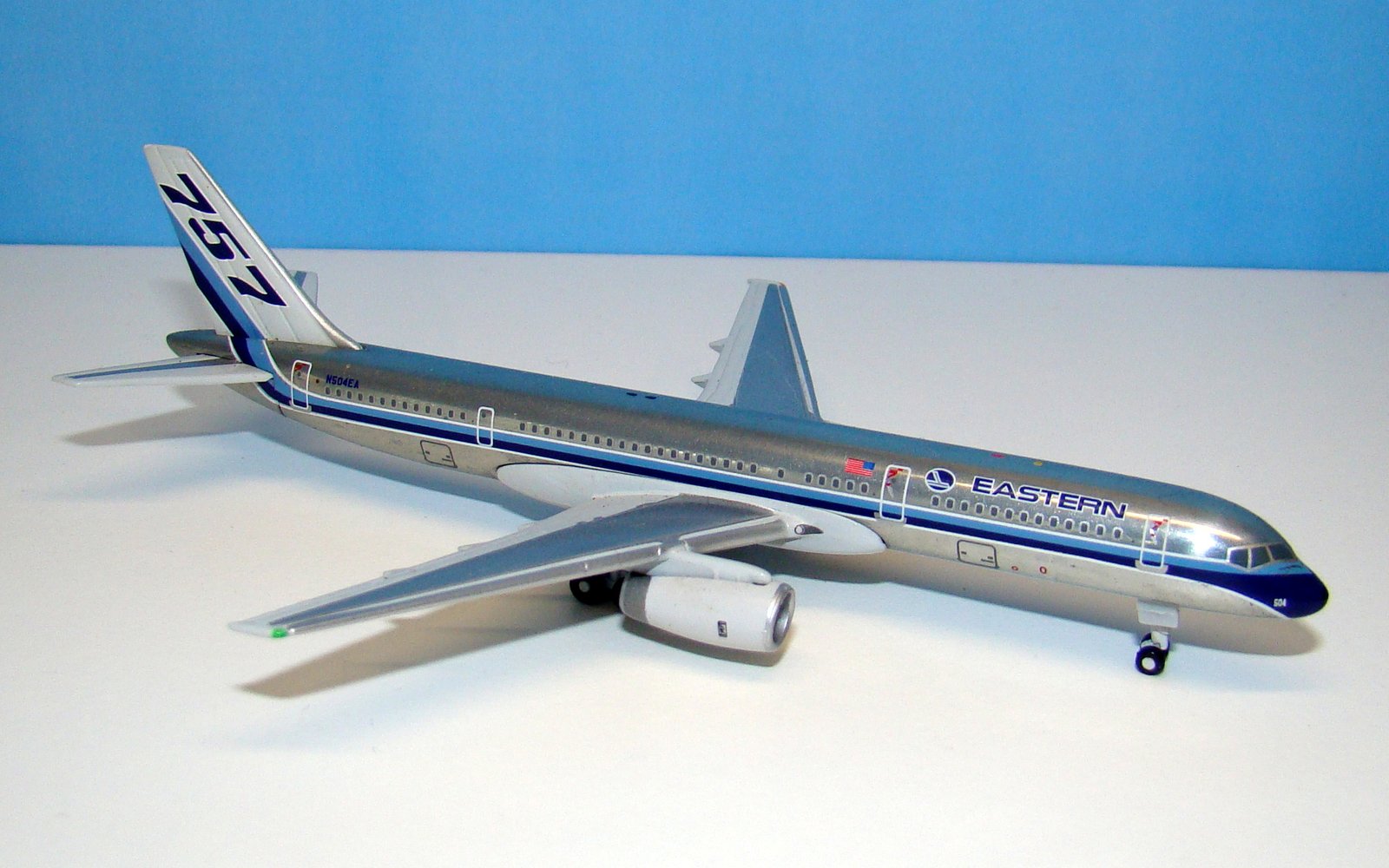
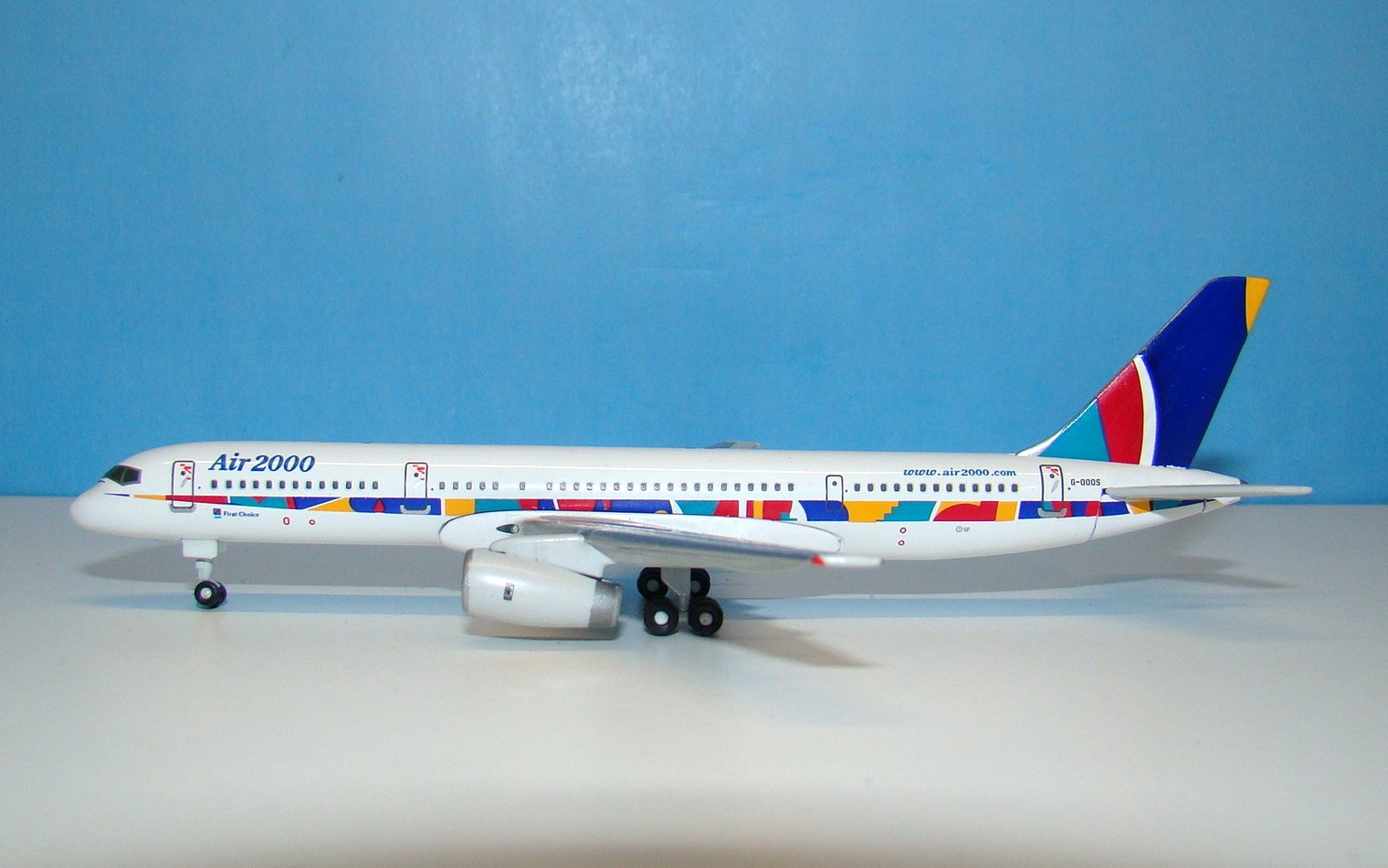
The Gemini Jets Boeing 757-200 is one of the earliest and longest serving moulds in 400 scale since in modified form it is still in use today. It has always been a decent mould and a real stalwart of early 400 scale production, one of several castings that were excellent for their time and did a lot to raise the profile of the scale. Of course unsurprisingly it is no longer particularly competitive but that should be no surprise for a mould that debuted in 1999/2000. This mould has also actually been modified continuously throughout its lifetime and there are 6 different versions, the first four of which are covered here.

From an engine perspective the Gemini (and successor JC and Phoenix editions) can’t be used to replicate early 757s as the mould is fitted with the later RB211-535E4 and not the earlier Rolls-Royce RB211-535C, which was superseded in 1984. They do have however versions with the PW2040 engines available.
Mould Version 1a (with RB211-535E4s) Mould Version 1c (with PW2040s)
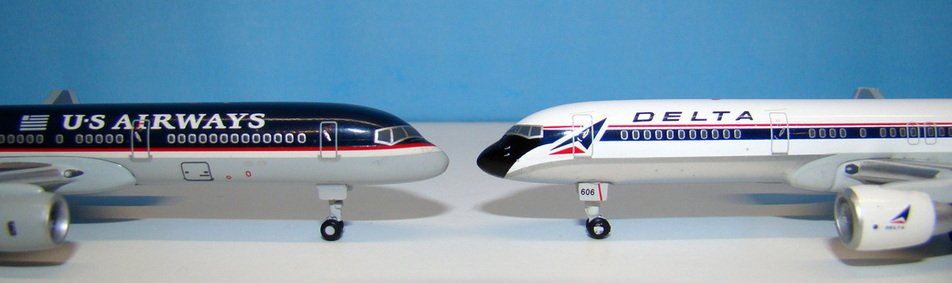
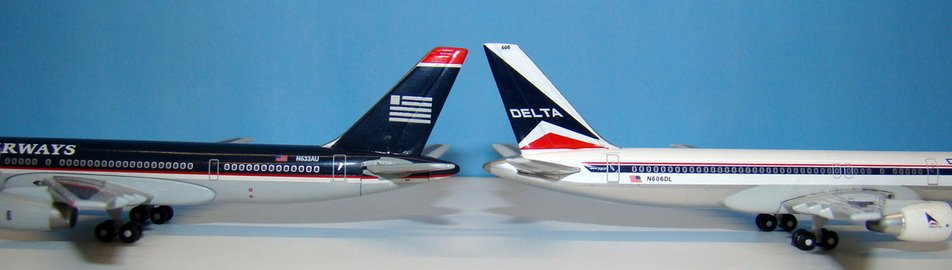
Differentiating the first 4 versions of the mould can be done by looking at the placement of seams and winglet profiles:
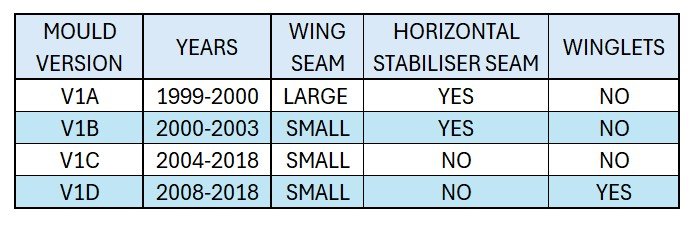
The removal of the seam around the horizontal stabilisers that created the V1C versions is associated with the Gemini Jets II era where many stabiliser seams were removed from GJ moulds.

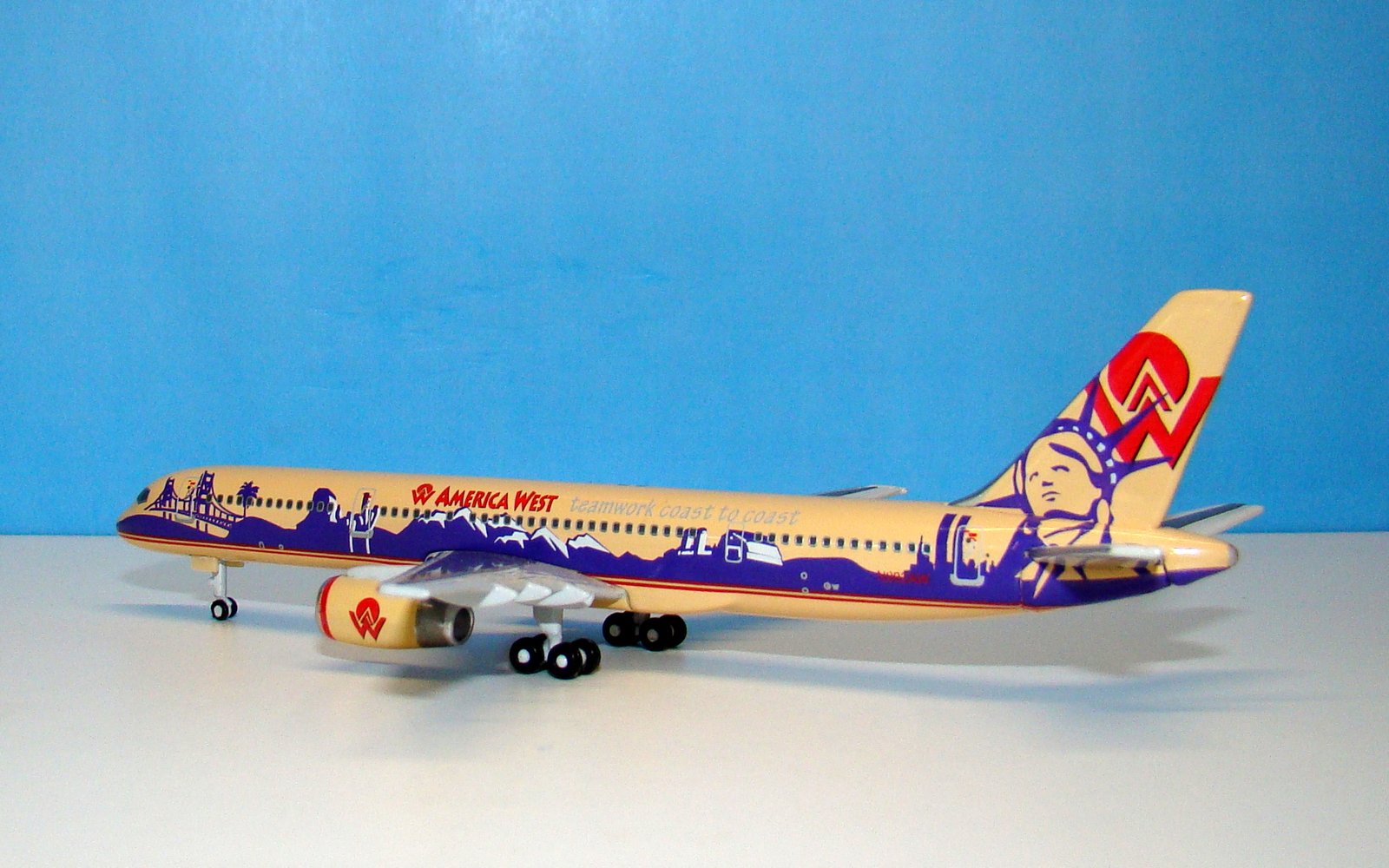
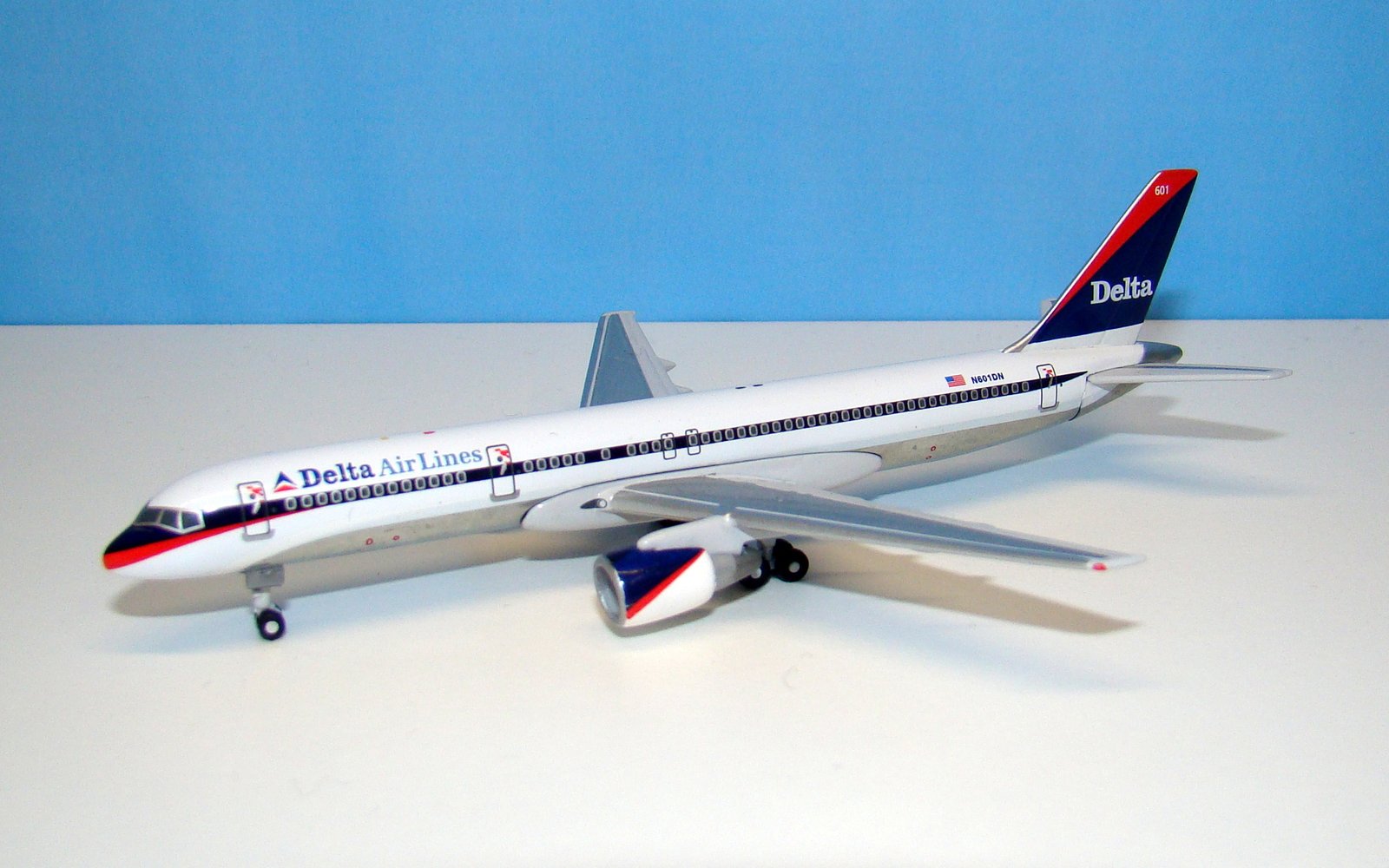
The mould was used quite extensively by Gemini in the period from 1999-2012 with the majority of examples covering popular US airline operators. Despite NG Models output with their mould there are still quite a few older Gemini releases that have not been produced in updated form such as National Airlines, United ‘battleship grey’, America West specials, Continental, Avianca and others.

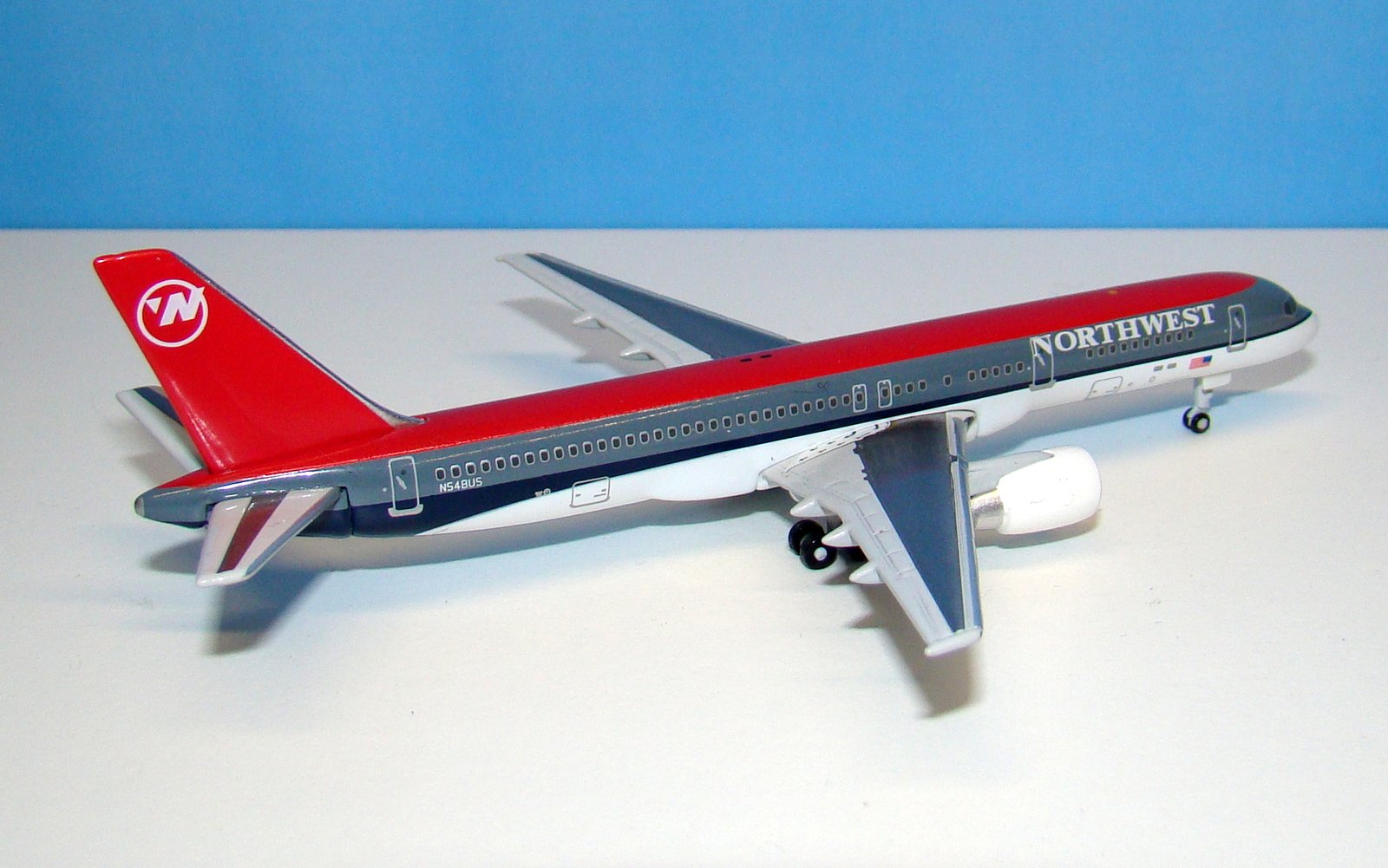
The basic fundamentals of the mould remain solid. It has a good nose and fuselage form with good wings also. Of course given its age the seamlines, chunky pylon to wing join and rather chunky undercarriage are detractors. Nonetheless, even older versions still have a charm and important place in the scale.








Dragon Wings (2002)
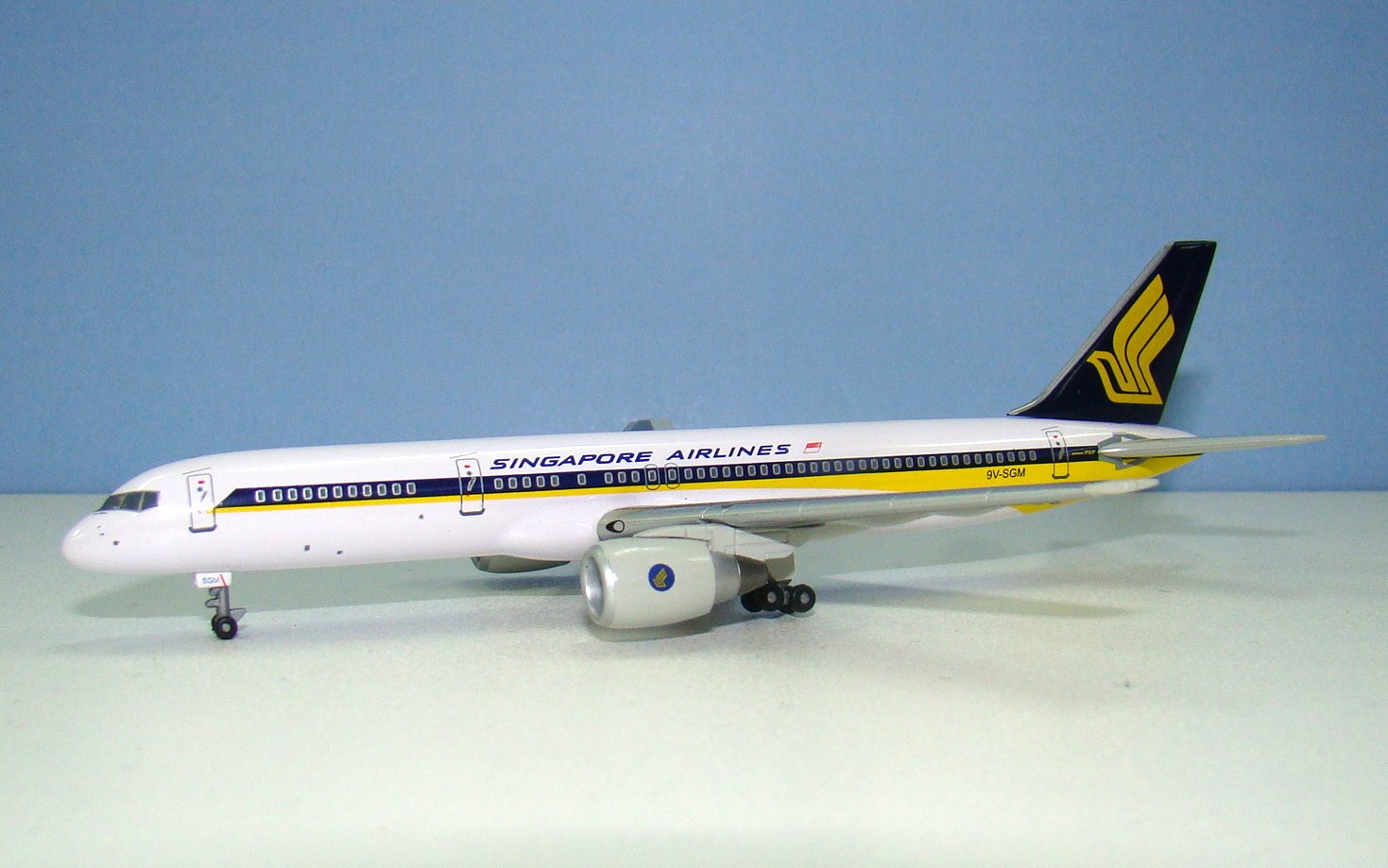
Dragon Wings entered the market rather late for them and have made only 9 757s in total between 2002 and 2004. The mould is ok but again suffers from poor nosegear and often bad cockpit printing. On the plus side as with all Dragon moulds it is seamless around the wing (at least from the side). I think the nose is a bit heavy and snoopyish but its still a decent effort compared to some moulds from the same period.
Despite the mould’s weakness and relative obscurity the subject matter, which included Singapore Airlines, North American and several Far Eastern Air Transport versions means it cannot be completely ignored.


Herpa (2005)
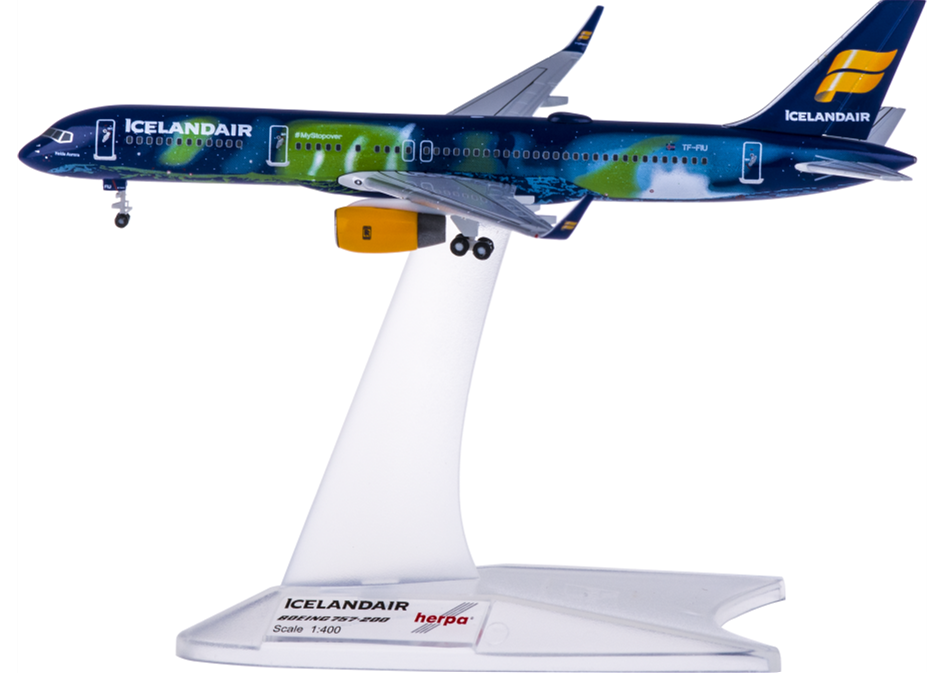
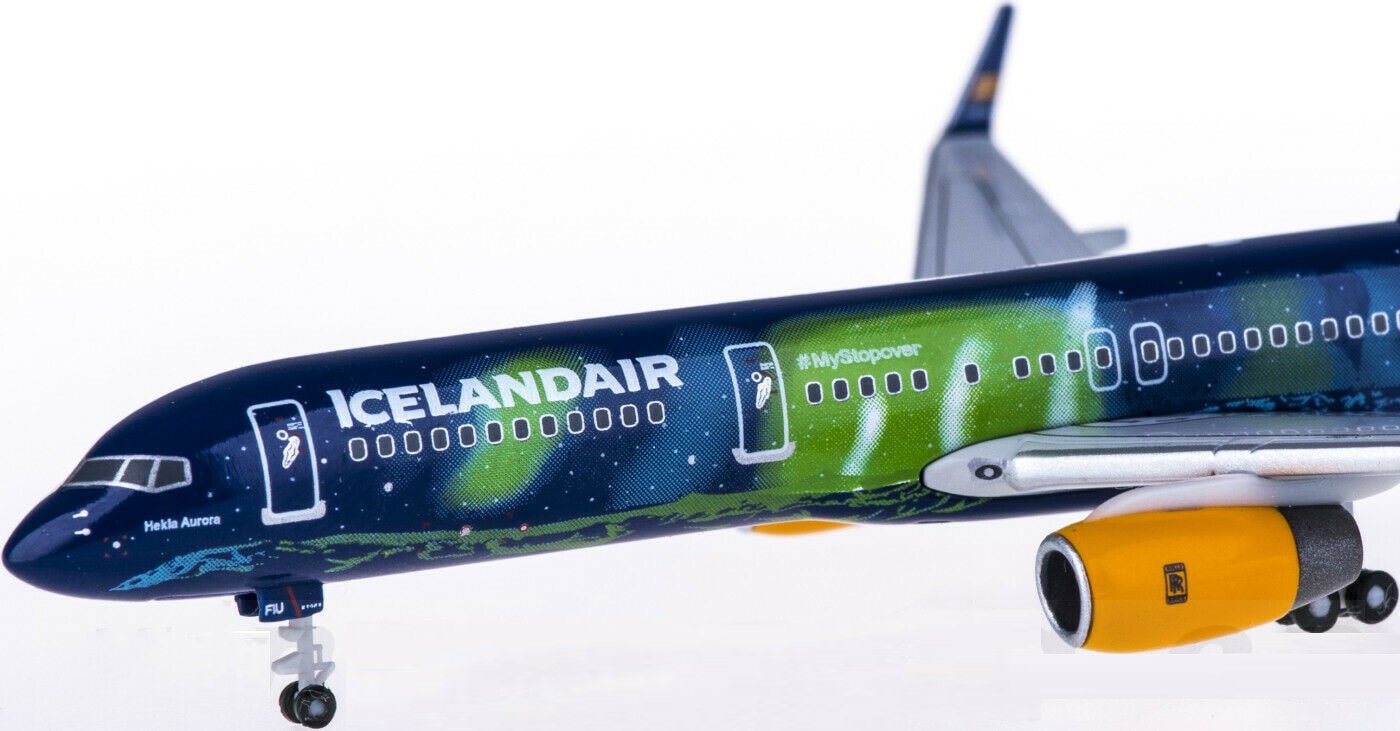
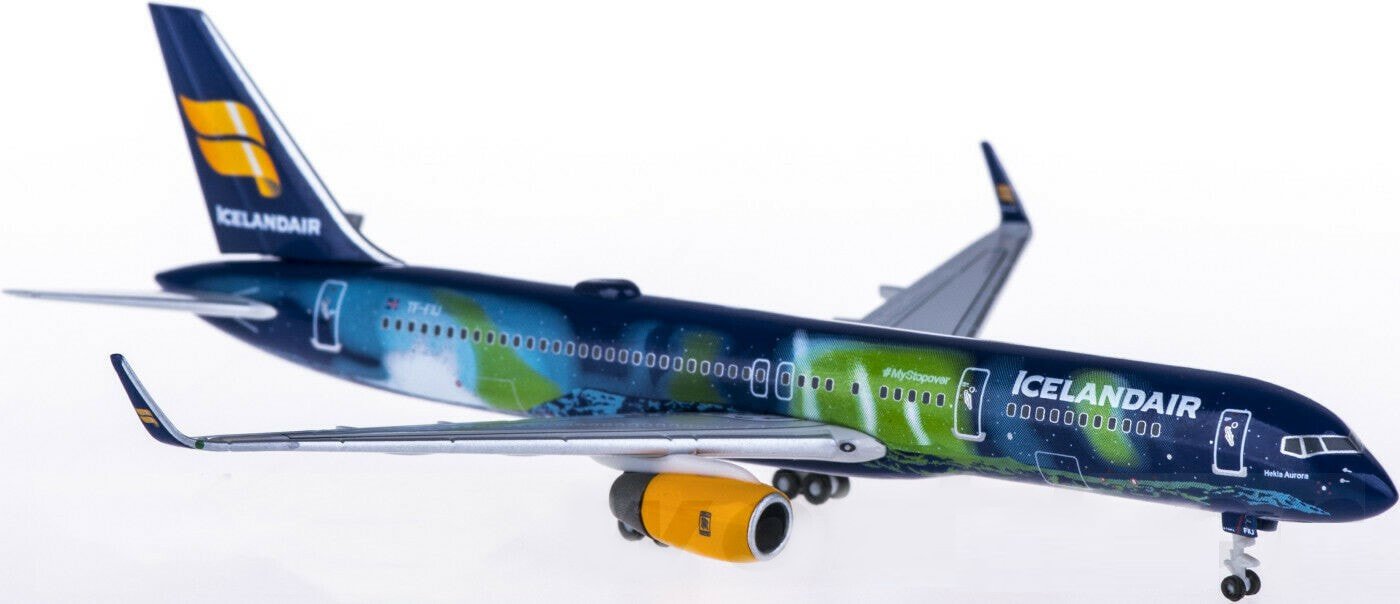
Herpa have had a 757 mould for a long time and it used to be a source of frustration that they didn’t use it much (as with everything Herpa in 400 scale). Now with NG’s mould about the Herpa one can be forgotten about but for some years it was the best available. Herpa made a paltry four models on their own mould (in 2005, 2007, 2008 and 2016) with the Icelandair Hekla Aurora , which was the last produced sitting at pre-order for around two years before it got to market! The nose is a little pointy and the tailcone a little plump but overall it is an ok mould.

Phoenix [Gemini Jets V1E ] (2013)
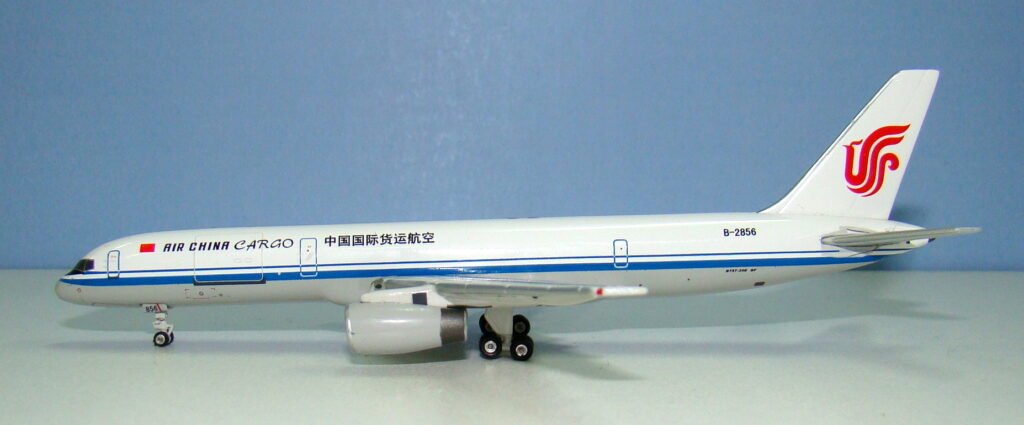
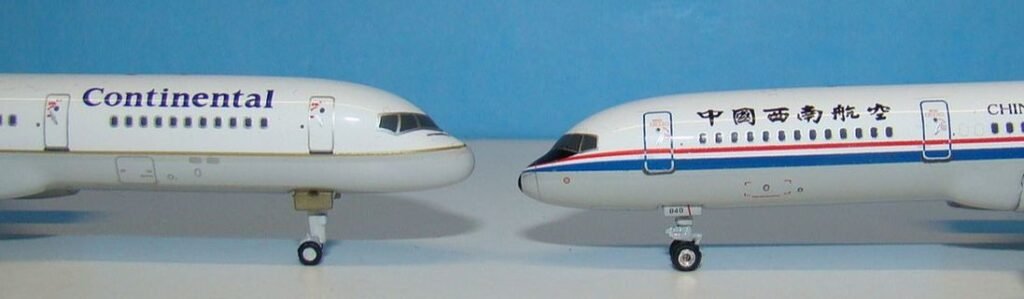
As of Sep 2014 Phoenix had made 14 models using the earlier Gemini moulds (sice they used to share production facilities) but in 2013 they decided to modify the mould to fit rolling gears. That seemed like a sensible thing to do especially as the undercarriage of the Gemini mould was a failing. However Phoenix made a shocking mess of the change. The wheels are far too large but worse the nosegear too is way too short giving the new version a bizarre nose-down stance which looks awful. My understanding is that this mould is now out of production, which is probably just as well.





Gemini Jets V1F / JC Wings Mould (2018)
The first Gemini Jets 757 to receive aerials was an Air Astana from late 2017, however aside from the aerials that still used the earlier V1D mould. It wasn’t until 2018, not long after NG’s 757 hit the market, that the mould received a more impressive upgrade being fitted with all new rolling landing gear. It’s unclear whether the appearance of NG was a factor or the timing just a coincidence. This SF Airlines release dates from 2018:

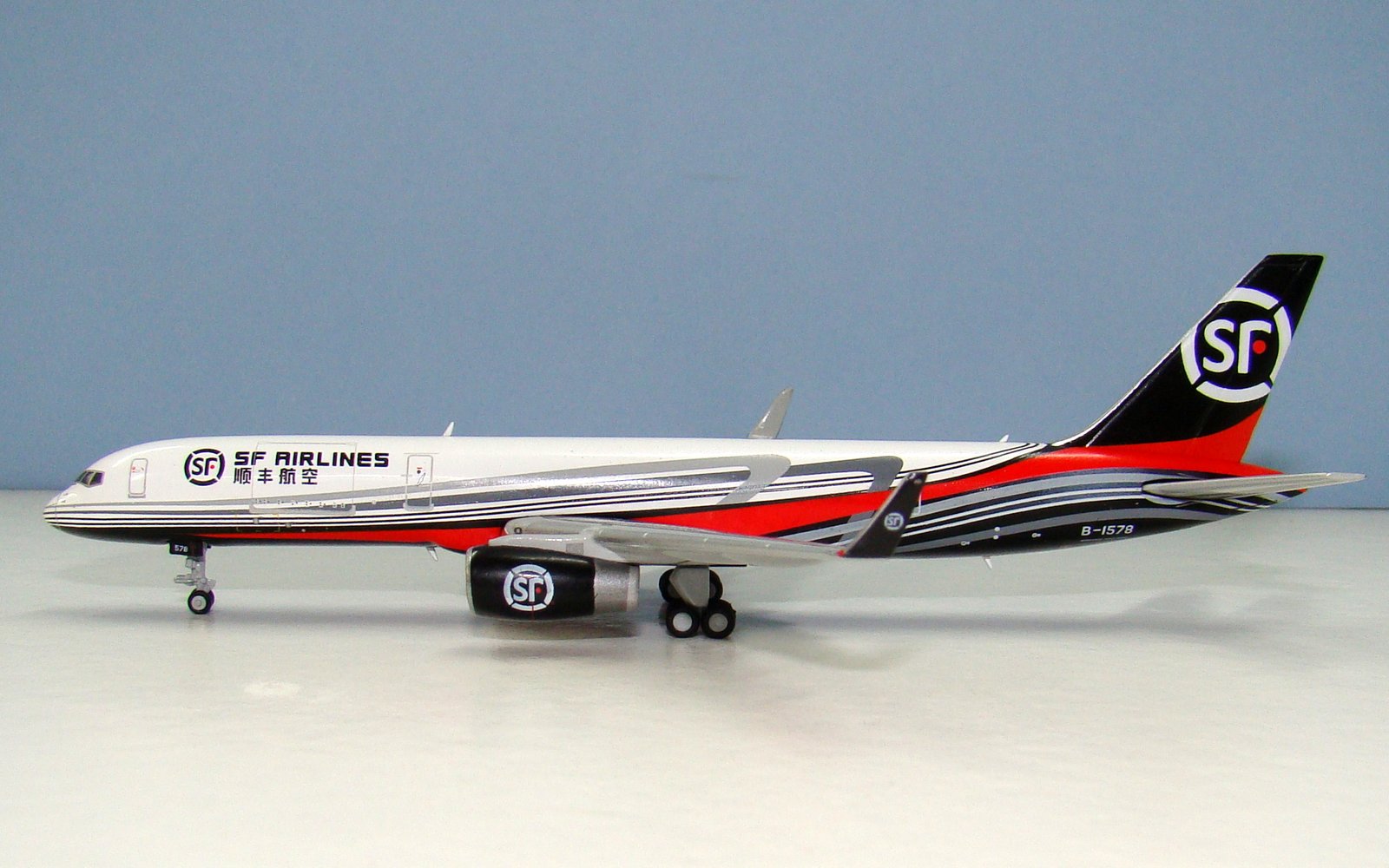
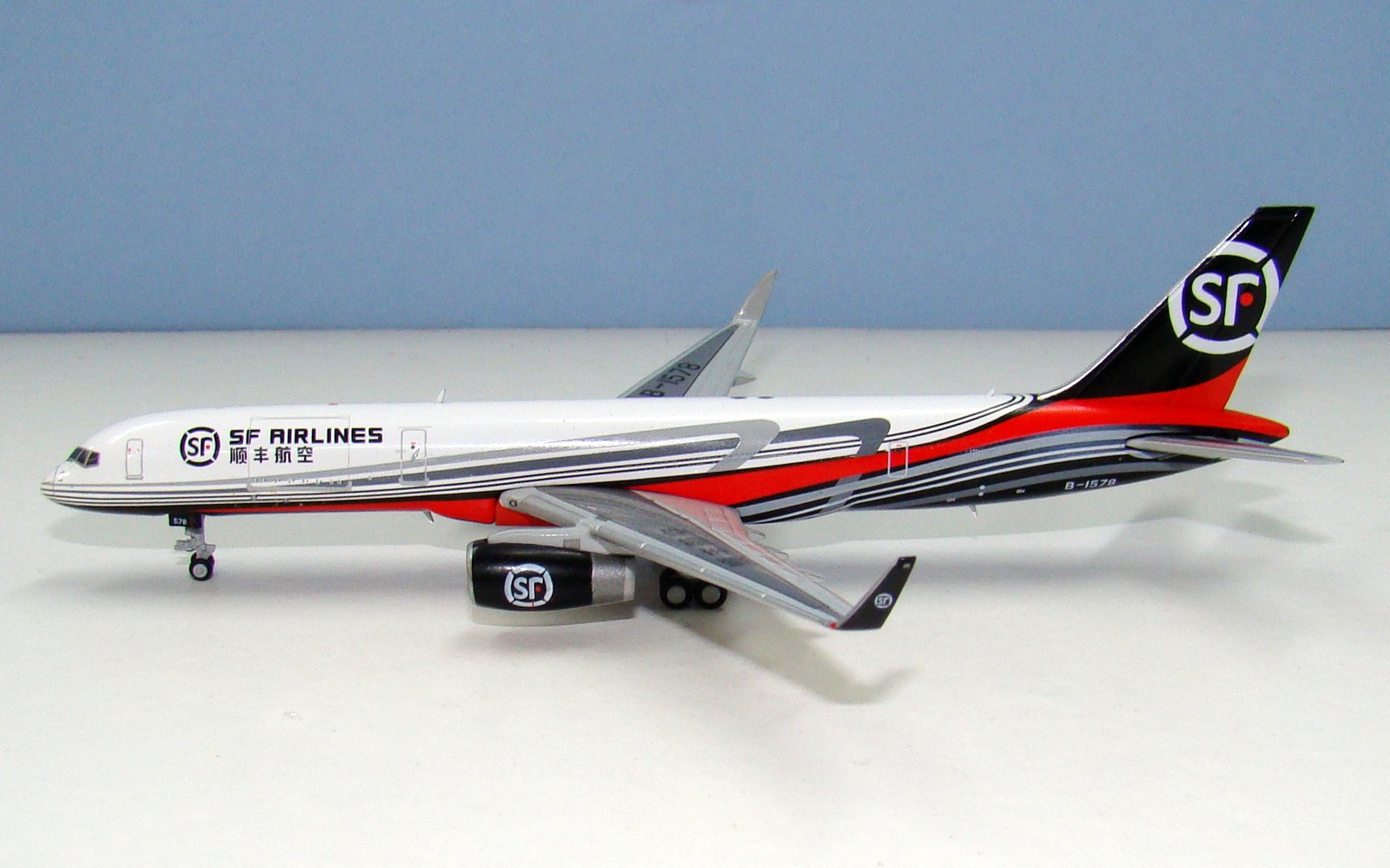
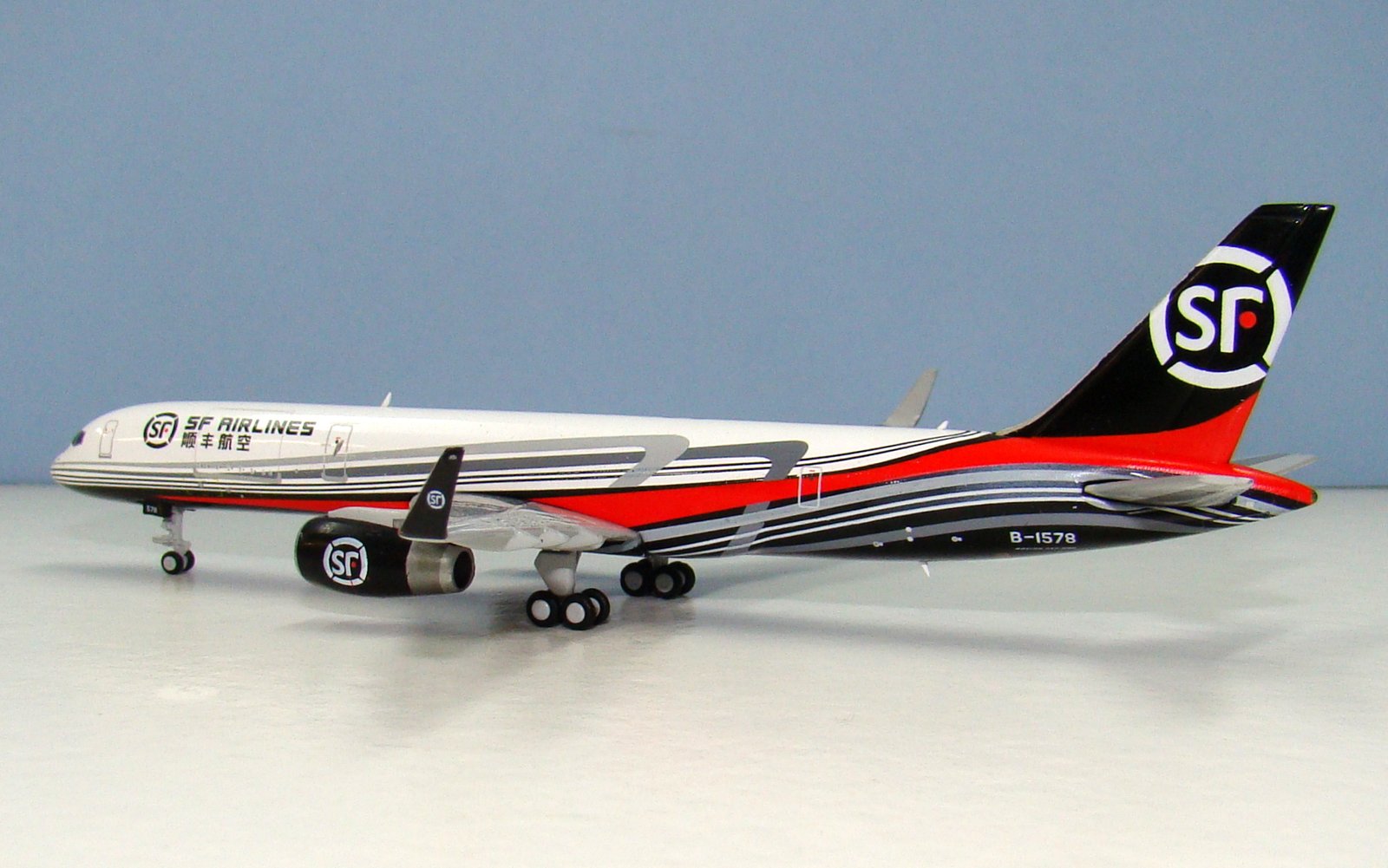

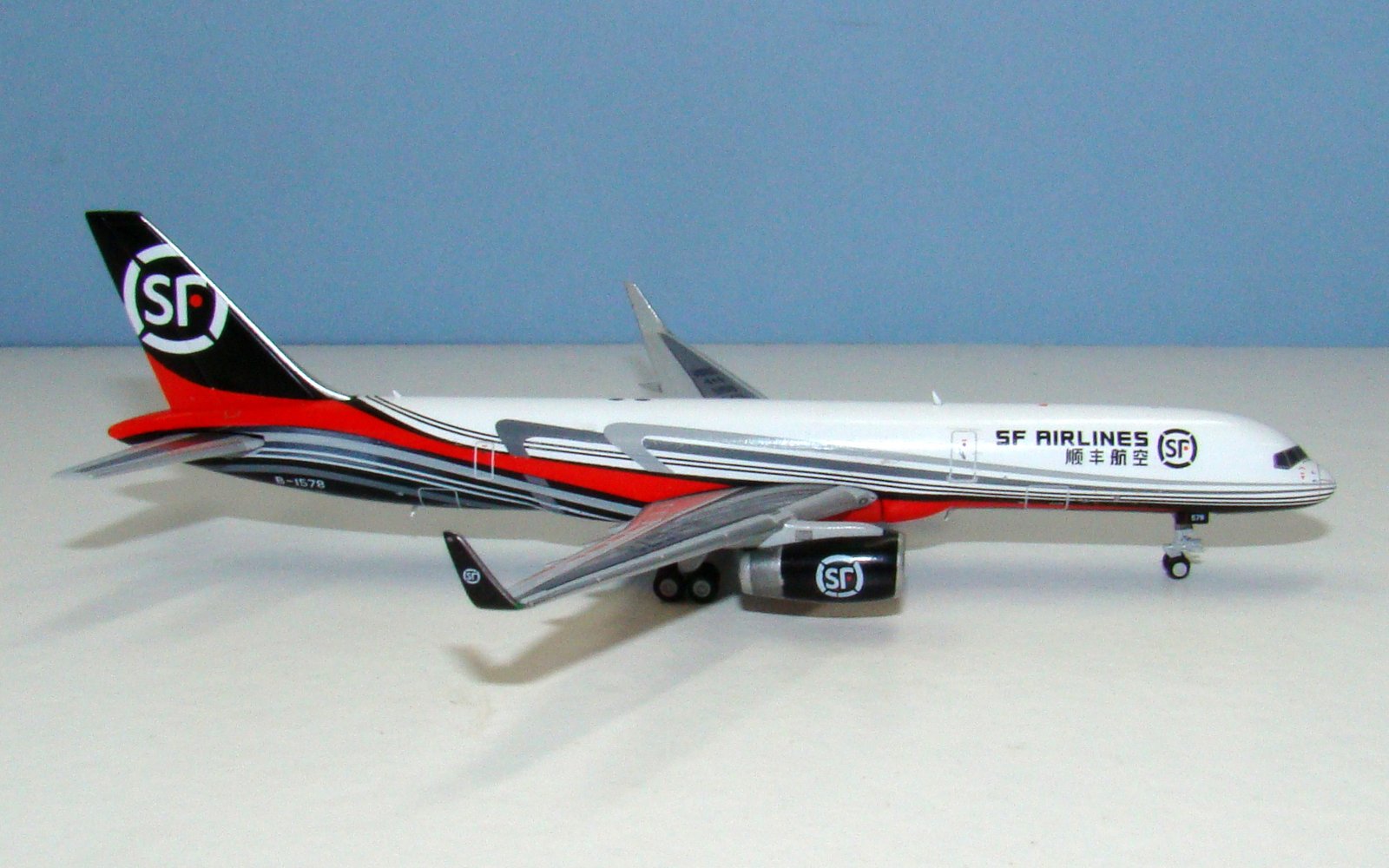
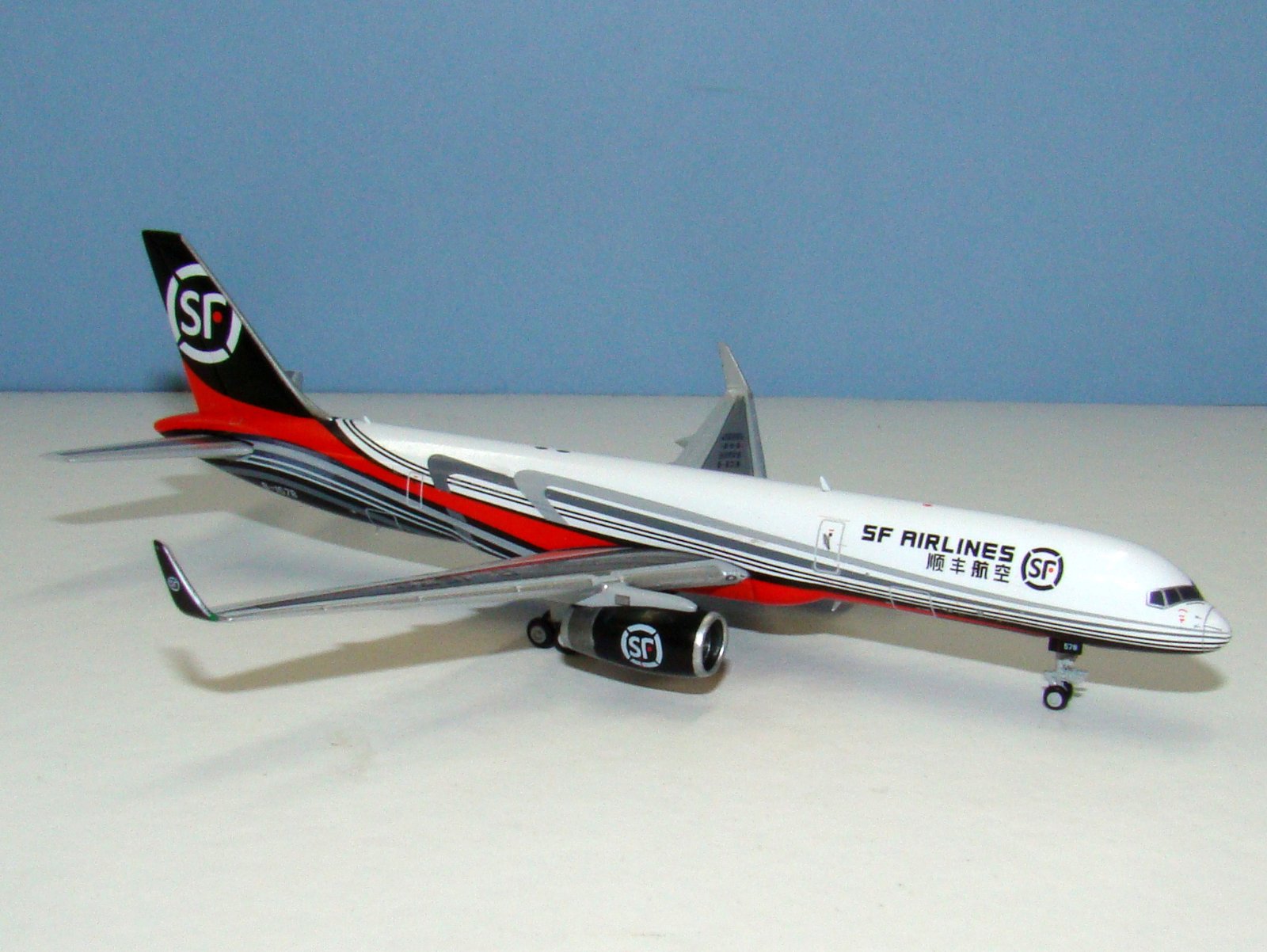
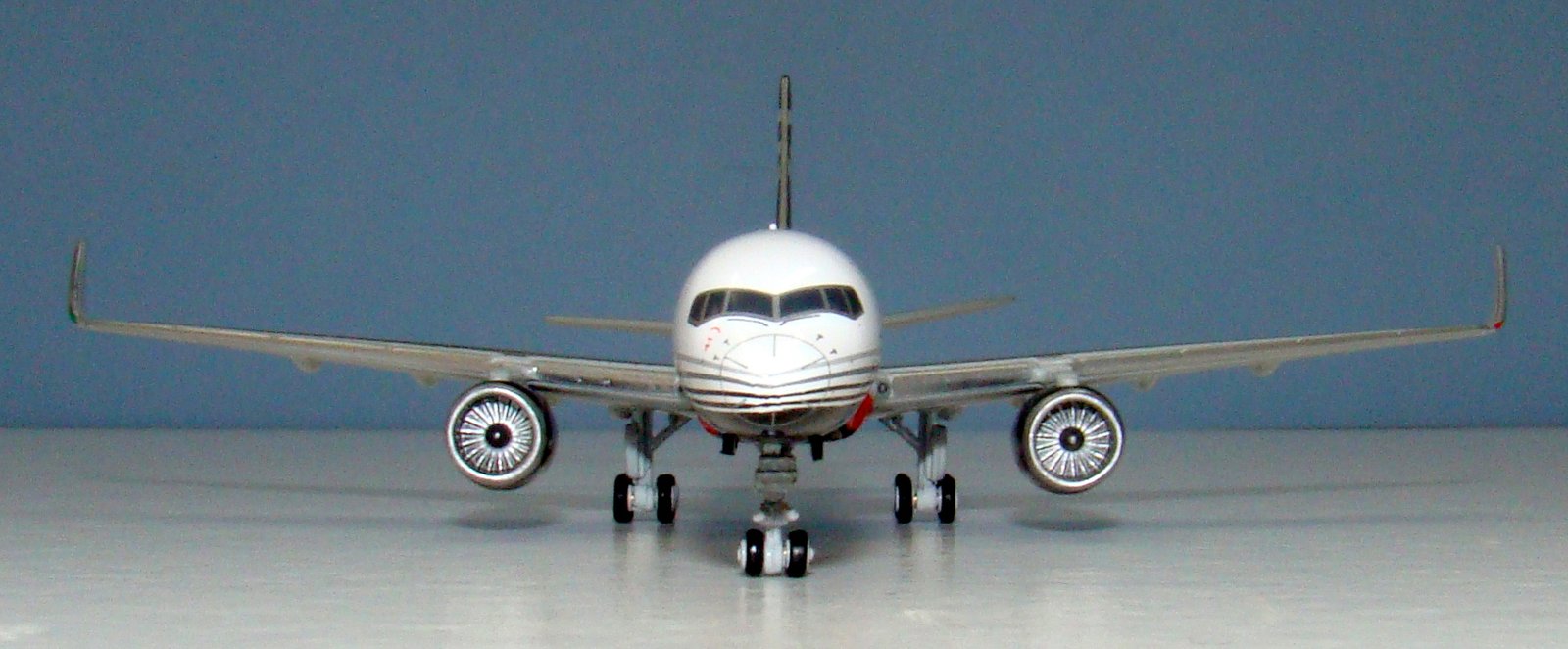

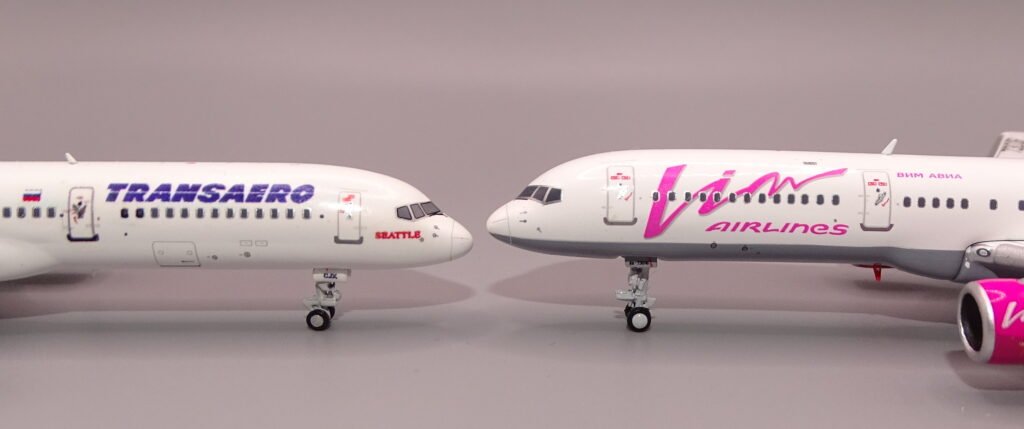
The new undercarriage was an improvement but hardly a total success. The nosegear door is now a too small (previously it was too large) and although the nosegear leg is thin and detailed it is now clearly too tall making it look a little like the aircraft is on stilts. Regardless it is still an improvement over the old style. Below you can see the height difference compared to the NG Models mould:
Even so the majority of the mould still dates from 2000 and so is still a little chunky in places, has a seam around the wingroot, old style pylon to wing join, rather thick engine rims and an old style vertical stabiliser join. It displays fine but in detail can’t compete with the NG Models mould.
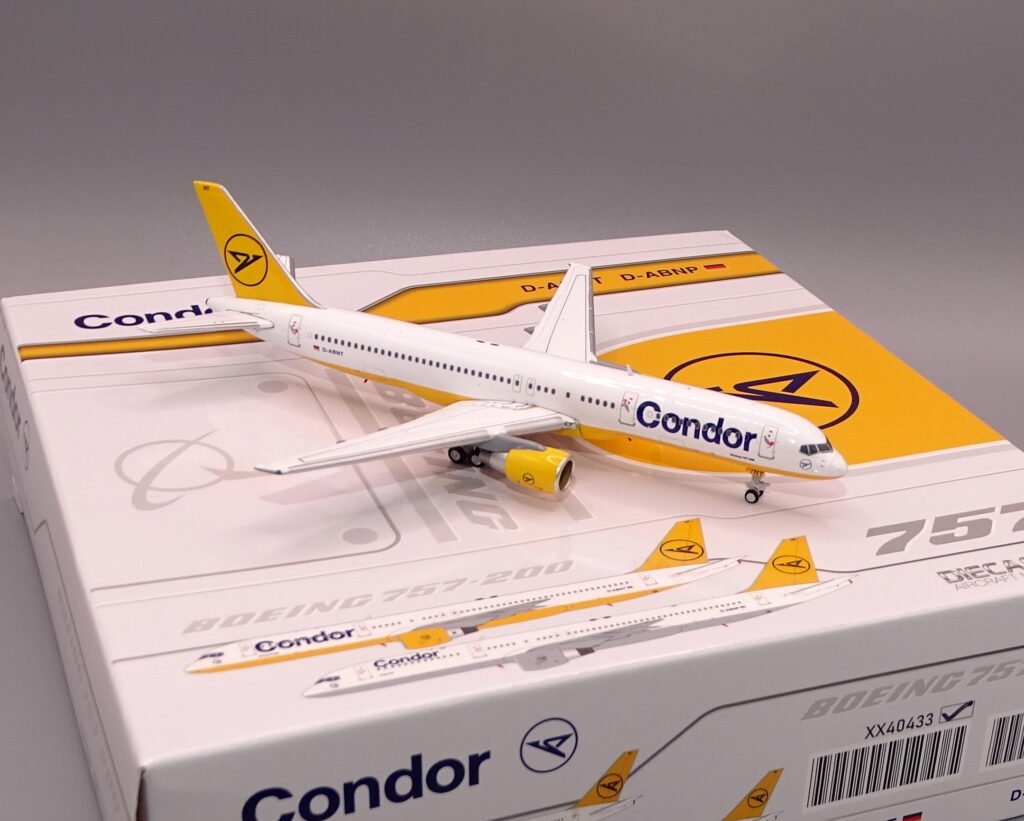
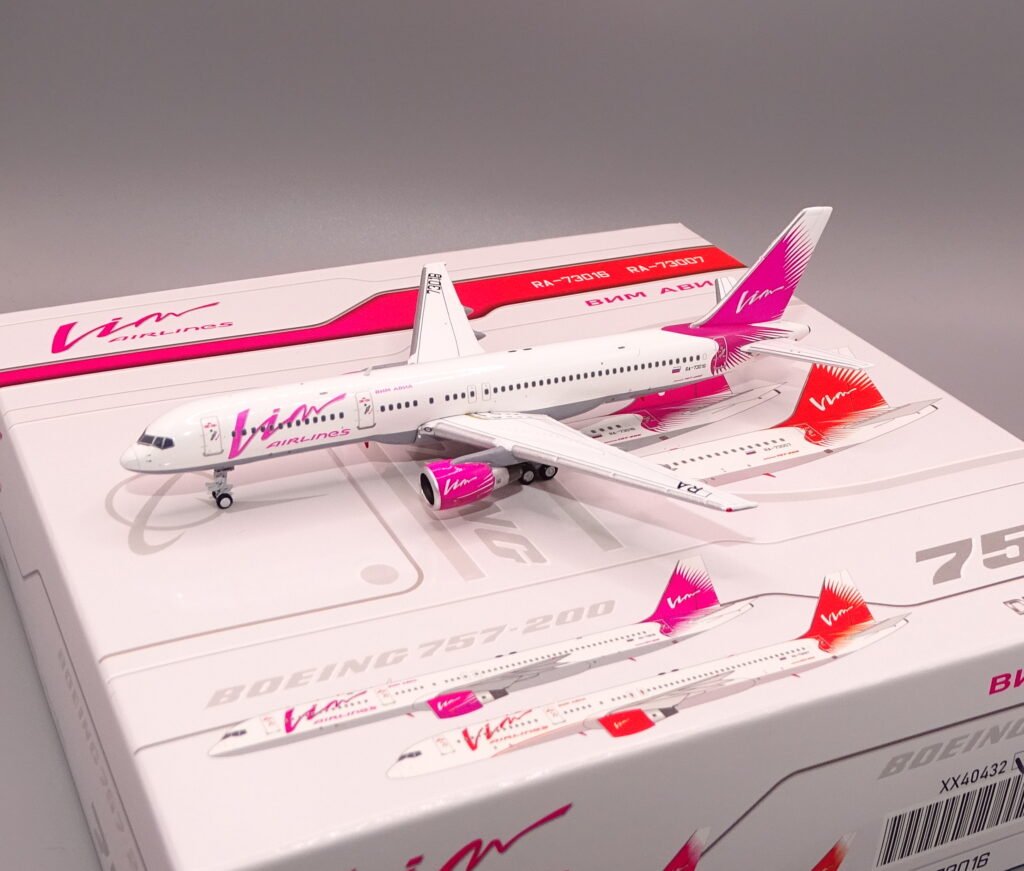
Gemini Jets 757 output has diminished greatly in the past decade although they did make 5 releases in 2021 and 4 in 2024. JC Wings has been more active and has now released over 40 models using this mould since 2017. I recently reviewed a 2026 release of a VIM Airlines example here at the site:
NG Models (2018)

NG Models made its name with the Boeing 757-200, which was its first mould in 400 scale debuting at the end of 2017. Since then they have made nearly 200 examples, although production and release diversity has massively tailed off since 2023, which is a massive shame. Regardless, the NG Models 757-200 mould, easily takes its place as the best 757 in 1:400 scale and one of the best ever moulds at this scale.

The mould really has no issues and NG has pleasingly produced all three engine variants to be able to represent the type throughout its entire career.
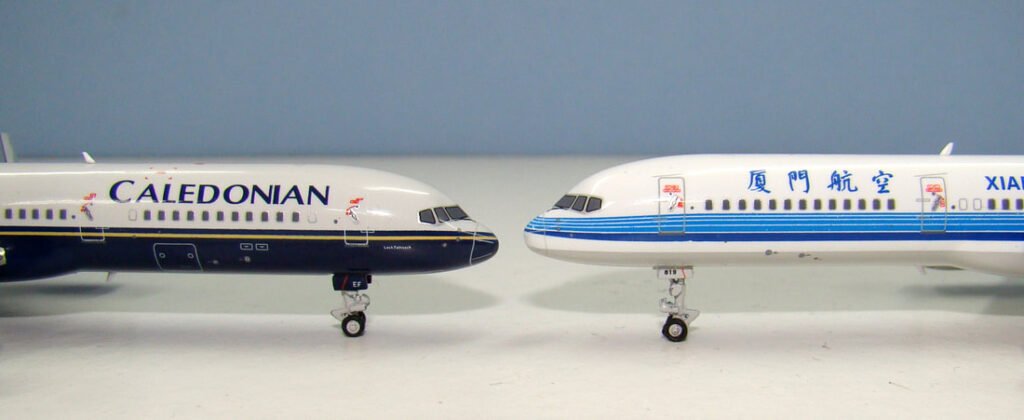
In the earliest releases the nosegear bay doors were a little small and the gear leg slightly too tall but impressively NG changed this feature early on and now NG releases come with a new nosegear and nosegear door setup. The result is that the nosegear doors are now better, and correctly sized. The nosegear itself is also slightly shorter, which looks good.
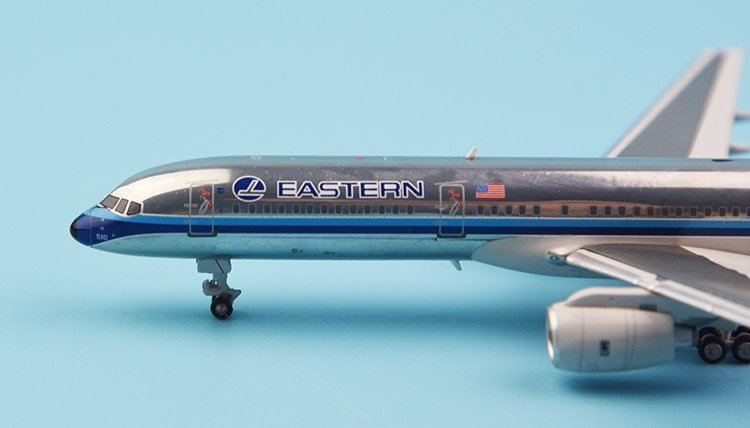
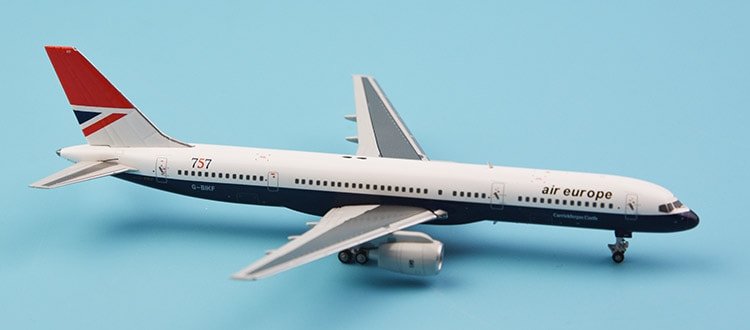
NG also has versions of the mould without winglets, with blended winglets and with the scimitar style winglets. The result is a stunning range of 757s that are near perfect. For a closer look at what has been made see here:

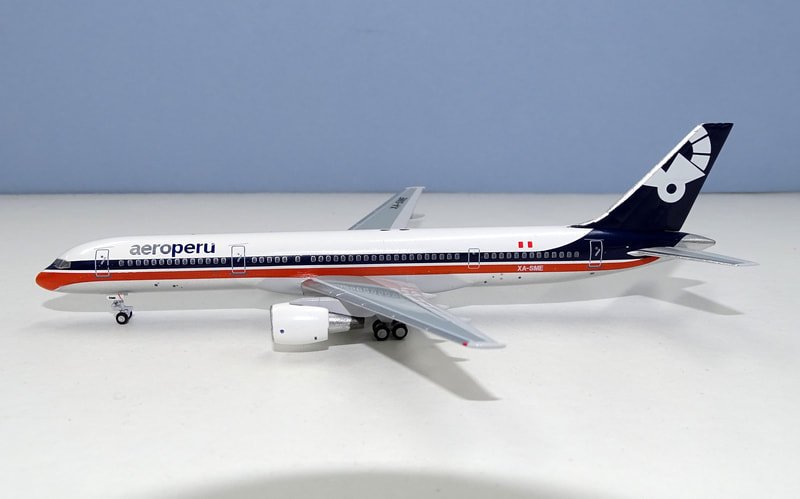
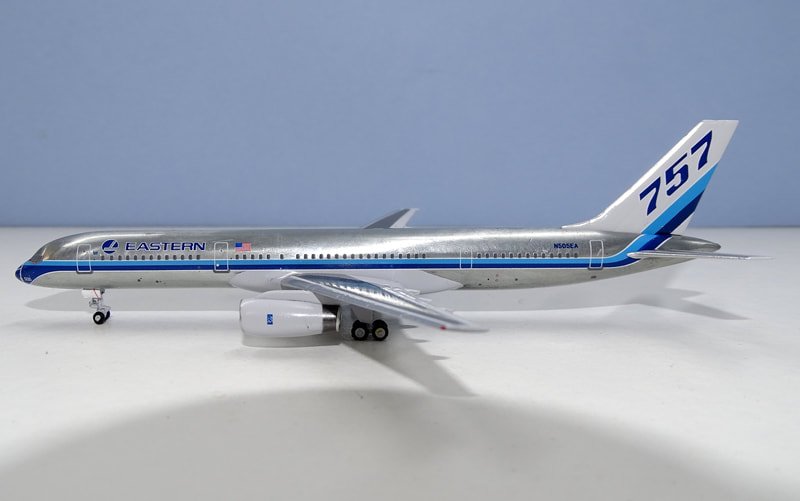
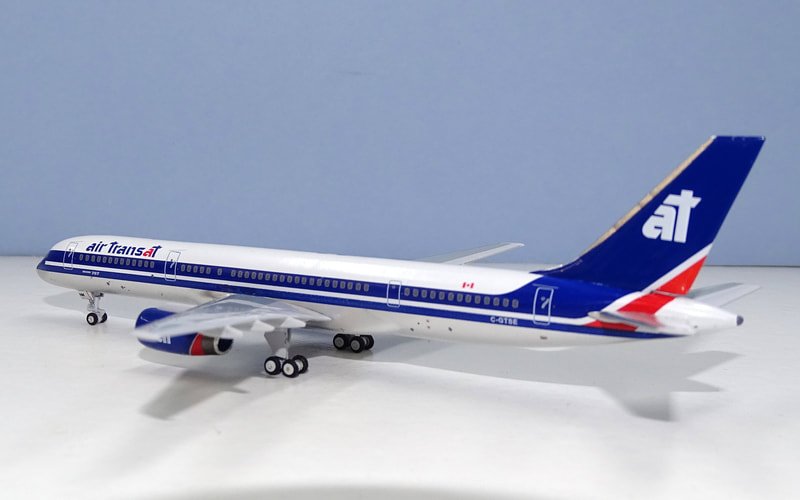
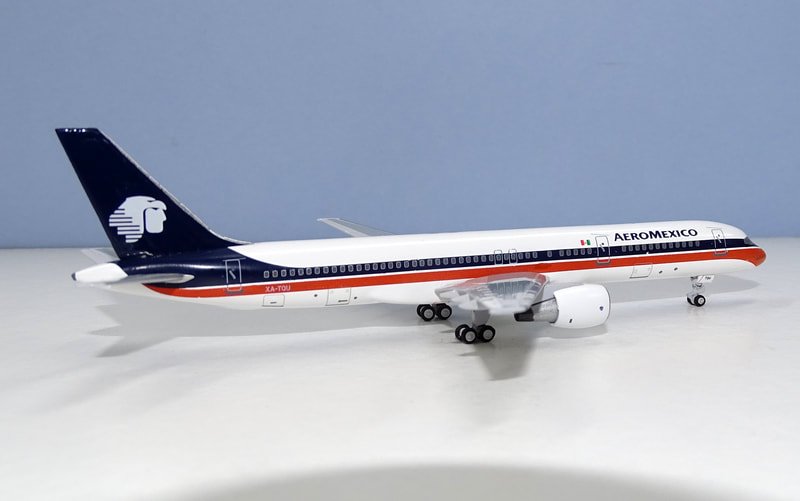
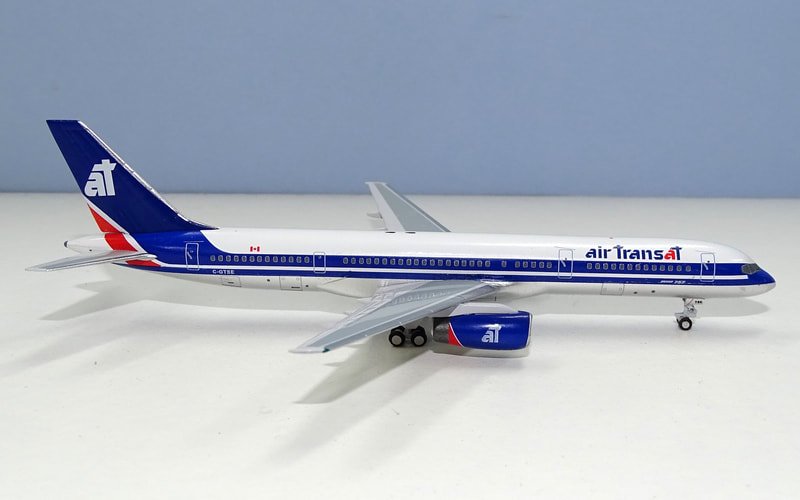
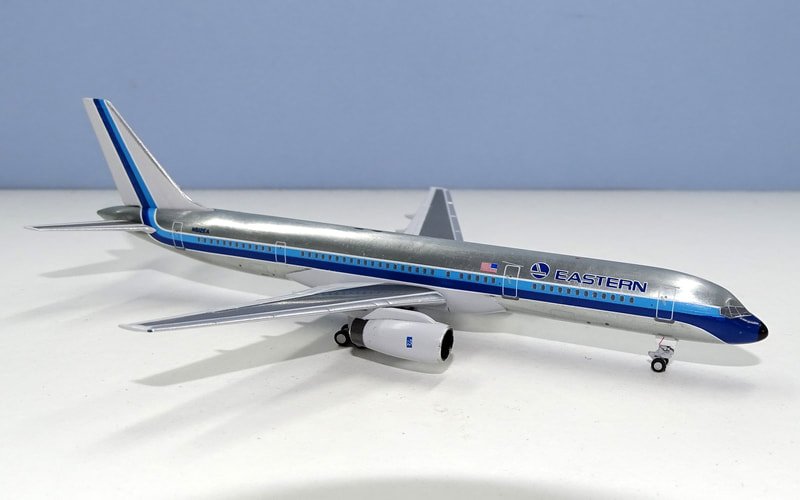
It is also worth noting that in 2018 Aeroclassics acquired 3,000 blank 757s from NG Models all of which came without aerials (as the Aeroclassics owner hates them at 400 scale). They produced 20 757s in 400 scale between 2018 and 2021 using them. They are ok but Aeroclassics can’t match the quality of NG Models in terms of printing and the lack of aerials isn’t ideal either.

A selection of Aeroclassics 757s can be found below:

Asteria Models (2026)
Asteria are a new brand in 400 scale that has recently announced its own new Boeing 757-200. For more details see my announcement for them here:
