MOULD SUFFIX: 925
YEARS: 1986-2006
AIRLINES: 51
MODEL VARIANTS: 127
The Boeing 737-300 largely took over from the series 200 as the primary 737 variant in the Schabak catalogue in the 1990s, but had actually been introduced as early as 1986, a year of great expansion for the Schabak range. Unsurprisingly the original mould shared the same nose as the 727 and 737-200 and made for a really great little version. Also rather unsurprisingly Schabak never bothered making a 737-400 mould and just reused the 300 for 400s where needed. That didn’t however stop Schabak producing a 2nd all new mould for the type, but oddly this new version was never wholly adopted and indeed it appears Schabak largely reverted back to the original mould, with releases on the second mould quite uncommon.
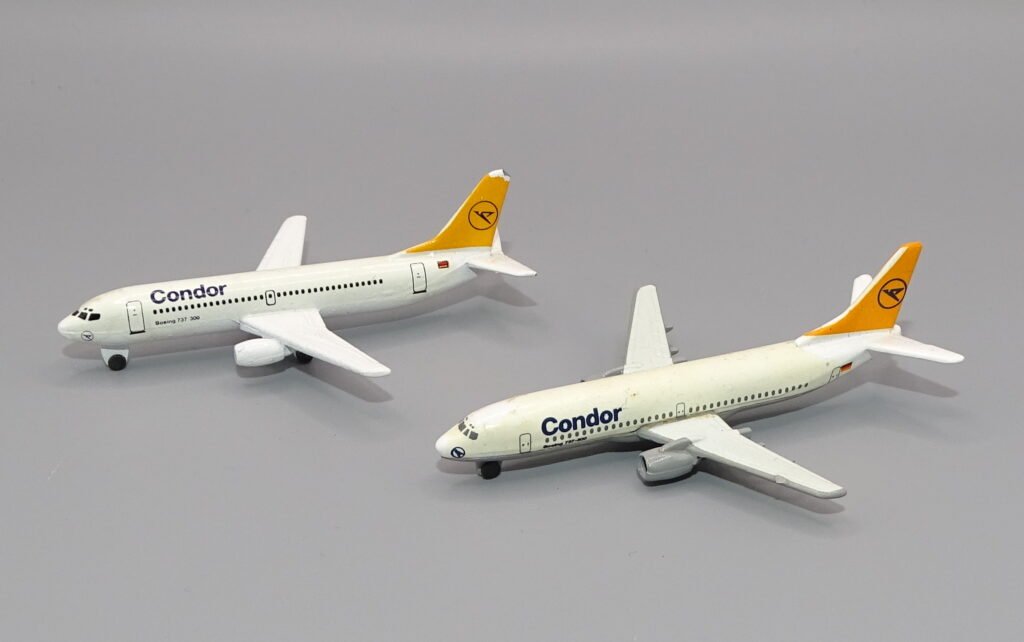
Below: A pair of Condor releases showing the obvious difference between the type 1 and type 2 737-300 moulds
MOULD VARIANTS
TYPE 1: 1986-2006
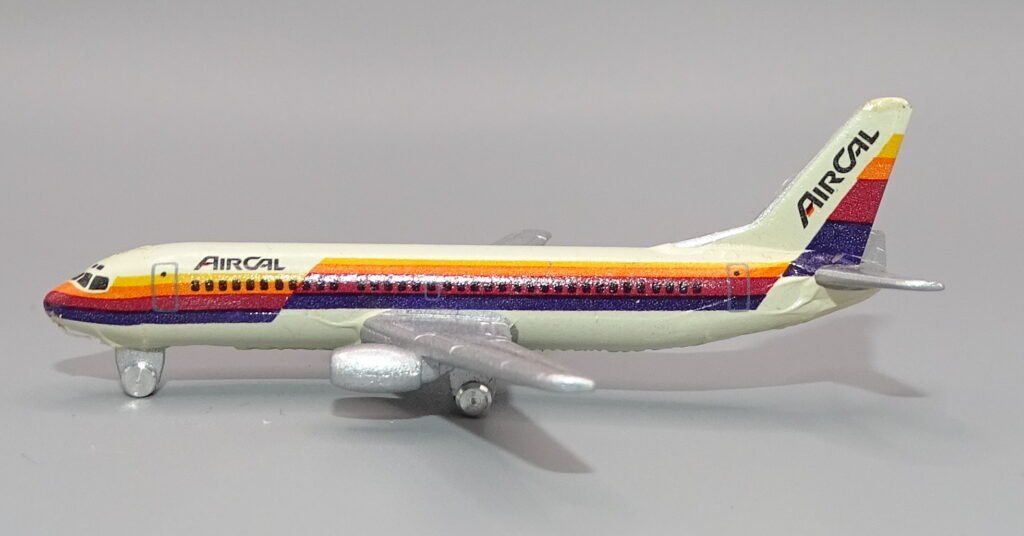
The original 737-300 shares the nose of the 727 and 737-200 and had the small metal wheels, fitted to Schabak’s smaller moulds. Along with that earlier pair it is one of my favourites.
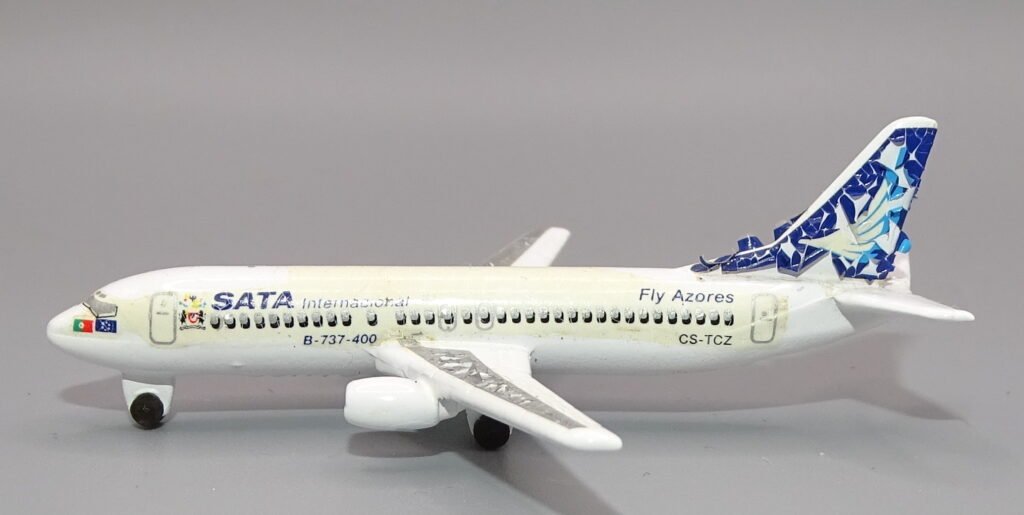
The original mould was used continuously through Schabak’s lifetime despite having a replacement mould available (see below). This SATA example shows a very late (2004-2006) example with the small black wheels and shadowed windows. It also demonstrates the decal cracking issue that has impacted a lot of Schabaks made in the last few years of the brand. Lastly, as you can see this is a 737-400 (note the two overwing exits) but still uses the series 300 mould.
TYPE 2: 1995-2006
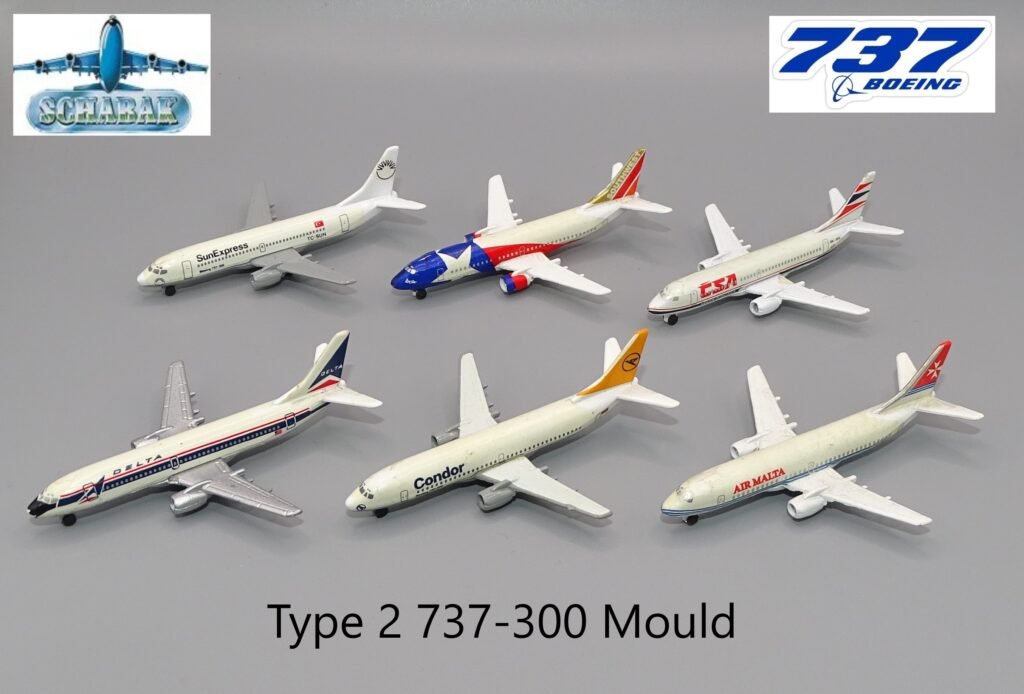
This mould has always been a curiosity as I don’t understand why Schabak made it considering the fine form of the original and the fact that this second version was only used for a handful of releases. I had thought that perhaps it was supposed to illustrate a series 400 but if it was the mould certainly wasn’t used like that. As you can see it is totally different to the type 1. It has shorter undercarriage and a two piece fuselage, which introduced an ugly seamline. Clearly it wasn’t very popular as most releases quickly reverted back to the original mould. Not a bad thing in my opinion as this mould always seemed inferior to the original.
When it comes to releases using it the pattern is odd too. Some releases never got a type 2 edition and the majority of new releases from 1996 onwards did not too, but a few did. The only airline / livery combos that got a type 2 release and NO type 1 were United Airlines in the battleship grey, Southwest Airlines Lonestar One and Air Berlin.
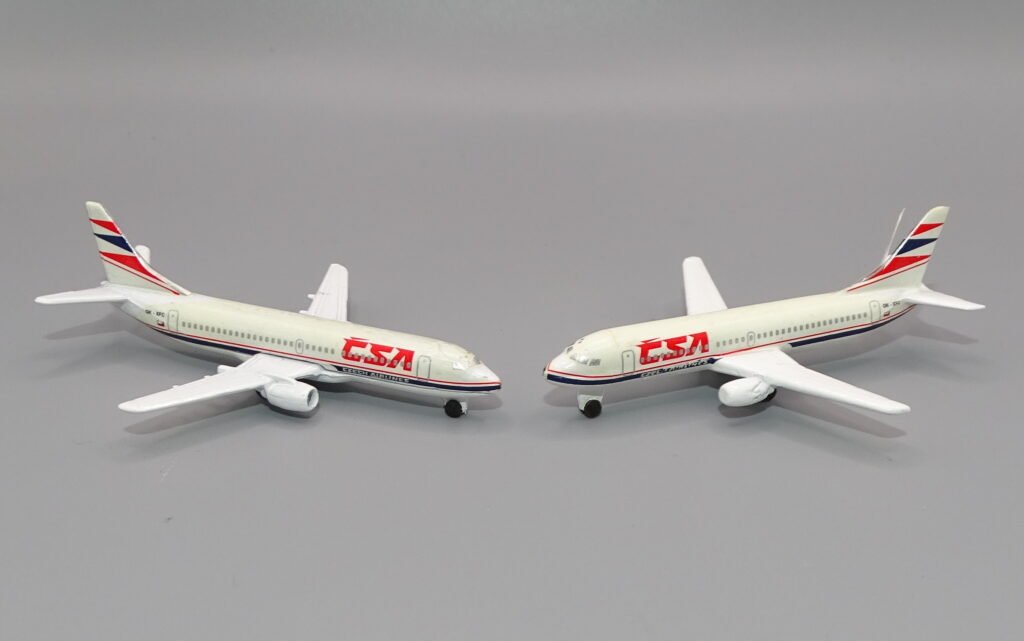
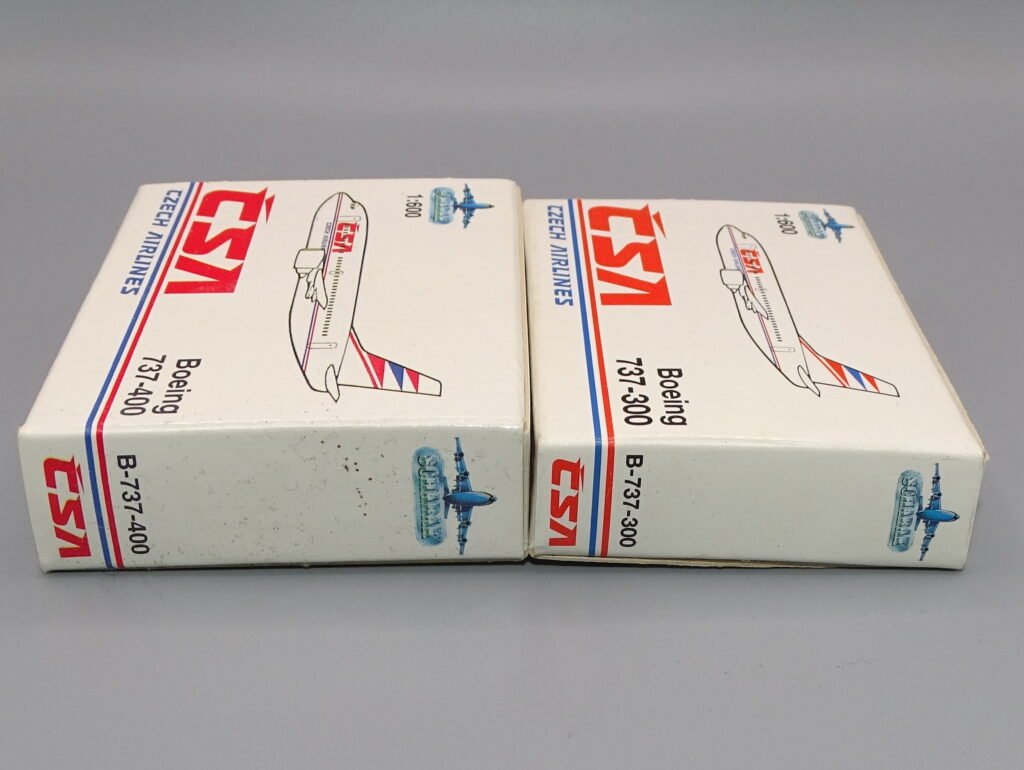
Below is another example of the type 1 (right) and type 2 (left) moulds used for the same livery. Interestingly despite the CSA boxes (see below) saying one is a series 300 and one a series 400 the decals both show series 300s judging by the number of overwing exits.
PRODUCTION
Schabak made very good use of their 737-300/400 and produced a good diversity of releases. In their later years it was used heavily for releases featuring Southwest Airlines special schemes (under license to Southwest) and Western Pacific Airlines. Releases continued up until Schabak’s collapse and although they had by then created a 737-700 and a 737-800 neither of the newer editions had a similar range of models made.
For a complete list of 737-300/400 production by Schabak see the database at MADb that has been updated with photos and accurate records for the type:
This mould was old enough and small enough to use the 3 different small box sizes throughout its history. Originally it used the tiny square box but in the early 90s this was upgraded to the small rectangular version and then in the 2000s that was upscaled slightly to be a little larger still.
A SELECTION OF NOTABLE RELEASES
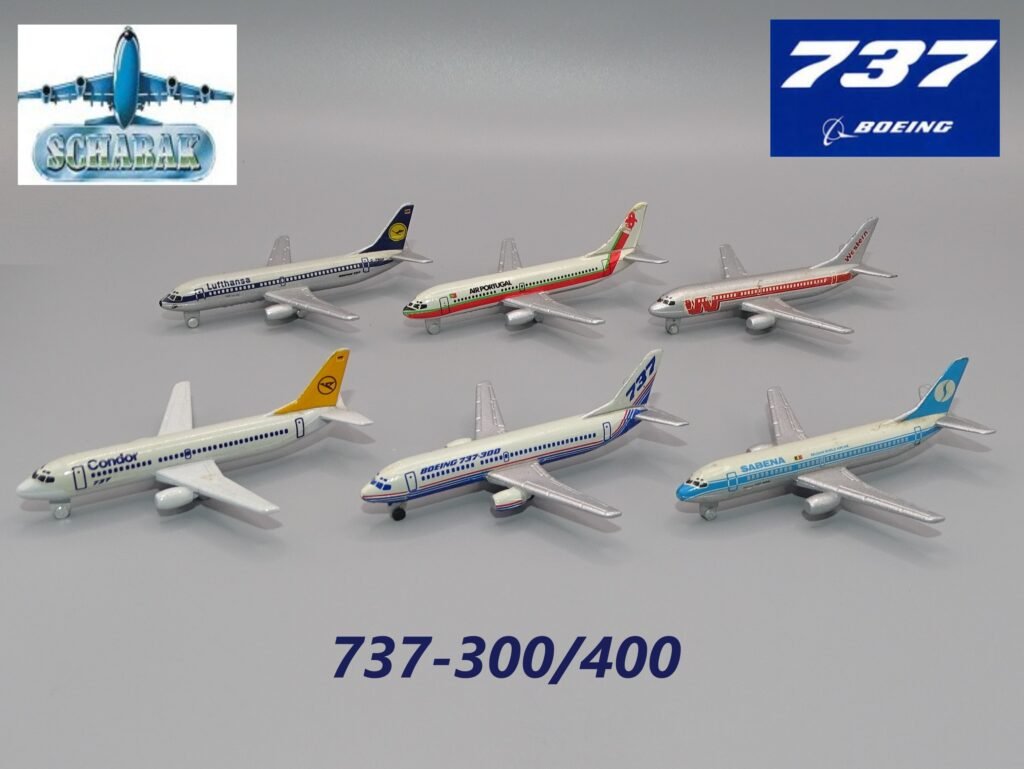
Schabak’s first 5 737-300 releases in 1986 covered Lufthansa, KLM, Boeing house, Air Cal and Western Airlines.
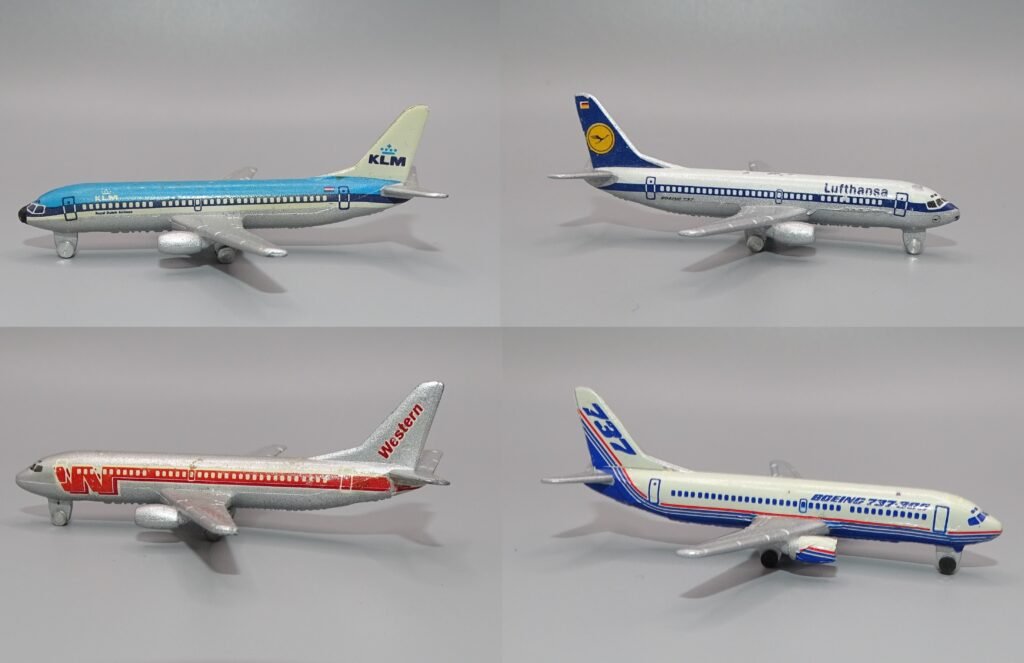
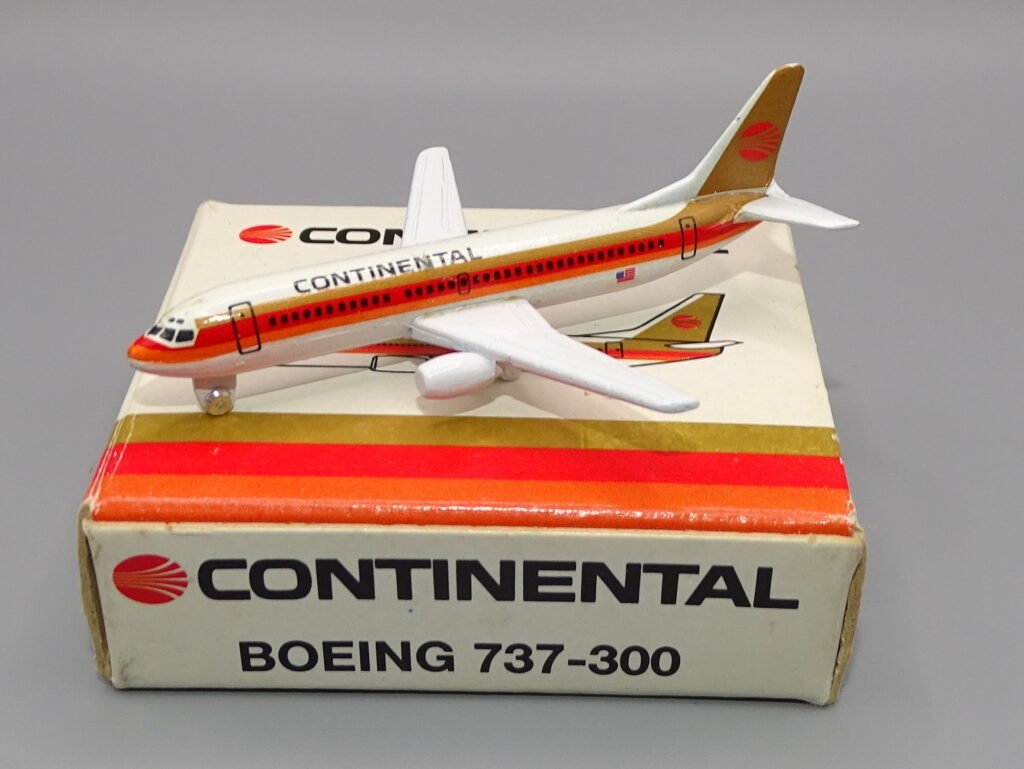
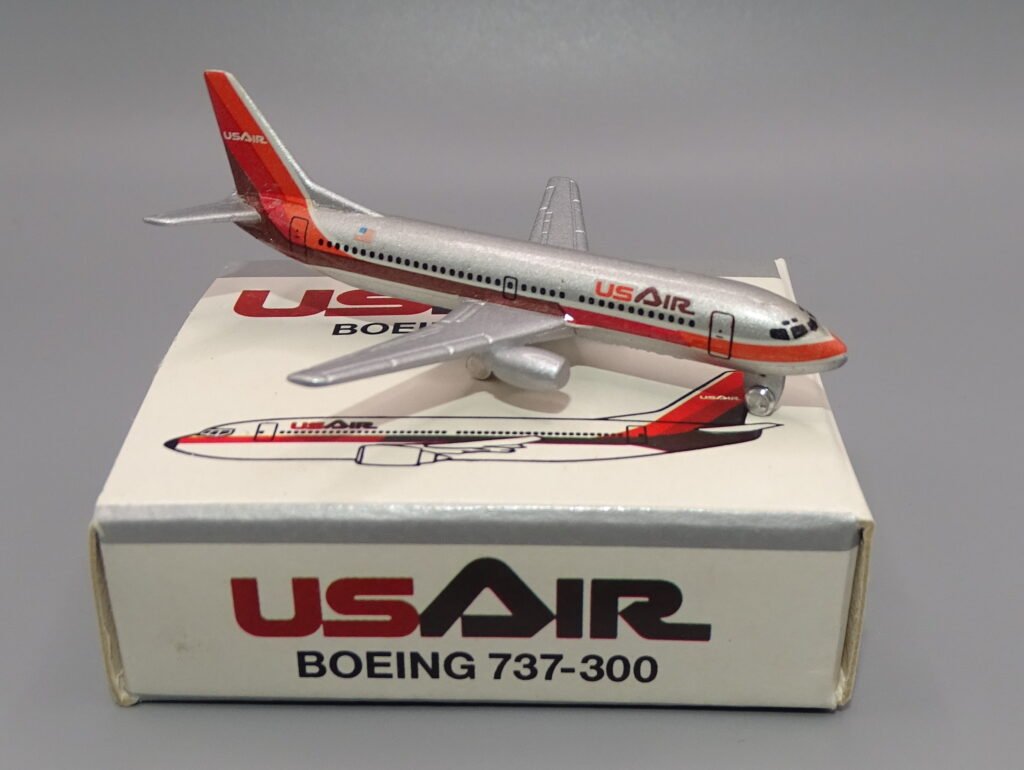
Coverage of early US operators was good and all four of the below illustrate the initial smaller box type used during the 1980s:
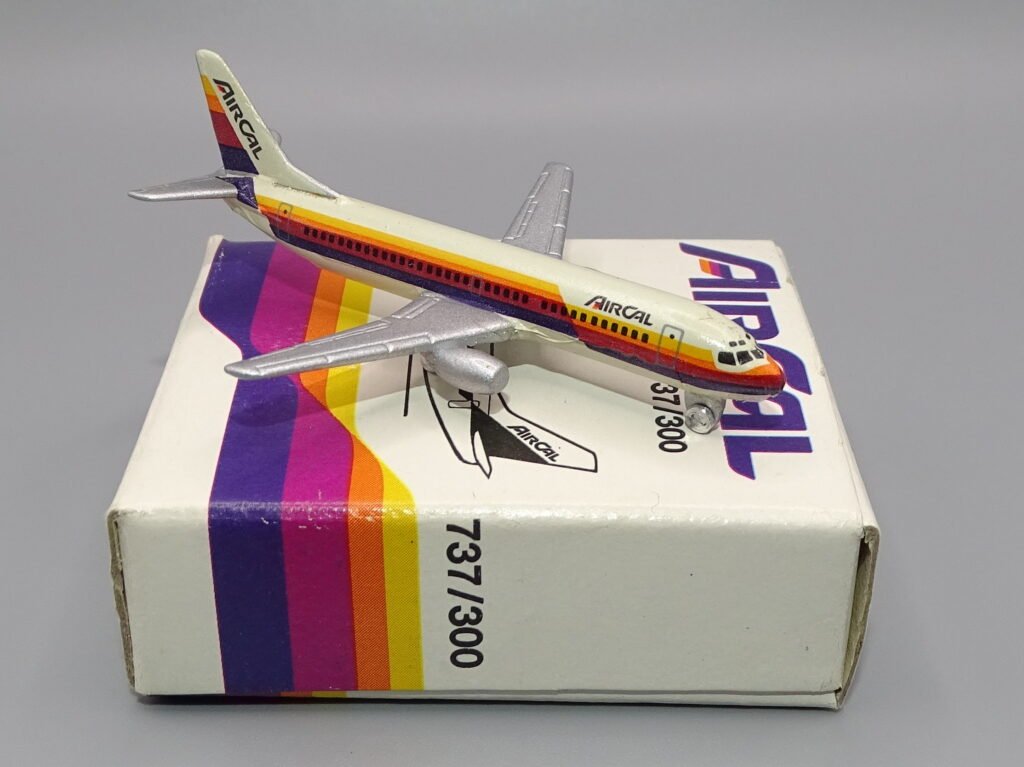
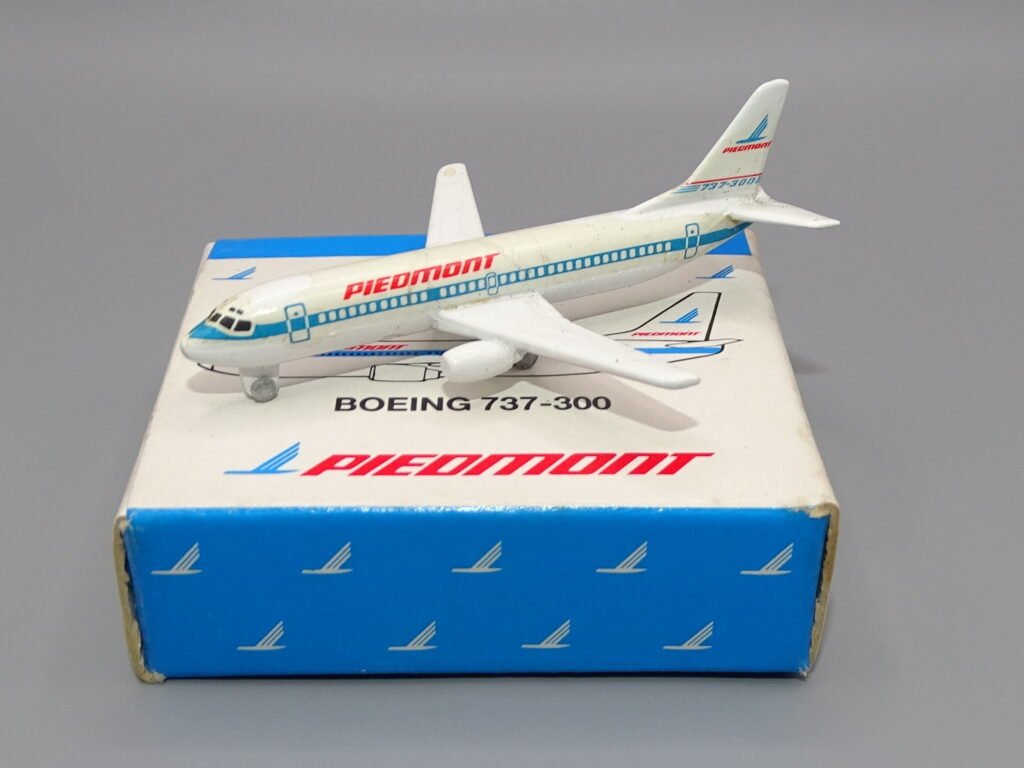
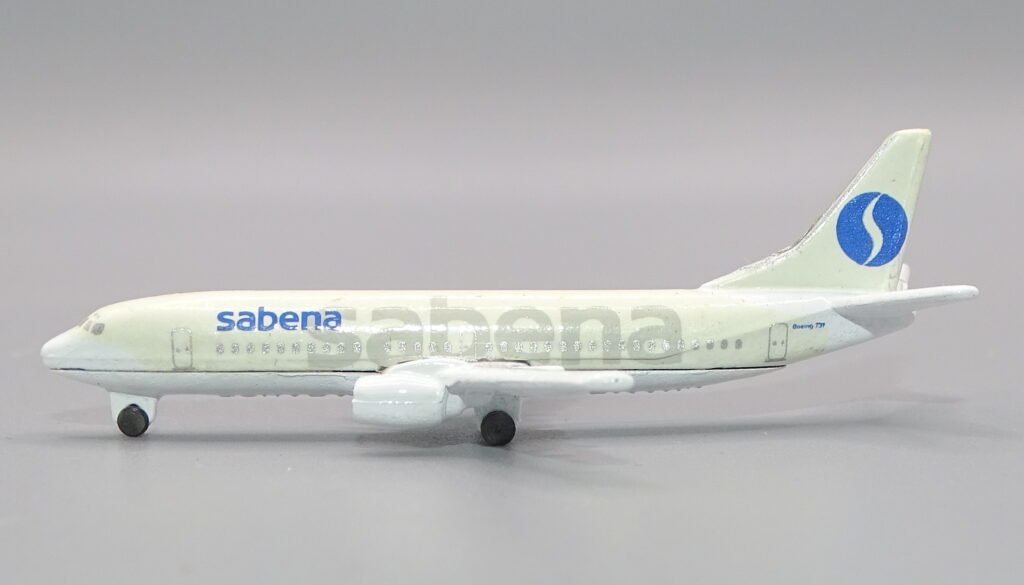
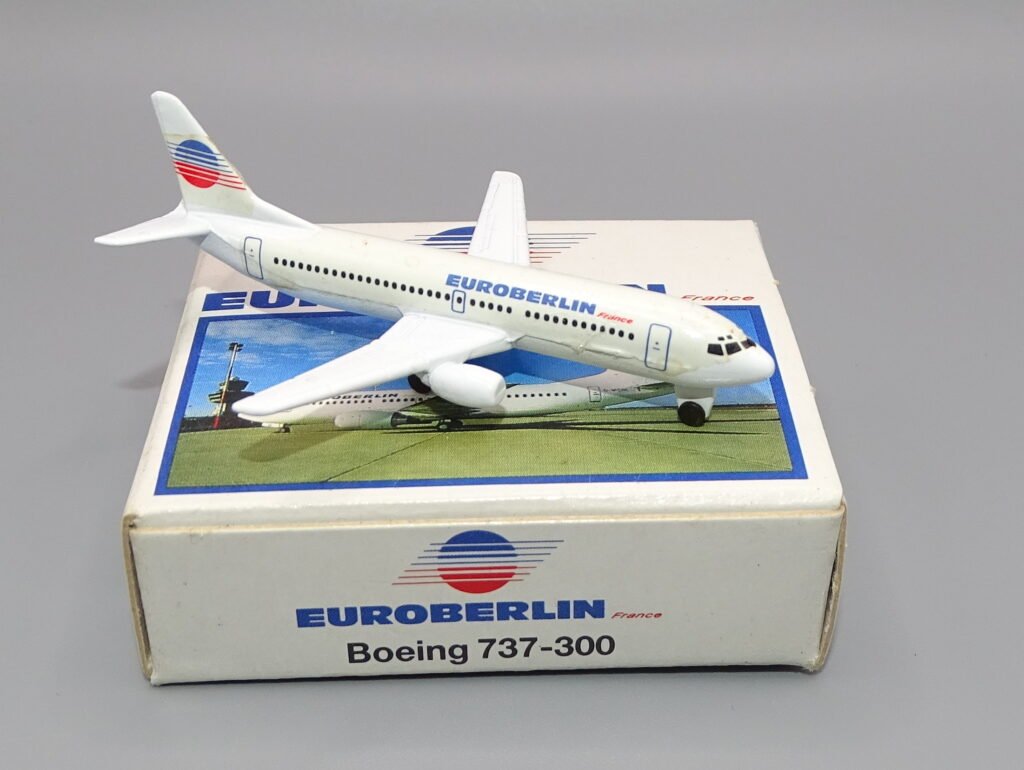
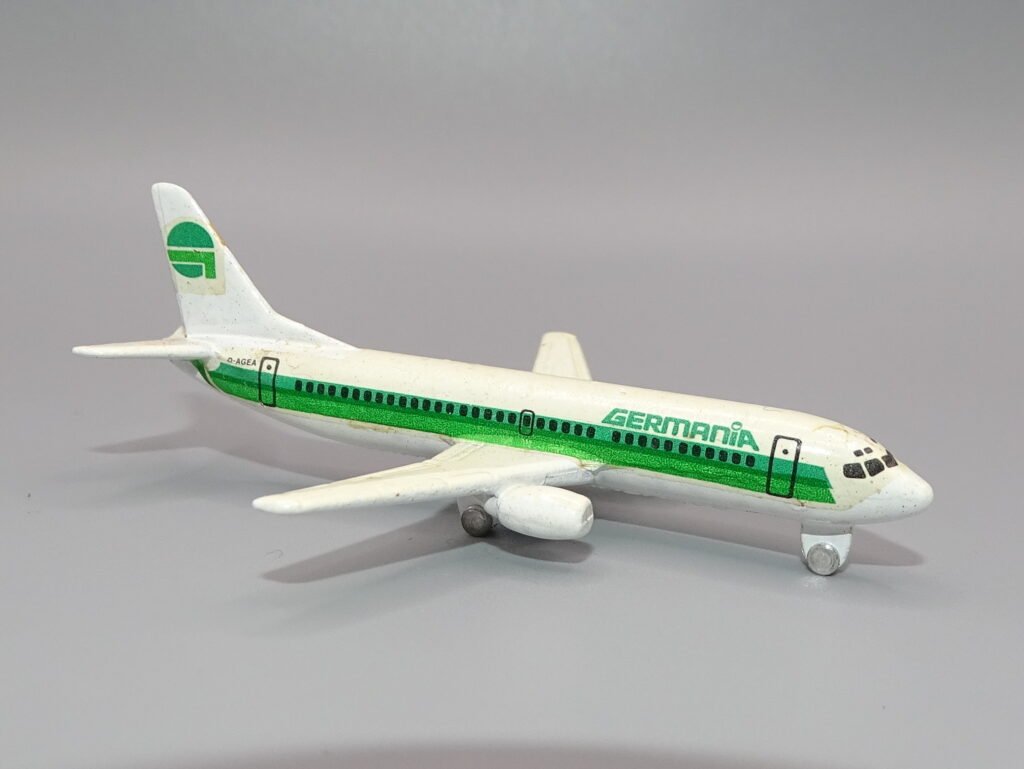
Europe was also well covered, not just with national carriers like SABENA and TAP Air Portugal but also smaller airlines like Euroberlin, Lauda Air and Germania. CAAC was an Asian example and went with their 767-200 release.
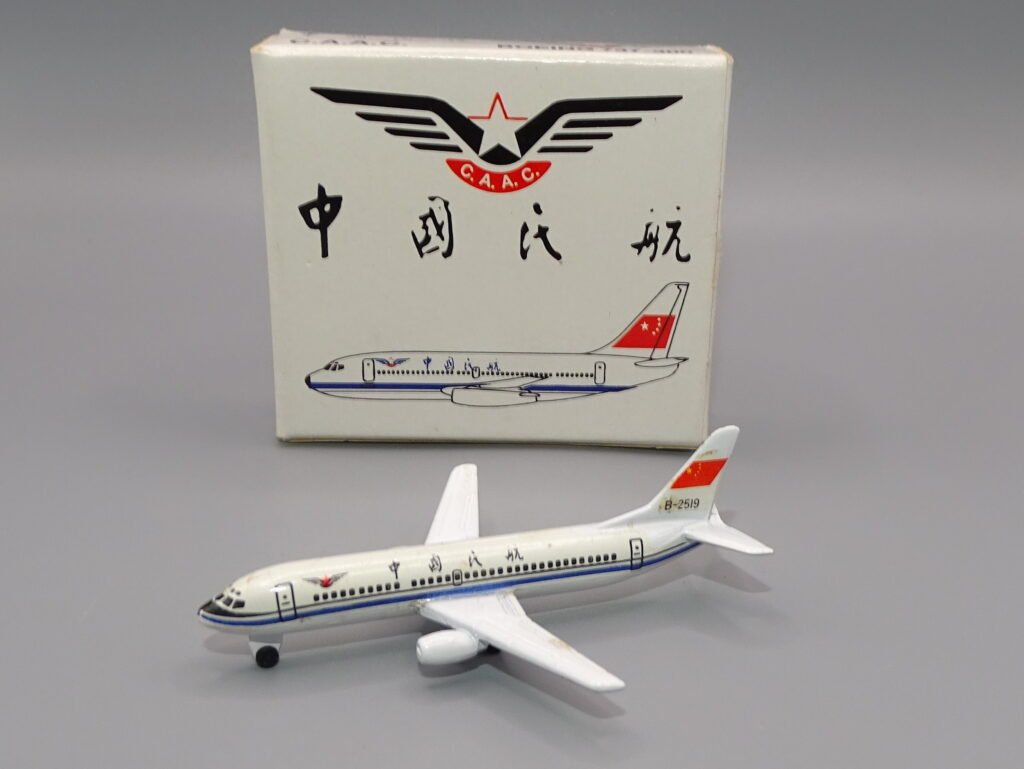
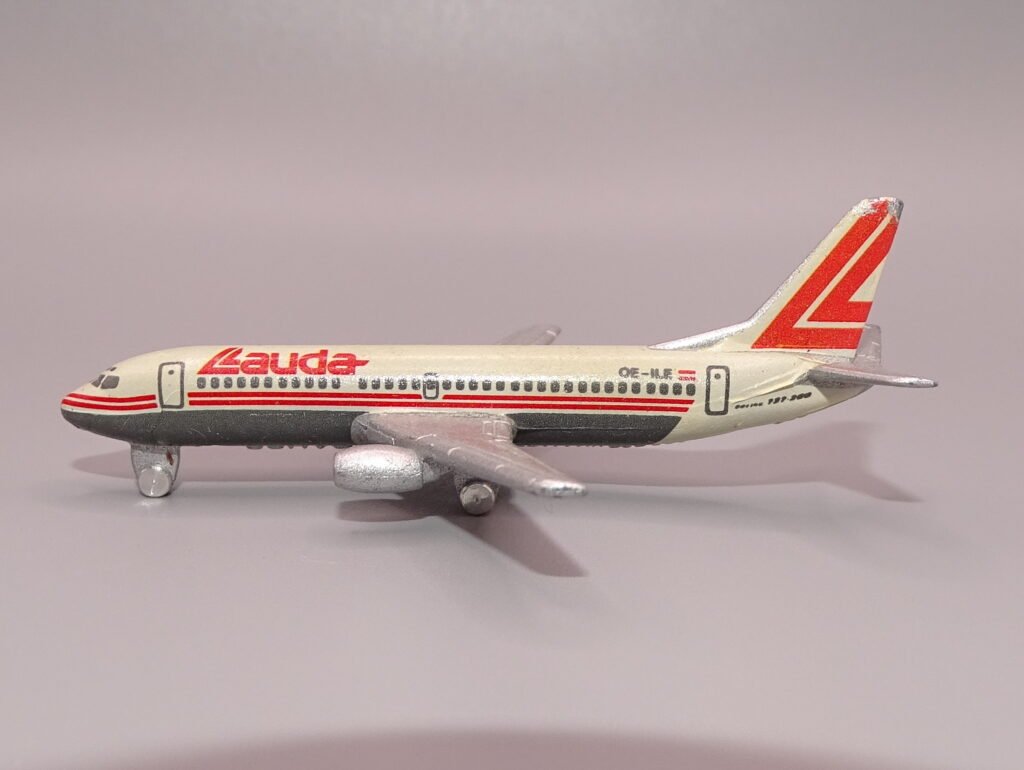
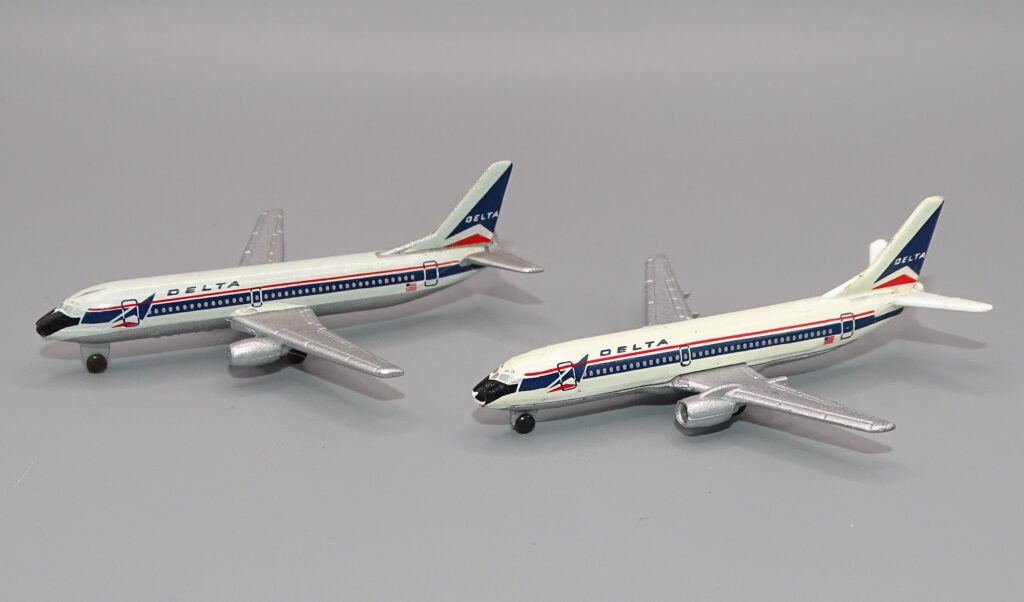
The arrival of the Type 2 mould in the mid-90s saw some types get versions on both moulds, such as Delta. Delta itself was a curious choice since they only ever operated 10 737-300s inherited from Western.
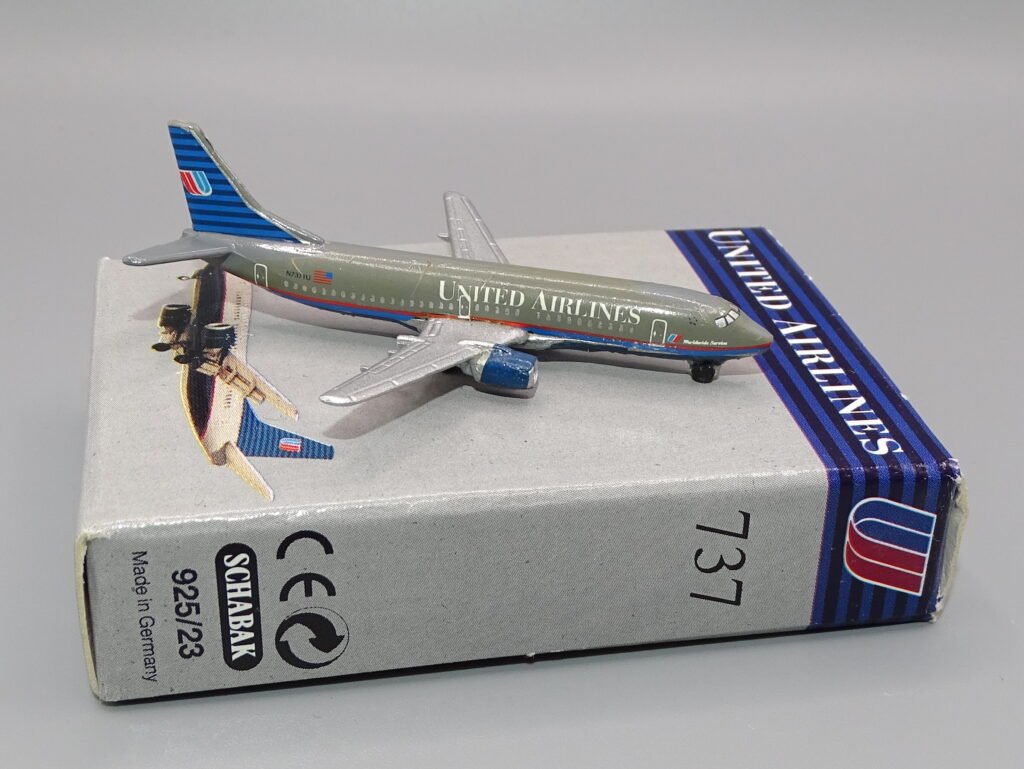
Schabak had made a Saul Bass United 737-300 on the type 1 mould, but when they updated the decals to feature the battleship grey they only ever used the type 2. There are at least 3 versions and this is the last one updated with the Star Alliance logo:
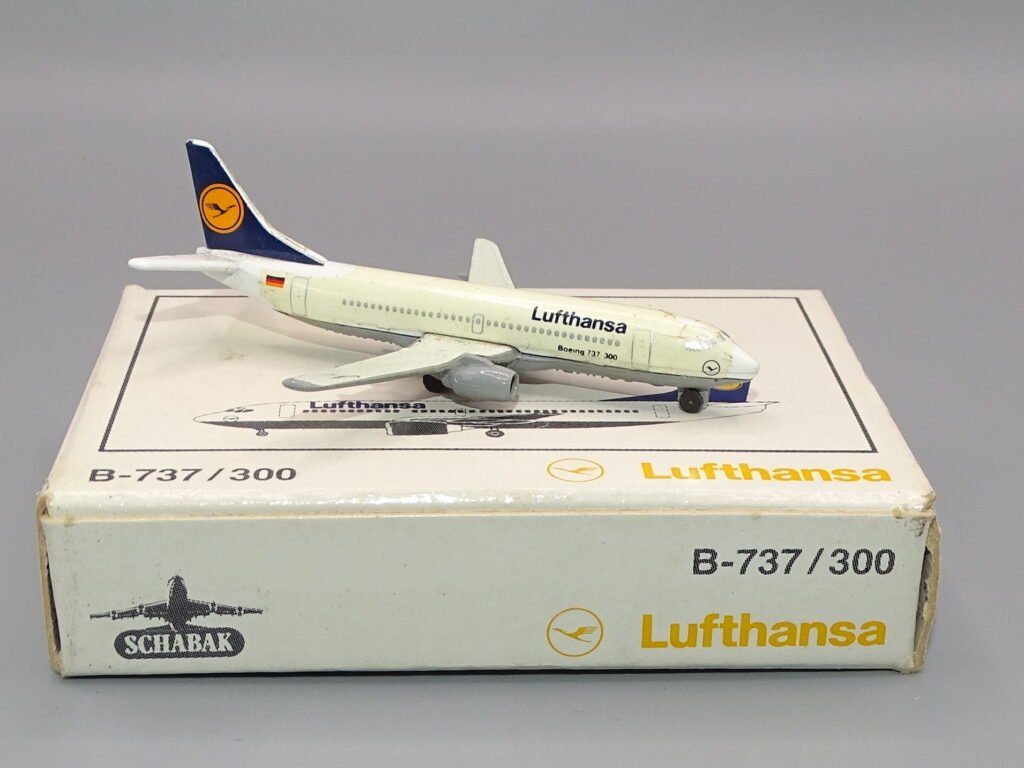
Lufthansa was one of several existing releases updated with a version 2 model, whereas most new production airline / livery combos continued to use the type 1 mould.
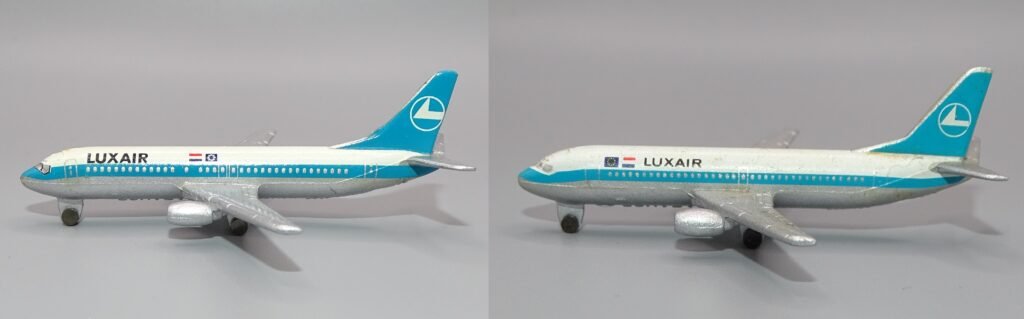
Schabak liked to tinker with its decals. Here are two versions of a Luxair 737. On the left it is a series 400 and on the right a series 300. As well as overwing exits note the change in flag position, cockpit and tail logo size.
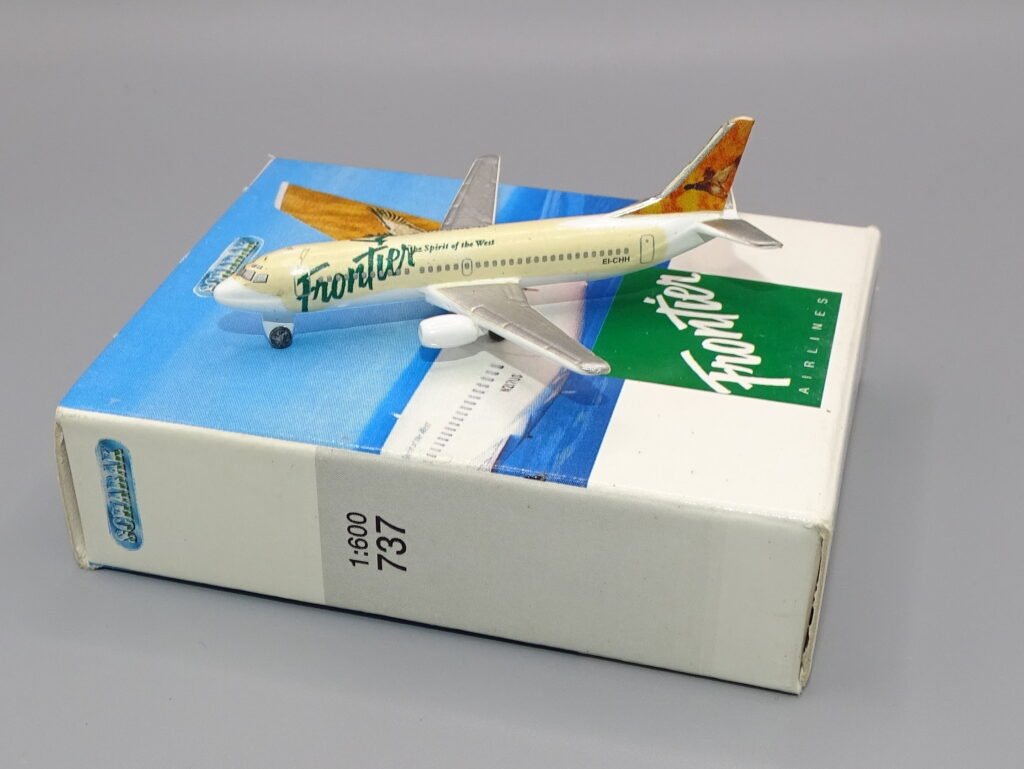
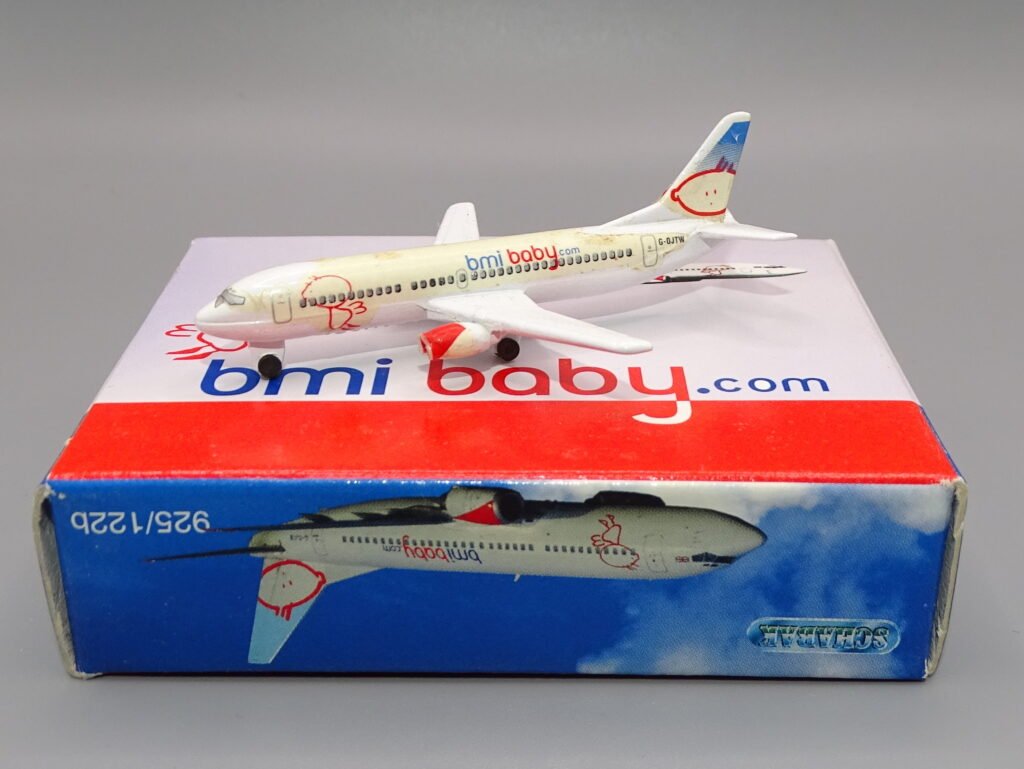
Later releases featured both European and US low cost airlines and almost always used the type 1 mould. Note the yellowed decals, typical of early 2000s models.
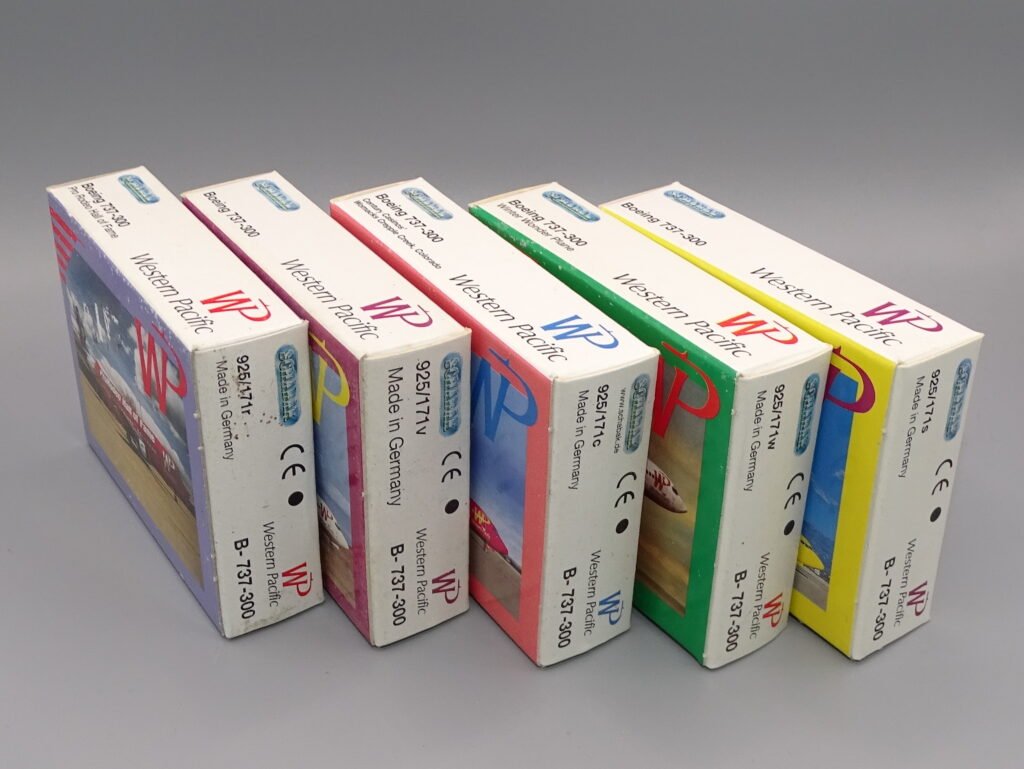
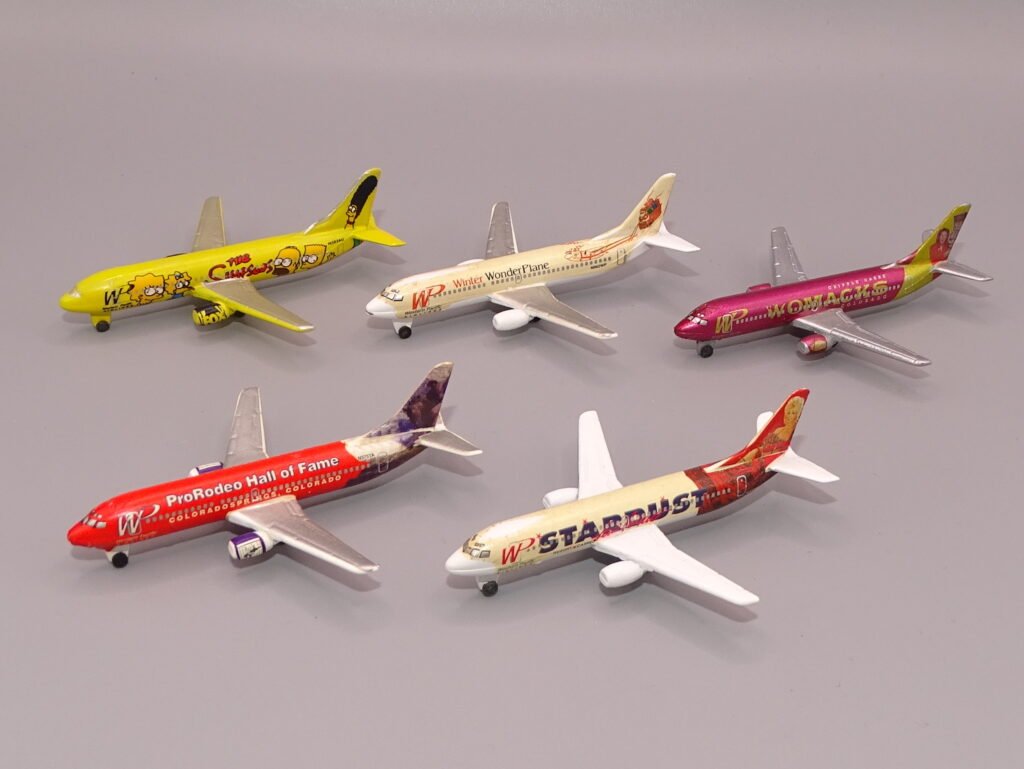
Schabak was fond of the colourful logojets of Western Pacific and made 5 versions:
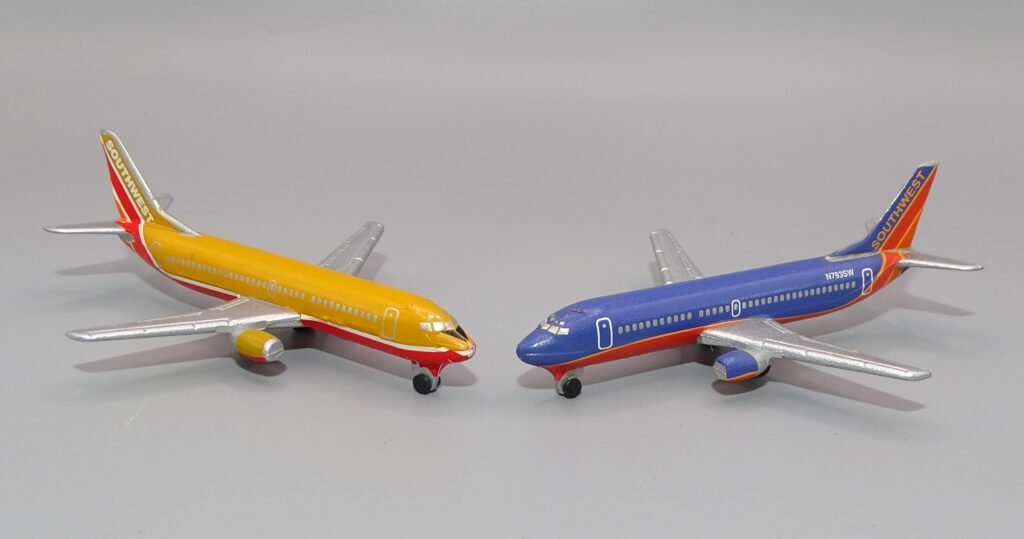
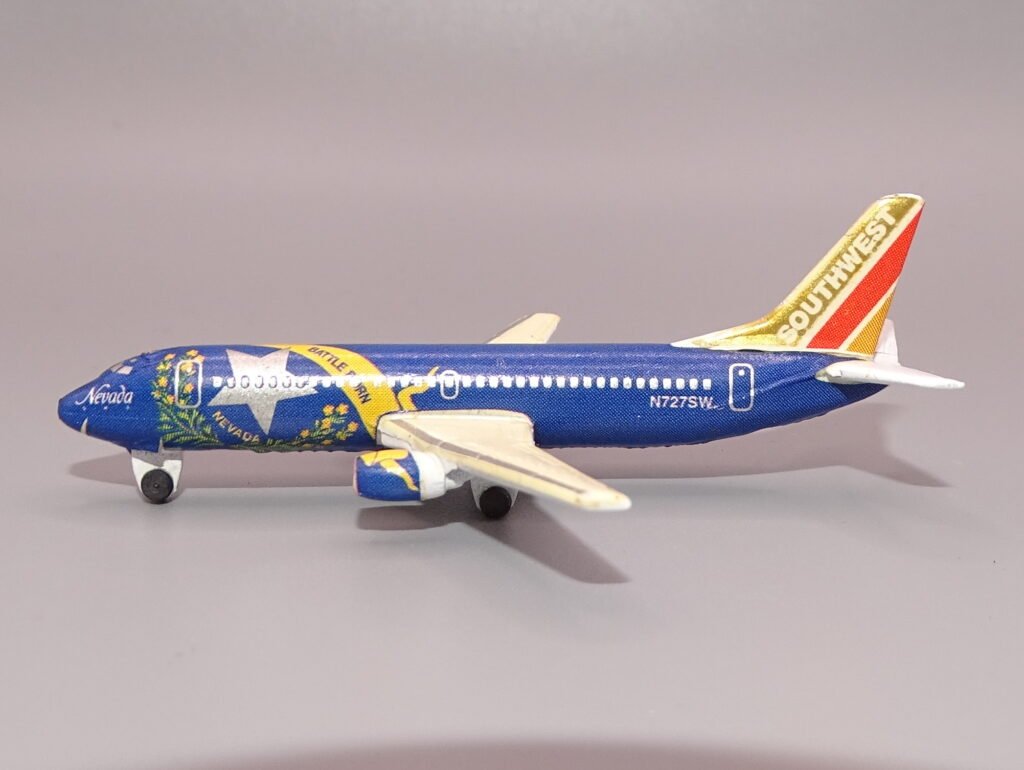
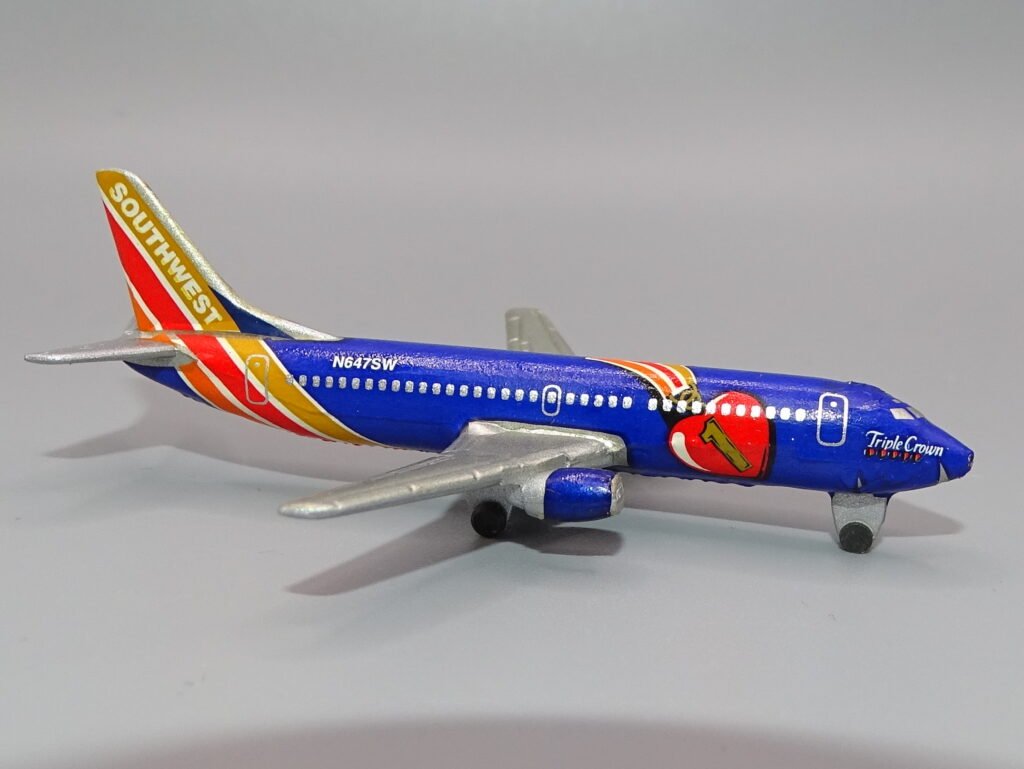
From 1995 Southwest Airlines became a customer of Schabak’s and Schabak produced an impressive range of 10 737-300s all of which were fully licensed by Southwest. The Canyon Blue model was actually advertised as a series 700 on the box as this was prior to Schabak developing its own series 700 mould.
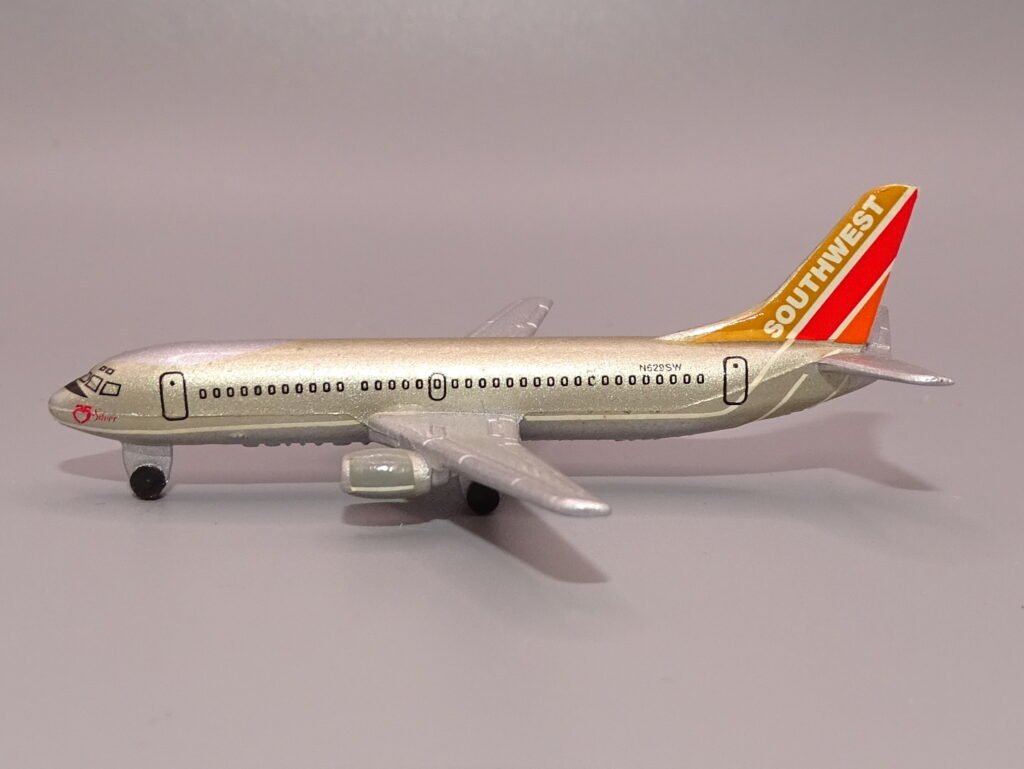
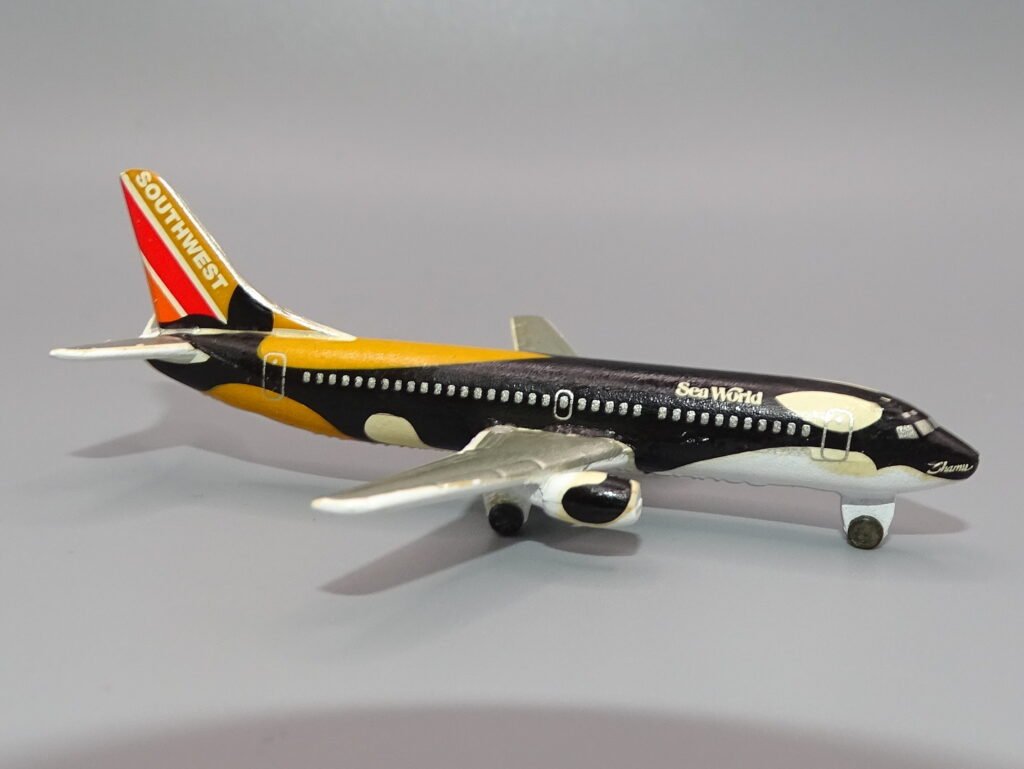
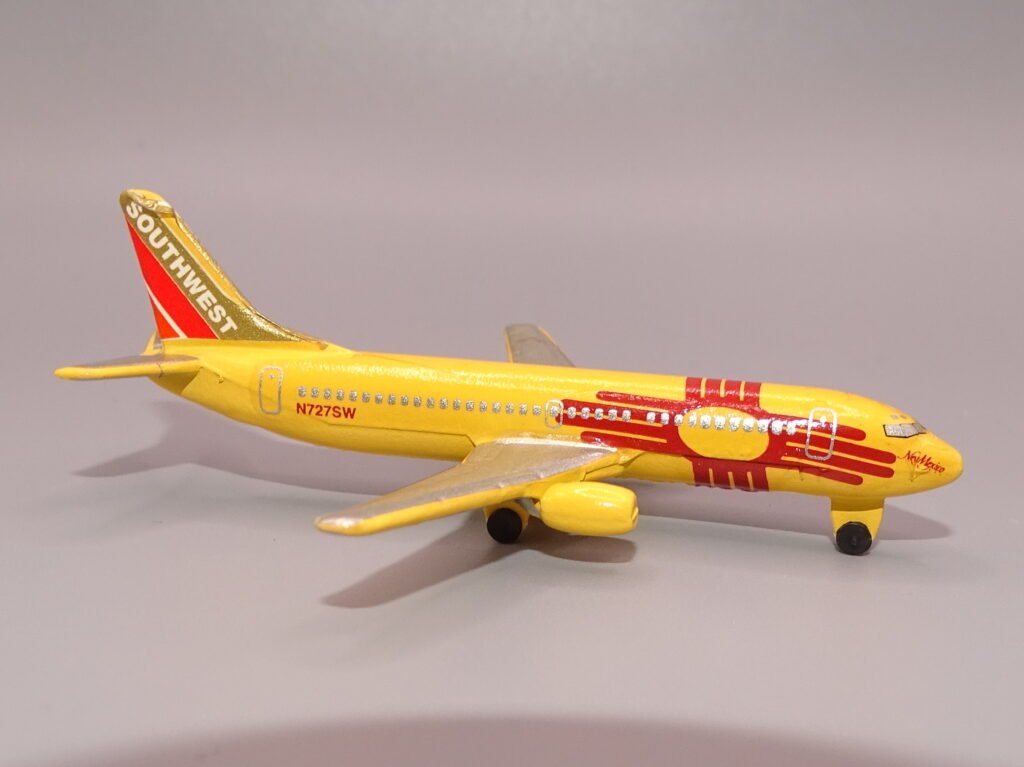
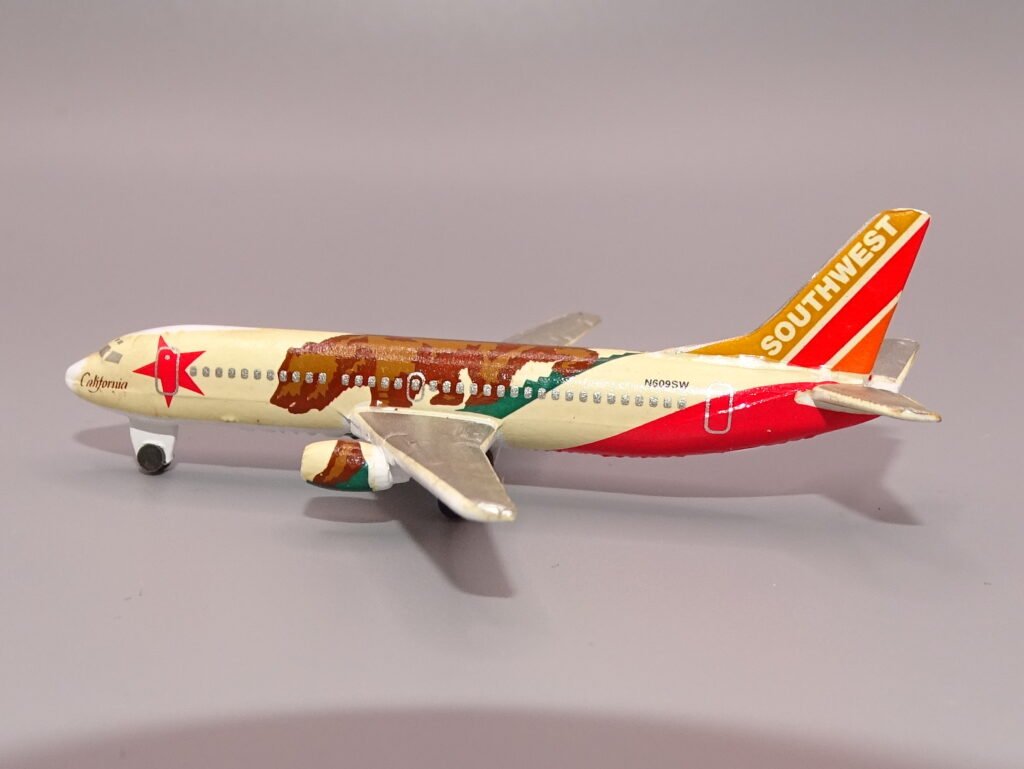
Schabak also kept an eye on its home market releasing both a Deutsche BA and a FlyDBA version:
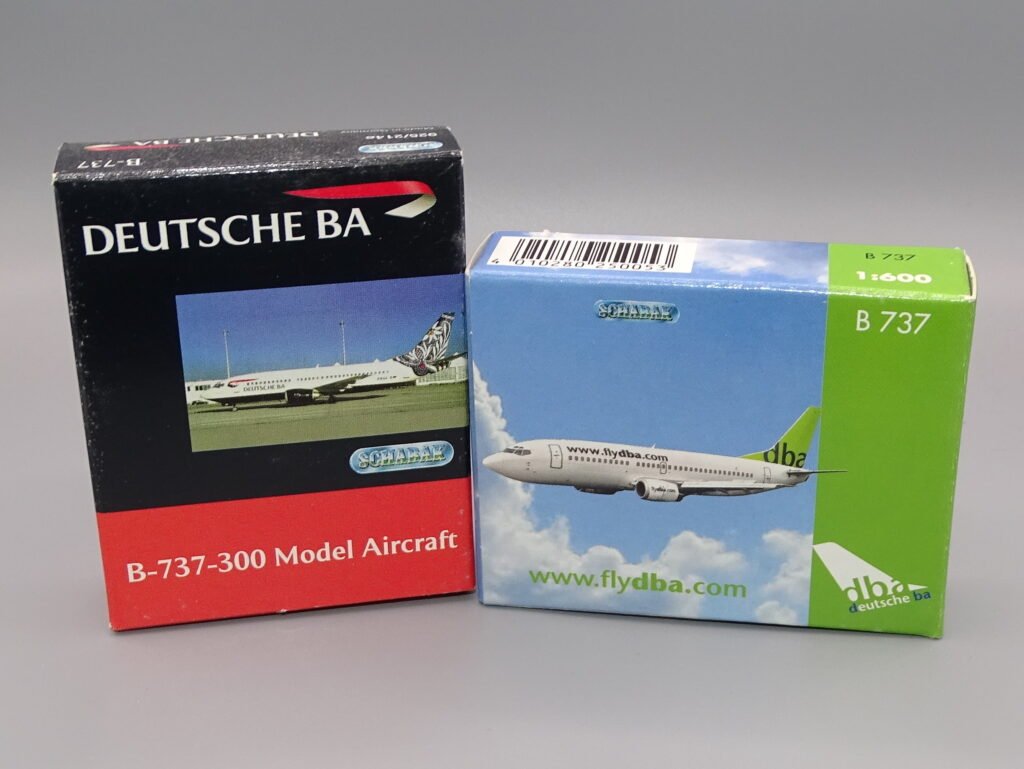
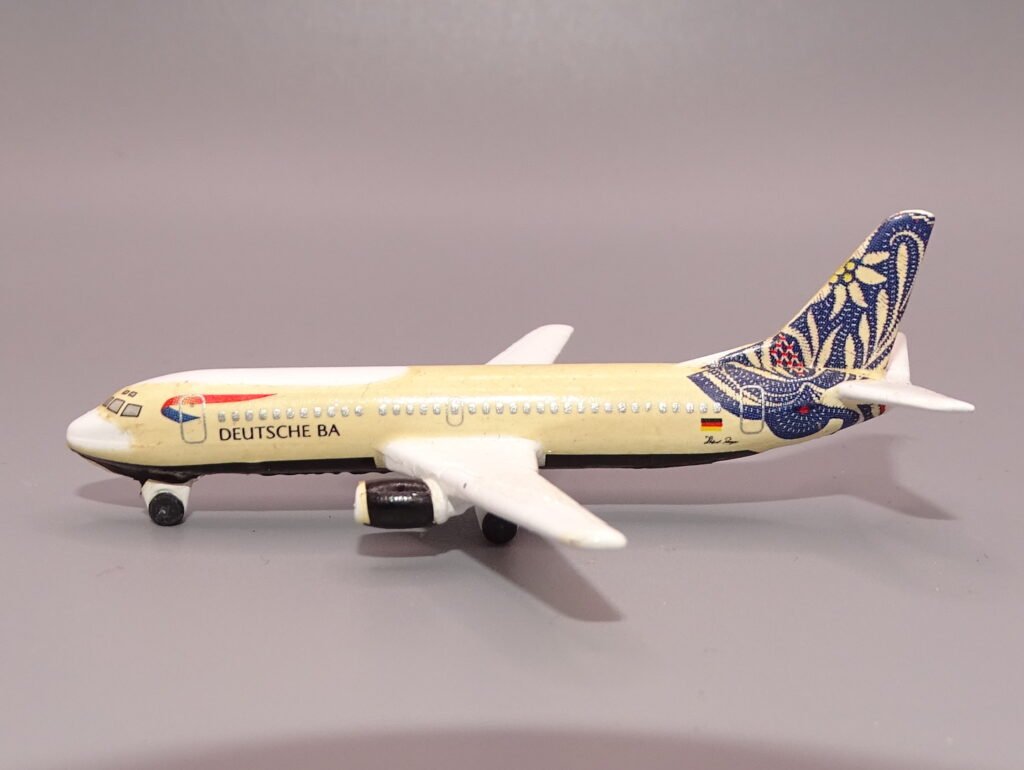
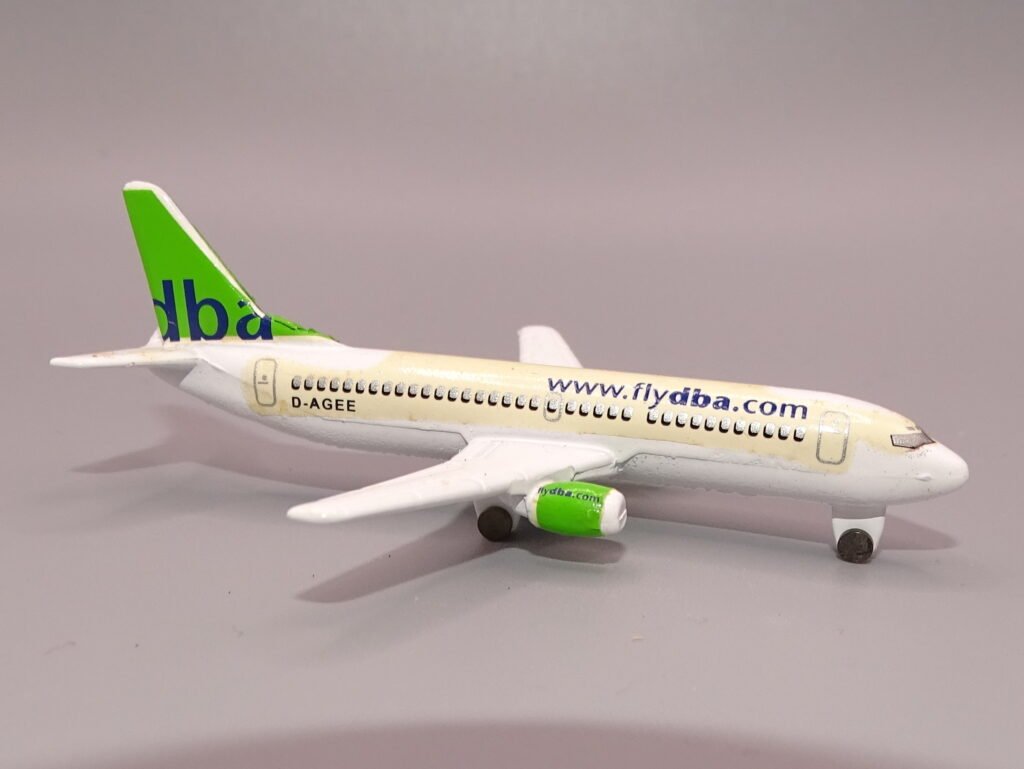
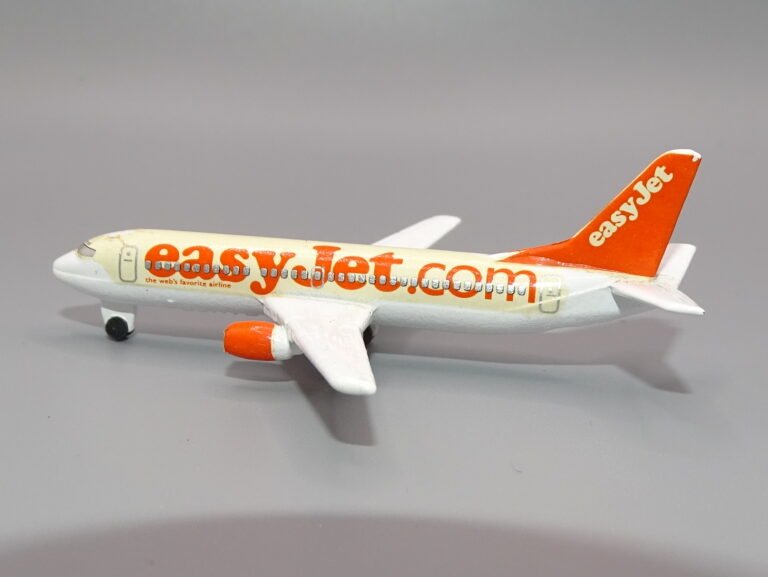
Schabak also made EasyJet from 2003 and ironically misapplied ‘World’s Favourite Airline’ titles to the first batch rather than ‘Web’s Favourite Airline’. Considering that had been BA’s slogan it was quite funny, but that version of the model is incredibly rare and I only own the later correct variant.