Updated: October 2026
The A330 began life as the poor brother of the A330/340 family being designed primarily for medium range high density routes typically operated previously by A300s – especially in the South-East of Asia. Unsurprisingly airlines like Korean and Thai were early customers as well as Air Inter, who optimistically expected to be able to operate such a large aircraft domestically. Operating widebodies on intra-French routes (or even intra-European services) now seems ludicrous but this was the early 90s before the low cost revolution.
It seems Airbus built major growth space into the A330 airframe and with the massive improvements in engine technology the A330 has grown into a true long range transcontinental airplane, which has replaced the need for the A340 as well as the 767 and 777-200ER. Certainly the growth in the A330’s capabilities has been quite startling to the extent that its even giving new generation aircraft like the 787 a run for its money. Just look at the following table to see how the aircraft has changed:


Production of the A330ceo has now given way to the A330neo with the last A330-200 delivered on October 1, 2019 and the last A330-300 delivered on March 4, 2020. A total of 1,480 A330-200/300s was made including 662 -200s, 38 -200Fs and 780 -300s.
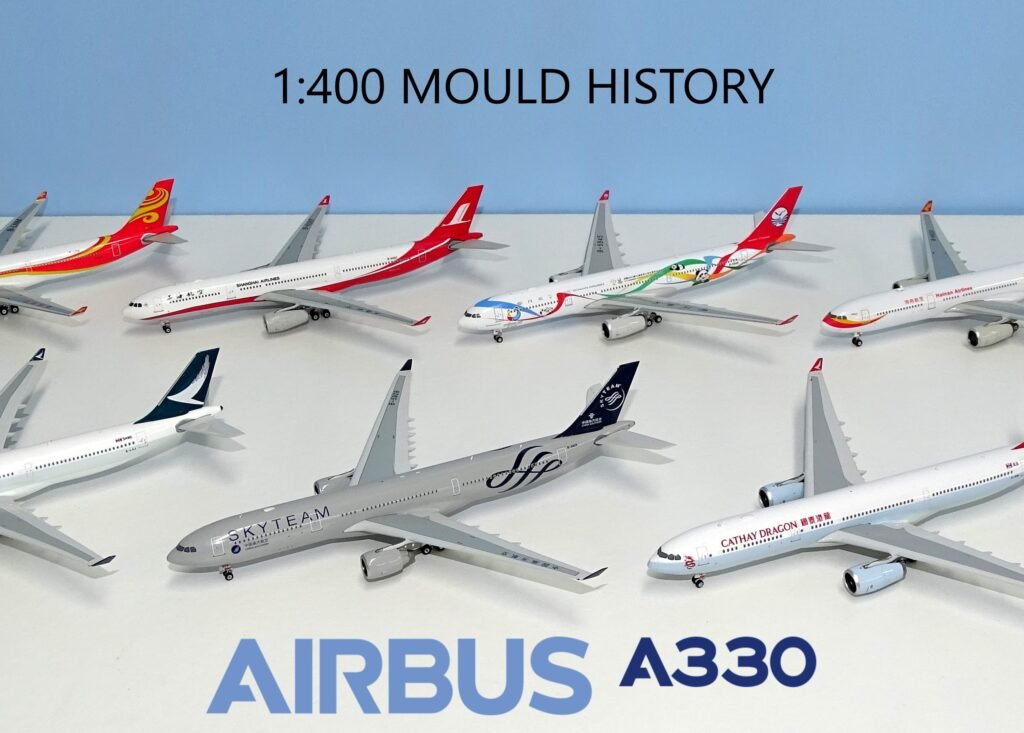
A330-200/300 in 1:400 Scale
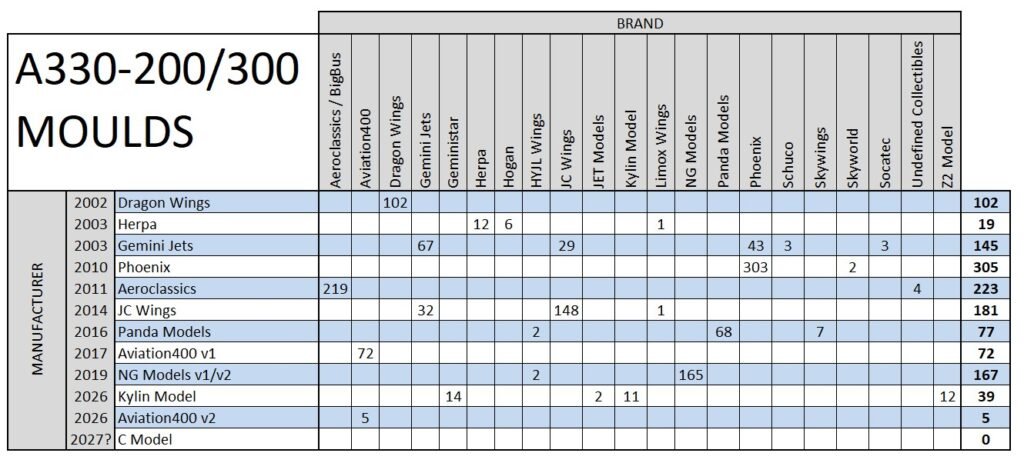
Along with the A320 and A350 the A330 shows some of the heaviest competition in 400 scale with 6 active moulds in 2026. As of late 2026 there have been over 1,330 releases of A330-200/300s (excluding A330Fs and A330neos) and a surprisingly small amount of mould sharing:
NOTE: This review does not include the A330F, which has its own review here:
The Real Thing
Before we begin looking at the moulds here is the real thing with the different engine options (left series 200, right series 300):
Rolls-Royce Trent engines:


Pratt & Whitney PW4168 engines:


General Electric CF-6 engines:


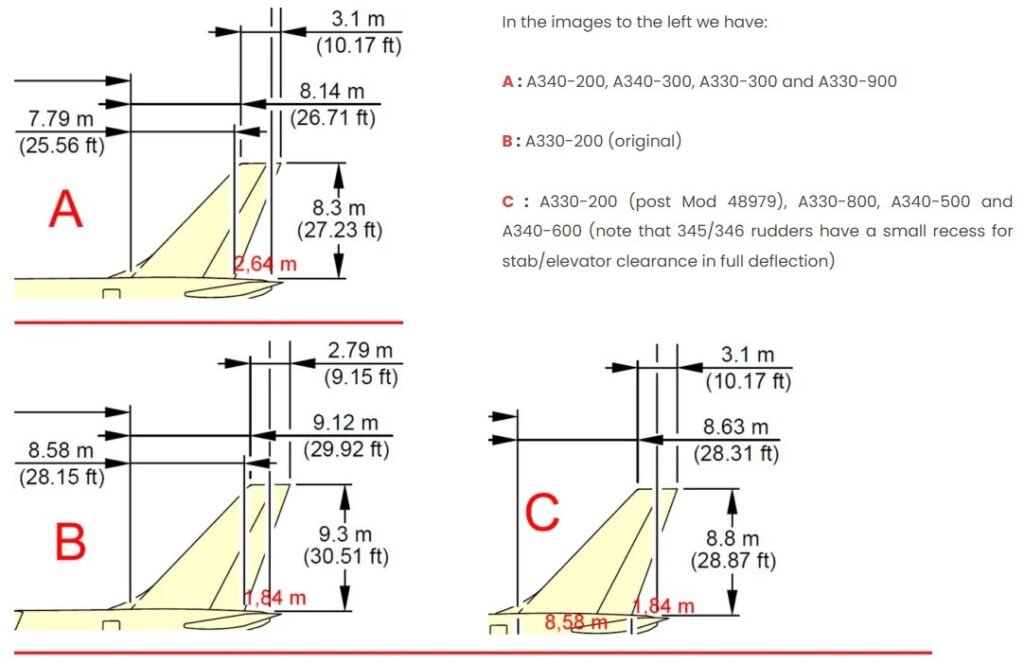
There’s also several different tail types present among the A330/340 family, although that is getting a little nitpicky for 400 scale tbh. Thanks to Phantom for the below images:
The Moulds
Dragon Wings (2002)
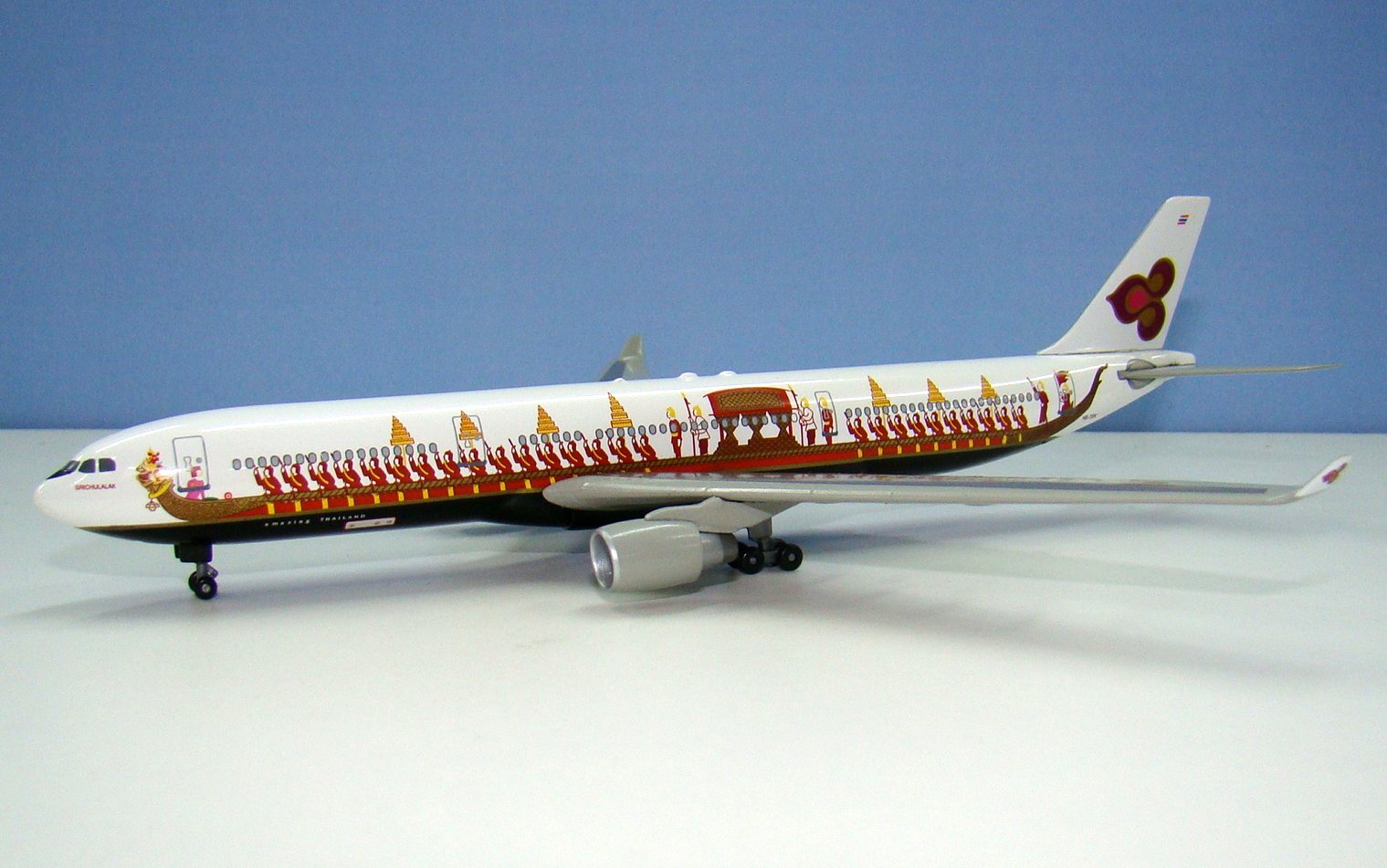
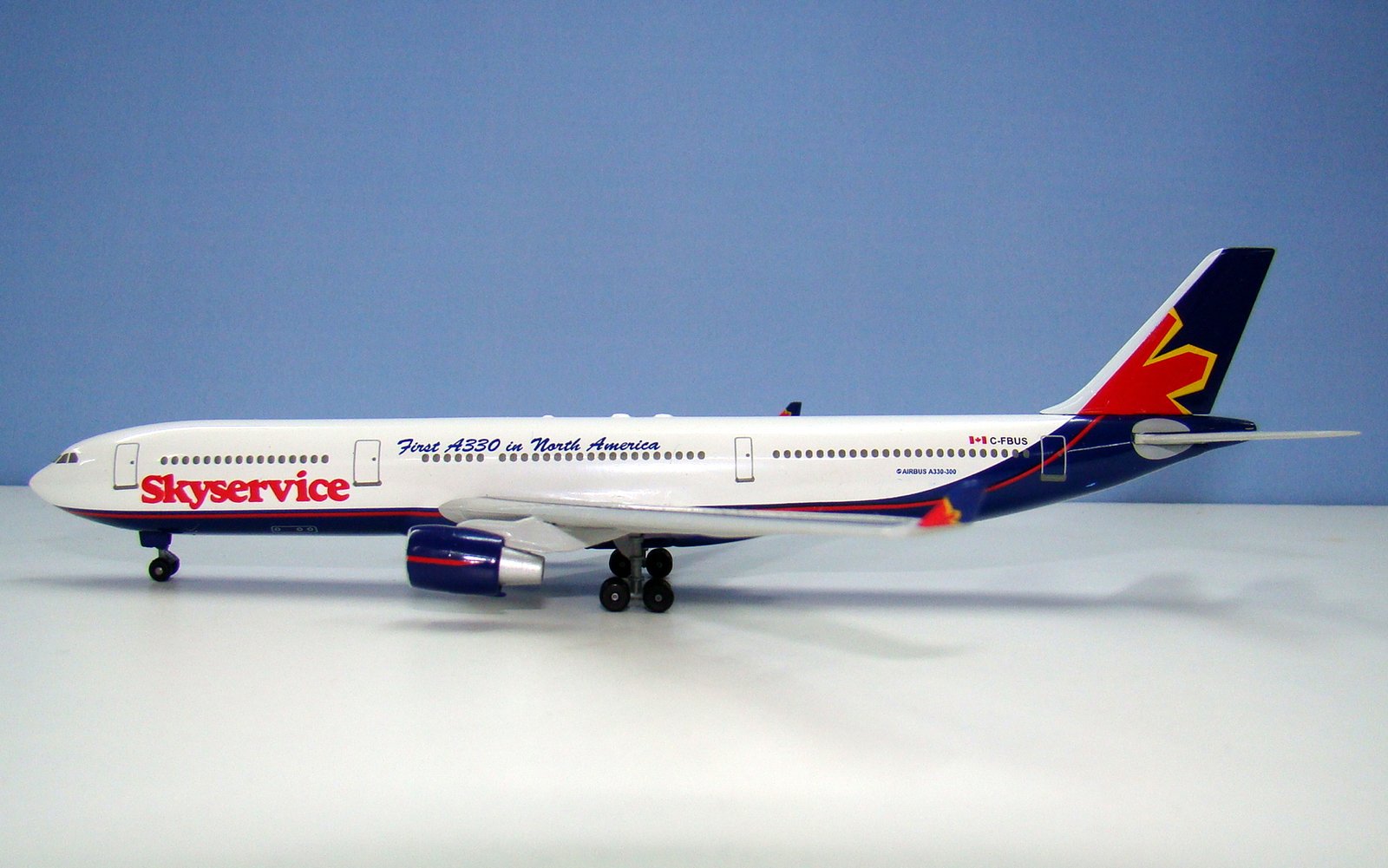
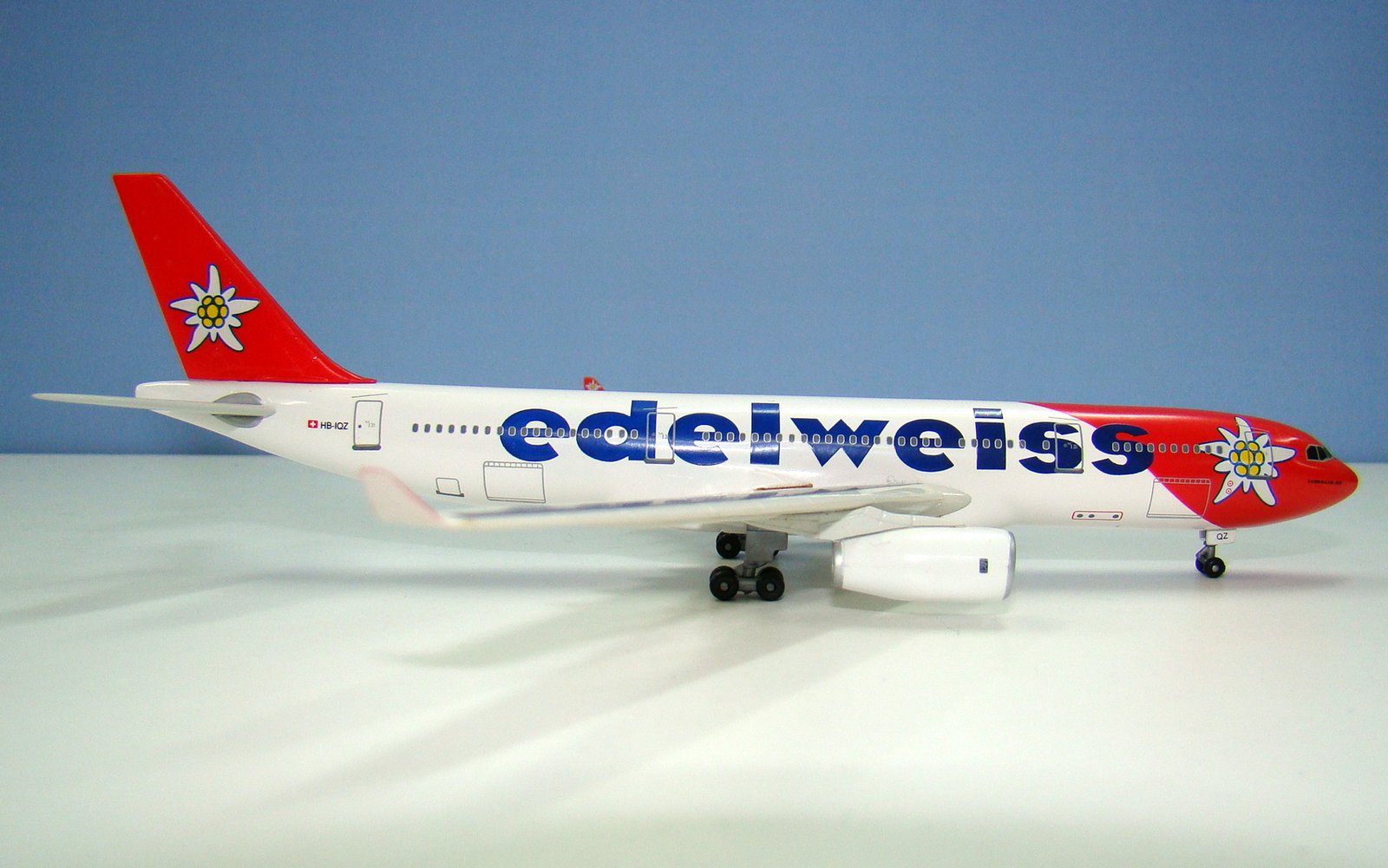
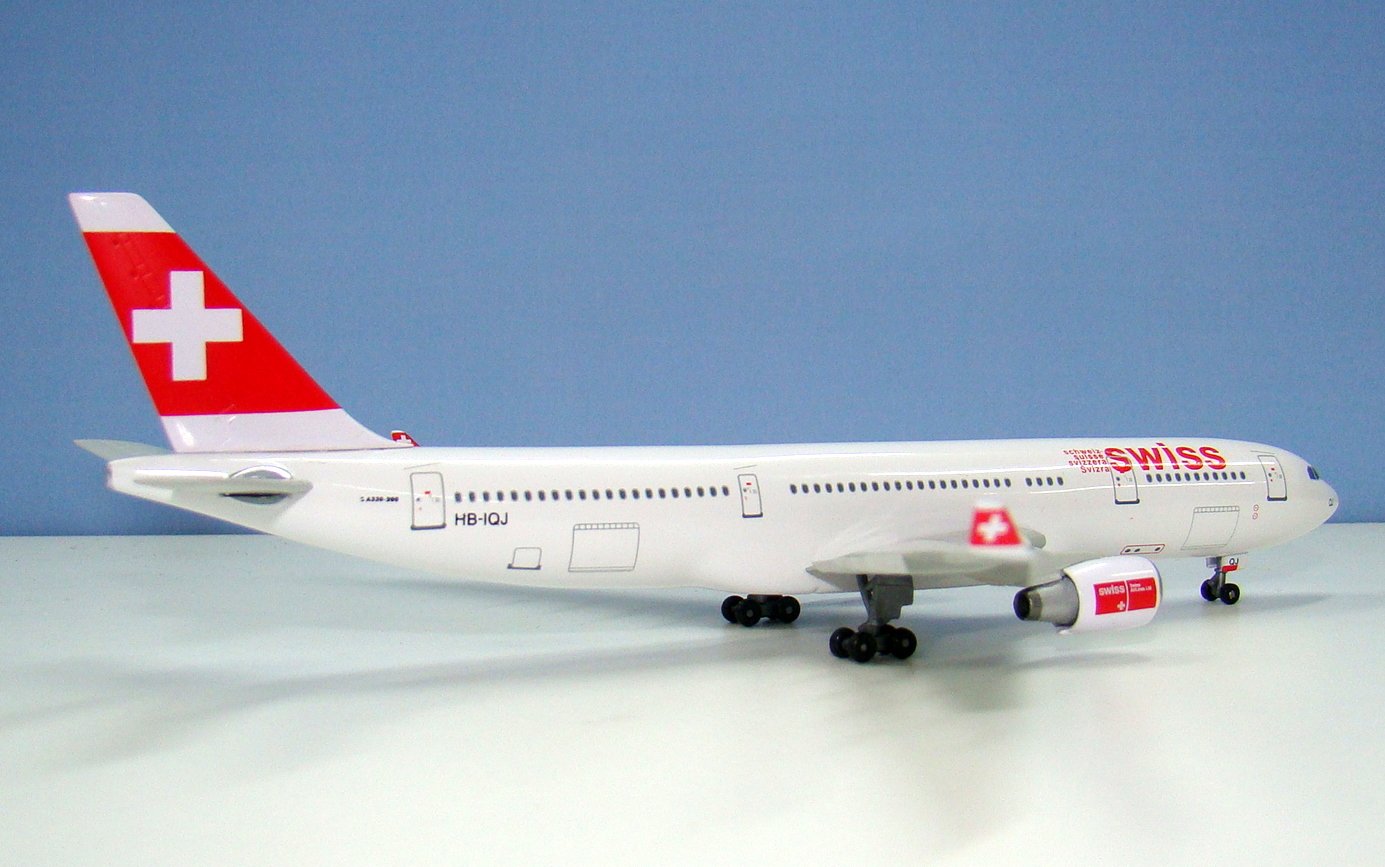
Dragon’s moulds for modern airbus types were rarely very good and their A330 is no exception to that. Obviously Dragon models come with all the usual provisos as regards plastic parts however that in itself isn’t really a major problem. Considering its age it isn’t a bad mould but in detail the shape of the nose, especially the underside isn’t very good. In addition the chunky nosegear is always an issue. The mould has a small wing seam at front and rear. Early versions of the mould have a seam at the horizontal stabiliser too and the earliest have very simple maingear without gear doors.


In truth this mould was obsolete even in 2010 but that didn’t stop Dragon from producing quite a few models of both series 200s and 300s into 2012. Nowadays there is so much choice when it comes to A330s that rarely will you need to consider a Dragon Wings example although some, like Skyservice, still remain to be made on an updated mould.
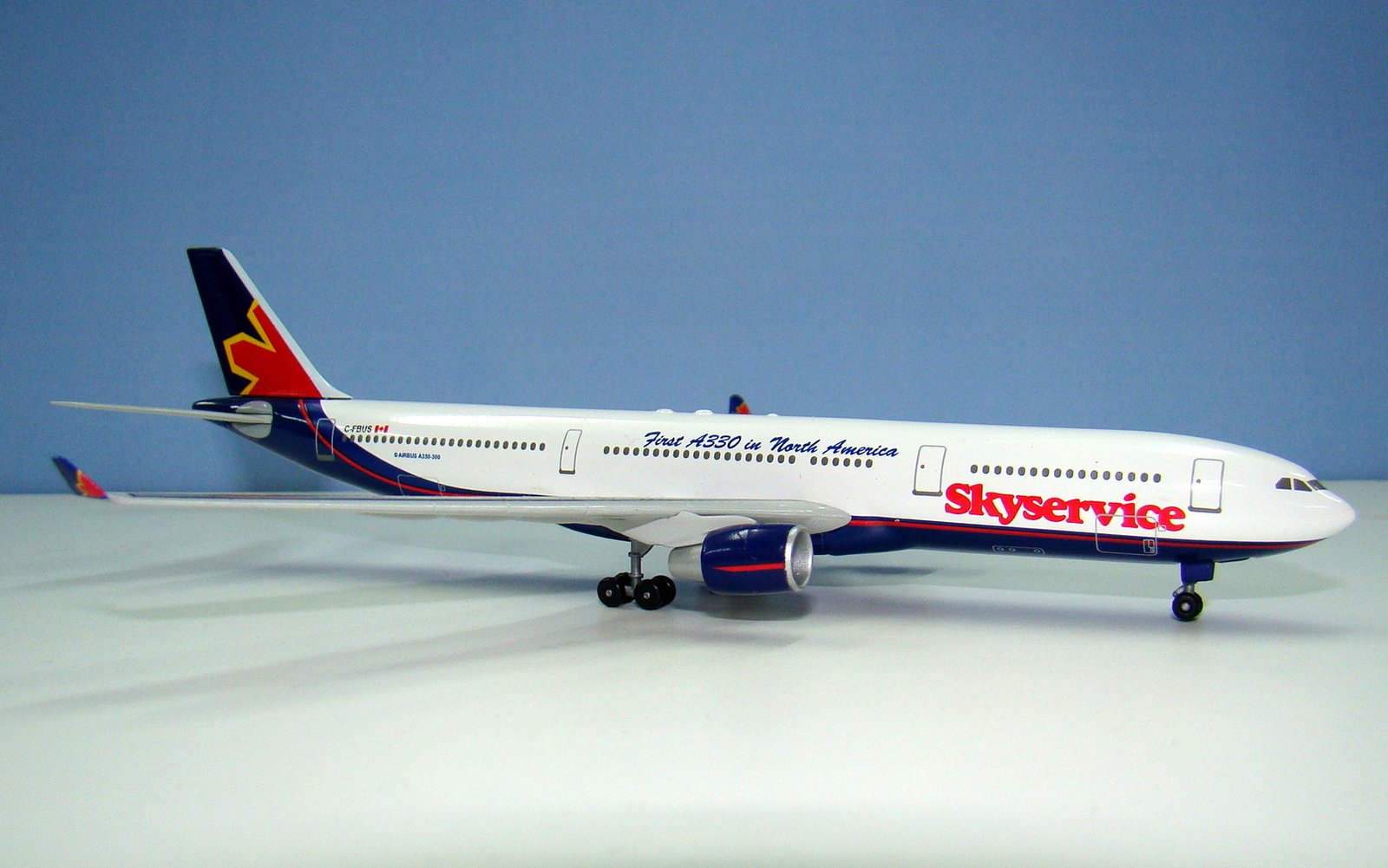
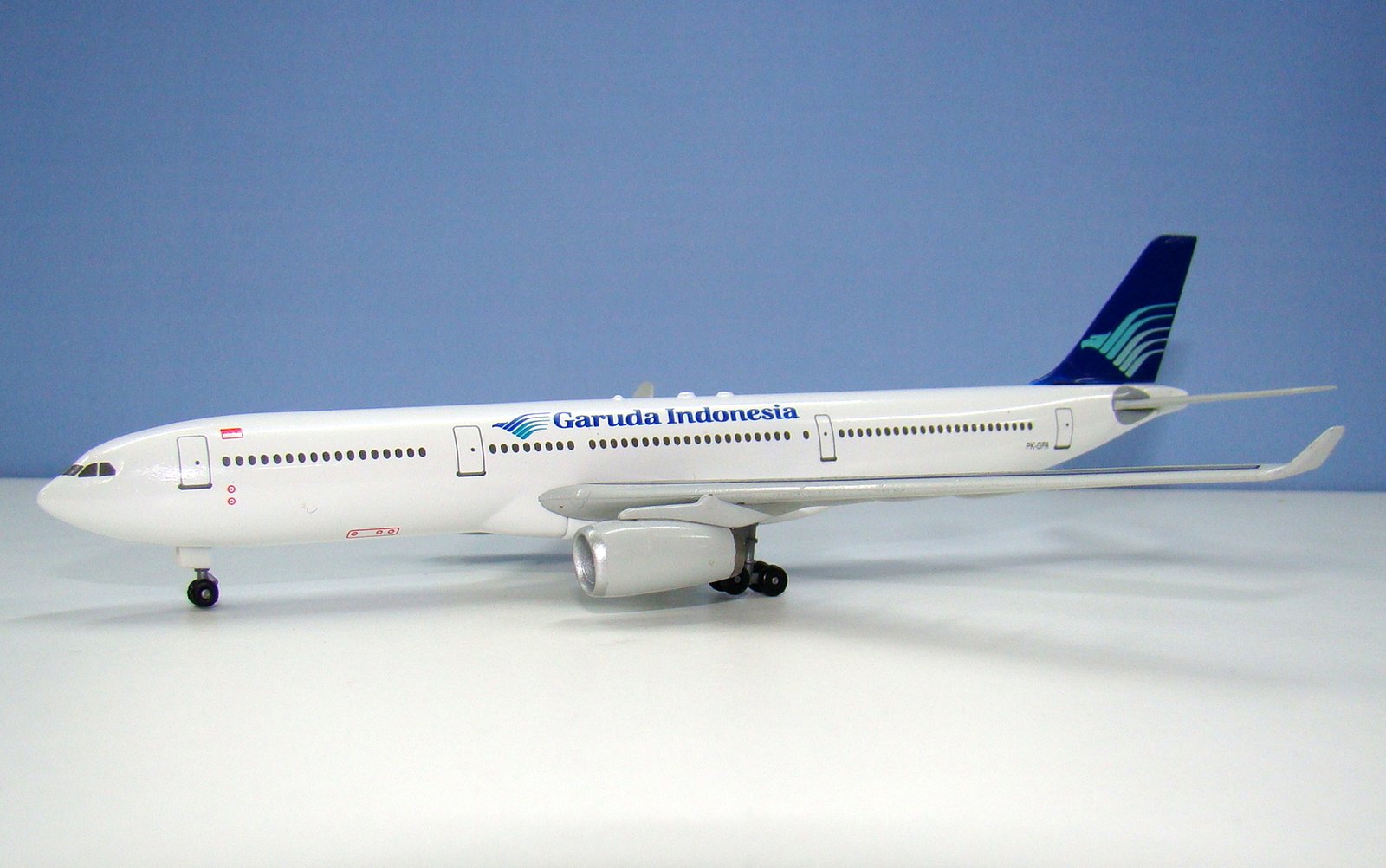
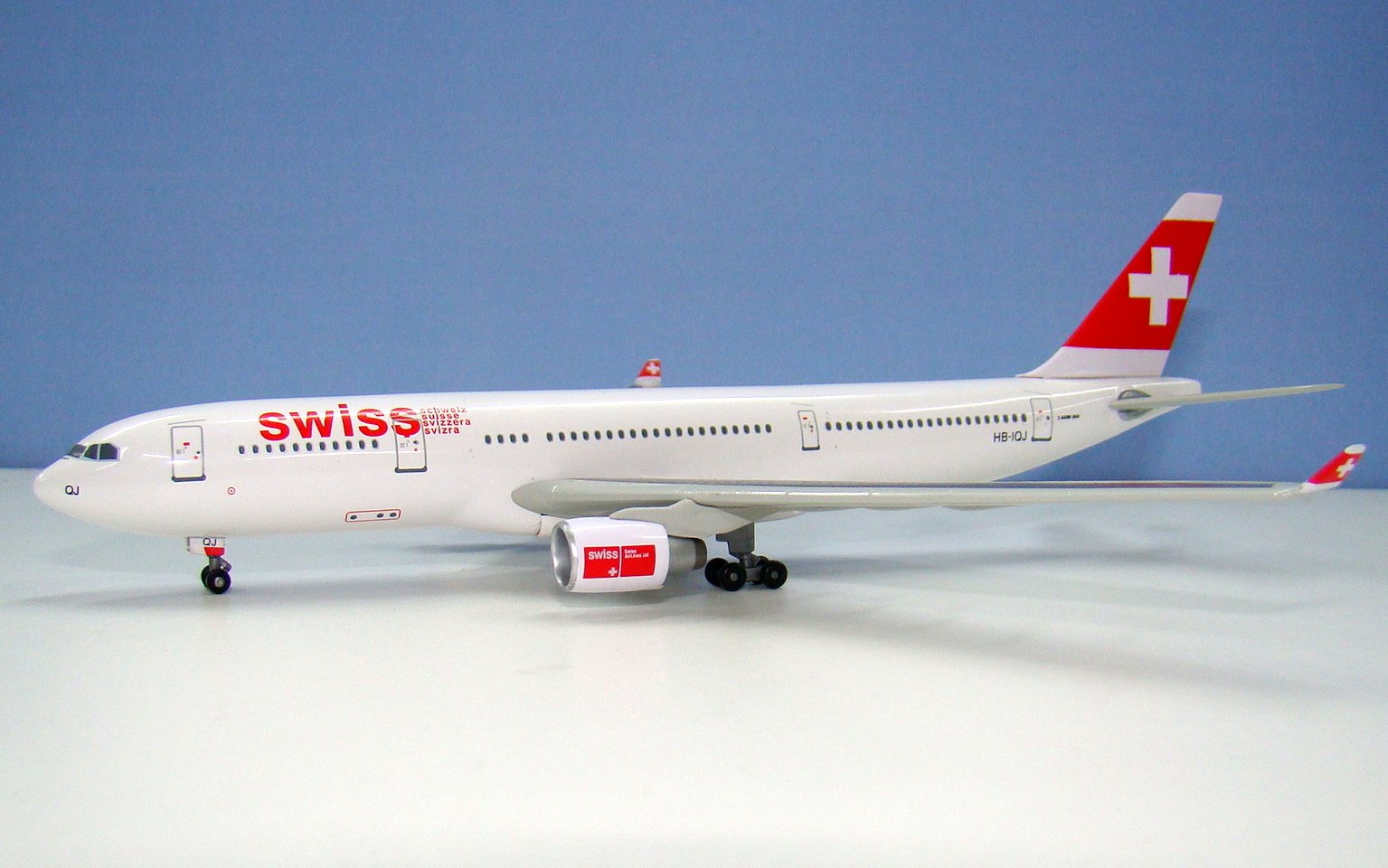
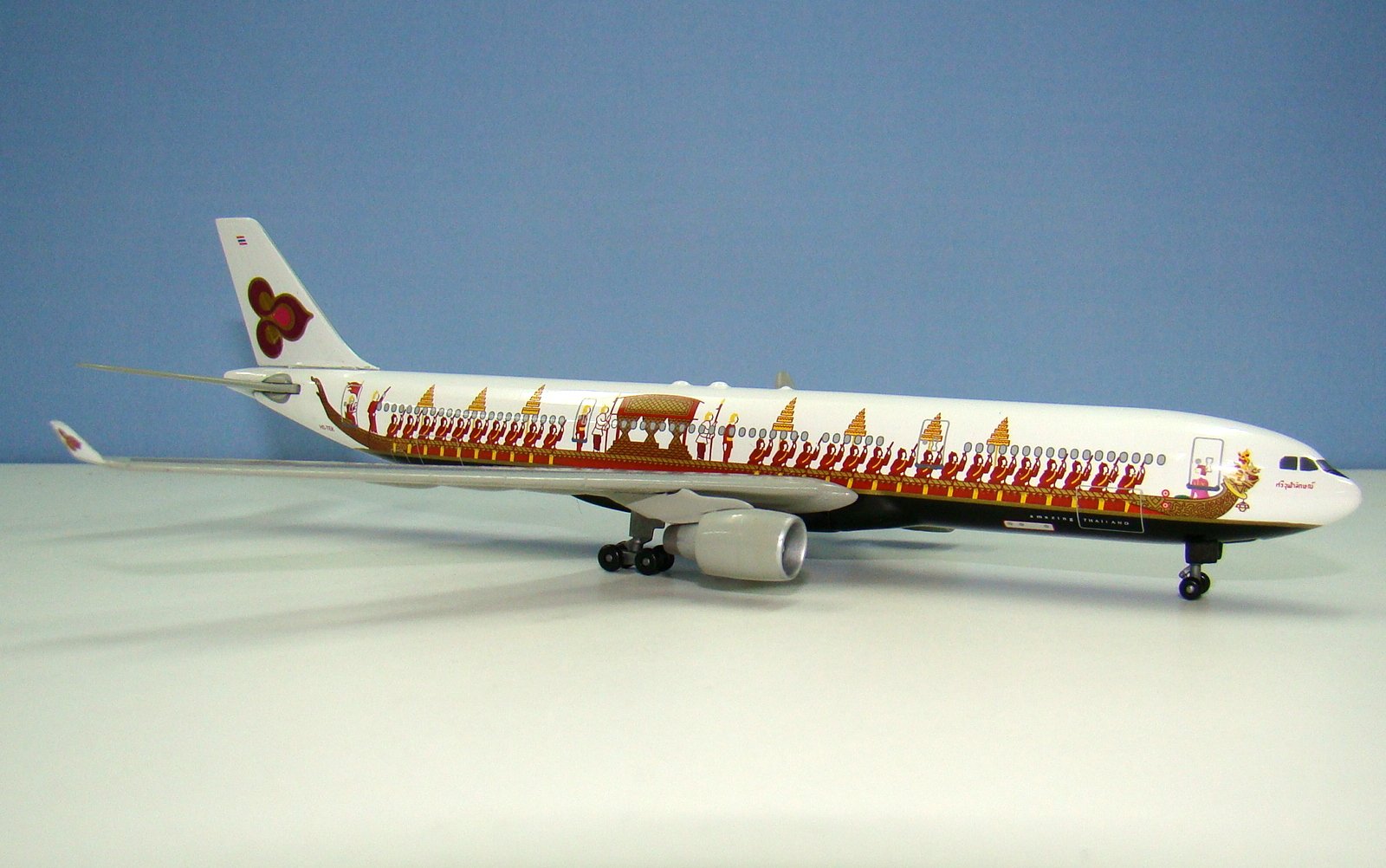
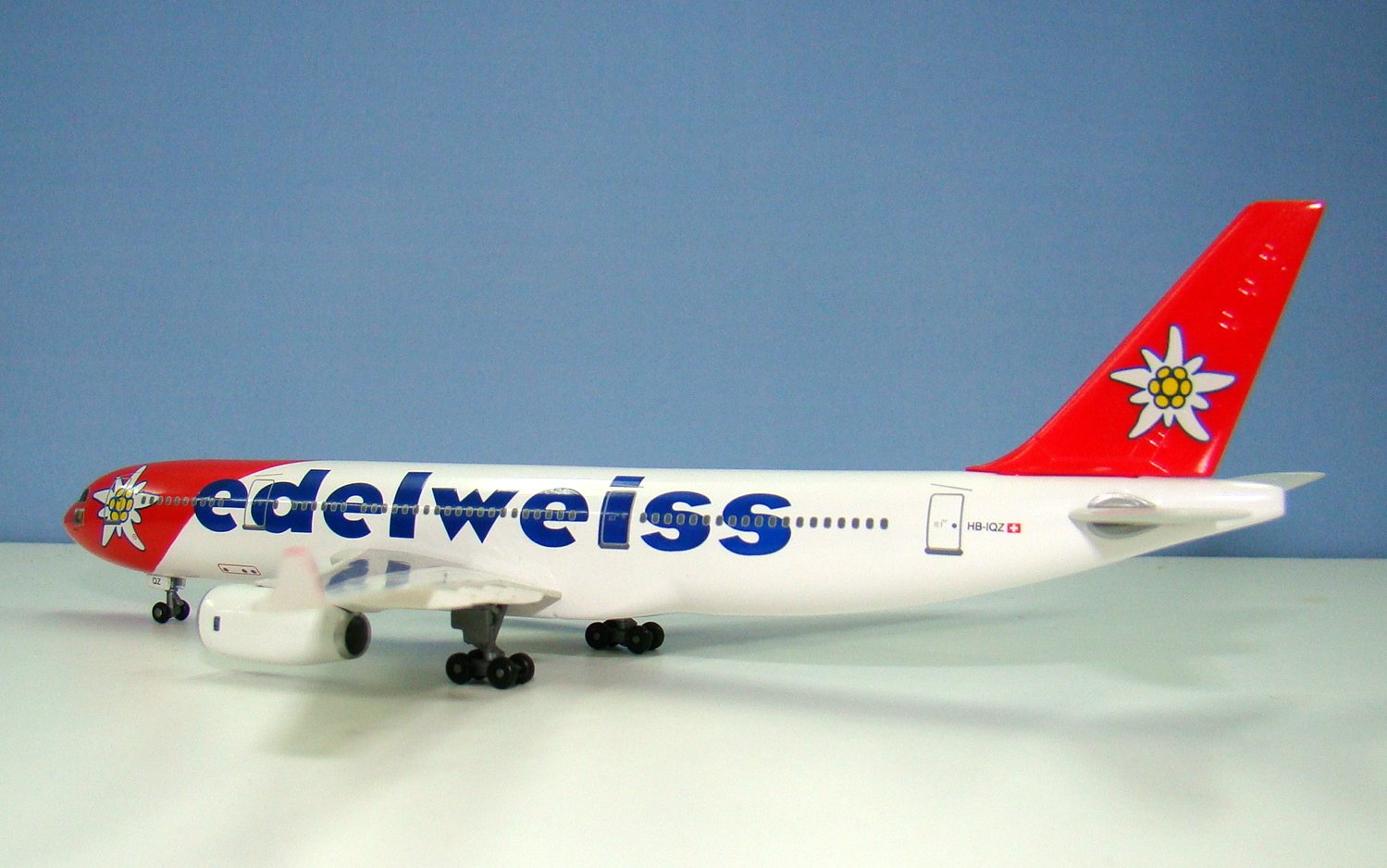
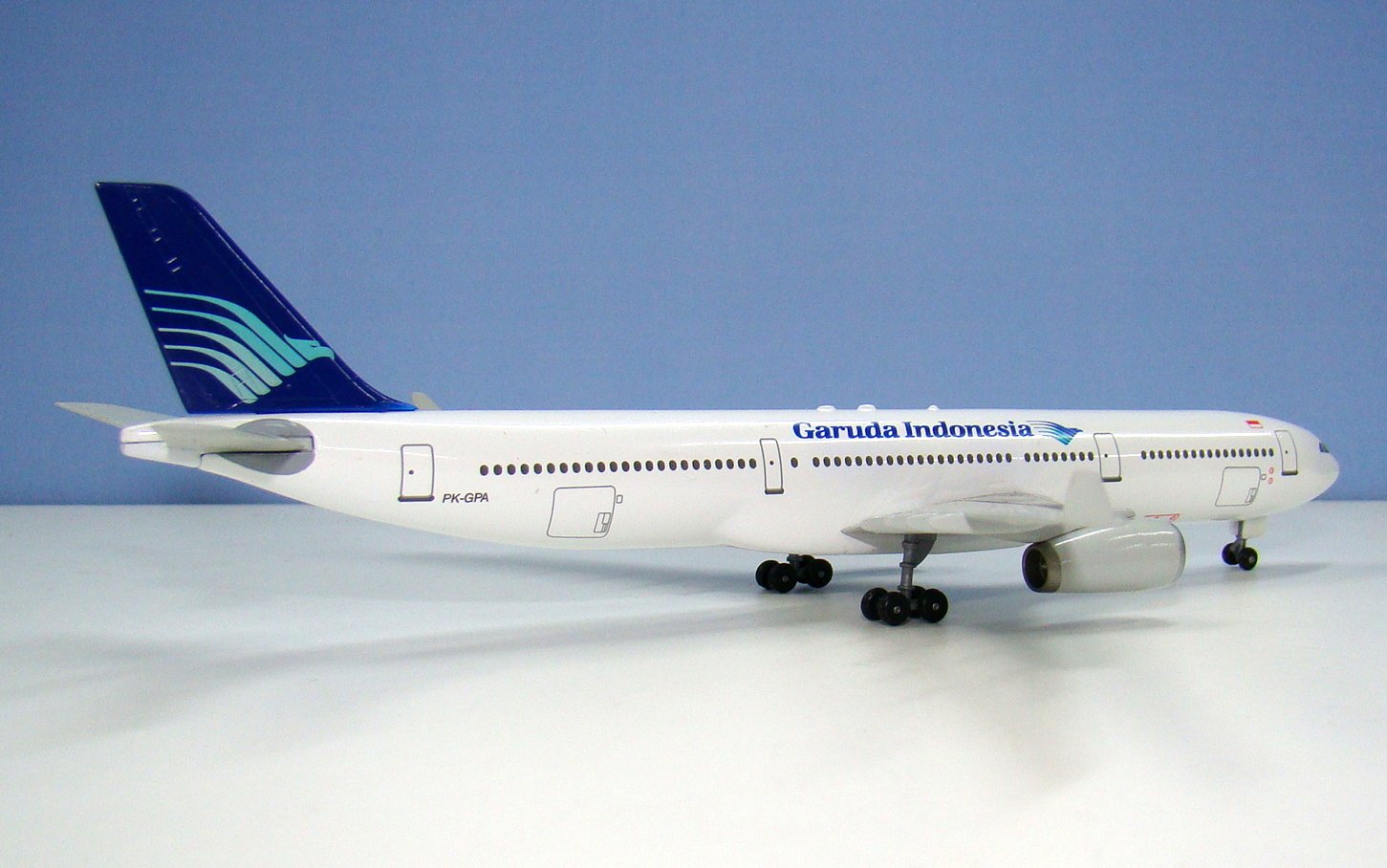
Herpa / Hogan (2003)

In classic Herpa style they have dabbled with the A330 in 1:400 and produced a mighty ten examples of the type, which can hardly be a useful recoup of the development costs? Anyway we shouldn’t be sad about that because their mould is pretty poor. Interestingly the nose area suffers from some of the same issues as the Dragon, being too curvy at the bottom. It may even be the same basic mould but its hard to say for certain without having seen them in person. Quite often it appears the tail fits rather poorly into the fuselage too. The ten Herpa models are spread across four years until 2007 and cover all three engine options. The GE and PW engines appear ok but the Rolls Royce Trents on their Cathay Pacific and Premiair aircraft are far too small. Again this is a mould worth avoiding in my opinion. Hogan don’t seem to have any issues with the mould sadly as they have seen fit to use it four times since 2010.

Gemini Jets (2003)
Gemini’s early A330 appeared soon after the Dragon and Herpa versions and is an improvement on both of those though pales in comparison to the newer moulds. Possibly the only superior points of the other early moulds is that they are seamless which can’t be said about this Gemini mould. There is a clear crescent shaped seam running in front of the wings. At least this mould does a passable impression of an A330 nose though it appears there may have been some modifications to the early mould. Originally the nose wasn’t very pointy but soon a much sharper nose appeared. This is almost too pointy but depending on the printing can look pretty decent. Gemini worked to improve the mould, adding rolling gears in 2012 and antennae in 2014. It was interesting that they stuck with a seamed mould (especially as JC has recently abandoned it) for so long, however in December 2015 their Delta release switched to using the new JC wings mould. In 2026 this mould is thoroughly obsolescent and there are many better options.
The mould has been used quite prolifically as follows:
Gemini – 70 examples (including three made for the French firm Socatec)
Schuco – 3 examples (re-released Gemini models)
Phoenix – 42 examples (used from 2005-2010)
JC-Wings – 30 examples (used from 2010-2014)
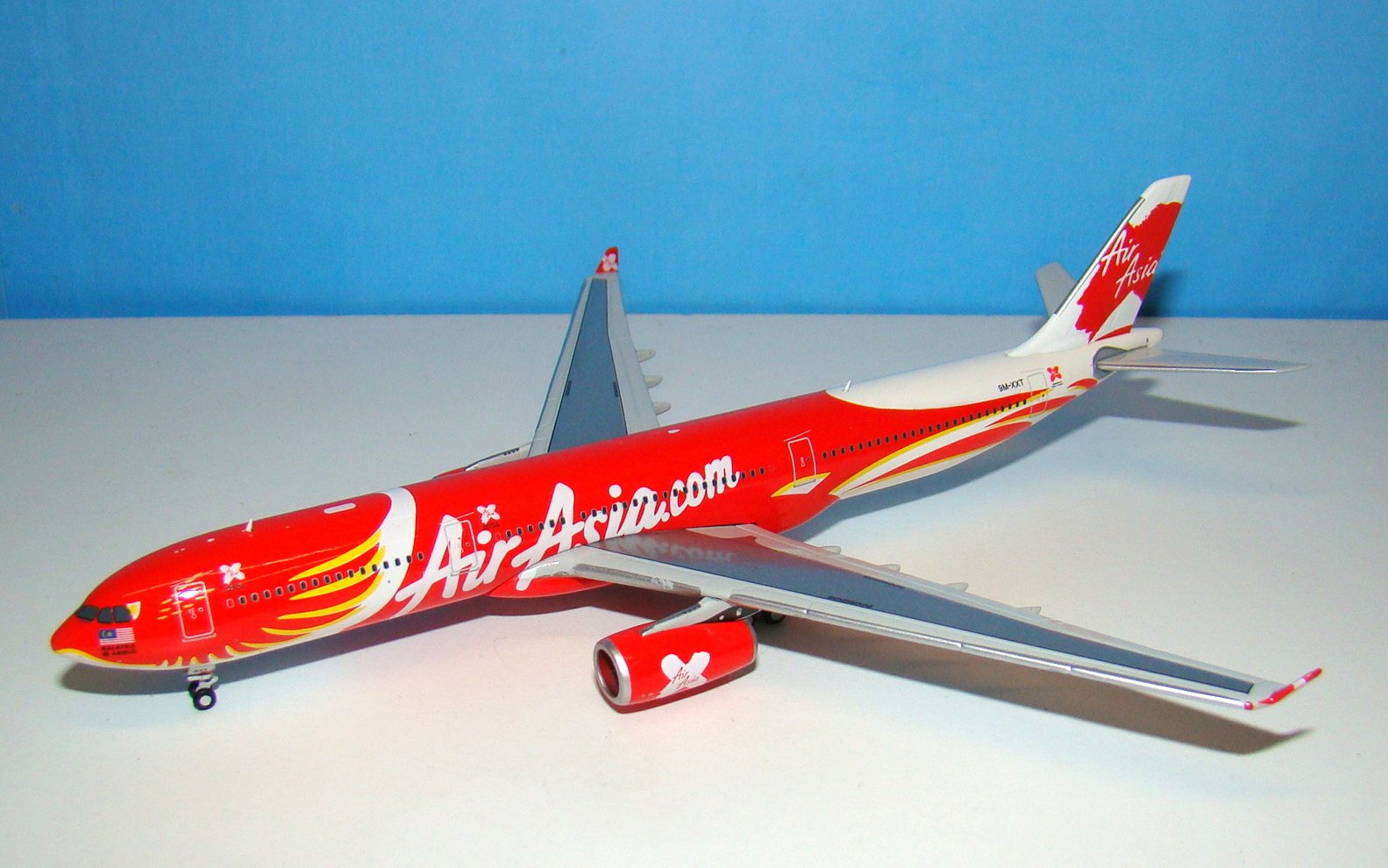
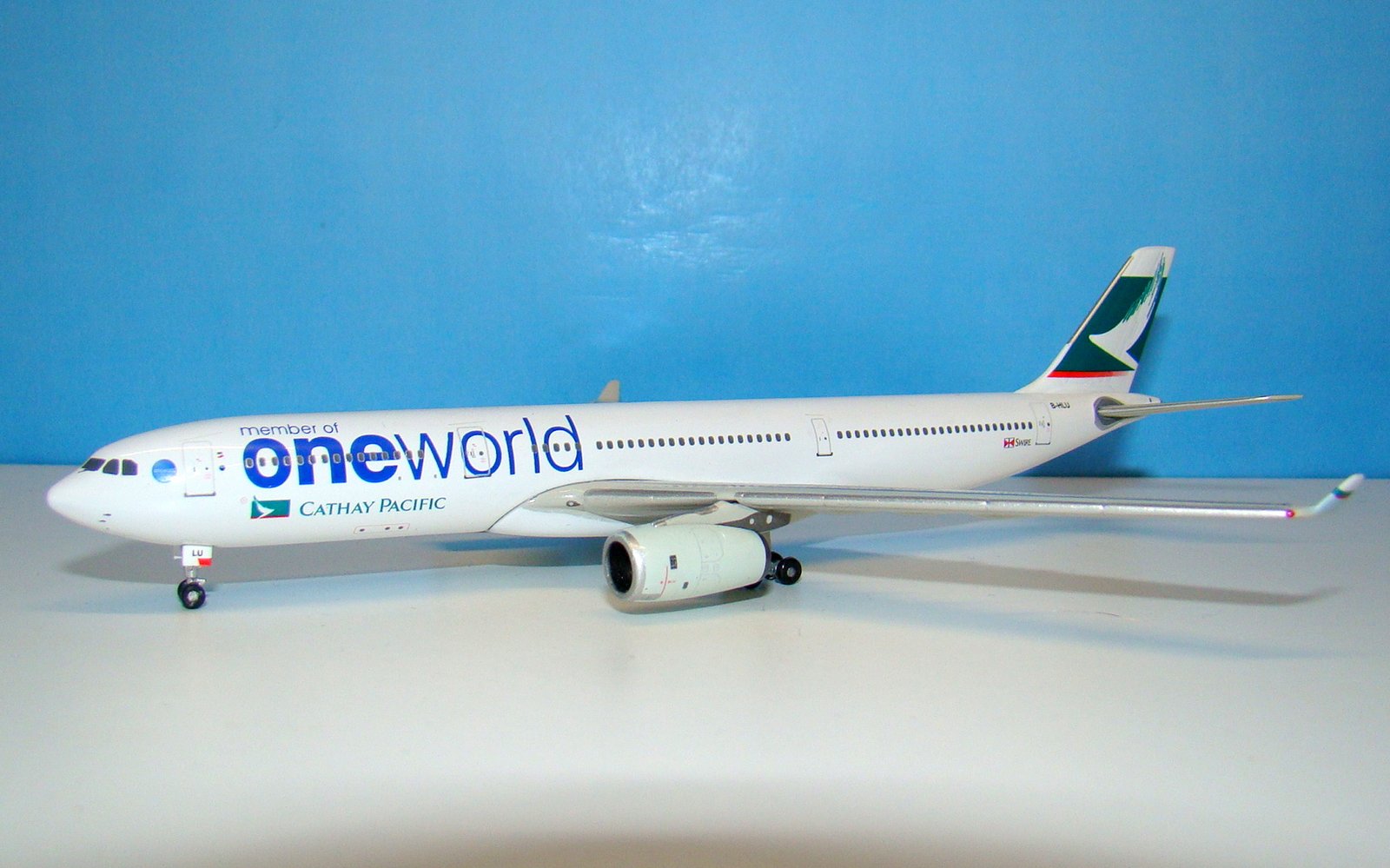
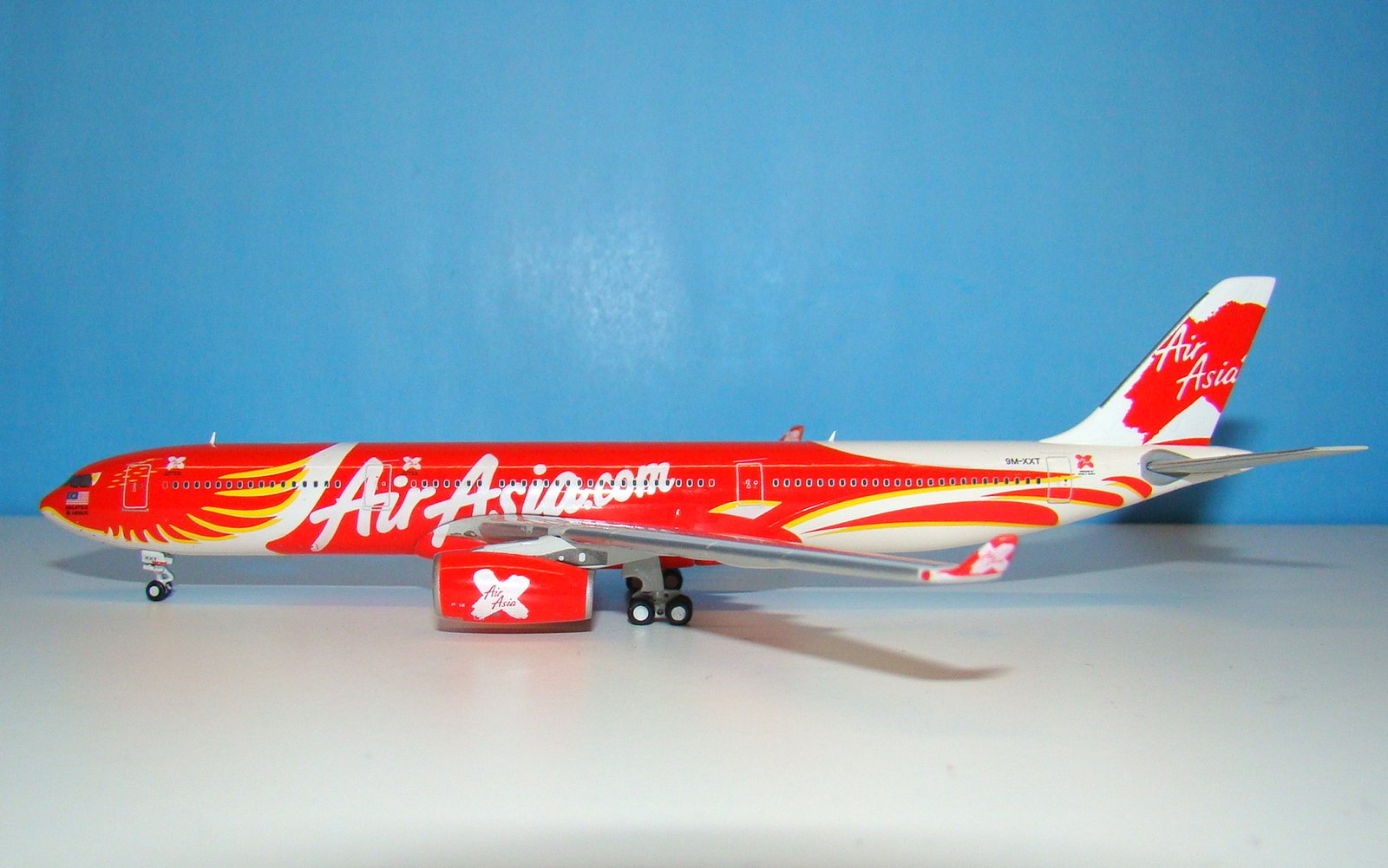
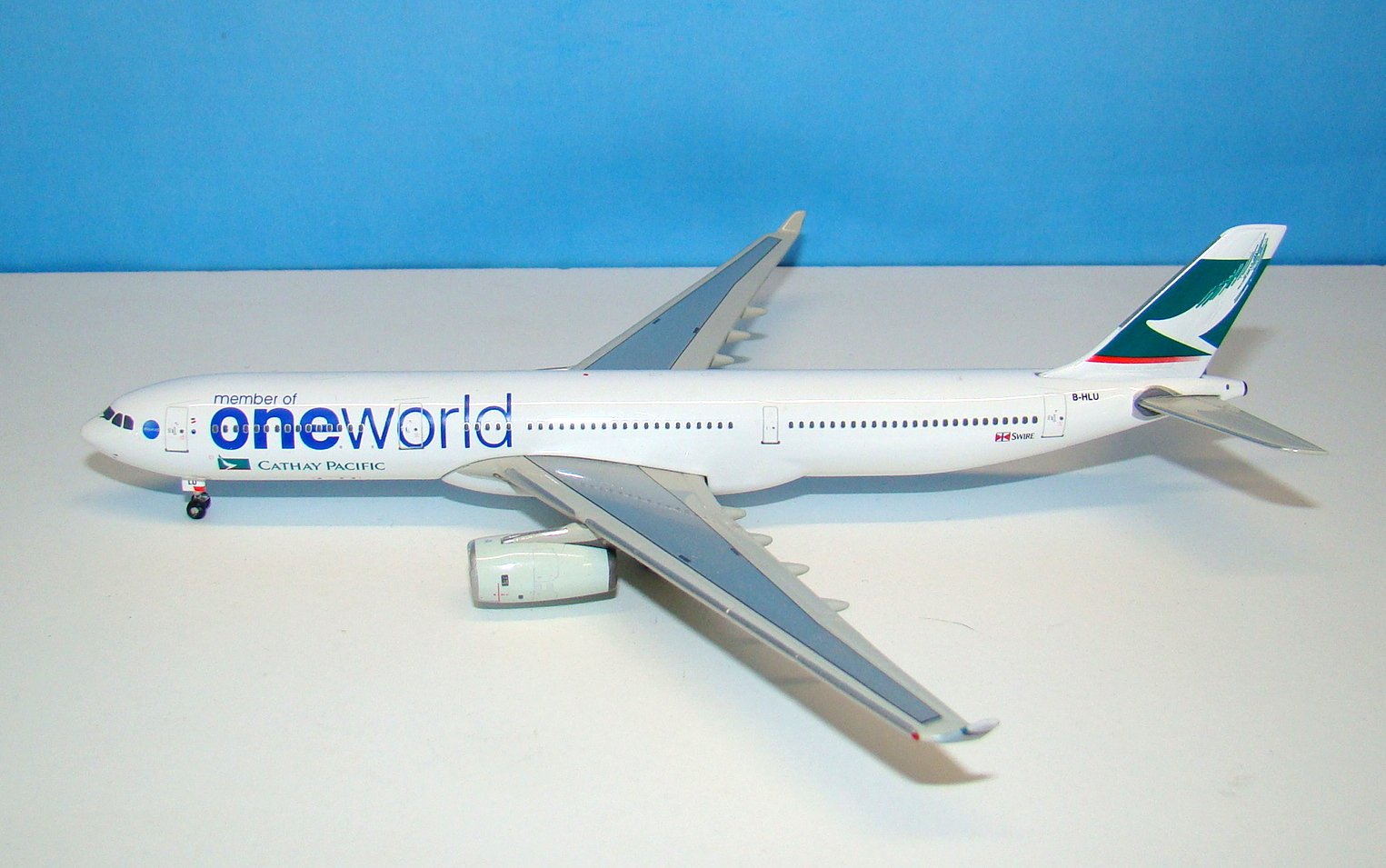
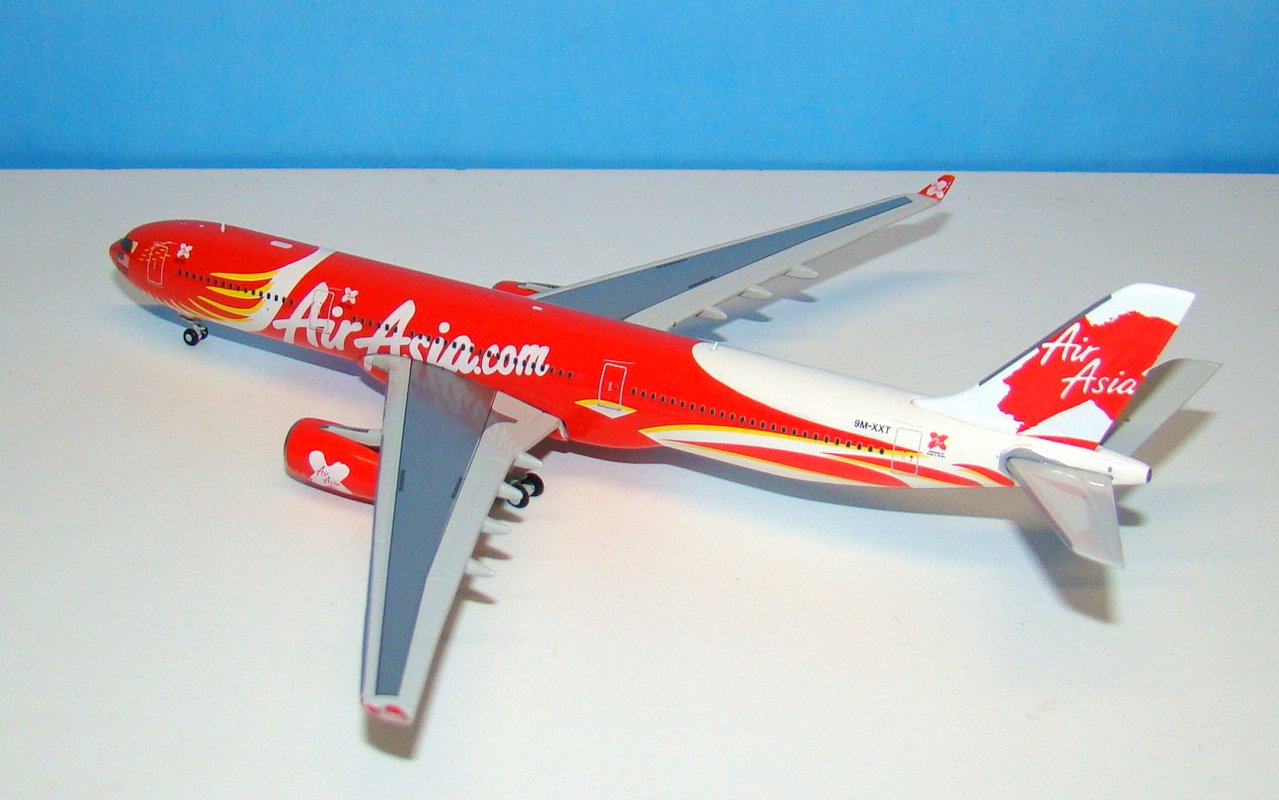
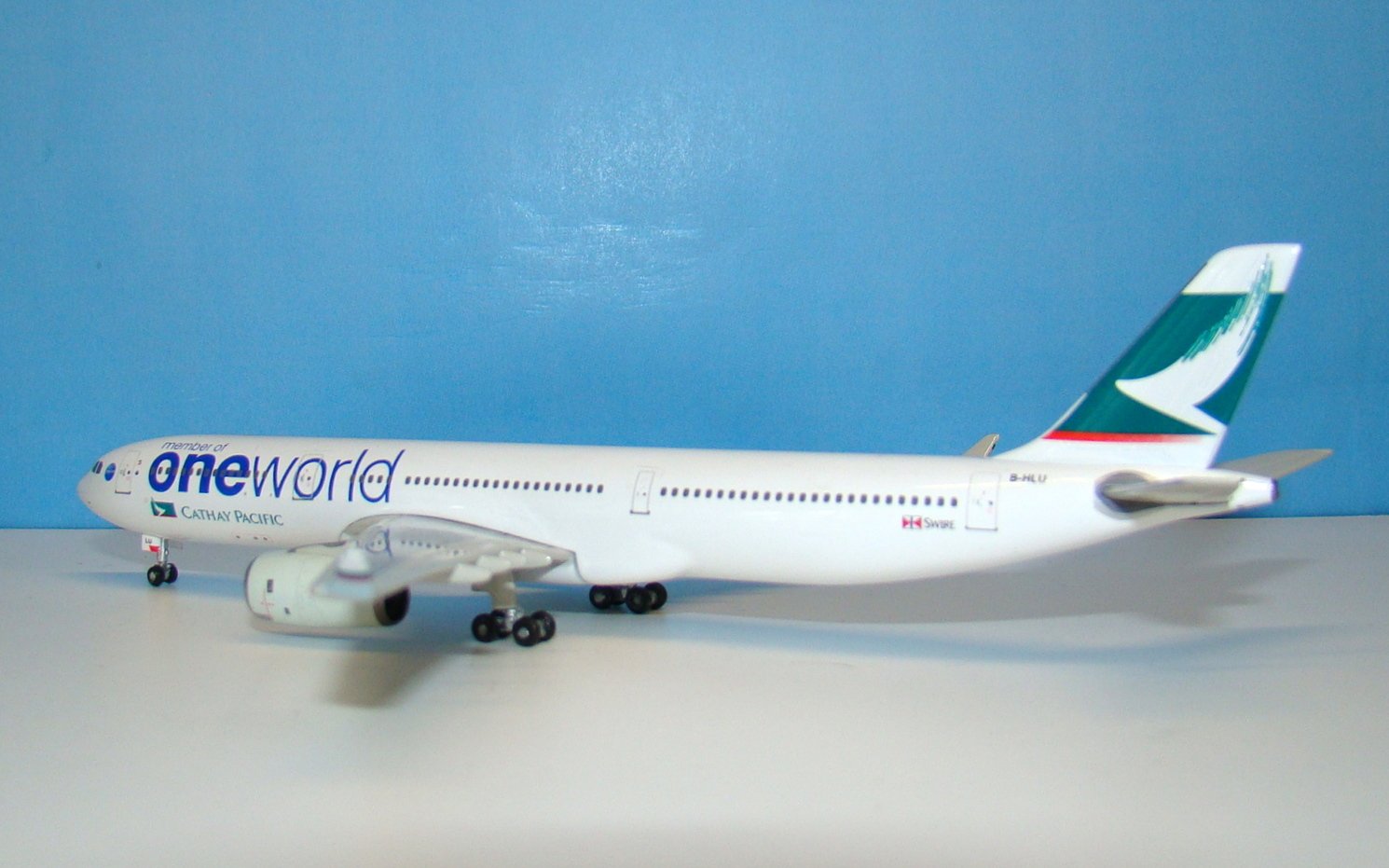
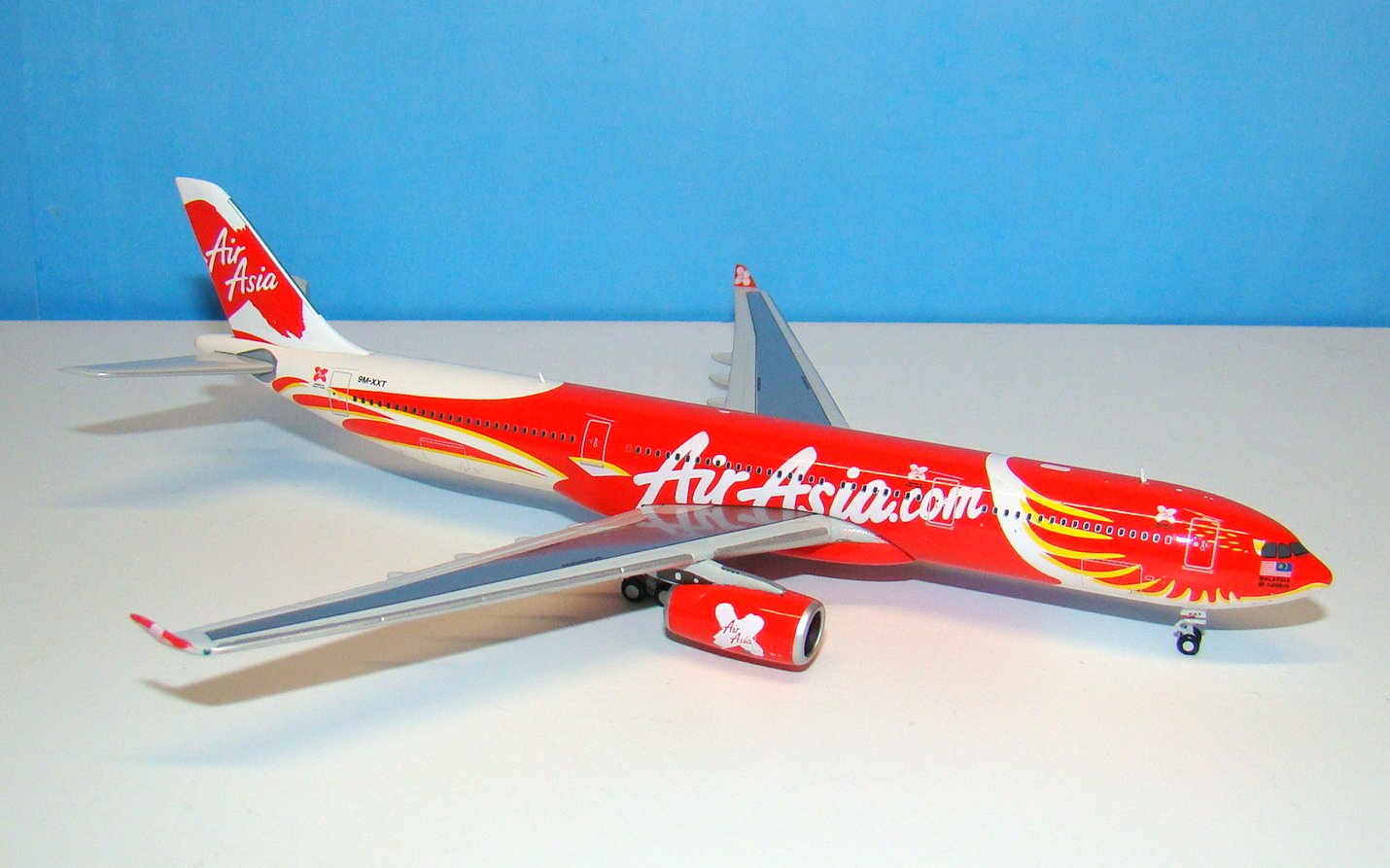
Phoenix Models (2010)
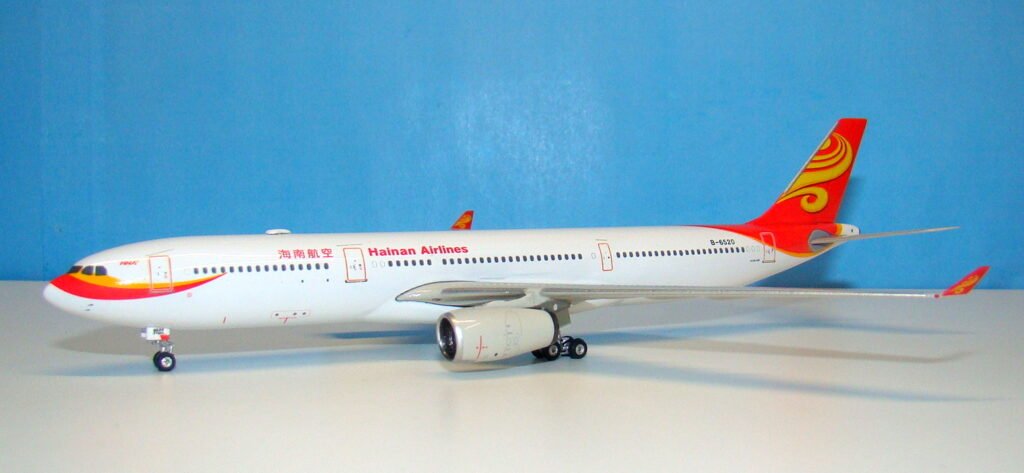
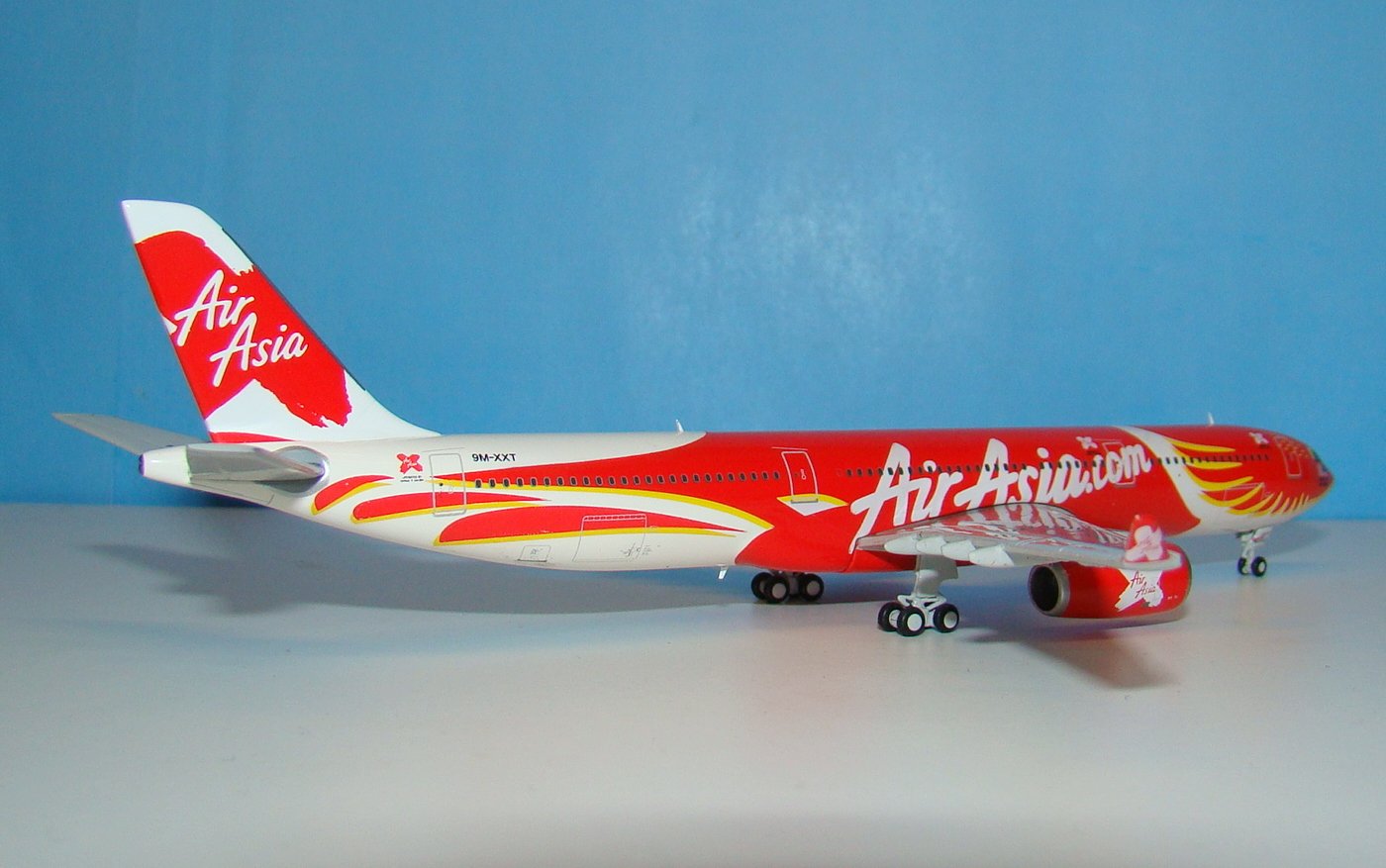
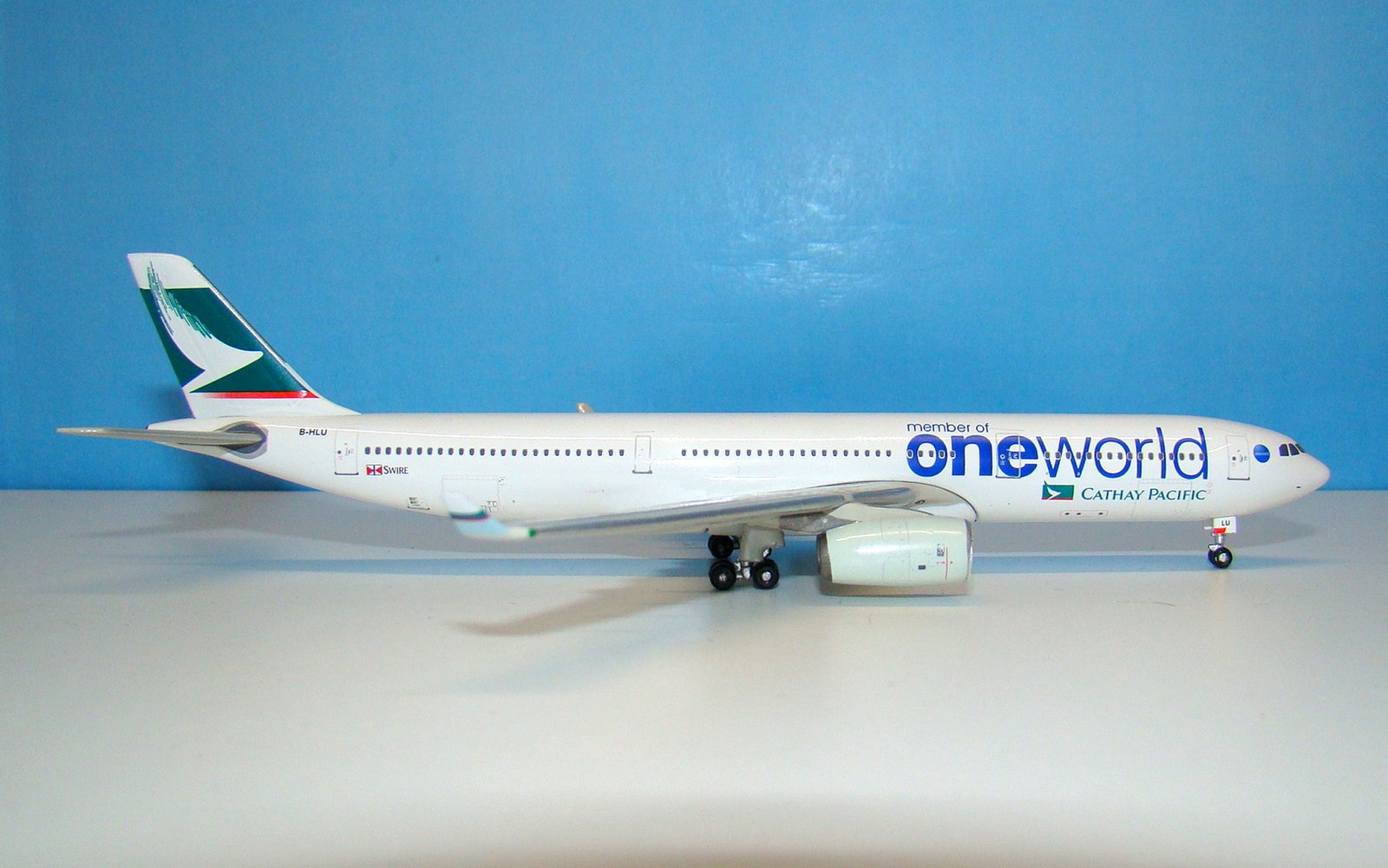
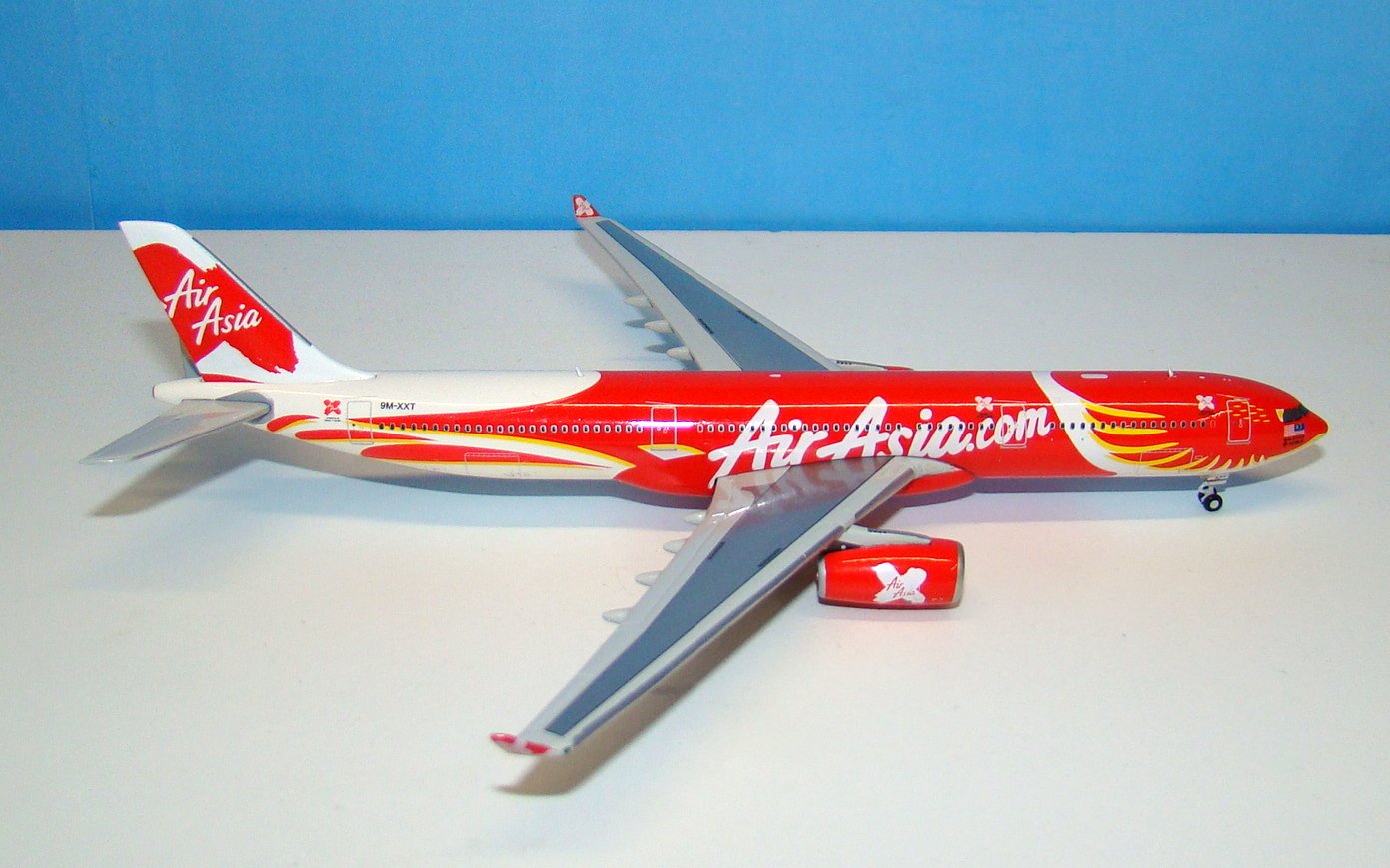
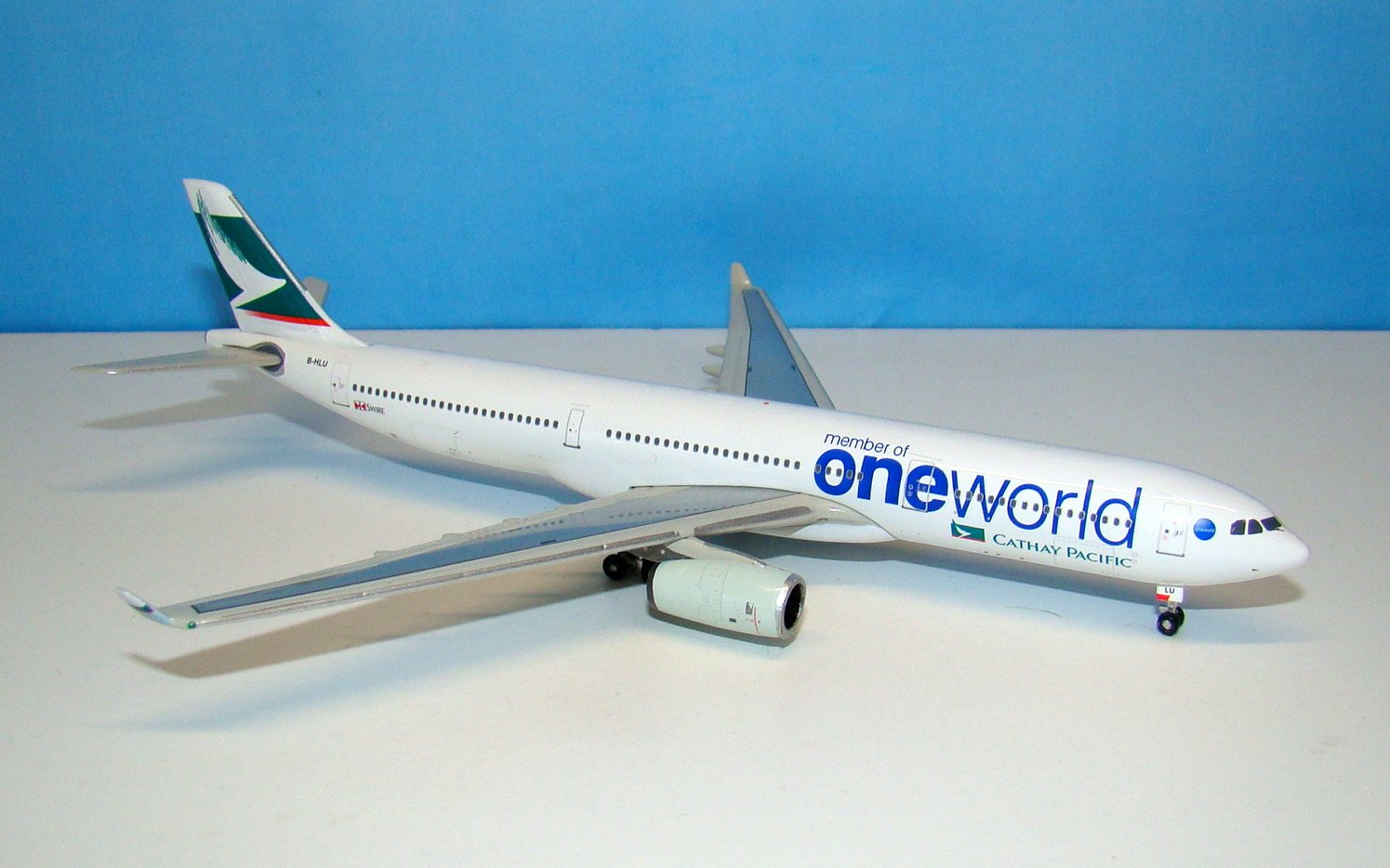
Phoenix broke away from the old Gemini A330 mould in 2010 with a mould that impressed at the time and remains competitive today. As with their other moulds satnav humps and antennae were added from about 2014. Although this is a very good mould it isn’t perfect. The nosegear doors are too large and the maingear is a little chunky and poorly detailed. The crease after the wing is also missing and the fuselage underside is poorly detailed in terms of intakes. This mould has seen the most usage of any A330ceo and continues in use into 2027.
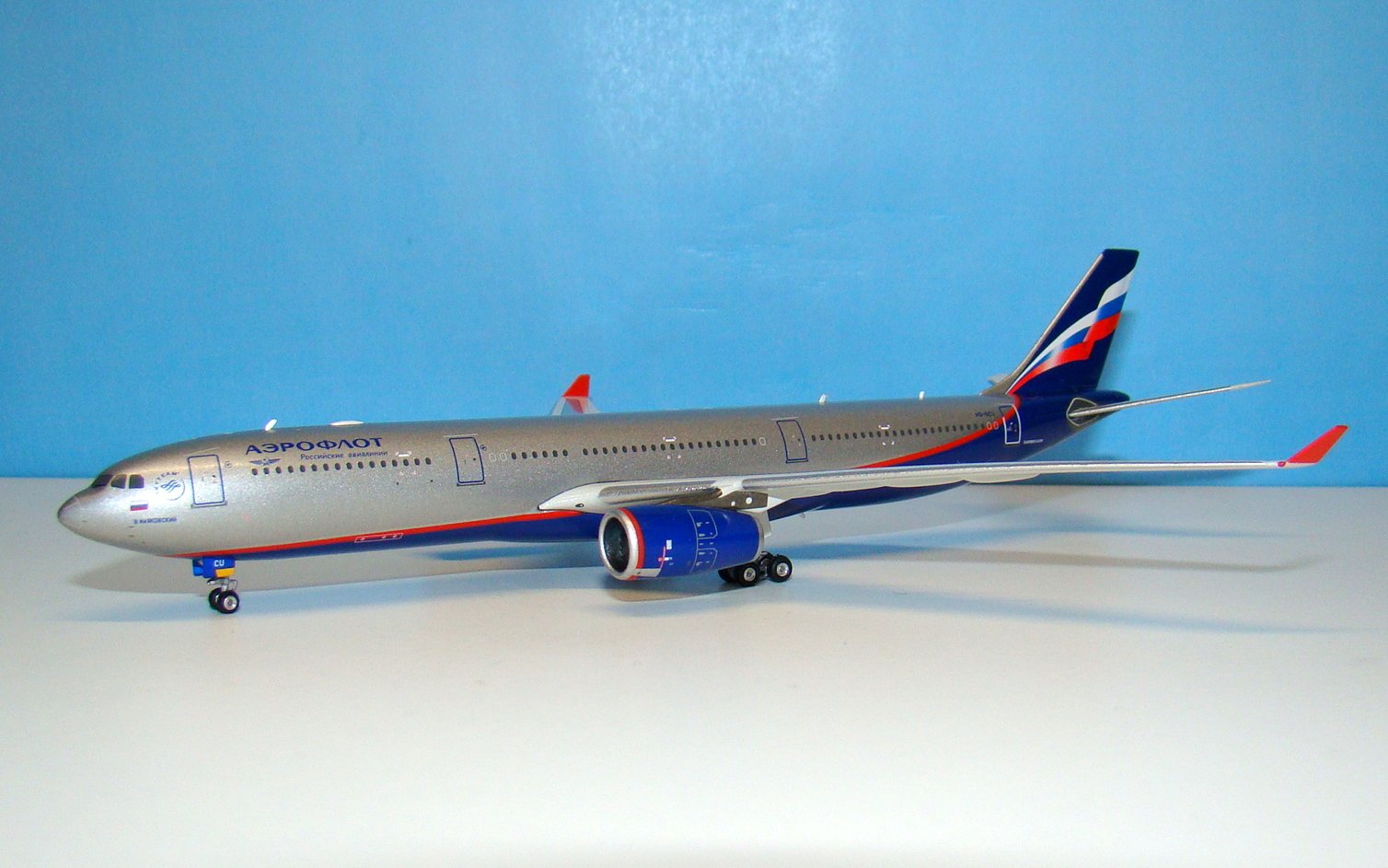

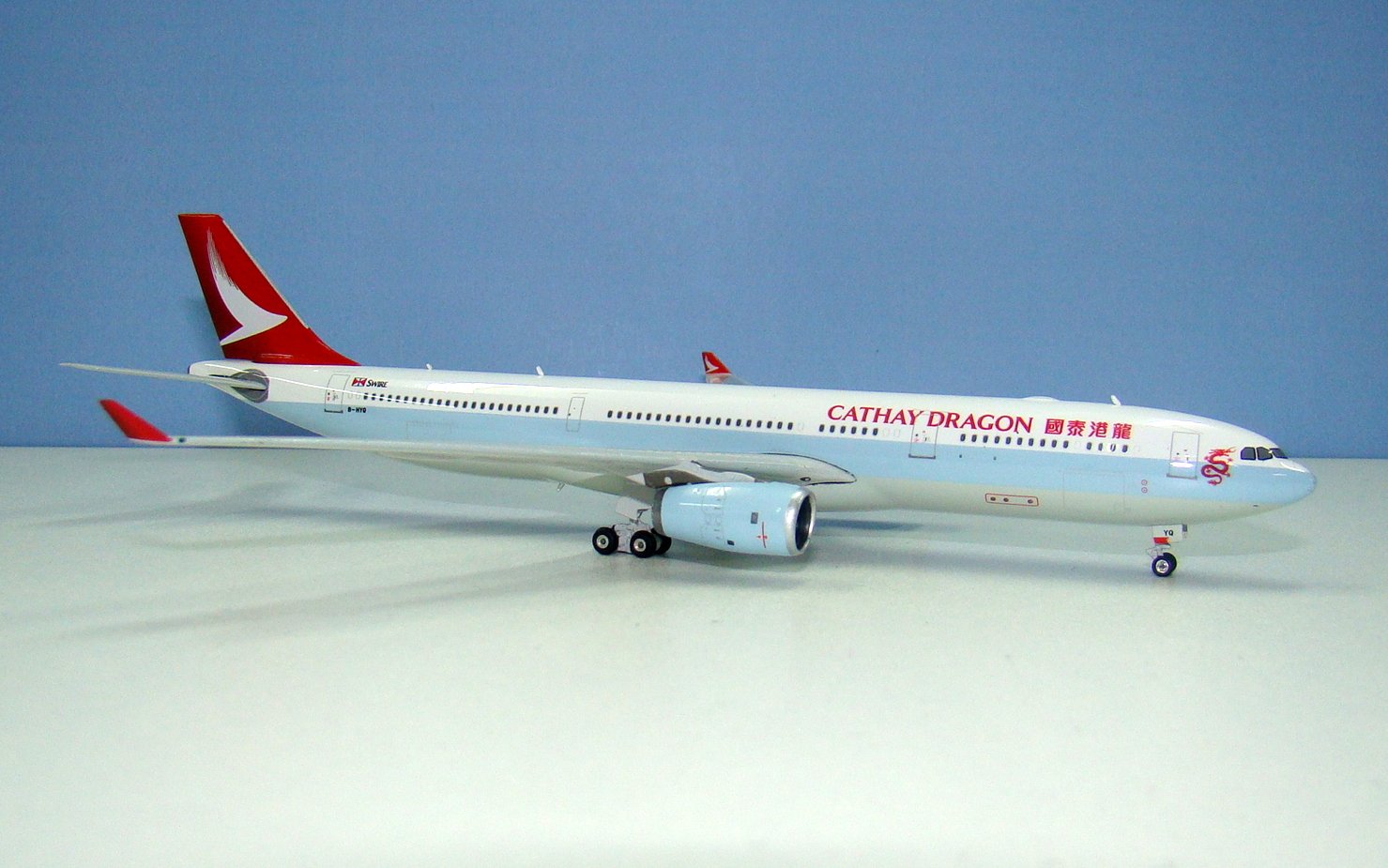
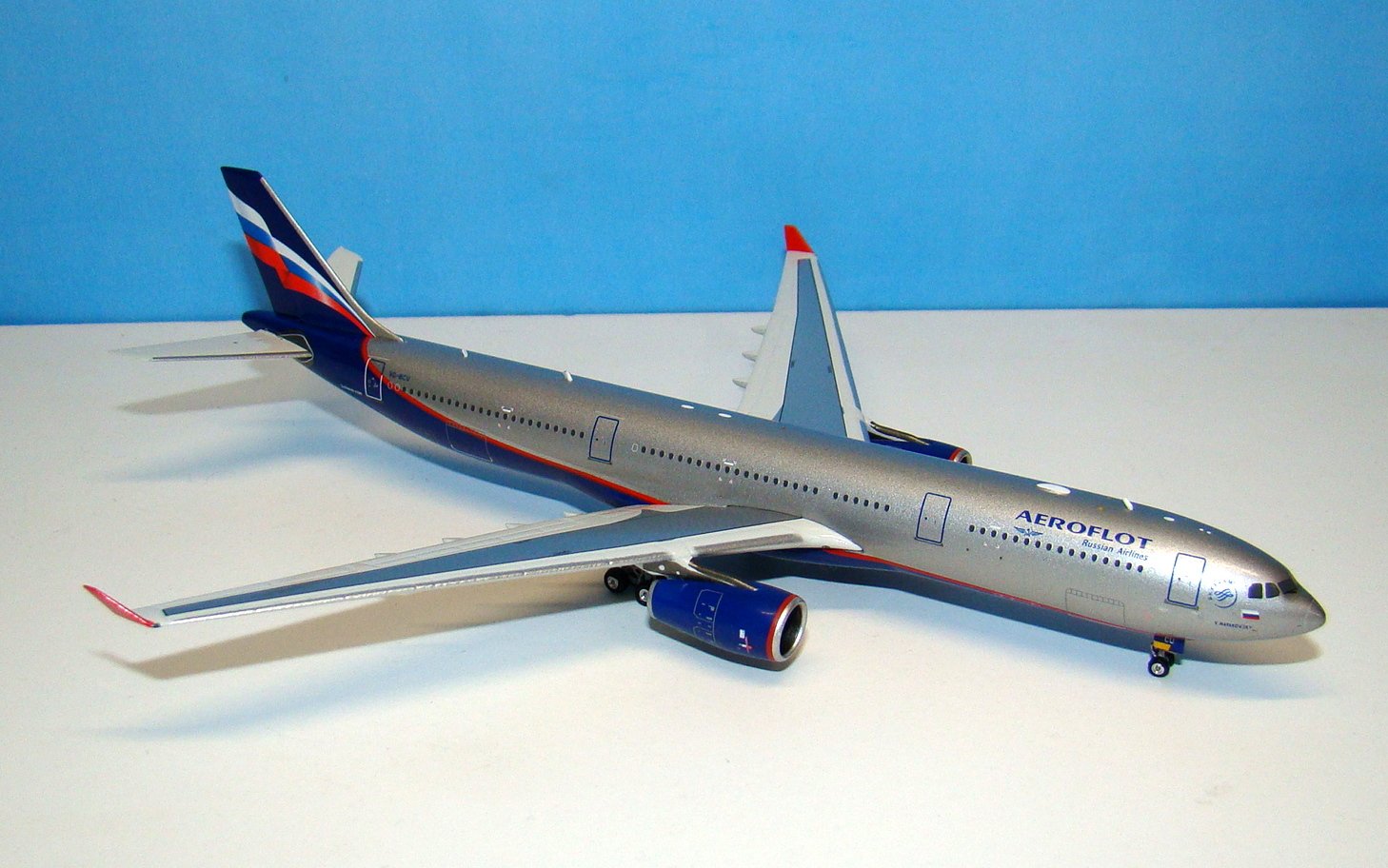
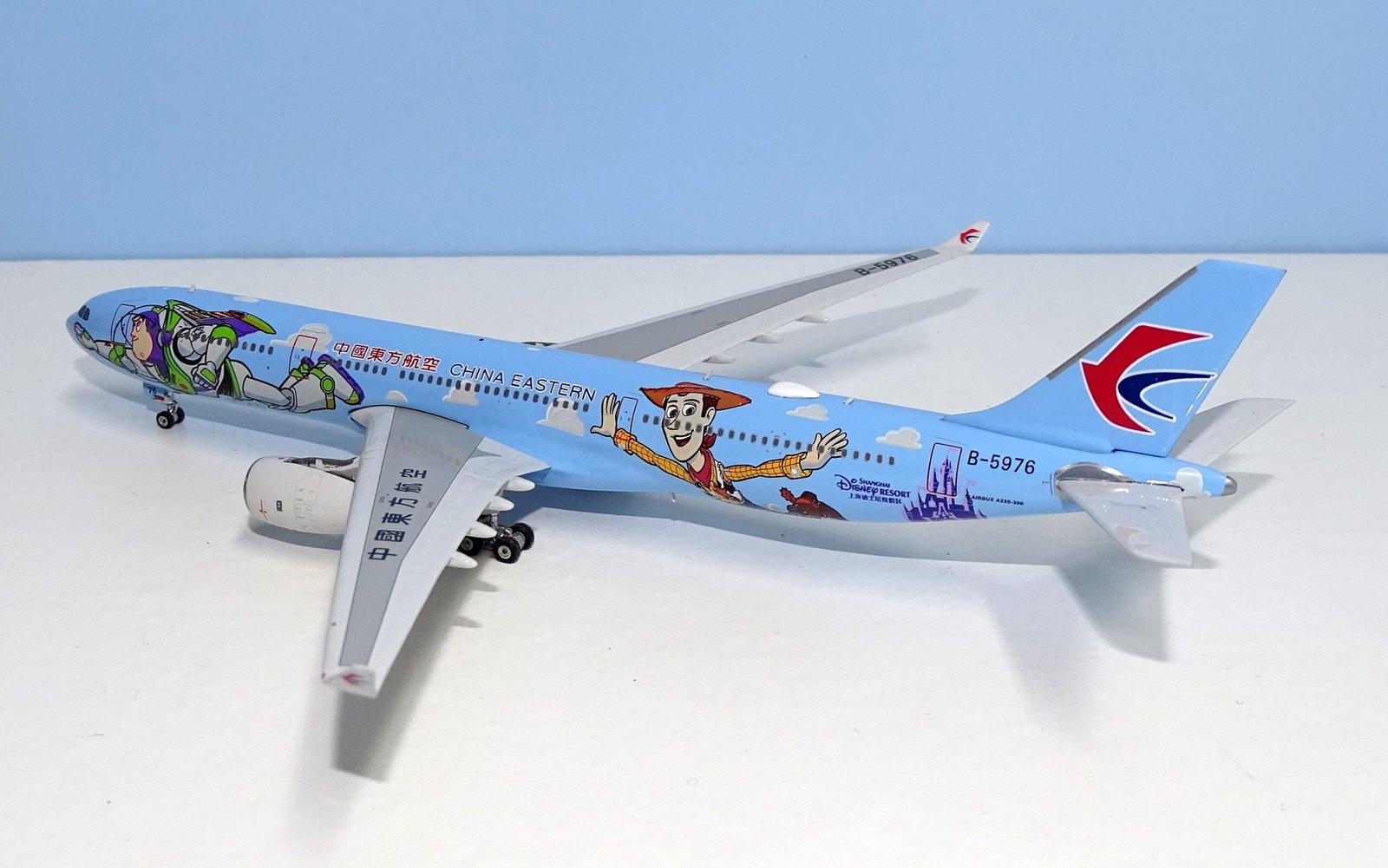

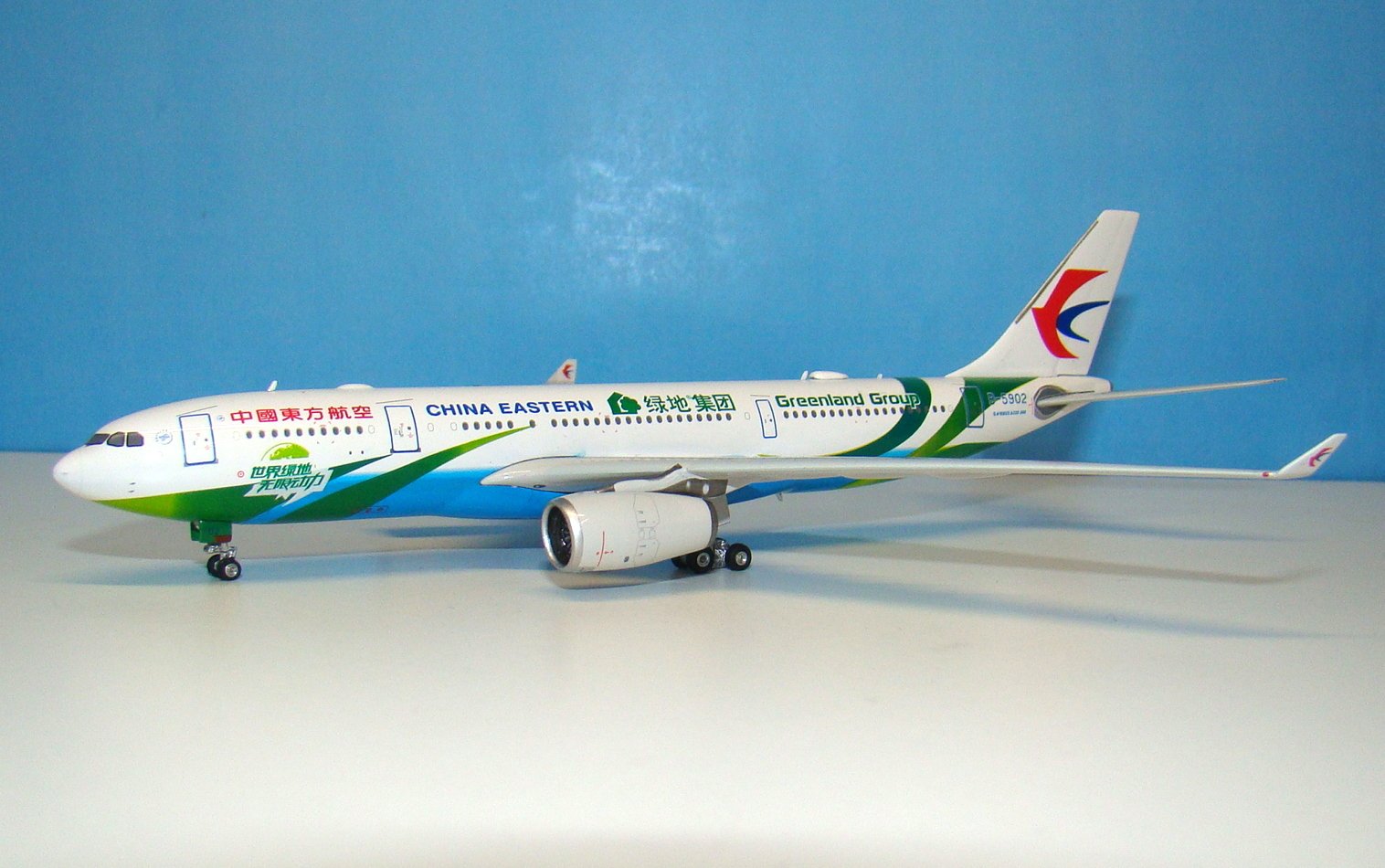
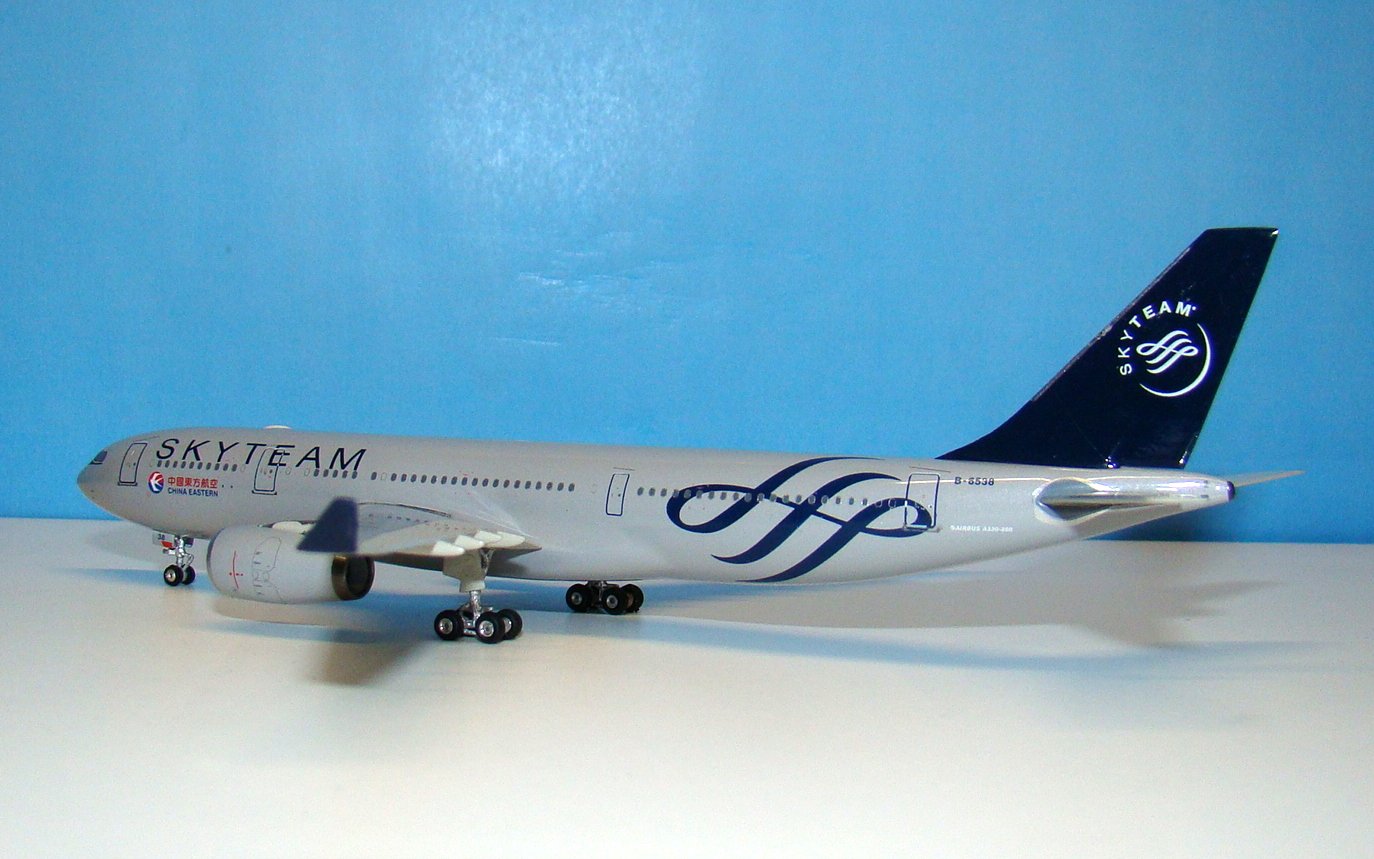
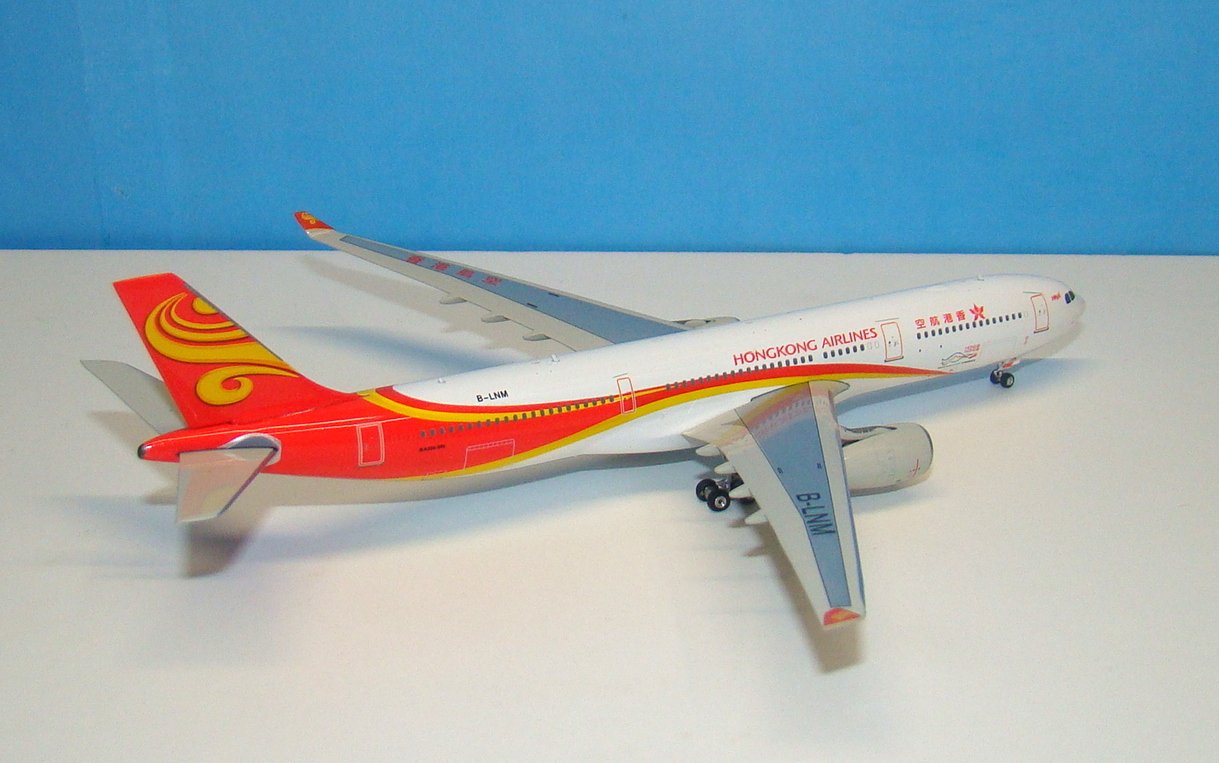
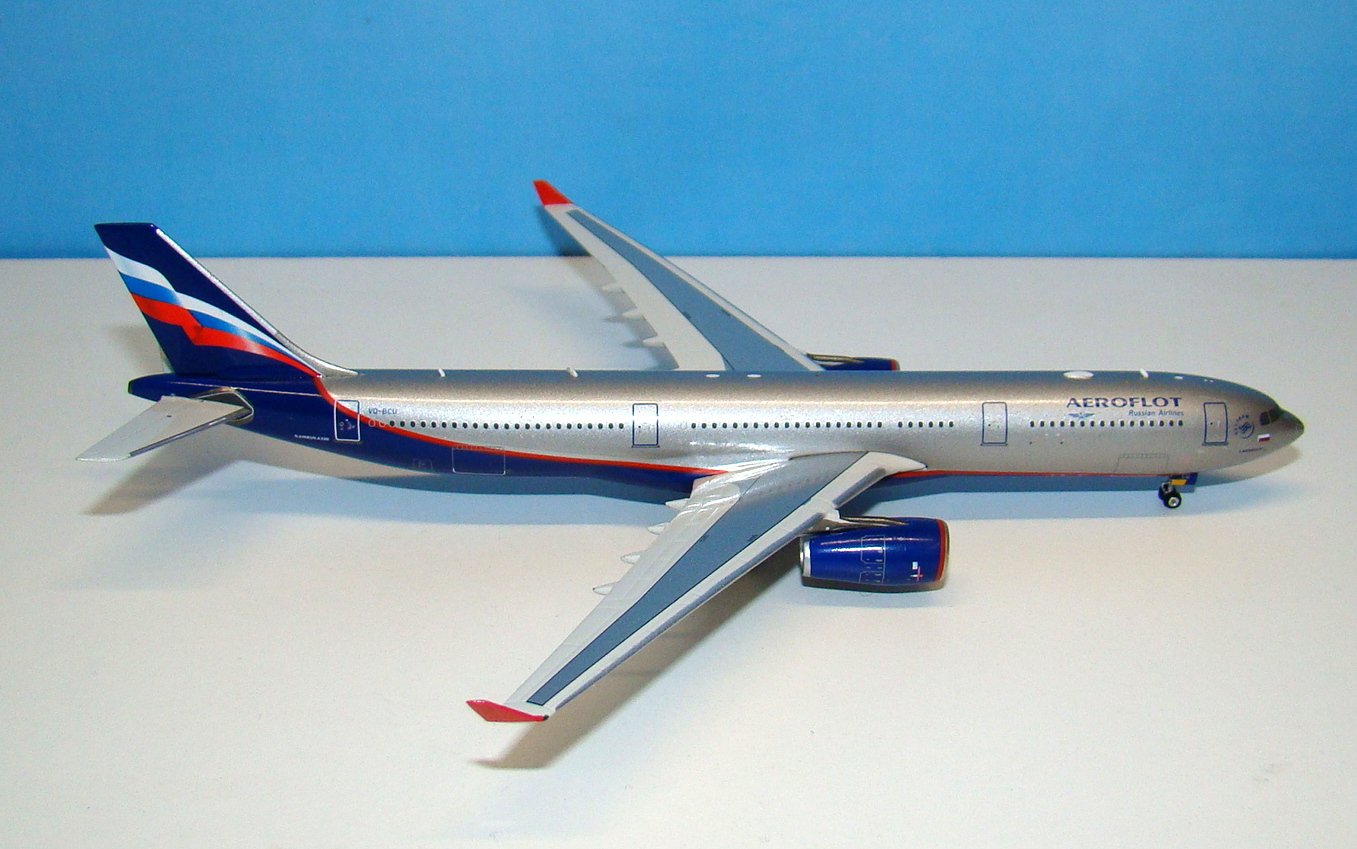
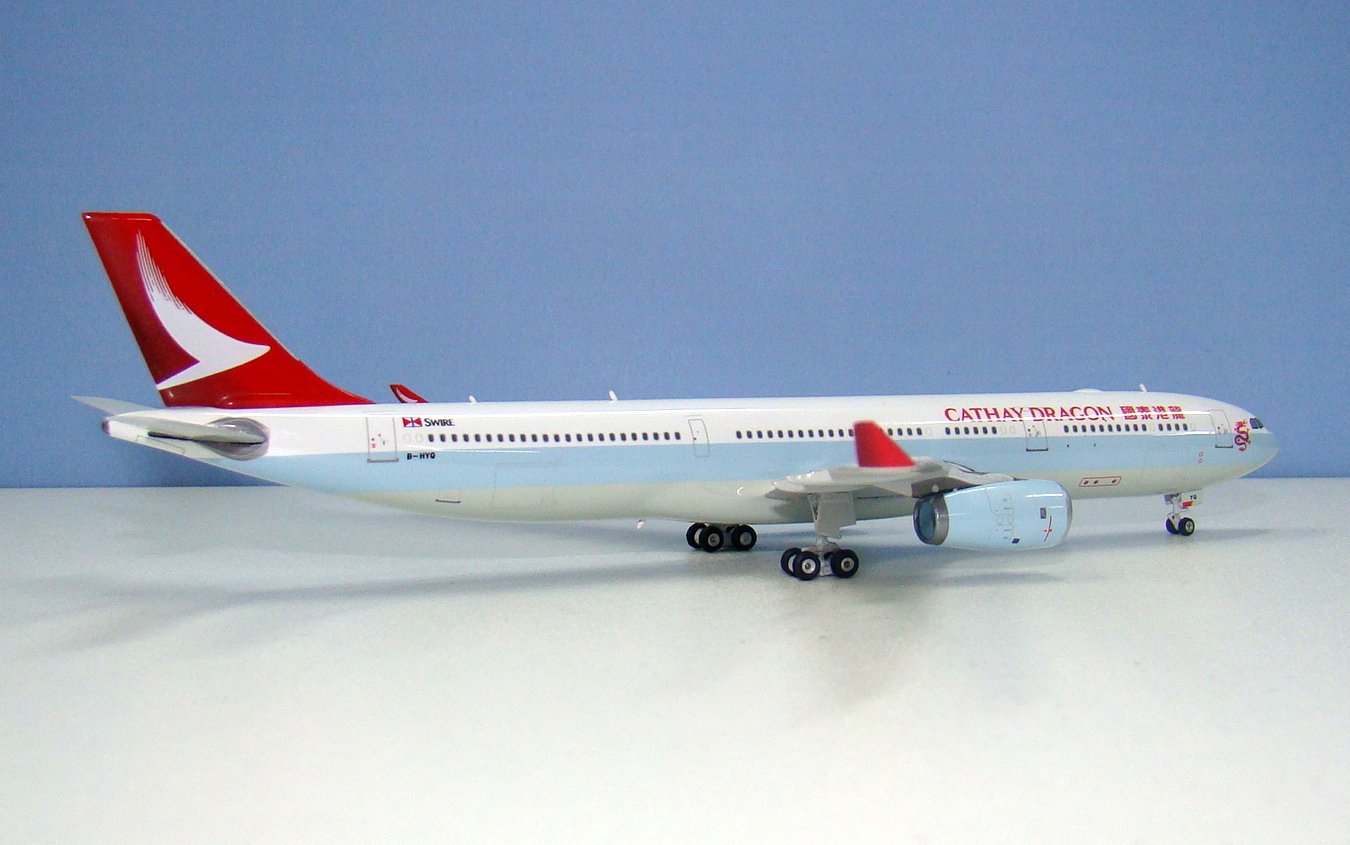
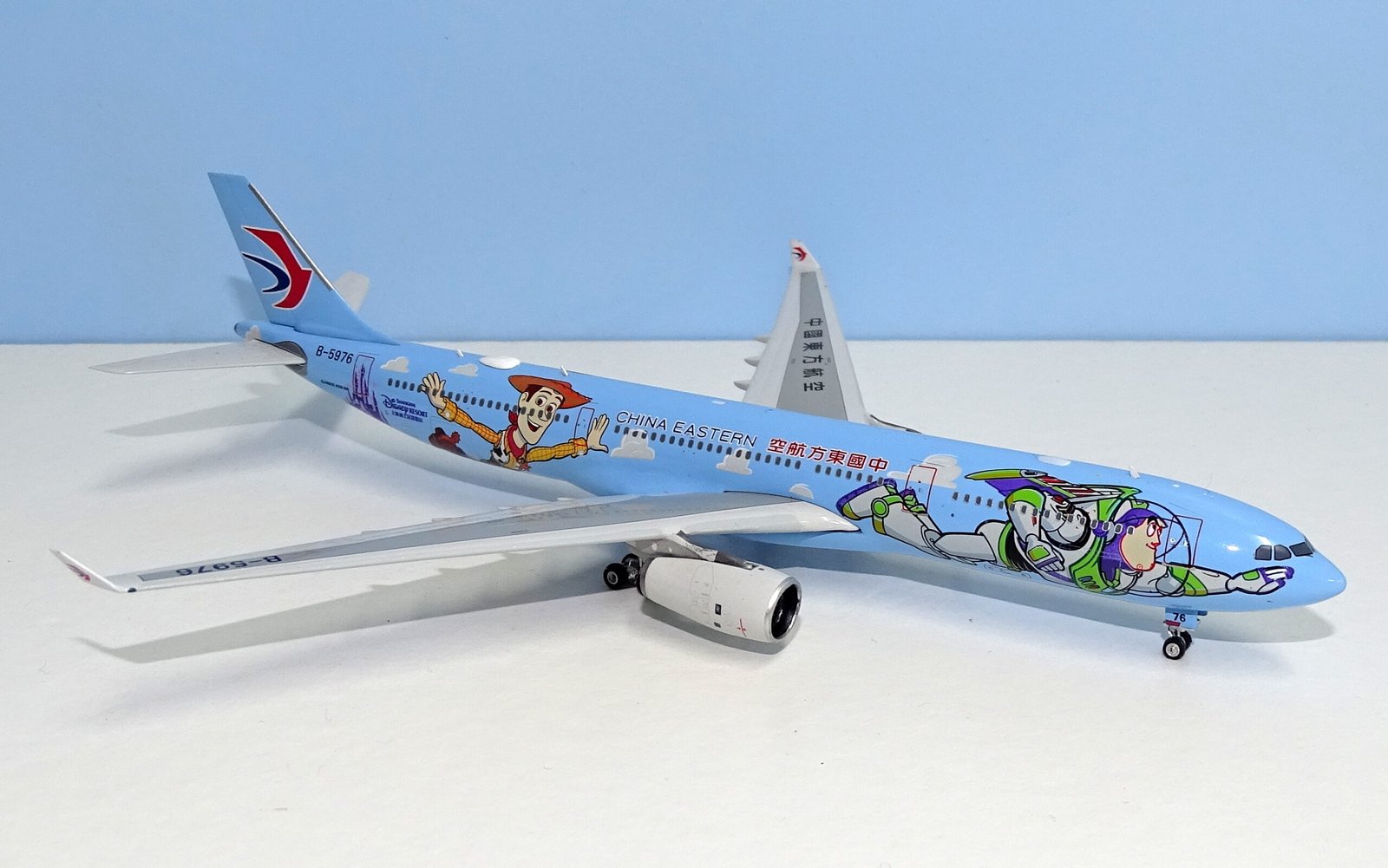

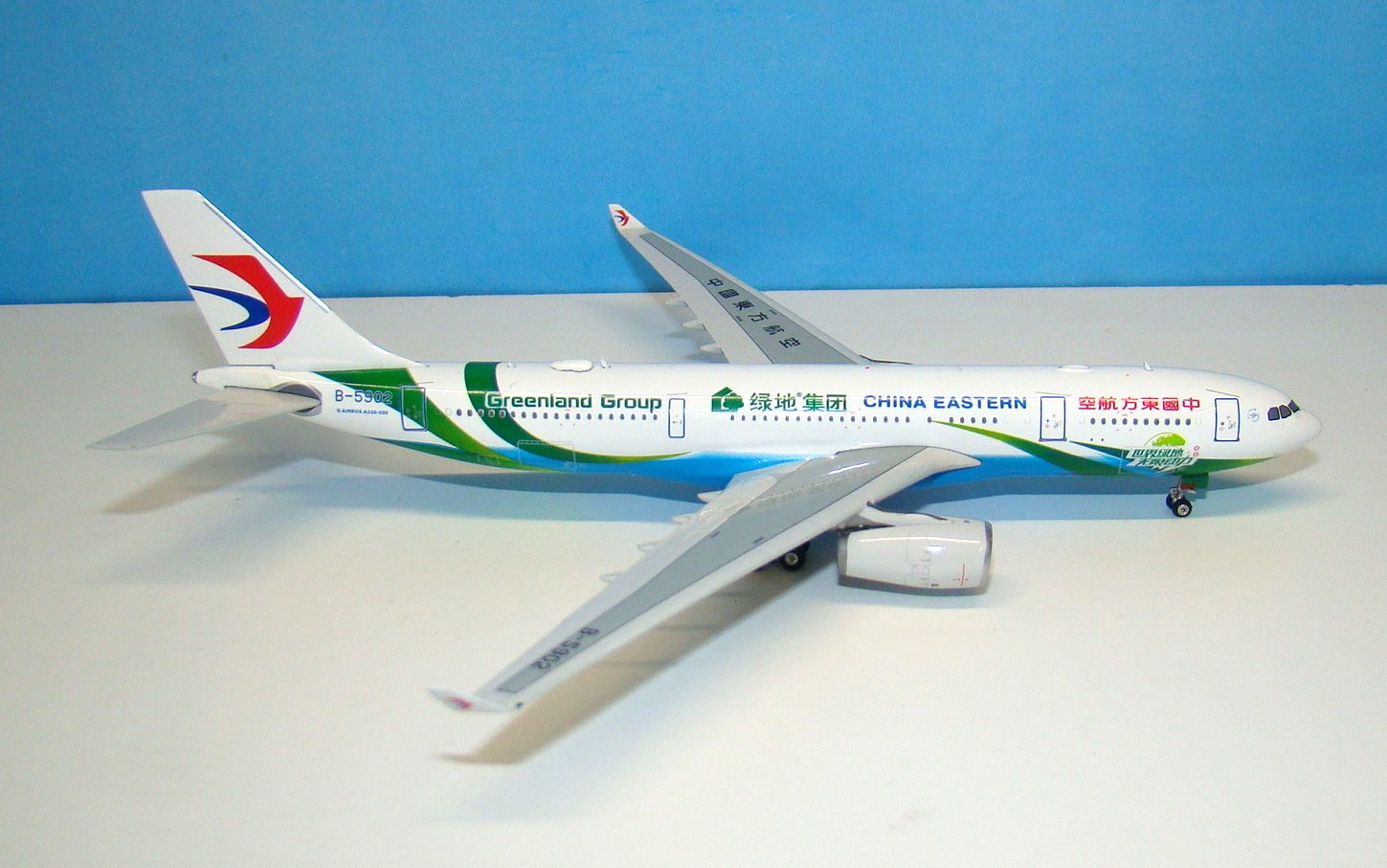
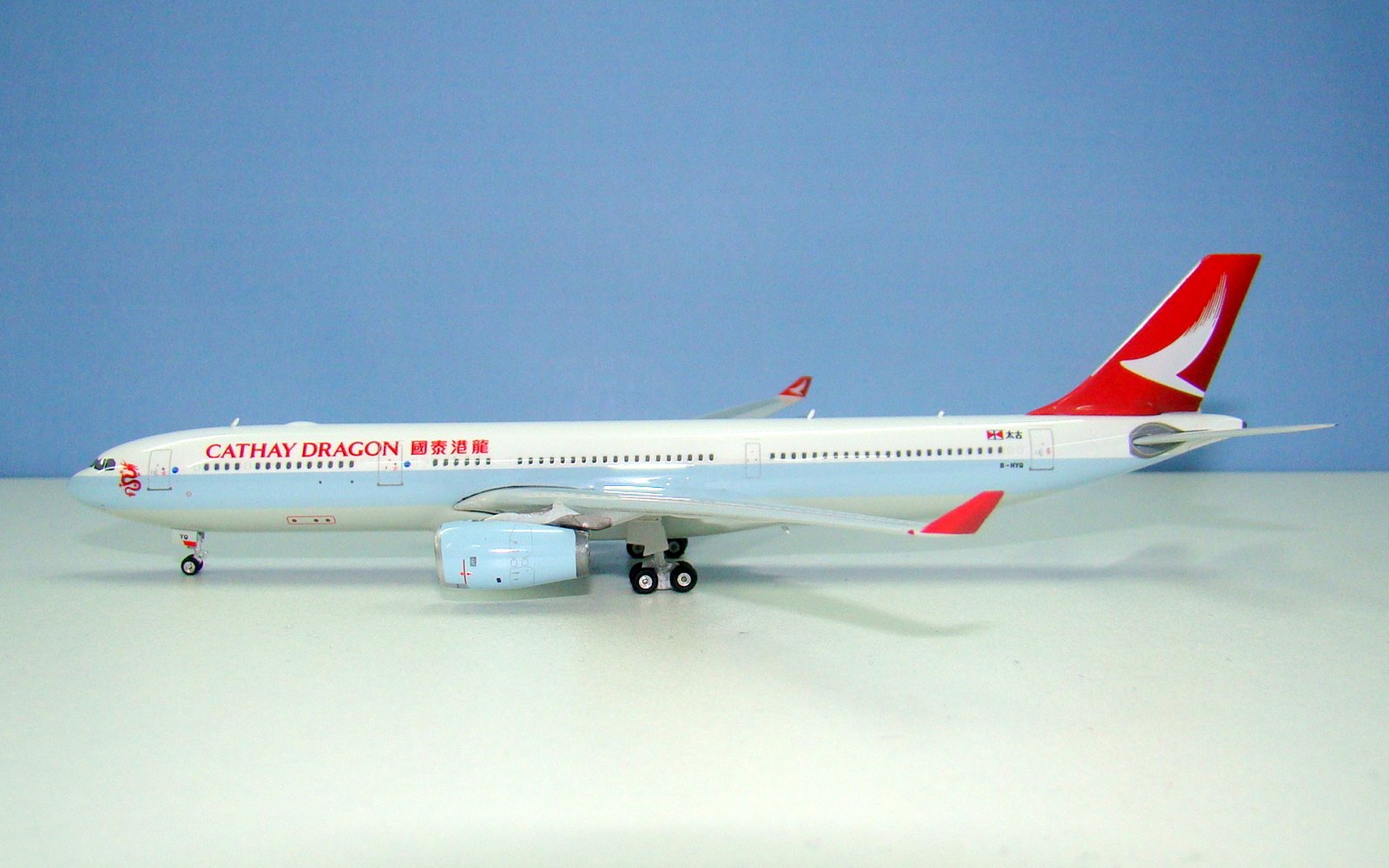
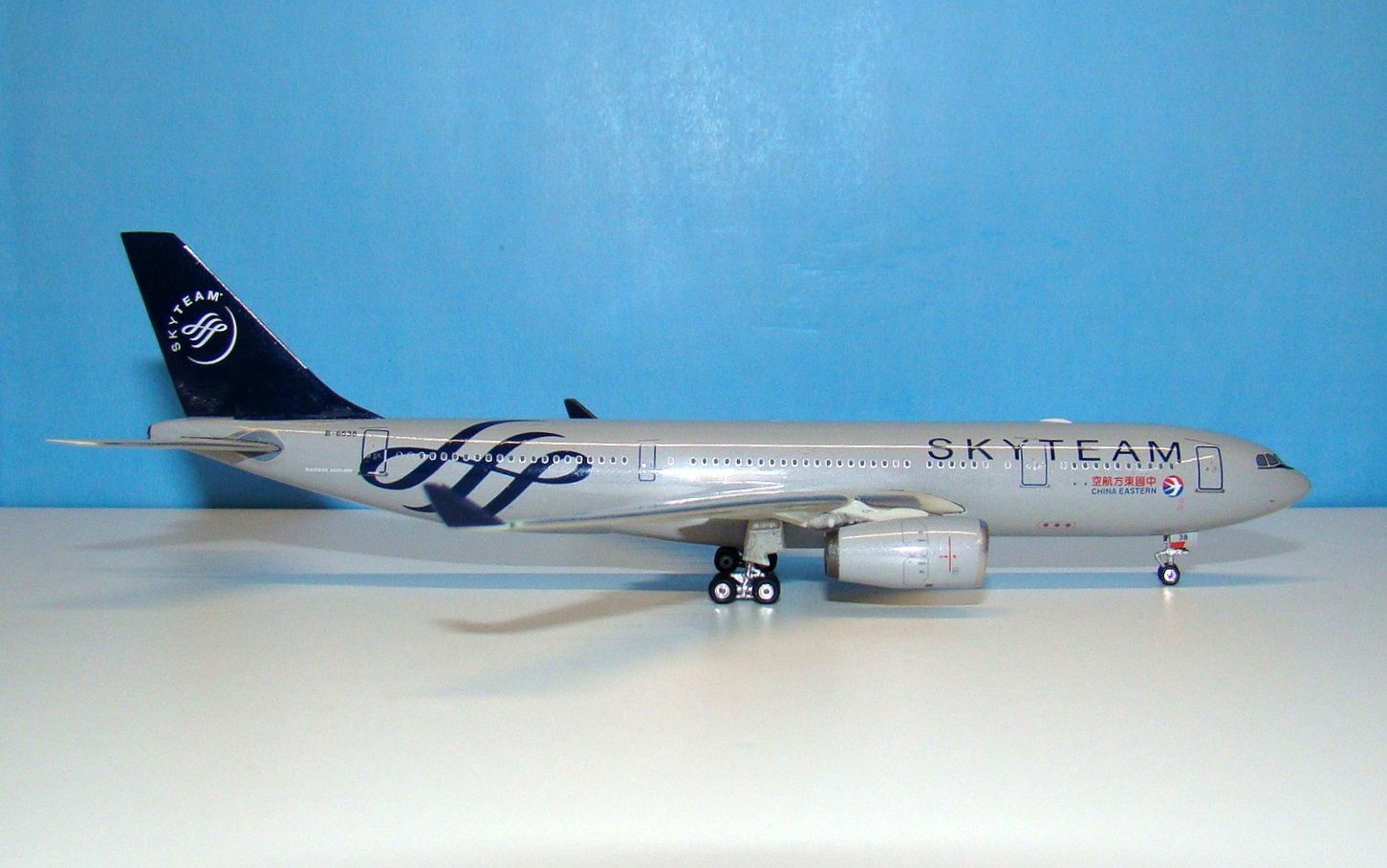
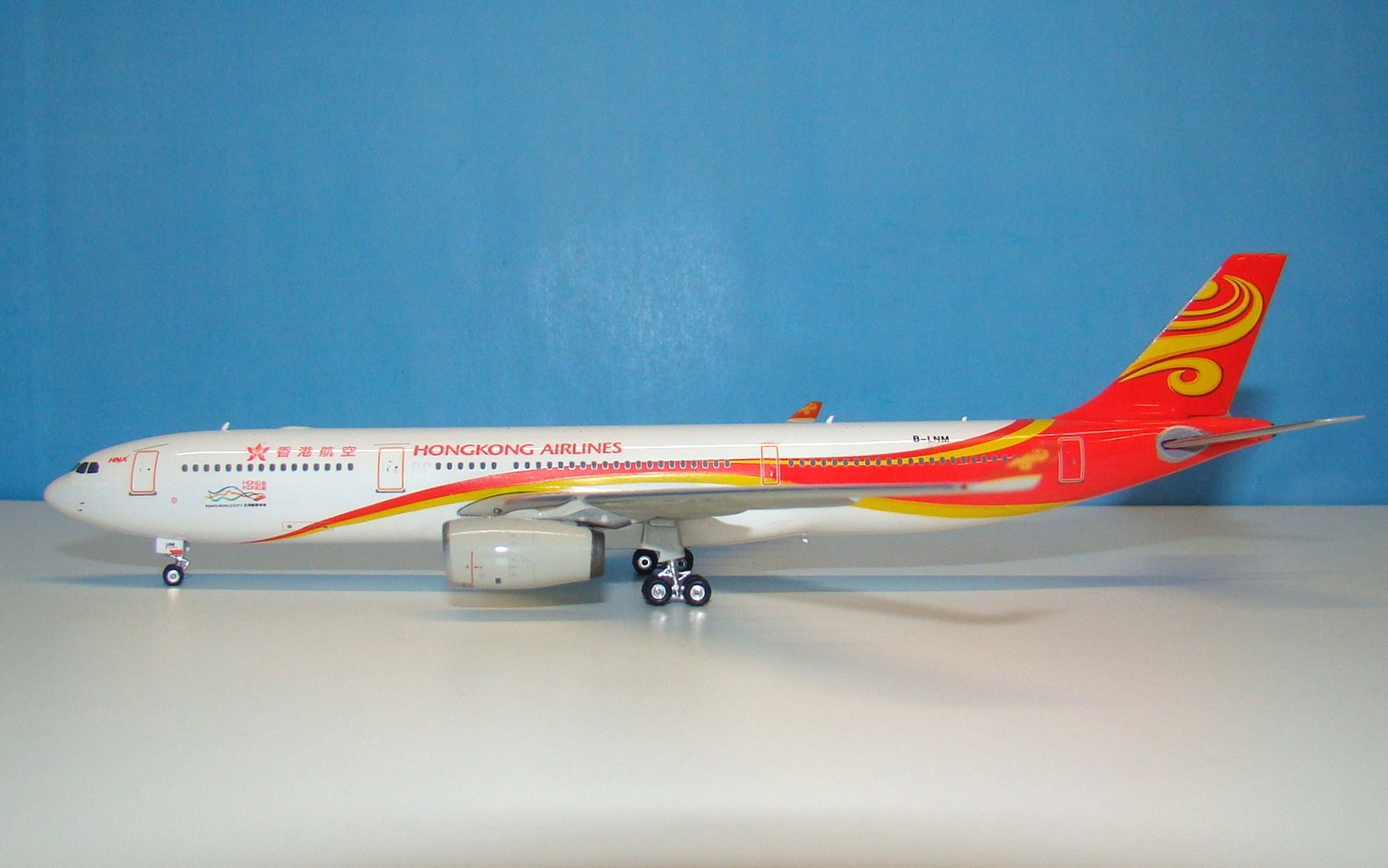
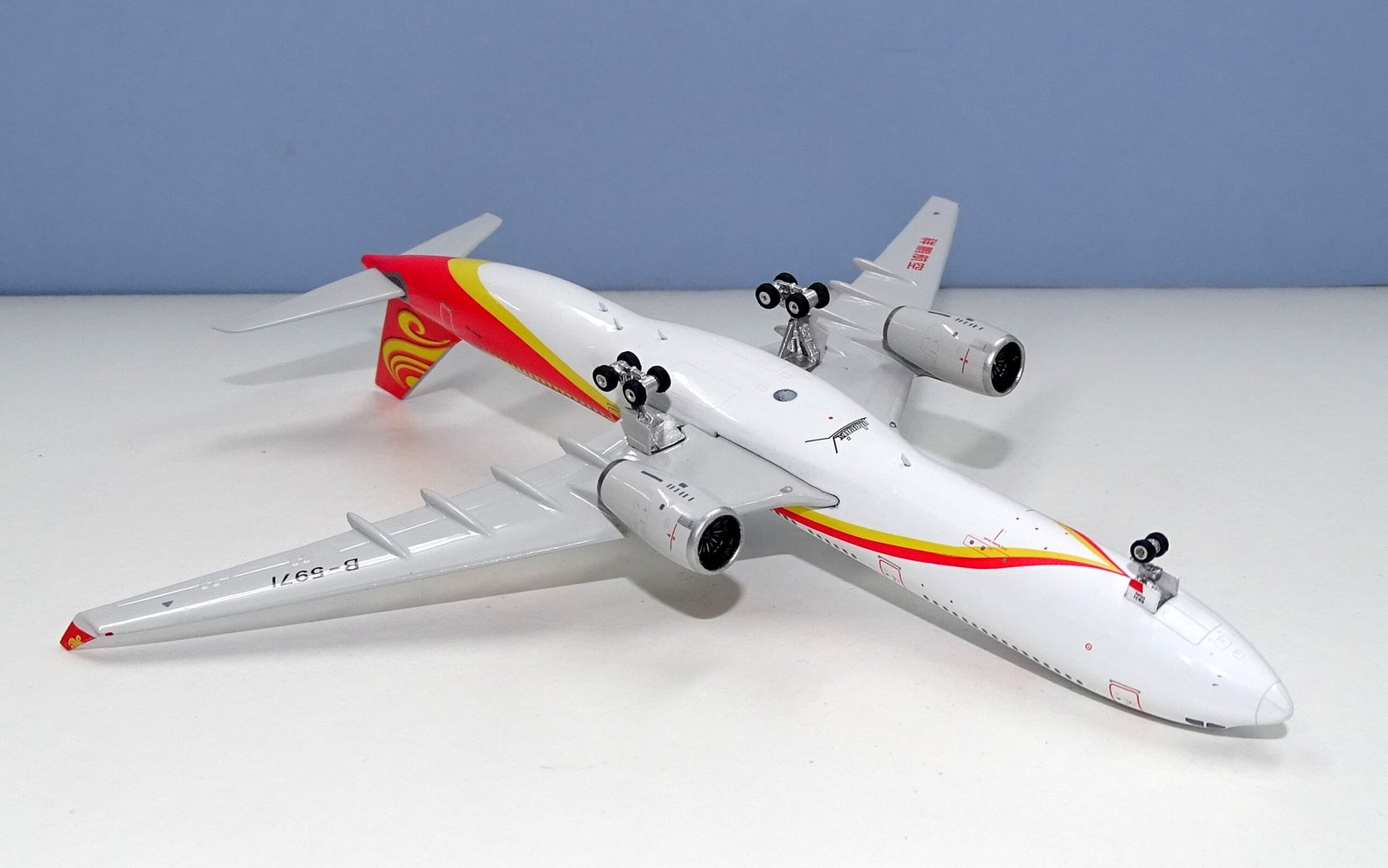
One thing to be aware of at least historically have been some poorly fitting wings especially at the rear where they join the fuselage. Additionally the Phoenix A330-200 for many years had incorrectly over-sized horizontal stabilisers but these were fixed in 2024 so that is no longer an issue.

I reviewed a Phoenix A330-200 in early 2025 – see here:

Aeroclassics (2011)
Aeroclassics followed up its BabyBus range with BigBus A330/340s in 2011 and they are generally superb. The mould is excellent being completely seamless and perfectly proportioned. The nose is perhaps not quite as well defined as the Phoenix and the detailing of the cockpit windows not as nice but these are minor points. For me the cockpit windows are just a bit too small and on some models they have a heavy outlining also. One of the moulds strongpoints is the undercarriage. Be aware that Aeroclassics still doesn’t believe in aerials in 1:400 scale so if that is an issue for you buy elsewhere. Additionally Aeroclassics overall print quality isn’t what it once was. They continues to release A330s and has also released a couple of American Airlines aircraft under the BlueBox brand.
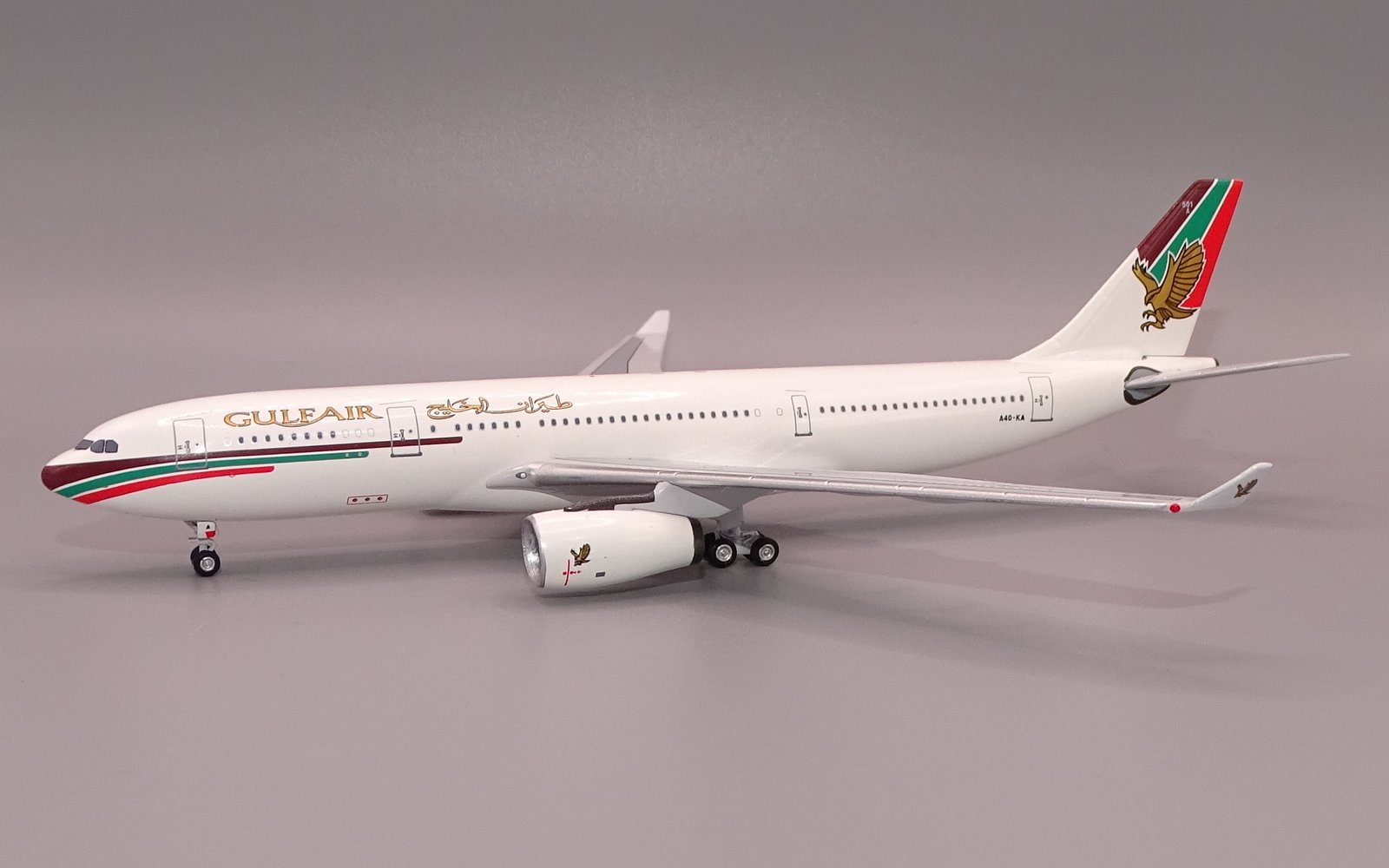
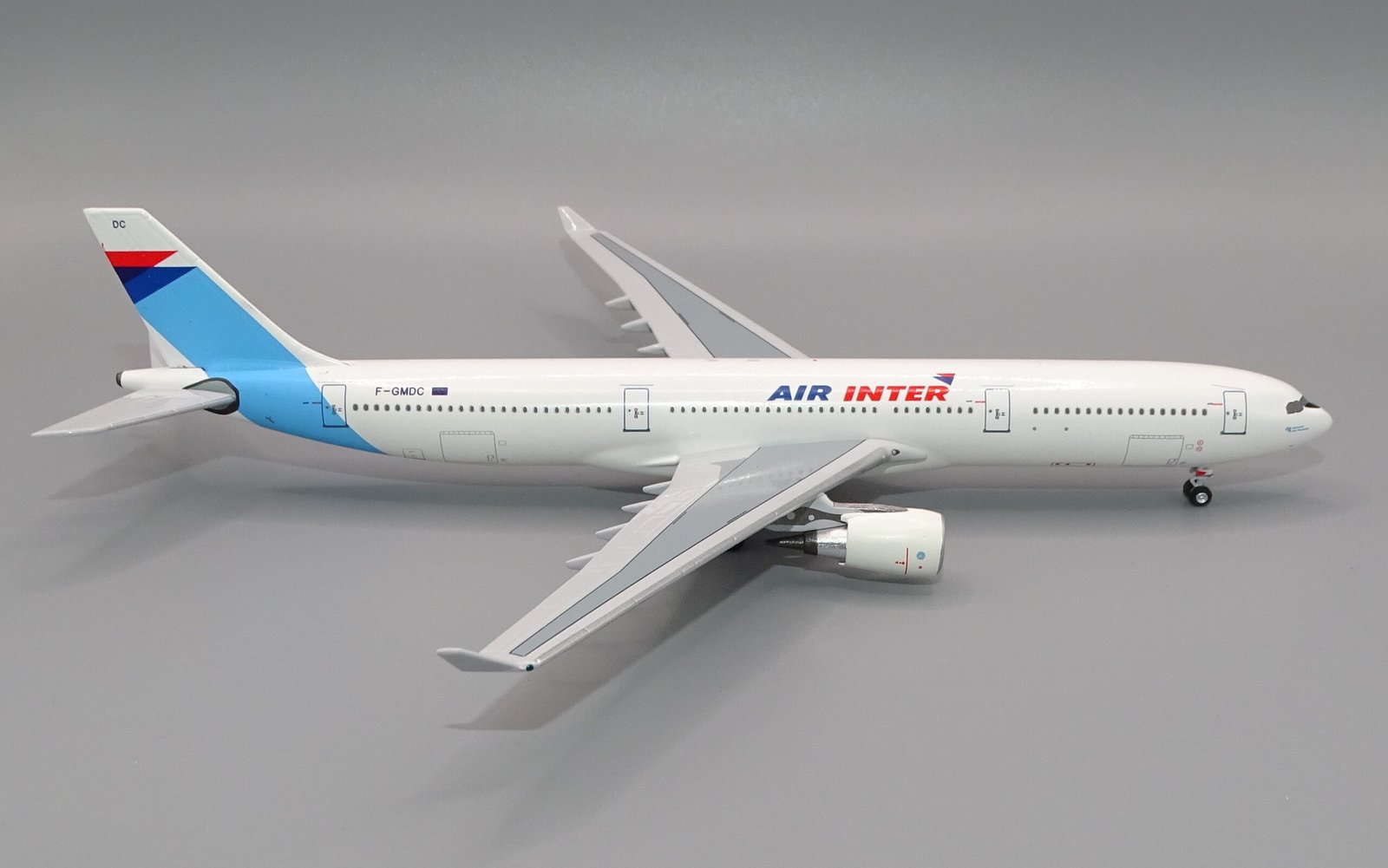
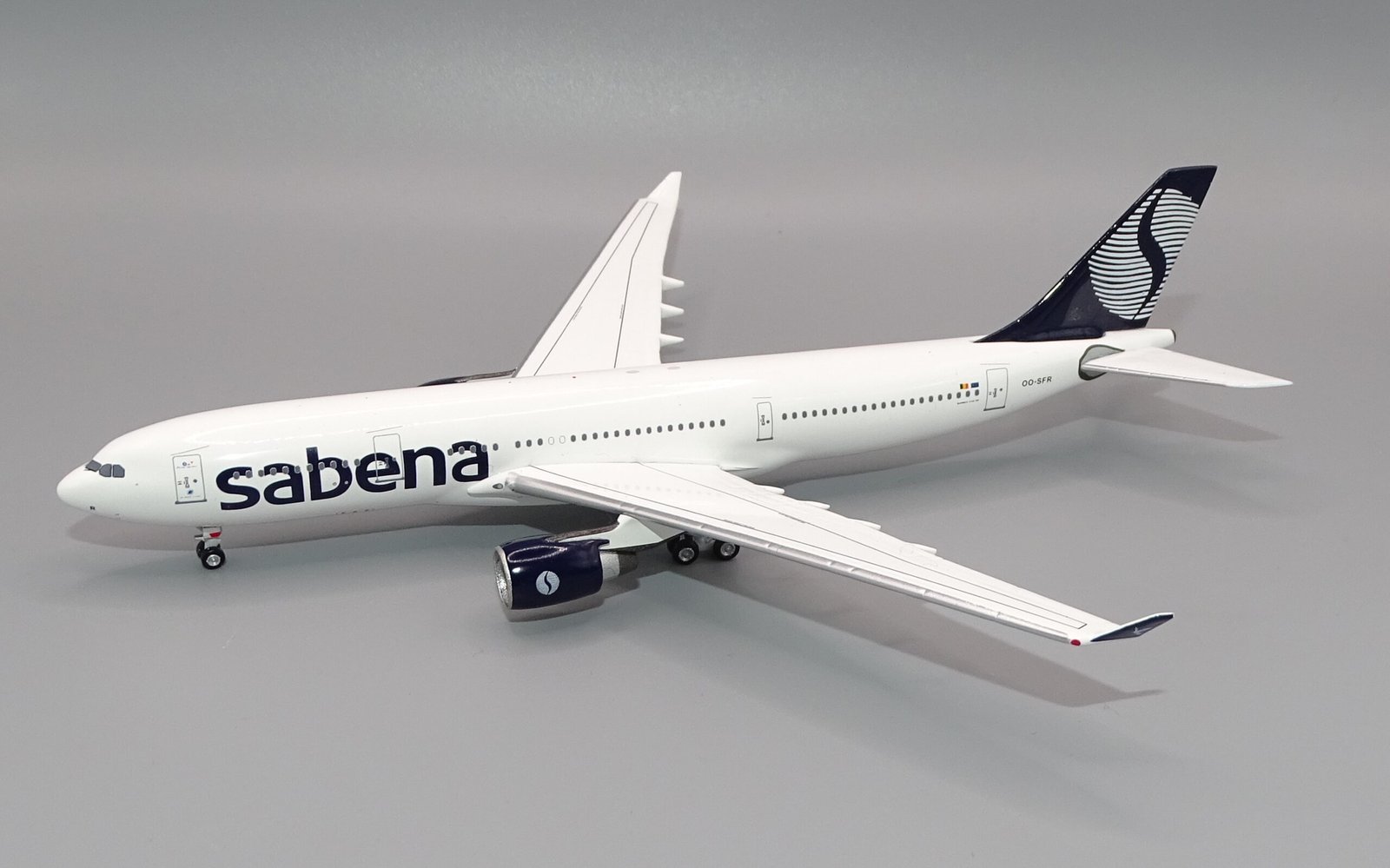
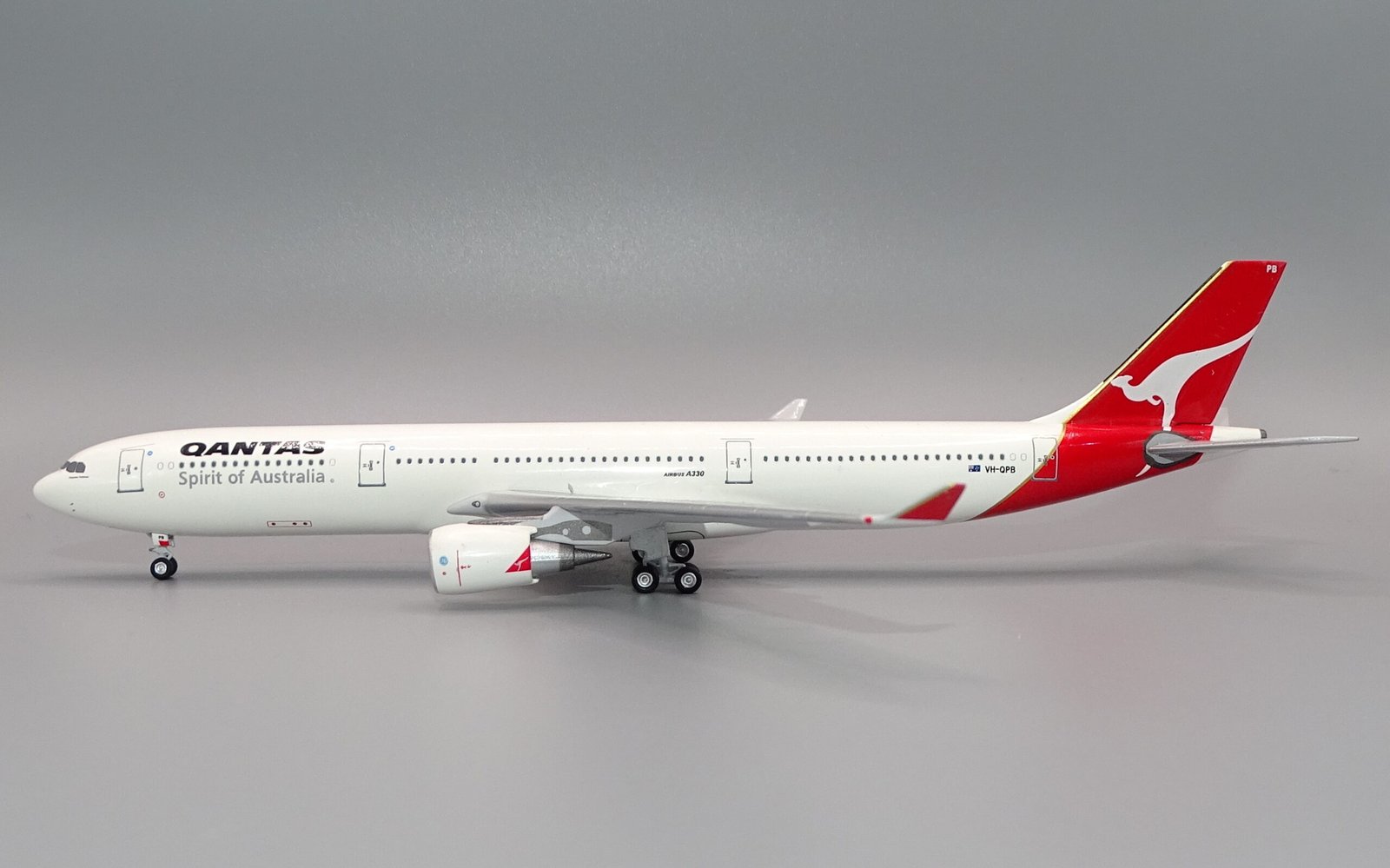
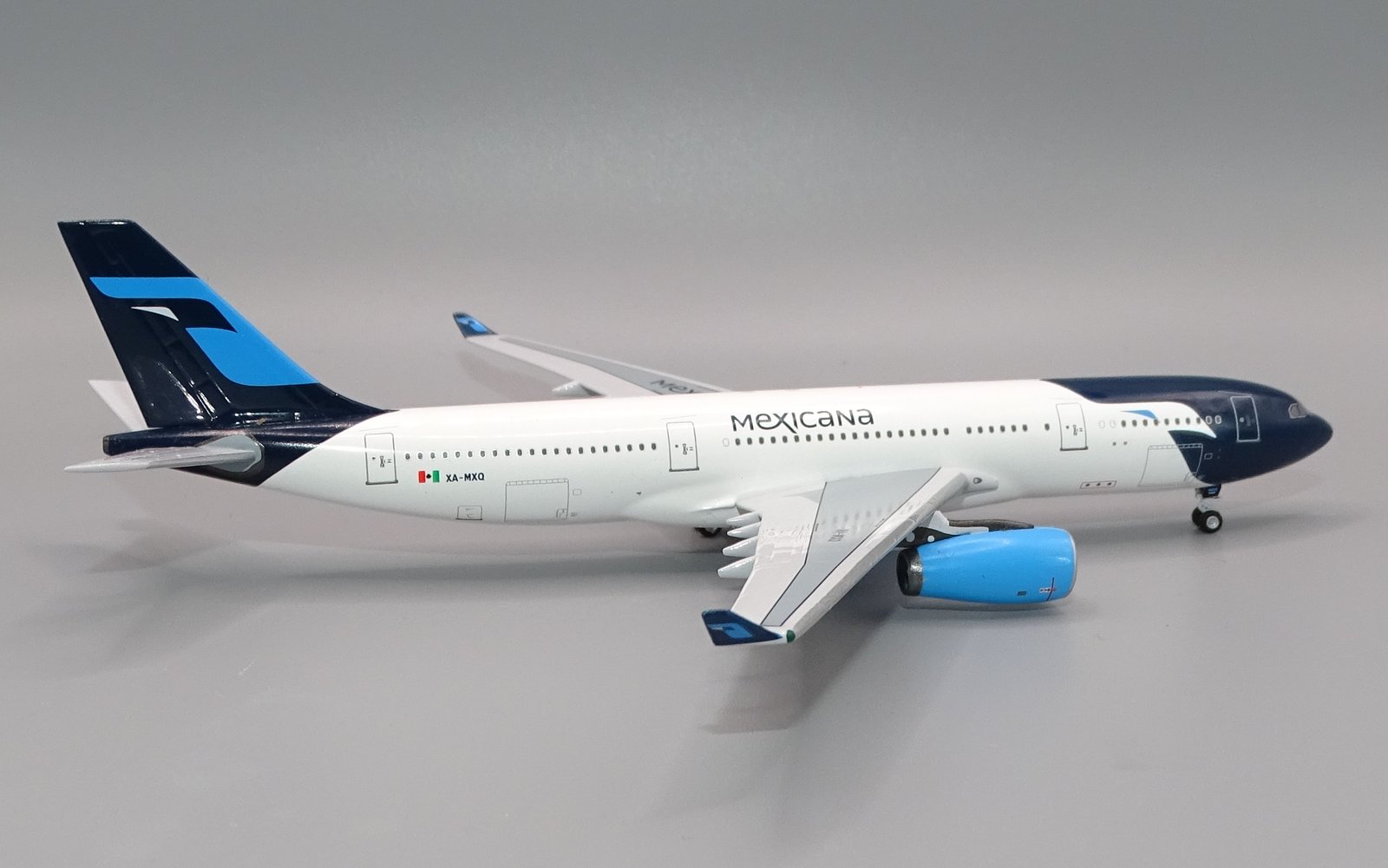


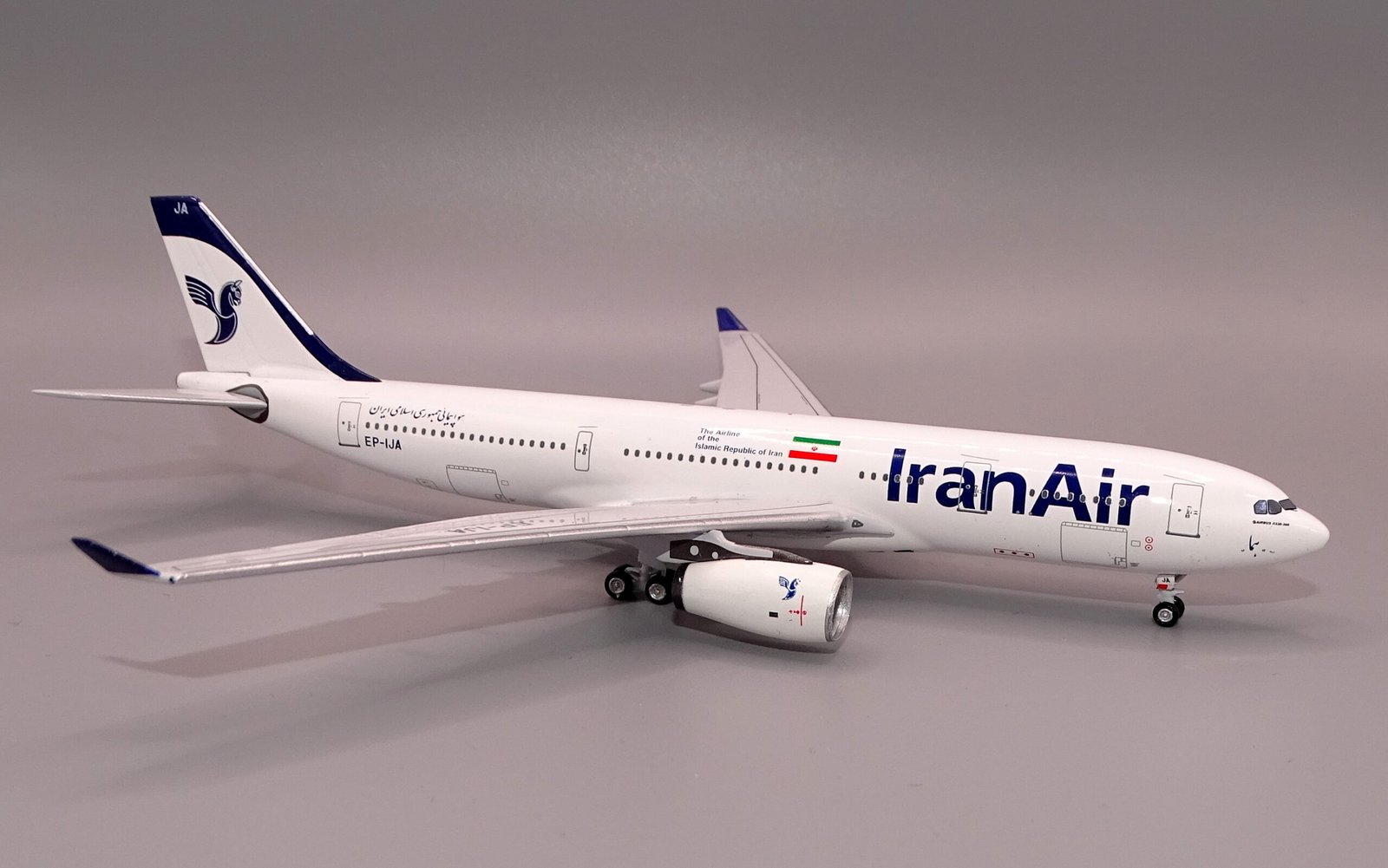
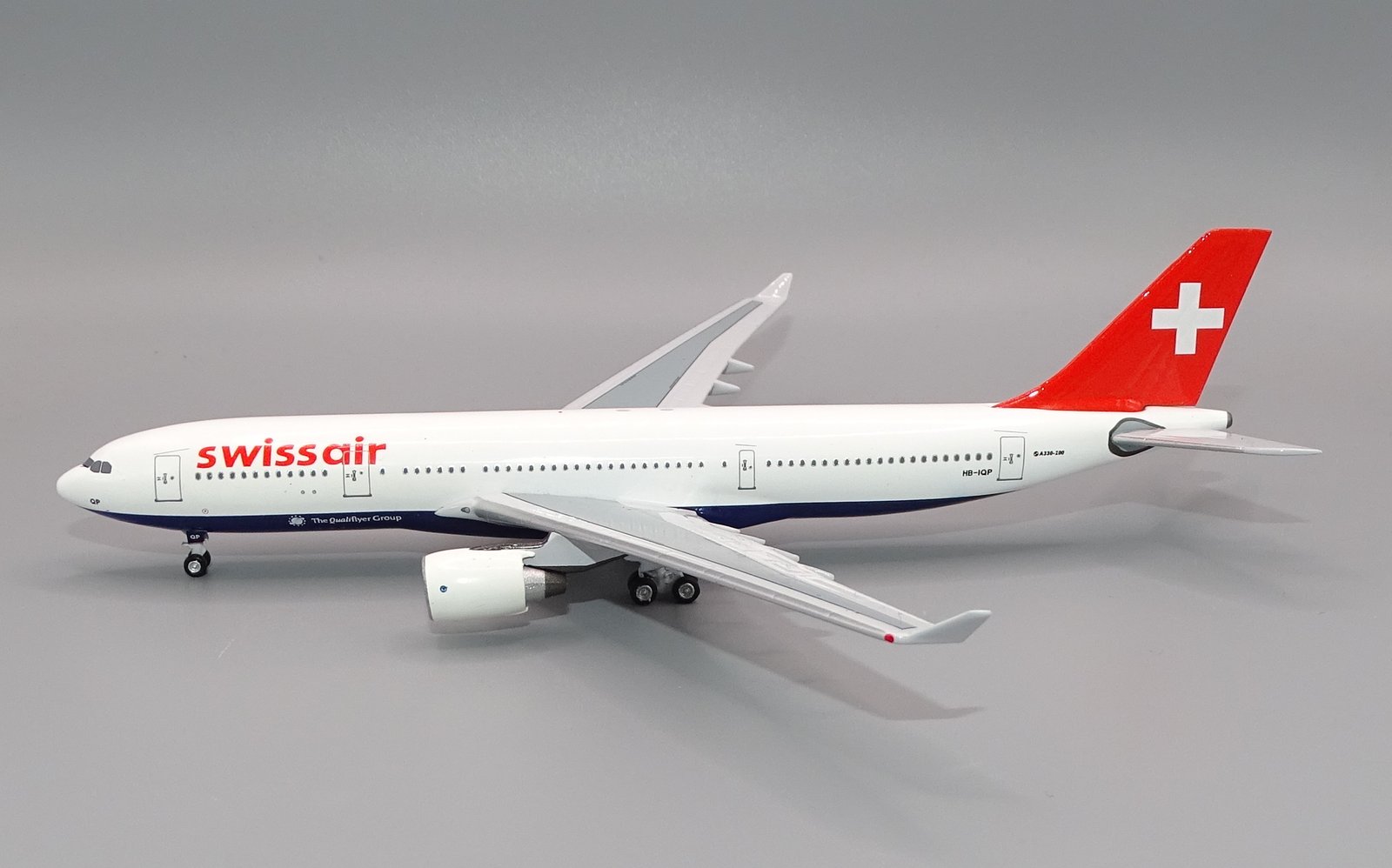
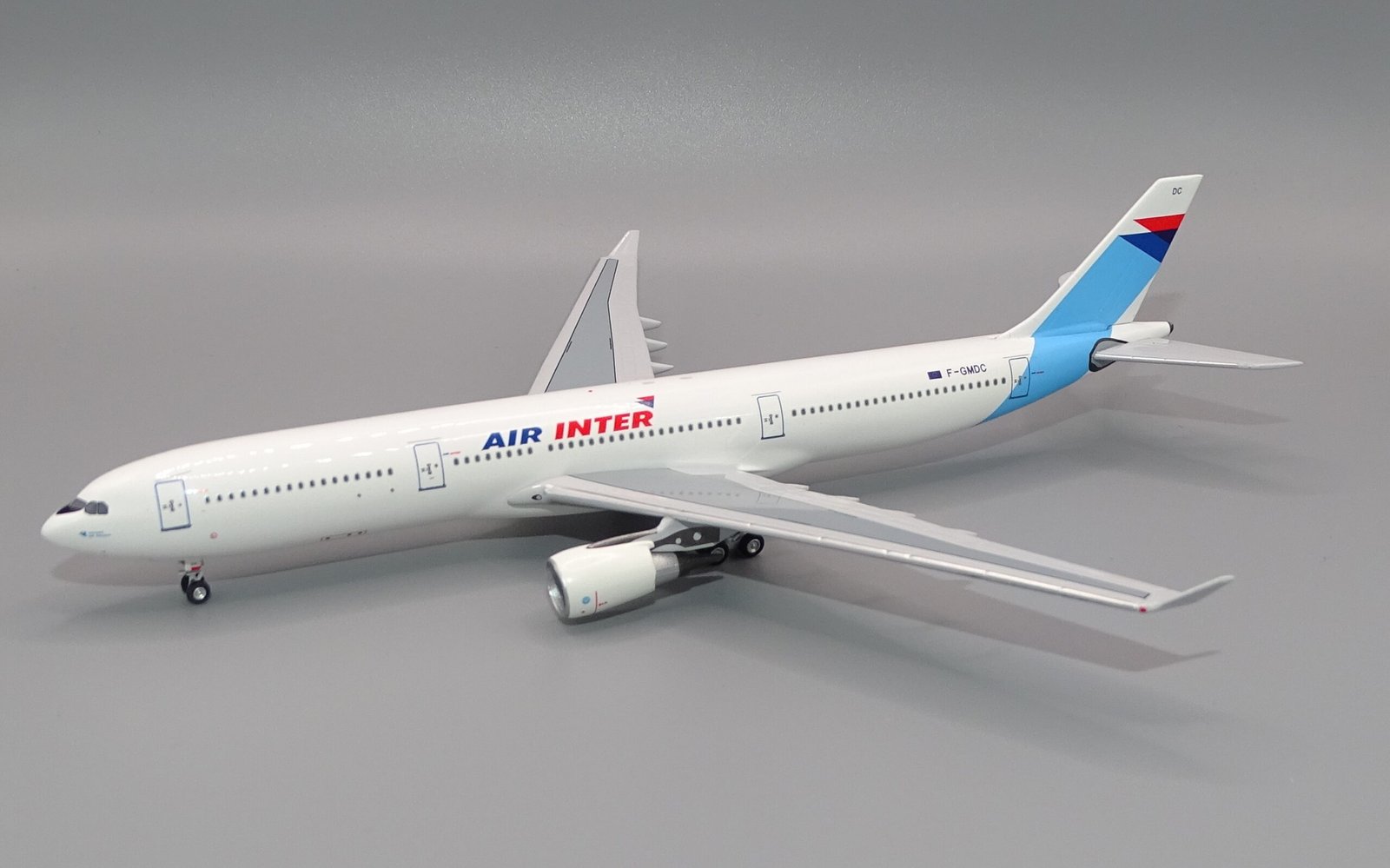
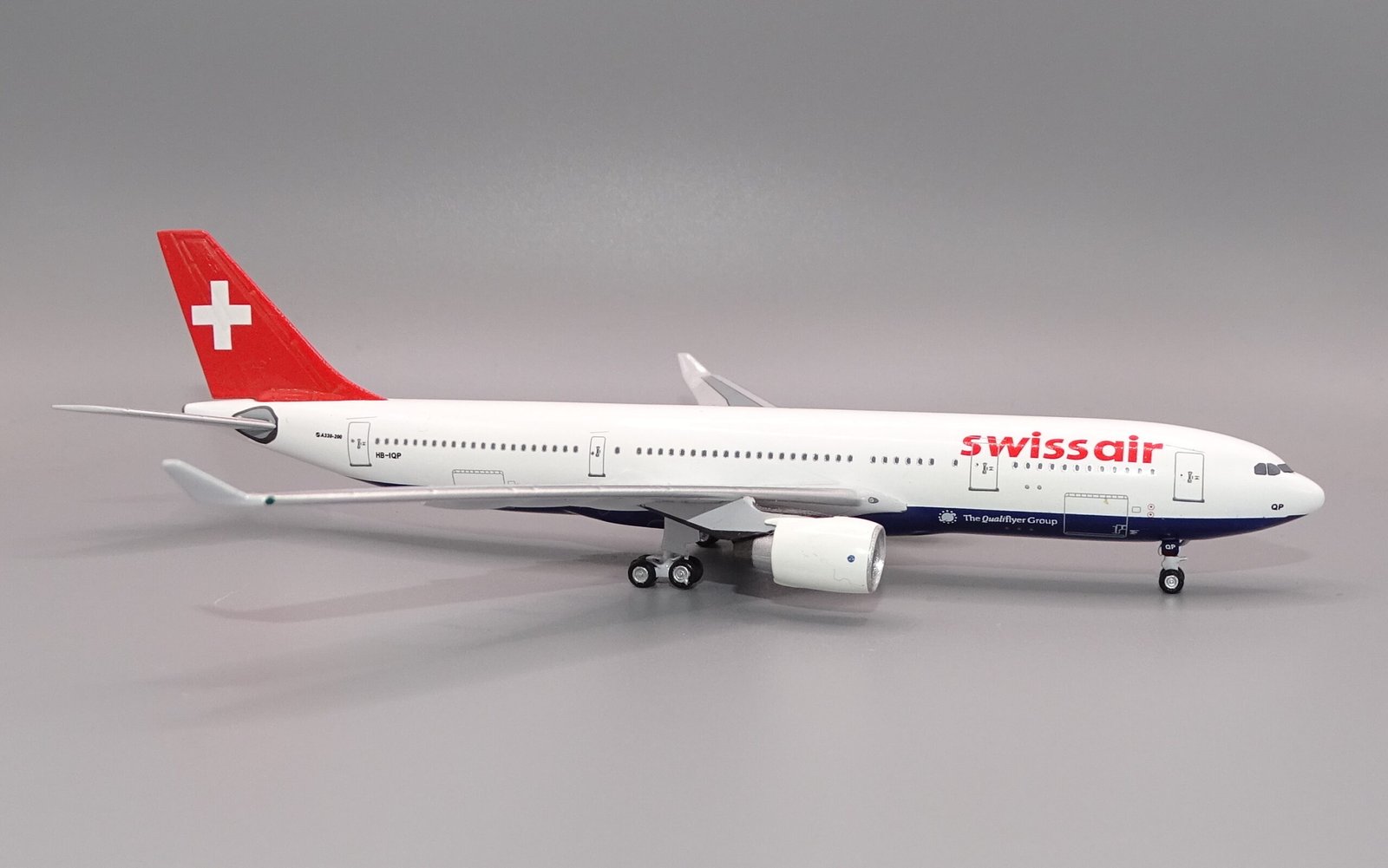
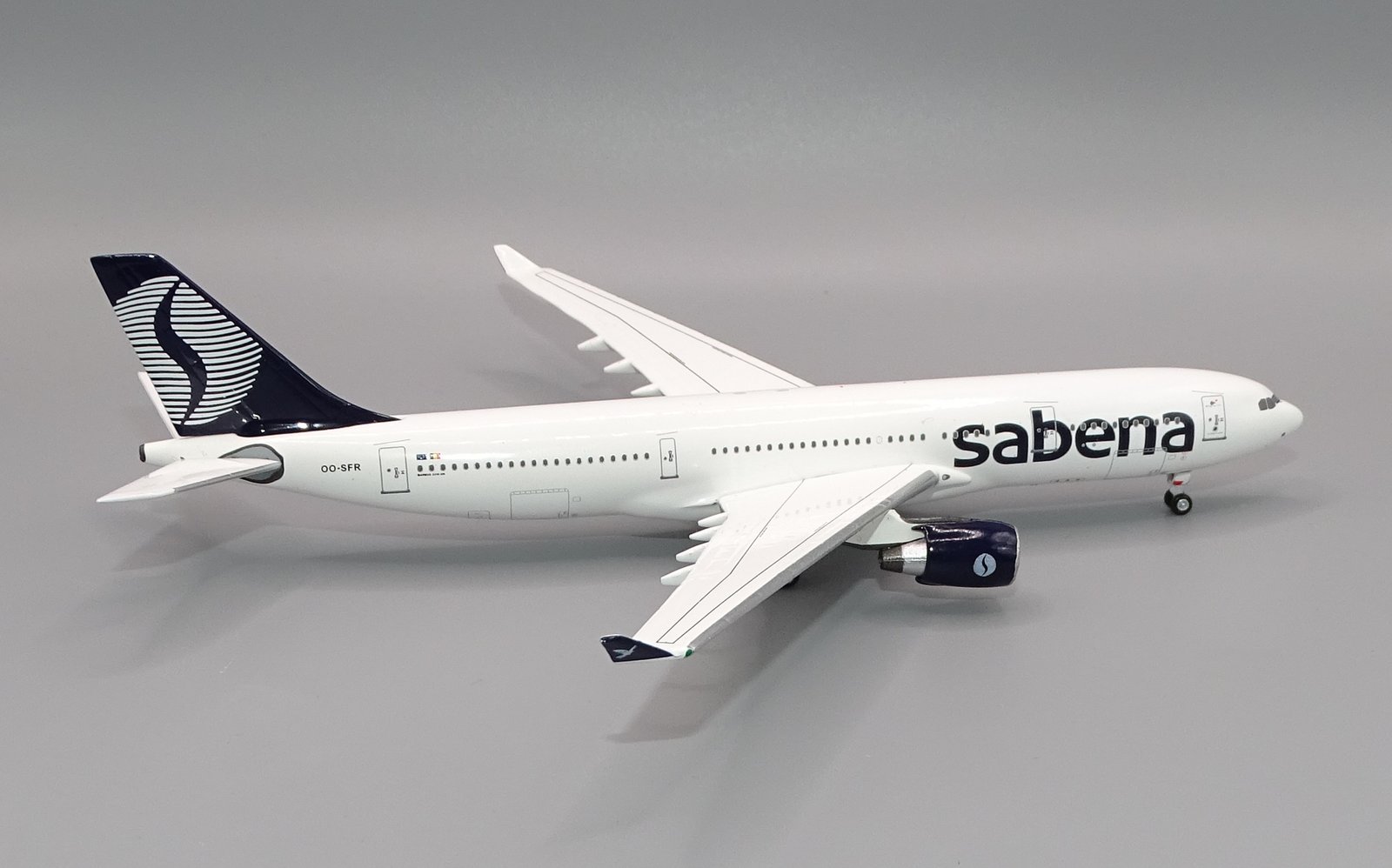
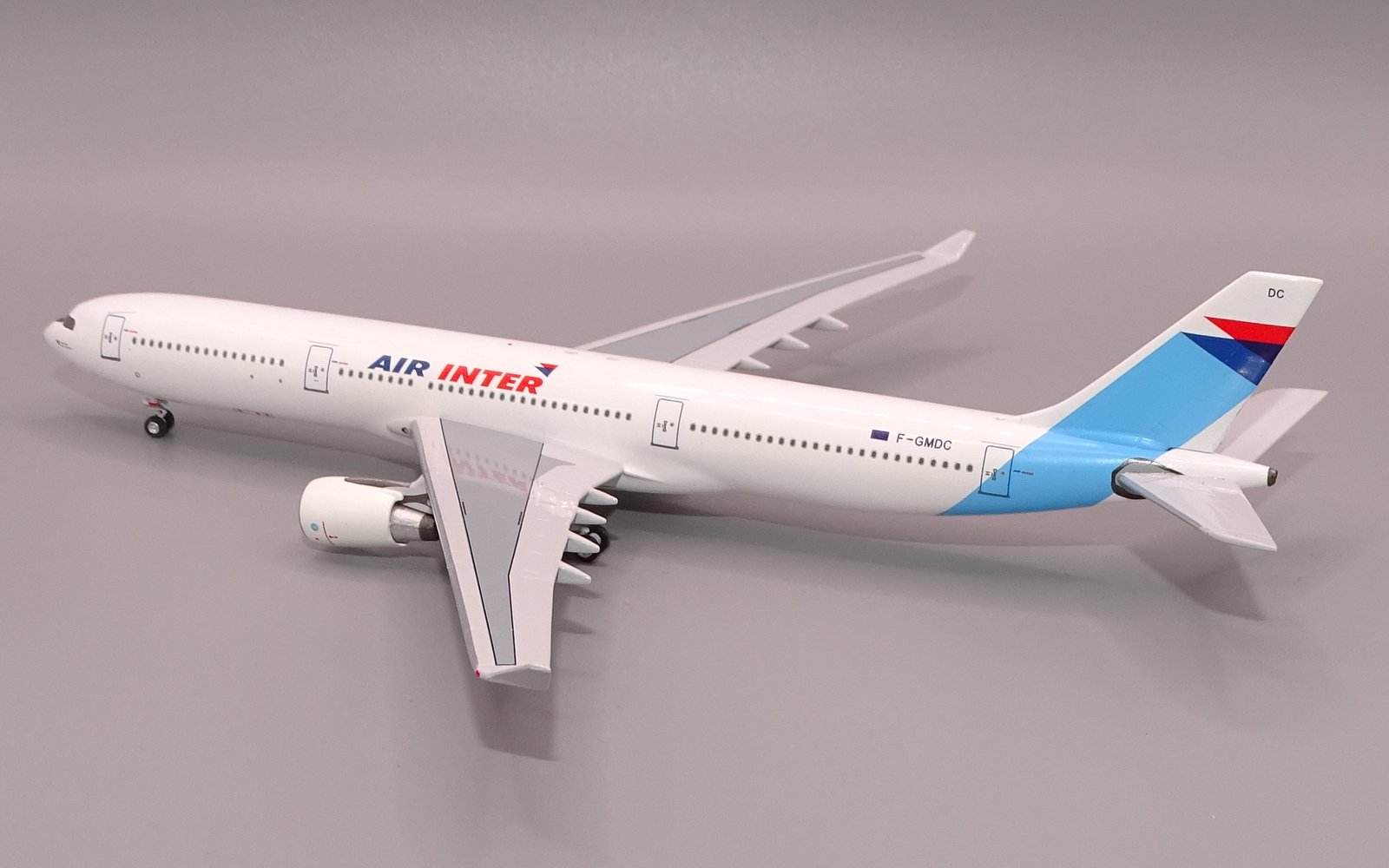
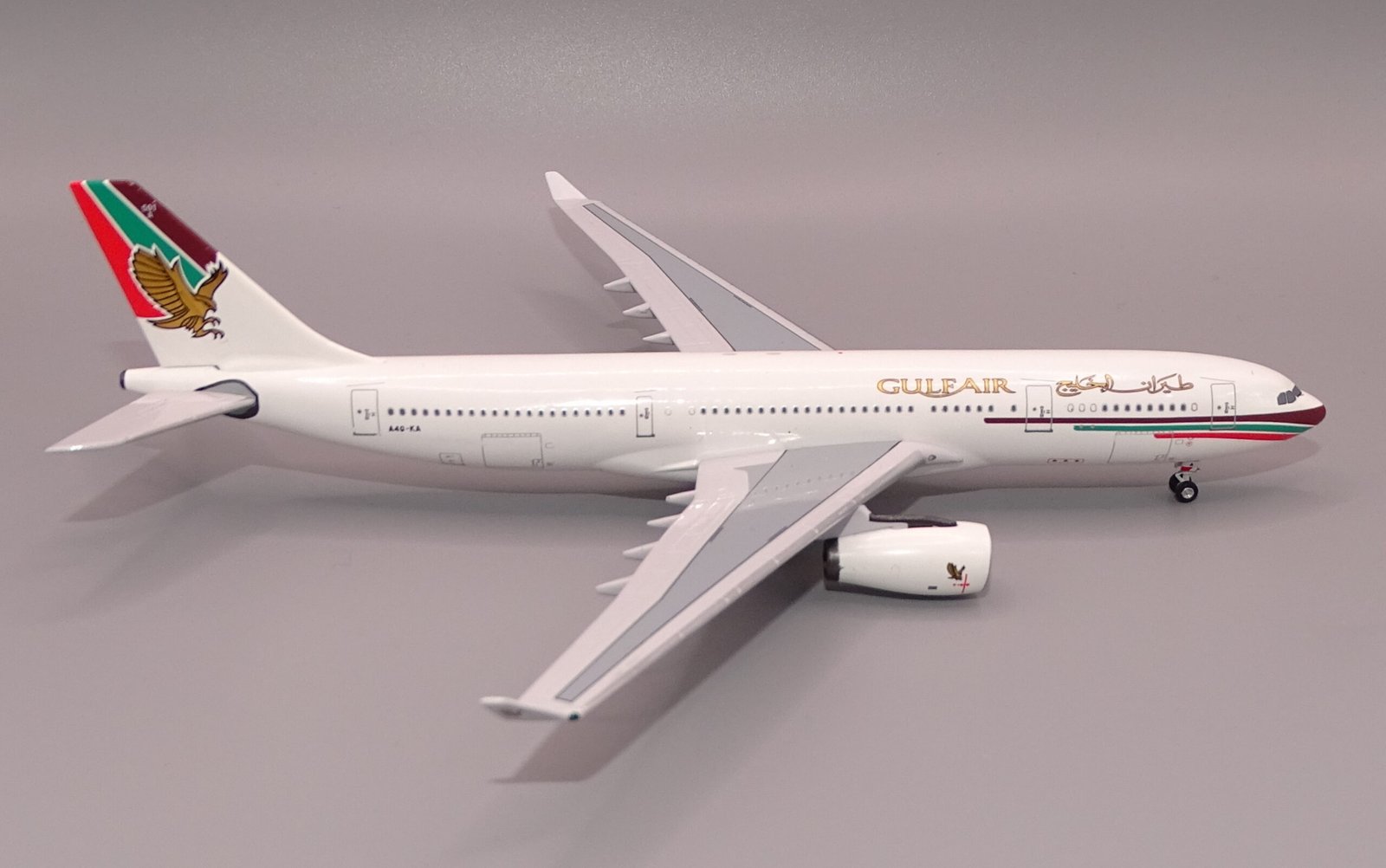
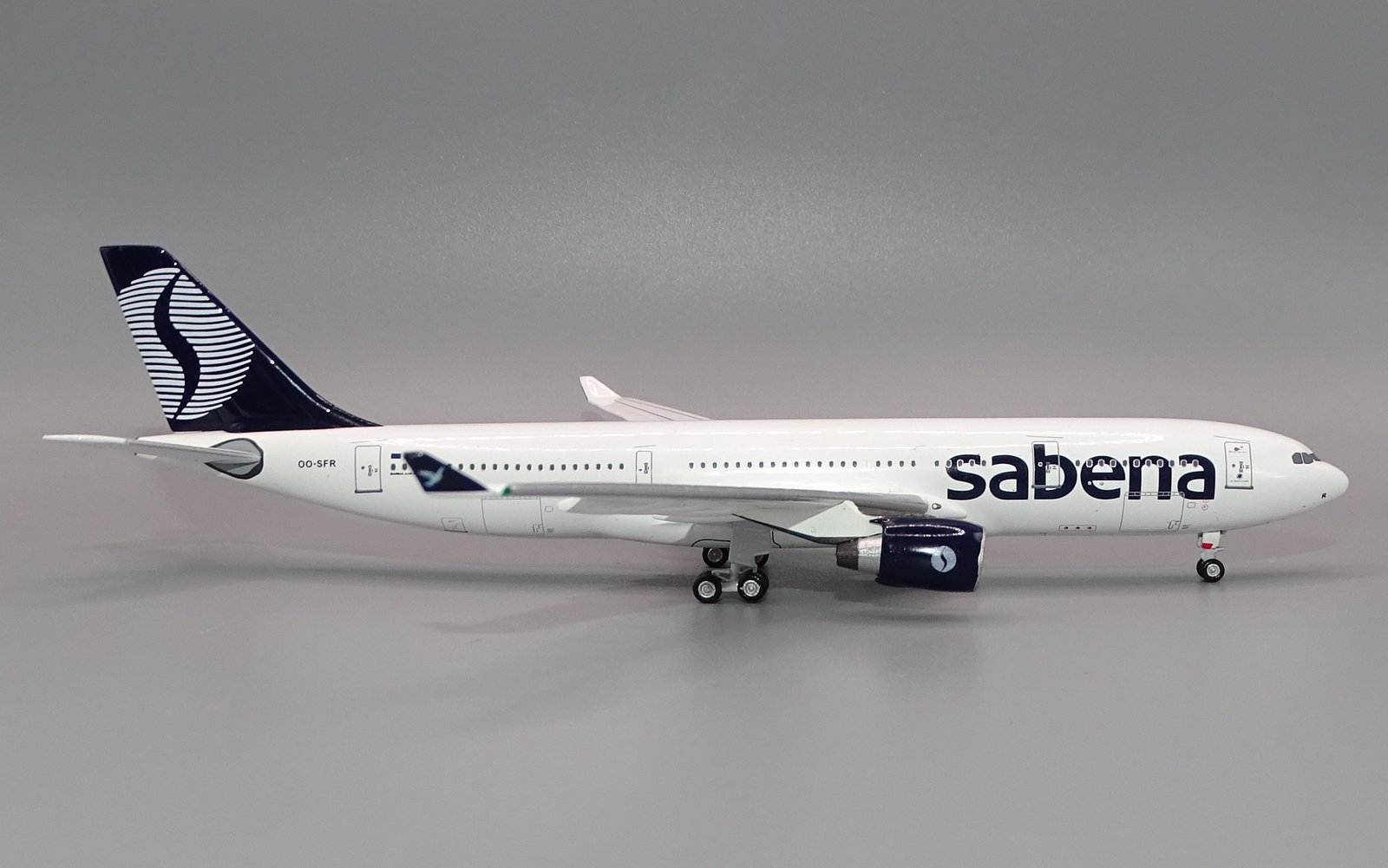
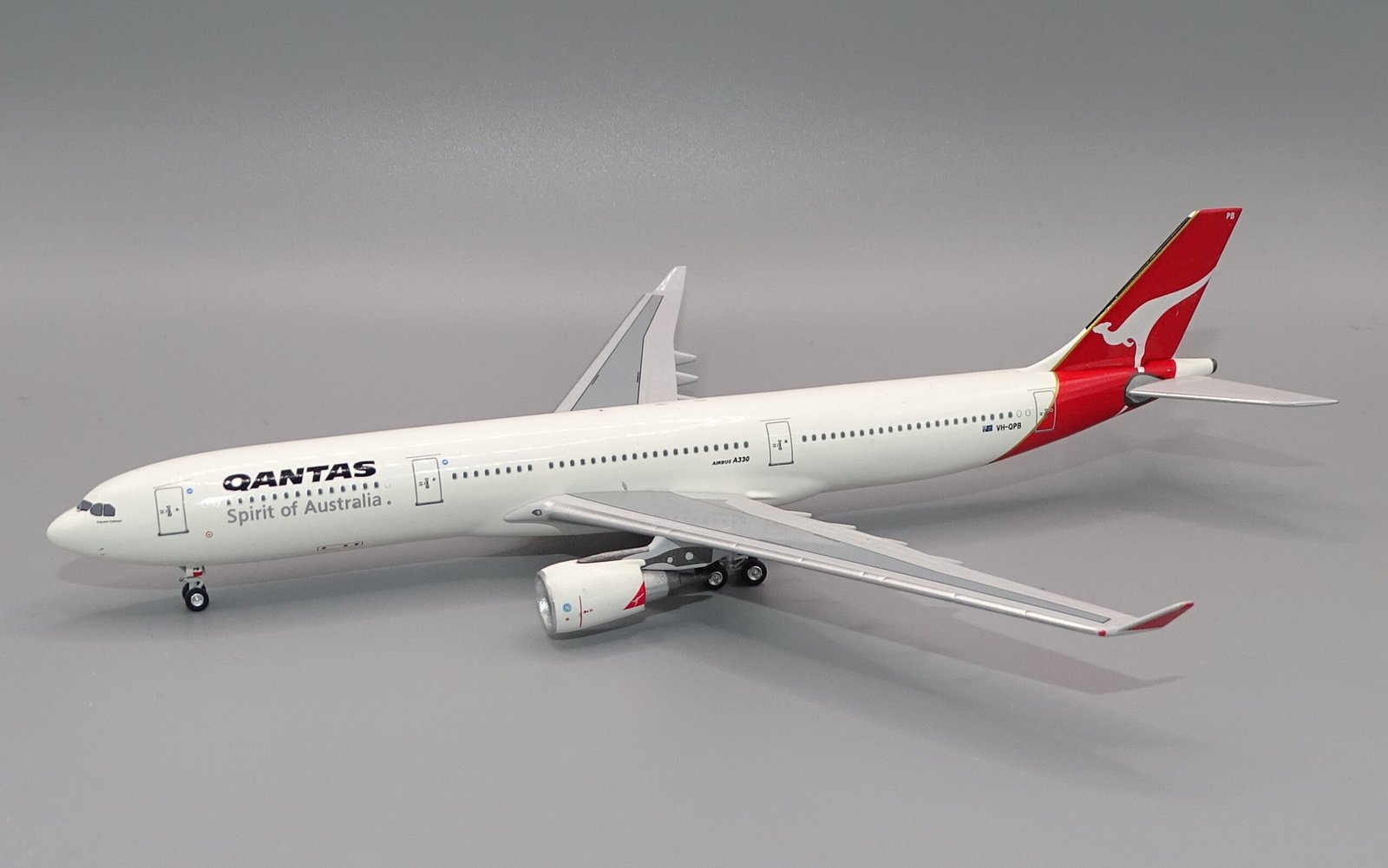
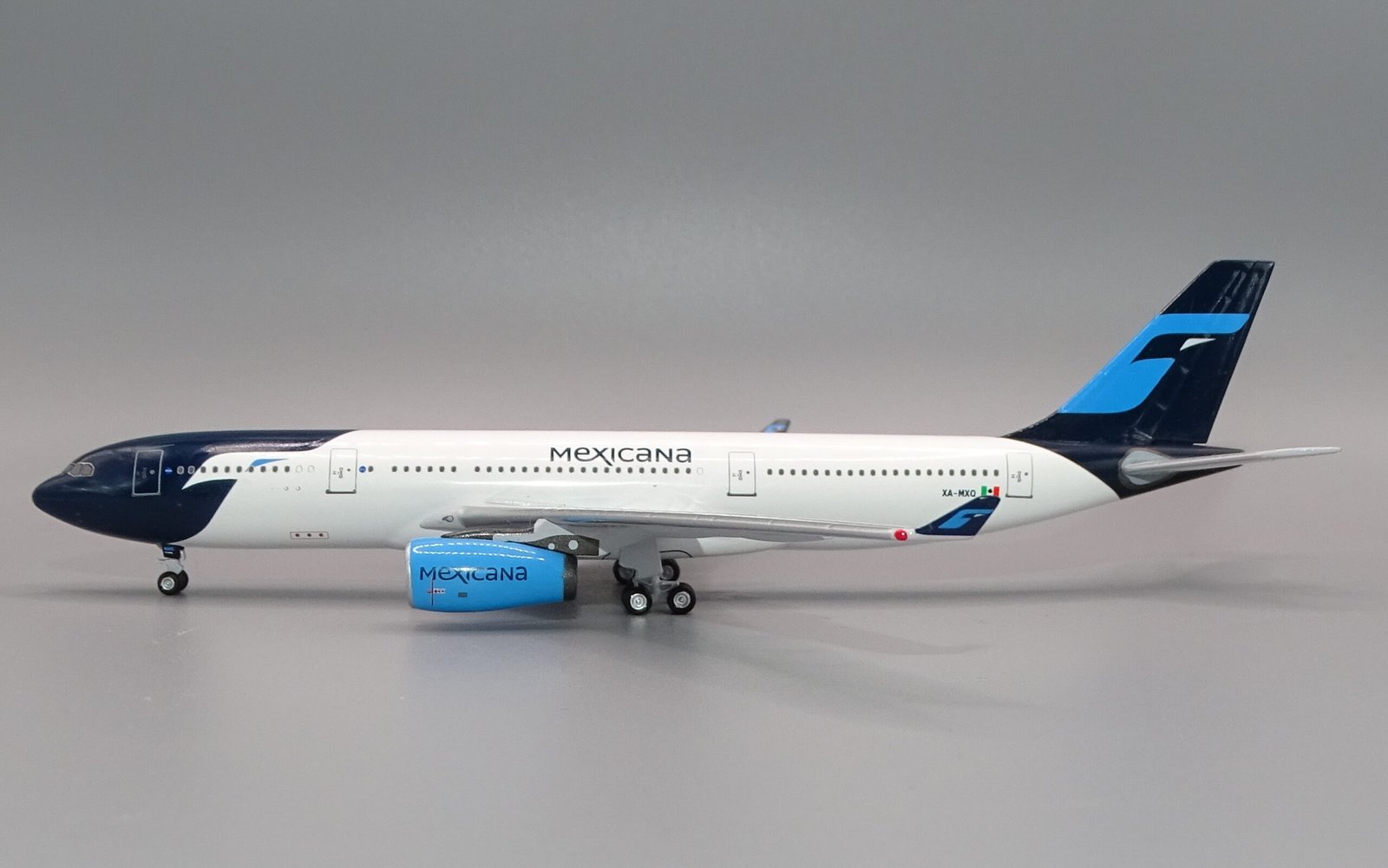
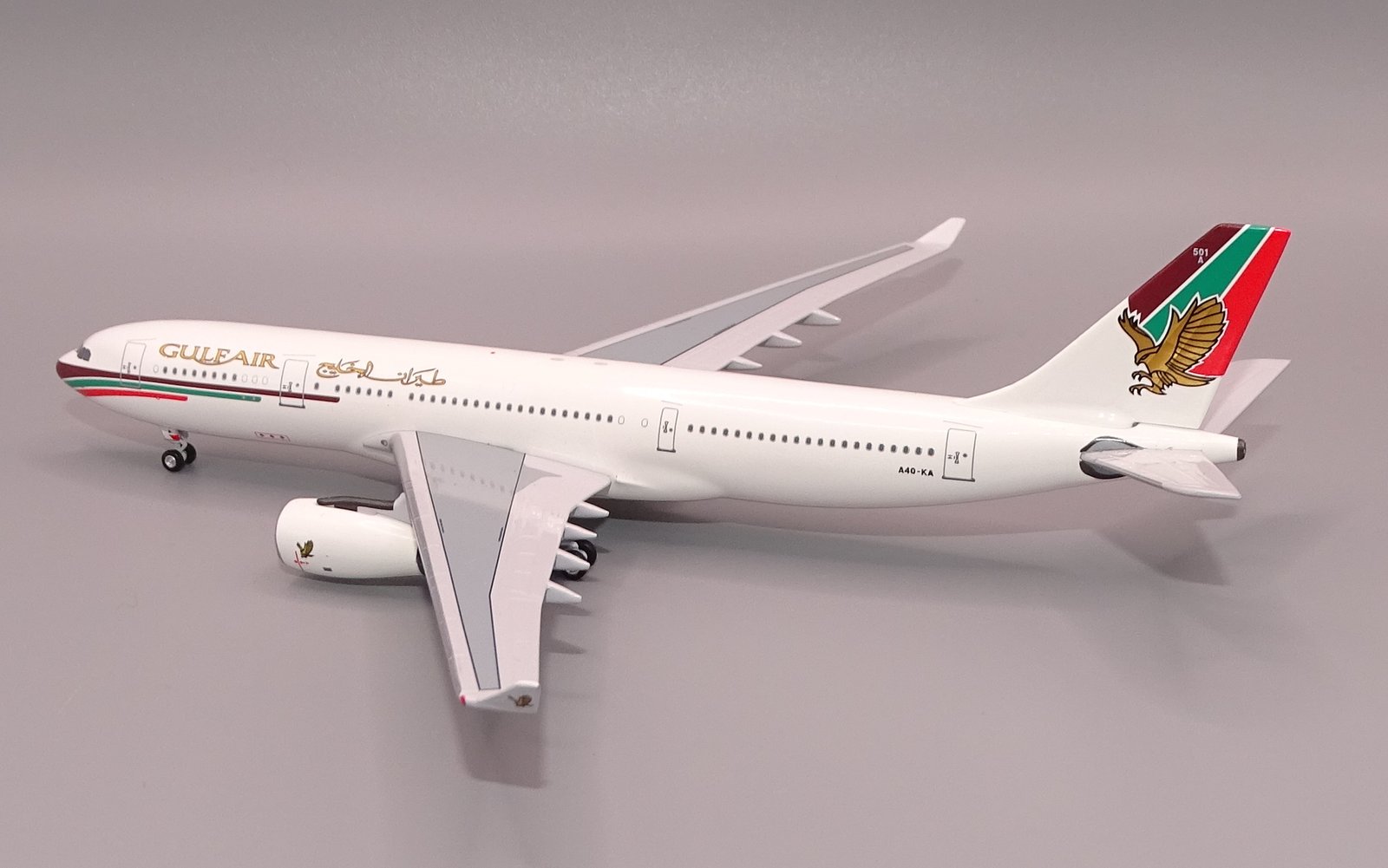
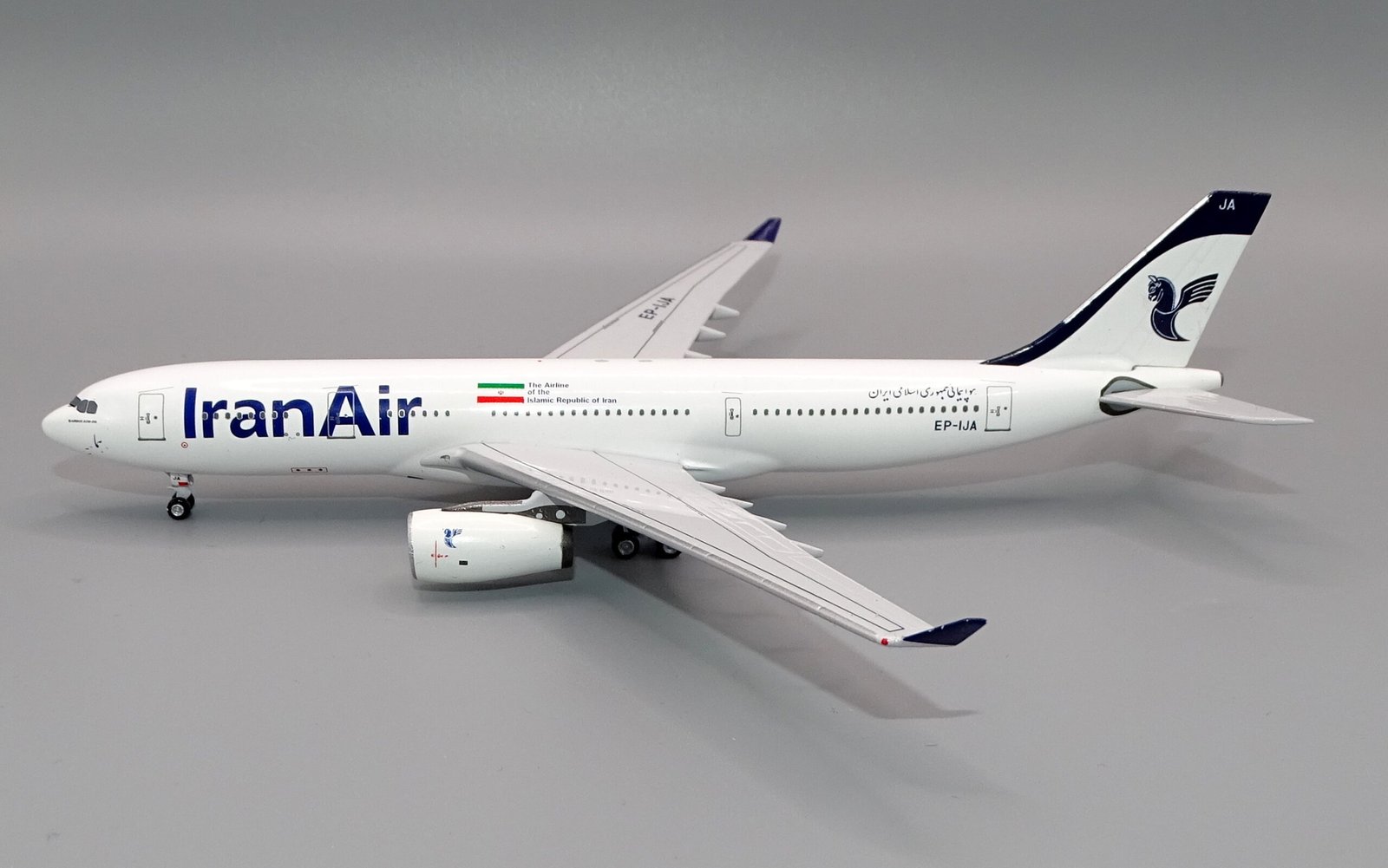
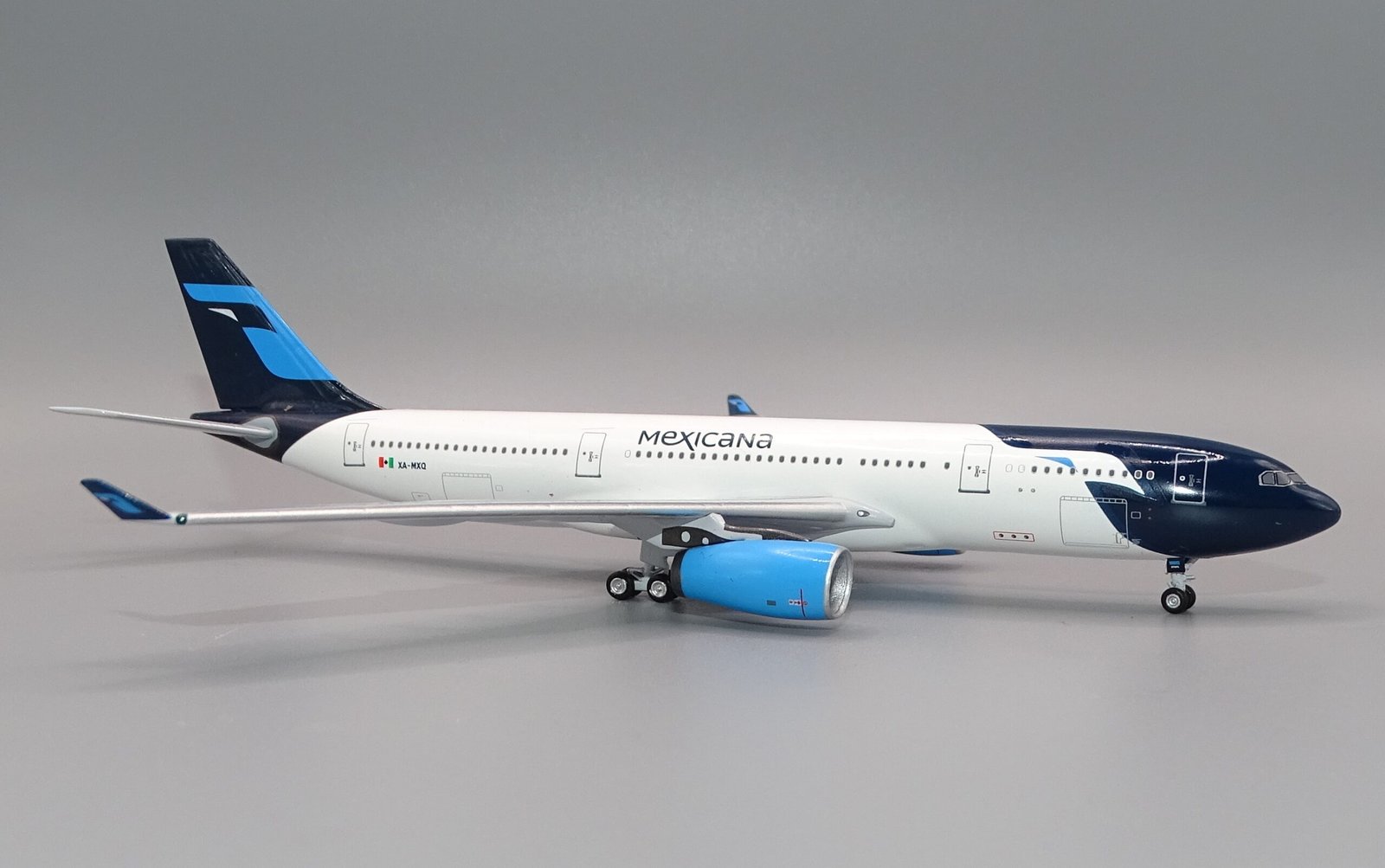
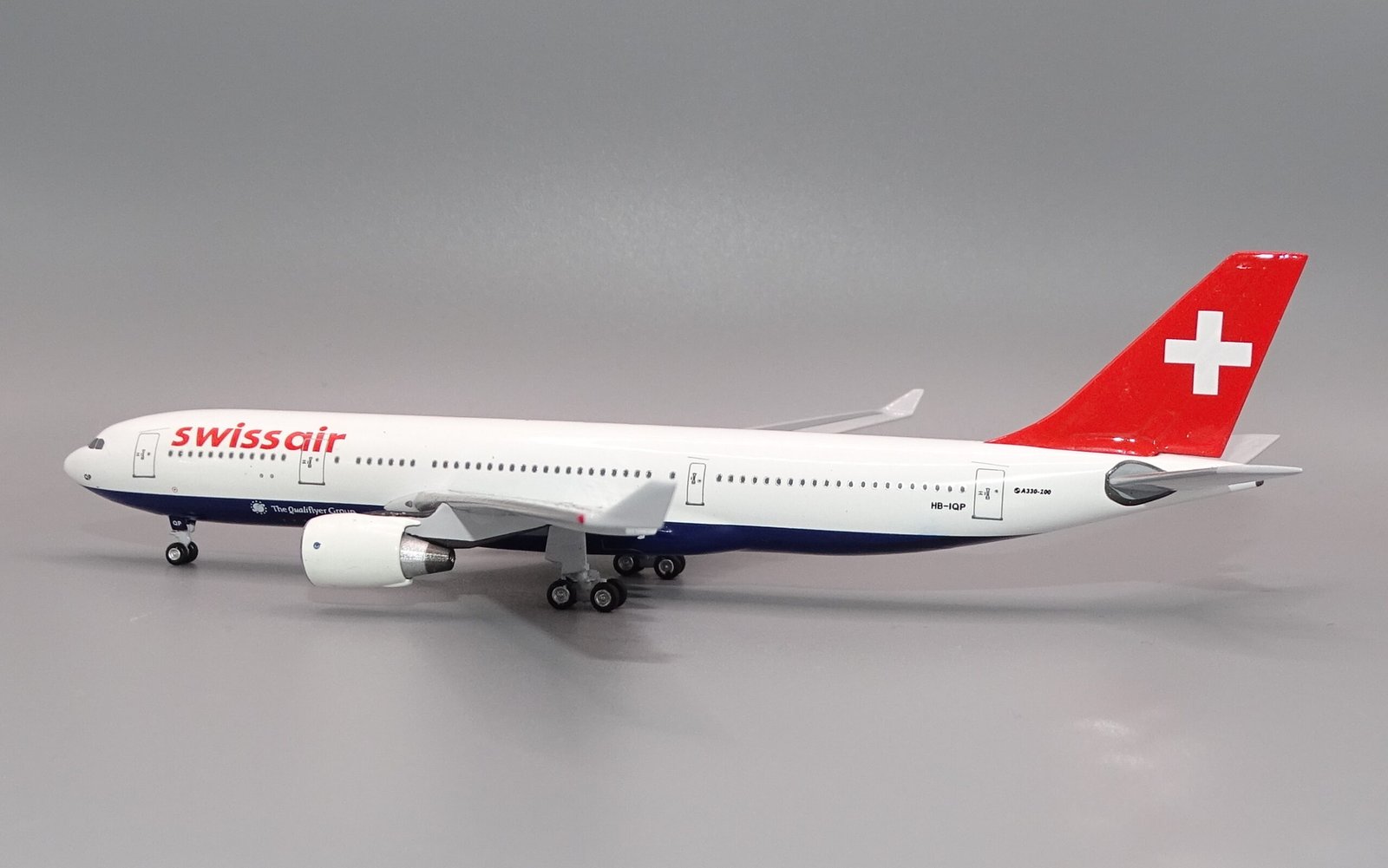
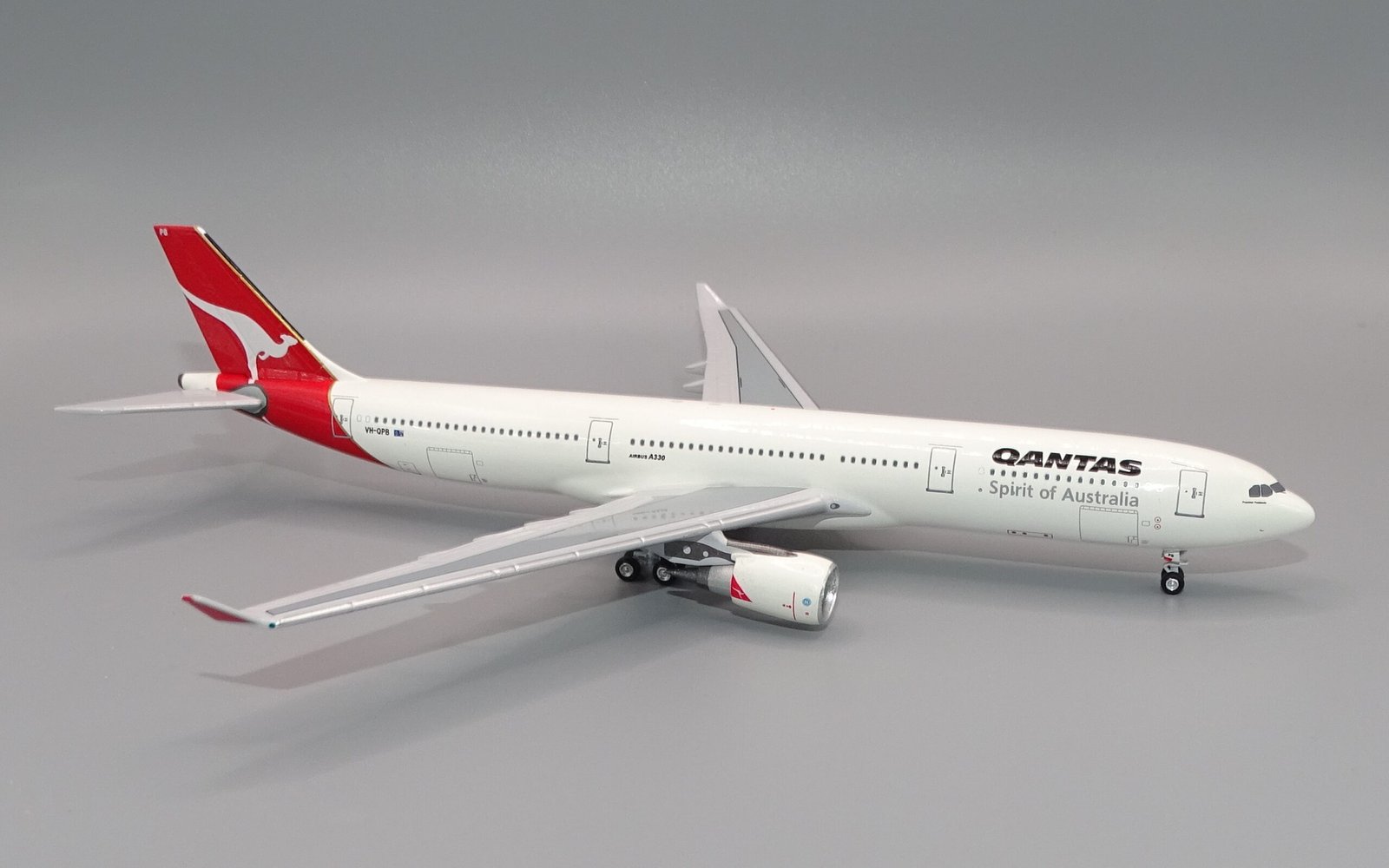
I reviewed the mould in detail in 2019 over at Modelairliner.com:

JC Wings Mould 2 (2014)
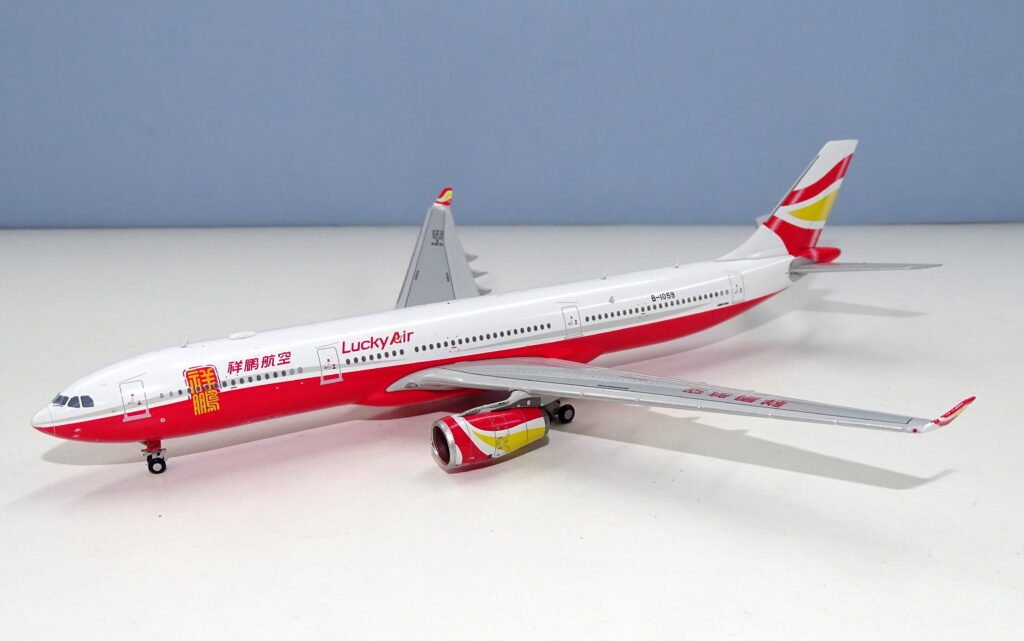
JC Wings ditched the Gemini A330 in favour of their own mould a few years ago and finally in December 2015 Gemini released its first A330 using this mould too. Initially this looked like a great mould although in detail it is inferior to all the recent competition aide from the first AV400 mould. One of the biggest issues is the undercarriage. The nosegear is a little misplaced and too short, whilst the maingear is too short and rather chunky. It leads many of the releases to have a very inaccurate taildown stance, completely the opposite of the nosedown stance of a real A330.
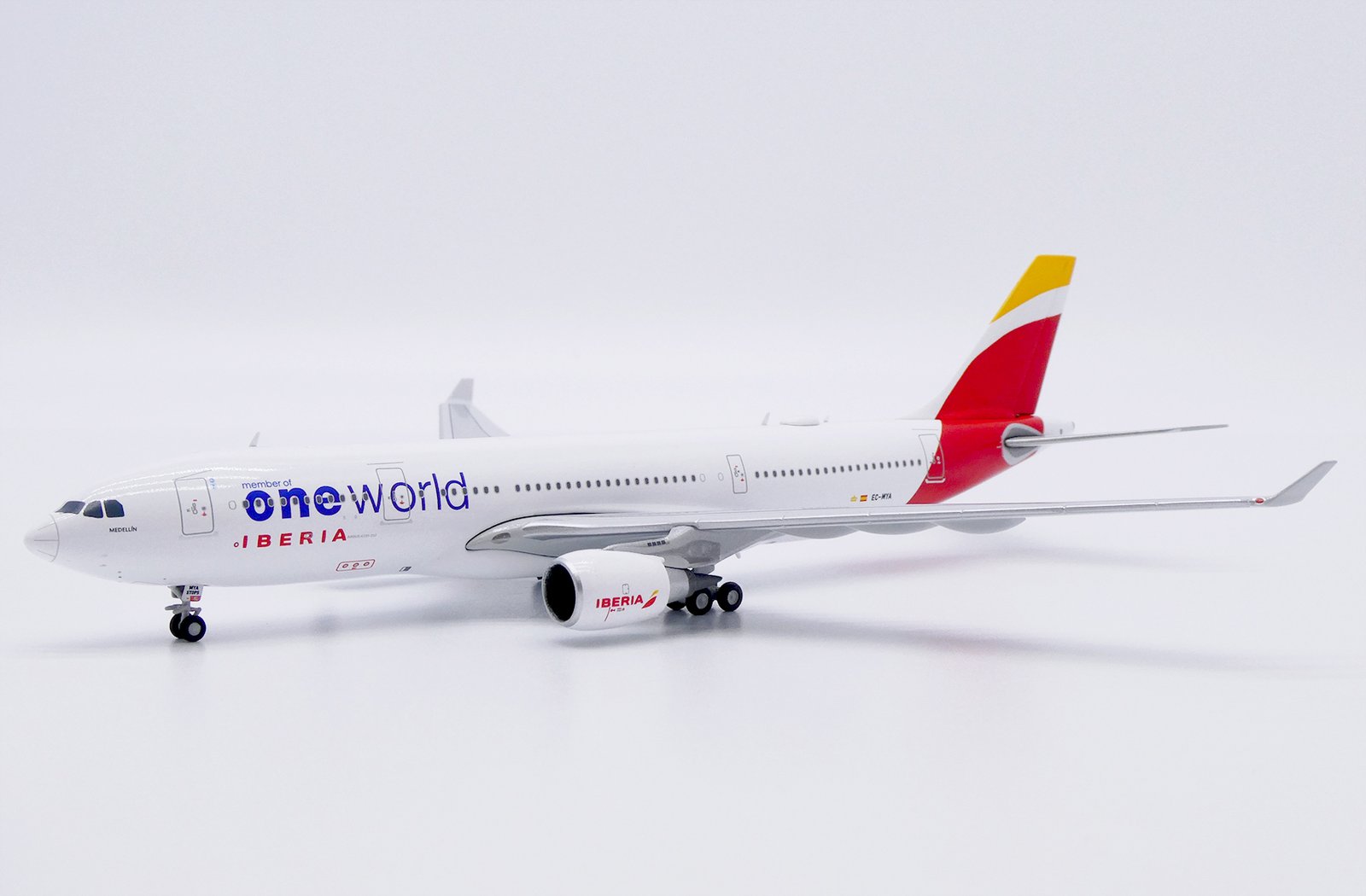
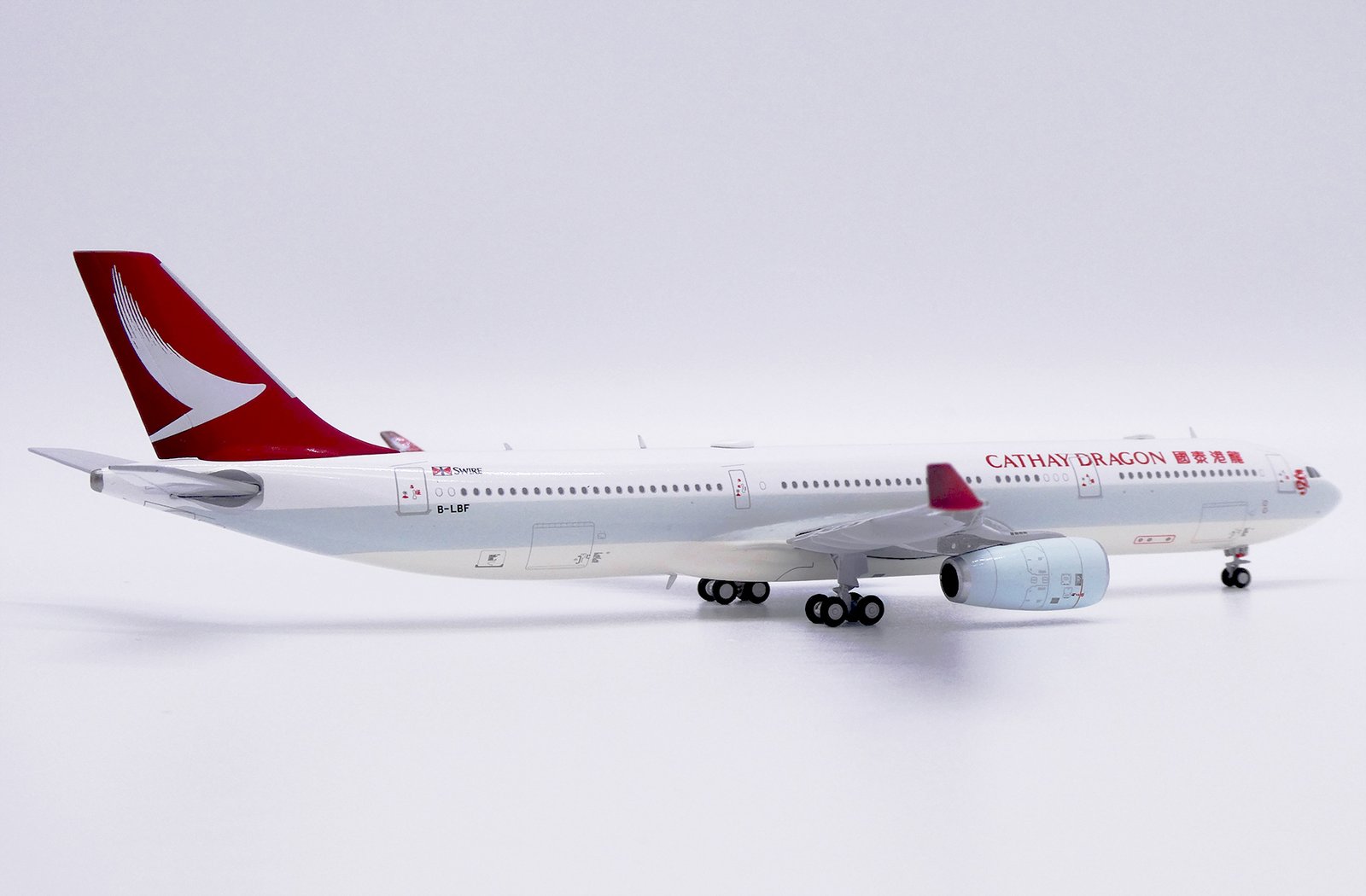
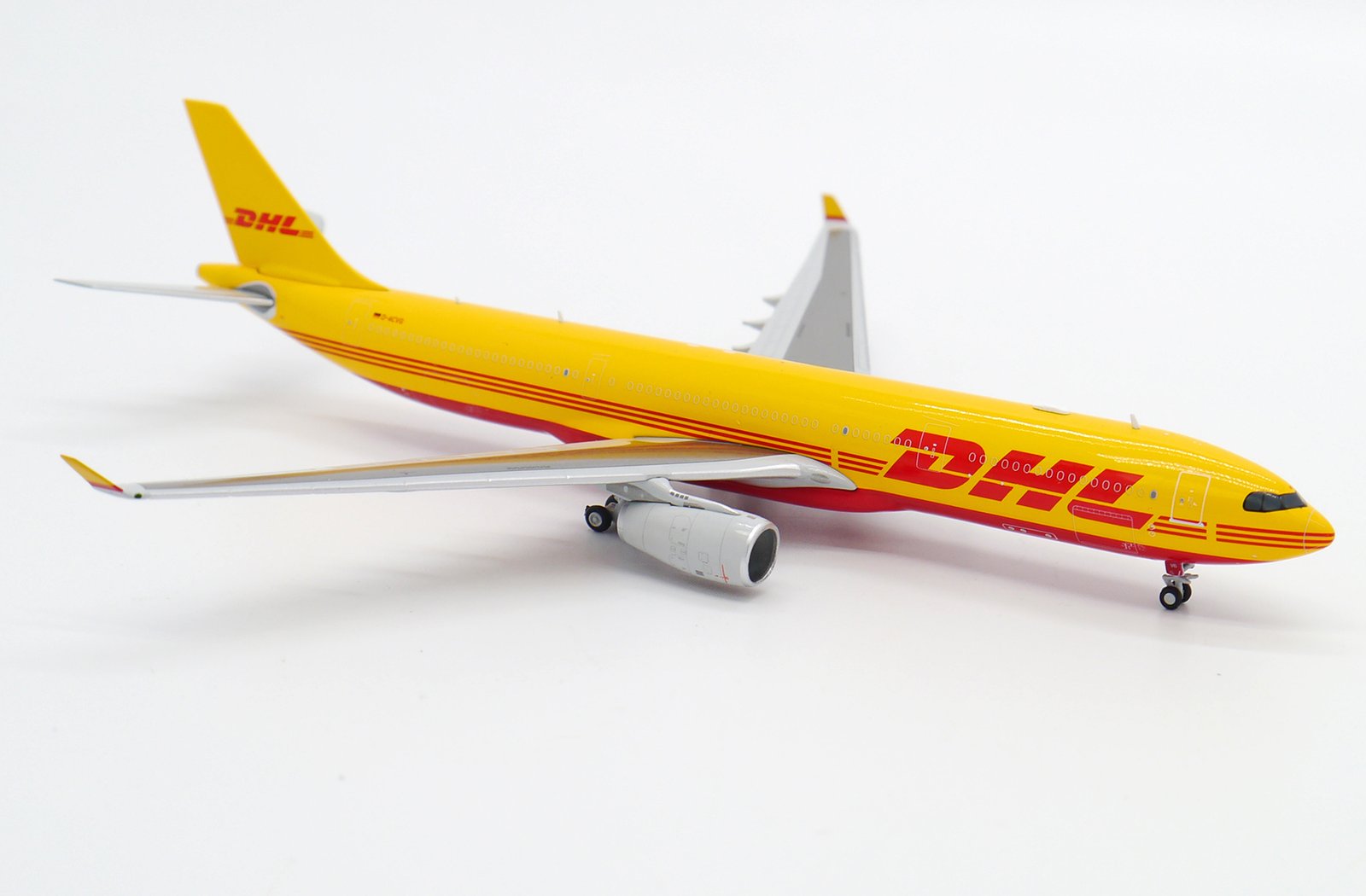
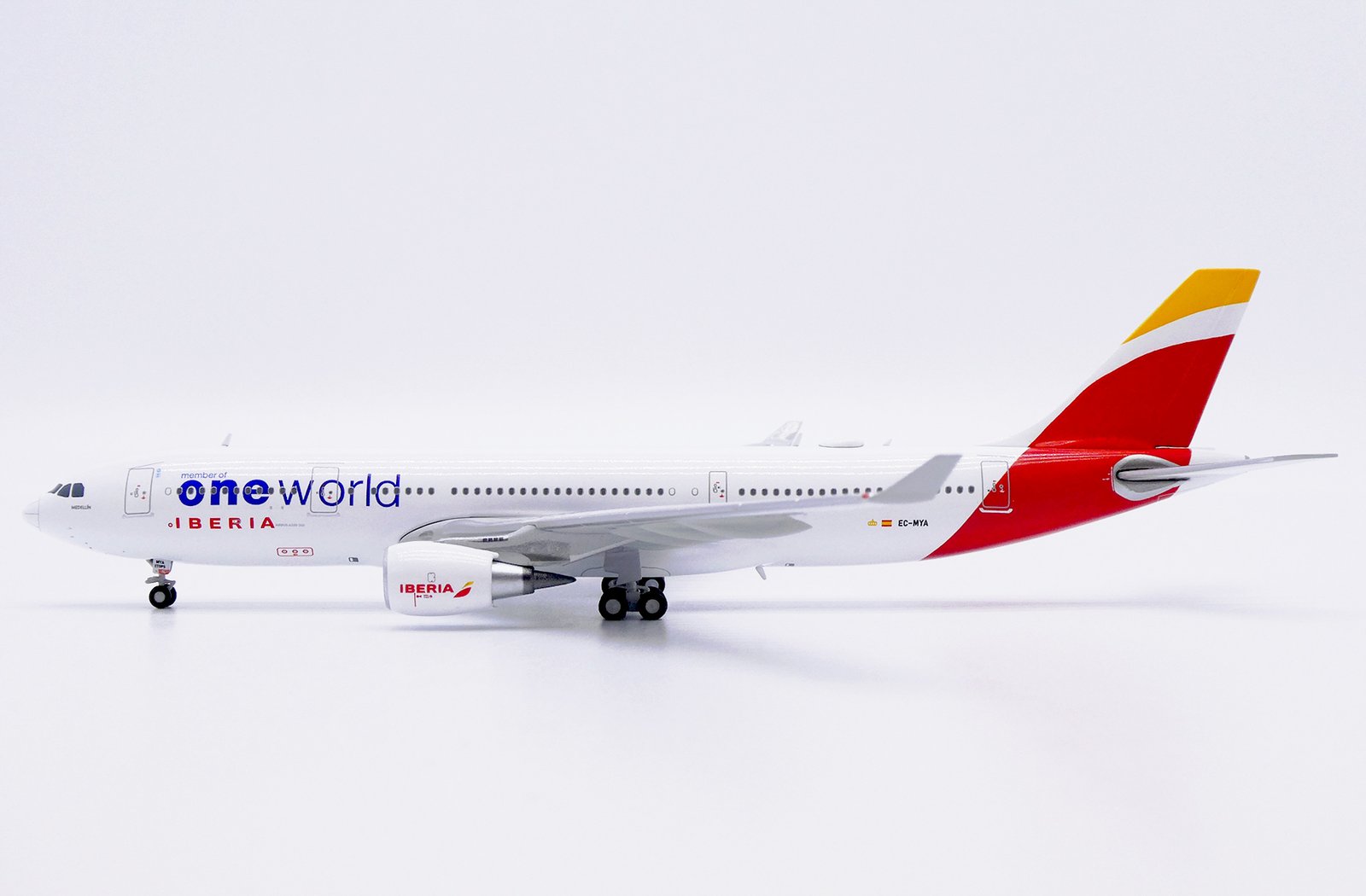
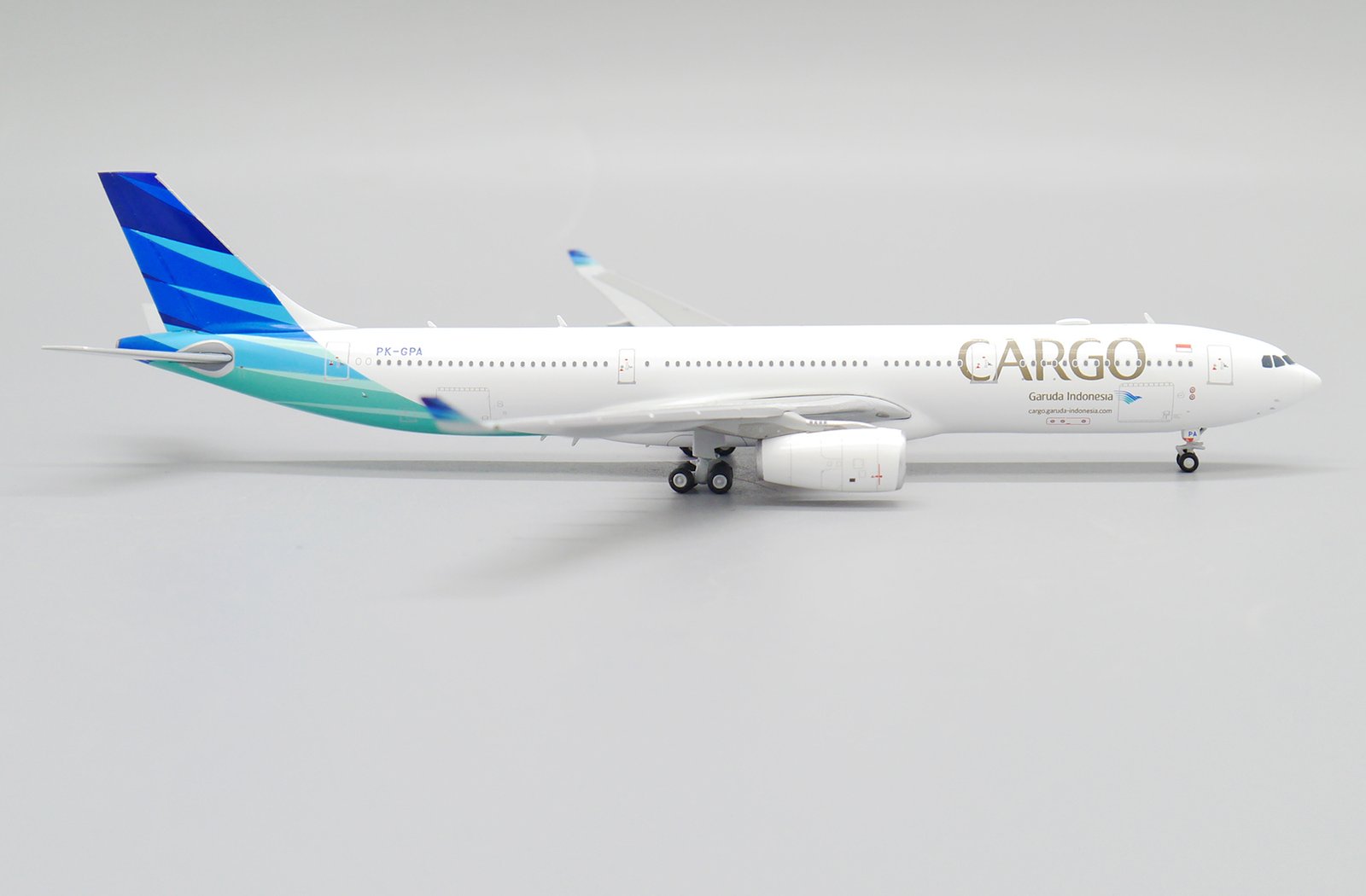
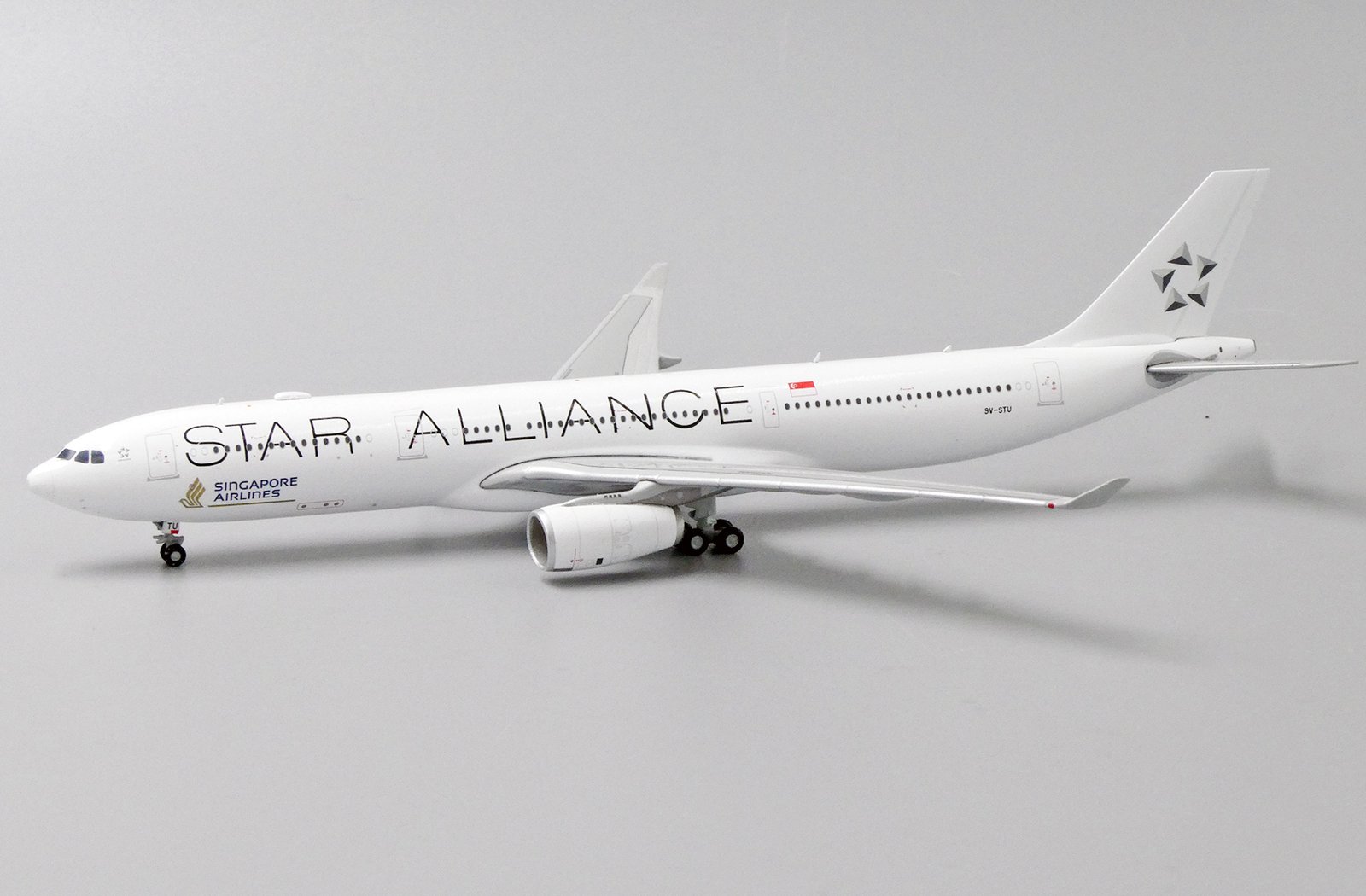
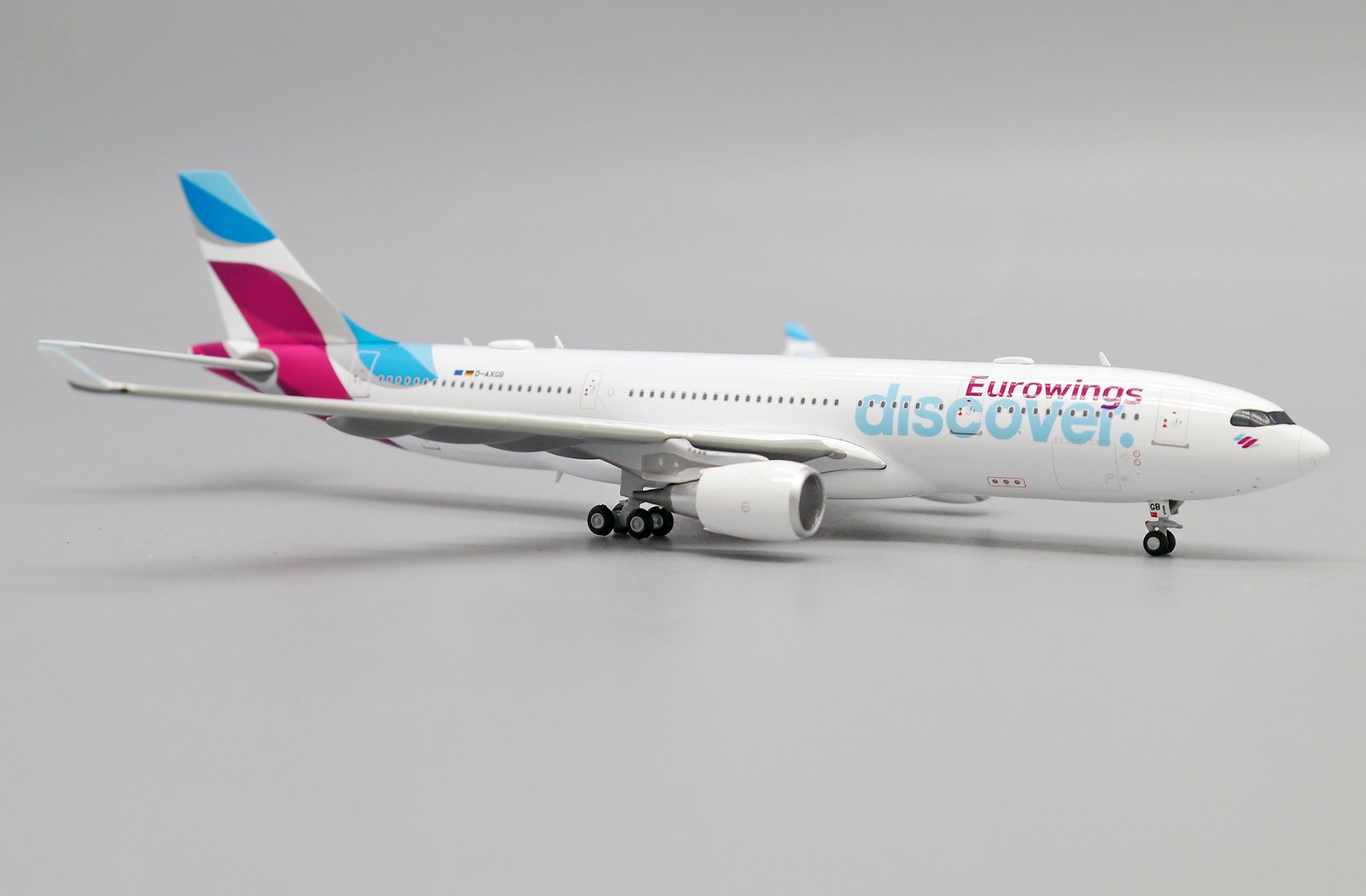
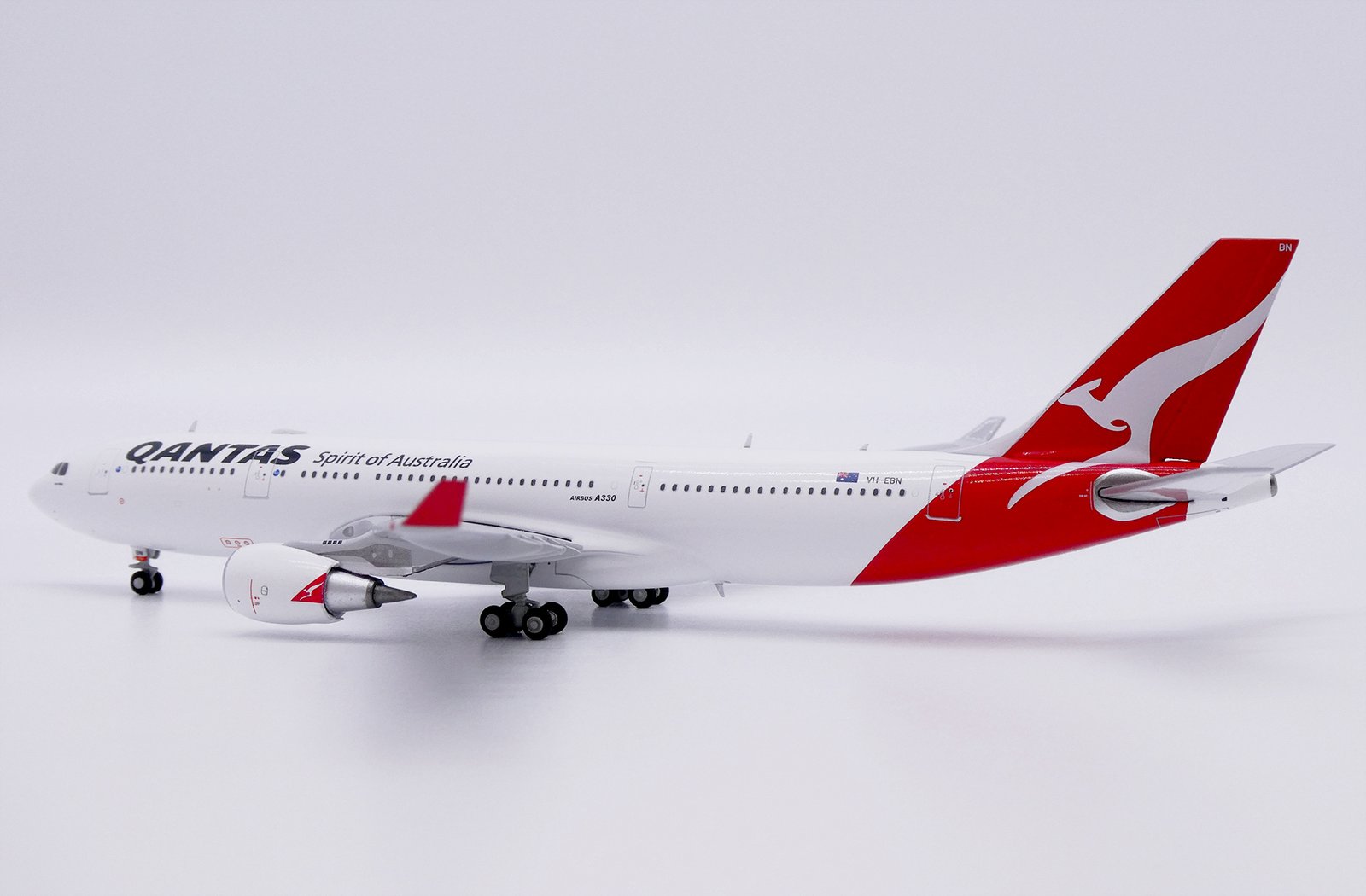
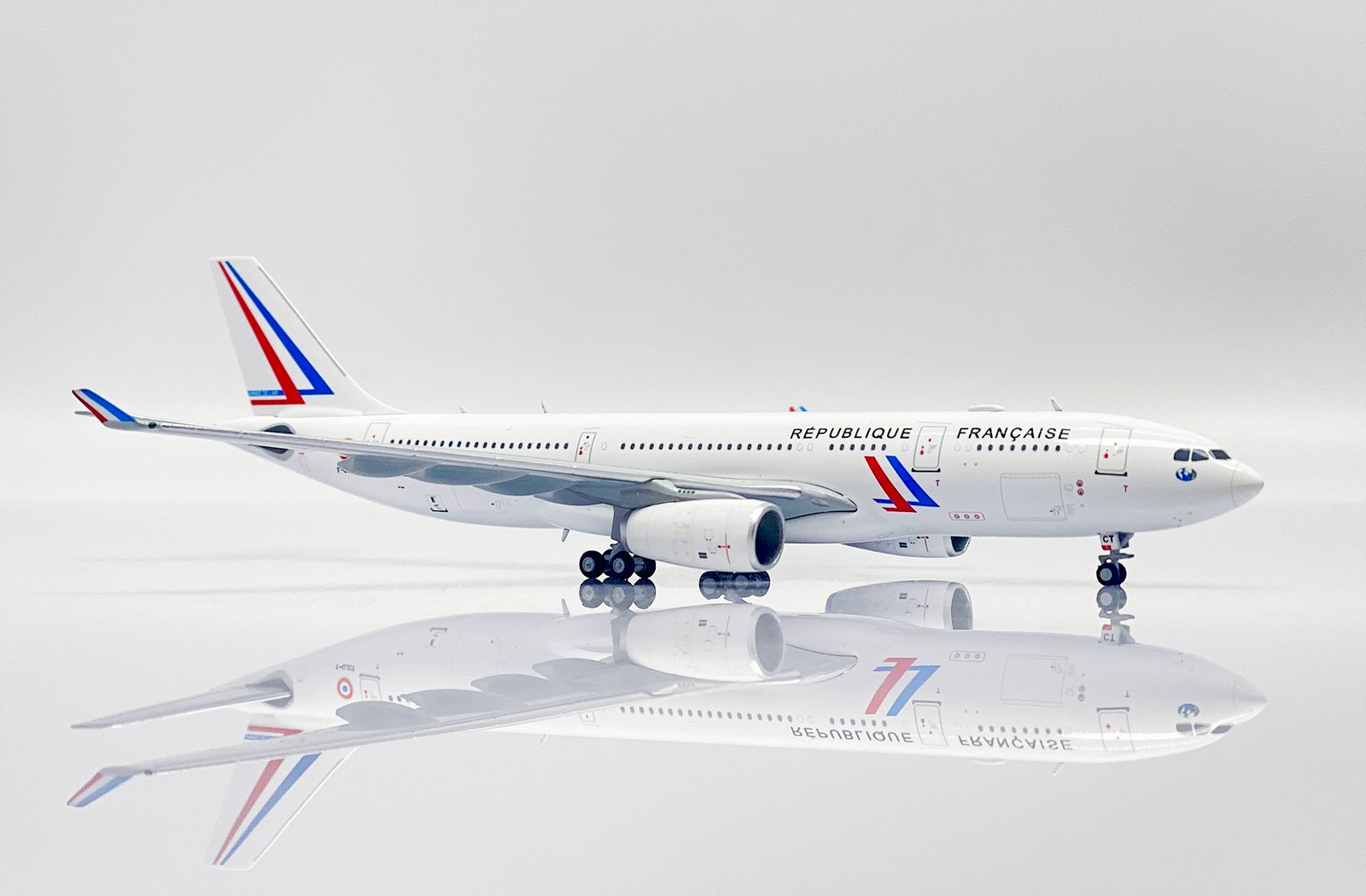
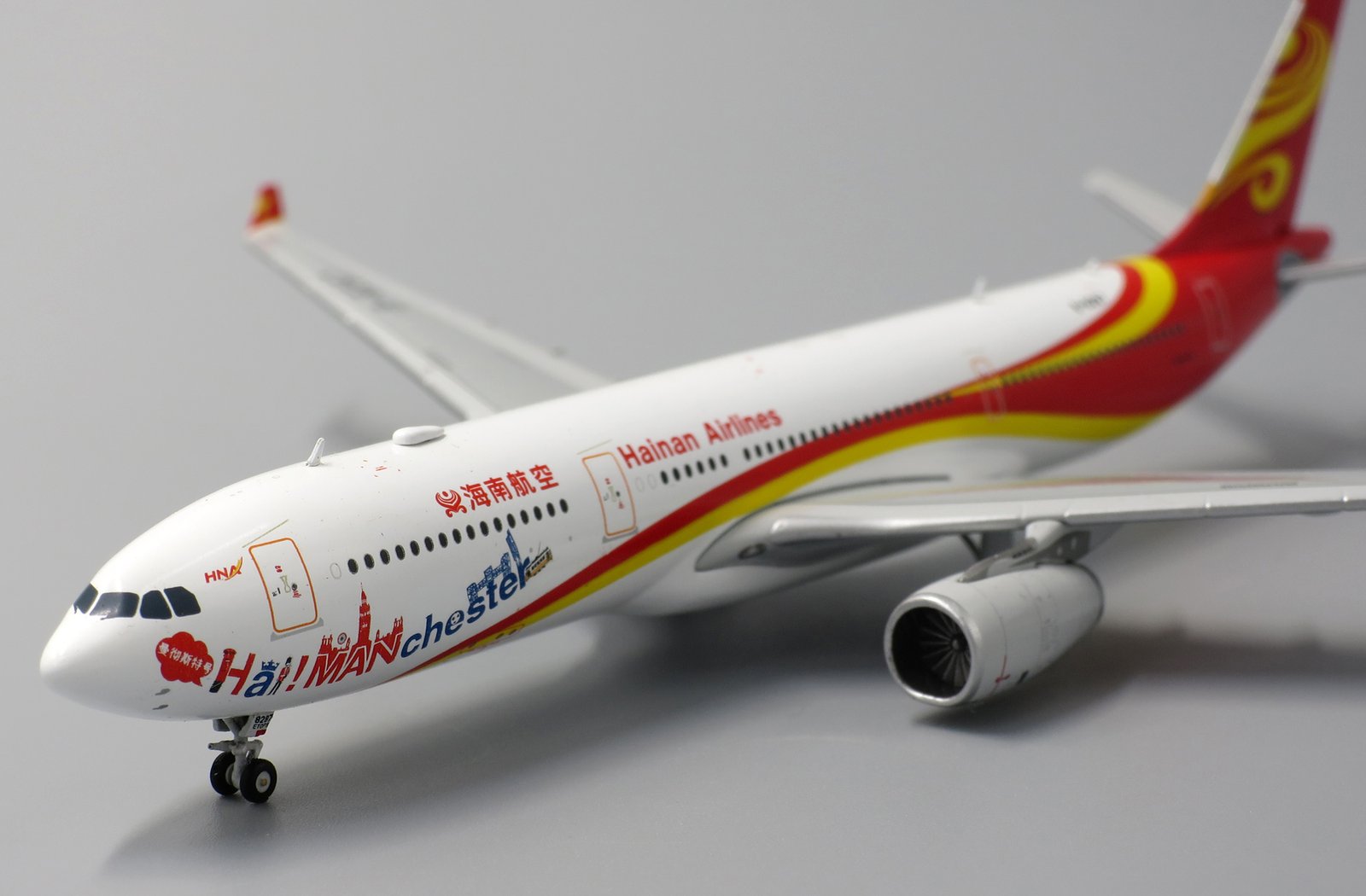
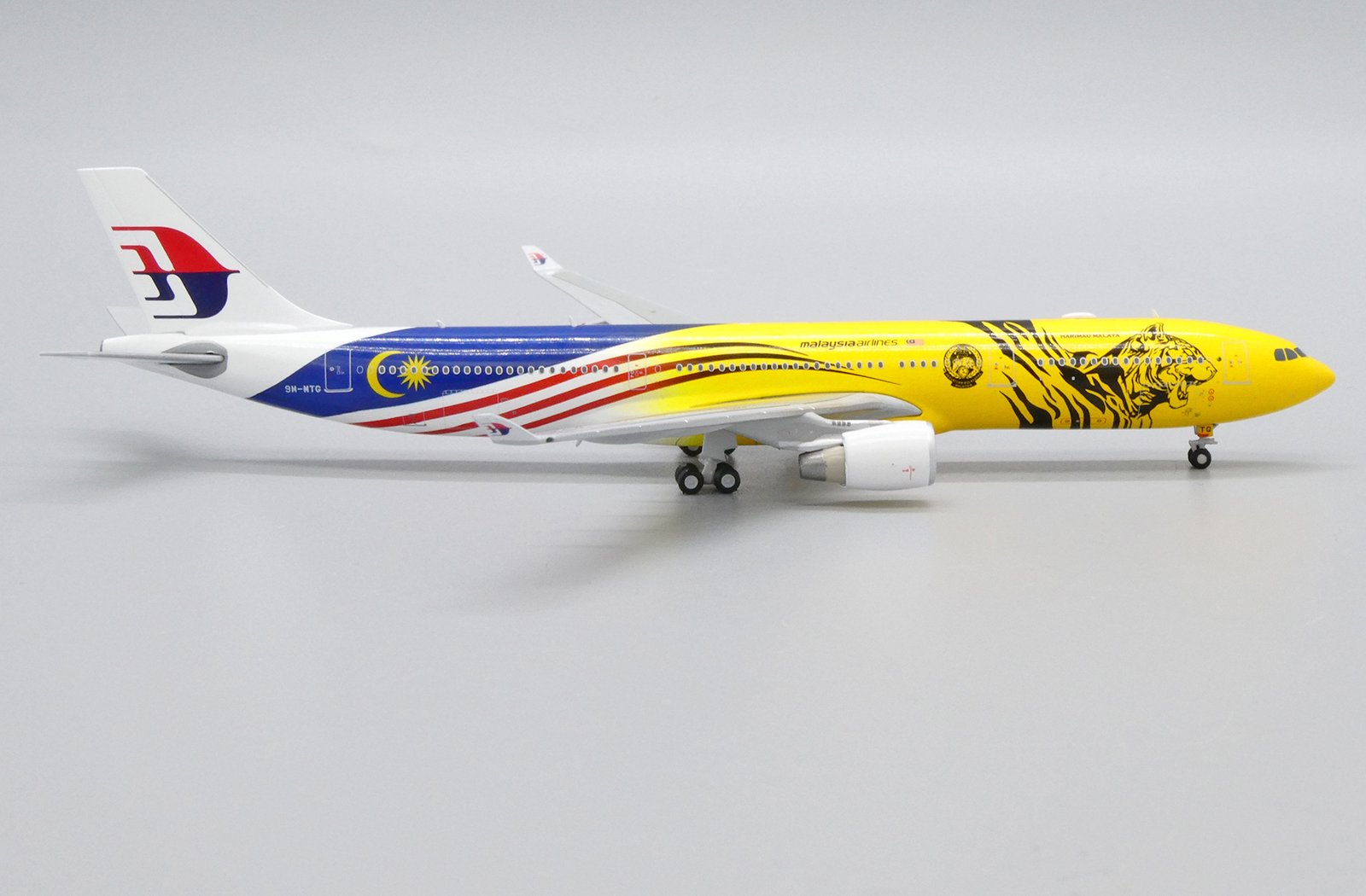
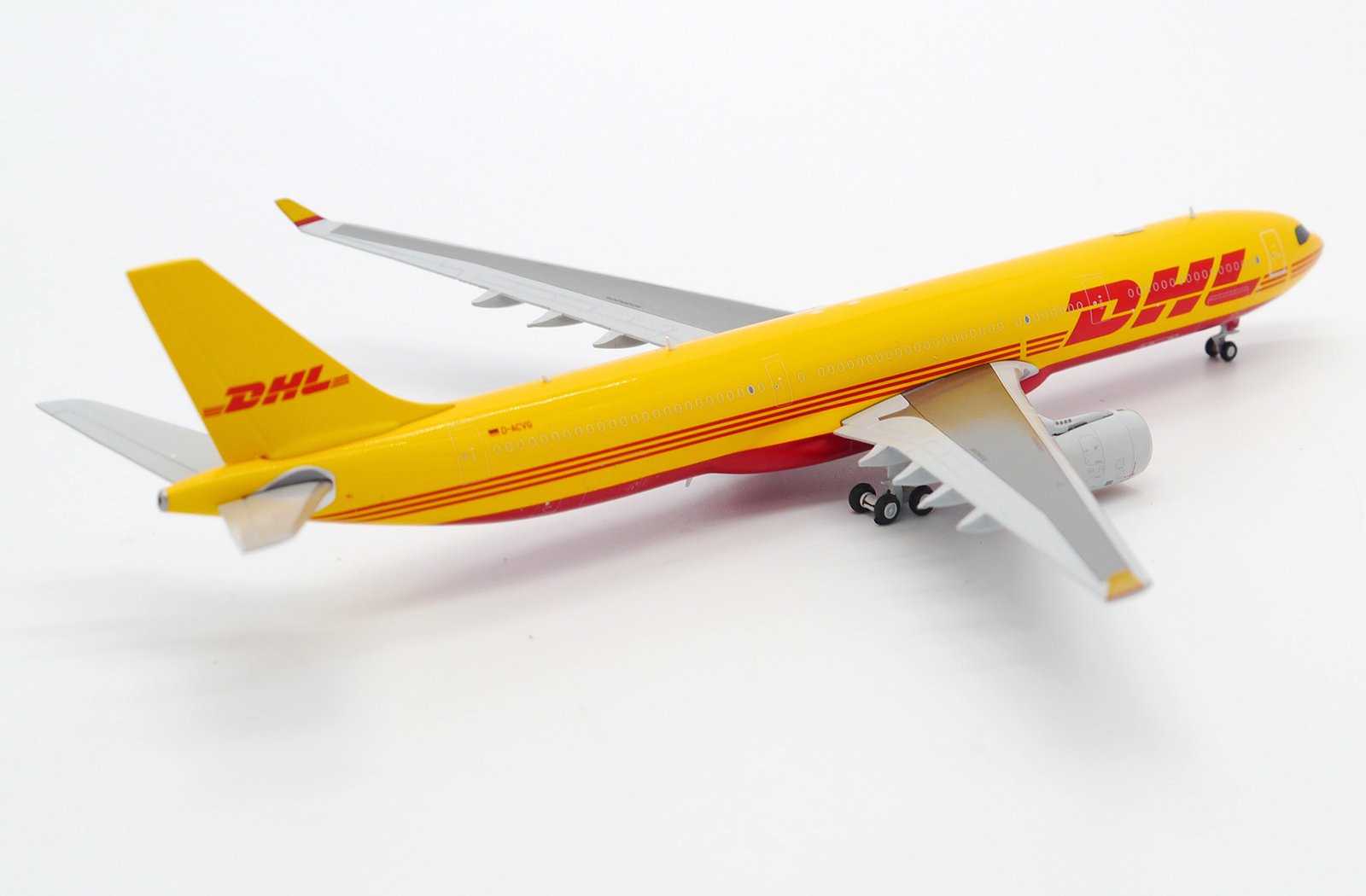
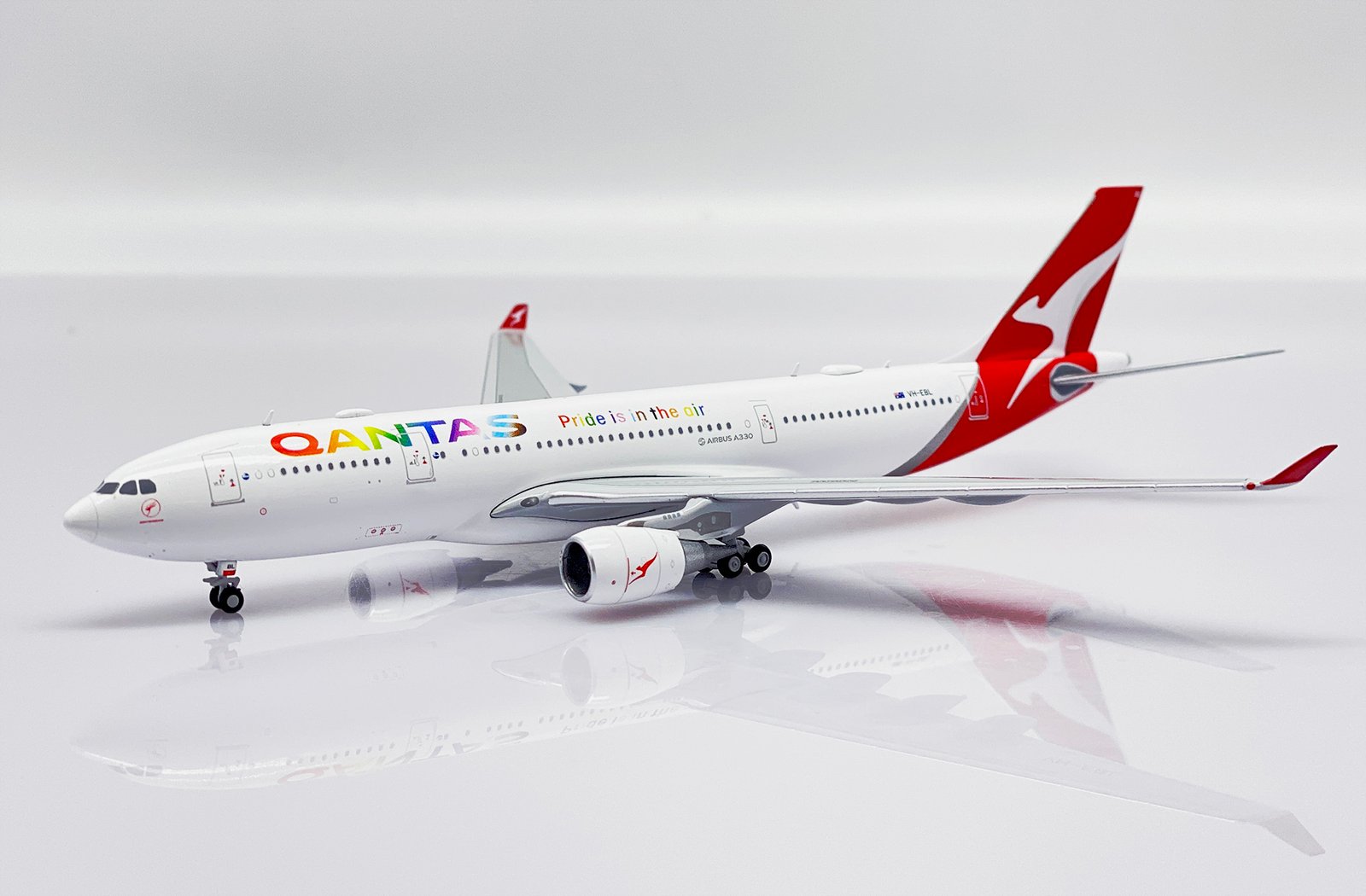
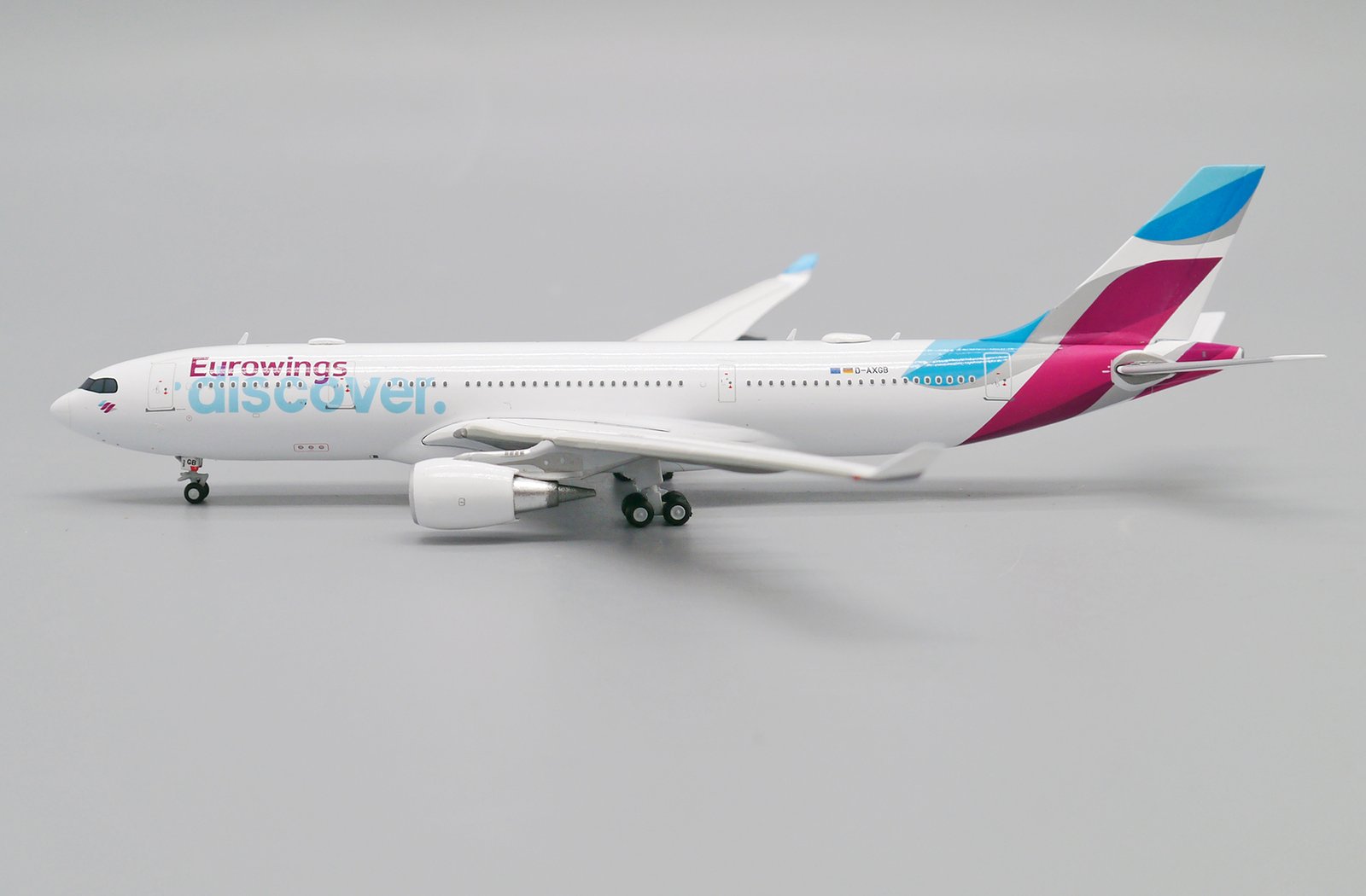
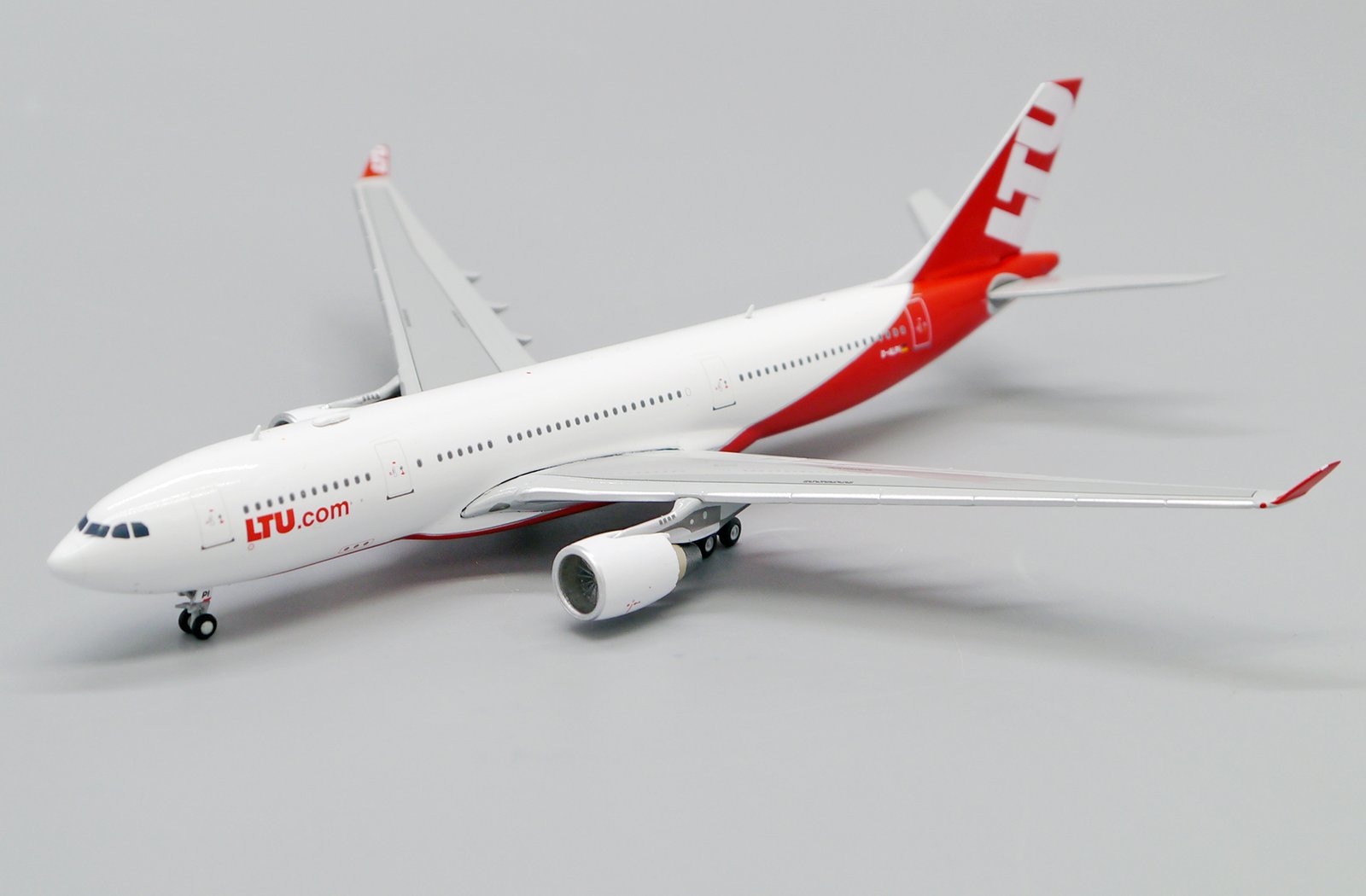
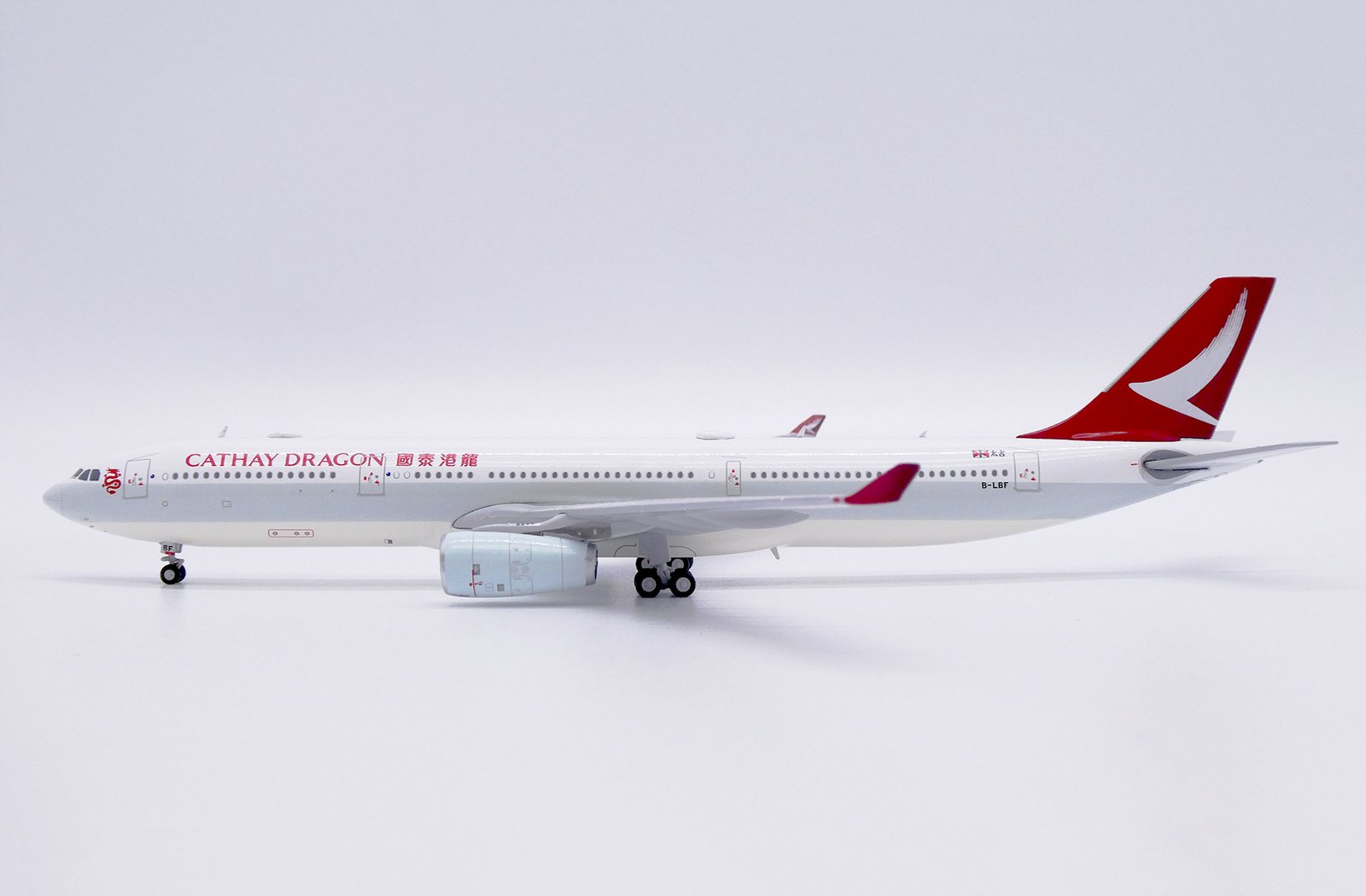
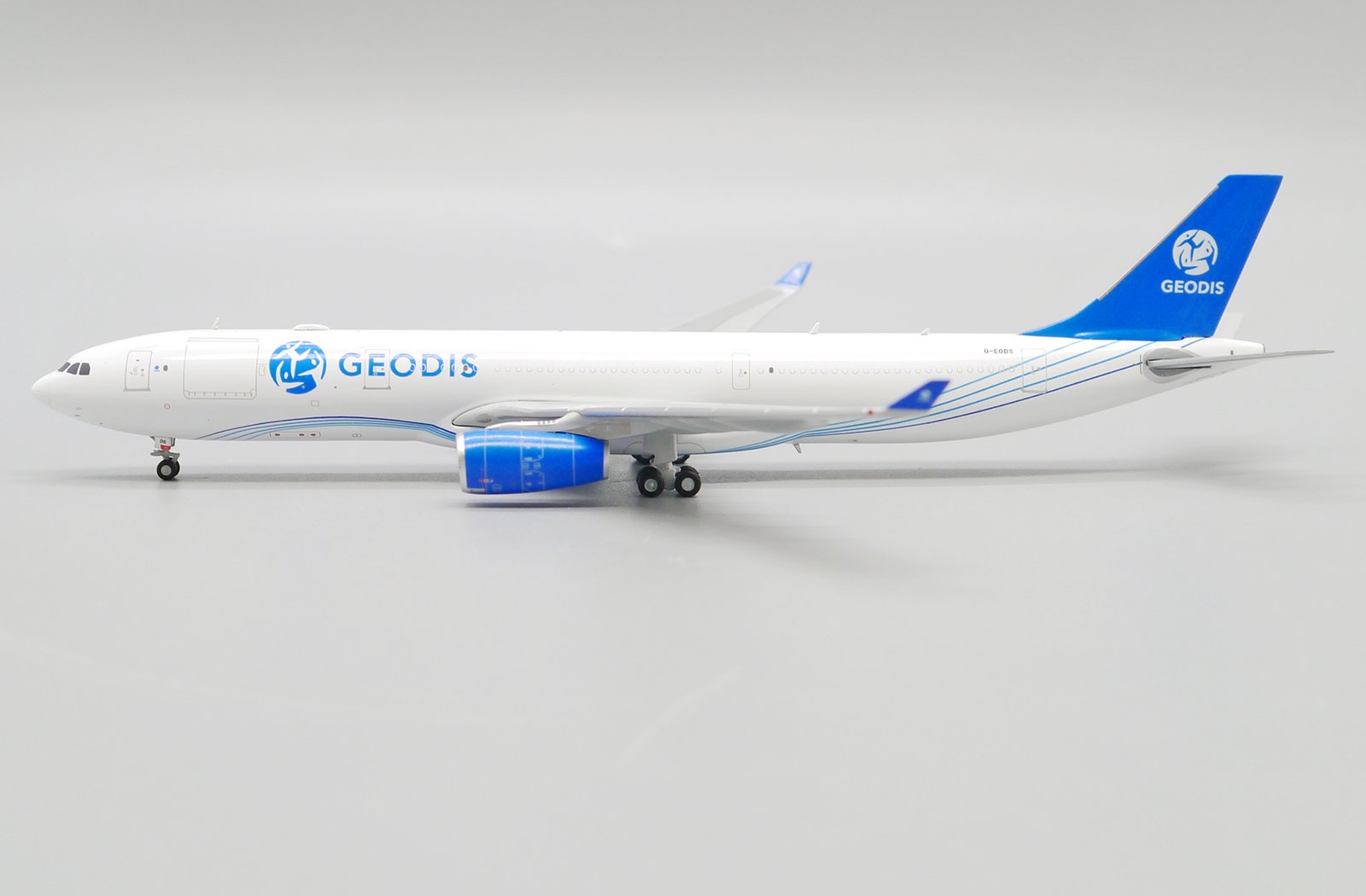
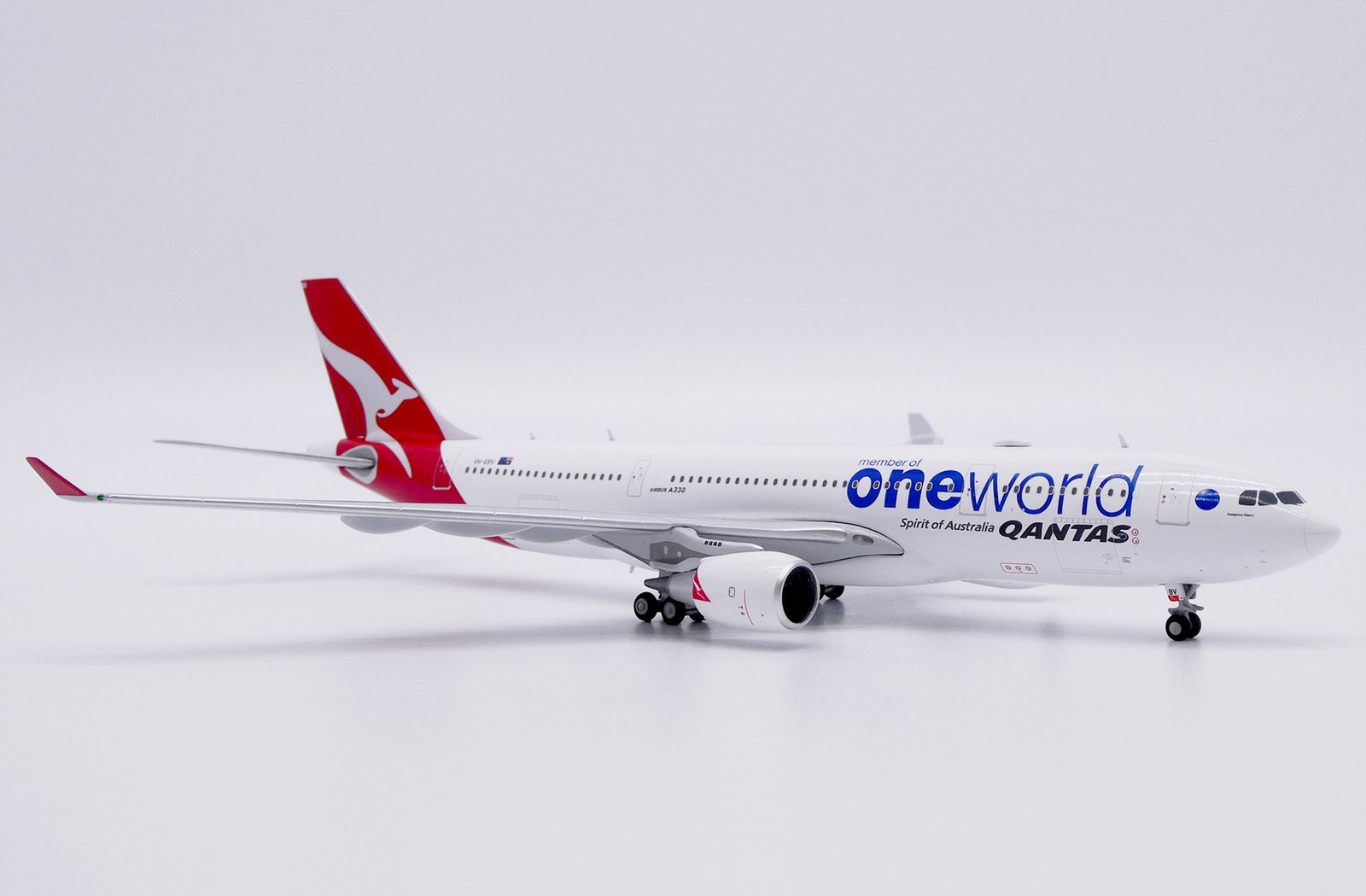
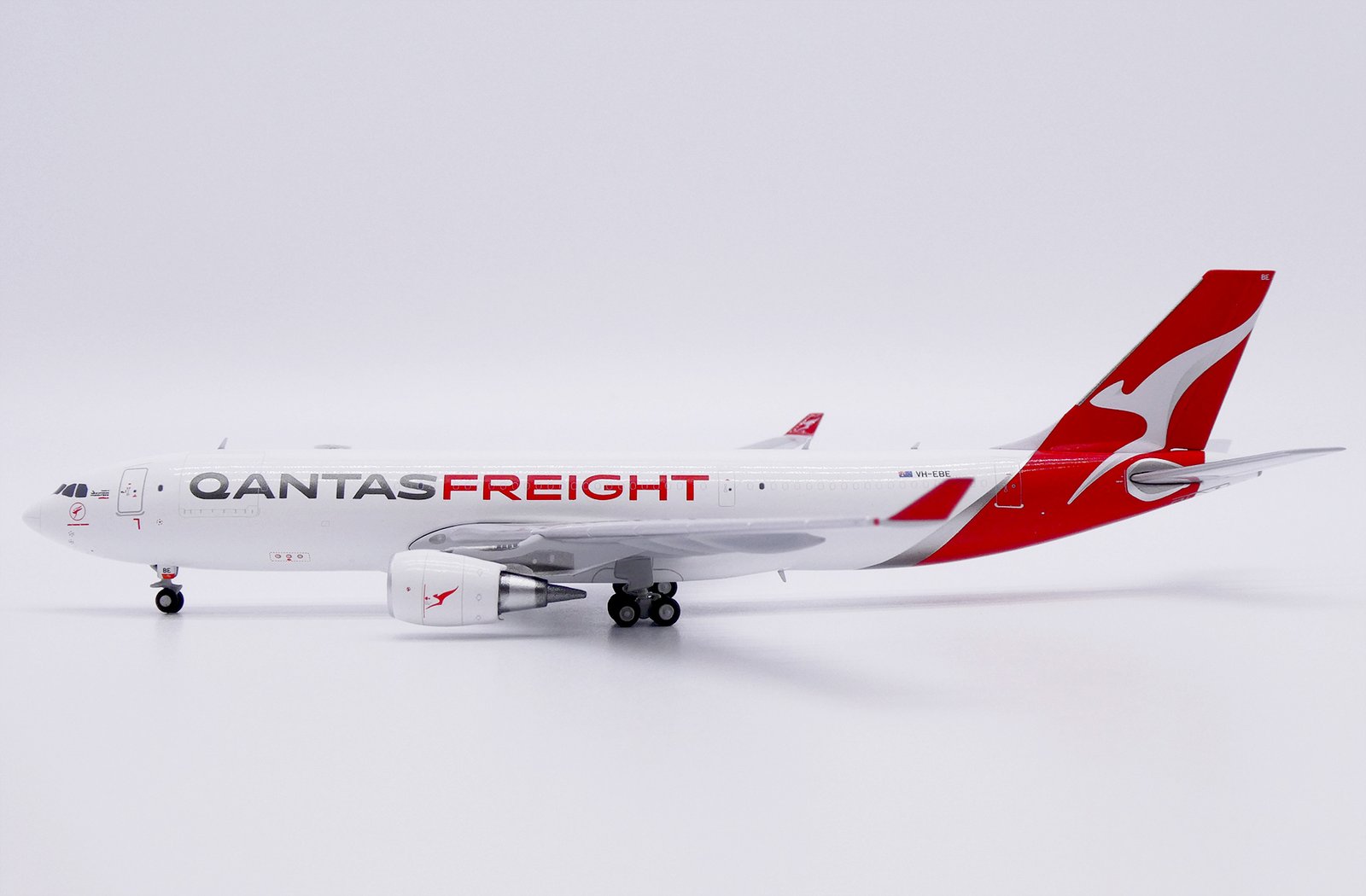
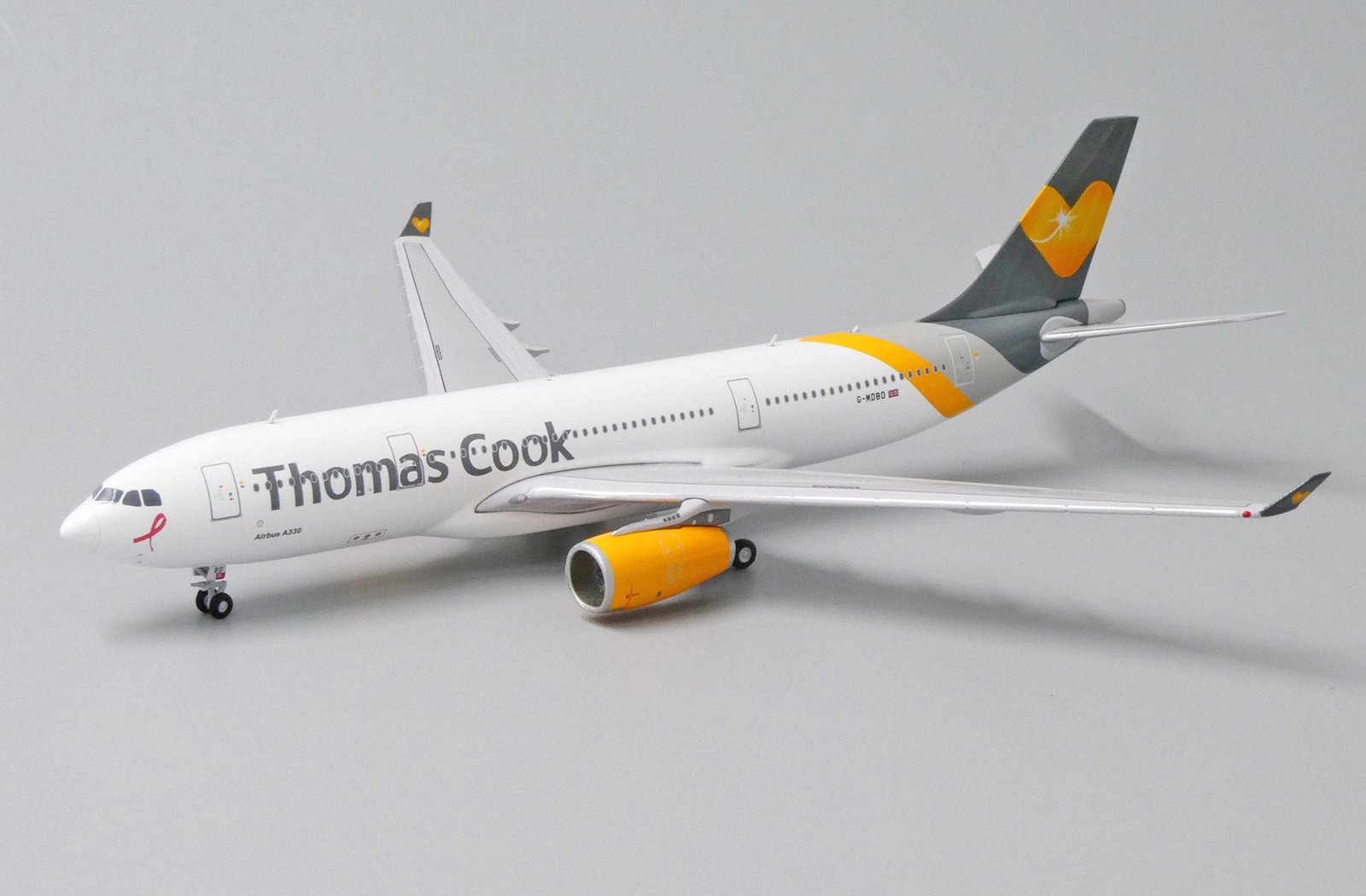
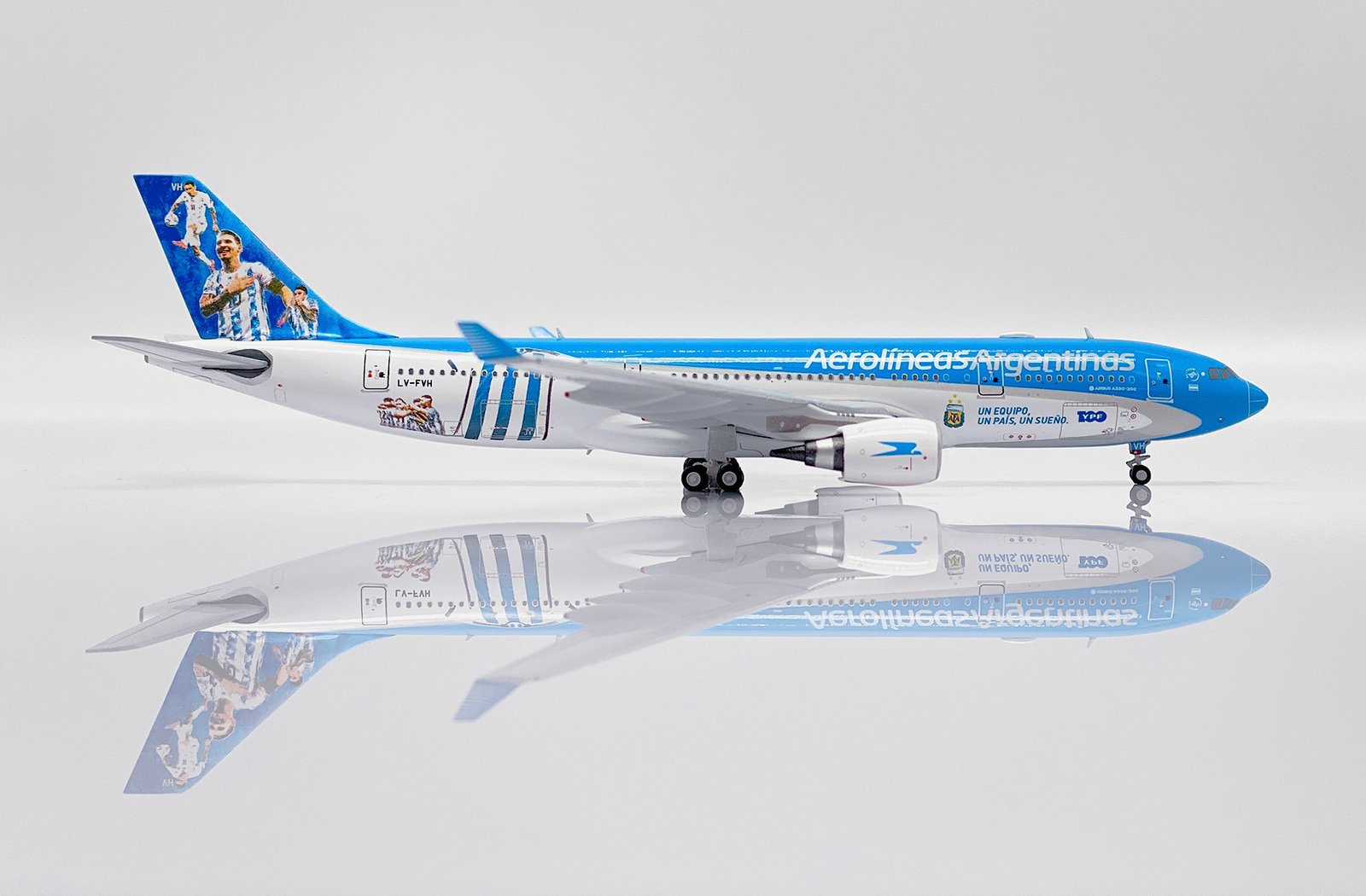
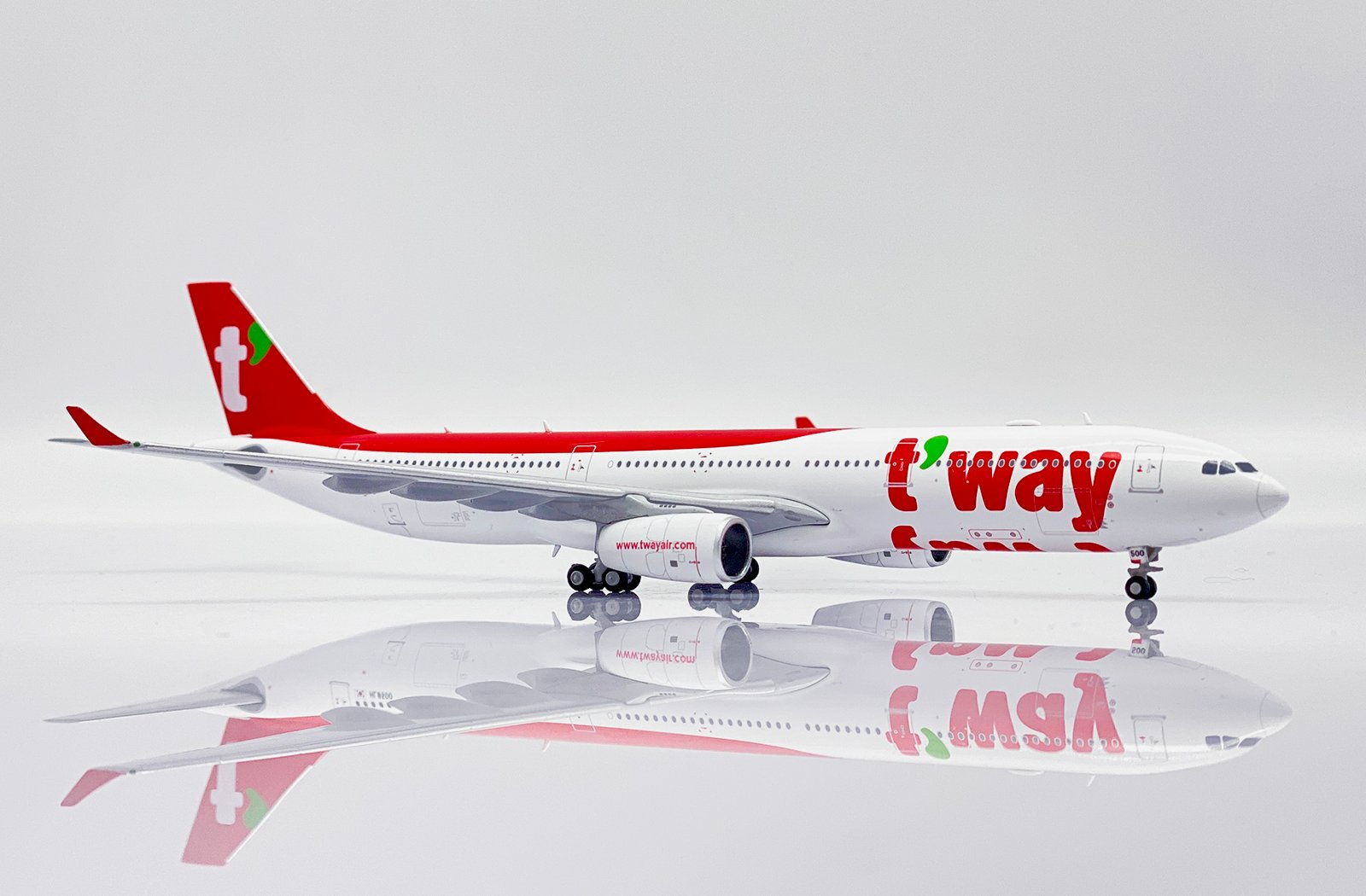
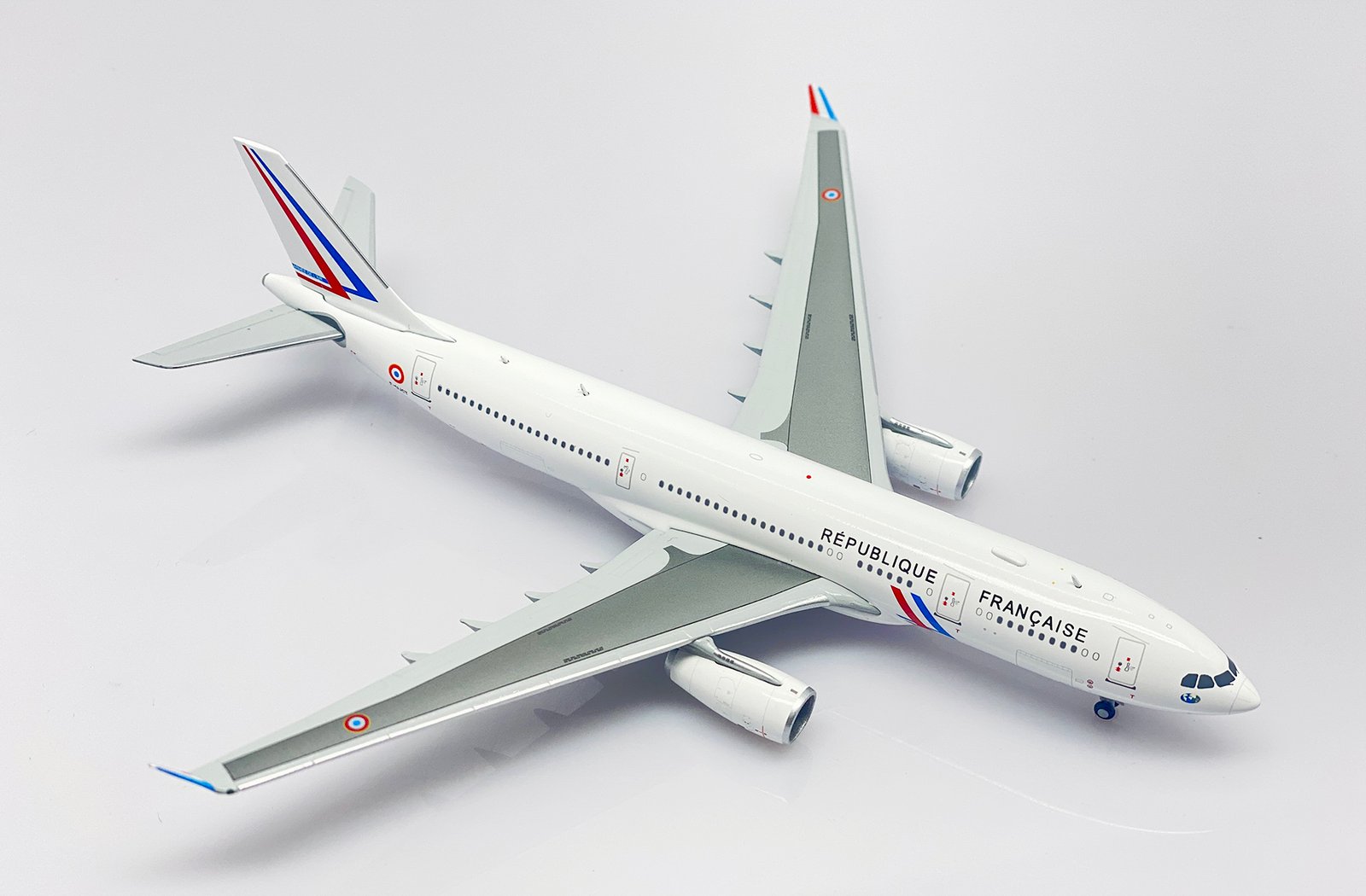
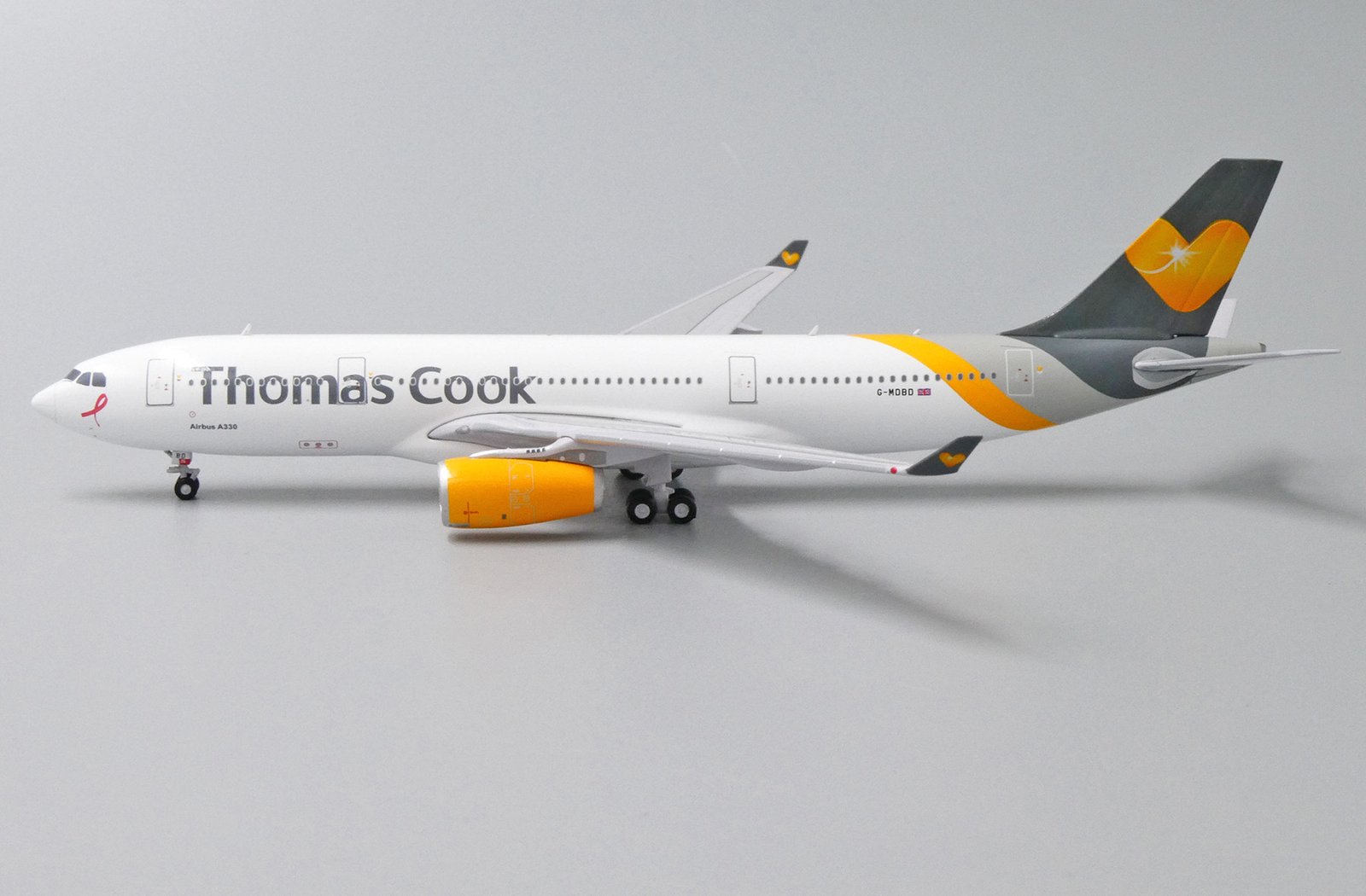
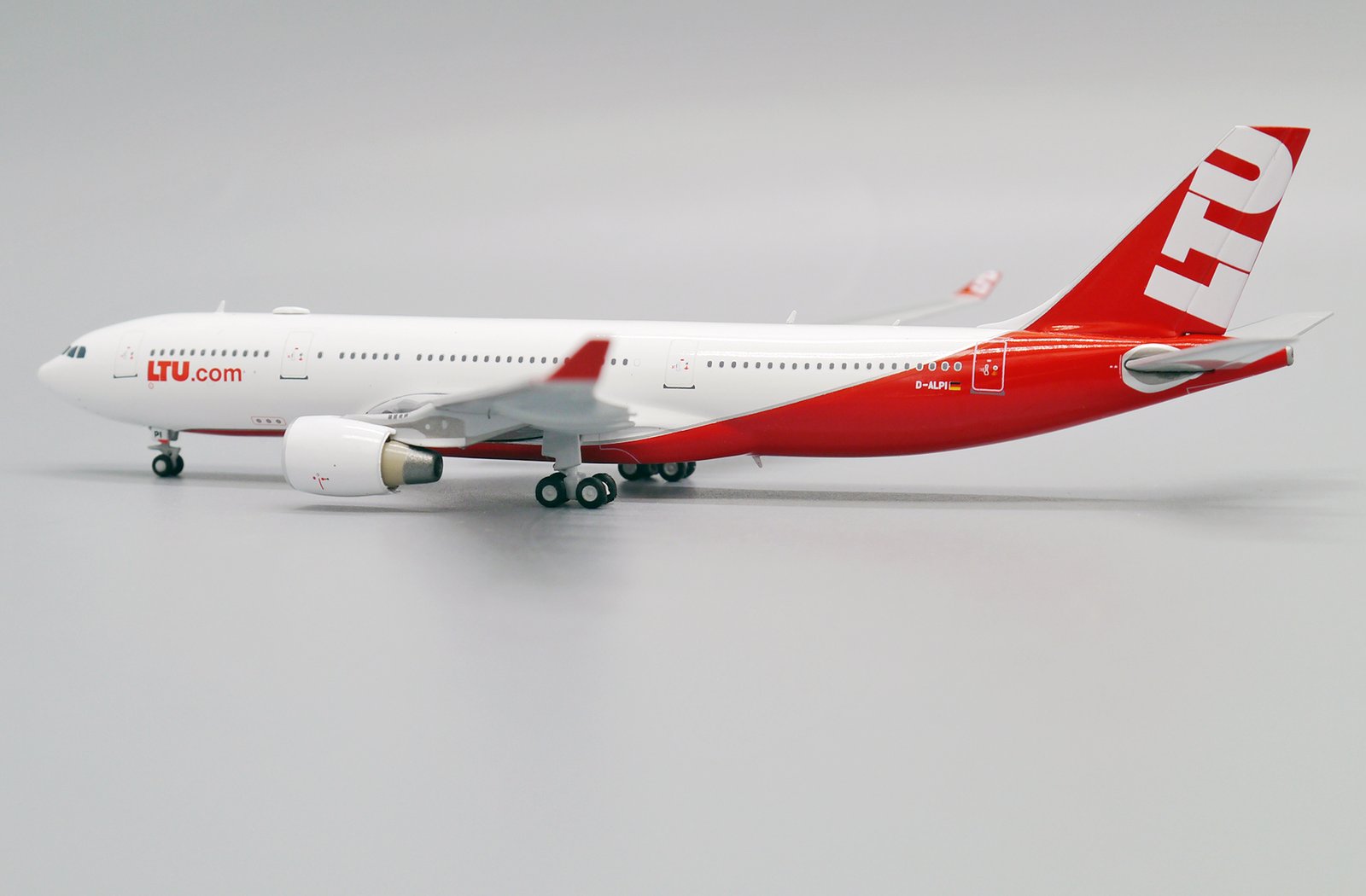
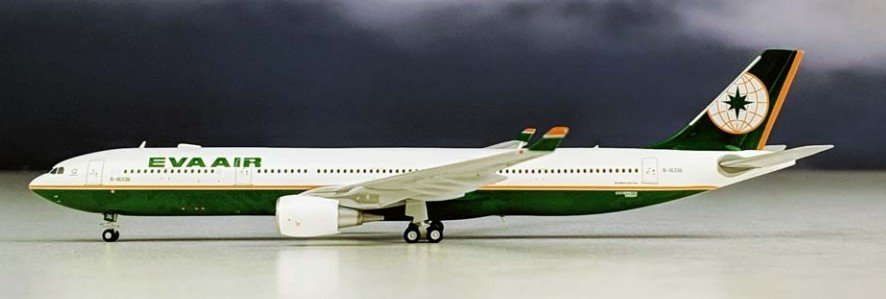
At least in the first few years of usage there were major issues fitting the slot in wings correctly. The results can look bizarre – like this:
I have reviewed the mould in detail here at the website back in 2022:
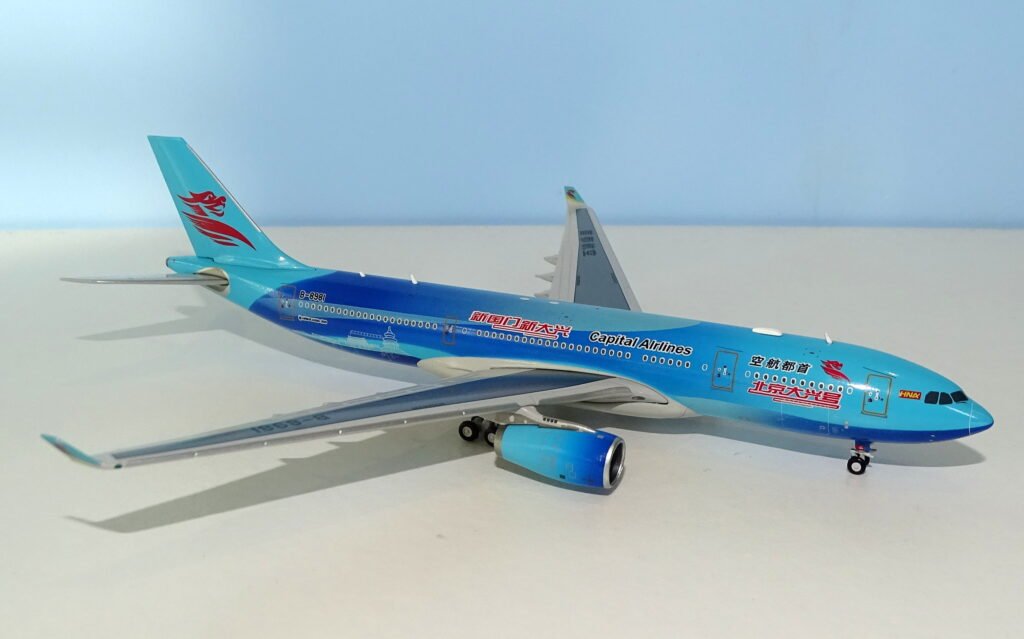
Panda Models Mould (2016)
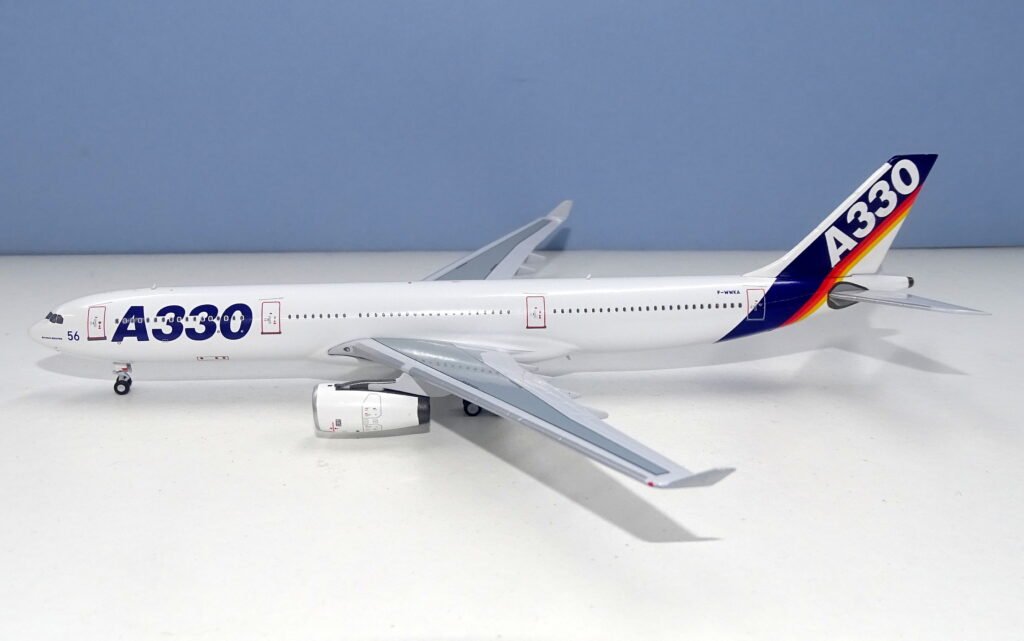
Panda models debuted a selection of new A330s towards the end of 2016:
- A330-200 with Rolls Royce engines
- A330-300 with Rolls Royce engines
- A330-300 with CFM engines
There was a suspicion that Panda Models had been cloning Aeroclassics moulds, enabled by past relations with Aeroclassics. That suspicion certainly carries over to the A330-200/300, however they aren’t exact copies of each other. There are differences and in detail the moulds are as different as any from each other. This mould is very good, as good and sometimes better than the competing Phoenix and Aeroclassics moulds. Unfortunately it seems Panda Models lost access to this mould in 2020.
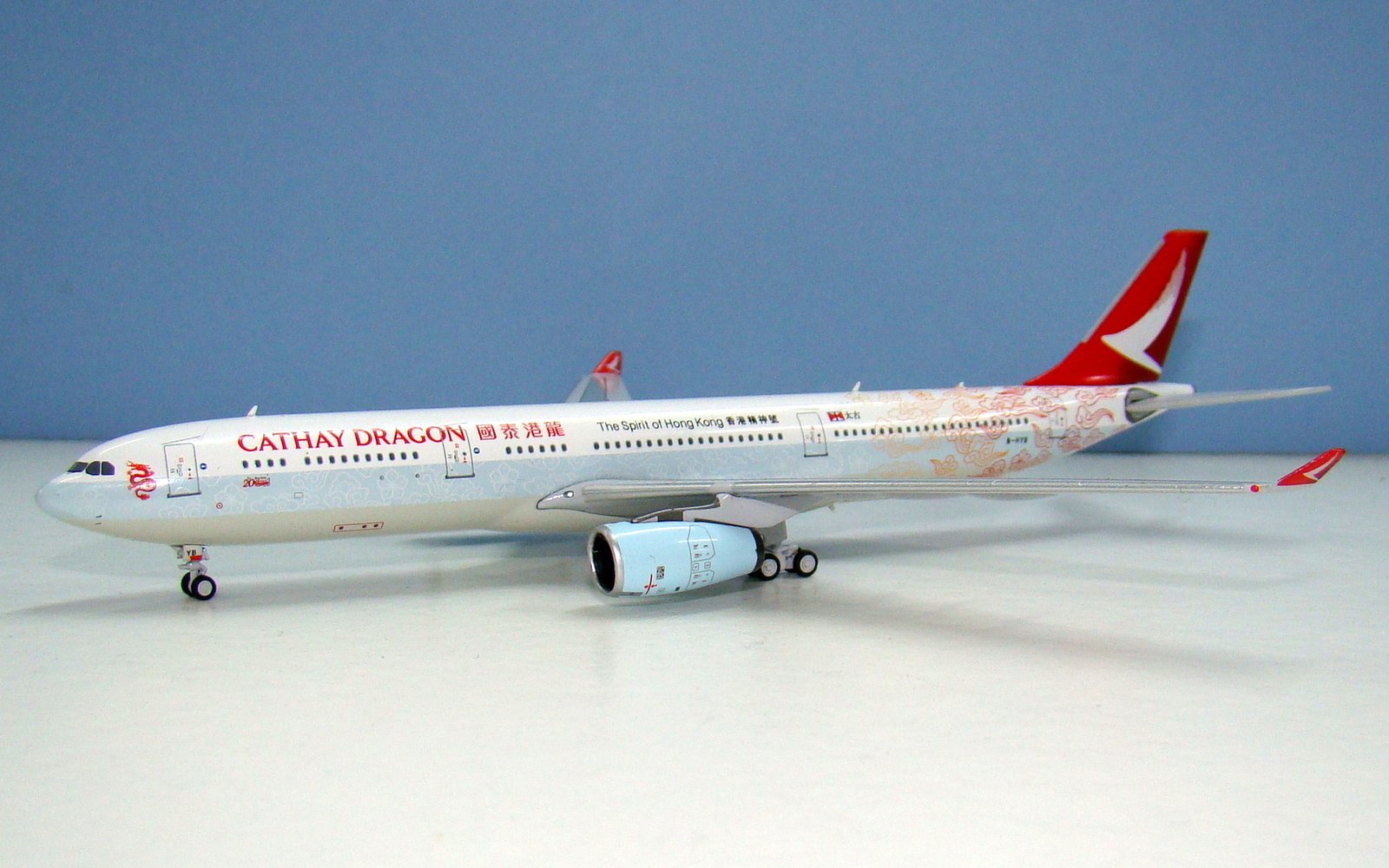
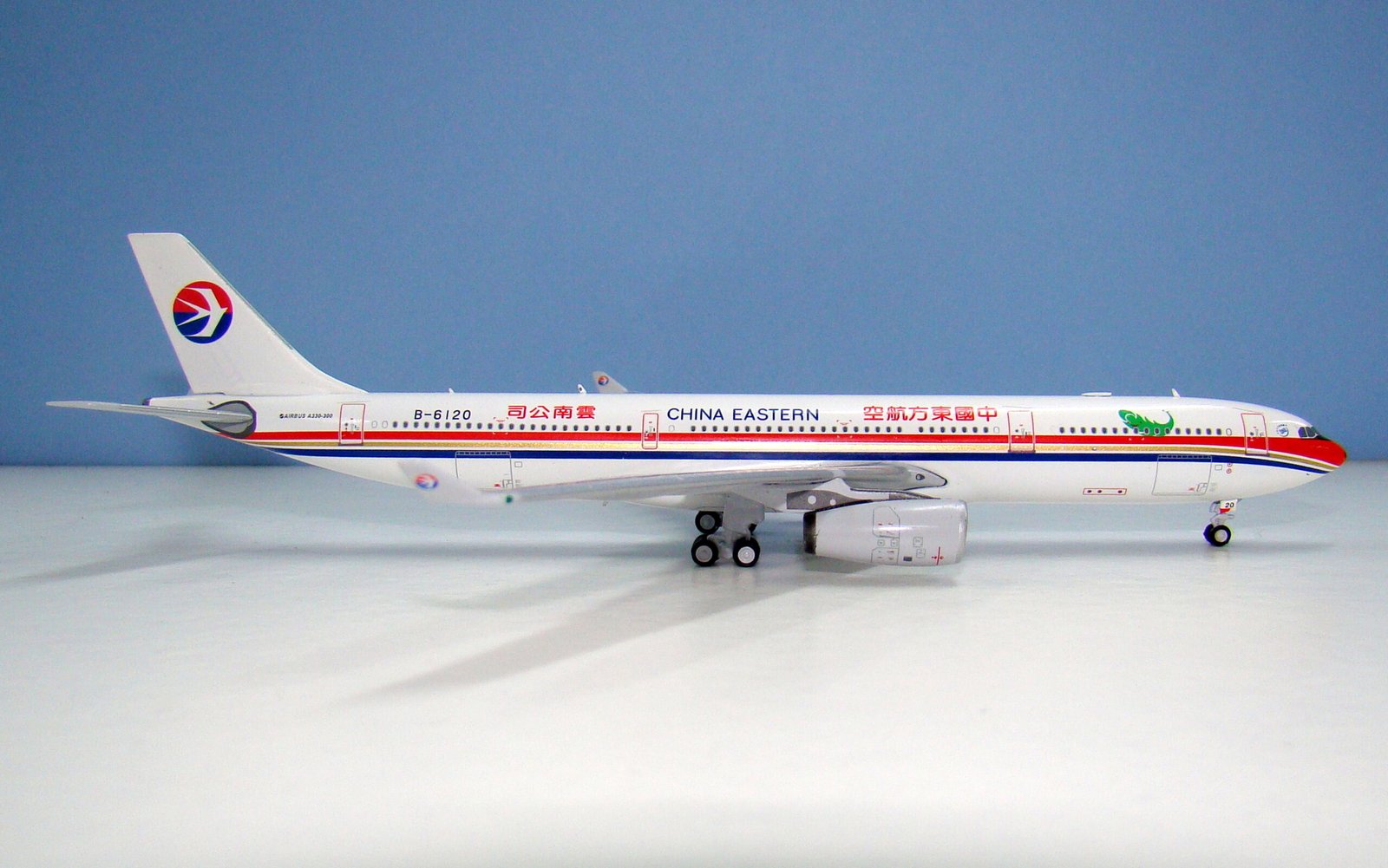
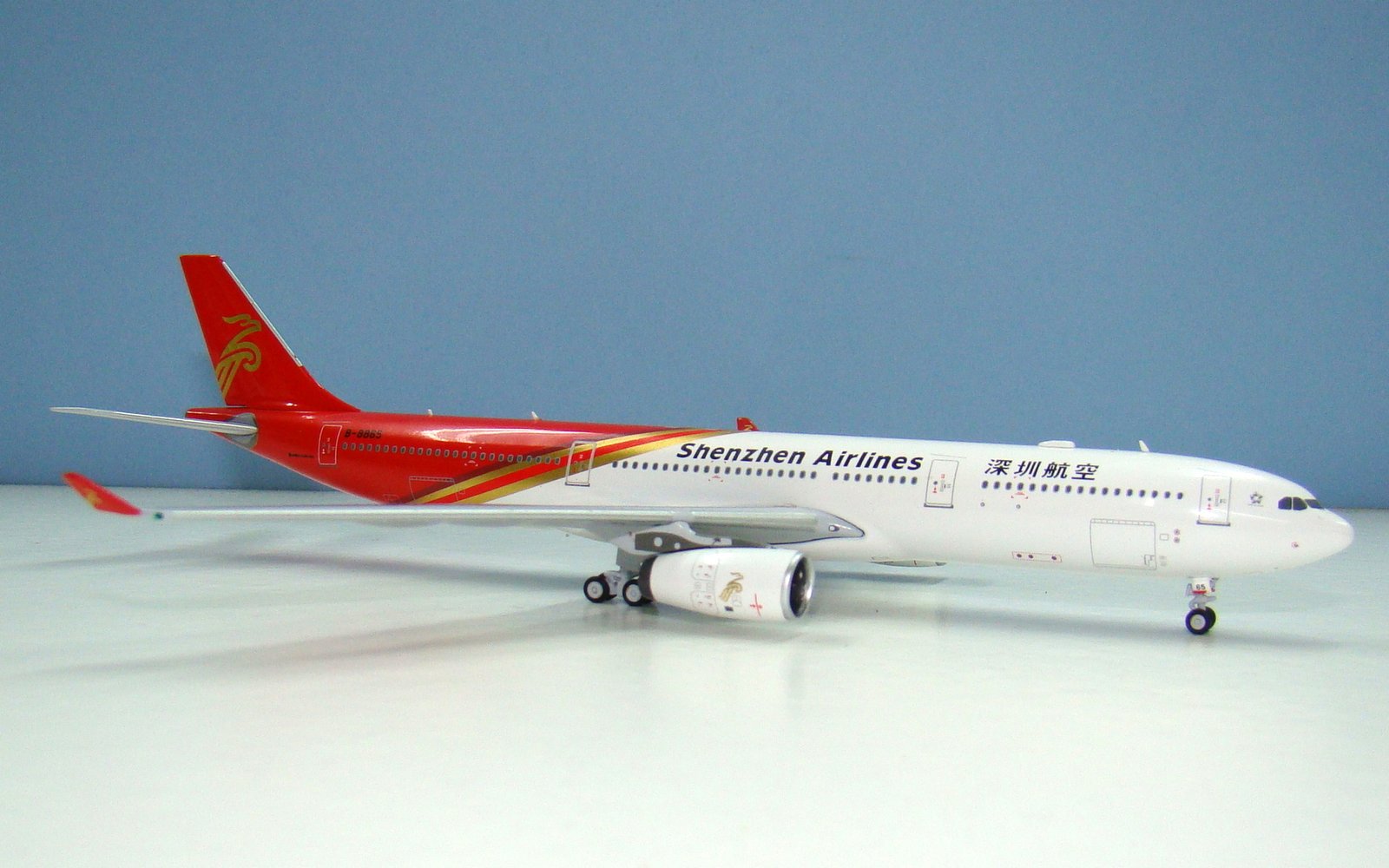
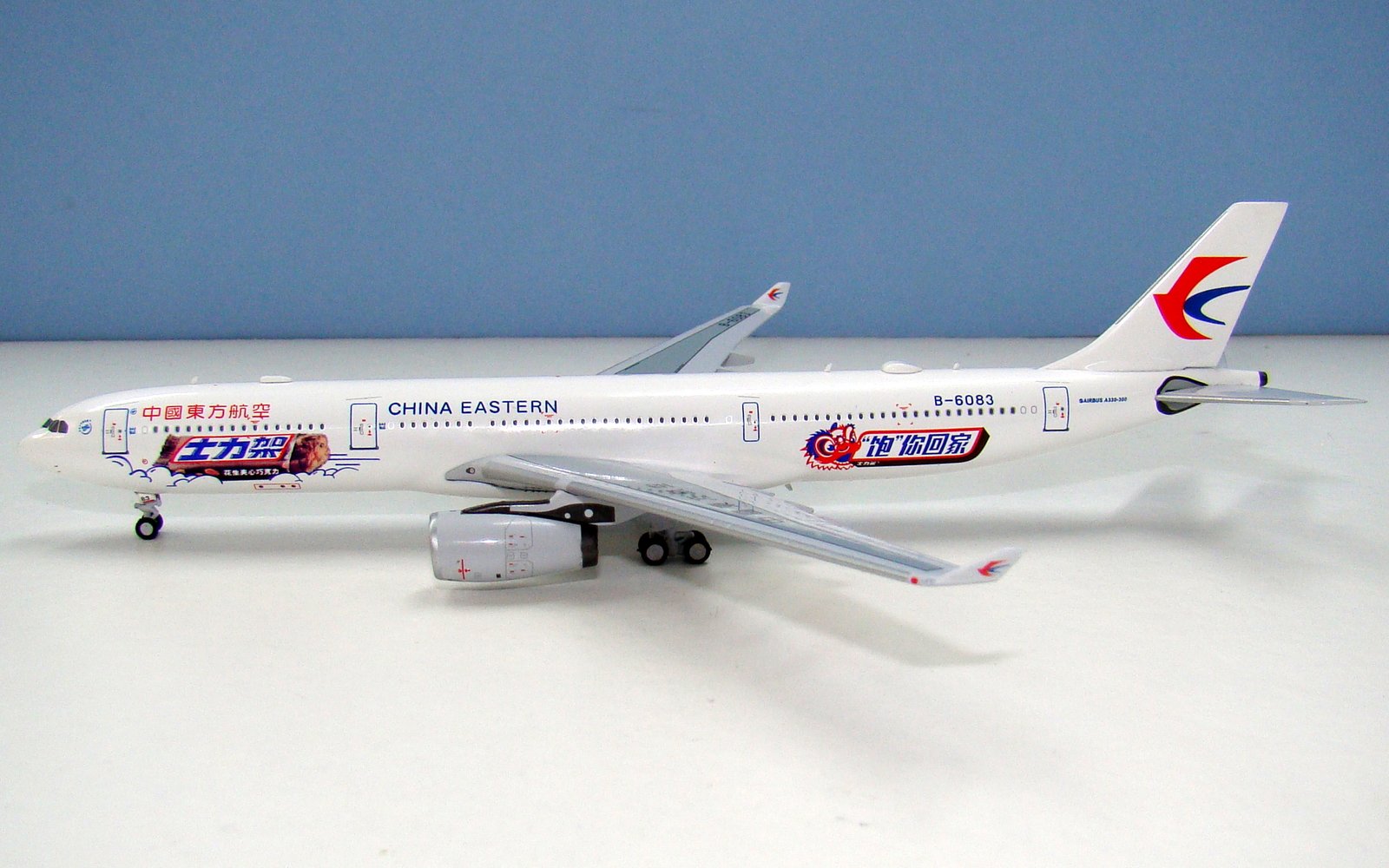

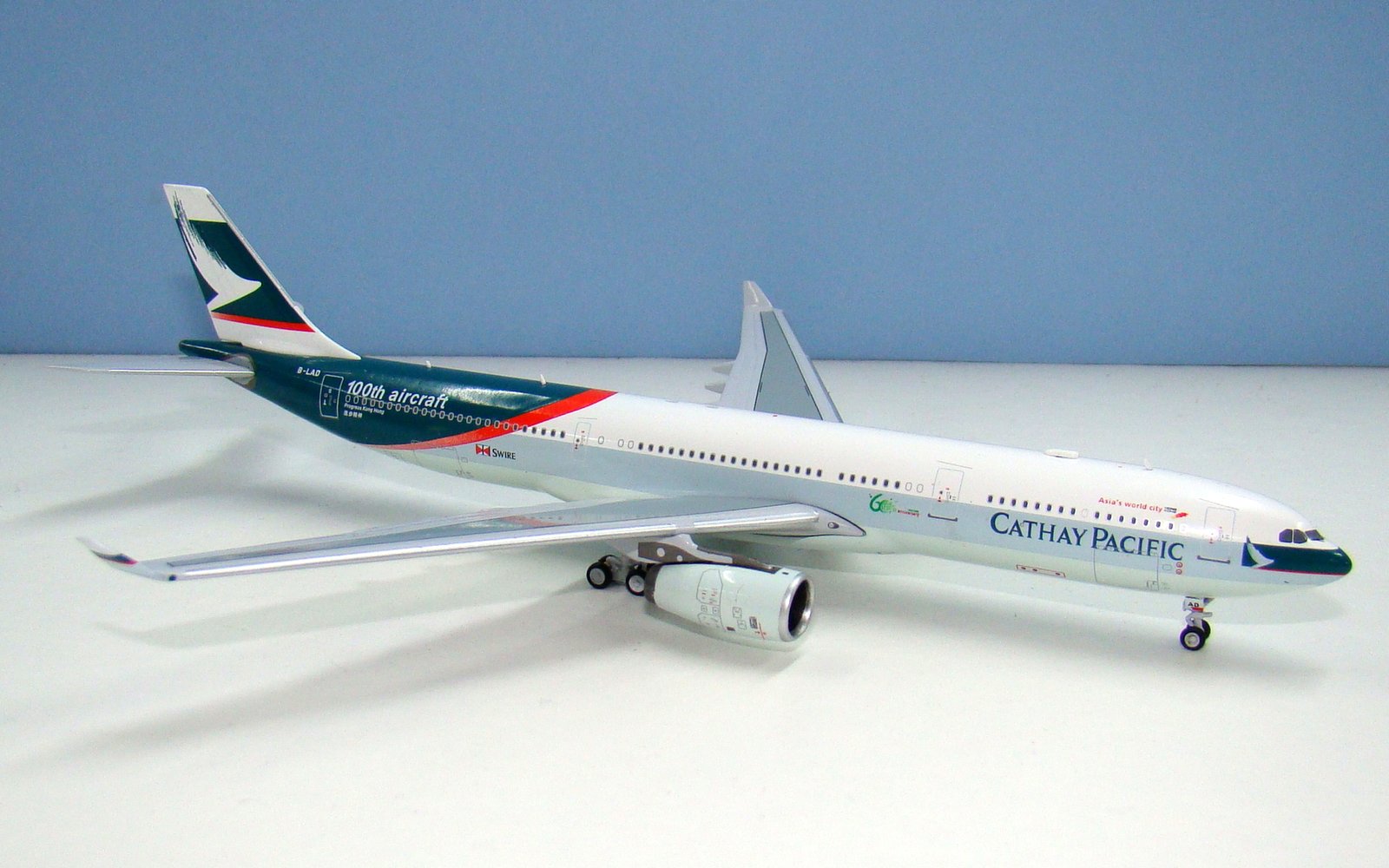
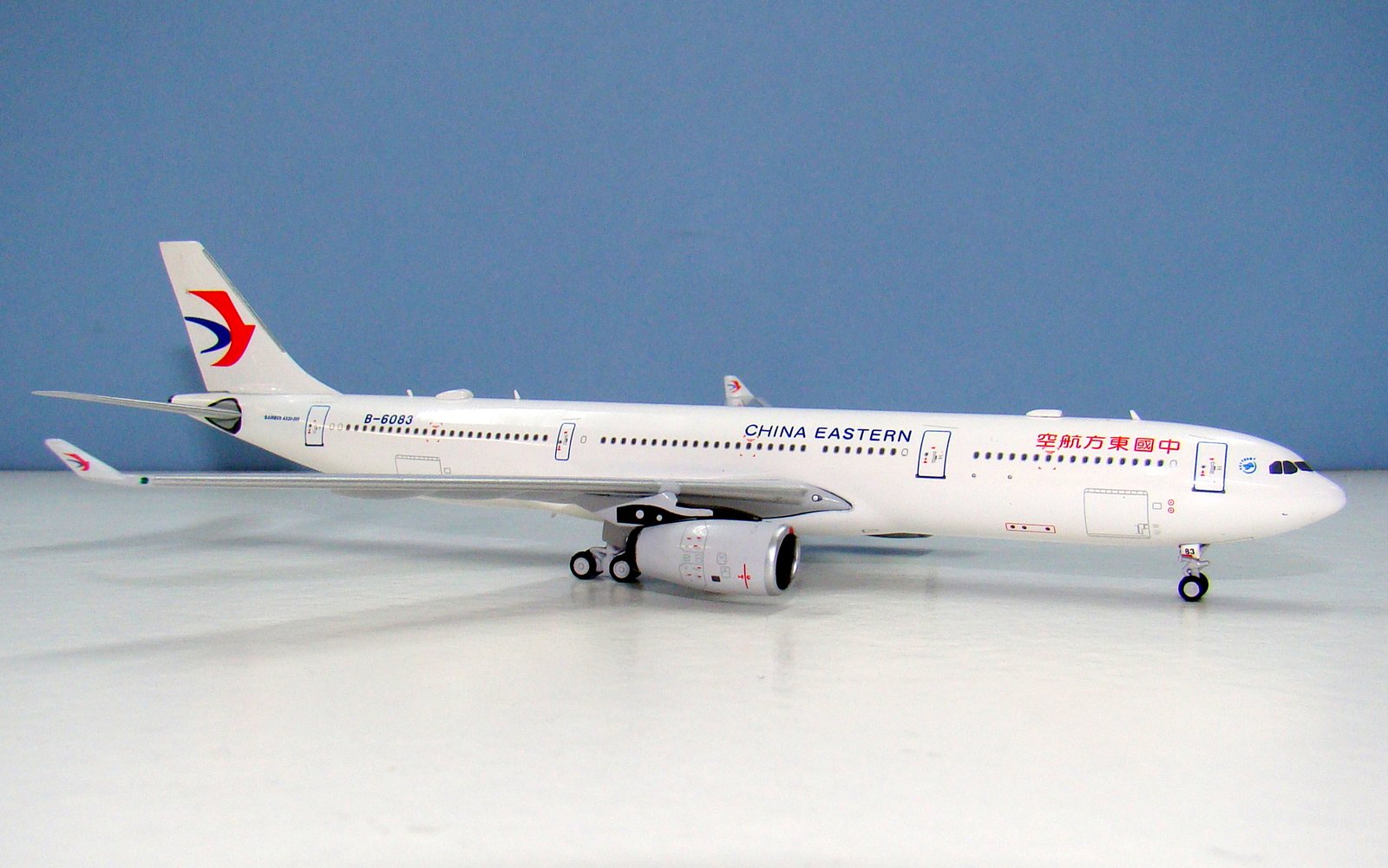
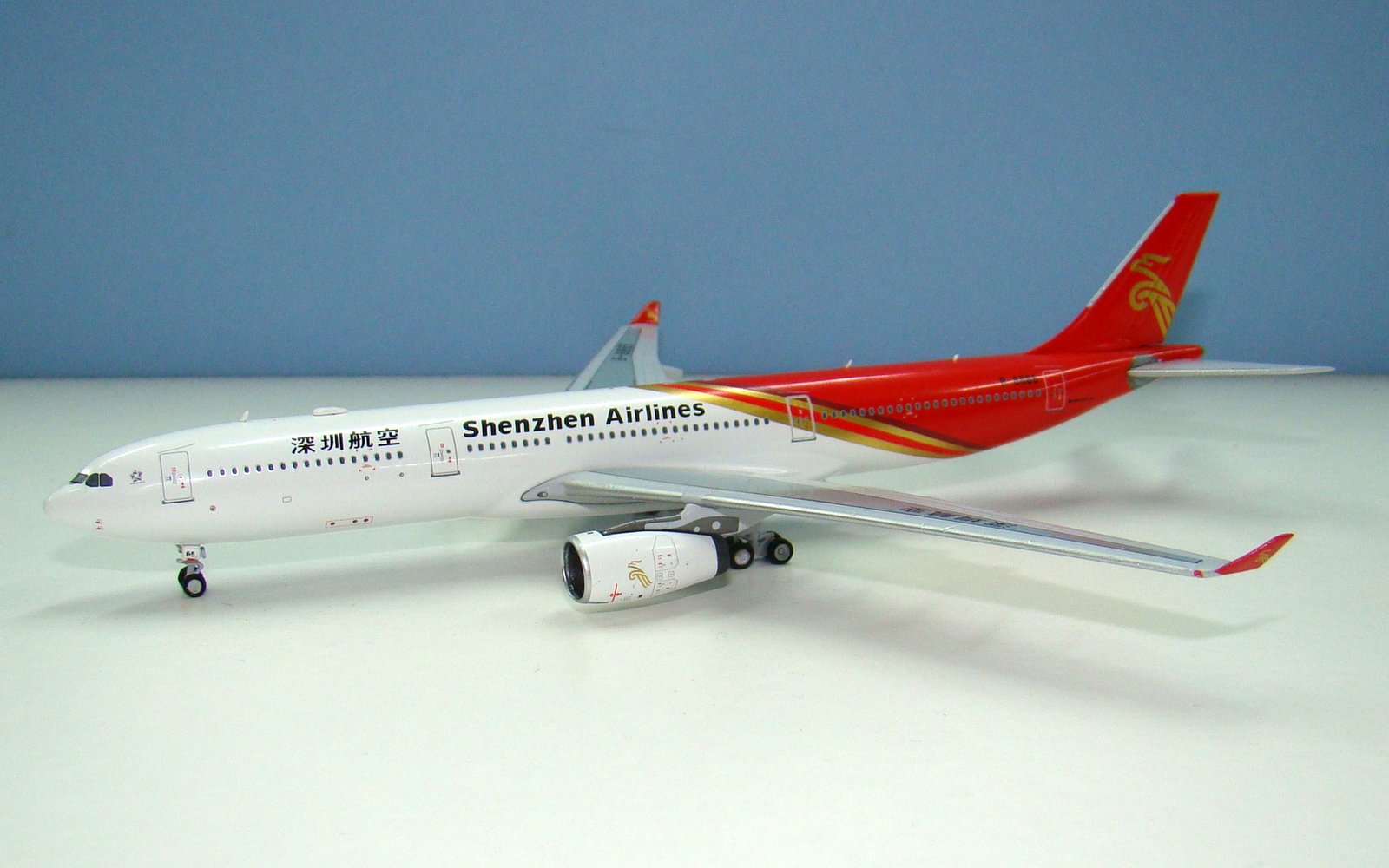

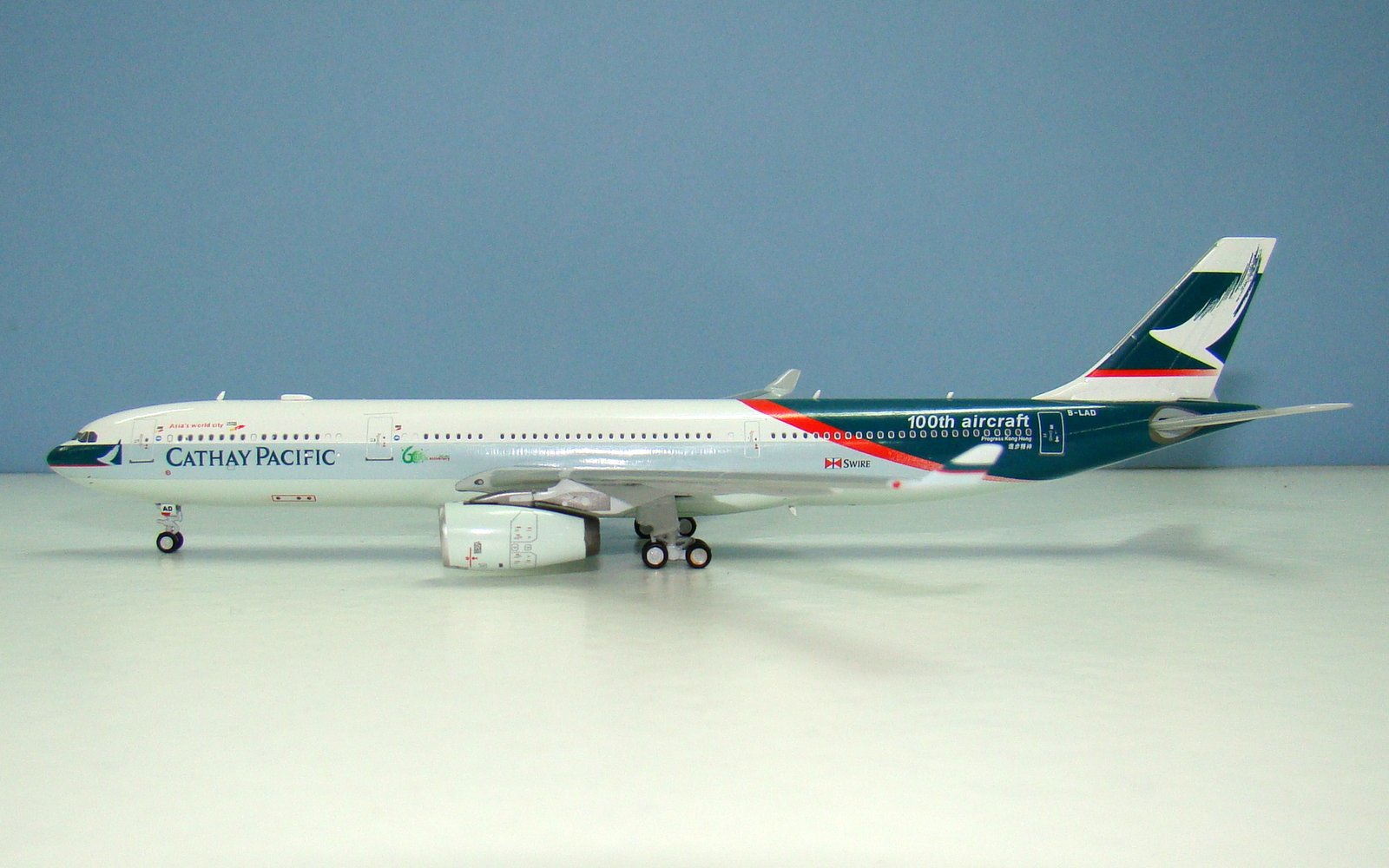
I reviewed a Panda A330 made for Skywings back in 2017 at ModelAirliner.com:
Aviation400 v1 (2017)
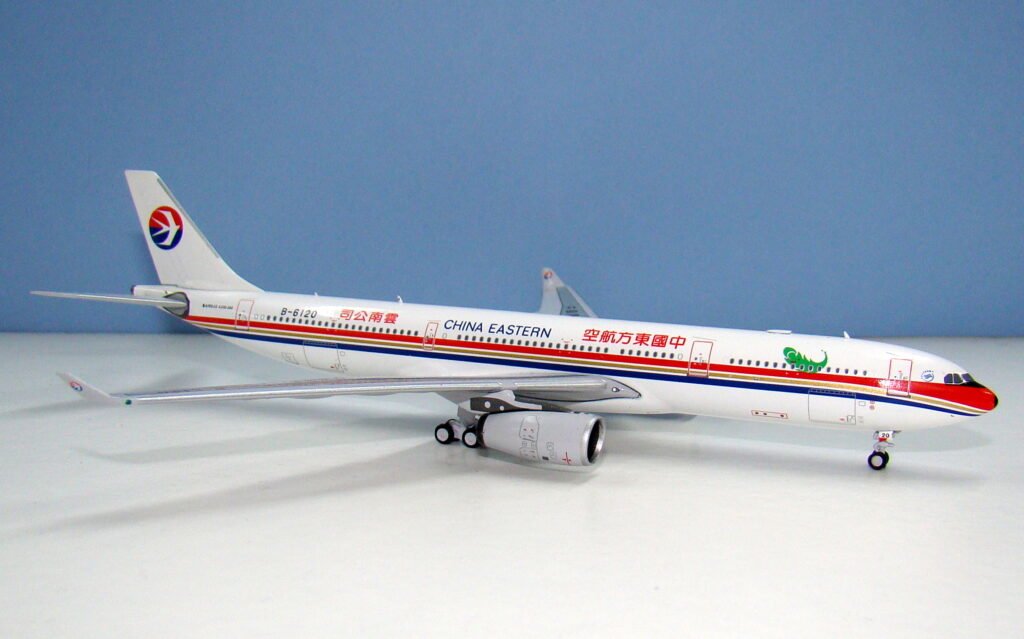
With their interest in modern widebodies it was little surprise that an A330 was one of the first moulds that the new Aviation400 produced although it has not gained the same plaudits that their A350 has – partly because it has mainly been used for Chinese examples and partly because it isn’t anywhere near as good. The biggest issues relate to the shape of the nose, which is too rounded, the depth of the engine pylons and the lack of the A330’s signature nosedown angle.
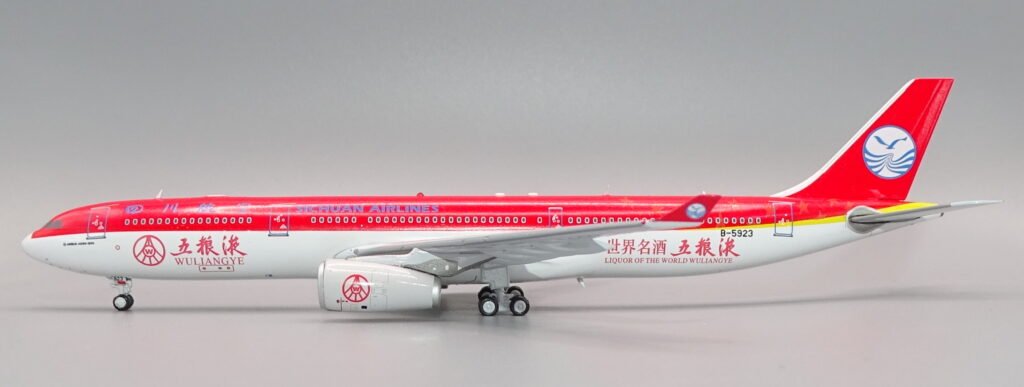
I reviewed the mould a few times in detail back in 2019. See reviews here:
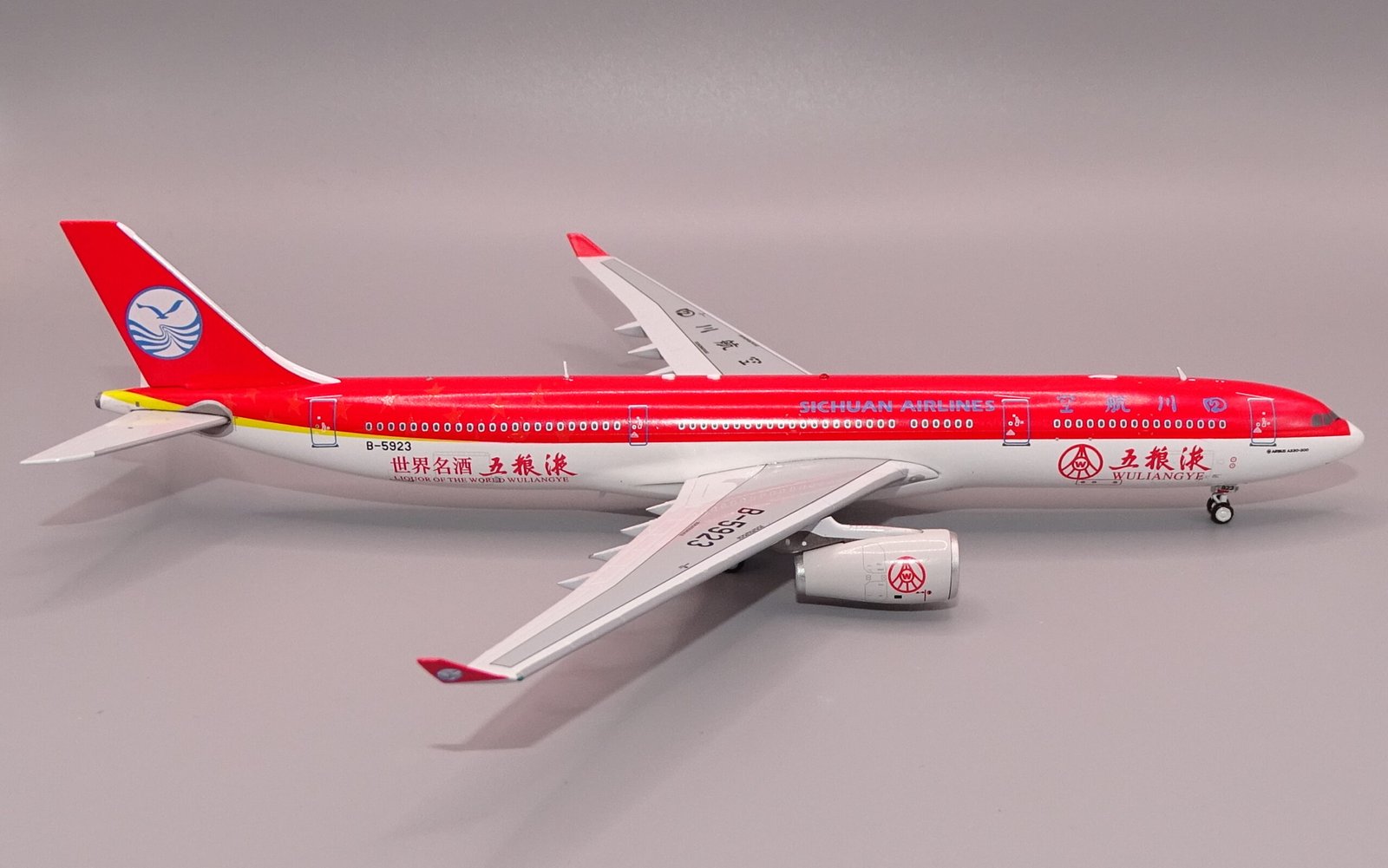
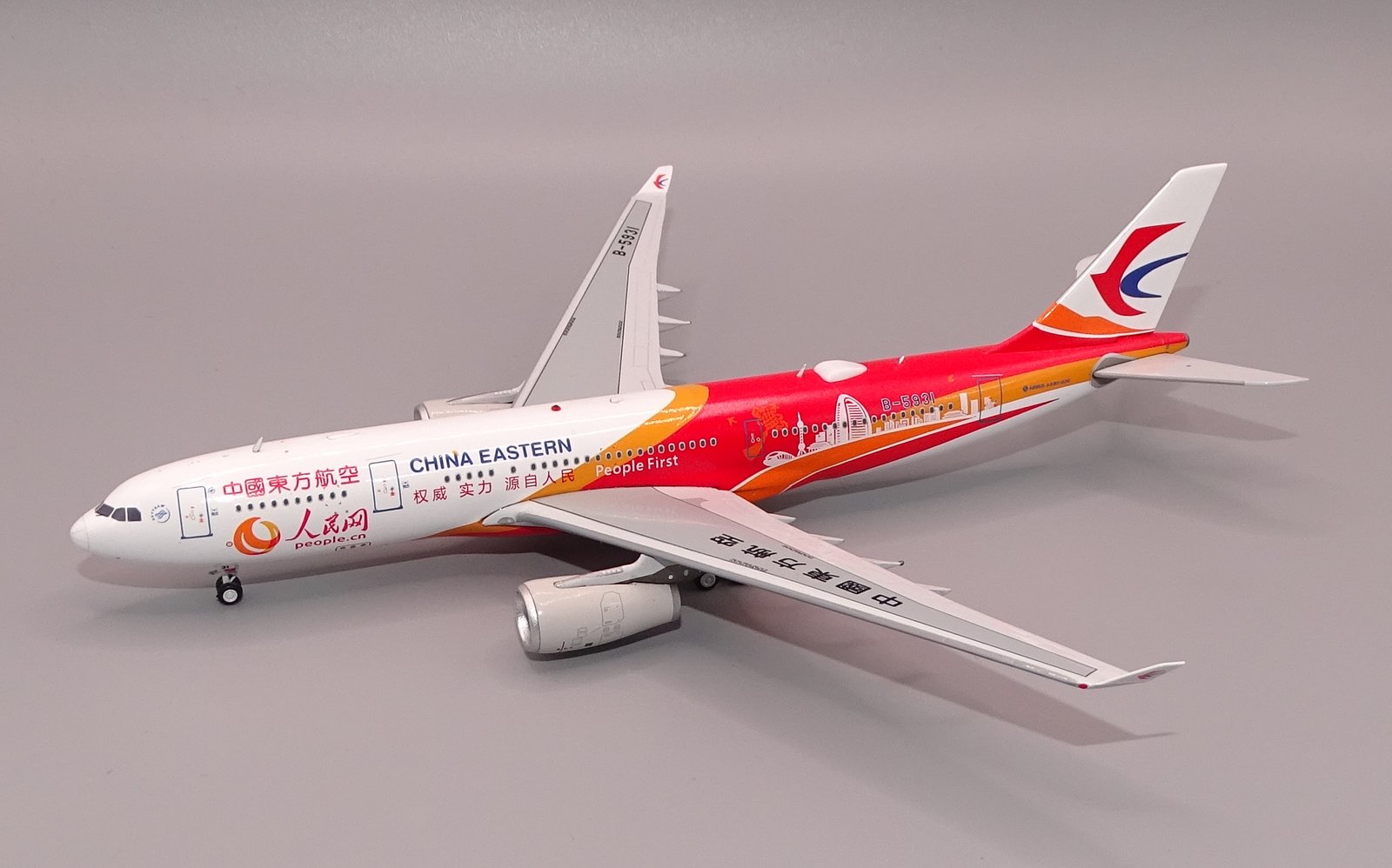
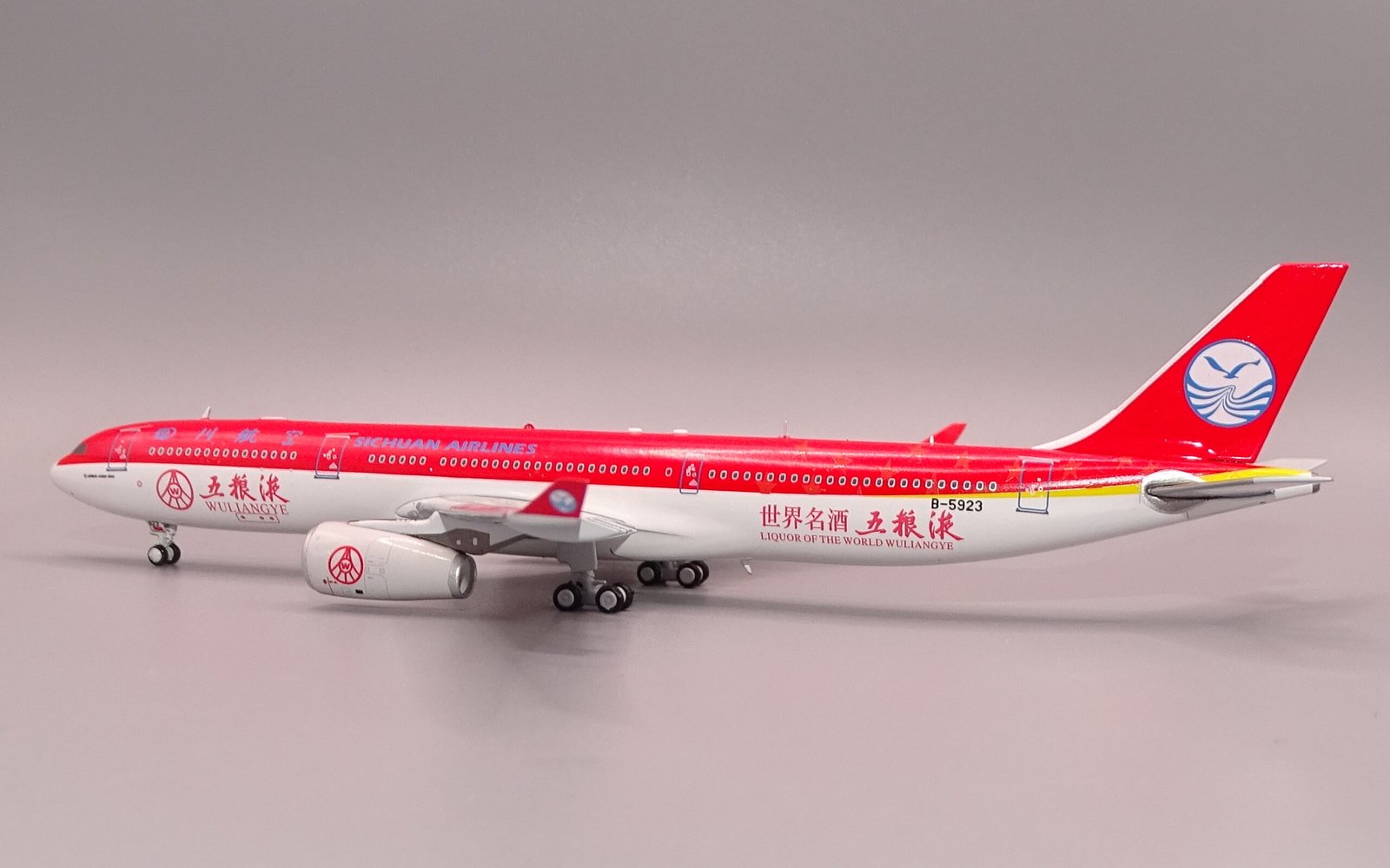
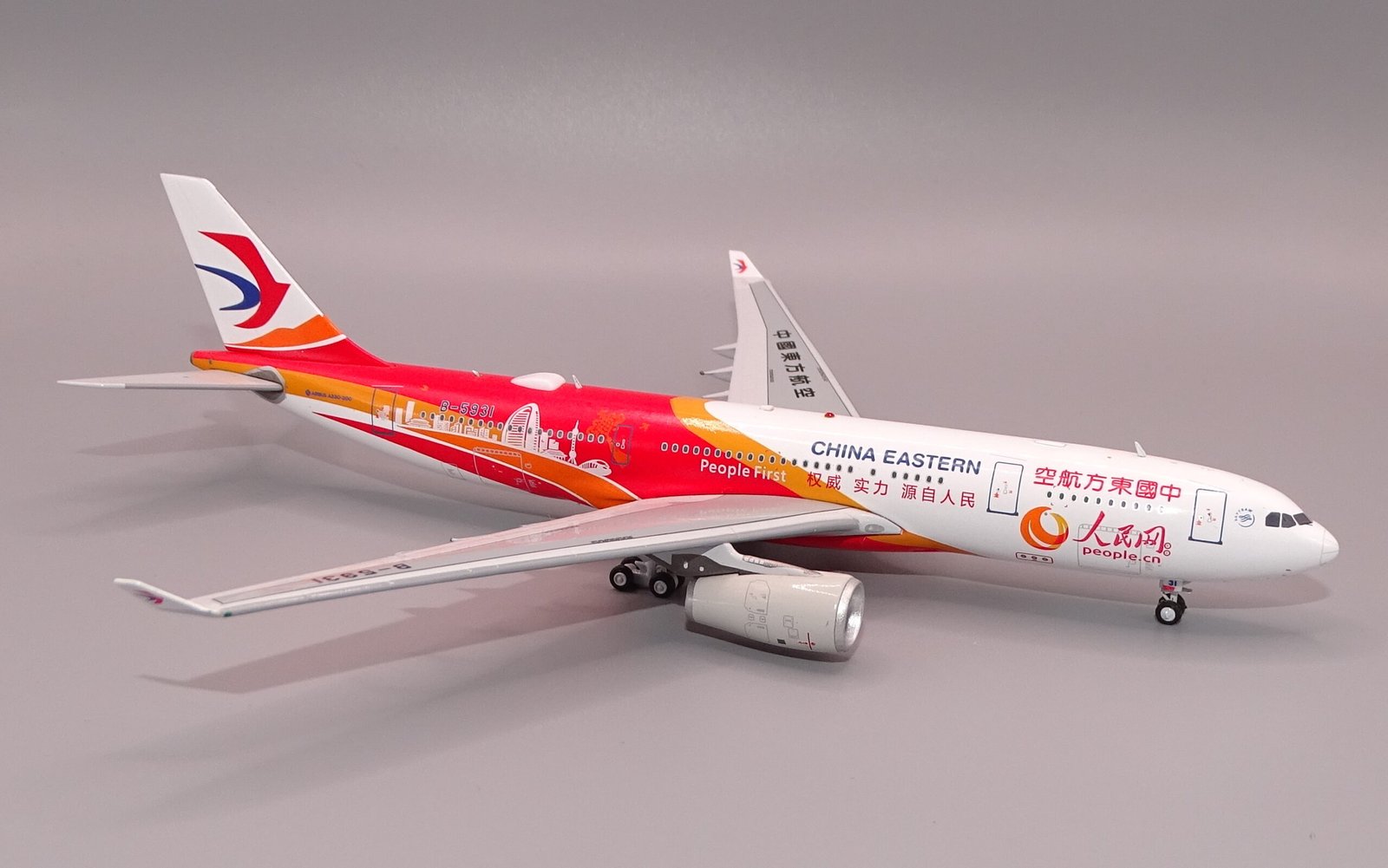
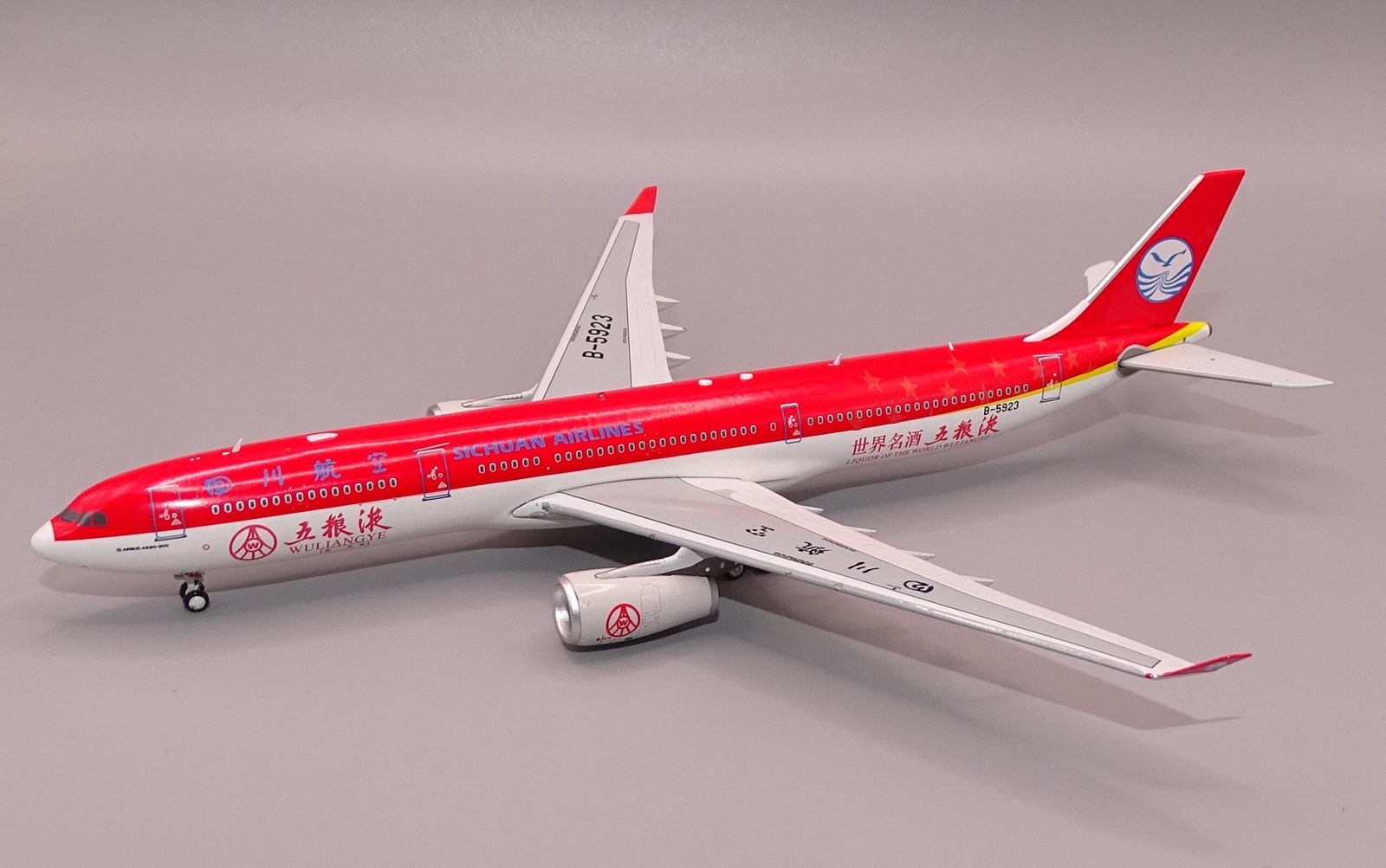
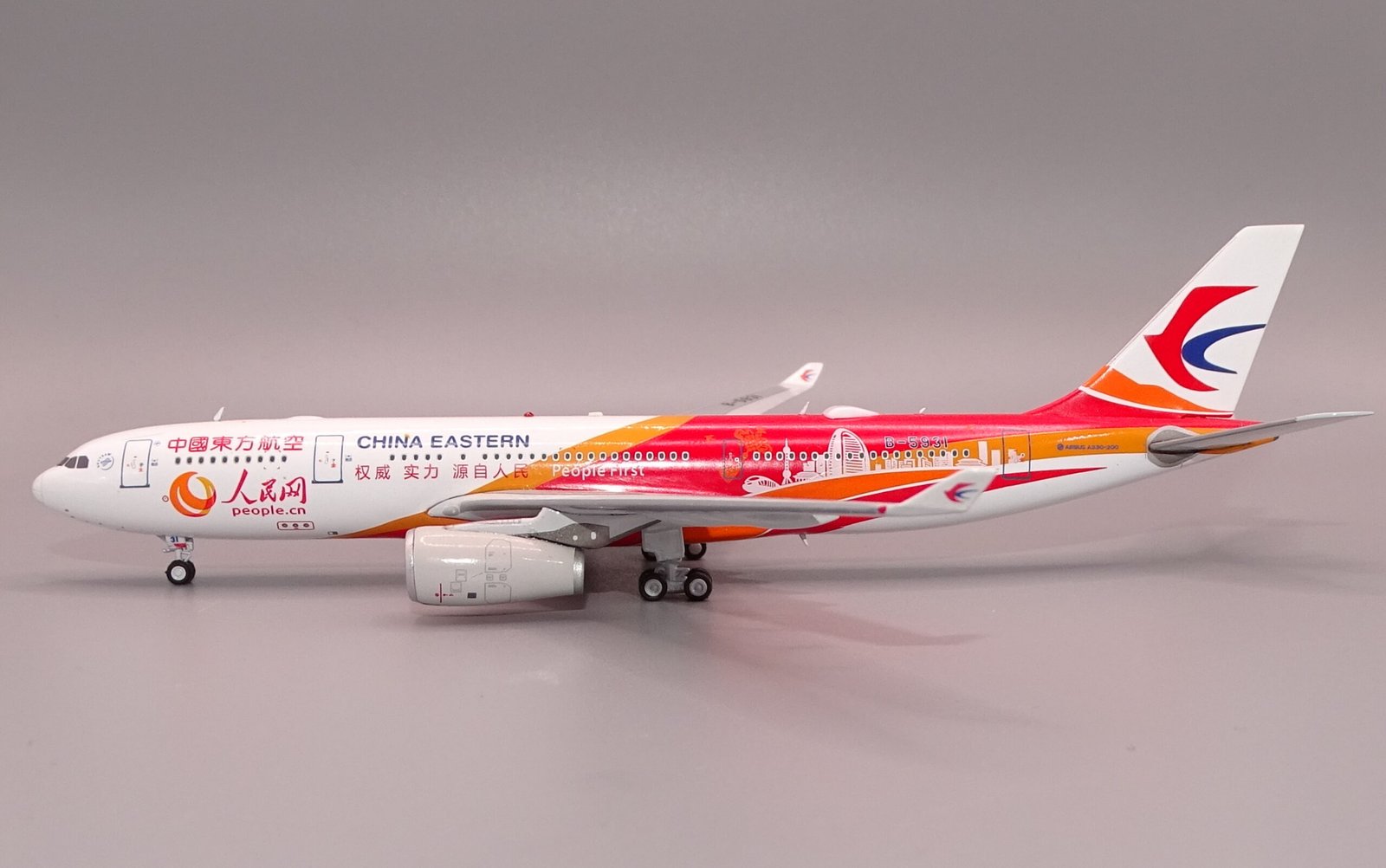
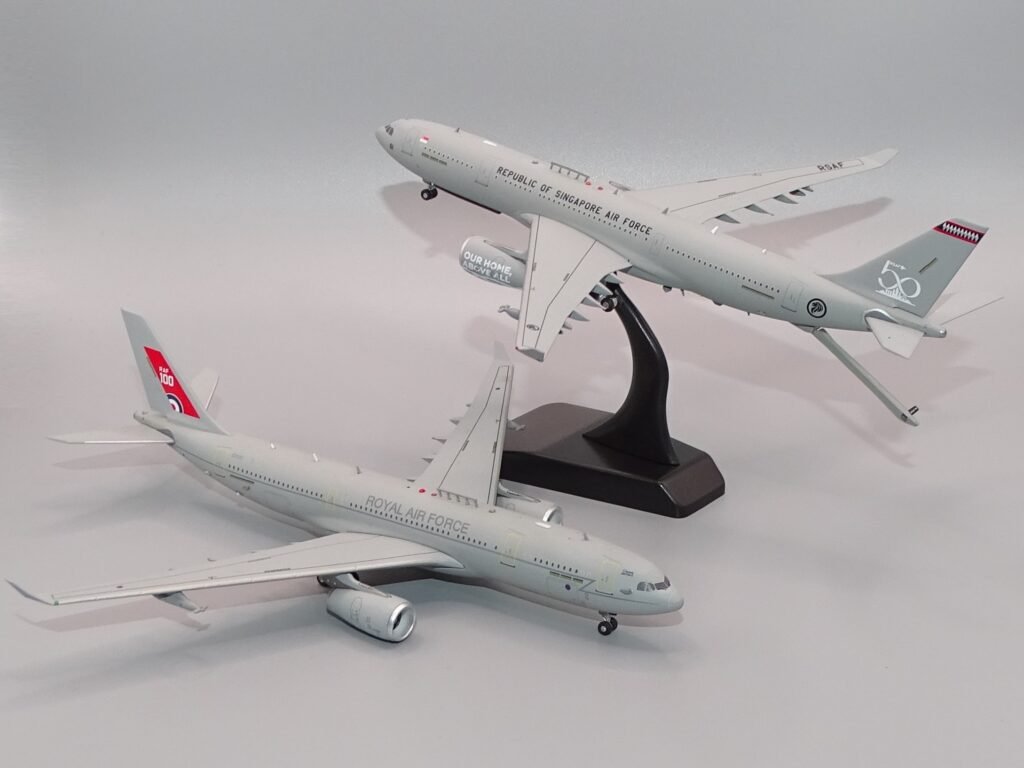
One a more positive note AV400 were the first manufacturer to produce the A330MRTT (Gemini and NG have subsequently followed suit) with all the additional add-ons and did a very fine job of it.
NG Models v1 (2019) / v2 (2025)
Given the strong interest in the type it should have come as no surprise that one of NG Models first moulds after their 757 was the A330-200/300, which I was lucky enough to be able to review samples of in April 2019.
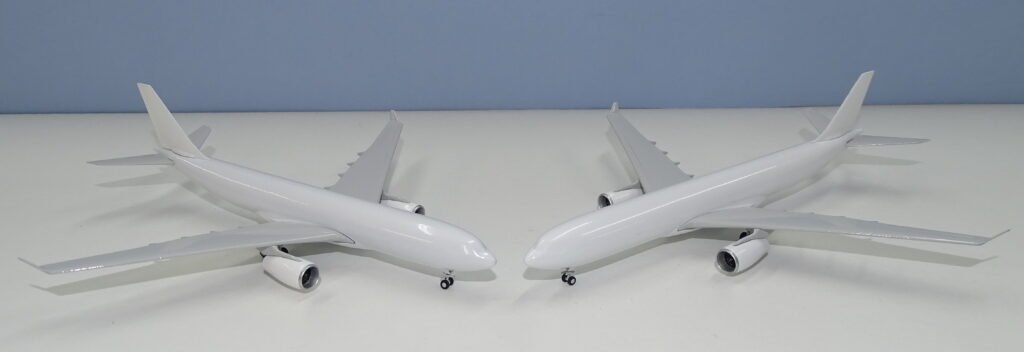

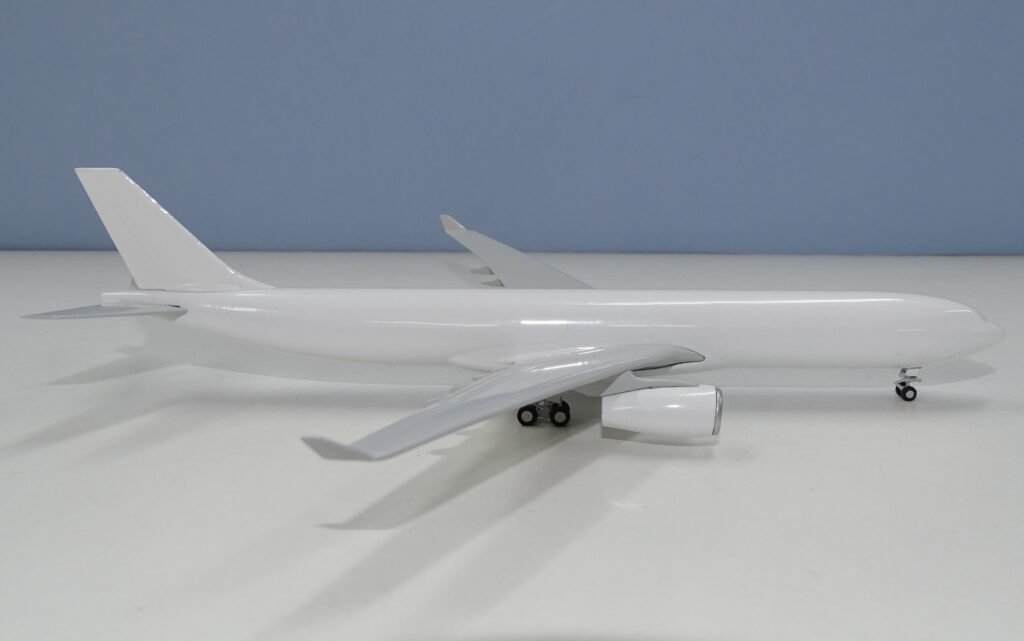
The moulds are excellent and NG has used them quite heavily to date so that moulds have already been used as heavily as the Panda and Aviation400 moulds although they are both older.


I have reviewed the NG Models A330 in detail here:

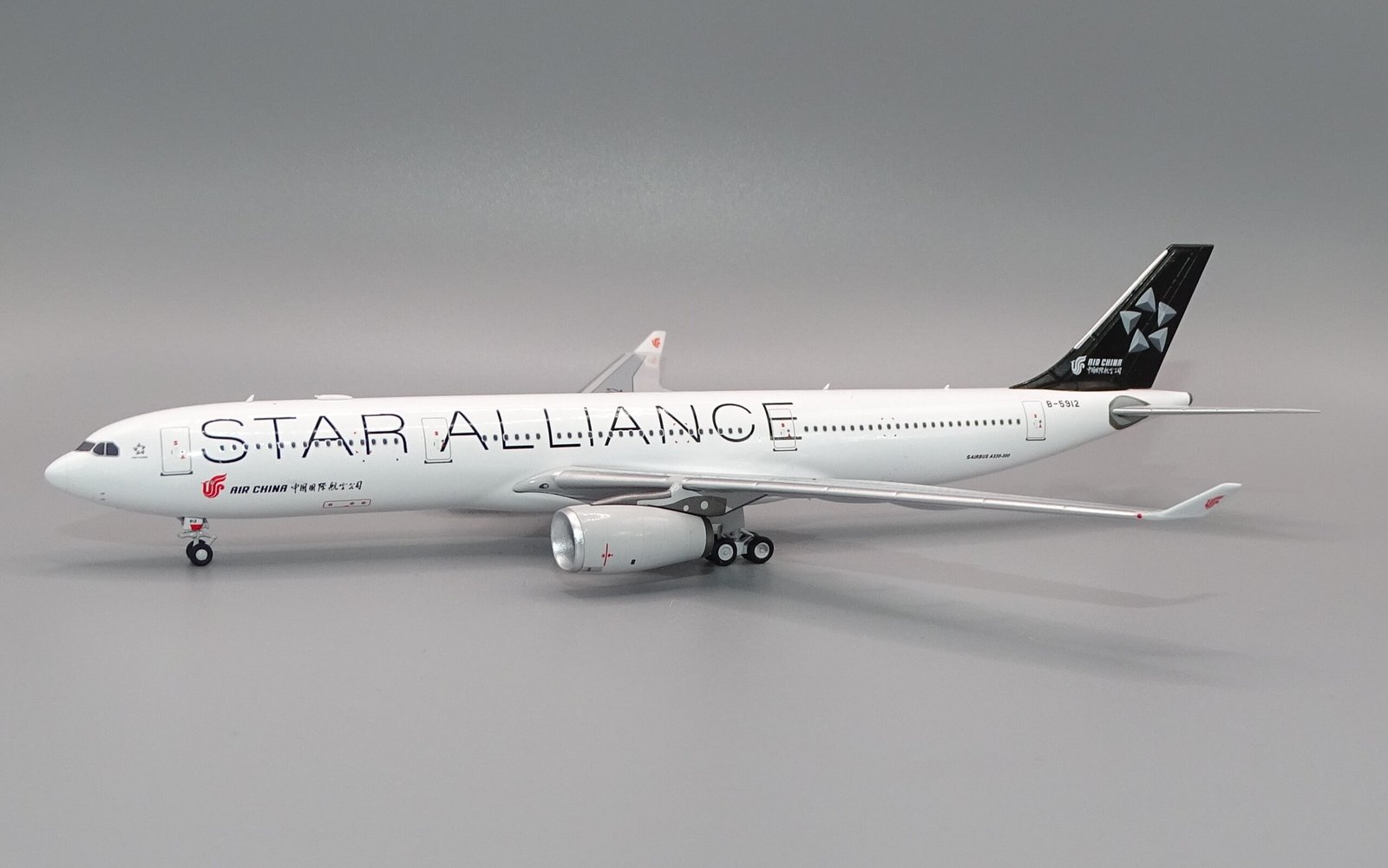
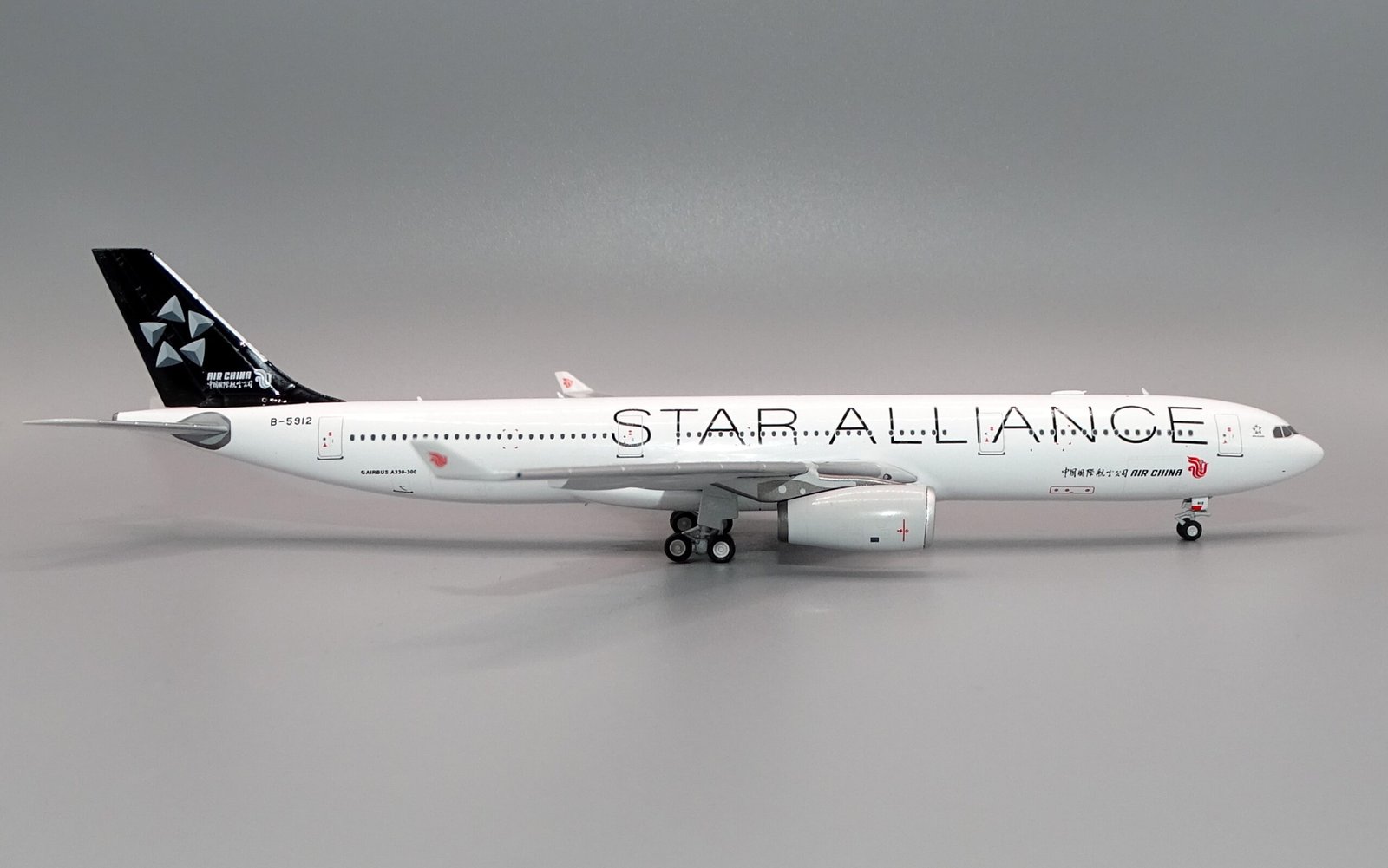
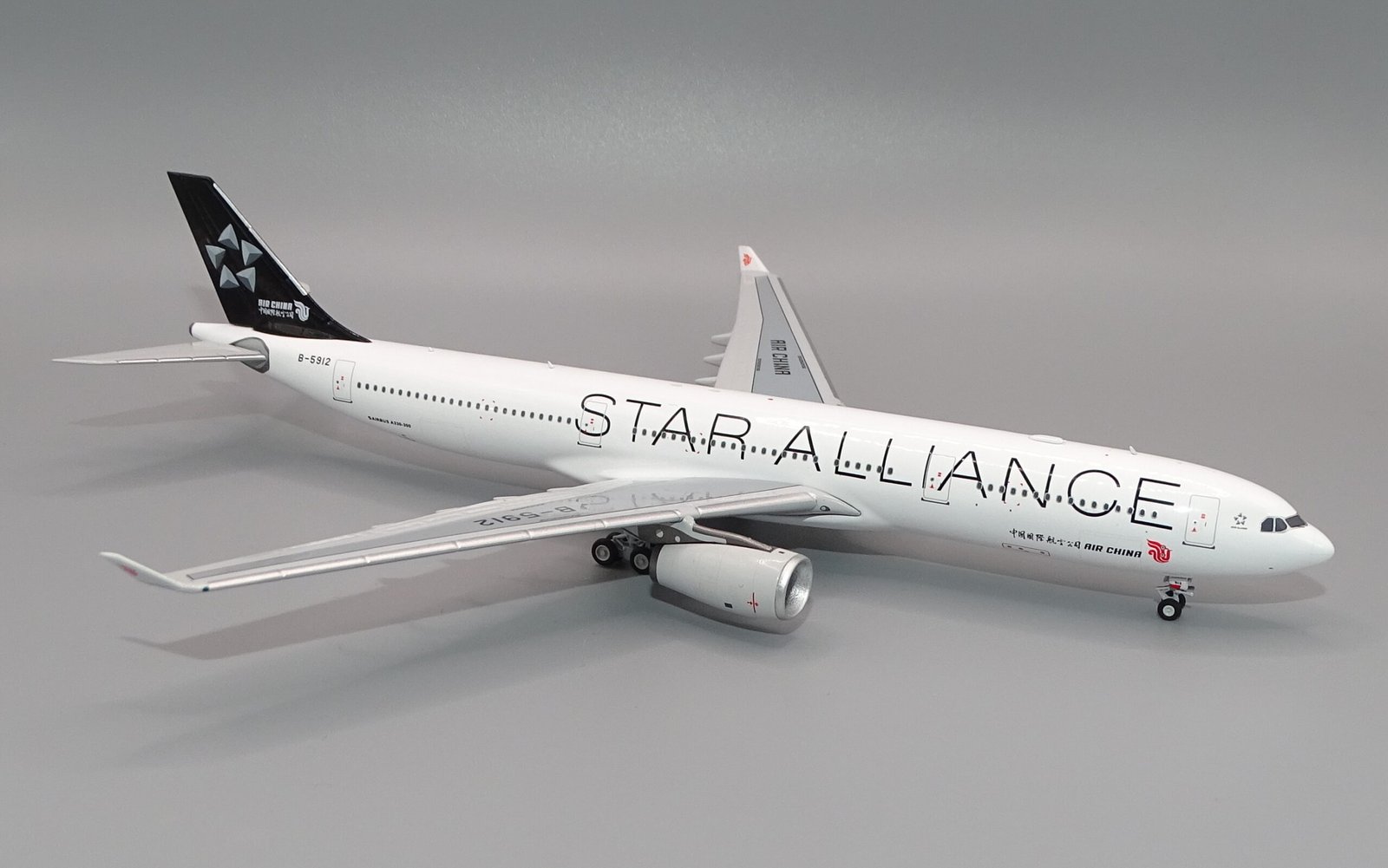
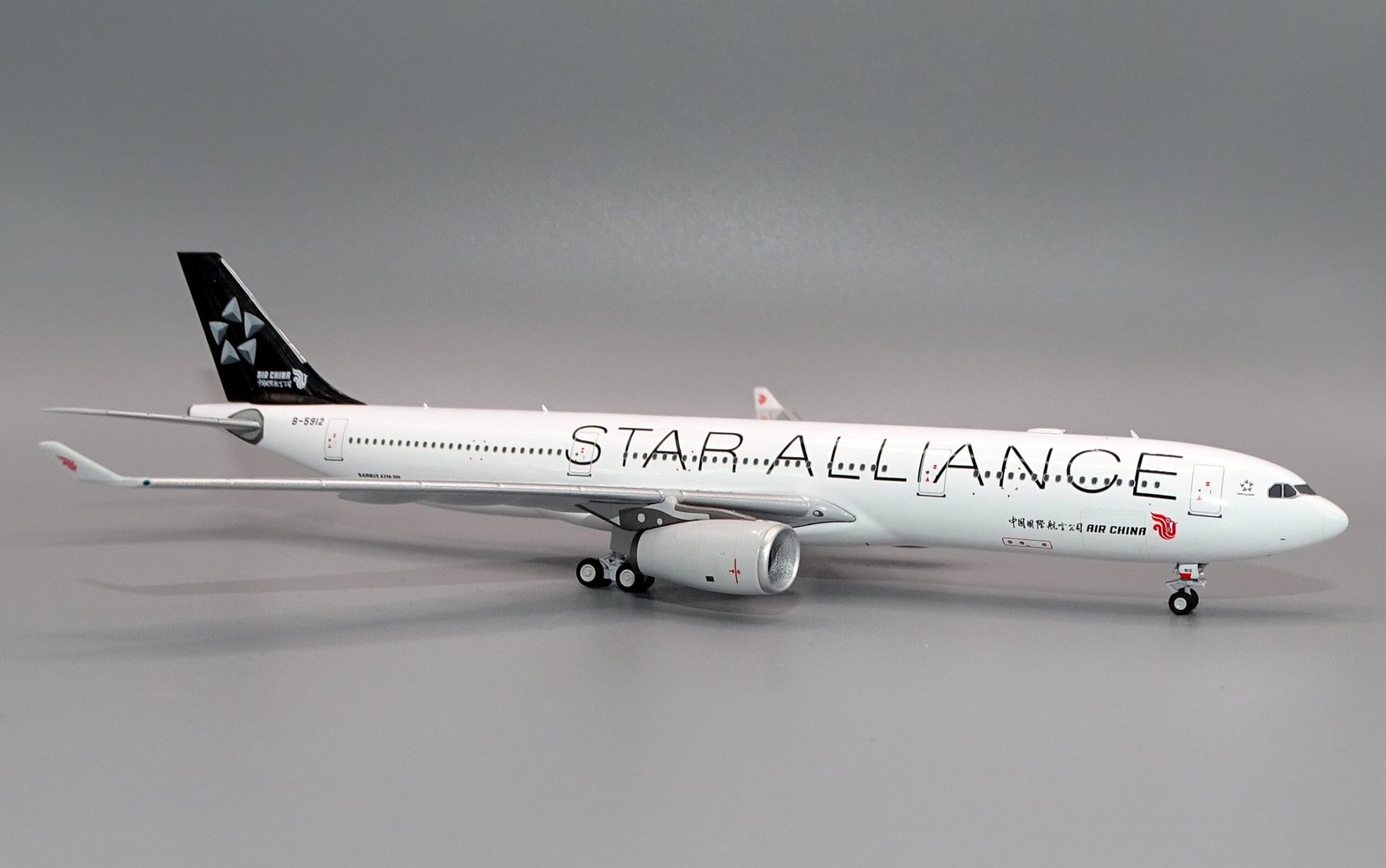
NG Models has been gradually moving towards its new overwing style of moulds and that has included changing several of their moulds to remove the standhole. This included the Airbus A330 in late 2025, although other changes to the mould have been limited the nose does feel a little sharper. The below Air China example uses the updated mould:



Kylin Model v1 (2026)
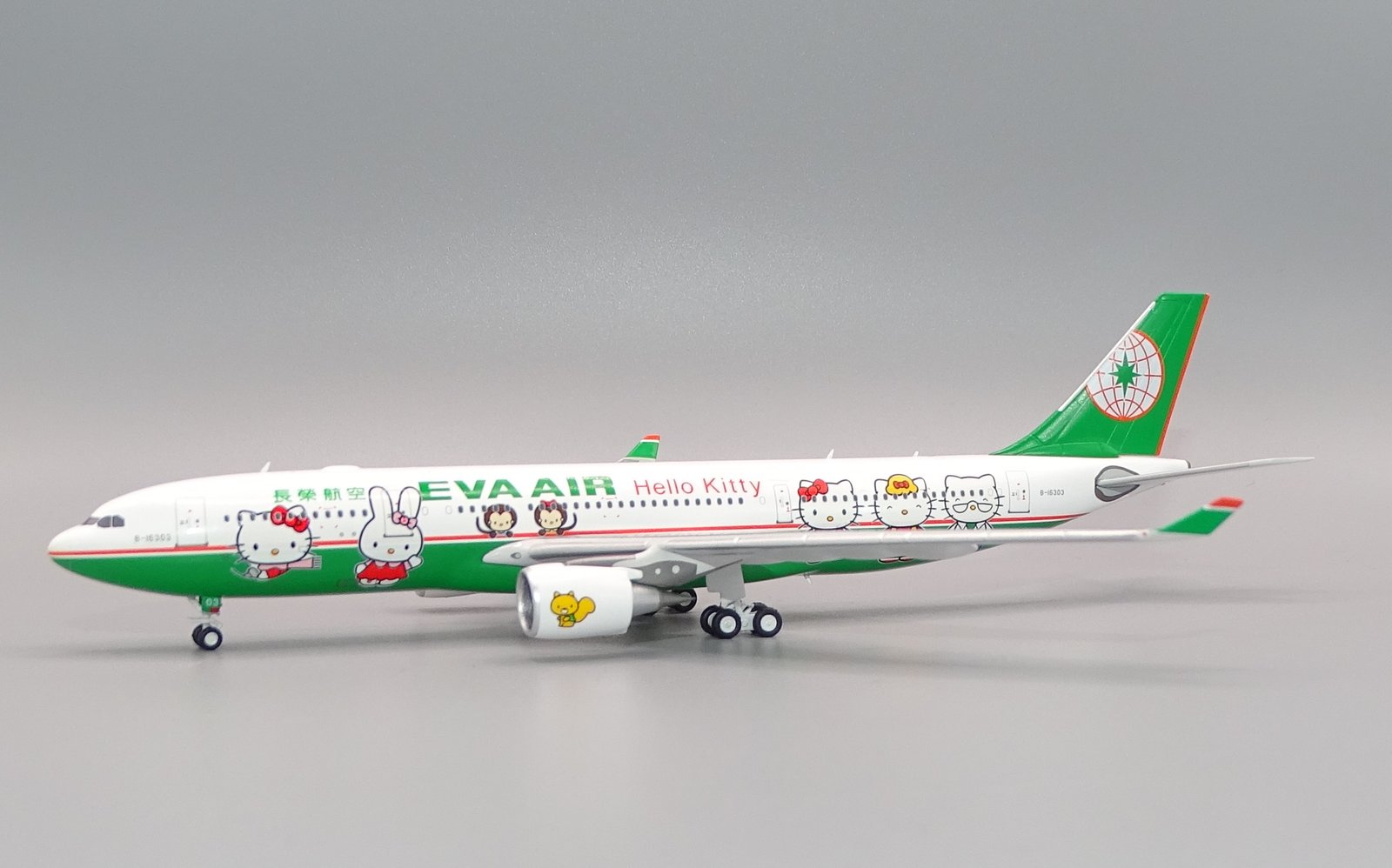

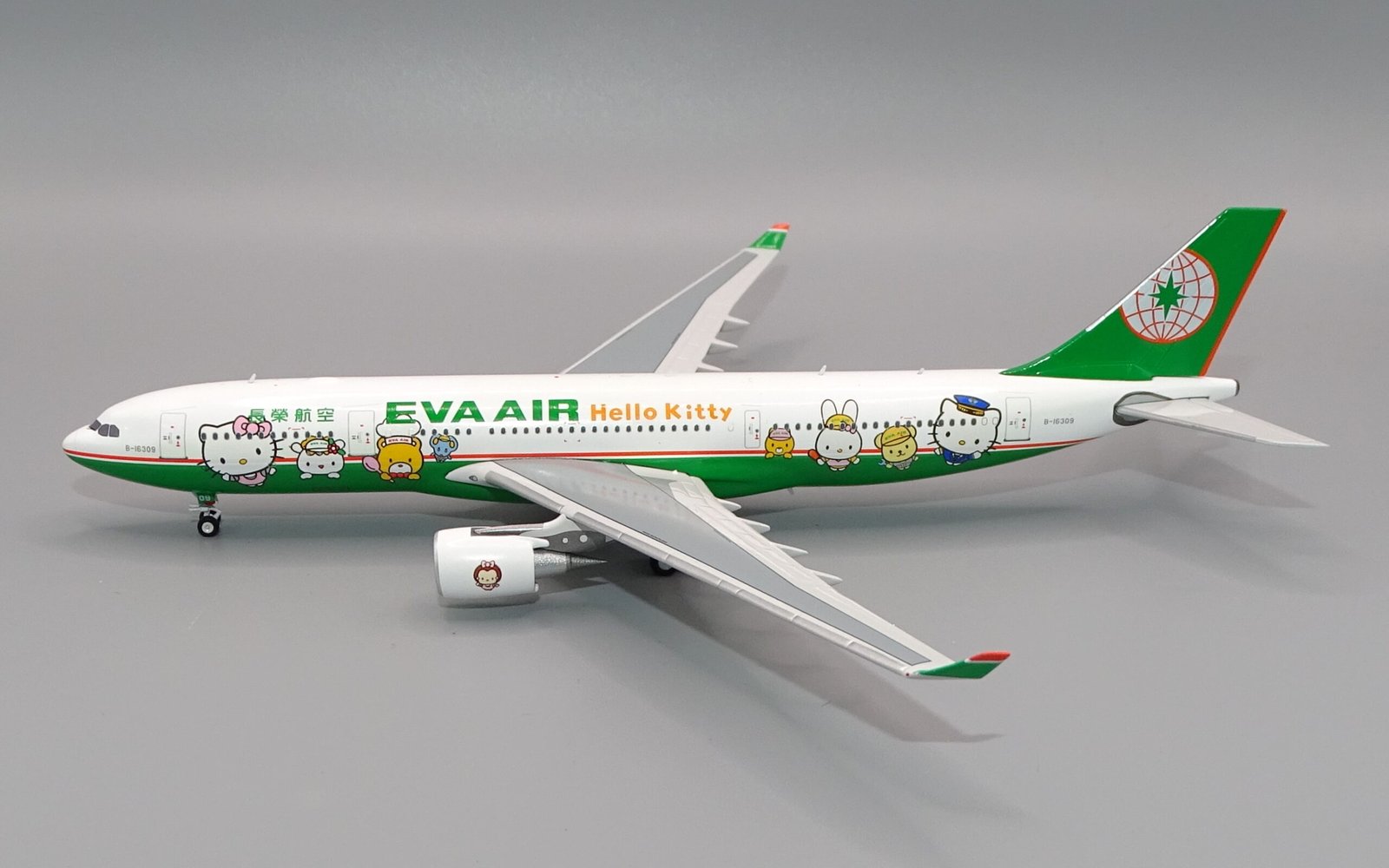
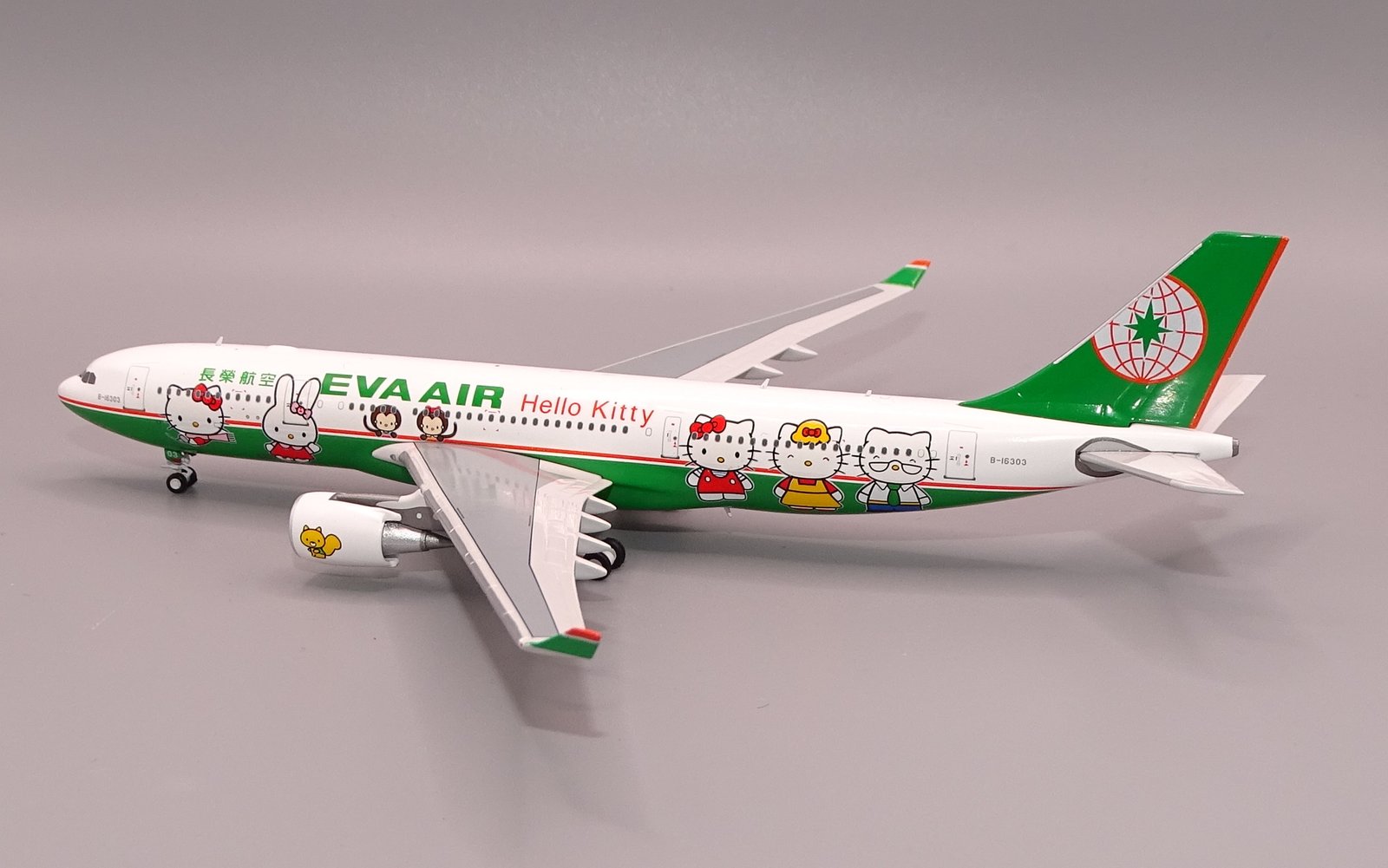
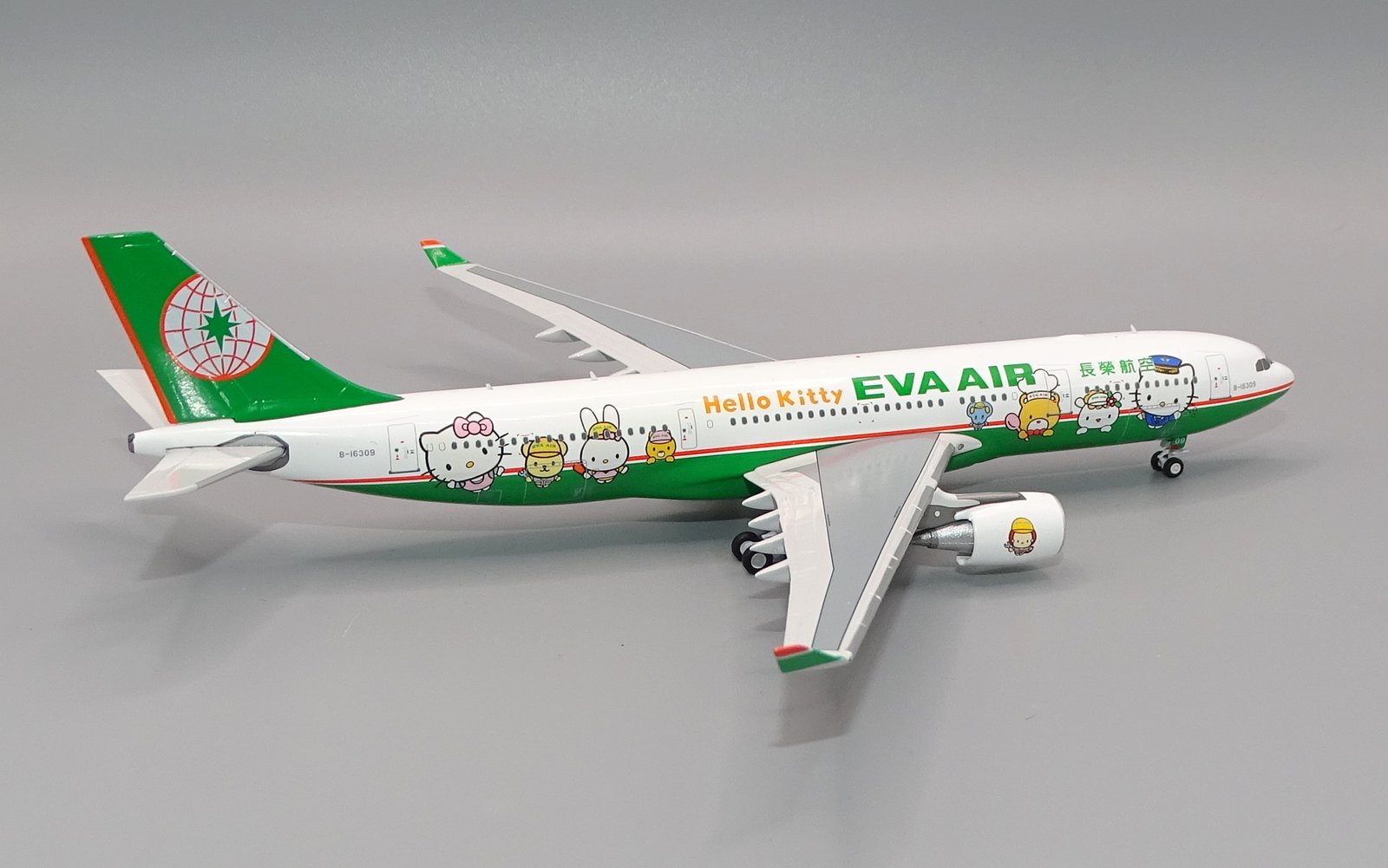
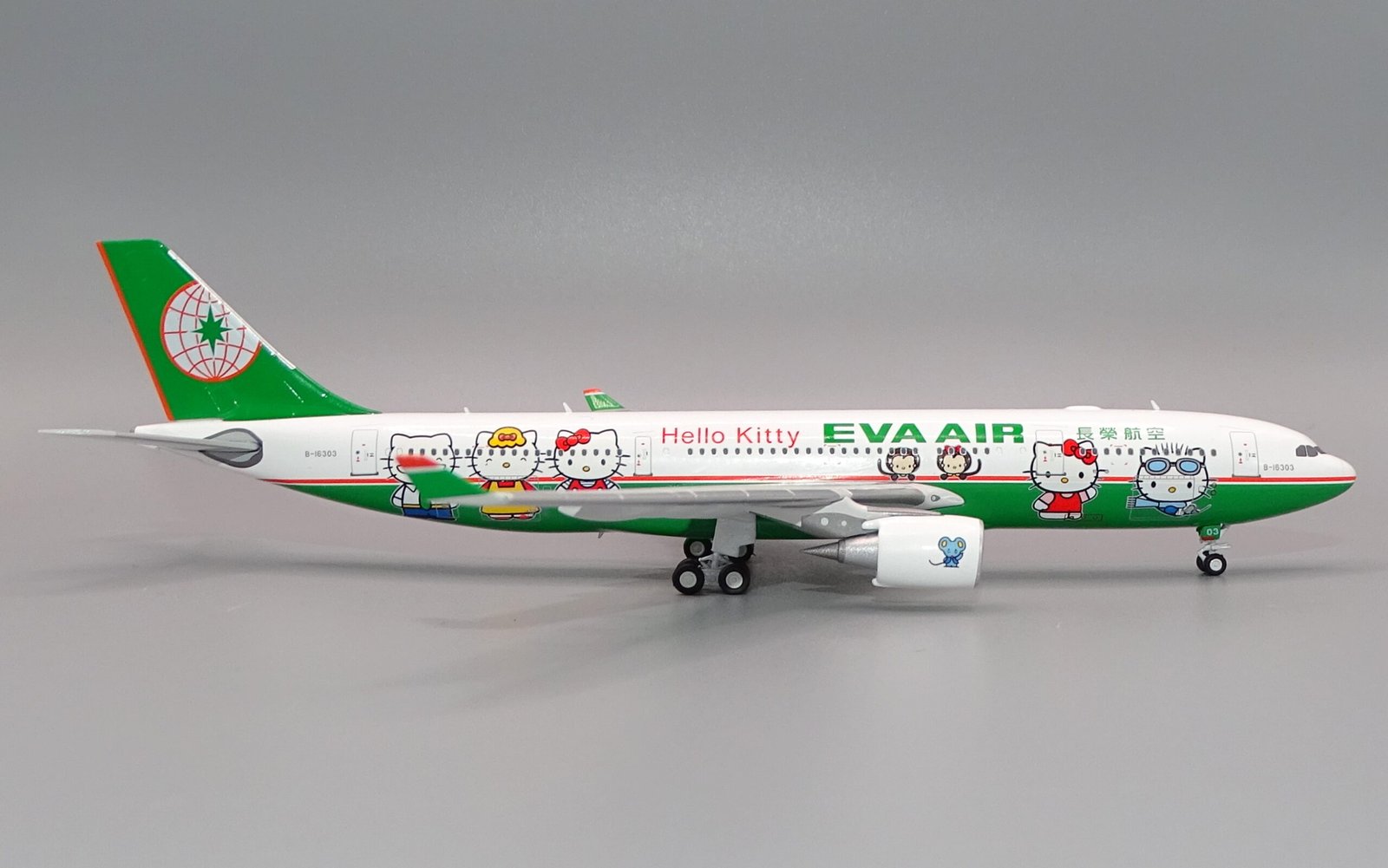
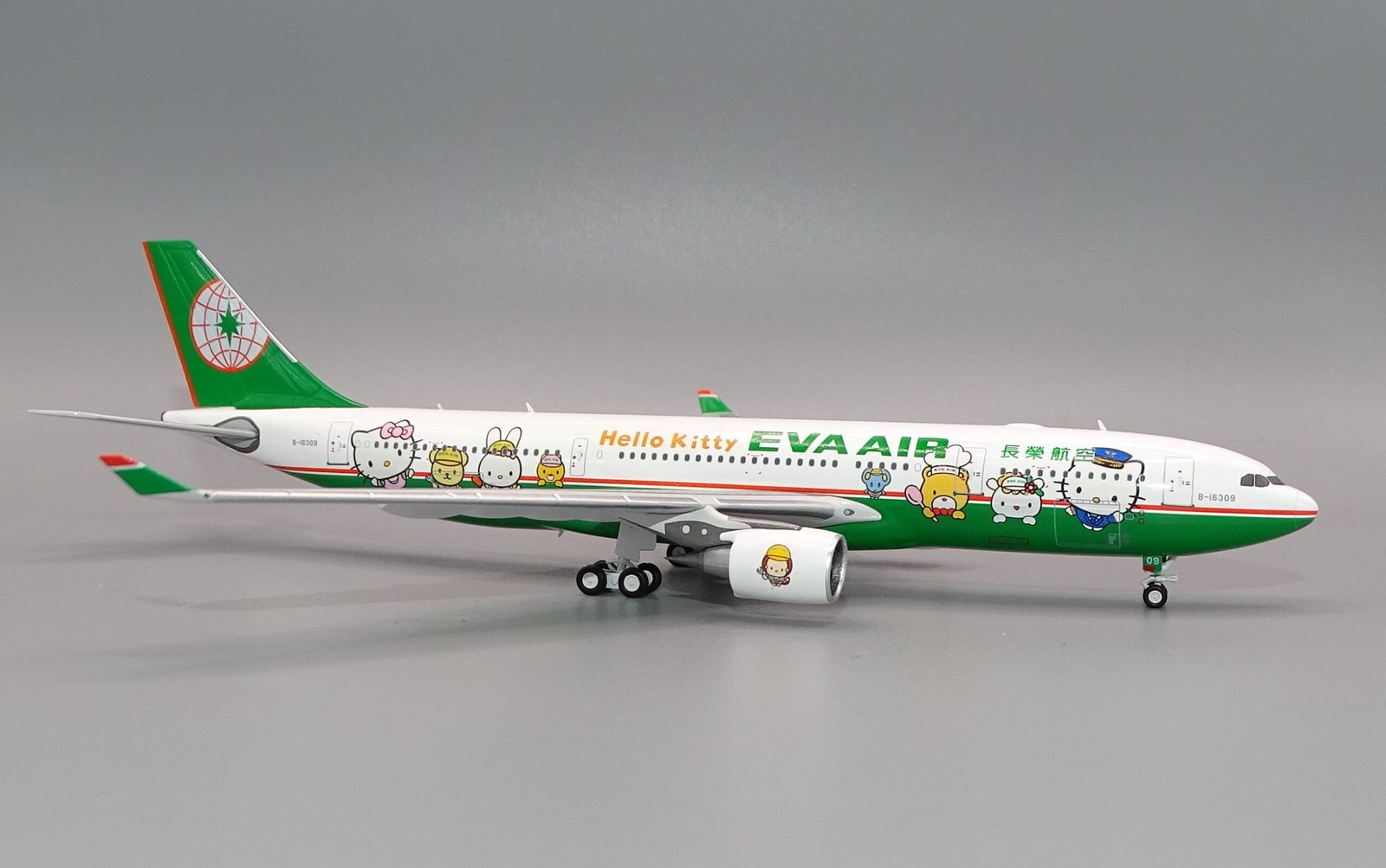

Kylin Model is a new manufacturer and brand that appeared in 2025 and announced a variety of models including A320s and A330s. For that mid-2025 announcement see the following blog entry:

The A330s certainly share an ancestry with the Aeroclassics / Panda / NG versions but that means they are excellent too. The only minor criticisms relate to small details such as the position of the underside NACA intakes although the moulds have been criticised for not replicating the nosedown angle of the A330 enough. Kylin have said that they are modifying the mould to create an updated version but will continue to use the original for other brands such as Geministar.
I reviewed an Air Transat example in early 2026 here:

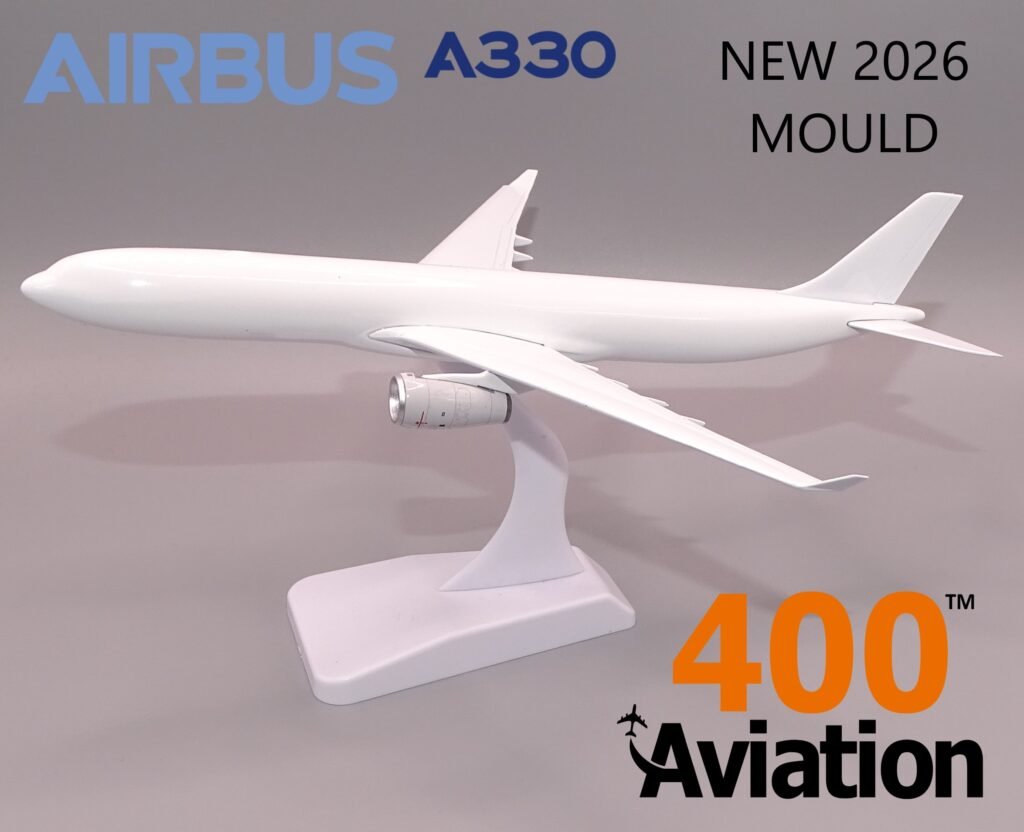
Aviation400 v2 (2026)
Aviation400 have been modifying their moulds to fit new detachable magnetic landing gear. The A330 has got the treatment in 2026 but additionally includes an all new fuselage barrel and new engine pylons. So far only a sample is available, which I have reviewed here at the website:
C Model (2027?)
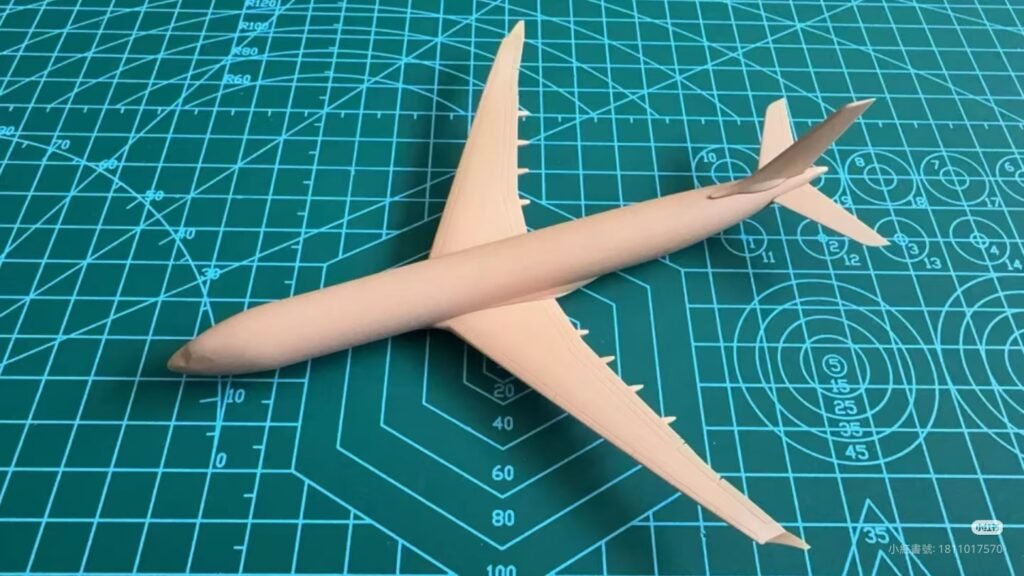
C Model have announced that they will be making Airbus A330s and A340s but the news is currently limited to the below photo of an early stage sample. Given they still haven’t completed their Dreamliners it seems 2027 is a likely year for completion now.