Updated: September 2026
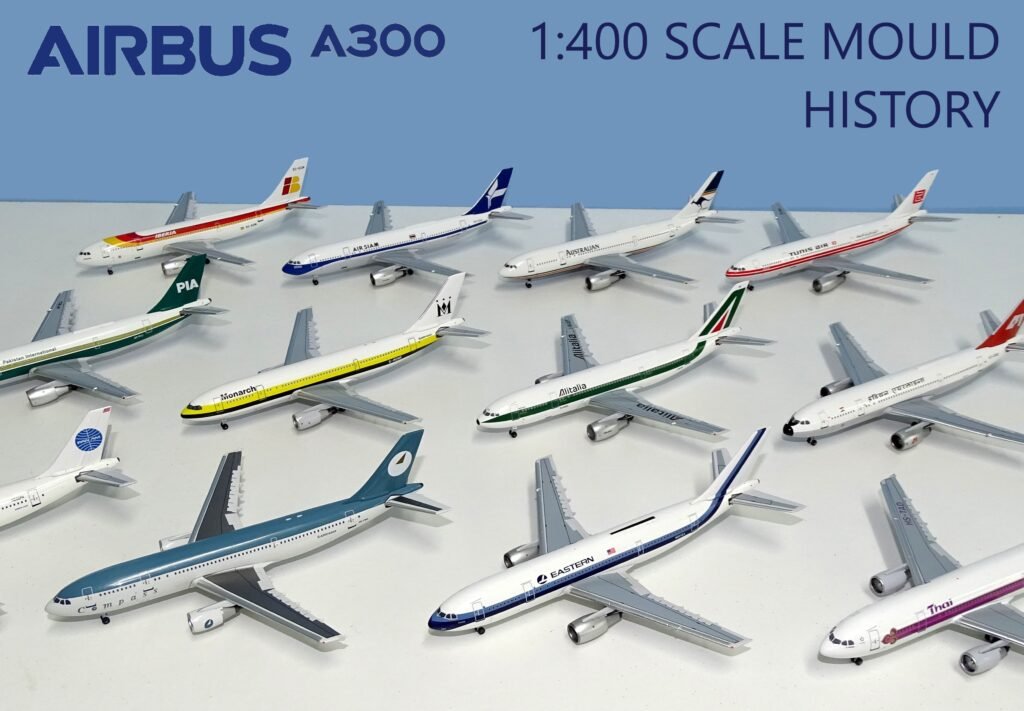
The A300 was where it all began for the Airbus consortium and its failure would have been enough to see the new manufacturer breakup. As it was the initial production version the A300B2 (there had been 2 A300B1s made also), which entered service in May 1974 with Air France, was not a hot seller – only 59 were built. This was partly due to range performance issues and FAA rules which limited where twinjets could fly. The A300B4 became the primary initial version. Outwardly similar to the B2 it had an extra fuel tank giving it greater range. The creation of ETOPs rules expanded the opportunities for twinjet widebodies and Airbus was able to make several sales breakthroughs, even in the USA with Eastern Air Lines. A300B4 production ran to a creditable 188 units giving a full production run of 249 aircraft up till May 1984.

The improved A300-600 (officially A300B4-600) used the rear fuselage and tail of the smaller A310 derivative increasing internal capacity. It also had upgraded engines and a two man cockpit. Along with the A310 the series 600, especially the longer range 600R, sold very well. Entering service with Saudia in 1983 313 were sold. Many A300s have since gone on to have long careers as freighters and the A300 fuselage has formed the basis of the later Airbus A330 and A340 family.
Airbus A300 in 1:400 Scale
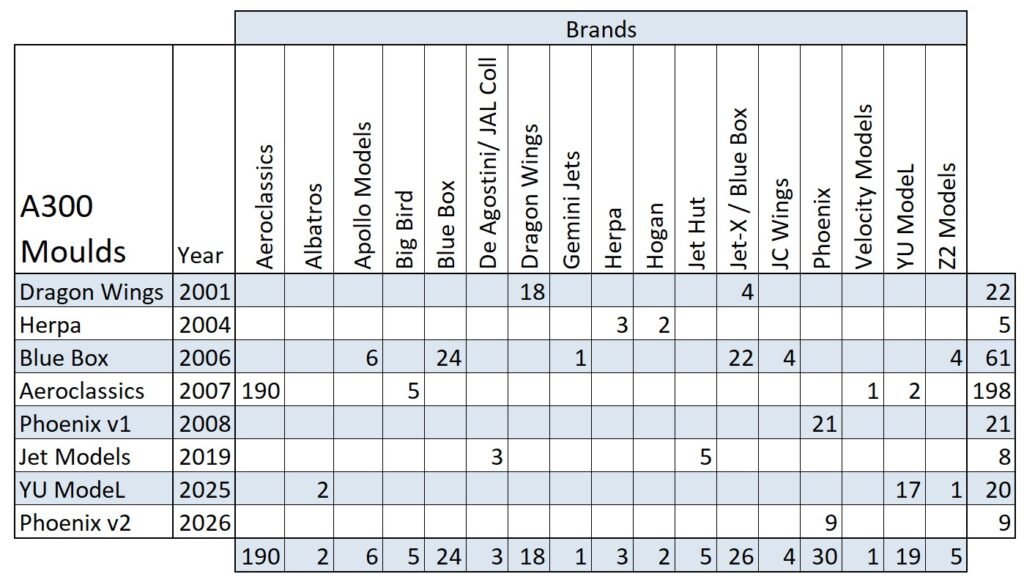
In 1:400 scale there have now been eight moulds covering nearly 350 (not including A300ST Belugas) as of September 2026. As you’ll see below all the moulds are to a degree compromises to allow both B4s and 600s to be modelled. Unusually Gemini Jets has only ever produced 1 A300 (and that was in 2024). The Aeroclassics mould has seen by far the greatest usage, but unfortunately the awful Blue Box mould has recently gained more releases and takes second spot. The new YU and Phoenix moulds show much promise.
The Real Thing
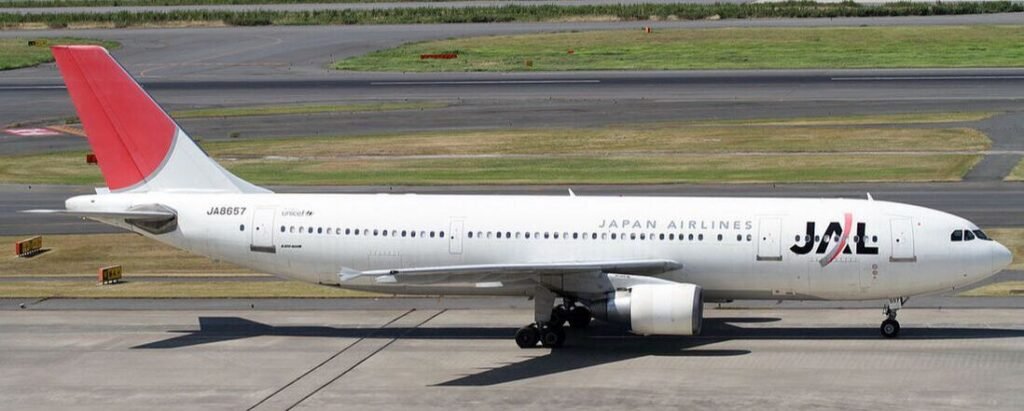
Before we begin looking at the moulds here is the real thing:

Above is an Airbus A300B4 and below is an A300-600. The primary visual differences are the wing fences on the series 600 and the long midline fuselage roof fairing on the A300B4, which housed the ADF antenna. Note also the B2/B4 has a tailbumper.
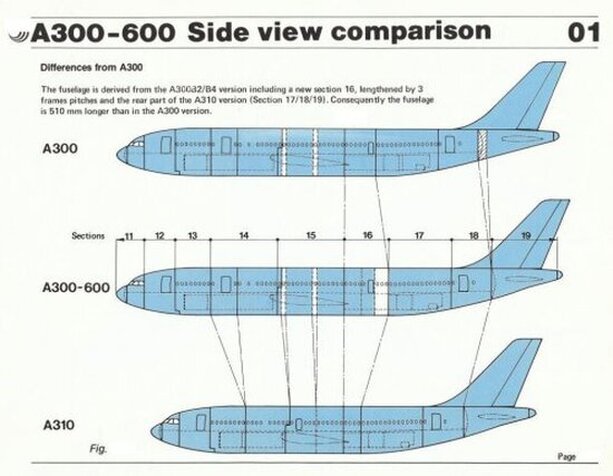
The eagle-eyed will also spot that there is a major structural difference between the B2/B4 and the B4-600 in that the latter has the rear fuselage of the A310. This makes the series 600 51cm longer and it has an extended flat underside compared to the original. It isn’t always hard to spot this in real life.
The Moulds
Dragon Wings (2001)
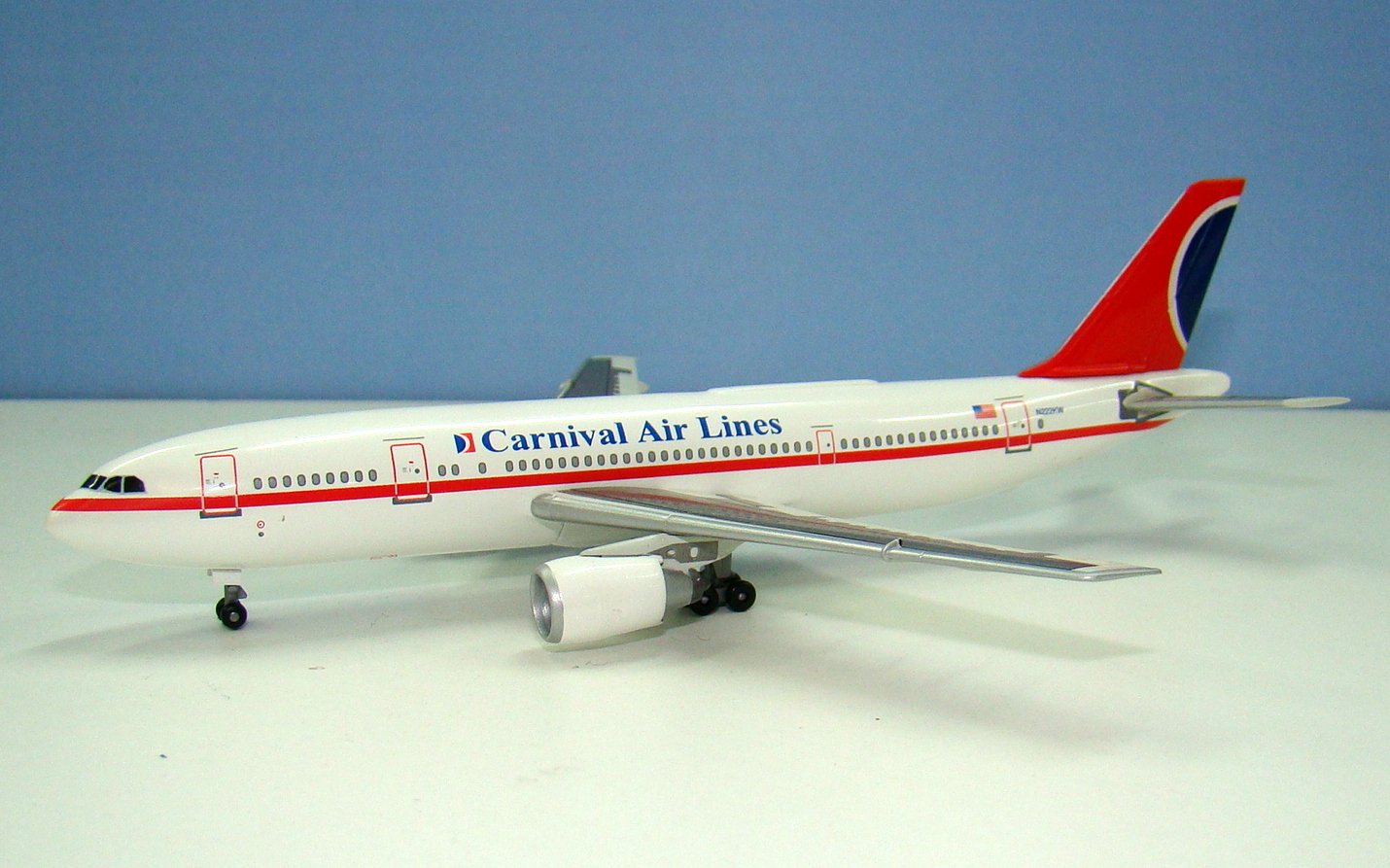
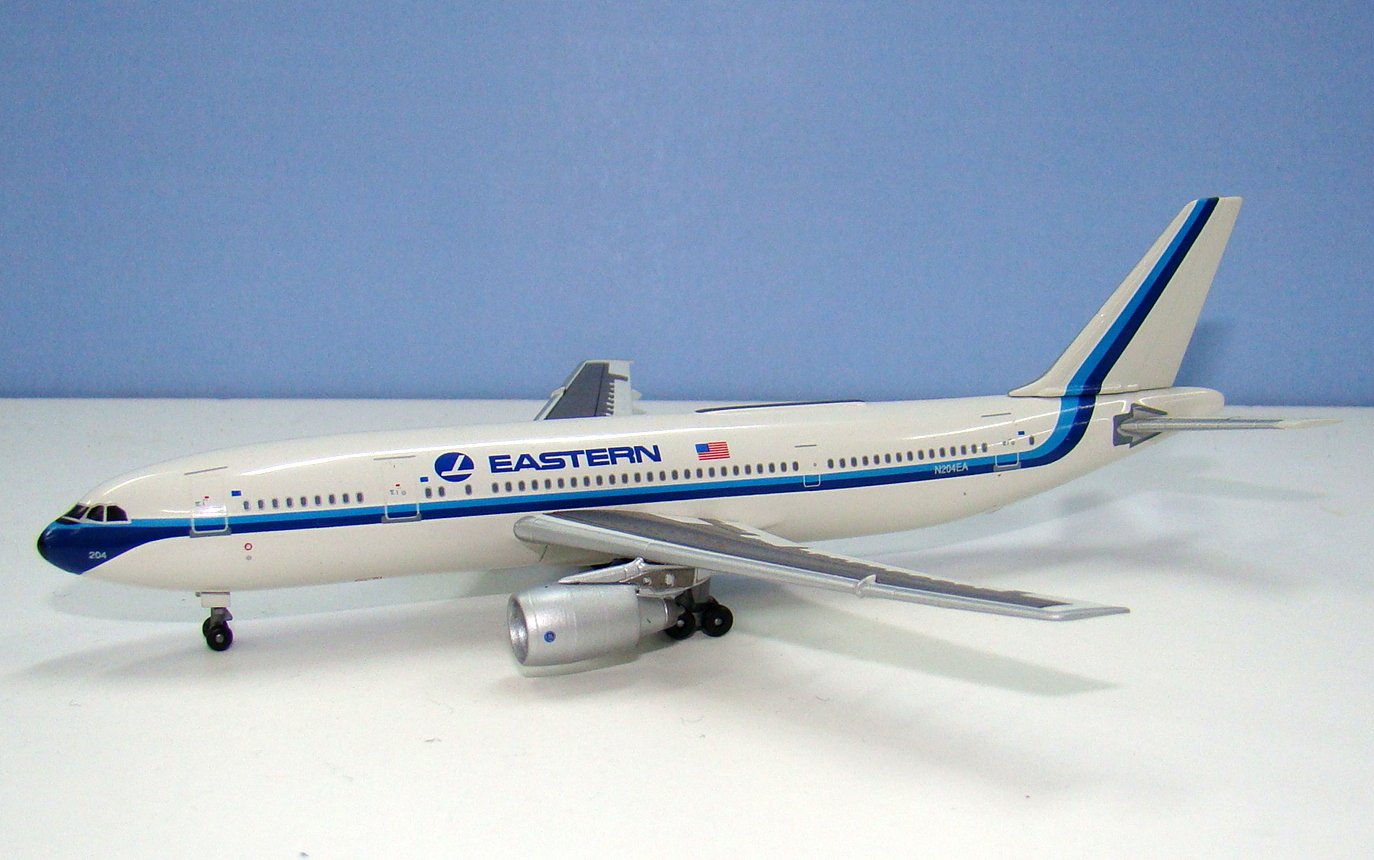
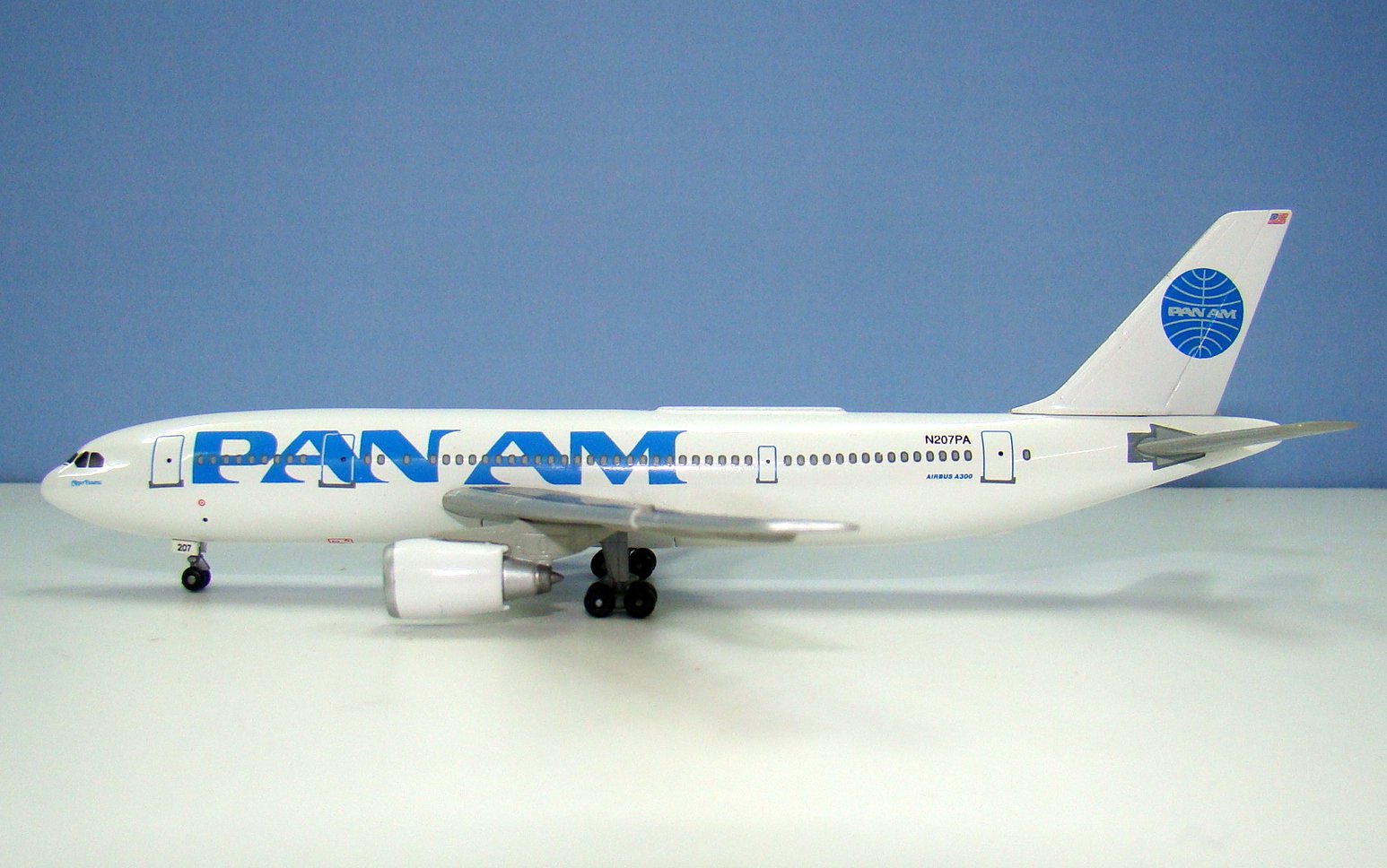
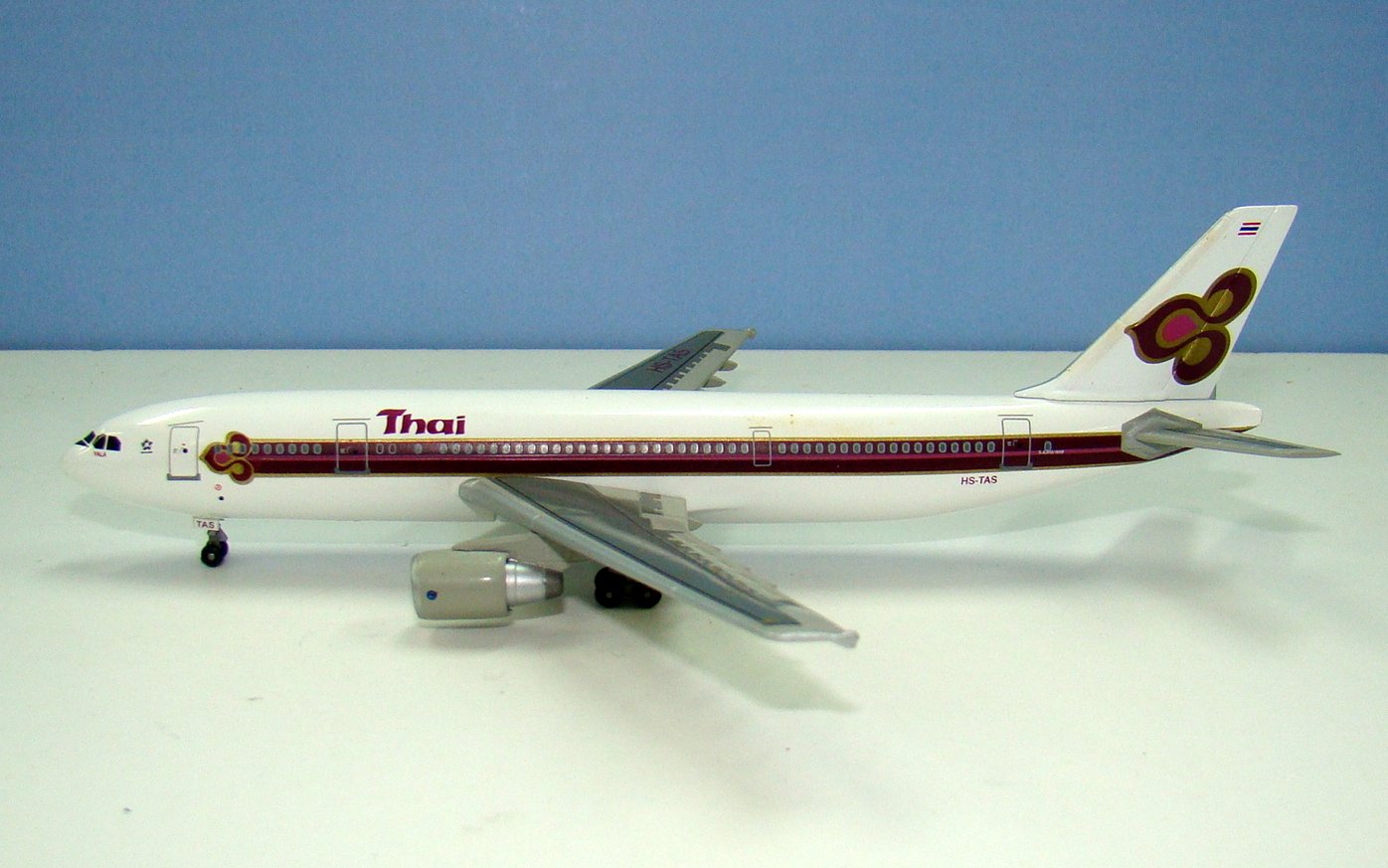
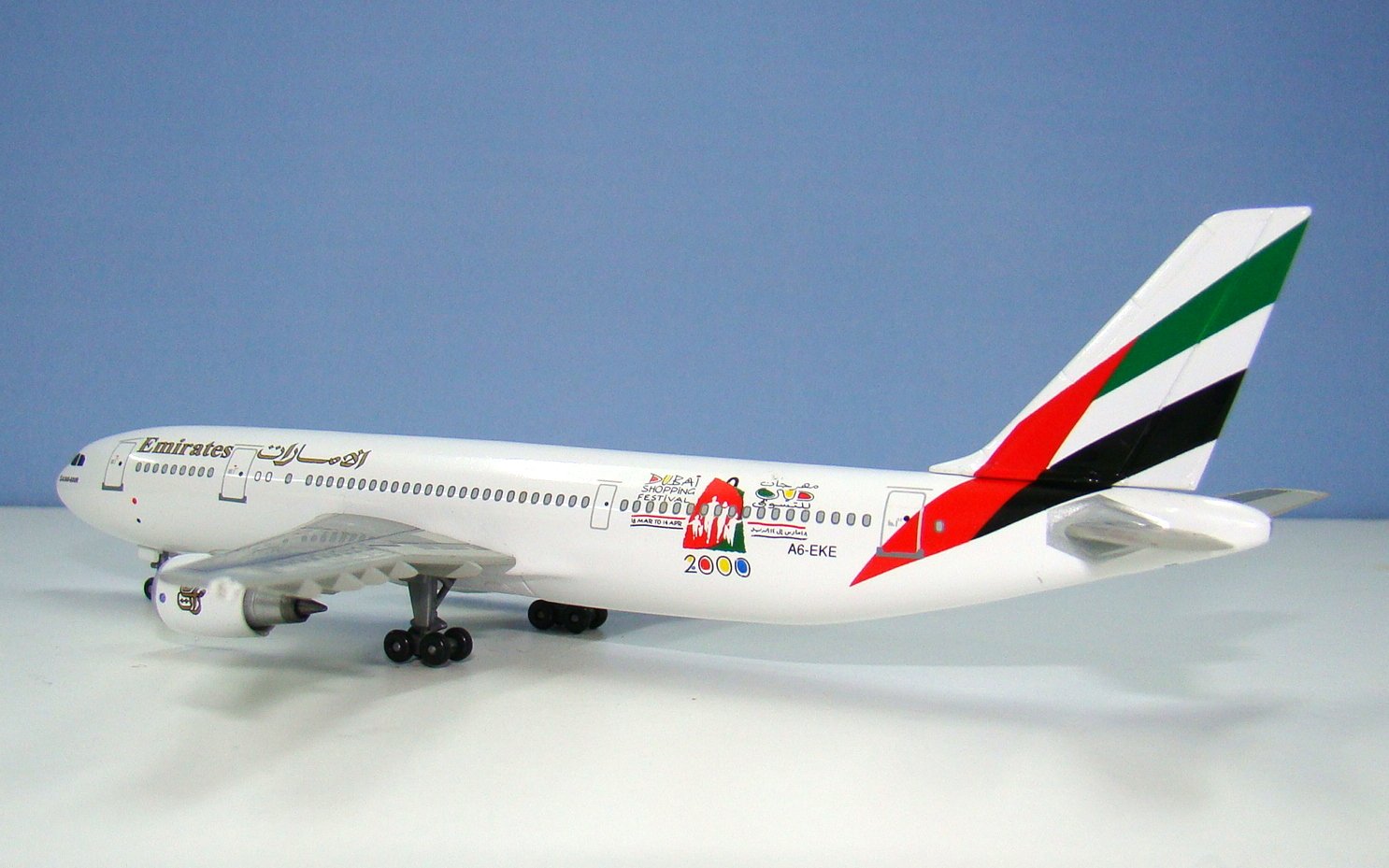
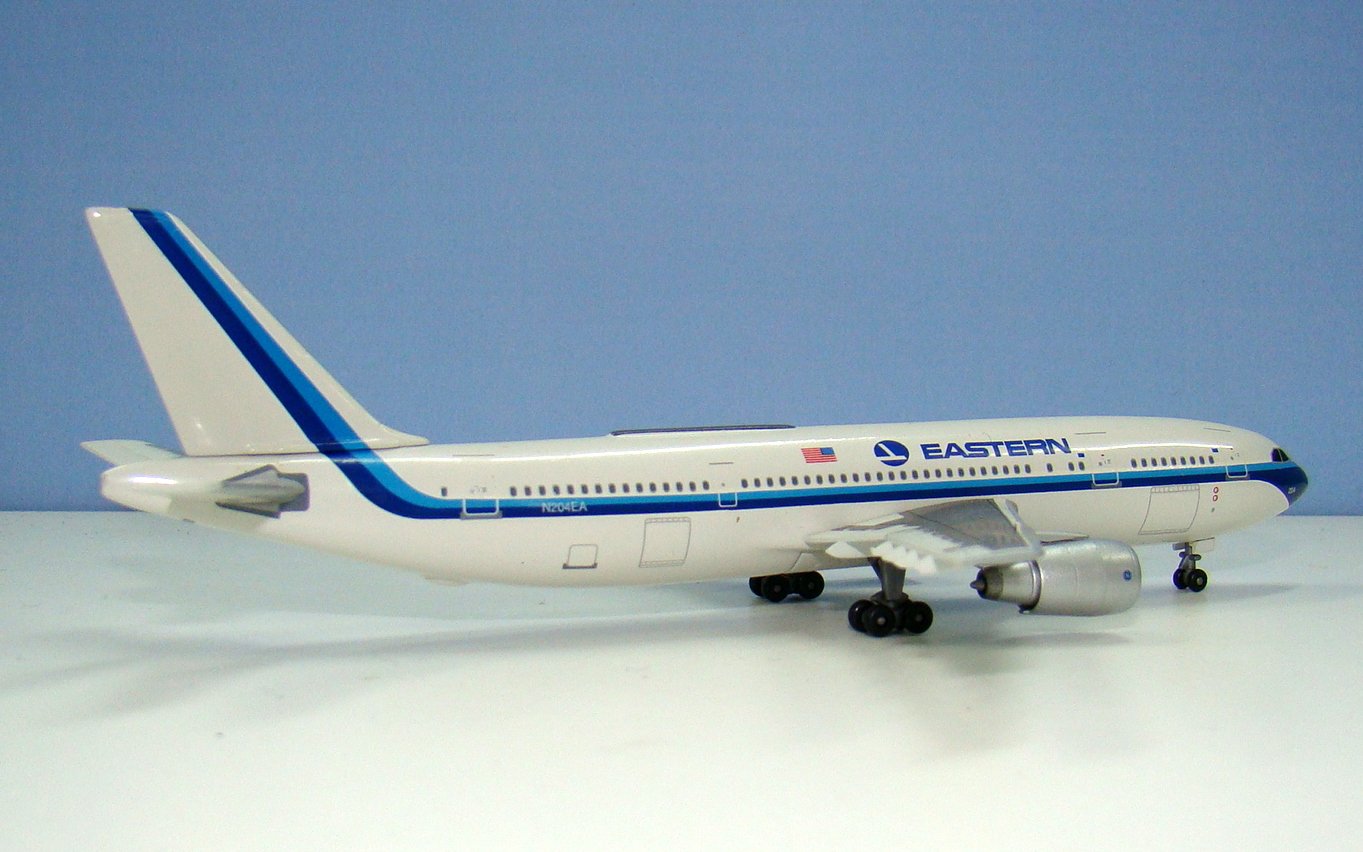
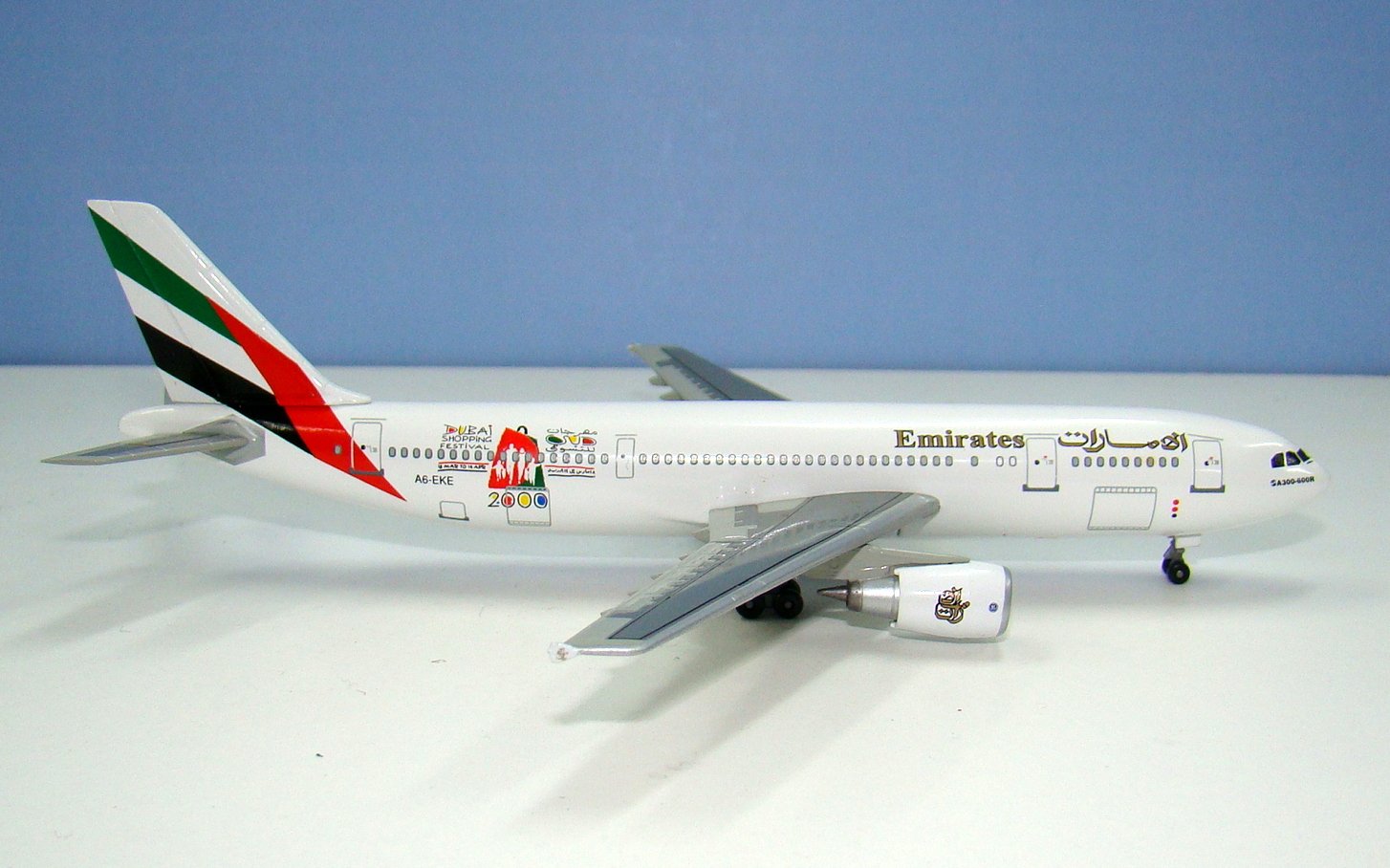
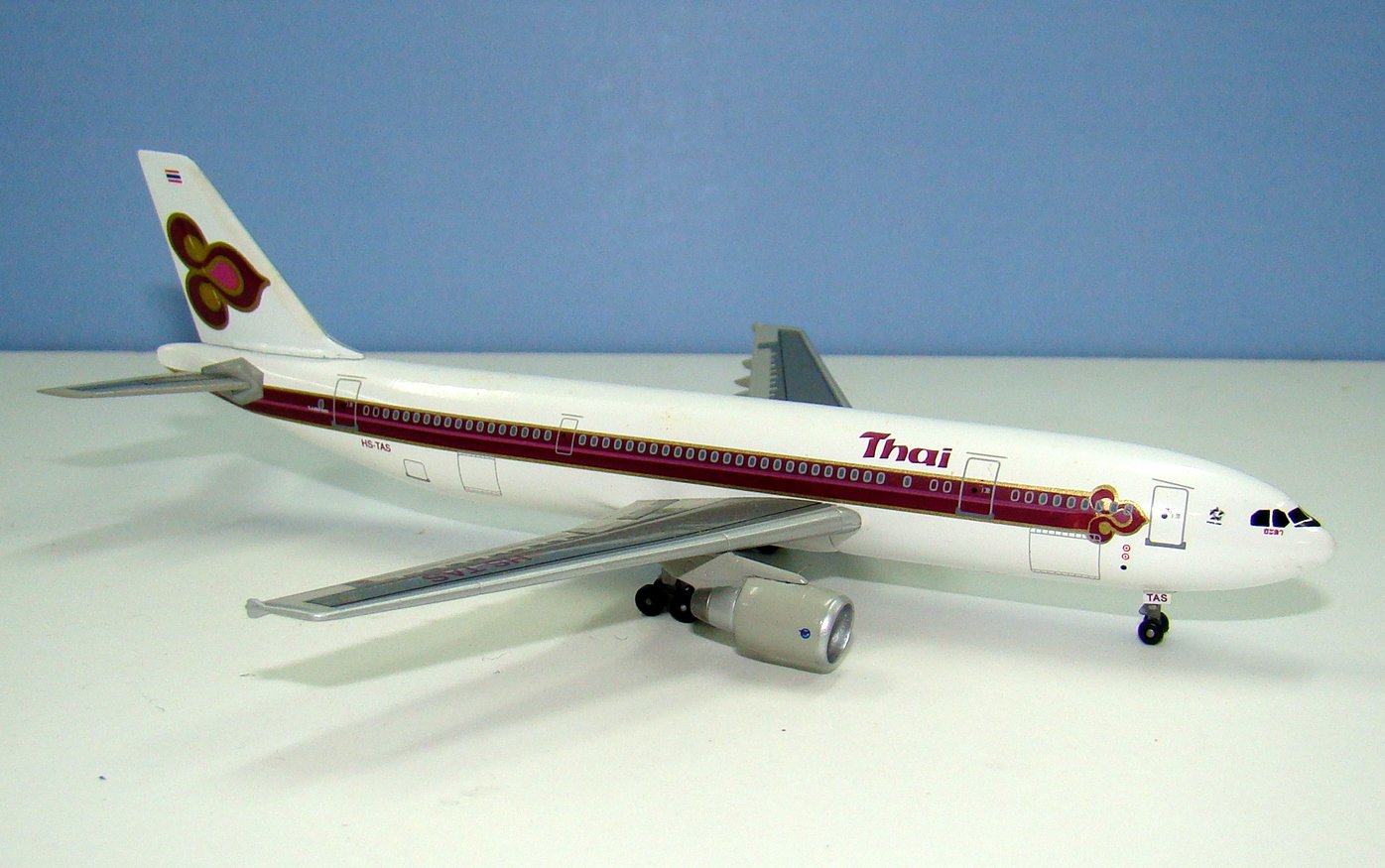
The first A300 mould was made by Dragon Wings and as with most Dragon moulds at the time was reused by Jet-X (but only 4 times). Considering its age the mould is actually pretty decent and is Dragon’s best Airbus mould by some distance. One of the best things about Dragon moulds is the lack of fuselage seams and the overall body shape of this mould, including the nose, is very good. As with all DW moulds the simple chunky undercarriage lets it down and the mould’s biggest failing is that the engines almost scrape the ground. If you can get past that though its actually still a nice A300 and until 2025 was still the 2nd best version available. Dragon themselves kept on using the mould into 2008.
As you can see below Dragon used their mould for both Airbus A300B2/B4s and series 600s. They correctly had different wings and fuselage rooflines but the mould underside is always reminiscent of an A300-600 and not a B4.
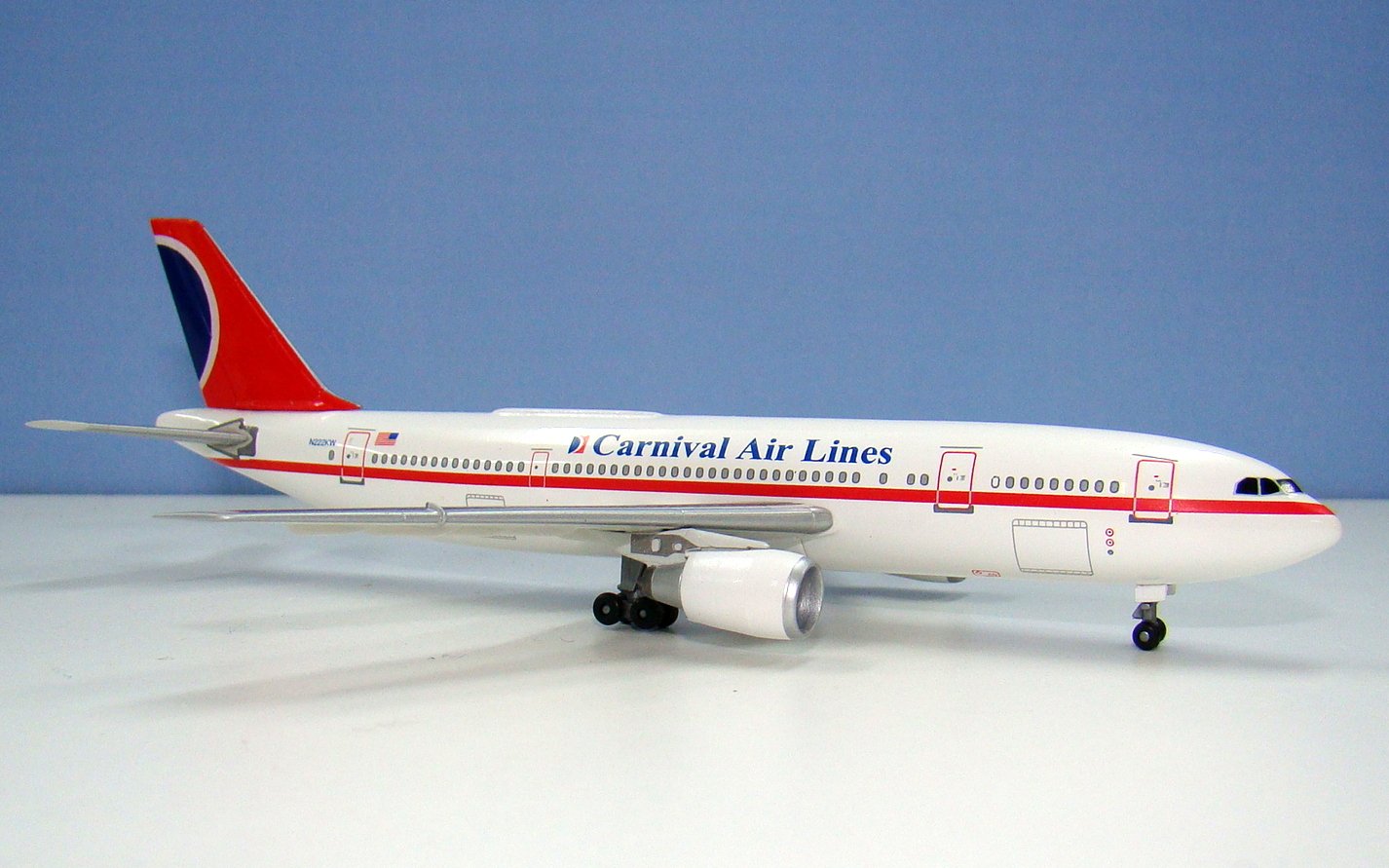
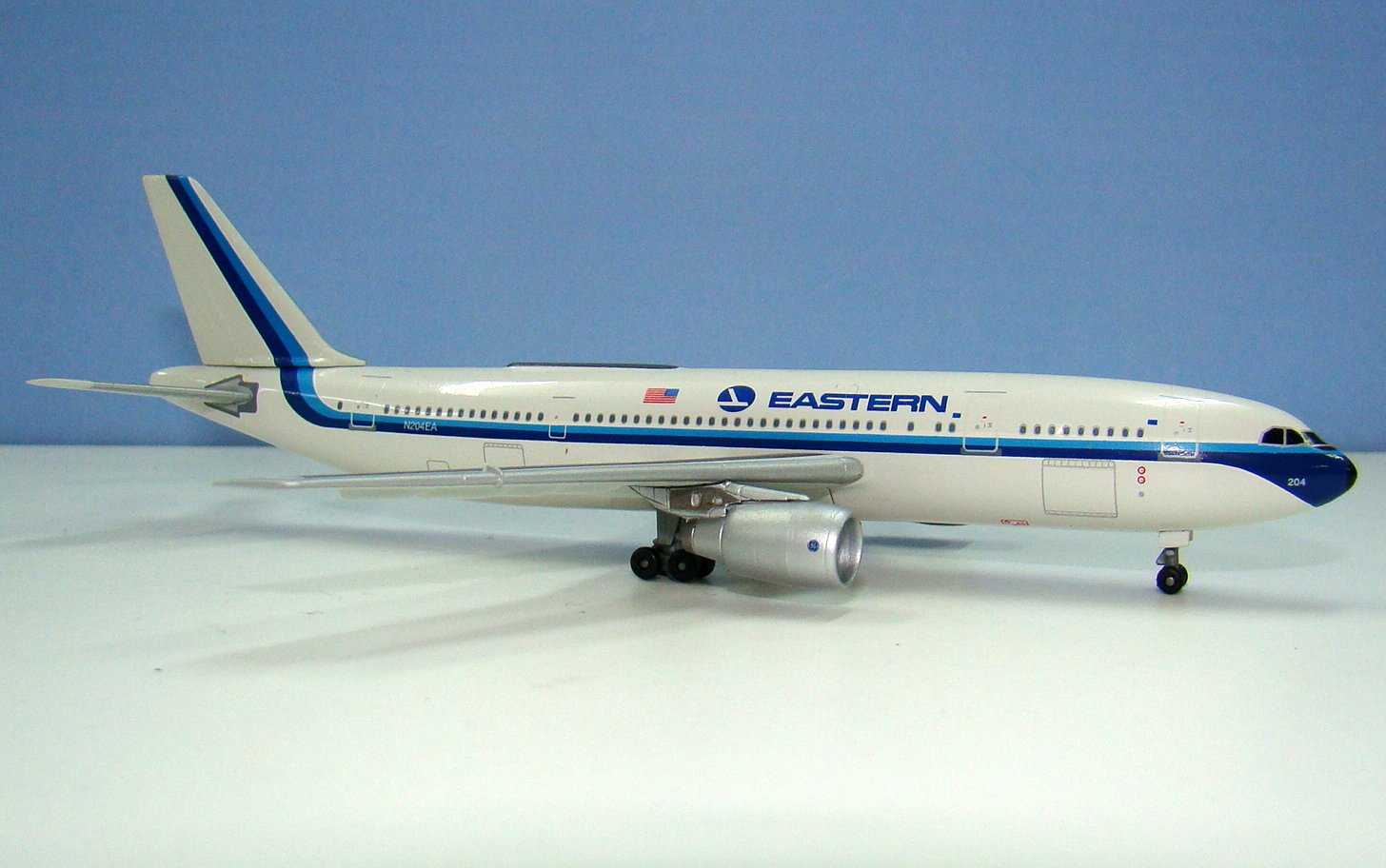
Herpa (2004)
Herpa created a new A300 mould and characteristically has only used it 5 times, including Hogan’s usage. Herpa produced Lufthansa delivery colours, Qatar Airways and DHL variants whilst Hogan made two models for the Japanese market in JAS and TDA markings. The lack of use is probably just as well because it is an ugly attempt at an A300, despite being an early seamless mould. The body appears too chunky and the tail too small. Additionally the mould has the fuselage roofline and rear of a series 600 even though four of the five uses have been of A300B2/B4s. They do at least have both wing versions. It is yet another underused Herpa mould that you’re not going to miss because it isn’t very good anyway.


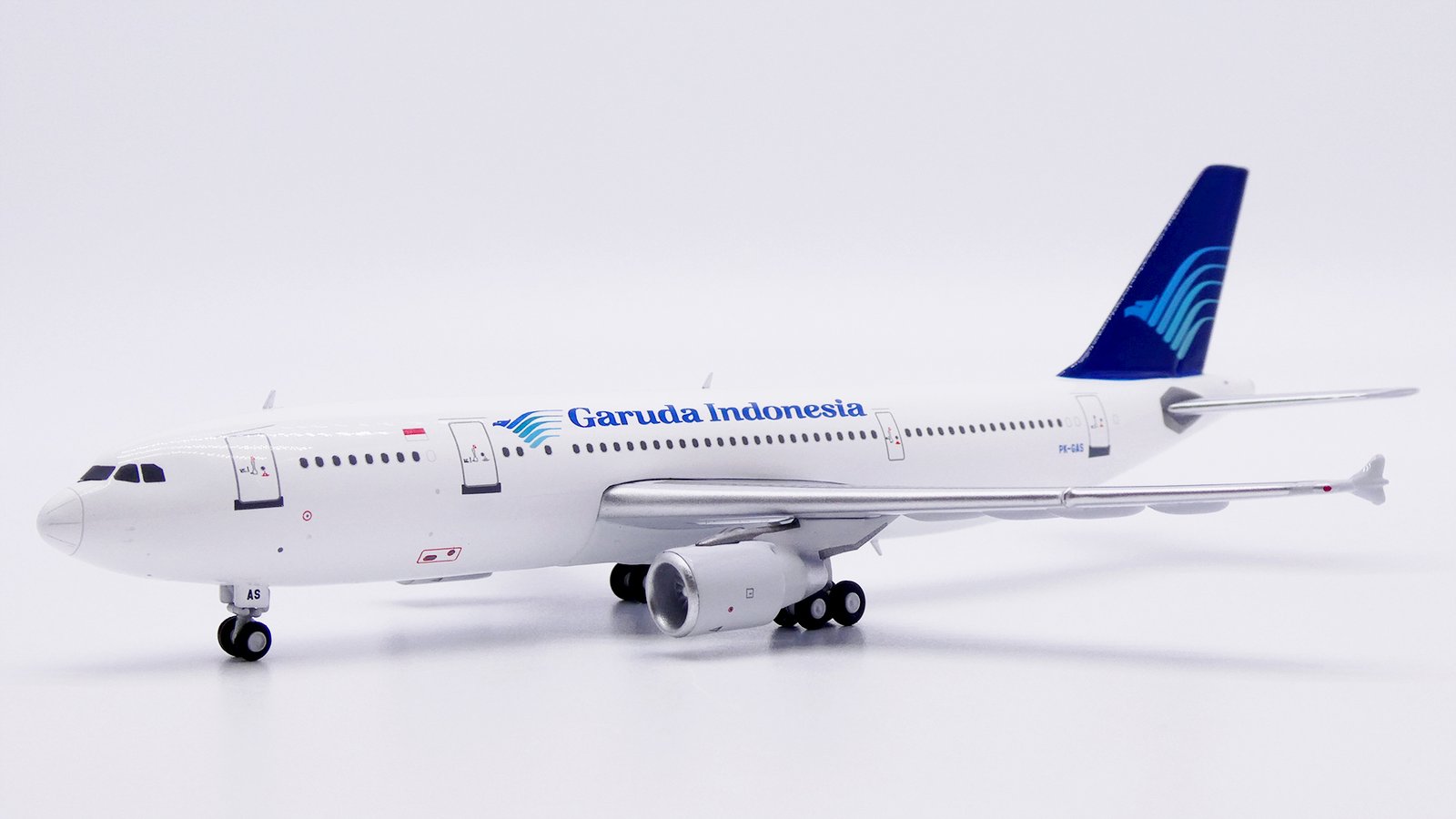
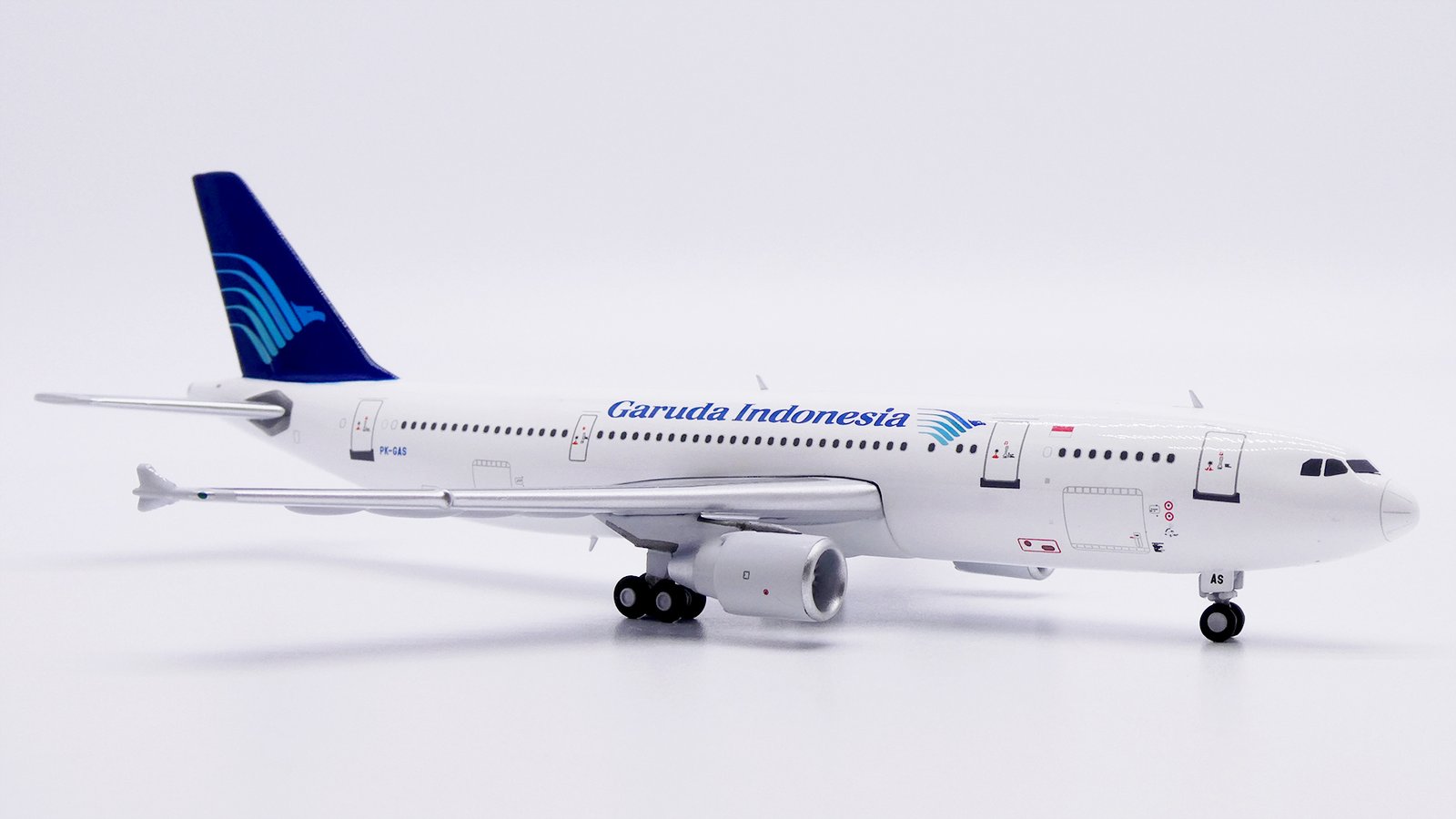
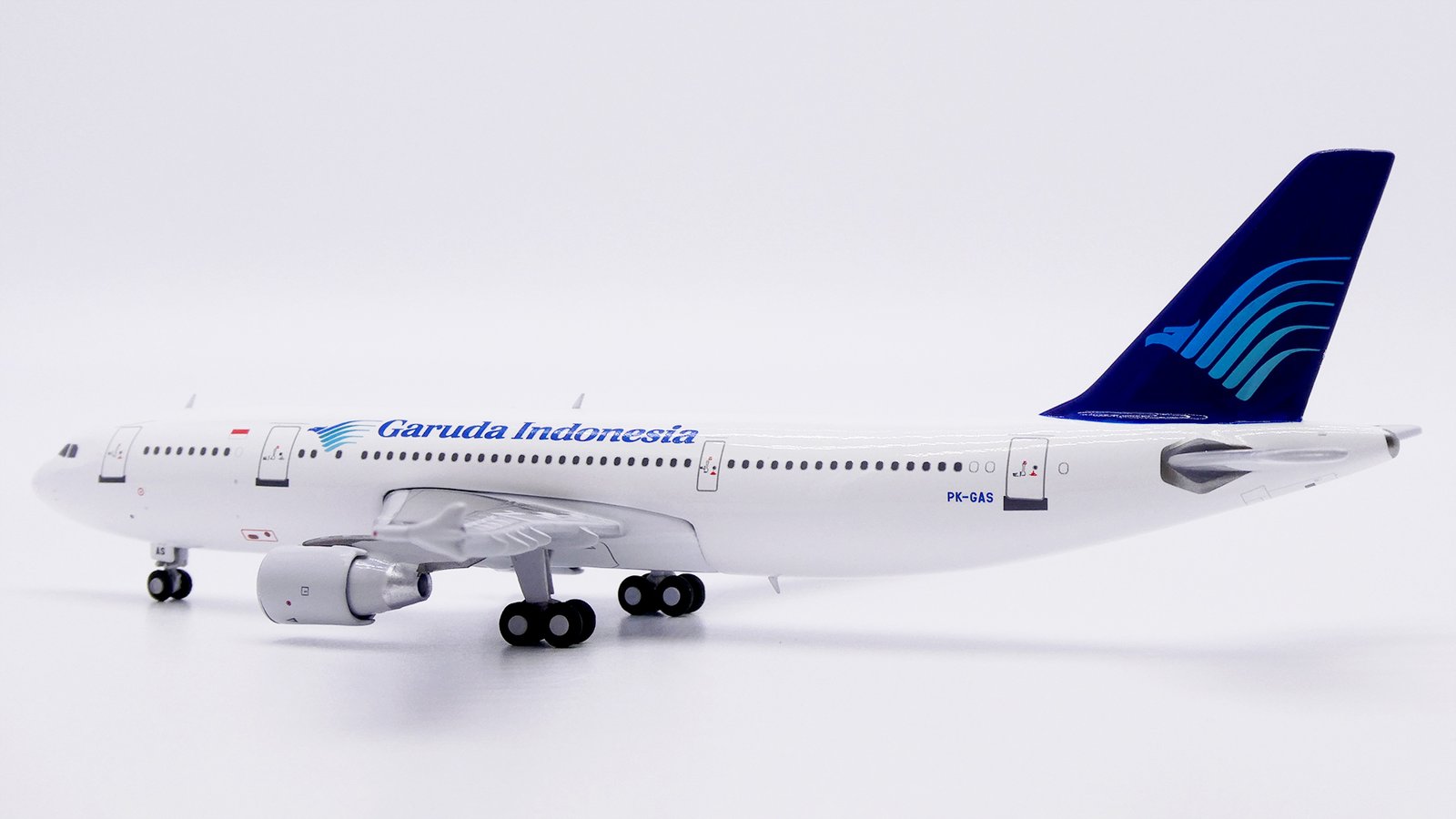
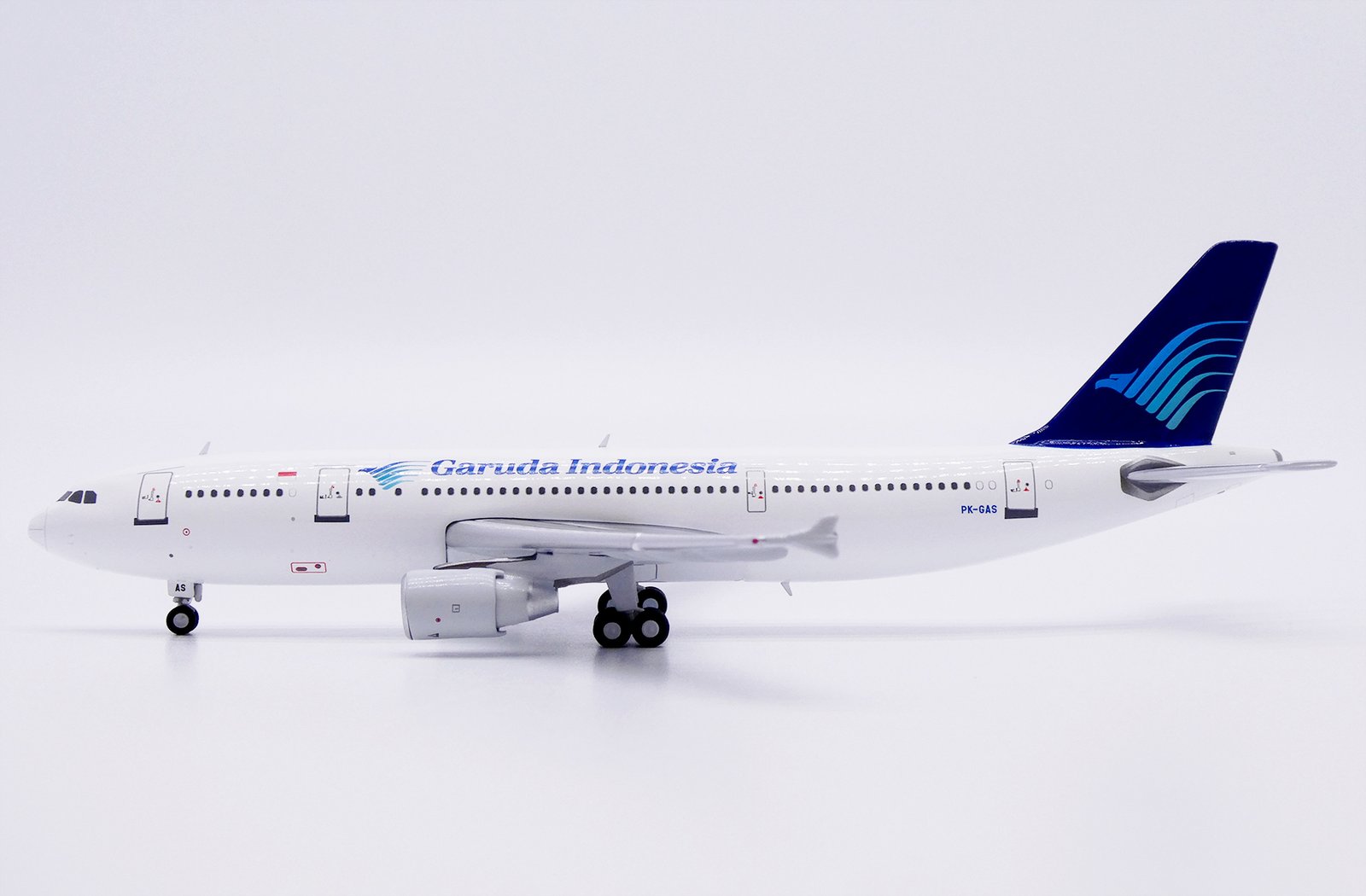
Blue Box / Jet-X (2006)
The second most prolific A300 mould arrived in 2006 and was used jointly by the new Jet-X and Blue Box brands. It is however probably the worst of the available moulds and arguably one of the worst moulds ever made in 400 scale. There is very little to recommend it. The nose overly pointy and not well shaped, and the fuselage looks chubby. This is made worse by the undercarriage being too short and the front gear shorter than the main it seems. There is also a huge seam around the engines which doesn’t even try and blend into the natural lines of the body. Though this mould has been used quite a lot I can’t recommend it at all. Additionally you’ll notice that as with Herpa there is only a series 600 fuselage without the long rooftop ADF antenna so none of the B4 versions are accurate.
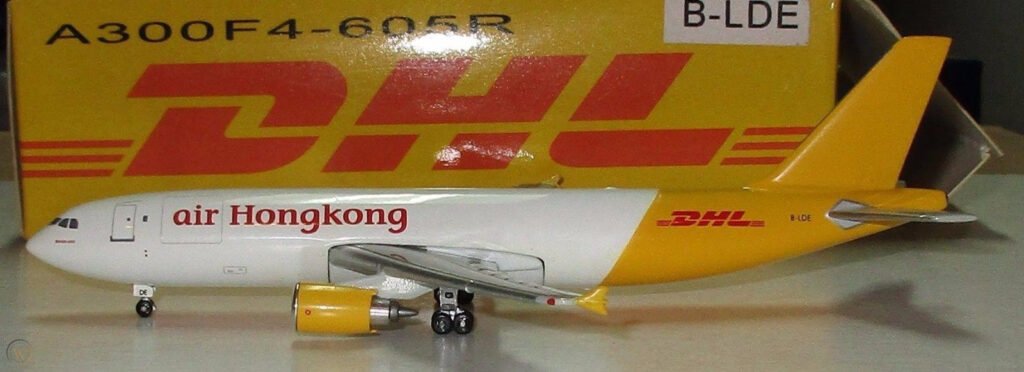
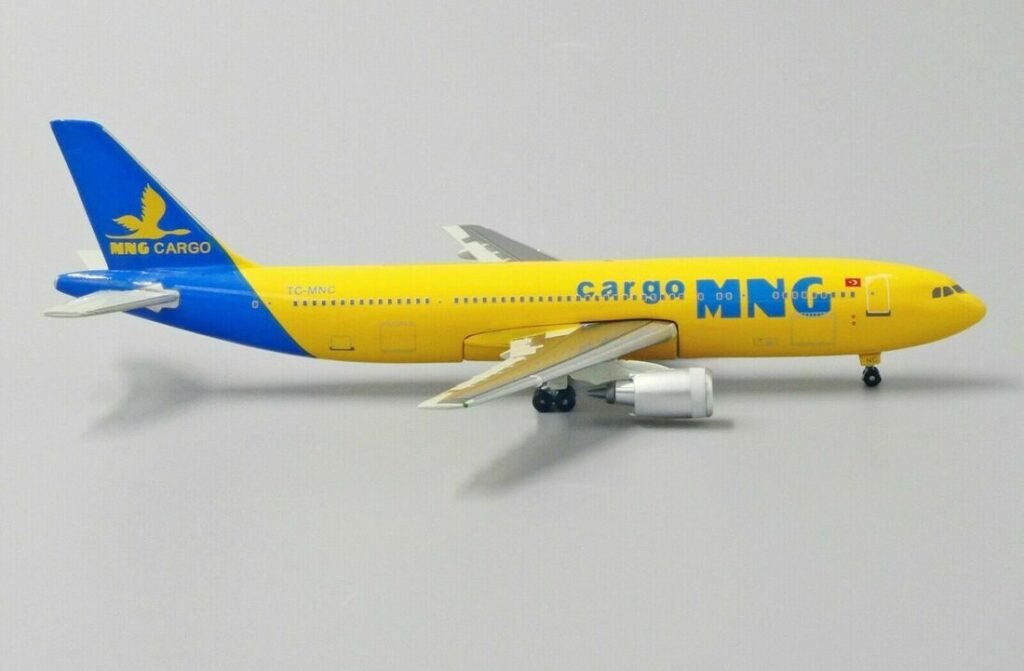
Incredibly despite this mould being abysmal JC Wings (who acquired ownership of it when they tookover the Blue Box brand in the late 2000s) saw fit to update it and start using it for new releases in 2024!!! i covered the mould’s reapperance here at the website. For that see: Return of the Blue Box / Jet-X A300.
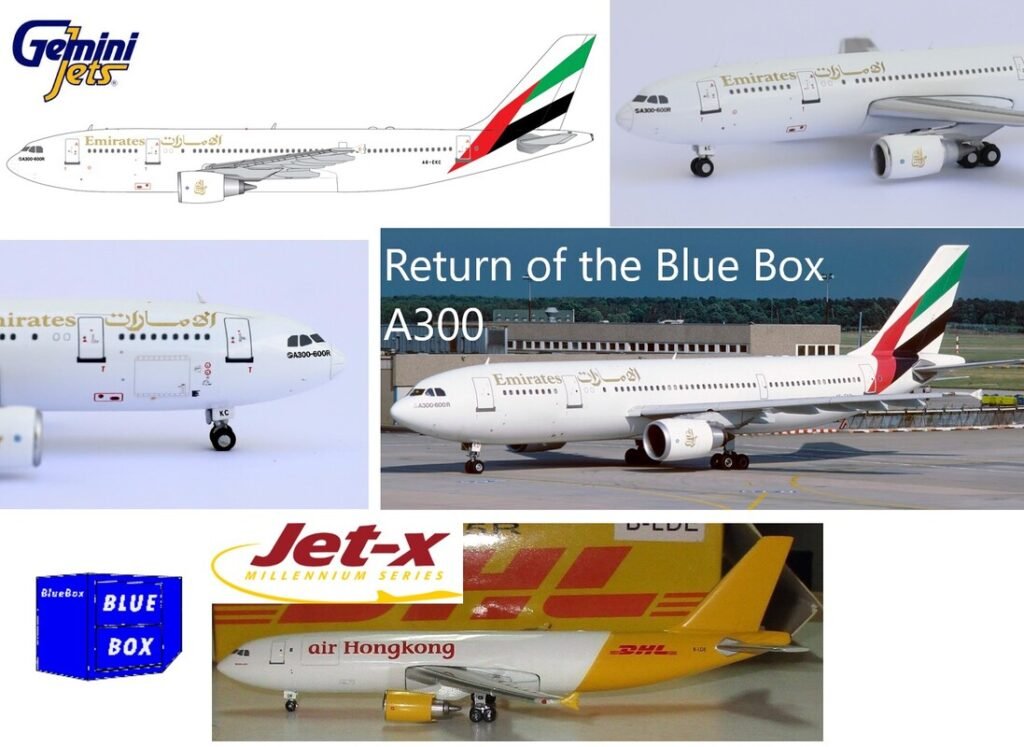
The results made for themselves, Gemini Jets and Apollo Models are unimpressive and even though they have added aerials and rolling gear the mould still looks poor. It doesn’t help that the tyres are oversized and the landing gear still way too short. Personally, I avoid this mould at all costs!
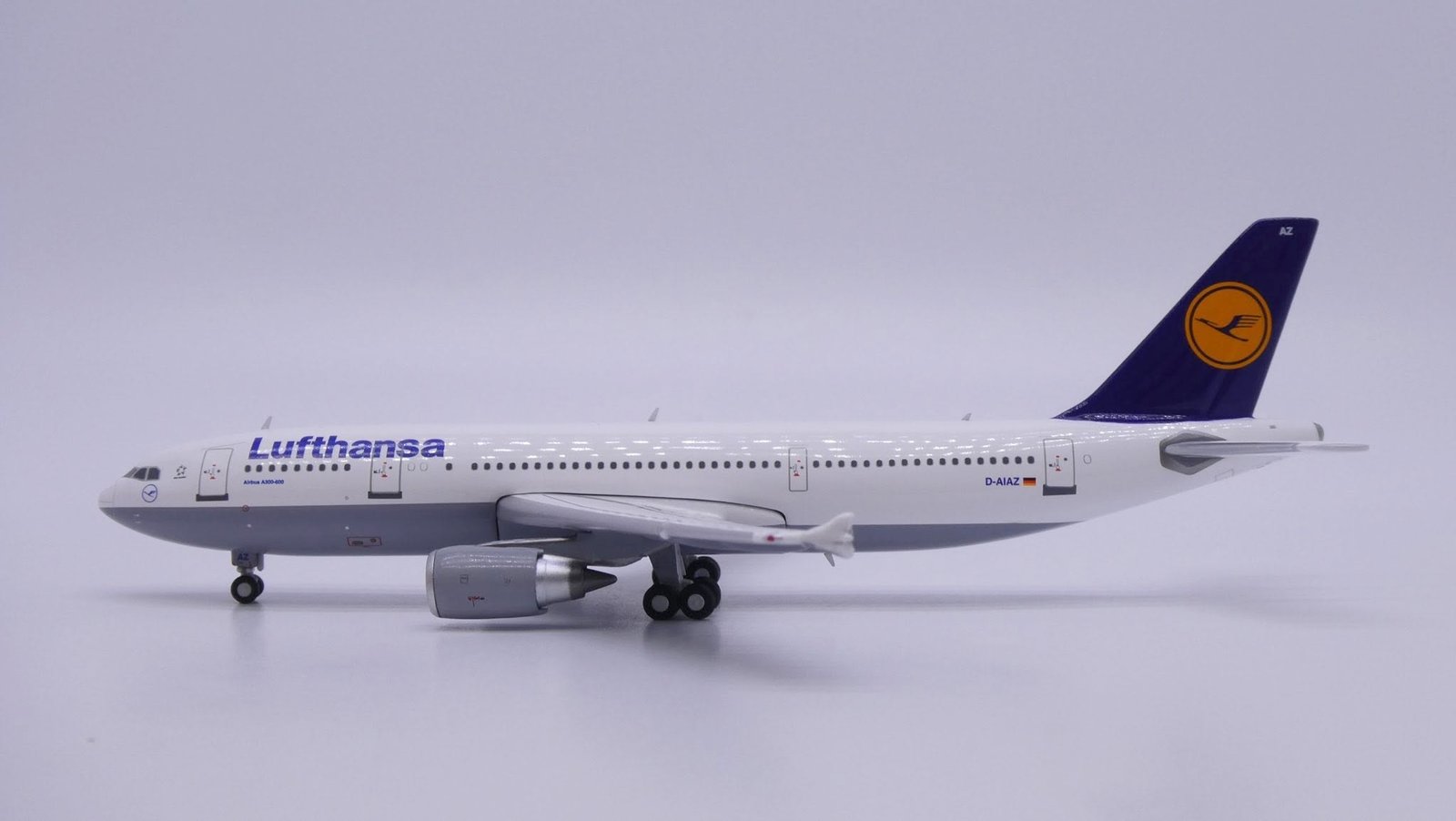
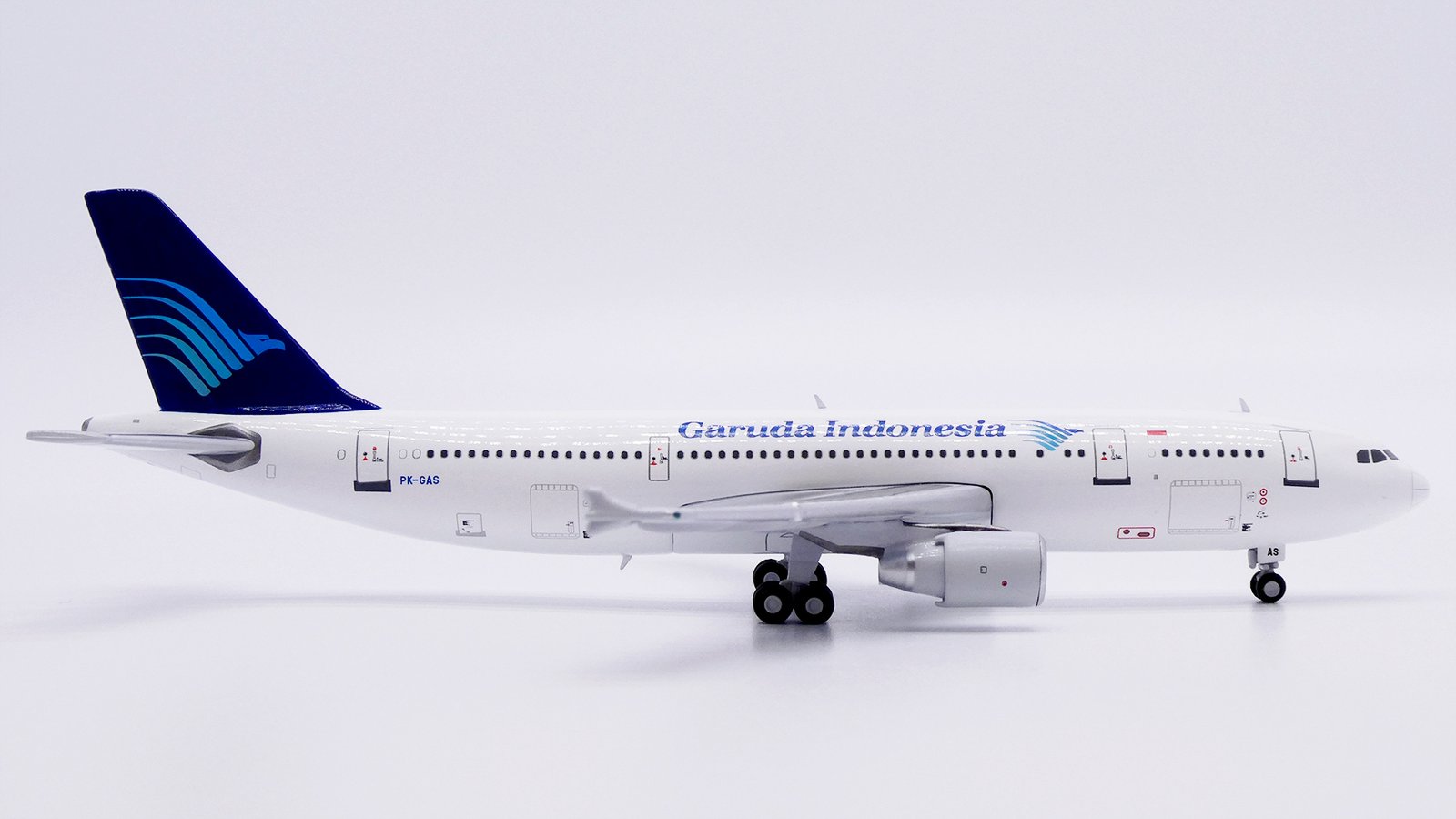
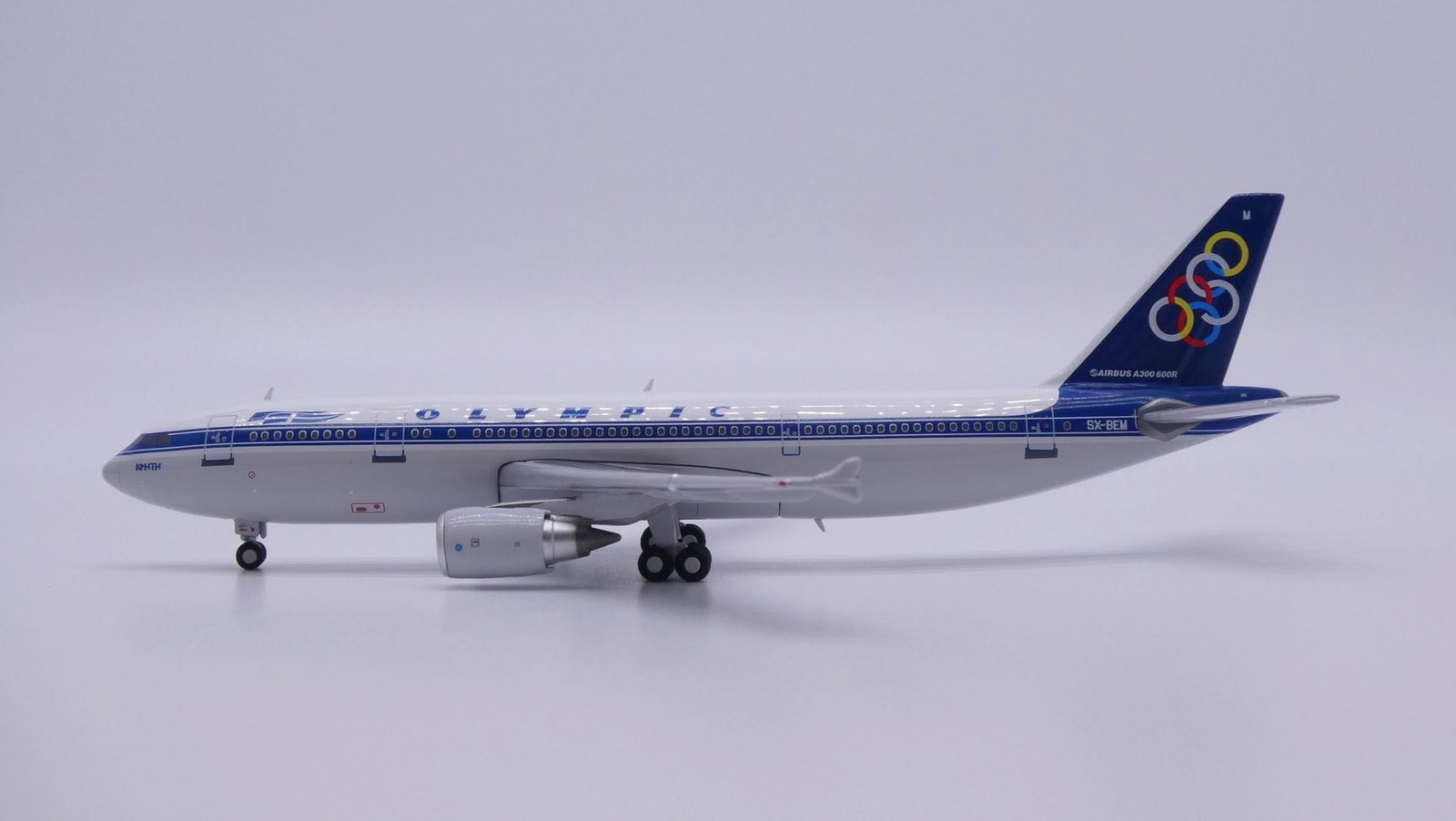
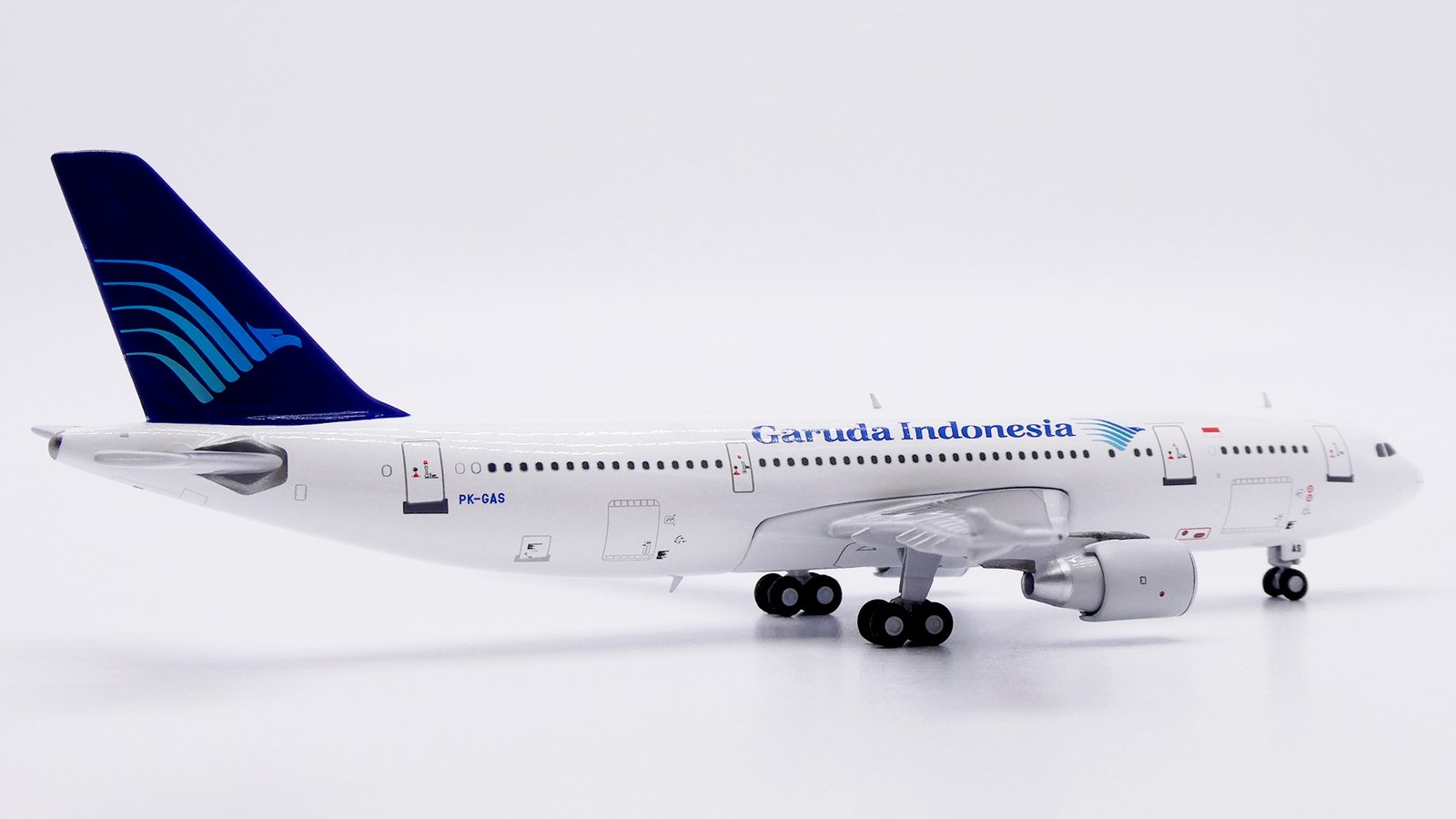
Aeroclassics (2007)
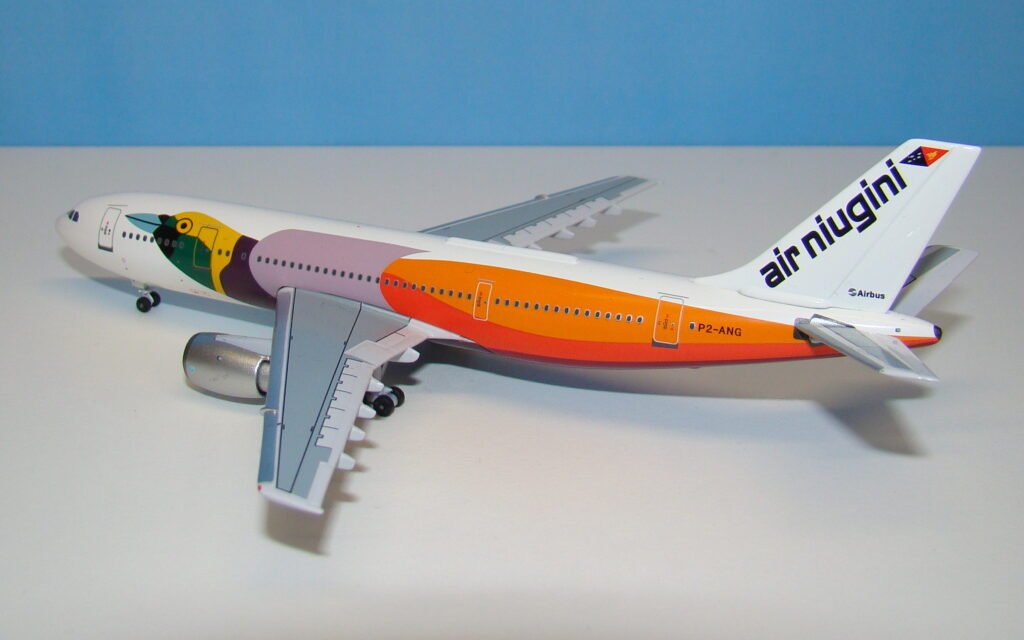
The first five models on this mould were Japanese examples made under the Big Bird brand but Aeroclassics have subsequently made the mould their own with a huge number of releases. The mould is good and had been easily the best A300 for years and years, even with the large wing seam – which at least follows the top of the wing unlike in the Jet-X. Everything else about the mould is decent especially the detailed landing gearlegs and nose shape. Until recently if you were buying an A300 this should have been your first stop.
Below: Two of the earliest releases were branded as BigBird / Your Craftsman and featured JAS editions. As you can see one is a B2 and one is a series 600, however both have the lower fuselage of a B2/B4.
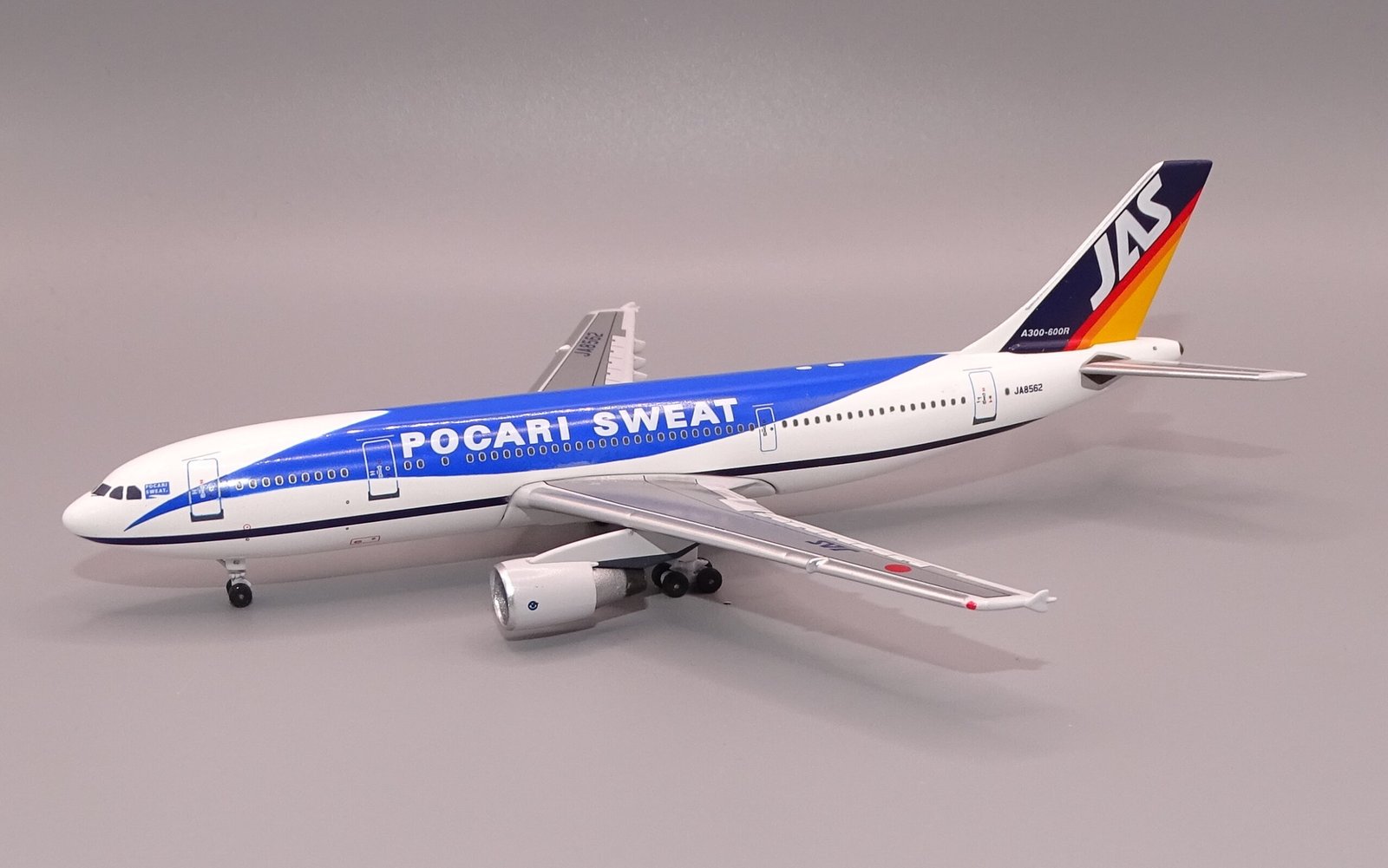
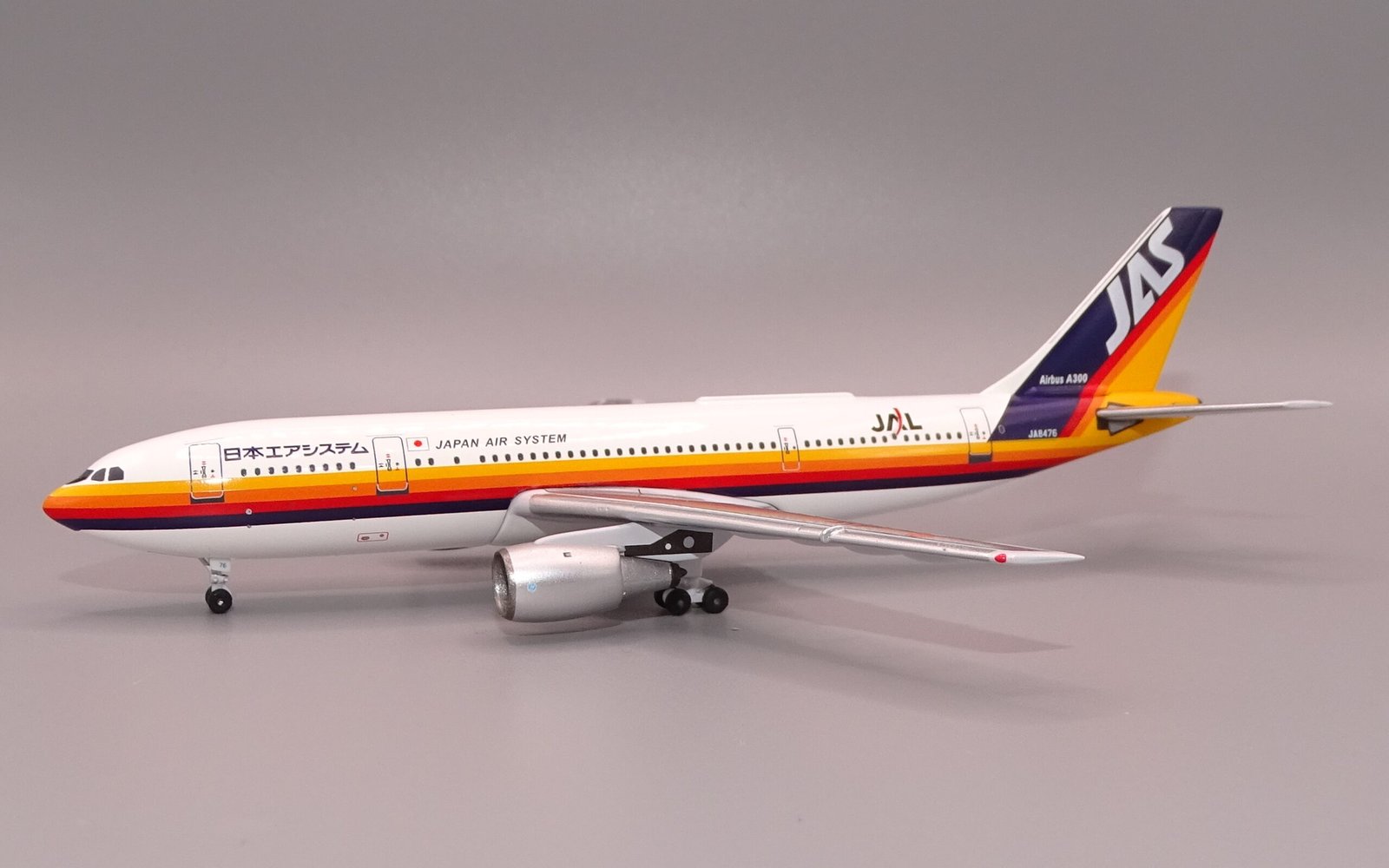
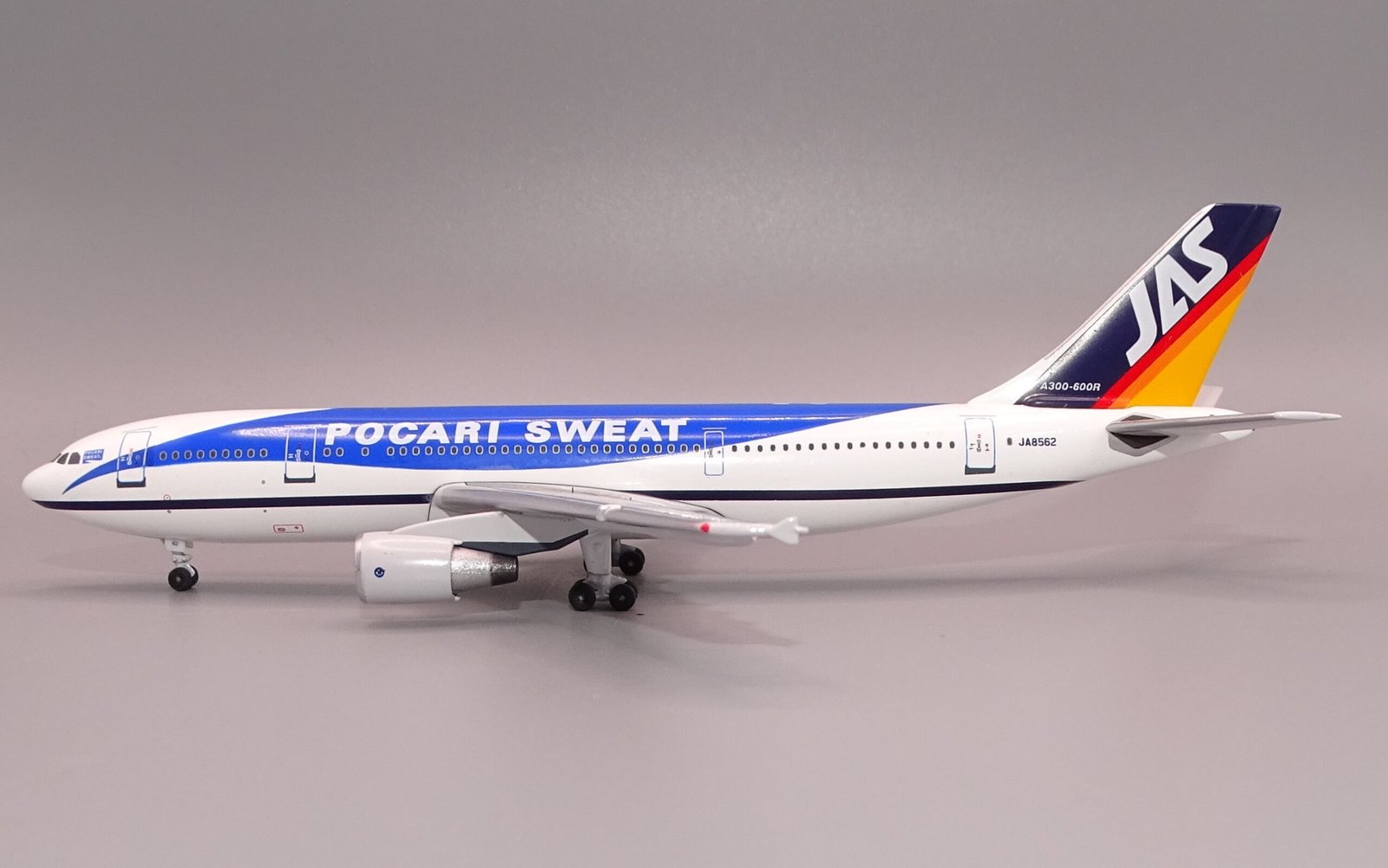
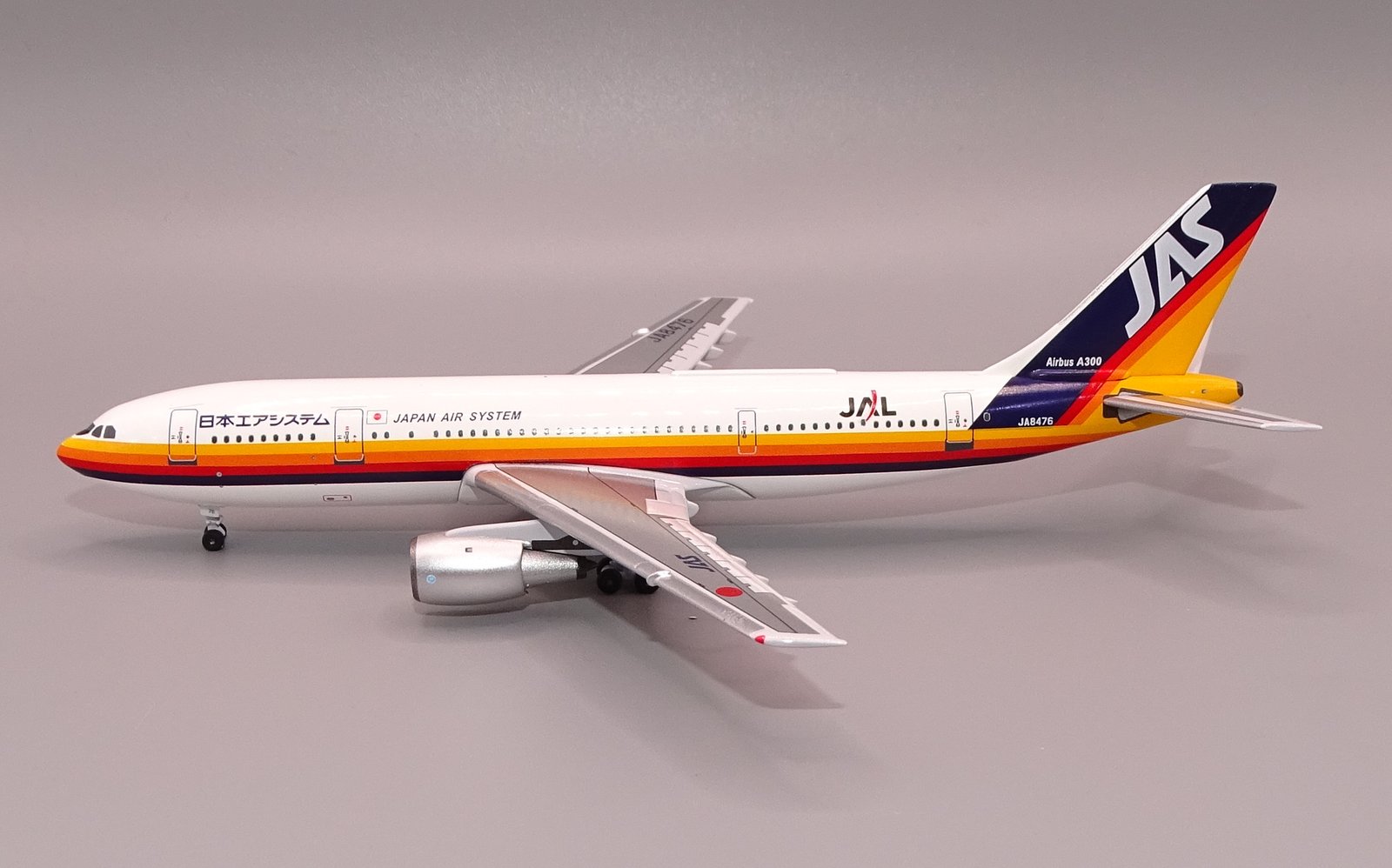
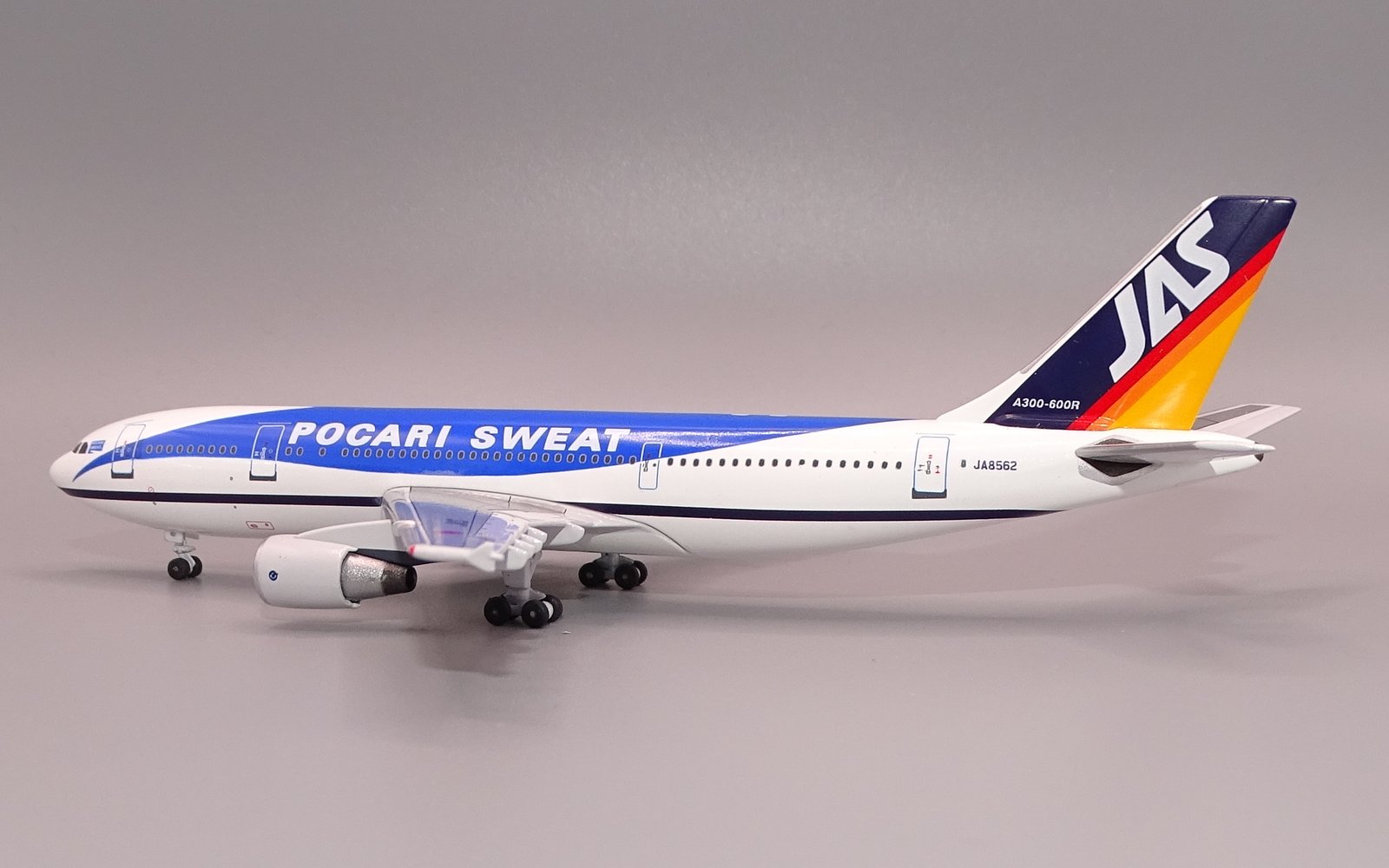
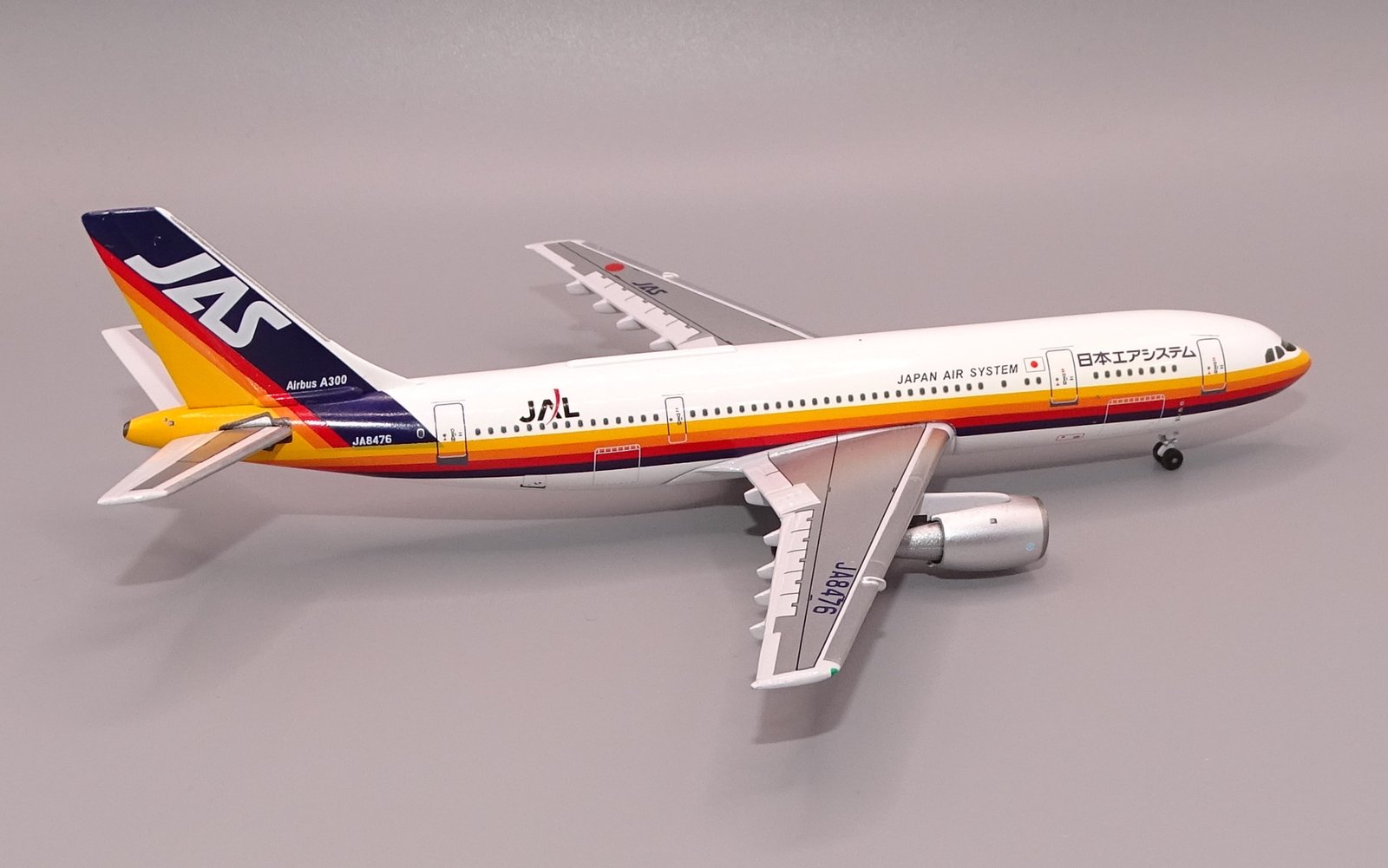
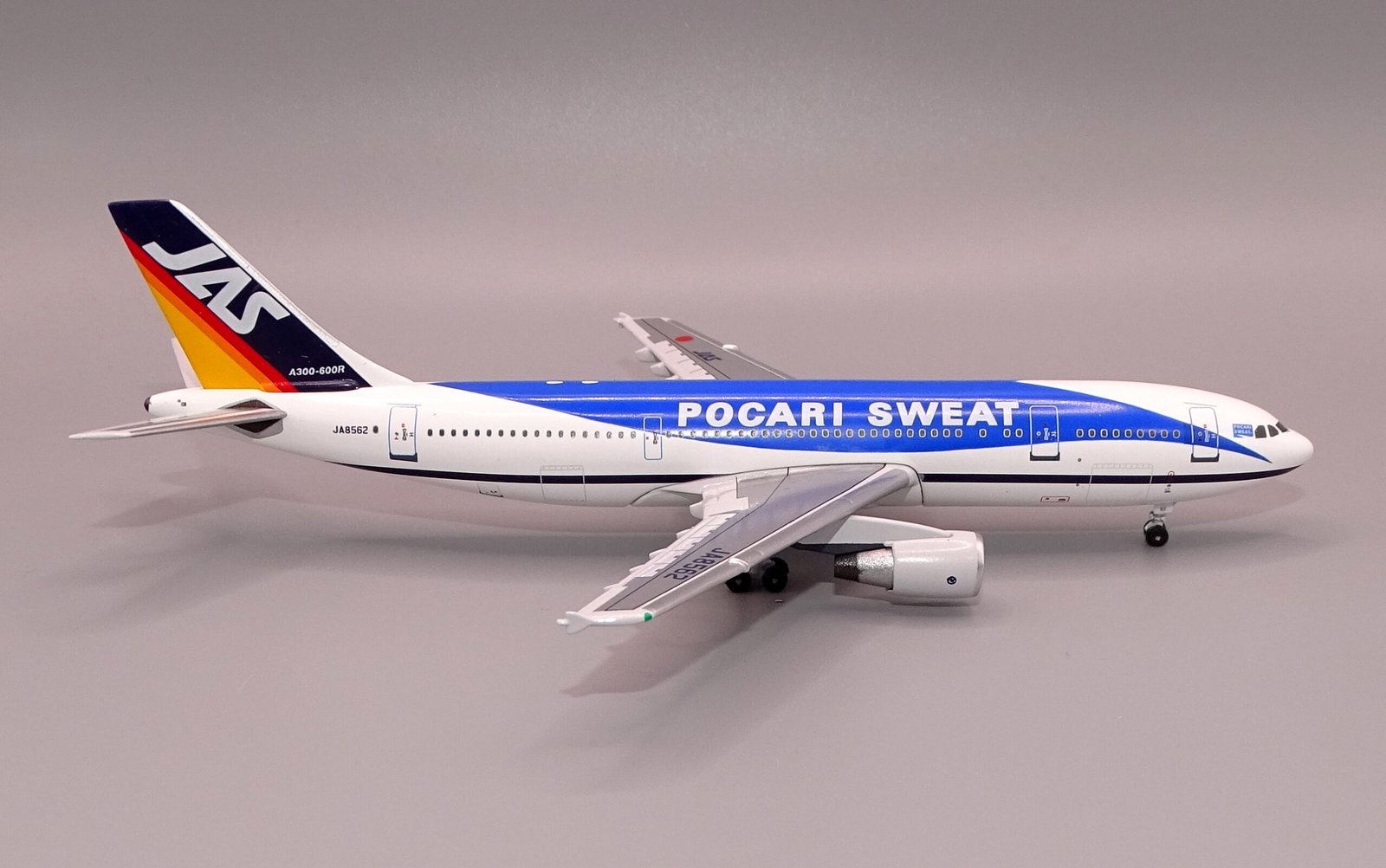
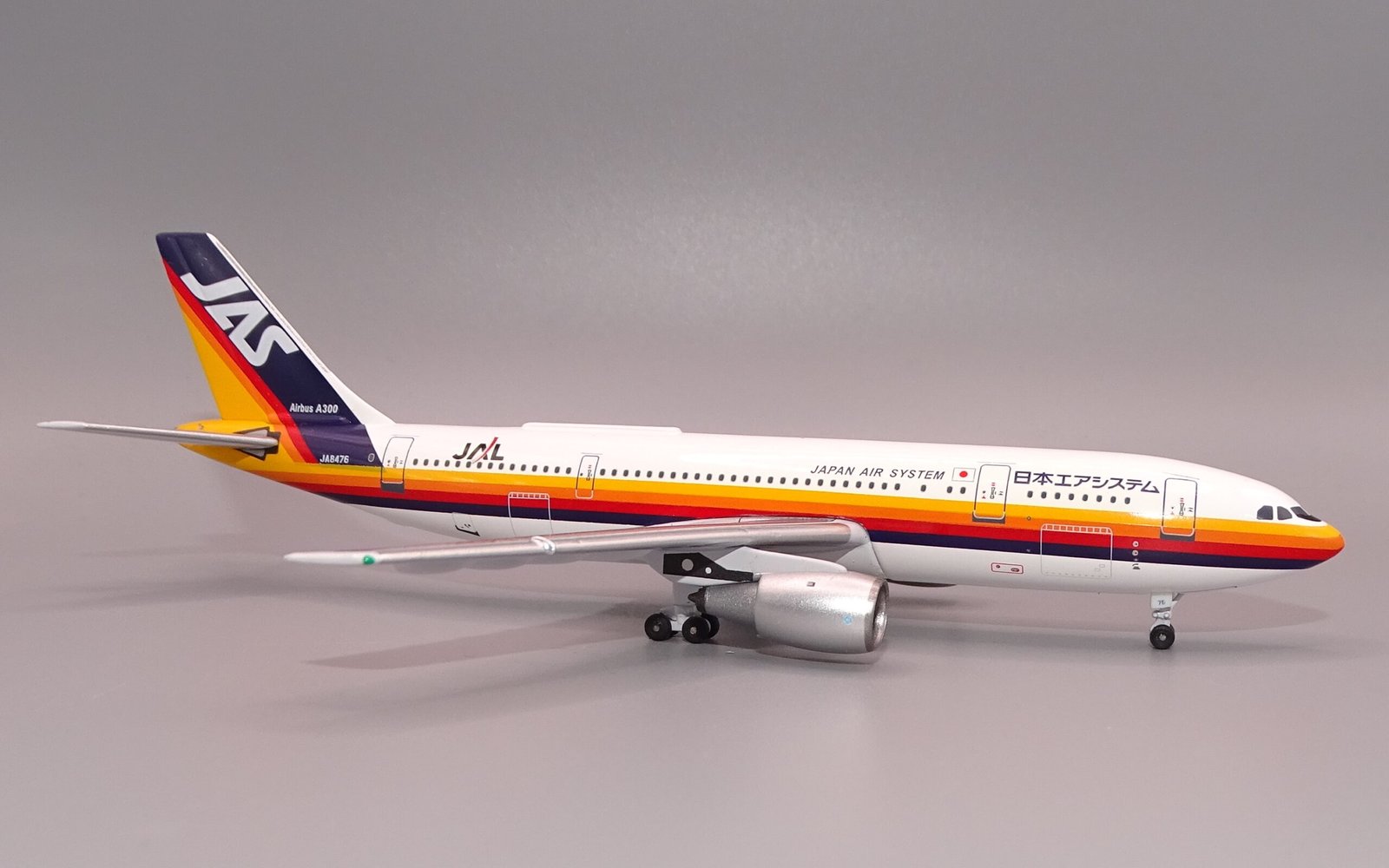
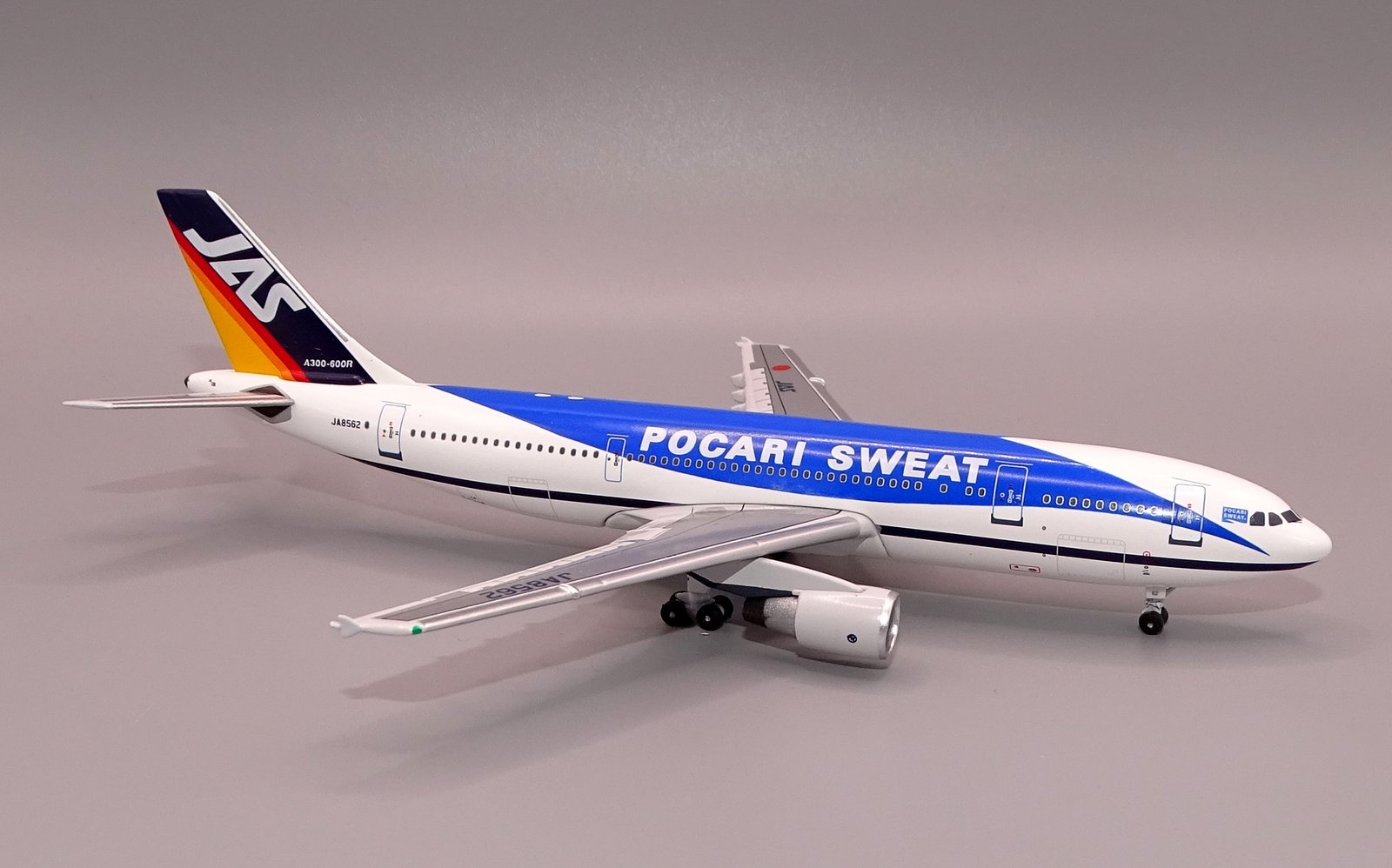
As with several very nice Aeroclassics moulds it is showing its age somewhat in 2026. The wing seam is the biggest issue but obviously it also lacks aerials and has rather simplistic tyres – both traits of Aeroclassics in general. Aeroclassics has also often printed the windowline too high.
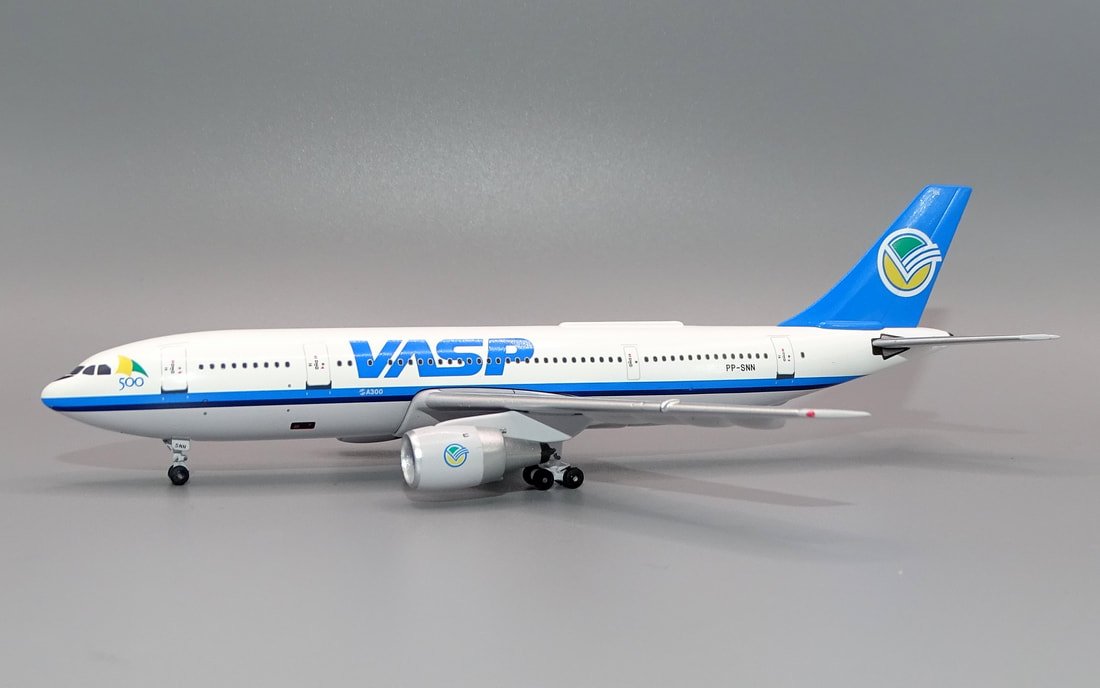
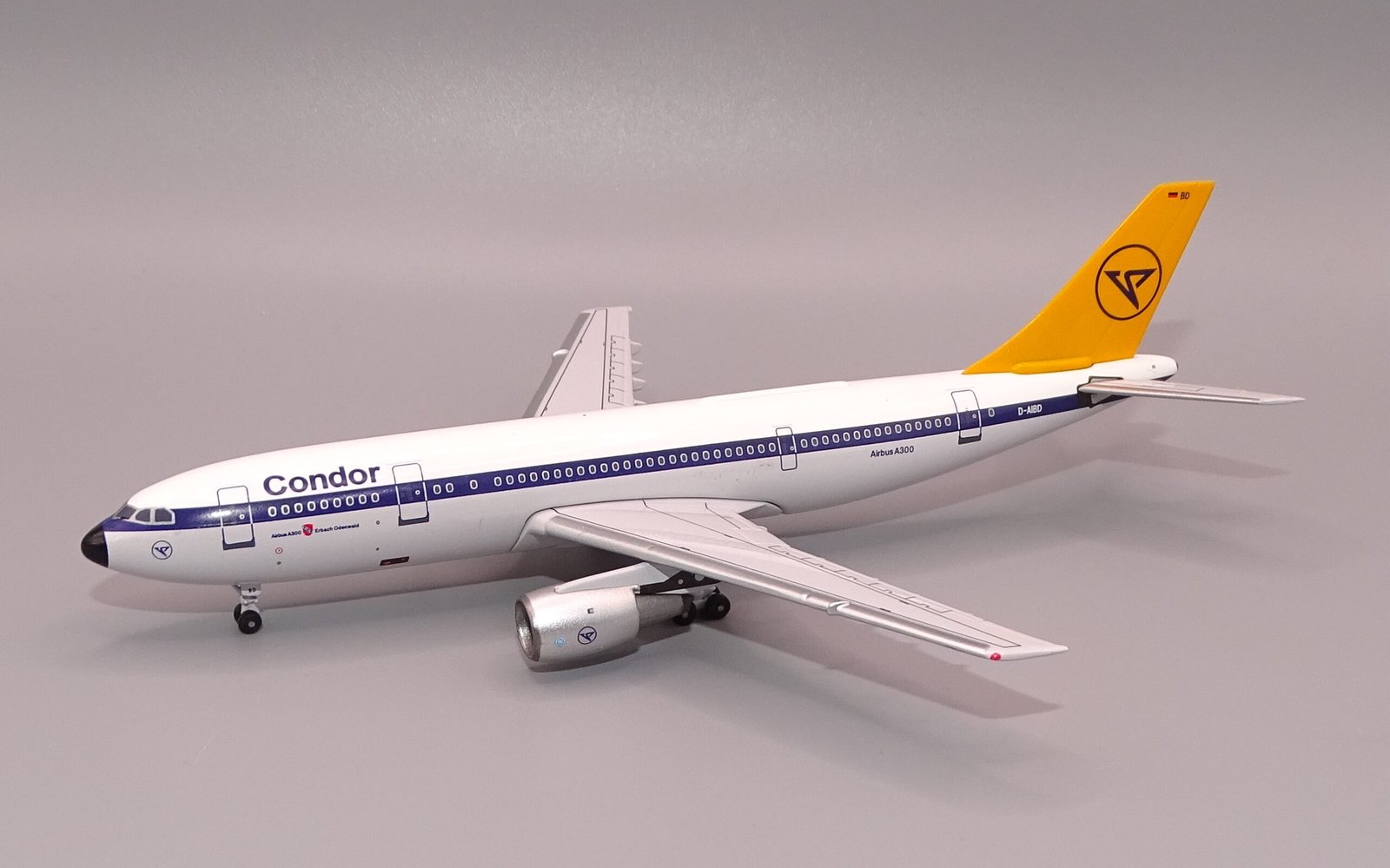
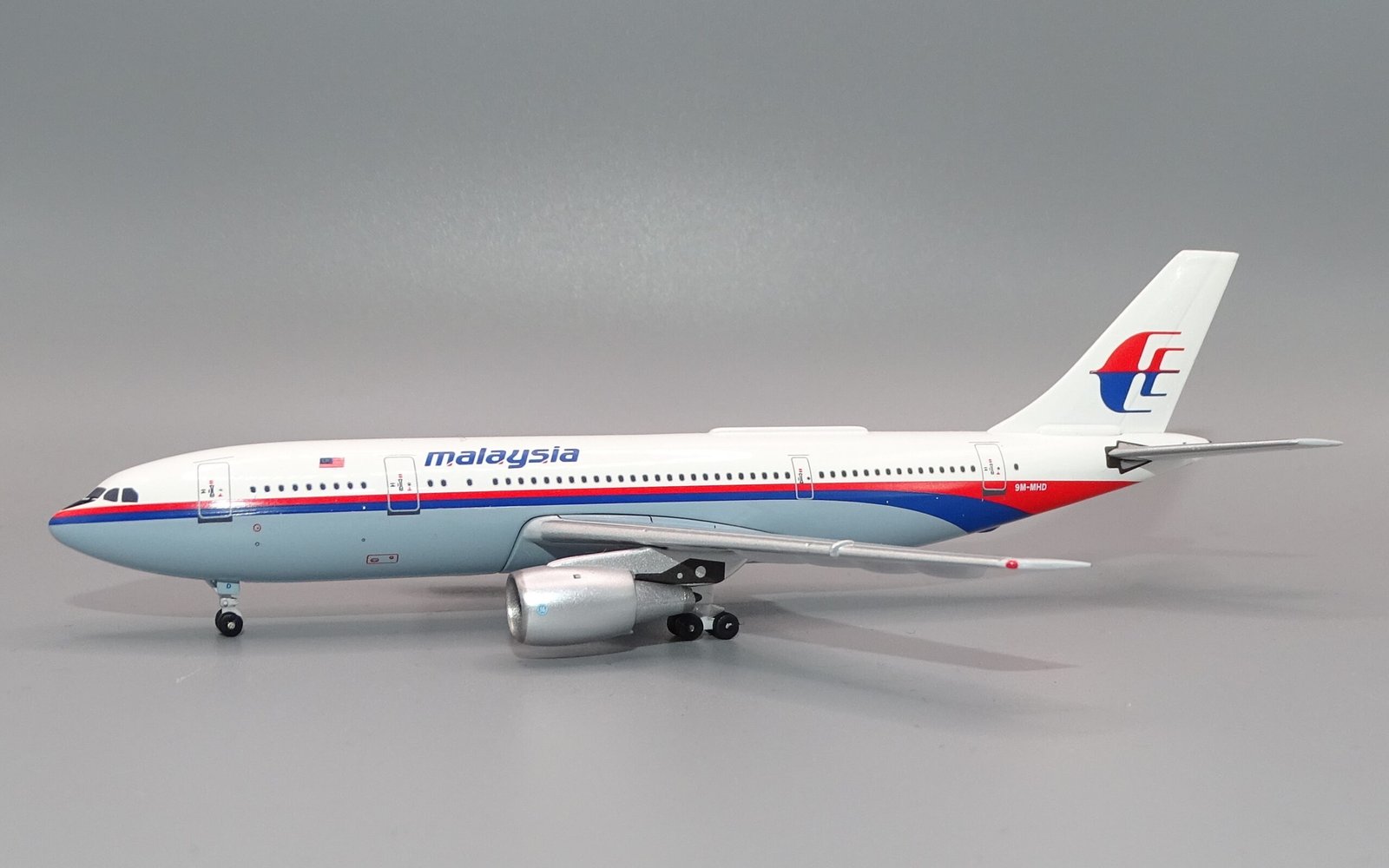
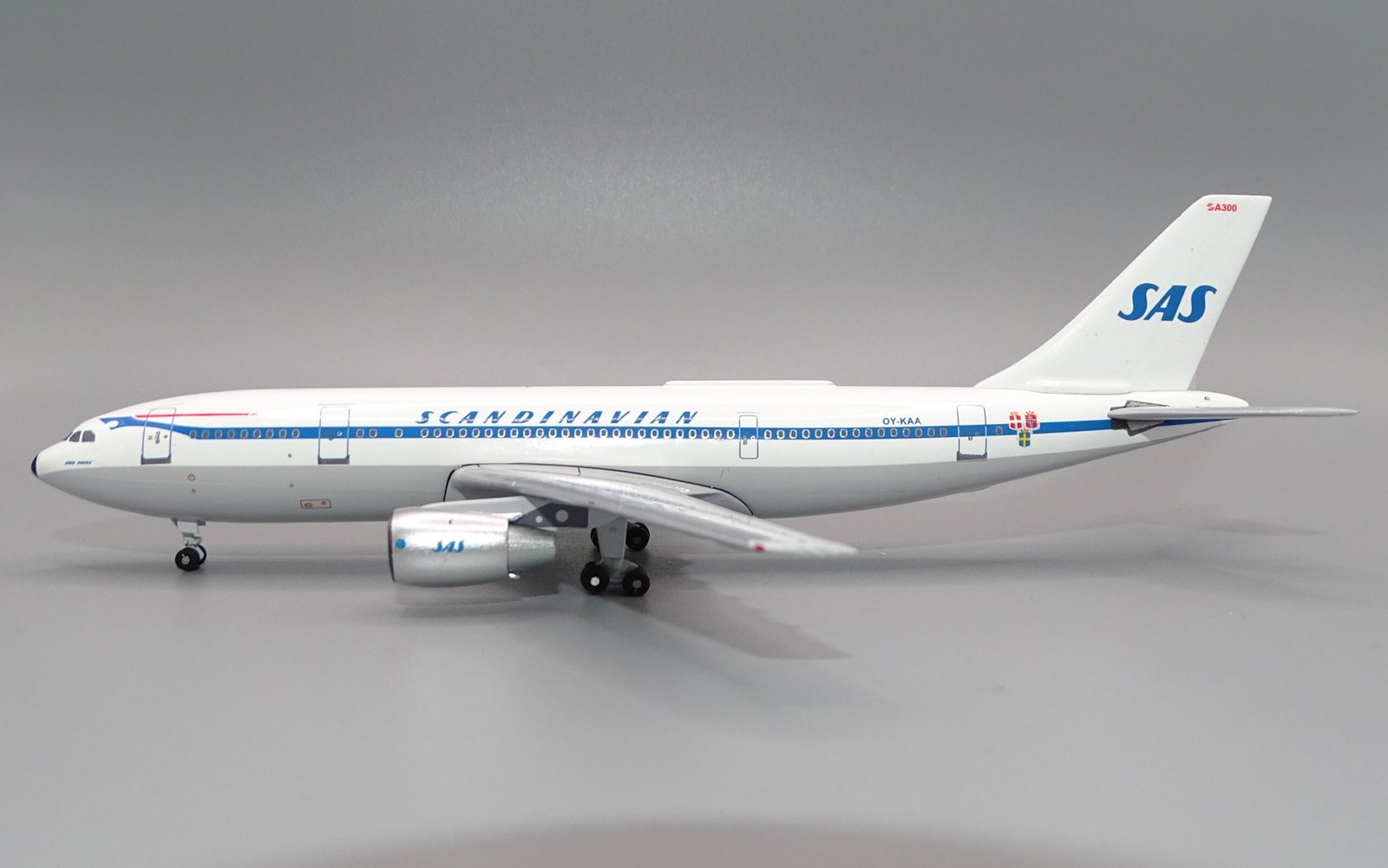
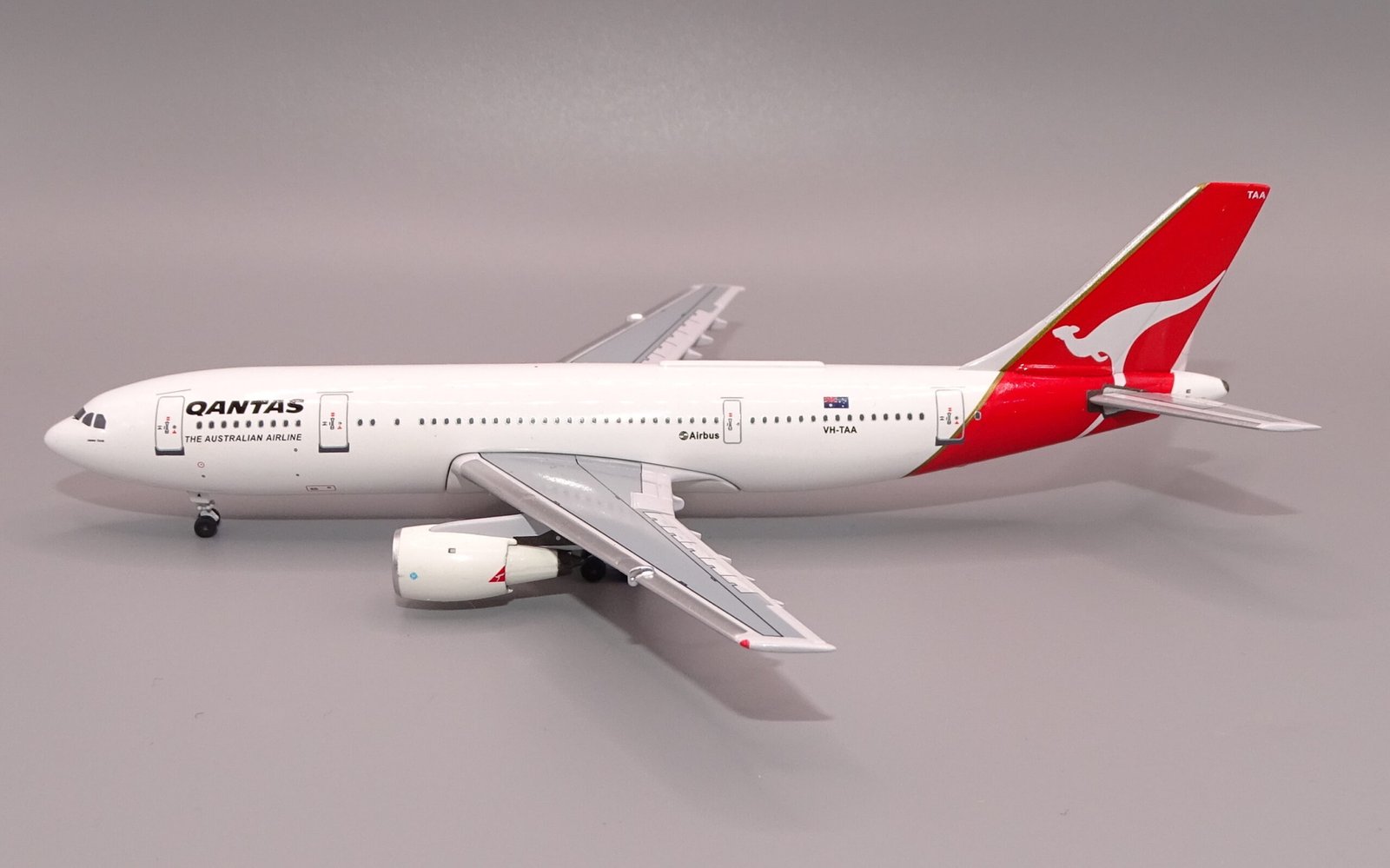
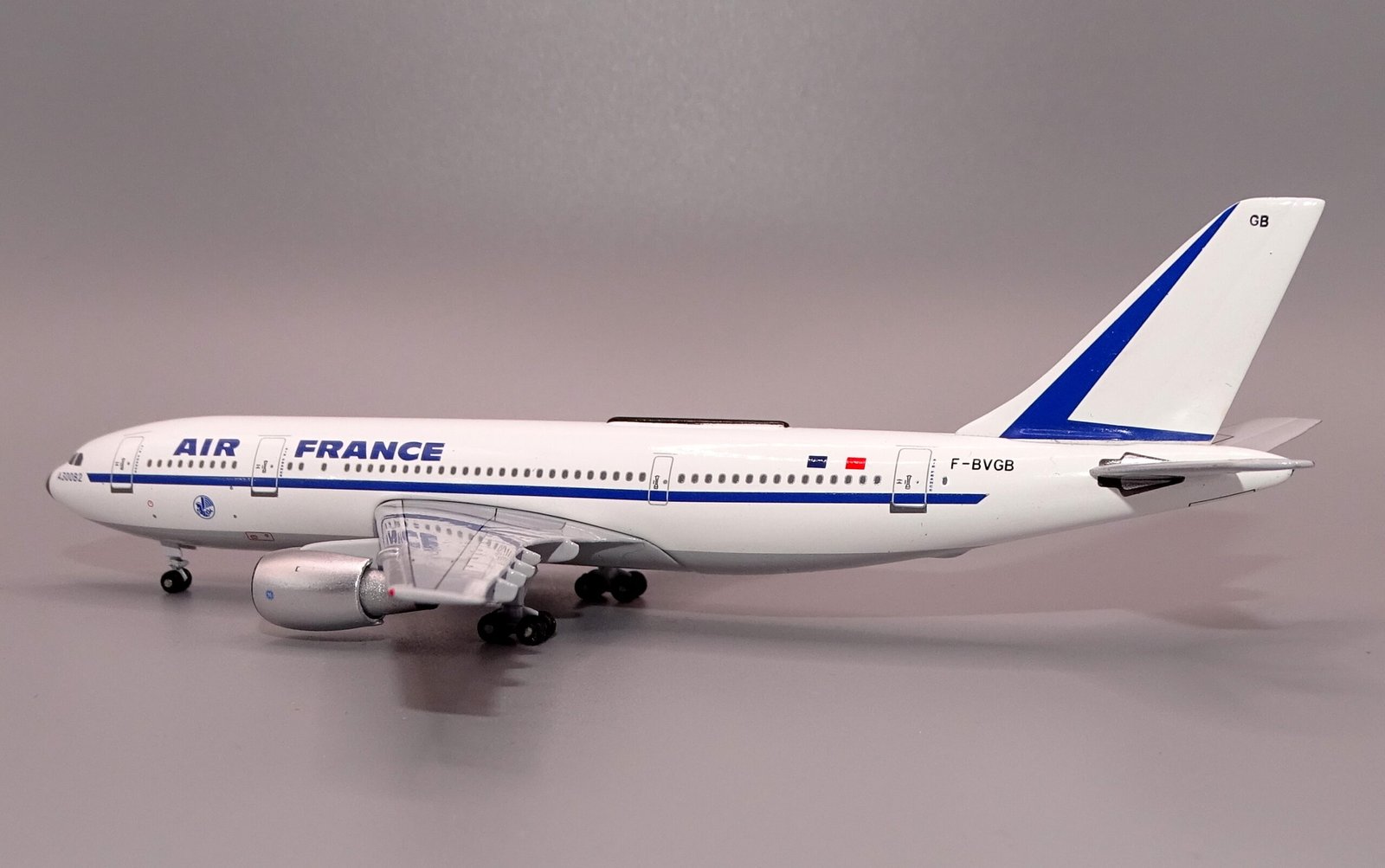
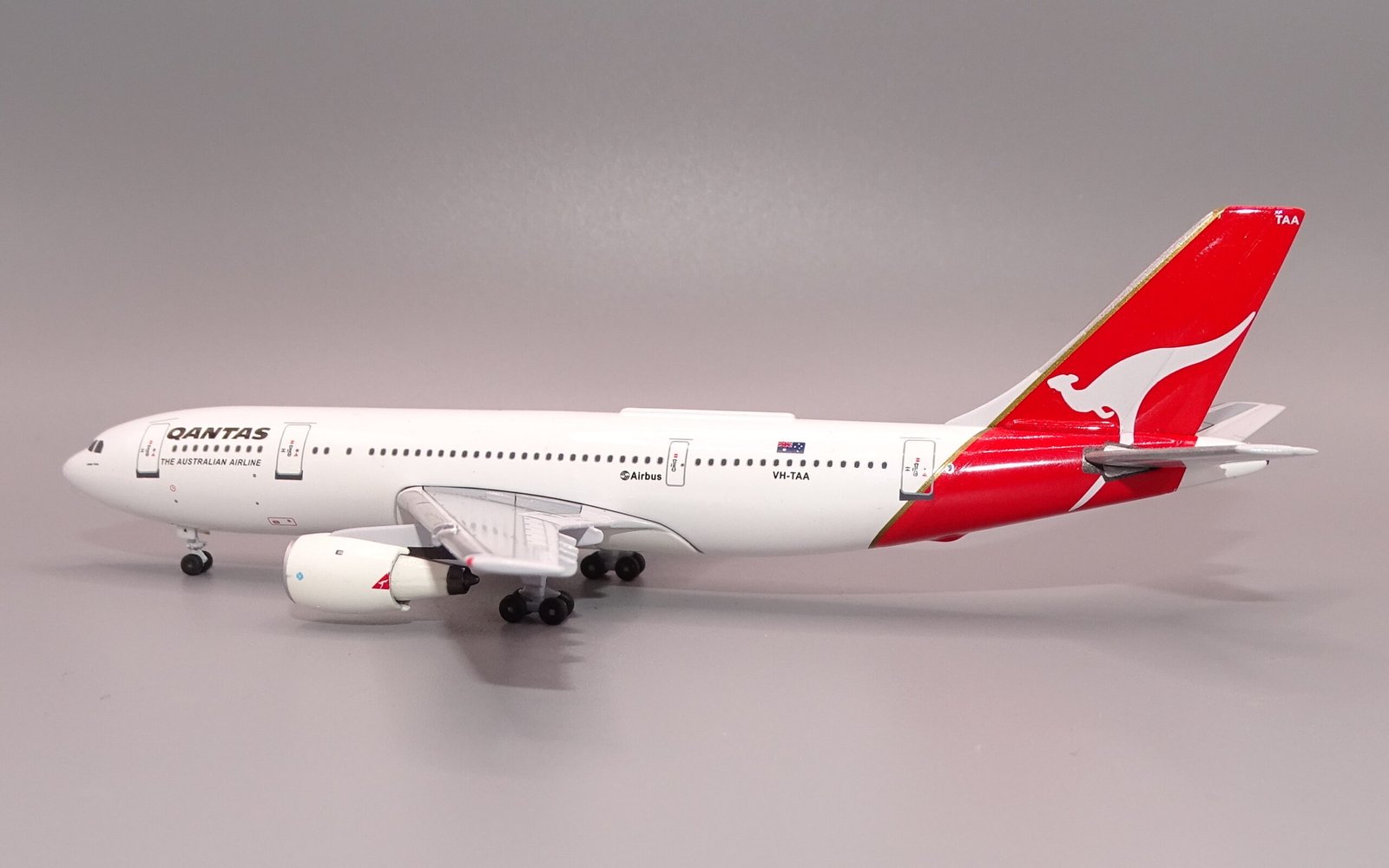
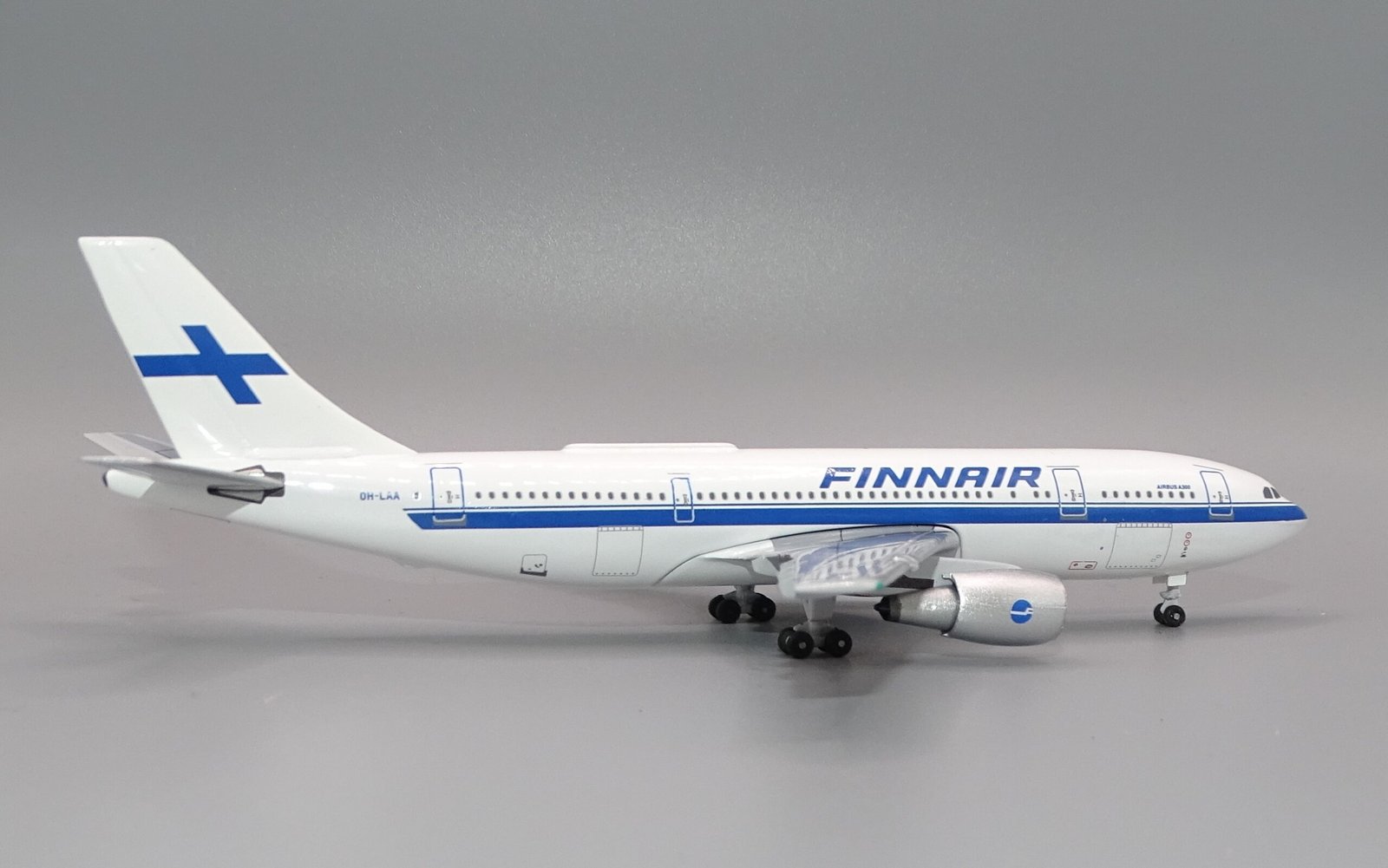
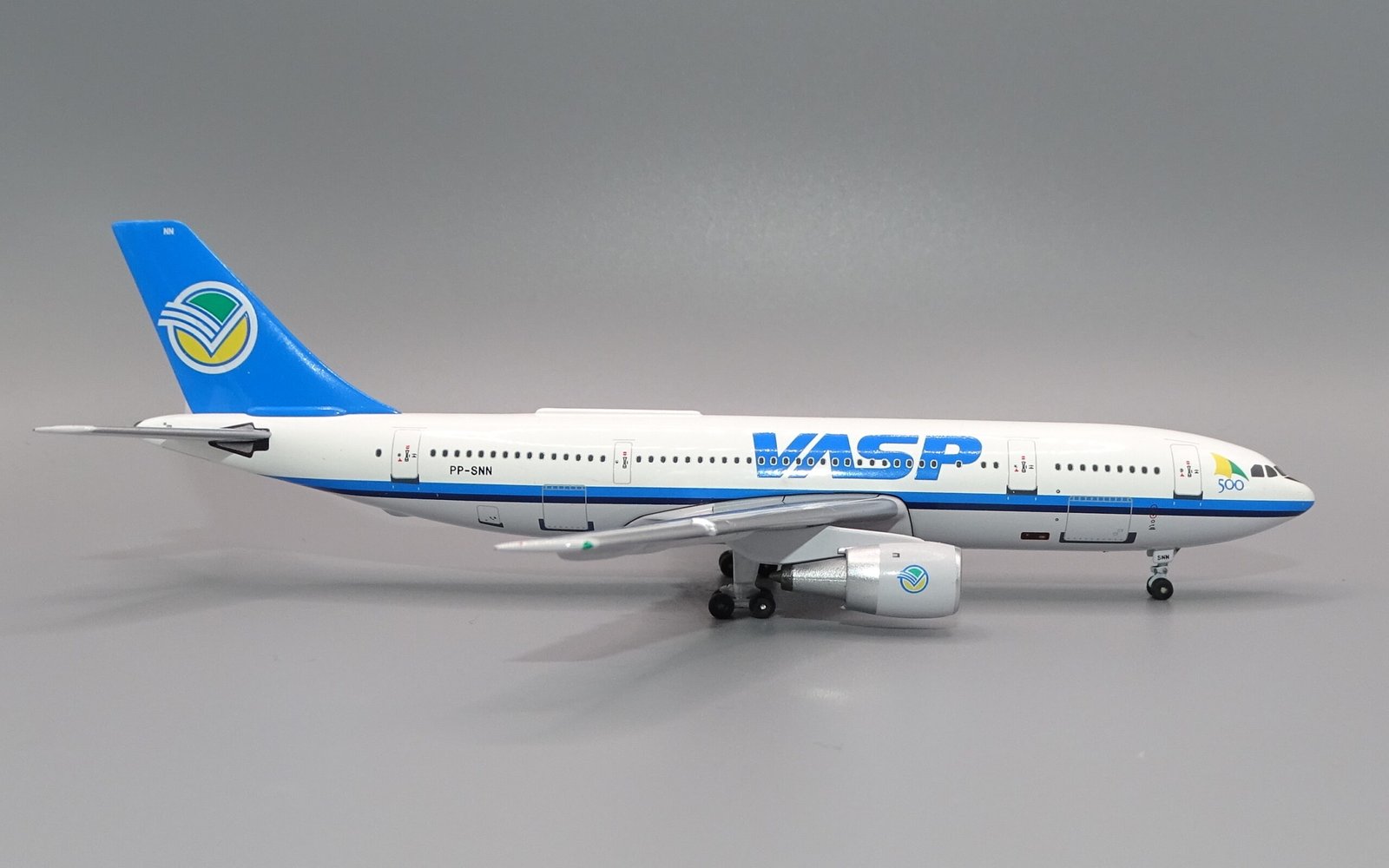
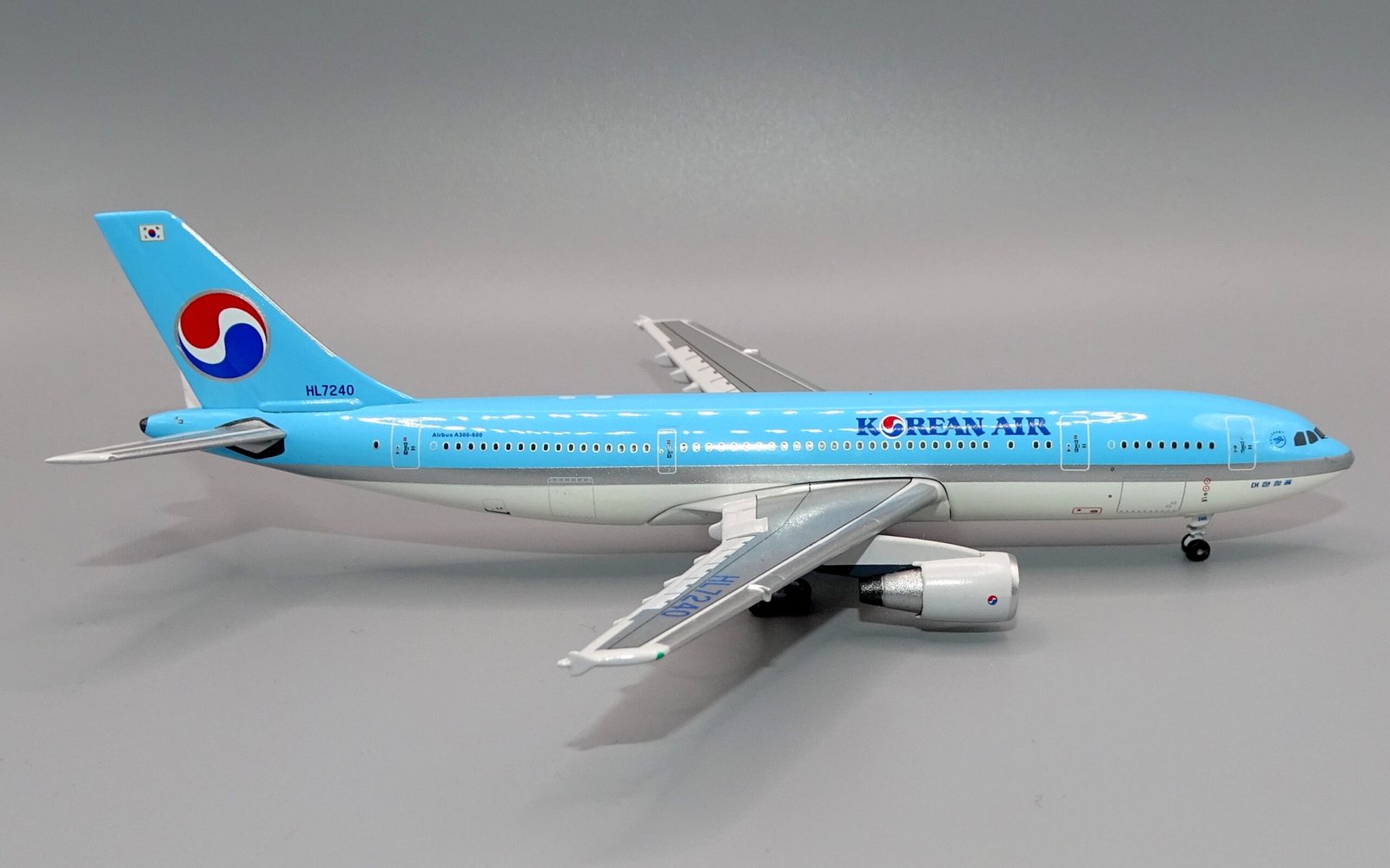
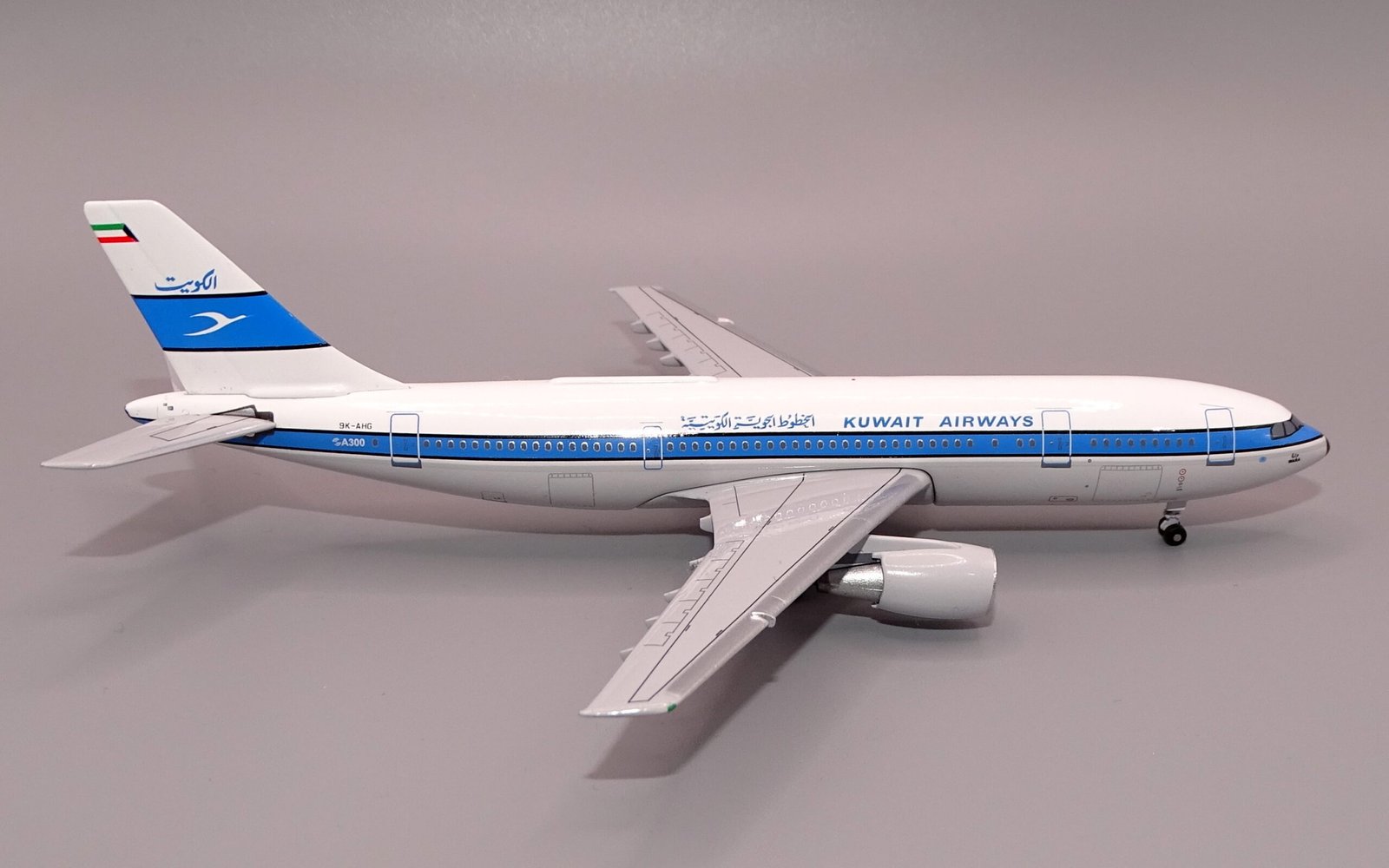
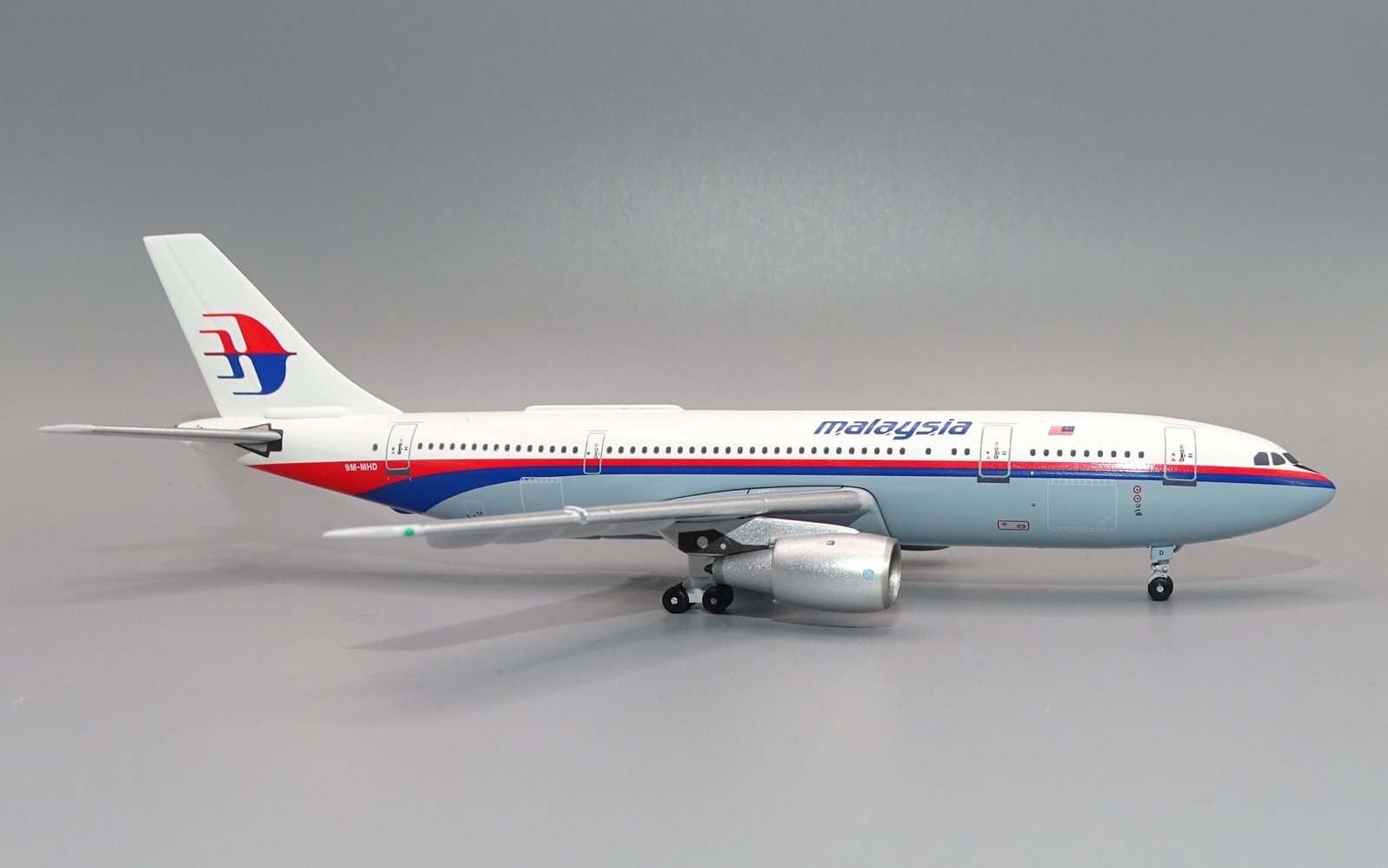
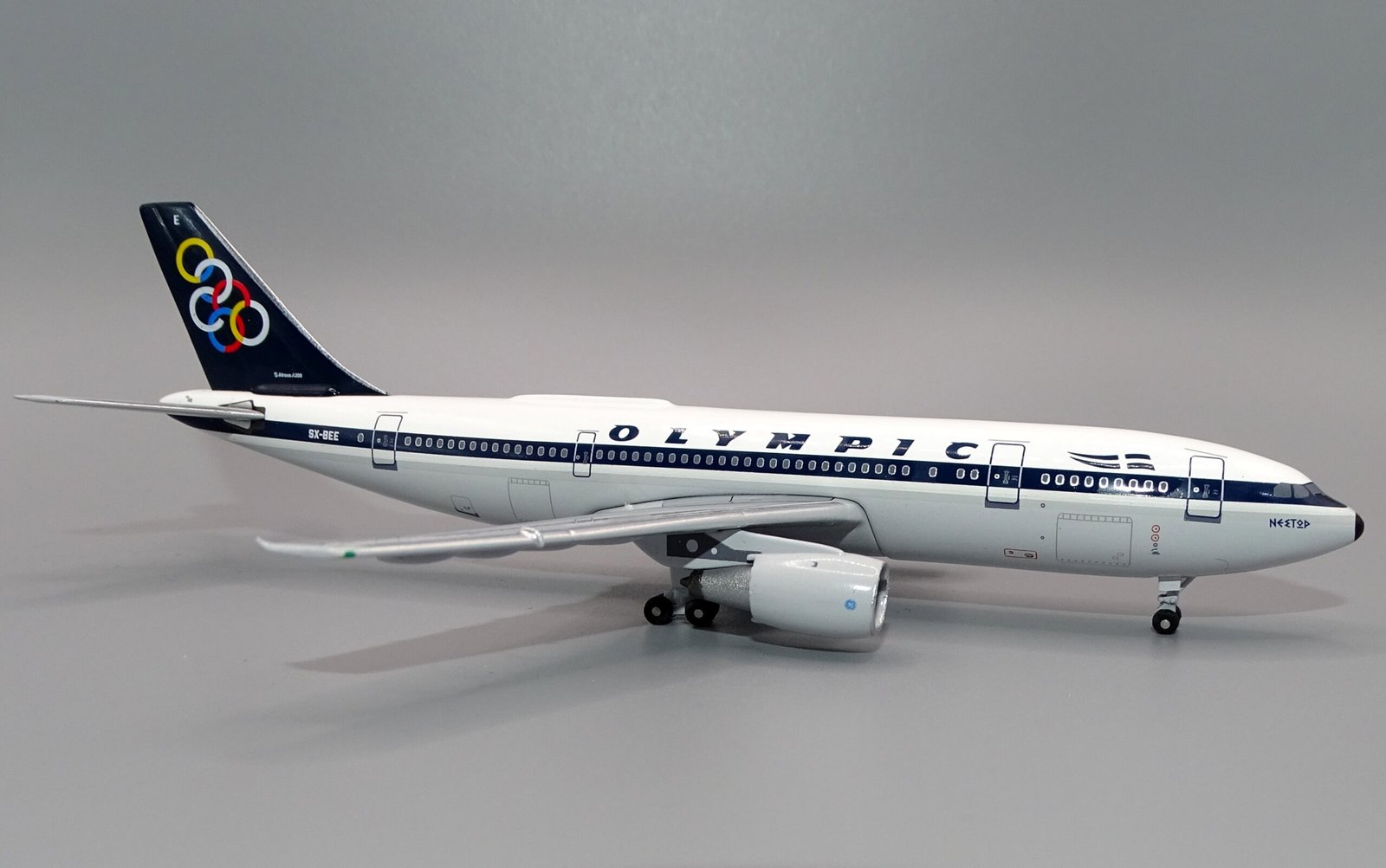
As is common with all the A300 moulds Aeroclassics has released all variants of the A300 but the mould really only works perfectly for one of the families. In this case this is the A300B2/B4 since it has the rear fuselage of that variant. When Aeroclassics wants to make a series 600 it simply removes the rooftop aerial and adds its 600 specific wing to the original fuselage (erroneously leaving the tailbumper in place)
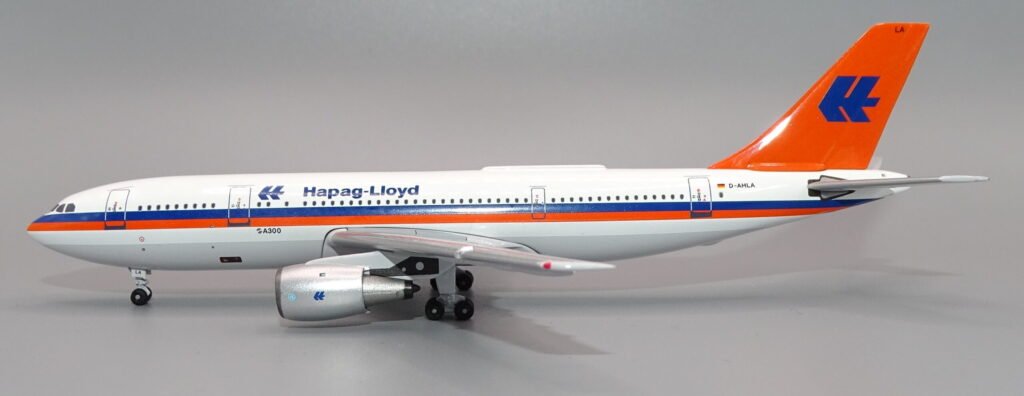
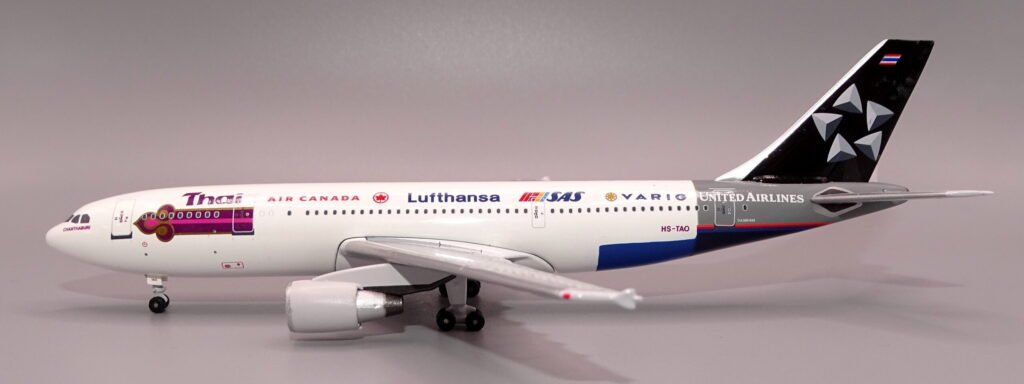
Unfortunately when the mould reappeared for a series of models in 2023 many of them came with wavy wings that appear to have been caused by handling of the wing before it had properly cooled.
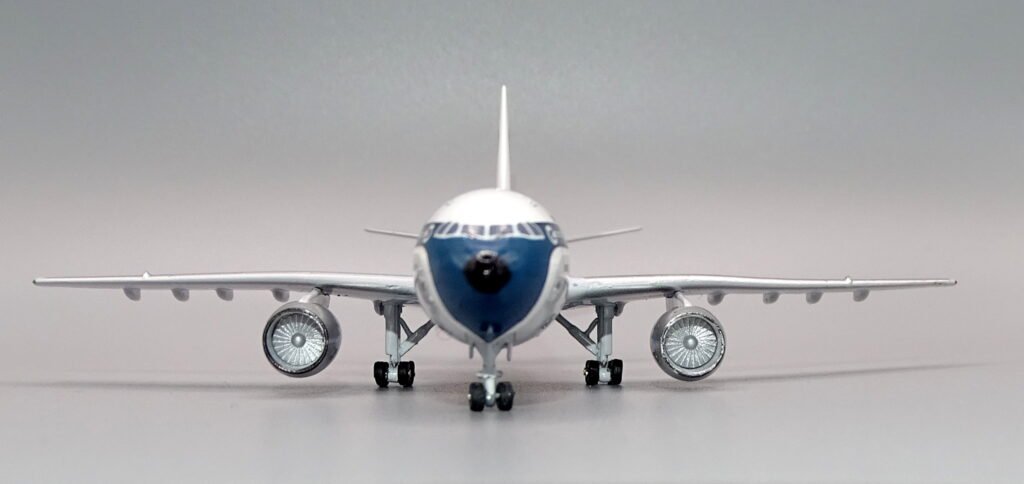
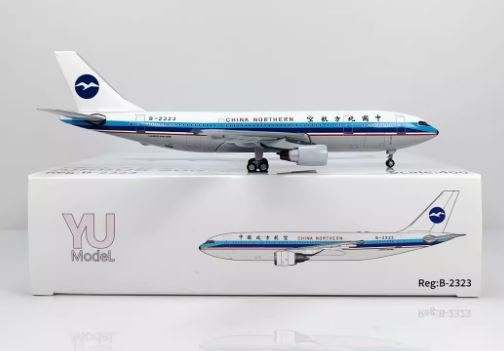
YU ModeL used the mould prior to making their own and did release a China Northern version with updated tyres. This has not been taken up by later Aeroclassics releases however.
Phoenix Mould 1 (2008)
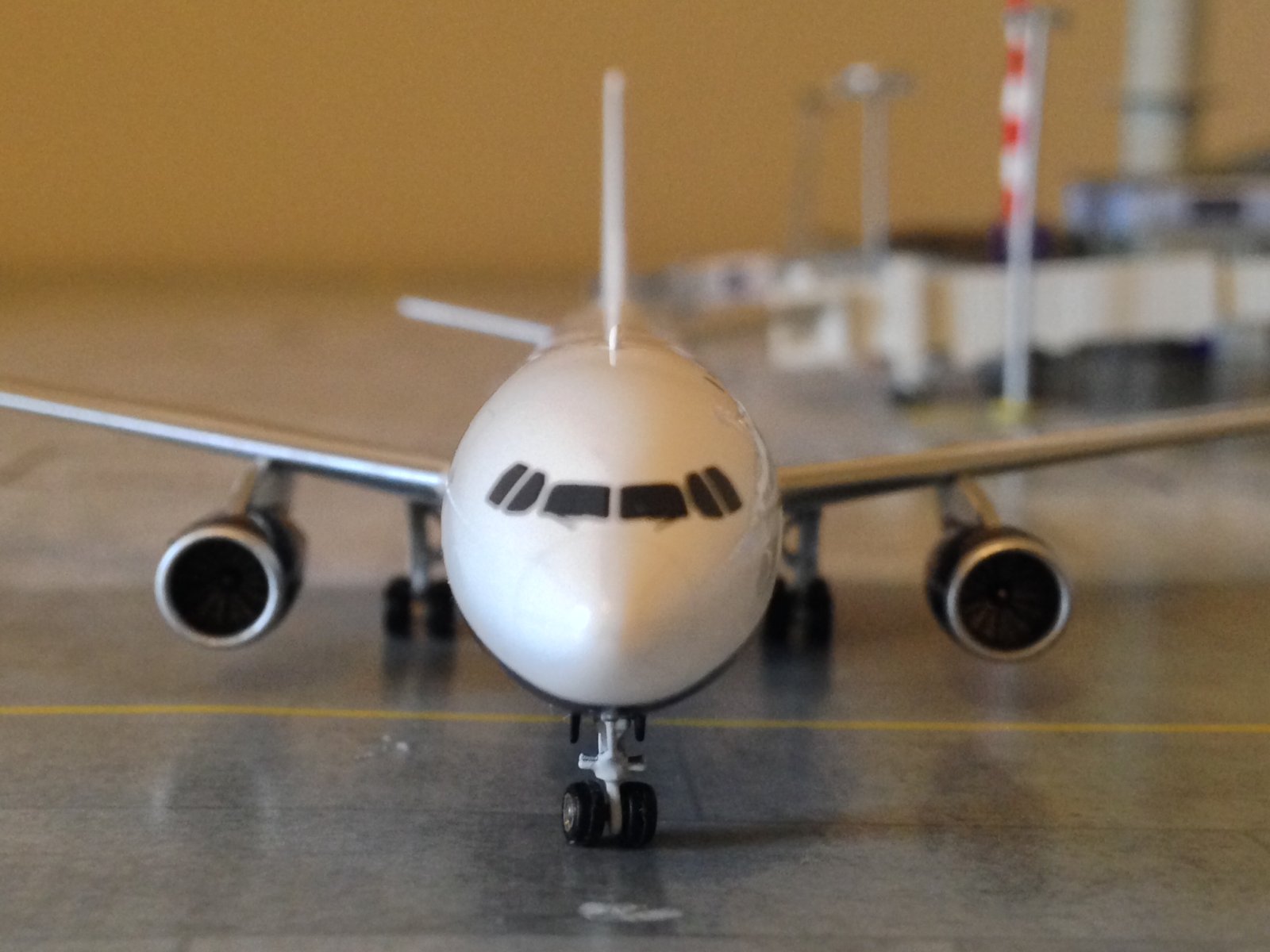
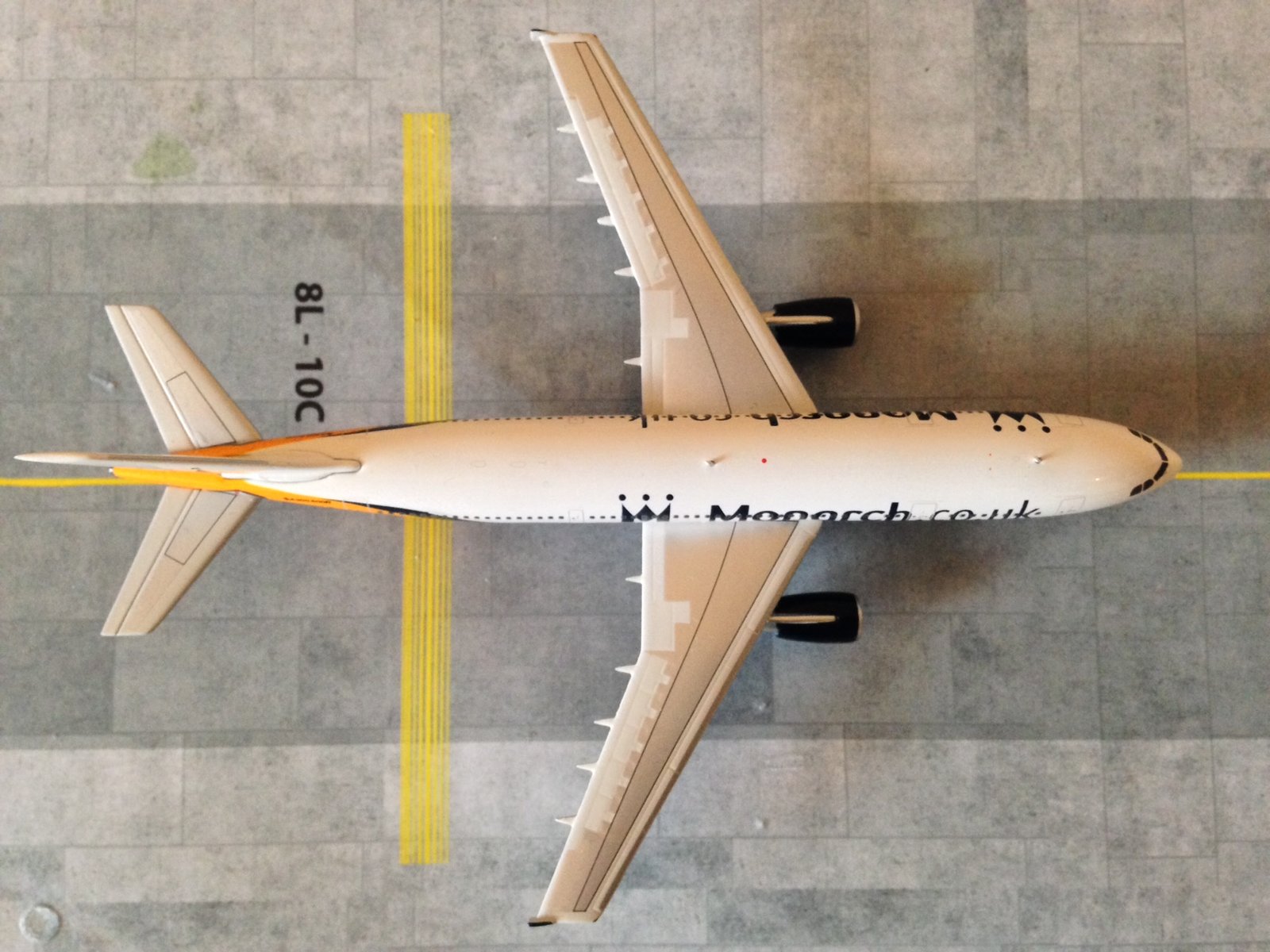
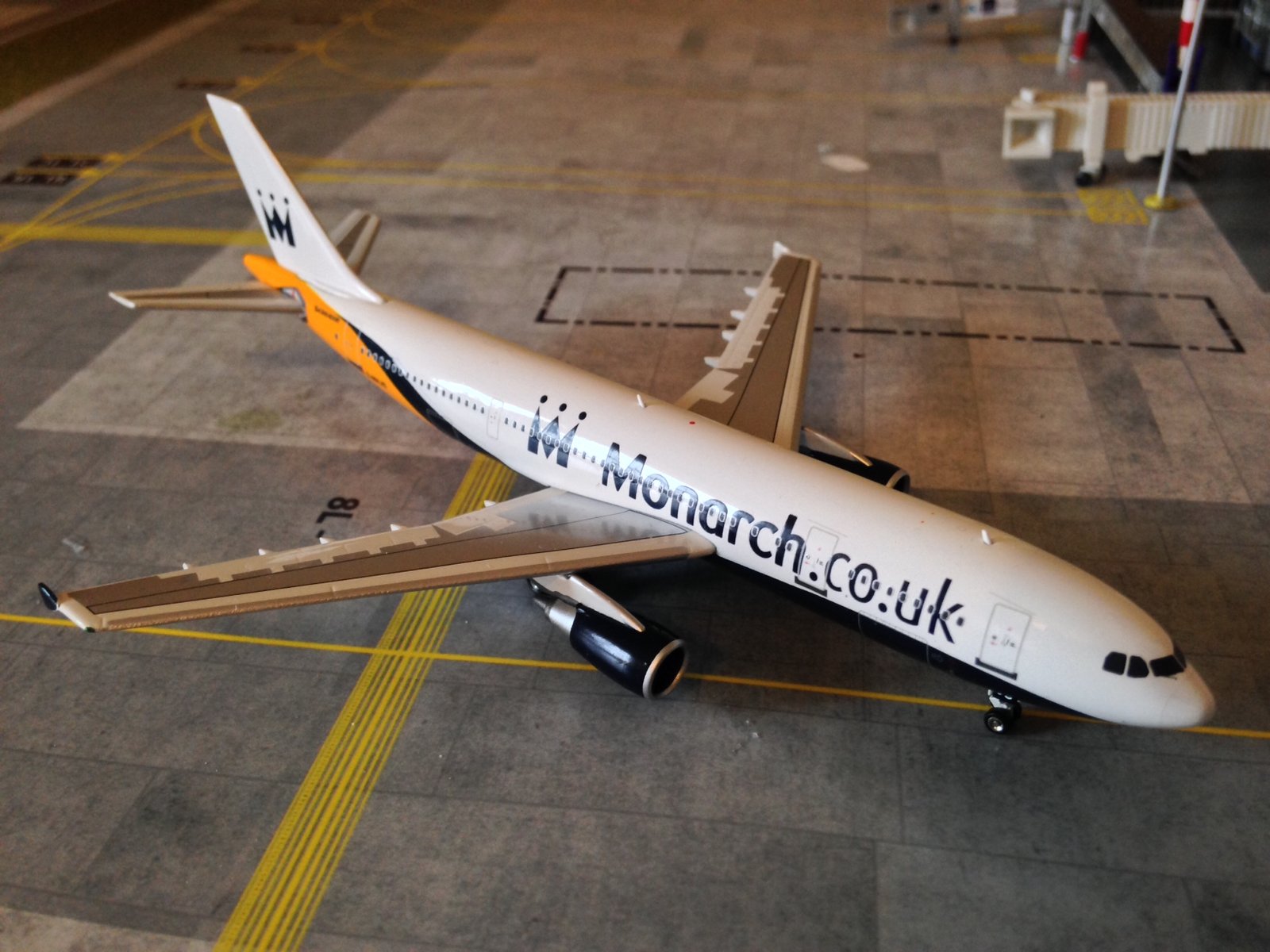
Phoenix’s first A300 mould was fortunately only used 21 times, and that is just as well as I really don’t like it. From some angles the mould looked quite good and to its credit it had no wing root seam. The engines were a bit too small, the pylons not well shaped and the tyres a little large (the latter is a trait of many Phoenix models) but these were minor issues. The big issue with the mould was the nose shape which was simply awful. The nosecone wasn’t pointy enough and the slope down from the cockpit to the nose completely wrong.


Another issue for the Phoenix mould was the wing fences on their series 600s. It can be seen from photos that they do not run to the end of the wing edge but on the Phoenix mould they appear too far along the wing edge, asymmetrical and misshapen – with little or no straight edges at the top and bottom. The Aeroclassics series 600 has better positioned and shaped fences.
In 2014 Phoenix added antennae to the mould but after that year it was only used three times more and pleasingly in late 2025 Phoenix announced they would be replacing it with a retooled edition – see below.
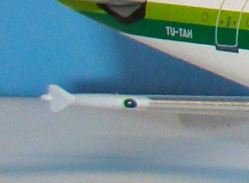
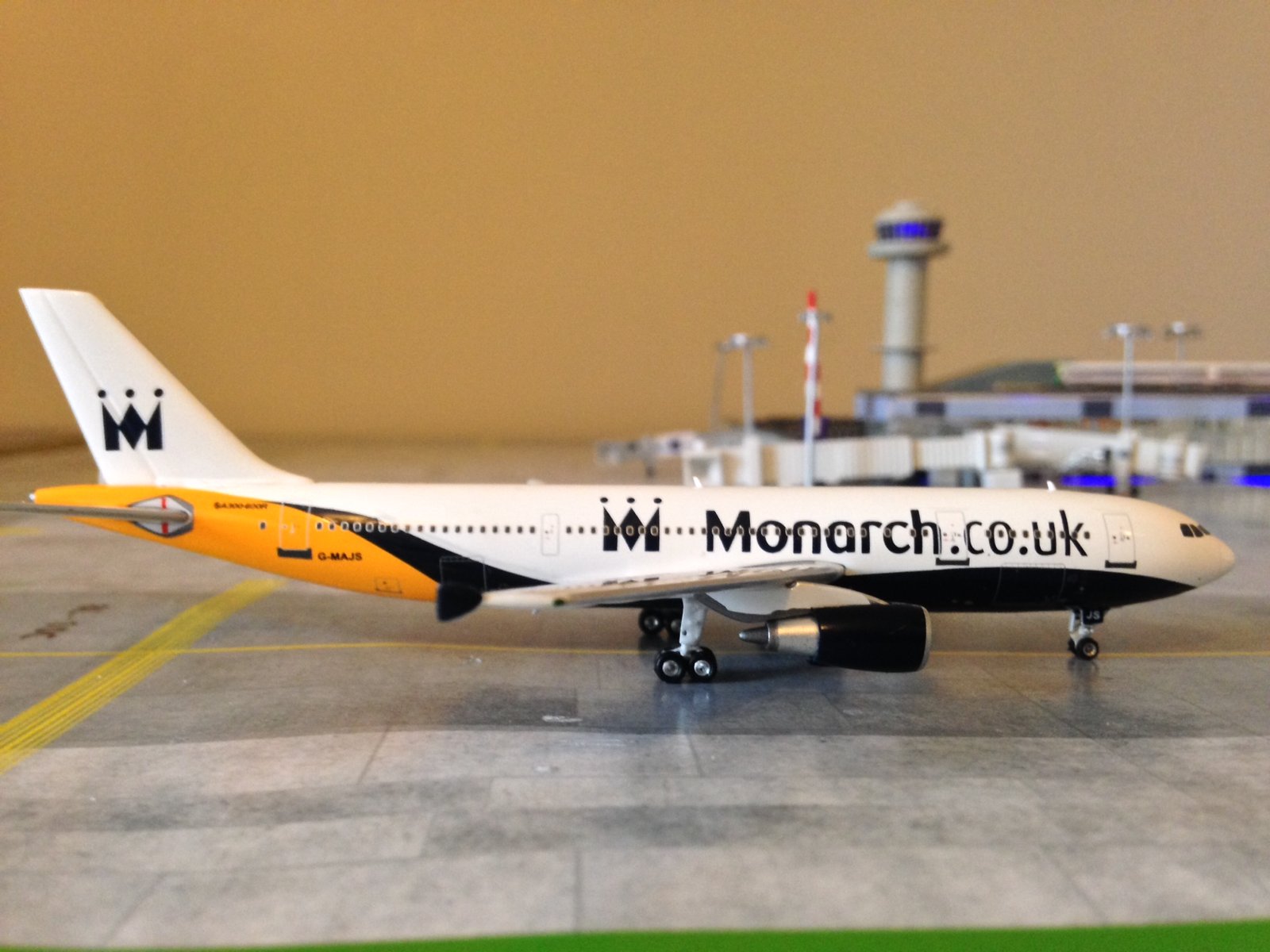
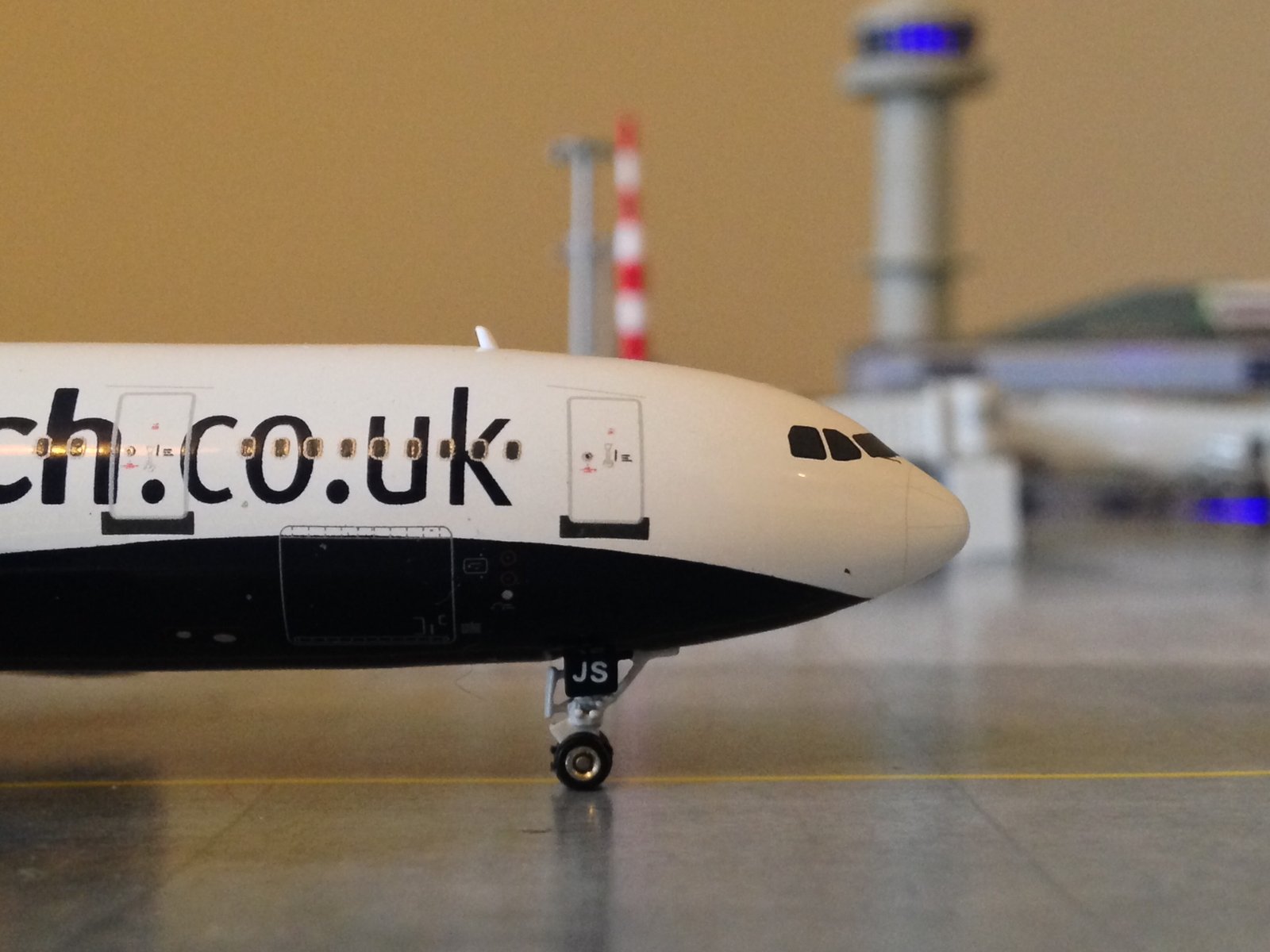
Below: Thanks to Nathan Bennett for photos of his Monarch A300 using the Phoenix mould.
JET Models (2019)
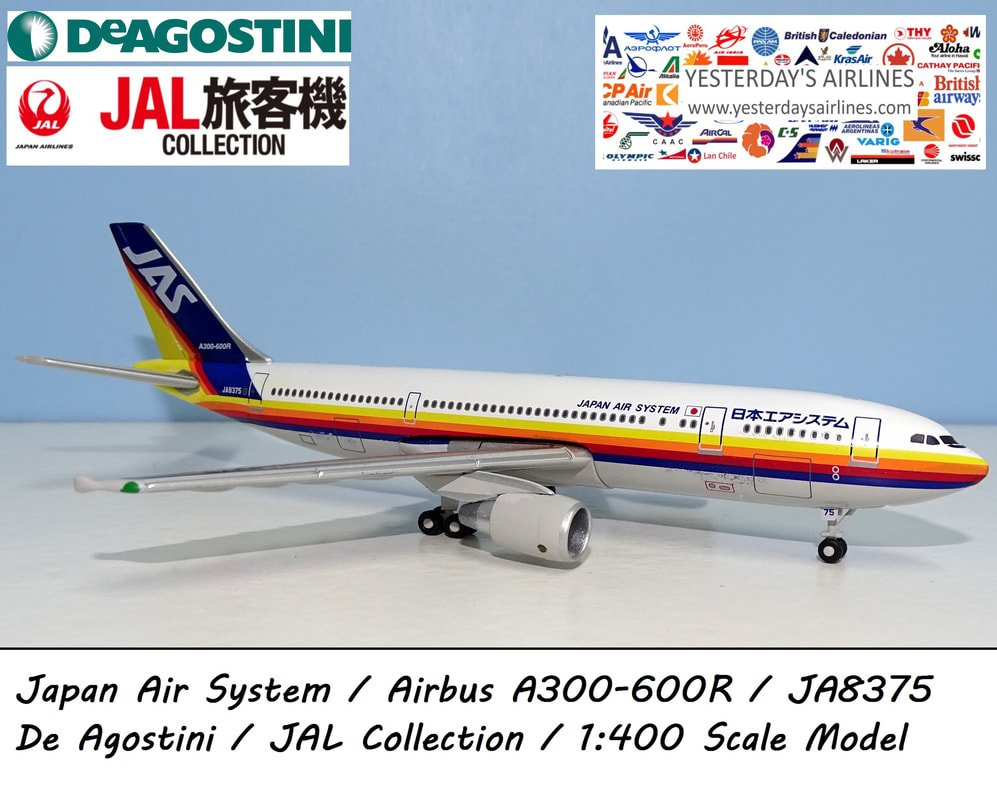
The A300 featured a few times in the De Agostini / JAL Collection magazine series and I have owned the mould myself. While far from the worst mould in the collection (which uses moulds owned by the JET Models brand) it has several of the usual JAL Collection ‘features’ such as static gear, a large wing/fuselage seam, no aerials and poor tail join. Nonetheless, the shape of the fuselage isn’t bad. Given more recent A300 castings this one can be largely forgotten, however it has been used by JET Models for a small selection of Chinese releases in 2024 also.
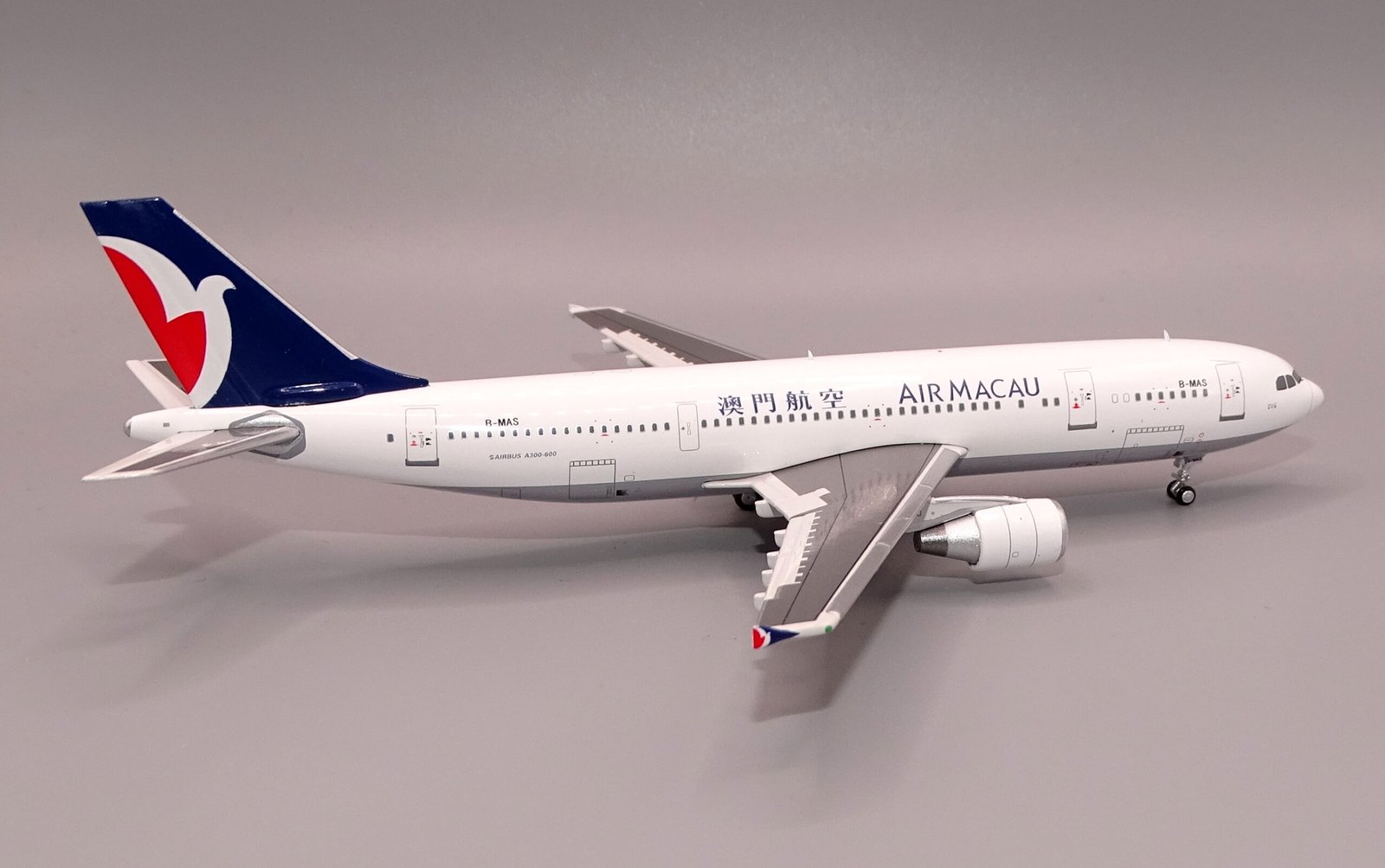
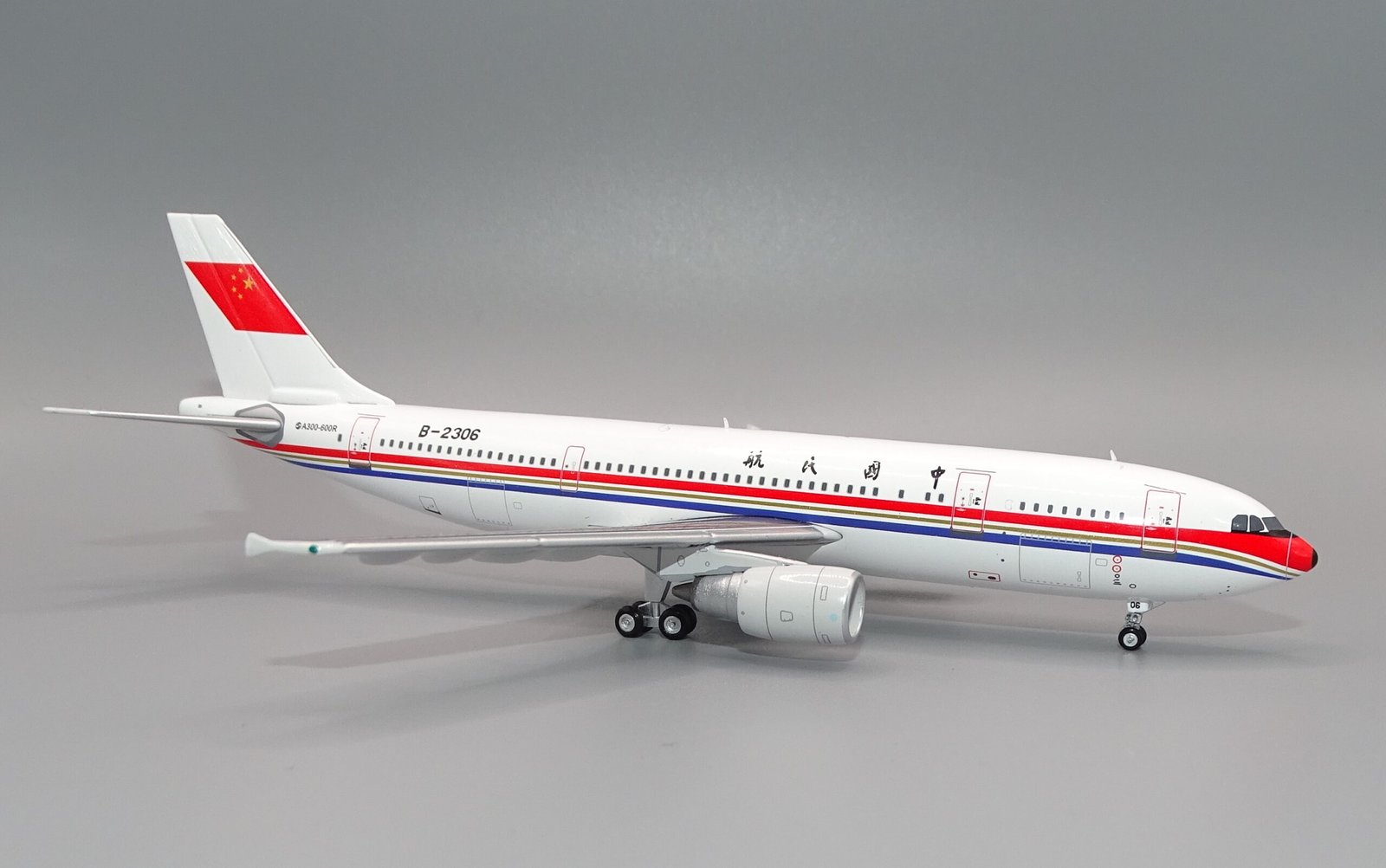
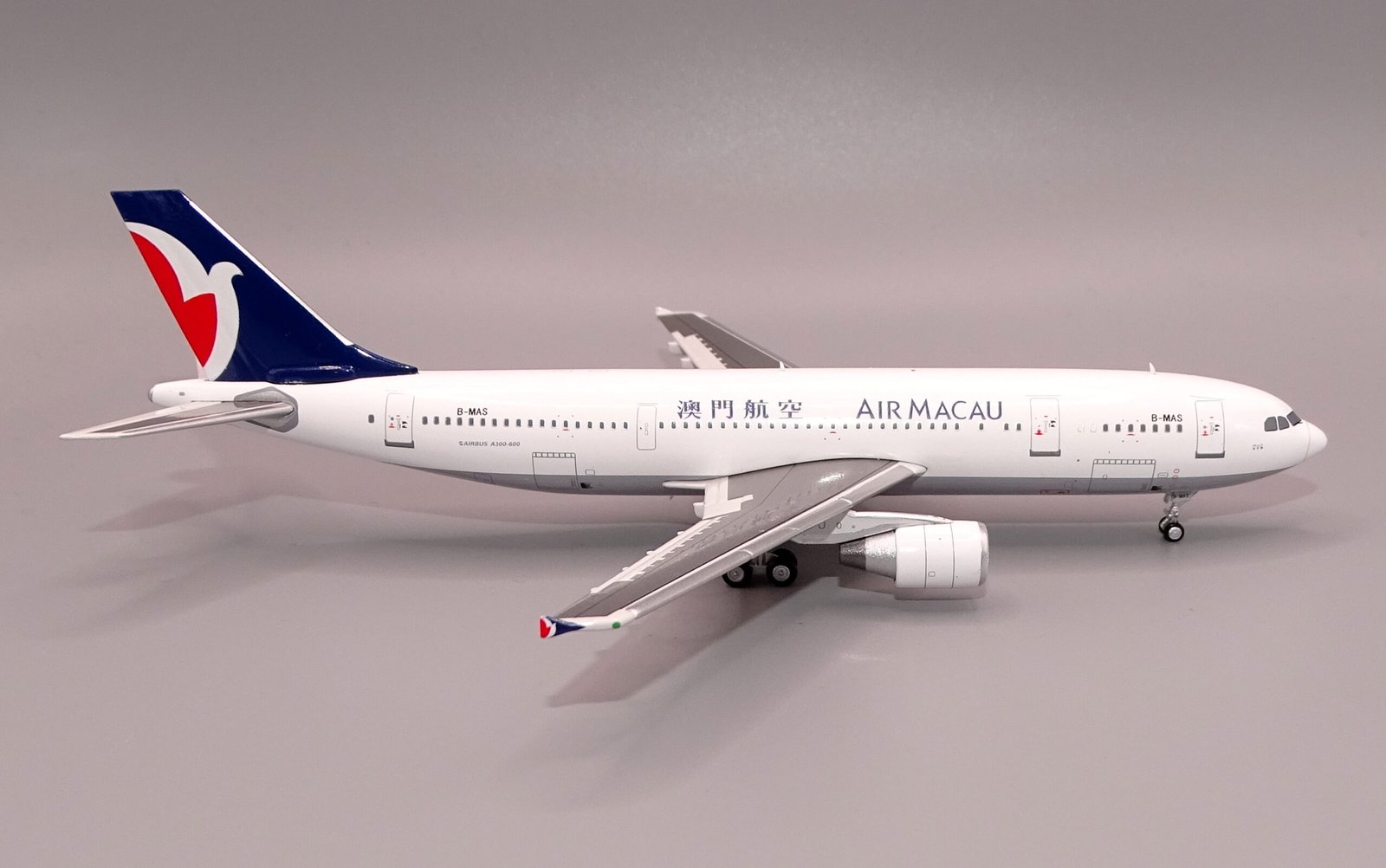
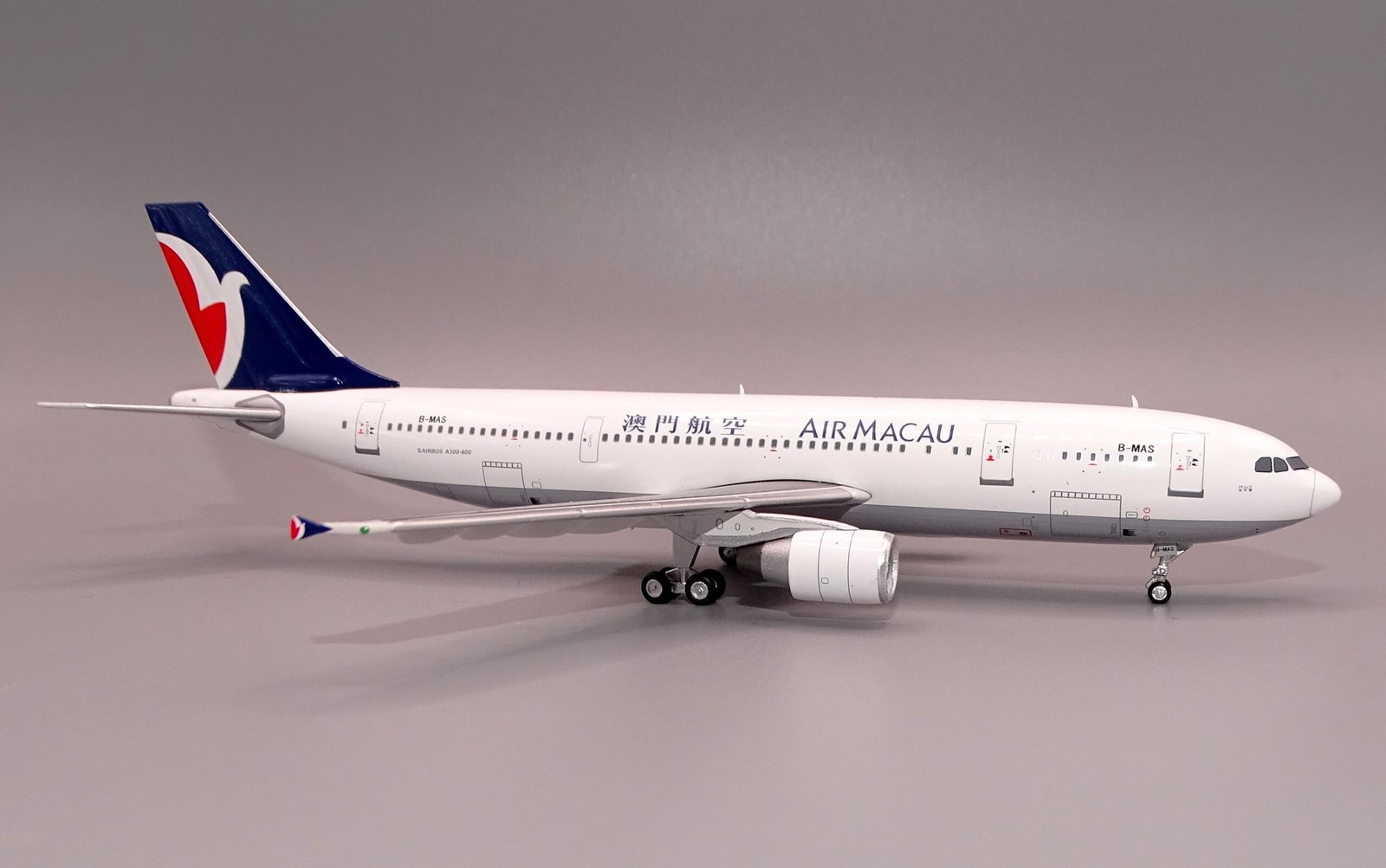
YU ModeL (2025)
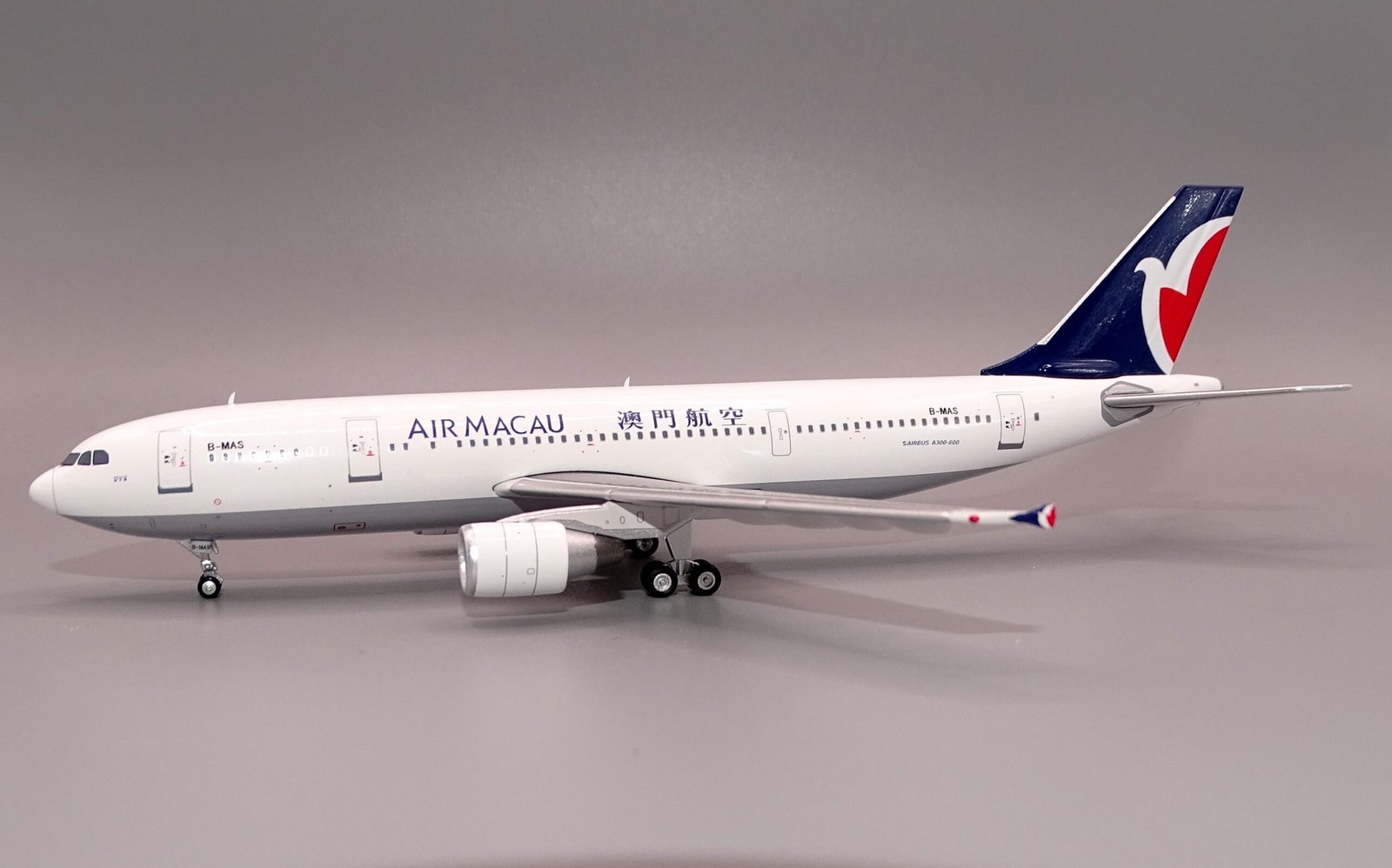
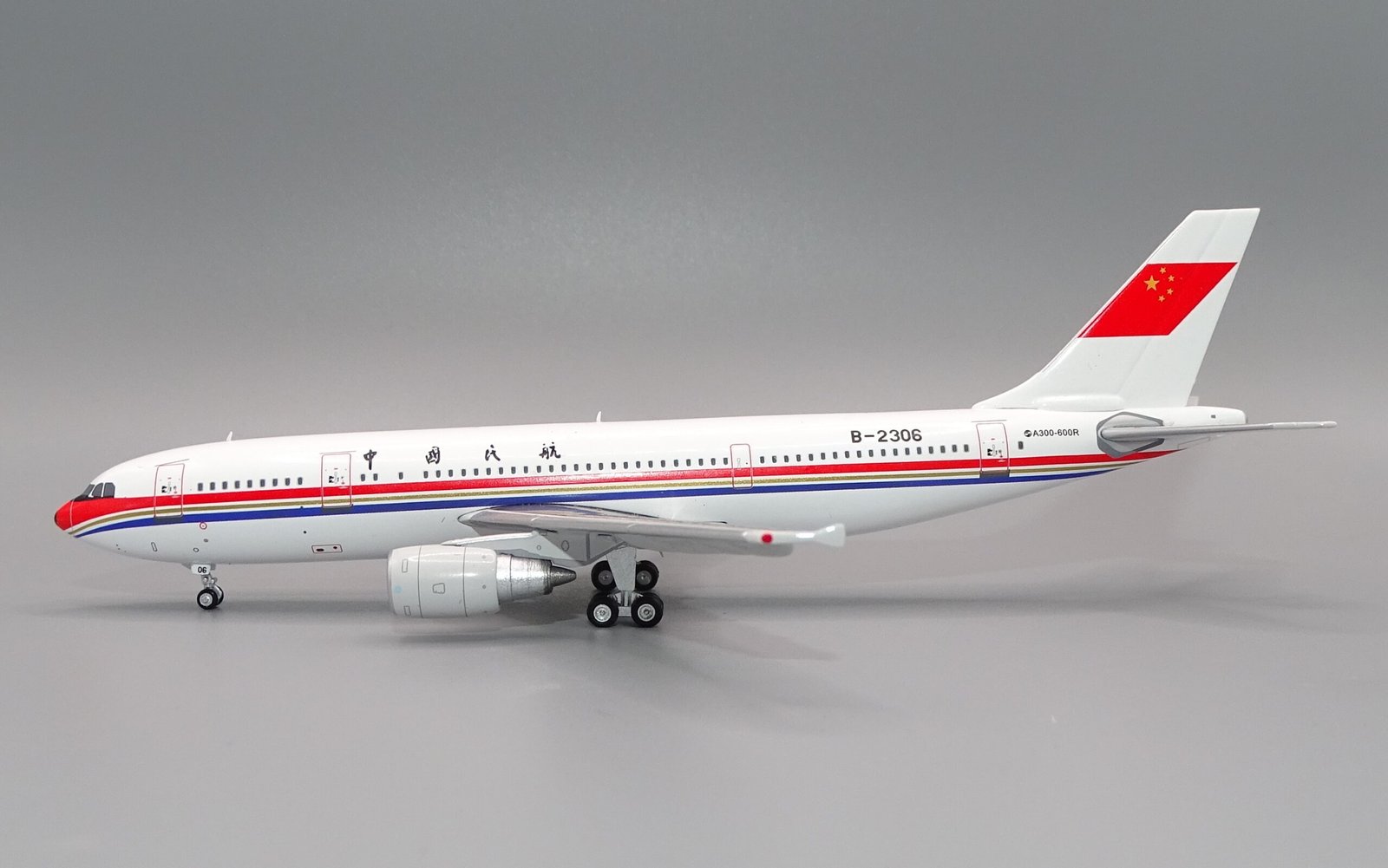
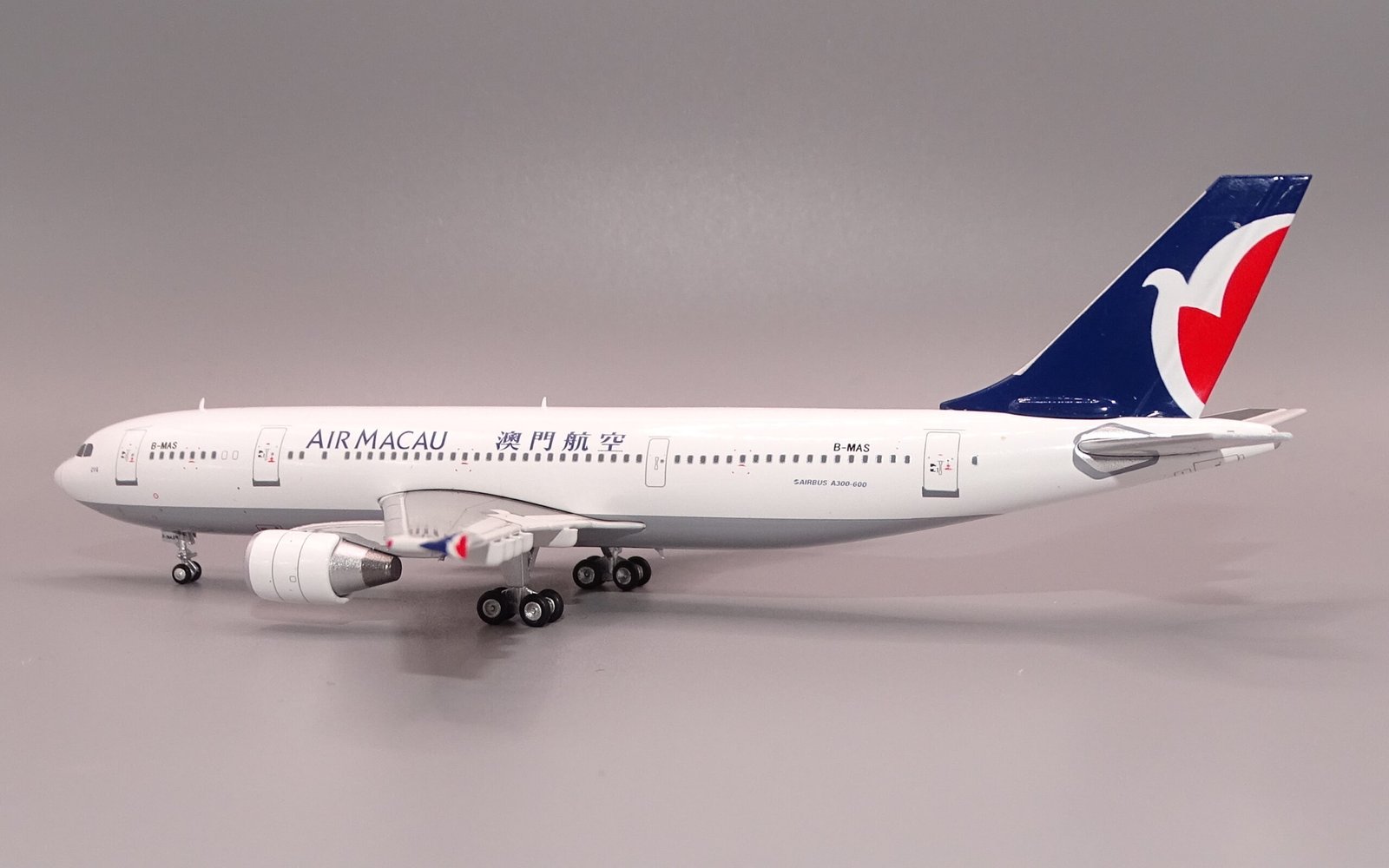
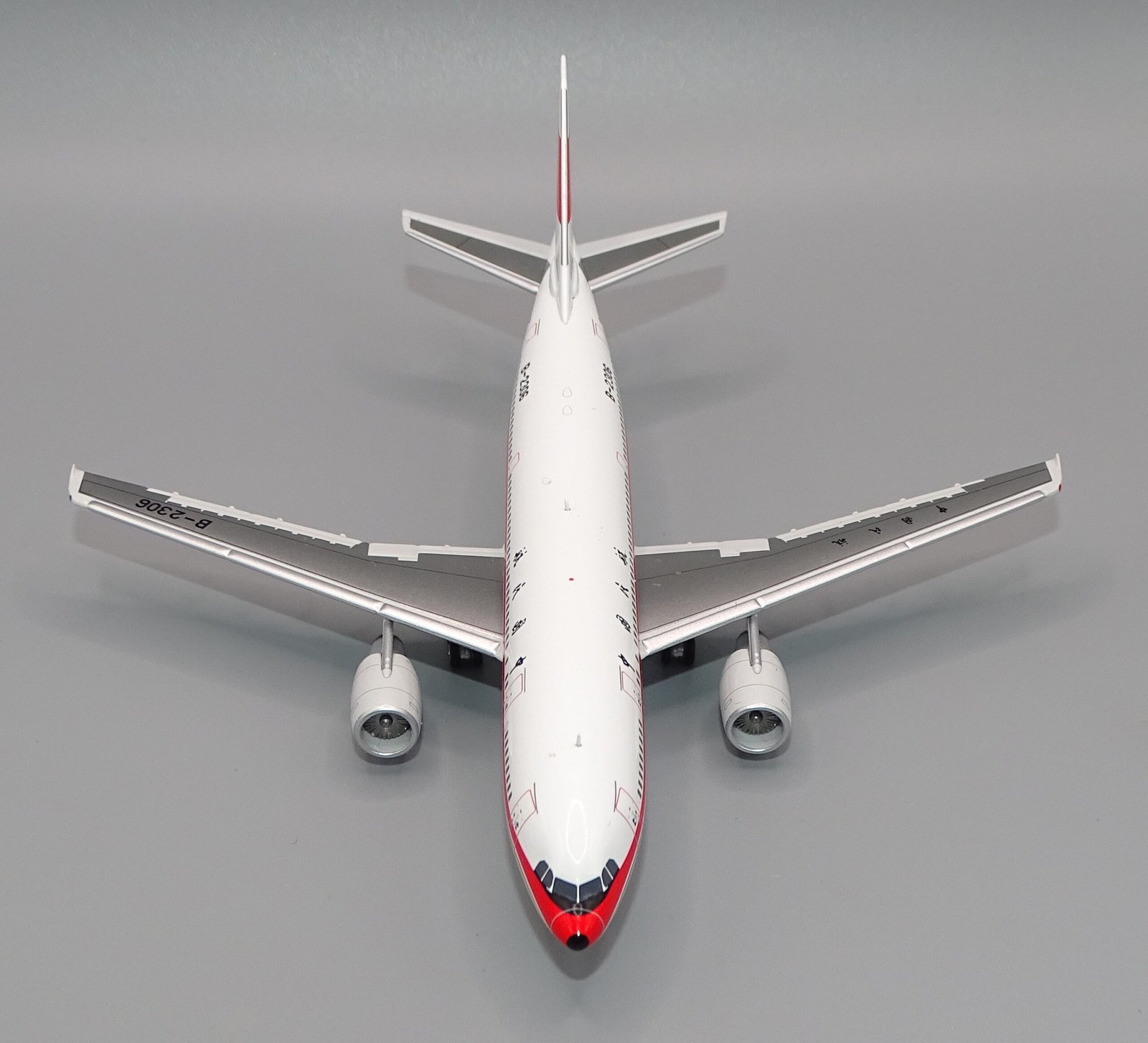
In 2024 YU ModeL announced that they would be making their own Airbus A300 mould and in April 2024 I published about it providing some early sample photos – see YU ModeL A300 First look. Production encountered and overcame a series of hurdles but the first proper releases were finally ready in December 2025 a year or so after they had been announced.


The initial releases suffered from a nosegear that was too short but that has been modified and later versions look much better. Even so, the mould does have some limitations and there is only one fuselage underside variant (a series 600). The mould has been used for B4s and 600s and has been reveiwed twice here at yesterdaysairlines.com. YU continues to have funding issues but hopefully it can overcome them and continue to produce new A300s. For reviews of the mould here at the website see:
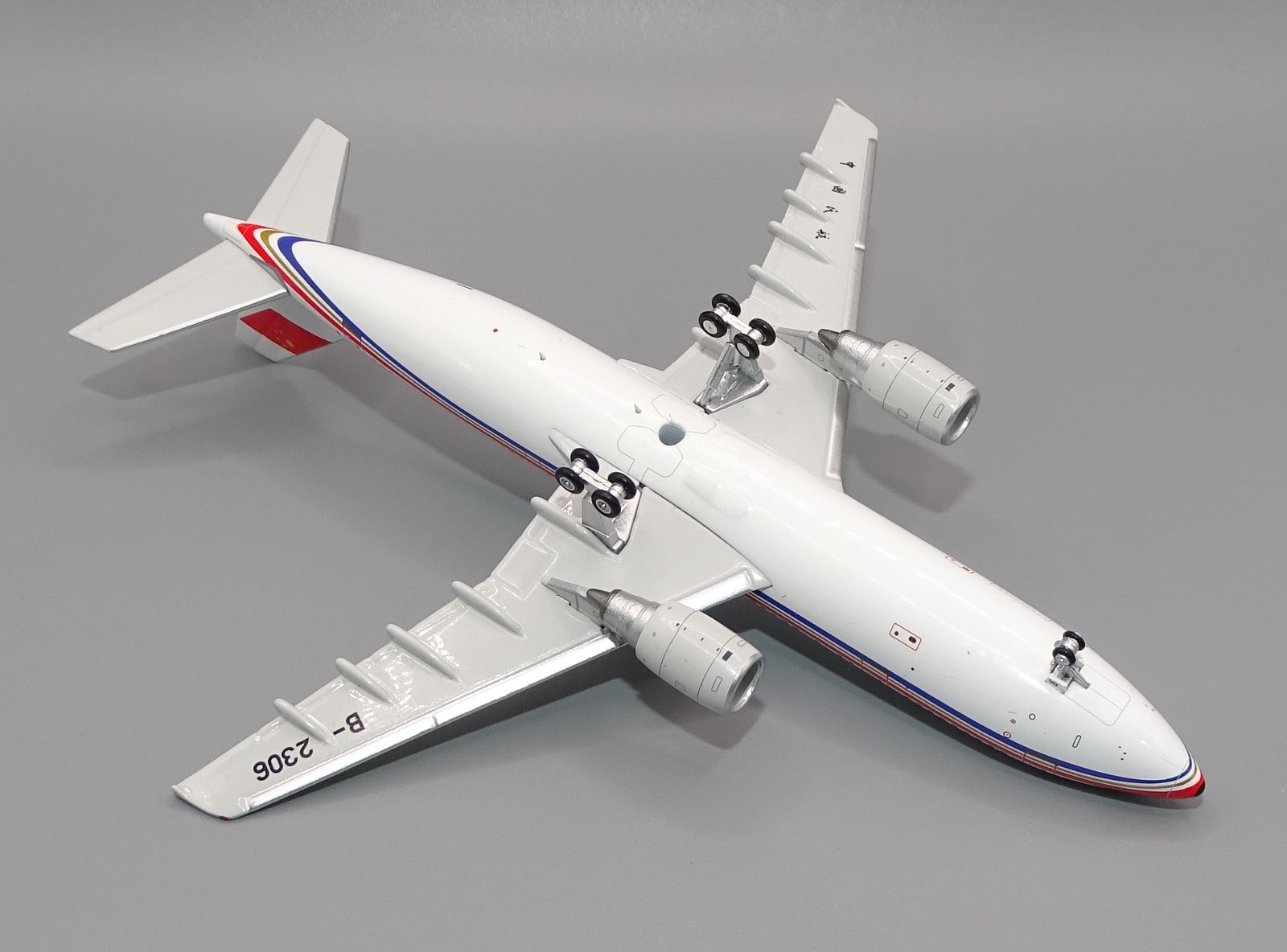
Phoenix Mould 2 (2026)
The confirmation that Phoenix would be creating a heavily updated Airbus A300 mould was announced here at Yesterday’s Airlines in February 2026 along with some photos of the early samples – see Updated Phoenix A300.
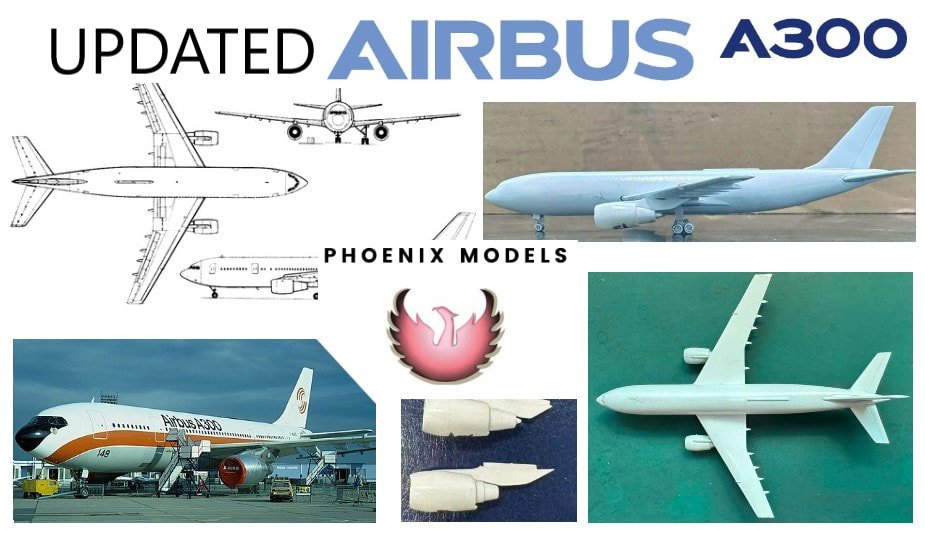
As of September 2026 the first two releases using this new mould have just appeared at retailers. The first model has also just been reviewed here at the website:
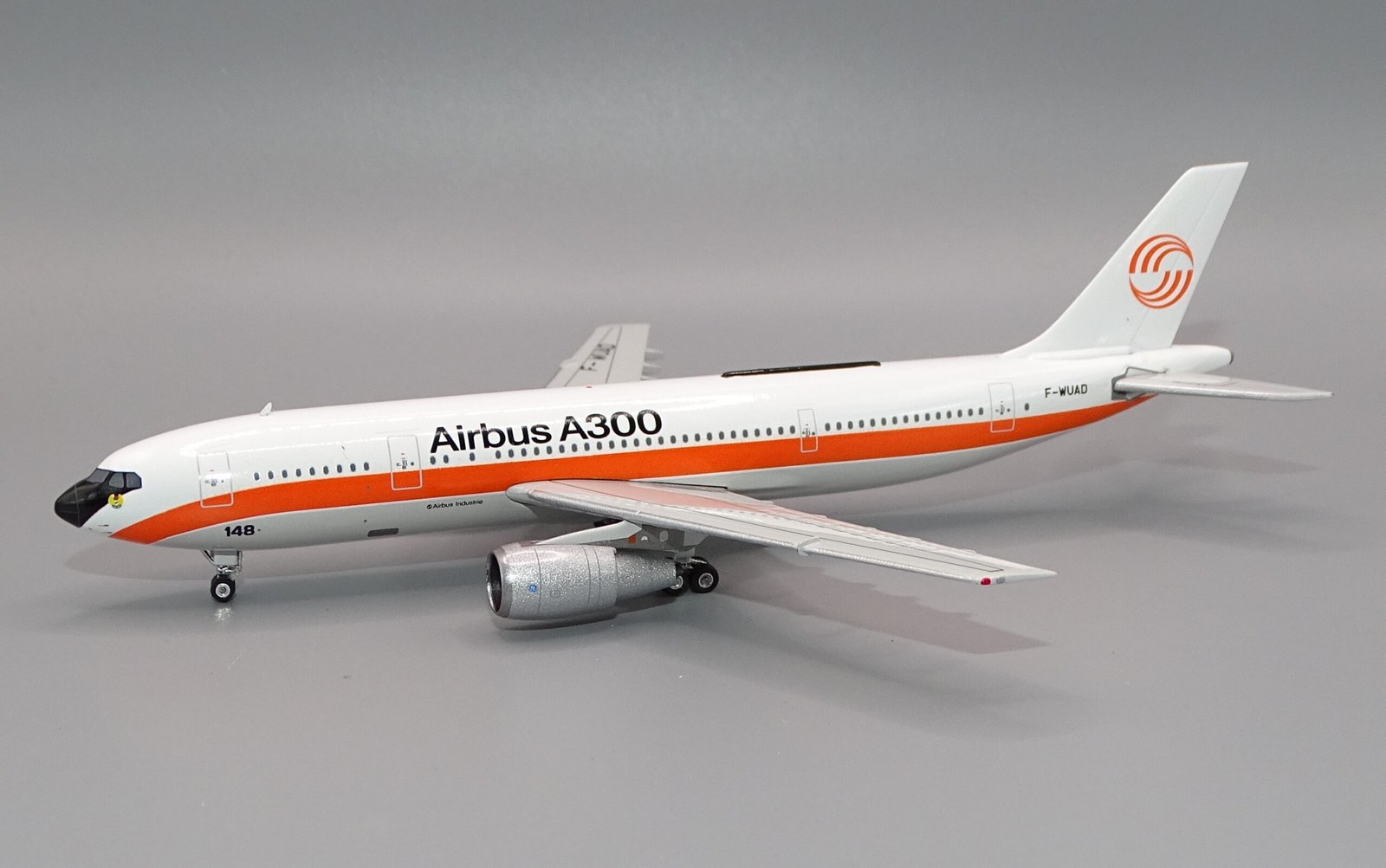
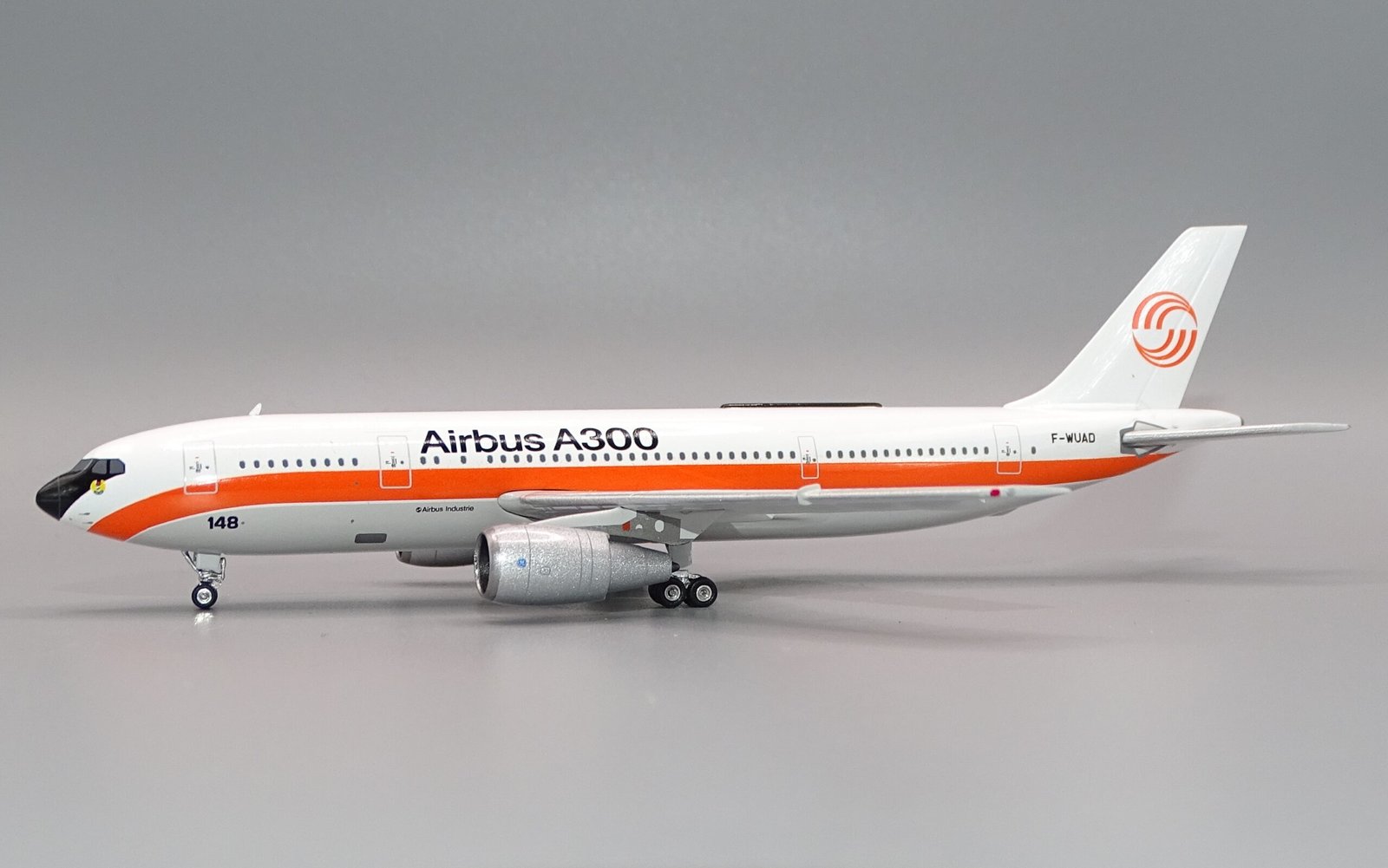
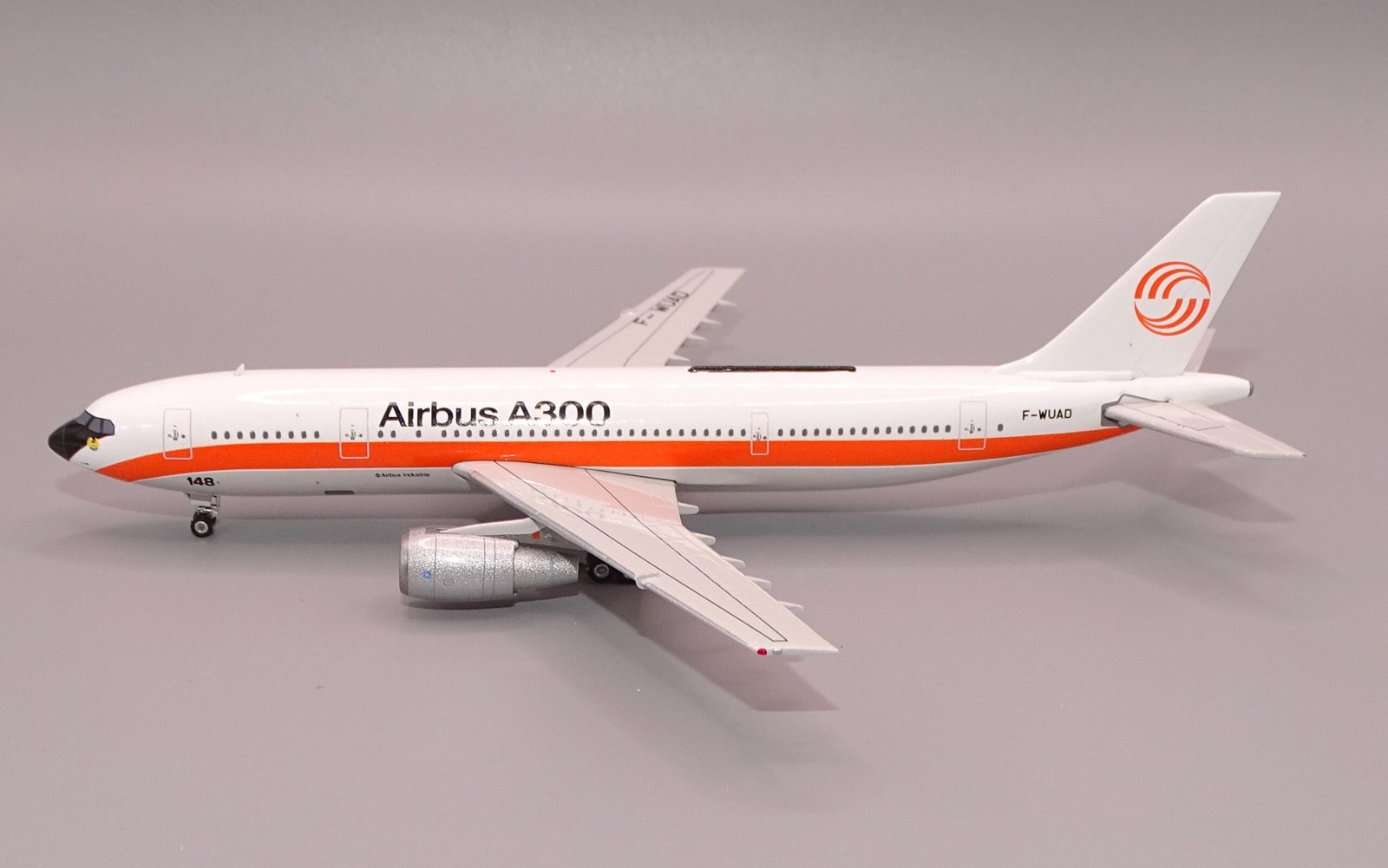
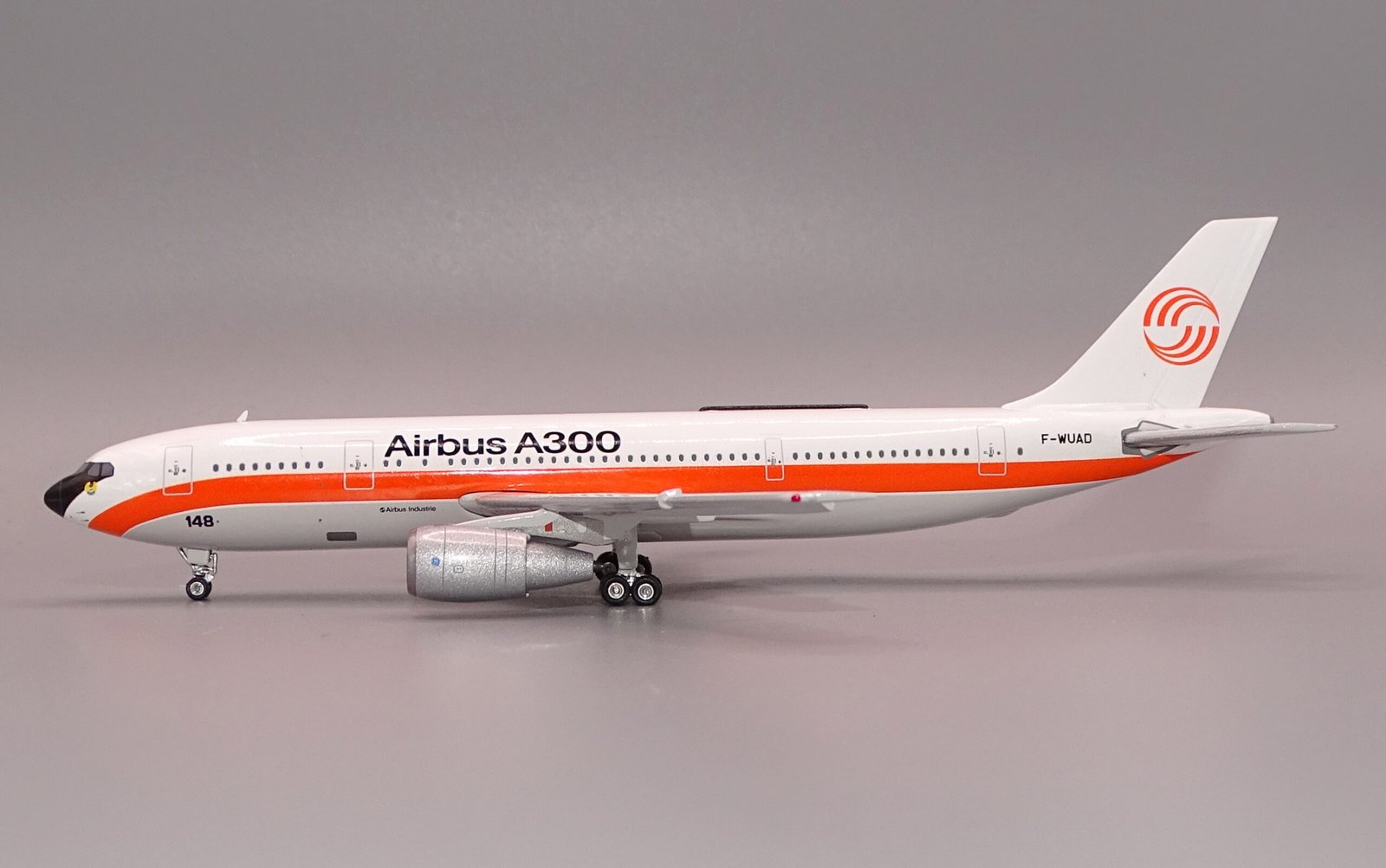
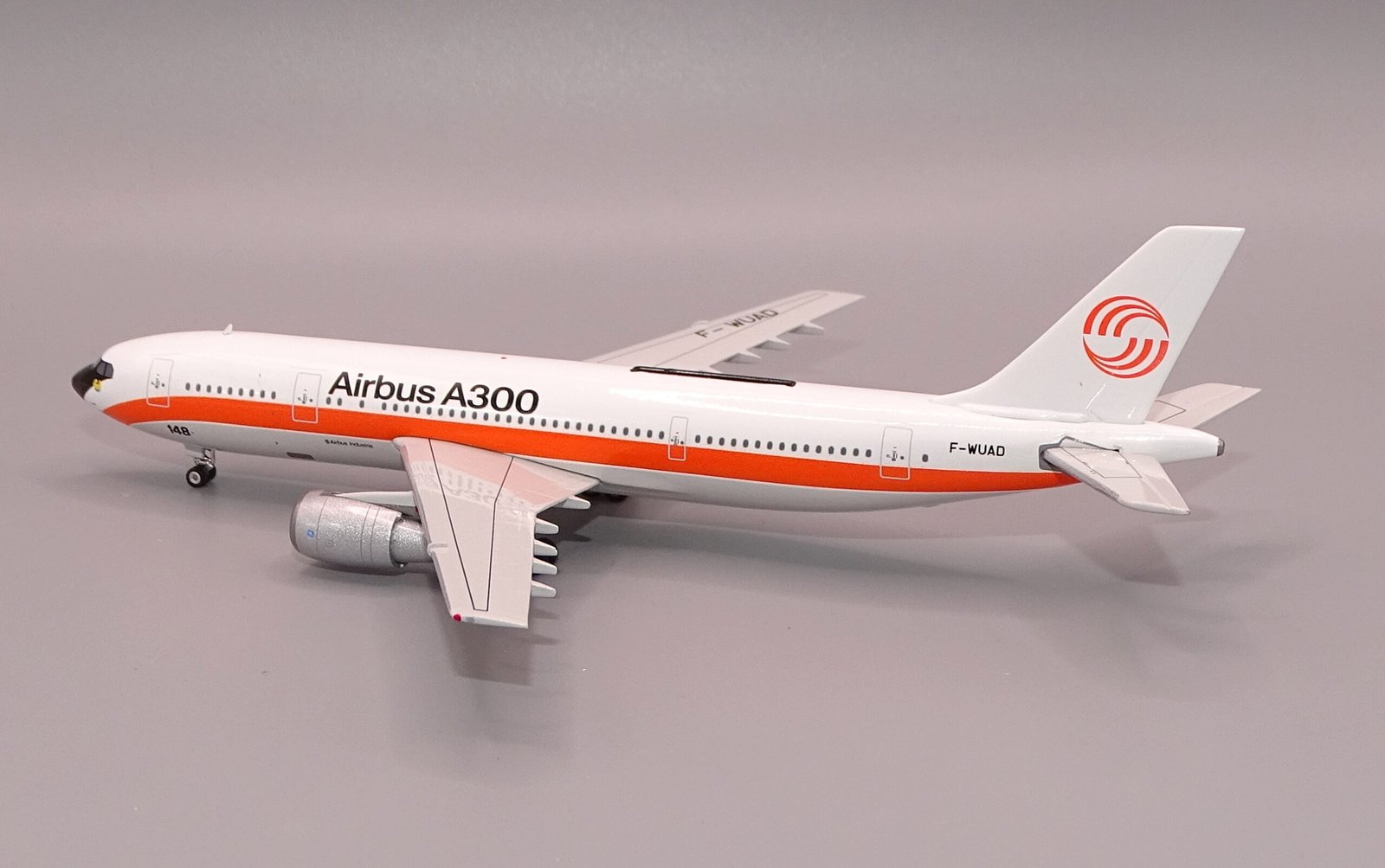
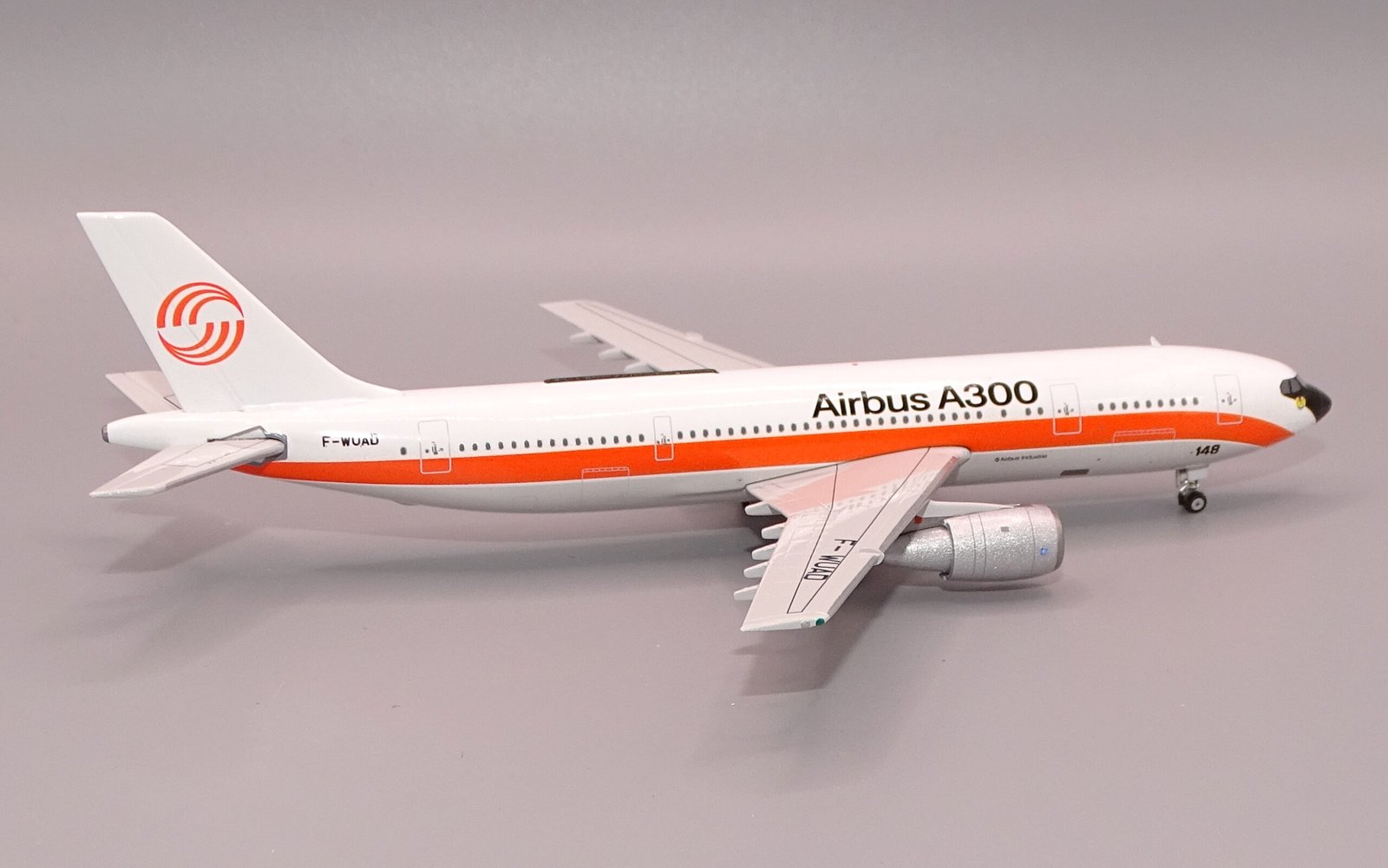
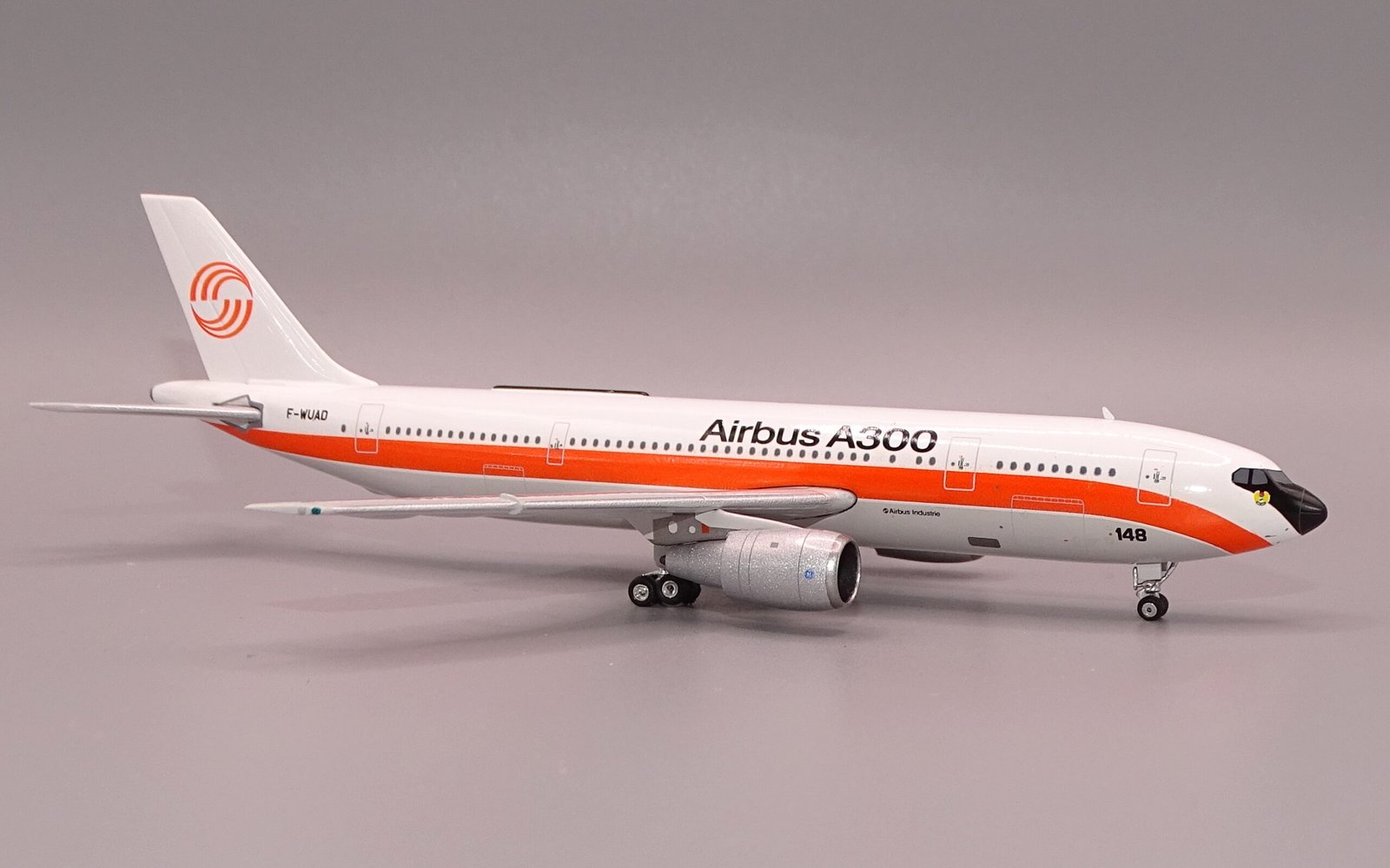
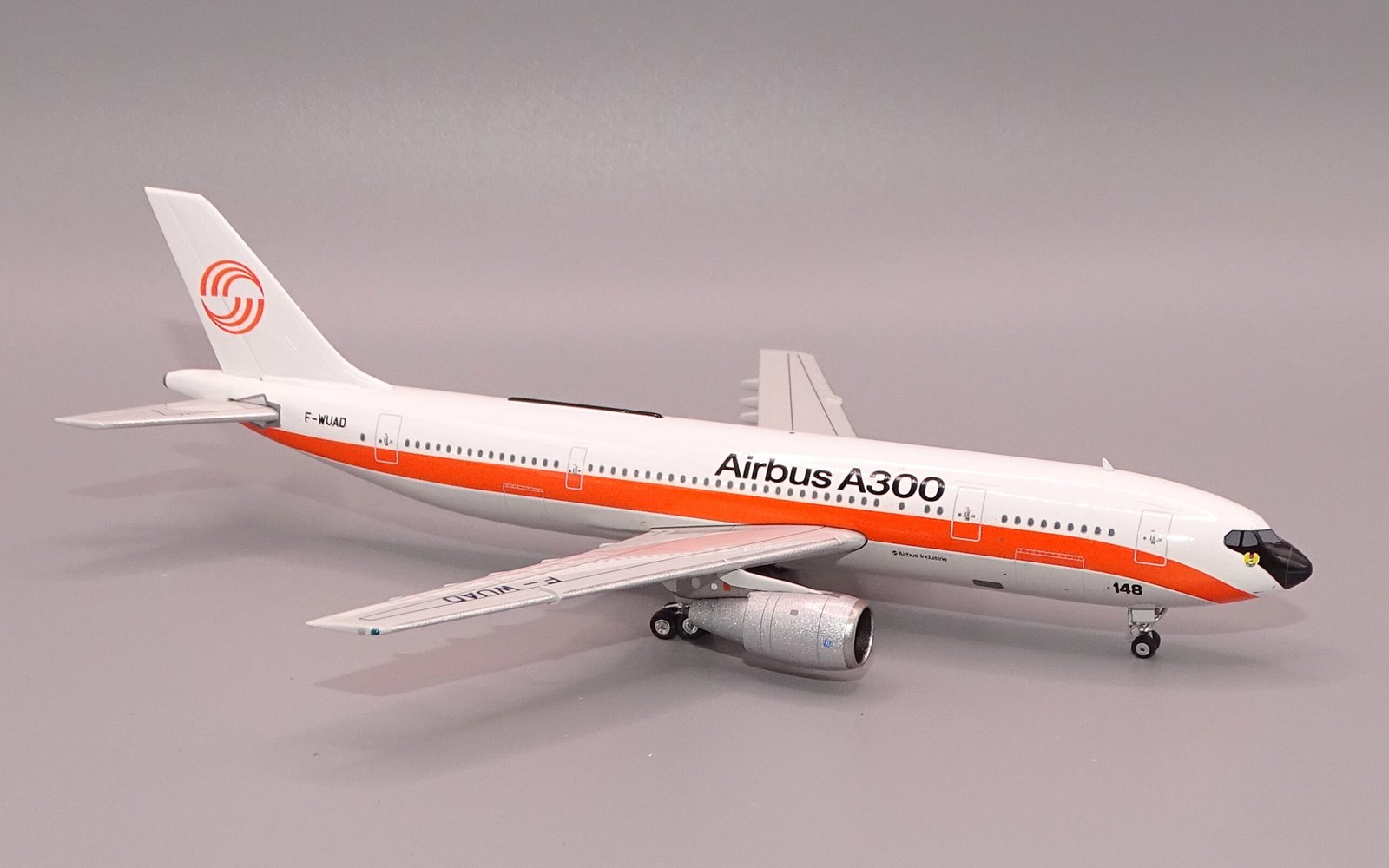
The mould is not without fault and does feature an A300-600 style rear fuselage underside, but is nonetheless very promising. Phoenix have said that they will be replacing the landing gear with an updated version in time.
For a comparison of the major A300 moulds available in 2026 see the following video: