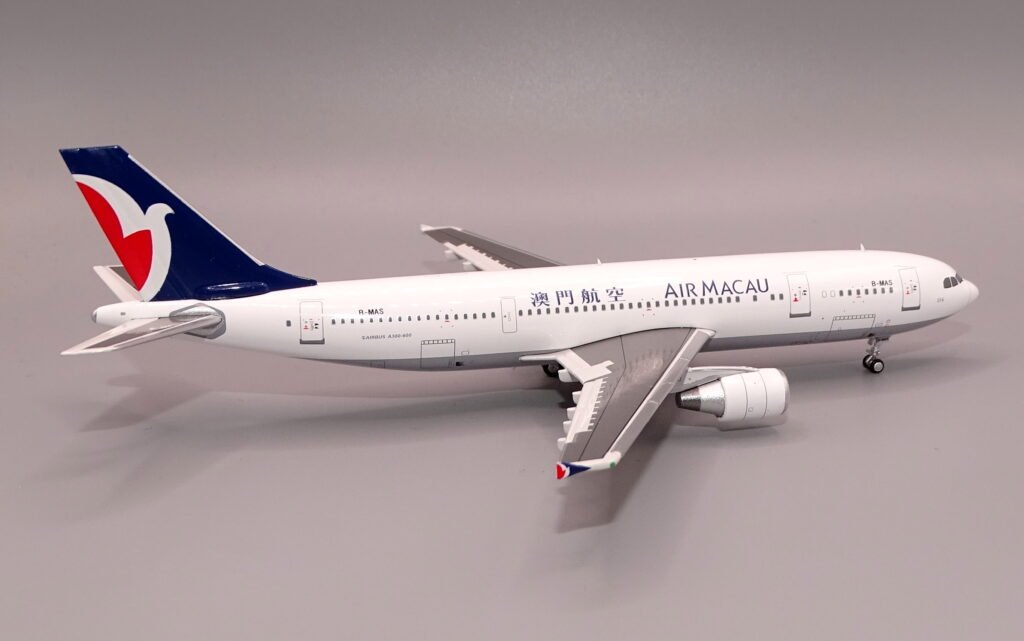
Back in December I reviewed the first YU ModeL Airbus A300 release and since then a lot has happened in the A300 space both for YU and others. That has included some changes to the YU mould and the announcement, teased back in December, that Phoenix were re-engineering their own A300 – the first releases of which have just begun to reach retailers. With that in mind it seems appropriate to revisit the YU version with one of its latest examples being this Air Macau edition.
Each review is to split into three key areas:
- The model mould
- The paint and livery reproduction
- Printing and quality control
Each section can get a maximum score of 10 for a maximum combined score of 30
This review is sponsored by Northeast Diecast. Check out their store for an excellent range of hard to find 200 and 400 scale collection sale models and get 15% off!

MOULD
YU ModeL is a relatively small company that has strained itself financially to get to this point and has now announced or released 17 A300s under its own brand name and another pair for the Taiwanese brand Albatross. I am aware of several other unannounced models being made for other retailer brands as well. Given their limited funding it is pleasing that they have been able to make some changes to the A300 already.
The new Phoenix A300 looks like it will be strong competition, although to date all their releases have been B2s and B4s and not series 600s and it is probably better to see their choices as complimentary rather than directly competitive since I doubt we’ll see a lot of overlap.
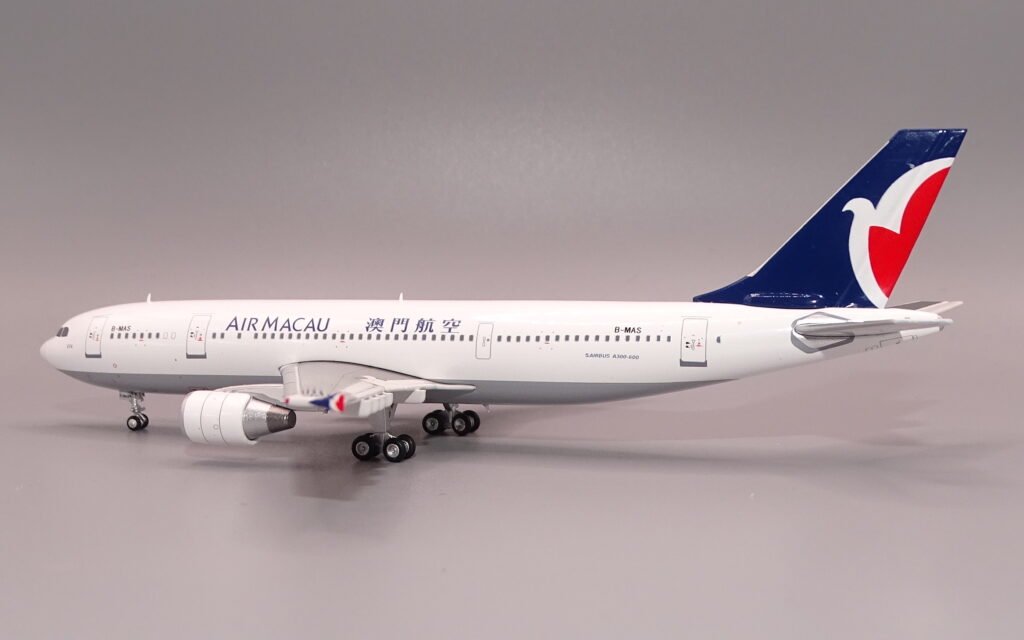
In comparison the old Blue Box A300, that has been increasingly used by JC Wings, Gemini Jets and Apollo, is an awful mould that should be binned. Almost every aspect of it is misshapen, plus the undercarriage is too short and it has a giant seamline around the wingroot.
All of that means that there isn’t as much real competition for the YU version as you might initially expect, although of course the Aeroclassics edition still remains highly viable even if it lacks detailed tyrehubs, aerials and also has a wingseam.
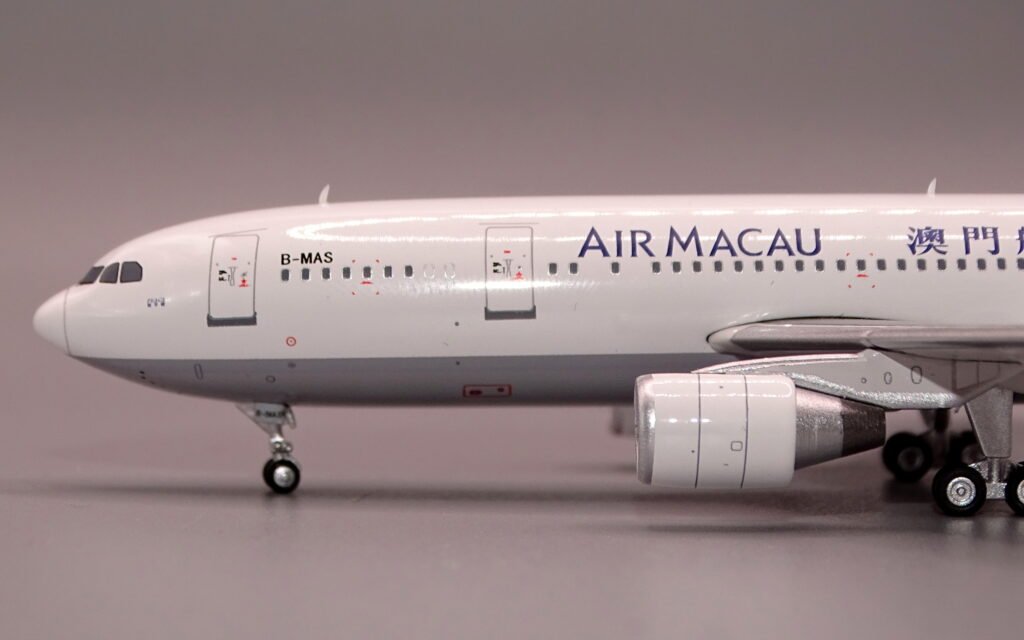
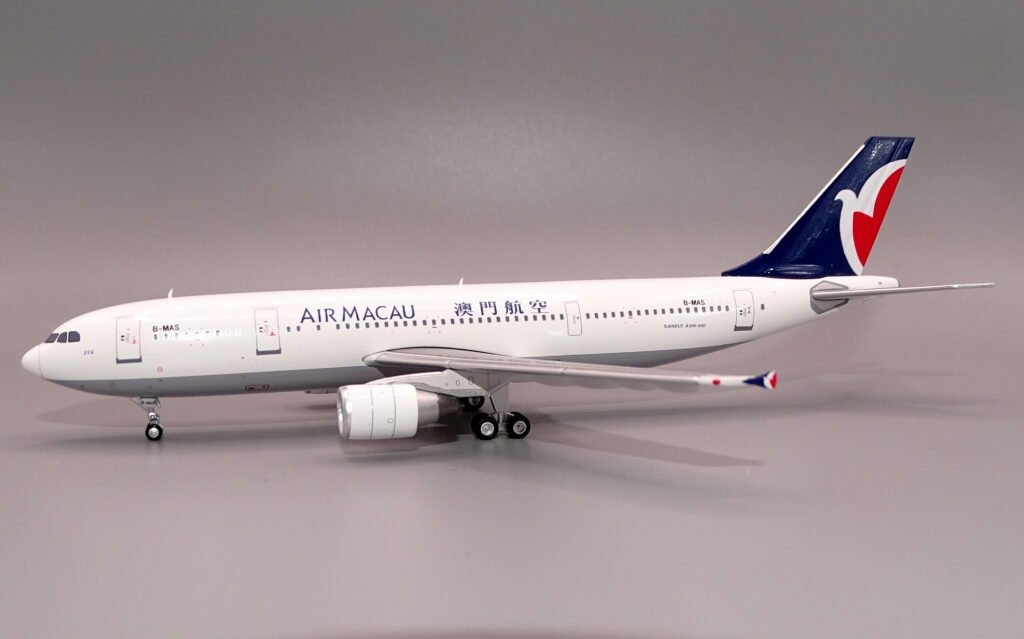
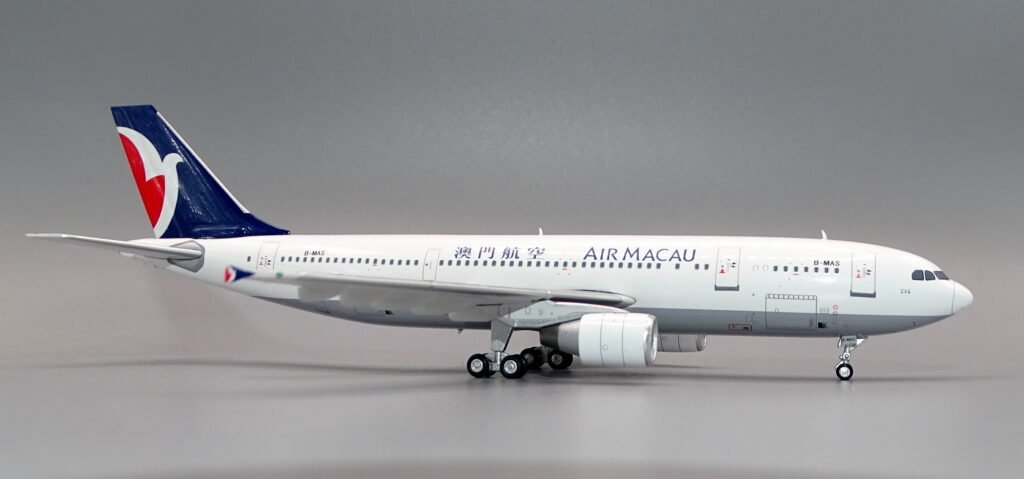
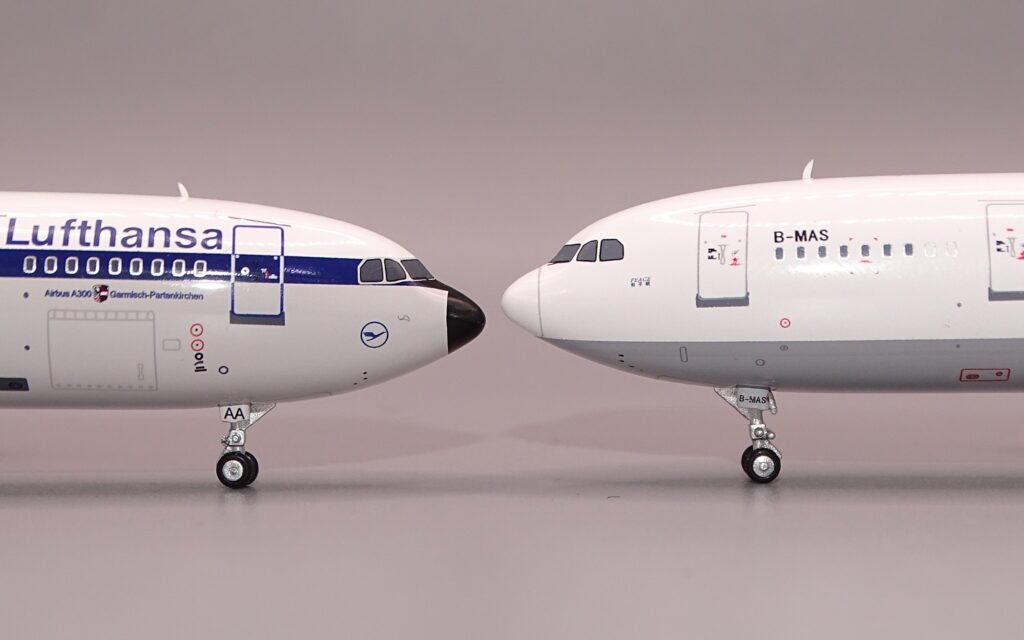
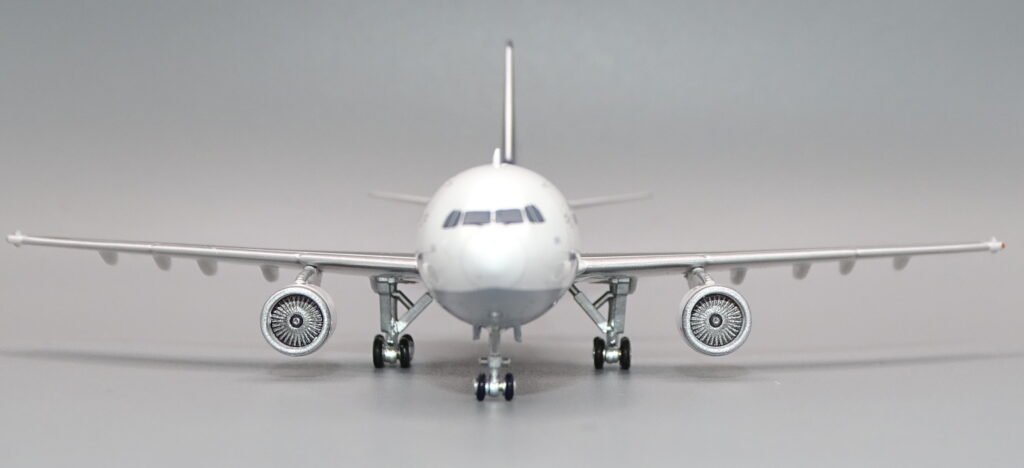
The biggest issue that my initial review of a YU A300 raised was the height of the nosegear, which being way too short gave the model a heavily nosedown stance. At the time I said I thought it was an easy fix and it has proved so because the pair of Air Macaus and the Mahan Air releases all feature a longer nosegear. This is a much better height. The aircraft still has a slight nosedown angle, but this is as it should be.
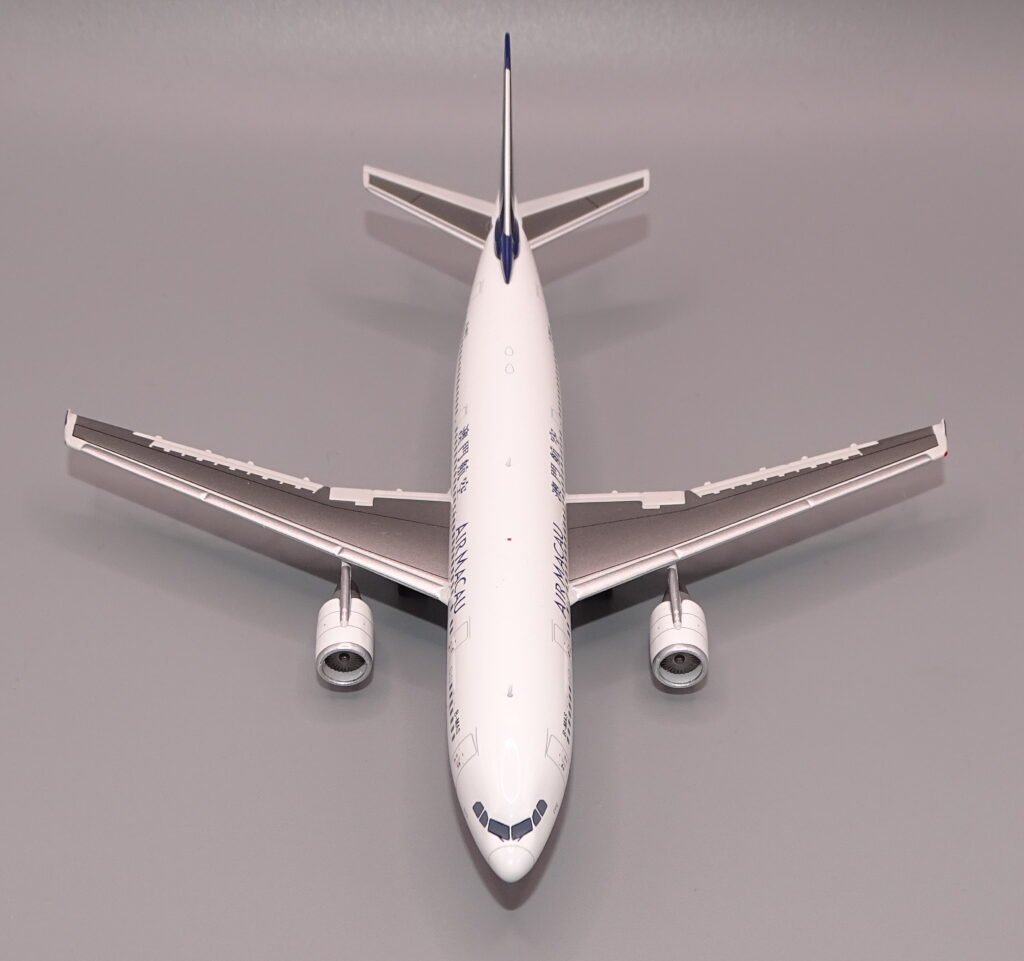
The change to the nosegear height is a significant improvement to the end product, although despite the mould’s good points it still has several areas that I would like to see improved. Mostly those areas are at the wing. This is a slot-in version providing a seamless attachment to the fuselage, which is very nice.
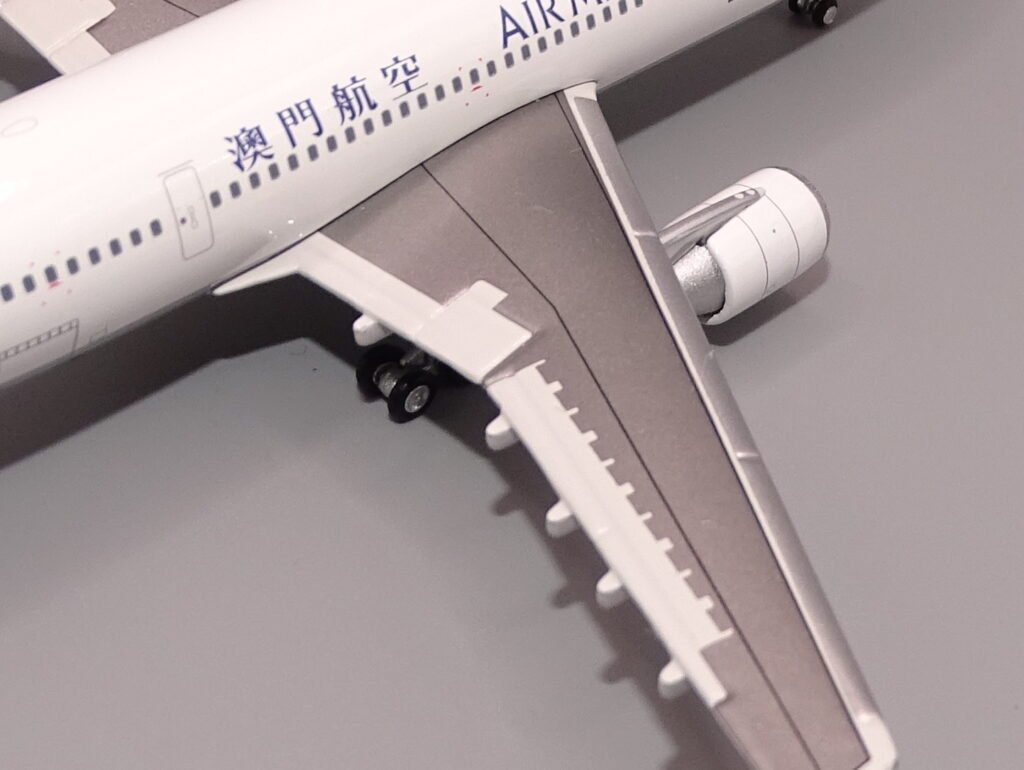
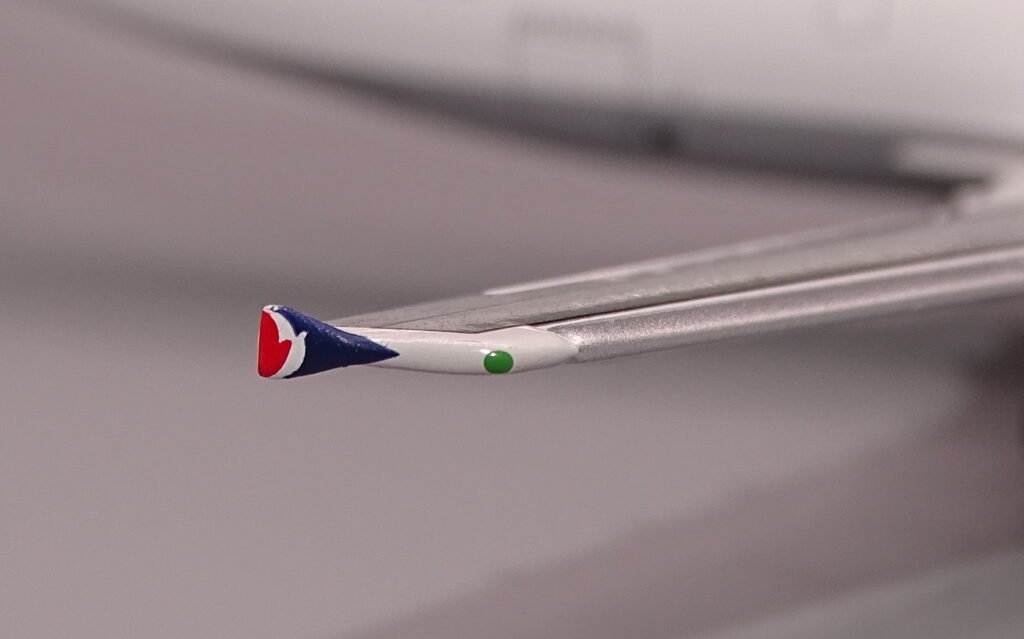
Less good are the form of the flap track fairings, which remain the wrong shape aft of the wing trailing edge, being too squared and cut off compared to the real thing. The other area of refinement are the wingtip fences, which are not well shaped at all.
This aircraft is fitted with Pratt & Whitney 4000 series engines and the shape of the pylon joining them to the wing isn’t as accurate as on the CF6 powered model I reviewed last time. In this case the pylon lower margin is too level. It is also worth noting that the exhaust of the engines is solid here, which looks a little odd from behind.
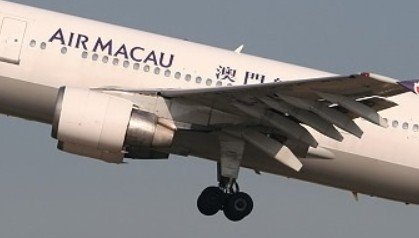
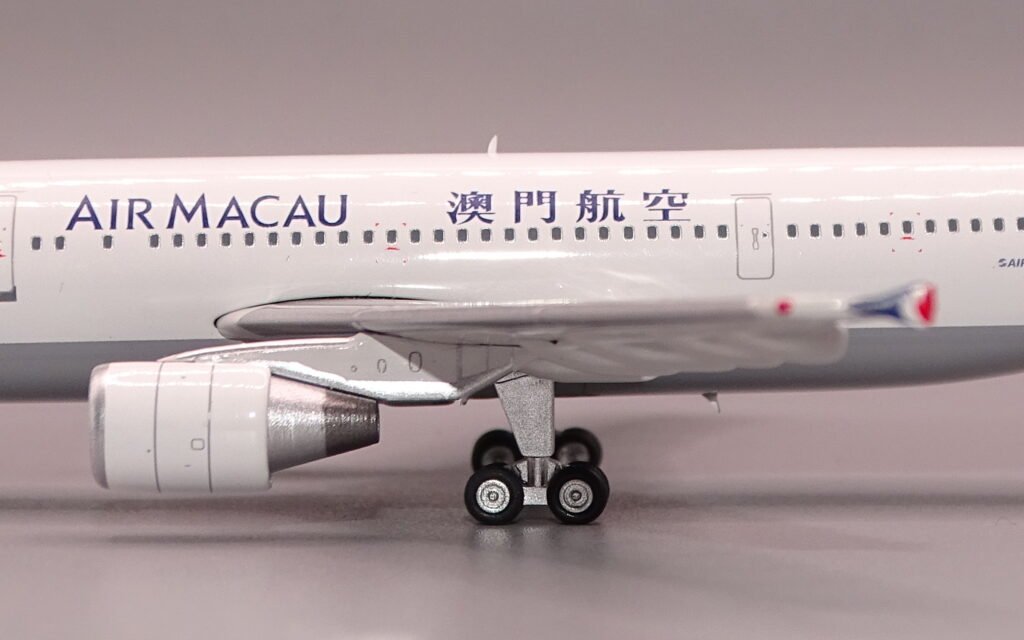
The rest of the mould is of good quality. The A300B4 and 600 have subtly different rear fuselages (in fact the series 600 uses that of the A310) and the YU mould definitely fits the shape of the series 600 better than the B4 so this model has the correct form at the rear and also correctly lacks the tailbumper.
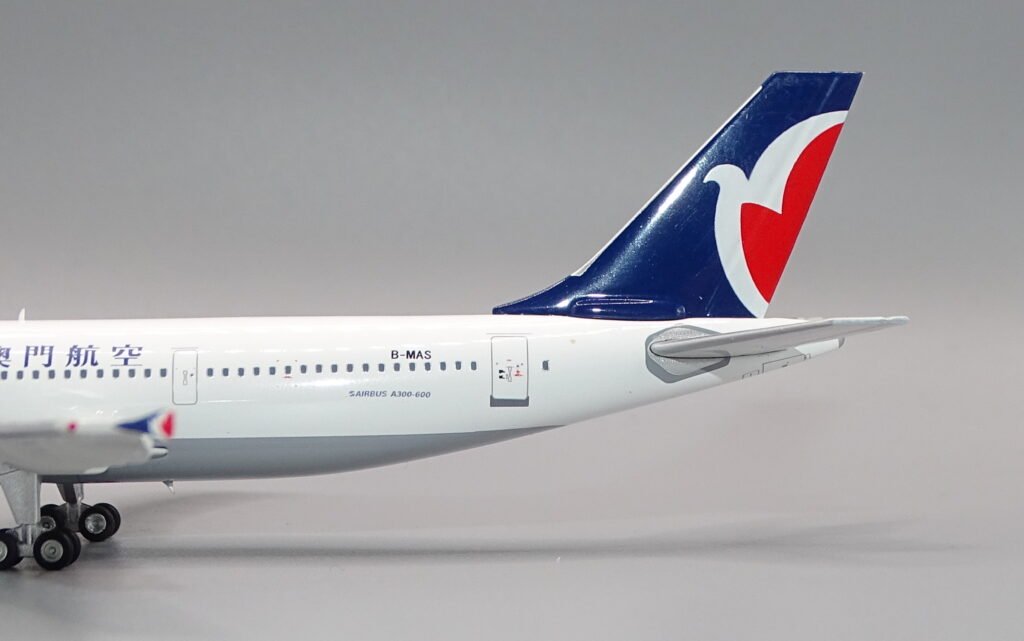
There are other minor nitpicks. I have heard some complaints about the noseform, but for me the issue is minor if present at all. The join of the tail to the fuselage roof isn’t as sharp as I’d like and you could also argue that the maingear struts are a little chunky. None of these things are serious detractors. The model comes fitted with 3 of the 4 larger blade aerials, missing the one ahead of the stabiliser.
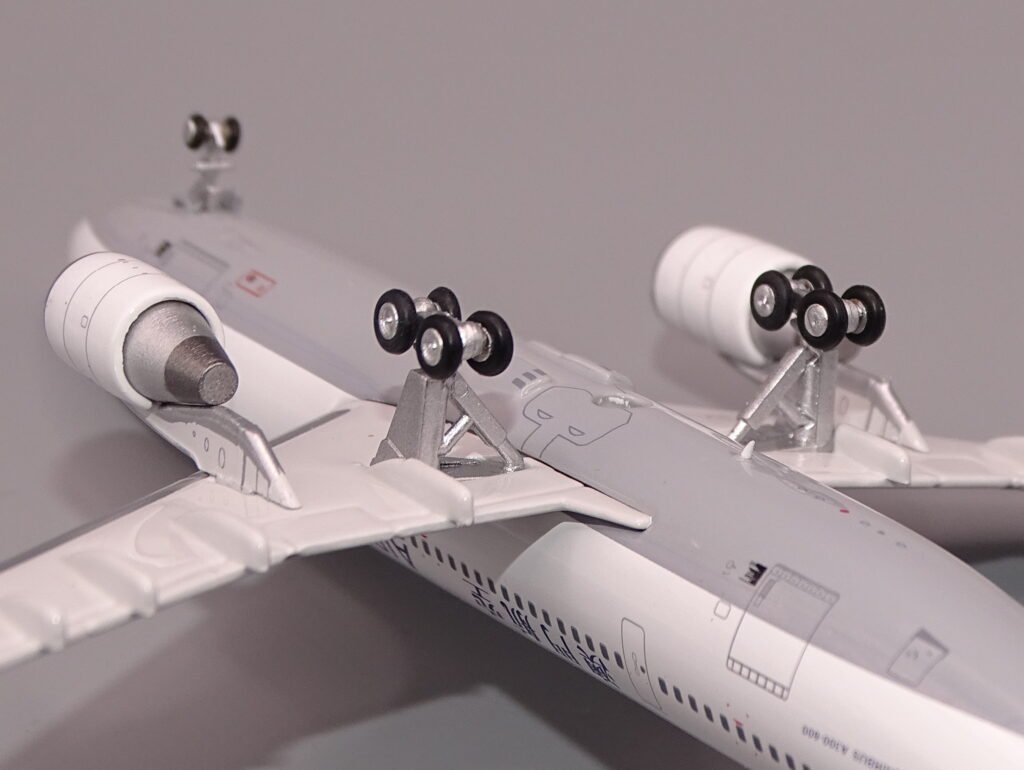
Overall, the YU ModeL A300 is a decent mould, but obviously in a few places does lack some of the refinement and precision you would expect from a larger more experienced and well financed brand like NG Models. Even so it is still as good or better than the Aeroclassics version, especially when representing a series 600, and it will be interesting to see how the Phoenix mould compares.
SCORE – 7
PAINT & LIVERY
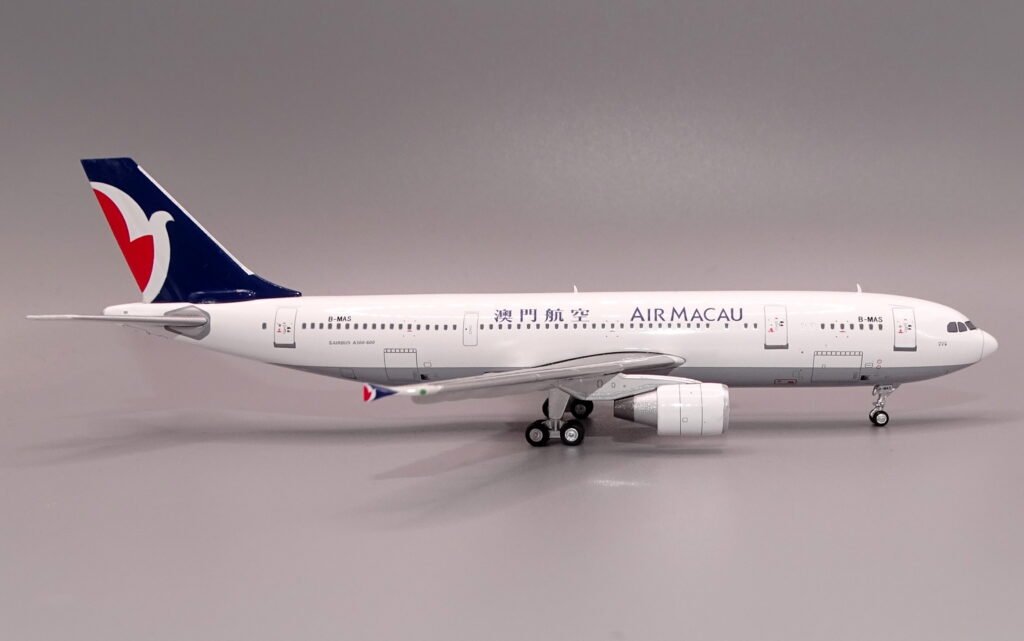
Air Macau acquired this aircraft on lease from ILFC in May 2006. It had originally been with China Airlines since 1995. Air Macau operated it only briefly in passenger configuration, on routes to the Chinese mainland, before converting it to a freighter in June 2007. The airline had already operated several A300 freighters on short leases, so it is curious that they ever flew this in passenger configuration. When their second A300 arrived in June 2008 it came as a freighter.
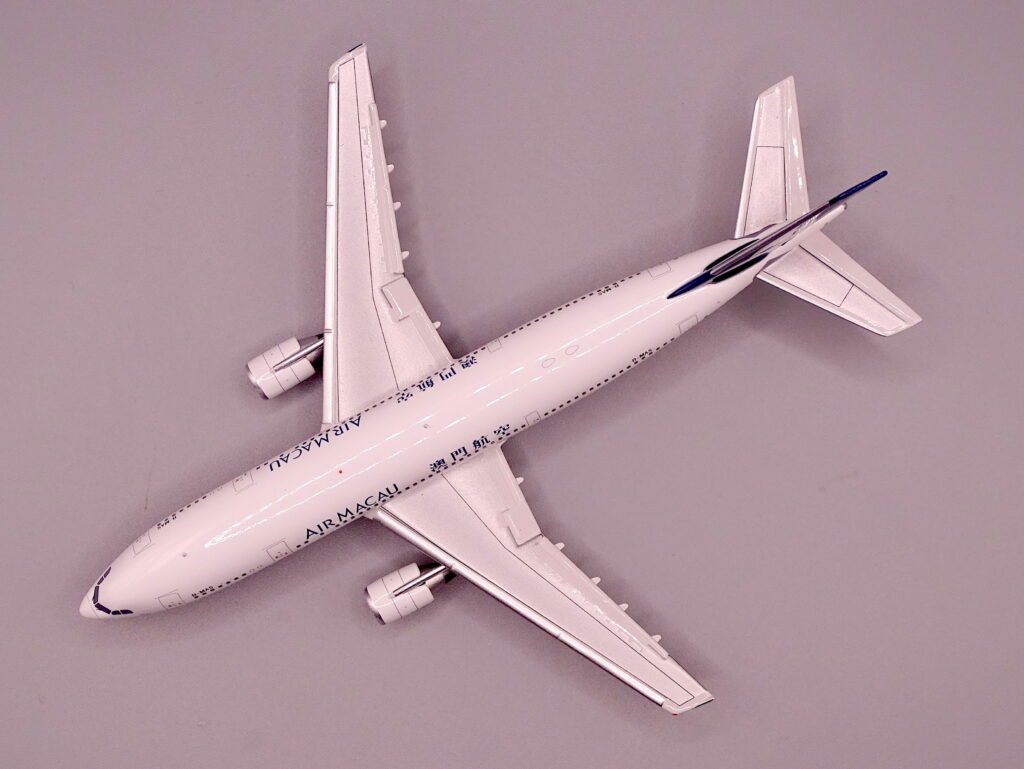
The Air Macau livery is simplicity itself, although that doesn’t mean I am 100% happy with its replication here. The deep blue tail and bird logo look fine so it is on the fuselage where I think there are inaccuracies.
Firstly, the main titles, both English and Chinese, are too thin. They should be bolder. Secondly, the light grey belly seems slightly too low. It should be closer to the doors and should cross into the nosecone radome more than it does.
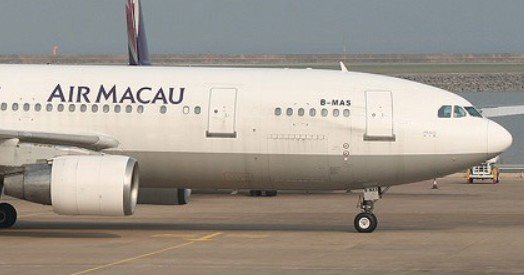
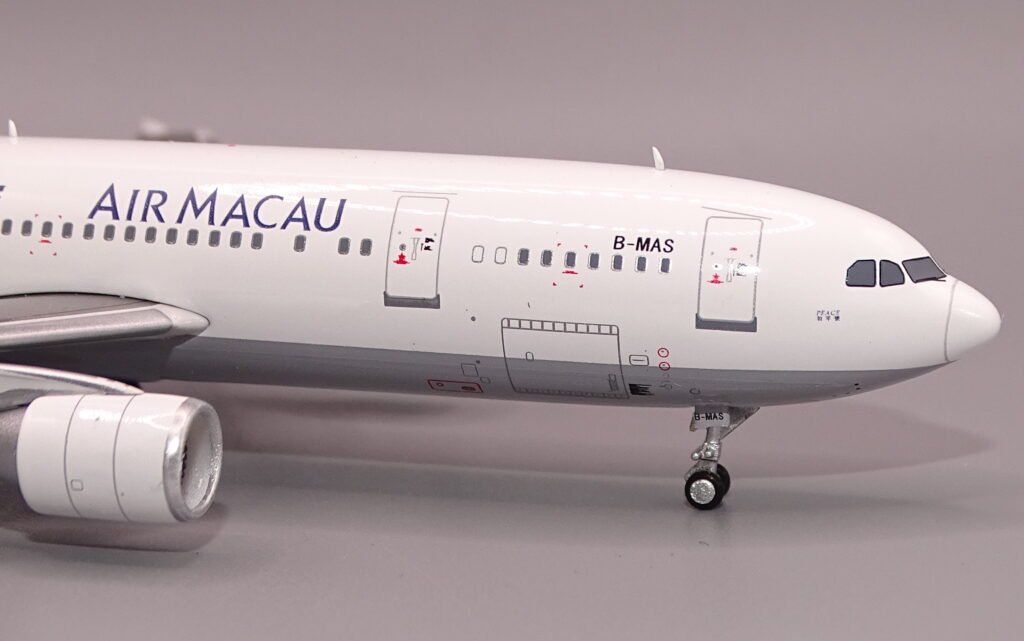
In a nice touch the aircrafts name ‘Peace’, placed under the cockpit windows, is visible under high magnification despite being very small.
SCORE – 8
PRINTING & QUALITY CONTROL
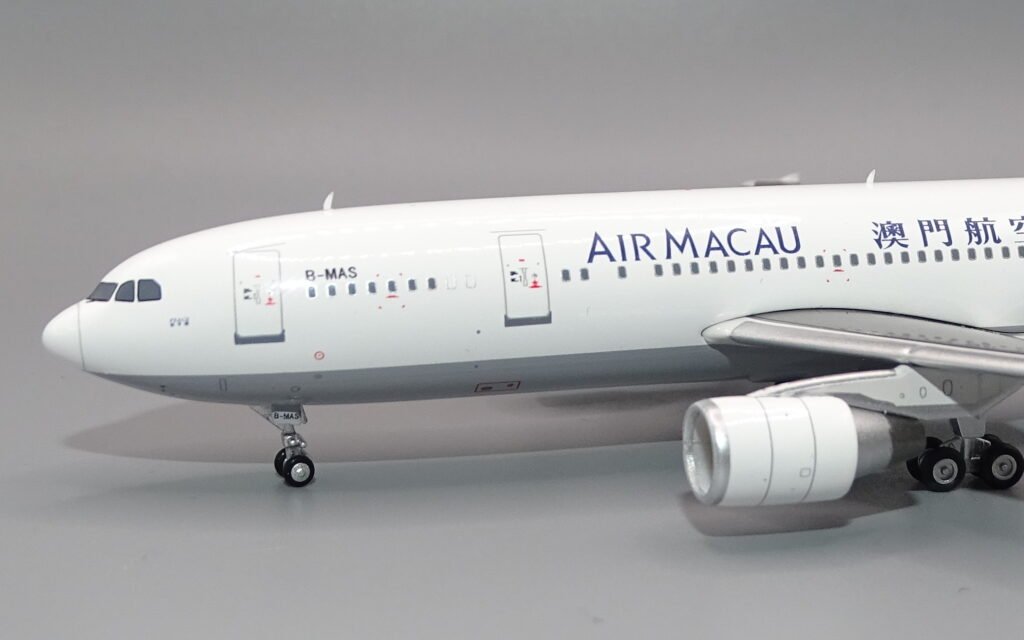
YU’s move to a new factory before beginning full-scale production of their A300s has paid off as the resulting printing is far superior to the test models I saw (and the Z2 American Airlines version YU had not wanted to release). There’s plenty of printing detail on the model, including panel lines on the engine nacelles, which are possibly a little too obvious.
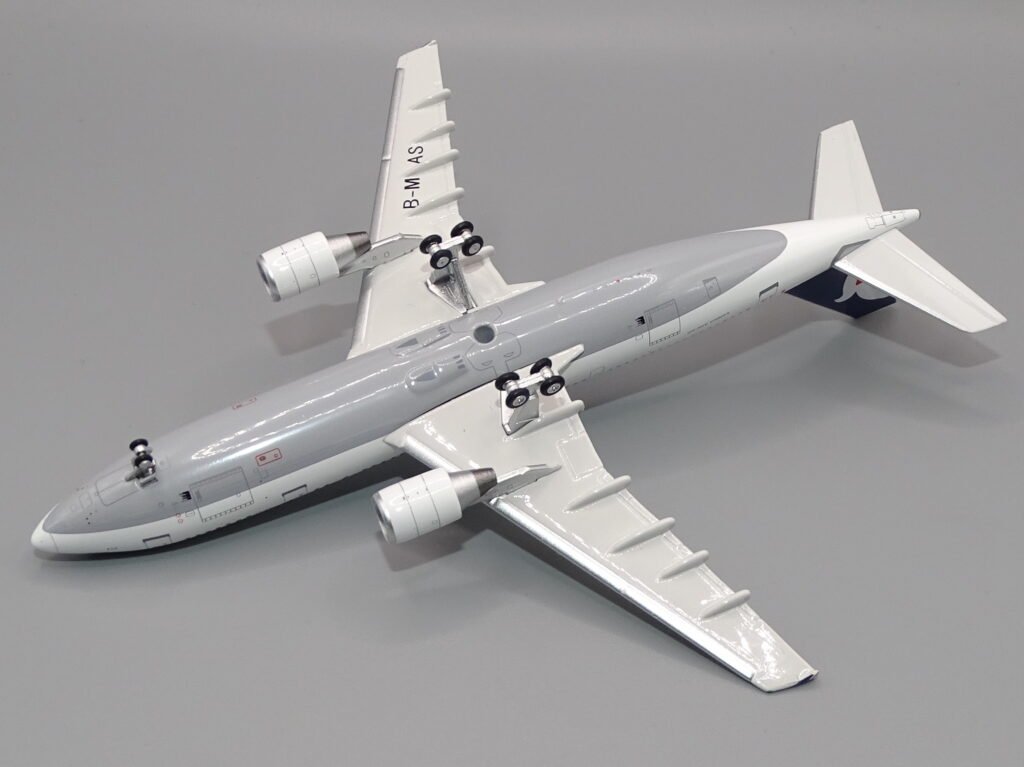
Pleasingly on the underside YU has included more print detailing on the large scallop intakes and in other areas making the printwork here better than on the CAAC version I reviewed originally. It isn’t all praise to the printers though, as from the front it is apparent that the cockpit windows have not been printed level and are lower on the starboard side.
YU has focused its finances on getting the models made and not the packaging, although to be fair the model does come in a foam inner rather than plastic jewel case. The box is quite large, but not especially high quality and almost devoid of any printing aside from the YU name. Identification of the contents comes via a large sticker (similar to what Aeroclassics does). I know YU wants to improve this when finances allow. This model also doesn’t come with the card extras the first CAAC release had.
SCORE – 8
CONCLUSION
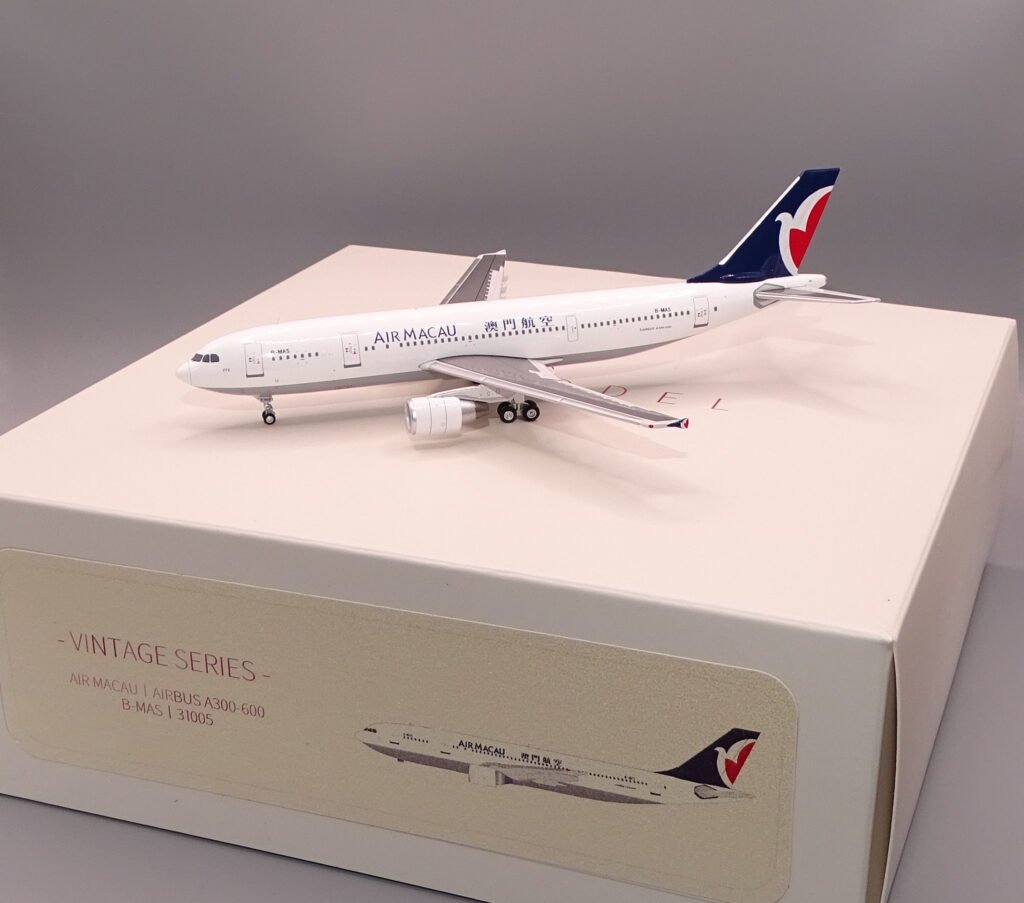
As a newish brand, not comparable in size to other manufacturers, producing its own moulds and models, YU has achieved a lot to be able to get to the point where it can produce models of comparable quality to much more esteemed and older brands. Nonetheless, clearly there are areas of refinement in relation to the mould and packaging that would be ideal. That doesn’t stop this from being a decent A300 and I would certainly take these over any on the old Blue Box mould any day of the week. They are also highly competitive with the Aeroclassics A300s so although not at NG level the product is up there when it comes to A300s in 400 scale.
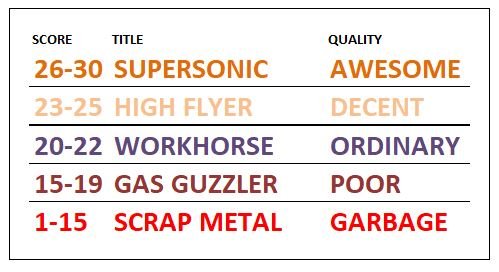
FINAL SCORE – 23/30