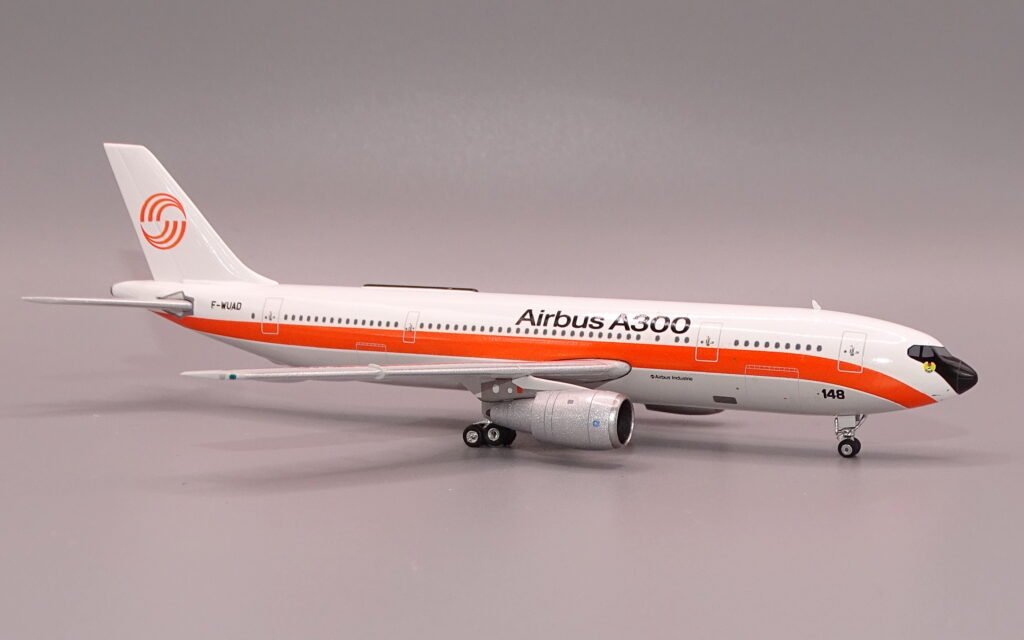
This is the third review in a row featuring a new Airbus A300 (albeit one was a Beluga) illustrating the resurgence of interest in Airbuses’ maiden aircraft. For years I had slated the Phoenix A300 and it was one of the few moulds I had never owned, however the December 2025 announcement that they would re-engineer their existing mould, means that now there is real competition for the type in 400 scale. In this review I look in detail at the first release using the new Phoenix A300.
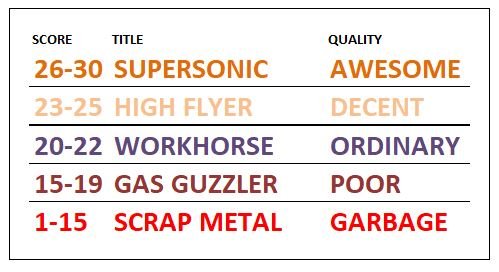
Each review is to split into three key areas:
- The model mould
- The paint and livery reproduction
- Printing and quality control
Each section can get a maximum score of 10 for a maximum combined score of 30
This review is sponsored by Northeast Diecast. Check out their store for an excellent range of hard to find 200 and 400 scale collection sale models and get 15% off!

MOULD
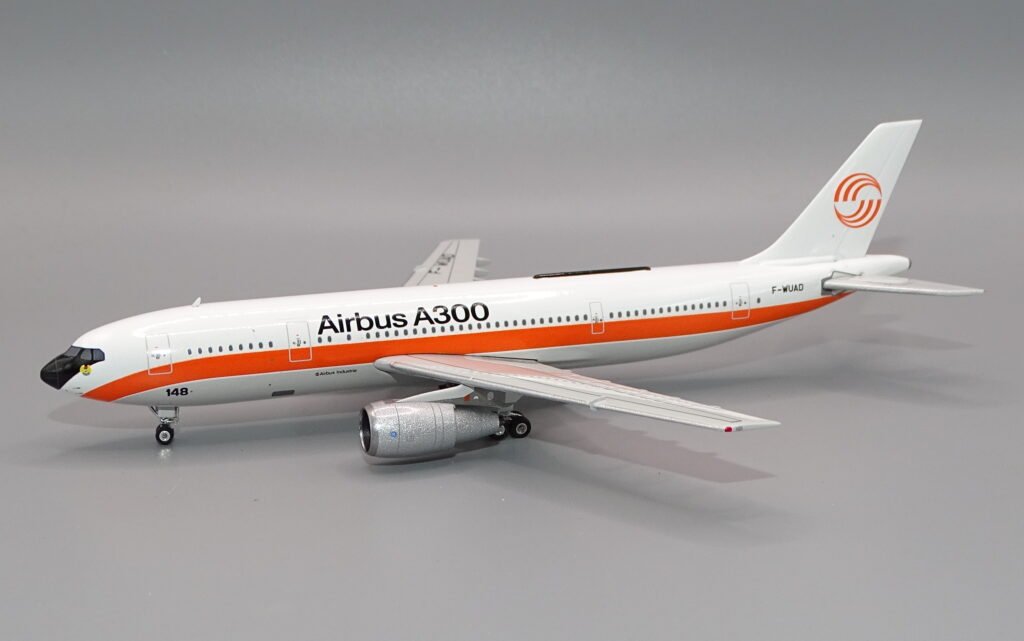
The original Phoenix A300 dated from 2008 and although seamless it suffered from a disastrous nose profile along with some questionable engine pylons. It was used only 21 times, with only 3 of those coming after 2014 – the most recent being a retailer driven China Airlines example from early 2025. Those models are best forgotten and despite it having a seam the Aeroclassics A300 has always been far superior to the original Phoenix edition.
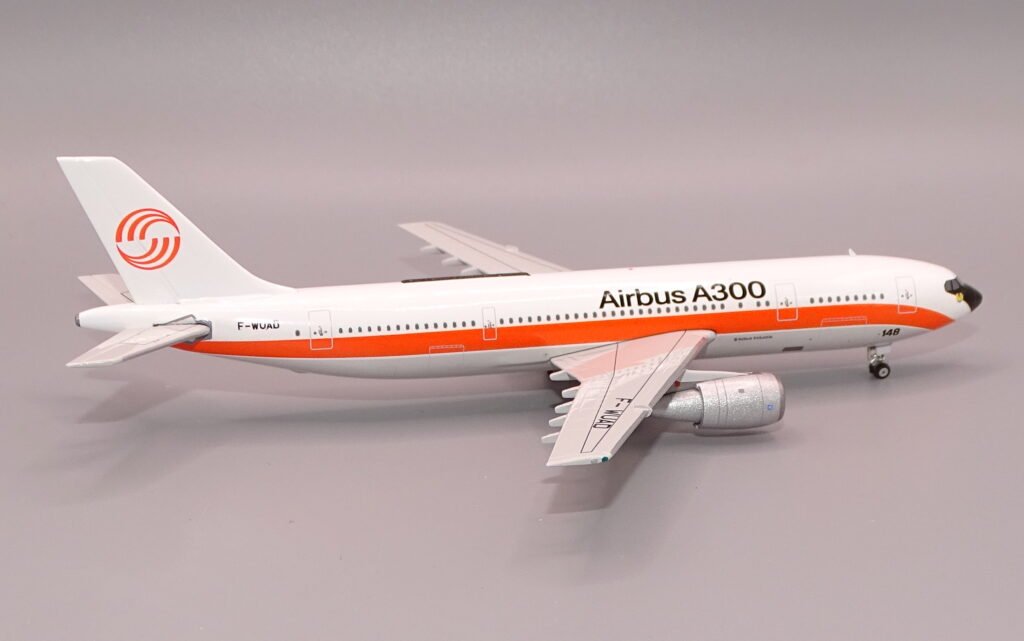
Fortunately, the rework of the Phoenix A300 focuses on that nose region producing a much-improved mould that can compete with the best A300s in the scale. It is a major upgrade, and the shape of the nosecone and forehead are now spot-on. The underside angle has been critiqued by many on the competing YU ModeL A300 and I am more pleased with that angle on this version.
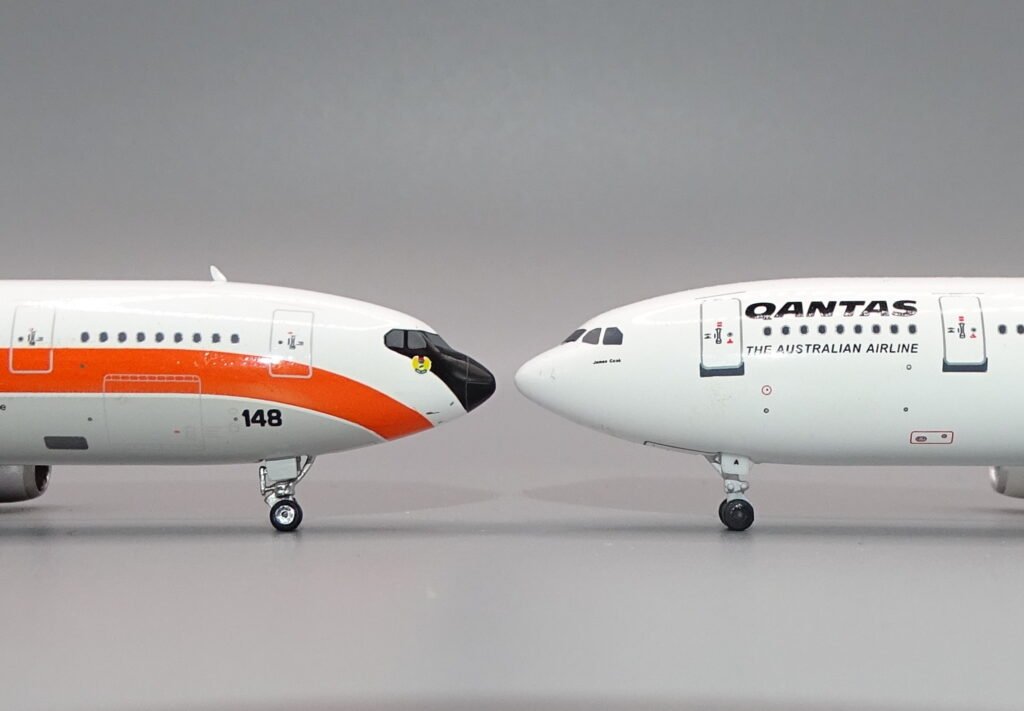
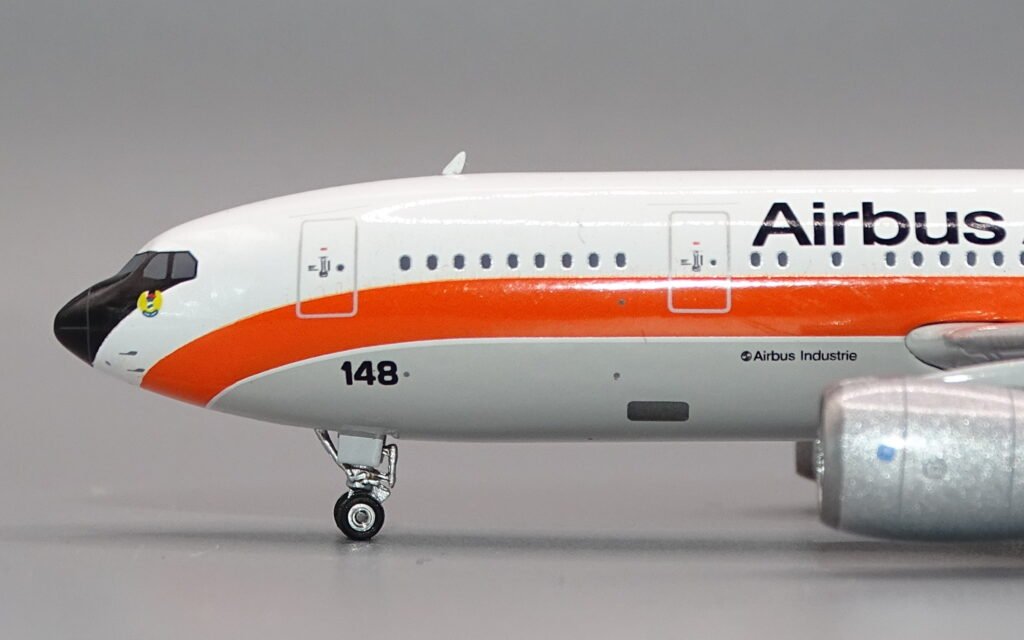
Unfortunately, the mould is a little letdown by a very Phoenix nosegear, which, as with their A330s, is a little chunky and also, I’d argue too short as well. The nosegear door is a little too large, but it is the gearleg itself which is rather thick and short. It does give the A300 a nosedown stance, which is correct, but it does mean the model sits lower than the Aeroclassics version and isn’t as dainty. Hopefully this can be worked on.
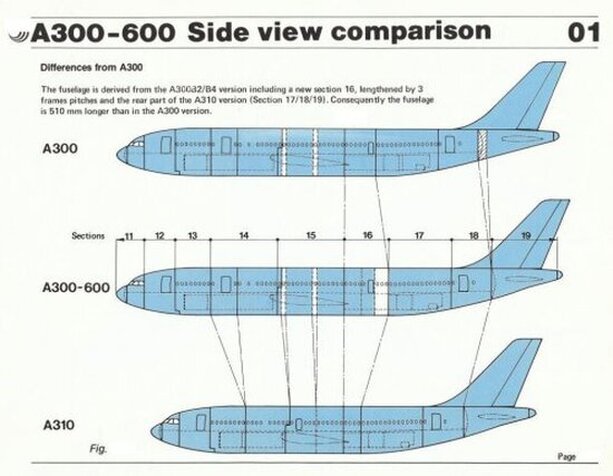
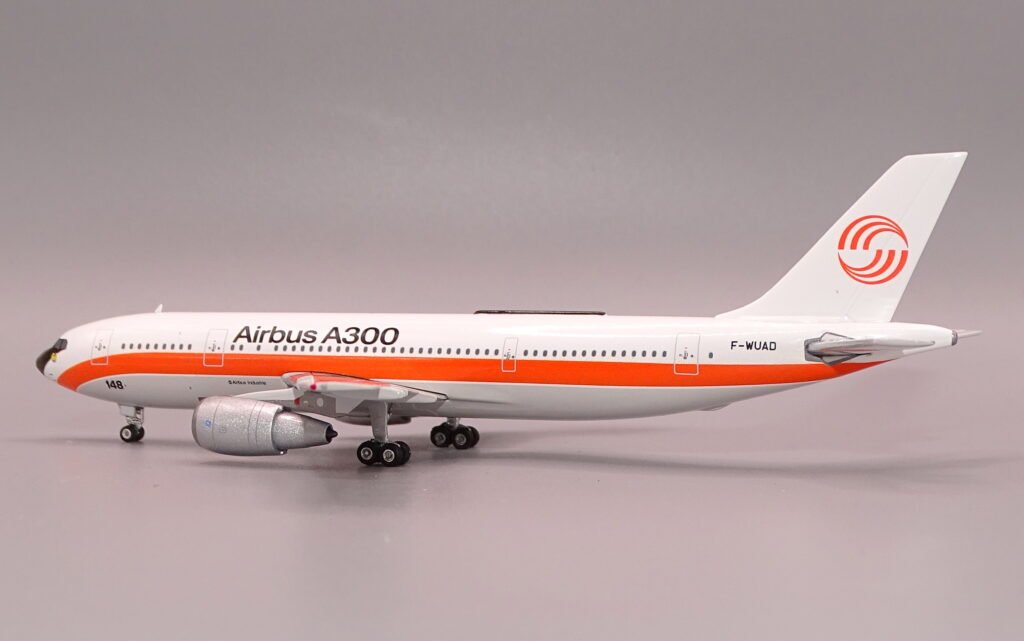
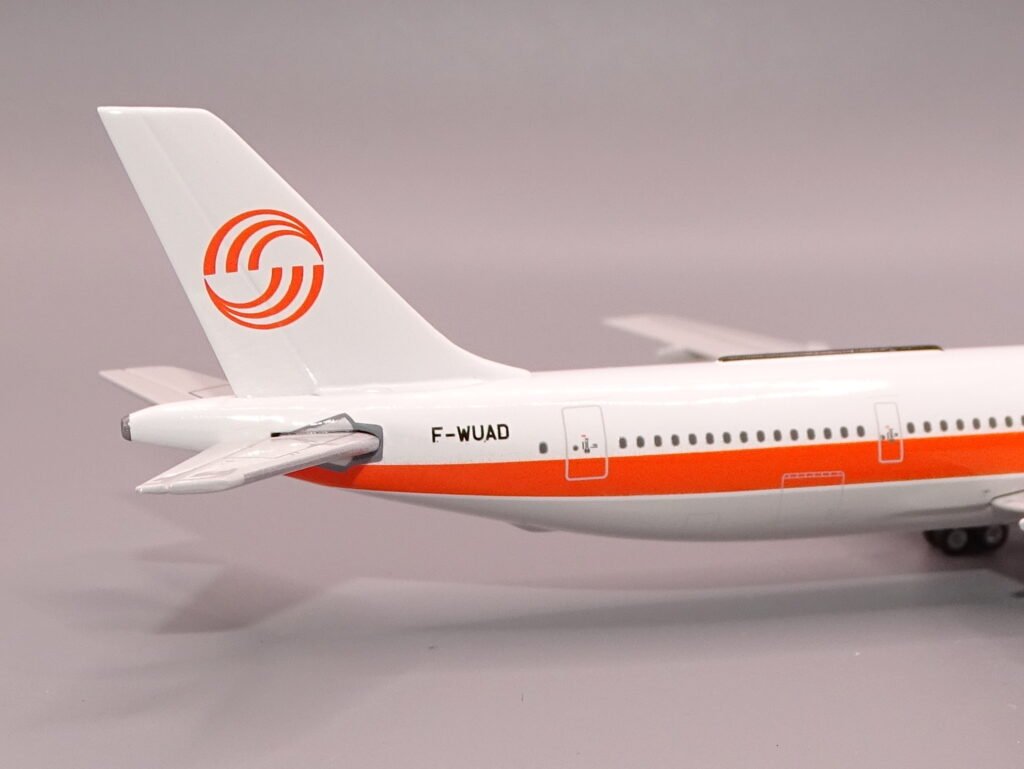
Most of the previous releases using this mould have been A300-600s, which do of course have a different rear fuselage to the original B variants. The difference isn’t massively obvious unless you’re really looking, which is probably why nobody’s A300 has separate versions for the two major variants. That does mean that this Phoenix A300 is using a series 600 back-end (but with tailbumper added) rather than a B2/B4 with the slightly incorrect length and underside fuselage angle that goes with that. Considering they have created a new fuselage this is disappointing.
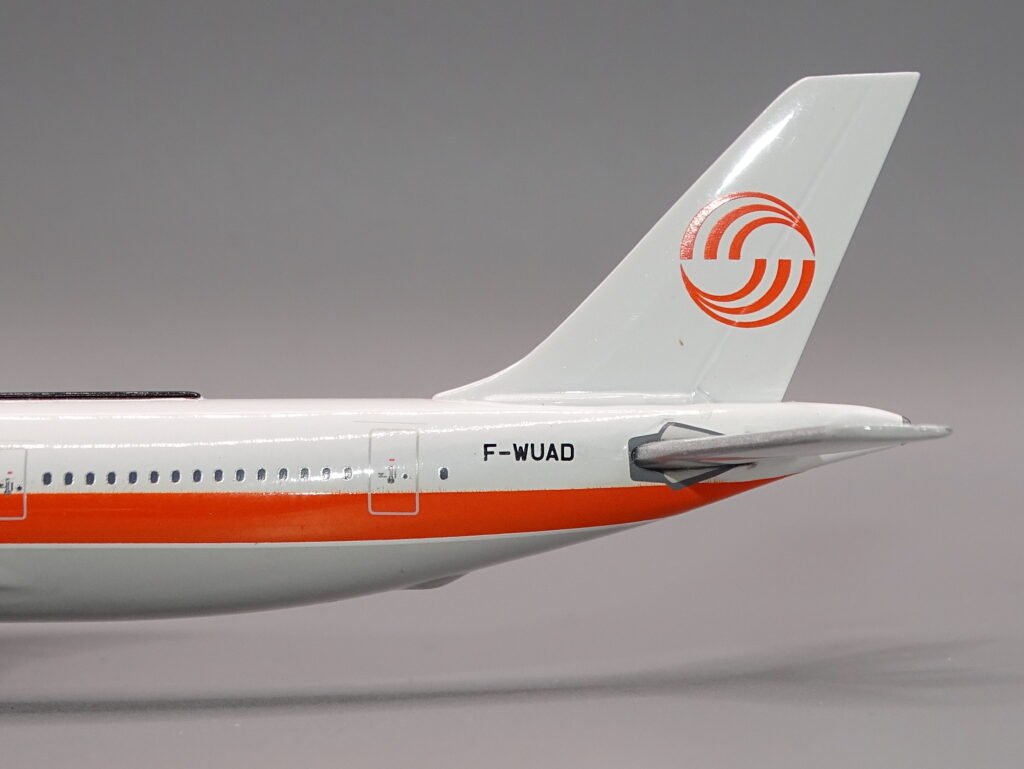
Other fuselage detailing, such as the tailbumper, centreline rooftop long aerial and underside intakes are all present and correct for the variant.
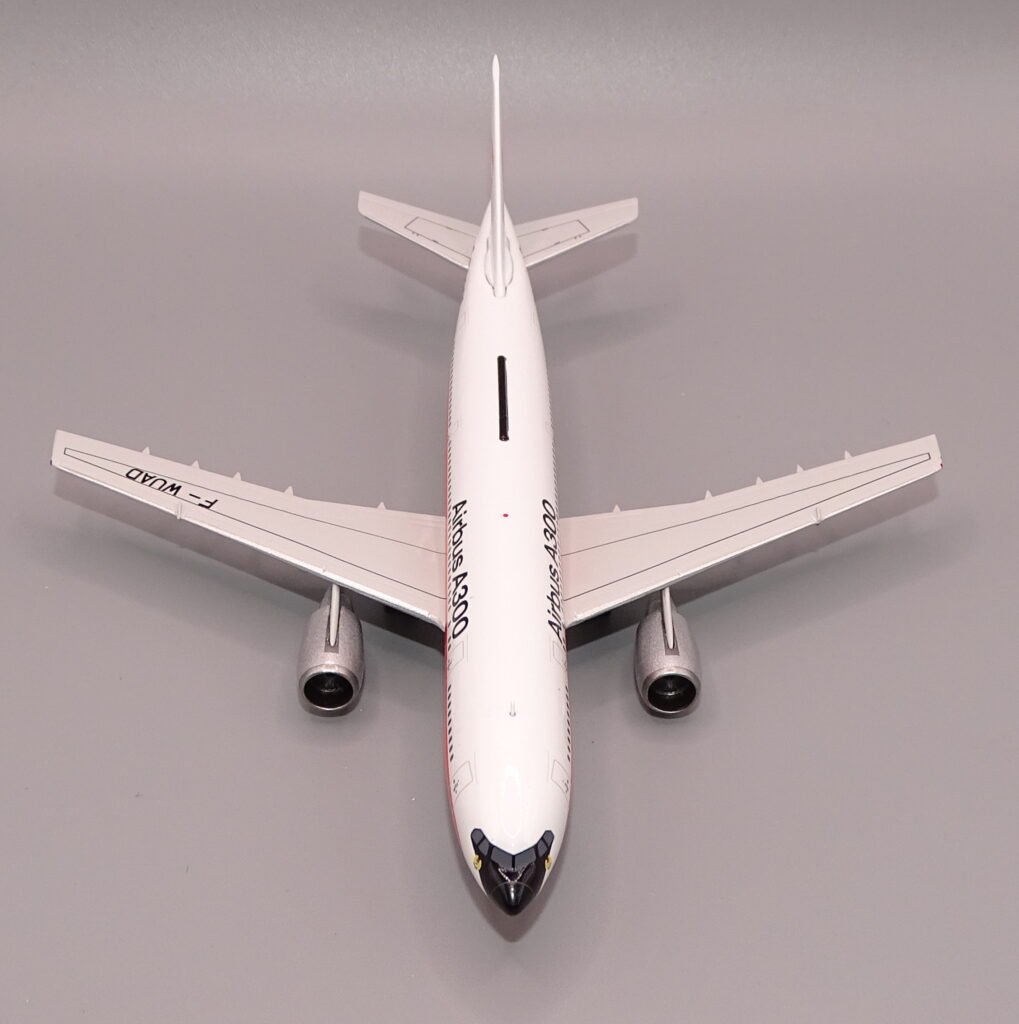
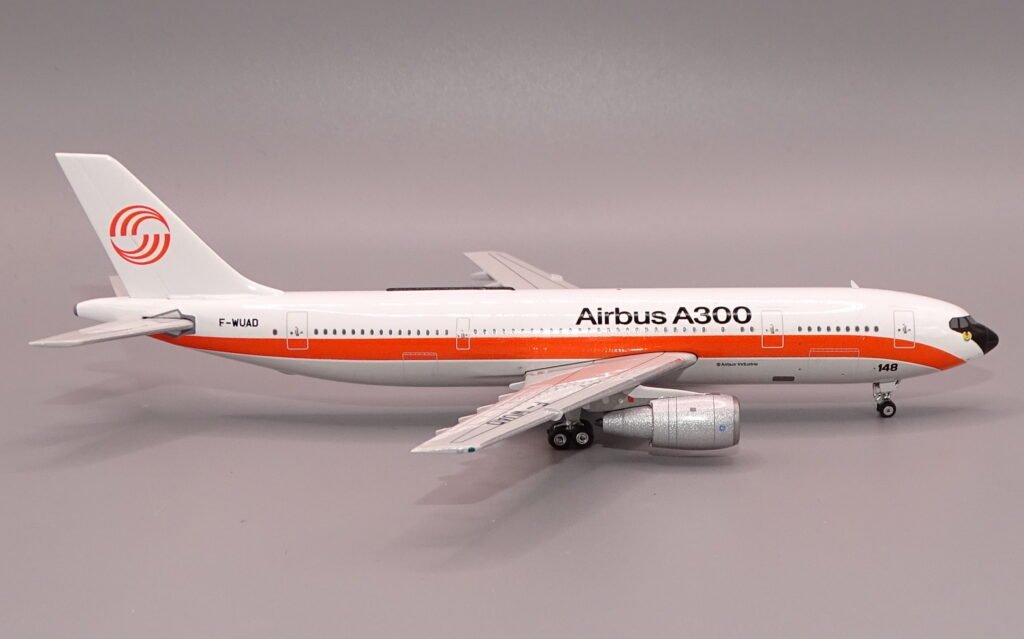
The model has a very tight slot-in wing to fuselage join and takes a different approach at the rear join where the fairing is part of the fuselage casting rather than the wing, like it is on the YU. The wing itself is an improvement on that of the YU mould with much better sized and shape flaps and correctly sized and shaped flap track fairing canoes.
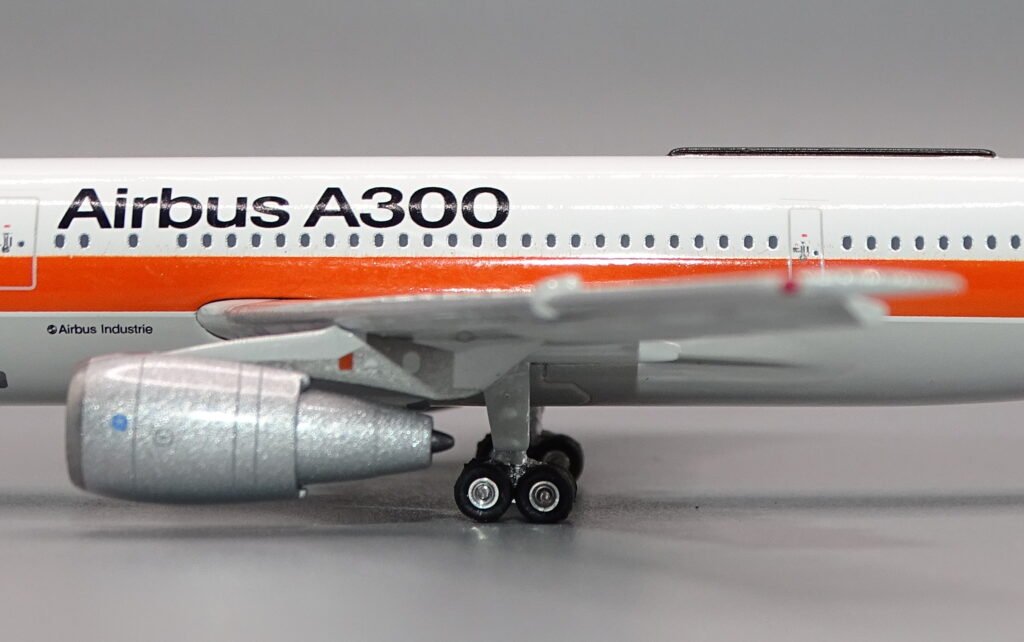
Less impressive is the maingear door shape, which is too thin and too long. As with the nosegear the maingear could do with being a little taller too as I’d like to see better engine ground clearance. The maingear legs themselves are a lot less chunky from the front than those on the YU mould.
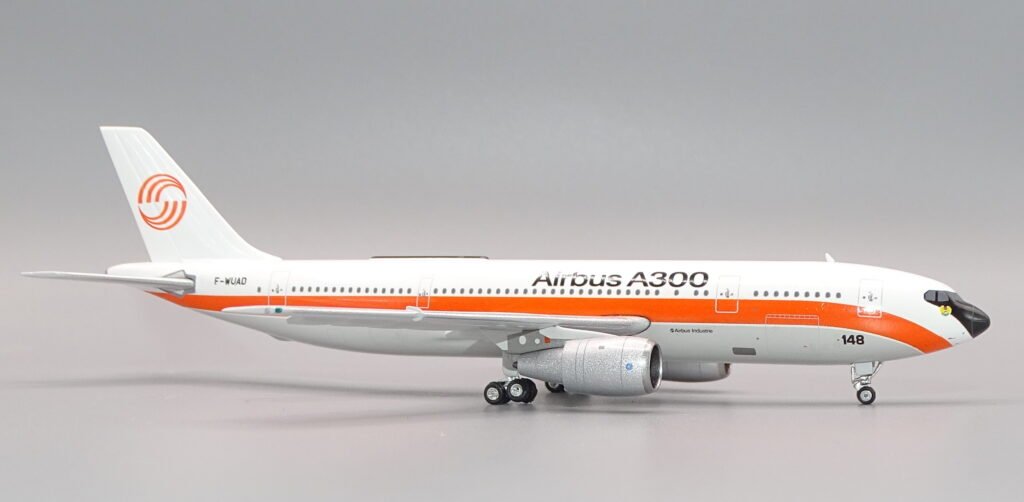
The engines and pylons are another area of significant improvement over the original mould. This aircraft has General Electric CF6-50s fitted and the individual shape of both components for the specific engine type is very welcome and, in my view, very accurate. The engines also forego any hollow-core aspect so the fan detailing and number inside the engines is more accurate. The engine rims also have a notable thinness and sharpness to them.

As a whole this is a massive improvement over the original Phoenix A300 and has a lot of very good detailing, especially at the nose and engines. If it wasn’t for the height and heft of the landing gear this would be the best A300 in the scale by some distance, as in several key areas (wings, undernose shape) it is better than the YU and obviously it lacks the large seam of the Aeroclassics edition (although that does correctly represent an A300B2/B4 but not a 600). Obviously, the JC Wings (Jet-X/Blue Box) mould doesn’t compare to any of the other 3 available moulds so can be ignored.
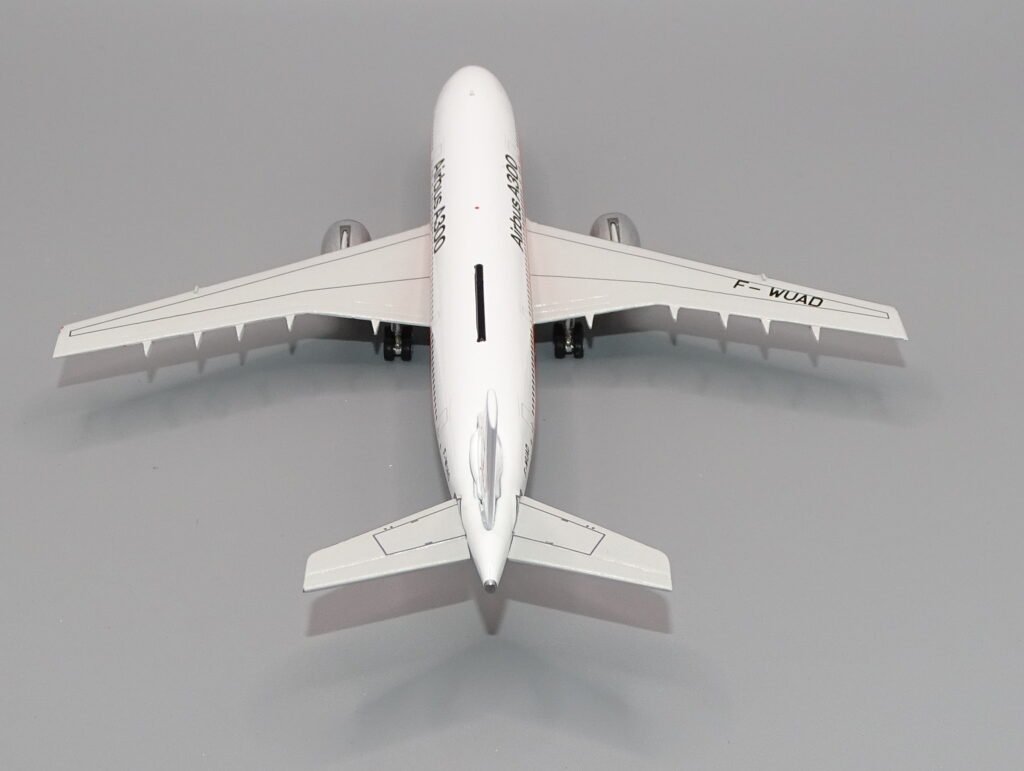
On a points basis the Phoenix A300 now probably pips the others but all have strengths and weaknesses and it is a shame this A300 persists in using the wrong undertail profile for the type this model represents. I’d argue this mould is just edging an 8 but if you’re being critical you could easily score it a 7 (which is typically what the YU and Aeroclassics get).
SCORE – 8
PAINT & LIVERY
This aircraft first flew in June 1973 and had a long career – serving until late 2014 as the zero-G text aircraft for Novespace. It also wore several Airbus house colours but there aren’t a lot of photos of it in this scheme that was worn in the late 70s.
Probably the best photo in these colours is this one from the Paris Le Bourget airshow in 1977. It seems this scheme was worn for only a few years as in September 1976 it displayed at Farnborough in an all-white scheme and by the 1978 Farnborough show it was in the well-known rainbow livery.
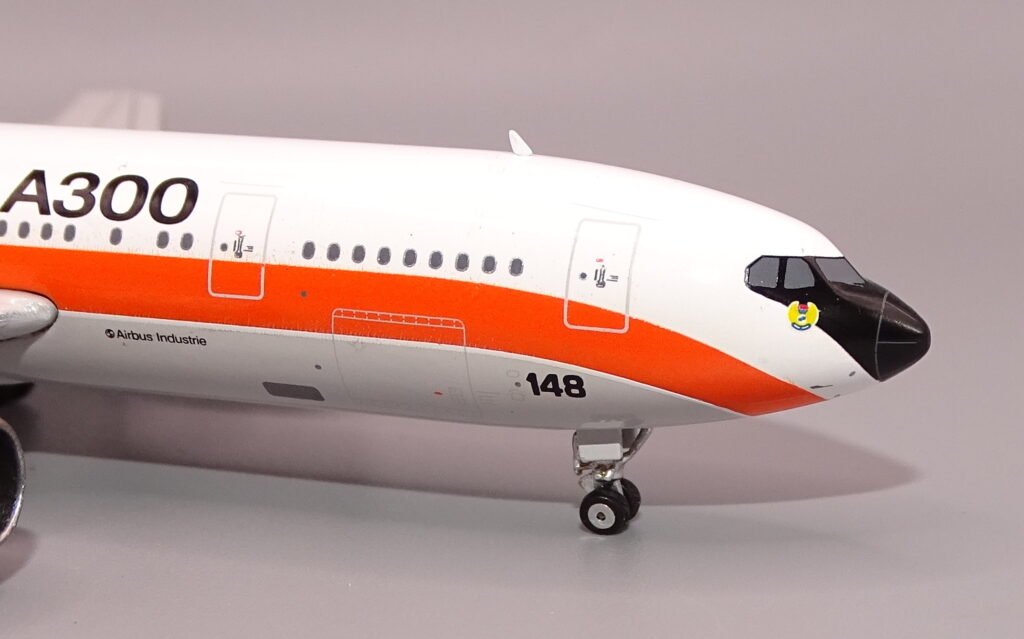
The livery on the model matches that of the real aircraft well. Certainly the orange and black are fine and the position of the main elements is also good. The photo evidence was rather lacking for identifying the details of the logo under the cockpit, so Phoenix gave it their best guess. Fortunately, it is very small so you can’t really notice any inaccuracies at 400 scale size.
SCORE – 9
PRINTING & QUALITY CONTROL
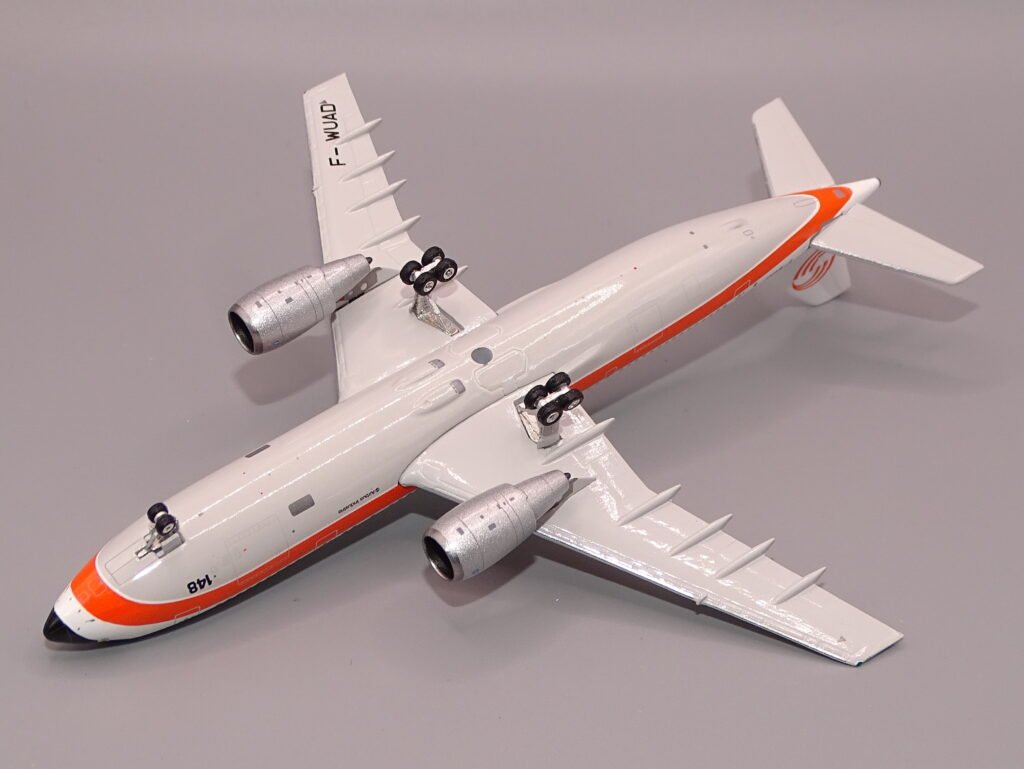
Phoenix isn’t known for the sort of high density printwork that brands such as NG and HX attempt and the etching on this mould means they avoid printing on the underside intakes, maingear doors and flaps. Nonetheless, the printing level and quality are more than adequate for this model and areas like the engine nacelles are richly covered.
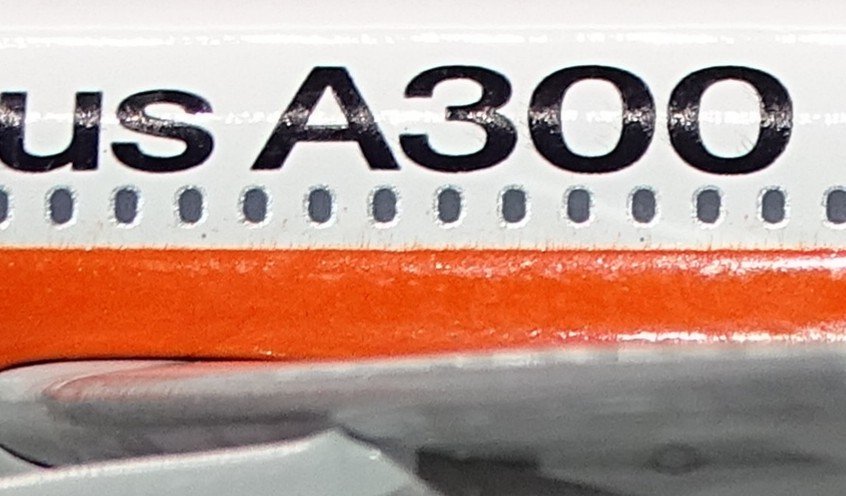
The painting of the model looks good until you get into macro territory where there is a surprising amount of paint bleed from the black anti-glare and orange cheatline into the white. It isn’t noticeable with the naked eye fortunately.
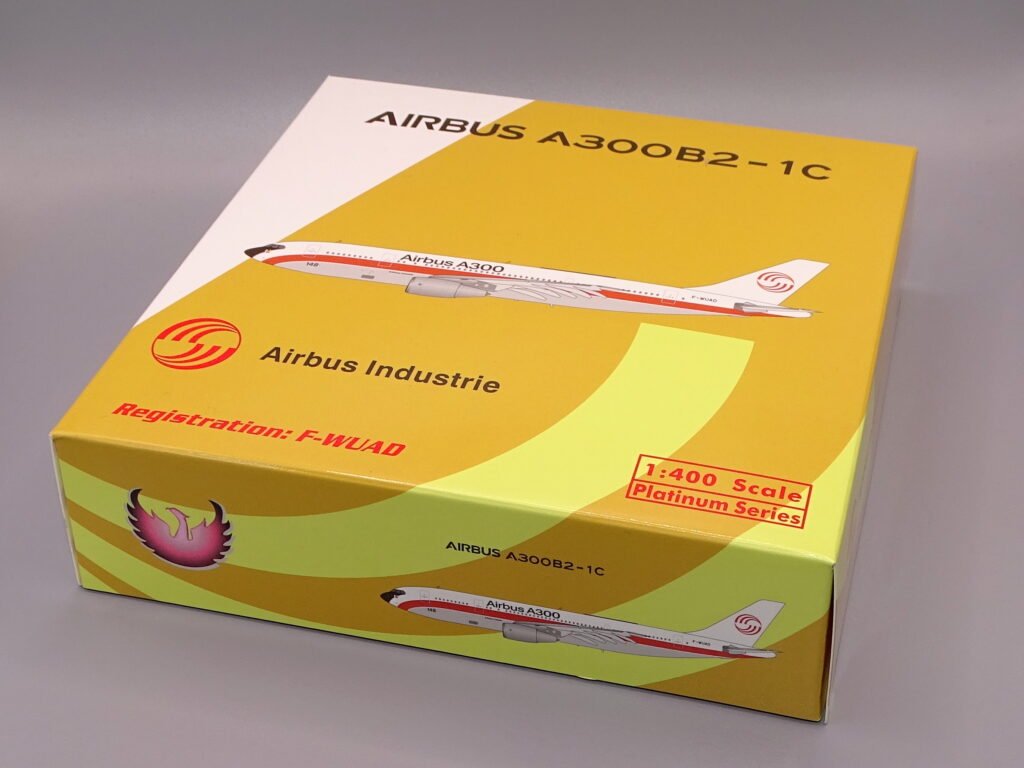
There are no major quality failings in the build department. All I can find is a little untidiness of the fit of the right nosegear tyre and on the maingear tyres. Once again, it’s hardly noticeable with the mk1 eyeball. There’re no extras or specials with the model as you’d expect from a standard Phoenix release, although the box is colourful and does the job well.
SCORE – 8
CONCLUSION
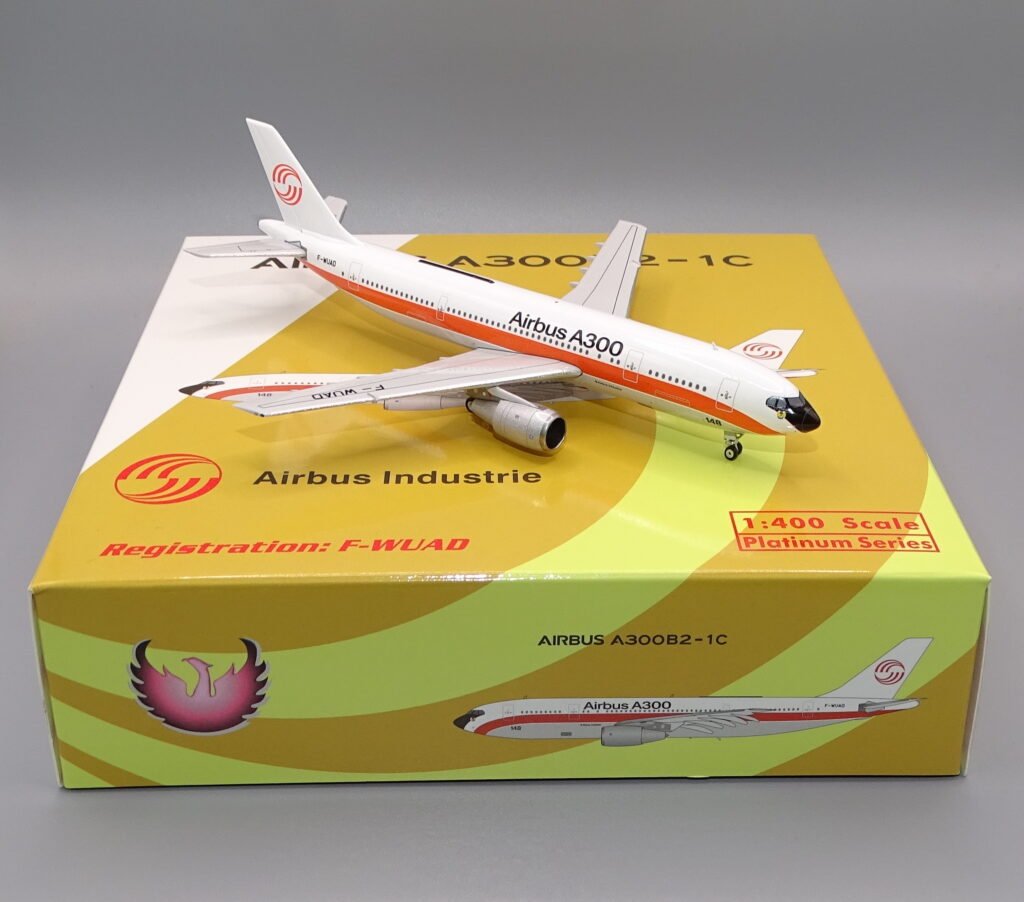
I have been eager to see how good the new Phoenix A300 would be since the YU ModeL version, although promising, has a rather crude feel to it in several areas. I’m liking the big changes at the nose and engines that Phoenix have made here and hopefully they can modify the landing gear a little over time. All the 3 ‘good’ current A300s in the scale have issues, often not shared with each other, and that means none are perfect, but all are more than serviceable (the 4th, the old Jet-X mould is a write off). The result is plenty of choice but sadly none are currently the definitive A300 either.
FINAL SCORE – 25/30