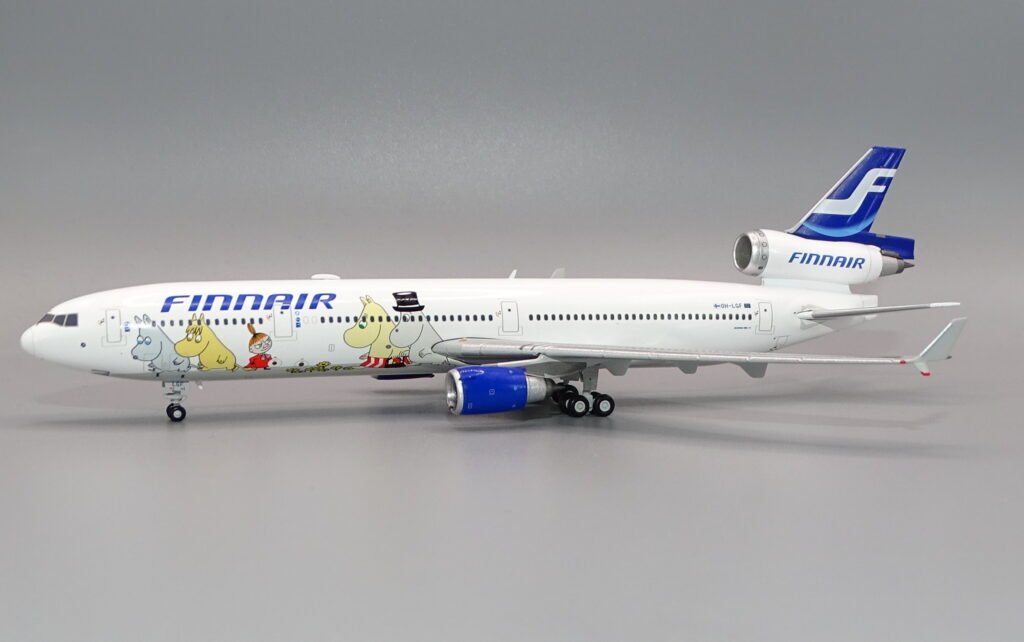
Although I am broadly dismissive of most of the Hello Kitty, Pokemon and other cartoon liveries some are certified legends and I would count the Moomins among those with that status. As a kid I regularly watched the adventures of the creatures from the felt stop-motion series, that ran from 1977-82, so they have a special place in my heart and obviously being characters originally from the books by the Finnish writer Tove Jansson they are beloved in Finland and across Scandinavia. Finnair regularly decorated its MD-11s with special schemes and after a relatively slow start we are beginning to see better usage of the new HX and Panda moulds, which for the former includes this Moomins version under review here.
Each review is to split into three key areas:
- The model mould
- The paint and livery reproduction
- Printing and quality control
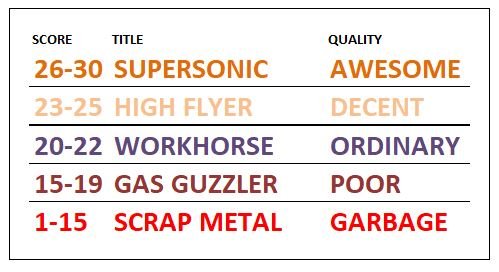
Each section can get a maximum score of 10 for a maximum combined score of 30
This review is sponsored by Northeast Diecast. Check out their store for an excellent range of hard to find 200 and 400 scale collection sale models and get 15% off!

MOULD
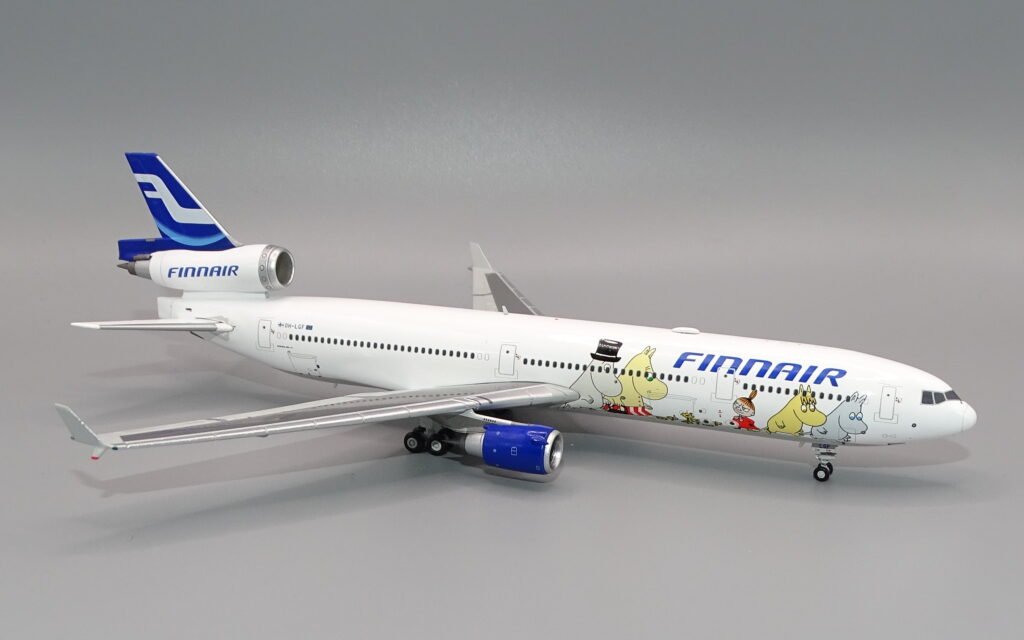
HX Models debuted its new MD-11s through YY Wings in April 2025 and although there have technically been 85 releases those numbers are massively exaggerated by the fact that HX have flaps down and interactive versions of the mould. YY Wings after all produced 12 Shanghai Airlines MD-11s, each with exactly the same livery! Outside of those there have been series of models featuring China Airlines, China Eastern, Lufthansa, KLM, House colours, Thai Airways, Martinair and Finnair. That equates to only about 15 unique liveries mostly of later MD-11s not those from the type’s heyday in the 90s.
Panda Models released their first MD-11s on their new mould in January 2025 and their output has been similarly small with 8 announced models under their brand (only 3 actually released) and a 12 more for other brands (only 8 actually released). There has also been quite a bit of overlap in what has been made so there is plenty of scope for more MD-11s. That is true even with JC Wings muddying the waters with 7 MD-11 releases using its ancient and inferior mould, which has its origins as a Gemini Jets mould dating from 2001.
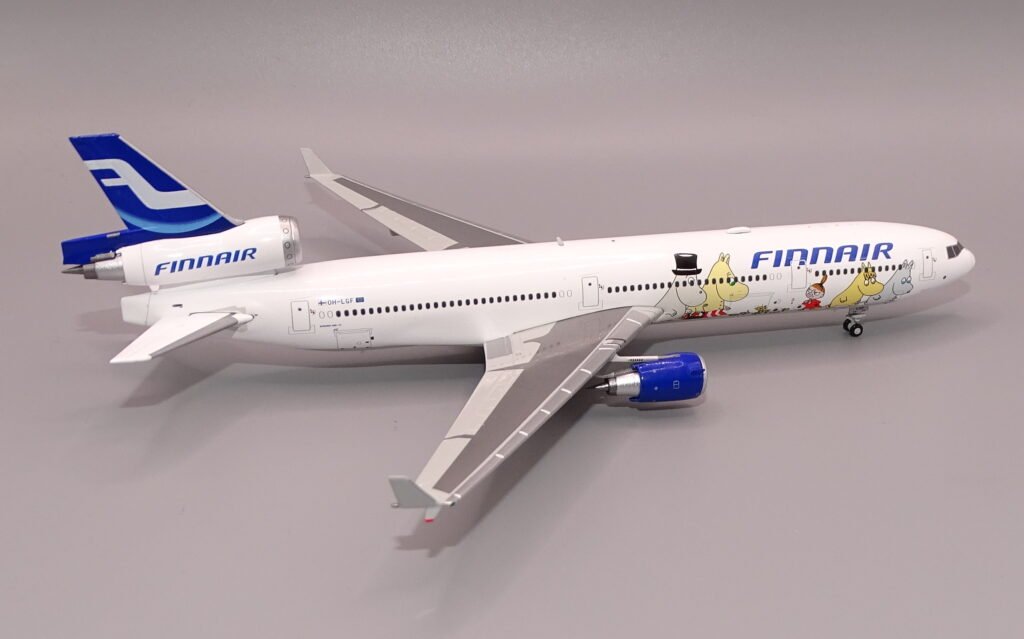
Suffice to say when it comes to quality, even with the upgrades applied, the JC Wings versions do not compete well with the newer pair of moulds. It has a cradle fit wing join, too short undercarriage, old-fashioned engine pylons, seams at the tail and a rather retro feel across the board. Both the Panda and HX MD-11s are excellent, but arguably it is the HX that has the edge.
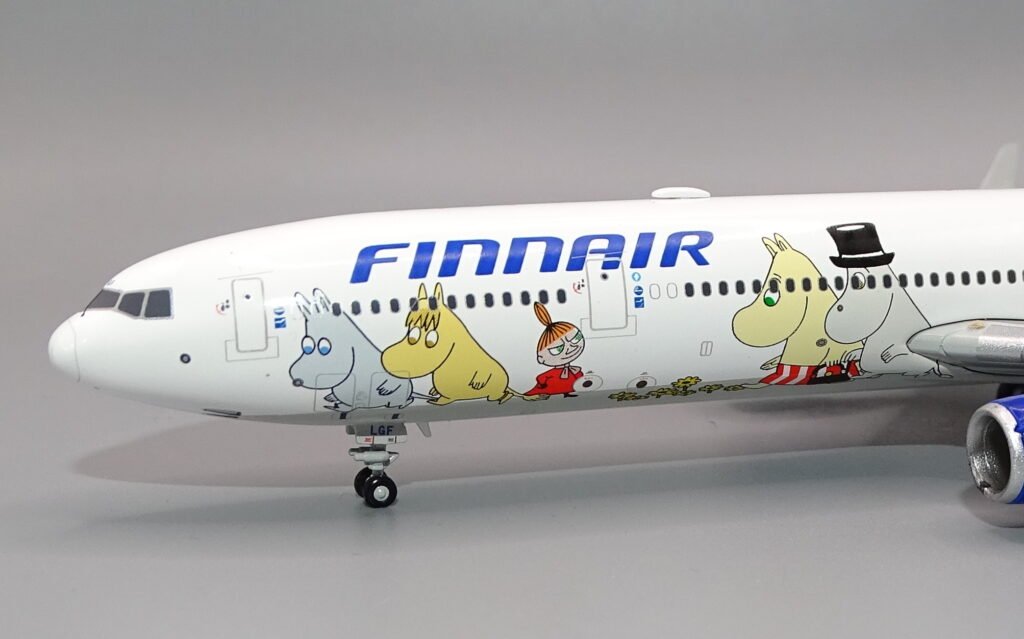
At first glance spotting differences between the Panda and HX MD-11s isn’t easy. The fuselage barrels are very similar as they are nicely accurate. The only real difference of any consequence is that the three NACA intakes near the nose on the underside are moulded in on the HX and printed on the Panda.
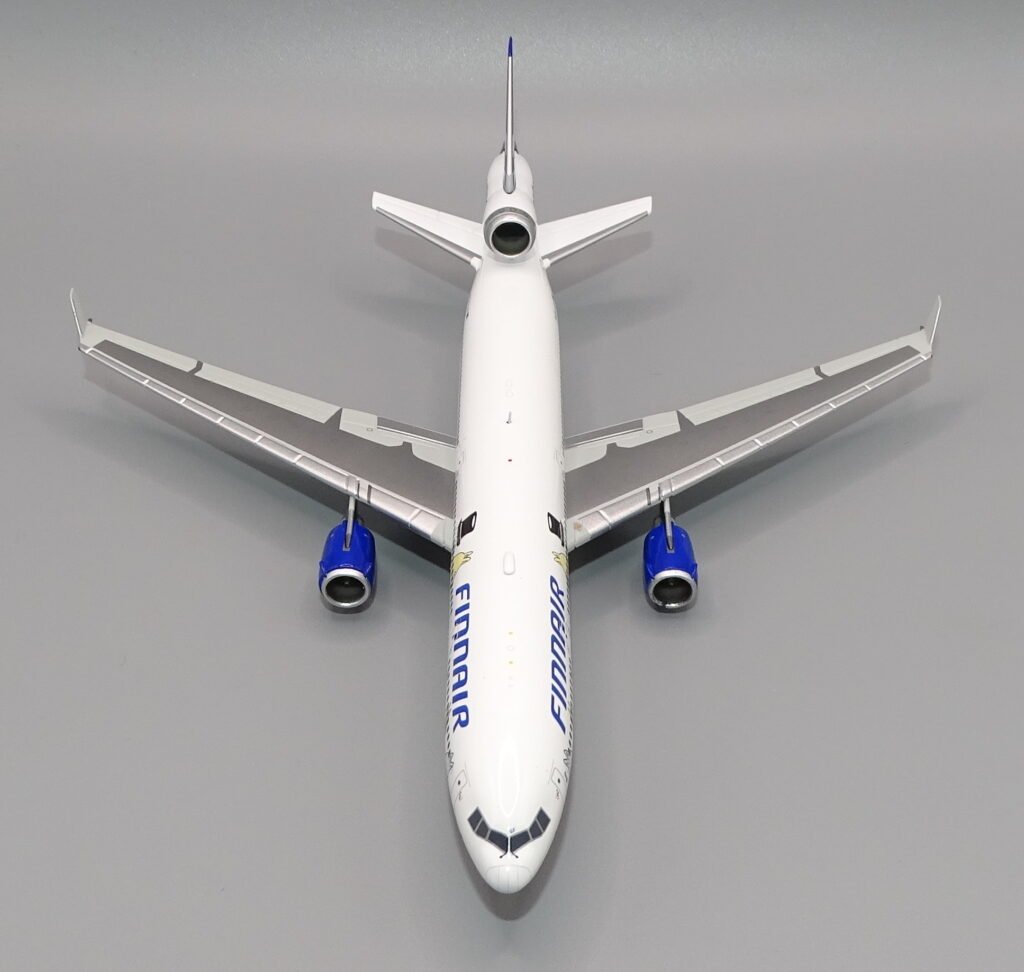
The HX mould has much more obvious and deeper etched control surfaces so that the ailerons and flaps are much more visible. Whether you prefer this or the finer etching of the Panda is really personal preference I’d argue but I think I prefer the HX myself.
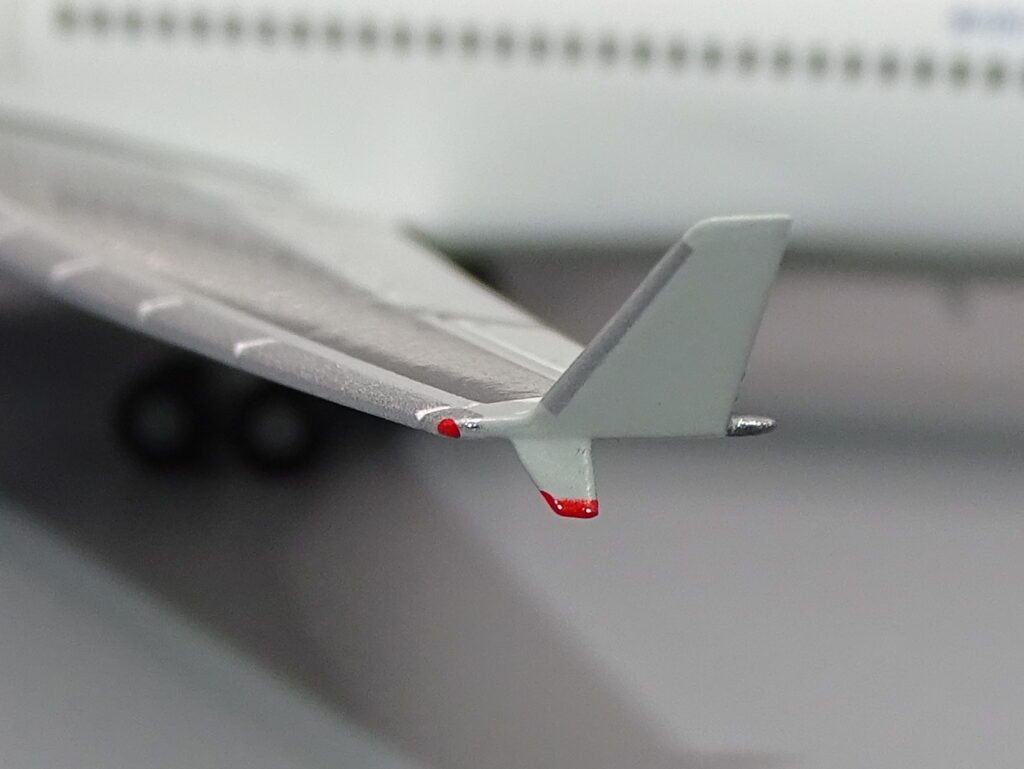
The winglets are well-shaped, and the lower winglets correctly angle outwards on both also, although the angle is stronger on the Panda version and probably more realistic. Also, more realistic on the Panda version is the angle of the horizontal stabilisers, which don’t angle up enough on the HX.
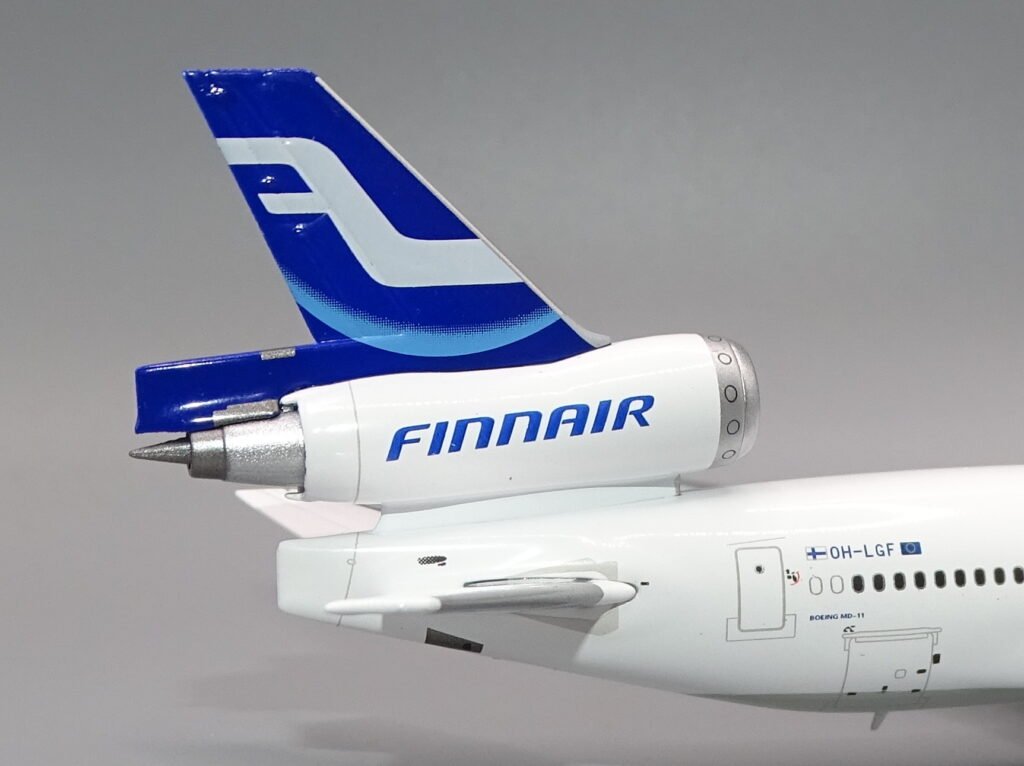
The number two tail-mounted engine has been the biggest differentiator between the two moulds. The fin above the exhaust on the HX is part of the tail and beautifully sculpted to join the exhaust itself. On the Panda there is a seam line and the sculpting to meet the exhaust isn’t as good.
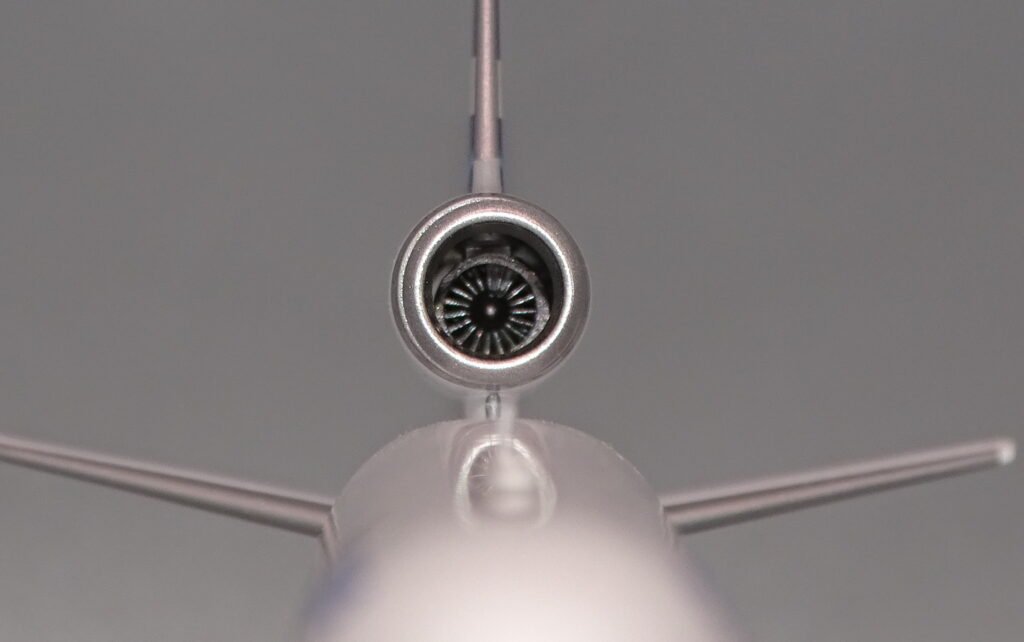
At the front of the number two engine both moulds have a separate rim to allow installation of the fan detailing inside. Arguably the Panda version doesn’t fit quite as well as that of the HX. The engines on the HX are hollowcore, compared to solidcore on the Panda. The fan detailing is nice but the fit in the number two engine is a little gappy above the fan ring.
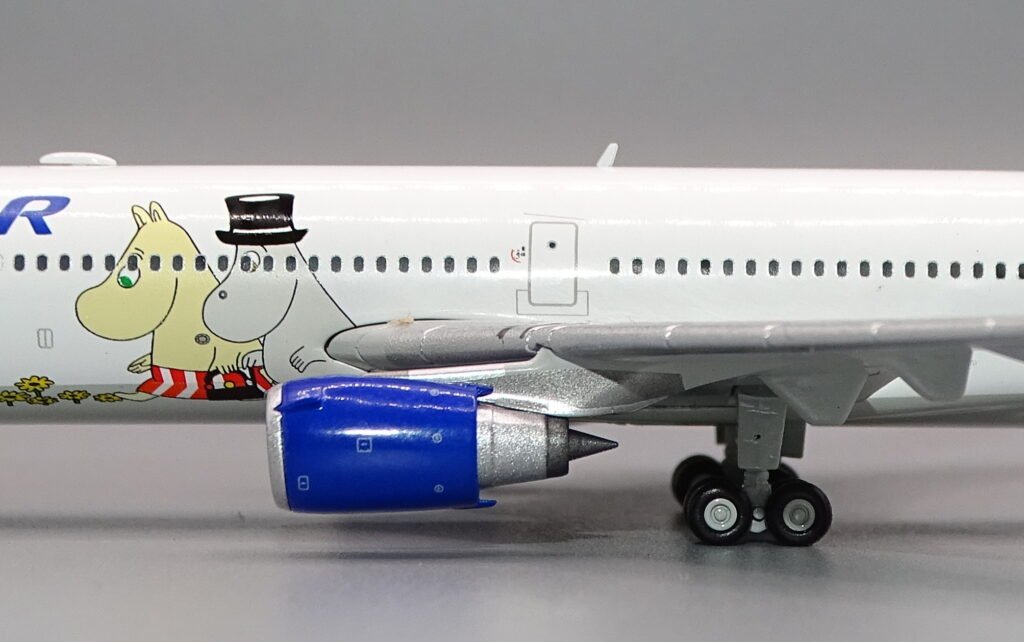
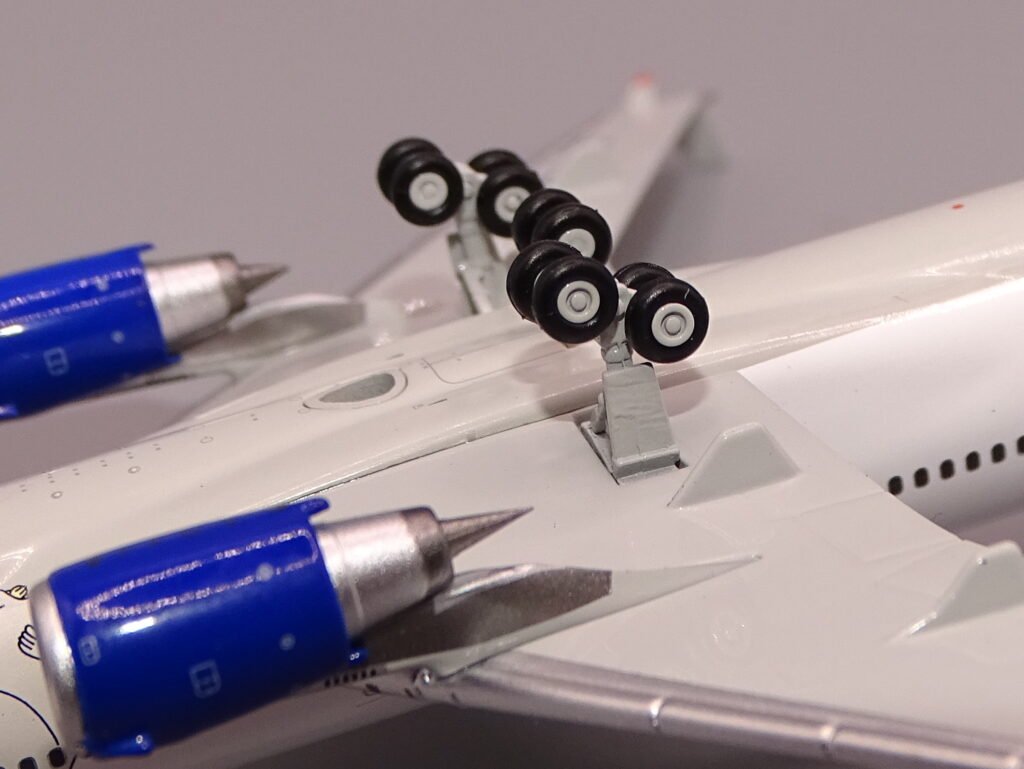
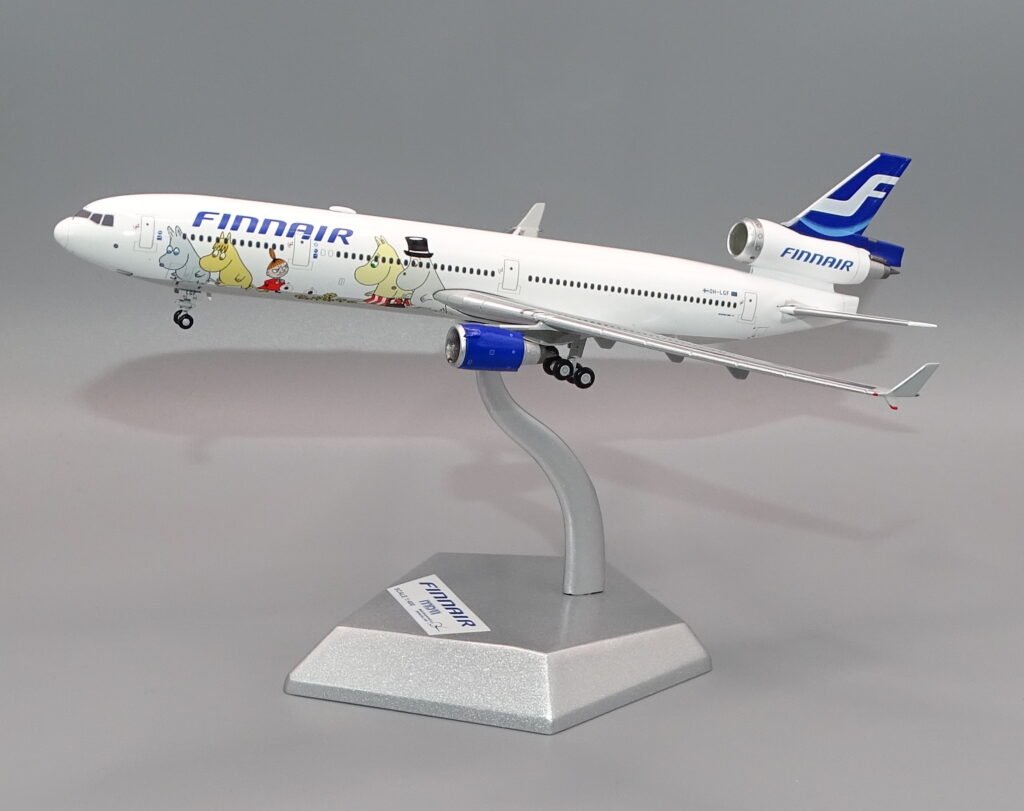
Another area of difference for the HX mould is that the maingear engine trucks pivot whereas they are static on the Panda mould. Gearleg detailing on the central maingear unit is also nicer.
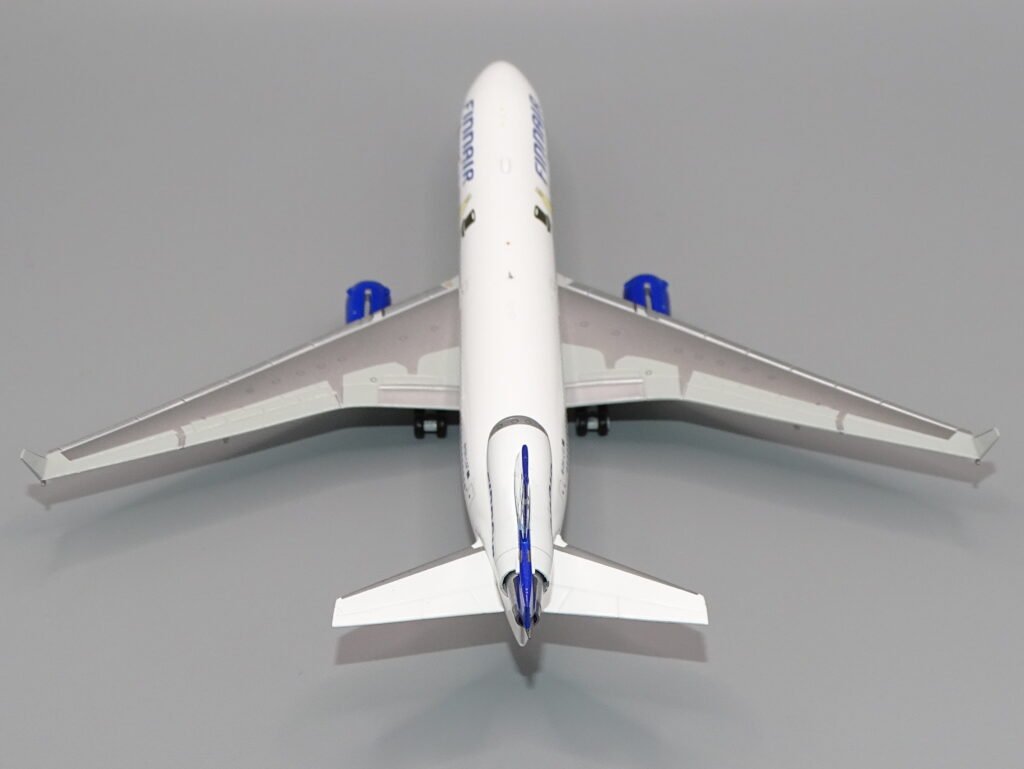
From a mould perspective there is very little to complain about with this HX mould. There are improvements over the Panda at the no 2 engine exhaust, maingear and moulding of the NACA intakes. The Panda has better angled horizontal stabs and winglets. Elsewhere differences with the engine fans and control surface etching are more related to design philosophies and none of the issues raised are at all majors in my view. Both moulds look and feel like a very believable MD-11, but this HX version wins on points for me.
SCORE – 9
PAINT & LIVERY
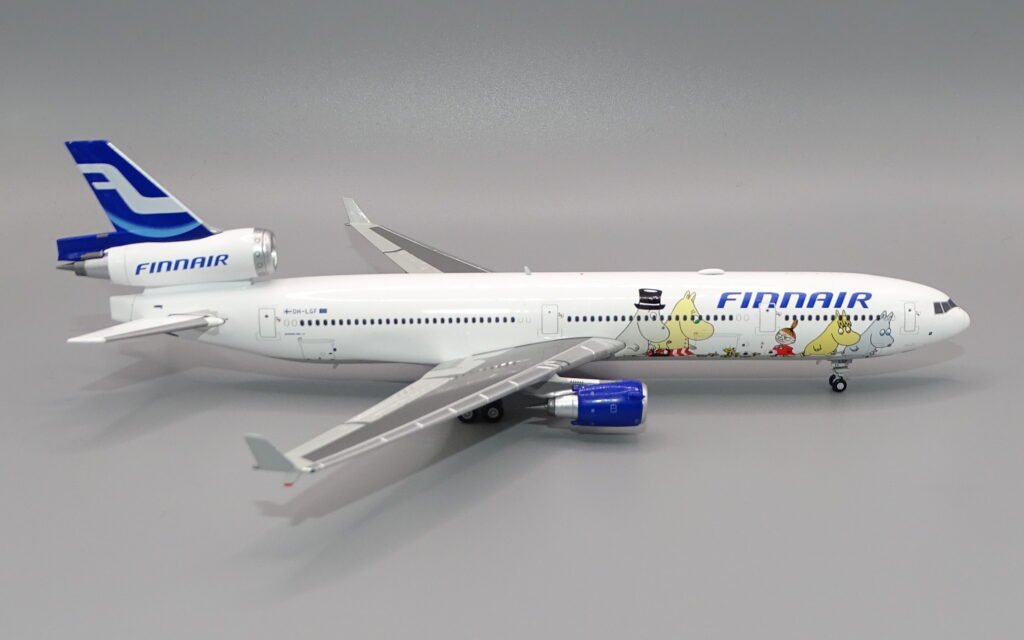
Finnair was a staunch advocate of the MD-11 and kept its fleet in service into 2010, long after other airlines had retired theirs from passenger service. OH-LGF was one of four of the eight used that came to Finnair secondhand. In this case it had been delivered new to City Bird in late 1996 and didn’t join Finnair until 2004. It was the second MD-11 to acquire a Moomins scheme, taking up this version in mid-2006 but only wearing the livery until October when a Christmas themed livery was applied in its place.
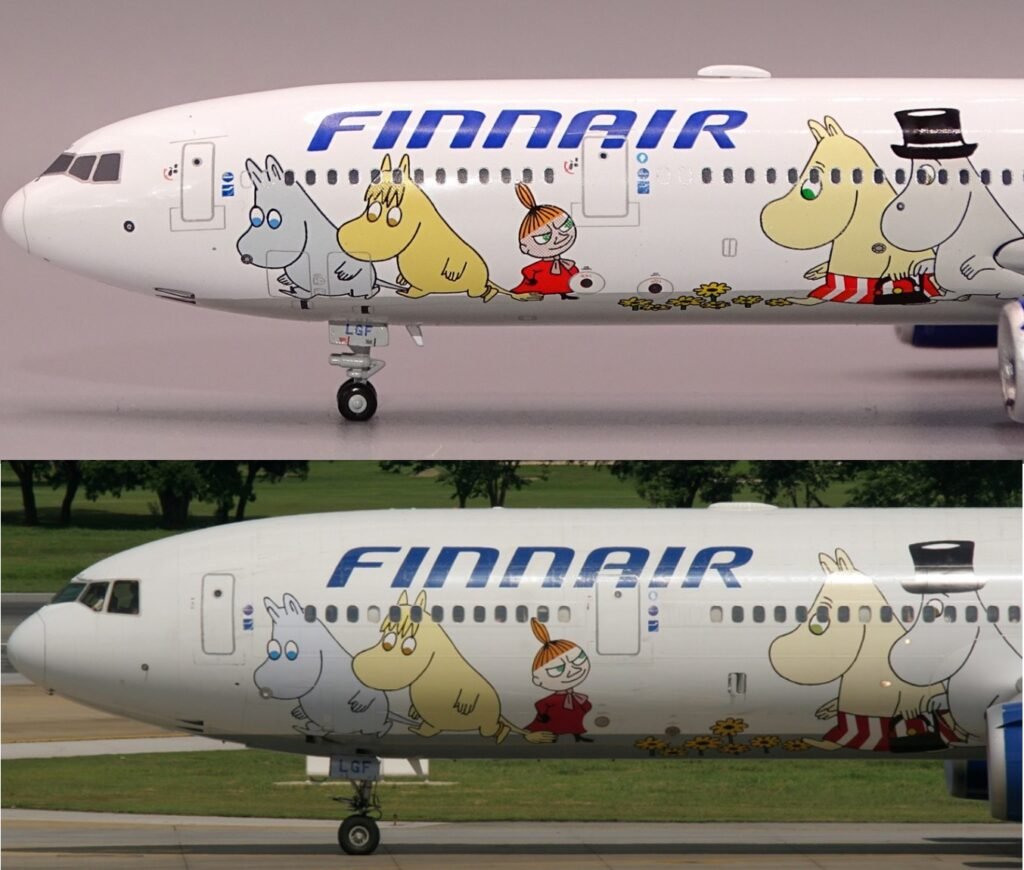
The scheme features the same scene on either side, with Moomintroll and Snorkmaiden at the front, followed by Little My and finishing with Moominpappa and Moominmamma bringing up the rear near the wing. The replication of the Moomins is exceptional. Their shape and position are photo realistic. The colours are decent as well with the only criticism being Little My’s face, which close up is dotty and too pink.
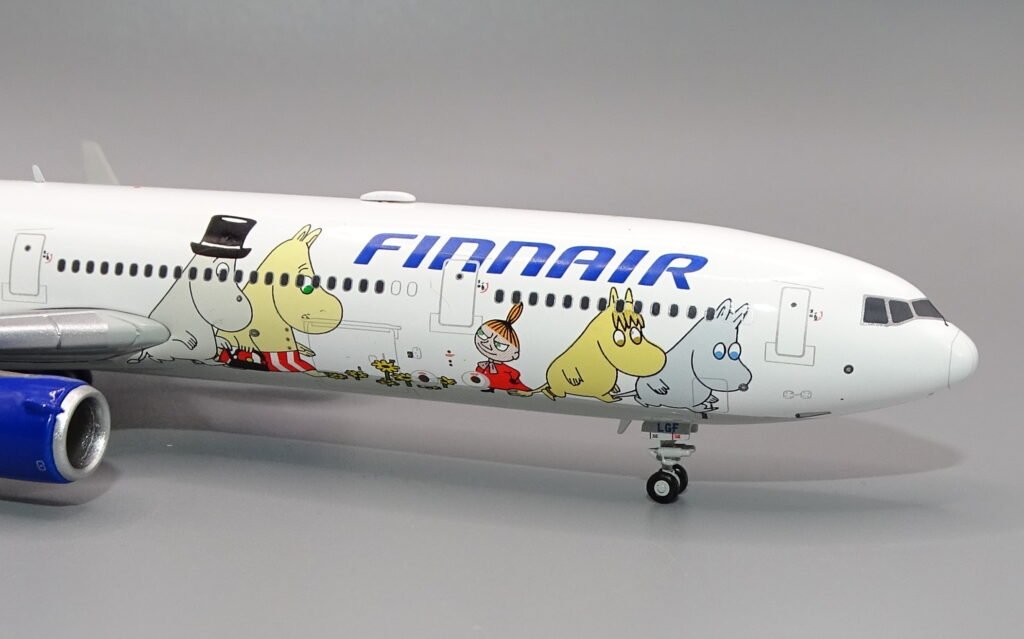
The rest of the livery, simple as it is, is carried off to perfection. The deep blues are great and the title font accurate. This Finnair livery was superior to the current effort in my view.
SCORE – 9
PRINTING & QUALITY CONTROL
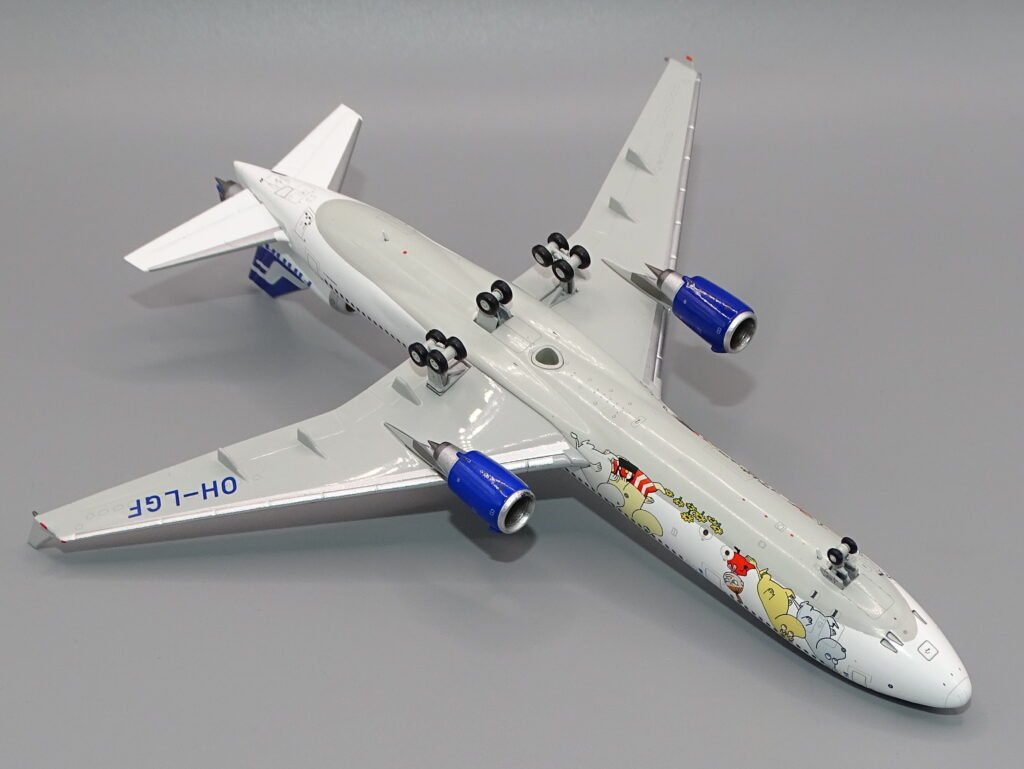
HX Models has been showing much promise when it comes to printwork and this model is a good exemplar of that ability. There is more printing than typically provided by Panda Models, who themselves are no slouch on that front. The number two engine intake and engine nacelles are good examples of this.
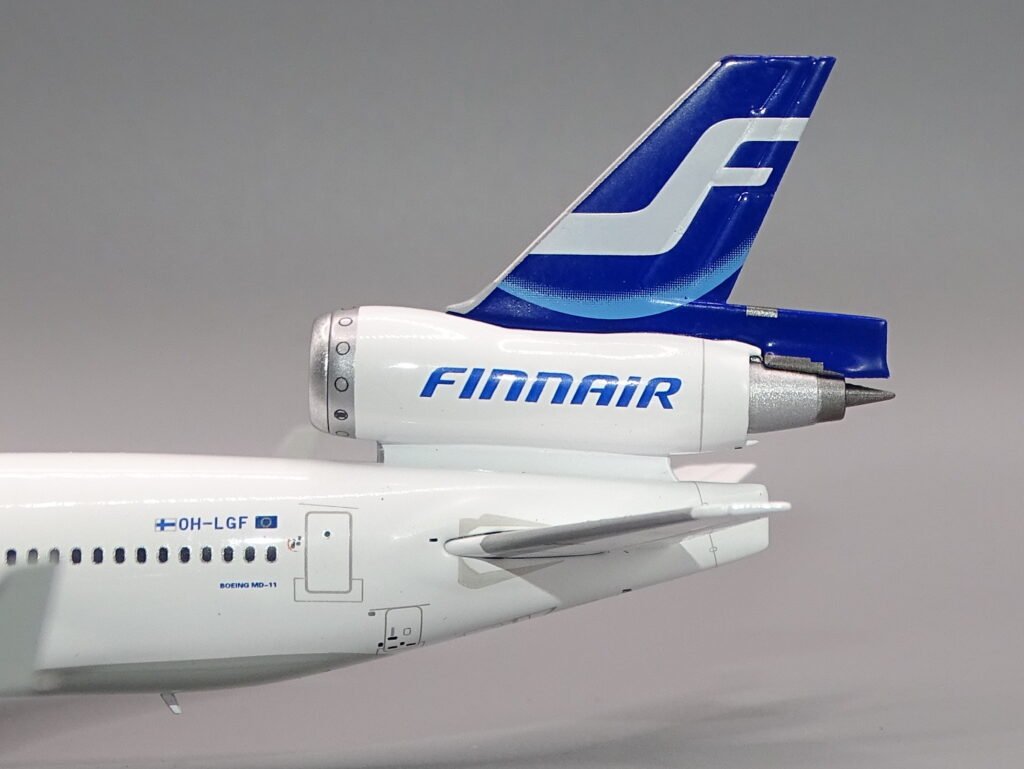
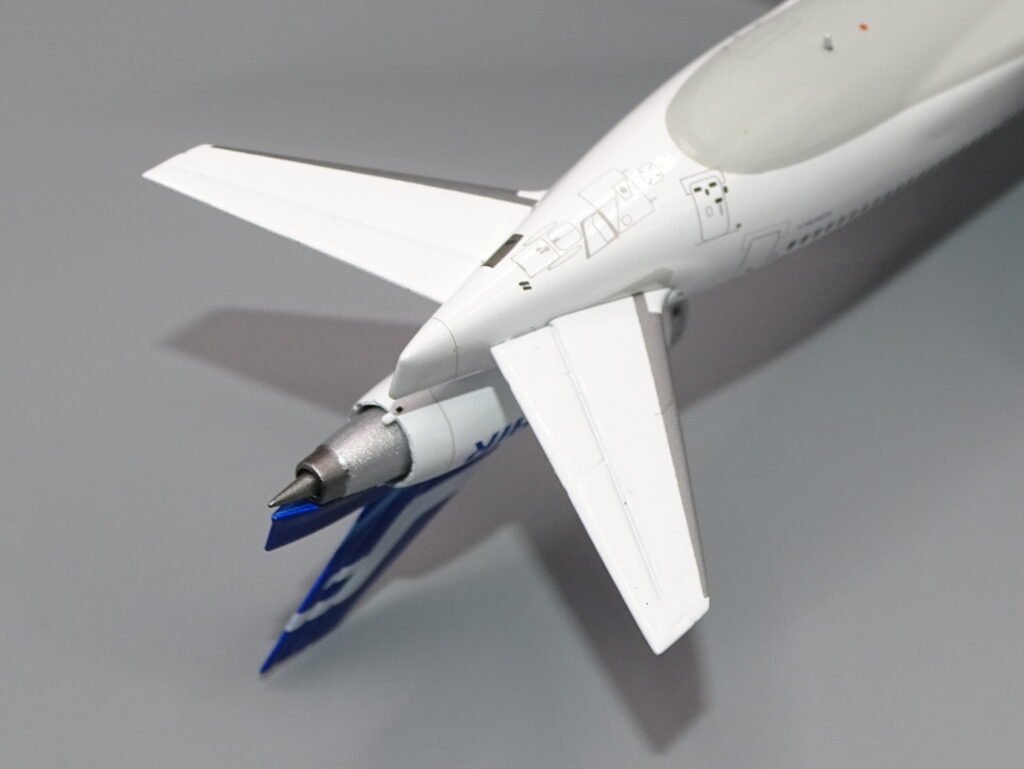
Probably the strongest example of the extra print you get from HX is however at the rear underside of the fuselage. Compared to a Panda MD-11 there is a lot more detailing present. Considering Panda’s printing easily blows a brand like Aeroclassics back to the stone age the improvement with HX is impressive.
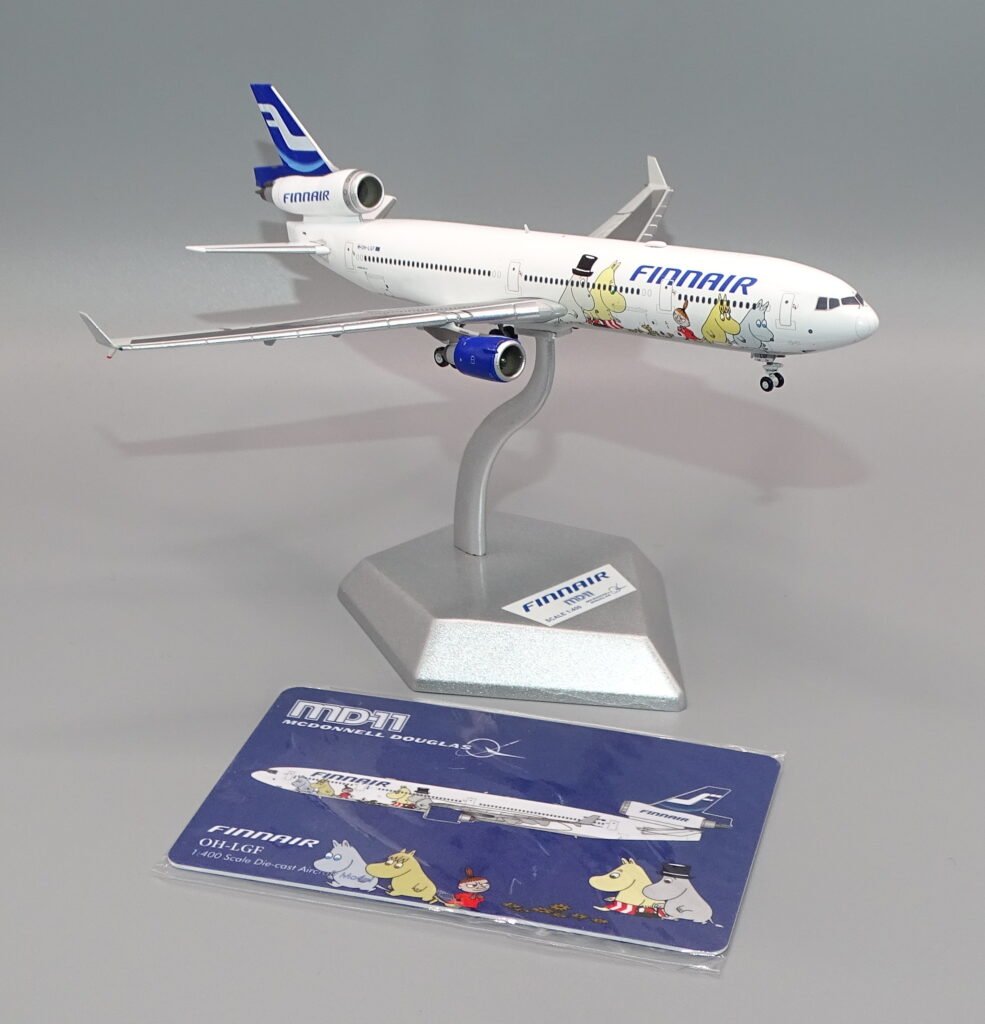
I have no complaints about the build quality of the model and once again I must praise the extras that the model comes with (collector’s card and metal stand) plus the thick quality card that the box is made from. These factors give the model a premium feel despite a very respectable price.
SCORE – 10
CONCLUSION
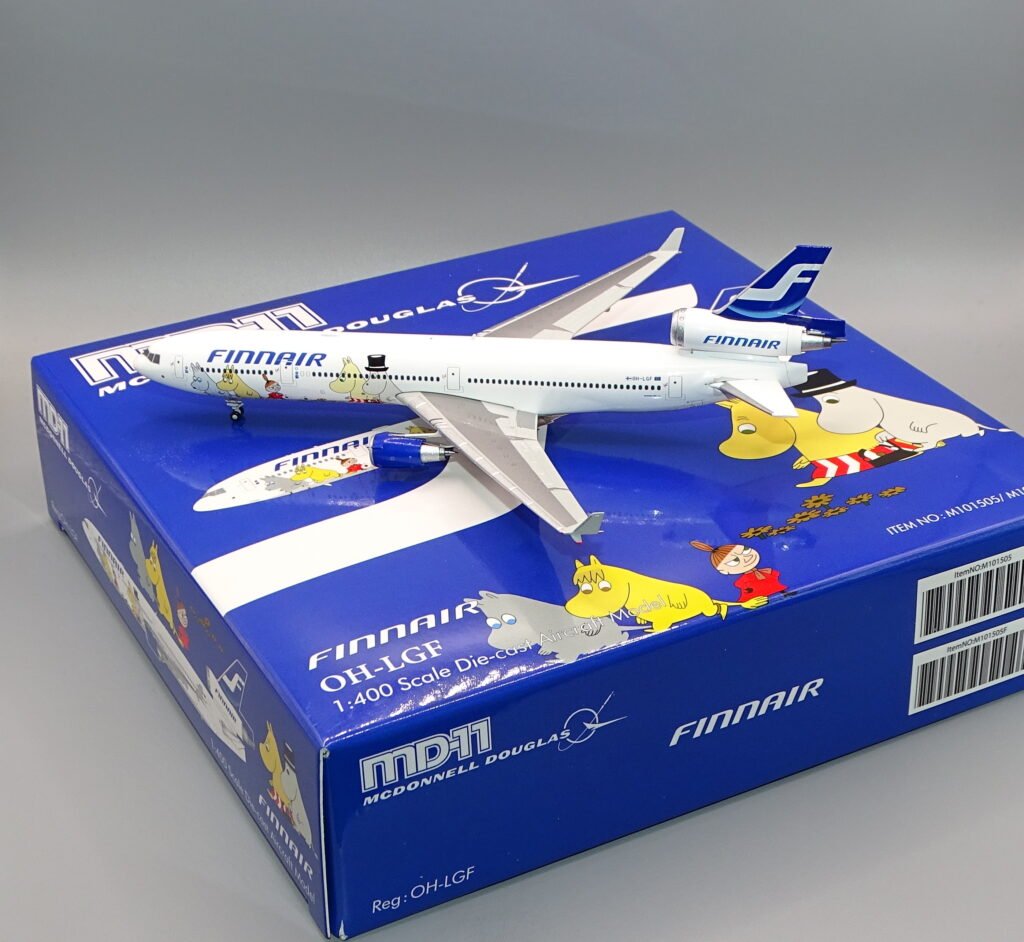
I admit I would prefer more classic MD-11s and Panda has announced examples that appeal more to my collecting goals than the versions HX has made to date. Given the quality of the Panda MD-11 I have no qualms about purchasing it, however I can’t deny that the HX MD-11 is subtly better than the Panda in a variety of ways that this model demonstrates well. Although not superior across the board the HX MD-11 mould is overall nicer than the Panda. It also has more printing detail and better packaging and extras. Once again HX are demonstrating that, although certainly not infallible and immune to making errors, they have a lot of potential for making top class releases.
FINAL SCORE – 28/30