Deregulation of the US aviation market wasn’t kind to the local service airlines. They faced being gobbled up by rampant former trunk airlines or kamikaze low fare competition from a host of new startups. Frontier Airlines was in a more difficult position than most and attempted to buttress itself with a low-cost offshoot of its own. Sadly, this only served to strain relations with its own employees and fell short of the hopes that it could stabilise the failing airline.
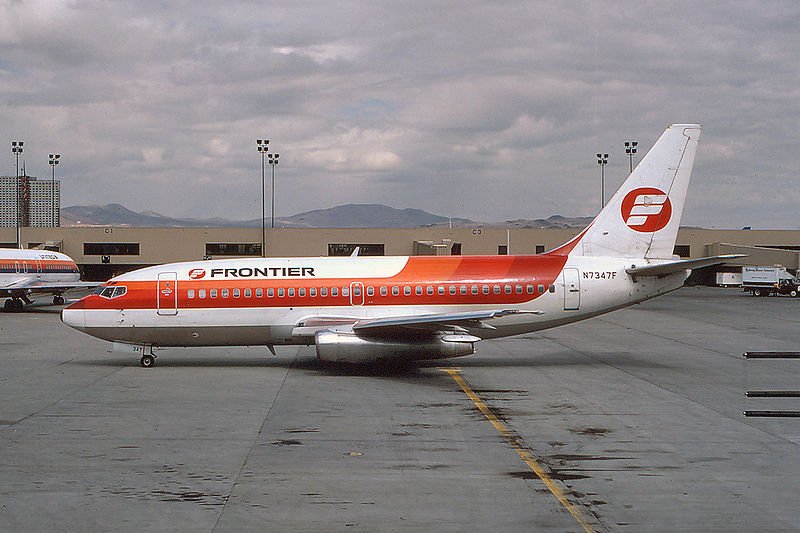
Frontier Airlines had, like most of the other local service airlines, been a well run company that had outgrown the shackles of the CAB’s initial feelings towards feeder airlines. By the early 70s it had turned itself into a proper ‘regional airline’ (in the 70s this term didn’t equate to operating regional aircraft) operating pure jets on an expanding route network, nibbling at the heels of the trunk majors whilst trying to stay true to the roots of its local service mandate.
Initially, Frontier’s success continued and 1981 proved the airline’s most profitable year ever, with a $33 million windfall. However, the airline had lost its leader in 1980 – as Al Feldman jumped ship for rival Continental. Vice President Glen Ryland was promoted to President, but faced a set of factors that would have a strong negative impact on the airline.




The rot would start to set in in 1982. The airline setup Frontier Holdings Inc as the new owner of the airline itself, but found that it’s now subsidiary Frontier Airlines was increasingly competing head to head with both United and Continental, now free to do business as they saw fit. A fare war escalated and ate into profits at Frontier – cutting them in half for the year.
The carrier attempted to grow its way back to profit with a fleet of new McDonnell Douglas MD-82s and cut First Class service to keep costs down. It also retired the last of the Convair 580s and continued to shed routes to the smaller destinations that had been its bread and butter in the 60s and 70s. Even with major wage concessions of 20% in renegotiated labour contracts with the unions, and increased revenues, high costs saw the airline fall into it’s first loss in over a decade to the tune of $13.8 million.
Things were falling apart fast and something needed to be done about it. The solution that was implemented proved to be controversial. The holding company decided to setup a sister airline, which was formed in August 1983. Why would they do that? Well, Frontier, as with many of the unionised legacy airlines, was despite the wage concessions, still staffed by a lot of relatively highly paid workers. It was felt that to compete costs needed to be cut further and by setting up the new carrier as a non-unionised one they could workaround the problem.
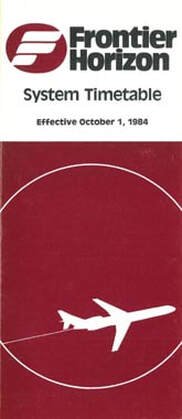
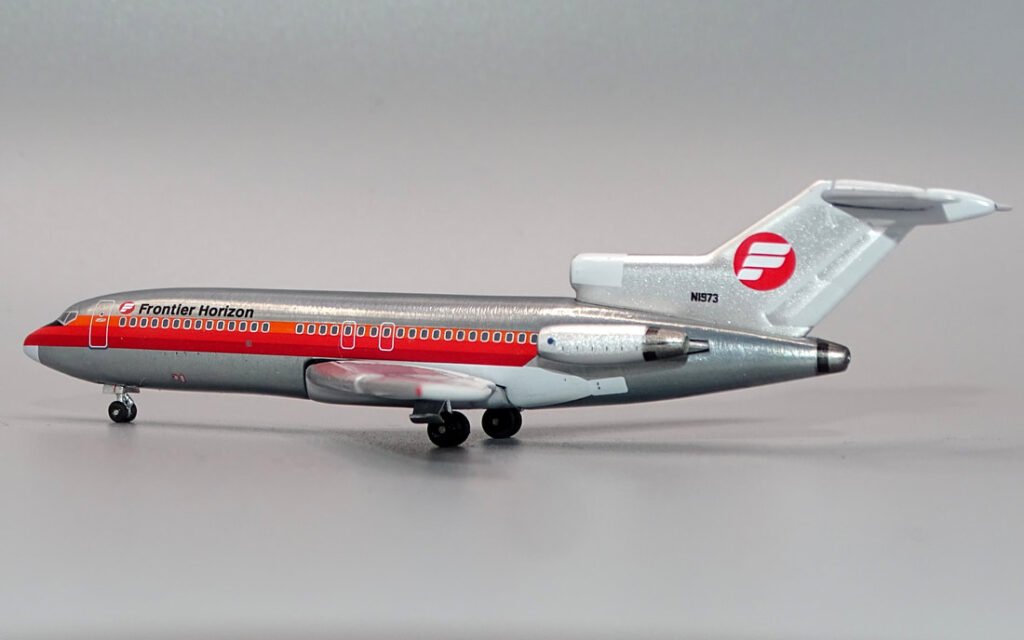
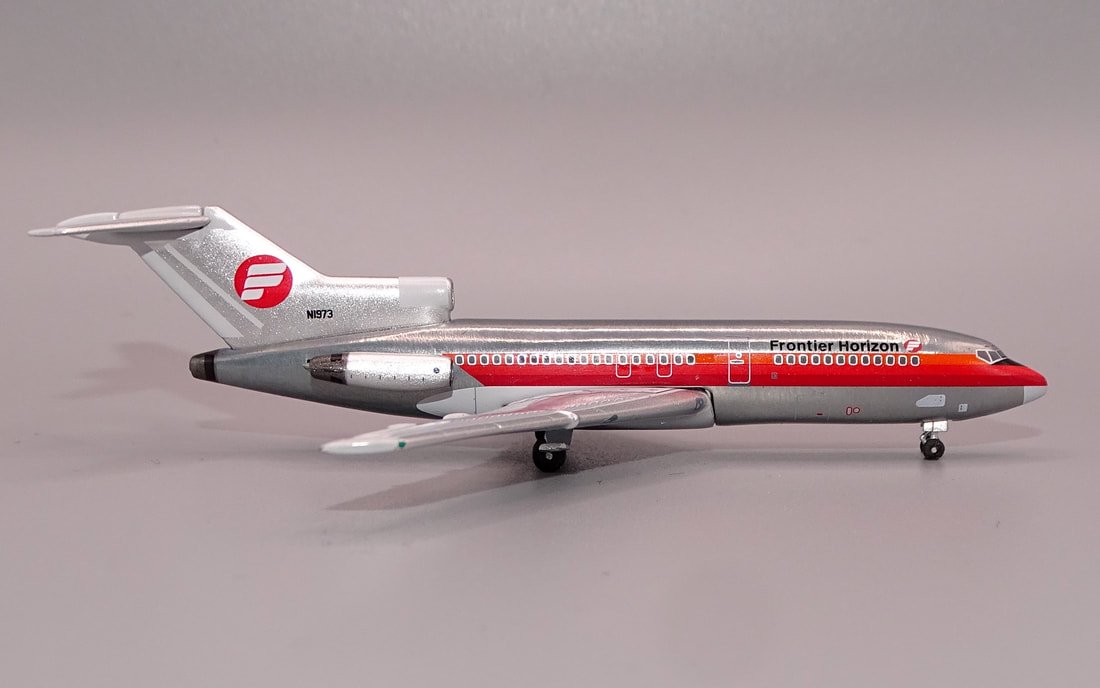
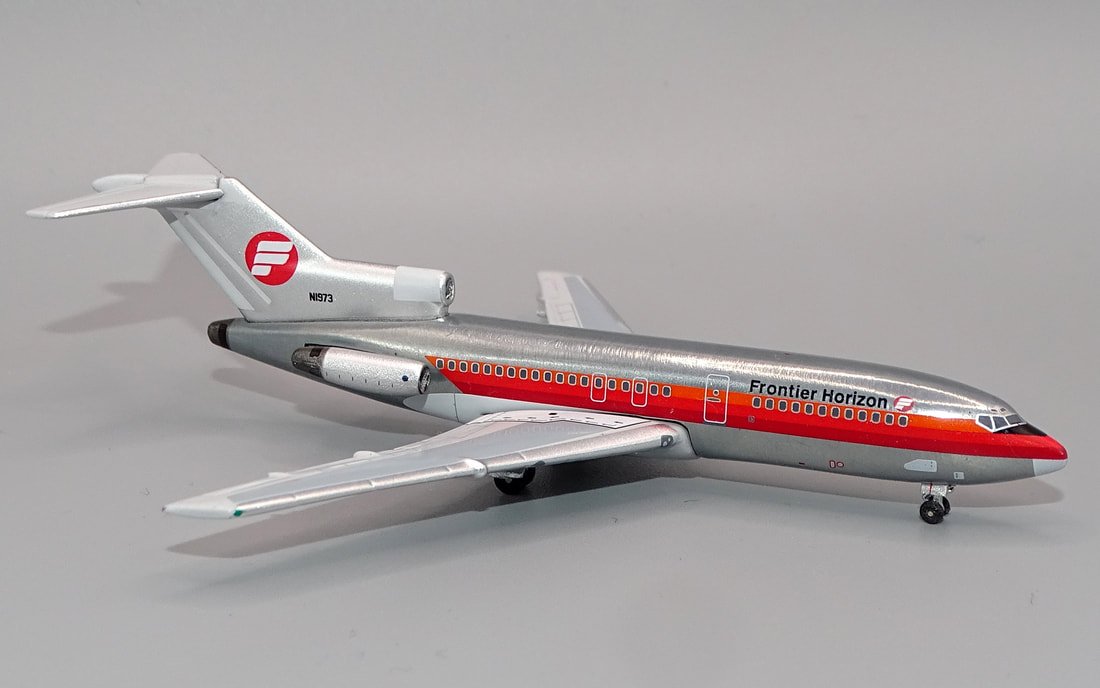
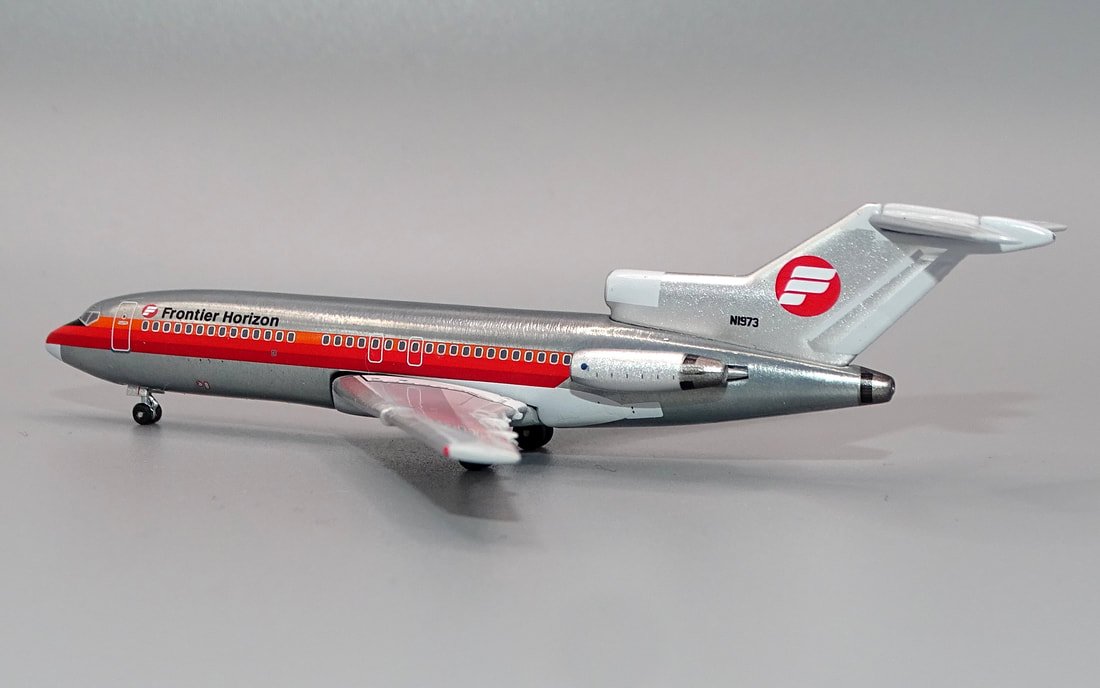
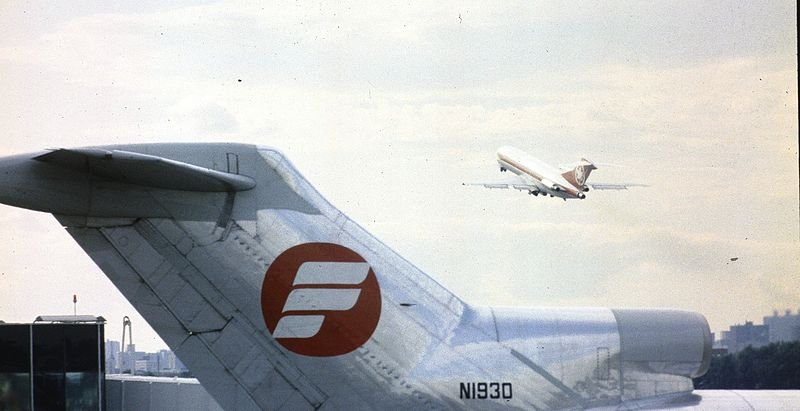
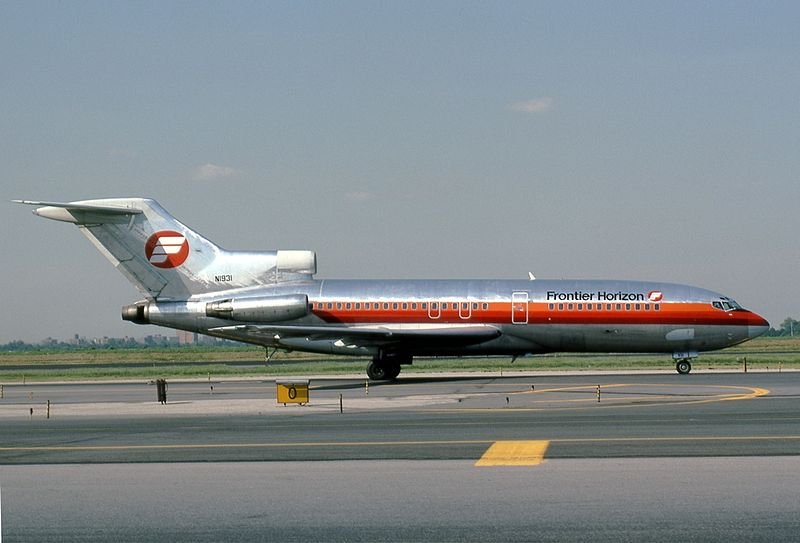
Frontier Horizon was formed in August 1983 and equipped with 7 Boeing 727-23s acquired for $22 million from American Airlines, through another subsidiary, Frontier Leasco. The 727s would serve four major markets that Frontier wasn’t competitive on due to its cost structure. These were: Chicago, New York, Washington D.C and San Francisco. The new president and CEO of Horizon was M.C. “Hank” Lund who postponed his retirement plans with Frontier to take on the role.
Frontier Horizon got it’s AOC from the CAB on January 6, 1984 and began flying three days later. The new airline went down like a lead balloon with Frontier staff, who saw it merely as a union-busting ploy to get more concessions from them. It even went as far as picket lines by union members.

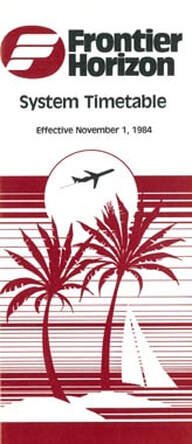
Trouble also came from another quarter. Horizon Air in Seattle was unhappy about the similarity of the name to its own, and won a court order stating that a new name was needed before April 1985. A competition was launched to find a new name, with the prize being a lifetime’s pass for two anywhere on the Frontier and Frontier Horizon systems. The winning name was Frontier Discovery but the winner would have no doubt been disappointed by their prize since no aircraft would ever wear the new moniker!
Frontier Horizon may well have been low-cost from a staffing perspective but it was not a low-cost carrier in any other way. The 727s were equipped with 10 business class seats and 99 more in economy, with a generous 33 inch seat pitch. Meals were not only still served but served upon china, with tablecloths and napkins, metal cutlery and glass glasses. Lund has said that they were ‘taking direct aim at United’s domination’ but United had deep pockets and a massive chunk of the market, backed by its huge network connectivity.
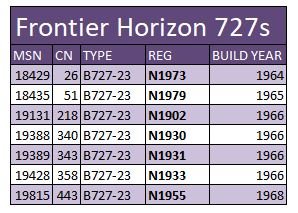
Not only were attempts to make inroads into United’s marketshare unsuccessful but fare wars with Continental forced prices lower. Ultimately, the gamble of Horizon didn’t pay off and the airline ceased operations after less than a year at the end of 1984. The 727s were wet-leased to Frontier to continue the routes for a short time, but the airline’s assets, including the 727s, were sold in January 1985 to another startup airline that would become the equally unsuccessful Skybus, based in Atlanta.
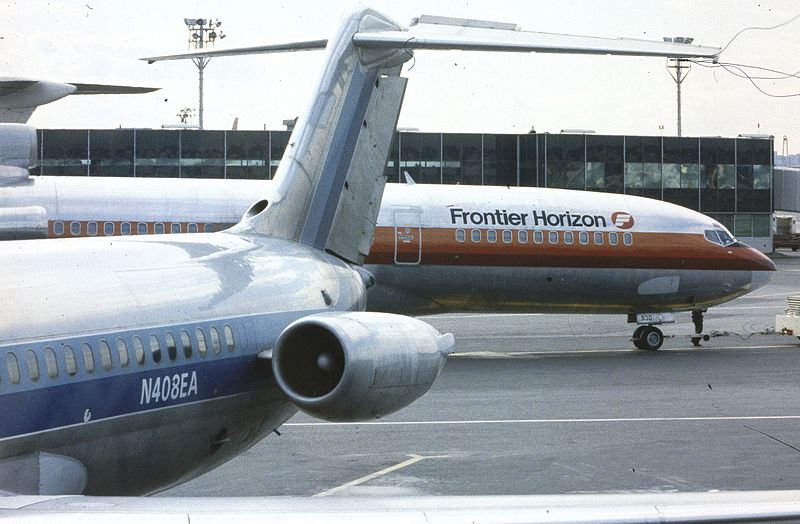
The failure of Frontier Horizon was another nail in the coffin of Frontier Airlines itself. They took over the Horizon routes but the carrier was on a one way path towards liquidation, despite layoffs and further wage concessions from the unions. If Frontier Horizon was a mis-step it illustrated the central issue Frontier had. High costs and strong competition from competitors with deep pockets. The solution would be to adopt low-cost airline practices and in 1994 Lund was instrumental in starting up the second Frontier Airlines that did just that.
References
1996. Norwood, T. Deregulation Knockouts Round One. Airways Press
2002. Hill, R.C. The First Frontier. Airliners Issue 73