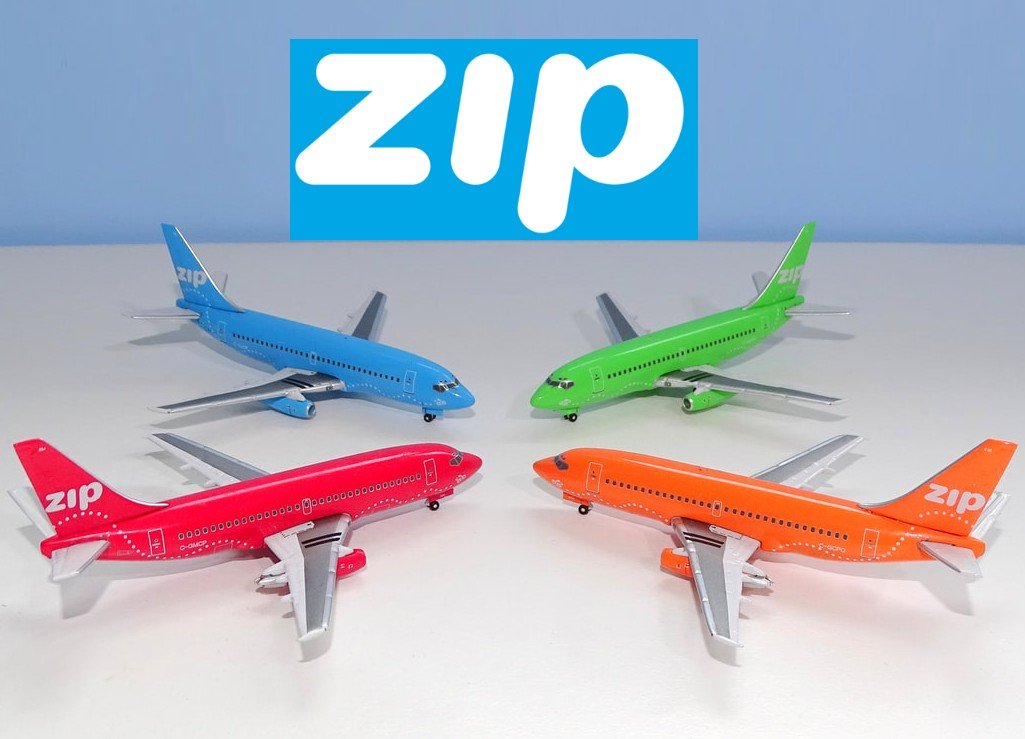
The advent of low cost carriers led to a raft of legacy airlines setting up low cost subsidiaries across the globe. From New Zealand to Germany, and South Africa to the USA the established airlines were on the defensive. Canada was no different, and faced with the challenge of WestJet, Air Canada decided it too would jump on the bandwagon, at least until it could get its own cost’s under control. The result was ZIP!
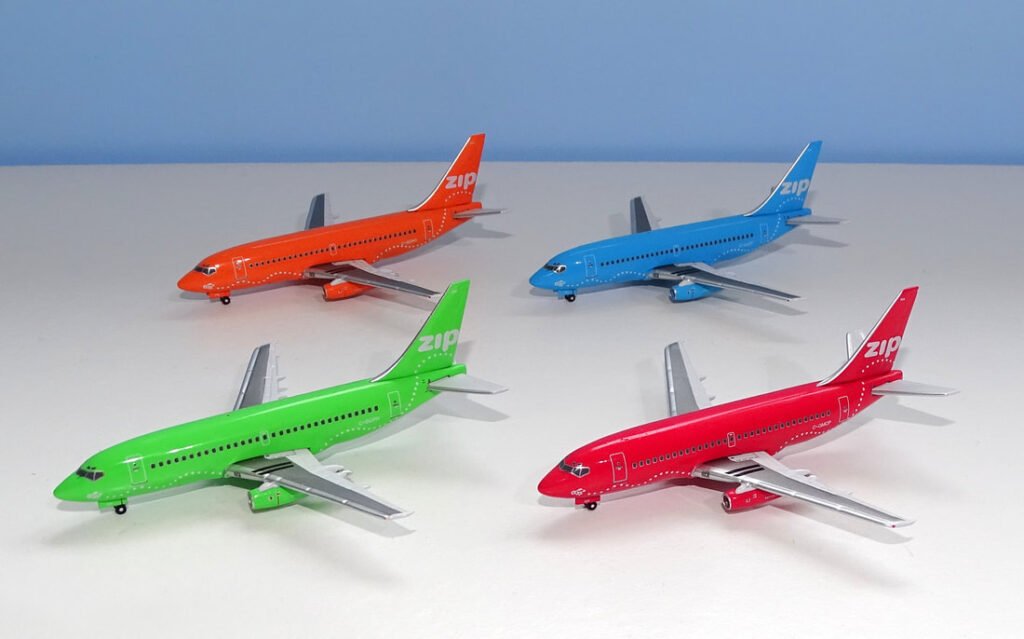
Models by Aeroclassics. ZIP actually never operated a red 737 so this is an error but see below.
The takeover of Canadian Airlines by Air Canada in 2000 and the post-9/11 collapse of Canada 3000 provided only momentary respite for Air Canada as a far more potent competitor was gaining strength in the West. WestJet, based in Calgary, had been flying since 1996 but was rapidly filling the gap left by the the failed airlines and was very different. As a low-cost newish startup it didn’t have the baggage that Air Canada did and the latter struggled to compete on price against the new upstart.

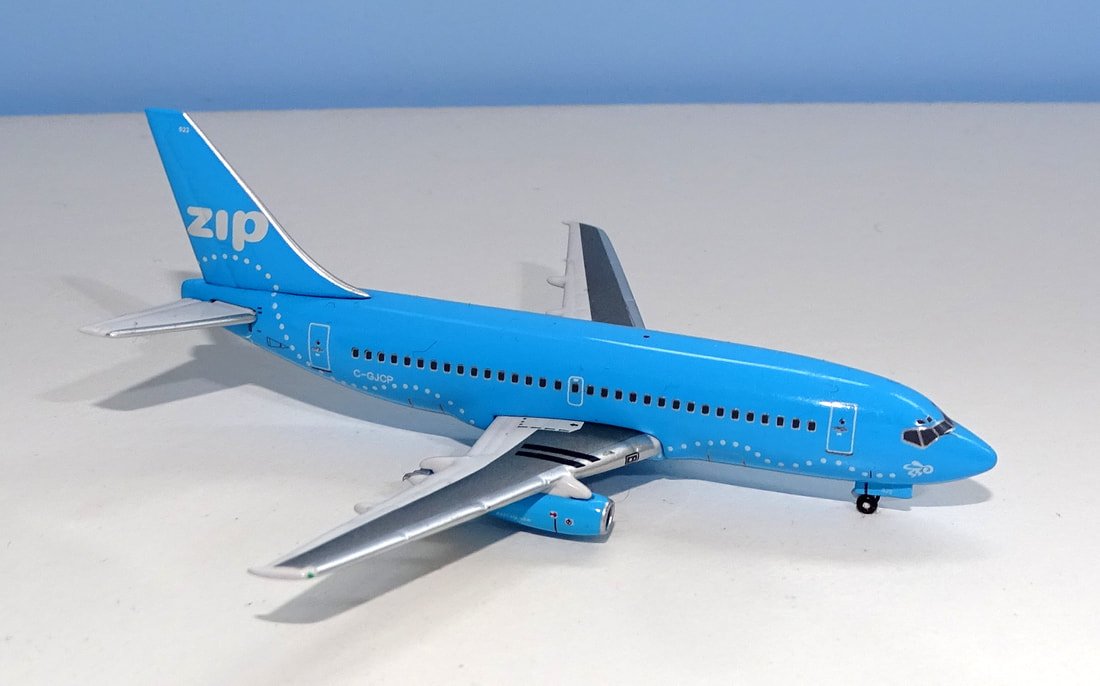
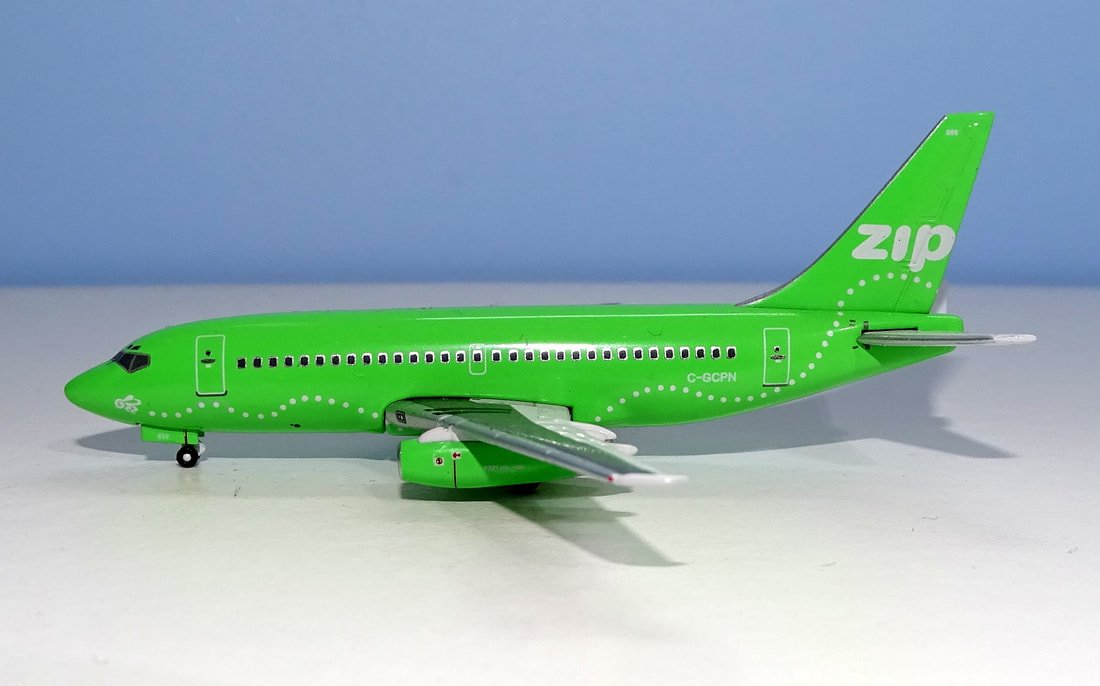
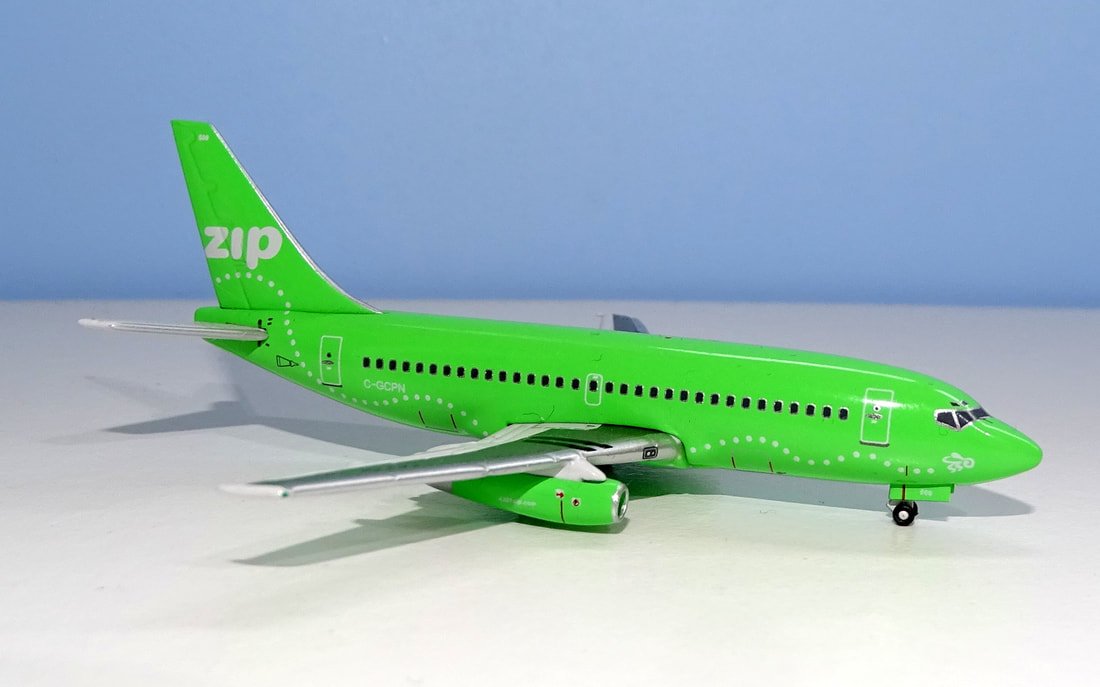
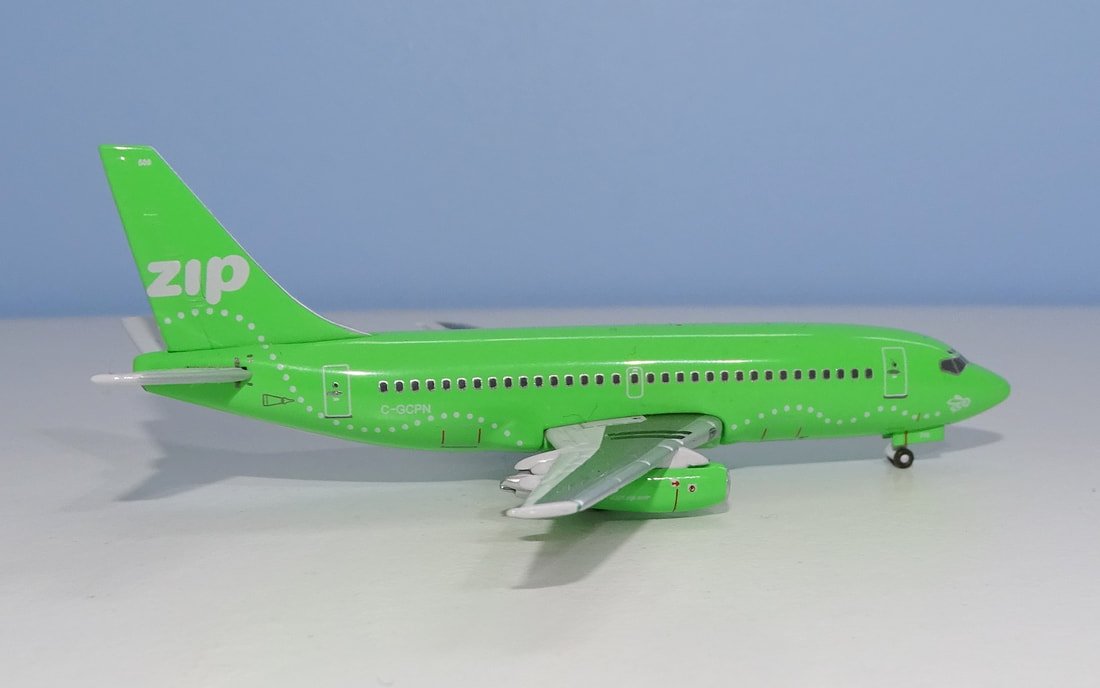
The new airline was announced in April 2002 and would be headquartered at WestJet’s hometown of Calgary, with operations from there and Vancouver. The initial plan was for 6 737-200s to replace existing Air Canada services between the cities. As Air Canada CEO Robert Milton said:
“We understand that consumers want low fares on a year-round basis. The new carrier will provide an attractive and affordable option with convenient connections to Air Canada’s worldwide network”
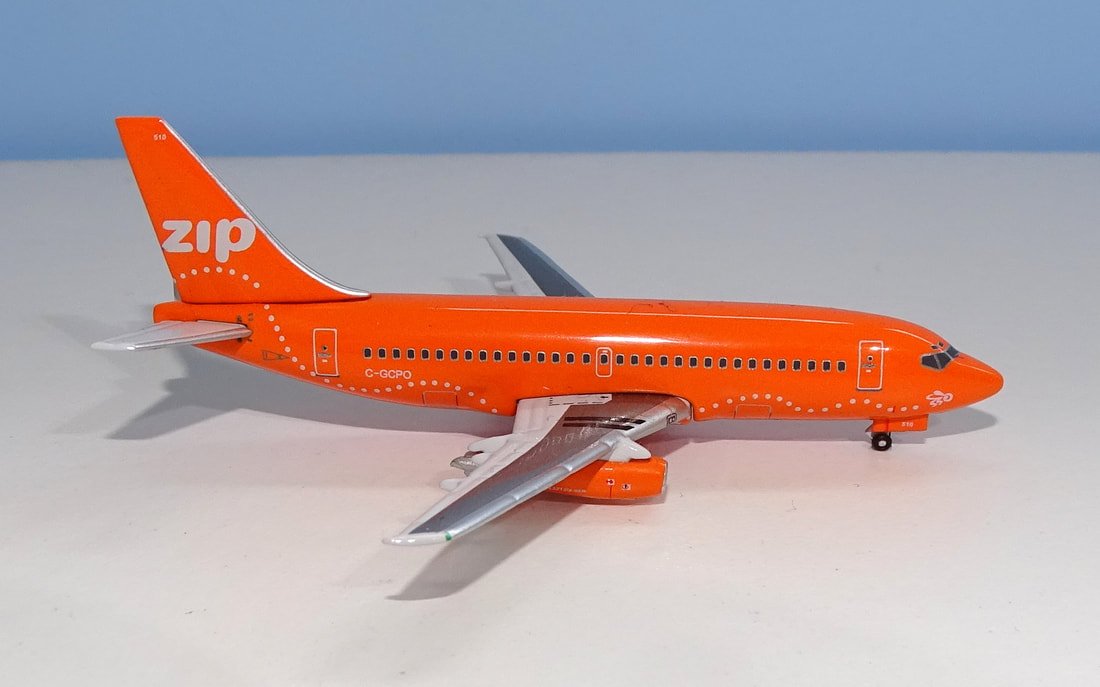
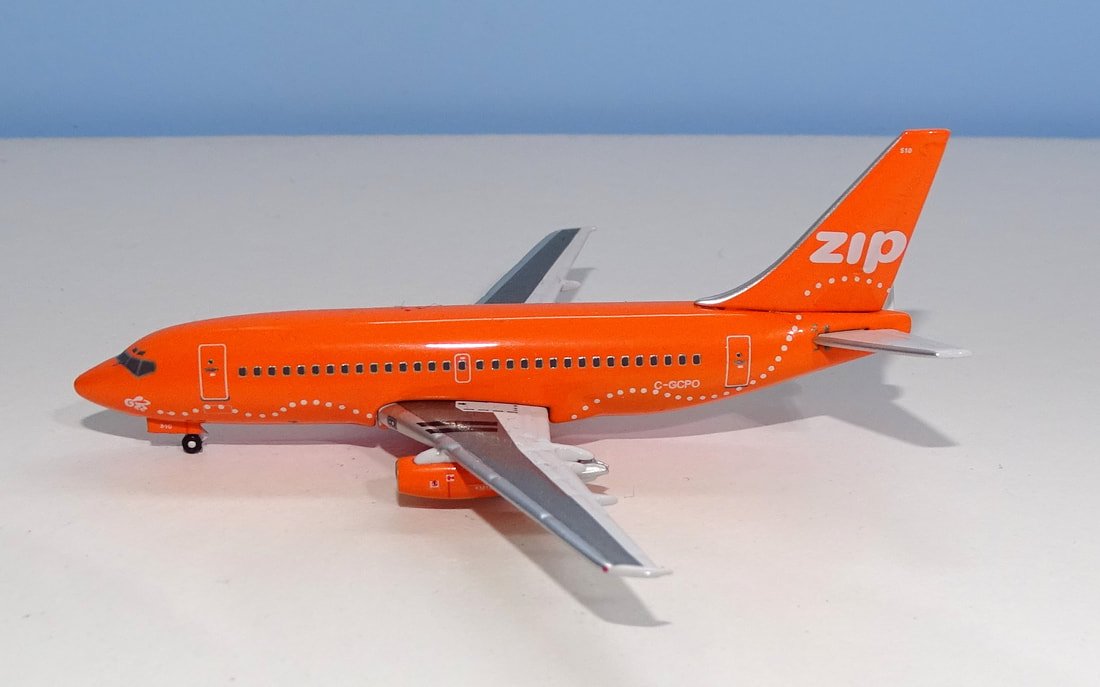
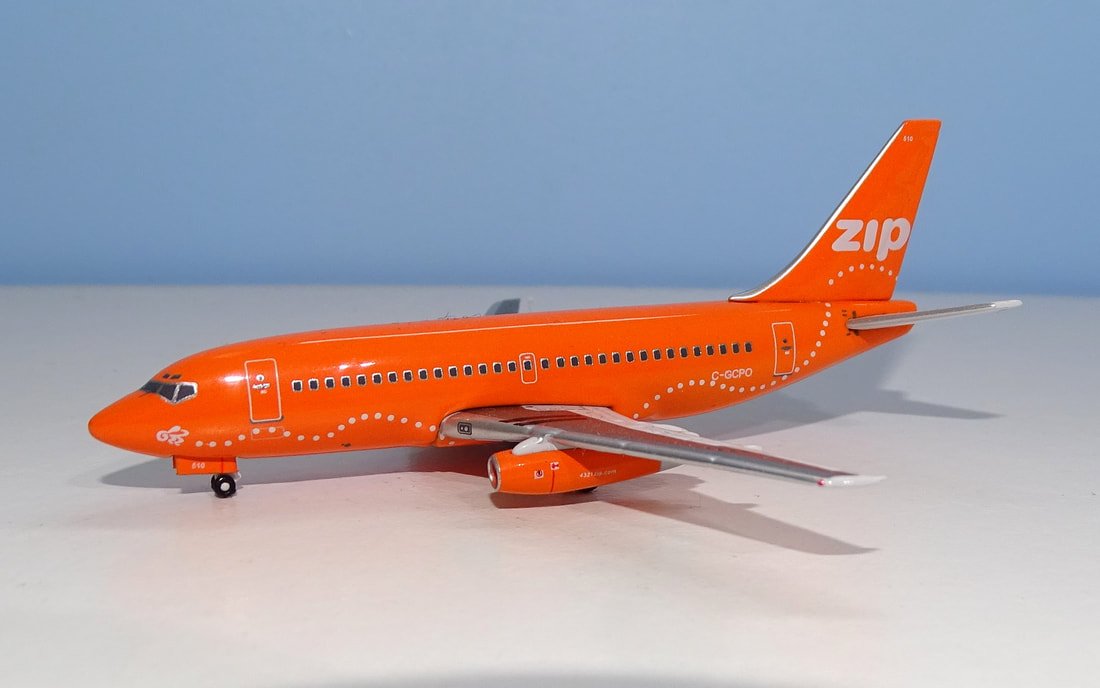
Obviously as an all new carrier the new airline, to be known as ZIP, would employ cheaper staff. It would also emulate low cost carriers with no full meals on services and an emphasis on online booking (through its website www.4321zip.com) and electronic check-in. Nowadays these aspects seem obvious but in 2002 it was a departure for Air Canada. Even more interestingly the new CEO of ZIP would be Stephen Smith, the ex-WestJet CEO.

At the same time ZIP would benefit from its connections with its parent. Flights still qualified for the Aeroplan mileage rewards programme, would connect with existing Air Canada services and the start-up fleet of 737-200s would all come from Air Canada too.

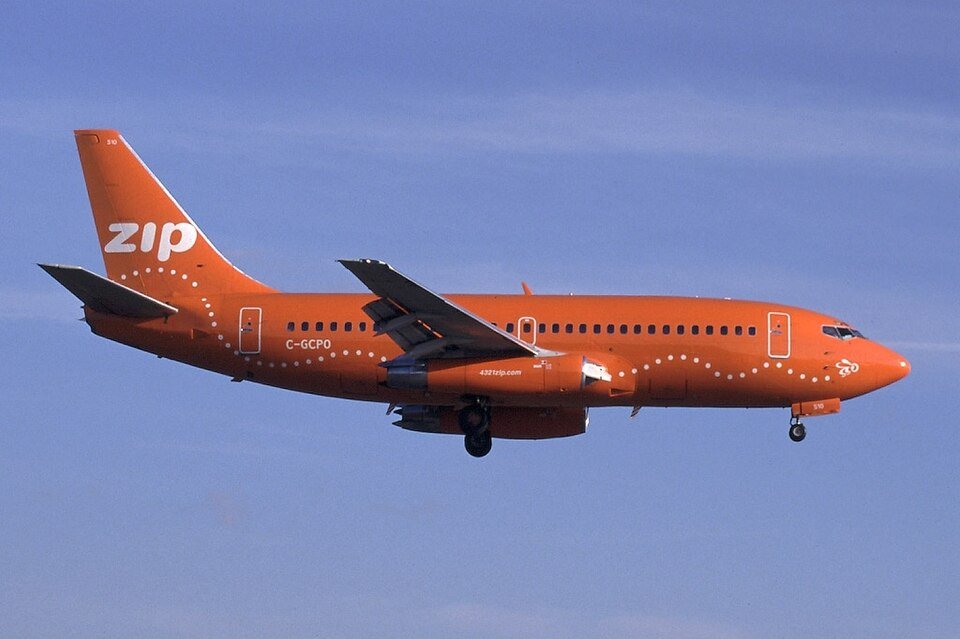
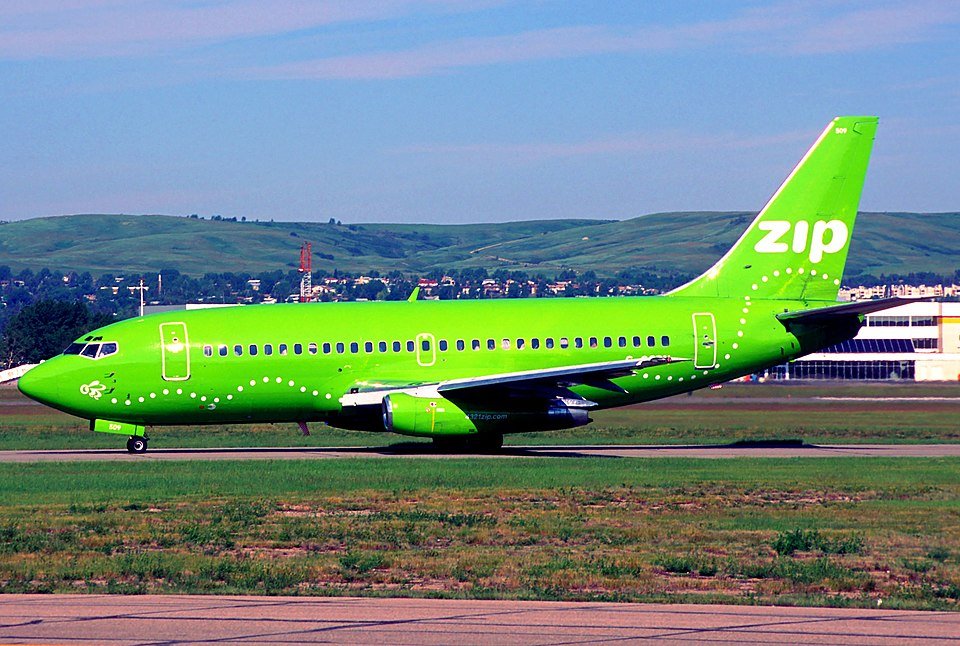
ZIP would also gain a unique and colourful identity based initially around four colours – fuchsia, blue, green and orange. As Smith said:
“We have specifically chosen a very distinctive look for ZIP that reflects the unique character we will bring into the marketplace, one of ease, confidence and convenience coupled with value and low fares”
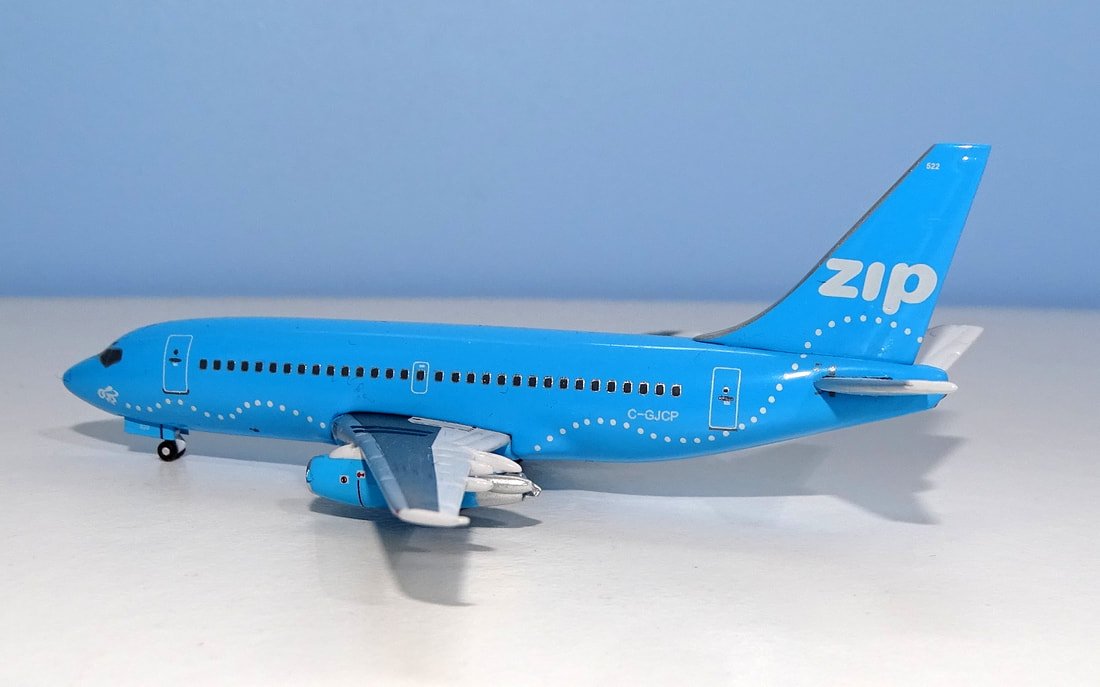
Below: ZIP never did operate a red aircraft but in some lights the Fuchsia could look red as here on C-GMCP

Each aircraft included the new bee logo and would be reconfigured in a 117 single-class layout. ZIP’s first service took off in September 2002. The first six aircraft all wore the bold full block colour scheme but as soon as January when the 7th aircraft was delivered this was toned down dramatically.
Gone was the bee and the block colour in favour of a far more sedate livery where just the tail and rear fuselage would wear one of the four colours. Nonetheless further 737s were added regularly throughout the year until November 2003 when the 20th arrived. This was the number that had originally been spoken of when the airline had started operations, but there would be no further growth at ZIP.
Below: C-GWPW wearing the green variant of the scheme worn by most of the ZIP fleet
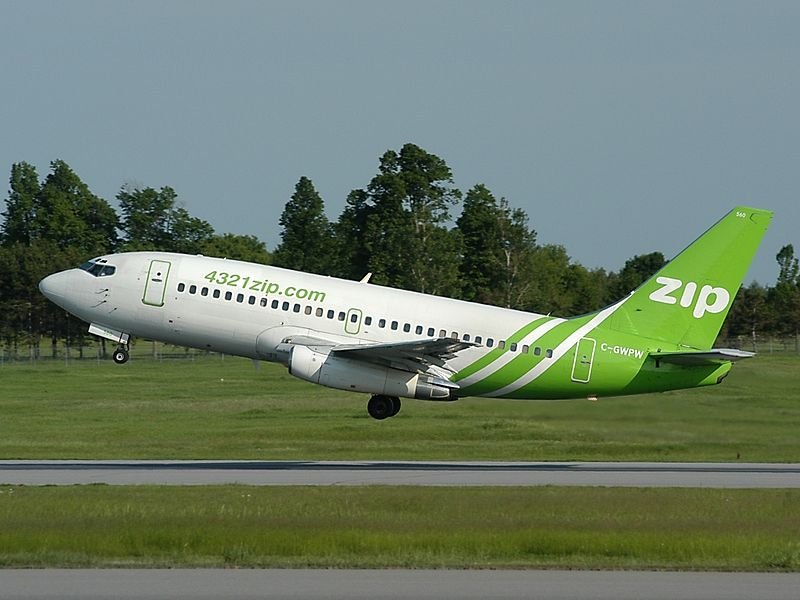

Note: C-GCPZ would uniquely wear a black tail scheme showing its previous Air Canada Tango ancestry
ZIP was impacted by what was happening at its parent Air Canada. It had entered bankruptcy protection on April 1, 2003. When it emerged from bankruptcy the airline was a lot leaner and had cut it’s costs substantially. By September ZIP was down to only 12 737s anyway and now with Air Canada’s costs reduced the need for a separate low-cost operator was no longer obvious. It was announced that ZIP would be folded back into the mainline operation and the majority of its staff transferred. So, as Air Canada emerged into a new era in September 2004 ZIP’s time ended after just two years.

References
2000, September 12th. WestJet CEO calls it quits. The Globe and Mail
2002, April 19th. Air Canada unveils ‘Zip’: new western discount airline. CBC News
2004, September 8th. Air Canada’s Zip shut down. CBC News
2004, September 21st. Resurgent Air Canada closes door on its discount subsidiary. Flight Global