Pacific Southwest had proven without a doubt during the 1950s and 60s that small well run airlines could compete against the large Trunk airlines and out compete the smaller CAB backed local service airlines. Of course it was only able to do this by keeping its operations intra-state and outside the CAB’s regulated structure. By 1970 the airline had grown for 10 consecutive years and shown profits for the past 15. It was time for an audacious gamble and that meant widebodies.
This is the 4th part in a series on PSA’s history:

Lockheed had decided to re-enter the civil aviation scene, following its late 1966 rejection in the race to build a supersonic transport, initially attracted to a brief from American Airlines for a large efficient short-medium haul airliner using the new technology turbofan engines then in development. The resulting Tristar was technologically superior to the competing McDonnell Douglas DC-10, but its development costs severely stretched both Lockheed and the engine designer Rolls-Royce.
Nevertheless initial sales, to the major Trunks Eastern, TWA and Delta, as well as a batch to Air Holdings for sale outside the USA, were promising. One of the smaller trunk airlines, Northeast Airlines, had also rather optimistically ordered a pair but their failing financial position and ongoing merger talks (initially with Northwest) led to their order being cancelled in 1970. By this time orders for new Tristars were getting hard to come by but Lockheed was able to replace the lost Tristar order quickly when it received the first new order in over a year – from PSA.
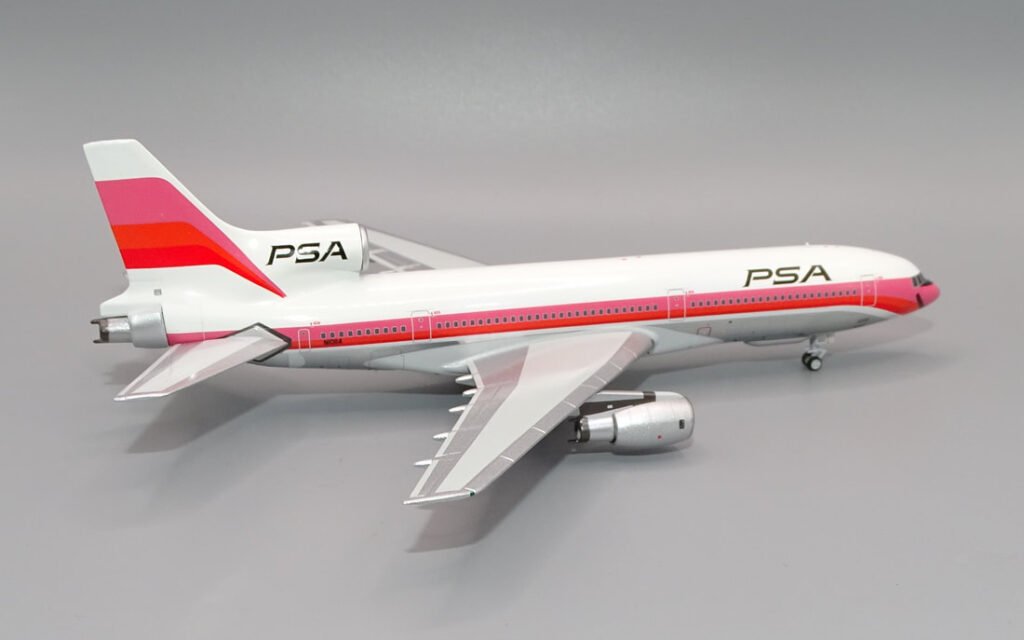
The letter of intent for PSA, to purchase a pair of Tristars with reservations for three more, was announced on the official rollout of the prototype Tristar on September 1, 1970. PSA planned to fly the massive widebody on the short 284 nautical mile route between Los Angeles and San Francisco from 1972. There was an expectation of heavy growth on the intra-Californian routes in the early 1970s and the Tristars were to be configured for 297 passengers with eight abreast economy seating. Working in the Tristar’s favour was that PSA percieved that the RB211 engines for the aircraft were well suited for the more frequent cycling the short routes demanded.
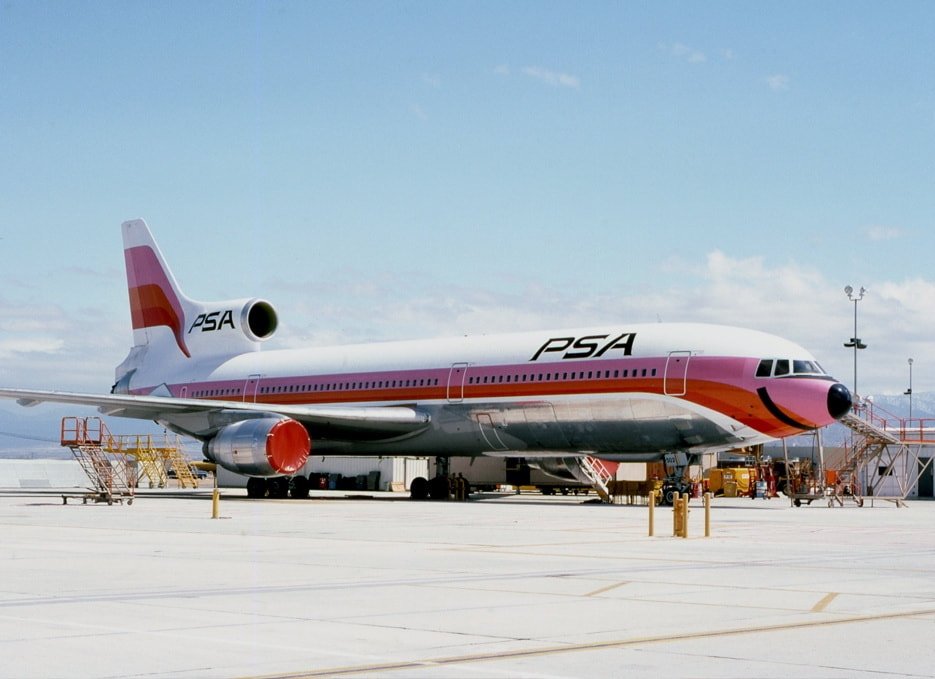
The February 1971 collapse of Rolls-Royce shook PSA’s faith in the Tristar but following further analysis and the stabilisation of Rolls-Royce PSA returned to the type and raised its firm order for the type to five aircraft. Two were to arrive in 1974, with one aircraft each year to 1977.
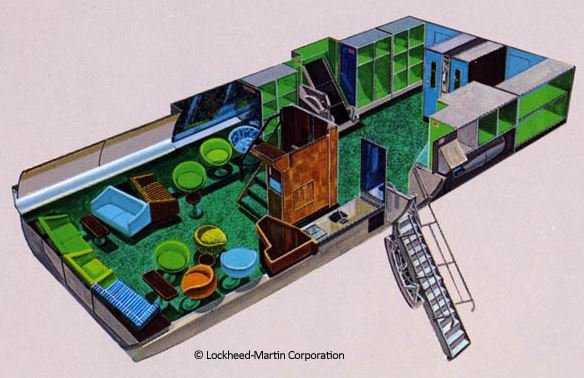

PSA’s unique requirements for the Tristar meant that its aircraft introduced several unusual features. The high-density commuter style operations over short routes meant baggage was less important and PSA’s aircraft were equipped with a underfloor lounge (replacing part of the baggage hold and galley) which could itself seat 16 paying passengers.
Below: The lower lounge as completed


Even before the new Tristars went into service (in the new 1973 PSA fruit stripes colours) there were clear signs that the aircraft would no longer work for PSA. The October 1973 fuel crisis saw the price of fuel rise from 9-11 cents a gallon to 33 cents a gallon, and PSA’s fuel supplier Shell also cut supplies by 20% for good measure. The Tristars operations had been priced at the pre-1973 scale and would never work at the new figures. It was too late to back out now though and PSA readied itself for its first L-1011.

The first aircraft, N10112, entered service on August 1, 1974. The second aircraft, N10114, went to the Farnborough airshow in the UK for promotional purposes before she too entered service, on October 28. Needless to say the Tristars did not prove a success. Even if the fuel prices had been lower it is hard to see how such a large aircraft could have fitted well to such short stage lengths and quick turnaround operations.
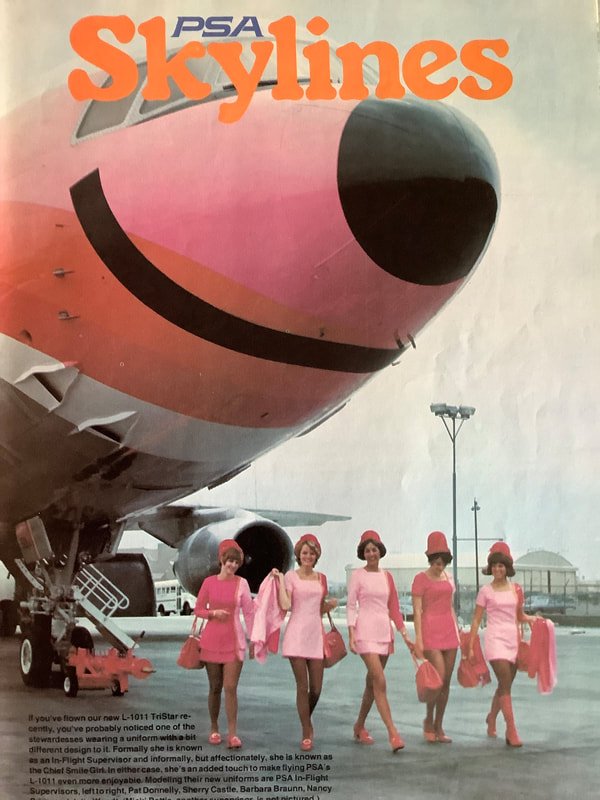
As the future has showed multiple times large aircraft can almost always be beaten on these sort of routes by increased frequency operations with smaller aircraft (in this case 727s). The pair of Tristars only lasted in service for six months and were withdrawn in April 1975. Plans to return them to service in June never came to fruition and both aircraft were parked at San Diego before being sent to Marana for storage.
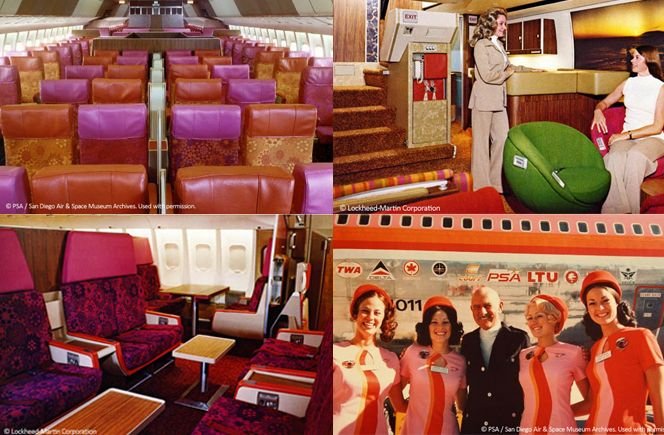
PSA cancelled its remaining orders with Lockheed and the relationship between the two became acrimonious. Lockheed found itself struggling to sell new Tristars, in a market flooded with overcapacity and in which there was a surplus of barely used Tristars available on the seconds market (not to mention its failure to compete effectively against the long-range DC-10-30).


PSA’s two delivered Tristars were eventually returned to Lockheed in 1978 and sub-leased to Aero Peru until 1982. PSA’s unique lounge configuration made them difficult to sell-on and it wasn’t until 1985 that the pair joined Worldways of Canada. Worldways ceased operations in November 1990 and that was the end of the pair’s airline careers. N10112 was converted into a flying hospital for Operation Blessing International Relief and was tored at Tucson in 2000. Registered as P4-MED she was still their in good condition as of early 2015.
References
Birtles, Philip. J. 1989. Modern Civil Aircraft 8: Lockheed Tristar . Ian Allan
PSA History Website