Islands have a unique need for strong air services and the islands surrounding Great Britain have historically had many regional airlines providing their connection with the mainland. During the 1980s the Isle of Man gained its own airline and one that would grow well beyond the scope of serving its home island.
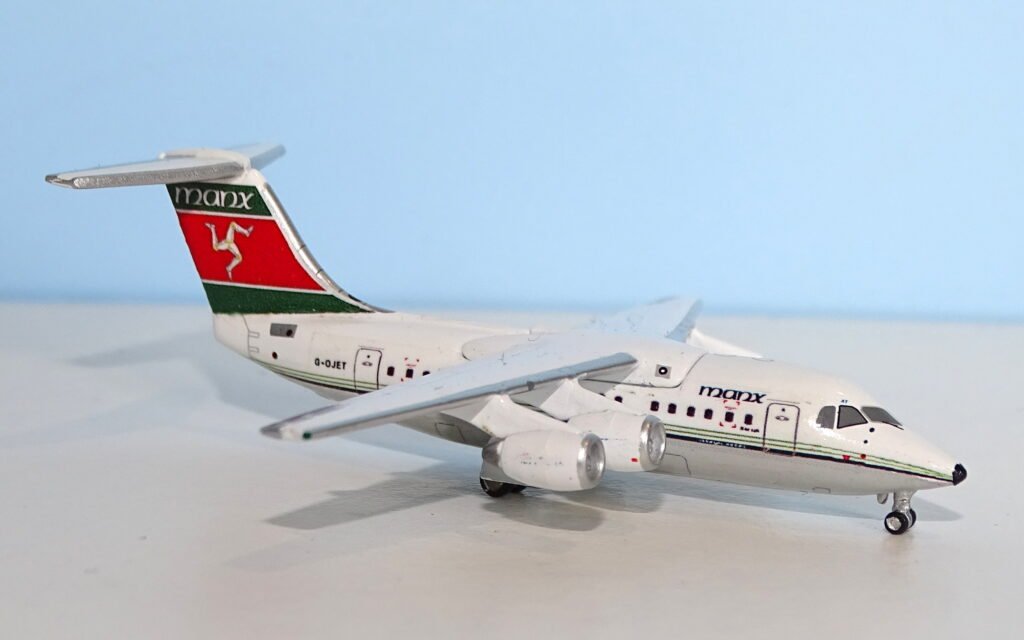
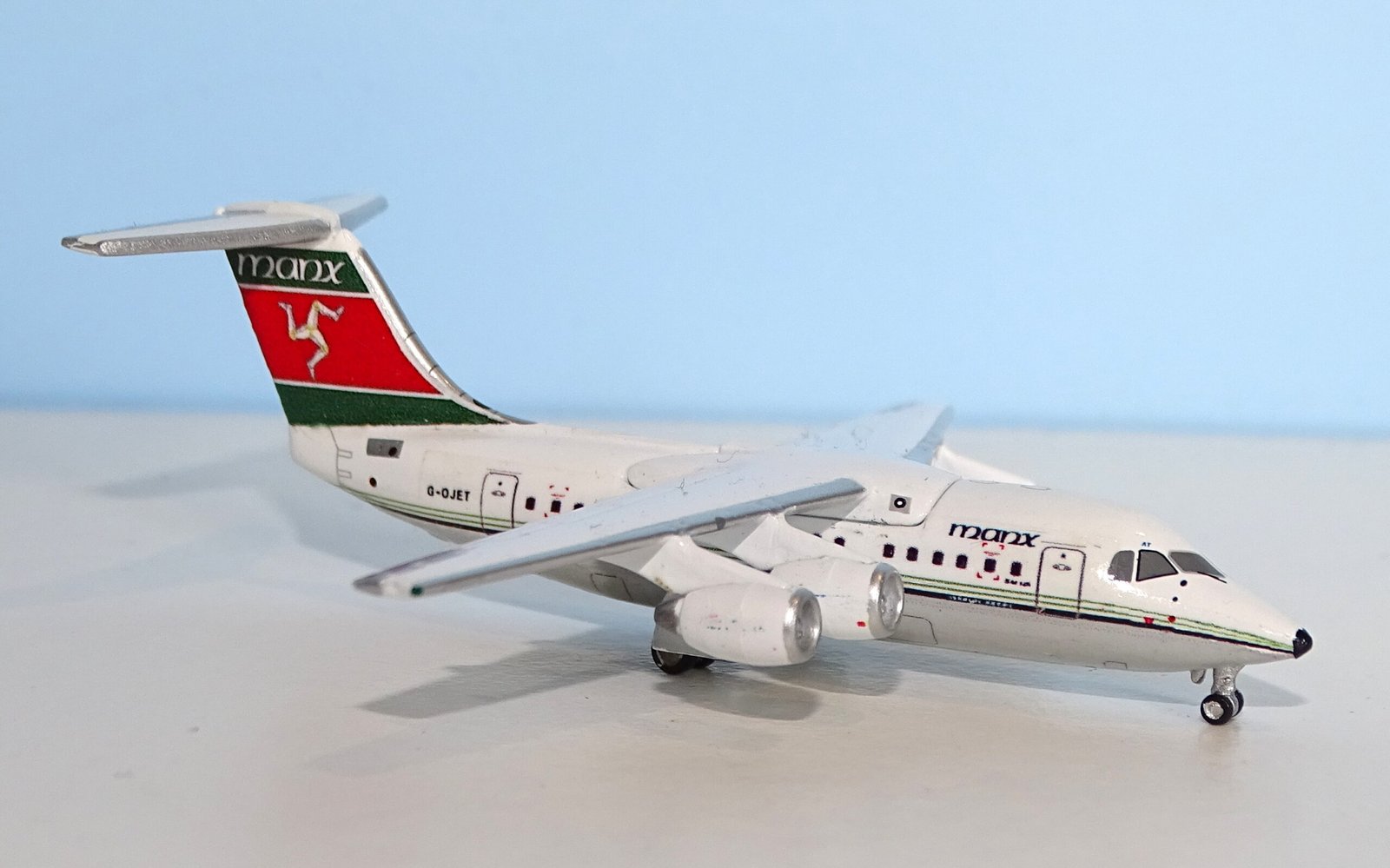
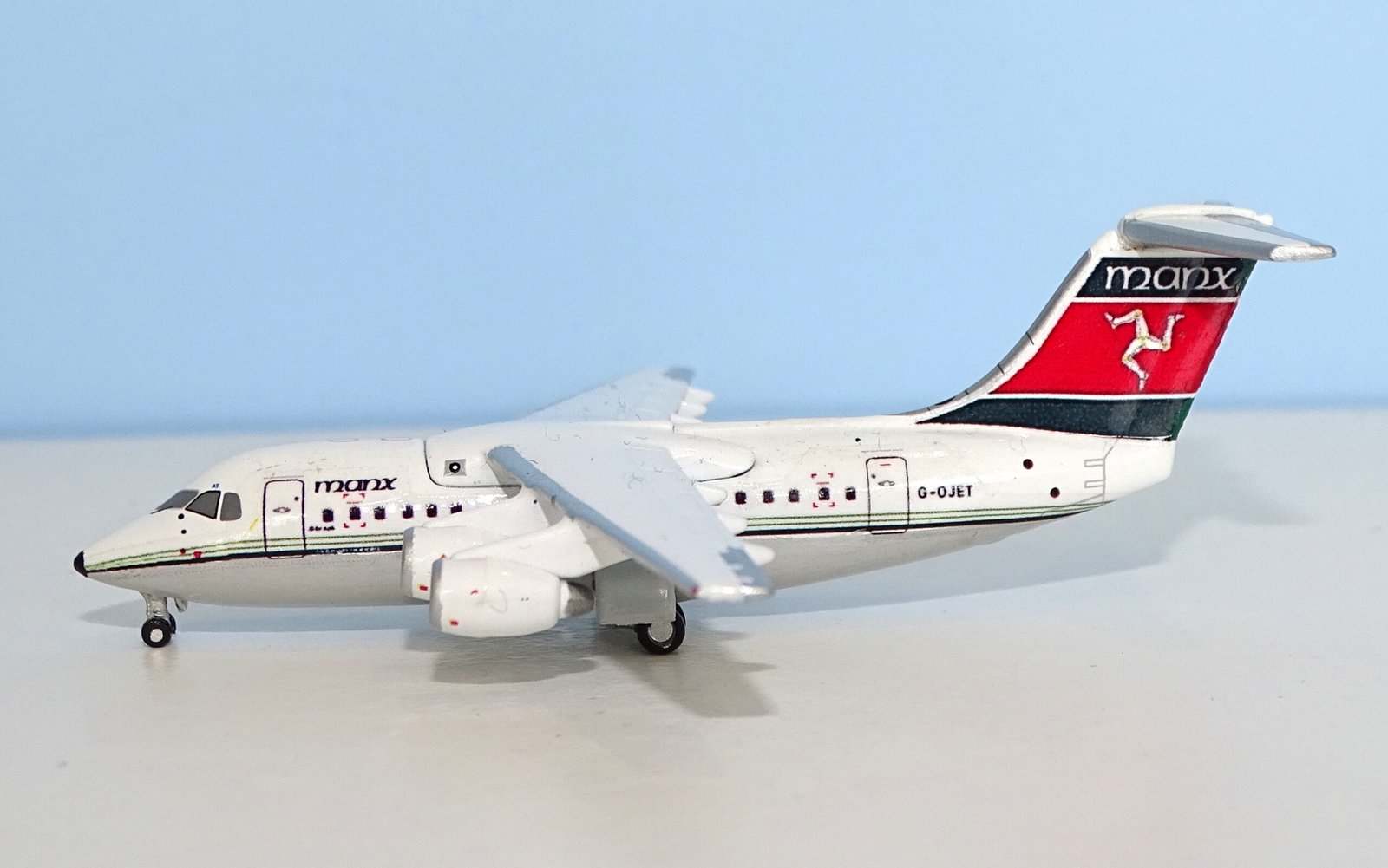
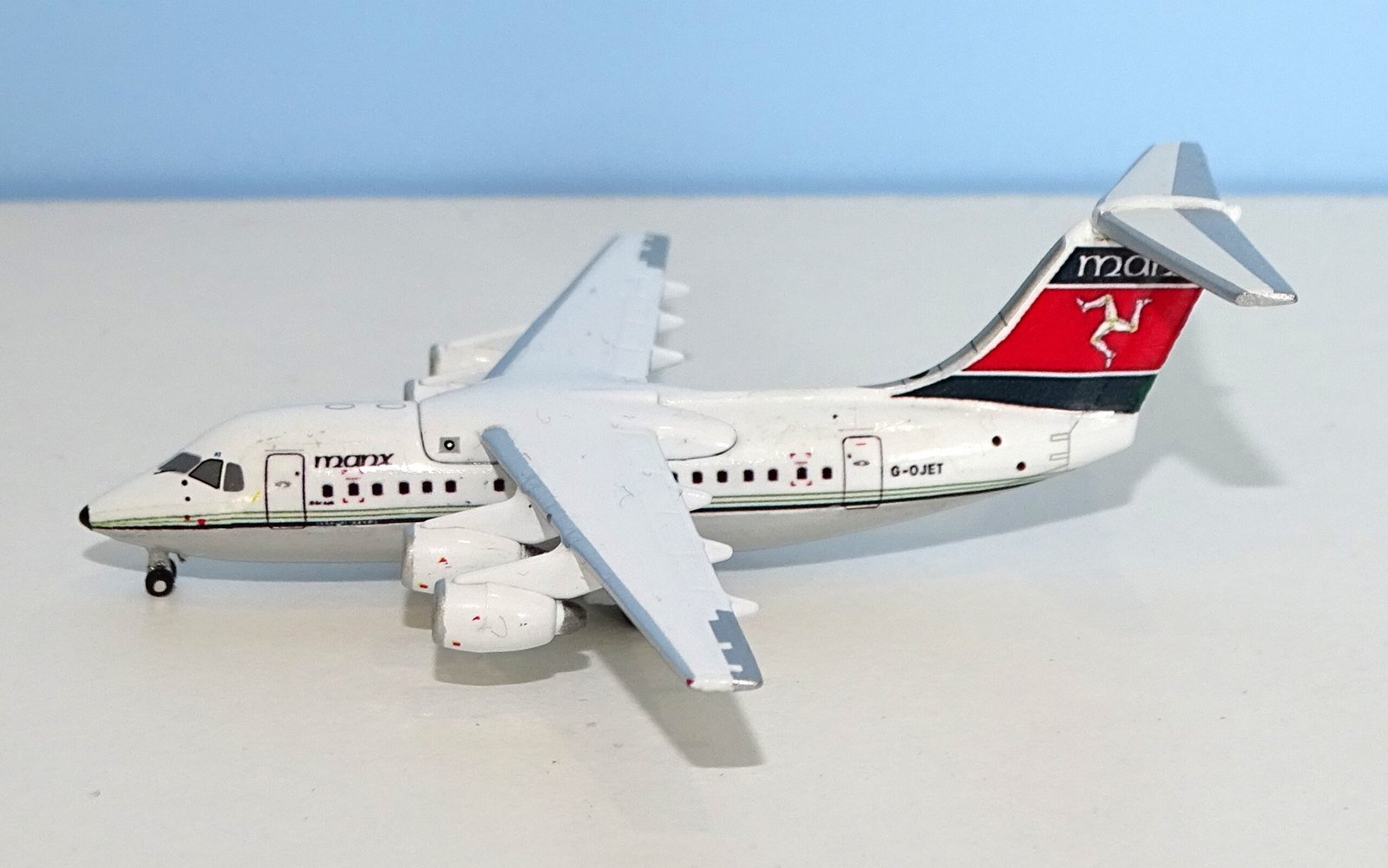
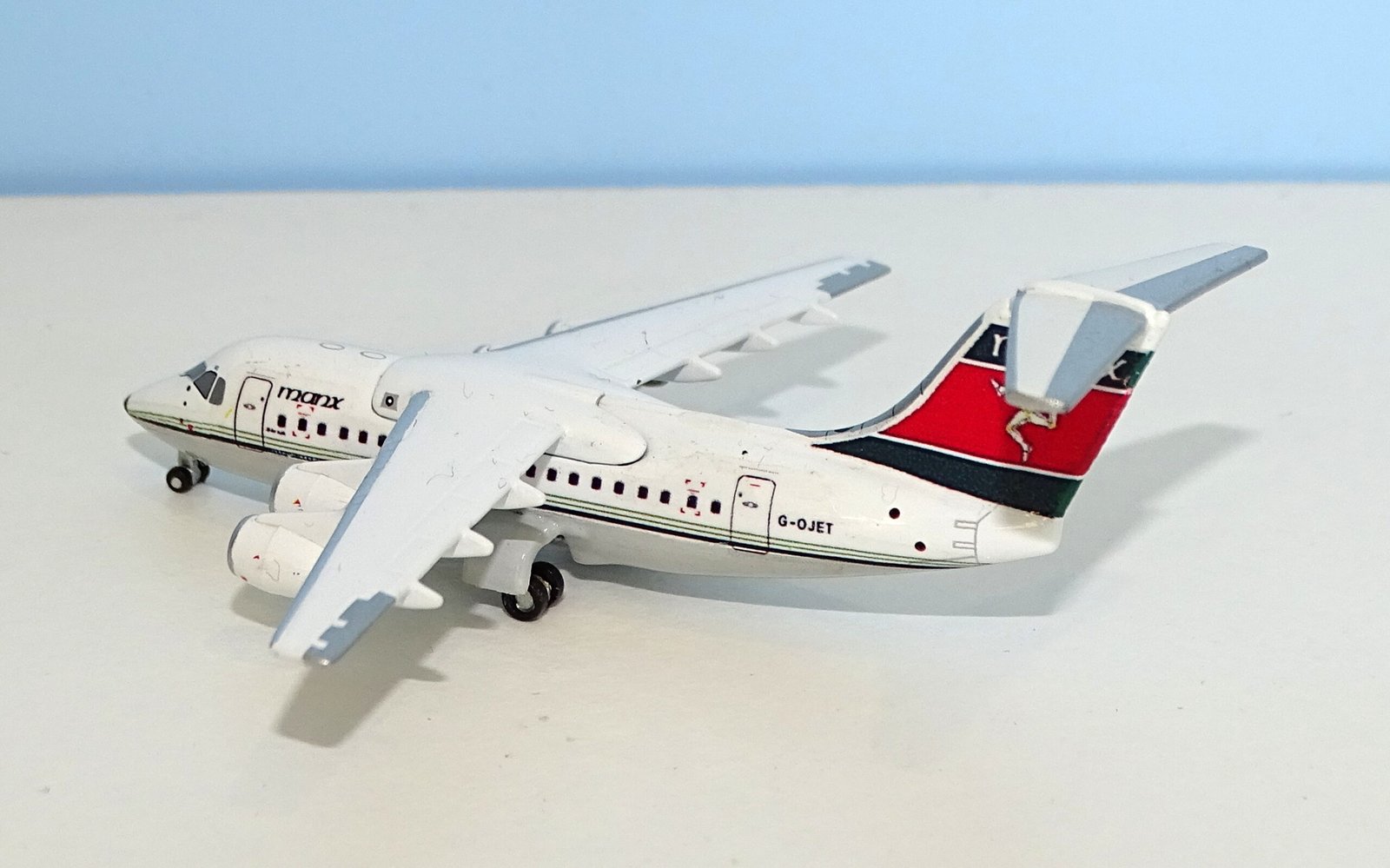
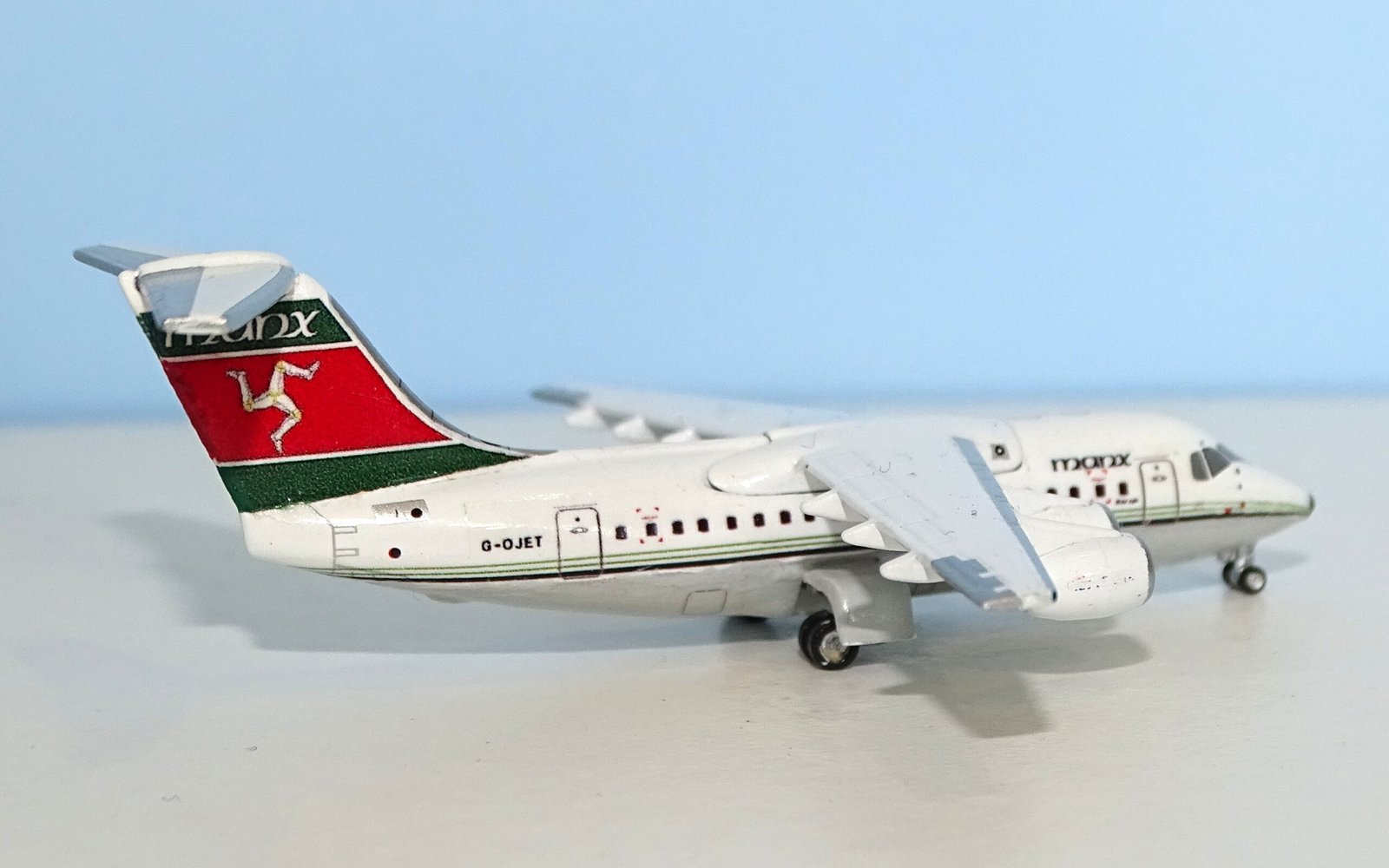
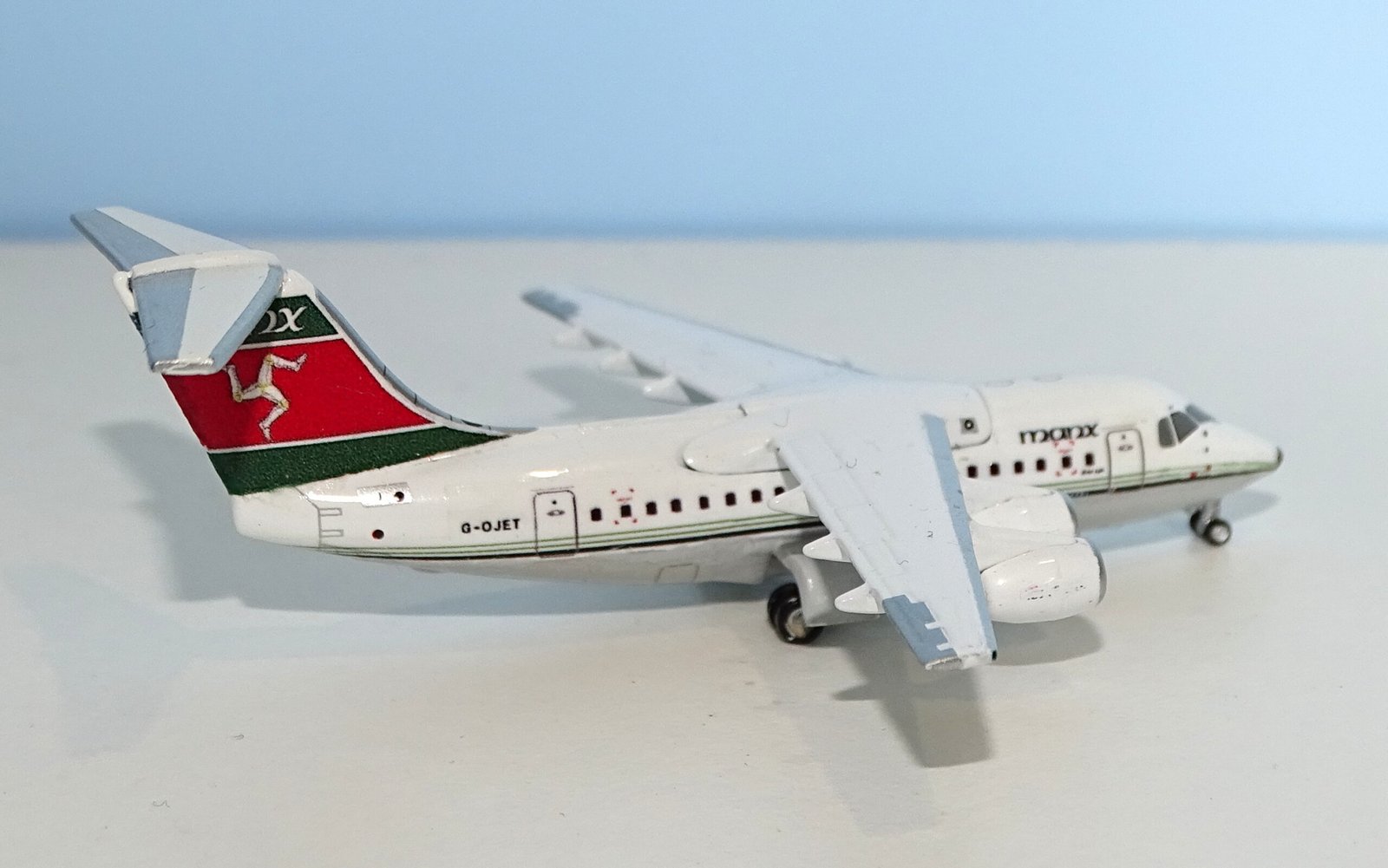
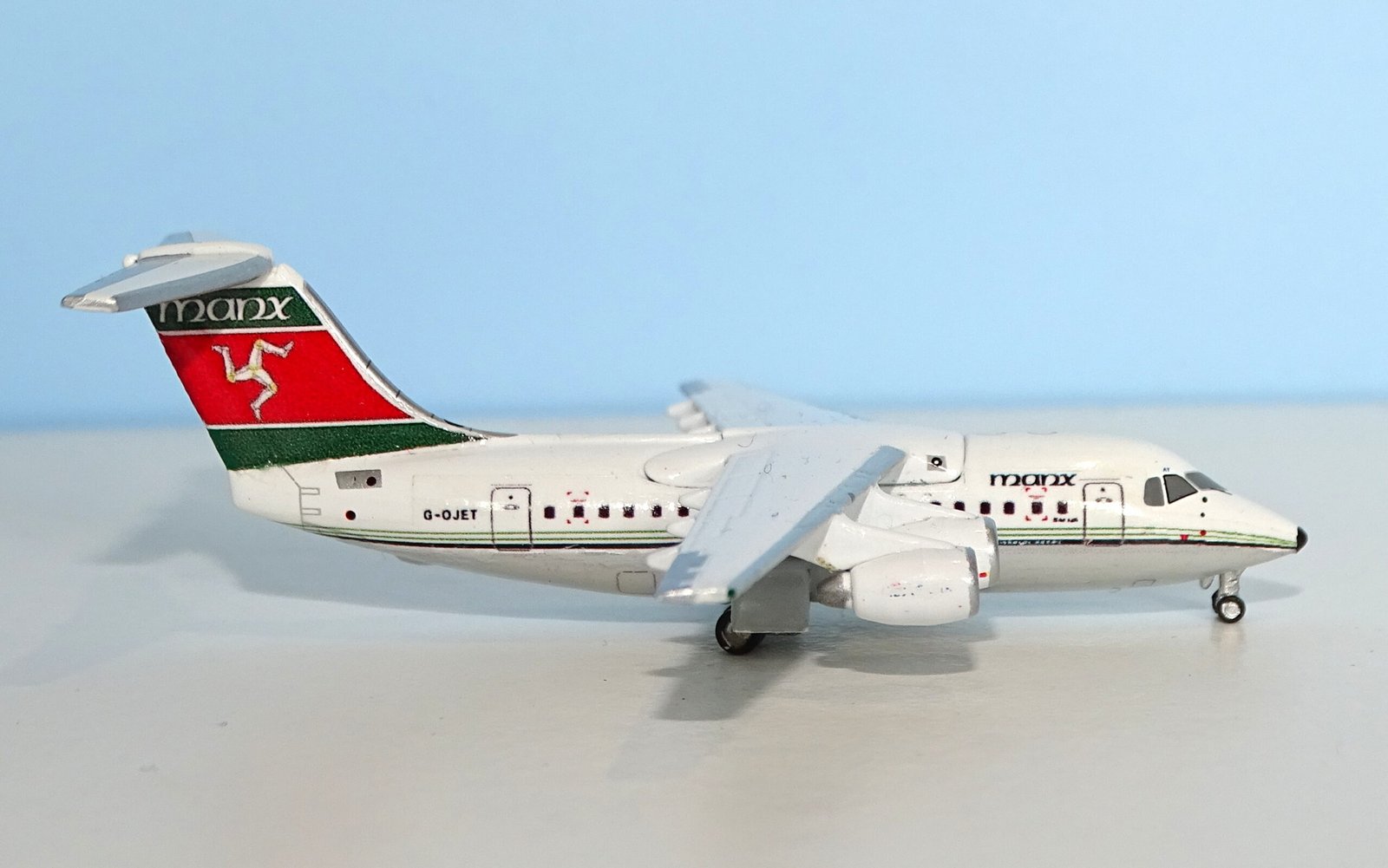
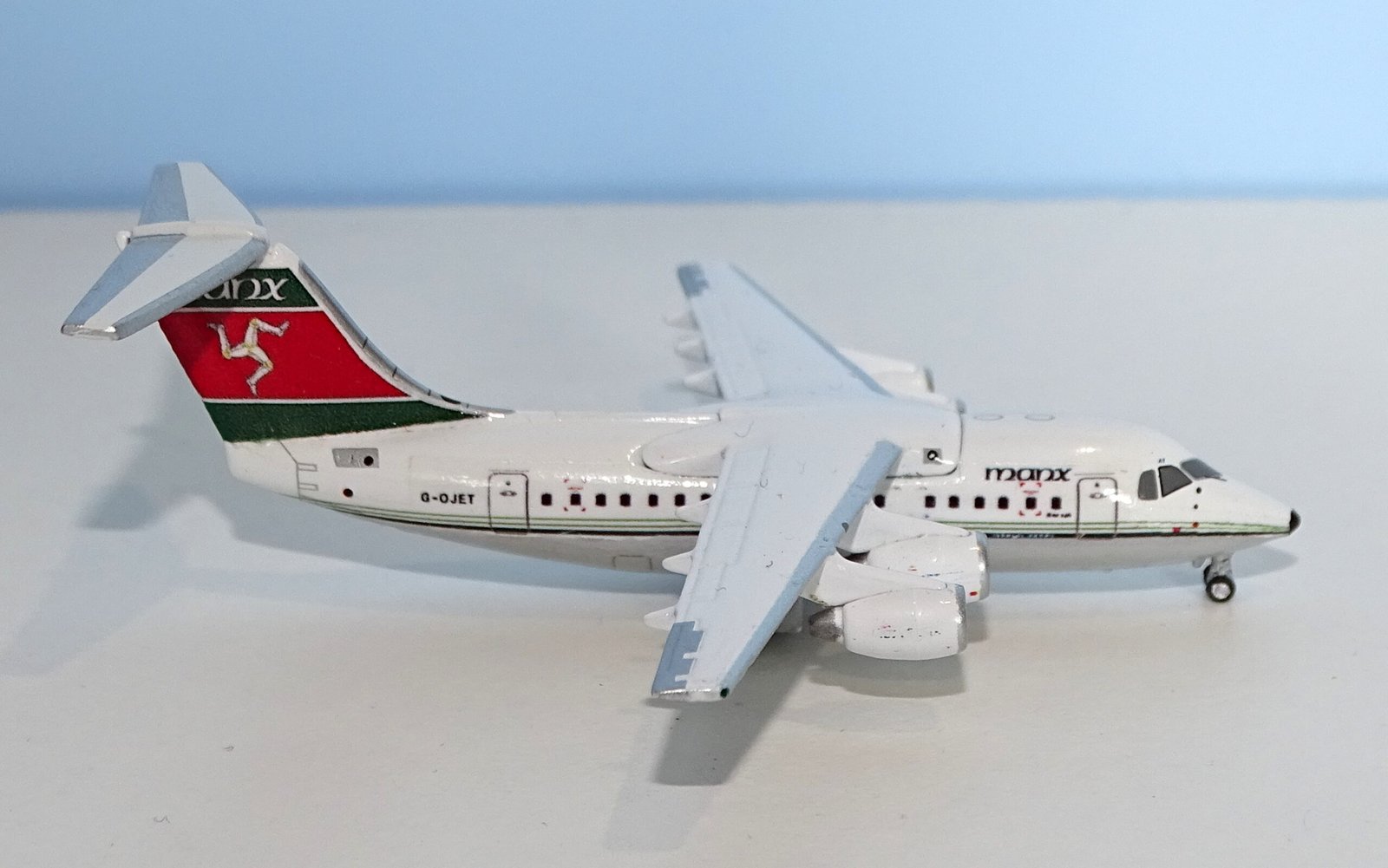
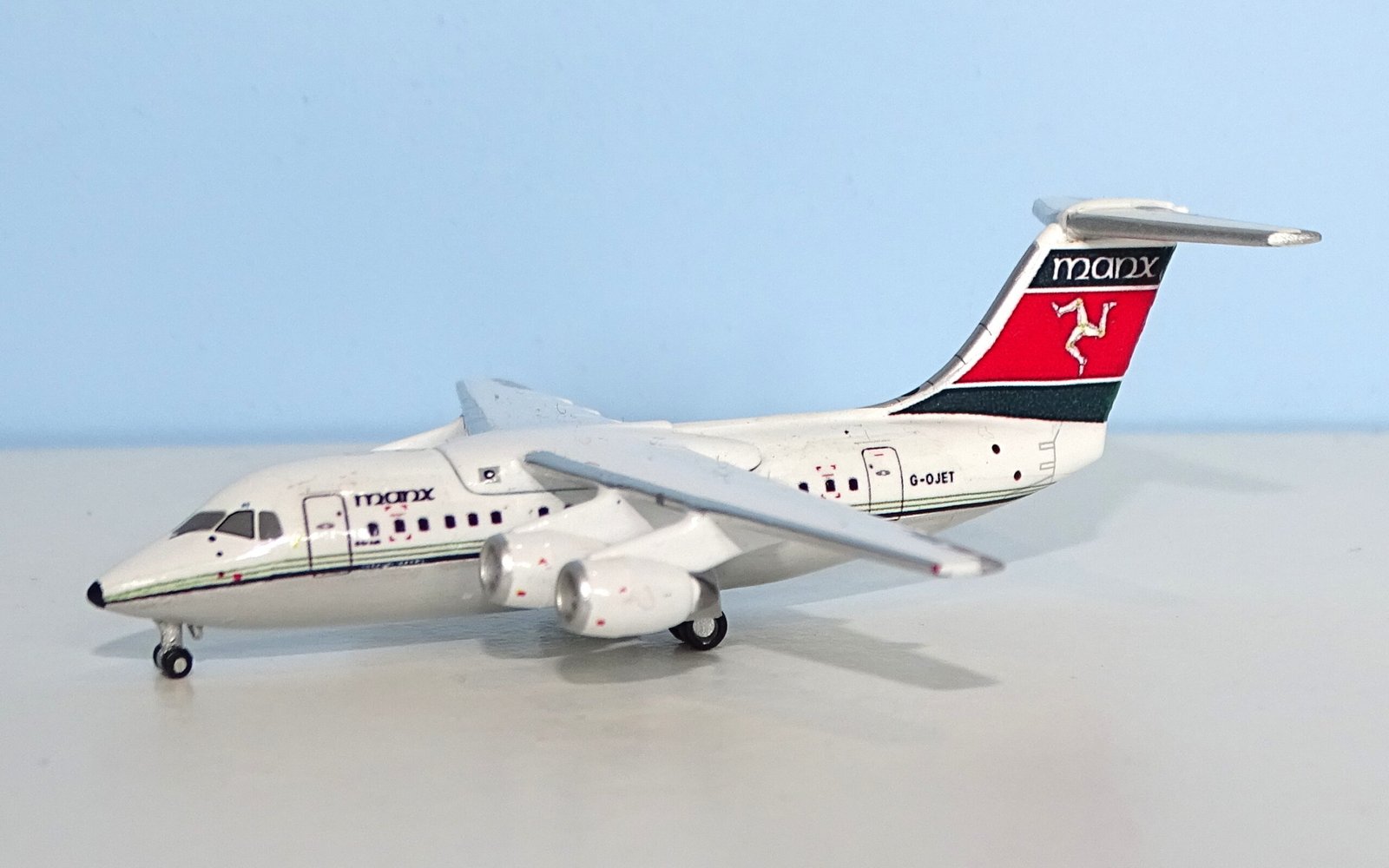
Manx Airlines British Aerospace 146-100 G-OJET by MLC Customs (Jet-X Donor)
This post is dedicated to Mike Cage of MLC Customs who made this excellent custom model.
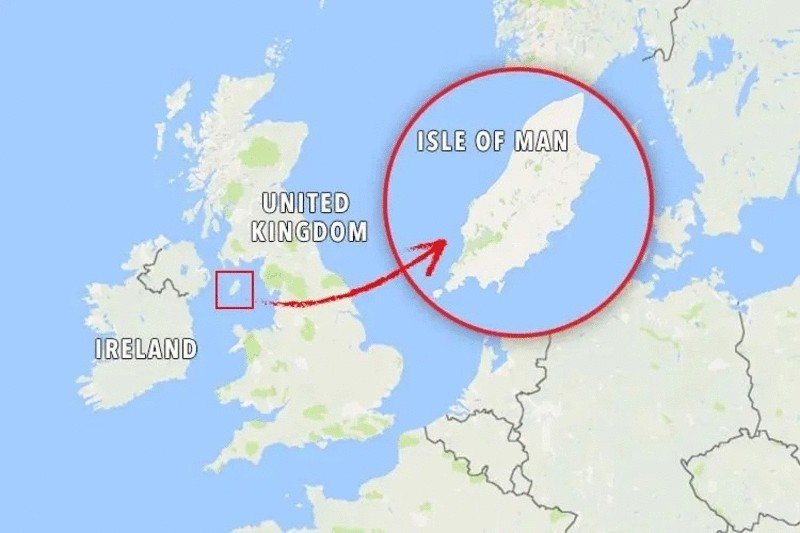
The Isle of Man is a self-governing British Crown Dependency located in the Irish Sea between Great Britain and Ireland. It has a total area of 572 square kilometres and a population, in 2021, of just over 84,000. It is probably most famous for the TT Motorcycle races and the unique Manx Cat breed. The island is served from the Isle of Man Airport at Ronaldsway in the south of the island.
During the early 1980s the two main UK regional airlines British Midland and Air UK both competed against each other on routes connecting the Isle of Man to Ireland and England but neither was able to make their operations profitable. In June 1982 they together announced the formation of a new Manx Airlines entity to takeover their existing Manx routes. The new company was owned jointly 75% by British Midland and 25% by Air UK.
Ken Fielding/https://www.flickr.com/photos/kenfielding, CC BY-SA 3.0 , via Wikimedia Commons
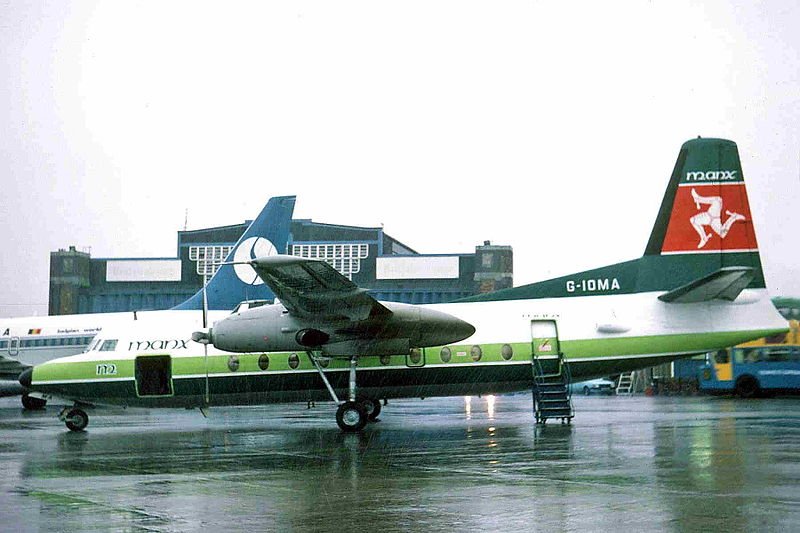
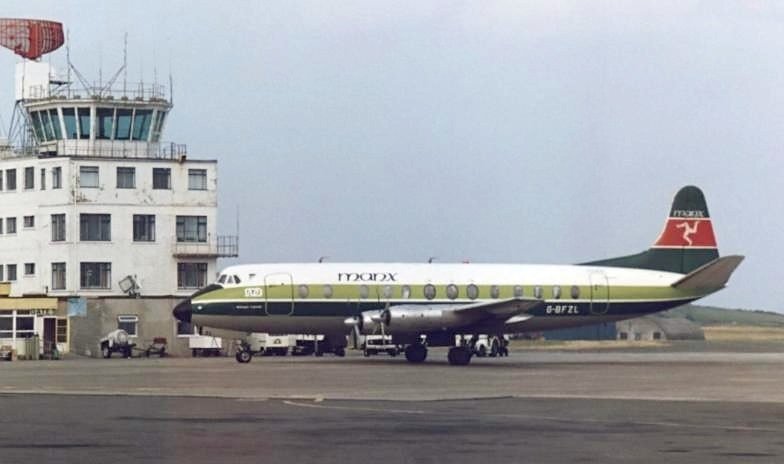
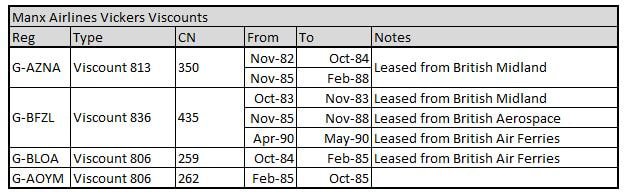
British Midland provided the first director and general manager in Terry Liddiard and a staff of 18 were recruited to be based at Ronaldsway. Engineering, training and other support would be provided by the parent airlines. Operations began in November 1982 using an Embraer EMB-110 Bandeirante, leased from Air UK, which flew the Ronaldsway-Glasgow route. This aircraft was replaced by a pair of Fokker F27s (one from each parent airline) and a Vickers Viscount (from BMA).
RuthAS, CC BY 3.0 , via Wikimedia Commons
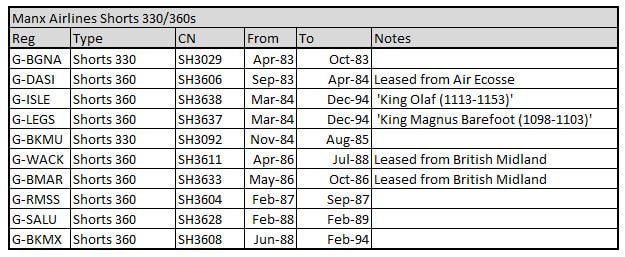
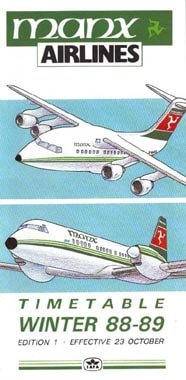
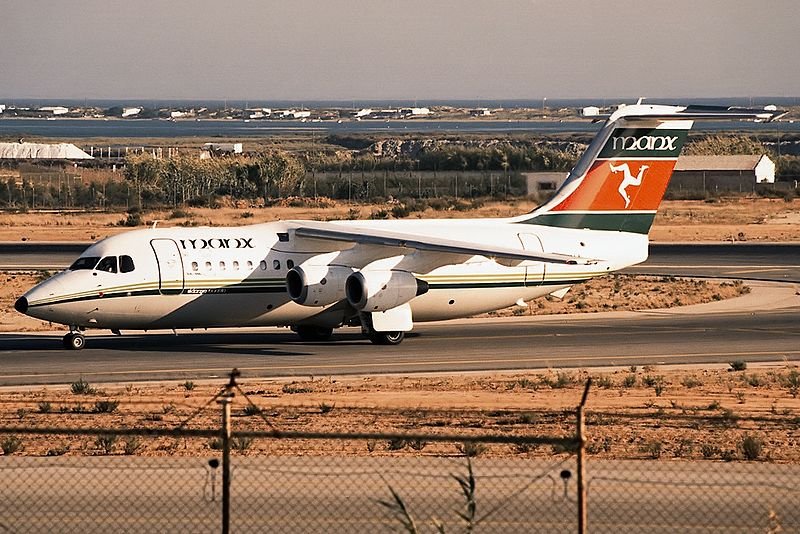
The airline’s livery featured the three legged Triskelion famously used on the Manx flag, which dates from the 13th Century. In 1983 the new airline lost £312,799 but the replacement of the F27s with smaller more efficient Shorts 360s turned the airline’s fortunes around and a profit of £130,526 was reported in the first quarter of 1984.
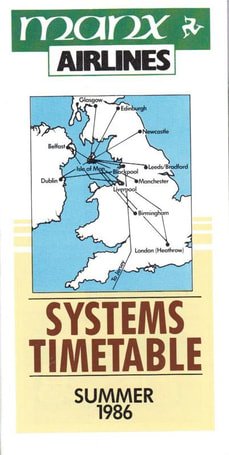
By mid-1984 the fleet consisted of 2 Shorts 360s and a single Viscount. Two years later the island was connected to Dublin, Belfast, Glasgow, Edinburgh, Newcastle, Blackpool, Leeds-Bradford, Manchester, Liverpool, Birmingham and London Heathrow. Manx had also already begun to break out from the Isle of Man and was operating Liverpool-Heathrow and Blackpool to Jersey services.
The fleet grew accordingly. Manx would often lease aircraft for short periods but by mid-86 the Shorts 360 fleet stood at 4 and the Viscount fleet was at 2. Despite being part of the ‘Airlines of Britain’ group along with its parent British Midland, and Loganair, Manx had a surprising amount of operational autonomy. This was shown in 1986 when Manx decided to acquire a single Saab 340 to operate the Liverpool-Heathrow service.
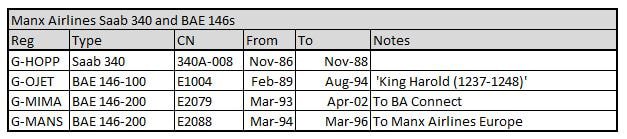
The leased Saab entered service on December 3rd and flew the route 5 times daily during the week. It was used on services to the Isle of Man from Liverpool at the weekend. The Saab wore the moniker ‘Sky Hopper’ but was quickly a victim of its own success as traffic on both routes grew quickly. This necessitated the return of the Saab in late 1988 and its replacement by a much larger British Aerospace 146-100. A BAC One-Eleven was also leased briefly in 1987.
Manx Airlines British Aerospace 146-100 G-OJET by MLC Customs (Jet-X Donor)
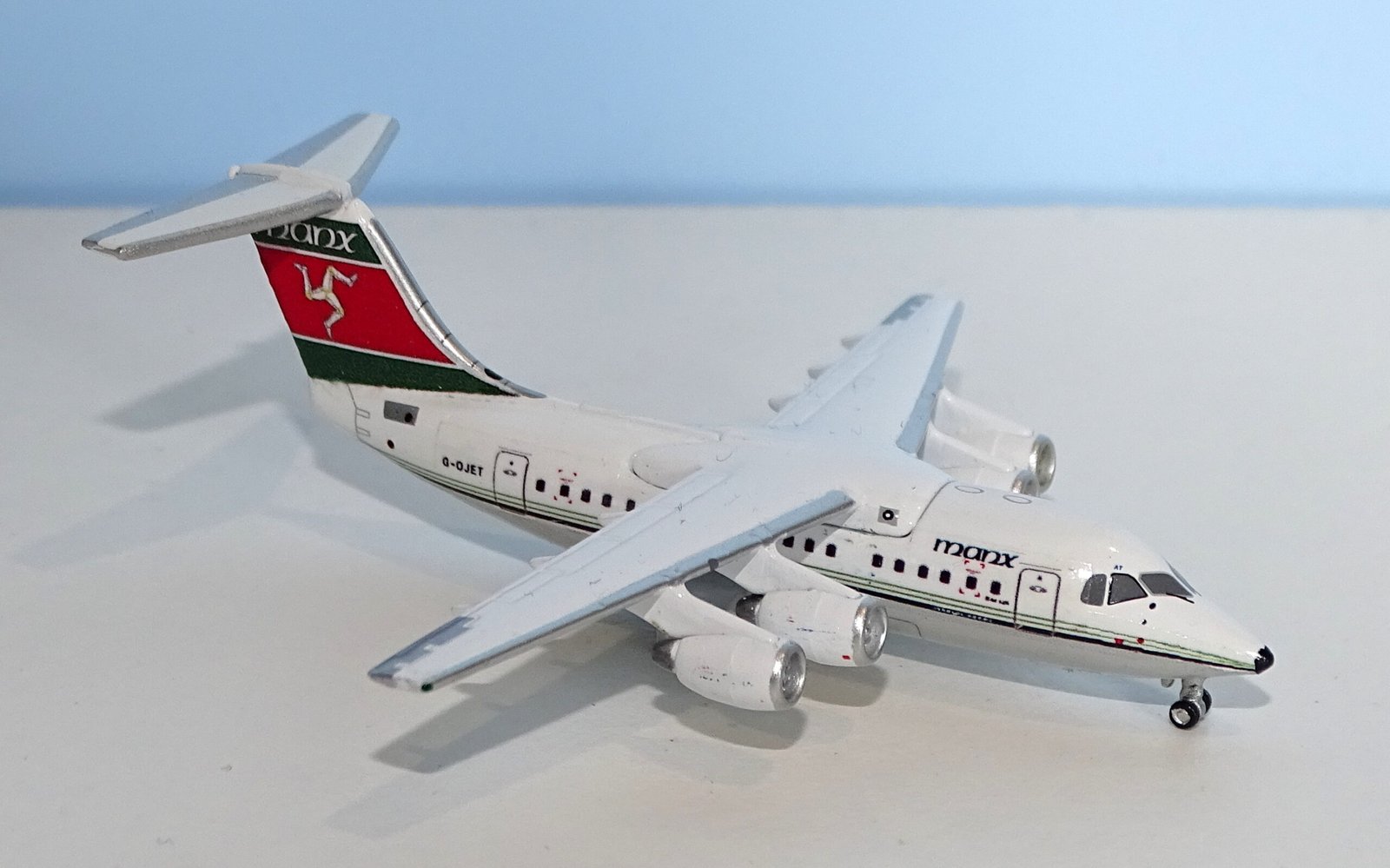
Manx Airlines British Aerospace 146-100 G-OJET by MLC Customs (Jet-X Donor)
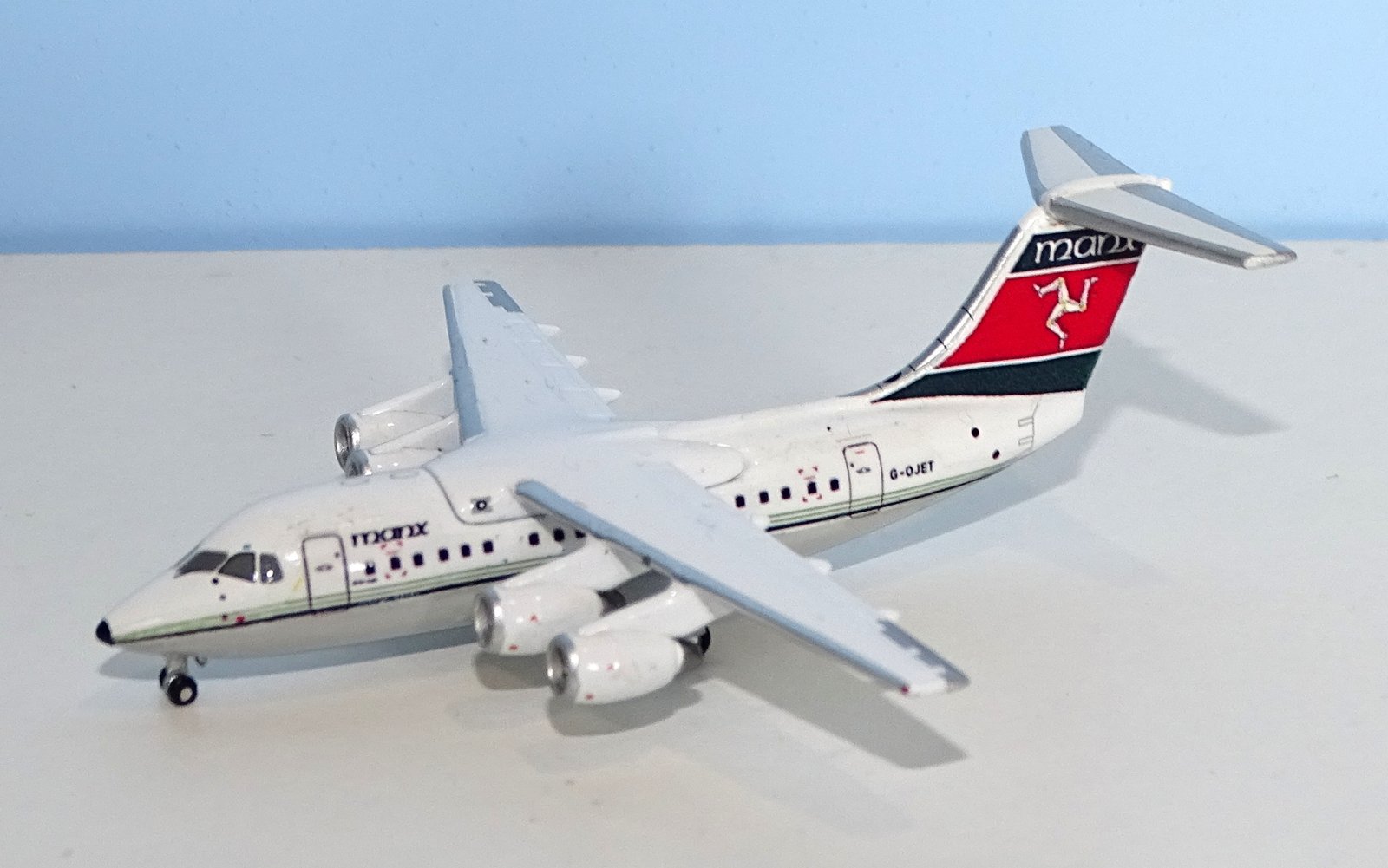
Manx Airlines British Aerospace 146-100 G-OJET by MLC Customs (Jet-X Donor)
Manx Airlines British Aerospace 146-100 G-OJET by MLC Customs (Jet-X Donor)
Manx Airlines British Aerospace 146-100 G-OJET by MLC Customs (Jet-X Donor)
Manx Airlines British Aerospace 146-100 G-OJET by MLC Customs (Jet-X Donor)
Manx Airlines British Aerospace 146-100 G-OJET by MLC Customs (Jet-X Donor)
Manx Airlines British Aerospace 146-100 G-OJET by MLC Customs (Jet-X Donor)
Manx Airlines British Aerospace 146-100 G-OJET by MLC Customs (Jet-X Donor)
Manx Airlines British Aerospace 146-100 G-OJET by MLC Customs (Jet-X Donor)
Manx Airlines British Aerospace 146-100 G-OJET by MLC Customs (Jet-X Donor)
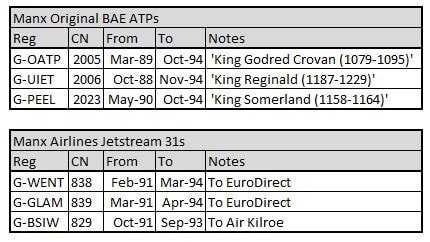
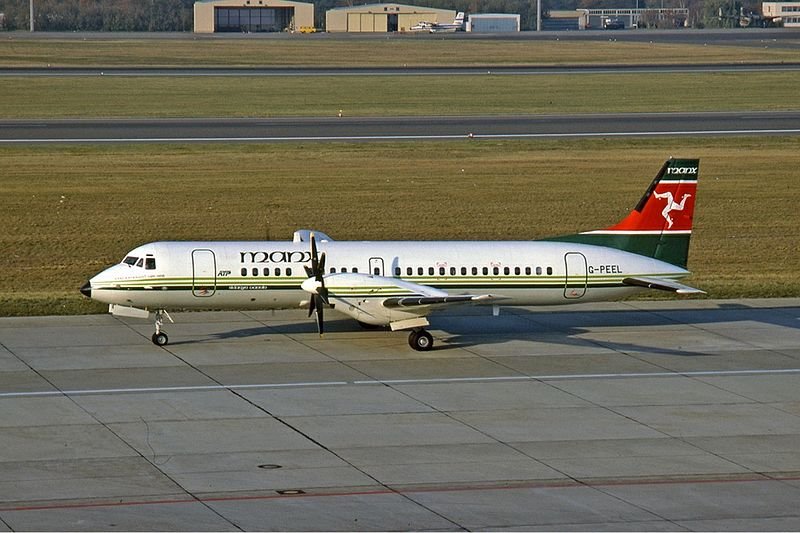
Similarly the Viscounts that had been used on routes such as Ronaldsway to Heathrow were in need of replacement and this time Manx stayed closer to its sister airlines by acquiring a trio of brand new BAE ATPs. In 1989 Manx carried 506,000 passengers with the fleet of 1 BAE 146, 2 ATPs and 4 Shorts 360s.
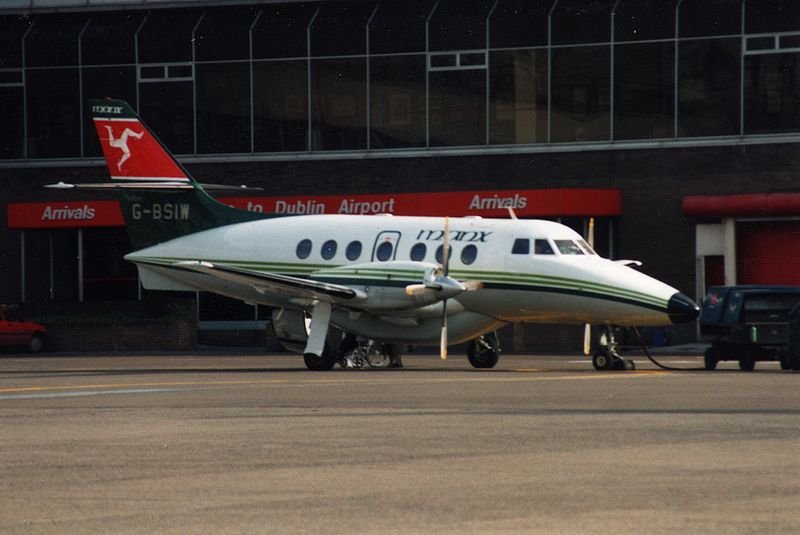
1991 was a watershed year for Manx as it created a new subsidiary Manx Airlines Europe to start operations from a new Cardiff hub to destinations such as Dusseldorf, Brussels, Paris and Belfast. Initial equipment was a trio of Jetstream 31s but the Manx Airlines Europe fleet would grow quickly with a fleet of Jetstream 41s and further BAE ATPs.
Ardfern, CC BY-SA 3.0 , via Wikimedia Commons
BAE ATP G-PEEL Ralf Manteufel (GFDL 1.2 or GFDL 1.2 ), via Wikimedia Commons
Manx Airlines Europe became a British Airways franchise partner in 1994 and in September 1996 changed its name to British Regional Airlines. By that point it was operating a sizeable fleet of J41s and ATPs. In 1997 the first of 19 Embraer 145s would be added.
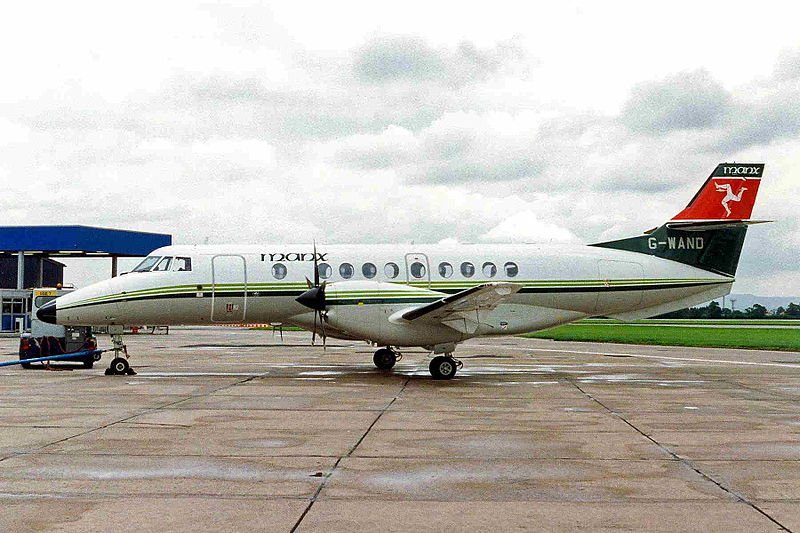
J41 G-WAND at manchester in August 1993. Ken Fielding/https://www.flickr.com/photos/kenfielding, CC BY-SA 3.0 , via Wikimedia Commons
The original Manx Airlines remained in operation and although its original ATPs were transferred to Manx Airlines Europe / British Regional it acquired replacements. In fact, it is a little difficult to tell which aircraft were operating for Manx proper during the 90s as British Regional became the primary constituent of the group. Certainly several of the later ATPs in the G-MANx sequence remained in full Manx colours during the 90s.
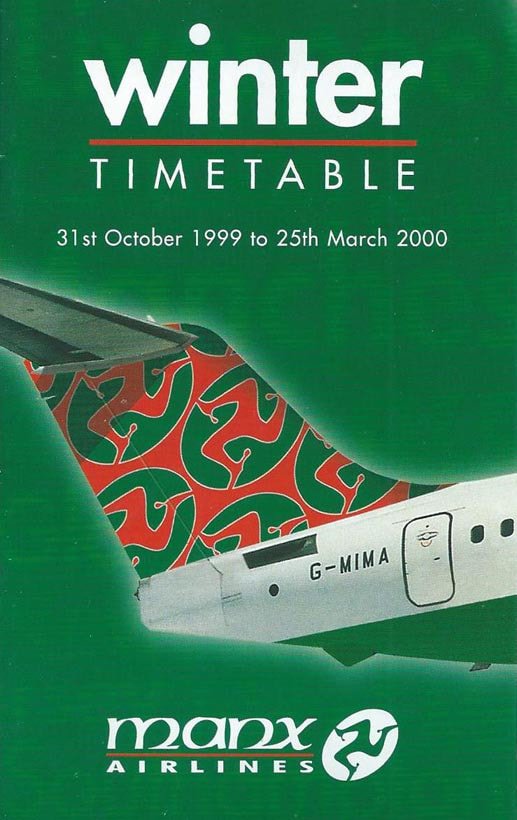
G-MIMA. Pedro Aragão, CC BY-SA 3.0 GFDL, via Wikimedia Commons
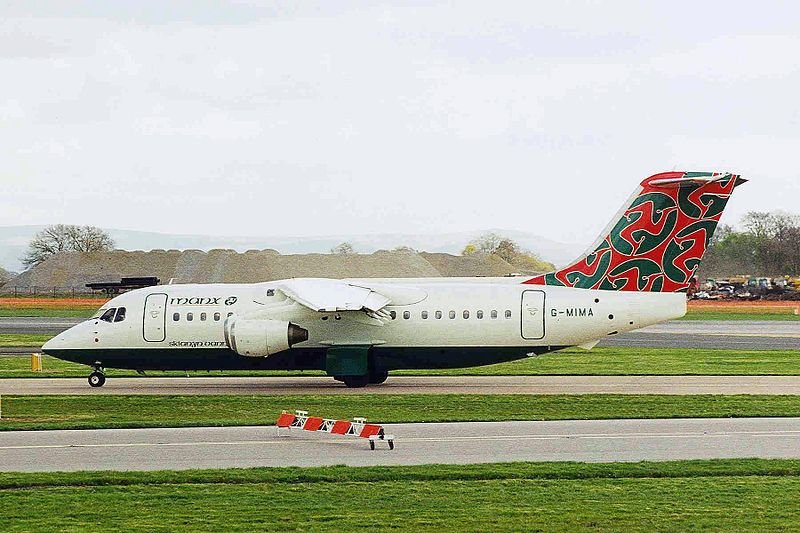
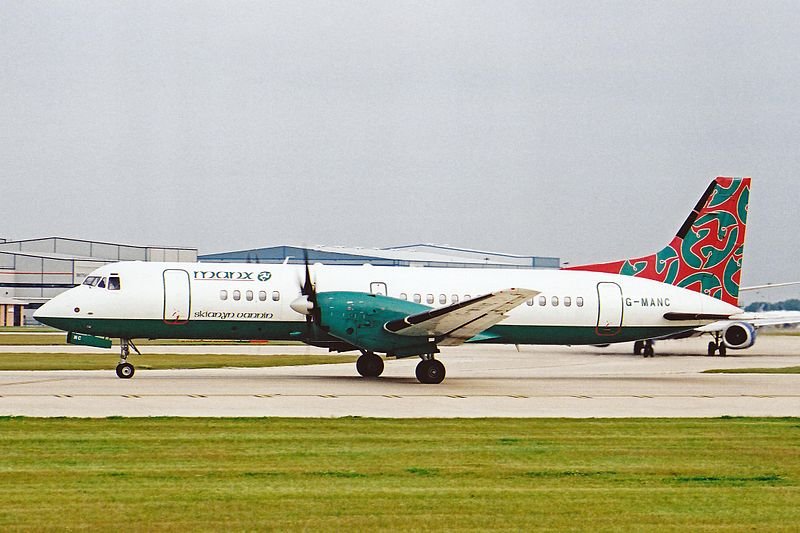
The jet fleet also didn’t remain static with the original BAE 146 replaced by a larger BAE 146-200. In late 1998 Manx changed its livery and took up a new scheme inspired seemingly by the British Airways World Colours livery. It featured a dark belly and a new Triskelion tail canvas. This scheme appears to have been applied to the entire Manx fleet athe time consisting of the BAE 146 G-MIMA, the ATPs G-MANA, MANB, MANC and the J41 G-MAJA.
In March 2001 British Airways purchased the entire British Regional Airlines Group (the holding company for both Manx and British Regional). It was merged with Brymon Airways to form BA CitiExpress signalling the end of Manx Airlines independence and identity.
BAE 146-200 G-MIMA in 1999. Ken Fielding/https://www.flickr.com/photos/kenfielding, CC BY-SA 3.0 , via Wikimedia Commons
The final Manx Airlines service was operated on August 31, 2002 by the ATP G-MANB between Birmingham and Ronaldsway. In the period of its operation Manx Airlines had seen massive changes impact the regional airline business, especially the arrival of low cost airlines. This has been reflected since in the sale of the BA CitiExpress business in 2007 (by then it was known as BA Connect) to FlyBe, which itself was unable to compete effectively with LCCs.
G-MANC in June 2002. Ken Fielding/https://www.flickr.com/photos/kenfielding, CC BY-SA 3.0 , via Wikimedia Commons
The gap left by Manx Airlines was filled almost immediately by the new EuroManx in 2002 and subsequently the virtual airline Manx2 in 2006, though neither had the longevity Manx Airlines did. Several smaller air-taxi style commuters also took up former Manx routes with little success. Nowadays the regional service gap is rather fittingly served from Ronaldsway by Manx’s former Airlines of Britain Group partner Loganair, but it was the original Manx Airlines that did the most to stimulate and sustain the air bridge between the Isle of Man and the rest of the UK.
References
Manx Airlines. AirlineTimetableImages.com Magnusson, M. Airline Markings 5: Saab 340 Airlife Airlines of Britain Group. Airplane #139 Gunston, Bill. Diamond Flight: British Midland 1938-1988 Isle of Man Airlines in the 2000s Manx Airlines. RzJets.net