The 20 years after the collapse of the Soviet Union produced a dazzling array of new airlines, many of which were poorly run and organised. Some however acquired classy images, and became important well-run airlines. Samara Airlines was one of the latter, whose involvement with Russia’s first airline alliance would contribute to its eventual failure.
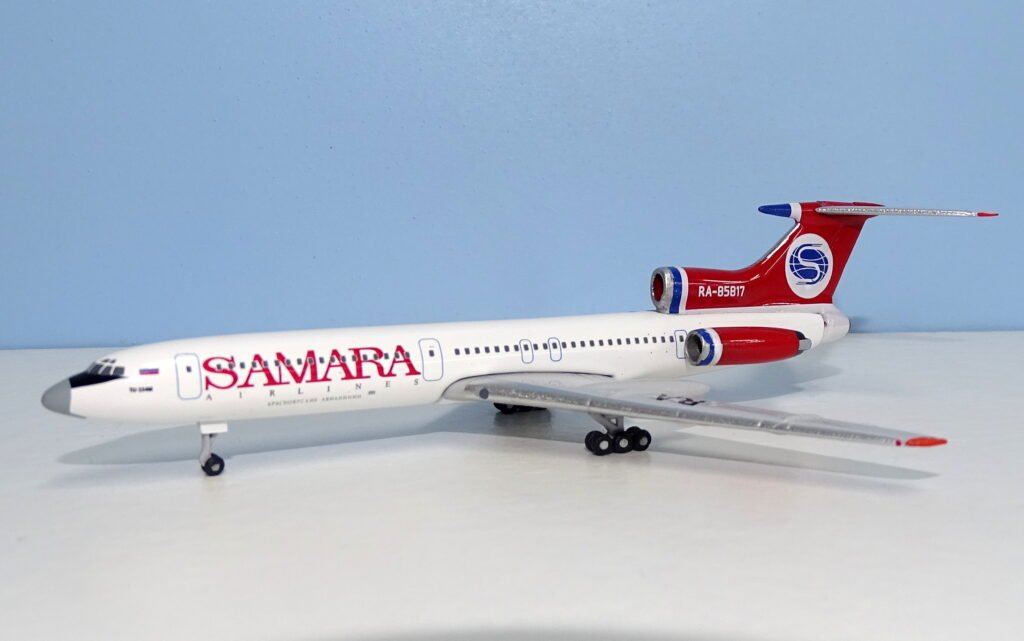
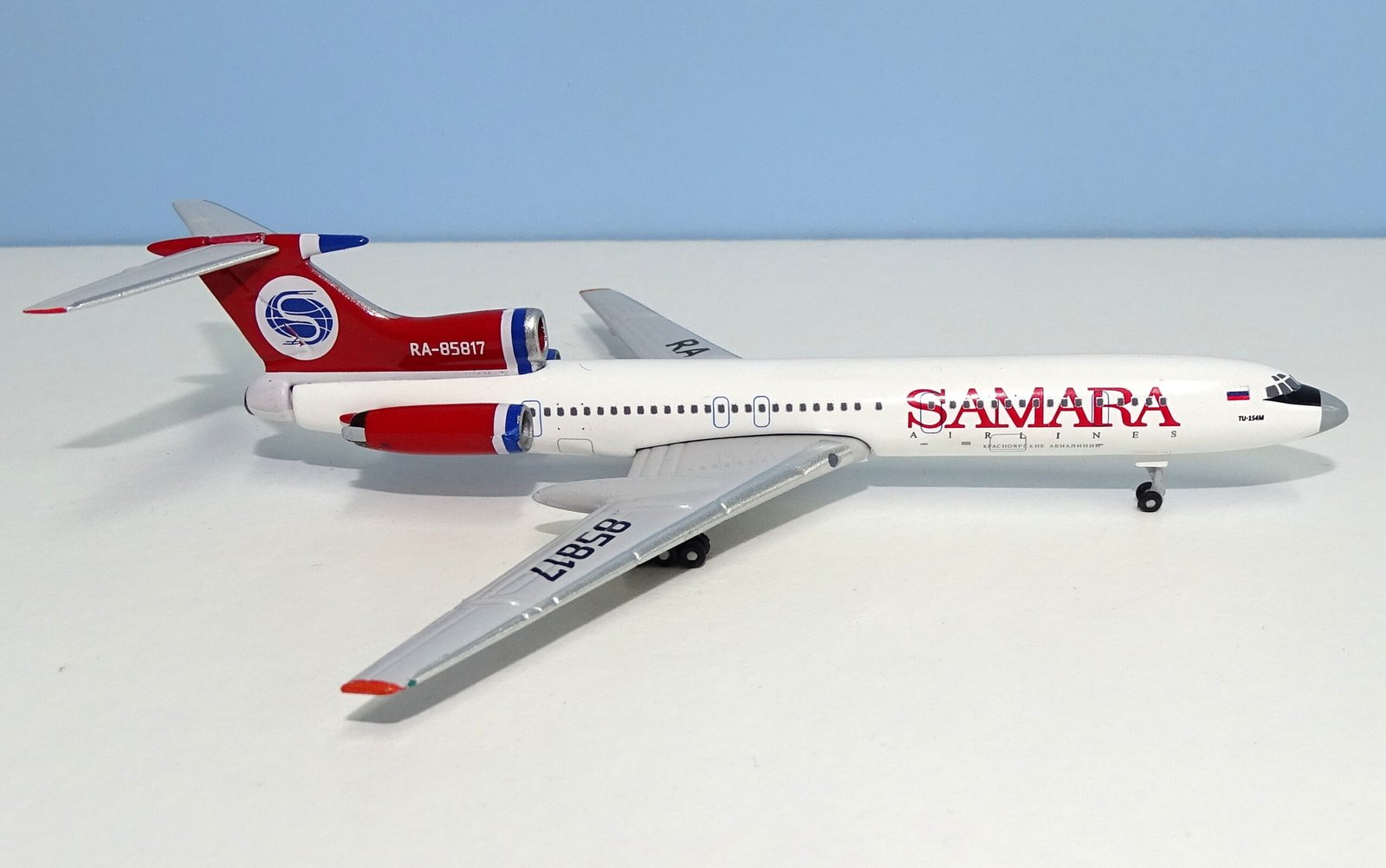
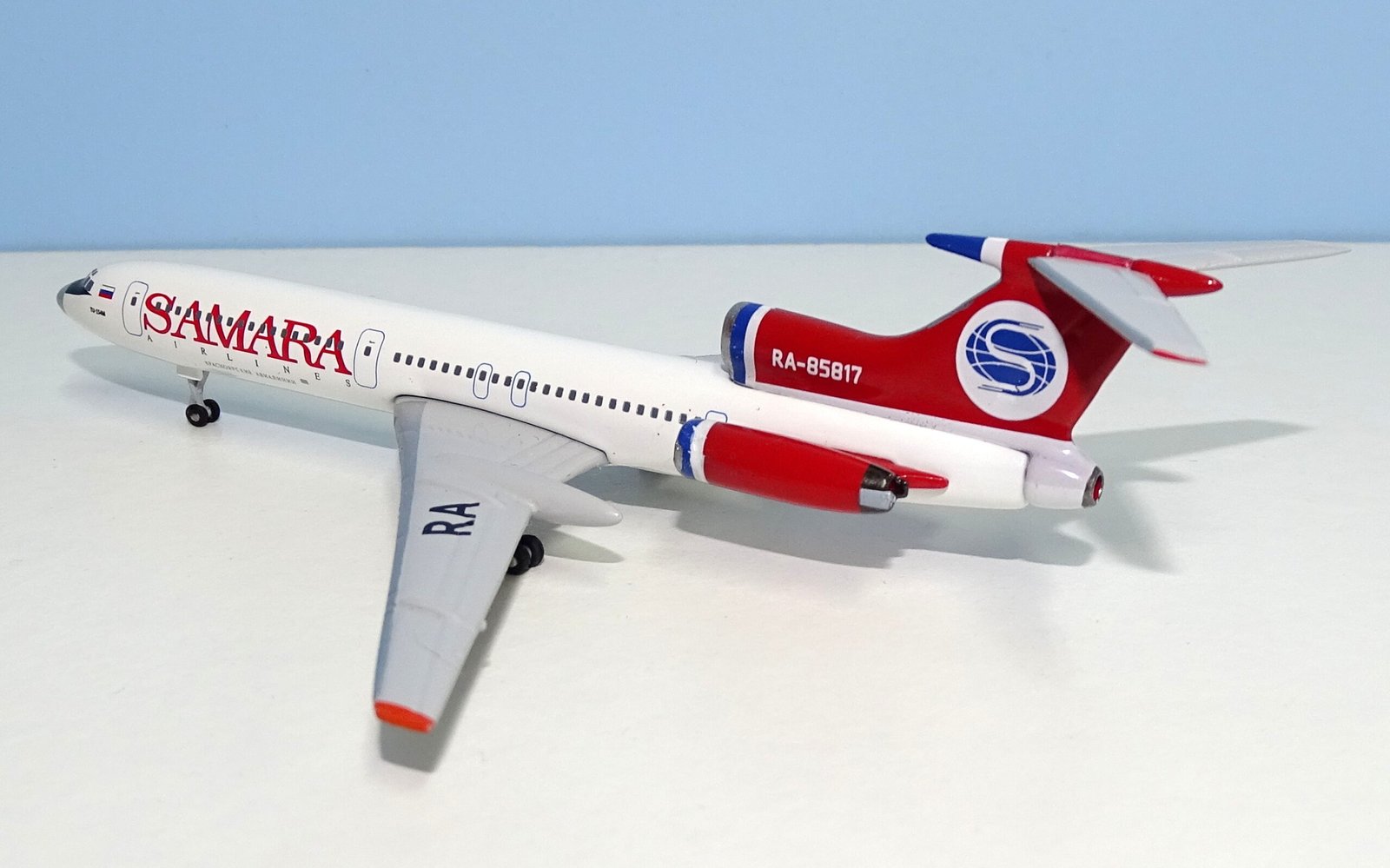
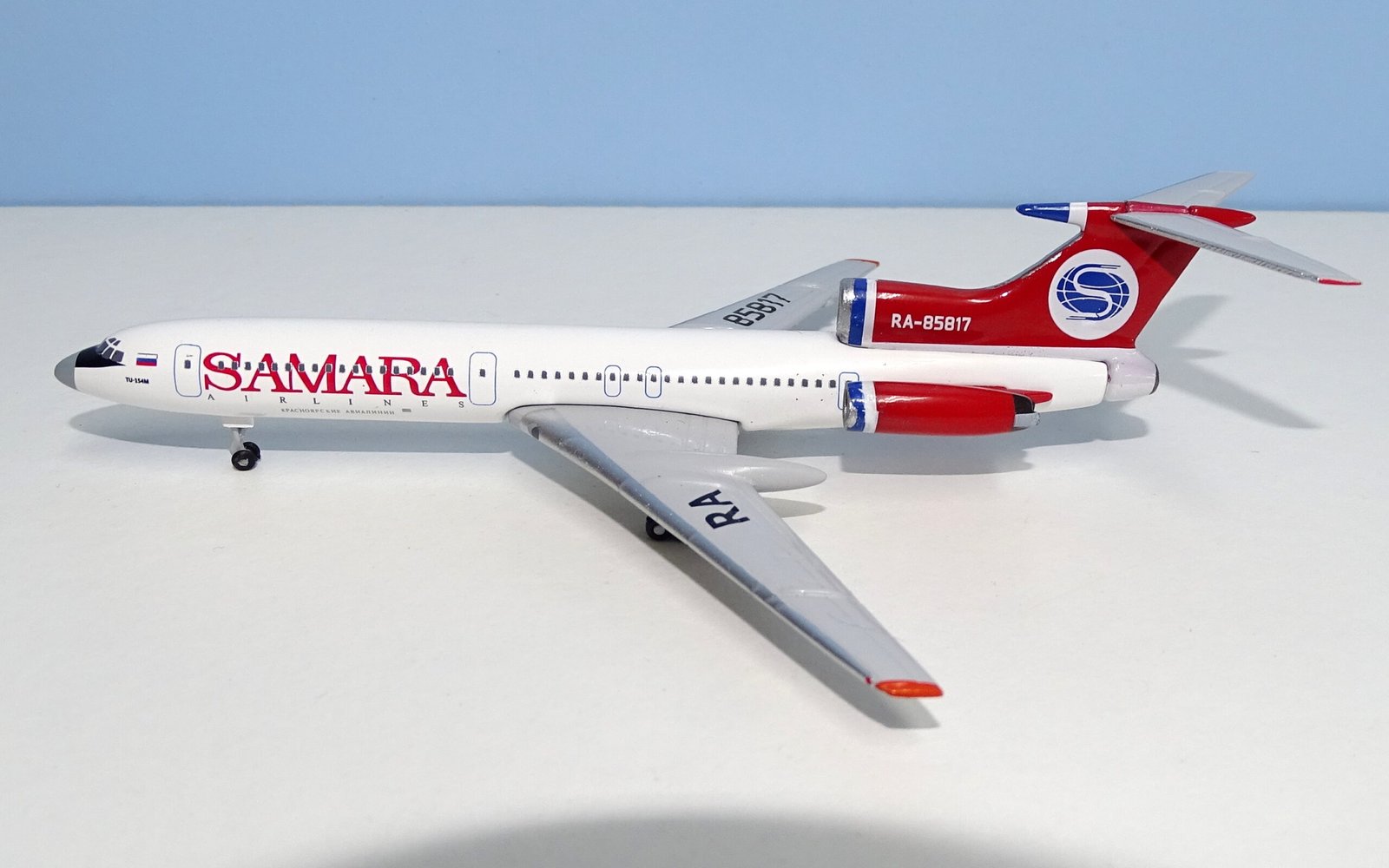
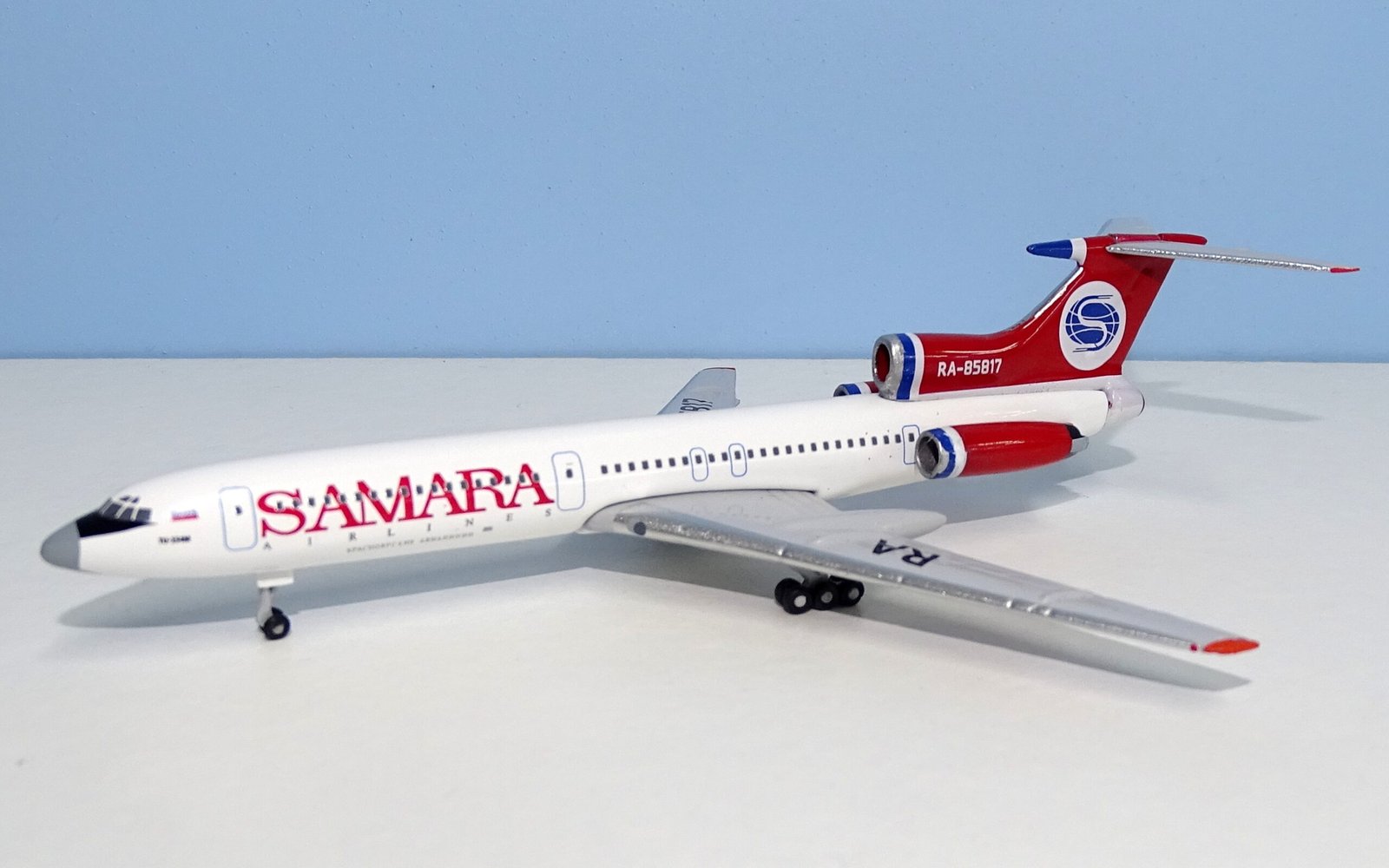
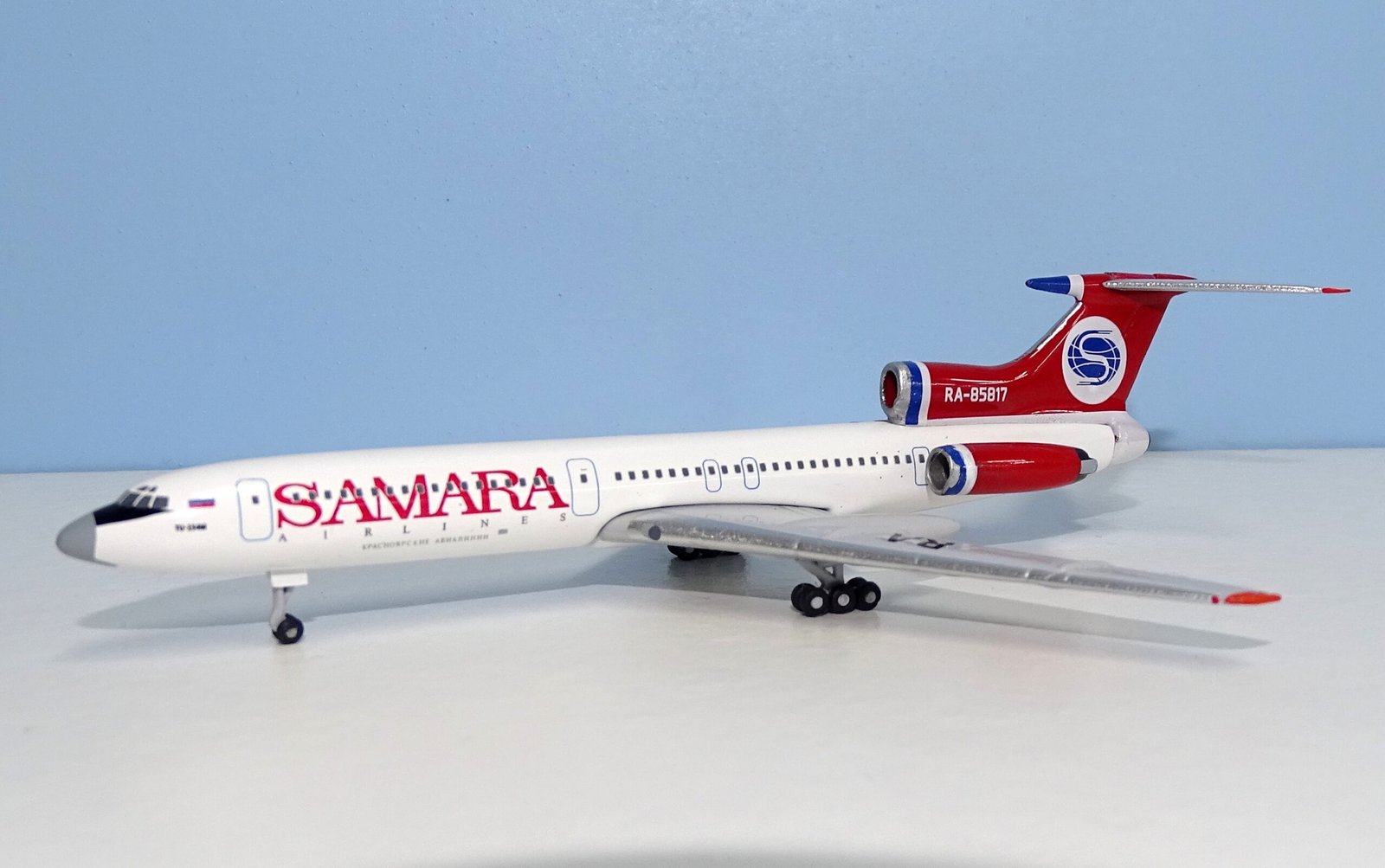
Samara Airlines Tupolev Tu-154M RA-85817, Aeroclassics 1:400 Scale Model
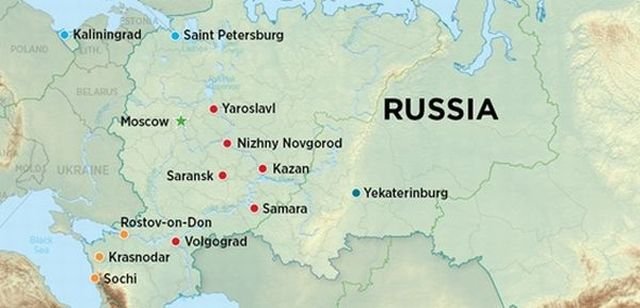
Samara, known between 1935 and 1991 under the Soviet name of Kuybyshev, is the 8th largest city in Russia and is situated on the edge of European Russia, close to the Urals and on the River Volga. The city has a background in many leading industries especially aviation, missile defence and the Soviet space programme. In fact, these aspects led to it being a ‘closed city’ under the Soviet system.
As with most large population centres under Soviet rule it had its own Aeroflot division – the Kuybyshev Aviation Enterprise, which was established in 1961 and morphed into the Kuybyshev Joint Aviation Squadron (KuAO). Following the break up of the USSR most of these squadrons of Aeroflot became nominally independent and the KuAO was privatised in 1993, becoming the Joint Stock Company Samara Airlines. The new airline was 51% owned by the state and 49% by private investors.
Konstantin von Wedelstaedt (GFDL 1.2 or GFDL 1.2 ), via Wikimedia Commons
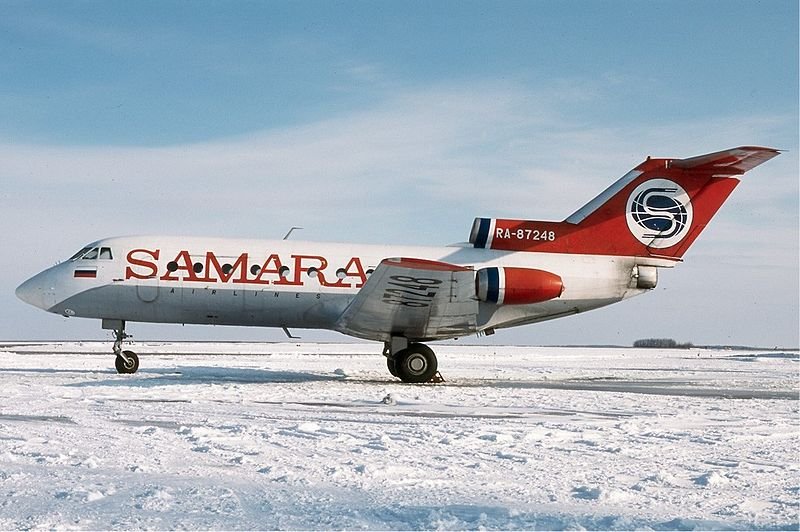
As was usual amongst many of the early Russian airlines, formed from Aeroflot divisions, it took a little while for Samara Airlines to create its own identity. By 1996 the airline, which used the call sign “beryoza” (birch tree), had adopted a rather tasteful and attractive scheme. This featured billboard SAMARA titles and a red, white and blue tail.
Anton Bannikov (GFDL or GFDL ), via Wikimedia Commons
The Samara Airlines fleet consisted of the usual ex-Aeroflot types – Tupolev Tu-134s, Tu-154s, Yakovlev Yak-40s and Ilyushin IL-76s. Samara Airlines was based at the Samara Kurumoch International Airport from where it operated a wide domestic network as well as international schedules to cities in former Soviet states such as Armenia, Azerbaijan, Kazakstan, Tajikistan, Ukraine and Uzbekistan.
Leonid Faerberg (GFDL 1.2 or GFDL 1.2 ), via Wikimedia Commons
Samara appears to have weathered the political and economic storms of the late 90s reasonably well. It was forced to lease out some aircraft, but was also able to add further Tu-134s and Tu-154Ms to its fleet. Additionally in 2000 the first of an eventual 4 Yak-42Ds joined the fleet after a single machine was leased in 1997/98. Samara grew to become one of the largest airlines in Russia and in 2005 joined Russia’s first airline alliance – AiRUnion, which consisted of KrasAir, Domodedovo Airlines, Omskavia, Sibaviatrans and Samara Airlines. AiRUnion was run by the two brothers Boris and Alexander Abramovich but still had a strong state-owned component.
Dmitriy Pichugin (GFDL 1.2 or GFDL 1.2 ), via Wikimedia Commons
The aircraft represented by this Aeroclassics model, RA-85817, was a 1995 build Tu-154M originally operated by Tatarstan Airlines but acquired by Samara by August 1996. It saw several lease periods with the Iranian airline Kish Air but appears not to have seen any further service after Samara’s collapse. Samara operated over 20 Tu-154s during its history and still had 12 on strength in May 2008.
Samara Airlines Tupolev Tu-154M RA-85817, Aeroclassics 1:400 Scale Model
Samara Airlines Tupolev Tu-154M RA-85817, Aeroclassics 1:400 Scale Model
Samara Airlines Tupolev Tu-154M RA-85817, Aeroclassics 1:400 Scale Model
Samara Airlines Tupolev Tu-154M RA-85817, Aeroclassics 1:400 Scale Model
Samara Airlines Tupolev Tu-154M RA-85817, Aeroclassics 1:400 Scale Model
Samara Airlines Tupolev Tu-154M RA-85817, Aeroclassics 1:400 Scale Model
Samara Airlines Tupolev Tu-154M RA-85817, Aeroclassics 1:400 Scale Model
Samara Airlines Tupolev Tu-154M RA-85817, Aeroclassics 1:400 Scale Model
Samara Airlines Tupolev Tu-154M RA-85817, Aeroclassics 1:400 Scale Model
Samara Airlines Tupolev Tu-154M RA-85817, Aeroclassics 1:400 Scale Model
Samara Airlines Tupolev Tu-154M RA-85817, Aeroclassics 1:400 Scale Model
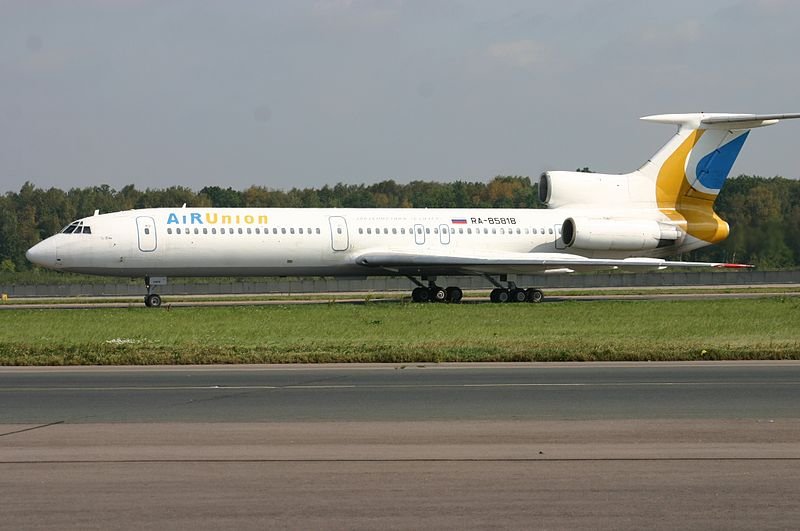
As with other component airlines some of the Samara Airlines fleet began to wear the new combined AiRUnion colours and by 2007 the 5 airlines (by then merged into a single holding company) were the 2nd largest airline in Russia behind only Aeroflot. This was a boom time for Russian airlines, however the Global Financial Crisis that hit in 2008 had the impact of massively increasing fuel prices as well as curtailing demand.
One of Samara's Tu-154s RA-85818 in AiRUnion colours. aeroprints.com, CC BY-SA 3.0 , via Wikimedia Commons
By August 2008 the AiRUnion airlines had run up massive debts to airport services and fuel providers and most of its operations from Moscow and Krasnoyarsk were suspended on August 20. Despite attempts by the Russian government to prop up operations, which saw services resume from August 22, the groups debts stood at around 27 billion Roubles (over $1.1 billion) and it could not be saved. Samara Airlines was forced to cease operations in September and initial attempts by the Russian government to form a single new company ‘Rosavia’ out of the ashes of the many airlines was eventually found to be unnecessary and not pursued.
Despite a brief dip in traffic caused by Samara Airlines collapse traffic figures at Kurumoch International Airport recovered and grew quickly from around 1.5m passengers per annum in 2010 to over 3 million by the start of 2019. Traffic at the airport is diverse but it appears Ural Airlines, Utair, IrAero and Kazan based CRJ operator UVT Aero are the airport’s biggest operators.