The economic miracle which Japan achieved in the late 50s and 1960s was a vindication of the postwar policies of both the USA and new Japanese government. The formation of Japan Air Lines not only contributed to this boom but also began to aid Japan’s rehabilitation amongst it’s Asian neighbours. JAL’s early success was built on a foundation of Douglas propliners and this would continue into the 60s with its first pure jets.
By the end of World War Two the Japanese state had been effectively destroyed by the onslaught of Allied forces, which had obliterated most of the Japanese cities and industry, and reduced the population to near starvation. Nonetheless the successful, if at times controversial, American occupation had created a new Japanese state to which sovereignty could be passed back by the 1951 San Francisco Peace Treaty.
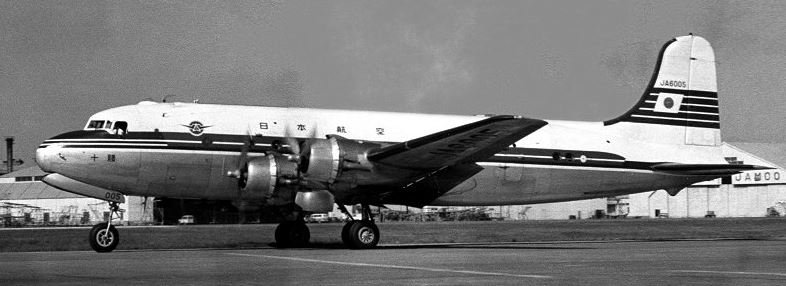
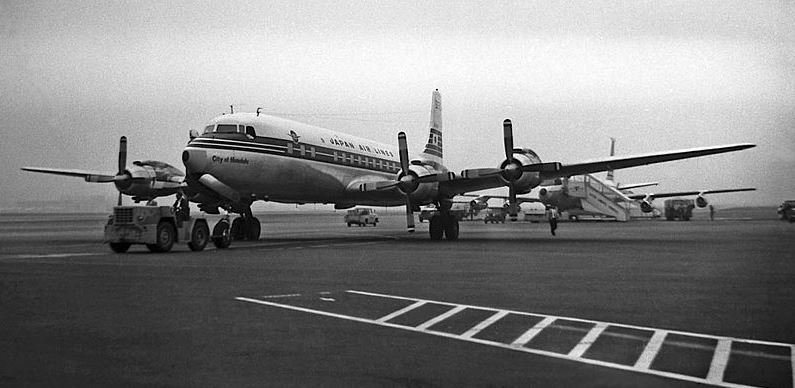
JA6005 an ex-USAAF C-54 that had seen service with Northwest, Northeast, National and Modern Air before joining JAL
This allowed Japan to begin its recovery and the 1950s saw the beginning of what has been dubbed the Japanese economic miracle, whereby Japan was able to become the world’s 2nd biggest economy by the mid-60s. Obviously this rehabilitation required aviation to play its part and Japan Air Lines (JAL) was formed on August 1, 1951. Services began domestically in October but had to use American pilots and aircraft flown under charter from Northwest Airlines (3 Martin 202s and a DC-4). The destruction of the Imperial Japanese Navy’s carrier forces at battles like Midway, the Philippine Sea and Okinawa meant that finding Japanese pilots in postwar Japan was far from an easy task.
It wasn’t until October 1952 that JAL tookover full responsibility for its own operations and during 1953 agreement was reached for a transpacific service from Tokyo to San Francisco stopping at Wake Island and Honolulu. The company was reorganised under Japanese law to enable international services, recapitalised and the Japanese government took a 50% share. The fleet stood at 7 DC-4s acquired from Pan Am (3), SAS (2), National (1) and Northwest (1).
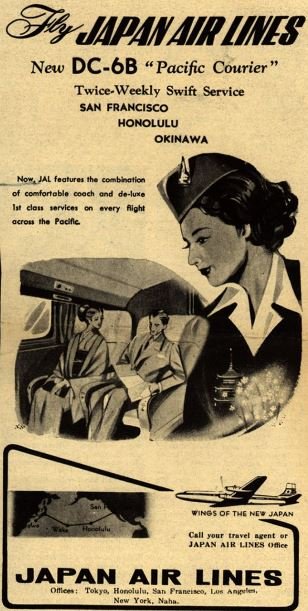
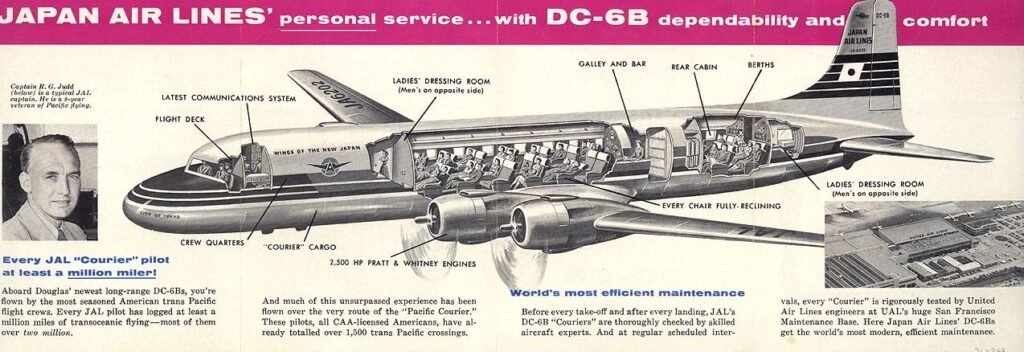
To operate the new route 5 DC-6A/Bs were on order with the first arriving in January 1953. These were not cheap however especially as to get the type at short notice JAL had to buyout other airline’s orders. Maintenance was also to be undertaken by United Airlines until JAL’s own staff could be trained.
From the inside of a 1954 timetable. From the collection of Bjorn Larsson at www.timetableimages.com
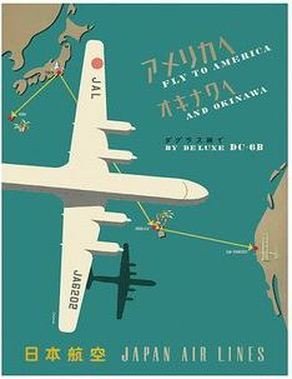
February 5, 1954 saw the launch of the ‘Pacific Courier’ service to the West Coast. The DC-6s also enabled a Tokyo-Okinawa route, which was gradually expanded as Japan reconnected with Asia. In 1955 the extension was to Hong Kong, 1956 to Bangkok and in 1958 Singapore.
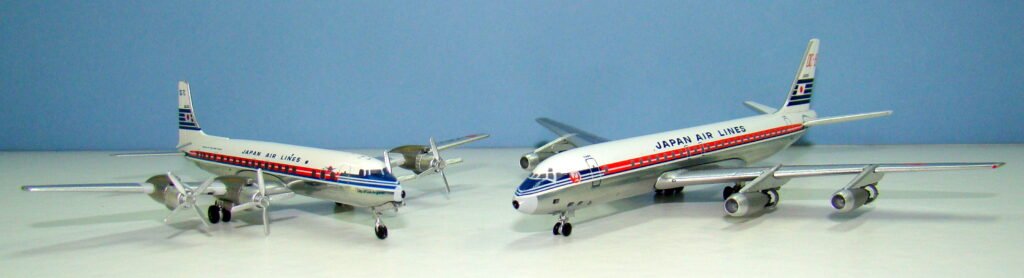
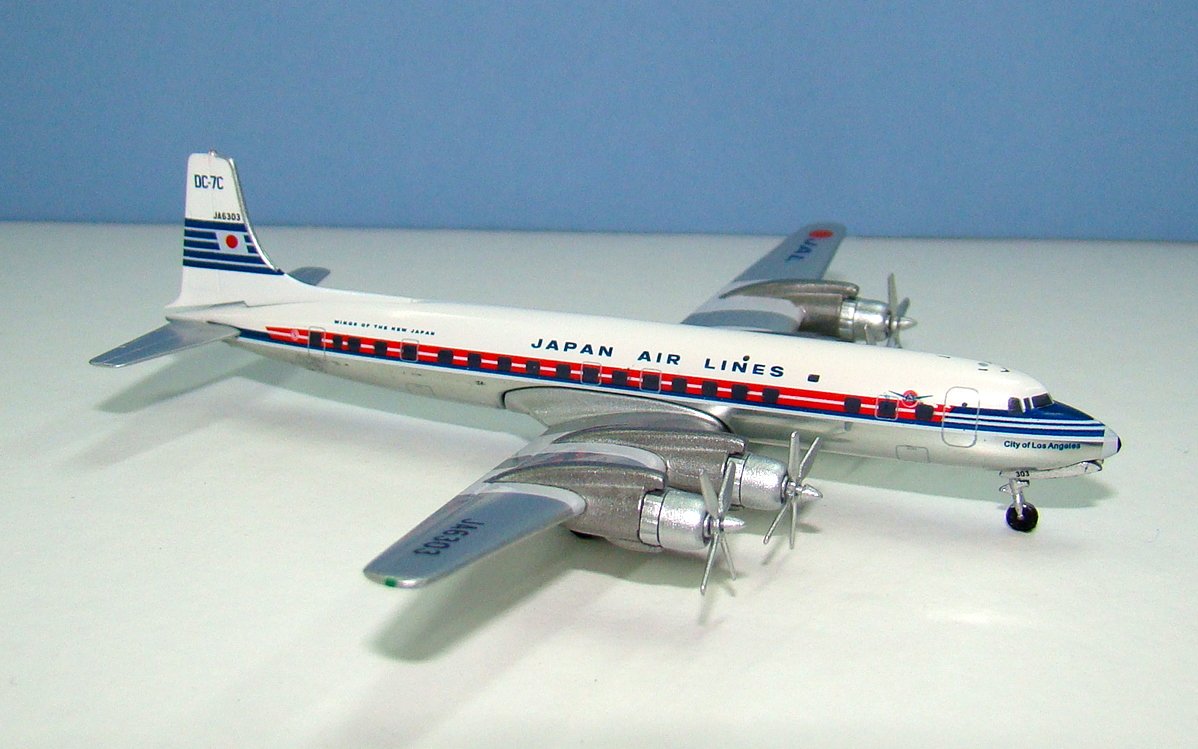
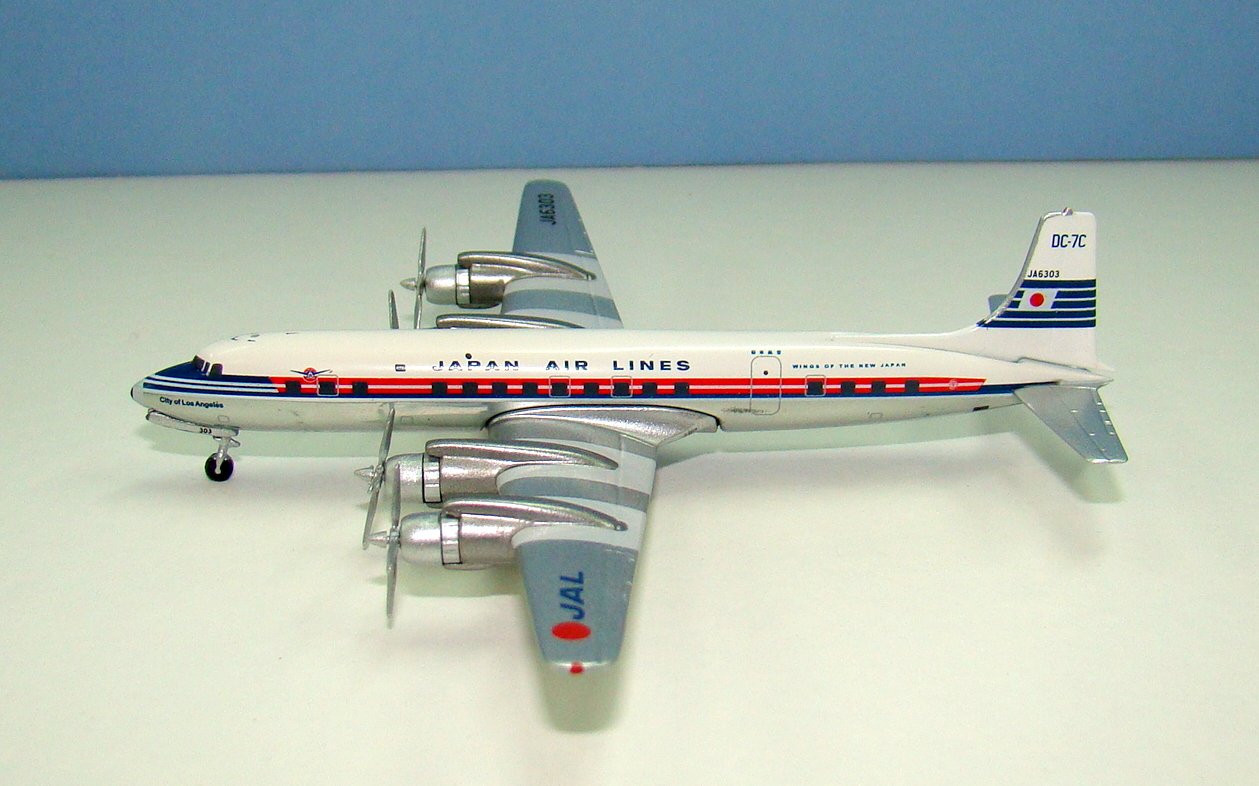
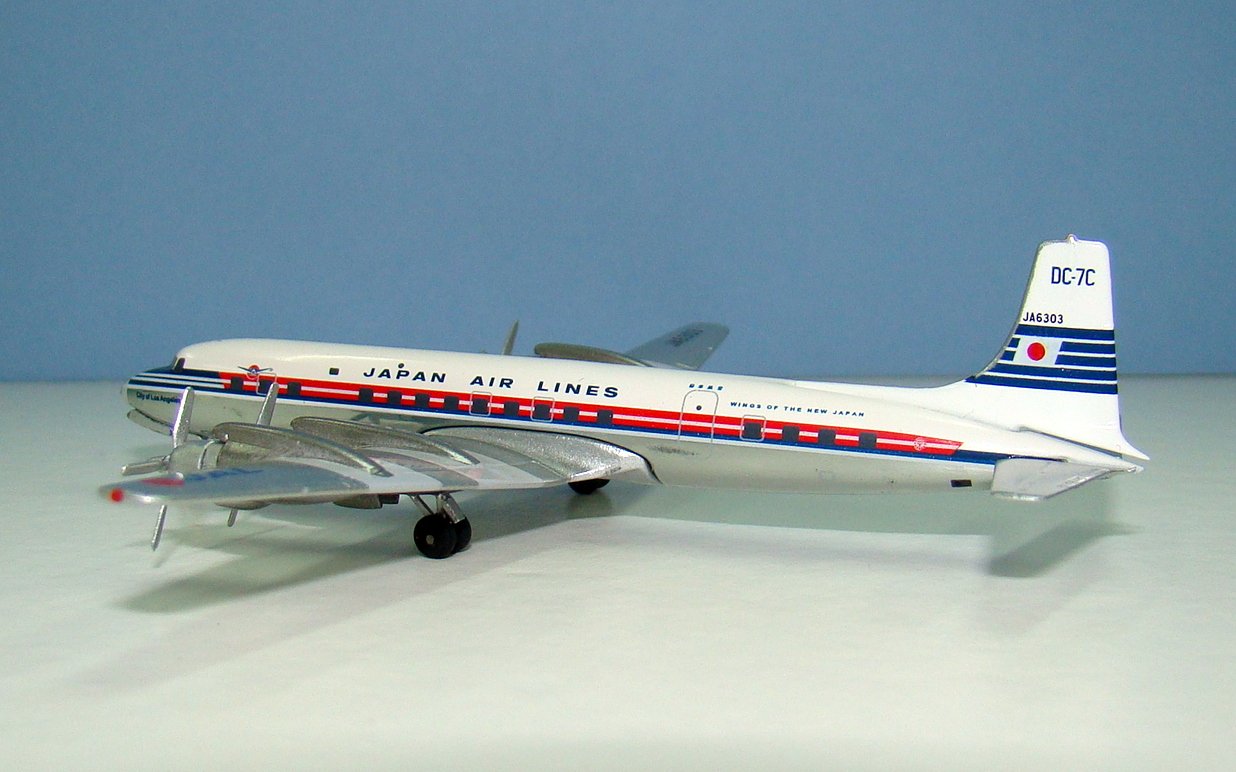
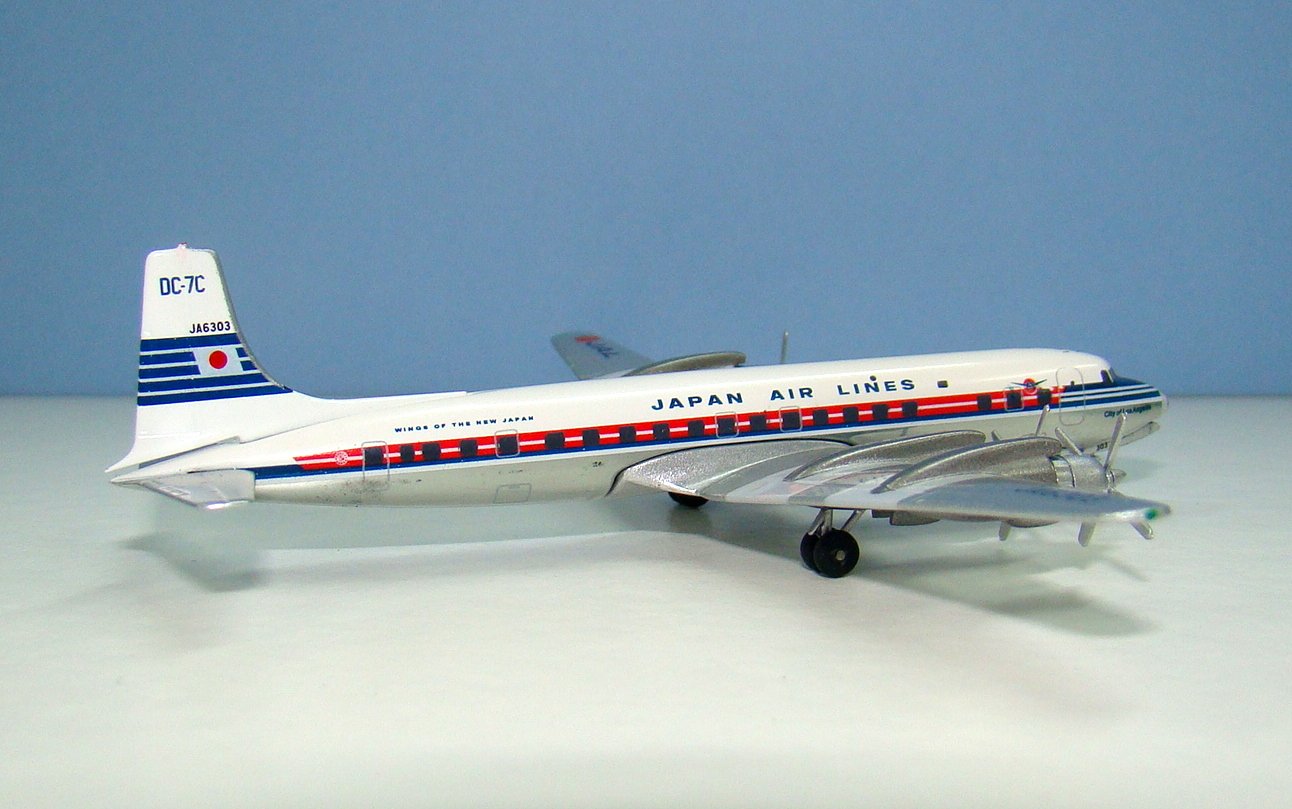
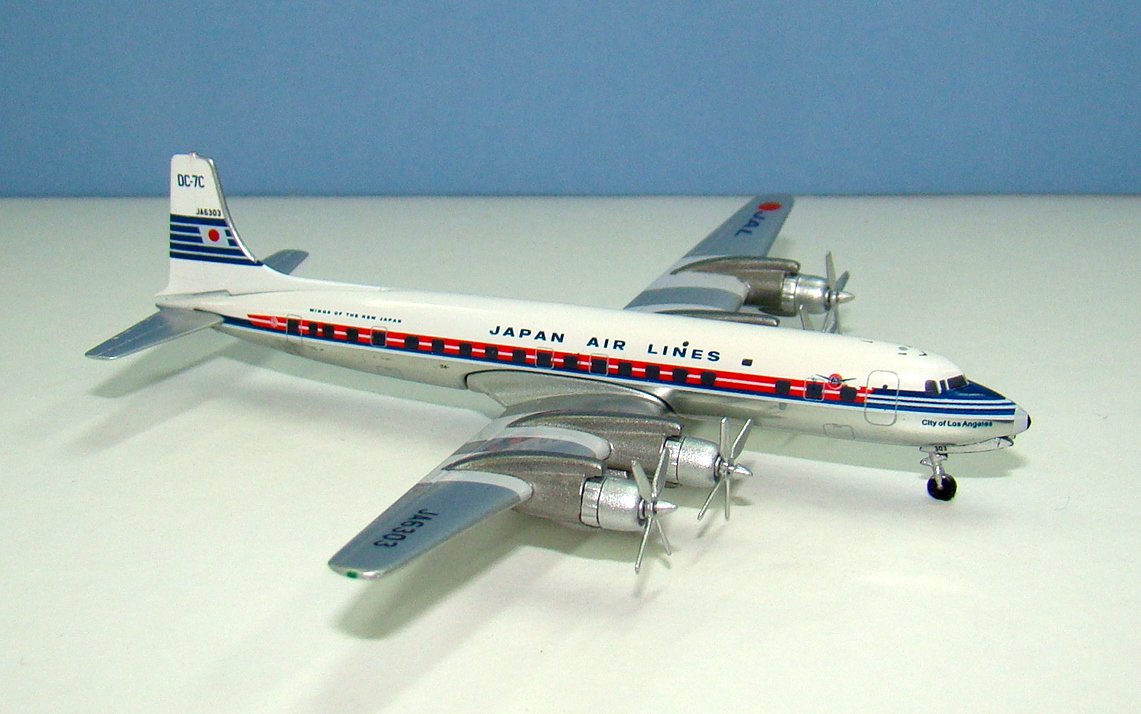
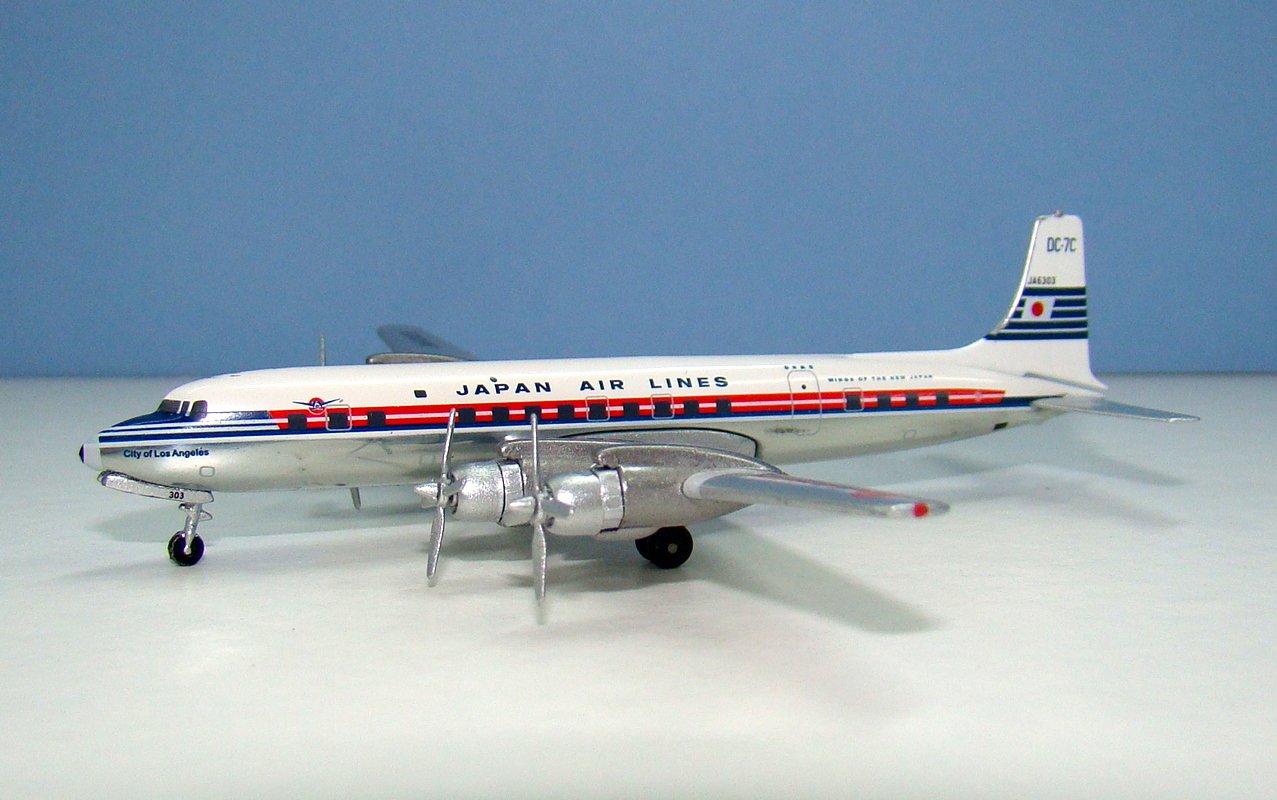
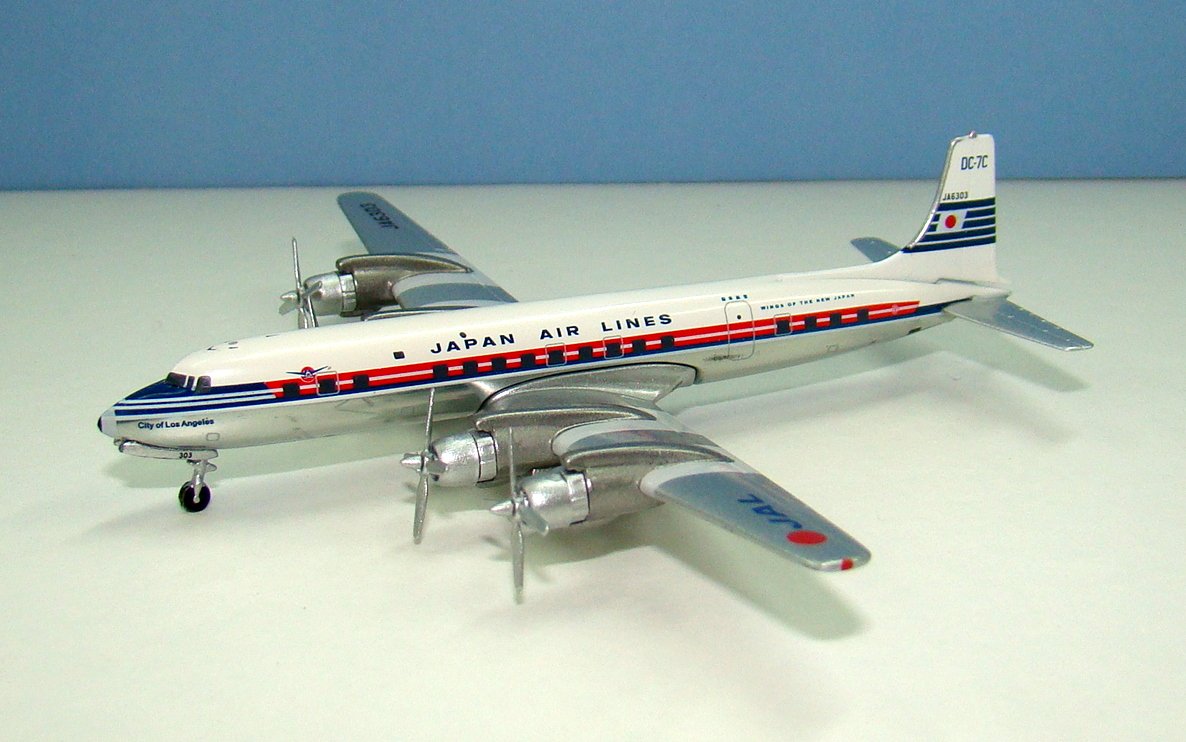
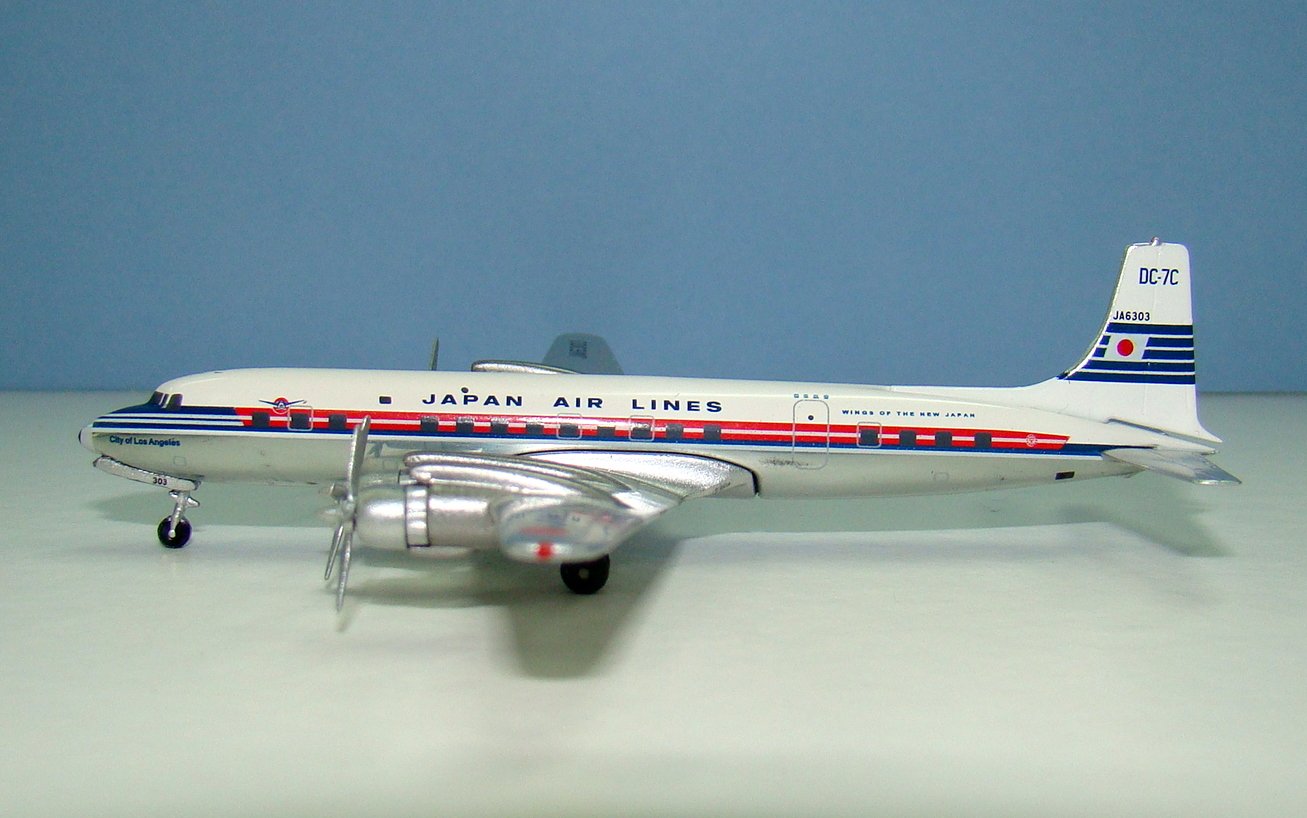
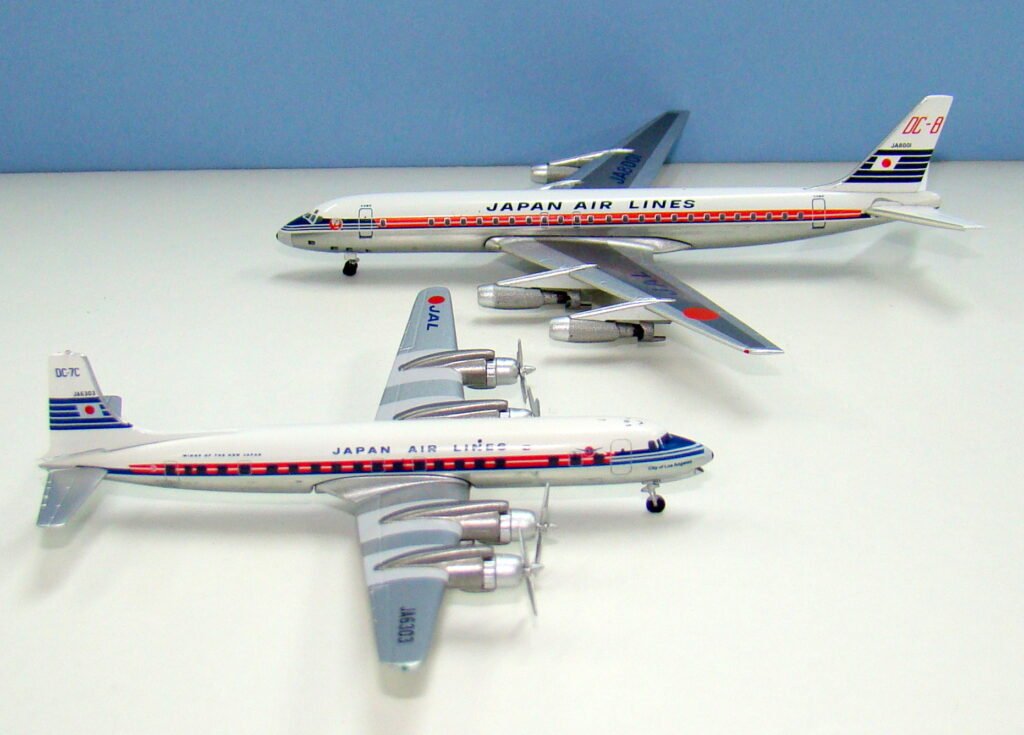
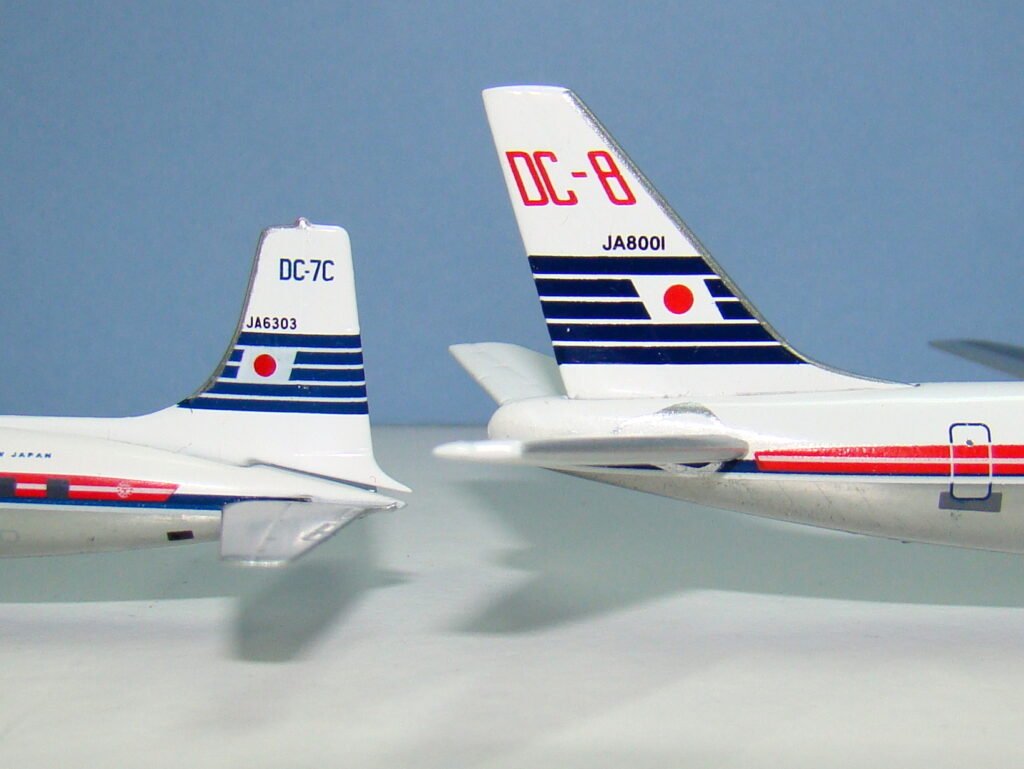
Japan Air Lines Douglas DC-7C JA6303 Aeroclassics 1:400 Scale Model Airliner
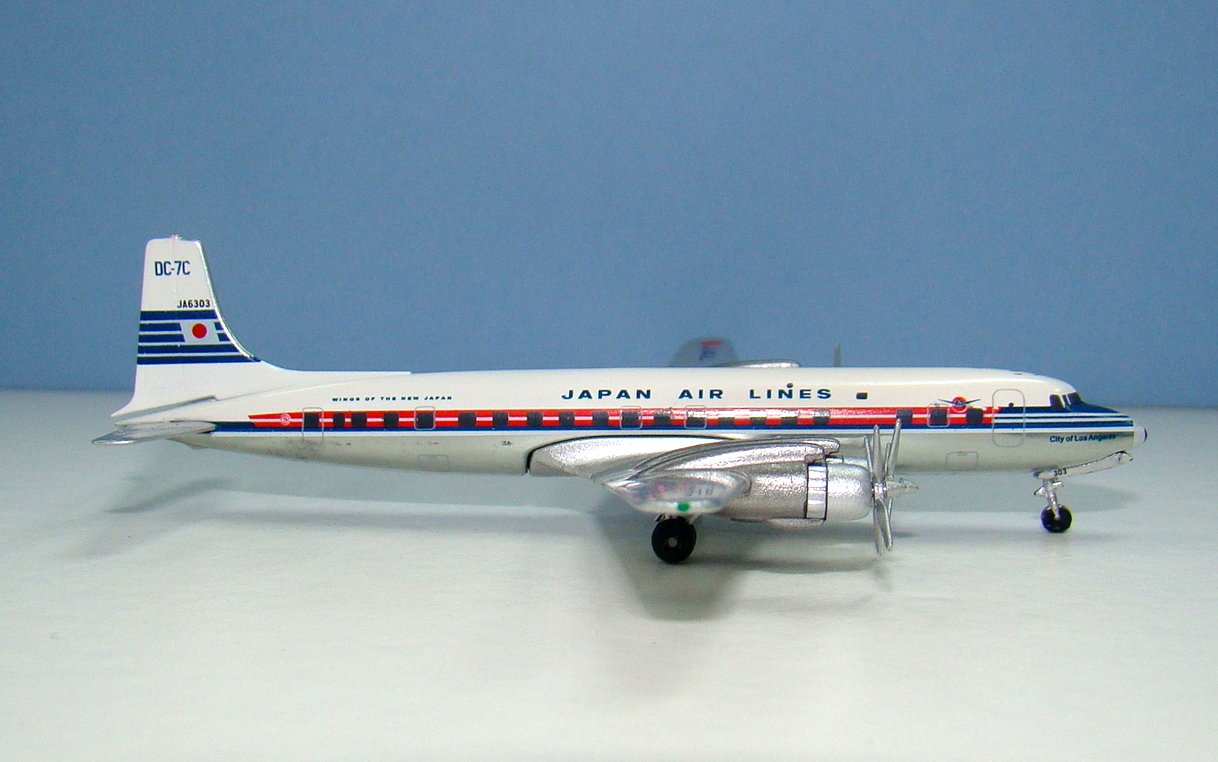
Japan Air Lines Douglas DC-7C JA6303 Aeroclassics 1:400 Scale Model Airliner
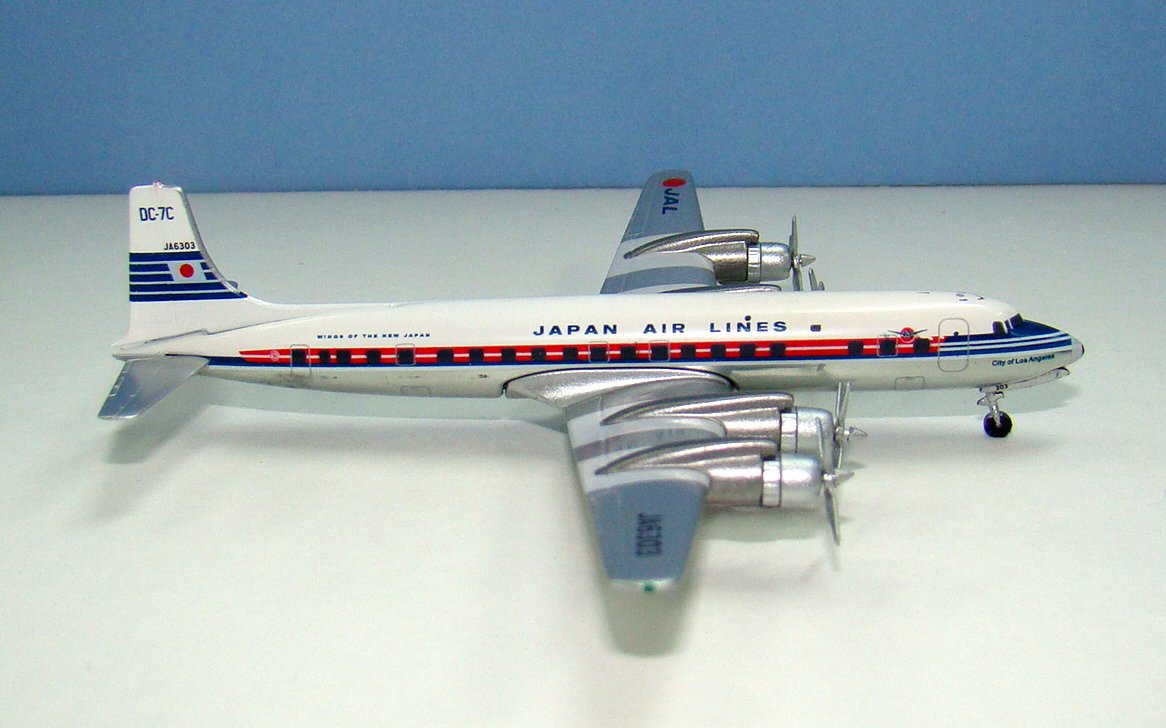
Japan Air Lines Douglas DC-7C JA6303 Aeroclassics 1:400 Scale Model Airliner
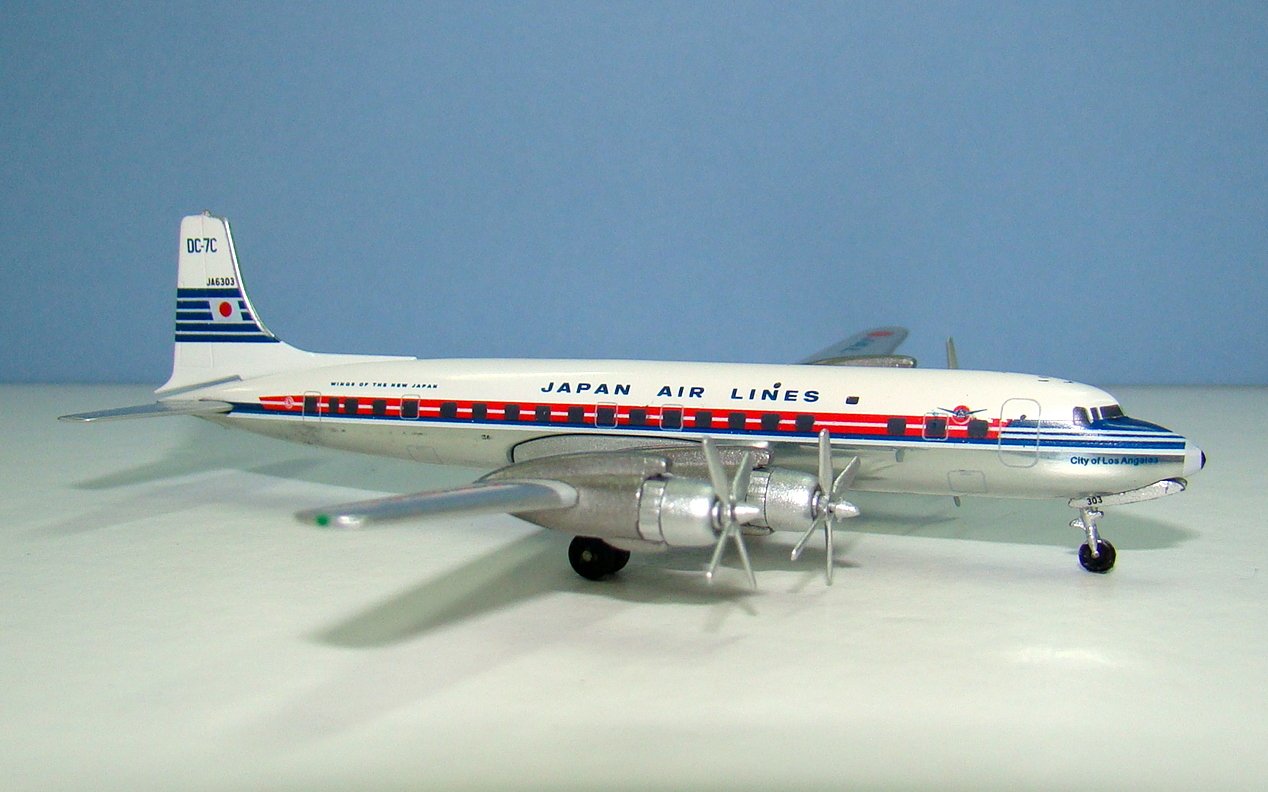
Japan Air Lines Douglas DC-7C JA6303 Aeroclassics 1:400 Scale Model Airliner
Japan Air Lines Douglas DC-7C JA6303 Aeroclassics 1:400 Scale Model Airliner
Japan Air Lines Douglas DC-7C JA6303 Aeroclassics 1:400 Scale Model Airliner
Japan Air Lines Douglas DC-7C JA6303 Aeroclassics 1:400 Scale Model Airliner
Japan Air Lines Douglas DC-7C JA6303 Aeroclassics 1:400 Scale Model Airliner
Japan Air Lines Douglas DC-7C JA6303 Aeroclassics 1:400 Scale Model Airliner
Japan Air Lines Douglas DC-7C JA6303 Aeroclassics 1:400 Scale Model Airliner
Japan Air Lines Douglas DC-7C JA6303 Aeroclassics 1:400 Scale Model Airliner
Japan Air Lines Douglas DC-7C JA6303 Aeroclassics 1:400 Scale Model Airliner
Japan Air Lines Douglas DC-7C JA6303 Aeroclassics 1:400 Scale Model Airliner
Almost as soon as international services had begun JAL was looking at new equipment for its primary routes and settled on the pinnacle of piston liner development the Douglas DC-7C. Four aircraft were delivered from December 1957 to April 1958. They helped enable expansion to Taipei in 1959 and a second US destination, Los Angeles. As with all DC-7Cs their front line careers were short as they were merely a stopgap until jets arrived.
JAL's DC-7C fleet
JA6302 at Los Angeles in 1960. Photo by Jon Proctor from Wikipedia
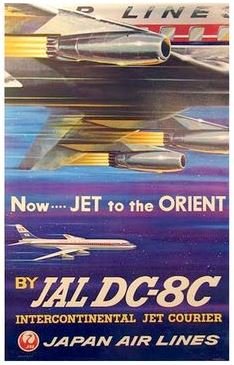
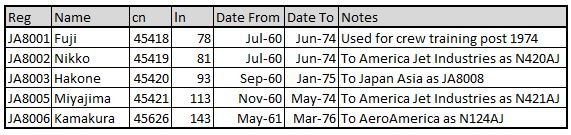
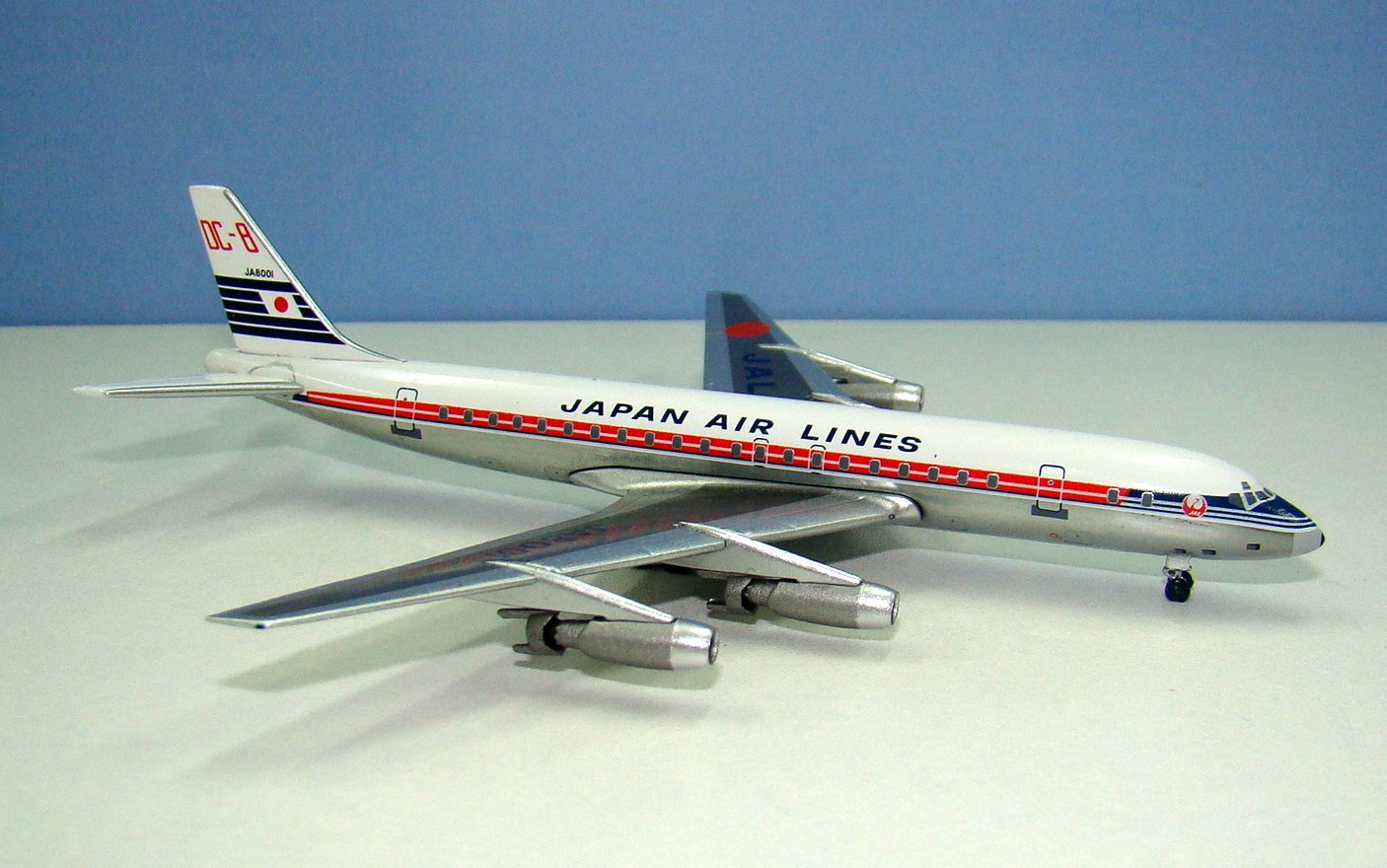
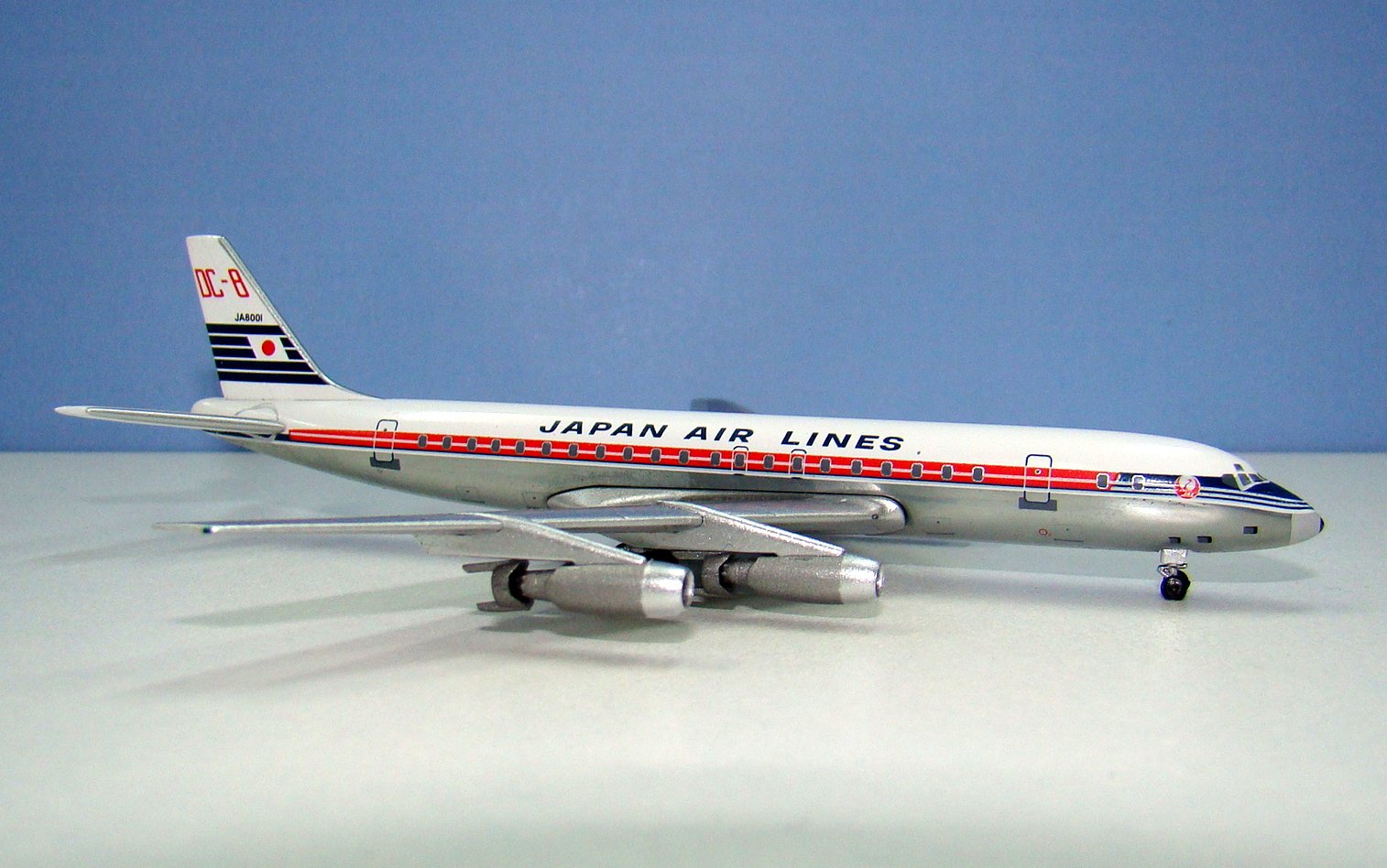
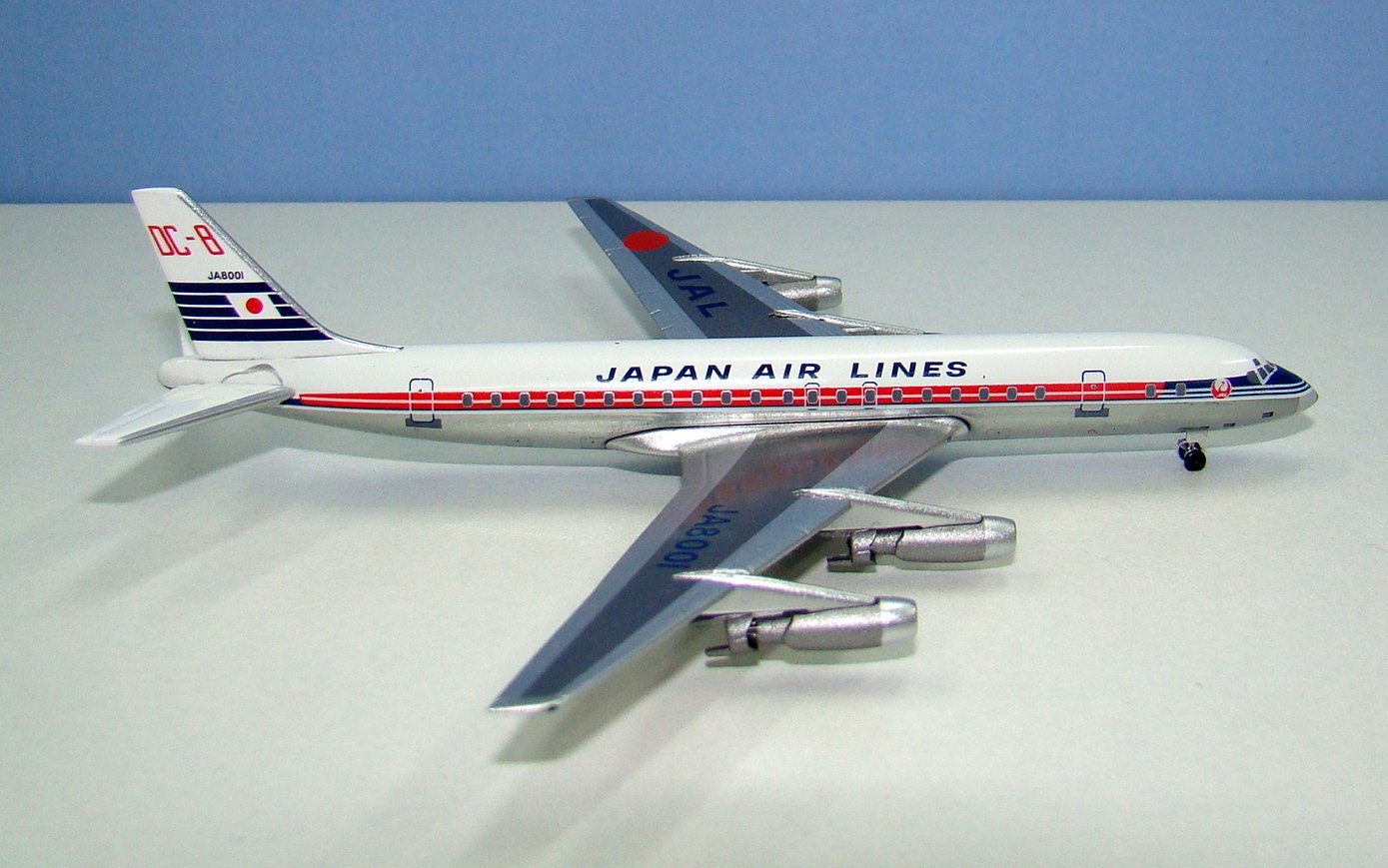
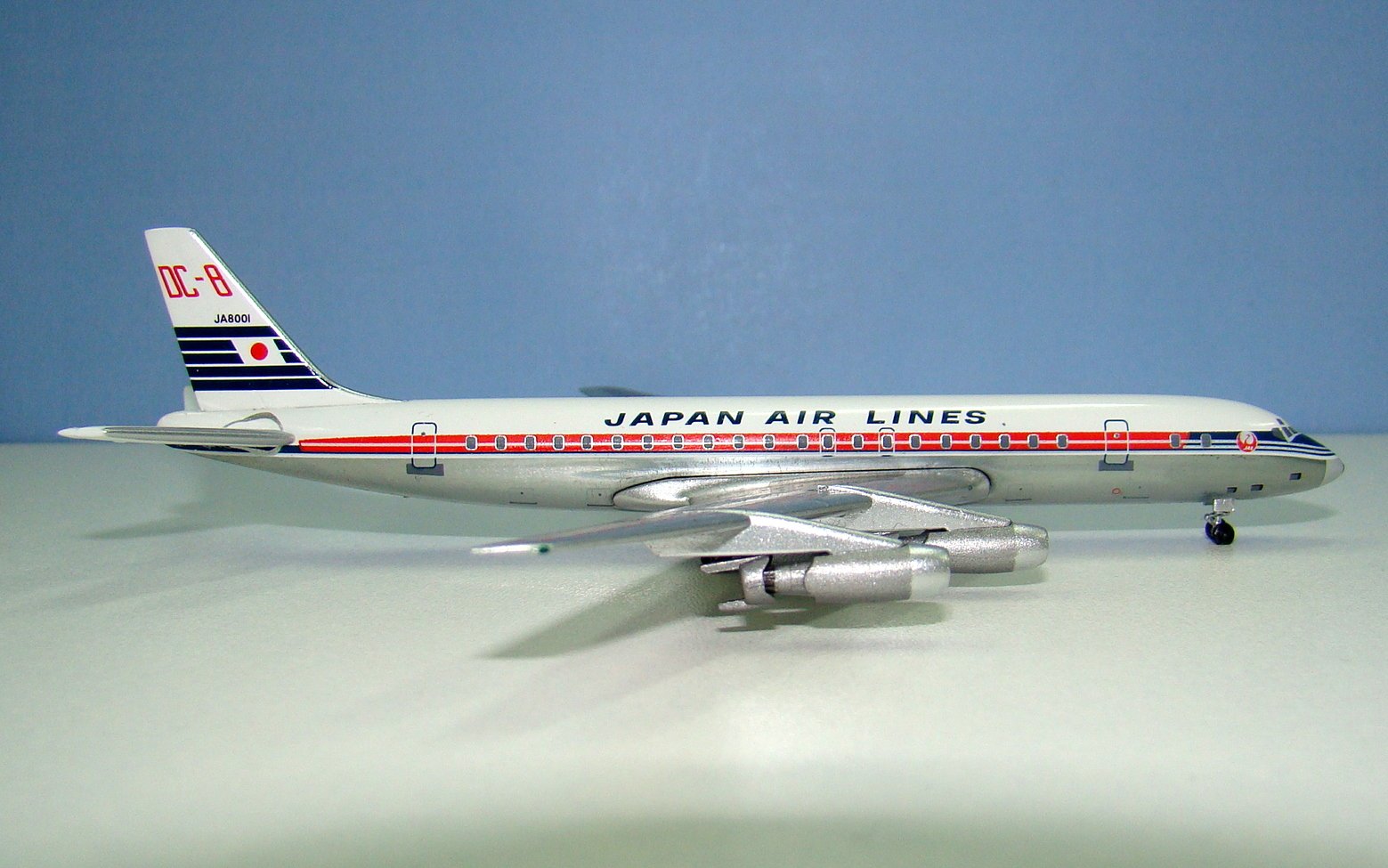
Indeed a public offering in May 1956 raised $1.38 million to assist in the purchase of jets. JAL kept the faith with Douglas and chose the DC-8-32, with the first of 5 arriving in July 1960. Further public offerings provided financial security and the capability to undertake a rapid expansion of services in the early 1960s. Not only that but the 1957 creation of Airport Ground Service Co Ltd created an arm to provide JAL with its own maintenance whilst in that year personnel training finally allowed the first flights crewed entirely by Japanese staff. In 1959 a JAL crew training center was opened at Tokyo’s Haneda Airport.
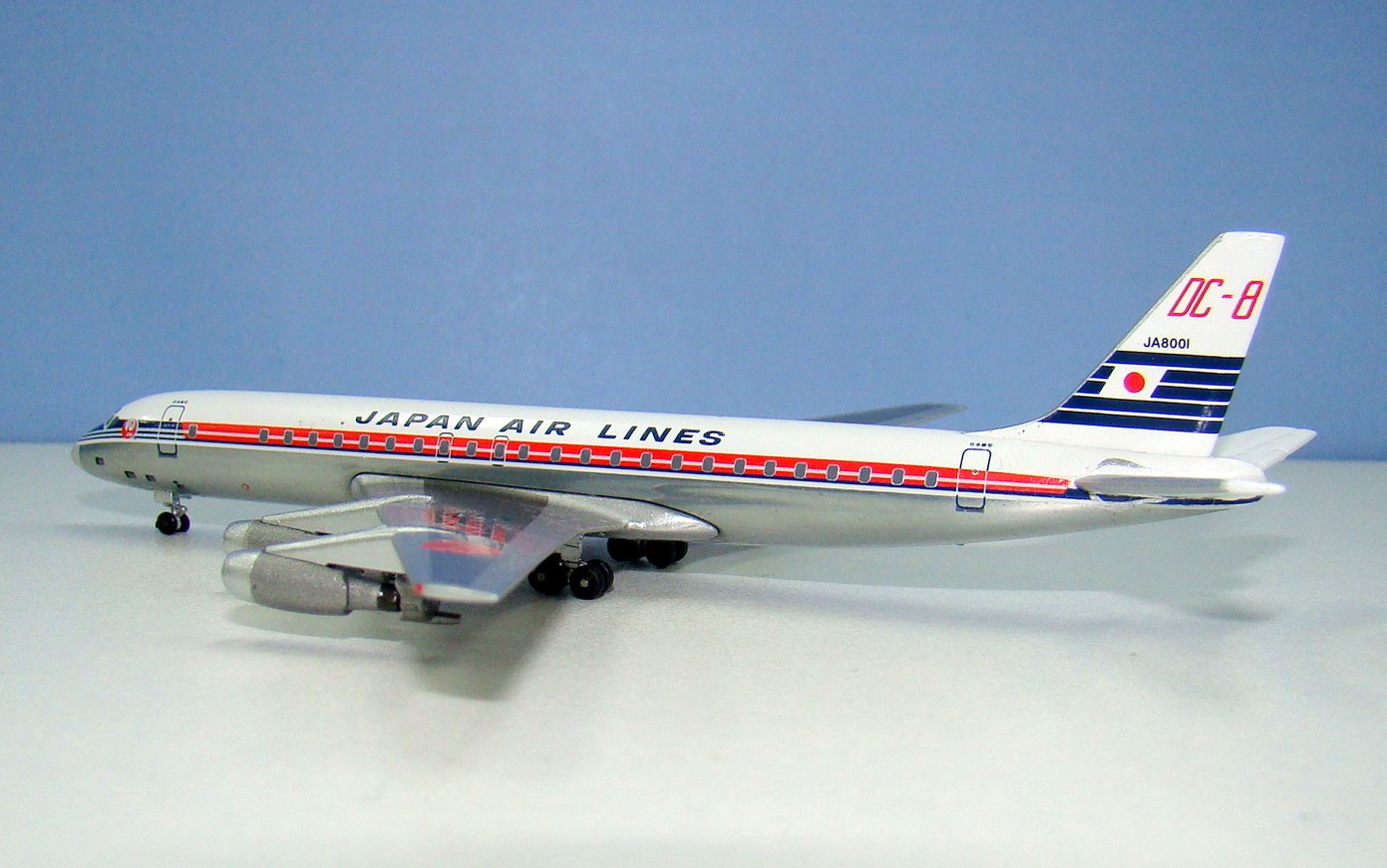
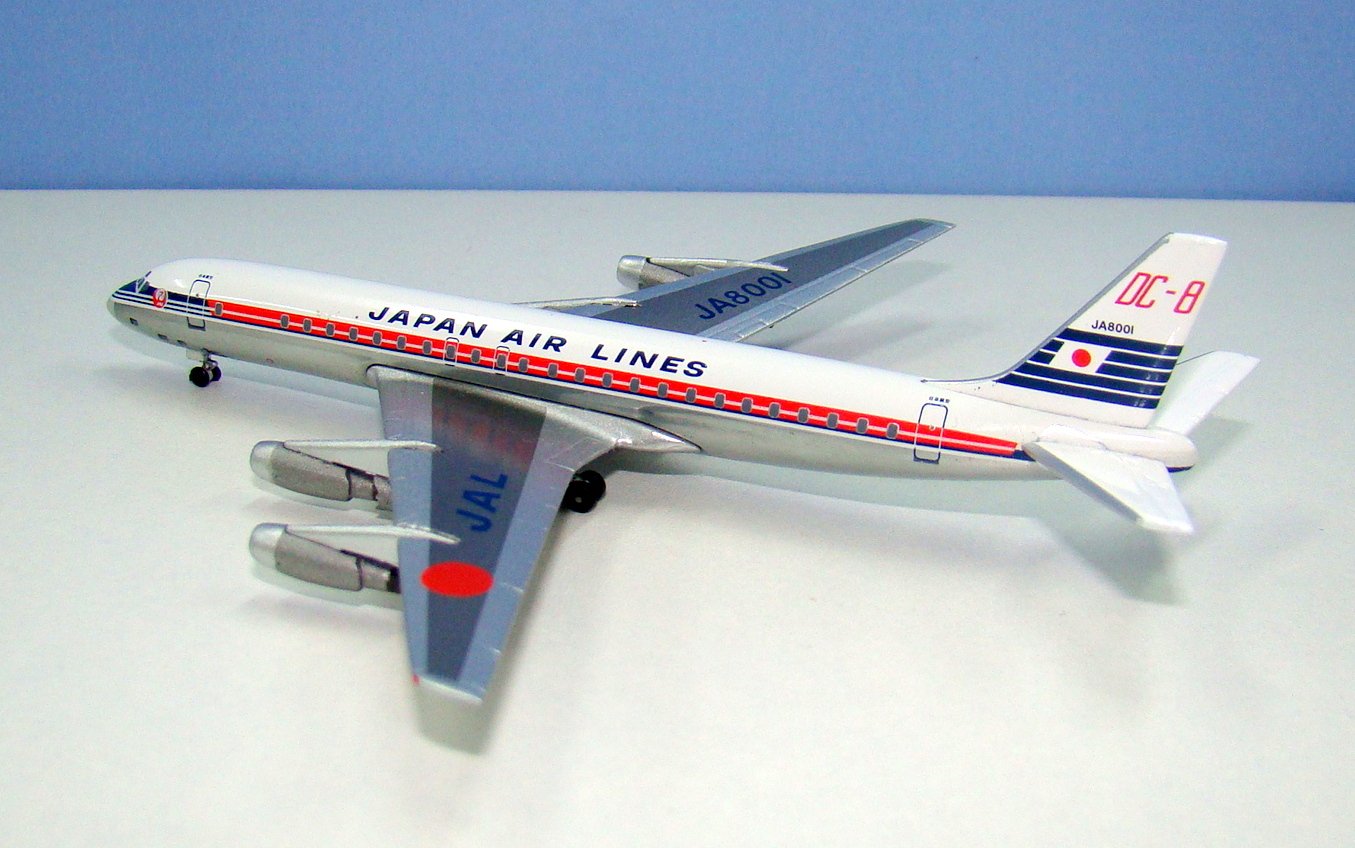
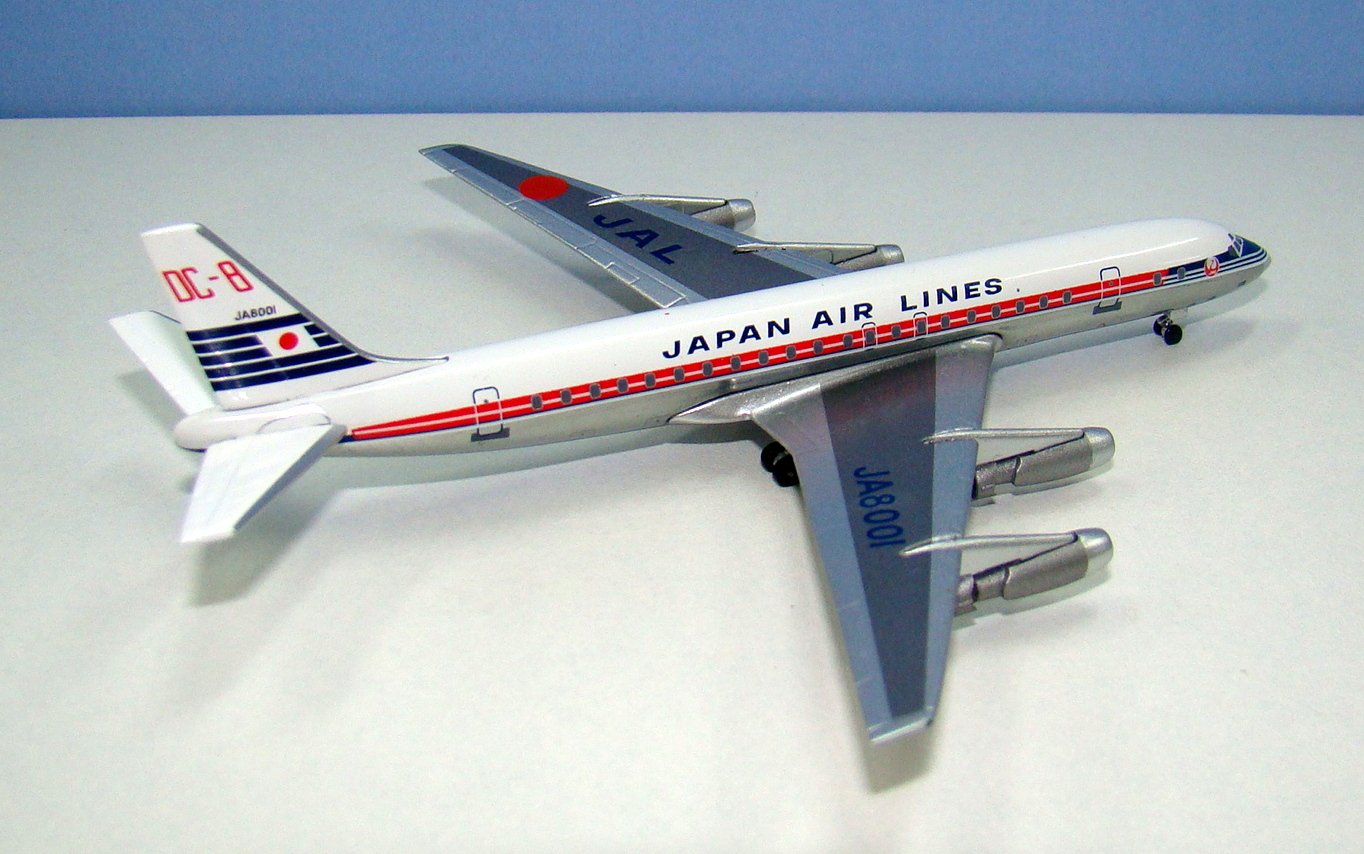
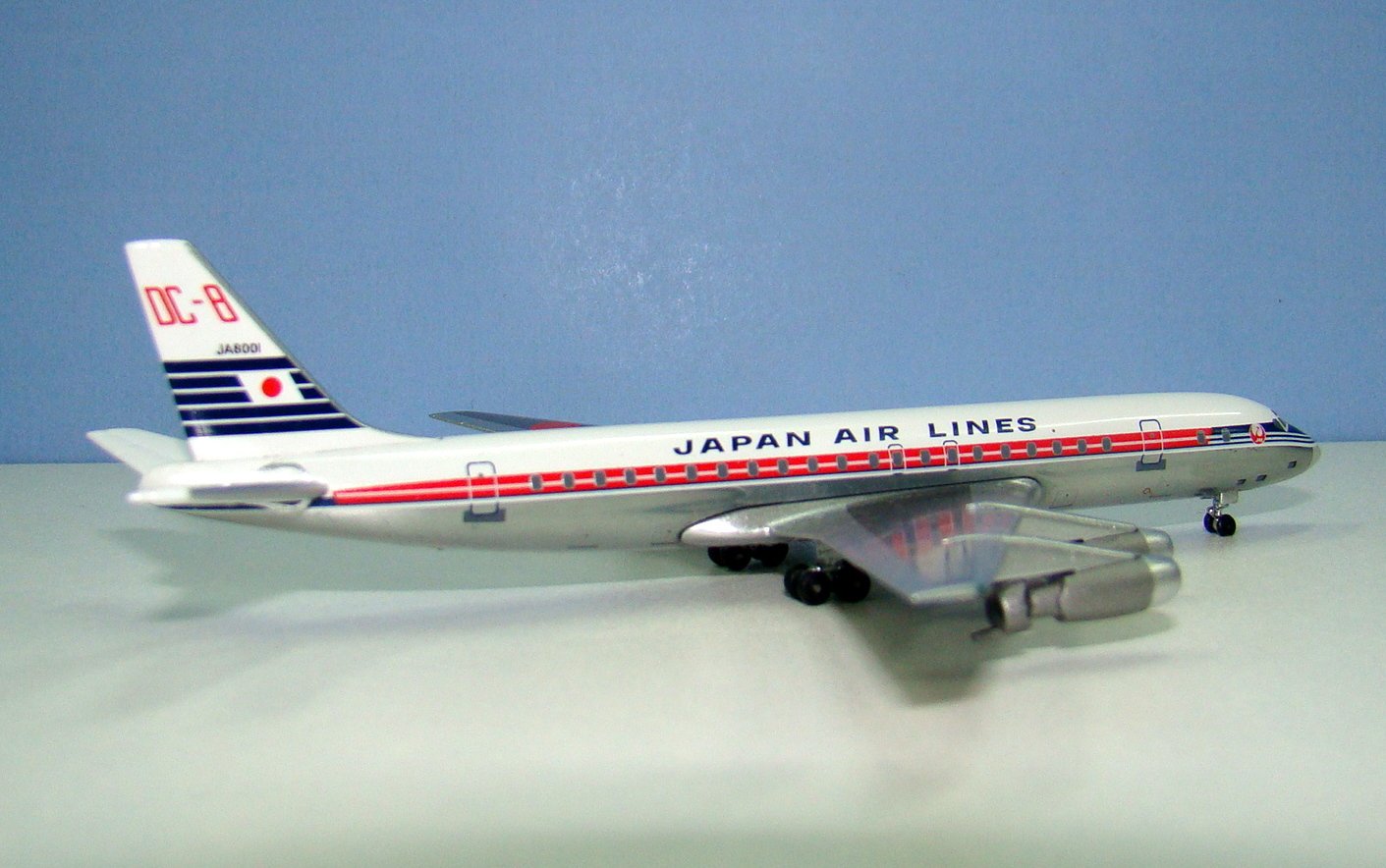
JAL's DC-8-32 fleet
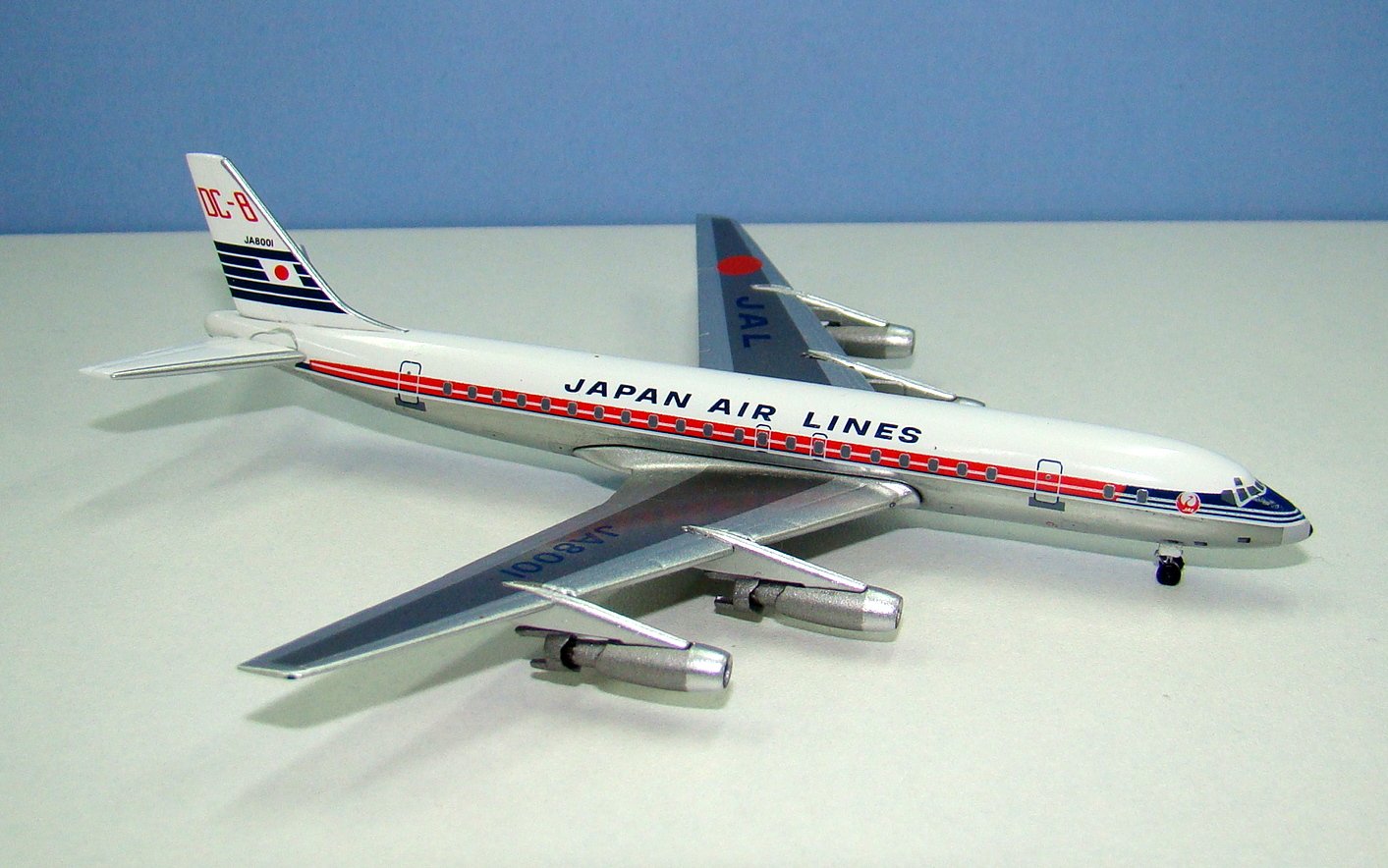
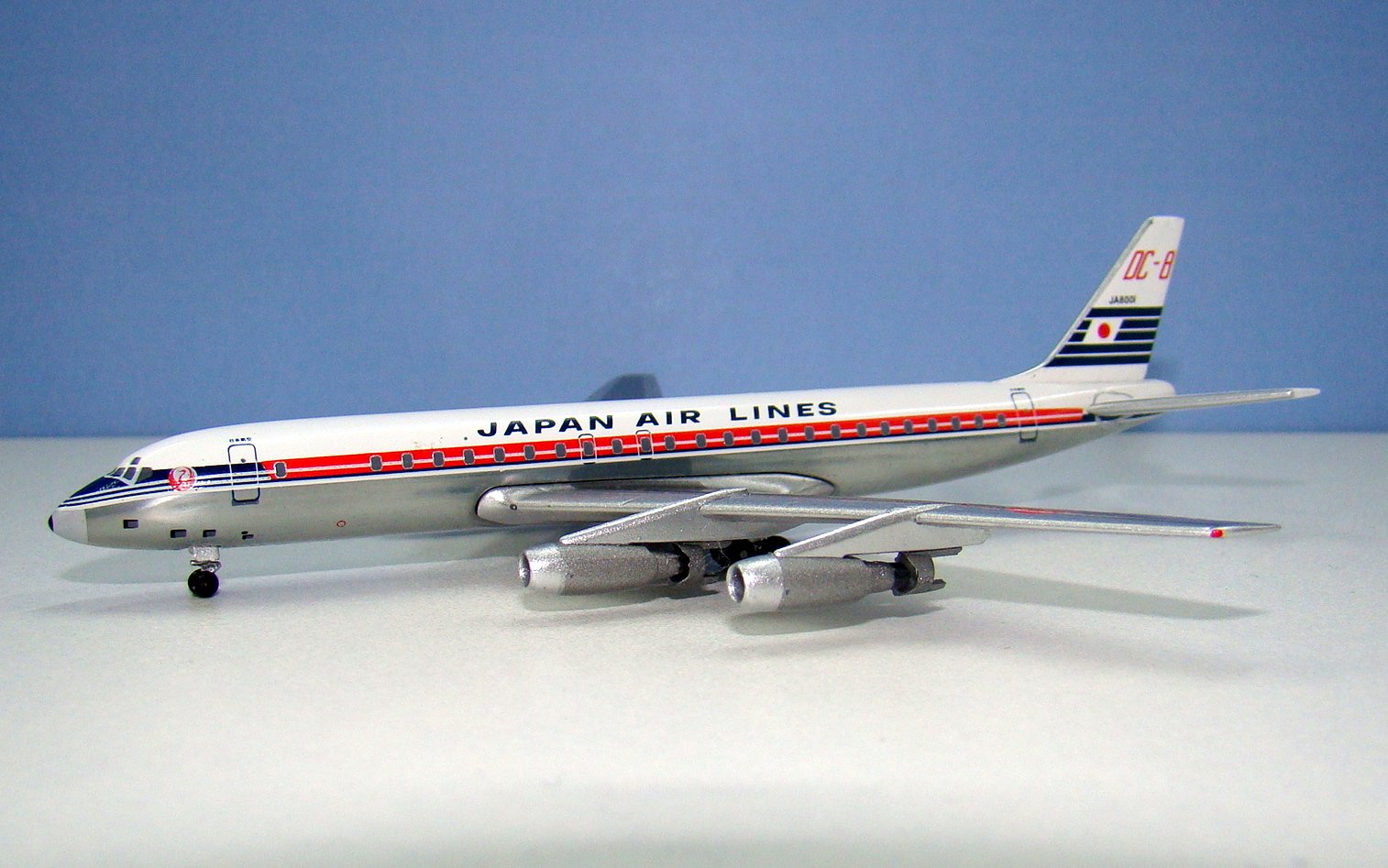
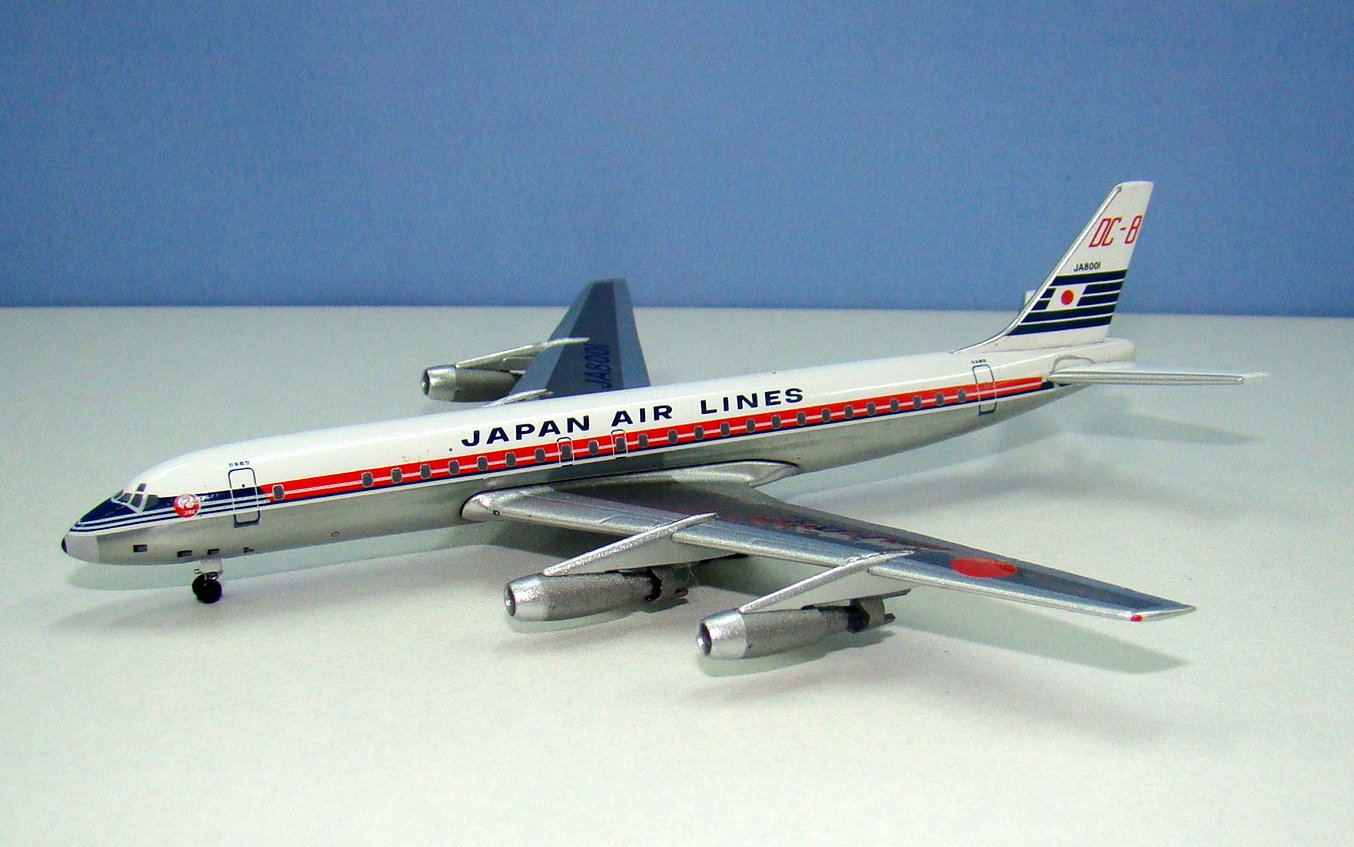
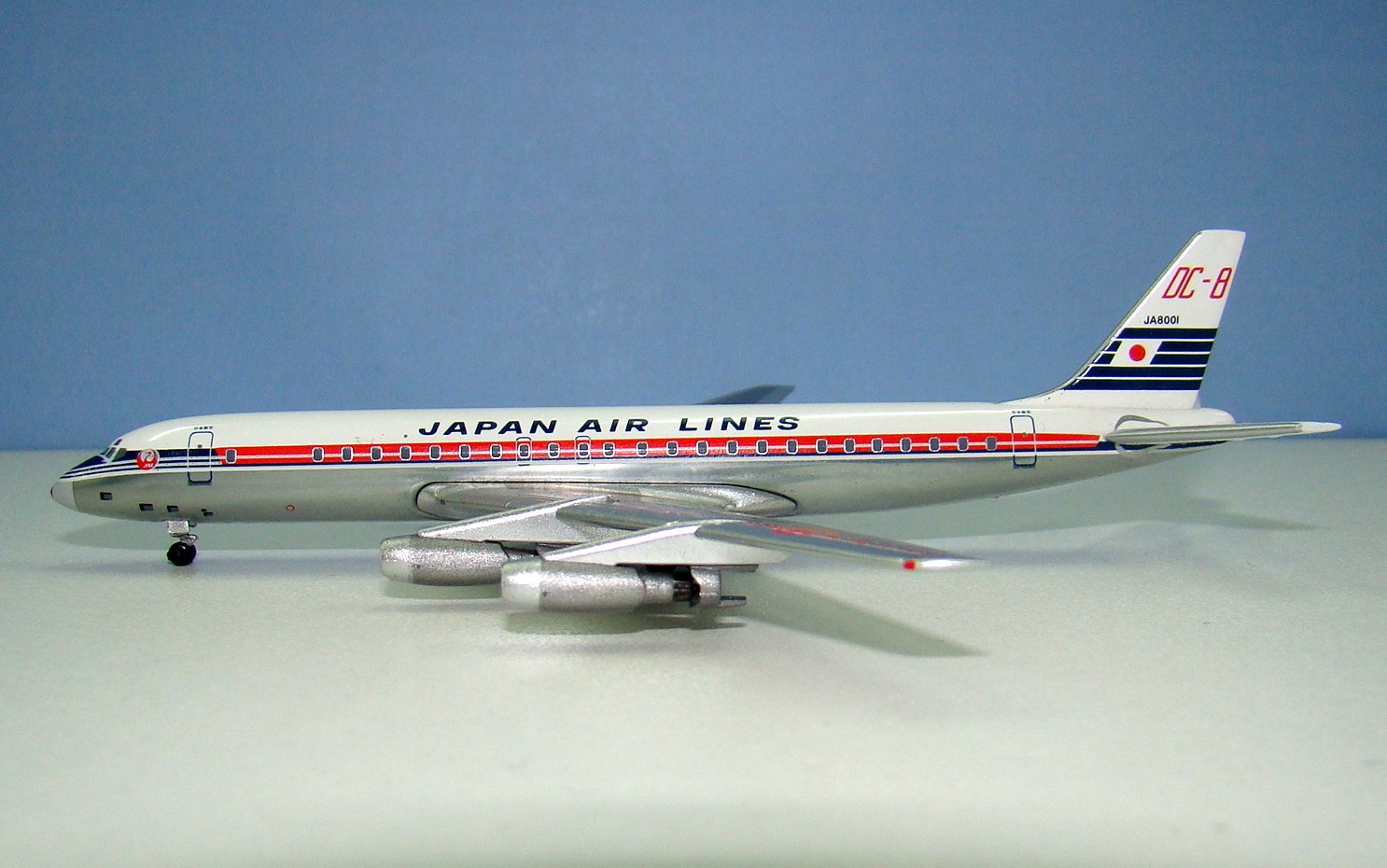
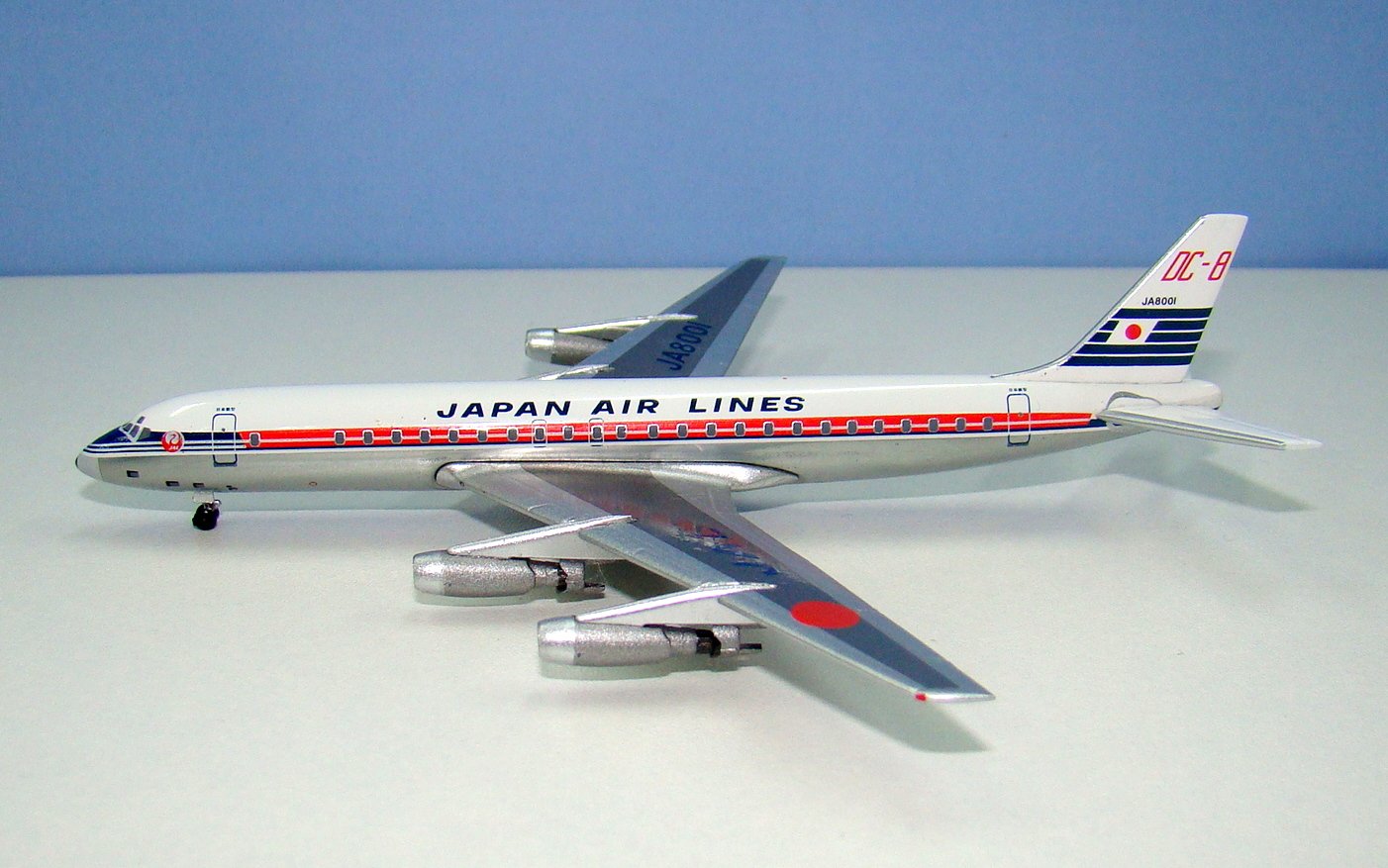
Japan Air Lines Douglas DC-8-32 JA8001 Aeroclassics 1:400 Scale Model Airliner
Japan Air Lines Douglas DC-8-32 JA8001 Aeroclassics 1:400 Scale Model Airliner
Japan Air Lines Douglas DC-8-32 JA8001 Aeroclassics 1:400 Scale Model Airliner
Japan Air Lines Douglas DC-8-32 JA8001 Aeroclassics 1:400 Scale Model Airliner
Japan Air Lines Douglas DC-8-32 JA8001 Aeroclassics 1:400 Scale Model Airliner
Japan Air Lines Douglas DC-8-32 JA8001 Aeroclassics 1:400 Scale Model Airliner
Japan Air Lines Douglas DC-8-32 JA8001 Aeroclassics 1:400 Scale Model Airliner
Japan Air Lines Douglas DC-8-32 JA8001 Aeroclassics 1:400 Scale Model Airliner
Japan Air Lines Douglas DC-8-32 JA8001 Aeroclassics 1:400 Scale Model Airliner
Japan Air Lines Douglas DC-8-32 JA8001 Aeroclassics 1:400 Scale Model Airliner
Japan Air Lines Douglas DC-8-32 JA8001 Aeroclassics 1:400 Scale Model Airliner
Japan Air Lines Douglas DC-8-32 JA8001 Aeroclassics 1:400 Scale Model Airliner
Japan Air Lines Douglas DC-8-32 JA8001 Aeroclassics 1:400 Scale Model Airliner
The DC-8s introduced the classic tsurumaru (crane circle) logo designed in 1958 by Jerry Huff. Initially this was placed forward on the airframe but during the 1960s it gravitated to the tail. The inaugural jet service to San Francisco took place on August 12, 1960 and quickly the DC-7Cs were replaced by the DC-8s on the transpacific routes. Technically JAL’s first jet service was a joint JAL-Air France transpolar service using one of Air France’s 707s in April 1960 but otherwise the 707 didn’t get a look in. DC-8s extended the route network to London, Paris and Copenhagen from April 1961. Even with the jets the DC-7s still had some life left in them.
DC-8-53 JA8007 wearing the 1960s colours at Honolulu in 1969. Photo by Jon Proctor from Wikipedia
Two of the DC-7Cs were converted to freighters in 1961 and replaced the DC-6As on the Tokyo-San Francisco freight service. The rest of the piston liners were transferred to the domestic network when new Convair 880s displaced them from the Asian routes from October 1961. They supplemented the DC-4s and weren’t finally replaced until the mid-60s by new 727s. The tri-jets took over the domestic trunk routes from Tokyo-Sapporo, Tokyo-Fukuoka and Tokyo-Osaka-Fukuoka from August 1, 1965. In fact JAL actually acquired an extra DC-7C in late 1962 albeit at the cost of one of its own in a swap deal with SAS. I’m not sure what the reason was behind that.
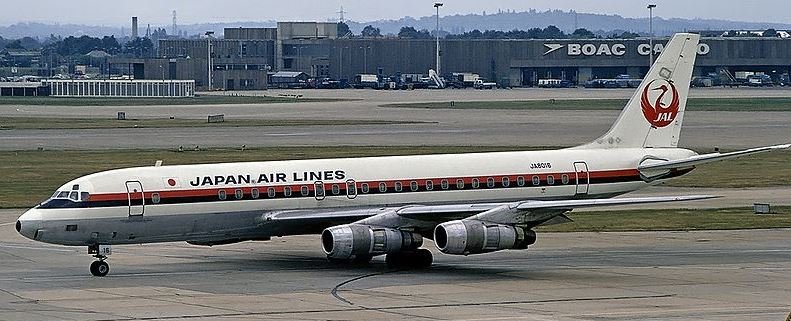
DC-8-55 JA8016 wearing her 70s era scheme in 1972 at Heathrow. Photo by Steve Fitzgerald from Wikipedia
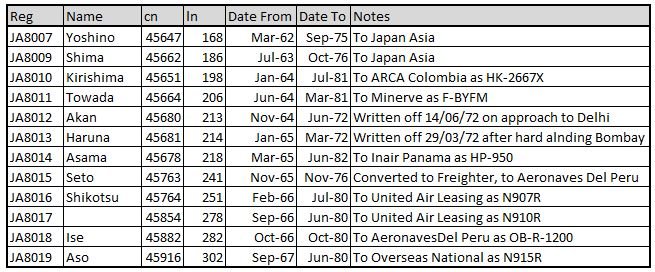
Despite the acquisition of the Convair 880s JAL’s long haul future was firmly grounded in the DC-8 and deliveries of improved series 53s began from March 1963. Twelve series 53/54/55s arrived before new deliveries switched to the super 60 series and the DC-8s would be the foundation of the fleet into the early 1980s.
JAL's fleet of DC-8-53/54/55s
The growth of JAL’s fleet and services in the decade after it was created mirrored the magical rise in Japanese industry that would send the country to the pinnacle of economic measures. It was a startling recovery for what had been a broken country and was empowered with the use of Douglas aircraft. As Douglas themselves used to say you can ‘Go Further with Douglas’.