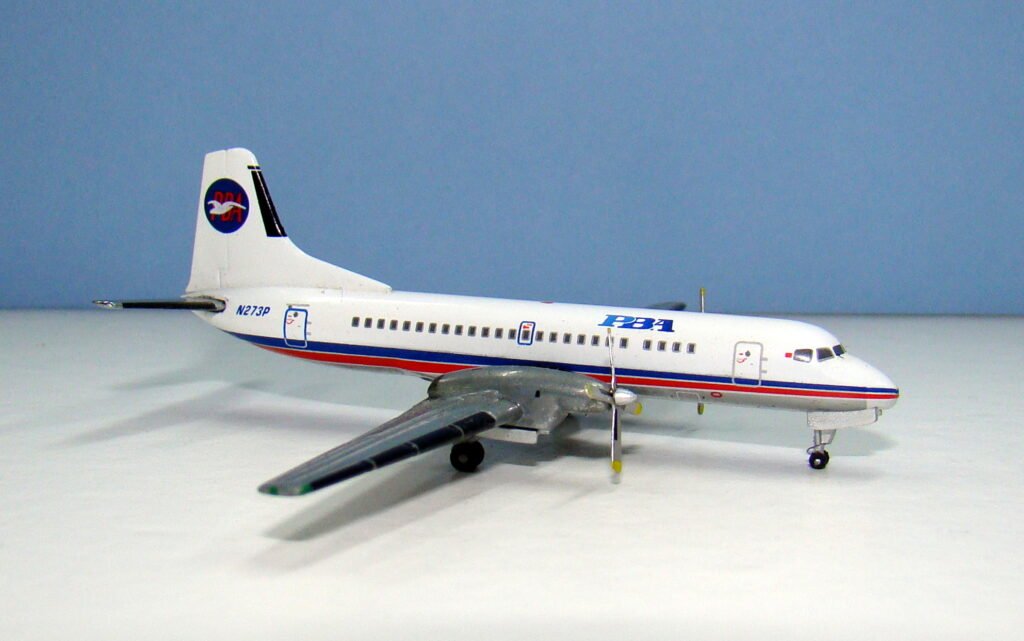
Provincetown-Boston Airways (PBA) started operations in 1949 and was consistently profitable for over 30 years. In 1980 its founder John Van Arsdale reluctantly handed over control to his sons and with deregulation in full swing everything was changing. The future looked bright, but over expansion coupled with a series of fatal crashes led to the death of the airline; although many of its routes and fleet continued on in new colours.
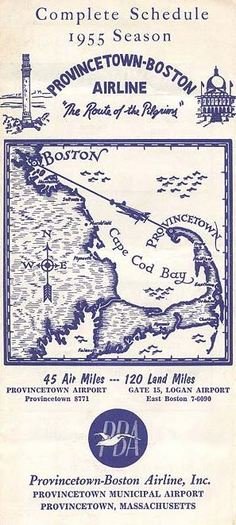
John Van Arsdale built an almost unique little airline beginning operations on November 30, 1949 operating the first route between Provincetown and Boston – hence the airline’s name. Early on he fitted capacity to the load requirements although in these early days that meant flying a 2 seat Lusomb, 3 seat Piper Clipper or 4 seat Stinson Voyager. Initial operations were summer only and from dirt strips but a 1957 deal with Florida based Naples Airlines allowed the two companies to lease aircraft and trade personnel between the North-east and Florida for their differing peak seasons.
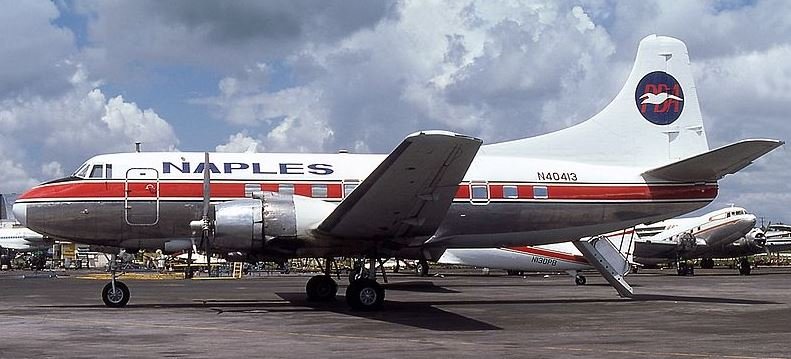
Naples Airlines was bought entirely in 1960 and so PBA became an official dual market airline. In the summer it focused on the island vacationers market between Boston, New York and the like to Cape Cod and during the winter half of the fleet, and 70% of the capacity, was transferred to Florida’s Gulf Coast.
The airline operated in a passenger friendly way, never turning people away and not overbooking. This was enabled by the varied fleet, which included a pair of Lockheed 10s during the 1960s and a growing fleet of DC-3s as well as smaller types.
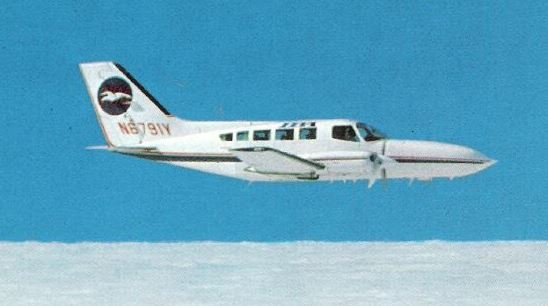
During the 1970s the fleet was formalised around 3 types. The trusty DC-3s grew in number to 12, including N136PB – the commercial airliner with the most hours on it in the world, whilst the top end of the airline was provided by 6 Martin 404s acquired in the mid-70s. All were former TWA and Piedmont aircraft. The smaller end of the fleet became based around 29 Cessna 402Cs.
Van Arsdale built the airline conservatively by using older cheaper aircraft, flying in monopoly markets, growing slowly and avoiding debt. The older aircraft had high maintenance costs but were cheap and used only at low utilisation.
Deregulation of the industry however rendered that strategy obsolete and coincided with a buy/sell agreement Van Arsdale had setup with his two sons, John Jnr. And Peter for his retirement on January 1, 1980. Both had been with the airline since the early 1970s but wanted to change PBA’s focus in what they perceived to be a new era. Van Arsdale didn’t give up control completely when the time came but did step down to vice-president with 30% of the stock.
Nevertheless he wasn’t impressed by the new ways his sons brought to the airline. They swiftly took PBA into competition with the deregulation hotshot Air Florida, or at least one of its Air Florida Commuter line affiliates. Van Arsdale senior was incensed and his sons were forced to buy him out. Nevertheless PBA succeeded against Air Florida in the Marathon-Miami market when the latter pulled out in December 1981.
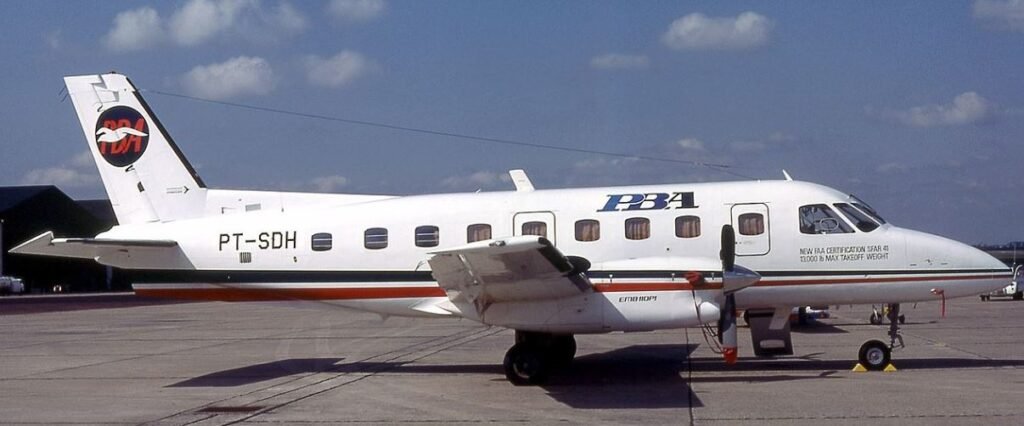
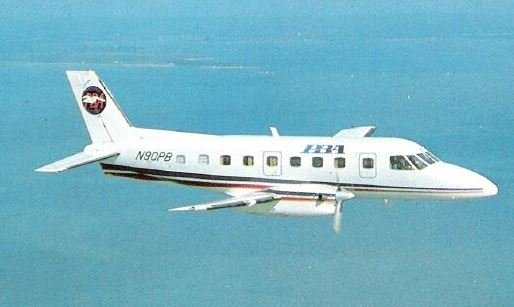
The new PBA also wasn’t shy to break another PBA taboo and take on debt. New Embraer EMB-110 Bandeirantes joined the fleet as the airline’s first turboprops. They were much cheaper to operate and could handle higher utilisation, but were also a lot more expensive. Despite these costs PBA continued in profit making $1.5 million on revenues of $12.5 million. Up north the brothers made New Bedford a mini-hub and took on EAS services whilst competing head to head against Air New England. All of this expansion saw a 53% growth in passengers in 1981 and by August 1982 they had risen by 100% on the previous year. Even so, despite the poor state of the economy, the airline continued to make a profit, even if it was on the small side – $267,000 in 1981 and about the same in 1982.
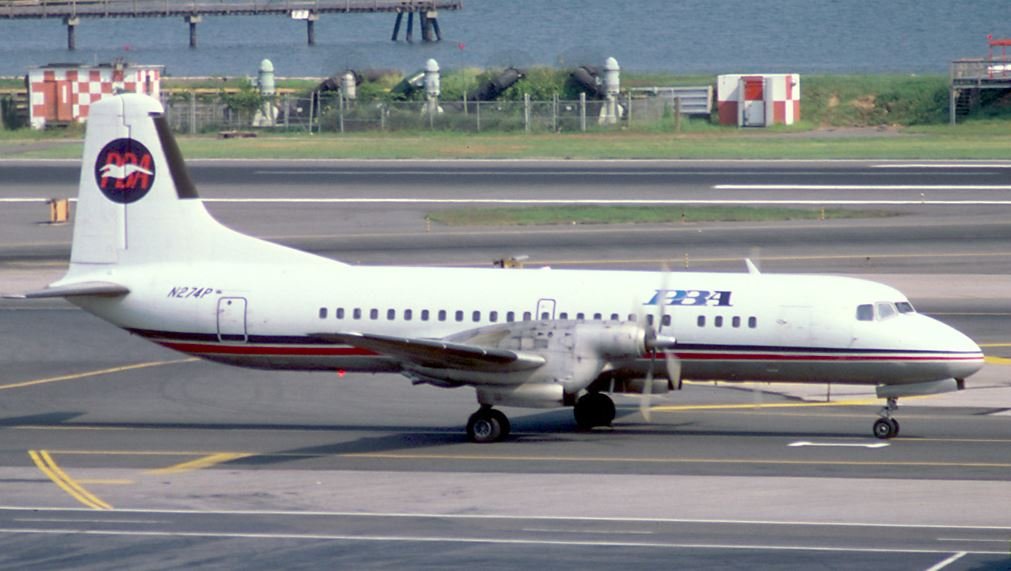
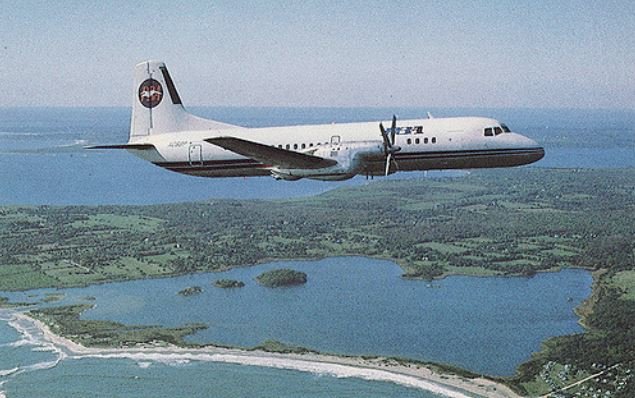
By 1983 PBA was the largest regional commuter in the USA. The co-owners were talking of paying off debt and decreasing expansion, however this didn’t pan out as by then the airline had added its largest ever equipment – 4 58 seat NAMC YS-11s. A 5th was added in mid-1983 and all 5 were ex-Piedmont aircraft recently retired from Pacemaker service.
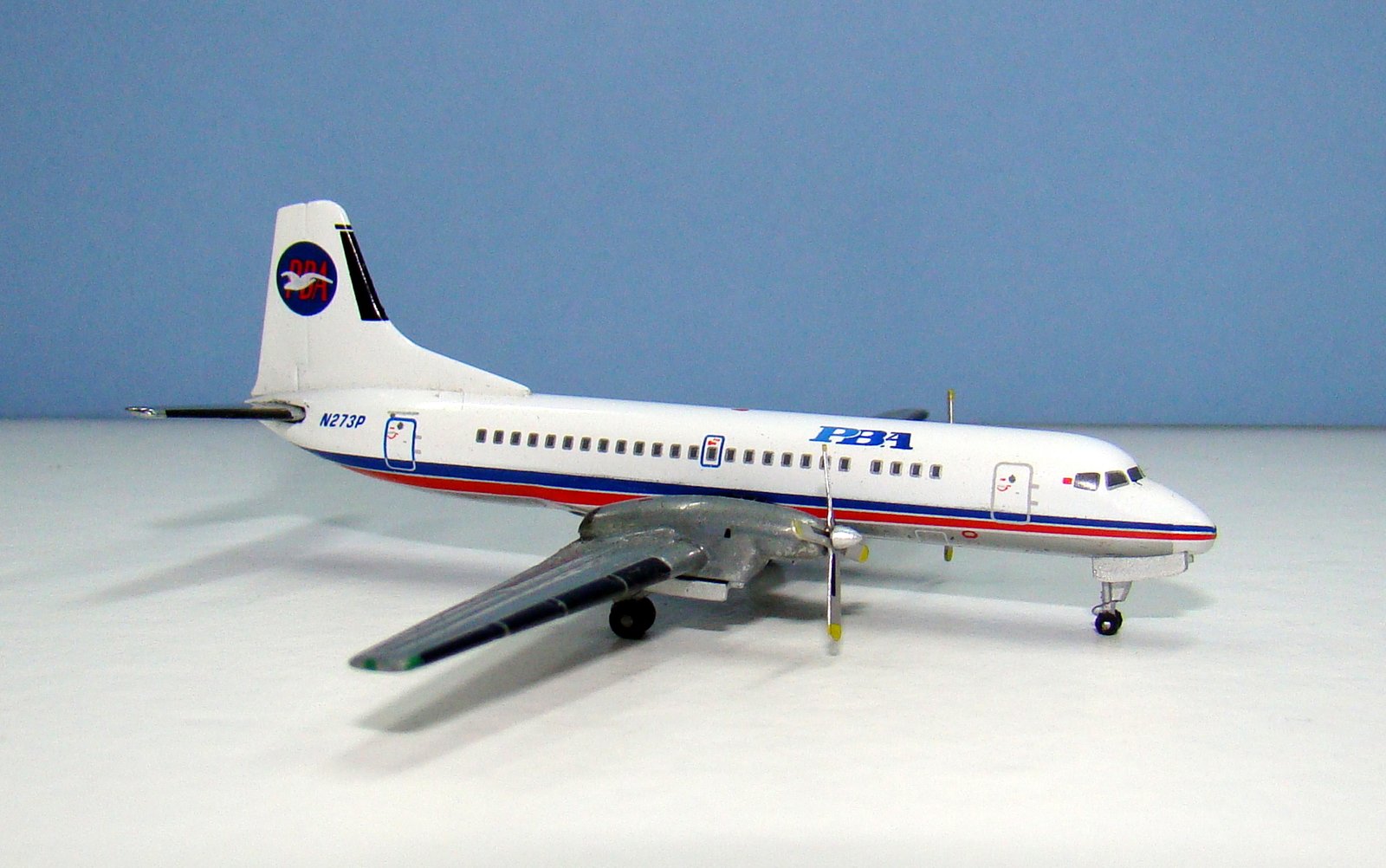
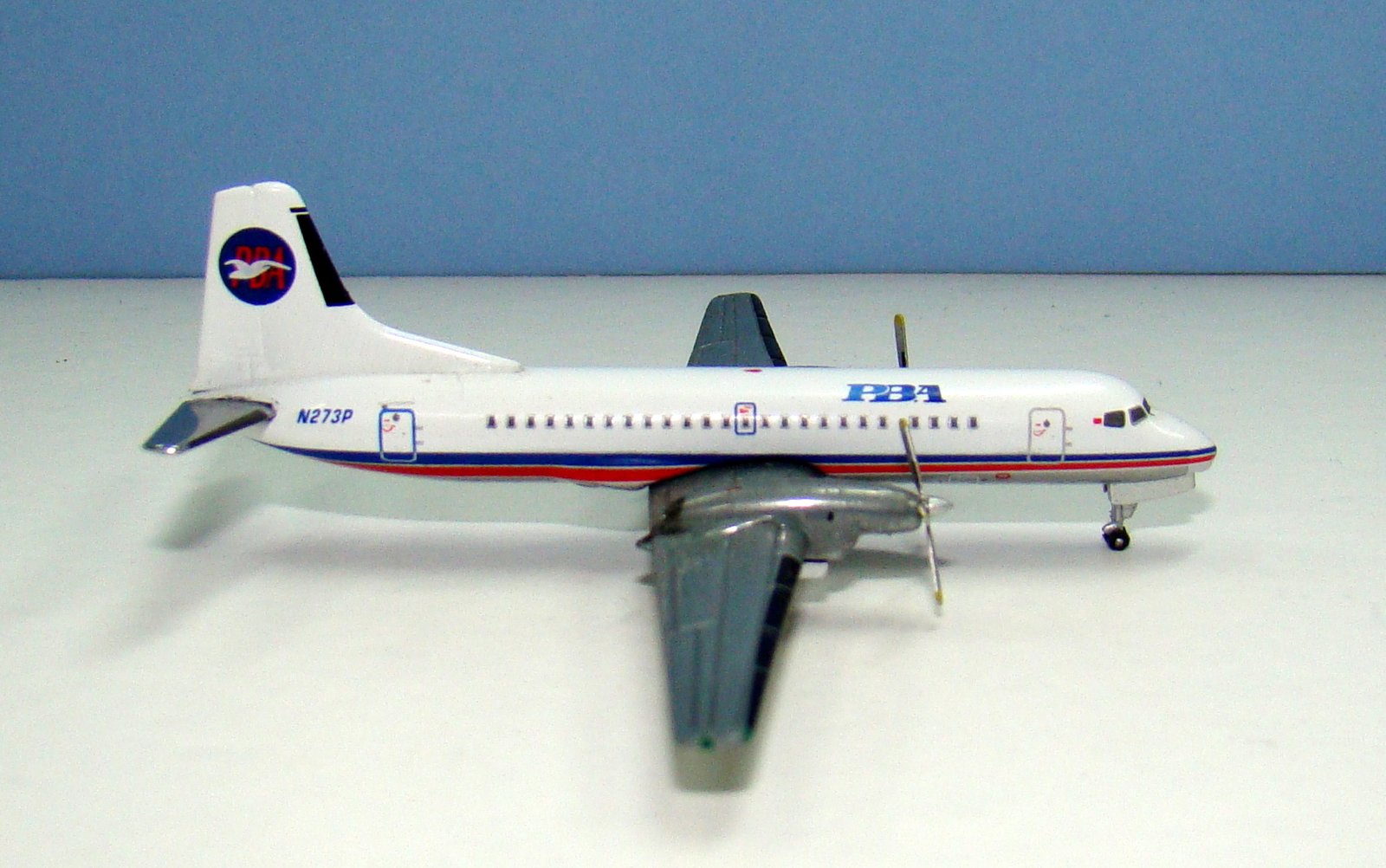
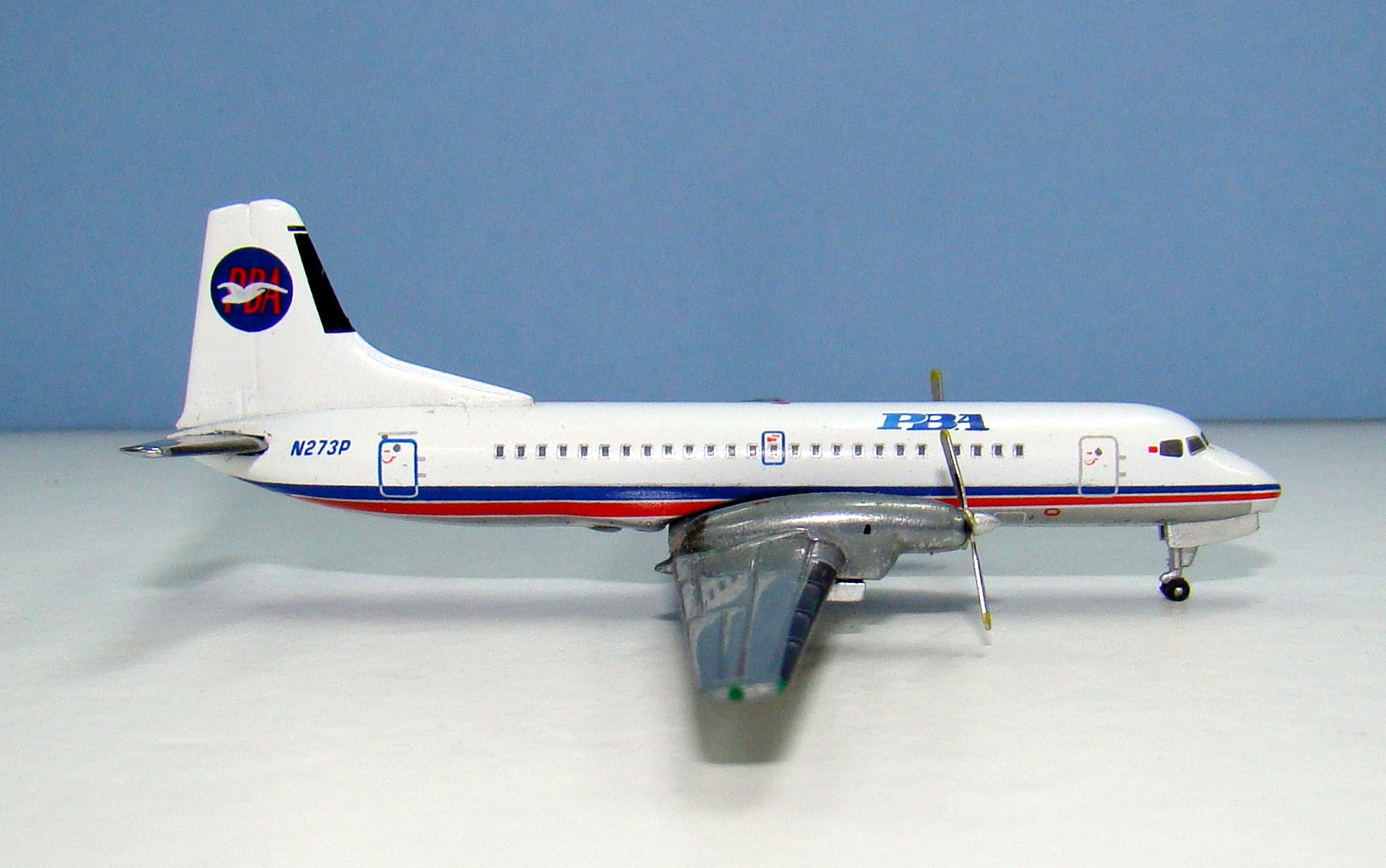
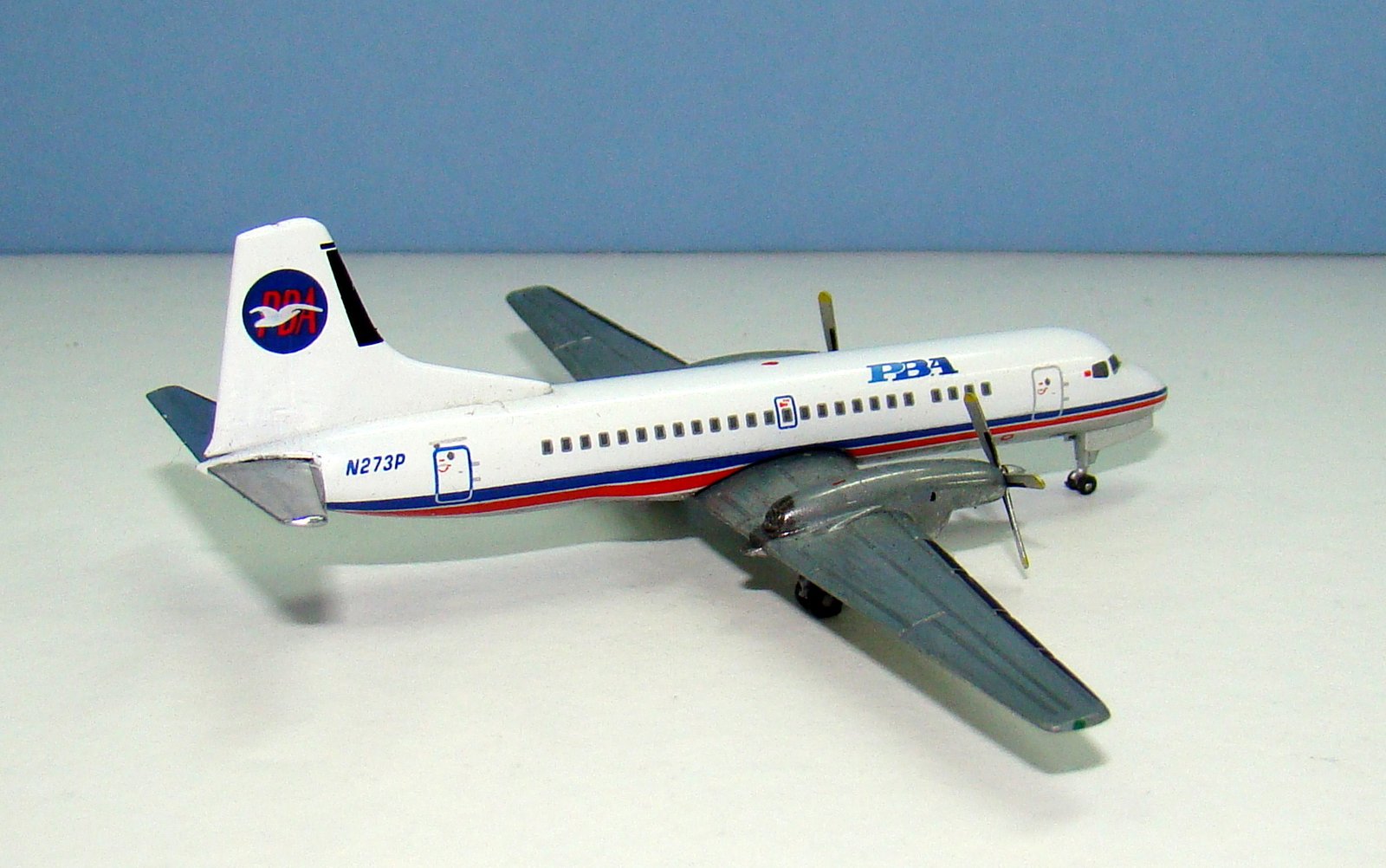
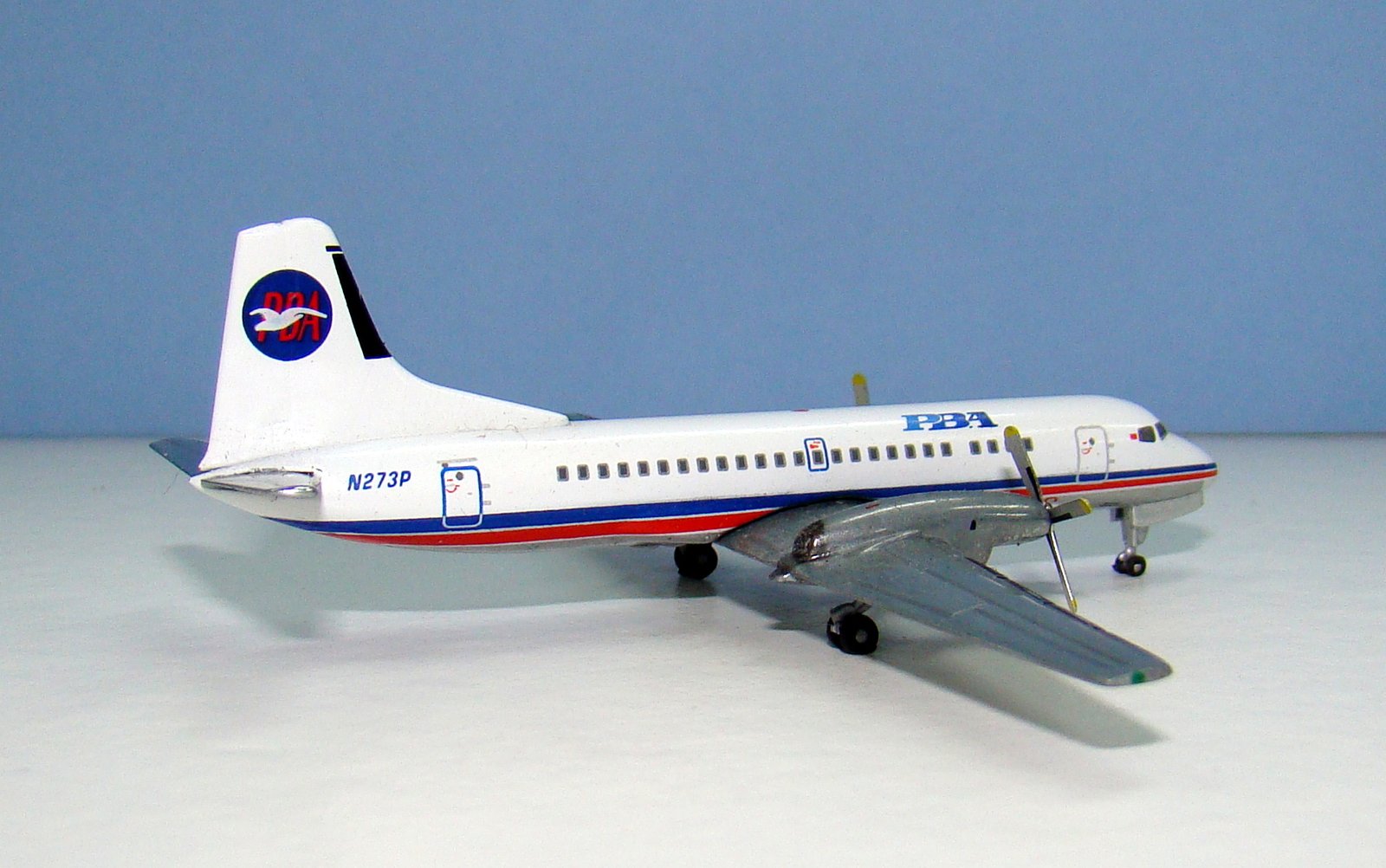
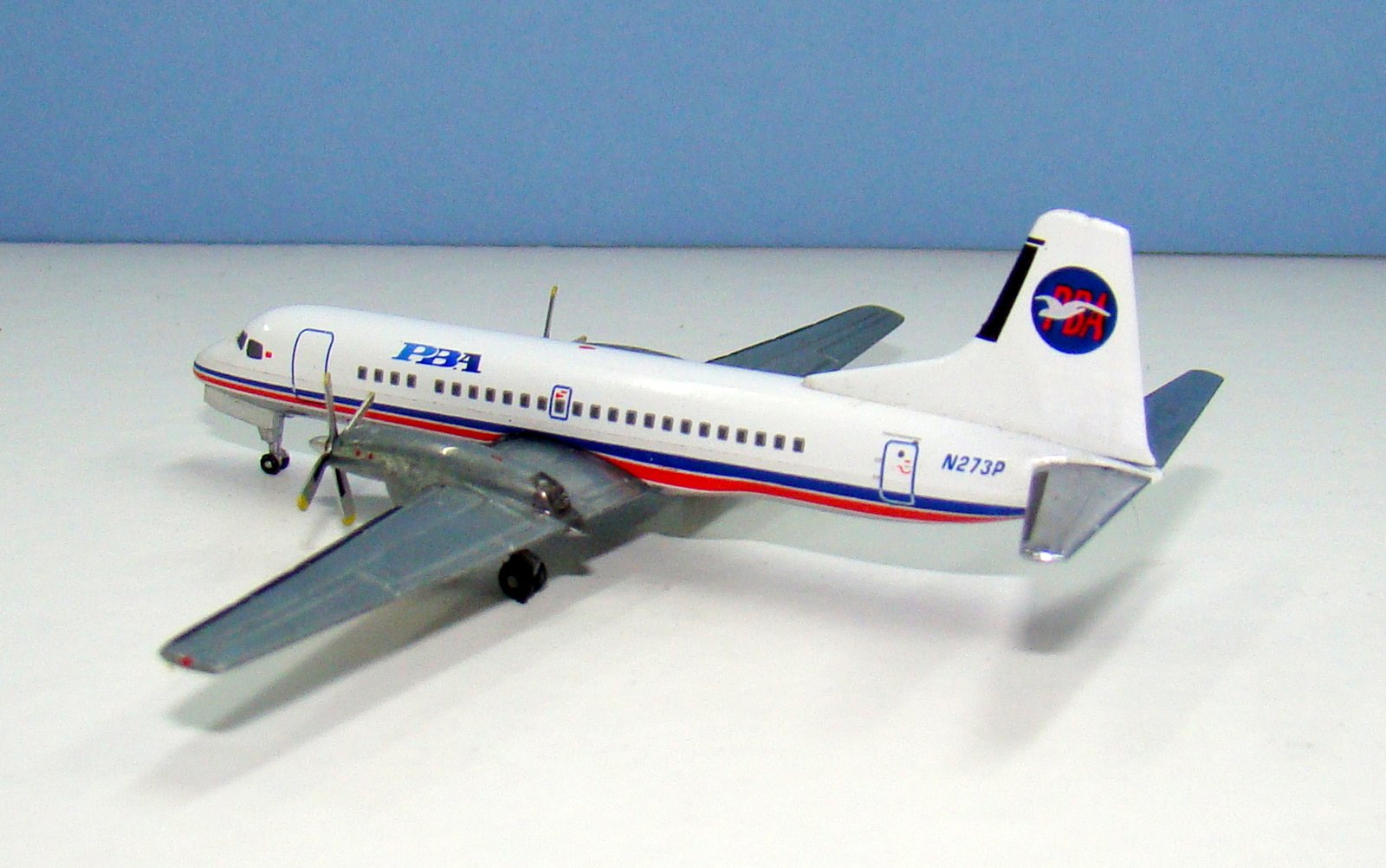
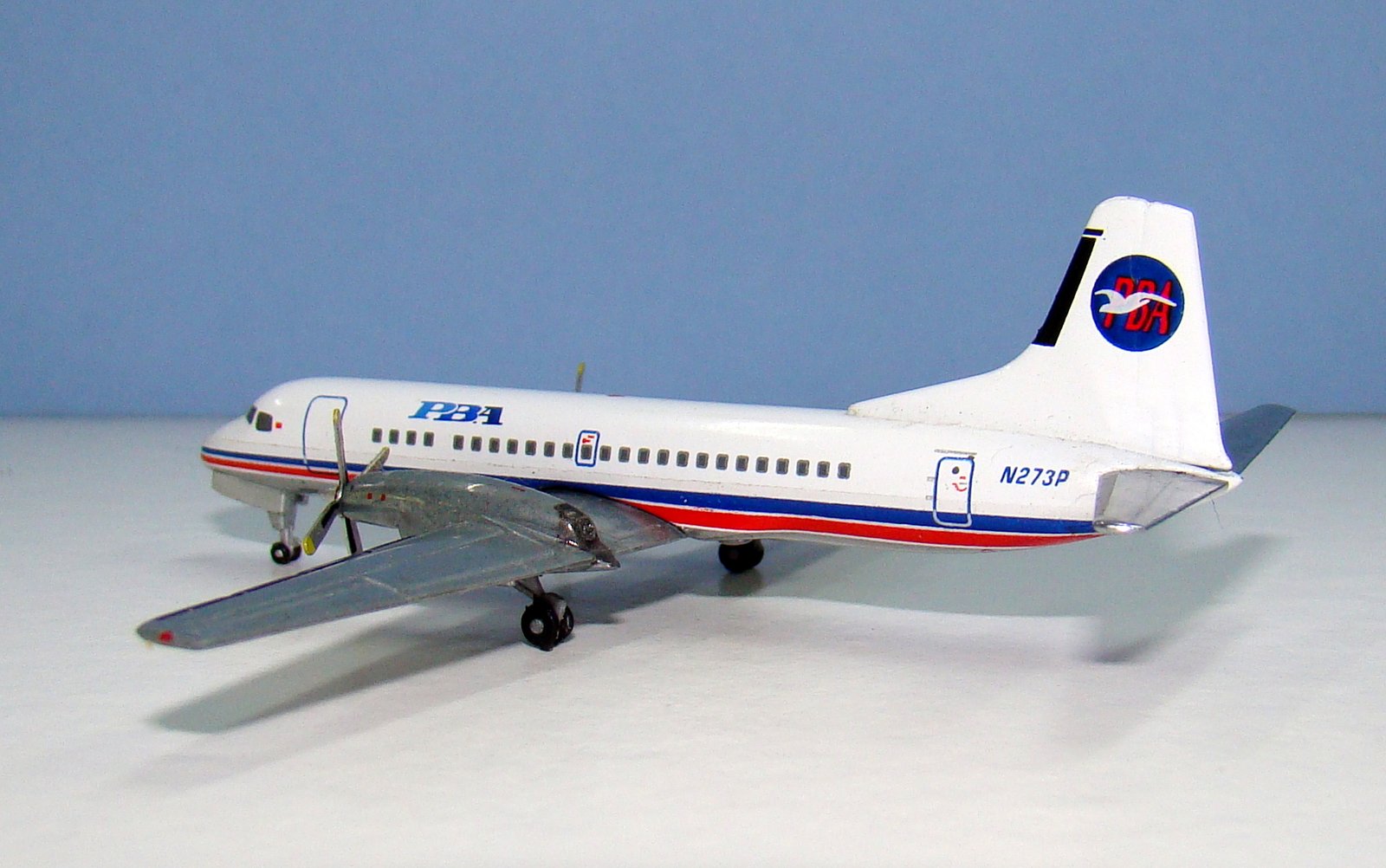
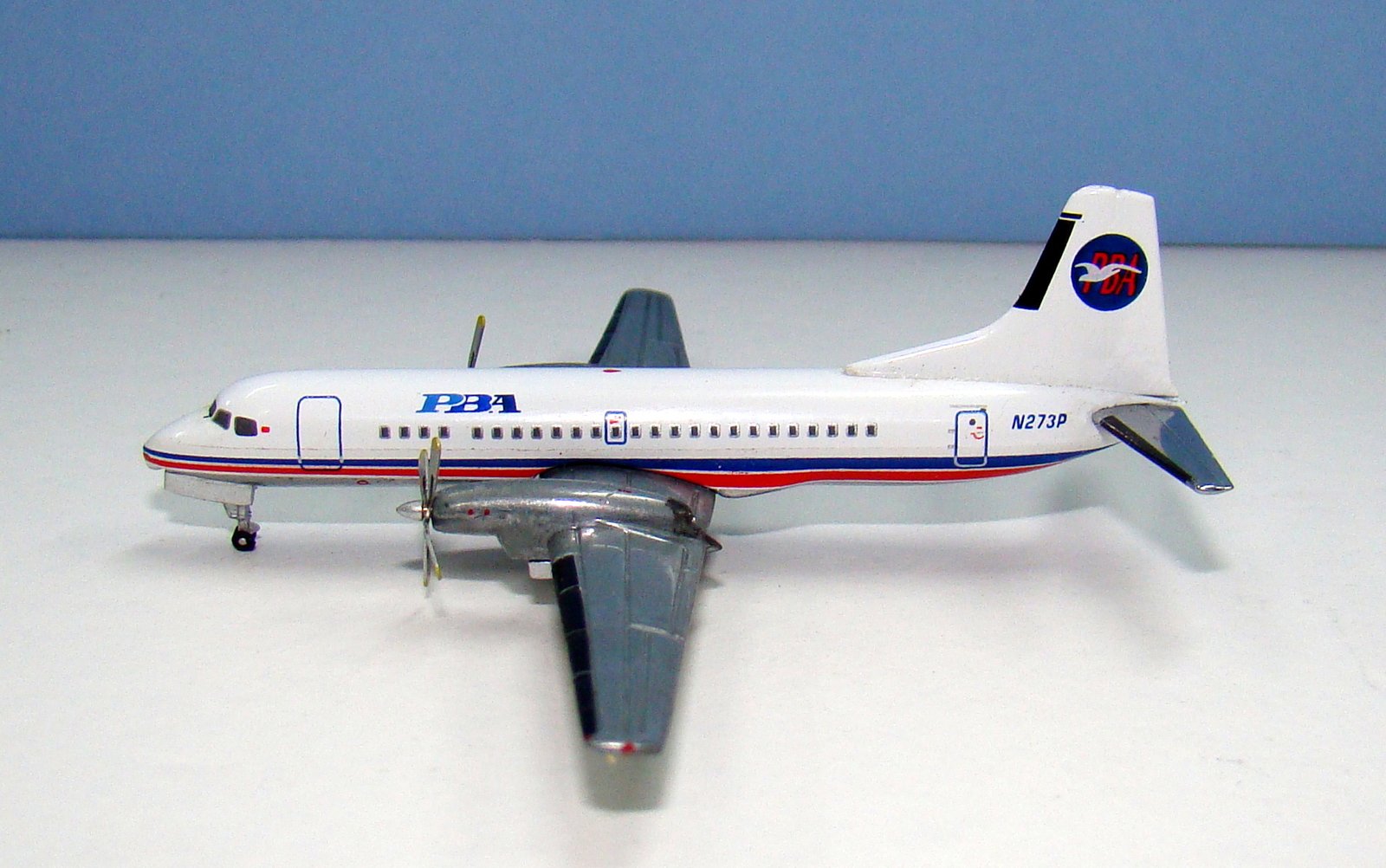
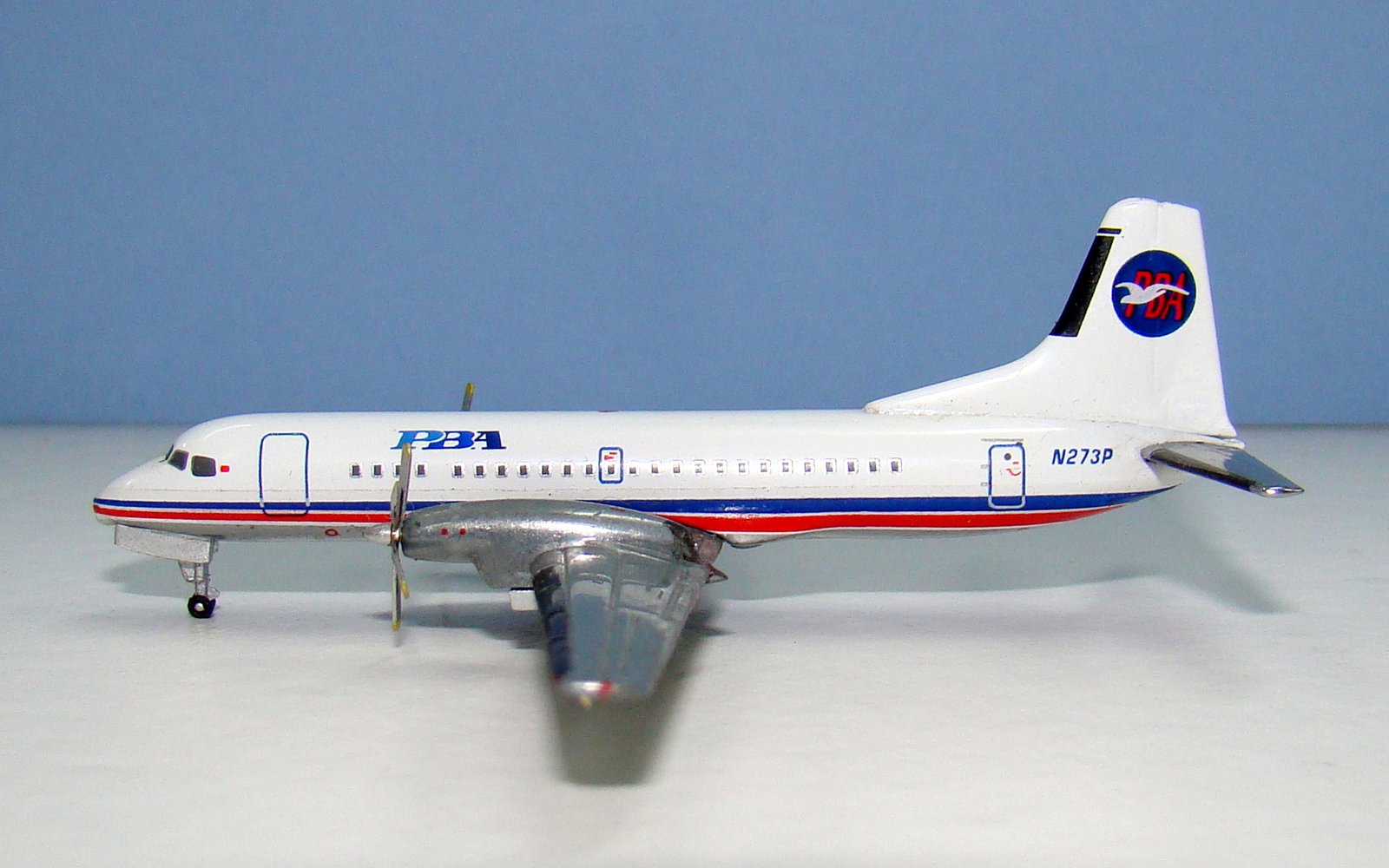
In Autumn 1983 3 of the YS-11s were transferred full time to the Jacksonville-Fort Lauderdale service, which left only 2 for the New England routes. Demand from New York La Guardia required further large aircraft and PBA was fortunate to be able to acquire further YS-11s from the Egyptian airline Pyramid Airlines. Three of them were also ex-Piedmont machines and so matched the existing 5 aircraft in avionics and configuration. Pyramid Airlines had even named a couple of the aircraft with new Pacemaker names – ‘Red Sea Pacemaker’ and ‘Suez Canal Pacemaker’.
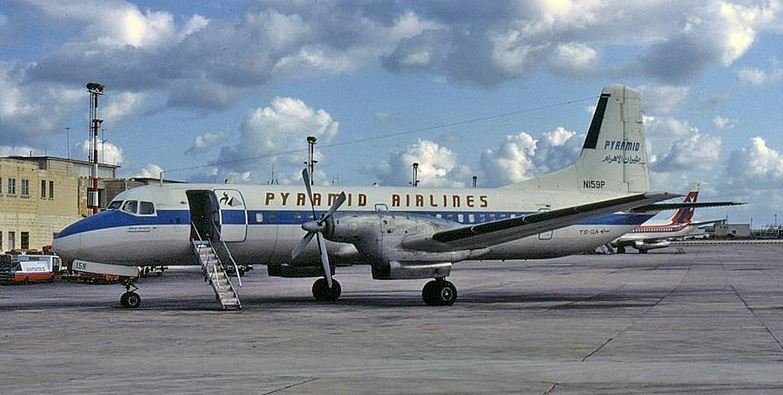
With negotiations ongoing a fourth YS-11 was added to the deal. This aircraft was unique in being an ex-Air Gabon aircraft fitted with a freight door forward and airstair in the rear. Though not matching the other aircraft this plane had much lower hours on it (only 6,000 compared to 30,000).
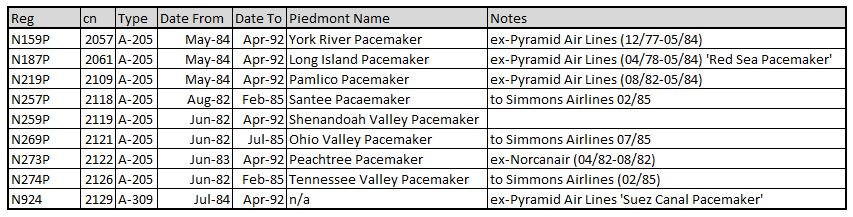
PBA acquired the 4 extra YS-11s with spares for $6.5 million and they were ferried to Miami with the first pair in service by July 1984. The YS-11s enabled PBA to expand its Florida operations into routes vacated by Dolphin Airways and Air Florida and leave one aircraft in the North all year round. The airline carried 1.3 million passengers in the first 9 months of 1984 and reported a profit of $3.3 million on revenues of $58.4 million.
If things were looking rosy in early 1984 that soon changed. In June 1984 a Cessna 402 crashed, then in September another Cessna exploded, in mid-air after it was filled with the wrong type of fuel. The FAA had been already undertaking a major review, which highlighted pilot training, safety and maintenance violations. In November PBA’s operating license was revoked and although the airline was back in the air within two weeks a third fatal crash destroyed what was left of its reputation. This time it was an EMB-110 operating flight 1039 between Jacksonville and Tampa, which crashed just after take-off killing all 13 aboard.
Passenger bookings dropped 50% in 2 days and the banks began to look at the airline’s access to credit. By March 1985 the airline was forced to file for bankruptcy following drastic cuts in staff and service. These included 3 of the YS-11s, which were sold to the American Eagle operator Simmons Airlines.
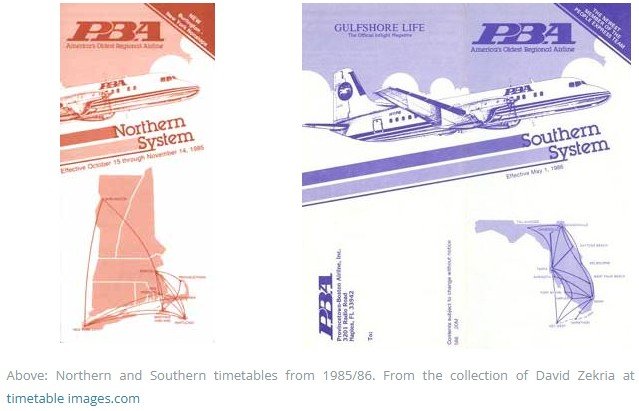
Deregulation darling PeoplExpress made an offer to acquire the airline in early 1986. It altered the airline’s model so that its flights would feed into its Newark hub and throughout the first half of the year it funnelled in millions to keep PBA flying. Some of the YS-11s tookover PeoplExpress routes like Newark to Providence.
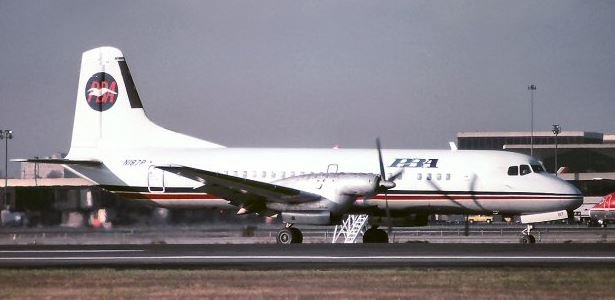
PeoplExpress finally took over for $30 million but unfortunately PeoplExpress itself was in serious trouble, losing $254.4 million in the first 9 months of 1986 alone. In December PeoplExpress itself was swallowed by Texas Air Corp and PBA found itself owned by them too. Peter Van Arsdale remained President until 1987.
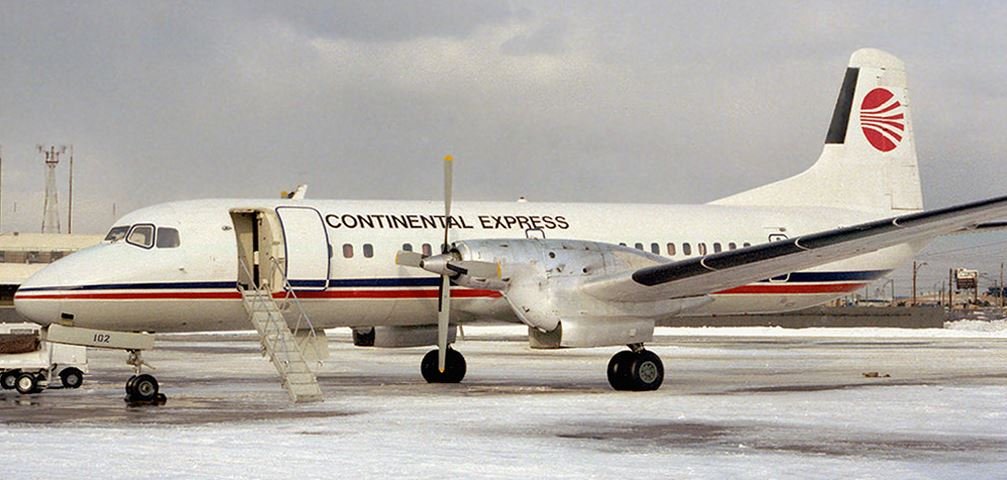
In May 1987 PBA closed down its Florida operations to concentrate on its Northeastern routes. Some of the YS-11s operated in Continental Express colours, whilst most of the DC-3s took up Eastern Express colours, but in September 1988 PBA ceased to exist as its final assets were merged into Bar Harbor Airlines (another Texas Air acquisition). The original Provincetown-Boston route was closed at the same time although many of the other routes continued. The fleet was replaced with new Beech 1900s and ATRs. Only a couple of the YS-11s saw further airline service and the rest appear to have been scrapped by 1993.
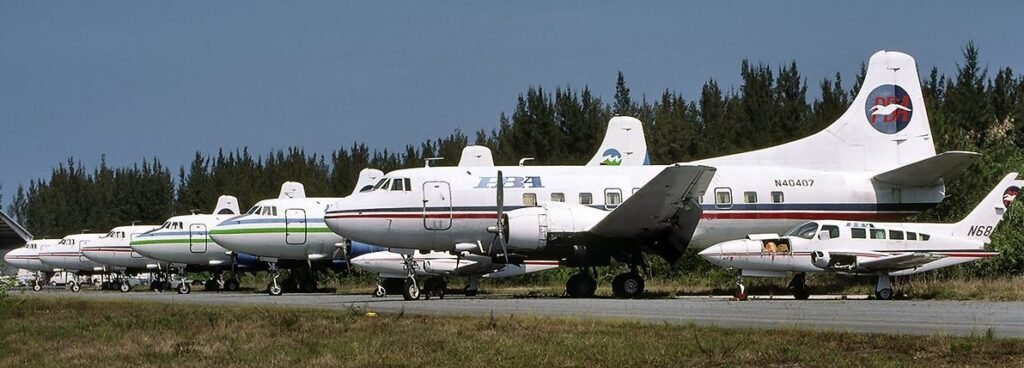
It was a sad end for the pioneer commuter and you can only imagine what its founder thought. His sons had taken a chance in the new age of deregulation and it appeared to be working. Certainly PBA couldn’t have carried on as it always had, however the multiple crashes shined a light on failings at the airline brought on by the over-expansion, which in the end took PBA’s future out of its own hands.
References
1983. Hartman, C. PBA: A tale of two airlines. Inc.com
1984. PBA YS-11 Ferry flight from Malta to Miami. Sunshine Skies
1986. People Express fades into history as merger is OK’d. Los Angeles Times
1987, April. A regional airline will discontinue Florida flights. Los Angeles Times
1988, September. Deregulation Blamed for Demise of Commuter Airline. Los Angeles Times