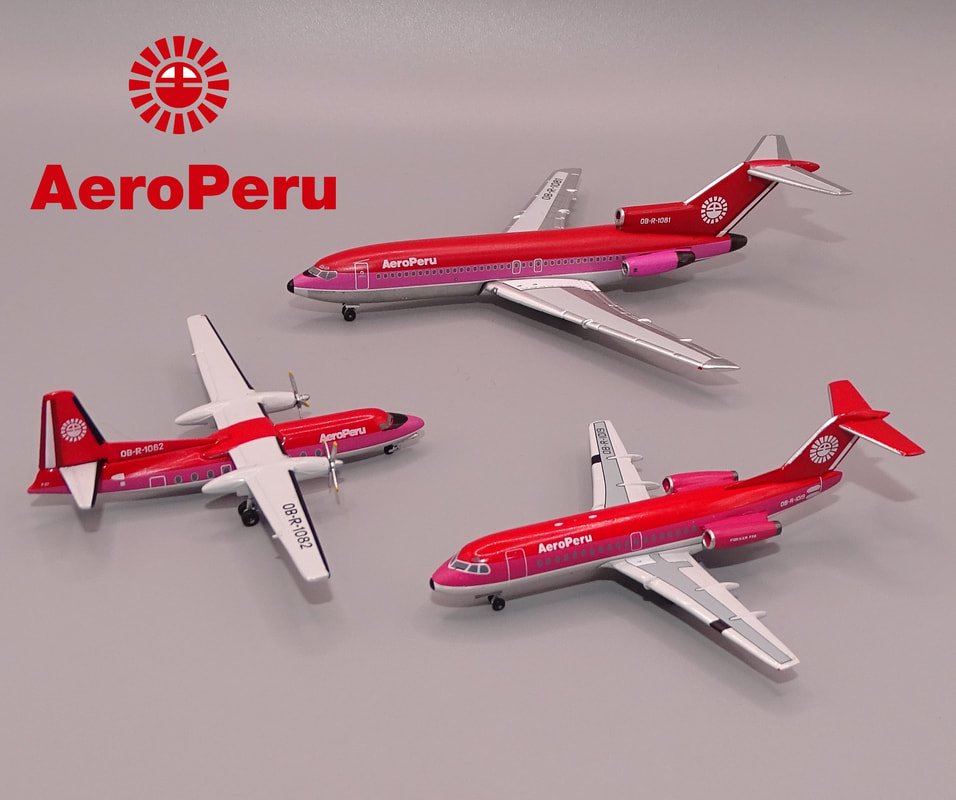
The collapse of APSA in 1971 was rather humiliating for the Peruvian military government and left the country without a national carrier. This led to the creation of AeroPerú, which built a bright 1970s image and valiantly attempted to compete against the big US airlines for traffic to and from Lima. The airline built up its network and intoduced widebodies reaching its peak as the 1970s closed. In part 1 of this series we look at AeroPerú in its formative years.

For 14 years, from 1957, Peru was represented on the international airline stage by APSA (Aerolíneas Peruanas Sociedad Anónima), a privately owned airline that had managed to build up an impressive route network stretching throughout South America and as far afield as London, Madrid and Paris.

Unfortunately APSA got into serious financial difficulties and collapsed acrominiously in 1971 when the Peruvian government refused to support it following reports of fraud and the size of its debts. The 1970s were a period when no country could do without a national airline and the Peruvian government decided to take matters into its own hands by converting the Peruvian Army airline, SATCO, into AeroPerú (Empresa de Transporte Aereo del Peru) on May 22, 1973.
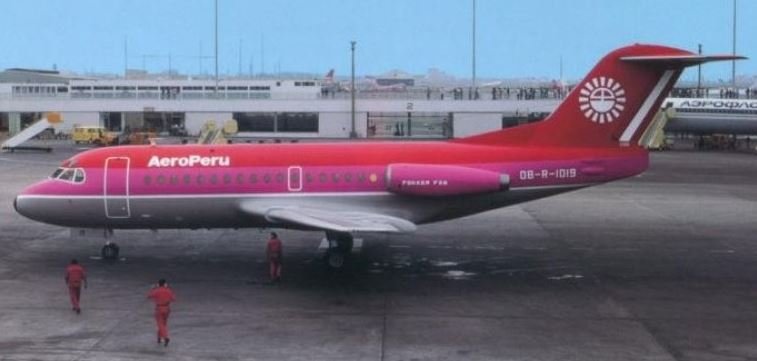
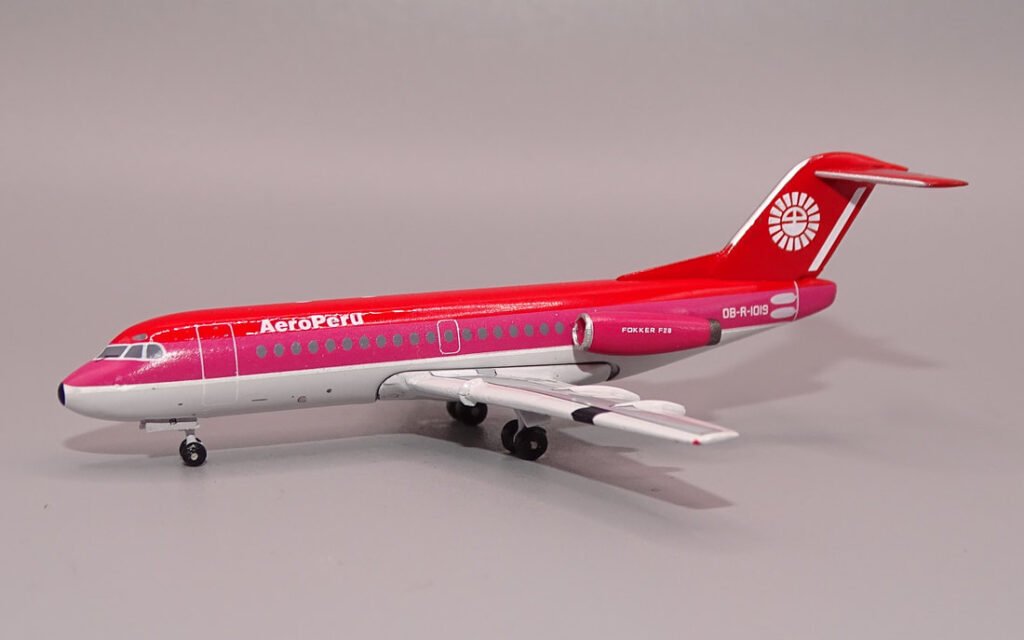
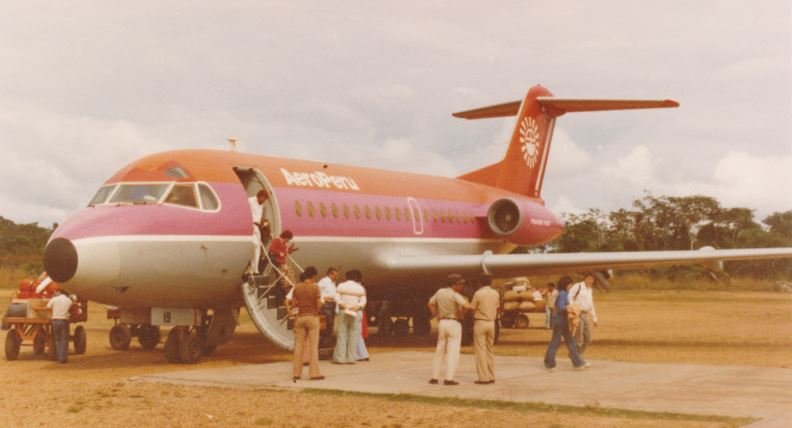
Initial equipment was a trio of Fokker F28-1000s, which began domestic Lima-Cuzco services in October. These were joined in May 1974 by a single ex-Eastern Air Lines Boeing 727-25 and a pair of F27-600s were ordered for delivery in 1975. to transport passengers to Machu Picchu as ‘The world’s newest…and perhaps oldest airline’.
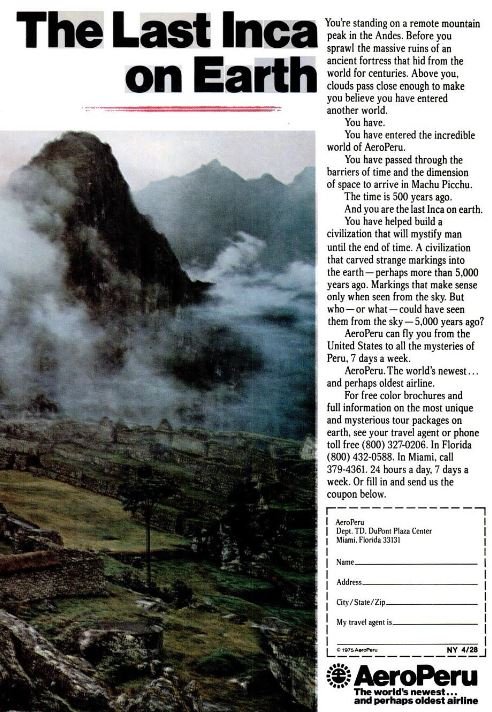
The real prize however was clearly to begin to recreate APSA’s long haul network and to that end a pair of ex-VIASA DC-8-54s were acquired in July 1974. They enabled the start of services to Buenos Aires via Santiago at the end of the month, with the all important Miami route starting soon after. In 1975 AeroPerú was advertising it’s capability to transport passengers to Machu Picchu as ‘The world’s newest…and perhaps oldest airline’.

Almost immediately the new Peruvian flag carrier had financial problems due to an issue that would continue to dog it for its entire existence – competition from US airlines. Initially this was Braniff International. AeroPerú was operating only a daily service to Miami whereas Braniff was operating a whopping 34 weekly flights.
The Peruvian military government had a long standing beef with multinational companies operating in Peru and in February 1975 ordered Braniff to cut its weekly flights to 16. Gen. Rolando Gilardi Rodriquez, the Peruvian Minister of Aeronautics, responded with a public threat to prevent any United States airline from flying into Peru if Aeroperu flights to the United States are suspended. General Gilardi said
“We will not permit ourselves to be submitted to this type of colonialist pressure,”
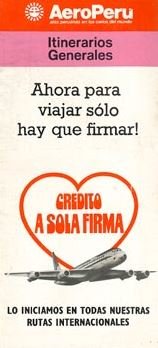
Negotiations involved Braniff offering to sell AeroPerú Braniff tickets at cost for it to sell at a profit, and access to its computerised sales system, but both of these offers were rejected. On the Peruvian side the US State Department refused AeroPerú the routes and landing rights it wanted. The stalemate was not resolved and Braniff was forced to cutback its services. This didn’t cut to the core of the issue however and Braniff simply revamped its schedule to offer more non-stop flights on the route and increase capacity.
As a Braniff executive said:
“We are in the middle. We don’t like the cutbacks here, but we can live with them, Actually, we don’t care how many routes or frequencies the Peruvians get to the United States because we are confident of our ability to get the traffic.”
It would be a problem that would continue to dog AeroPerú after Braniff was gone as Eastern and then American Airlines took their place.
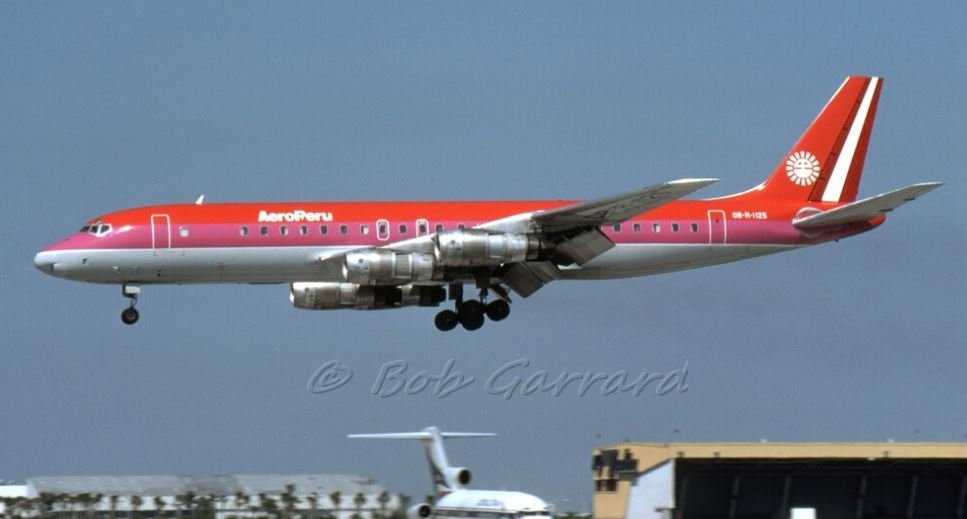
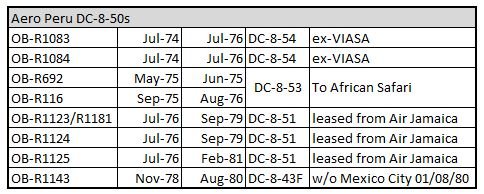
Nevertheless the network grew quickly with the addition of services to Panama, Bogotá, Mexico, Caracas, Guayaquil, Quito, La Paz, Rio de Janeiro and Sao Paulo. The fleet was augmented with a leased KLM DC-8 in 1975 and then a complete rollover of the DC-8s in July 1976 when all three aircraft were replaced by three DC-8-51s leased from Air Jamaica.
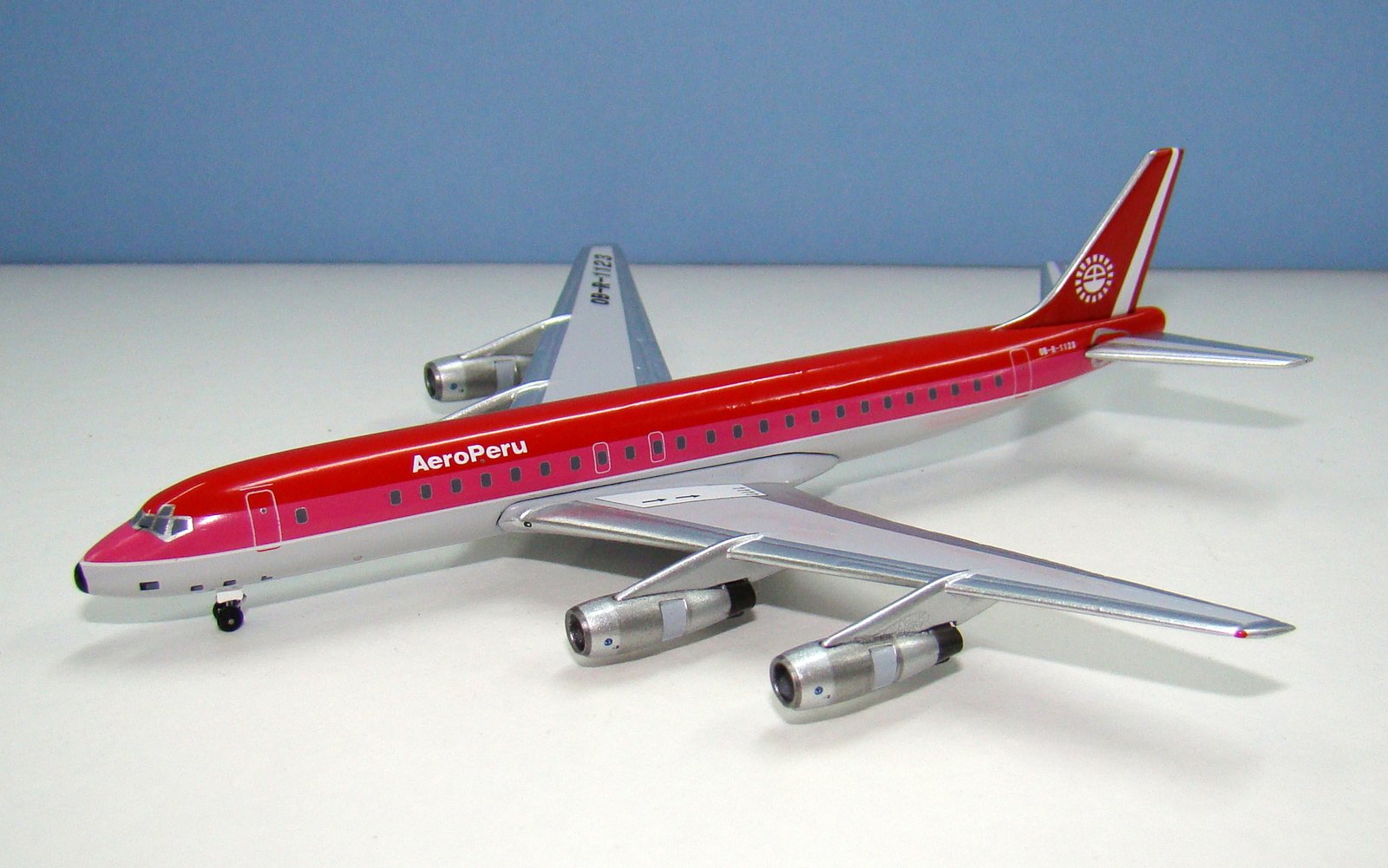
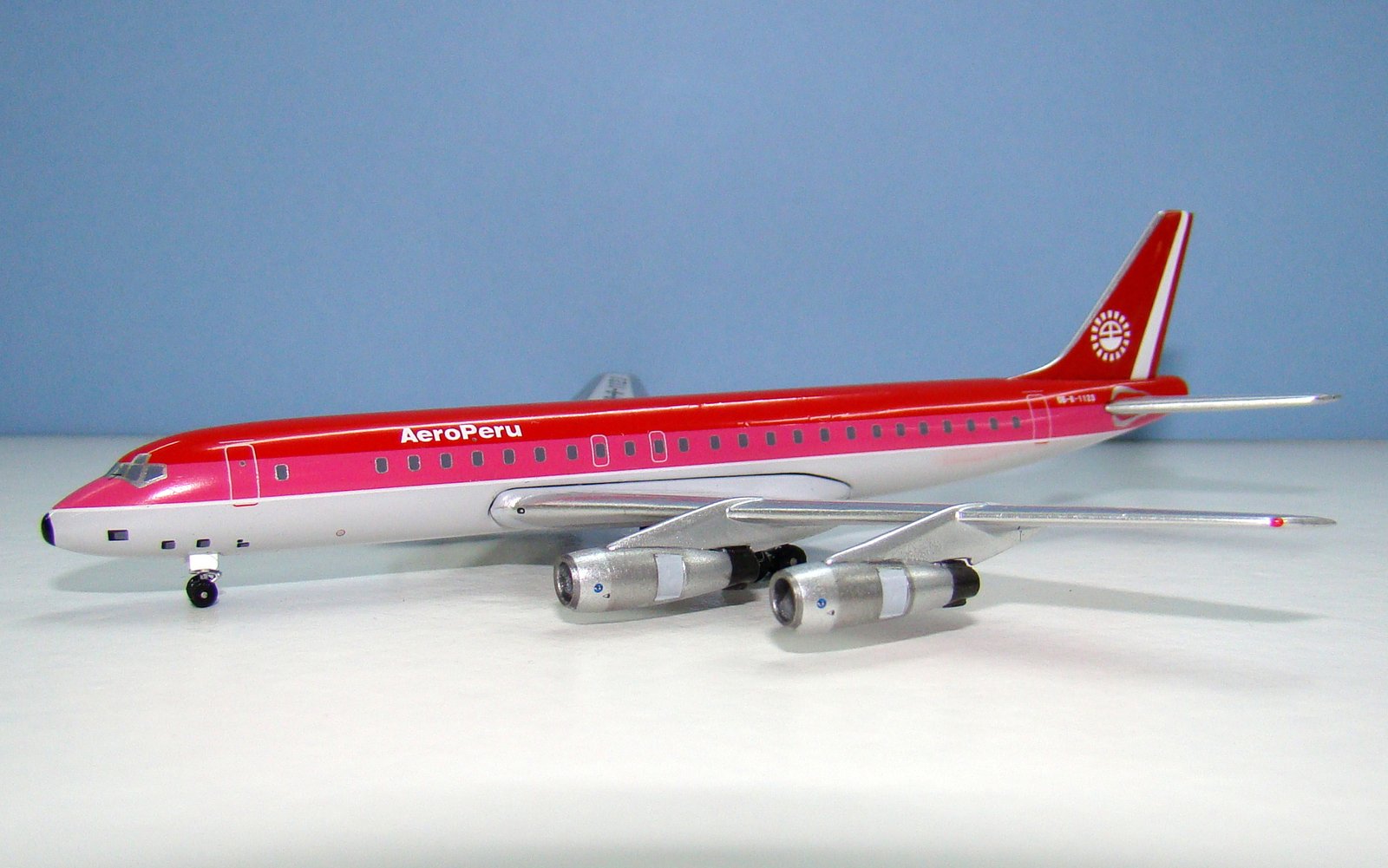
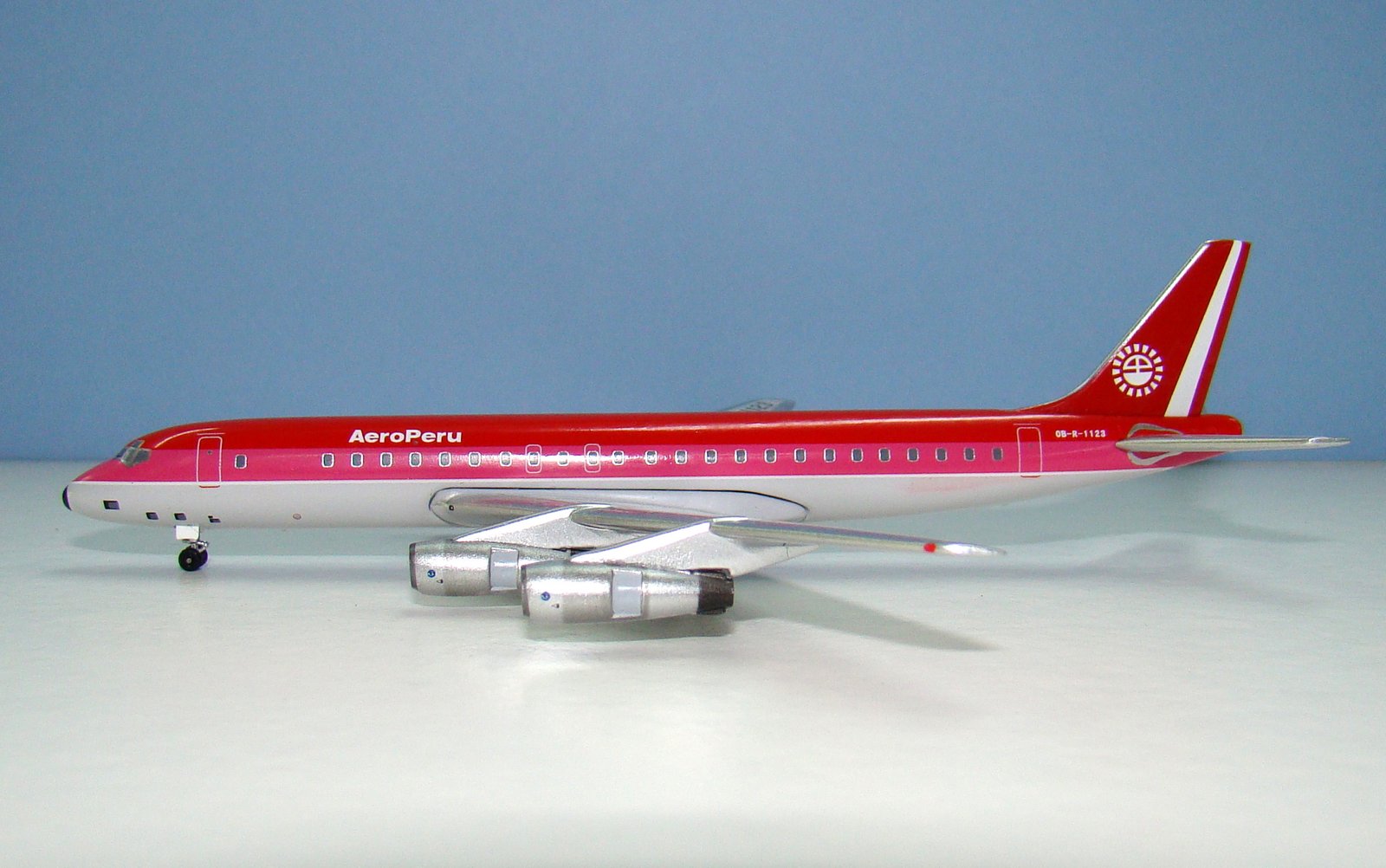
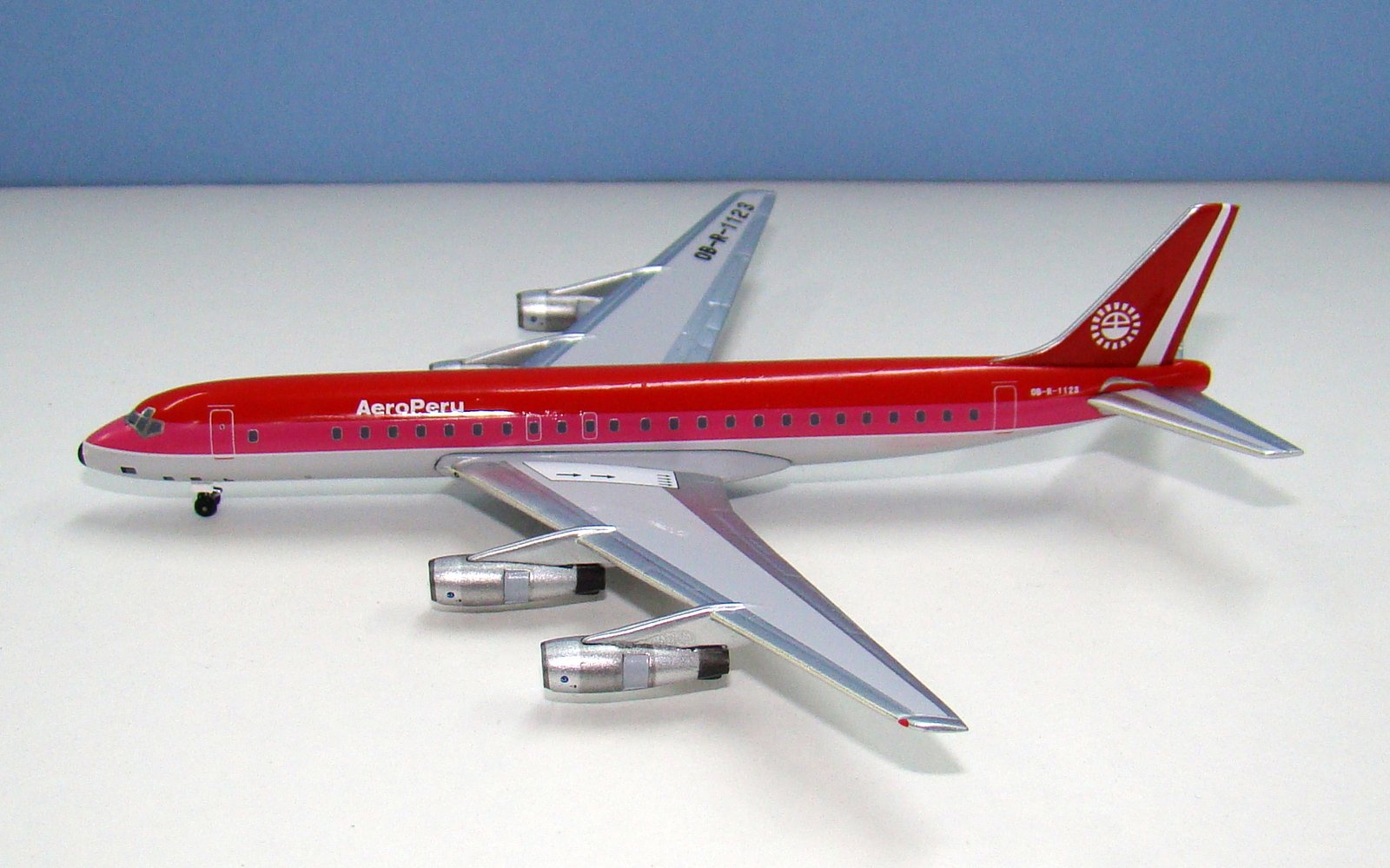
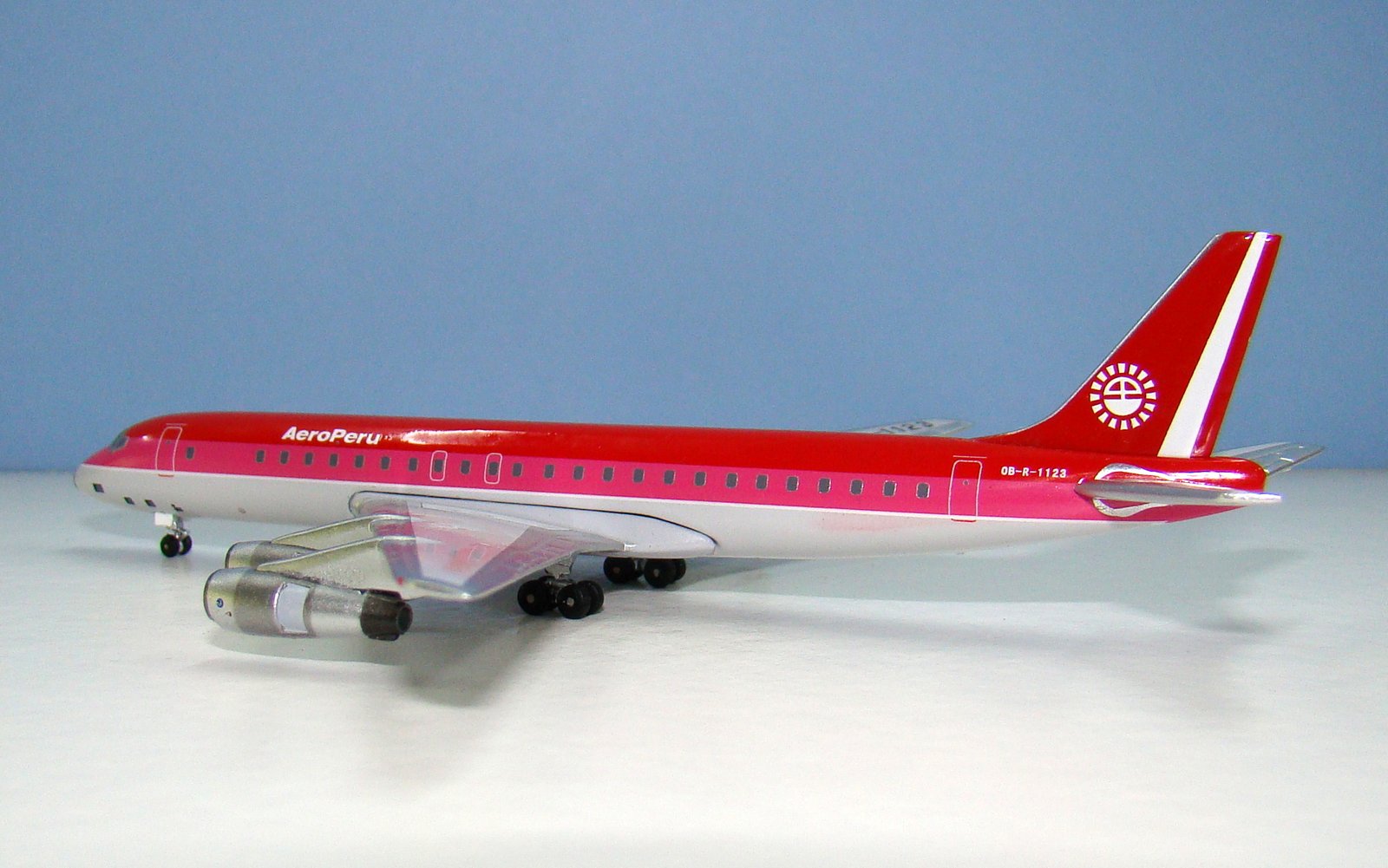
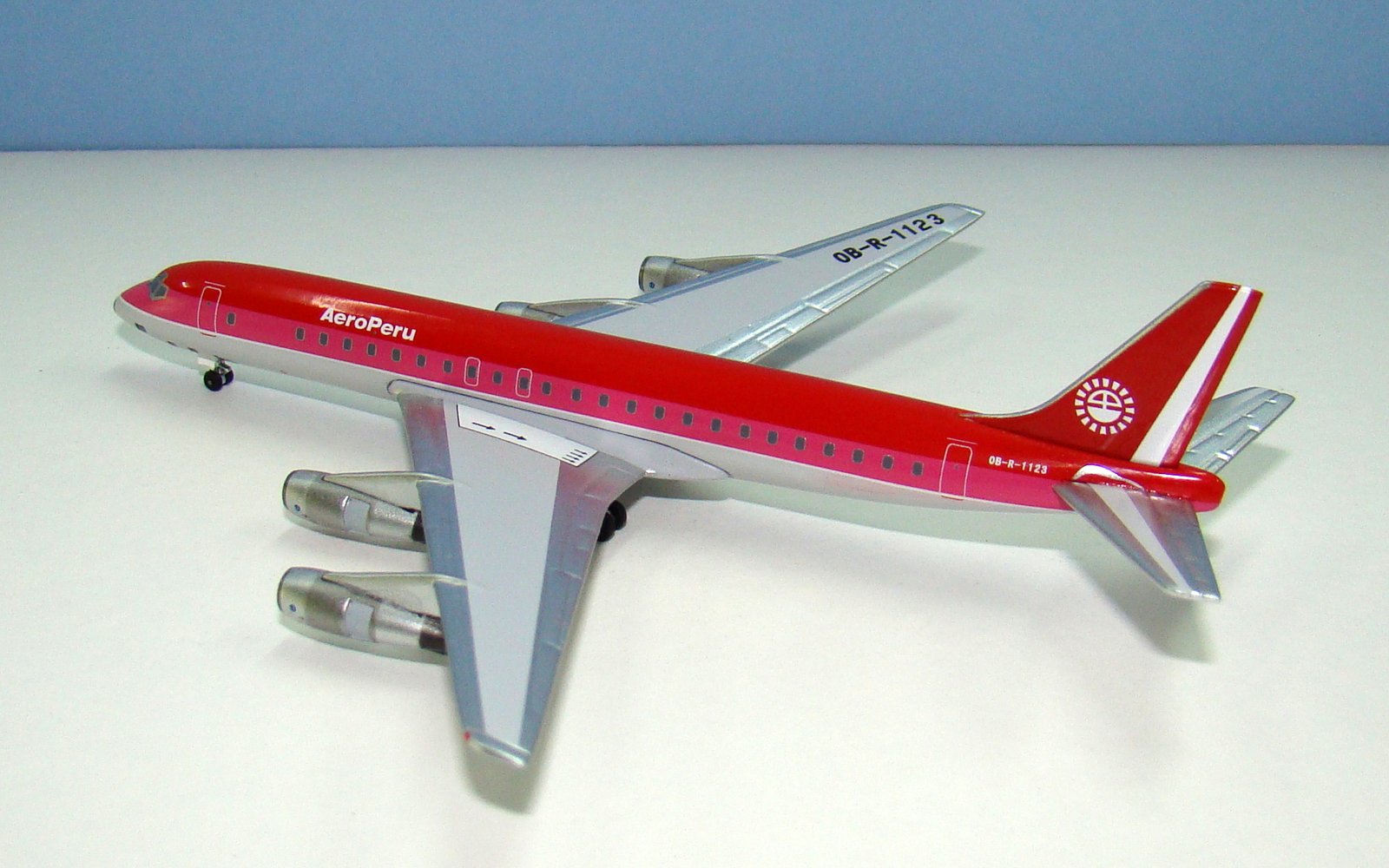
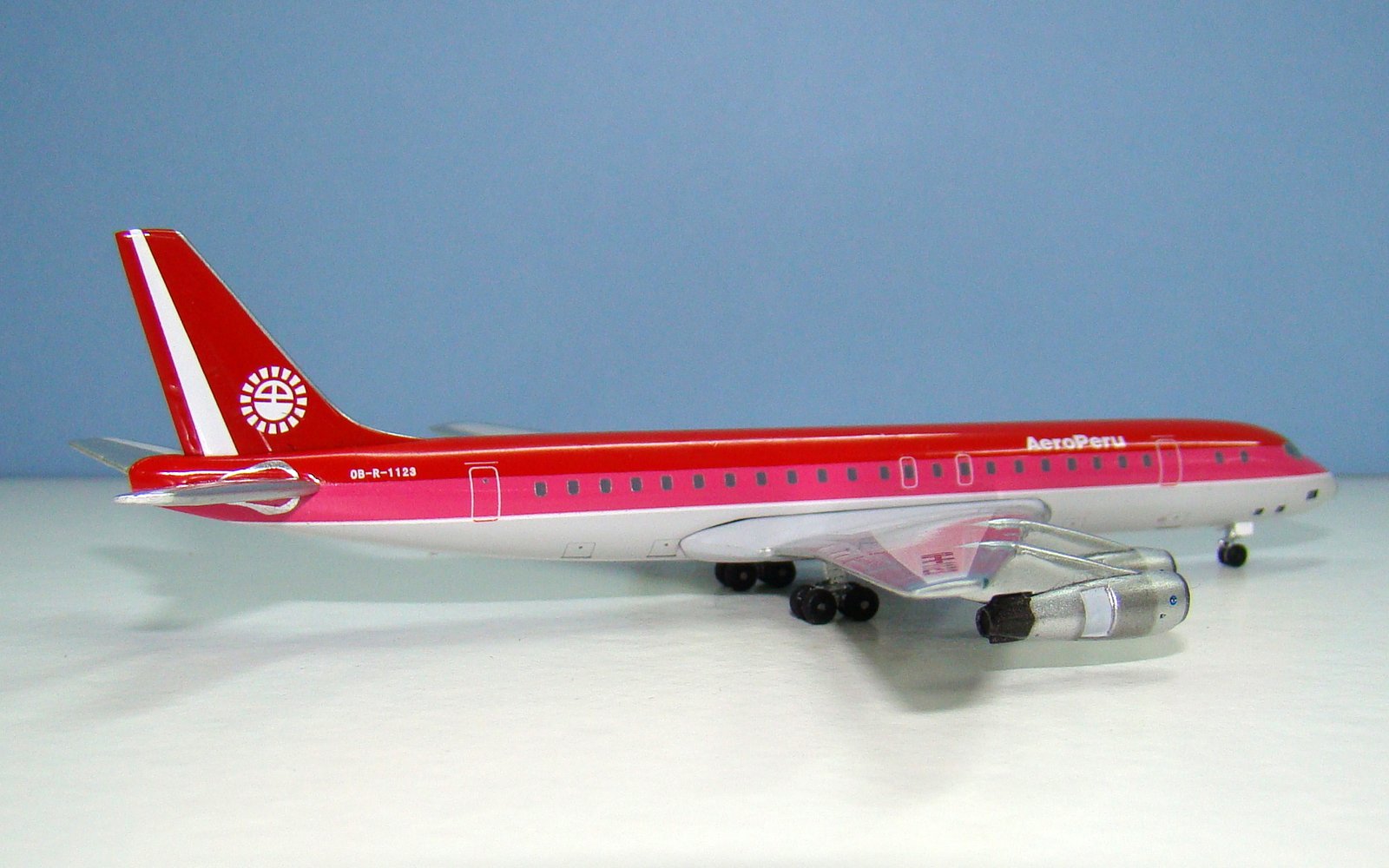
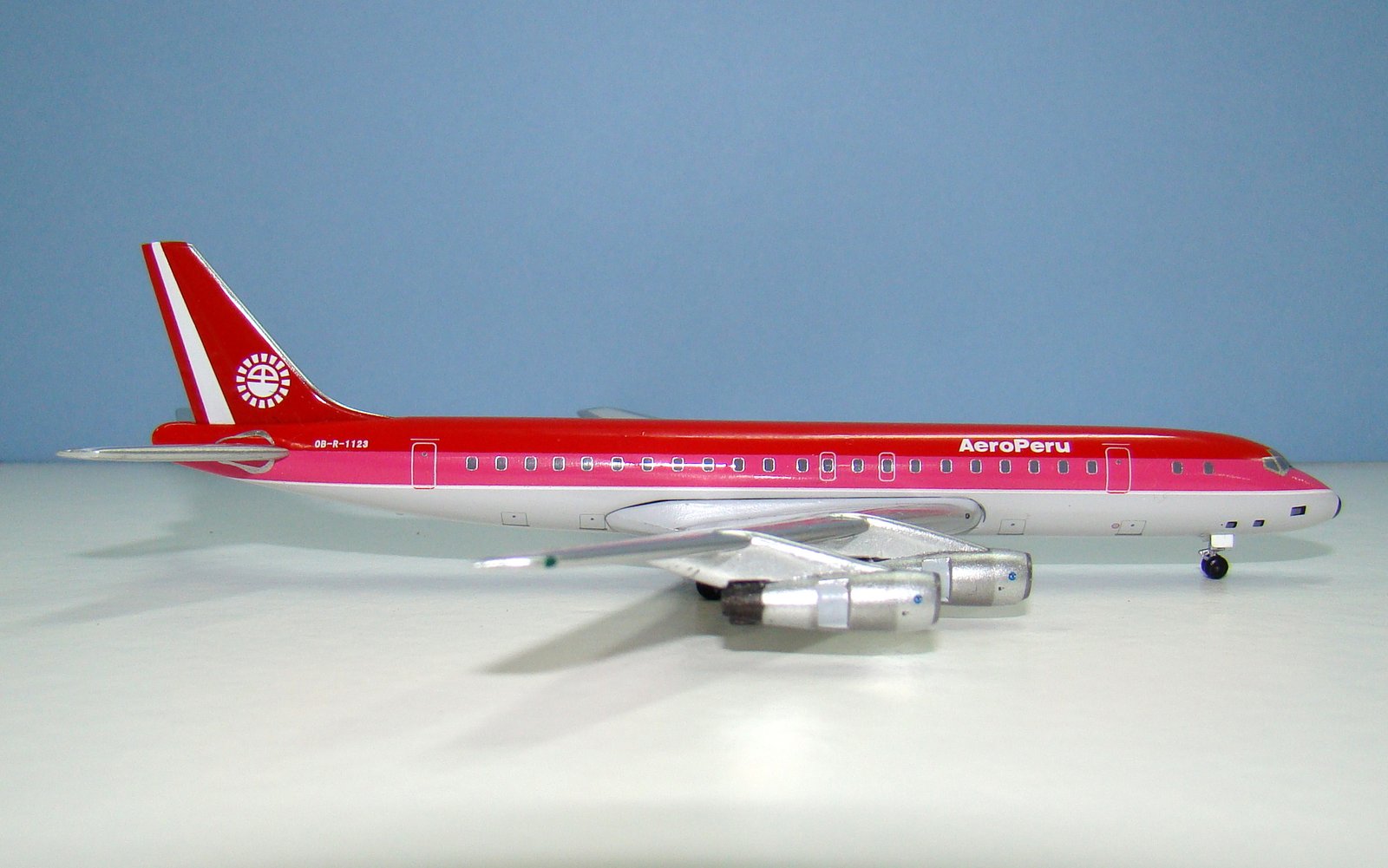
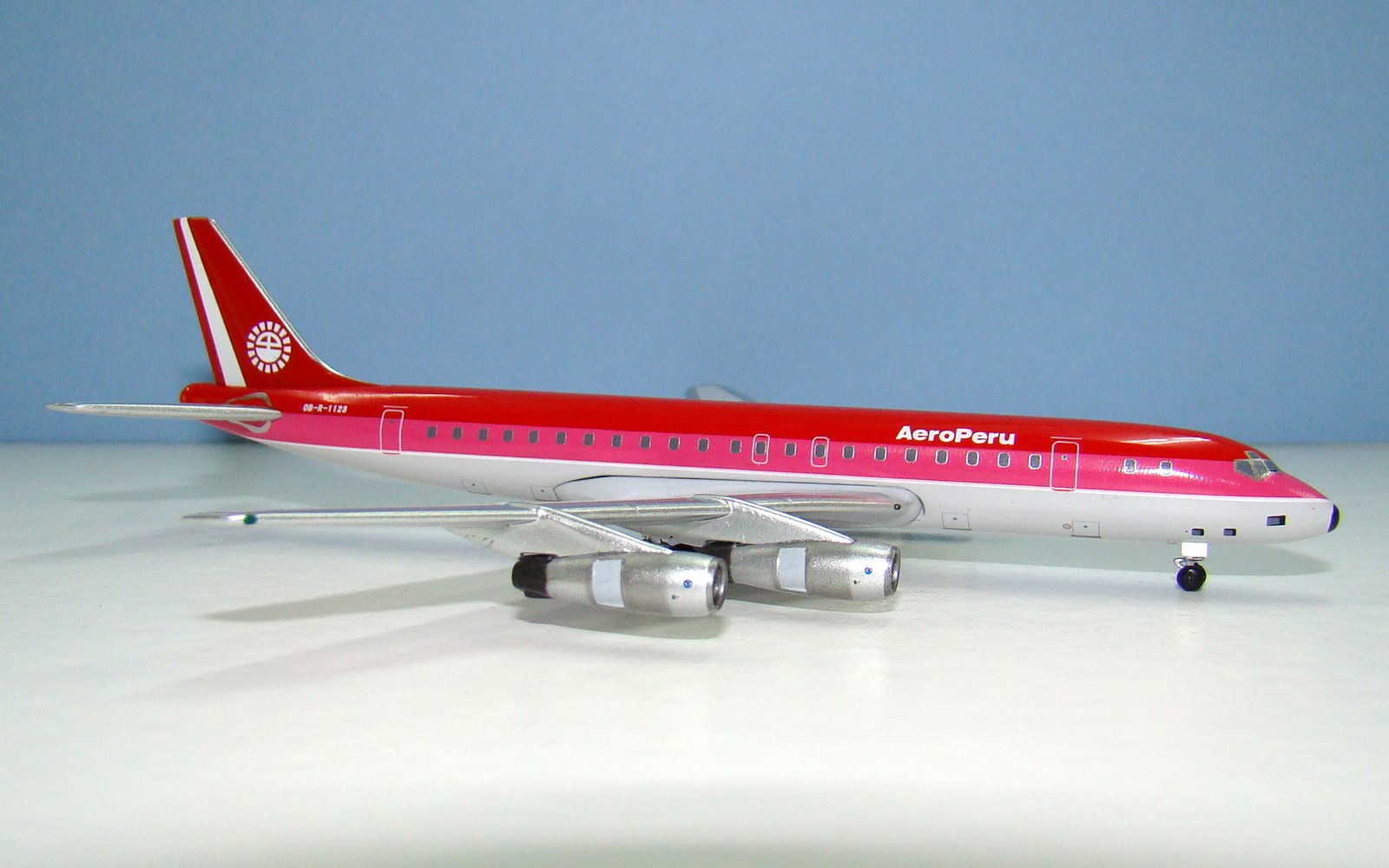
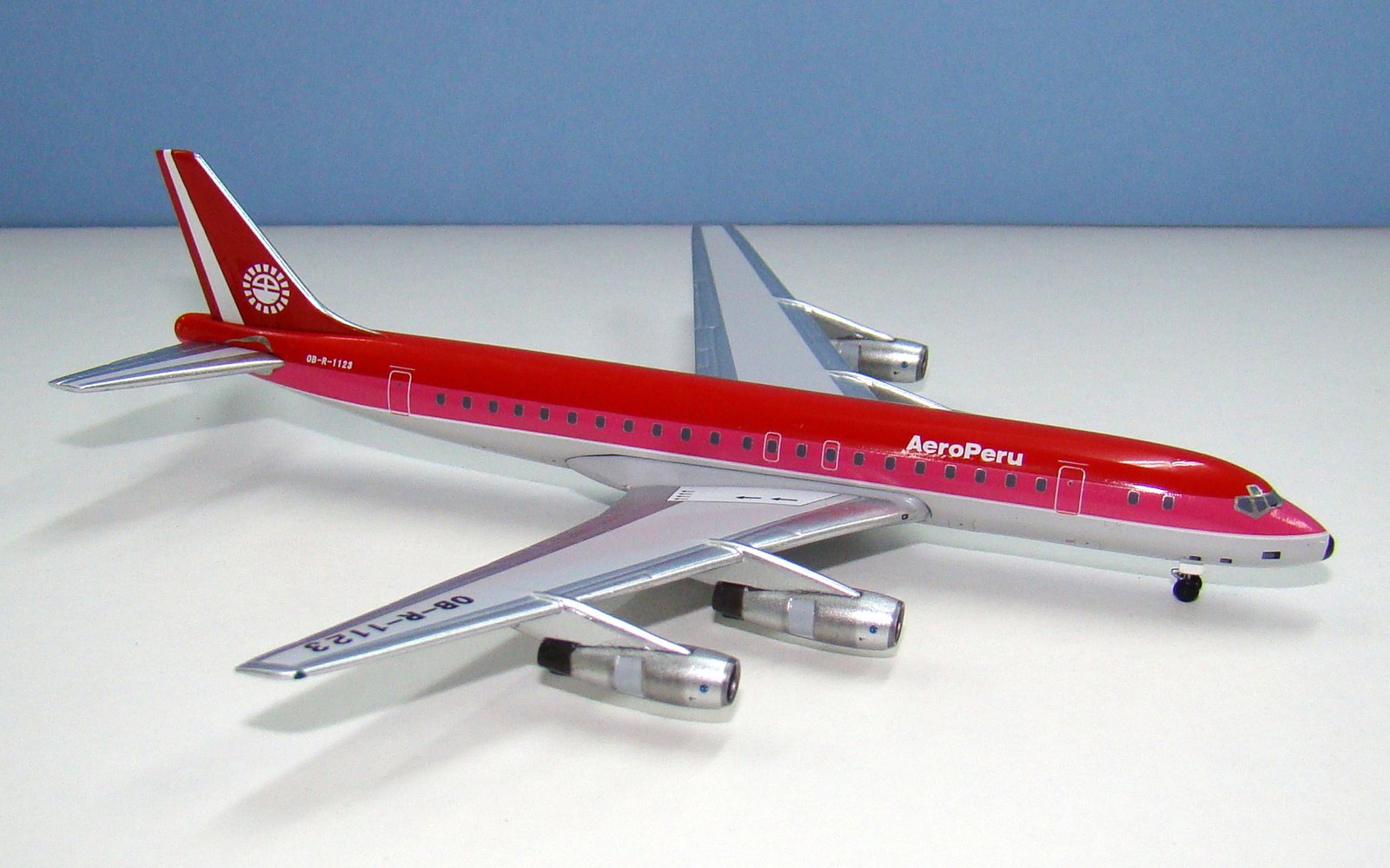
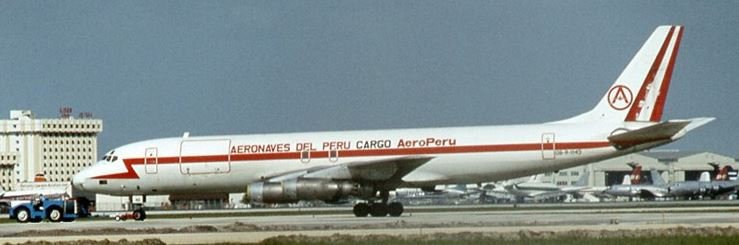
Despite its issues with the US airlines by 1978 AeroPerú was serving not just Miami but also Los Angeles (since 1975) and New York (since 1977). A second 727 (an ex-Lufthansa 727-30C) was added in 1978, as well as a DC-8 freighter.
Sadly the DC-8-43F, registered as OB-R1143 and named ‘San Martín de Porres’, was destroyed on August 1, 1980 on approach to Mexico City. The aircraft was operating a scheduled cargo service between Lima and Mexico City carrying a load of fertiliser and animal feed. Its arrival in Mexico was in darkness and this no doubt contributed to the accident as the flightcrew misunderstood instructions from the control tower and descended too low. The aircraft impacted the mountains 18 miles from the airport, destroying the aircraft and killing the 7 crew.
1978 was a watershed year for the airline as it received its first widebodies and also became the first airline in South America to operate the Lockheed L-1011 Tristar. Initially AeroPerú was sold on new Tristars by Lockheed and ordered a short Tristar 500, with another on option, for delivery in 1981.
Lockheed was at the time struggling with the Tristar programme and had the two Tristar 1s delivered to PSA, with the lower cargo hold entry and cocktail lounge configuration, stored. Note the belly bulge in the photo above indicating the lounge position. They had been in fact parked for a couple of years and Lockheed sold AeroPerú on leasing these two unusual trijets until their own Tristars were ready. Accordingly the two US registered Tristars (N10112 and N10114 ‘Ciudad de Cuzco’) arrived and replaced two of the three Air Jamaica leased DC-8s.
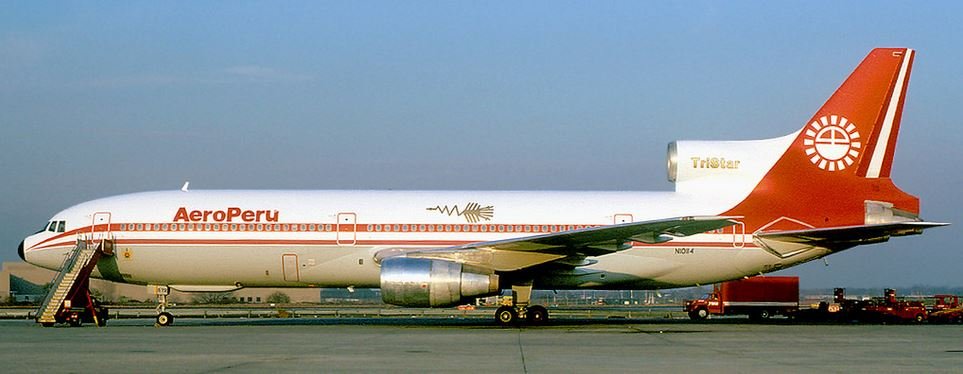
The Tristars signalled the arrival of a new more sombre, albeit still colourful livery. Gone was the red top and hot pink replaced by a simpler more sedate white base with red and pink window stripes.
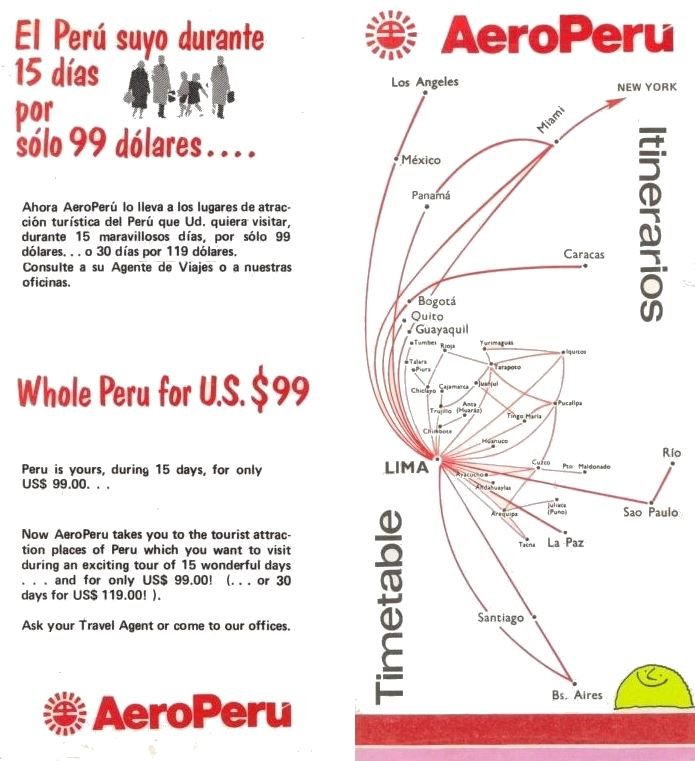
AeroPerú put the L-1011s into service on December 14, 1978 on the New York route and was advertising an addon package to US customers whereby they could fly anywhere on the domestic Peruvian network as many times as they liked within 15 days for only an extra $99.
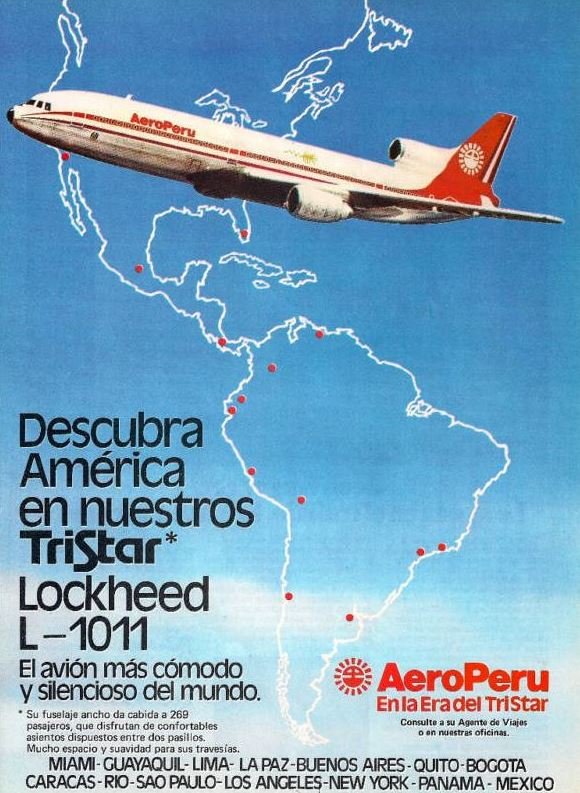
This was the zenith of AeroPerú’s operations but unfortunately the arrival of the Tristars coincided with the 1979 OPEC Oil Crisis. AeroPerú found itself unable to afford the Trijets, which were probably too large for its routes at the best of times, and with their non-standard additions not the cheapest L-1011s to operate either. Forced to live within its means AeroPerú cancelled its Tristar 500s, returned the Tristar 1s by the end of 1981 and turned back to the trusty DC-8. In part 2 we’ll look at AeroPerú as it tried to weather the turbulent 1980s.
References
Davies. R.E.G. Airlines of the Jet Age: A History
Evanich III, John. Lost Schemes: #202 AeroPeru Lockheed L-1011 (1979-81). AirlinerCafe
Braniff Is Ordered By Peru to Reduce Flights From Lima. New York Times. 1975
Maidenberg, H.J. Air War Over Latin America. New York Times. 1976
AeroPeru. RZJets.net