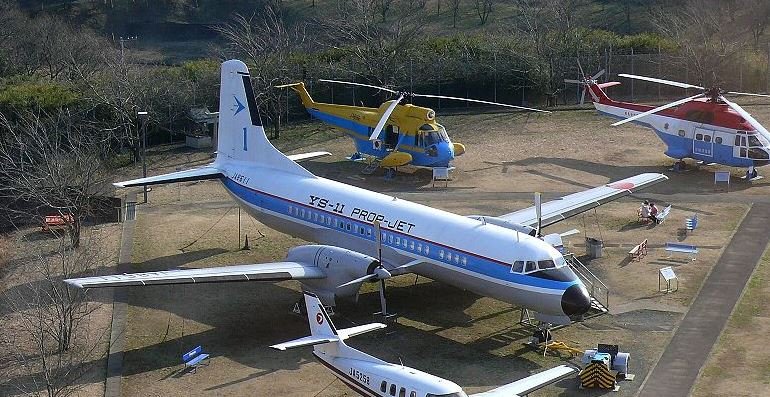
The YS-11 programme remains something of a controversial topic in its native Japan. Some see it as an epic adventure and fabulous idea, a monument to Japanese industrial policy; whereas others see it as a folly doomed to failure from the start. Regardless it is clear that the aircraft itself was capable and although it clearly never met the financial targets set for it it sold 182 aircraft, a decent number, and continued in service into the 2010s.
Japan came out of the Second World War a shattered and humbled nation. It is a testament to the country that they were able to field an effective and efficient civil airliner as early as the 1960s given that the Allied occupation of the country didn’t end until 1952. The Japan of the 1950s was a far cry from the high-tech manufacturing powerhouse of the 1980s, but some dreamt of a day when the Japanese aviation industry could regain its former status.
One of these dreamers was Akazawa Shoichi, the director of the Ministry of International Trade and Industry (MITI) Ordnance division. He was a veteran of WW2 and agreed with Japan’s approach of pushing the economy towards high value economic areas such as steel and aircraft production. Civil aviation was the pinnacle of an advanced nation’s manufacturing, whilst benefits accrued through the programme would drip down to other areas of the economy especially the military.
Akazawa worked his way through protracted negotiations and in March 1959 the special corporation the Nihon Aeroplane Manufacturing Co (NAMCO) was founded. This was a conglomerate of separate organisation’s executives and designers with a 54% share under government ownership. The artificial nature of NAMCO as a company would lead to a host of obstacles – not the least of which was that NAMCO had no facilities of its own for manufacturing, or a permanent staff.
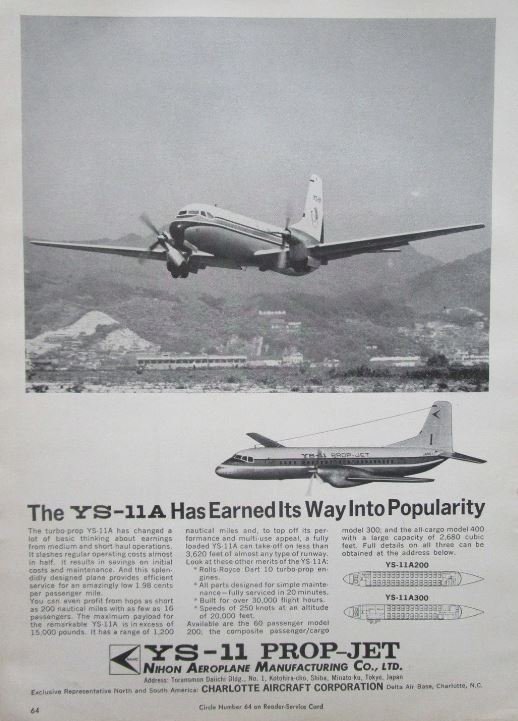
Although several legendary wartime designers (like Horikoshi Jiro who designed the Zero) were included in the design process Japan had almost no history of designing civilian airliners and even if it had it was obsolete. Instead the YS-11 was designed by heavily leaning on existing foreign technology, copied from various sources and airshow visits, benchmarking and incorporation of foreign technology into the airframe. The cabin pressurisation system for example was a direct copy of US equipment. Information was funneled through Japan’s reborn airlines, diplomatic missions, industry journals and lots of photographs back to the design team.
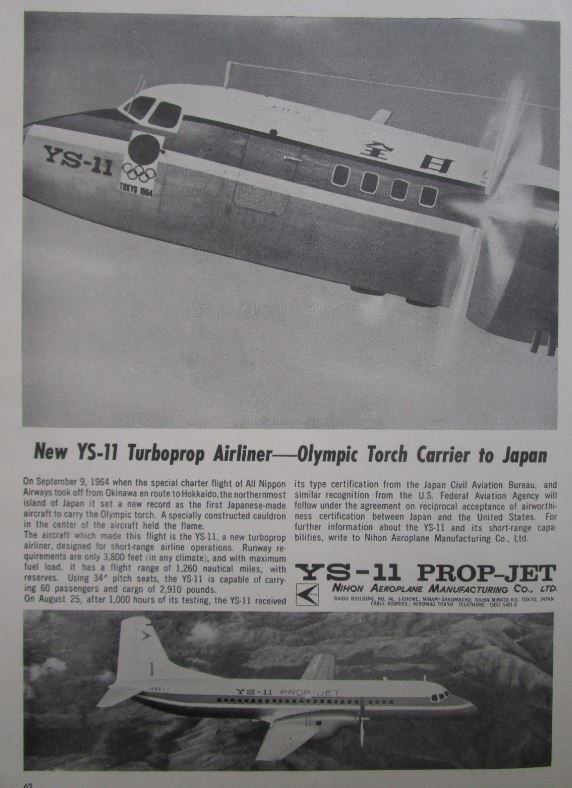
Often it seems the Japanese designers harked back to old style traditional Japanese mentalities. An entertaining story for example was that initially the designers didn’t include any toilets on the aircraft. The airlines were incredulous but the designers thought the passengers could just wait it out as the plane was already full with seats!
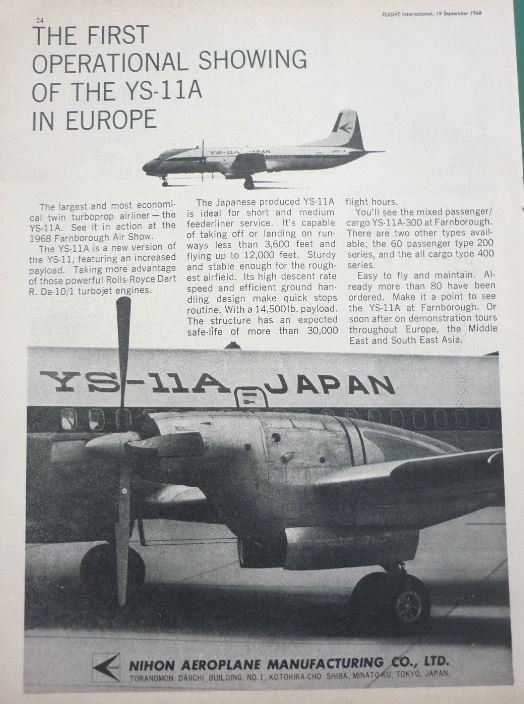
Then again the programme adopted early on American Civil Air Regulations and FAA review, which no doubt assisted it in the international market. Gradually some international orders came in, 4 to Phillipine Airlines for example, though in this case the aircraft were included in war reparations.
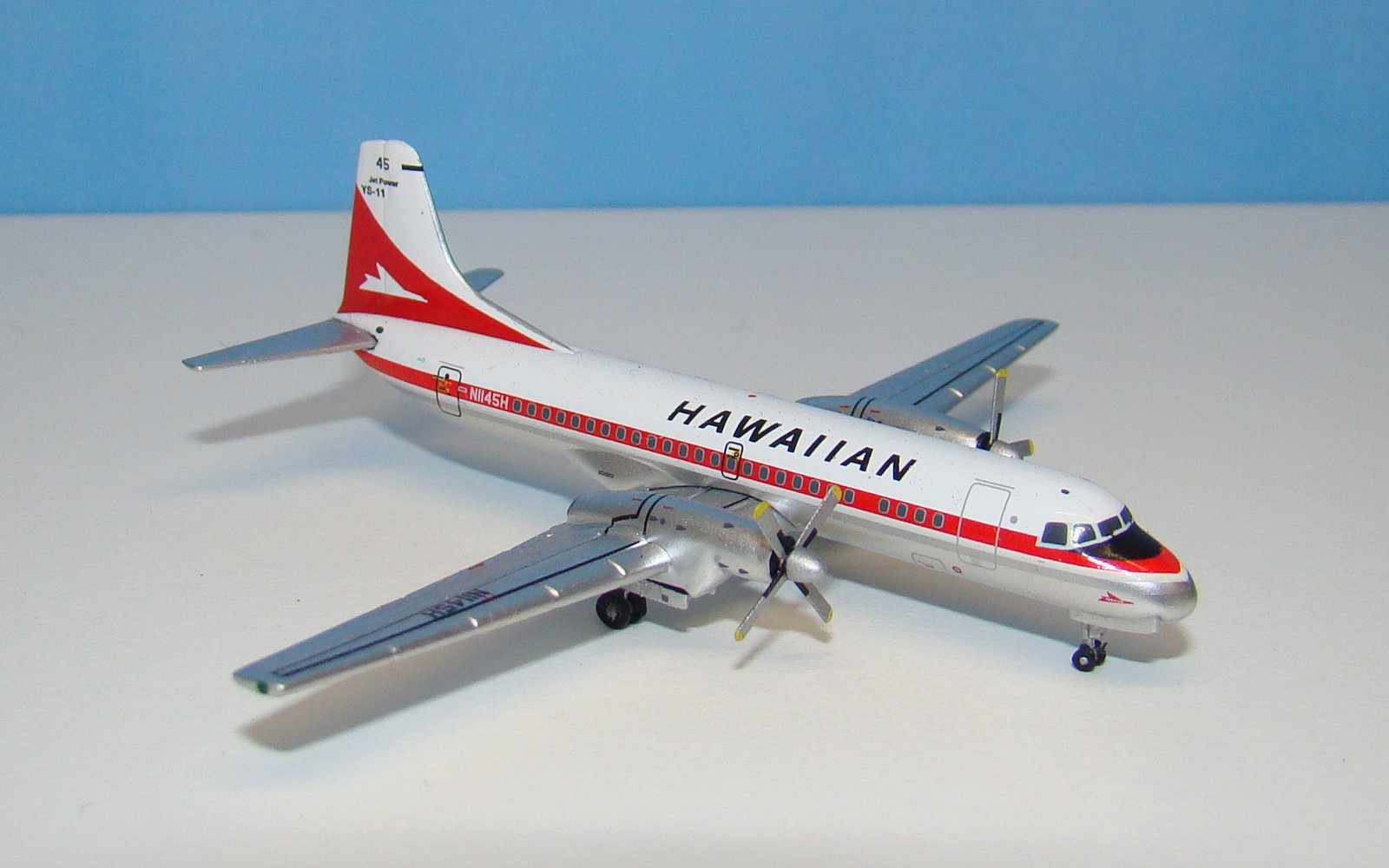
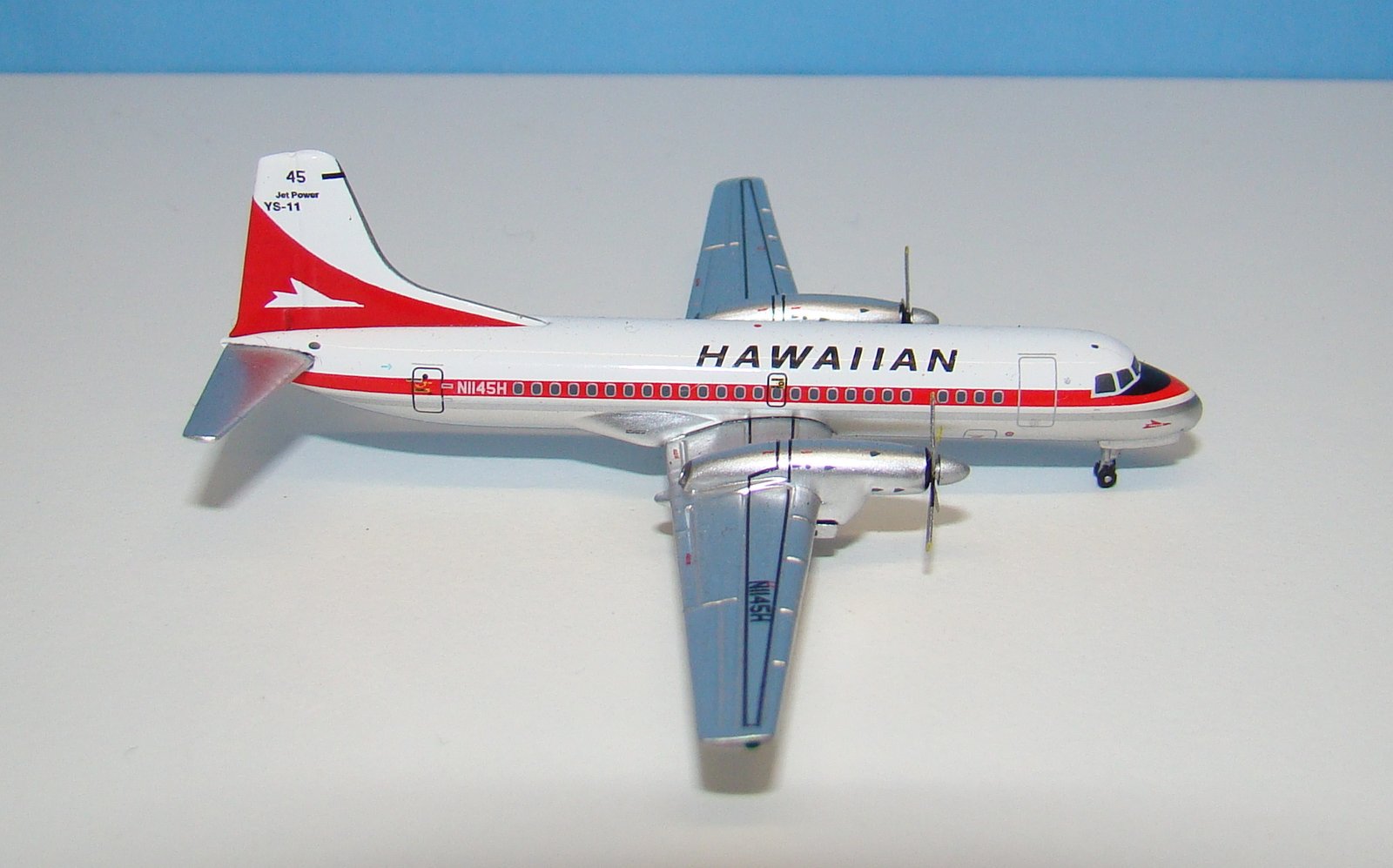
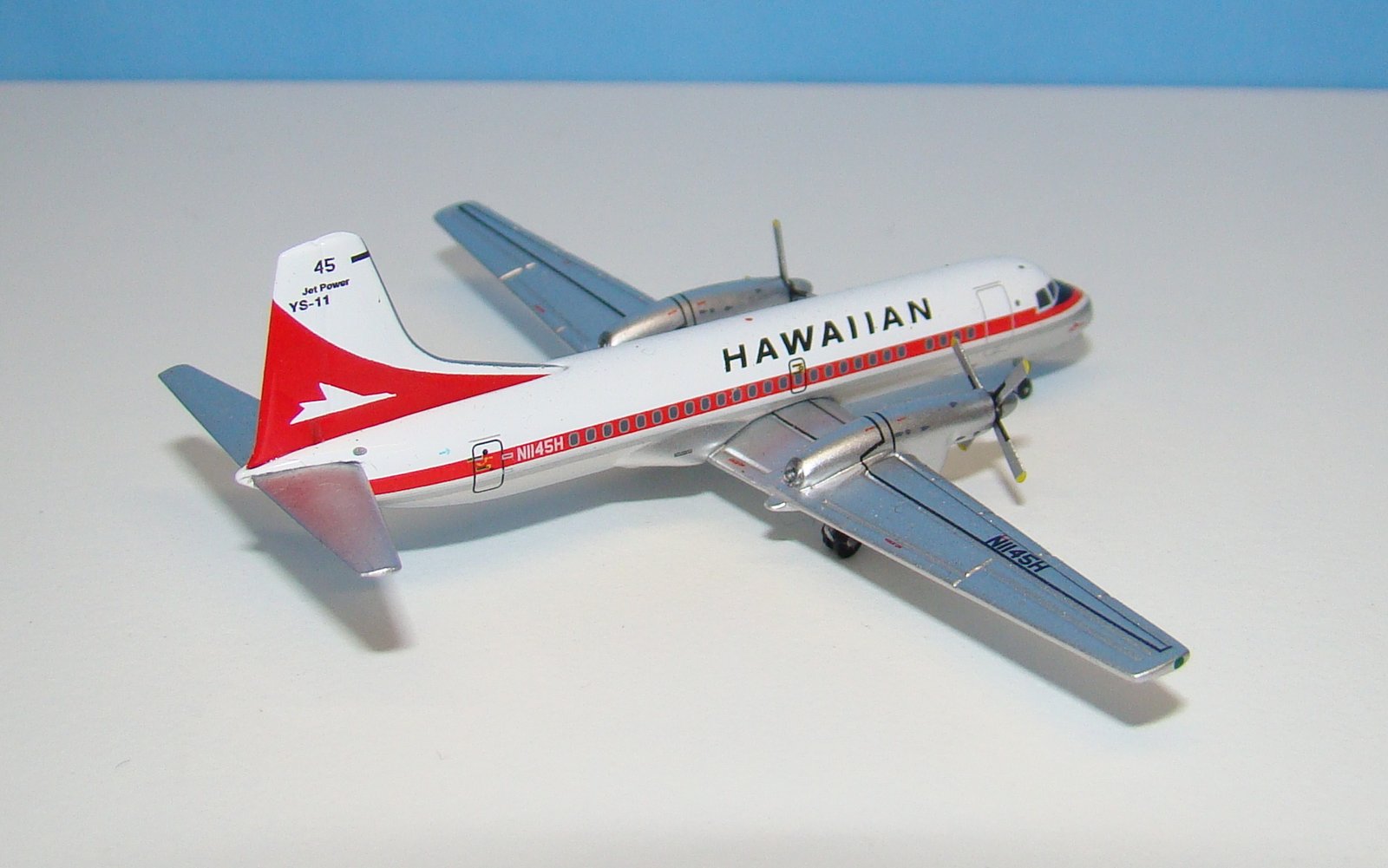
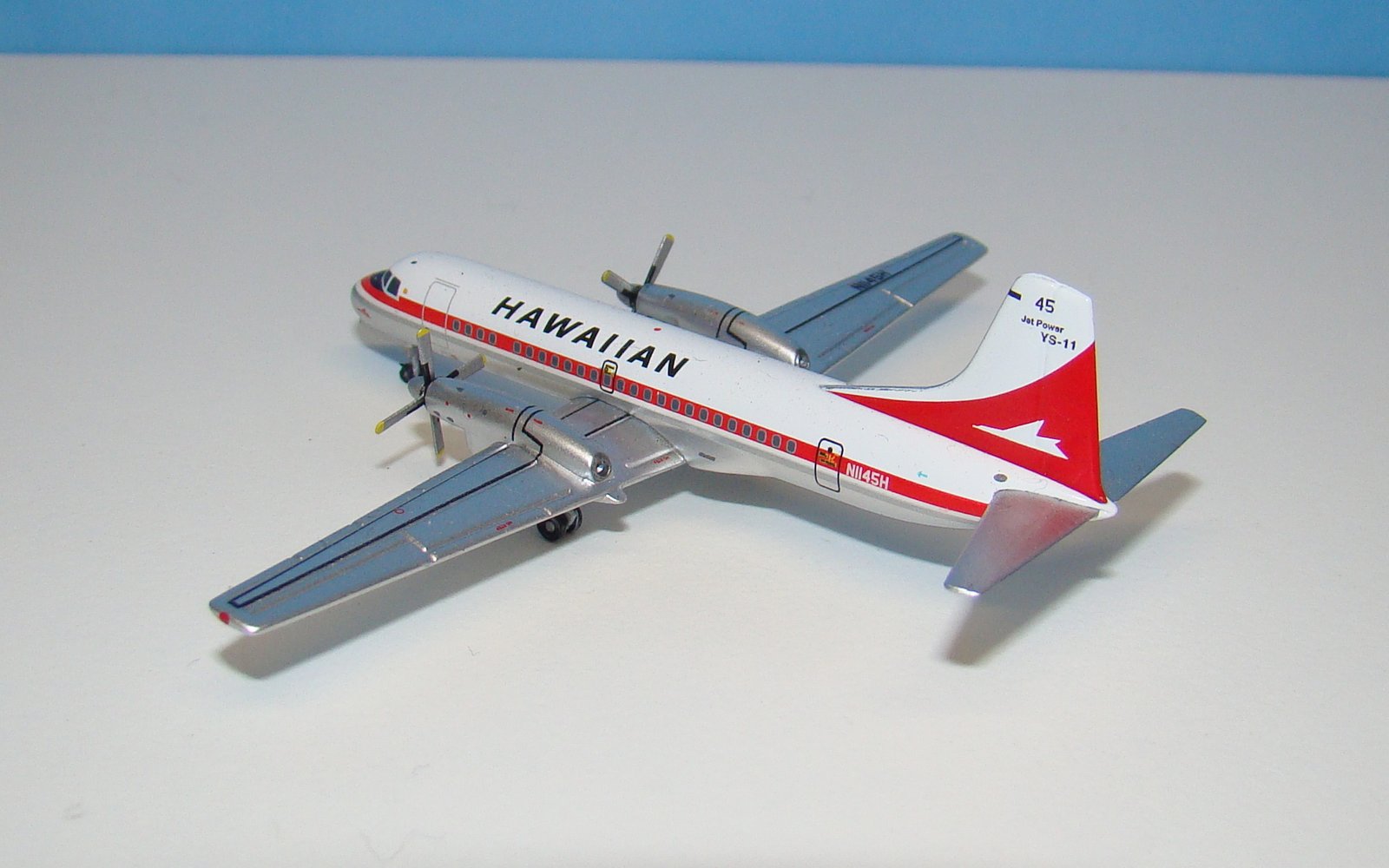
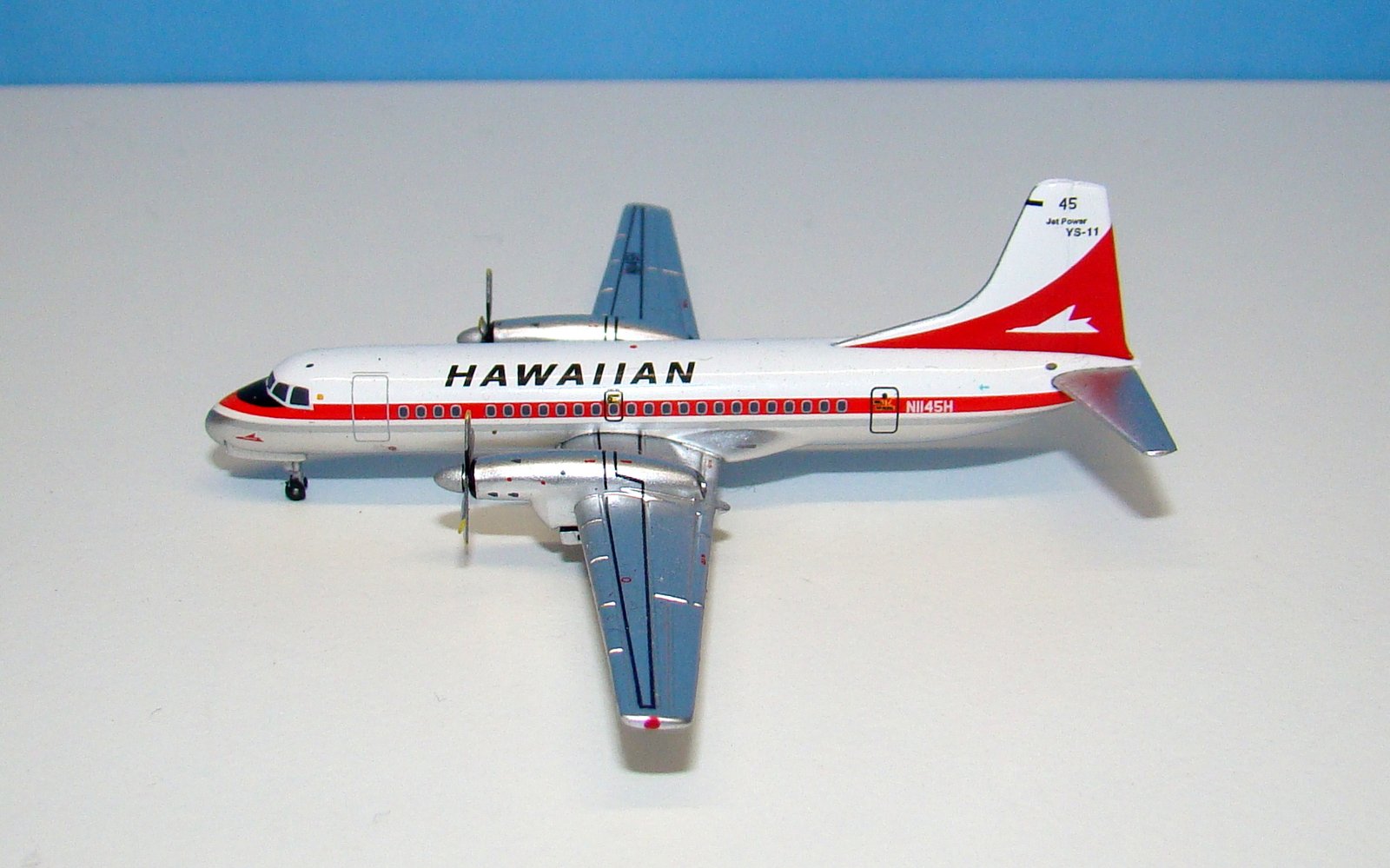
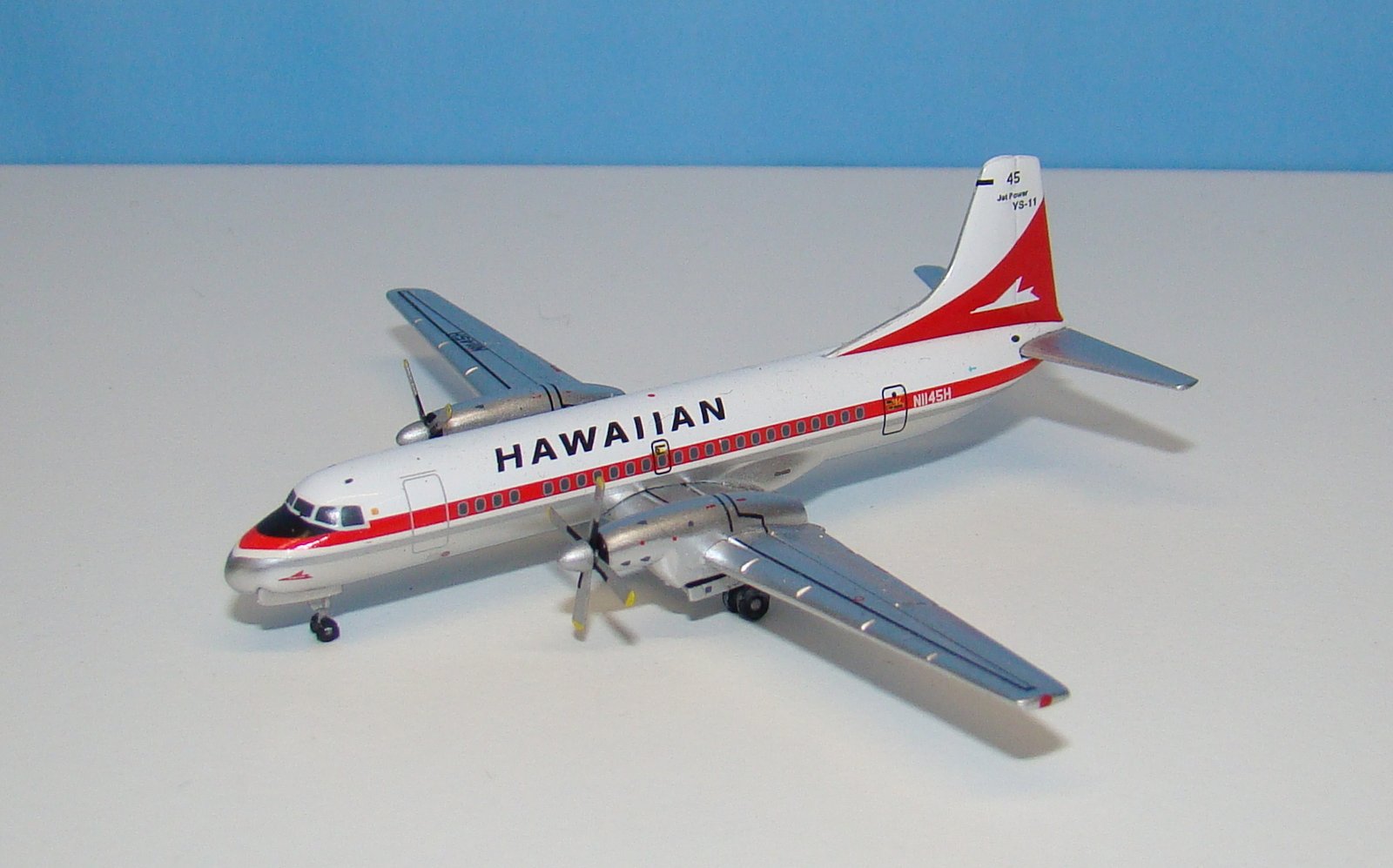
The USA was an irresistible target for sales but also an unlikely one. US airlines rarely looked outside of the US for aircraft unless they had no other option, and the political ramifications of buying foreign had scuppered several deals. Nevertheless despite the aircraft design’s age the NAMC YS-11 broke into the US market.

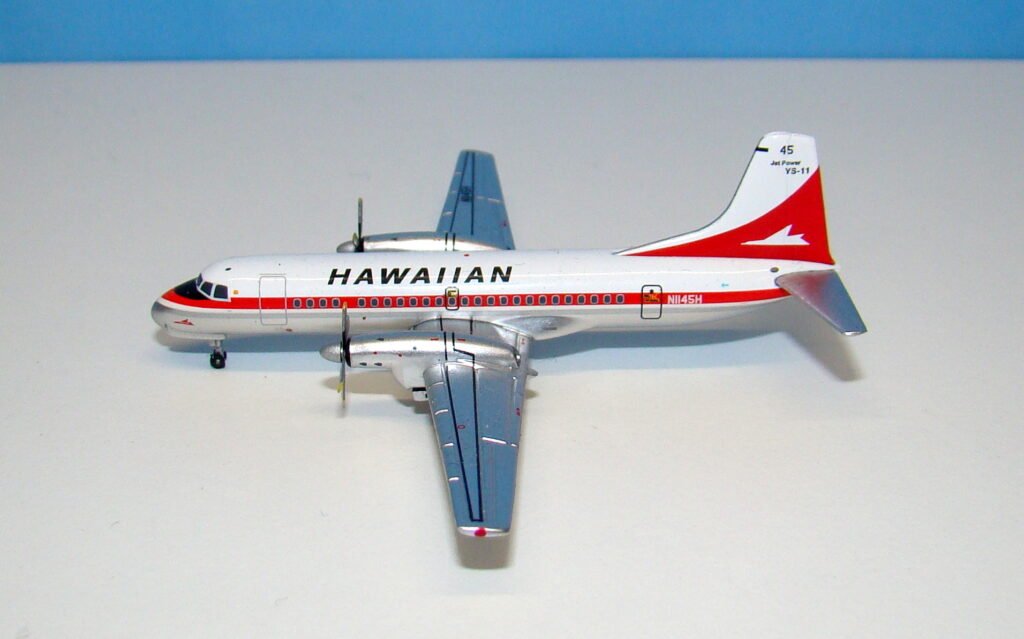
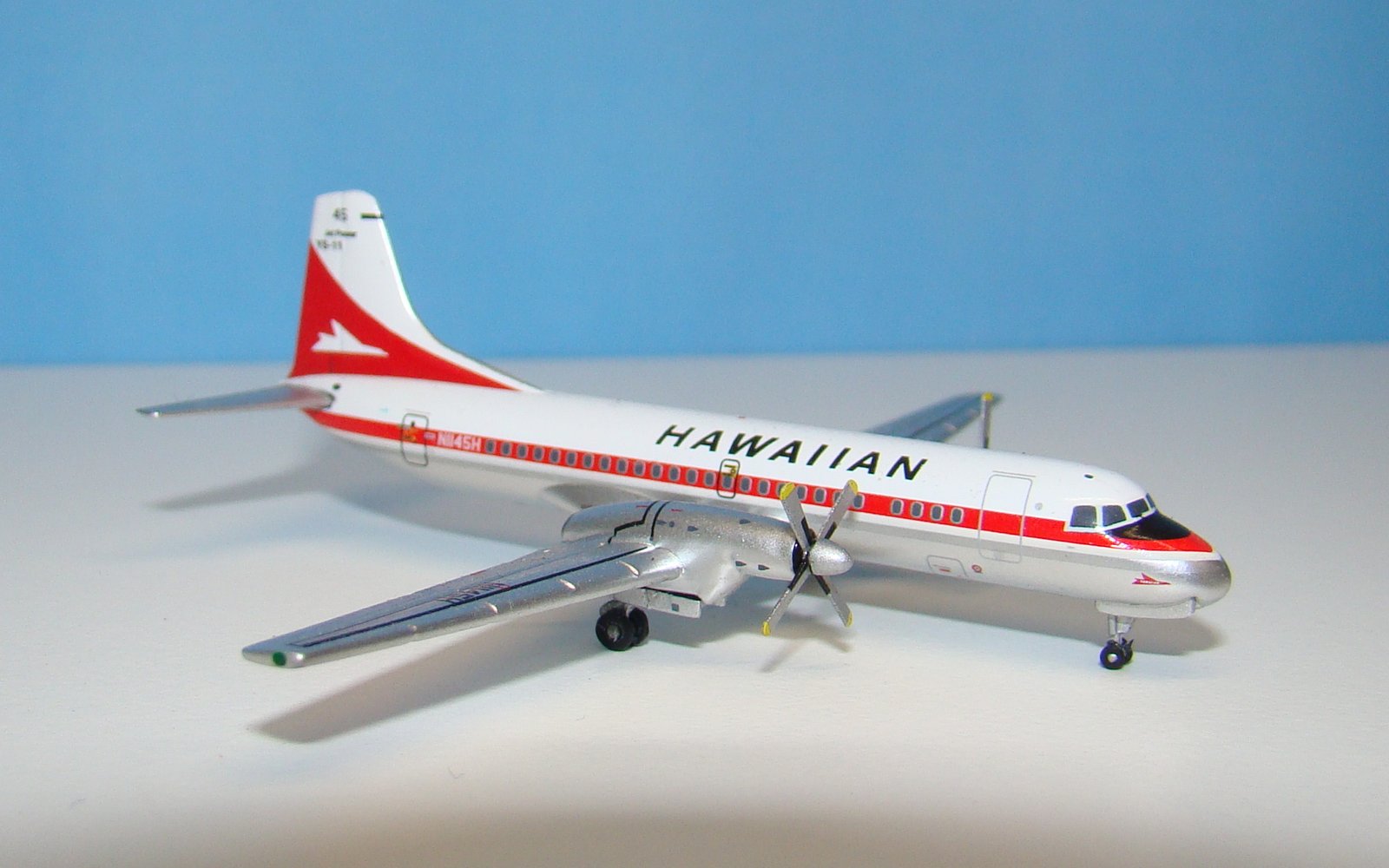
The first success was a 1966 lease agreement with Hawaiian Airlines for them to take 3 aircraft. The agreement had a let to buy clause, but in the end this was not actioned. The three aircraft were returned after nearly two years of operations in October 1968. Nonetheless this was not due to any failings with the aircraft and more to do with Hawaiian’s pending delivery of new DC-9-32s. The big breakthrough of course was the April 1967 deal with Piedmont Airlines.
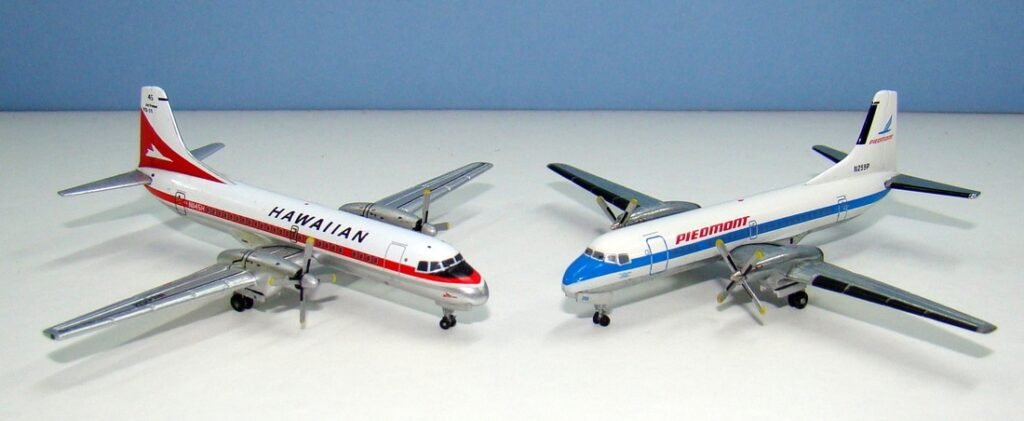
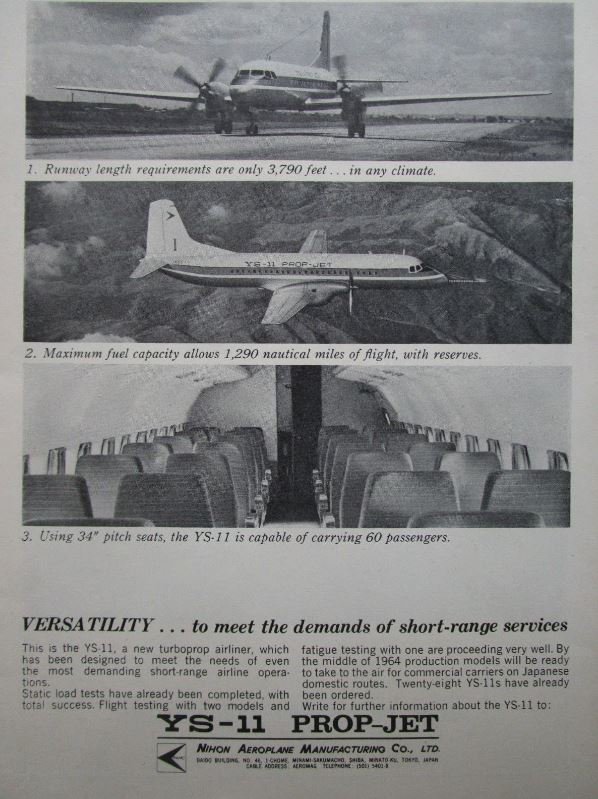
In the end Piedmont remained the largest export customer and 75 YS-11s were sold abroad to 19 customers in 15 countries. Bearing in mind the obstacles overcome, competition and size of the relative market in the 60s this was a decent return for a fledgling aircraft and manufacturer. Unfortunately it was not a financially successful one. To achieve these sales pricing and payment terms had to undercut rivals. NAMCO itself guaranteed manufacturers a profit to build the aircraft and assumed all risk and debt. This along with a tendency to run the programme like a military one did not introduce an environment of cost efficiency.
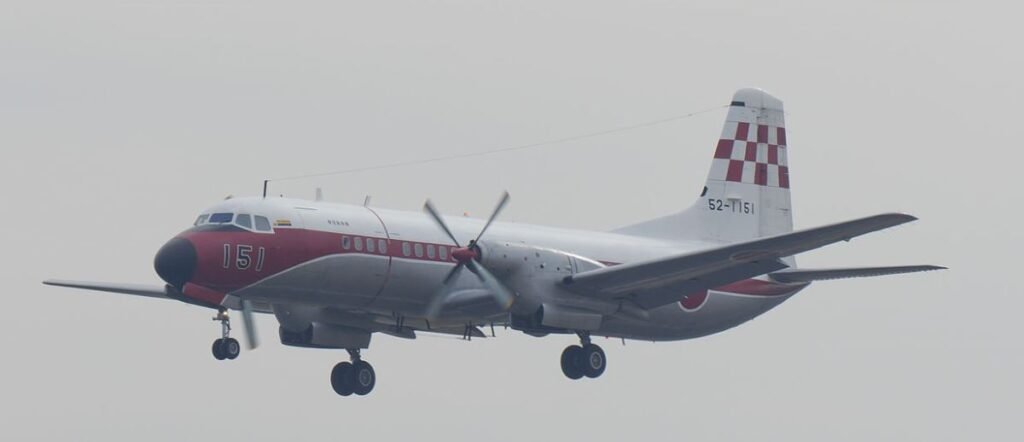
The programme ended in 1971 when the dollar’s fixed exchange rate to the Yen was ended by Nixon. It had been a financal failure, which was hardly unexpected, but had provided a wealth of experience to Japanese industry and produced a worthwhile aircraft. Of the 182 built 112 were still in service in 1994 and a handful survived into 2011. NAMCO continued on until 1982, by which time its losses were more than 4 times its capitalisation (at over $36 million). Even though NAMCO was disbanded the Japanese aviation industry has seen a massive increase in its market share, mainly as a components manufacturer, and a lot of this must surely go down to the YS-11 project. The aircraft was a technical triumph but a managerial and financial failure.
References
1995. Mercado, S. The YS-11 Project and Japan’s Aerospace Potential. Japan olicy Research Institute
1996. Samuels, R. Rich Nation, Strong Army”: National Security and the Technological Transformation of Japan. Cornell University Press