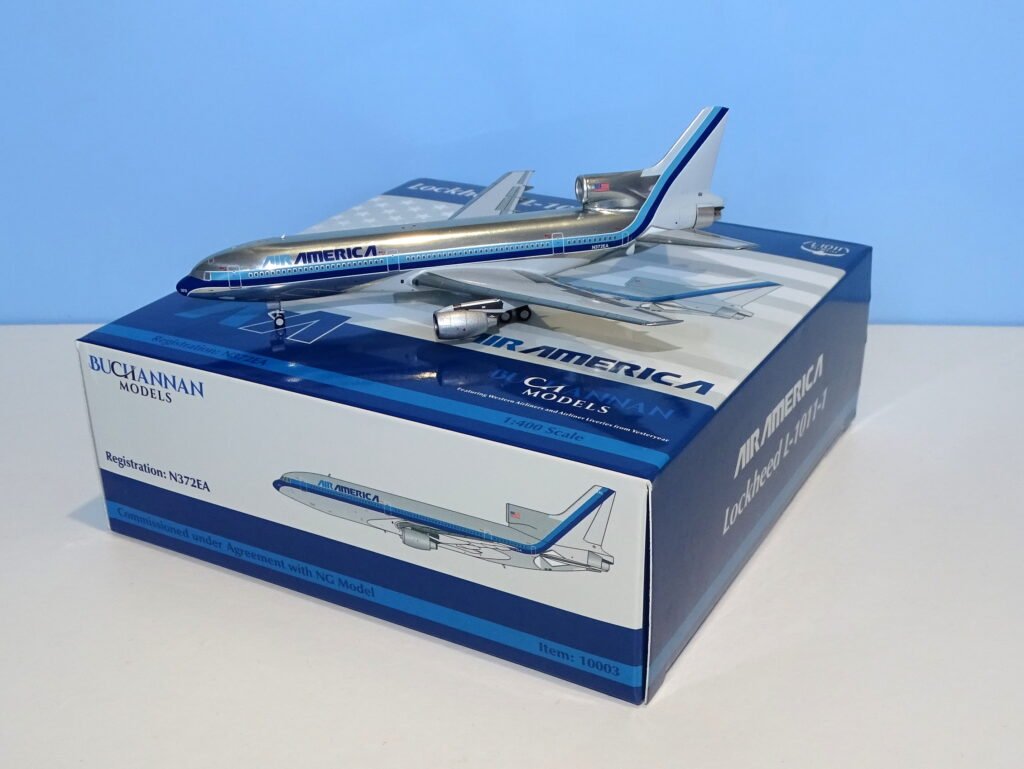
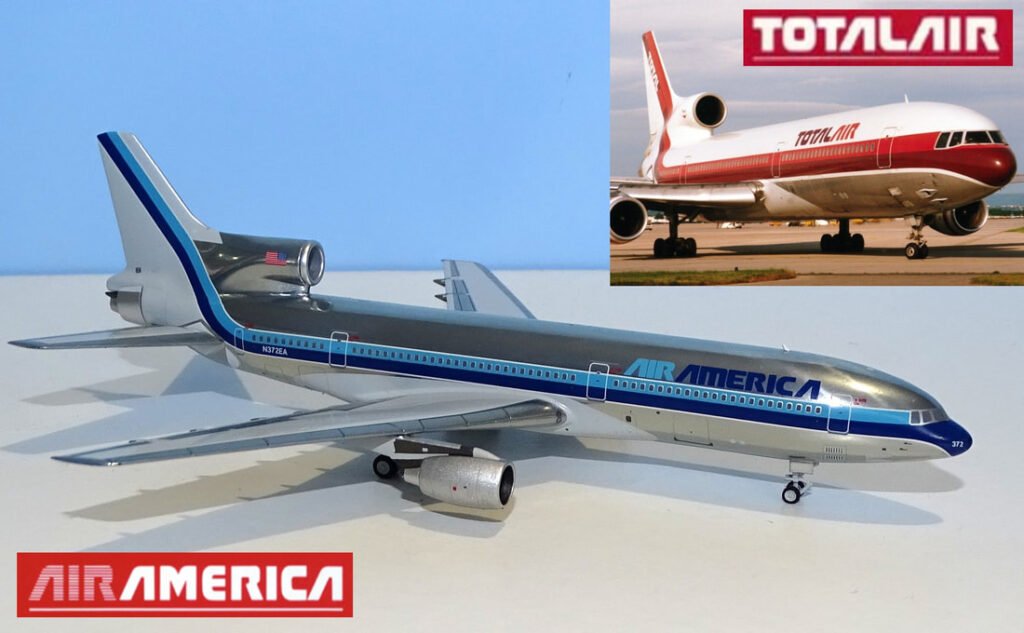
One Air America is well known as the CIA’s own private airline and was of course immortalised in a rather inaccurate Mel Gibson movie of the early 90s, but less well known is that around that time the end had come for another Air America. This one wasn’t running guns for the CIA but did undertake quite a few MATS charters for the US military. This second Air America was one of many ultimately unsuccessful deregulation startups of the 1980s.
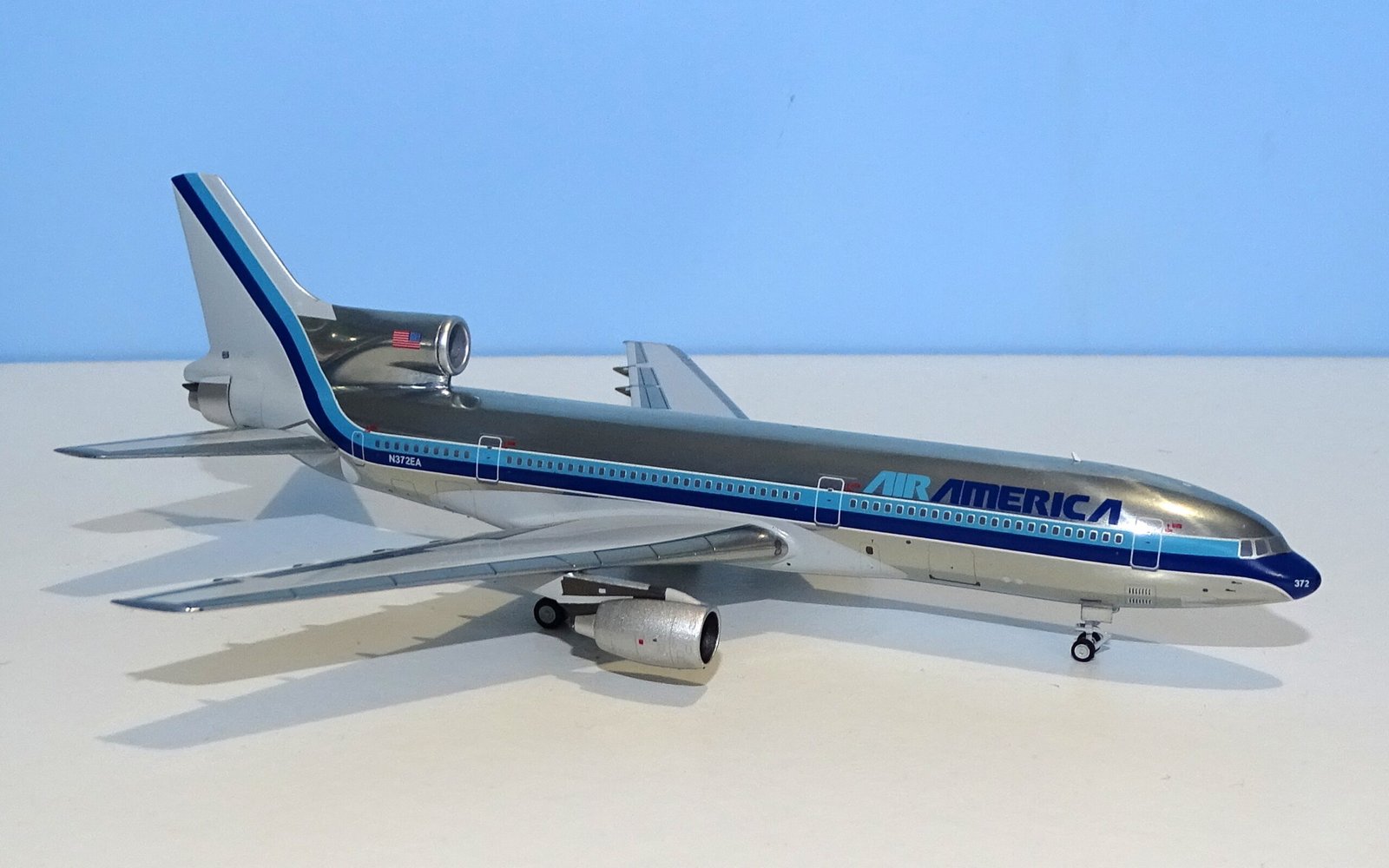
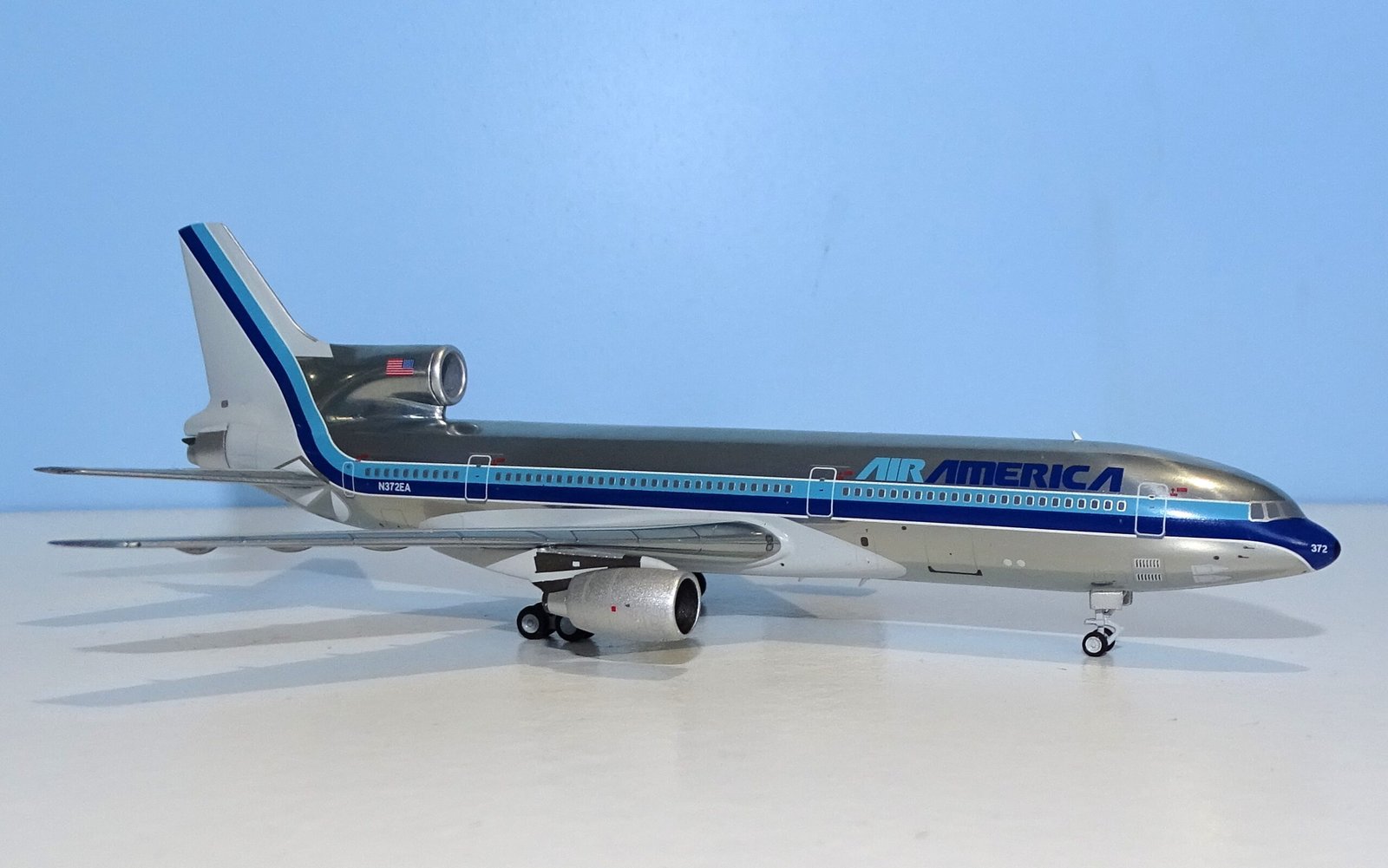
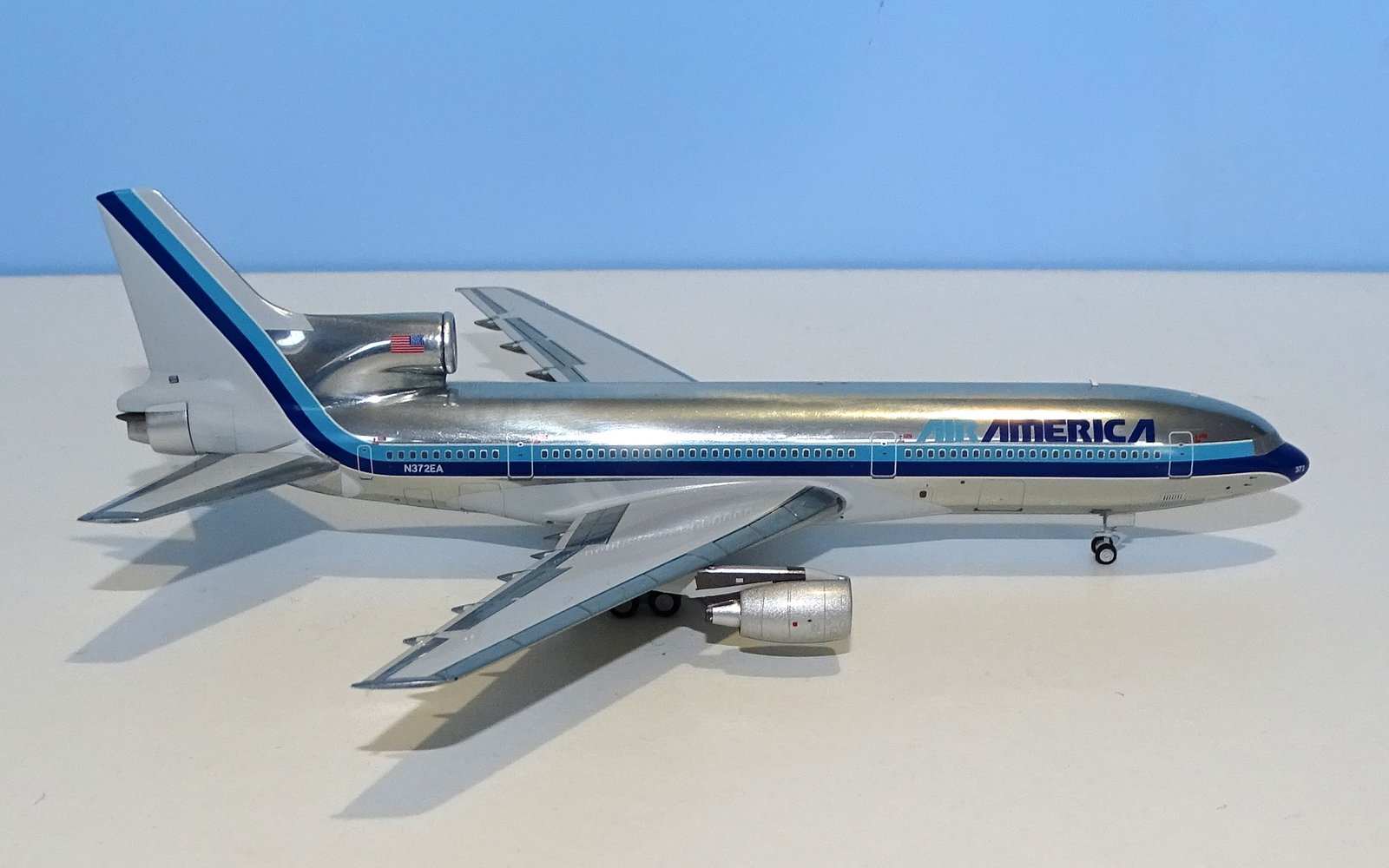
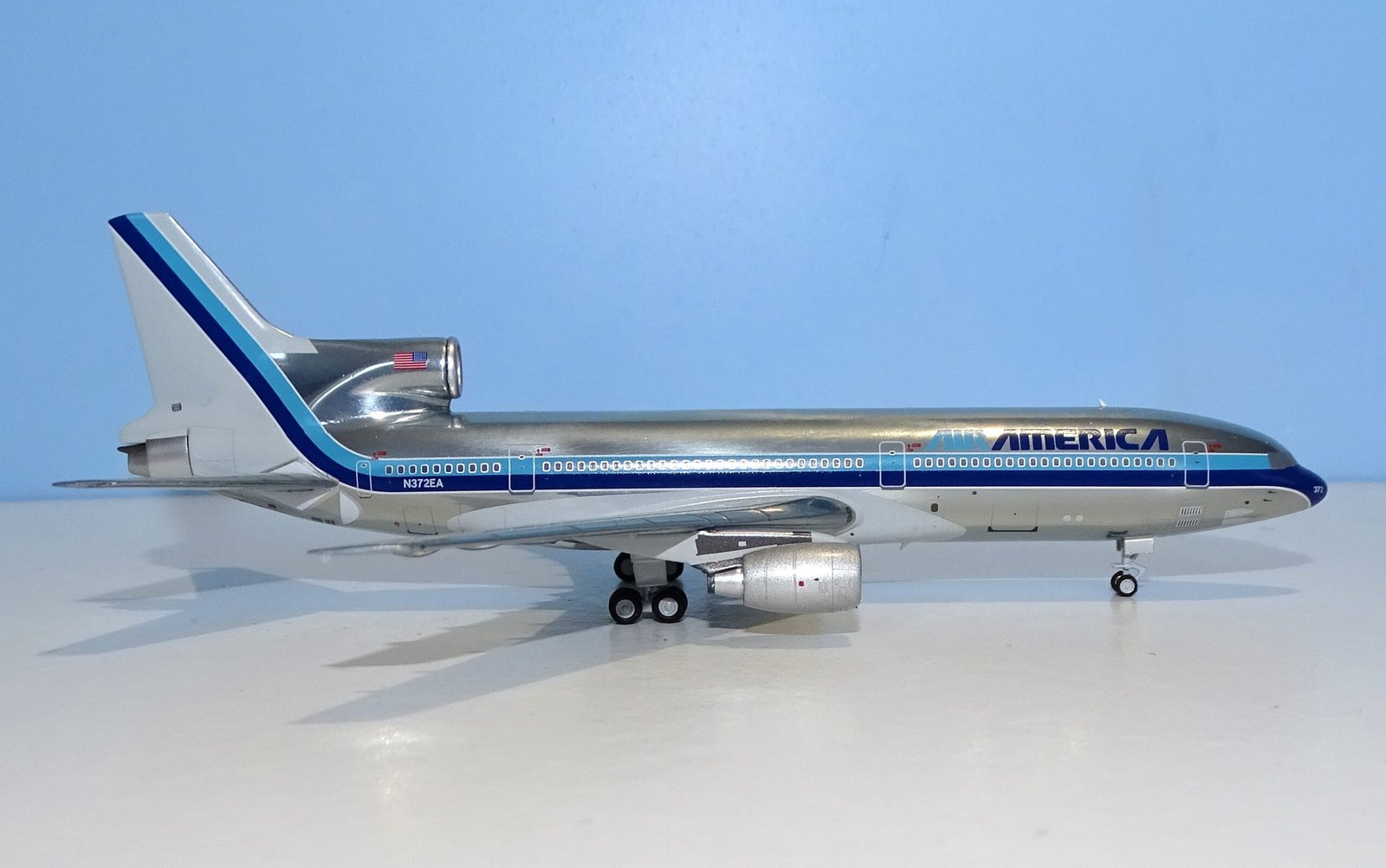
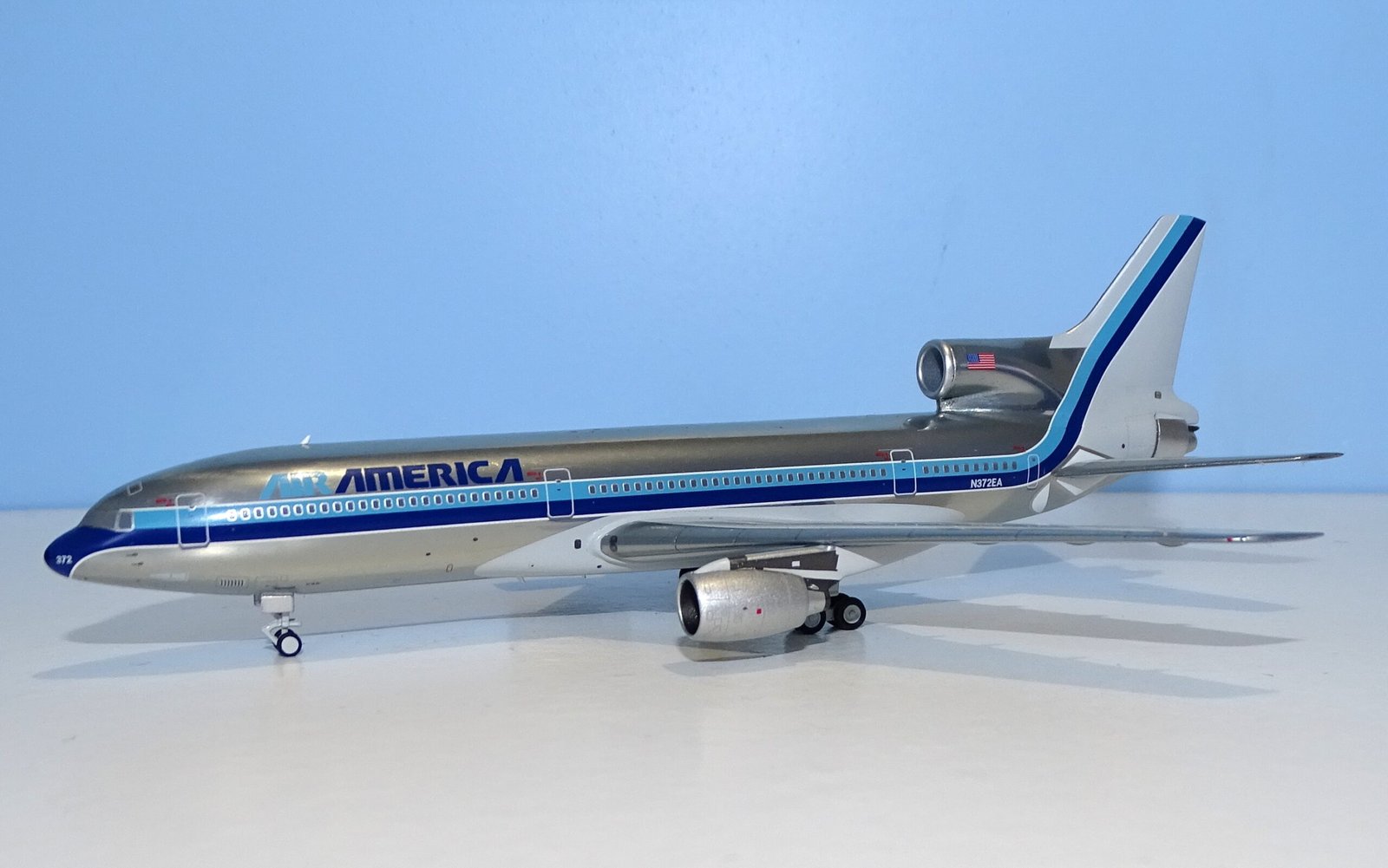
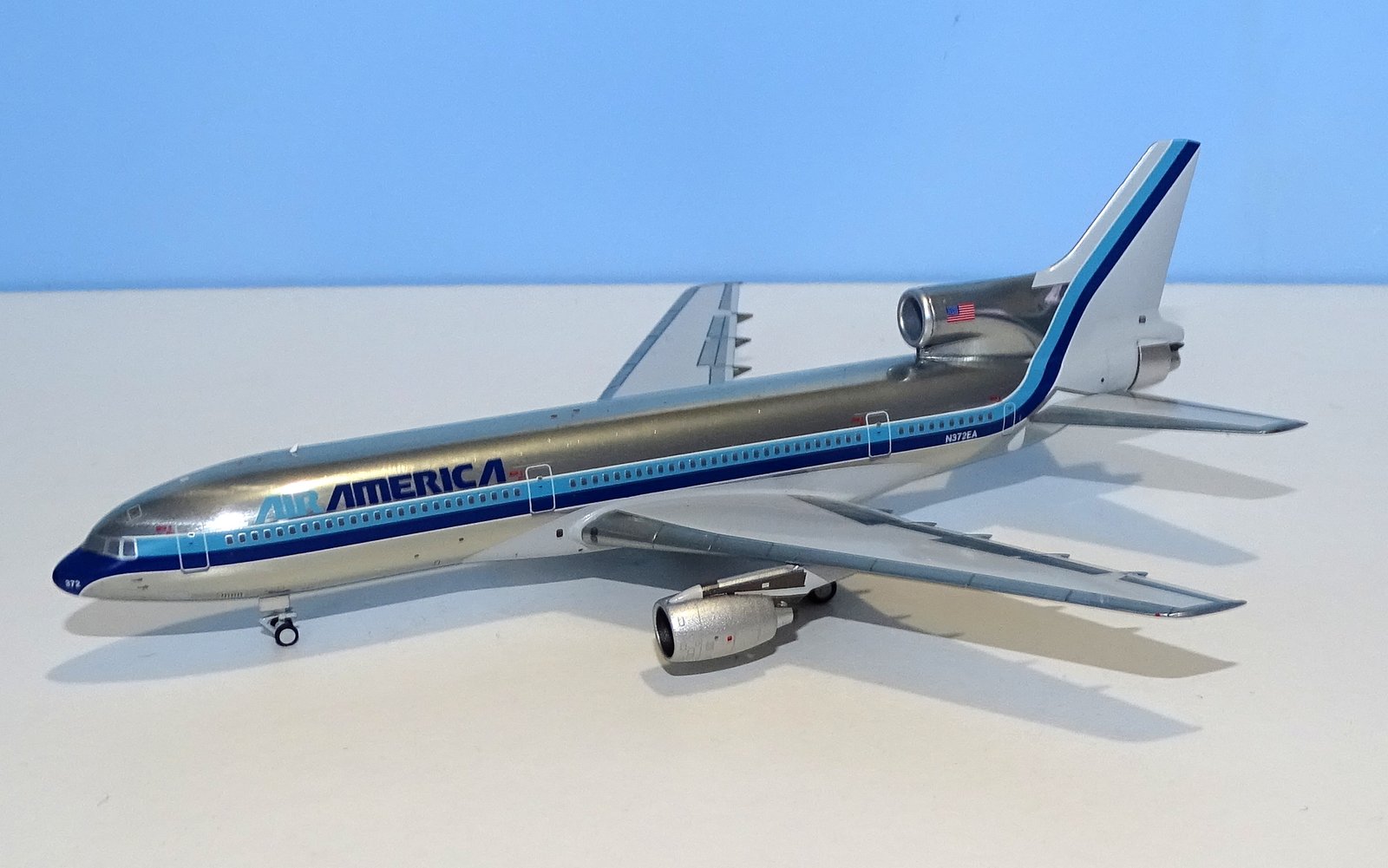
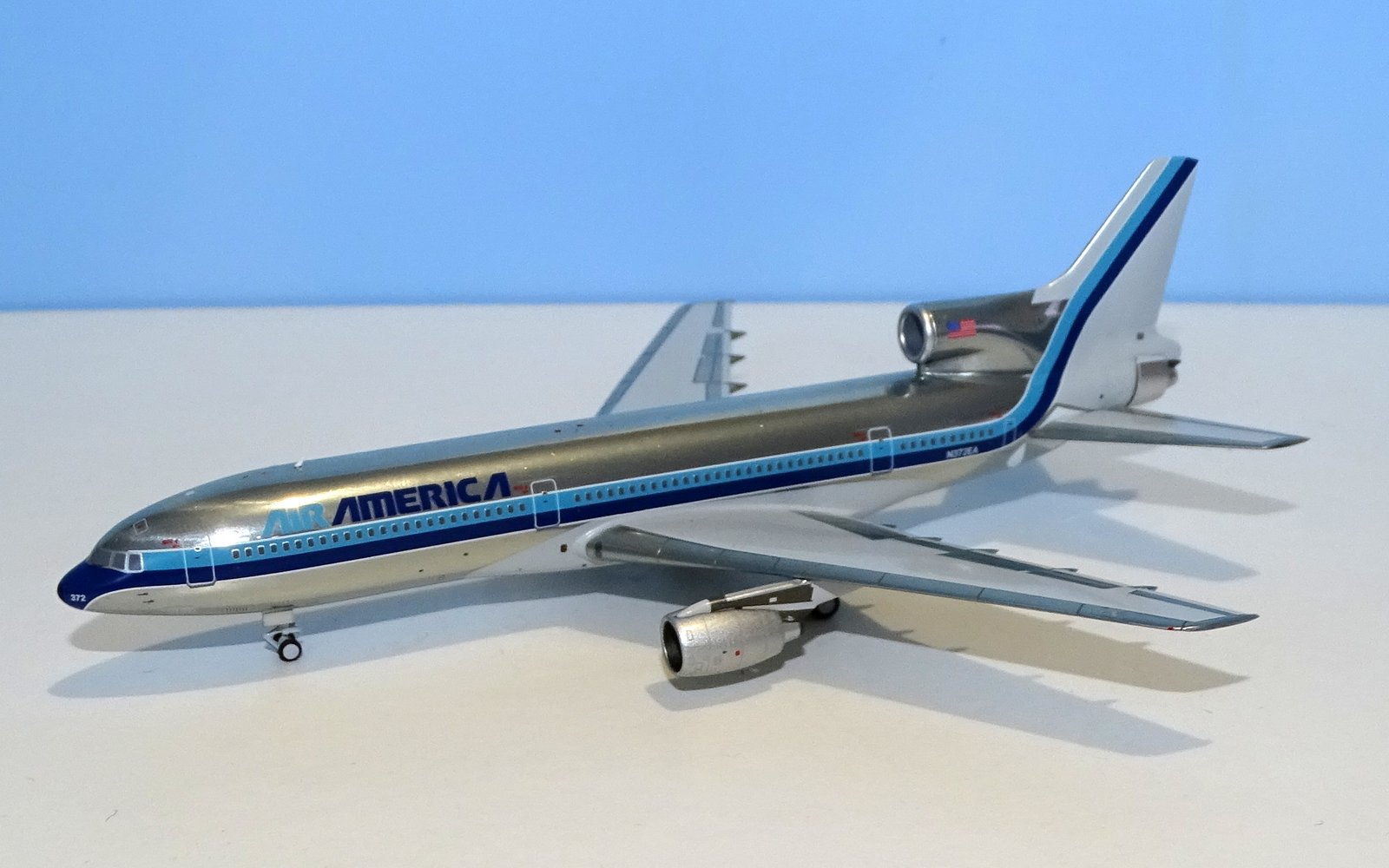
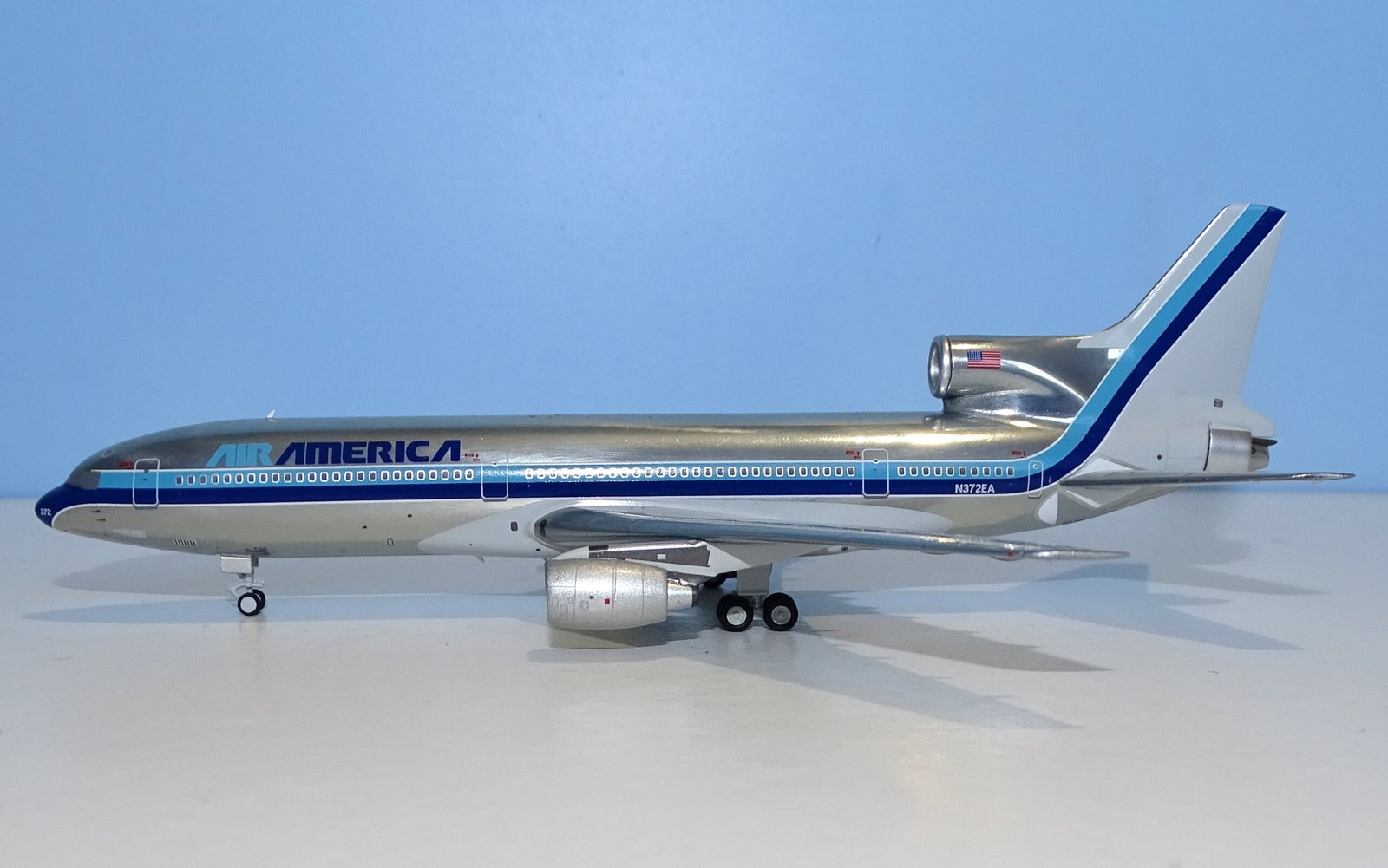
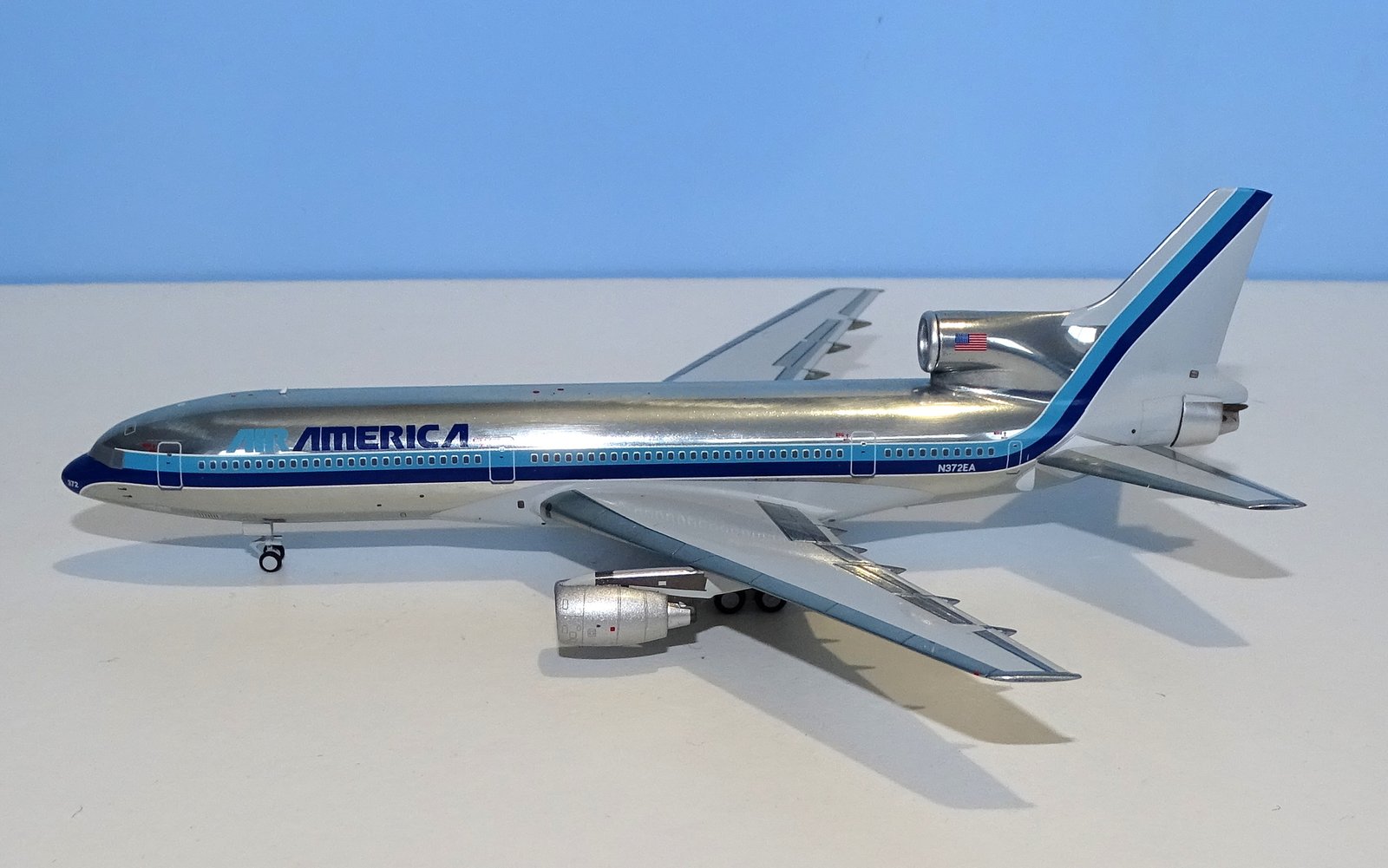
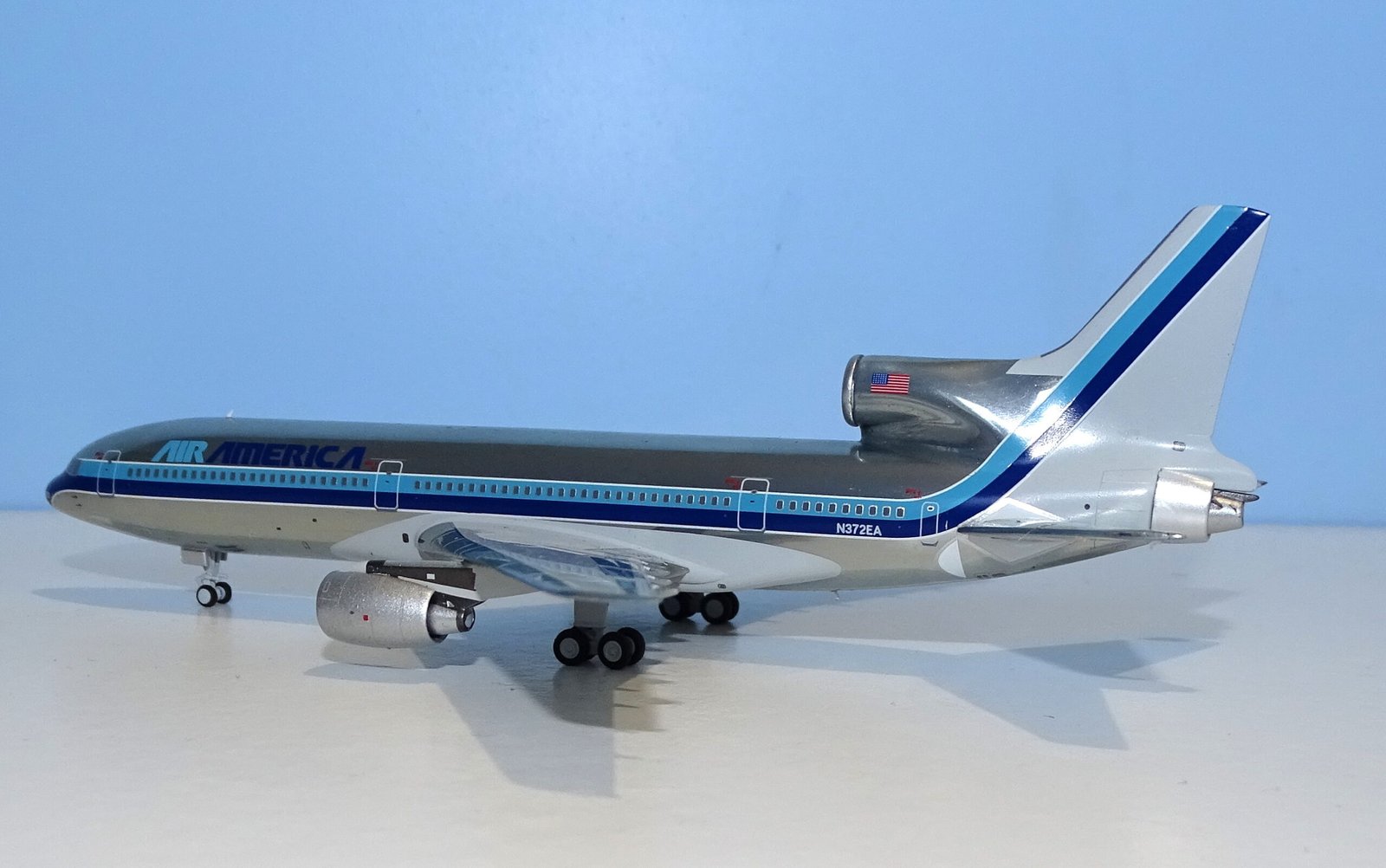
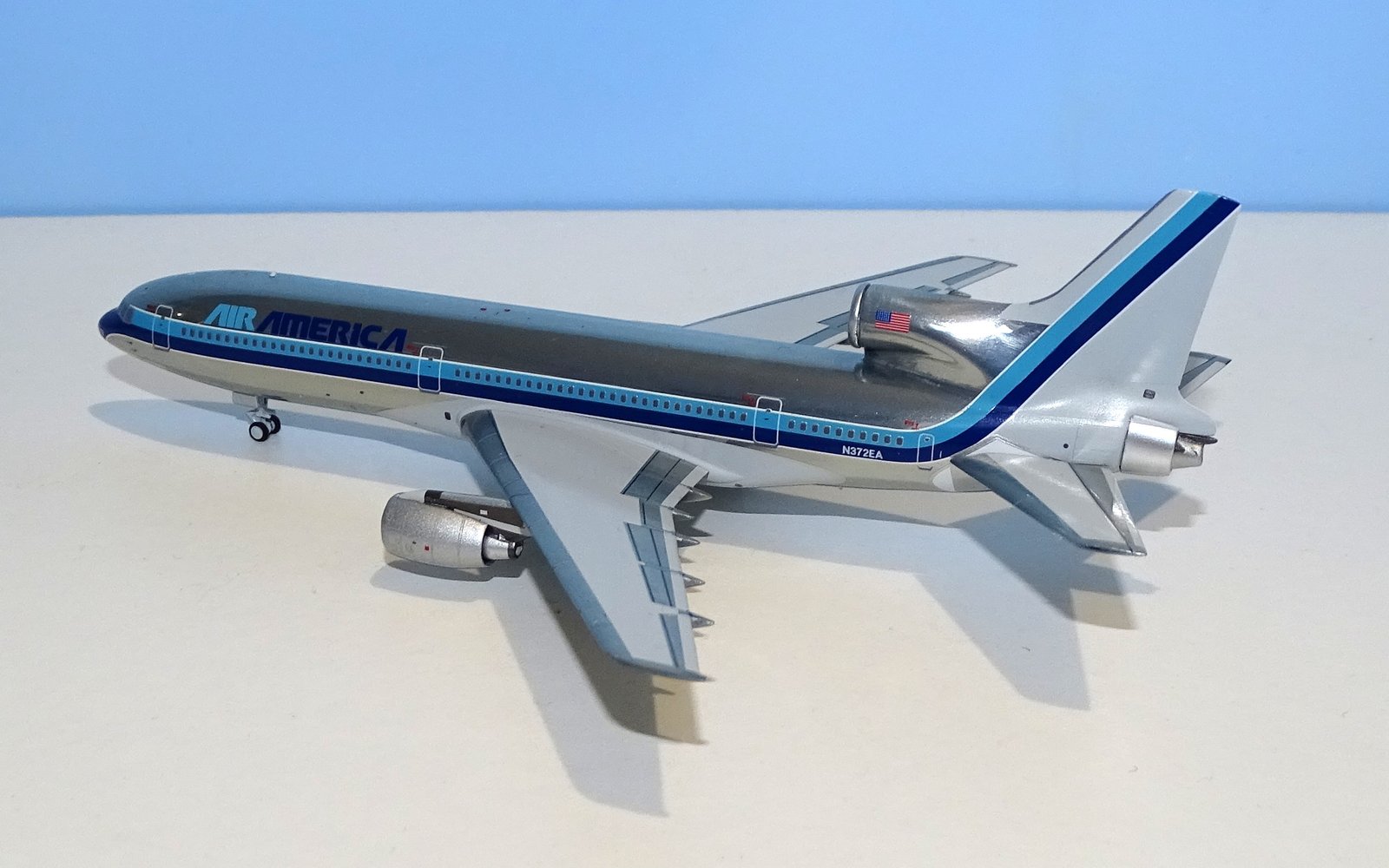
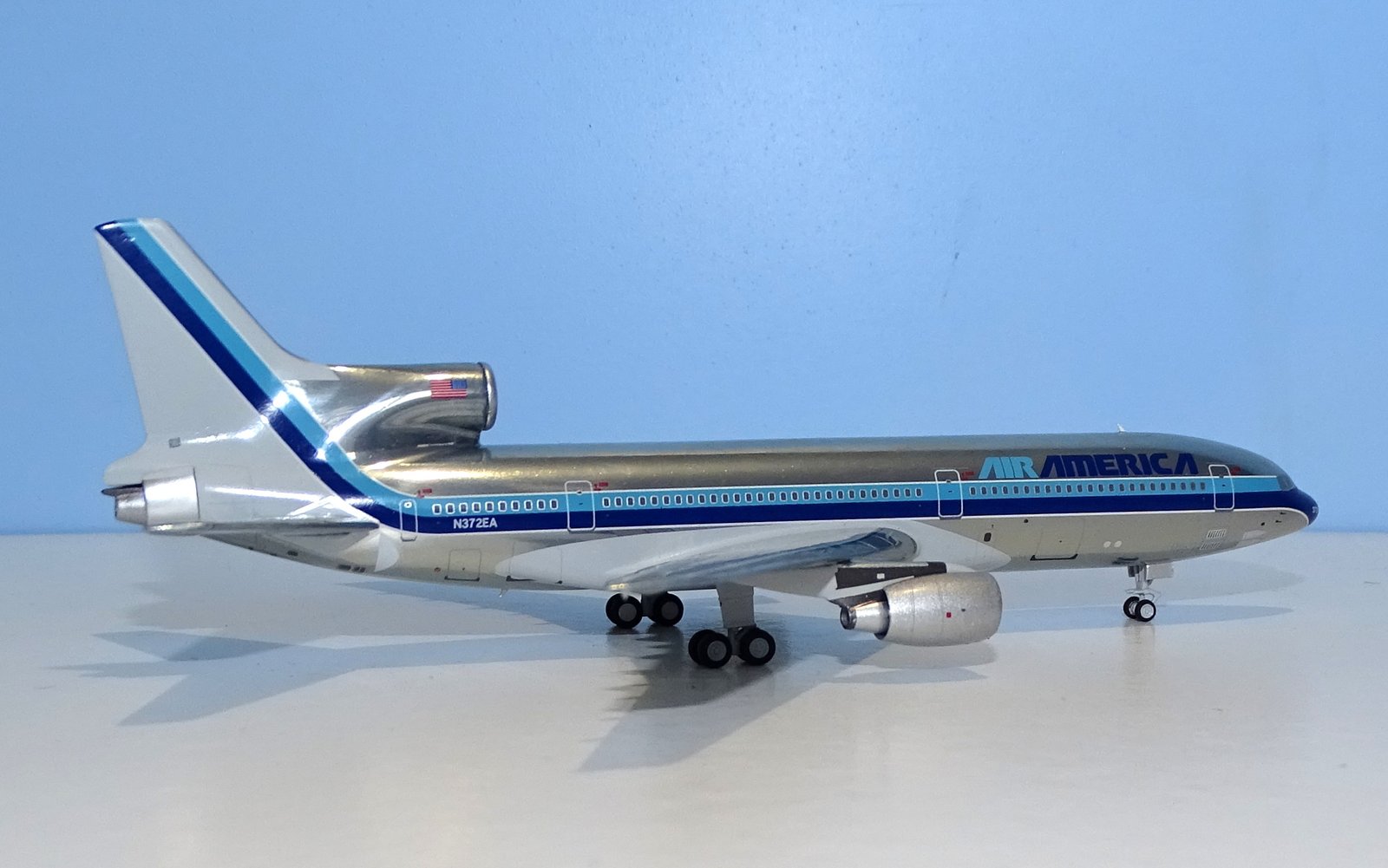
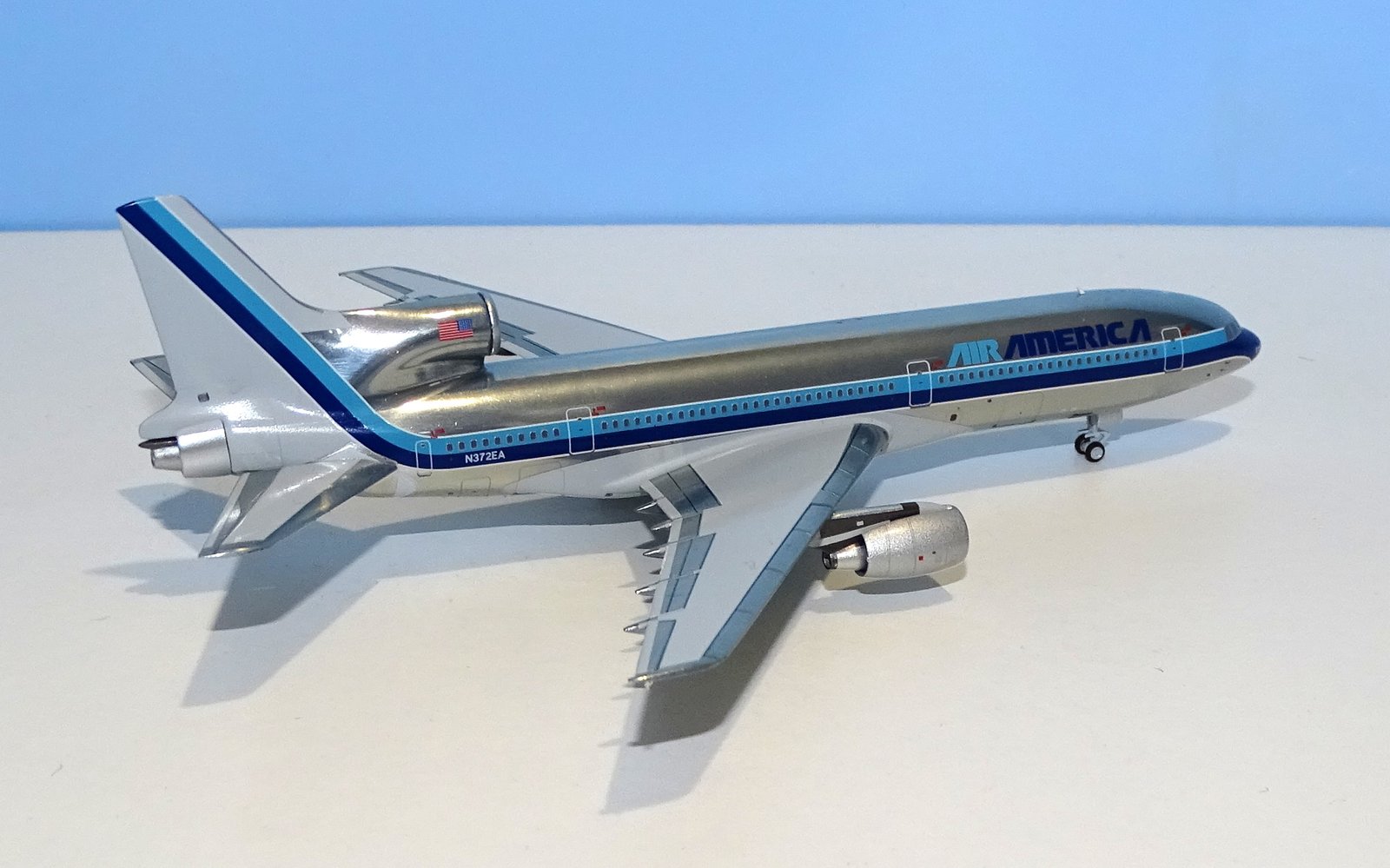
Air America L1011 Tristar N372EA by Buchannan Models 1:400 Scale
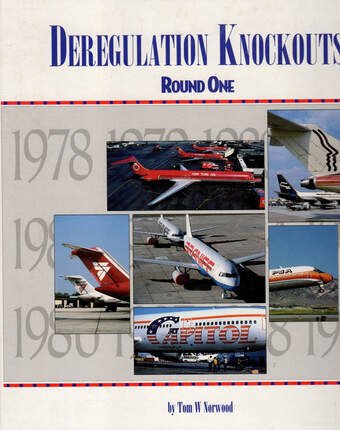
The deregulation of the US airline scene in 1978 stimulated an impressive number of new start-up airlines, although the corresponding failure rate was also impressively high too. The number one place to read about these airlines is Tom Norwood’s excellent ‘Deregulation Knockouts Round One’. Grab it if you haven’t got a copy:
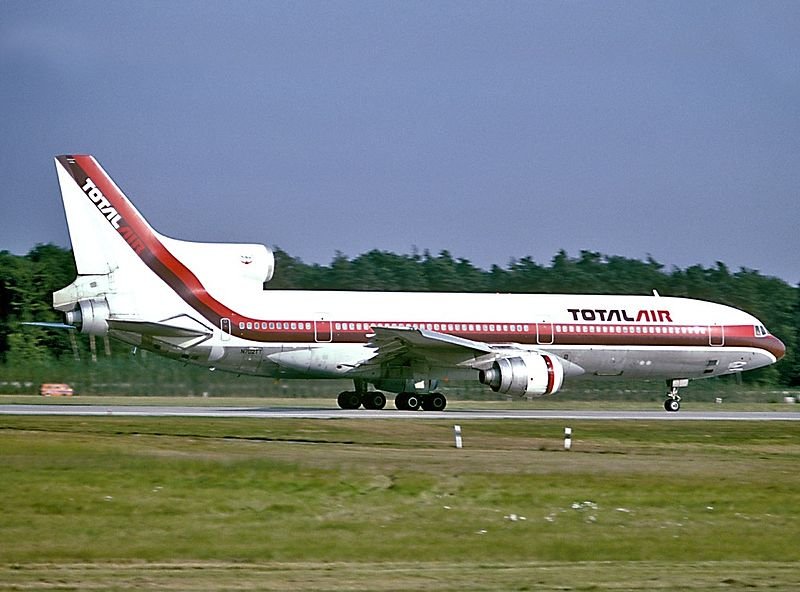
The subject of this blogpost is Air America, which began flying, as Total Air, in late 1984. It was what would have been in the regulated era known as a Supplemental Airline. These carriers flew a range of charters for both civilian and military customers but it being the 1980s scheduled services were also available for this new venture.
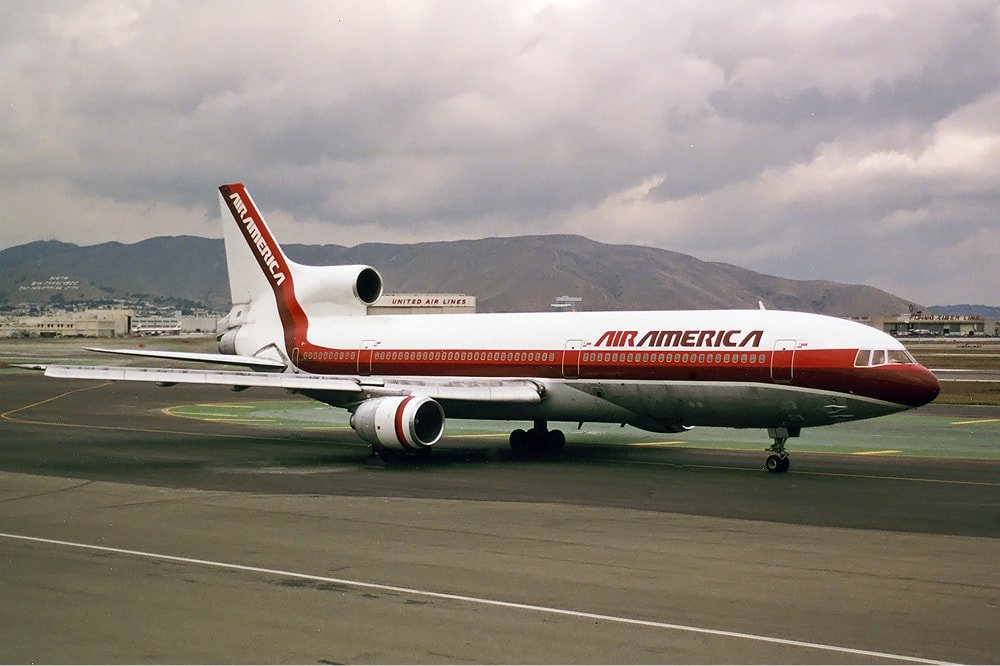
JetPix (GFDL 1.2 or GFDL 1.2 ), via Wikimedia Commons
It had actually taken several years for Total Air to get off the ground, as it was originally formed in 1981 as Air Specialties by an ex-Transocean Air Lines employee called Newell Davis. The fledgling airline was based at Los Angeles and began flying contract charter services to Hawaii from LAX, Portland and Seattle. International charters took it as far as Paris, France.
Felix Goetting (GFDL 1.2 or GFDL 1.2 ), via Wikimedia Commons
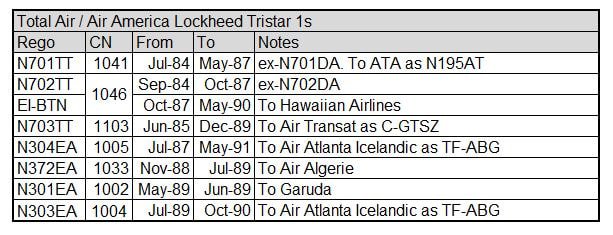
The initial fleet consisted of a pair of ex-Delta Lockheed Tristars, which had paradoxically been acquired from Boeing, whom they have been part-exchanged with by Delta. These were joined by a third Tristar, an ex-All Nippon bird, probably also acquired via Boeing.
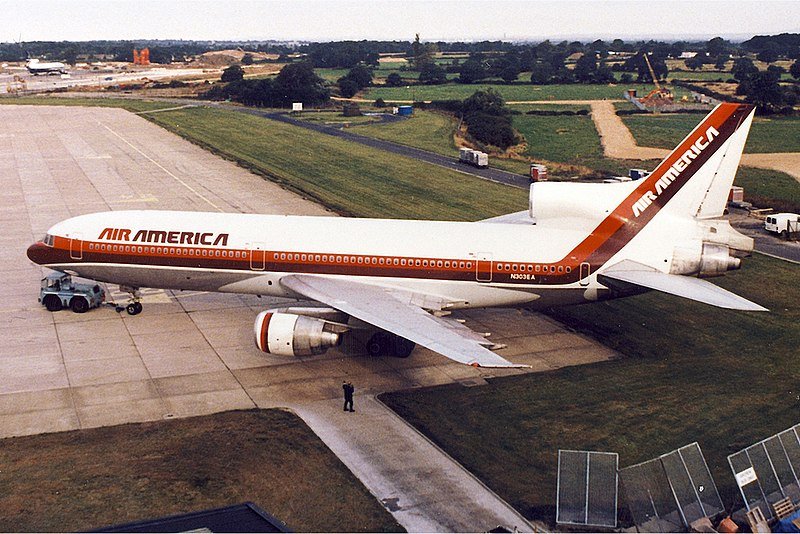
FotoNoir, CC BY-SA 2.0 , via Wikimedia Commons
The airline’s livery consisted of red and burgundy twin cheatlines that started at the nose and flowed up onto the tail. It actually looked a lot like the form of the Eastern livery although none of the original L-1011s were from EA. As with many of these startups life was tough and by March 1986 the airline filed for Chapter 11 bankruptcy protection.
Even so, it continued to fly since its contracts were viable, and in fact it managed to gain scheduled authority allowing it to fill empty charter seats with scheduled passengers. The carrier was sold in late 1986 to a group headed by the founder of Tower Air, Zev Melamid. This coincided with a change of name to Air America. The smart livery remained unchanged, aside from the titles which even kept the original font.
Richard Silagi (GFDL or GFDL ), via Wikimedia Commons
Of the original Tristar trio one of the ex-Delta pair would be returned to Boeing in May 1987 for onward lease to American Trans Air. The other would be re-registered in October 1987 onto the Irish register but continue to serve.
Andy Kennaugh (GFDL 1.2 or GFDL 1.2 ), via Wikimedia Commons
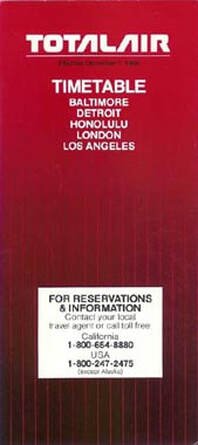
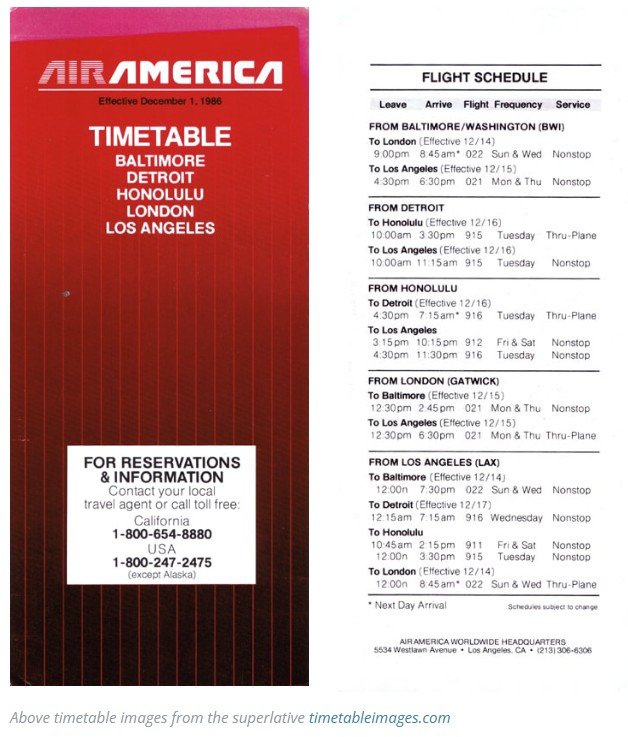
Following the name change Air America seems to have expanded its operations with its Tristars appearing at a variety of European airports. Scheduled routes focused on London Gatwick, which was connected direct to Baltimore (and via a one-stop at BWI to Los Angeles), and Detroit (connected to Honolulu via Los Angeles). It also flew troop charters for the US Army as part of the Military Air Transport Service (MATS) programme. Obviously towards the end of the 1980s Eastern Air Lines was experiencing the meltdown caused by the Texas Air takeover and Air America added to its fleet by leasing four Eastern Tristars at various times (although only one would see any real length of tenure).
Air America Lockheed L-1011 Tristar 1 N372EA Buchannan Models 1:400 Scale
Air America Lockheed L-1011 Tristar 1 N372EA Buchannan Models 1:400 Scale
Air America Lockheed L-1011 Tristar 1 N372EA Buchannan Models 1:400 Scale
Air America Lockheed L-1011 Tristar 1 N372EA Buchannan Models 1:400 Scale
Air America Lockheed L-1011 Tristar 1 N372EA Buchannan Models 1:400 Scale
Air America Lockheed L-1011 Tristar 1 N372EA Buchannan Models 1:400 Scale
Air America Lockheed L-1011 Tristar 1 N372EA Buchannan Models 1:400 Scale
Air America Lockheed L-1011 Tristar 1 N372EA Buchannan Models 1:400 Scale
Air America Lockheed L-1011 Tristar 1 N372EA Buchannan Models 1:400 Scale
Air America Lockheed L-1011 Tristar 1 N372EA Buchannan Models 1:400 Scale
Air America Lockheed L-1011 Tristar 1 N372EA Buchannan Models 1:400 Scale
Air America Lockheed L-1011 Tristar 1 N372EA Buchannan Models 1:400 Scale
Air America Lockheed L-1011 Tristar 1 N372EA Buchannan Models 1:400 Scale
Not all the Tristars would wear Air America’s full scheme due to their short service with the airline. N372EA remained in a nice hybrid version of Eastern’s classic hockeystick. One aircraft, N304EA, would be used for a TV movie and seemingly wore a form of Pan Am’s colours – although in all the photos I’ve seen the tail logo is blank.
N304EA in an unusual Pan Am style scheme. Jon Proctor (GFDL 1.2 or GFDL 1.2 ), via Wikimedia Commons
In early 1989 the company was sold to Aerion Transport Service but by October it was back in Chapter 11 bankruptcy protection. Scheduled services ended in January 1990 and the airline changed hands once again. The end came in March 1990 when the carrier’s AOC was revoked for maintenance irregularities. The company was liquidated but it is hard to see how it could have survived the economic downturn, caused by the Iraqi invasion of Kuwait, which led to the first Gulf War, in August anyway.
The fleet parked up at Tulsa in March 1990. Jon Proctor (GFDL 1.2 or GFDL 1.2 ), via Wikimedia Commons
Air America wasn’t the only American startup charter carrier that flew Tristars in the 1980s. Five Star airlines was another carrier which had a similar setup but flew leased TWA L-1011s between 1985 and 1992.
Total Air / Air America was one of many examples during the period of new airlines operating large older jets (DC-8s, 707s, L-1011s, DC-10s and even 747s) on long-haul charters that failed to survive the strong competition and economic headwinds.
References
1986. World Airline Colours 2. Aviation Data Centre 1996. Norwood, t. Deregulation Knockouts Round One Airfleets.net. Air America
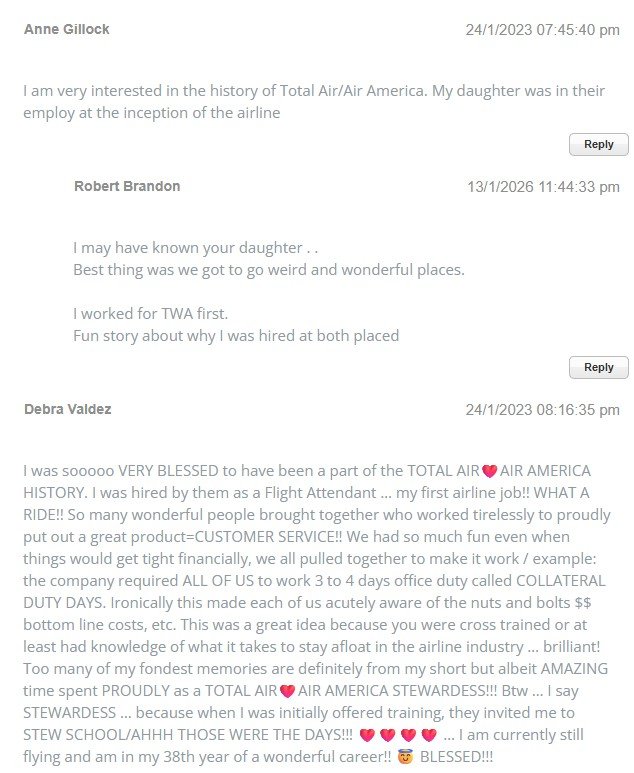
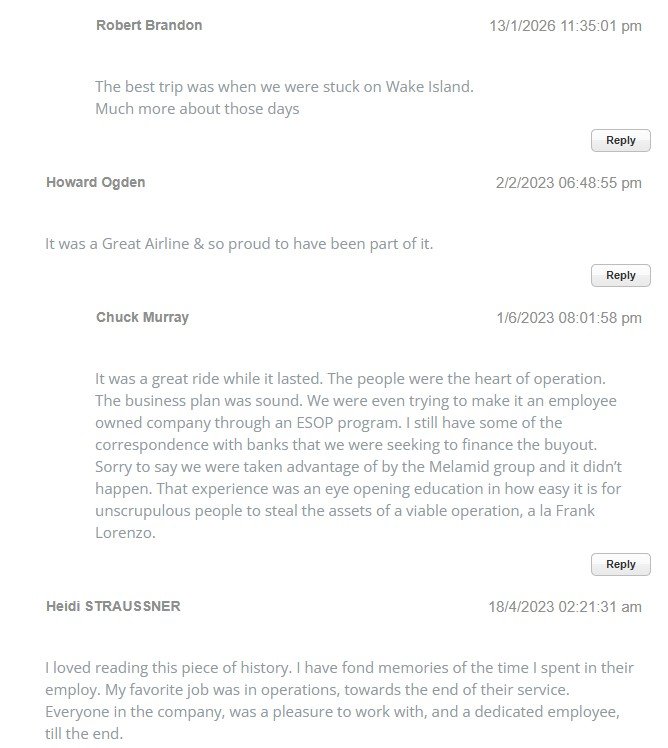
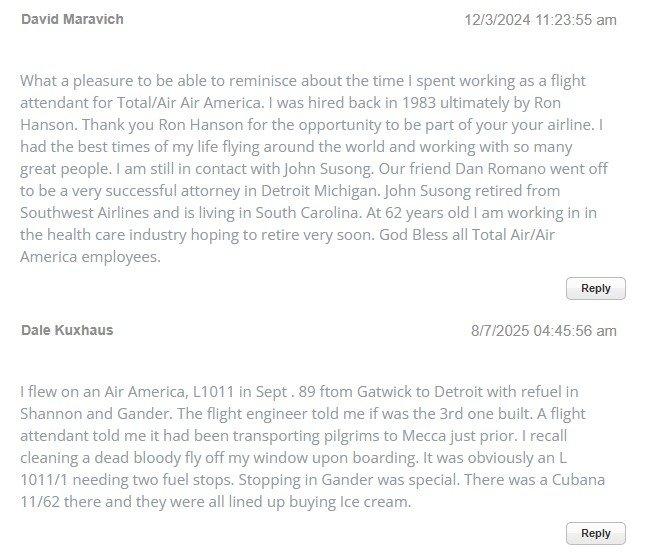
Below are some comments from the original article at the old website: