Nowadays if you are an airline operating within the US domestic market and you wish to serve a route pair you simply do just that, after relatively little fuss and bother, but prior to 1978, when the US market was regulated by the Civil Aeronautics Bureau (CAB), starting new routes was a marathon process. Indeed, most of the time getting permission to start a new route, especially if there was any competition involved, was a non-starter. Whence the regulated period threw up a selection of idiosyncratic practices that made sense then but look a bit weird today. One of these was the concept of interchange services.
Interchange services were a way to provide connecting service across a shared city between two or more airlines as though it was a single route. This sounds much like today’s rampant codesharing but was different in several ways. Firstly, it simply wasn’t legal for a single airline to operate the entire route itself but without the 1980s concept of hub and spoke networks being available hopping off your plane and onto another, as you would with a code share, was often wildly impractical.
Example: Continental's Interchanges 1957
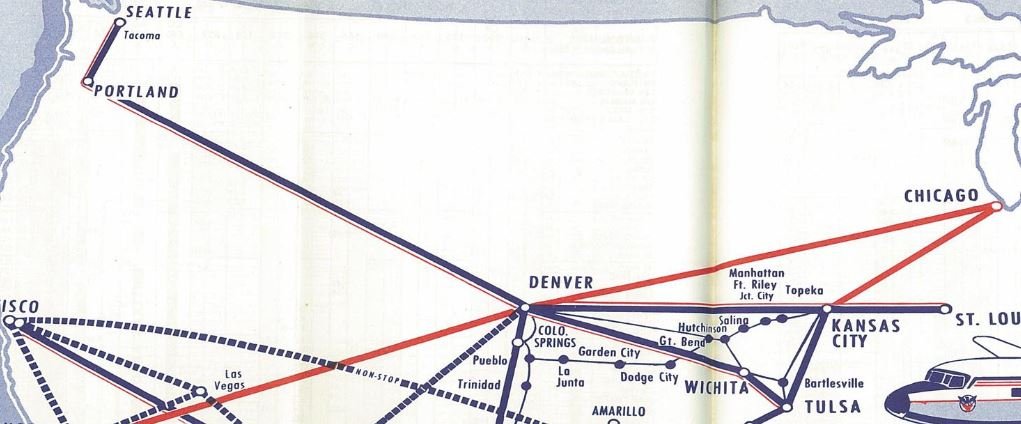
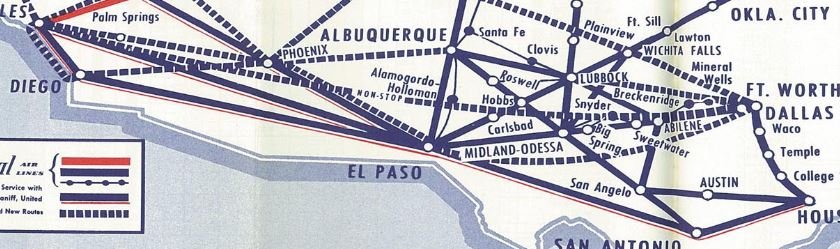
Being one of the smaller trunks Continental could benefit more from interchanges. Here the routes with both blue and red are interchange services. They stretch as far as Seattle to St Louis. This is from a 1957 timetable. These are with Braniff and United.
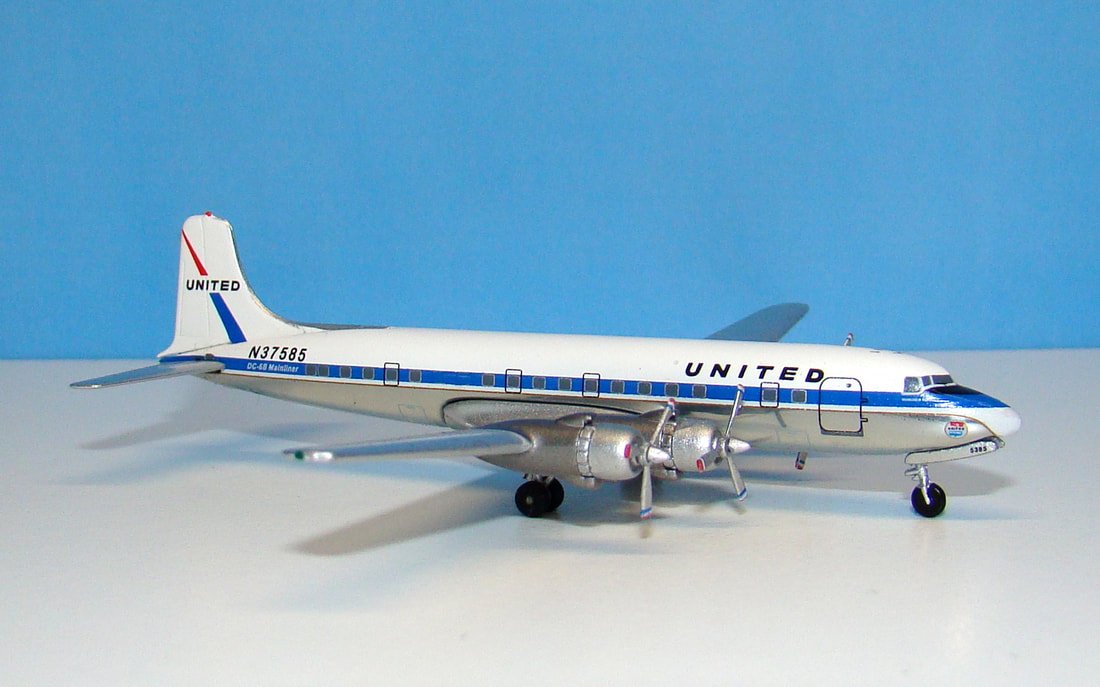
United Airlines Douglas DC-6B Aeroclassics 1:400 Scale Airliner
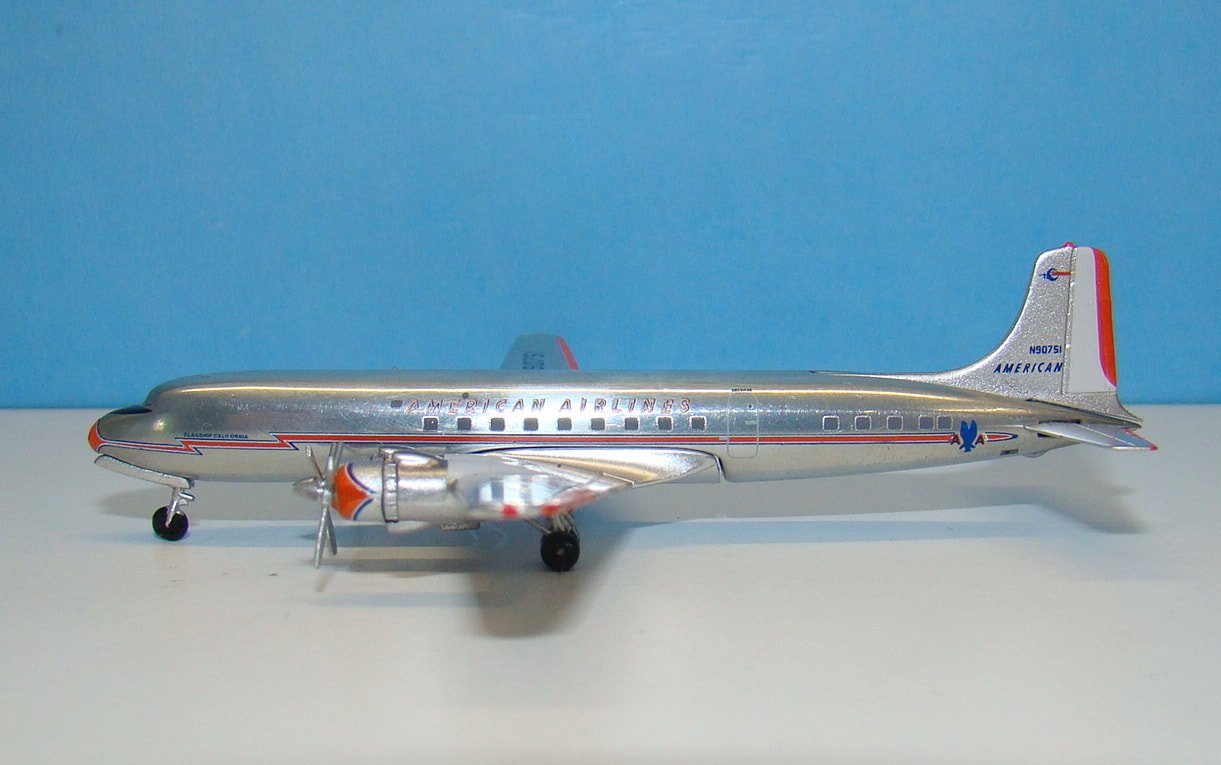
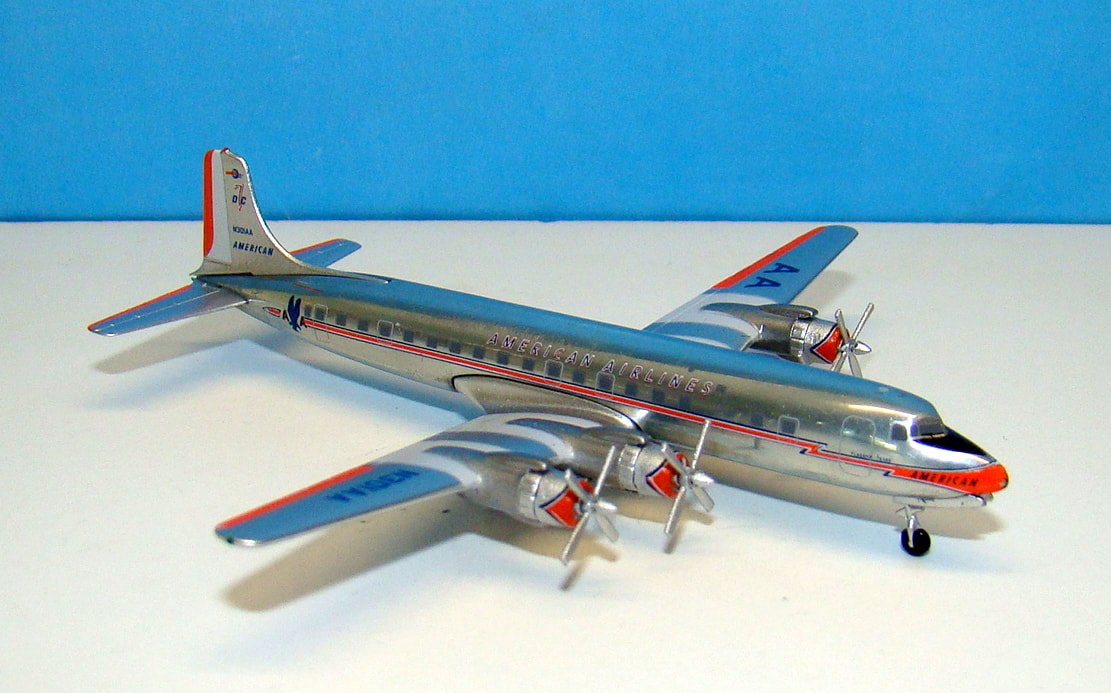
American Airlines Douglas DC-6B Aeroclassics 1:400 Scale Airliner
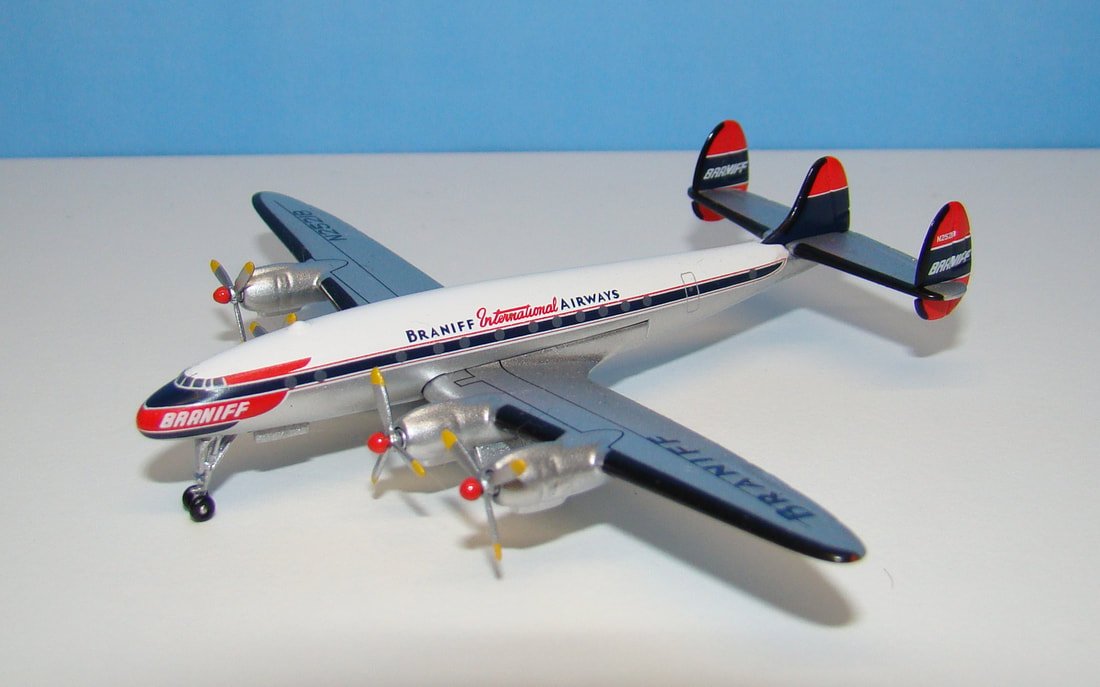
Braniff Int Lockheed L-049 Constellation Aeroclassics 1:400 Scale Airliner
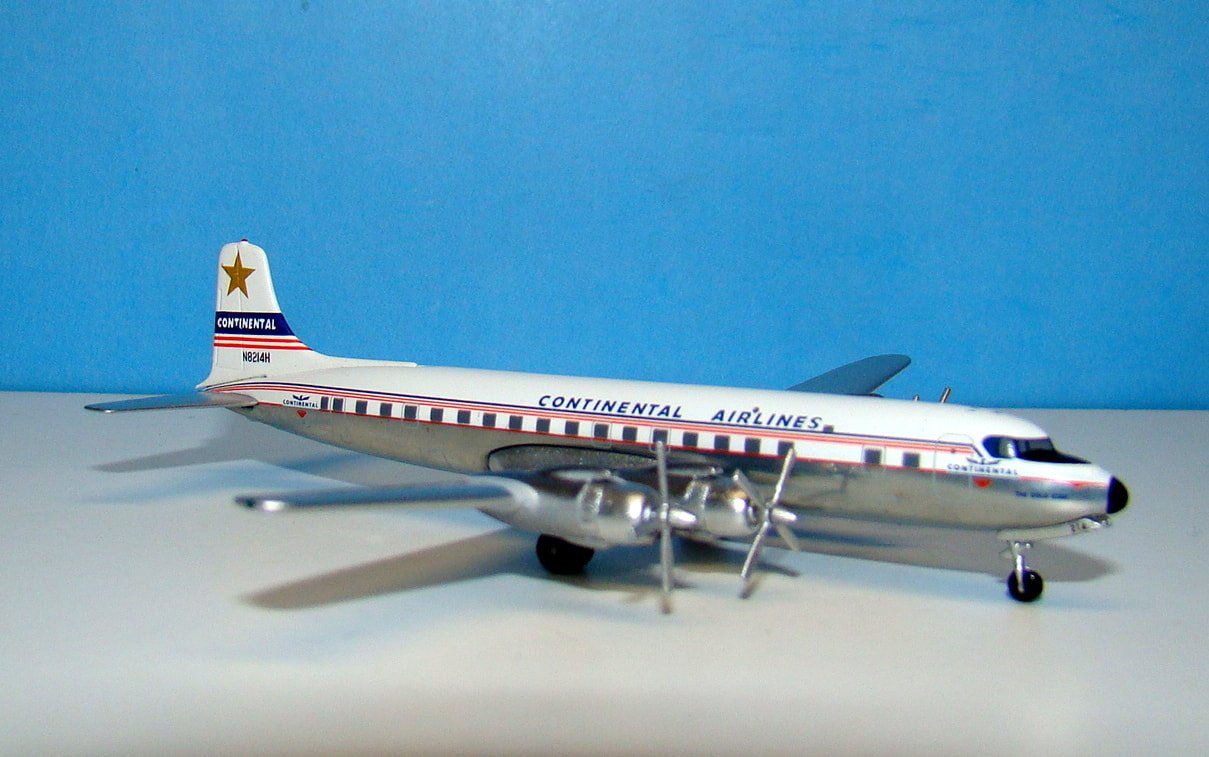
Continental Airlines Douglas DC-7 Aeroclassics 1:400 Scale Airliner
The Southern interchange from Houston to Los Angeles via El Paso was with American
Instead on an interchange route two or more airlines would share the full route, with each taking a leg. On their leg the airline’s crew would pilot and work in the cabin and use their own name but at the transit airport the passengers would remain on the aircraft whilst the crew changed over. This meant that you’d get the crew of the first airline flying and providing inflight service on the aircraft of the second (and vice versa) giving the passengers the convenience of not having to change aircraft during the journey.
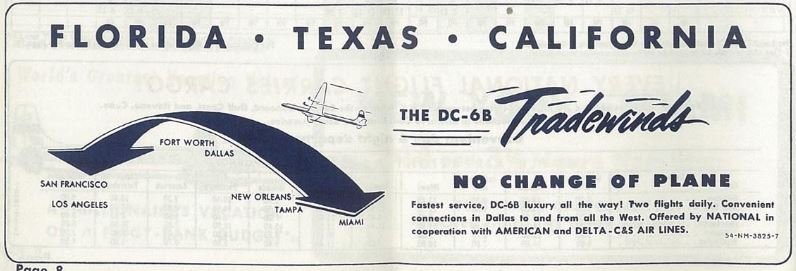
So, for example prior to the Southern Transcontinental Route awards of 1961 Delta, National and American teamed up to fly Miami to Los Angeles. National flew Miami-Tampa-New Orleans where Delta would pick-up the aircraft and fly to Dallas where American would pick it up and fly on to Los Angeles. The service used Douglas DC-7s and they could be aircraft from any of the carriers but would always be the same aircraft for all the legs of the journey.
Example: National's Interchanges 1954
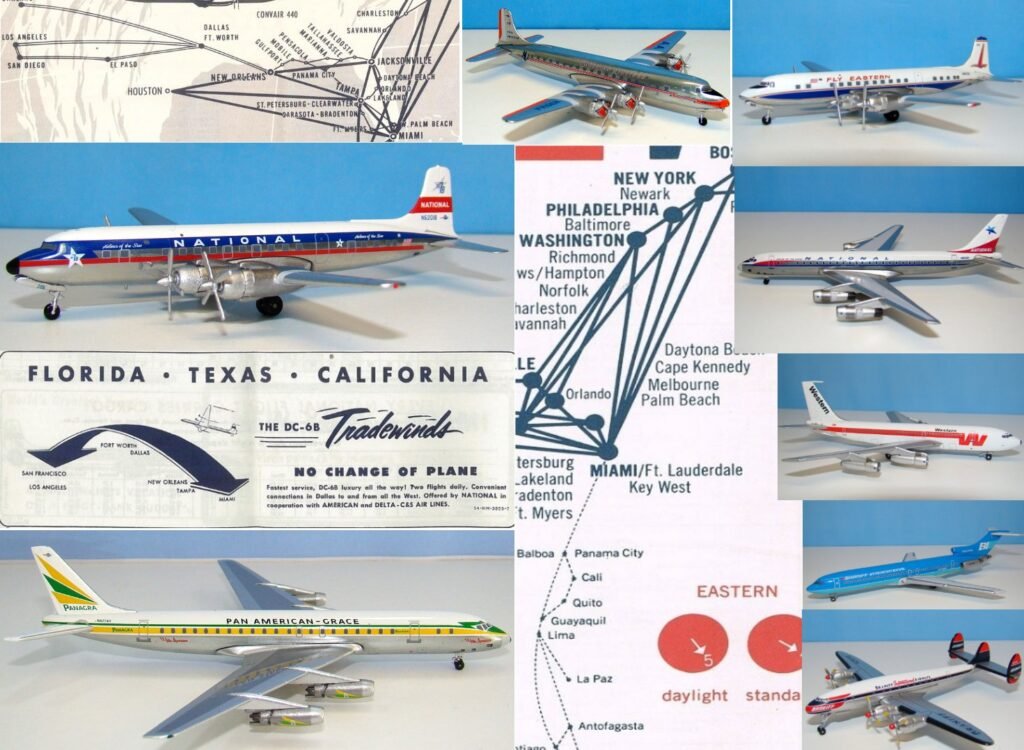
This 1954 ad for thru-plane service was inside the National Airlines timetable
American Airlines Douglas DC-7 Aeroclassics 1:400 Scale Airliner
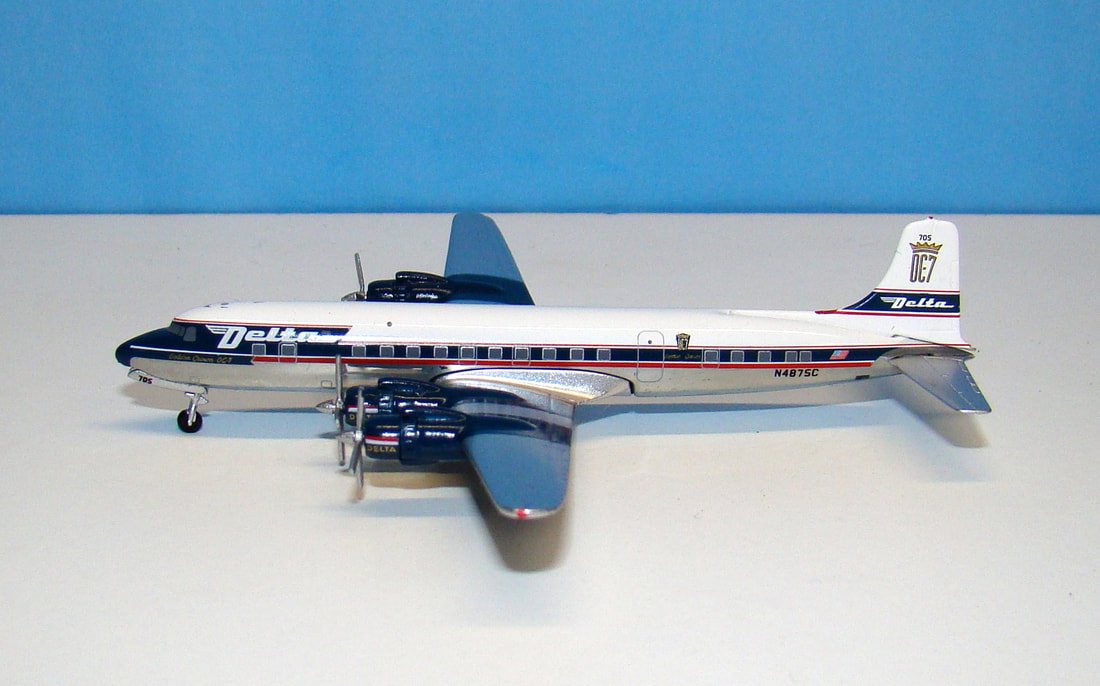
Delta Air Lines Douglas DC-7 Aeroclassics 1:400 Scale Airliner
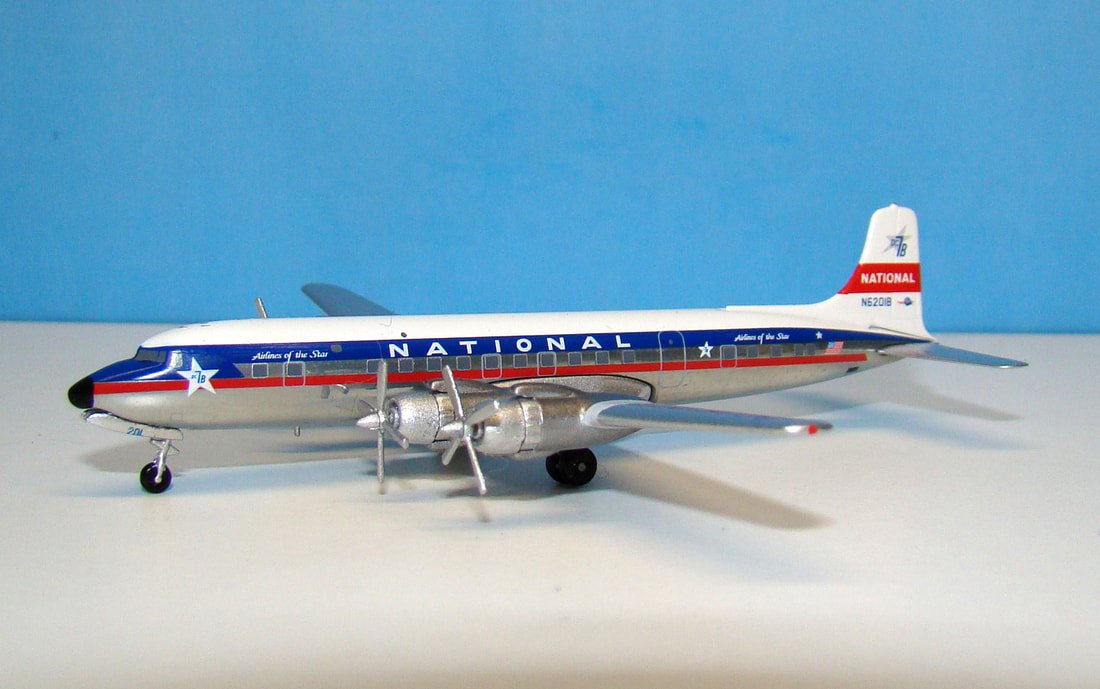
National Airlines Douglas DC-7 Aeroclassics 1:400 Scale Airliner
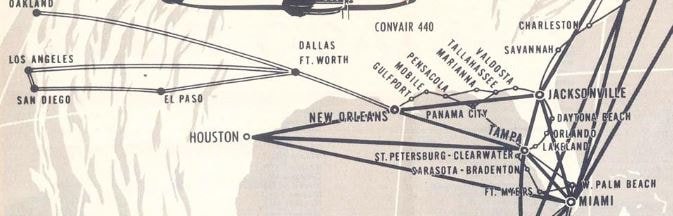
The interchange is still obvious (the none thick routes West) in the 1958 National timetable.
The networks of the major and minor airlines were simply not setup to allow easy connections – partly because the fleets of the airline’s themselves were so much smaller and partly because just nobody had really thought about it. The air route network had expanded in piecemeal fashion by gradual route extensions authorised, often seemingly reluctantly, by the CAB – creating a web of interconnecting but usually indirect services. Even major trunk routes like New York to Los Angeles would often involve multiple stops in cities like Columbus and Dallas.
The linear route network and the small relative capacity of the markets before the 1980s worked against codesharing even if the concept had existed and the CAB would have allowed it, which they would not. Therefore, interchanges offered the perfect solution by which as an airline you could:
Advertise new routes without having to go through the long and usually unsuccessful CAB application process
Offer ‘through plane service’, reducing connection times for passengers.
Expand their reach into new geographic areas you were otherwise excluded from, which would hopefully bode well with the CAB in the future when routes were up for application.
Example: Braniff & Eastern
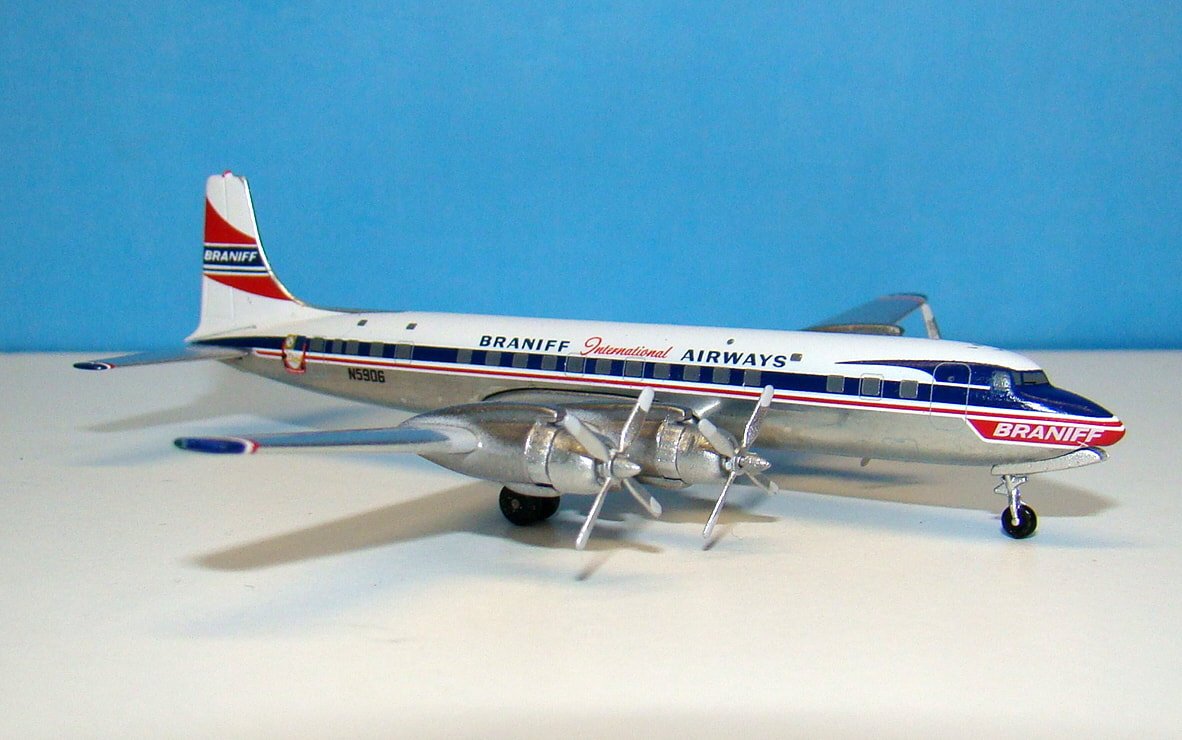
Braniff Douglas DC-7C Aeroclassics 1:400 scale airliner
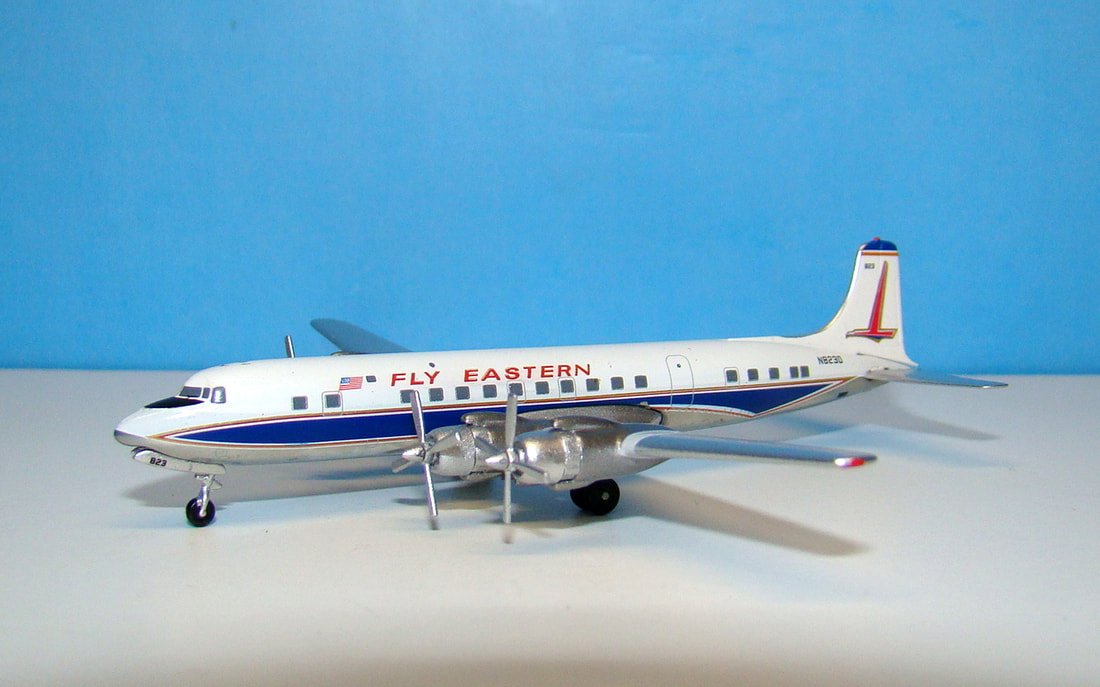
Eastern Air Lines Douglas DC-7B Aeroclassics 1:400 scale airliner
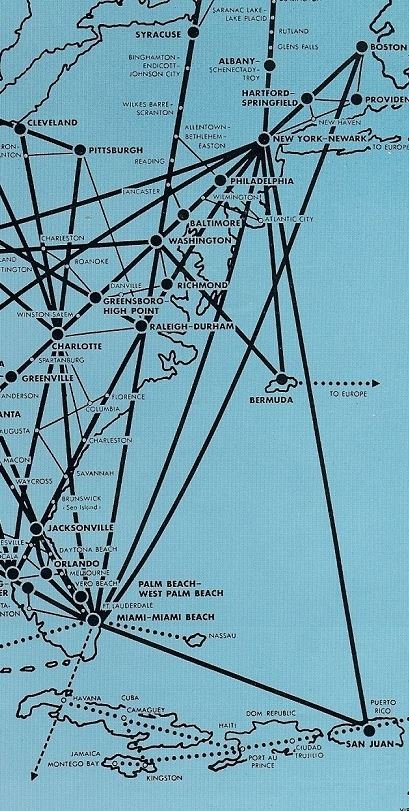
Below: By the time of this 1961 Eastern route map the Braniff interchange at Miami (seen with the — line) was probably still using DC-7Cs.
Any of the participating airlines could sell the interchange service full flight using flight coupons for all parts of the service and then they shared the revenue after the fact. Flight numbers were assigned in the 900-999 range.
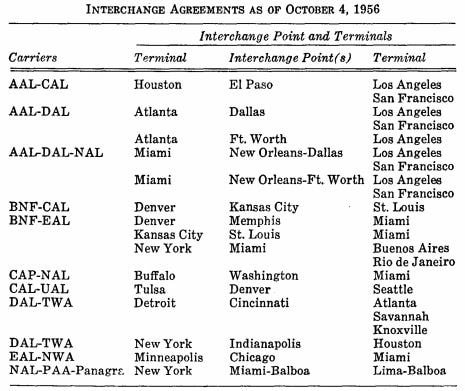
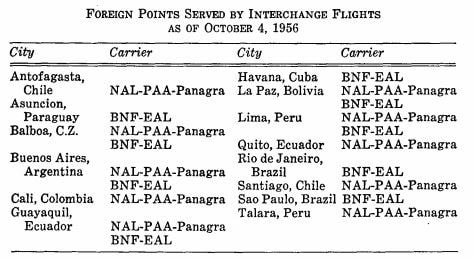
In 1956 international interchanges had a distinctly Latin flavour
Far from being just domestic interchanges domestic/international routes were also fertile ground since these were if anything even more heavily regulated than domestic only services and the international only status of Pan Am opened up several unique possibilities.
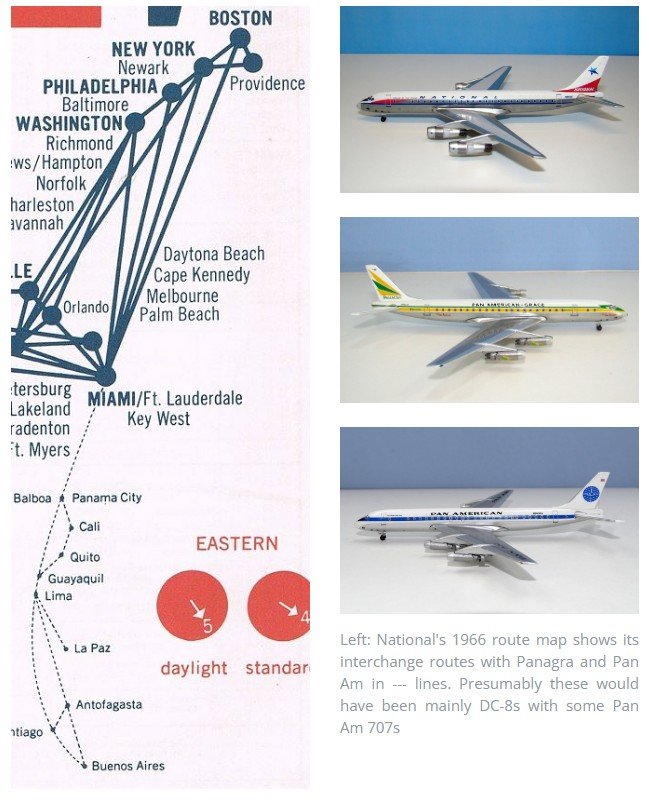
Example: National / Panagra / Pan Am
Interchanges were common (although more so prior to 1970) and obvious in the airline timetables of the regulated era when the airlines had no choice but to work with rather than against each other. Some routes gained their own names and became fairly well known. As deregulation opened up the industry and hub and spoke systems began to dominate the structure of flying in the USA the relevance of interchange services effectively vanished, at least domestically. Even so a few survived into the late 80s.
Nowadays Interchanges appear completely anachronistic but they were at the time a perfect solution to the restrictions the airlines found themselves operating under and for the spotters of old gave an opportunity to see some ‘exotic’ airlines at fields they wouldn’t usually have been allowed to operate into.
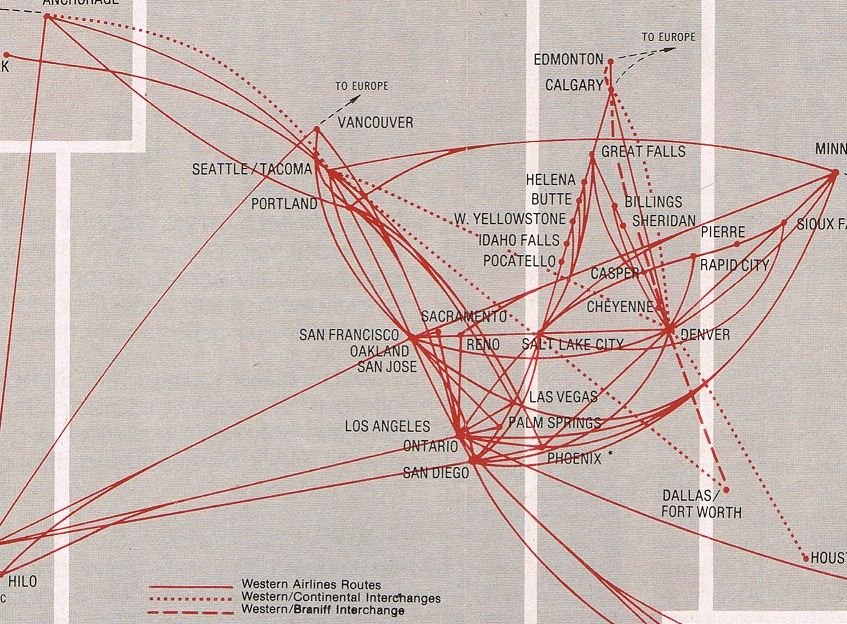
Example: Western Airlines 1978
Western was still operating interchanges in 1978. Below the routes look like:
Anchorage – Seattle – Dallas with Continental
Anchorage – Seattle – Denver – Houston with Continental
Dallas – Denver – Edmonton with Braniff
Houston – Denver – Calhgary with Continental
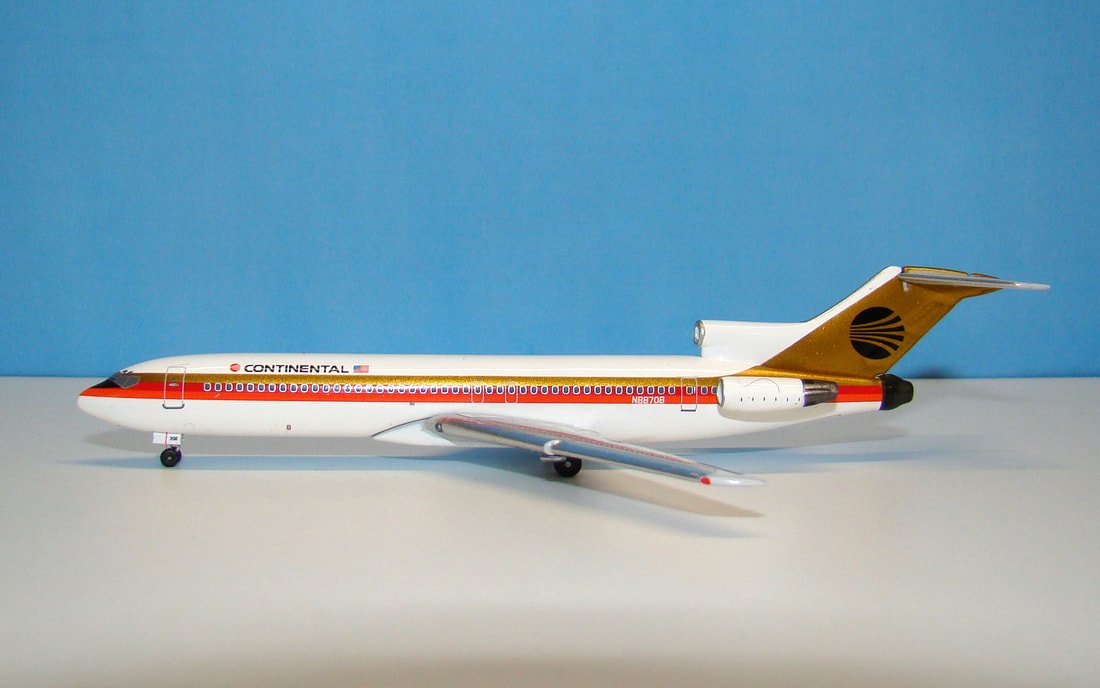
Continental Airlines Boeing 727-200 Aeroclassics 1:400 Scale Airliner
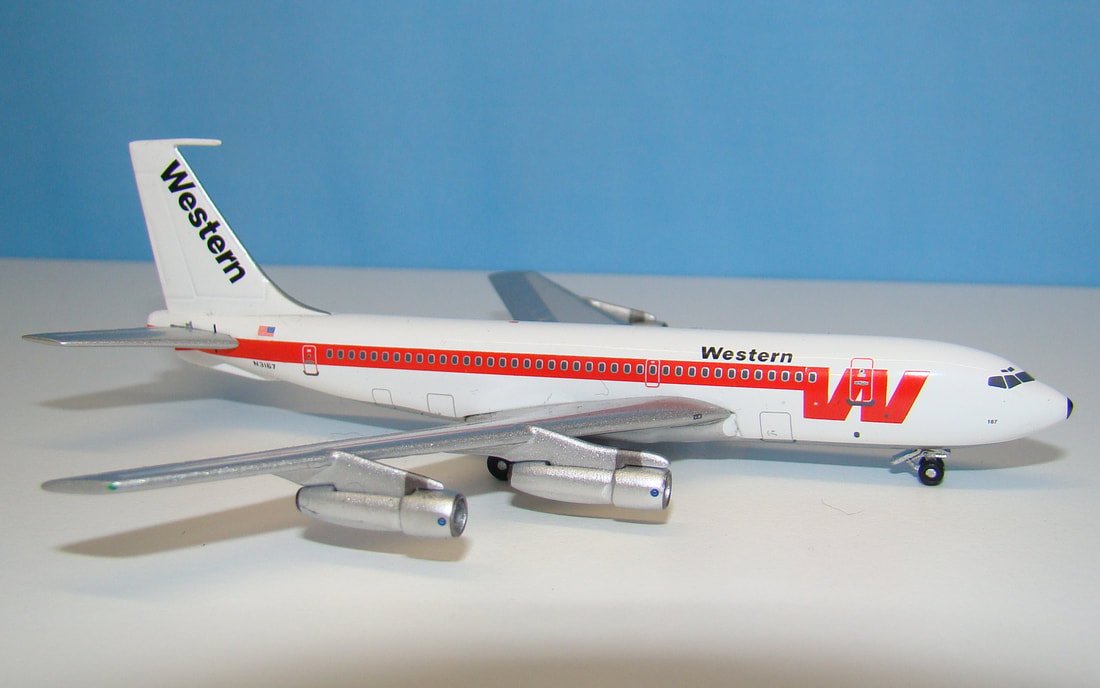
Western Airlines Boeing 720B Aeroclassics 1:400 Scale Airliner
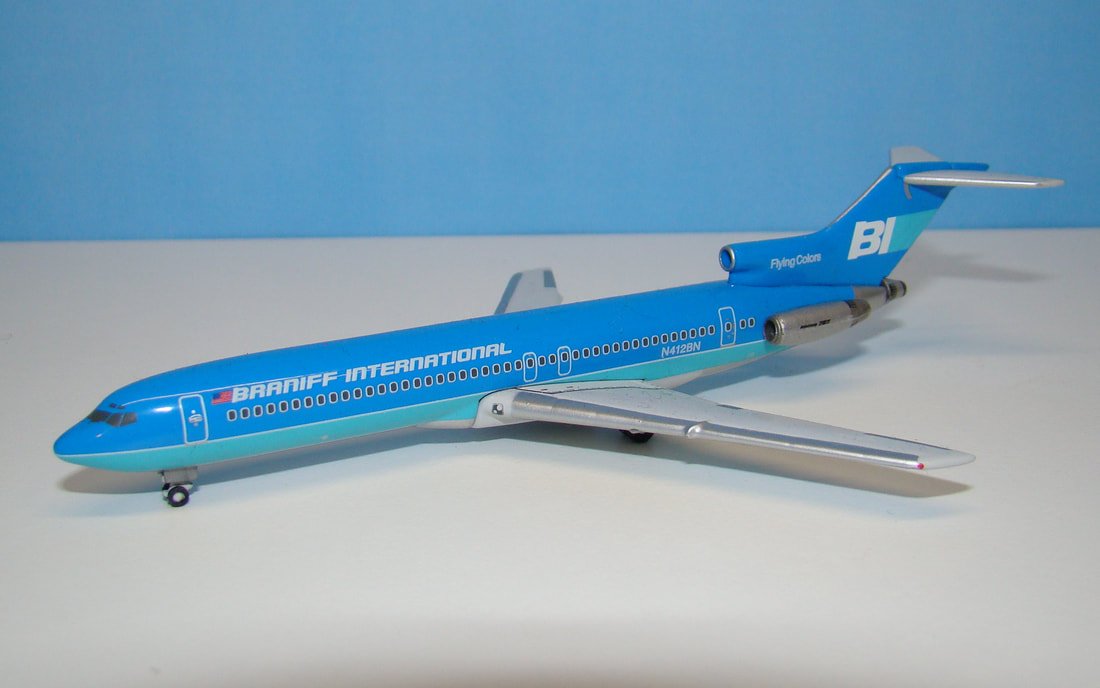
Braniff Intnl Boeing 727-200 Gemini Jets 1:400 Scale Airliner