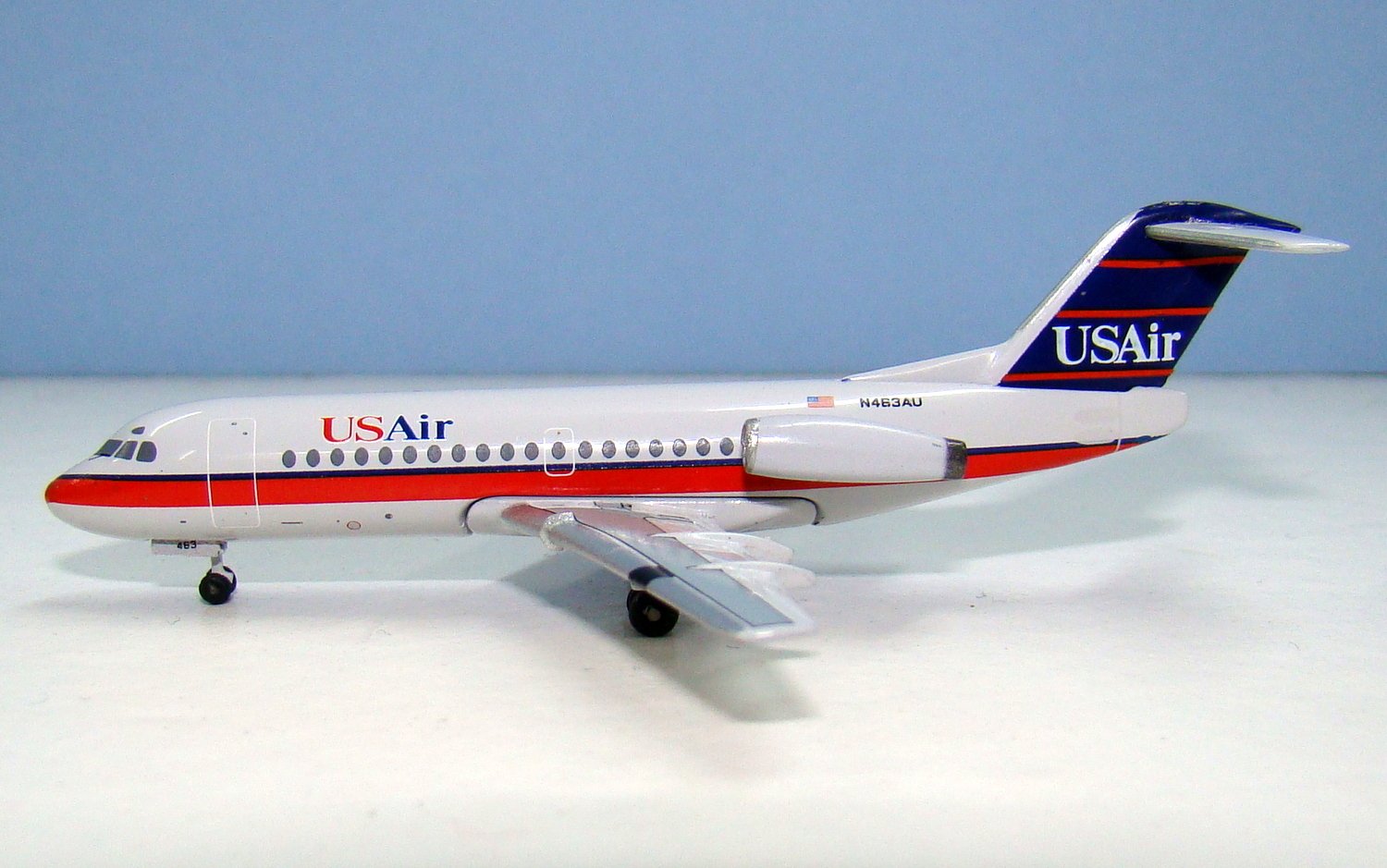
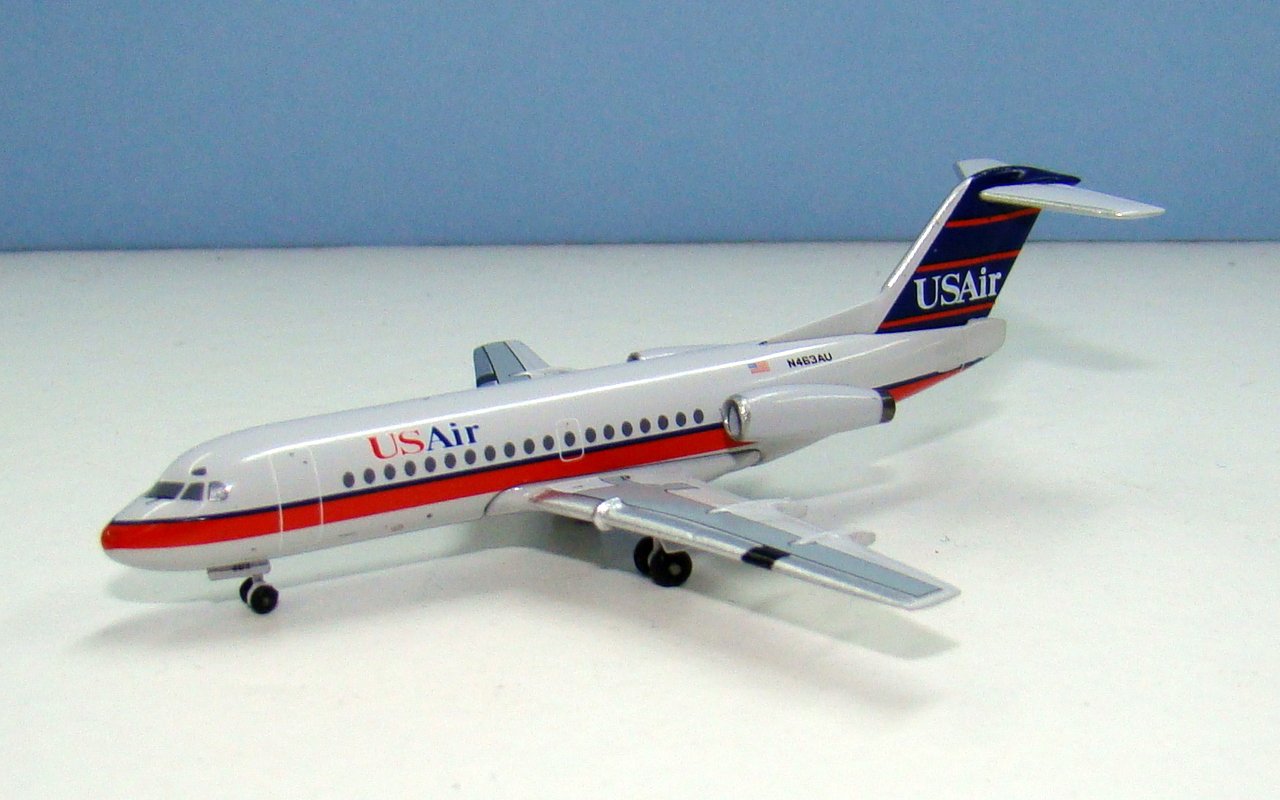
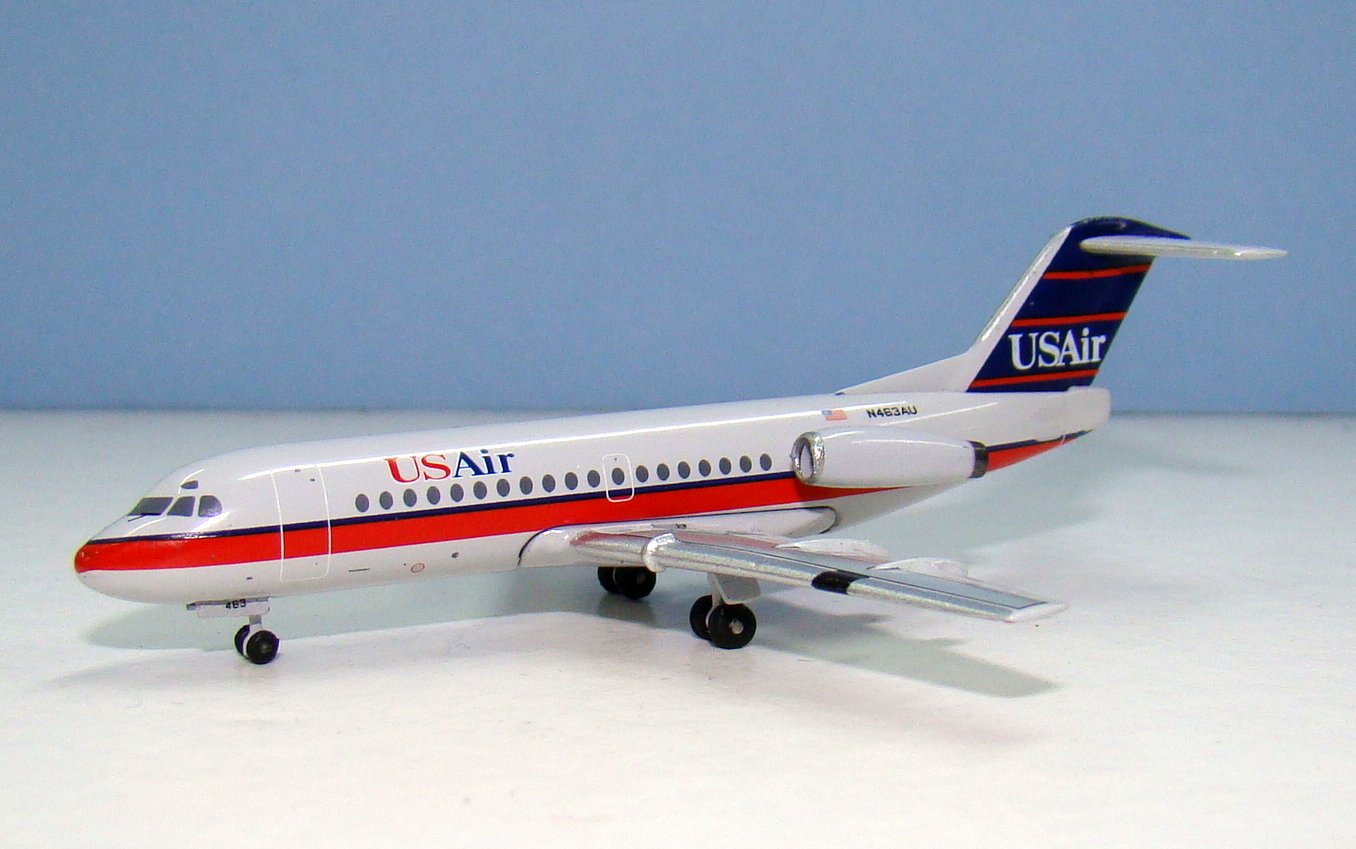
After initially being against deregulation Piedmont grabbed the opportunity with both hands. They had already turned Charlotte into a major hub, built secondary hub operations at Dayton and Baltimore and begun to build partnerships with various regional airlines, but ever curious for new opportunities Piedmont looked towards Florida to try something new for the airline and the industry.
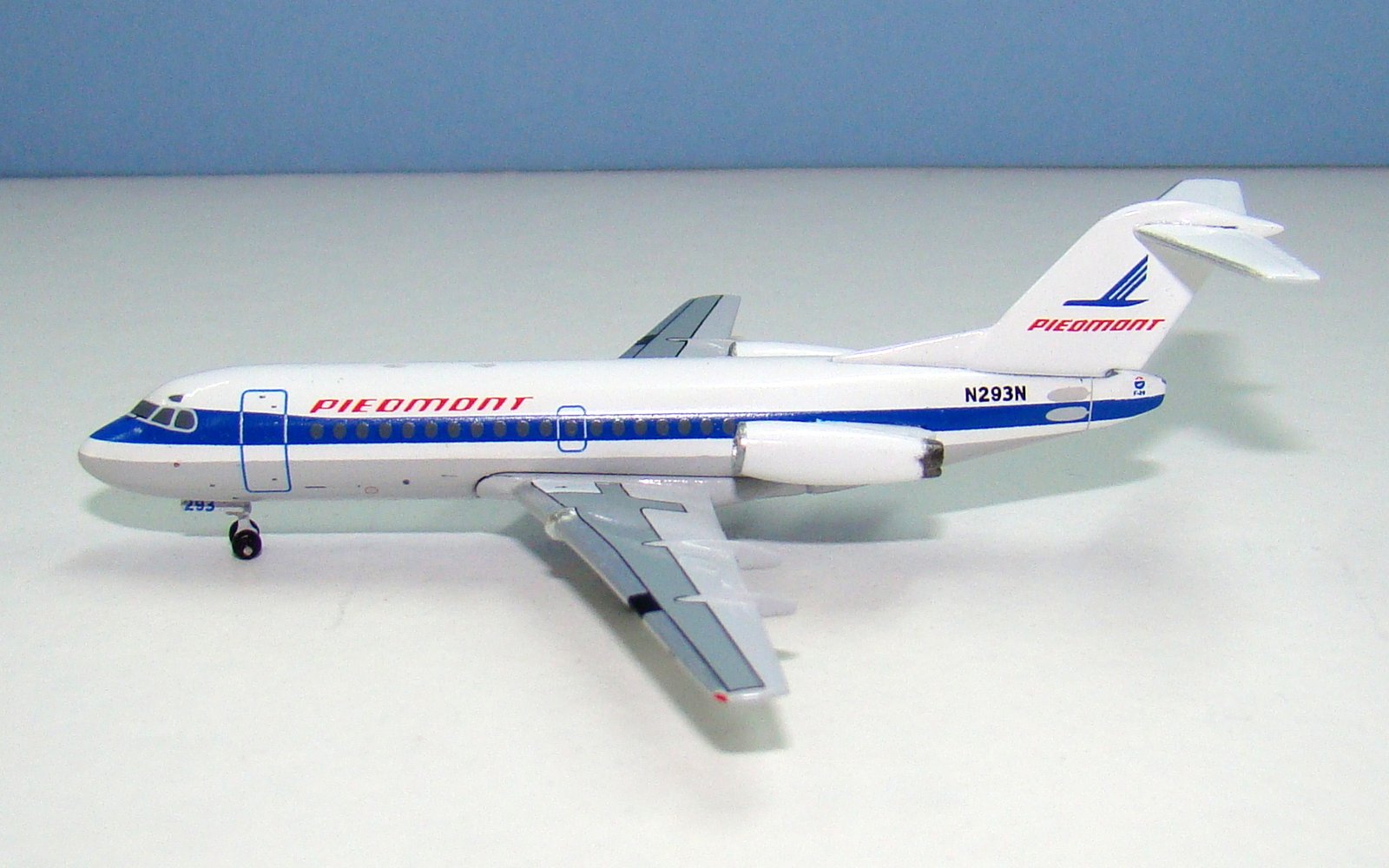
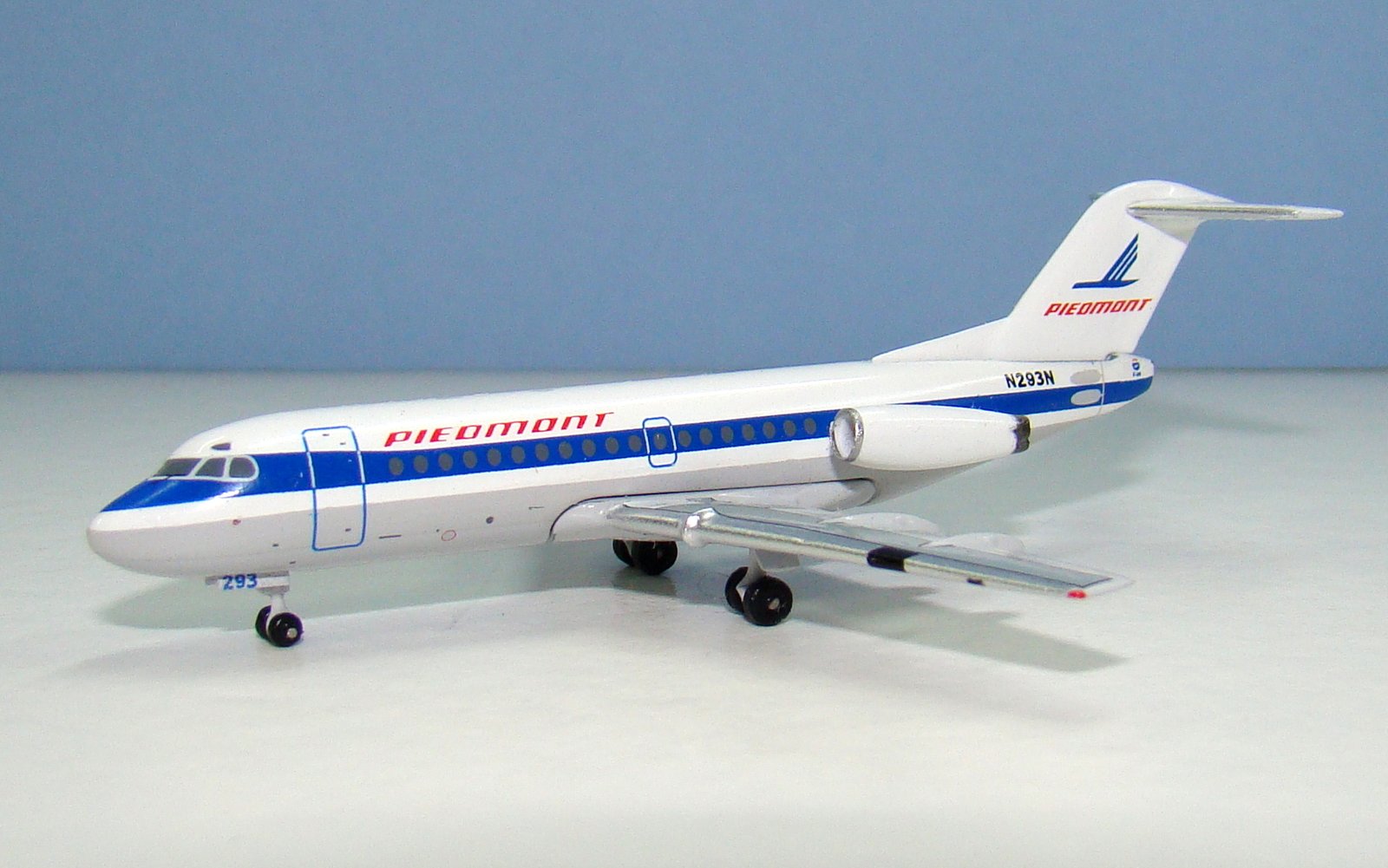
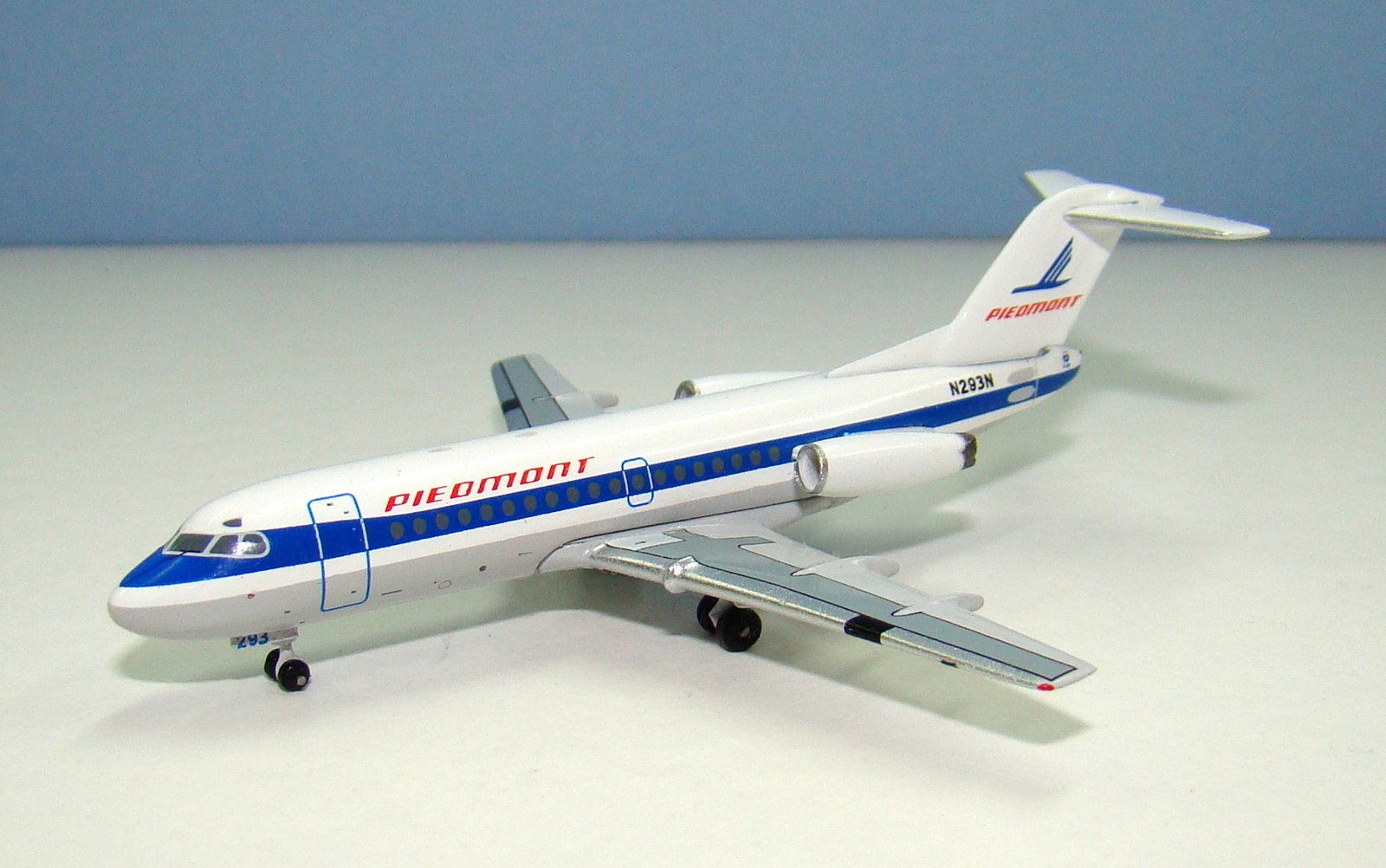
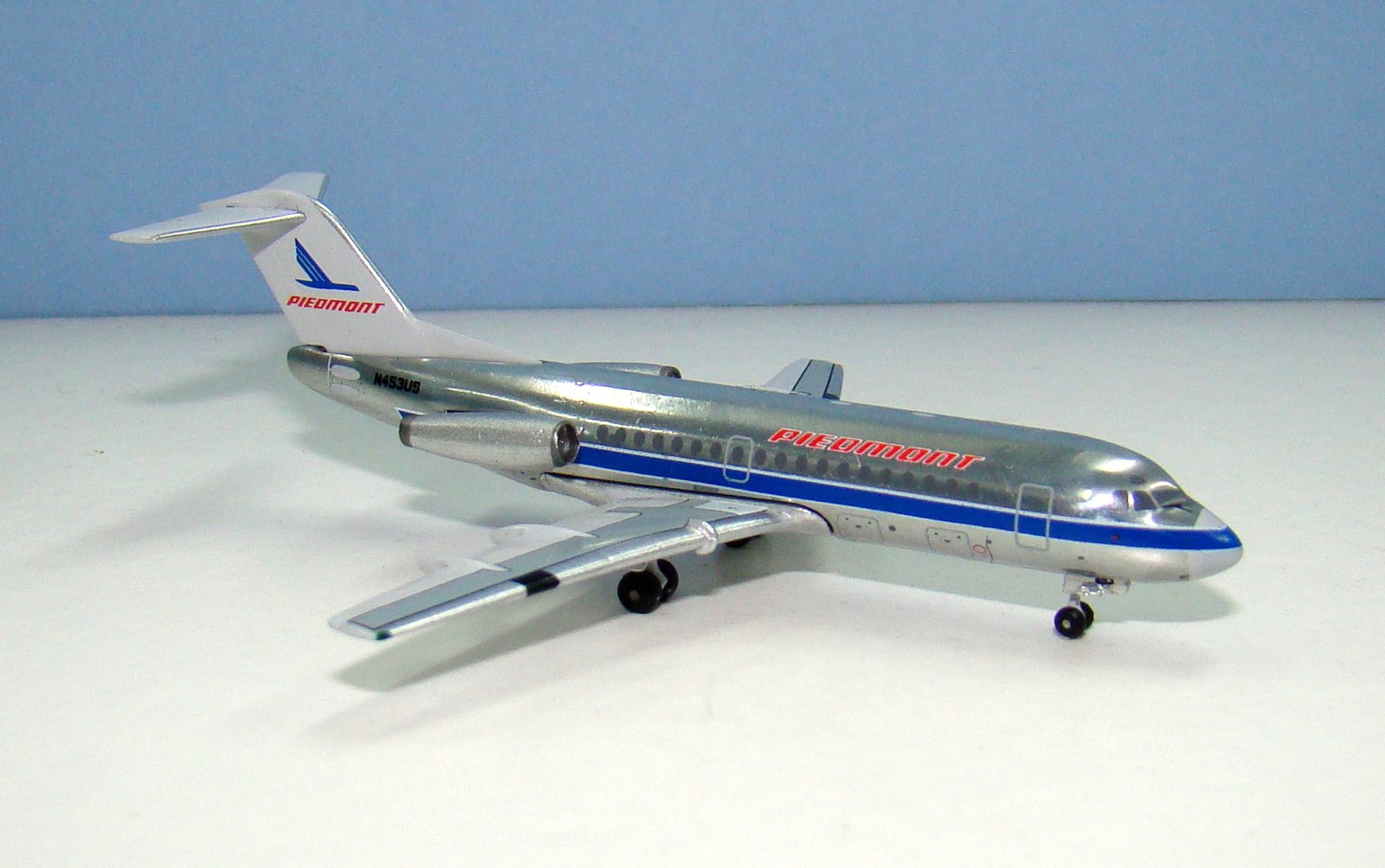
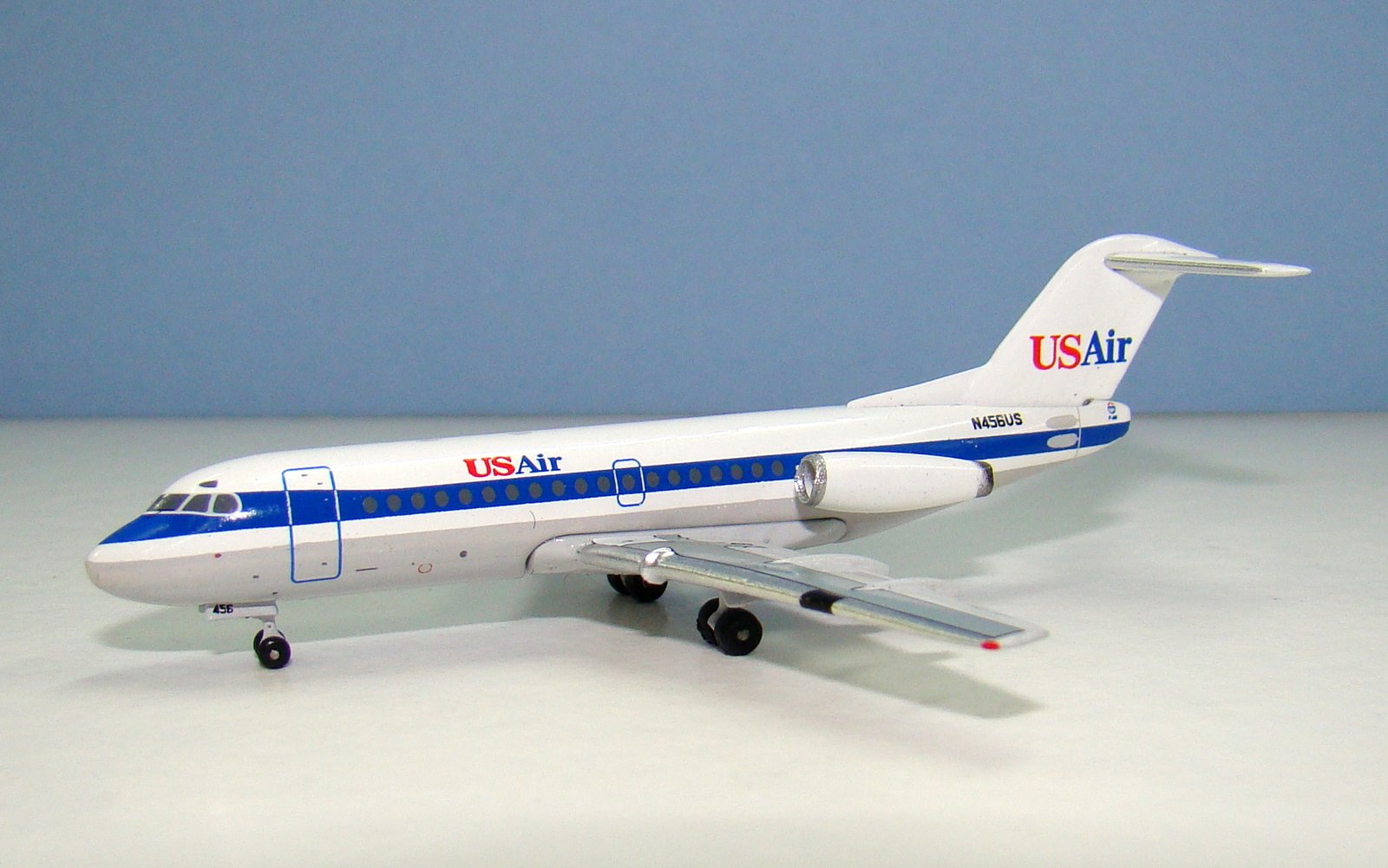
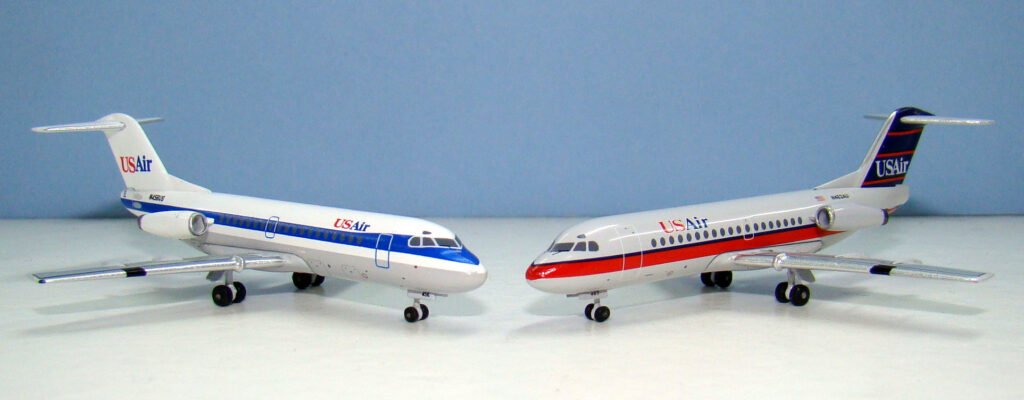
Aeroclassics 1:400 scale F28s
Piedmont had in the early days of deregulation been a target for the fast growing intra-state airline Air Florida, but their history would not be as successful as Piedmont’s and on July 3, 1984 they ceased operations following a mixture of the fallout of the crash of one of their 737s, high debt load and reliance on foreign currency trading. This left various markets in Florida under-served, especially when it had strong tourist travel and a strong economy.
Rather than create another hub operation Piedmont felt that Florida deserved special treatment because of the high number of tourist destinations and the diverse nature of the market. Instead they foresaw a shuttle style operation augmenting their existing destinations of Miami, Orlando, Tampa, Jacksonville, Key West and West Palm Beach.
N469US landing at Miami in 1989. Photo by Rolf Wallner from Wikipedia
Piedmont put together a plan that allowed morning in, evening out services across Florida’s major cities. In order to keep the project secret it was cryptically called “Project Omaha”. It was only when the plan became public that it was christened, by the press, as the Florida Shuttle. Impressively it was the largest single state expansion of service in history with 68 daily jet flights when it began on October 1, 1985. In addition to the cities already served Naples, Gainesville, Tallahassee, Pensacola, Fort Lauderdale and Daytona Beach gained services.
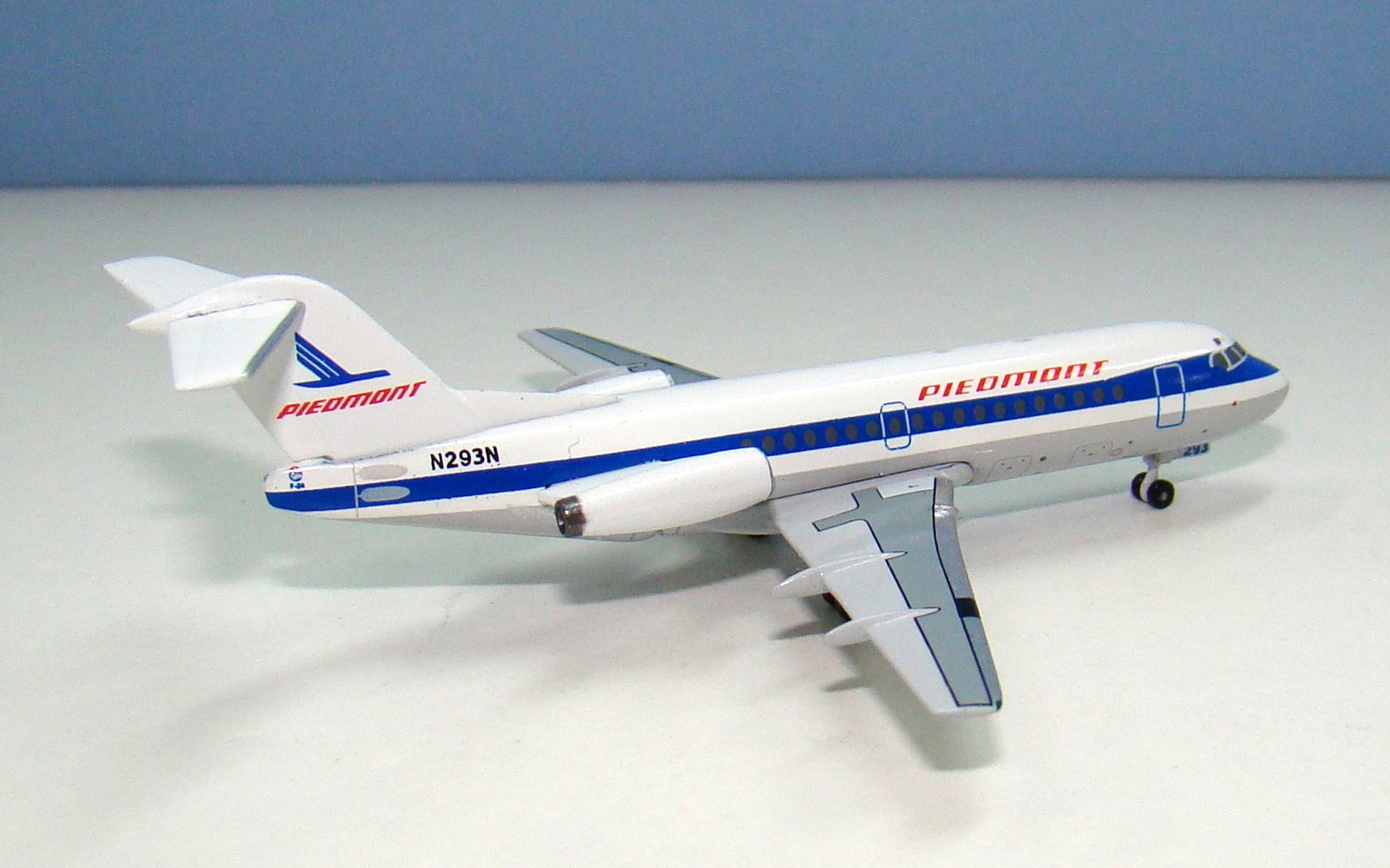
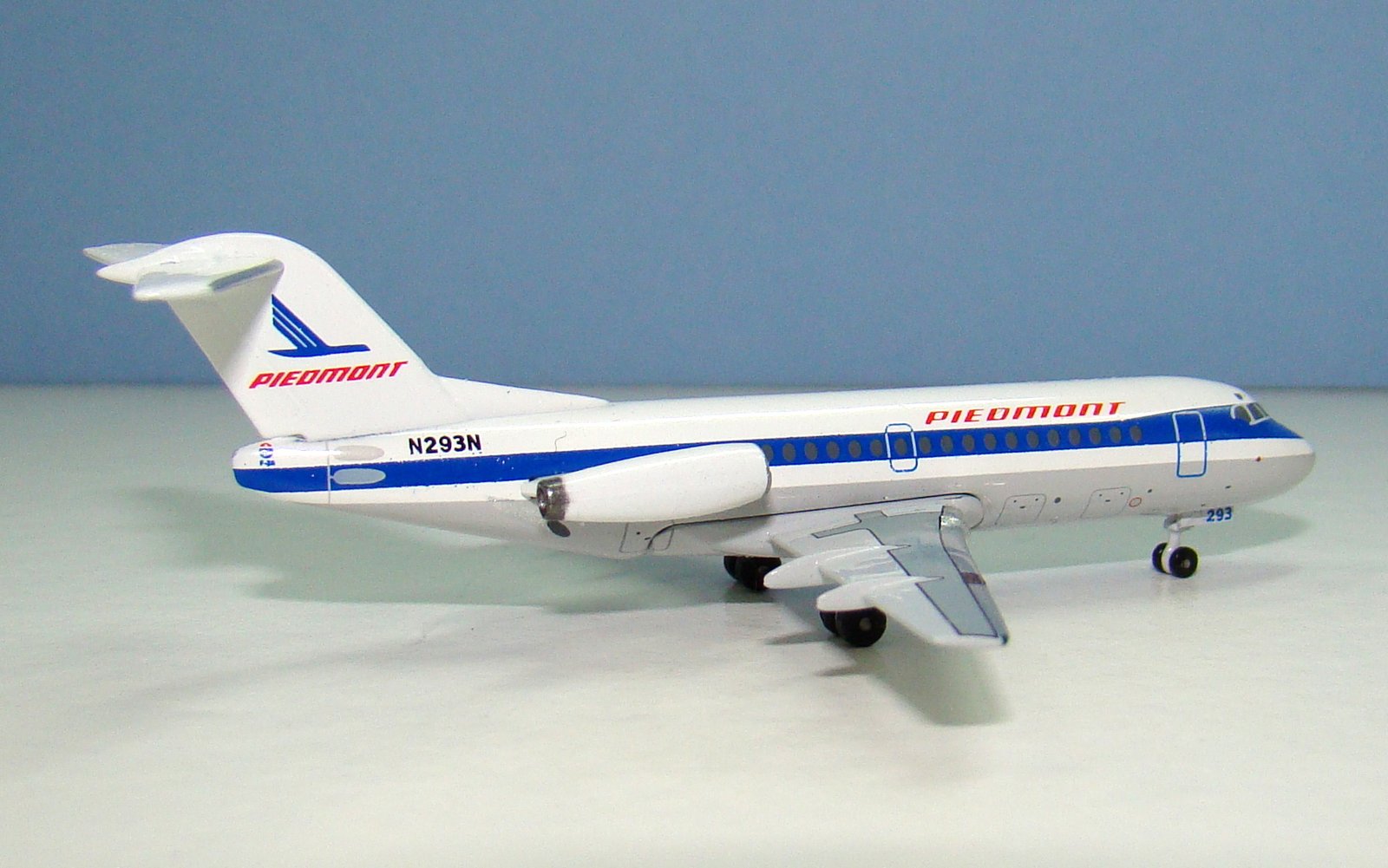
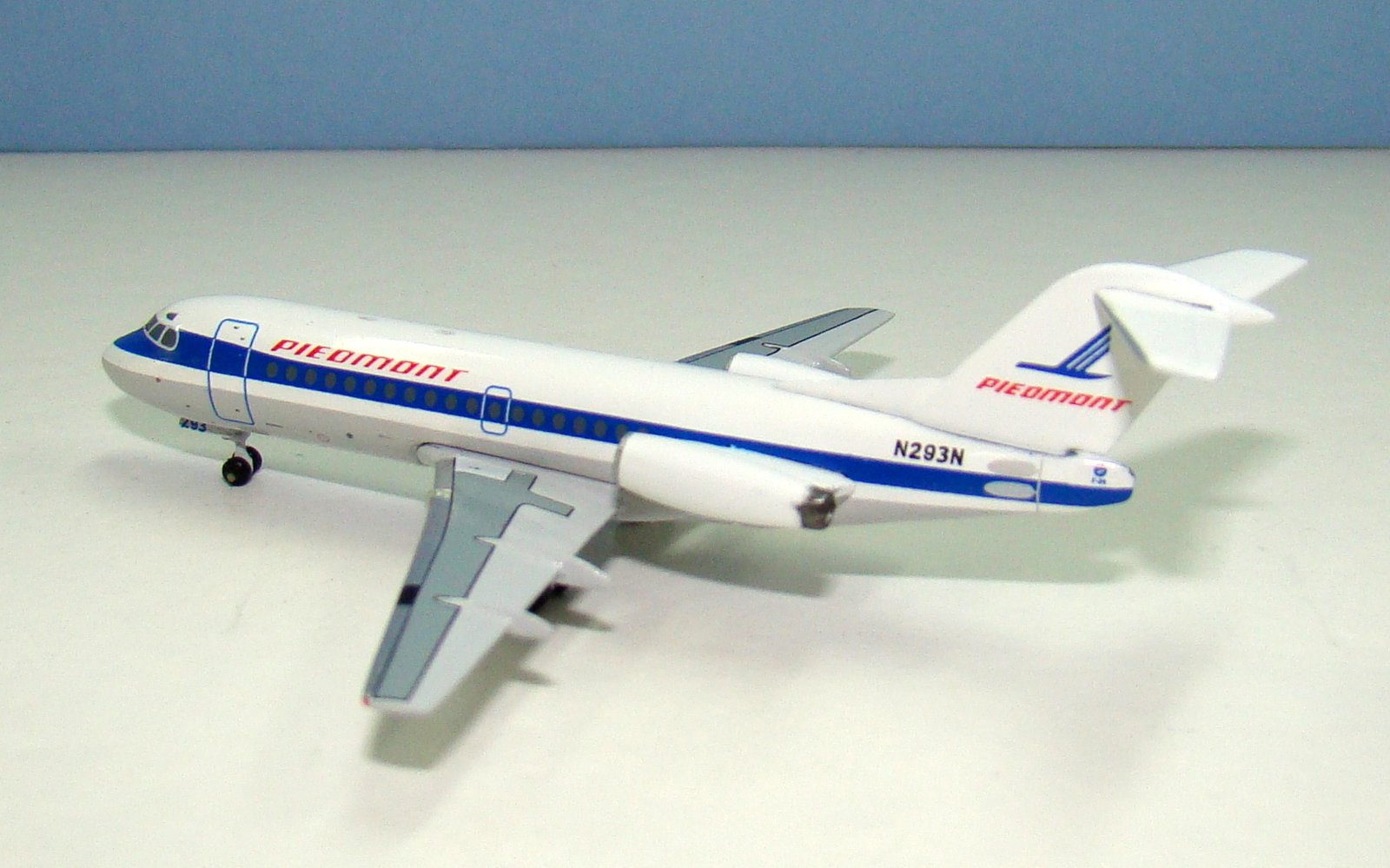
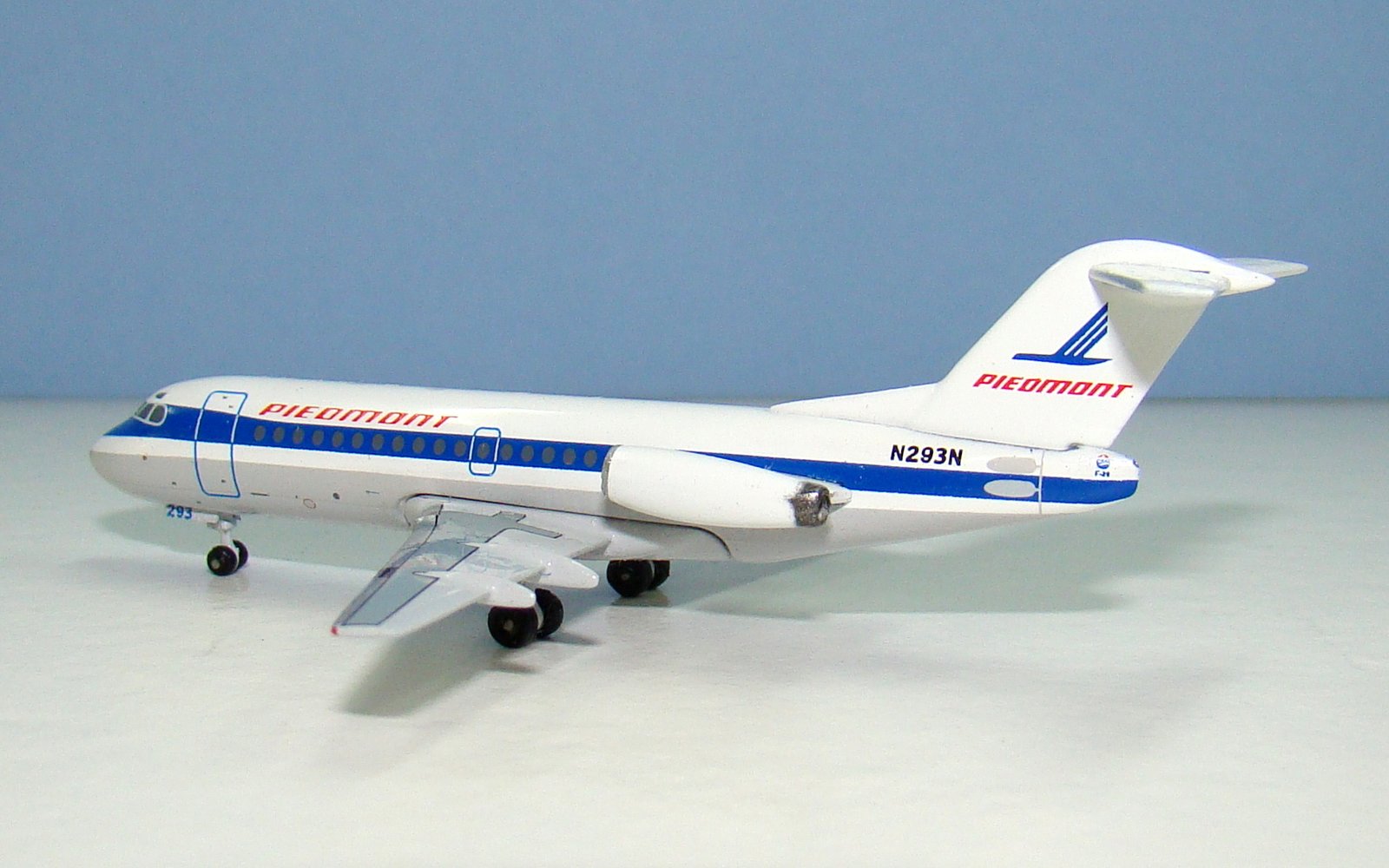
Piedmont Airlines Fokker 28-1000 N293N Aeroclassics 1:400 Scale Model Airliner
Piedmont Airlines Fokker 28-1000 N293N Aeroclassics 1:400 Scale Model Airliner
Piedmont Airlines Fokker 28-1000 N293N Aeroclassics 1:400 Scale Model Airliner
Piedmont Airlines Fokker 28-1000 N293N Aeroclassics 1:400 Scale Model Airliner
Piedmont Airlines Fokker 28-1000 N293N Aeroclassics 1:400 Scale Model Airliner
Piedmont Airlines Fokker 28-1000 N293N Aeroclassics 1:400 Scale Model Airliner
Piedmont Airlines Fokker 28-1000 N293N Aeroclassics 1:400 Scale Model Airliner
Piedmont Airlines Fokker 28-1000 N293N Aeroclassics 1:400 Scale Model Airliner
Piedmont Airlines Fokker 28-1000 N293N Aeroclassics 1:400 Scale Model Airliner
Piedmont Airlines Fokker 28-1000 N293N Aeroclassics 1:400 Scale Model Airliner
Piedmont Airlines Fokker 28-1000 N293N Aeroclassics 1:400 Scale Model Airliner
Piedmont Airlines Fokker 28-1000 N293N Aeroclassics 1:400 Scale Model Airliner
One of the major differences for the Florida Shuttle is that it was run like an intra-state airline. This successfully avoided the delays that could have crippled such a high density operation if the aircraft used were spread throughout the Piedmont network and thus affected by weather and operational conditions outside of Florida.
As well as the Piedmont mainline operation the shuttle was backed by by the regional parter Trans Air who connected to smaller destinations like Sarasota, Melbourne and Fort Myers as well as providing a gateway to the Bahamas.
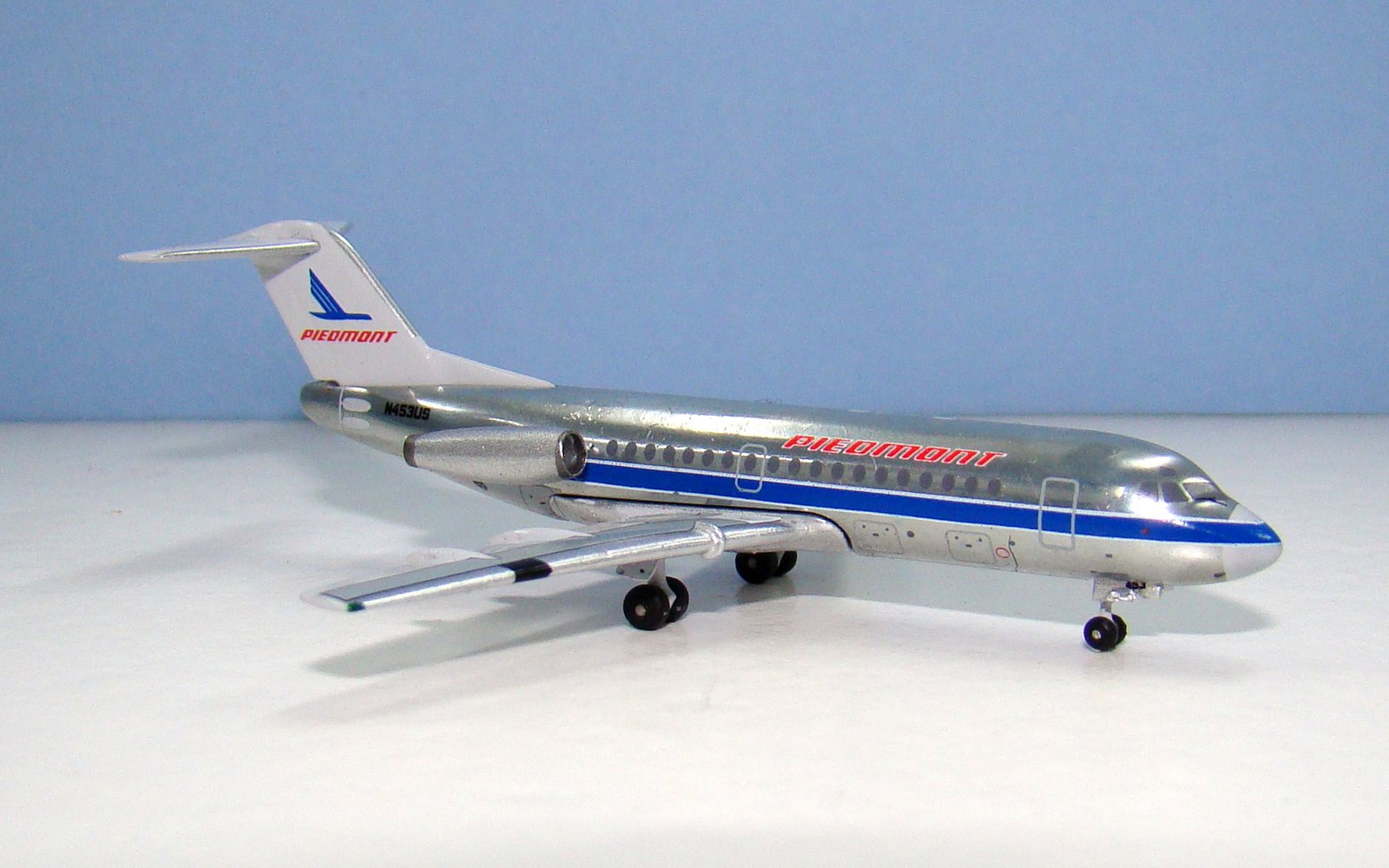
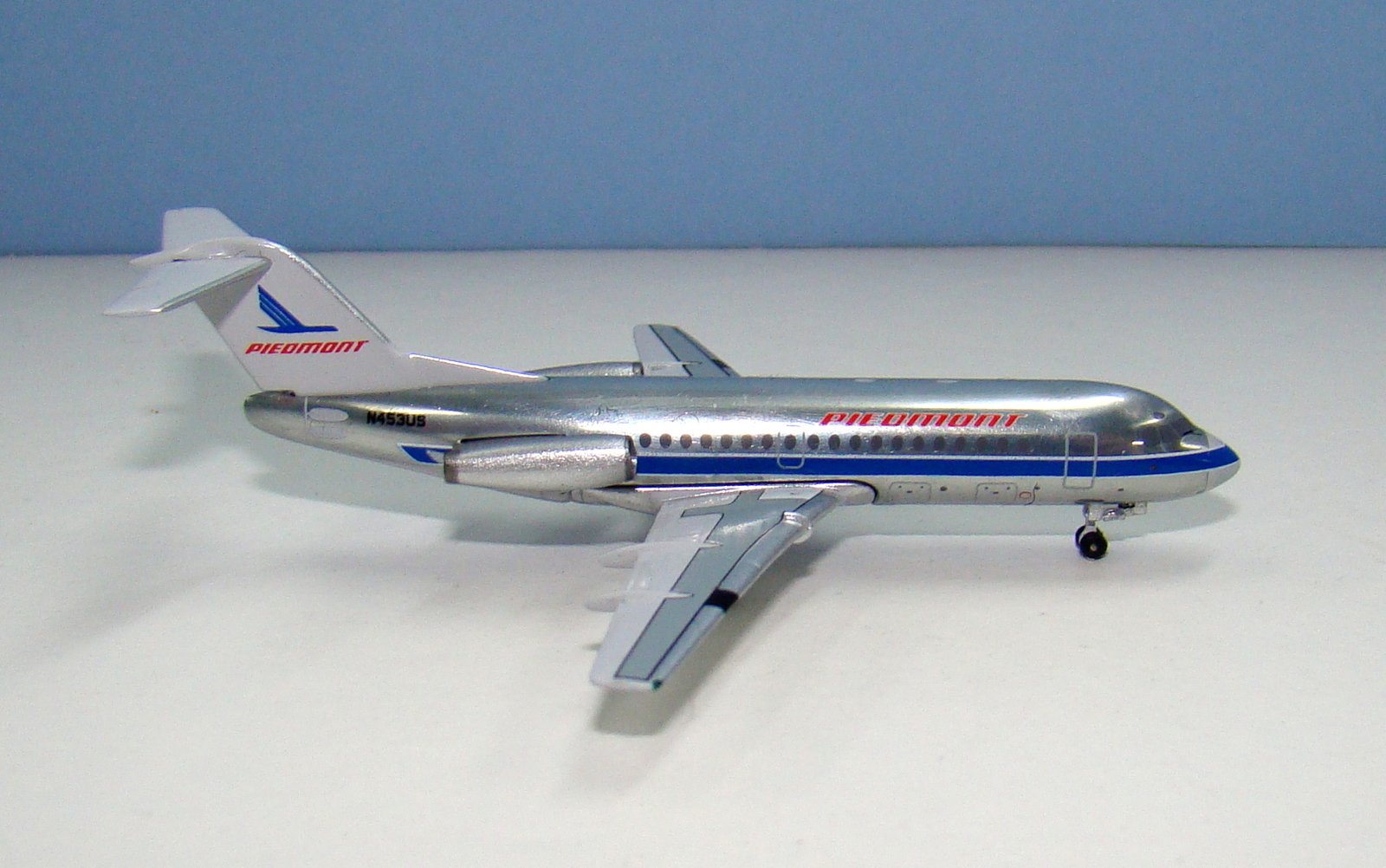
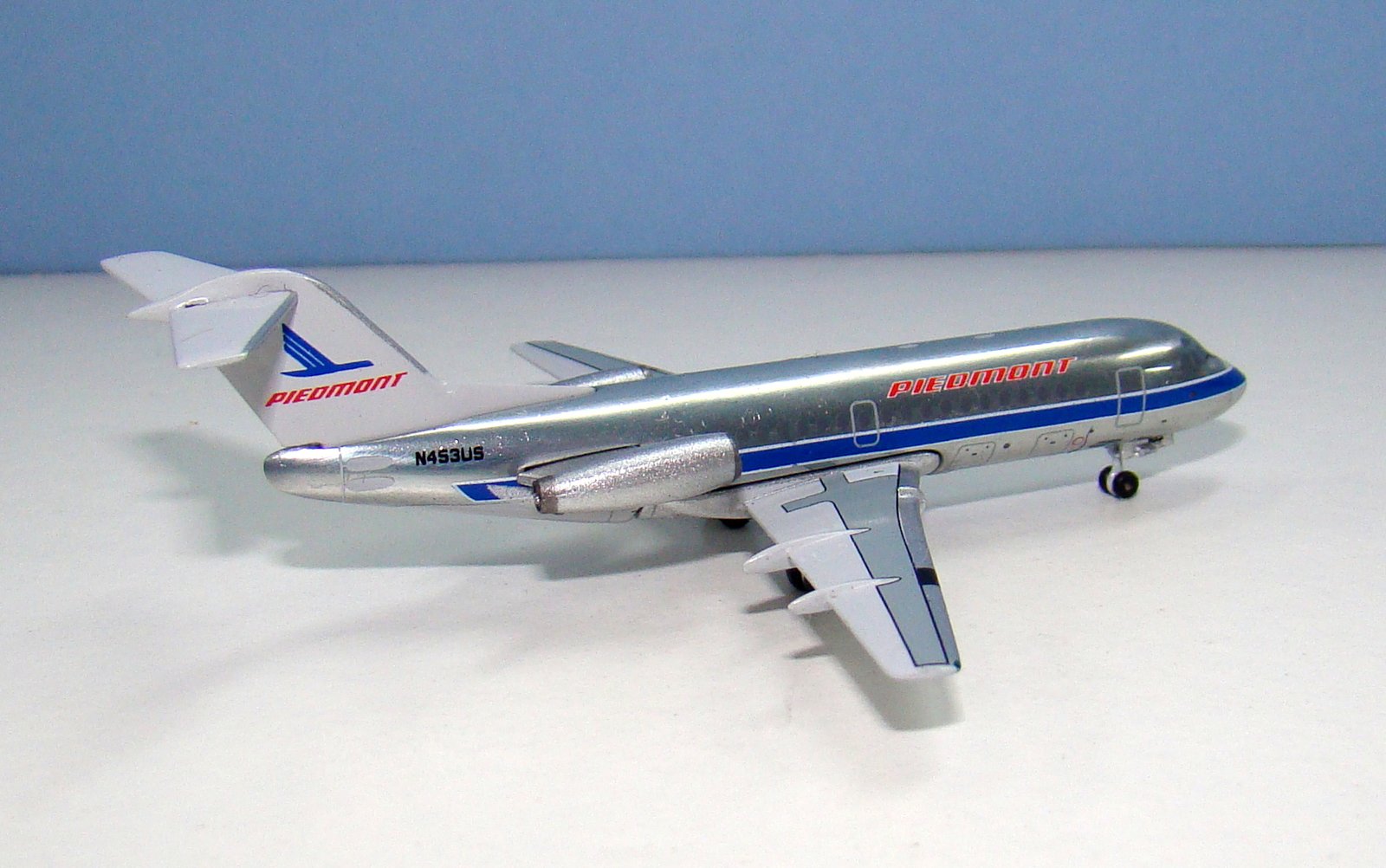
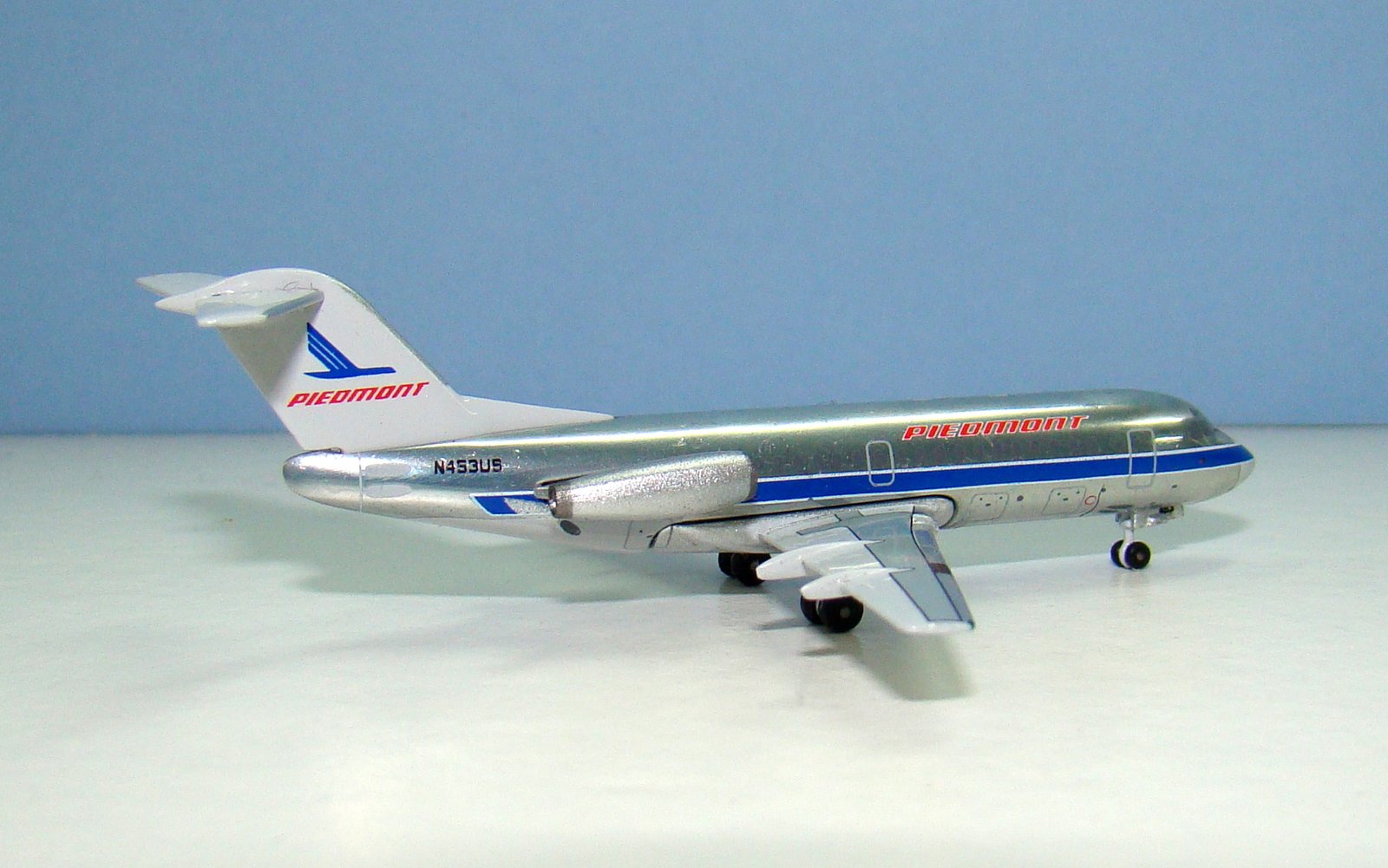
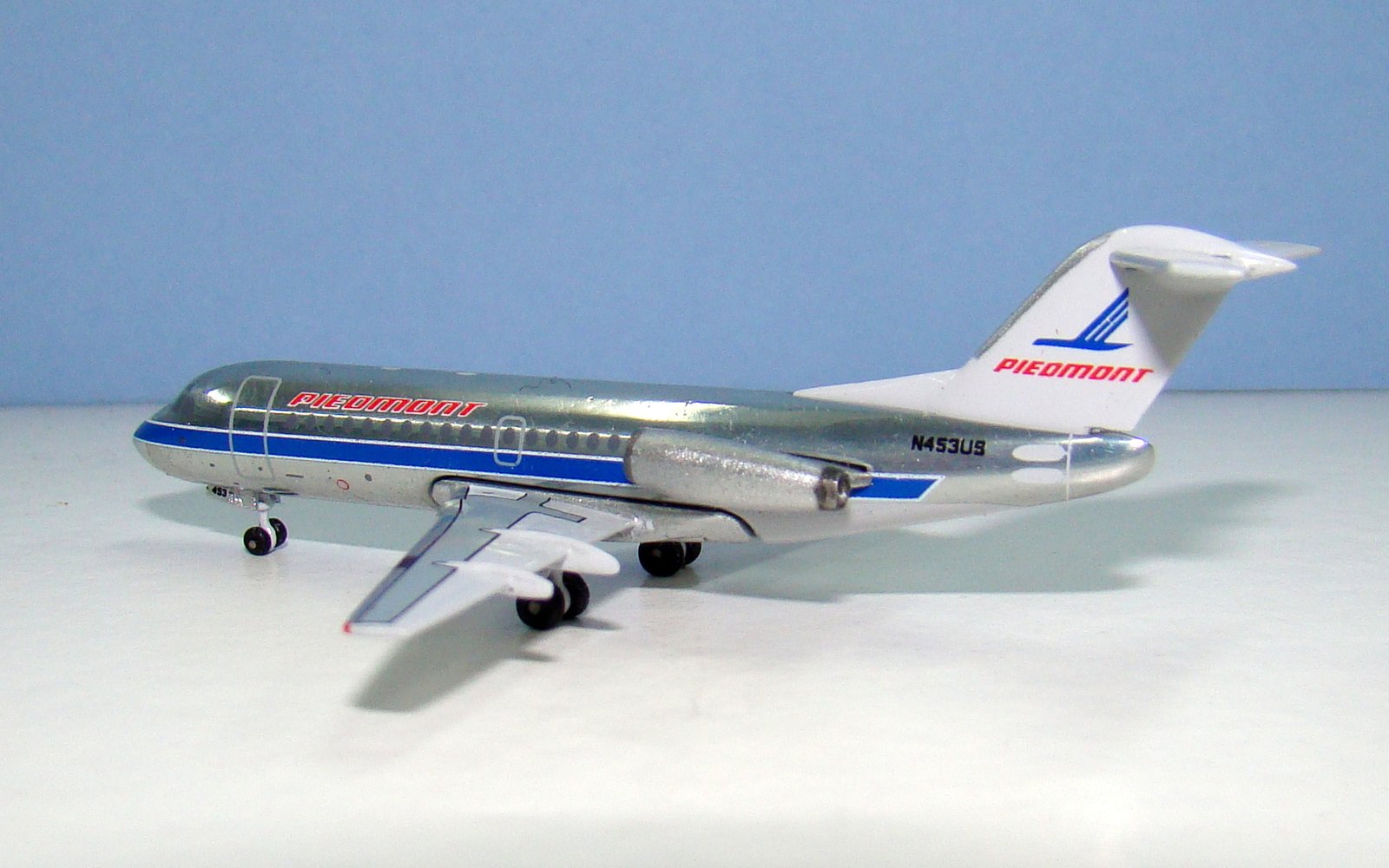
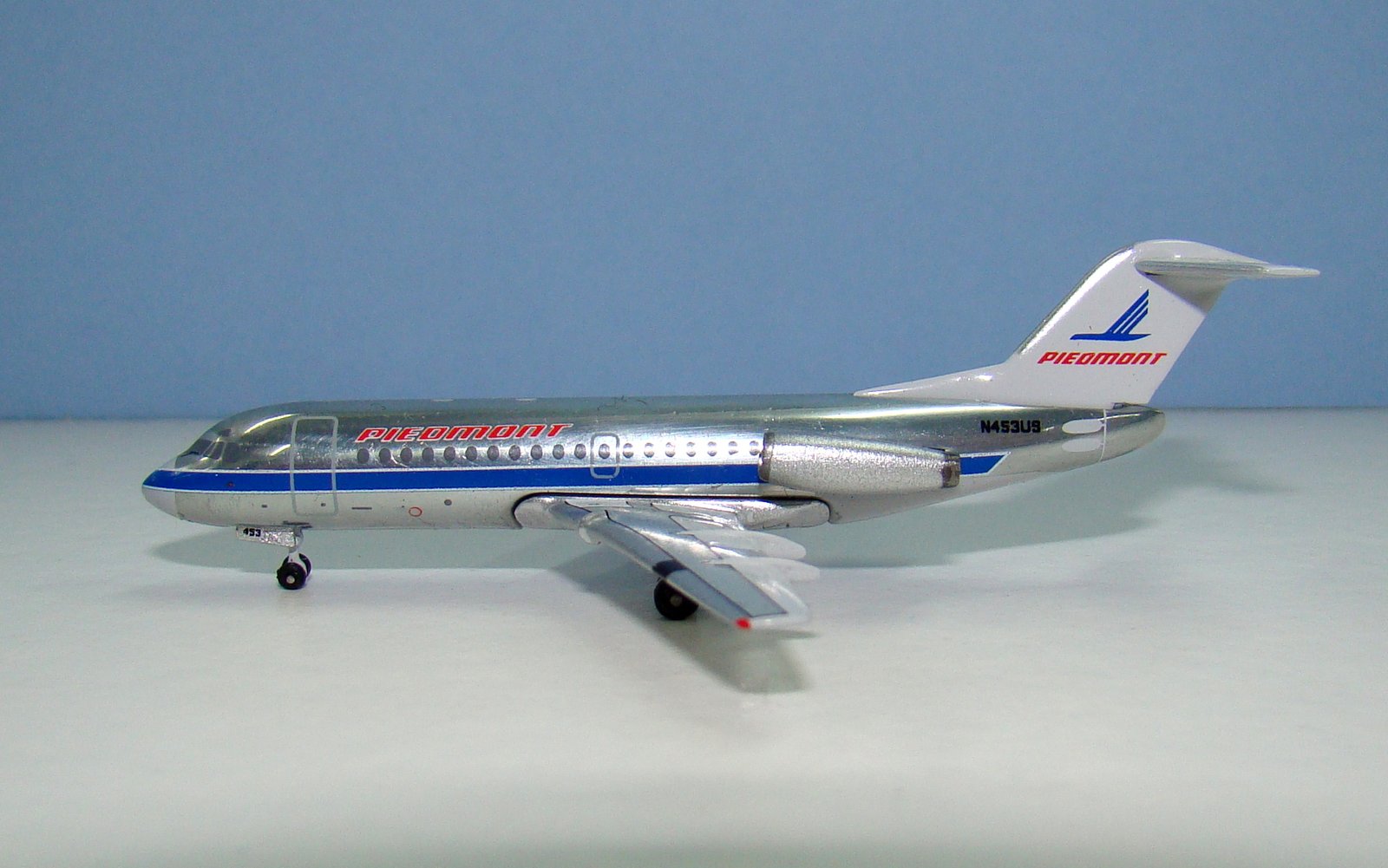
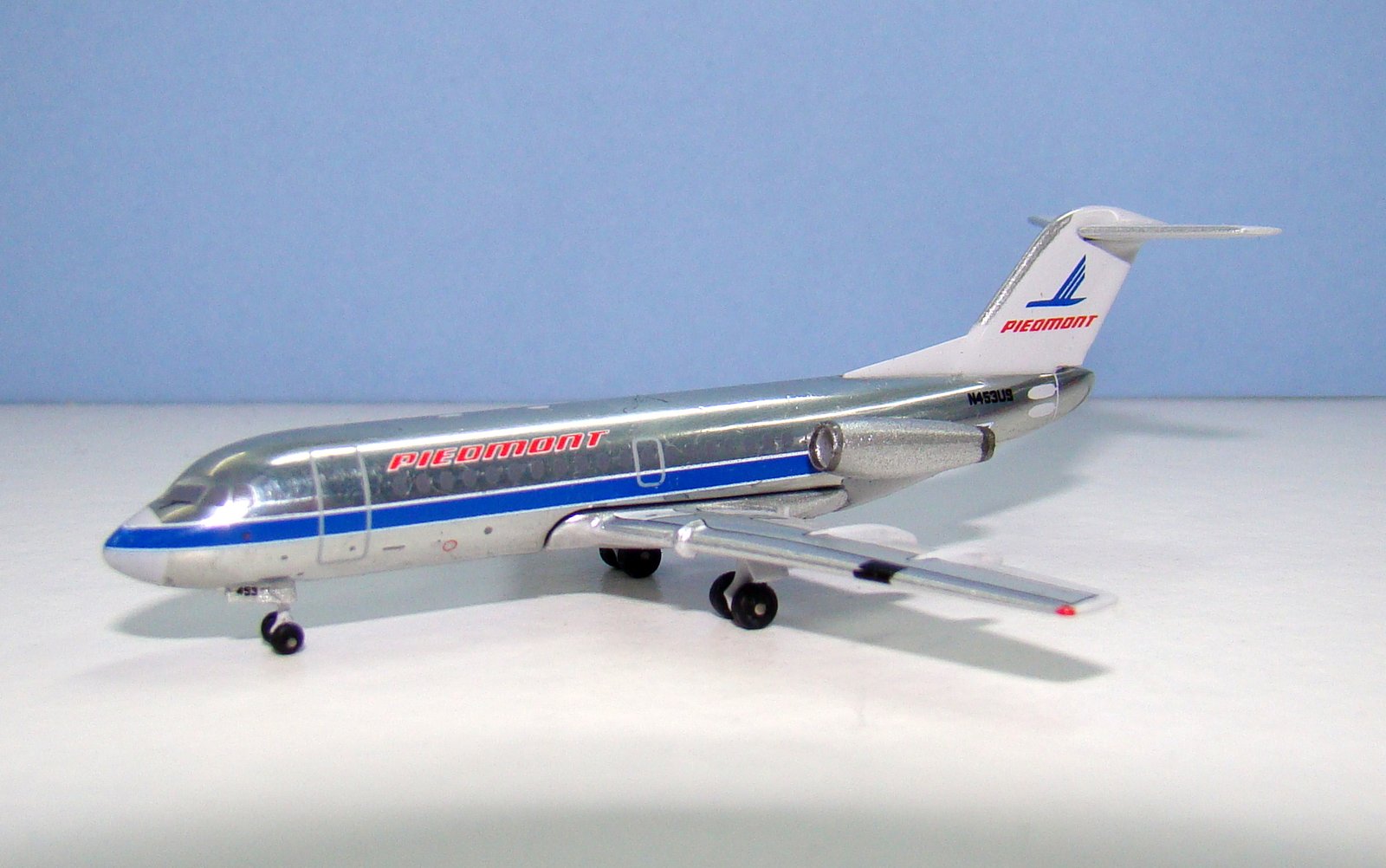
Piedmont Airlines Fokker 28-1000 N453US Aeroclassics 1:400 Scale Model Airliner
Piedmont Airlines Fokker 28-1000 N453US Aeroclassics 1:400 Scale Model Airliner
Piedmont Airlines Fokker 28-1000 N453US Aeroclassics 1:400 Scale Model Airliner
Piedmont Airlines Fokker 28-1000 N453US Aeroclassics 1:400 Scale Model Airliner
Piedmont Airlines Fokker 28-1000 N453US Aeroclassics 1:400 Scale Model Airliner
Piedmont Airlines Fokker 28-1000 N453US Aeroclassics 1:400 Scale Model Airliner
Piedmont Airlines Fokker 28-1000 N453US Aeroclassics 1:400 Scale Model Airliner
Piedmont Airlines Fokker 28-1000 N453US Aeroclassics 1:400 Scale Model Airliner
Piedmont Airlines Fokker 28-1000 N453US Aeroclassics 1:400 Scale Model Airliner
Piedmont Airlines Fokker 28-1000 N453US Aeroclassics 1:400 Scale Model Airliner
Piedmont Airlines Fokker 28-1000 N453US Aeroclassics 1:400 Scale Model Airliner
Piedmont Airlines Fokker 28-1000 N453US Aeroclassics 1:400 Scale Model Airliner
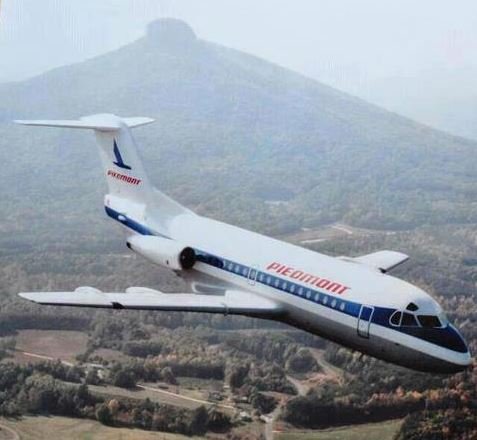
Of course one of the most important aspects to setting up a new operation is the equipment and Piedmont needed to find the right aircraft for the new short stage, high frequency but low capacity network. The existing 737-200 that Piedmont was building its fleet around was too large for such flights and the newer series 300 was even larger. In the end Piedmont settled on the Fokker 28. The type was approaching the end of its production run however Piedmont was able to organise through Fokker the purchase of 20 frames formerly with Garuda Indonesia. Fokker agreed to totally refurbish the little jets inside and out effectively creating as close to a new aircraft as was possible.
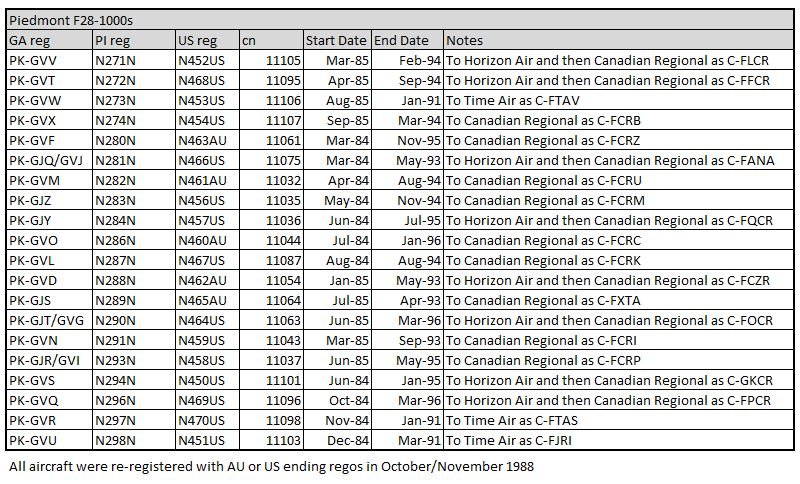
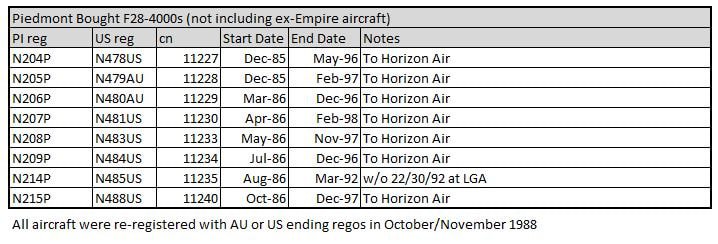
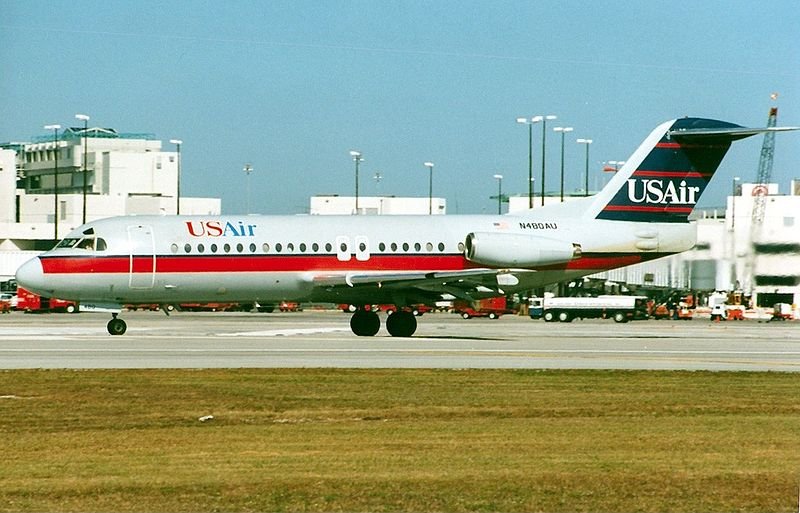
The F28s were all series 1000s with seating for up to 65 passengers and a range of over 750 miles. The aircraft were registered in the range of N271N to N298N (with obviously a few omissions in the sequence) and began to arrive as early as March 1984. In addition to the F28-1000s Piedmont also ordered 10 new F28-4000s. These had a fuselage increased by 2.21m and able to seat up to 85 passengers. They also came with an increased wingspan and more powerful engines.
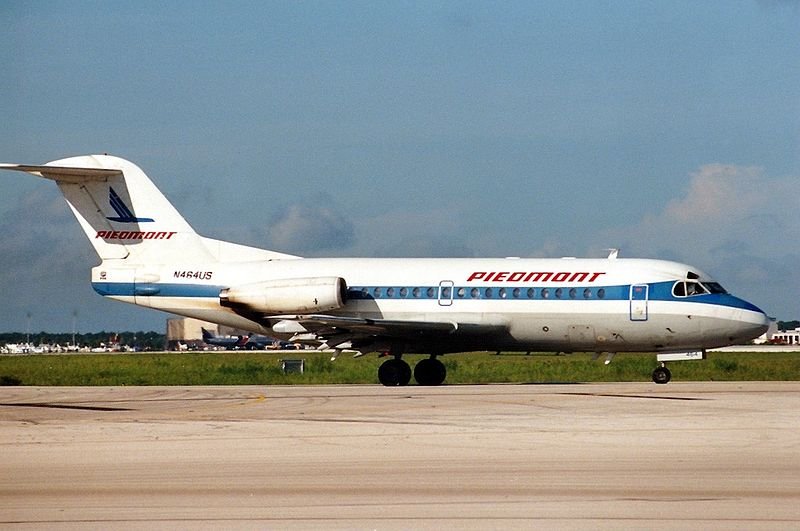
N464US at Orlando in 1989. Photo by JetPix from Wikipedia
Aircraft weren’t the only new equipment needed and a maintenance and crew facility was formed at Miami, a training centre at Tampa and a headquarters for reservations at Orlando. Pilots were also at a premium although as this was the 1980s the deregulation bloodbath did leave space for picking up new hires.
Piedmont couldn’t afford to pay an F28 pilot the same as a 737 one and appealed to its pilots that the pay rates would be 60% of that for a 737. If the pilots didn’t agree the sale would not go through and the shuttle would be stillborn but the pilots agreed and the shuttle gave a second chance to many pilots who had been victims of the failure of airlines such as Braniff. In fact the shuttle gave many the chance to make captain in record time.
The Florida Shuttle was an immediate triumph. It was profitable only 45 days after services began and Piedmont gained a huge chunk of the traffic within Florida. The F28s flew clockwise and counterclockwise around the state avoiding congested inter-state services. In time the services grew so that by 1987 there were 123 Florida departures a day connecting 12 destinations.
Piedmont of course was taken over by USAir and the pair merged together in 1989 turning two of deregulation’s brightest stars into a mess of an airline. The merger wasn’t a success, neither was that with PSA, and together with high competition and a major economic downturn USAir lurched into the red. Nonetheless the exit of both Eastern and Pan Am by 1992 enabled USAir to remain as the largest airline in Florida. It was in strong competition with Delta at Tampa, Orlando and Fort Lauderdale but was still the number one airline whilst its operation at Miami remained smaller.
N467US without the Speedbird taking off from Miami in 1989. Photo by JetPix from Wikipedia
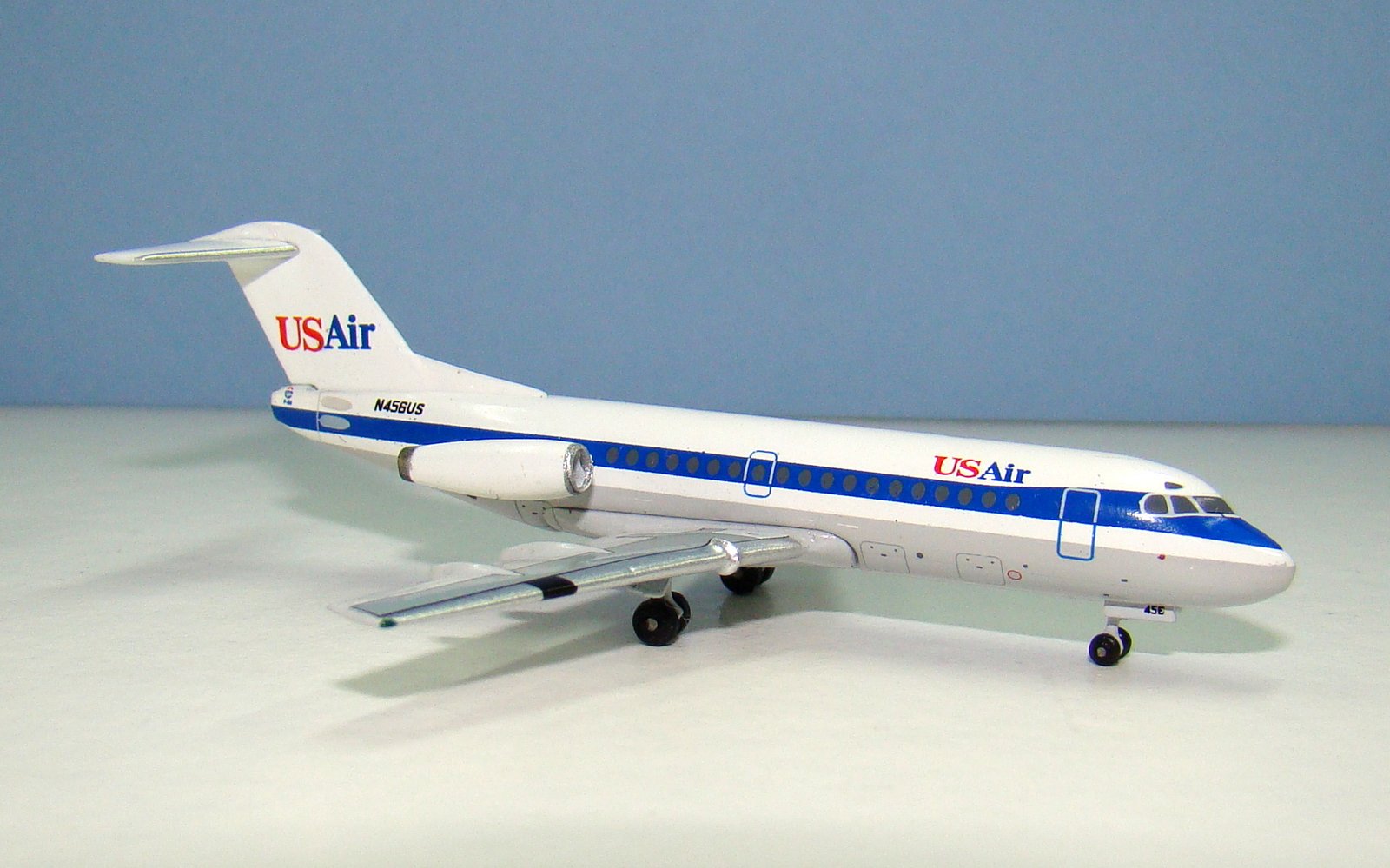
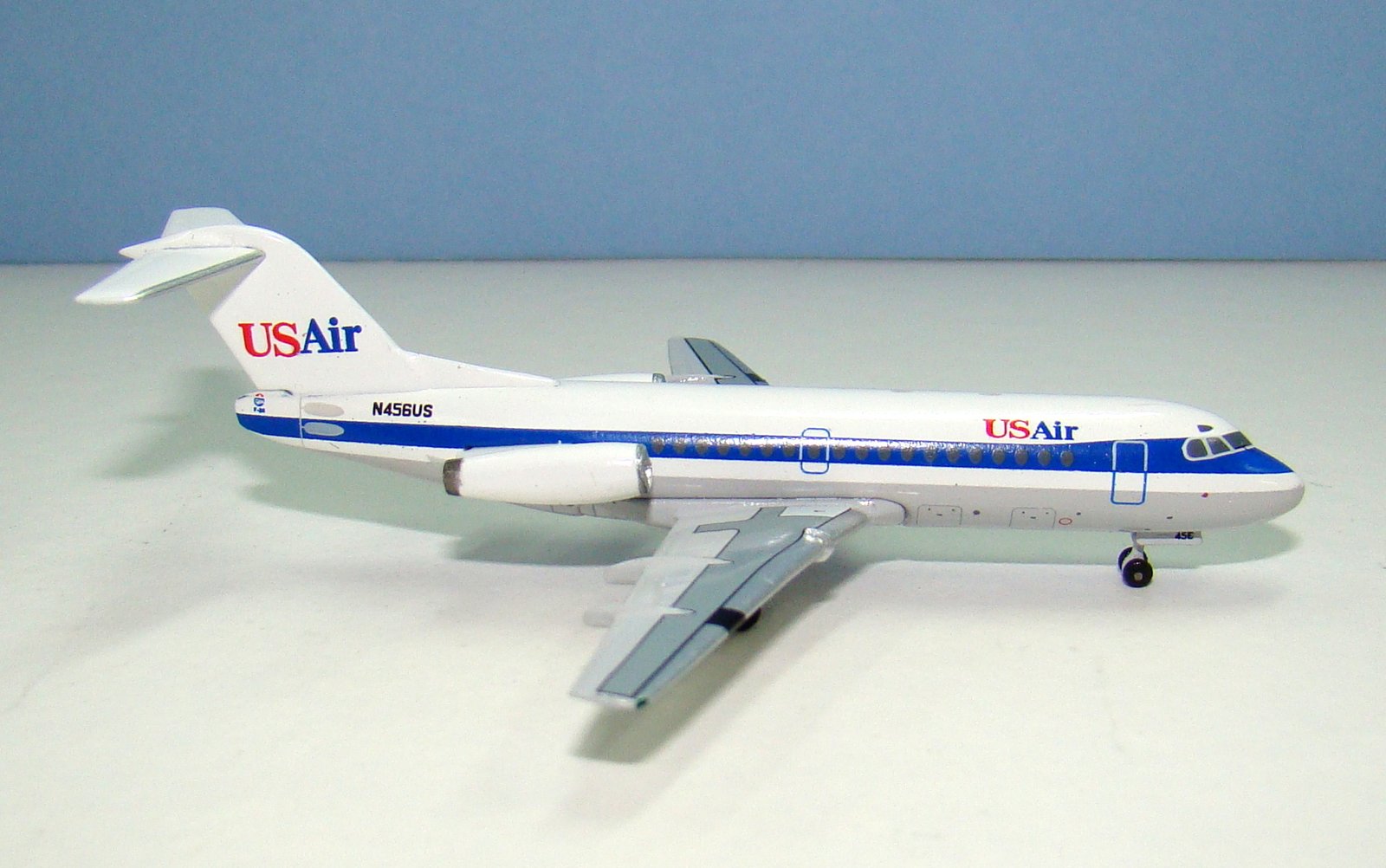
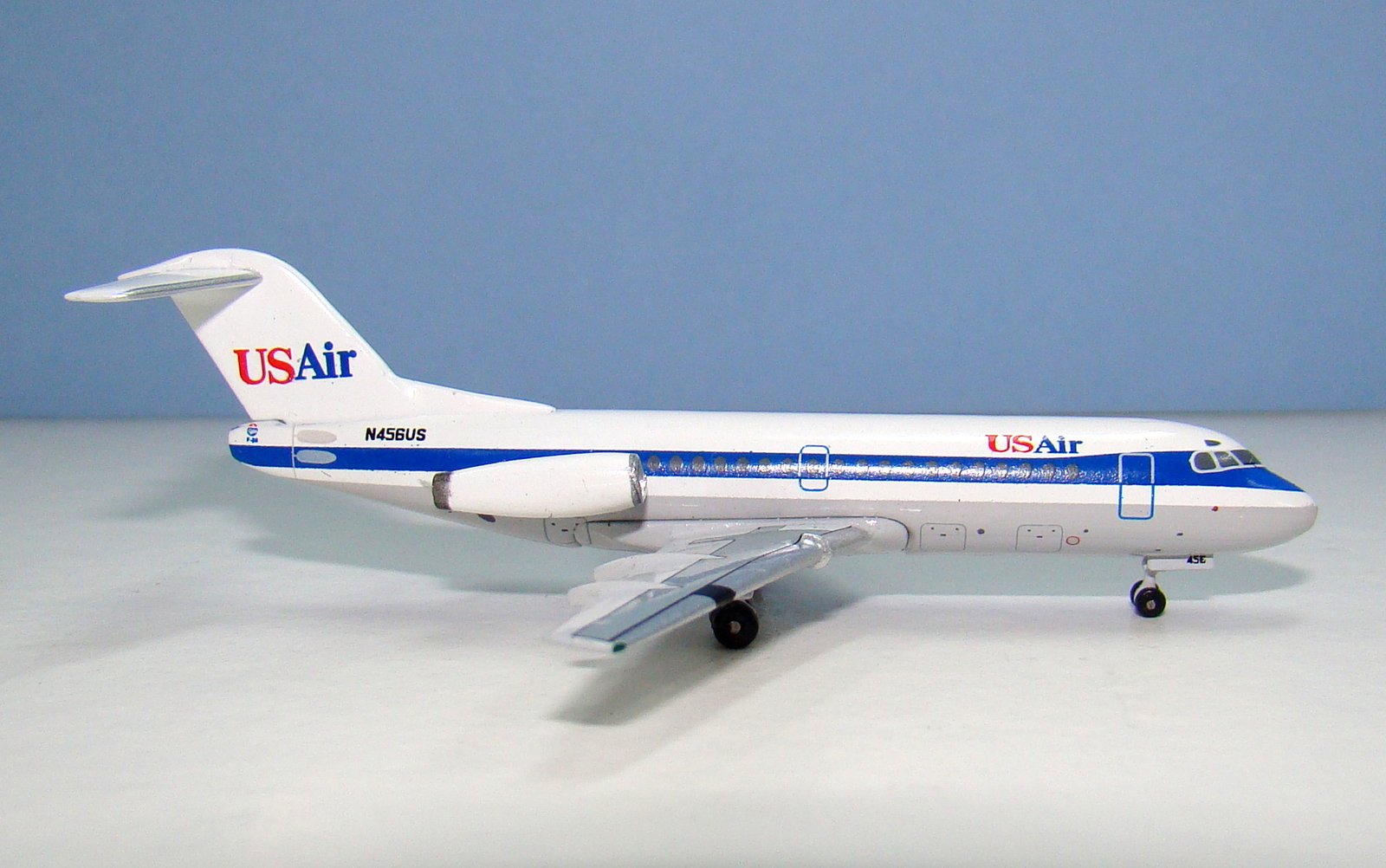
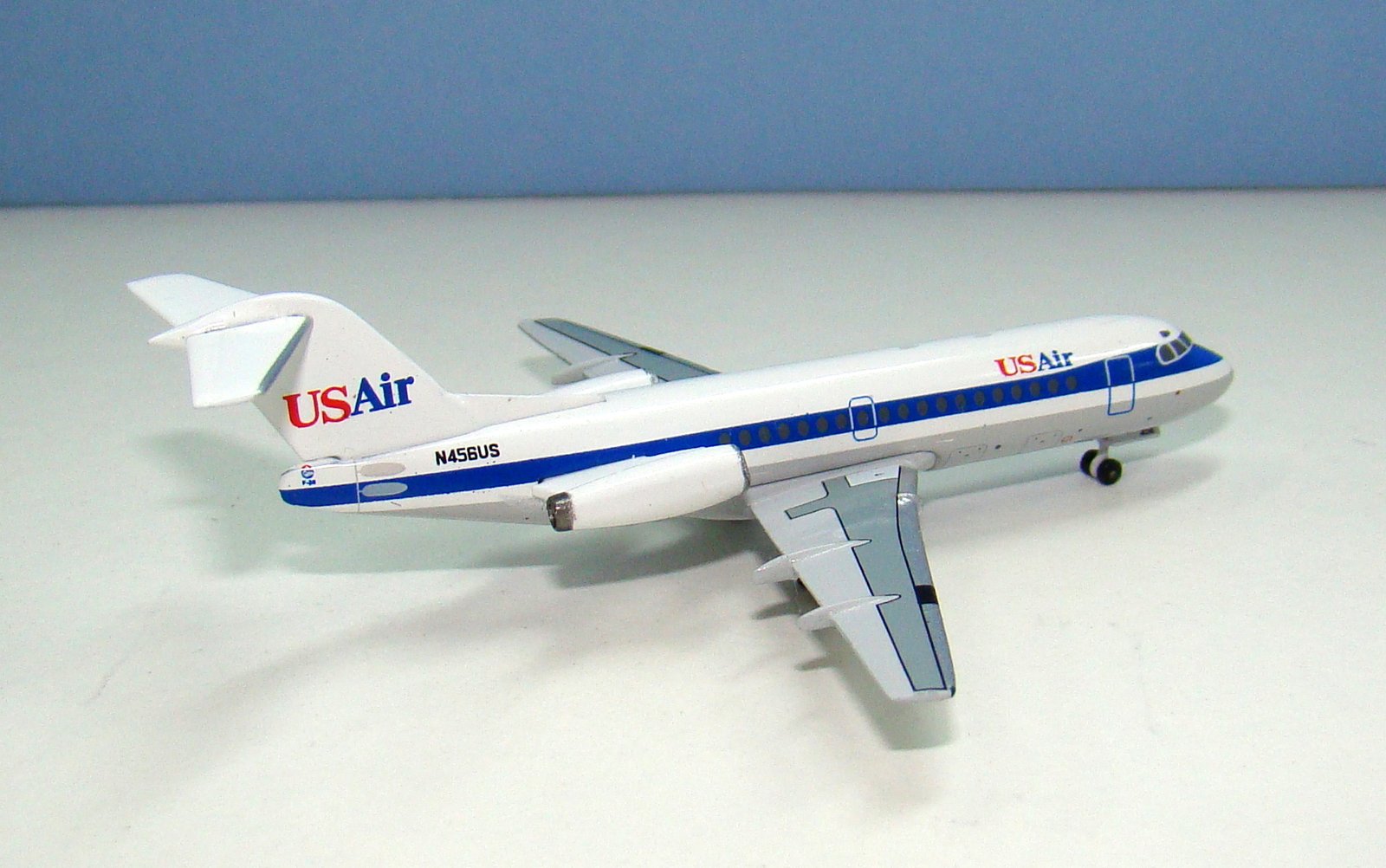
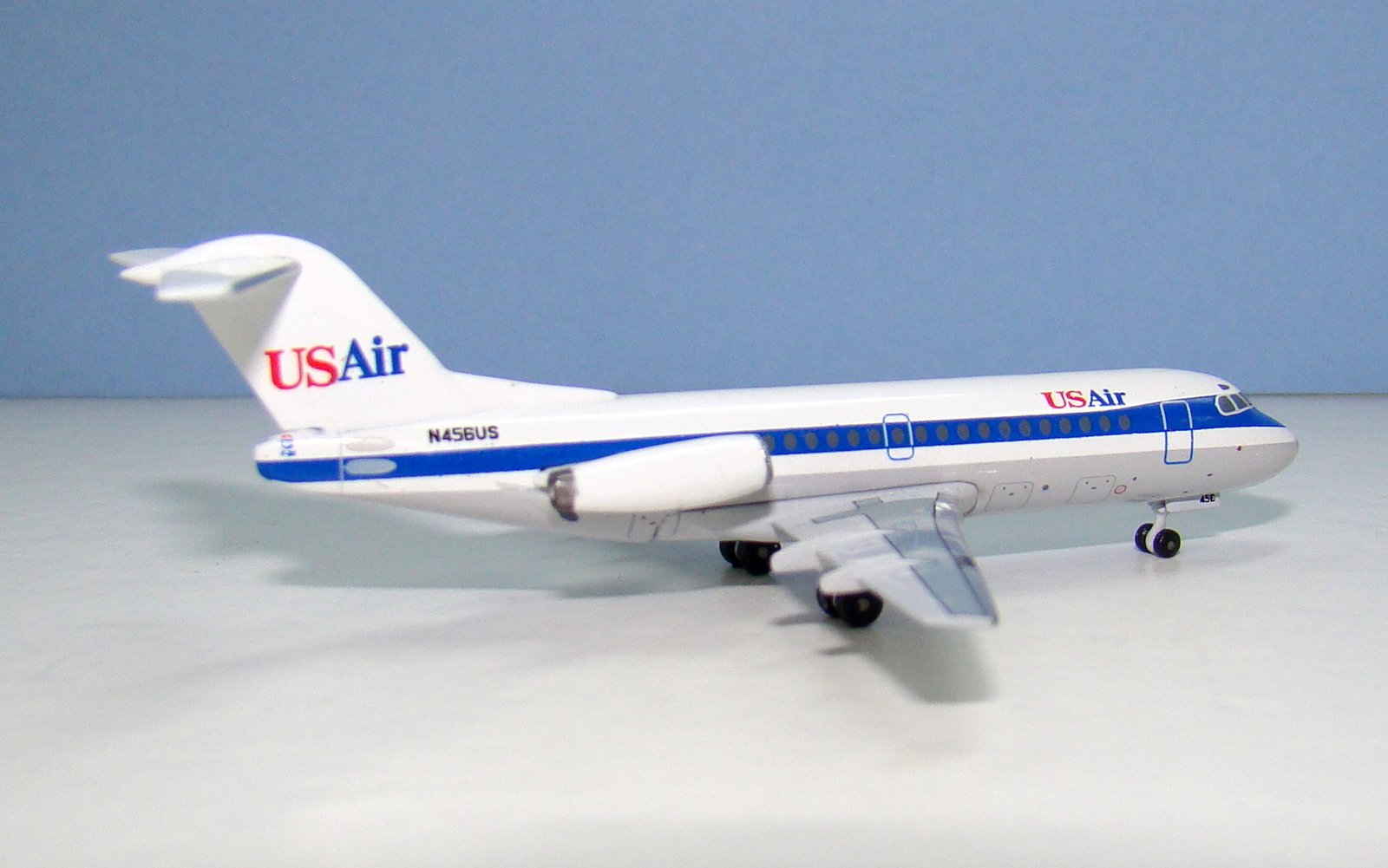
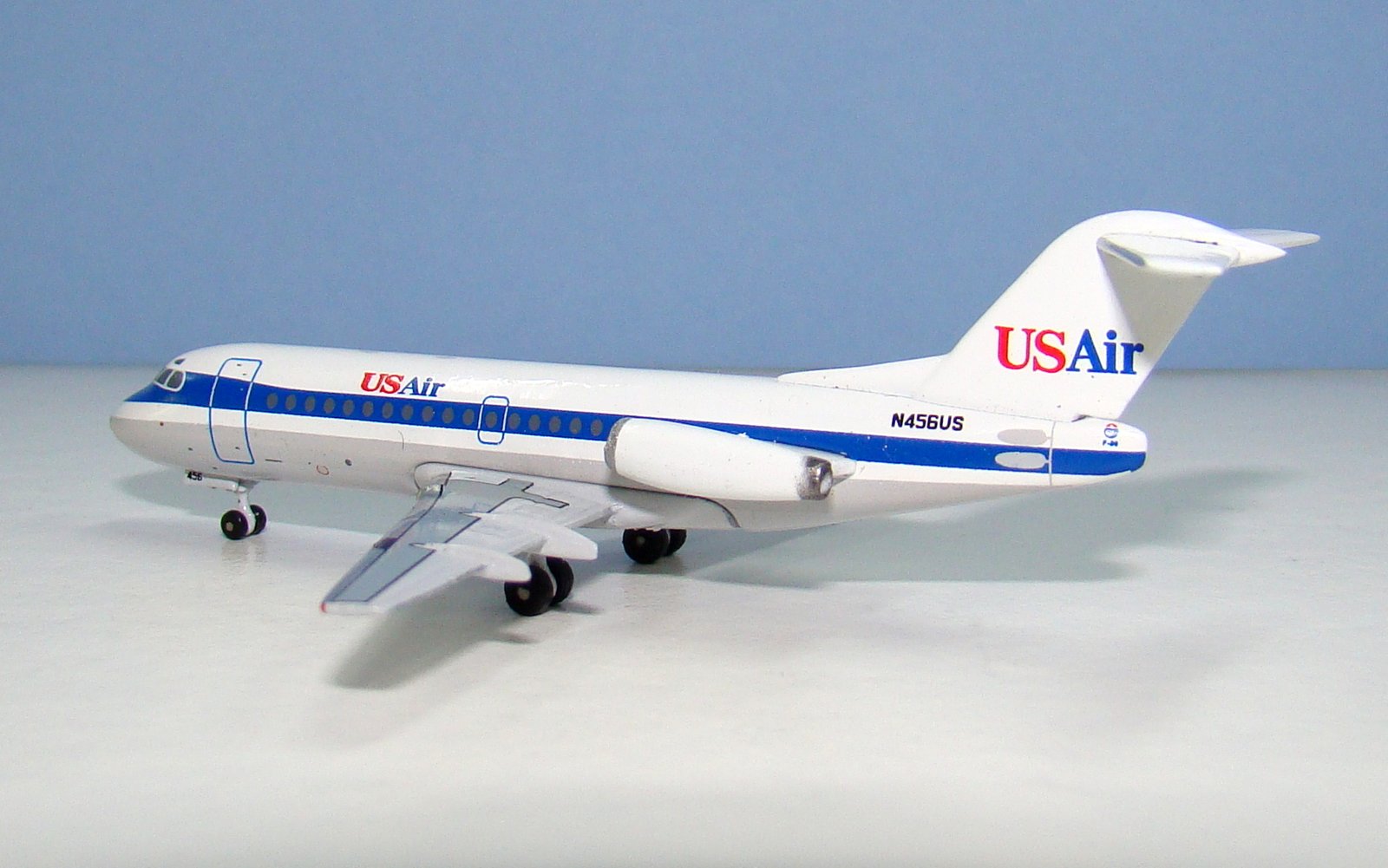
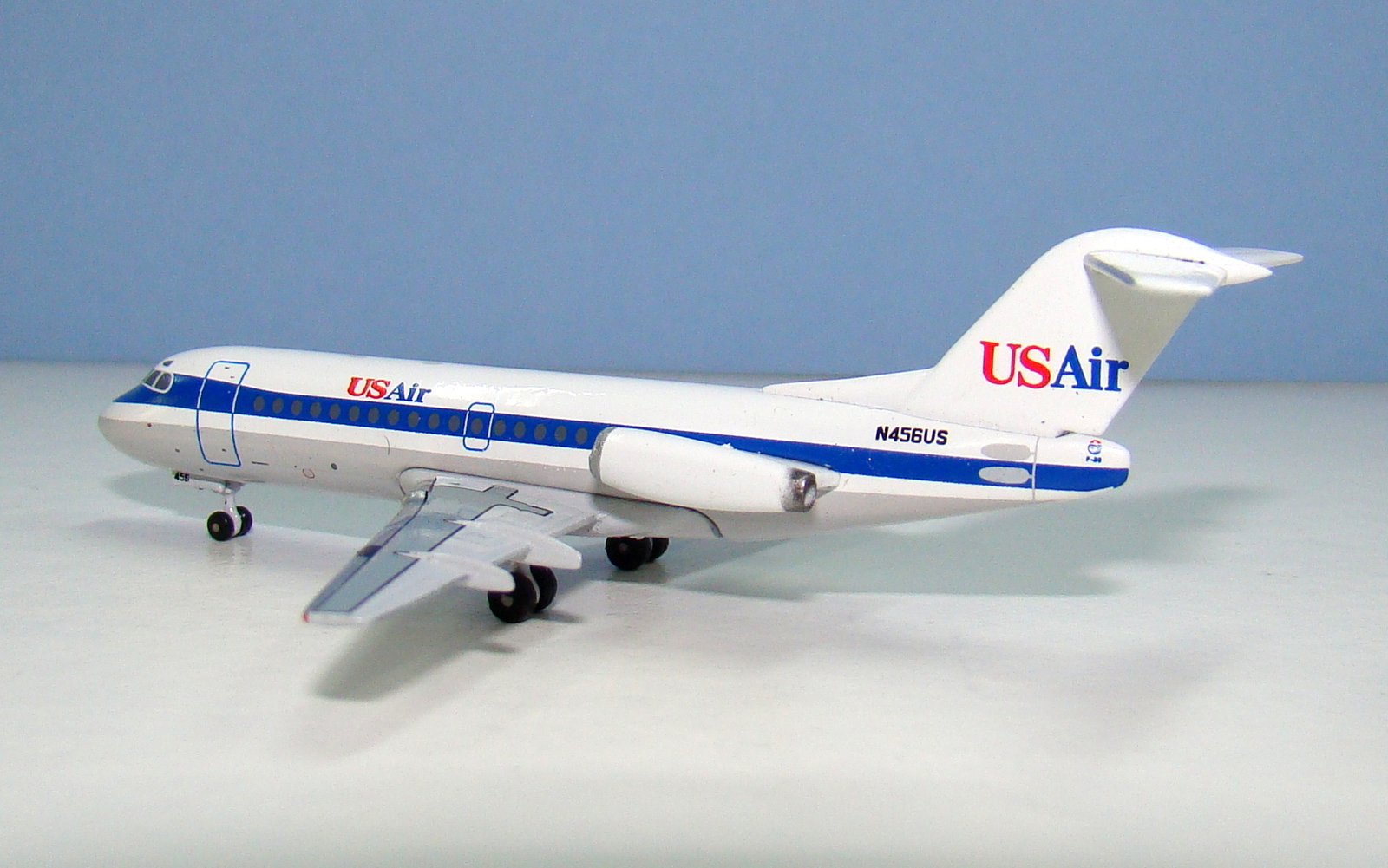
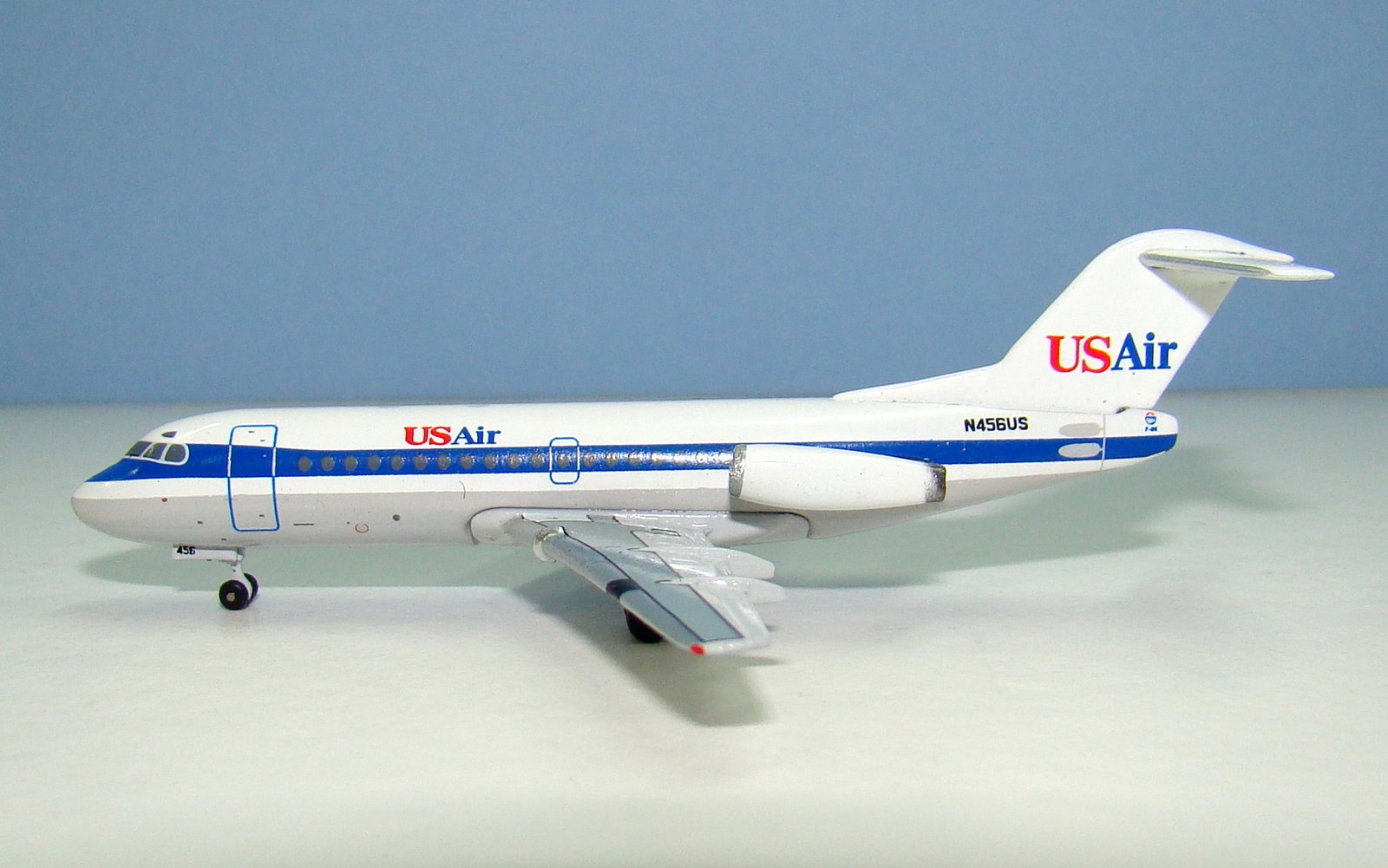
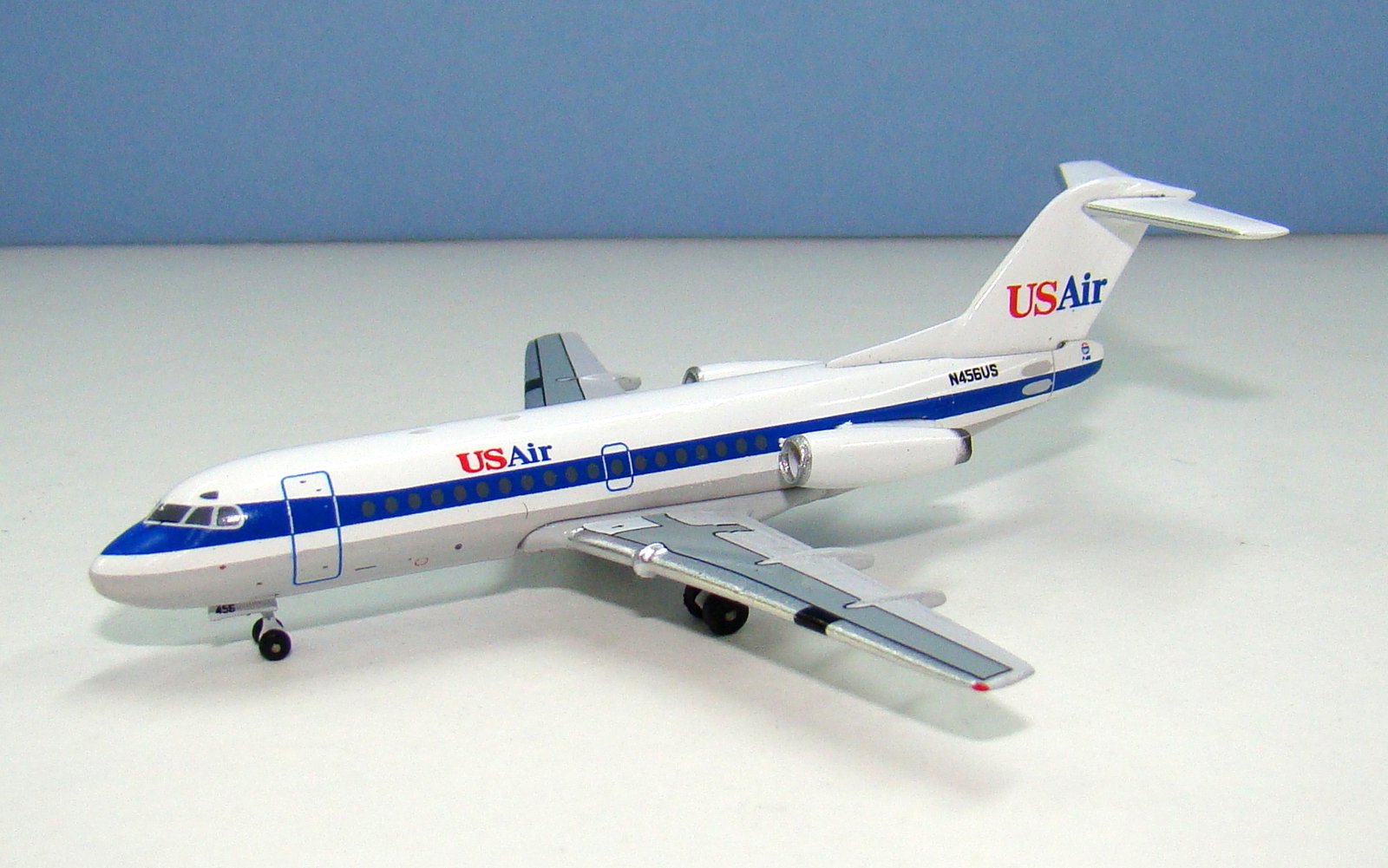
USAir Fokker 28-1000 N456US Aeroclassics 1:400 Scale Model Airliner
USAir Fokker 28-1000 N456US Aeroclassics 1:400 Scale Model Airliner
USAir Fokker 28-1000 N456US Aeroclassics 1:400 Scale Model Airliner
USAir Fokker 28-1000 N456US Aeroclassics 1:400 Scale Model Airliner
USAir Fokker 28-1000 N456US Aeroclassics 1:400 Scale Model Airliner
USAir Fokker 28-1000 N456US Aeroclassics 1:400 Scale Model Airliner
USAir Fokker 28-1000 N456US Aeroclassics 1:400 Scale Model Airliner
USAir Fokker 28-1000 N456US Aeroclassics 1:400 Scale Model Airliner
USAir Fokker 28-1000 N456US Aeroclassics 1:400 Scale Model Airliner
USAir Fokker 28-1000 N456US Aeroclassics 1:400 Scale Model Airliner
USAir Fokker 28-1000 N456US Aeroclassics 1:400 Scale Model Airliner
USAir Fokker 28-1000 N456US Aeroclassics 1:400 Scale Model Airliner
USAir Fokker 28-1000 N456US Aeroclassics 1:400 Scale Model Airliner
The F28-1000s began to leave the fleet from 1991 with the majority gone by the end of 1993. A few went to Horizon Air on lease but in the end all ended up at Canadian Regional. As such the original Piedmont shuttle services were no longer the same however in January 1993 USAir actually launched a major expansion and christened this as the “USAir Florida Shuttle”. The upgraded services included hourly departures between Miami, and Orlando and Tampa as well as increased services to 16 other Florida cities. The new services increased USAir’s Florida network to 330 daily flights and involved the acquisition of four new aircraft (presumably 737s).
N480Au - one of the F28-4000s in 1990. Photo by JetPix from Wikipedia
Nonetheless the new Florida Shuttle was built around reliability and frequency and not price and USAir actively stated that the new services would not include lower fares. It was aimed at the business traveller and included membership of the USAir Florida Shuttle Club. This no doubt left USAir open to price cutting competition and the shuttle services obviously proved unsuccessful.
N480Au another series 4000 at Miami in late 1992. Photo by JetPix from Wikipedia
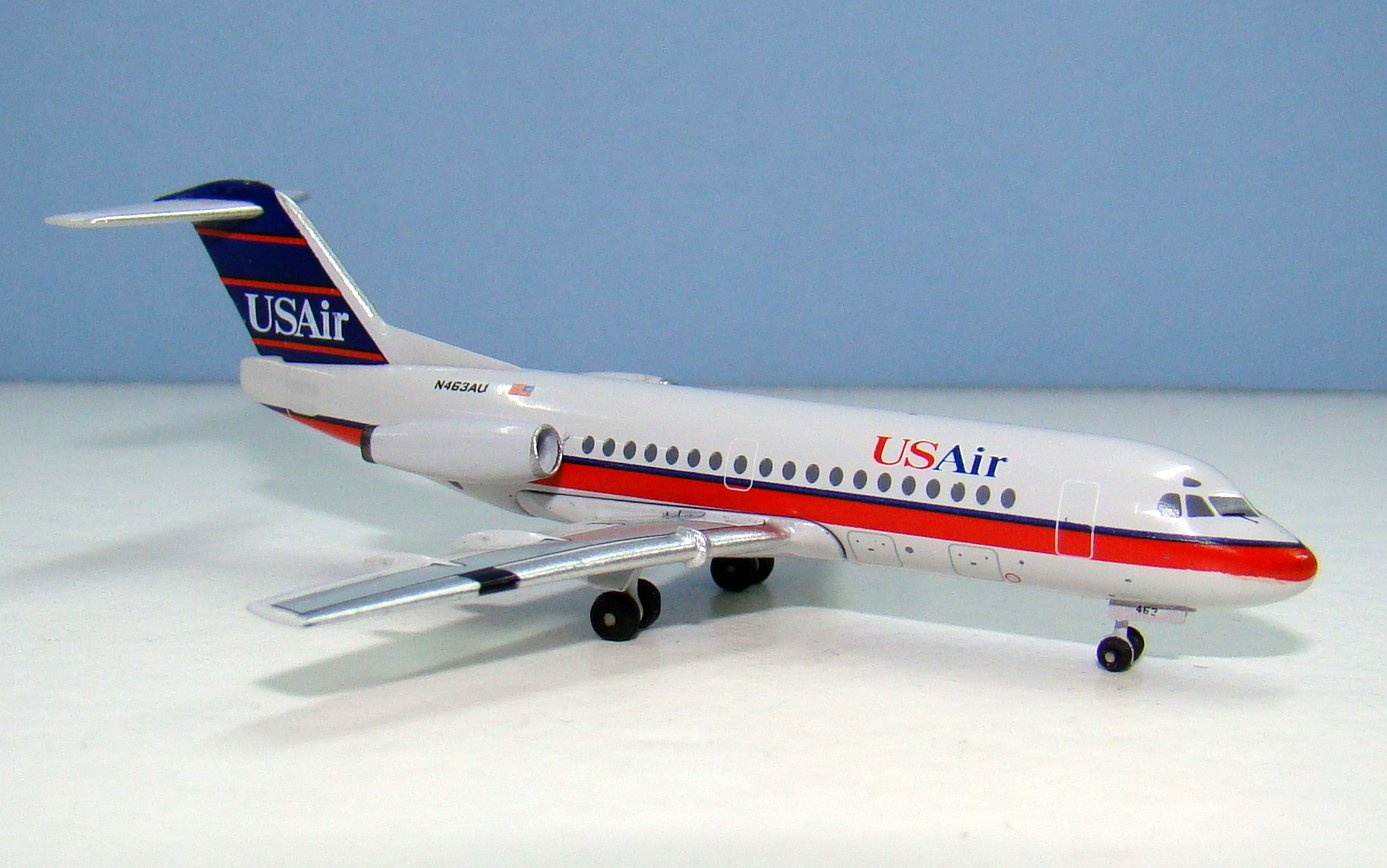
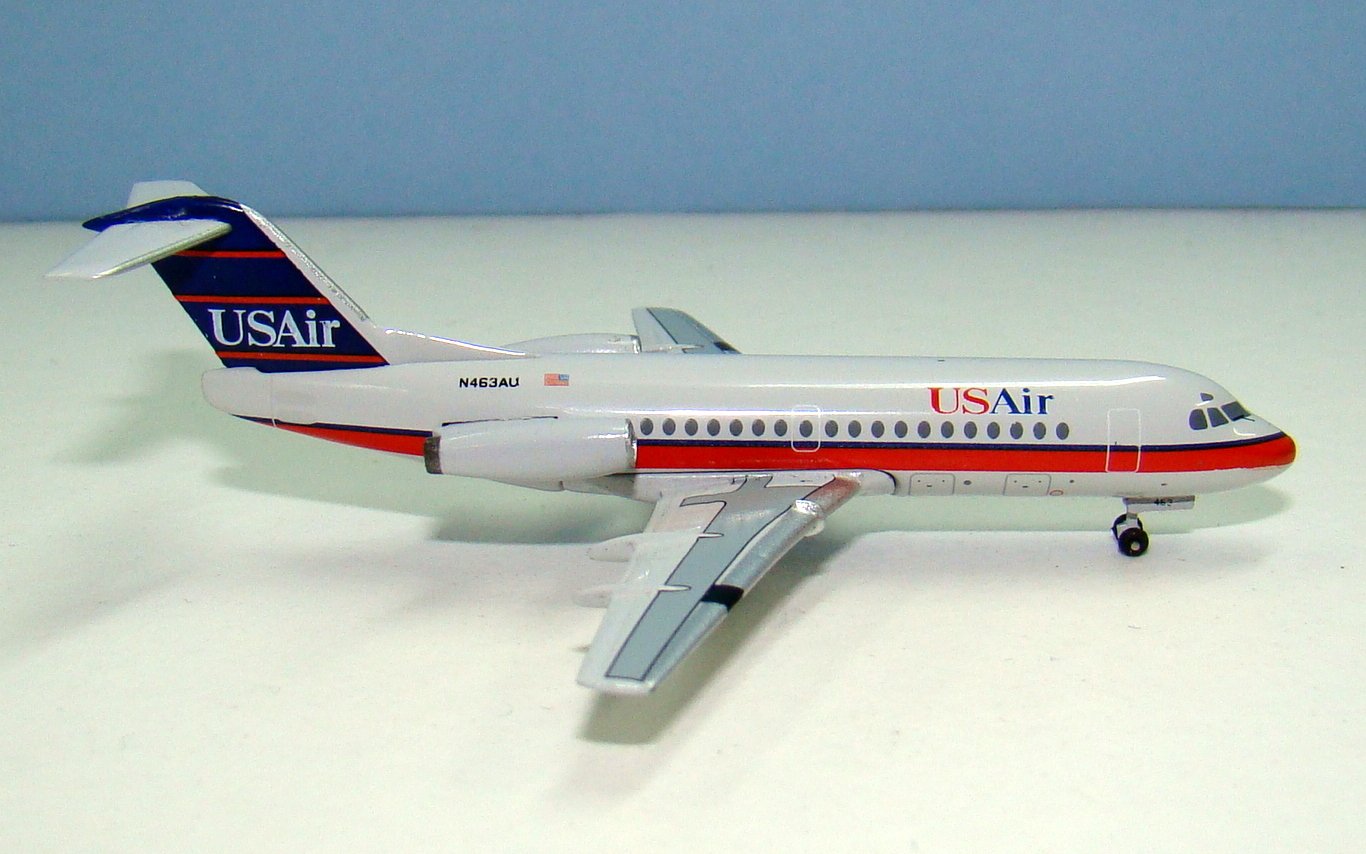
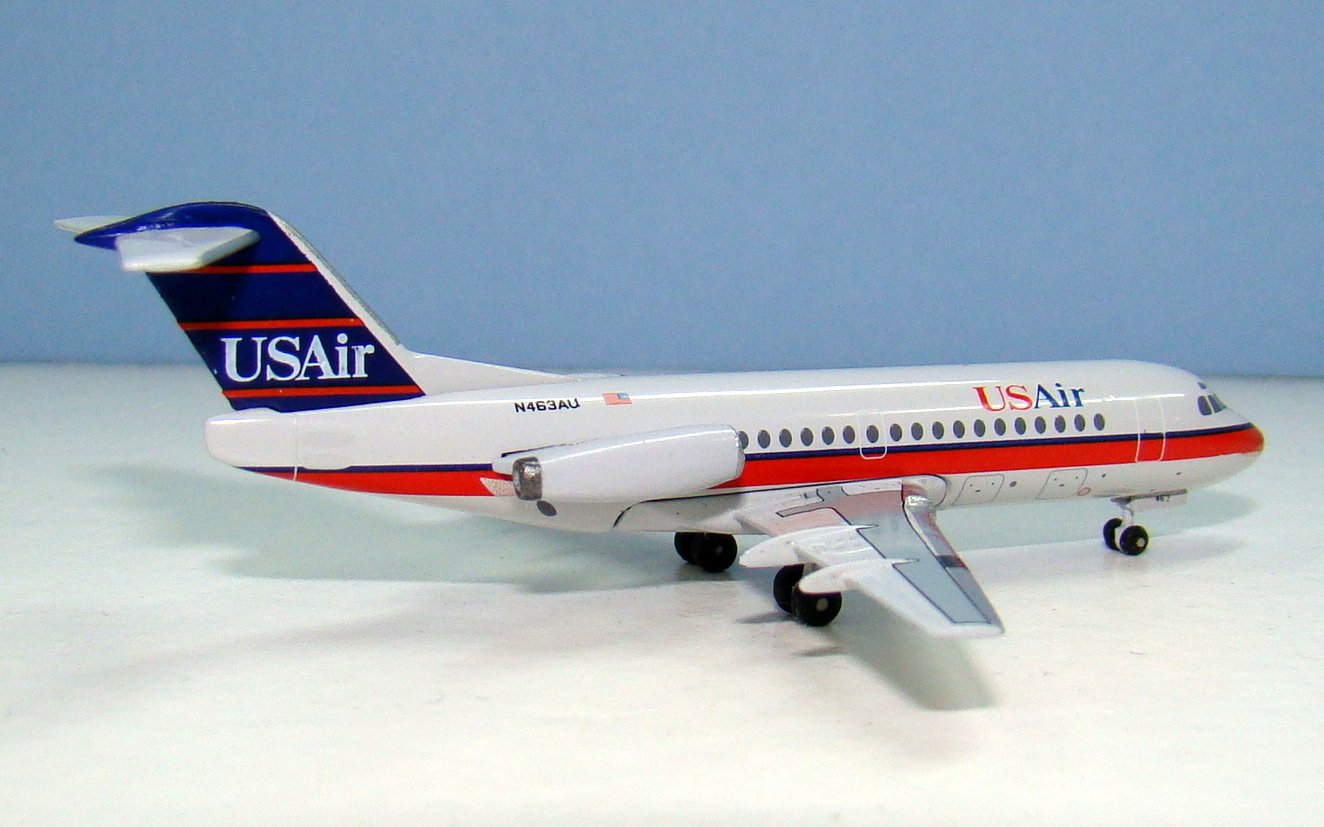
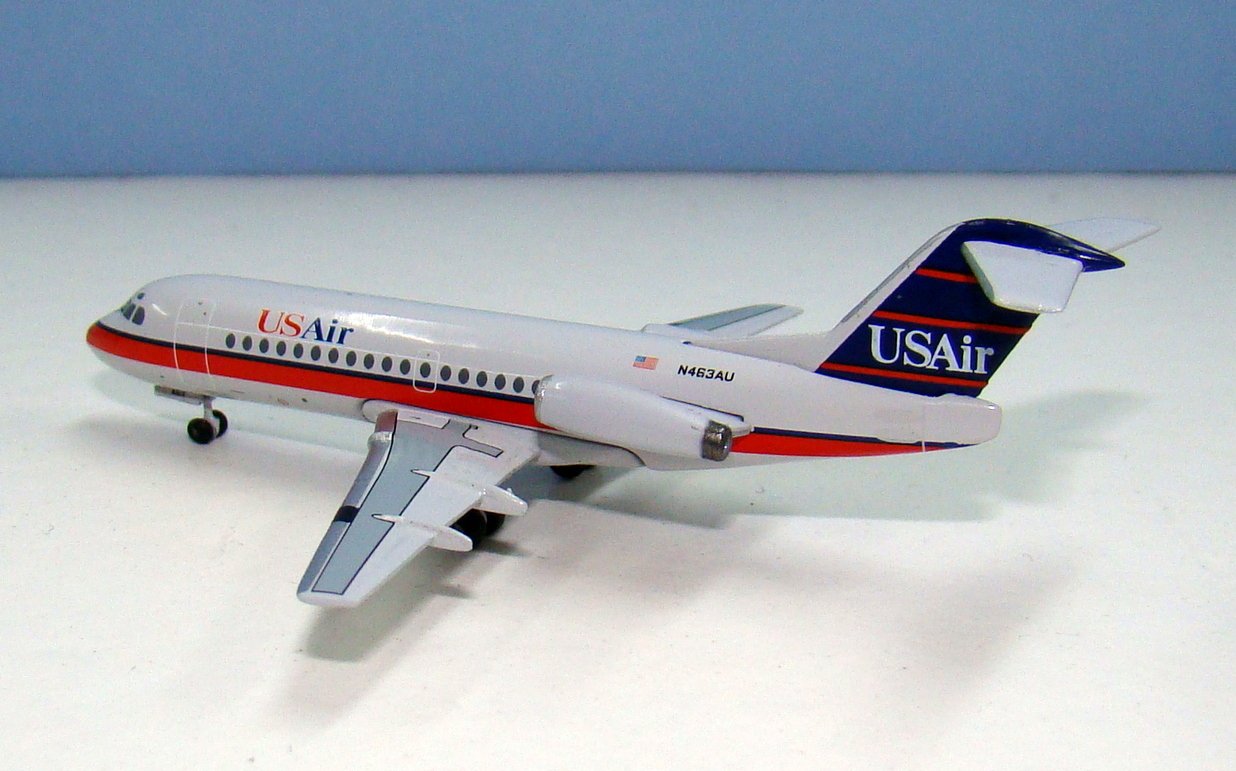
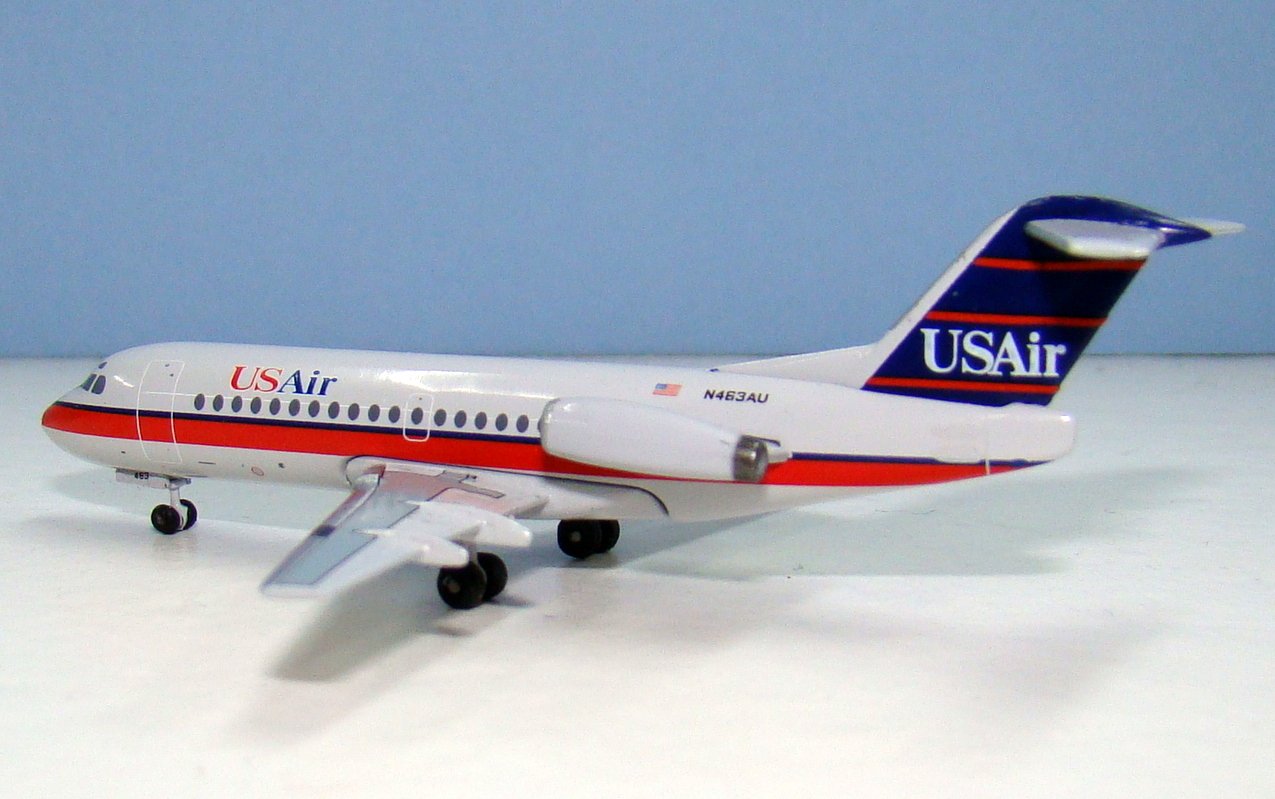
USAir Fokker 28-1000 N463AU Aeroclassics 1:400 Scale Model Airliner
USAir Fokker 28-1000 N463AU Aeroclassics 1:400 Scale Model Airliner
USAir Fokker 28-1000 N463AU Aeroclassics 1:400 Scale Model Airliner
USAir Fokker 28-1000 N463AU Aeroclassics 1:400 Scale Model Airliner
USAir Fokker 28-1000 N463AU Aeroclassics 1:400 Scale Model Airliner
USAir Fokker 28-1000 N463AU Aeroclassics 1:400 Scale Model Airliner
USAir Fokker 28-1000 N463AU Aeroclassics 1:400 Scale Model Airliner
USAir Fokker 28-1000 N463AU Aeroclassics 1:400 Scale Model Airliner
USAir Fokker 28-1000 N463AU Aeroclassics 1:400 Scale Model Airliner
USAir faced with massive losses began closing areas of operation not central to its business and focused instead on its traditional East Coast operations. Florida’s importance dwindled and the shuttle operation was abandoned in 1995. The primary factors appear to have been the weak state of USAir itself plus strong competition from Delta and the arrival of Southwest Airlines on the scene. The Piedmont / USAir merger was far from a success and it would be easy to blame USAir for the eventual failure of the strong Florida niche that Piedmont had built up. Nonetheless for almost a decade the trusty little Speedbird Fokkers carved out an important presence on the Florida scene.