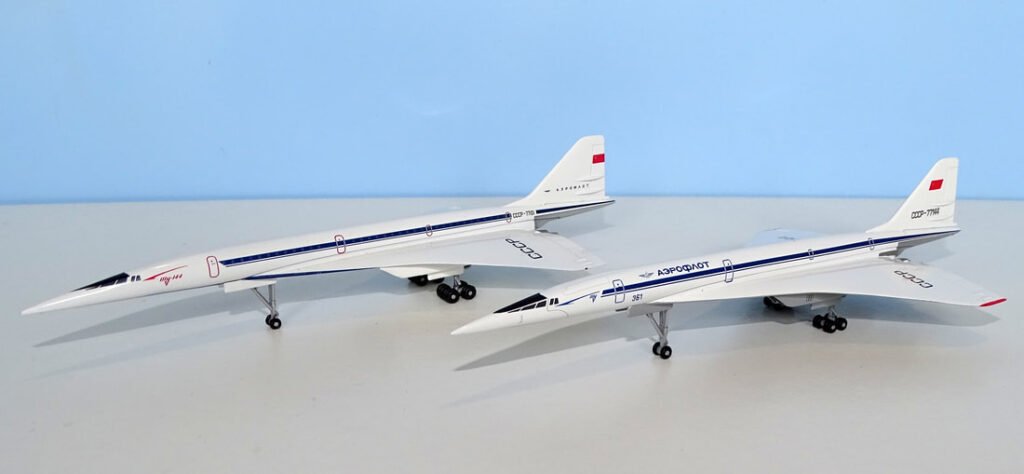
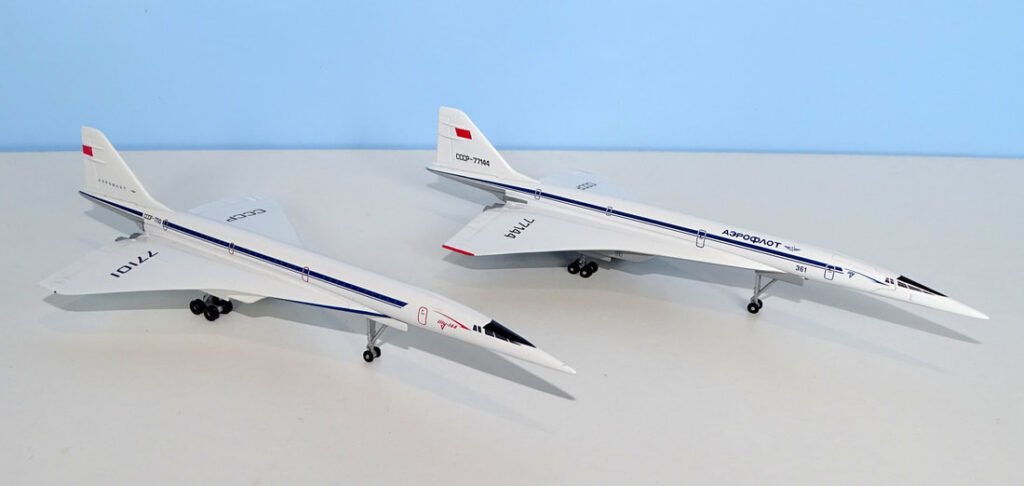
The Tupolev 144 (NATO codename ‘Charger’) is a magnificent looking airliner that pushed Soviet technology to the brink and beyond it. The race to create supersonic passenger airliners was one that faced a range of almost insurmountable problems and in the USSR this led to the continued production of an aircraft that would never have gotten as far as it did if it were made in the West. The Tu-144 was certainly not a success and it wouldn’t be out of step to label it a disaster, but the resulting aircraft was without a doubt one of the most impressive civil types ever built.
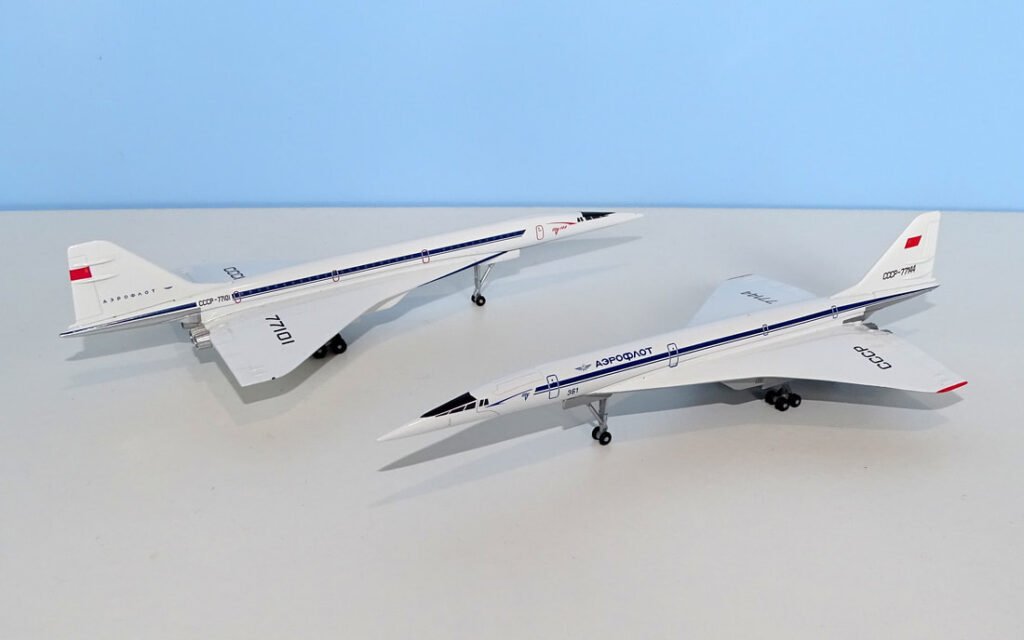
The 1960s was a time to dream and the dream of supersonic passenger airliners being the mainstream was one that would abruptly stall in the face of economic and environmental common-sense. Of course the Soviet Union wasn’t about to succumb to either of those and in the context of the Cold War programmes like the Tu-144 were as much about prestige and propaganda as reality.
The Soviet ‘business case’ for the Tu-144 is enlightening. As the world’s largest country the huge distances and primitive infrastructure meant that air travel could save huge amounts of time. In 1962/63 Aeroflot already had calculated that it saved nearly 25 hours per journey compared to surface travel and forecast a Mach 2 SST would increase that saving to 36 hours. Of course in the command economy of the Soviet Union air travel wasn’t the remit of businessmen and tourists. The passengers would mostly be important people – doctors, scientists, engineers and of course army officers and Communist party officials. When the timesavings were costed against how much these people were costed at the sums made sense for an incredible 75 SSTs.
This is all the more incredible because in this context the SST was primarily a domestic people-mover not for use on international segments. The question of the sonic booms all these SSTs would create was completely ignored.
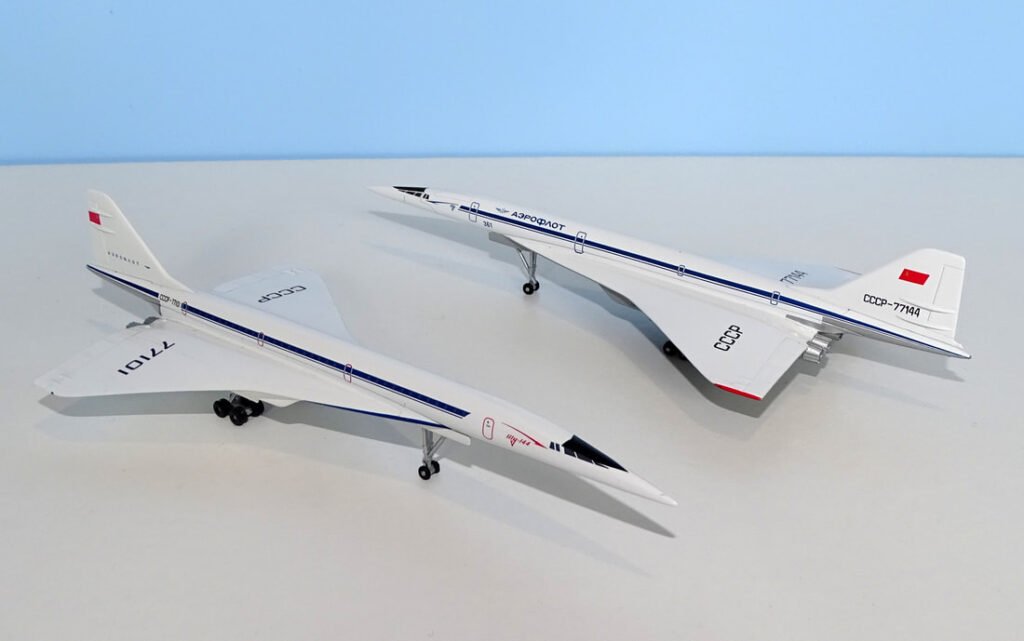
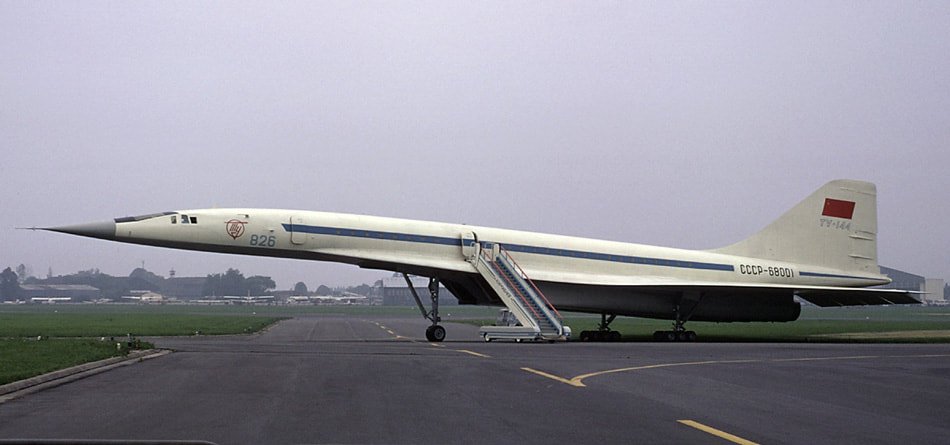
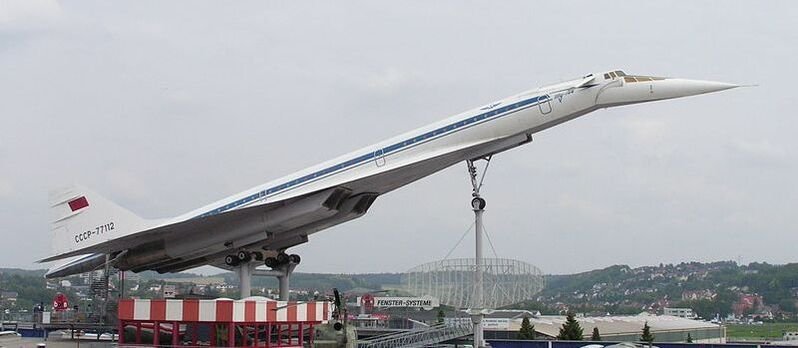
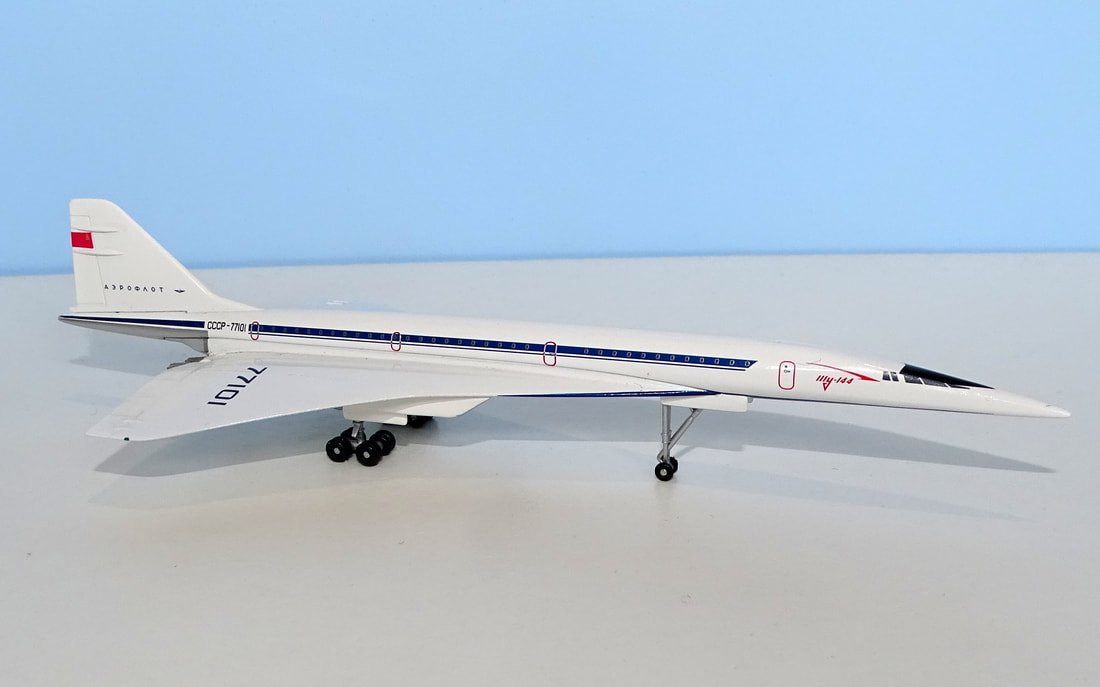
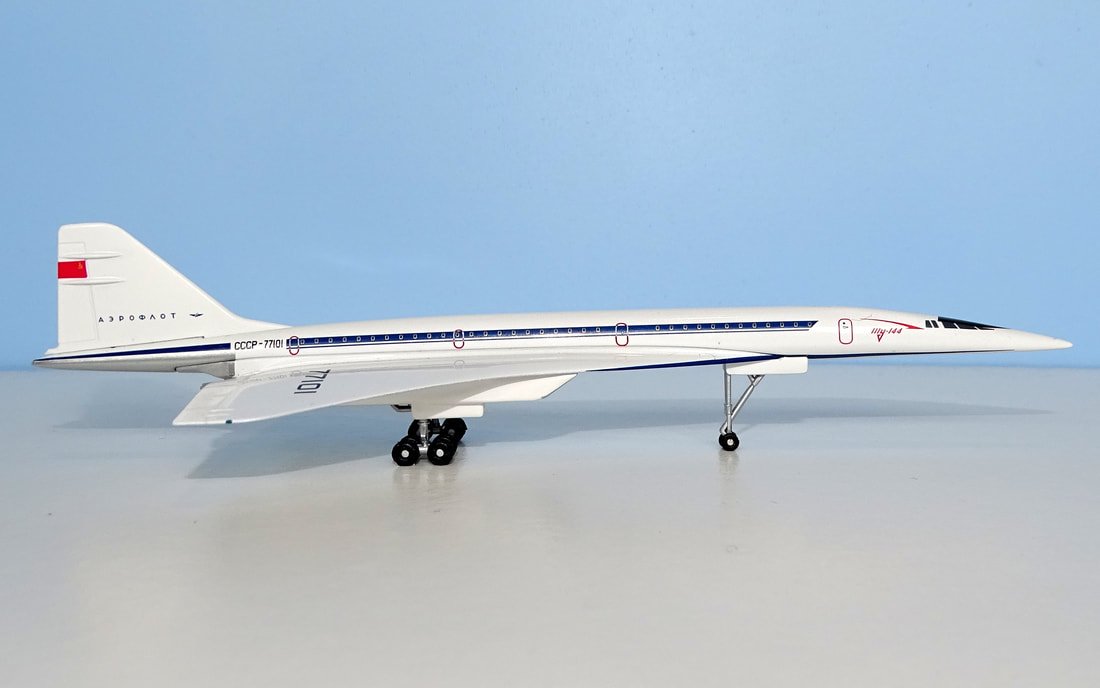
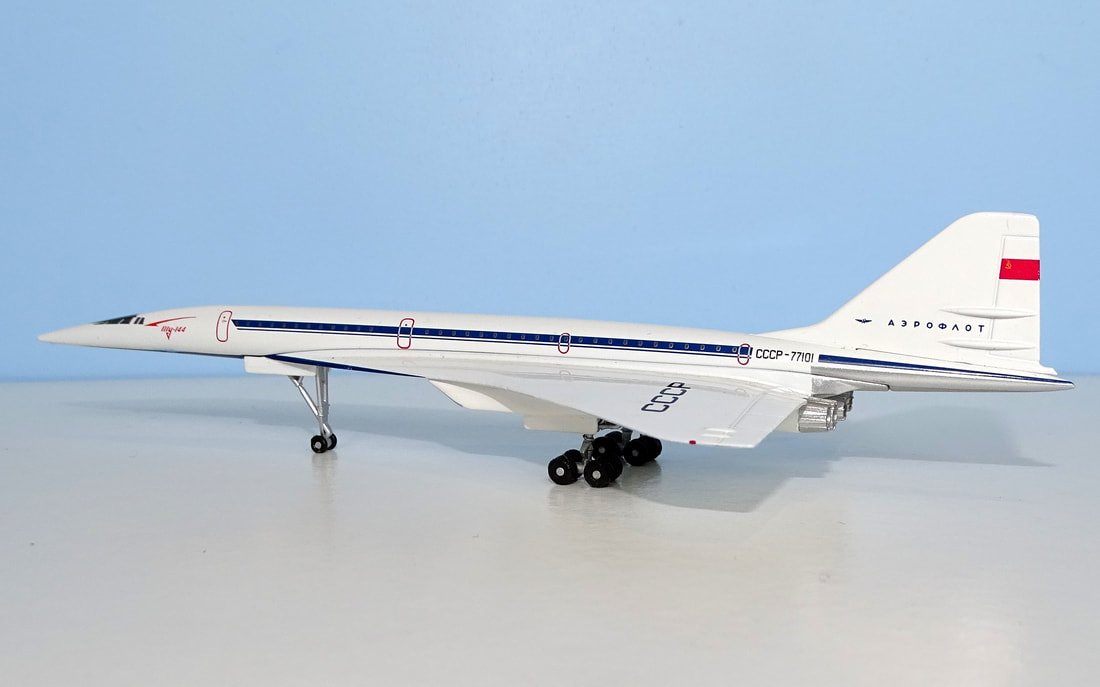
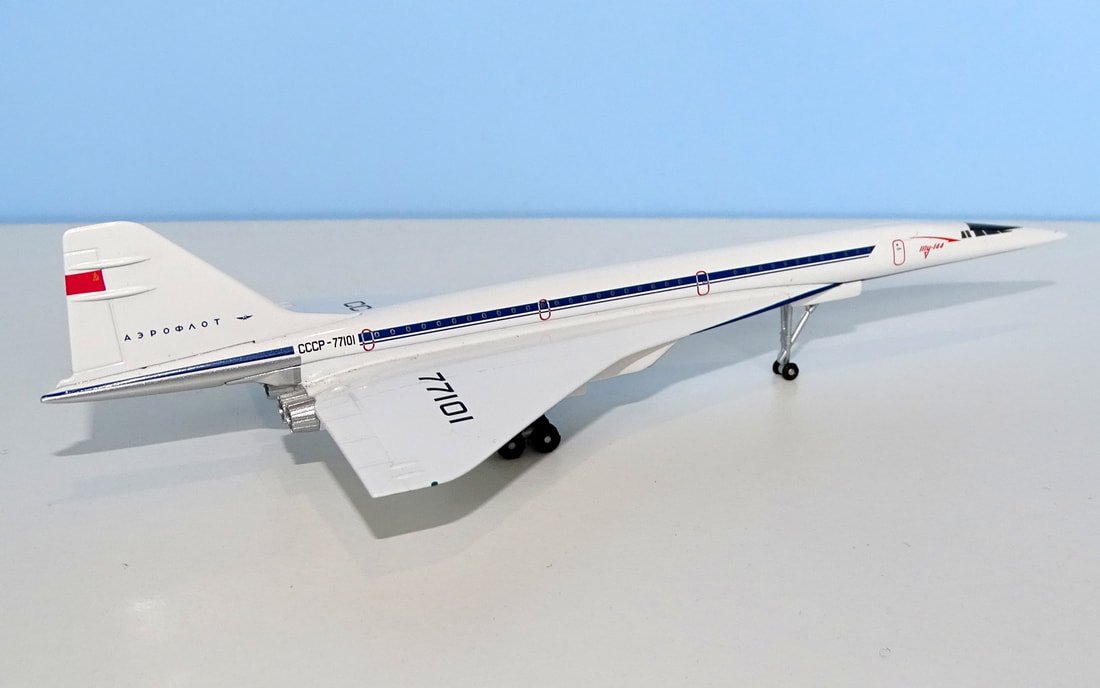
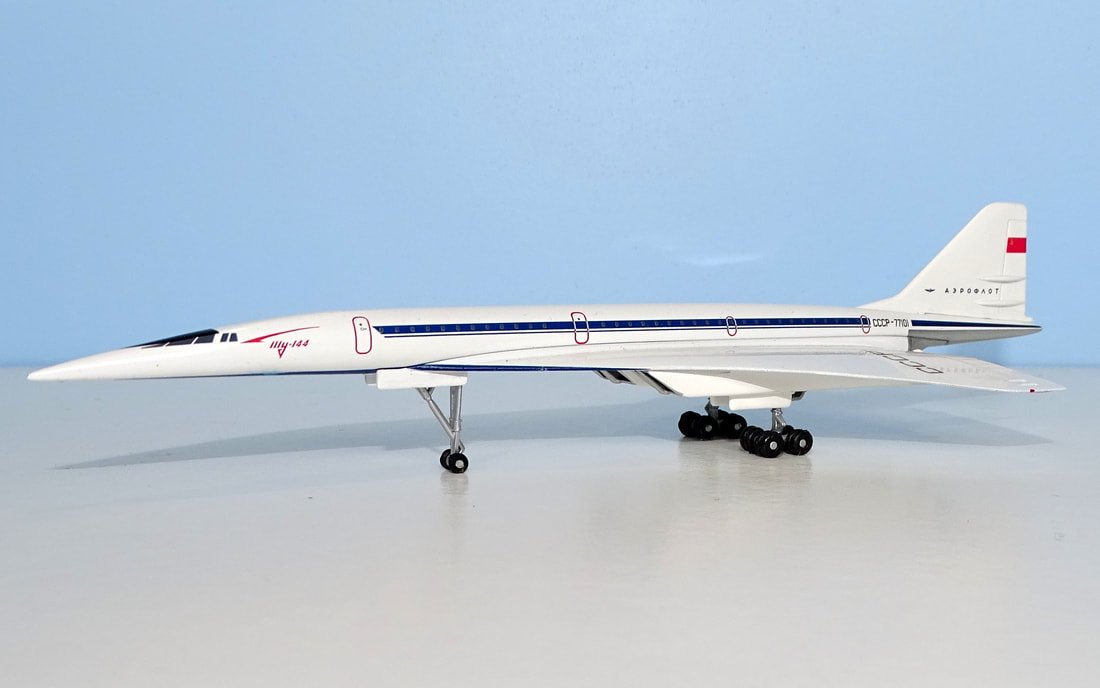
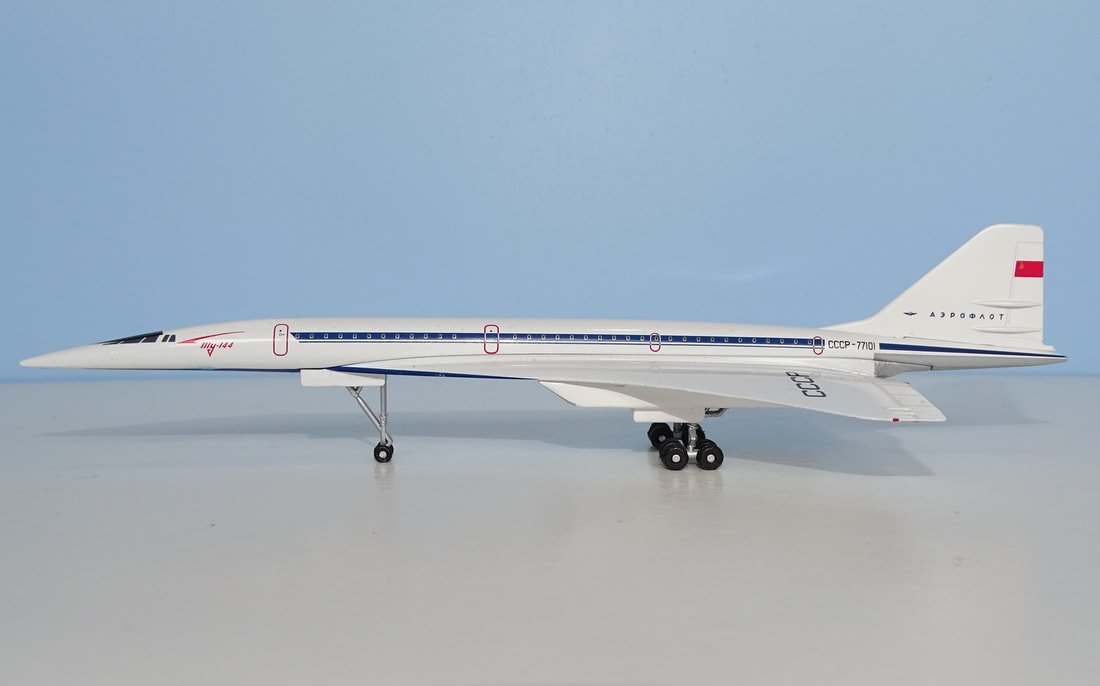
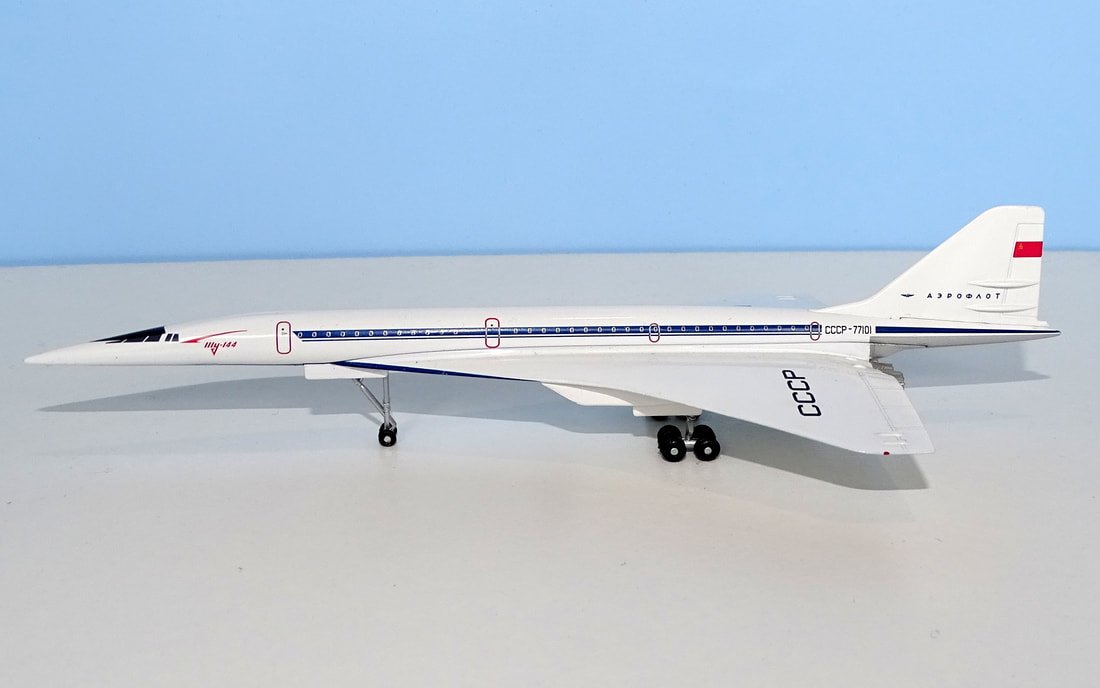
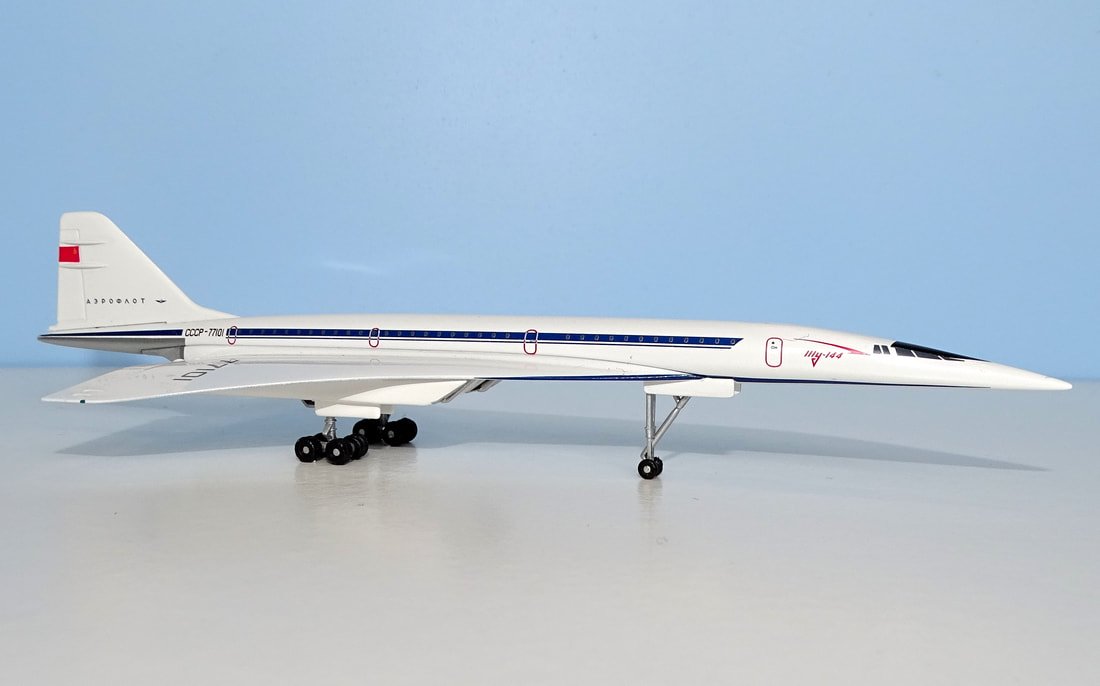
Plus of course the programme was staggeringly expensive and had severe knock-on impacts on other Tupolev projects, especially the far more useful Tu-154. None of this stopped service entry from taking place on December 26, 1975 albeit initially only in the form of cargo flights between Moscow and Alma Ata. The 2,026 miles (3,260 km) could be covered in under 2 hours.
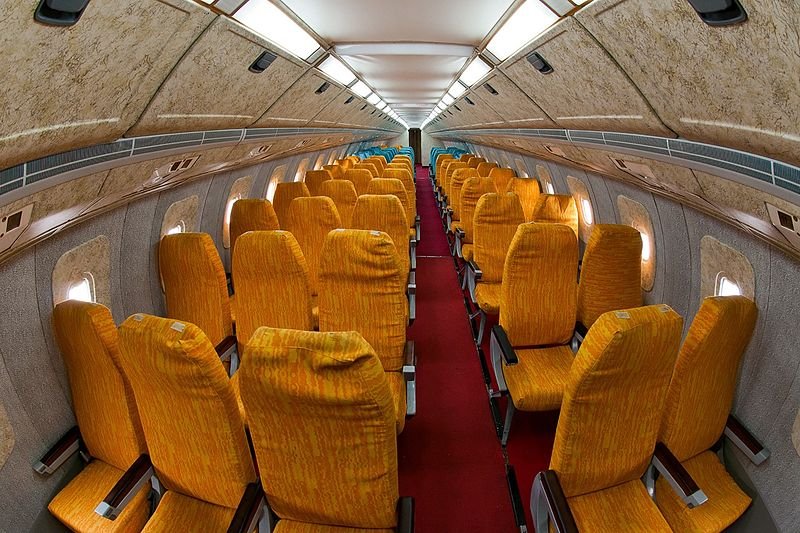
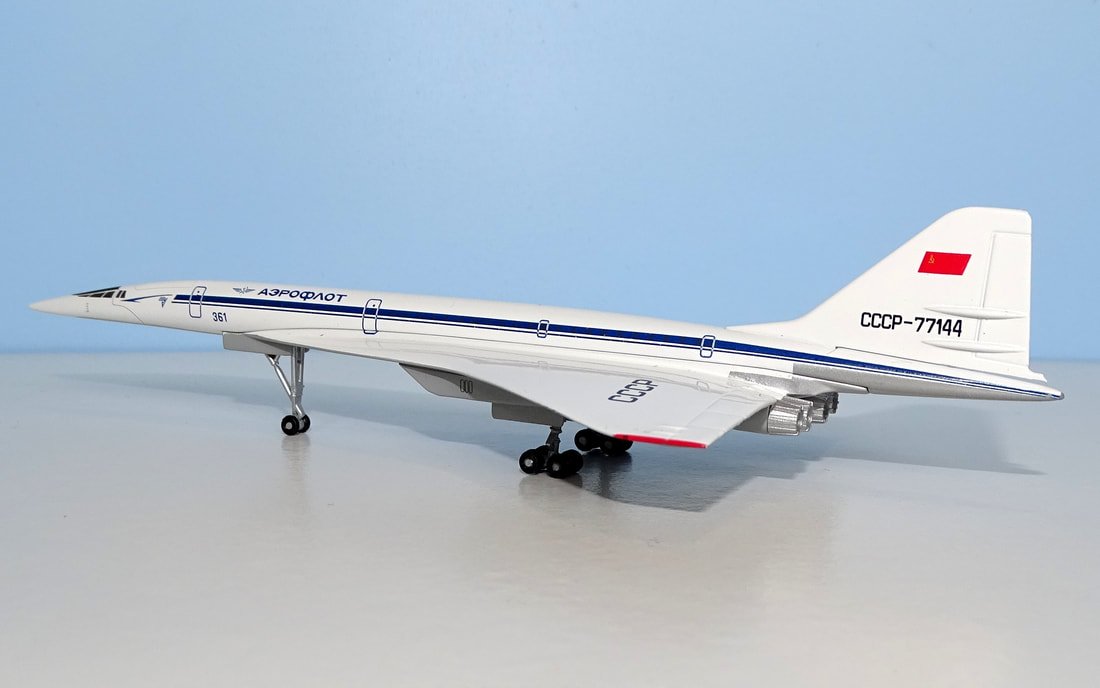
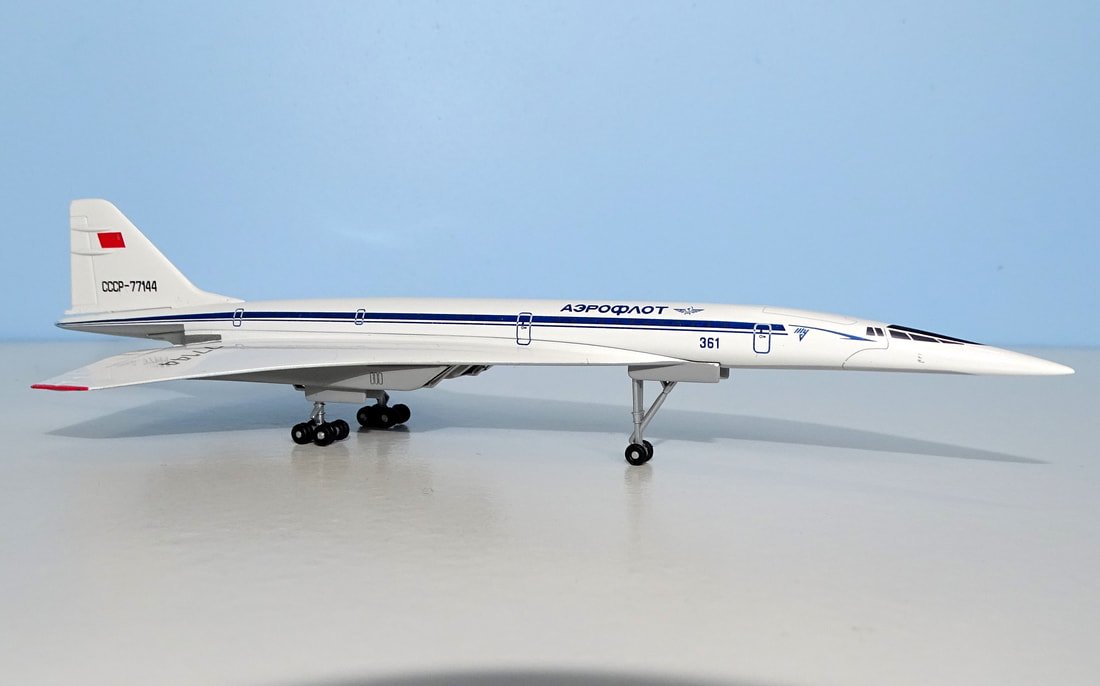
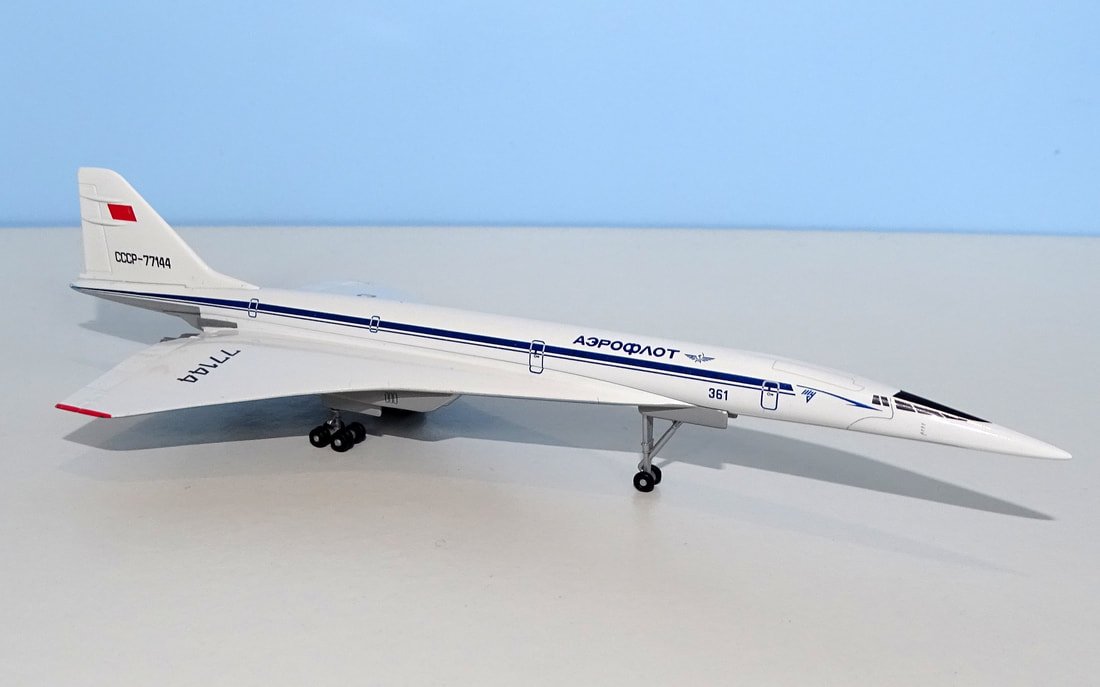
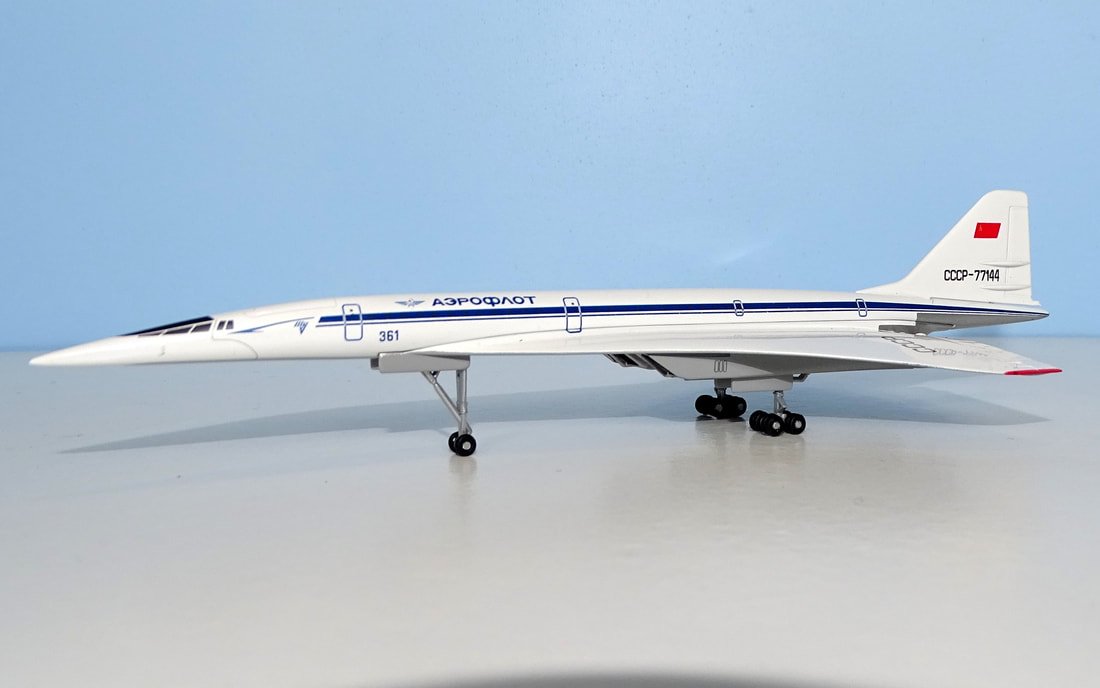
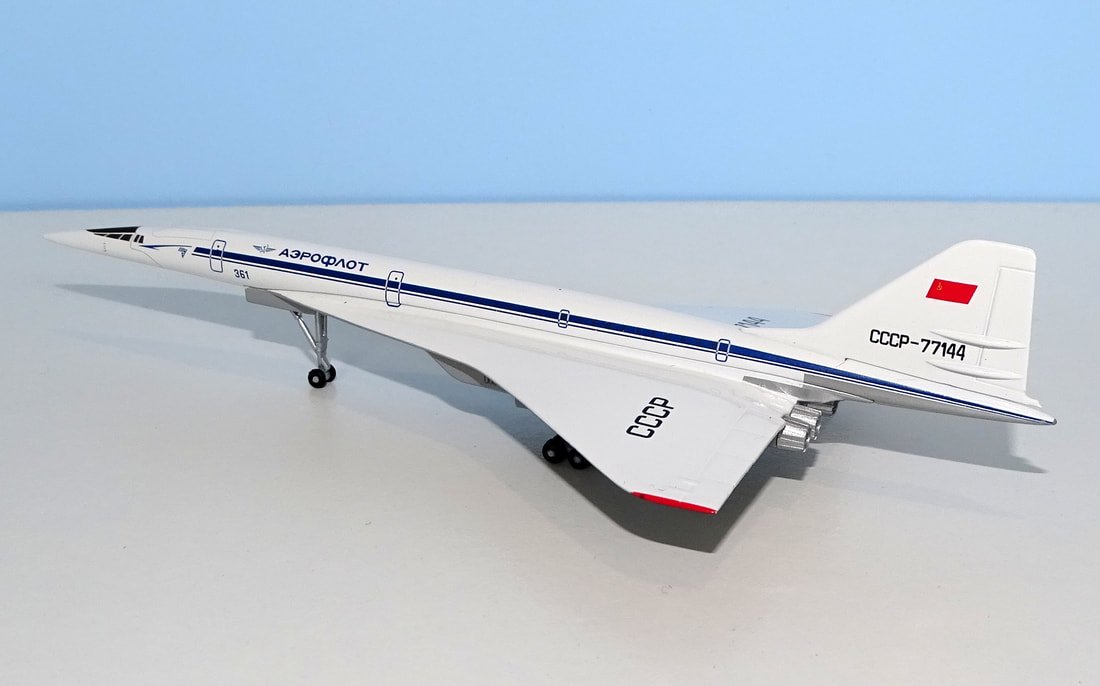
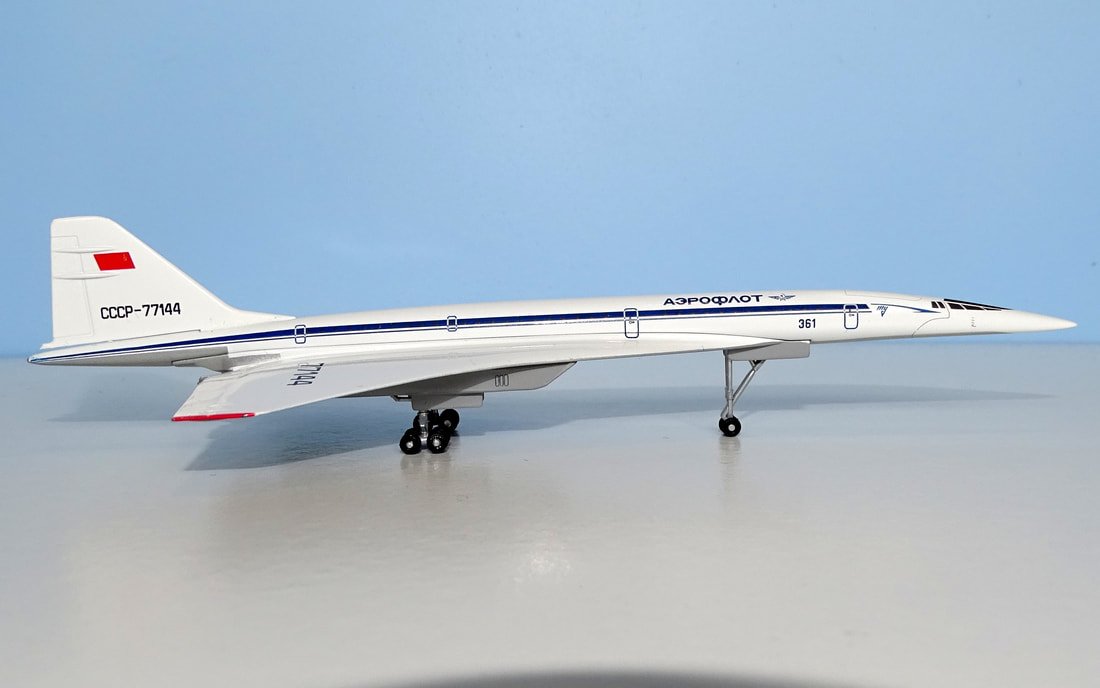
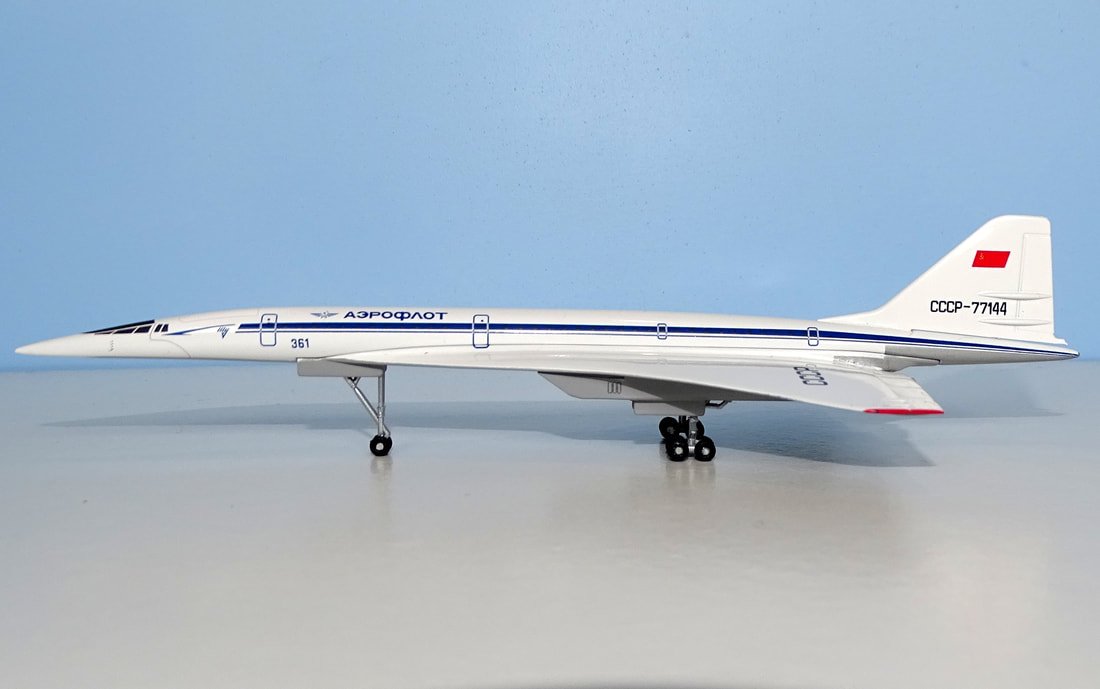
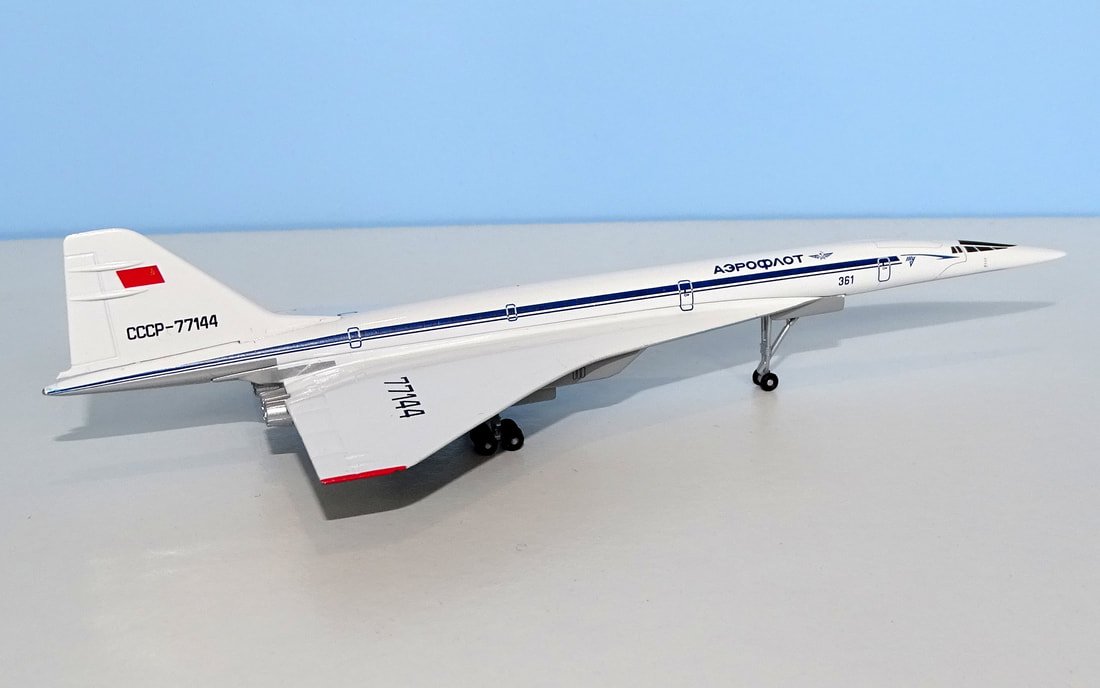
Only two aircraft were ever used for passenger services and only 3,194 passengers were ever carried (an average of 58 per flight – far below capacity). In the end 102 passenger flights were undertaken before passenger services were cancelled on June 1, 1978. During this period the aircraft suffered 226 failures, 80 of them inflight. The final nail in the coffin seems to have been the crash of an updated Tu-144D on May 23rd but clearly the aircraft was not fit for purpose and had no sensible role to perform even if it was.
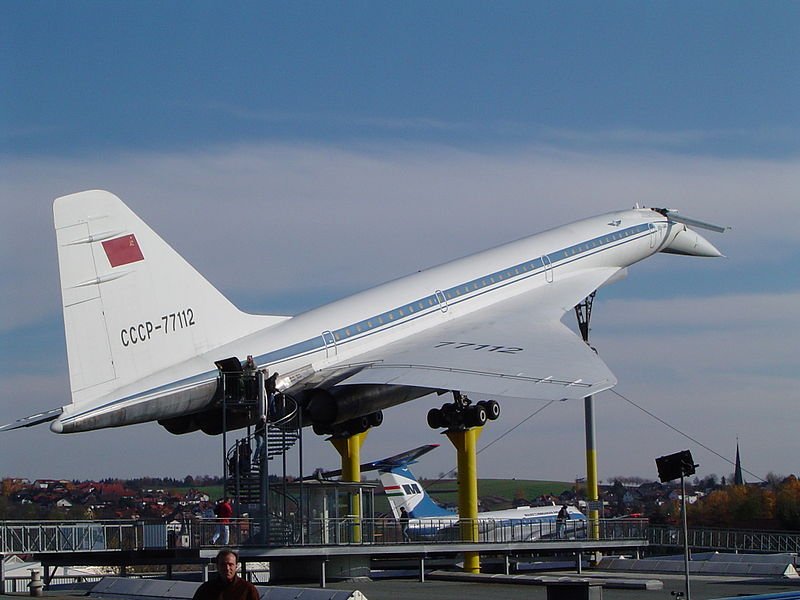
This was not the end of the Tu-144’s story however it never flew paying passengers again. This is only a very minor description of the history of the type. The political, intelligence, technical aspects and later history of the design are outside the scope of this short blog article. The tu144SST website is a great resource for further exploration online of the aircraft. Although truly spectacular and a real achievement for the Soviet state the Tu-144 can’t be seen as anything but a glorious failure and one that should have never been pushed as far as it was. It nevertheless stands as a tribute and symbol of the Soviet state for both good and bad.
References
Tupolev Tu-144 Charger. Airplane No 120. Orbis
October 2003 Zacharias, S. Tupolev Tu-144: Winner of a Lost Battle. Airliner World.
Nov/Dec 2004. Mellberg, W. Tu-144: The World’s First SST. Airliners No 90